 Cykeo RFID IoT Solution Products R&D Manufacturer
How do I install RFID antennas to avoid common interference issues?
1283Learn how to install RFID antennas correctly and avoid interference issues. Step-by-step guide for warehouses, factories, and retail environments.
MoreAll RFID Product
When people first get into RFID projects, they usually pay a lot of attention to the reader itself, sometimes even the tags, but the antenna is what really makes or breaks the system. Among different options, the antenna RFID linear type is one that often sparks questions: when should you use it, and how do you get the most out of it?
A linear RFID antenna sends radio waves in a straight line, in one fixed orientation—either horizontal or vertical. This gives it a sharper, longer reach compared to circular antennas. The catch? If your tags are not aligned in the same direction as the antenna, your read rate may drop.
I remember once setting up a gate checkpoint for pallets. The linear antenna had fantastic range, but only after we standardized how the labels were applied. Before that, some boxes would read instantly while others slipped through like ghosts. It’s not about the spec sheet—it’s about alignment.

But these advantages only matter if your environment is under control. If tags are spinning around, such as in a conveyor or messy warehouse, you’ll quickly notice missed reads.
There’s a temptation to go for the strongest-looking spec, like 12 dBi gain and narrow beam width. On paper, it feels powerful. In practice, that narrow beam can be a headache. Once I tried using such an antenna to cover a wide loading dock. The result? I ended up with dead zones and had to reposition the hardware multiple times. If your tags don’t have predictable orientation, a circular option or a mix of both is often more reliable.
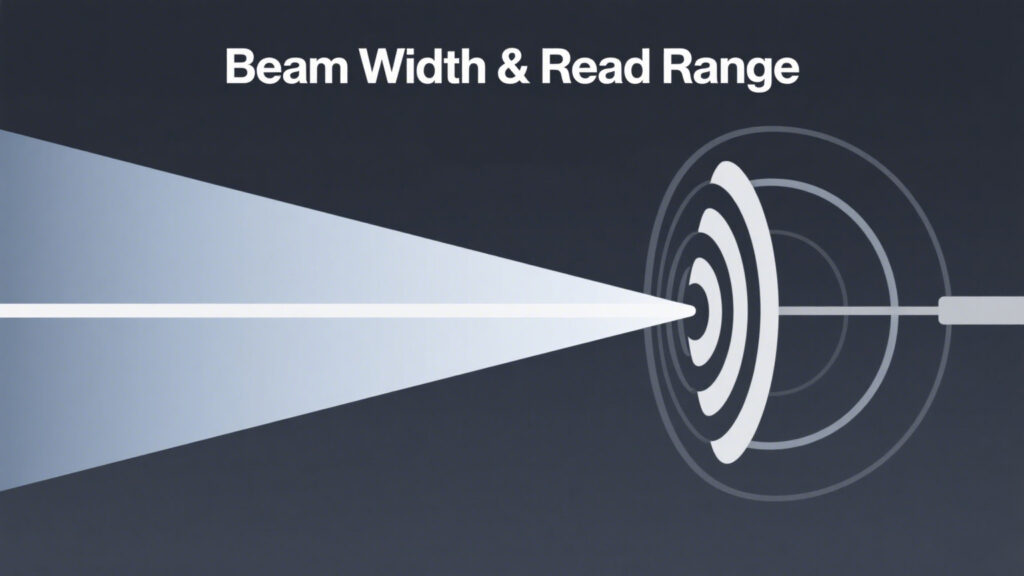
Before committing to a full deployment, I always run a “tag walk test.” Hold a tagged item and walk slowly through the read zone at different angles. You’ll immediately see whether the linear polarization is a good match. This five-minute test can save you weeks of troubleshooting later.
The antenna RFID linear type is powerful, but it’s not a universal solution. Use it where you can control tag orientation and need long-range, high-penetration reads. Skip it when your environment is chaotic or tags spin freely. Specs are useful, but in the field, it comes down to positioning, alignment, and good old trial and error.
If you approach it with that mindset, linear RFID antennas can give you a rock-solid system instead of just another piece of hardware on paper.
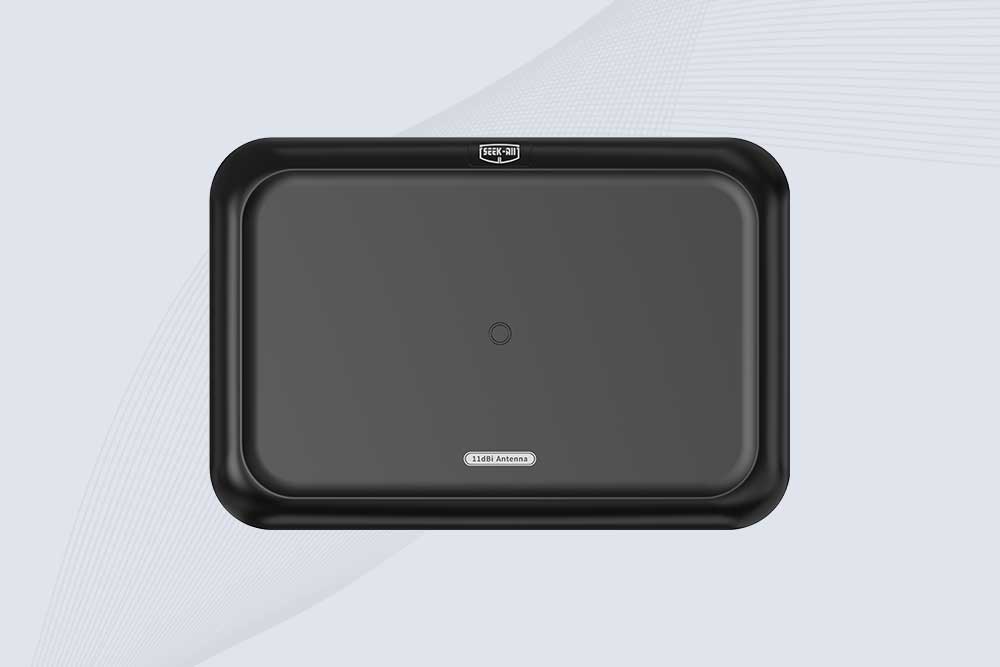
SSD-A11 UHF RFID antenna features 840–960 MHz adjustable frequency, ≥10.5 dBi gain, circular polarization and 50Ω impedance for fixed RFID systems.
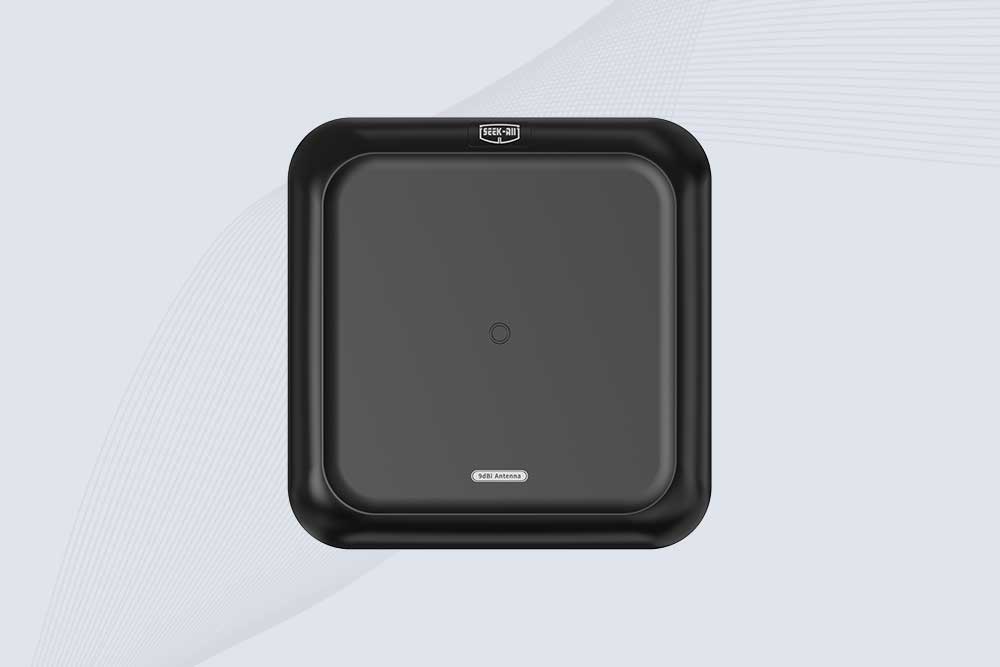
SSD-A09 is a 9 dBi UHF RFID antenna with 840–960 MHz adjustable frequency, circular polarization, 50Ω impedance and directional 60° × 60° coverage.
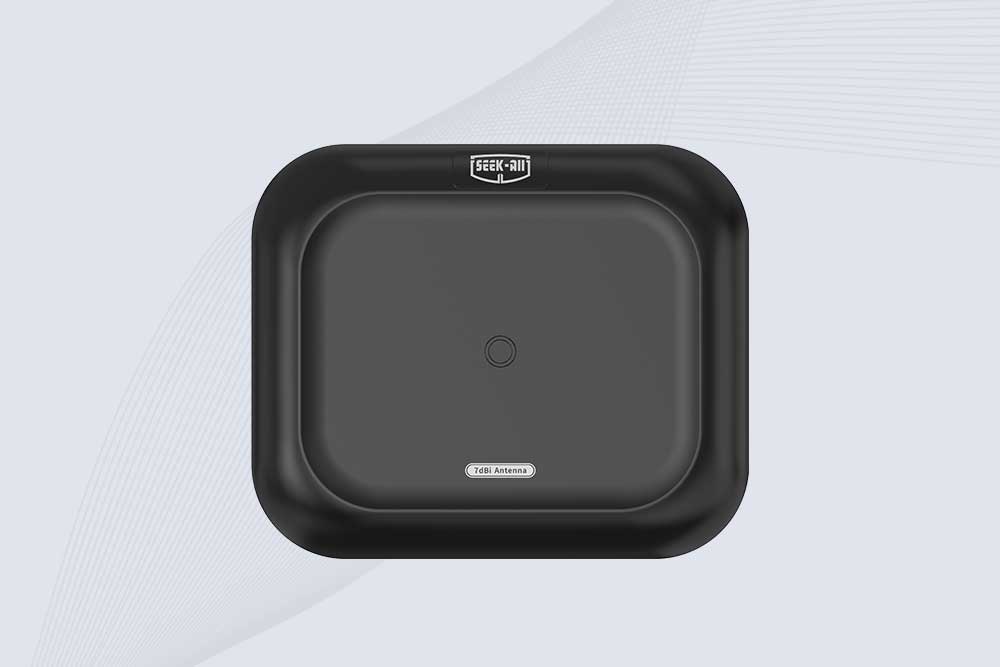
Explore the SSD-A07 UHF RFID antenna with 7 dBi gain, circular polarization, adjustable 840–960 MHz frequency, and 60°/75° beamwidth for stable RFID read/write performance.

SSD-A06 UHF RFID antenna with circular polarization, adjustable 840–960 MHz frequency, ≥4.5 dBi gain, and a compact directional design for RFID systems.

Learn how to install RFID antennas correctly and avoid interference issues. Step-by-step guide for warehouses, factories, and retail environments.
More
Learn how to read an RFID tag correctly. Our practical guide covers choosing the right equipment, configuring readers, and solving common read failures for CYKEO systems.
More
RFID access management isn’t just about tapping a card to open doors. This word guide explores real-world use cases in offices, warehouses, hospitals, and schools—highlighting benefits, common pitfalls, and practical lessons learned.
More
Find an RFID tag number by scanning the tag with a compatible RFID reader and checking its EPC or TID data. EPC identifies the tagged object, while TID ident...
More