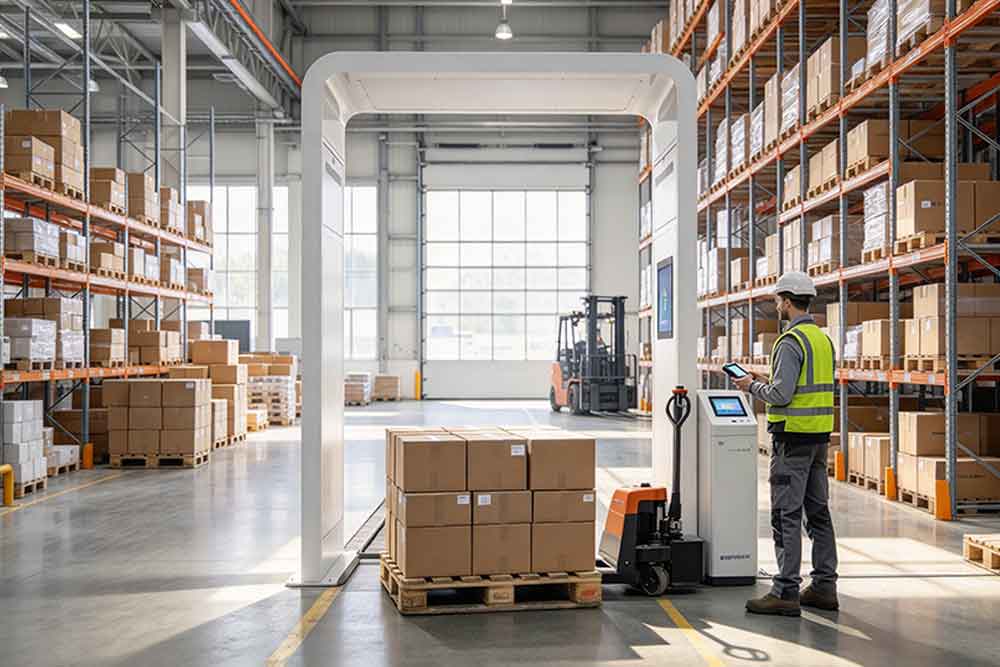
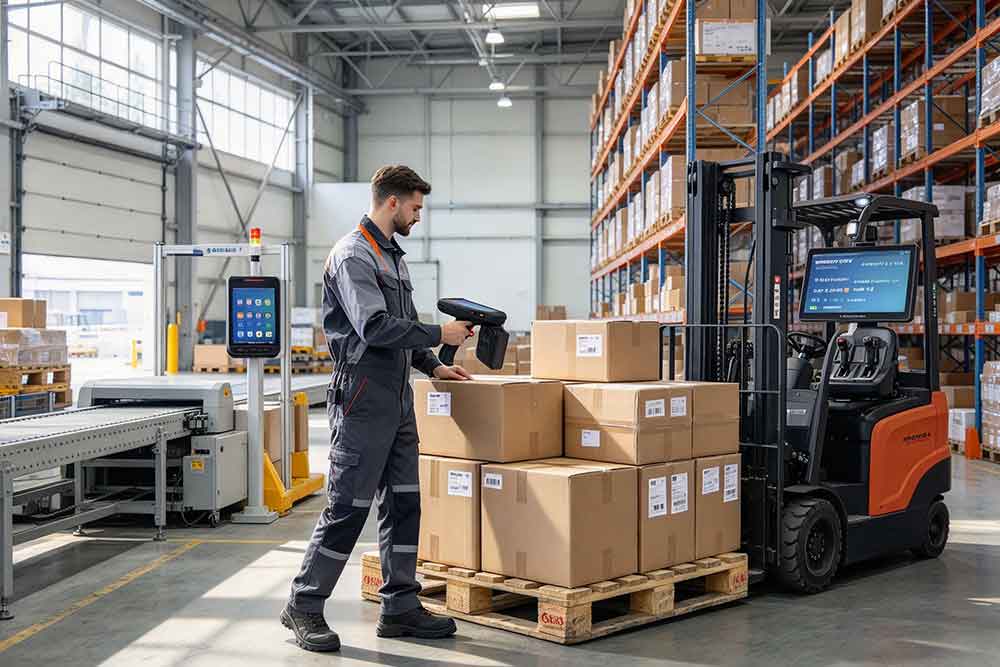
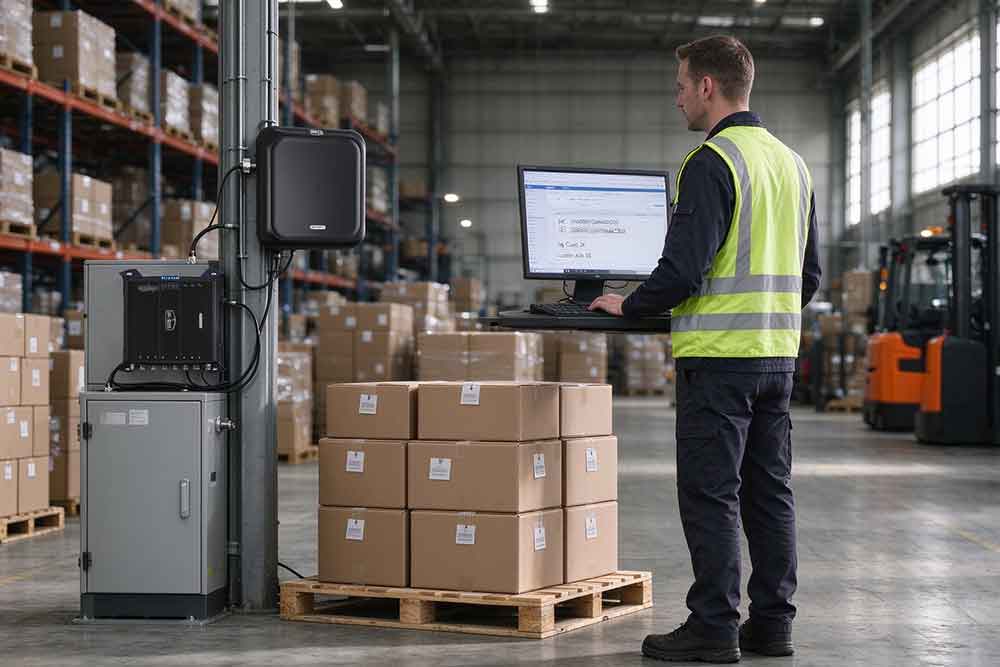
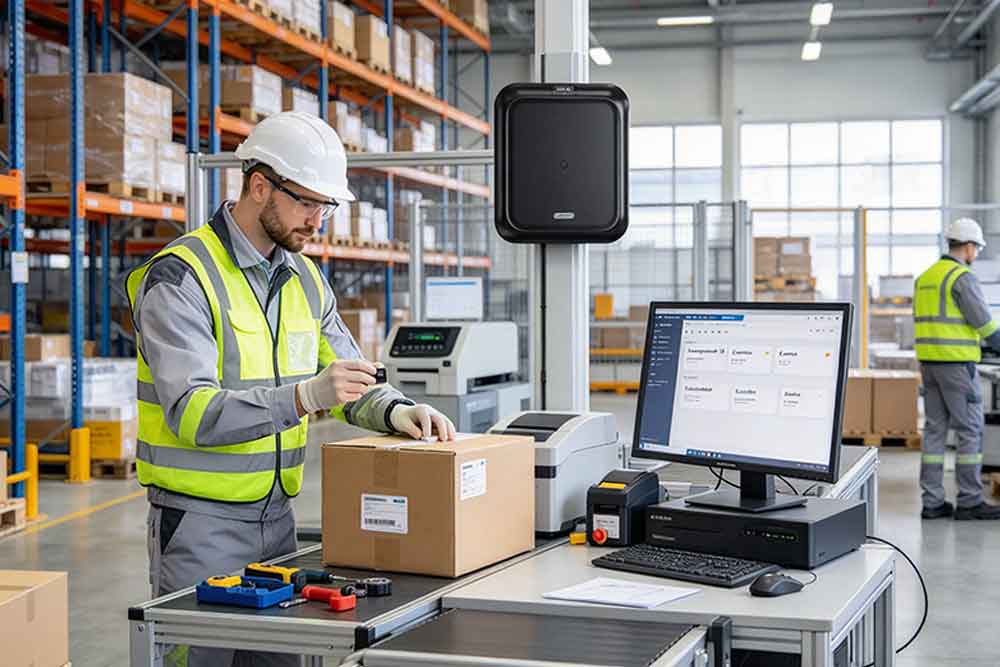
If you’ve ever been on a warehouse floor, you know that counting inventory can feel like running a marathon in slow motion. Rows of pallets, stacks of boxes, and the constant buzz of forklifts make even a simple stock check a headache. I’ve been in warehouses where a single cycle count could take half a day — and still, the numbers didn’t match up.
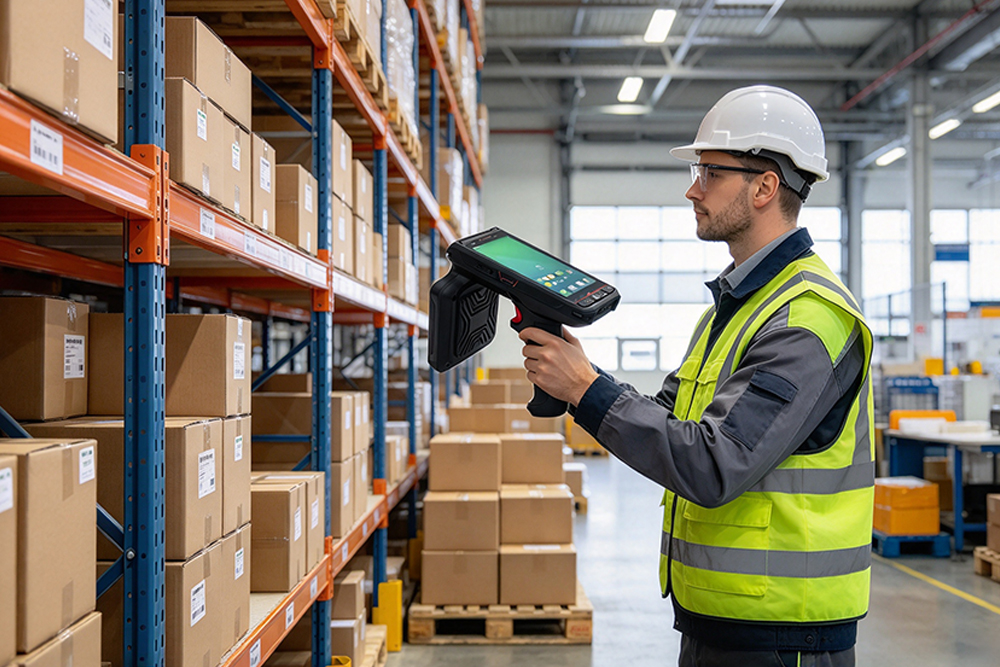
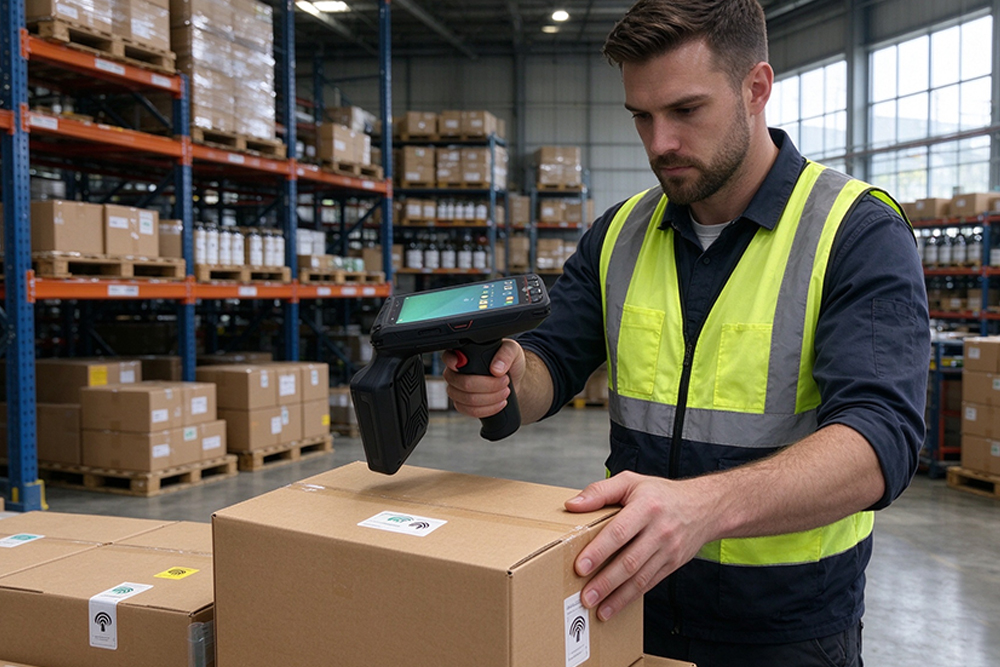
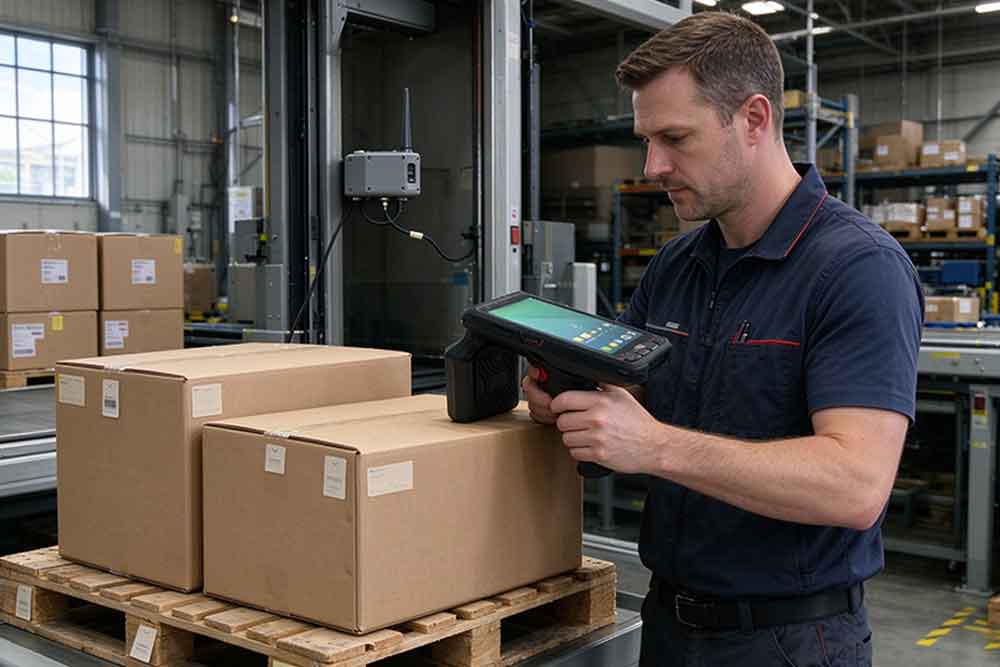
Enter handheld RF scanners. I remember the first time I watched a colleague walk an aisle with one: he scanned dozens of tagged items without even touching them. A process that used to take hours was done in minutes. That moment made me realize how mobile RFID is not just “nice to have”—it’s a game-changer.
Why Handheld RFID Scanners Actually Work
Here’s the deal: barcode scanners are great, but only if every item is perfectly visible and lined up. Spoiler alert—warehouse shelves rarely look perfect.
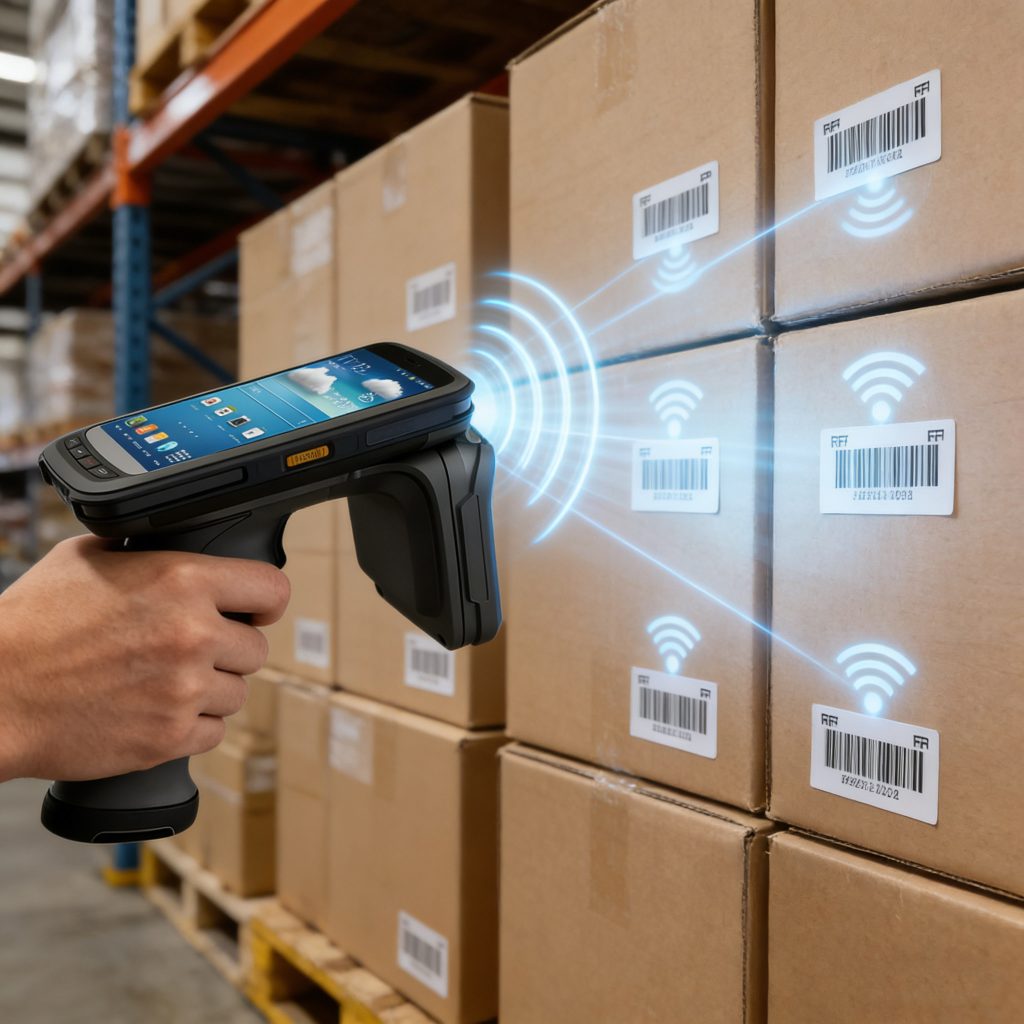
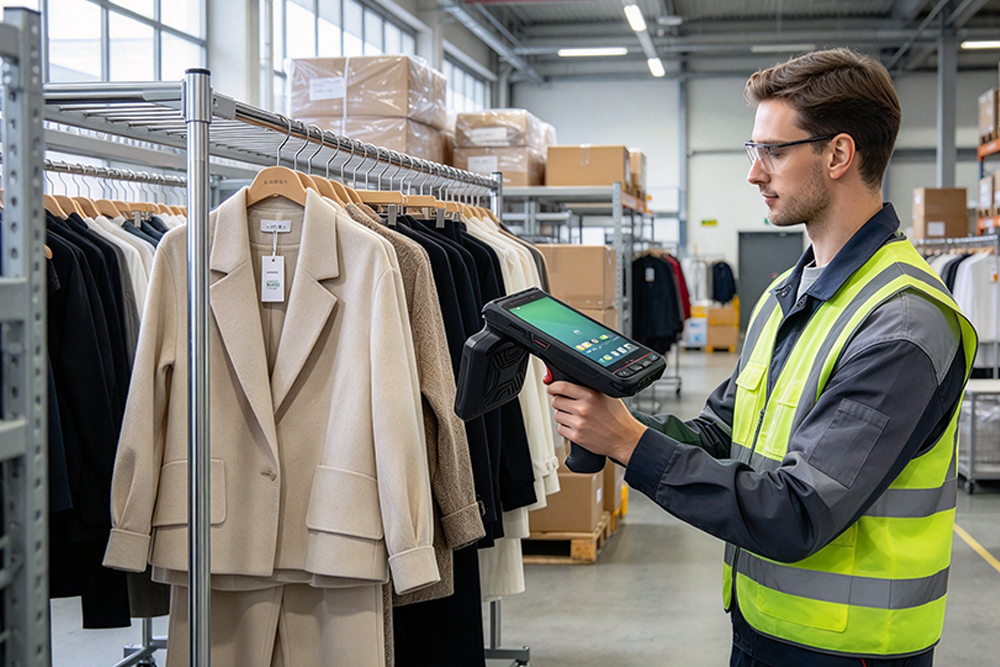
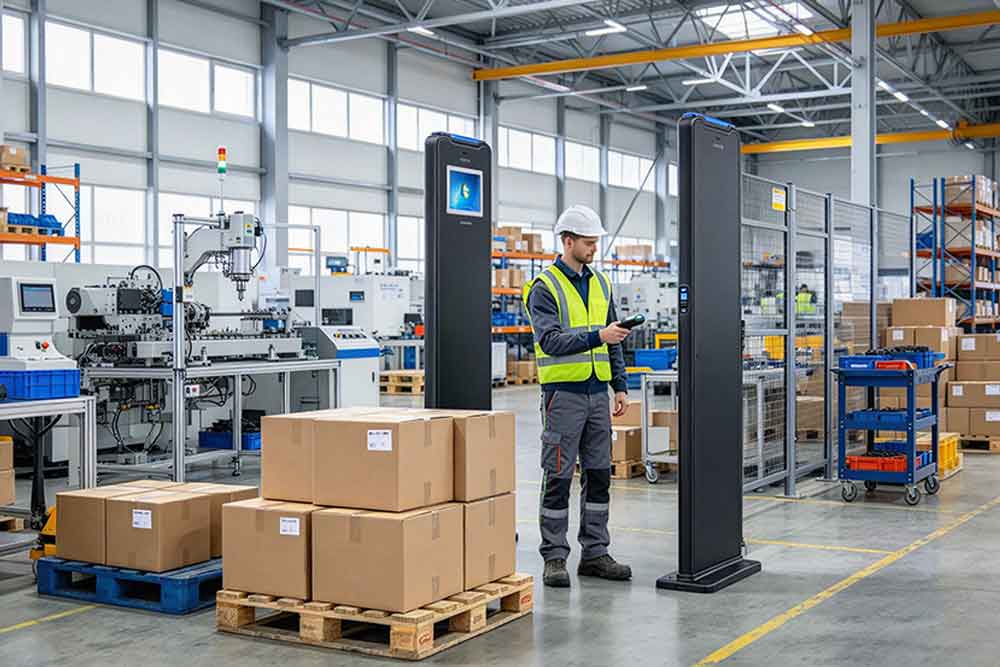
Handheld RFID scanners don’t need line-of-sight. They read multiple tags simultaneously, even if items are hidden behind other boxes or stacked on top of each other. That alone cuts down errors and saves a ton of time.
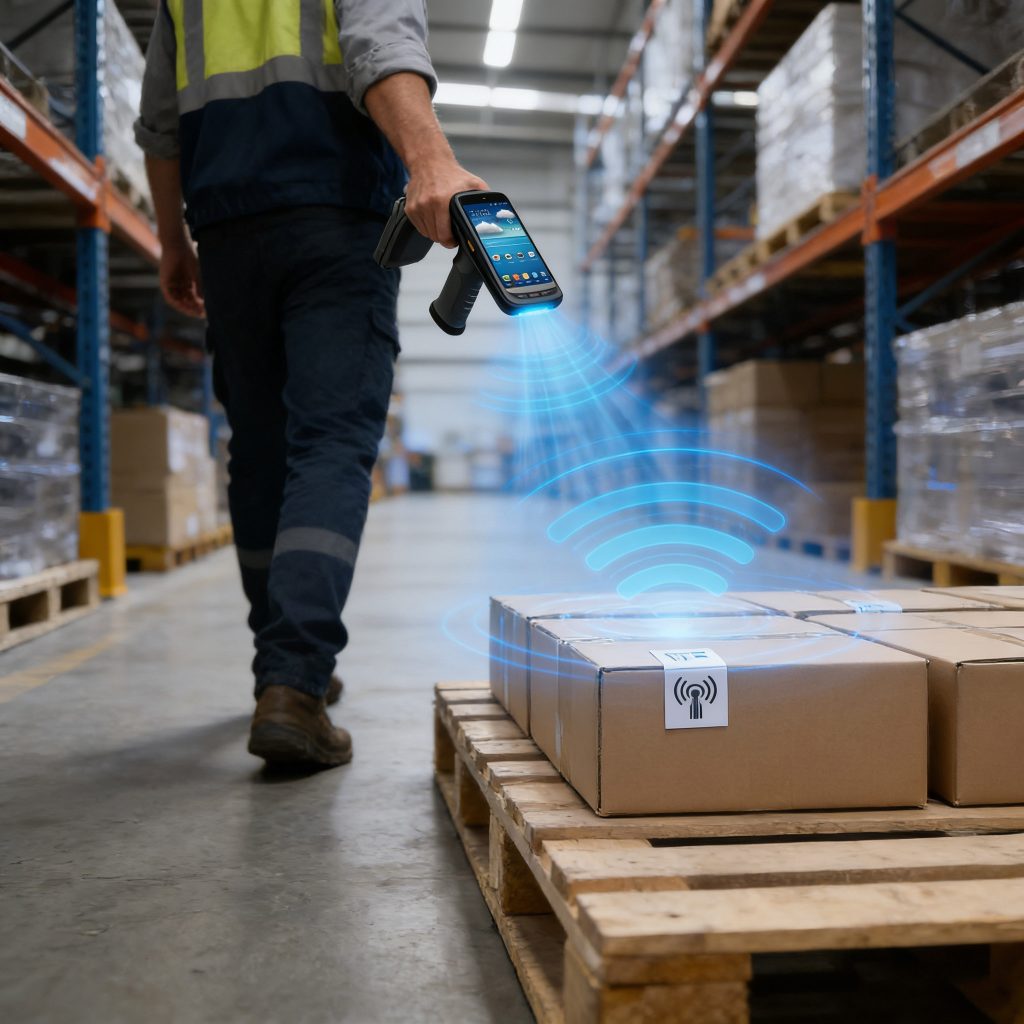
From my experience, the real magic is how these scanners let staff move naturally through the space. You’re not tied to a fixed station or conveyor belt; you can audit an entire section without breaking stride.
Setting Up a Mobile RFID System
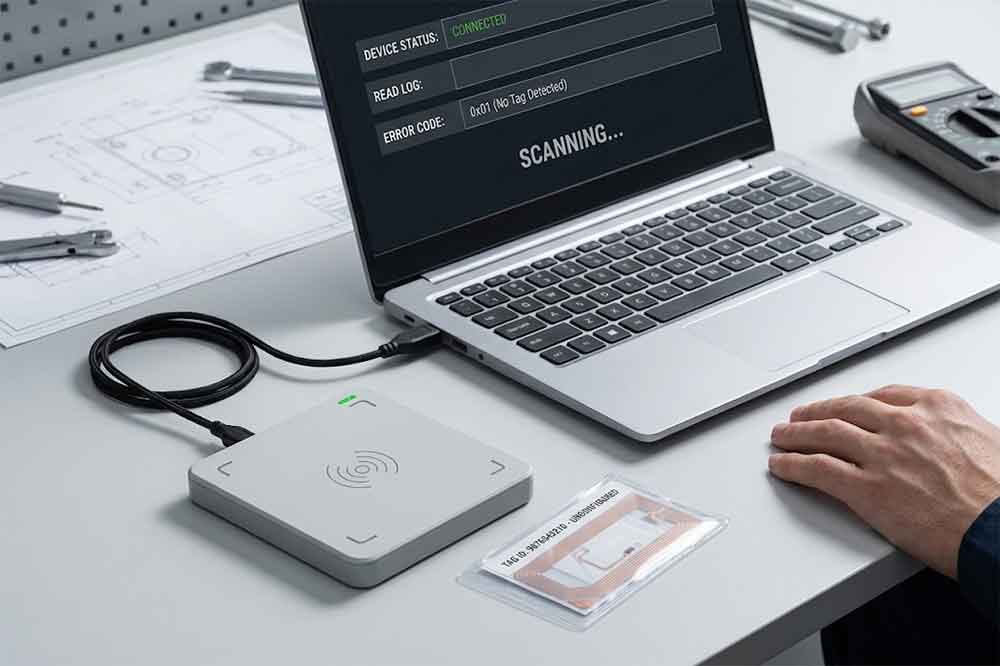
You might think deploying RFID sounds complicated. Honestly? It’s simpler than it looks if you start with handheld devices. Here’s how a typical setup goes:
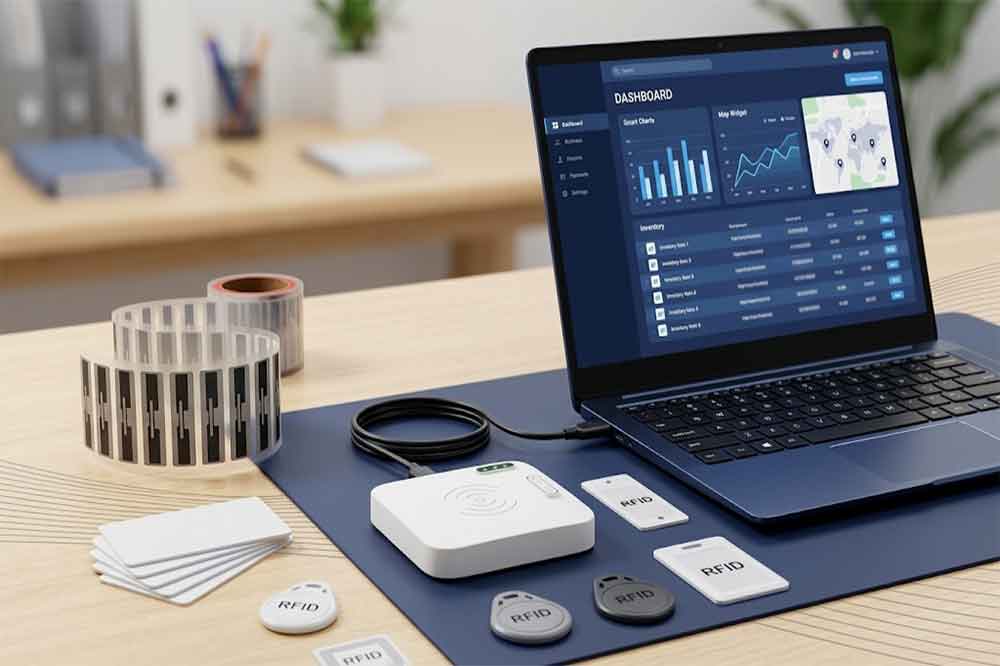
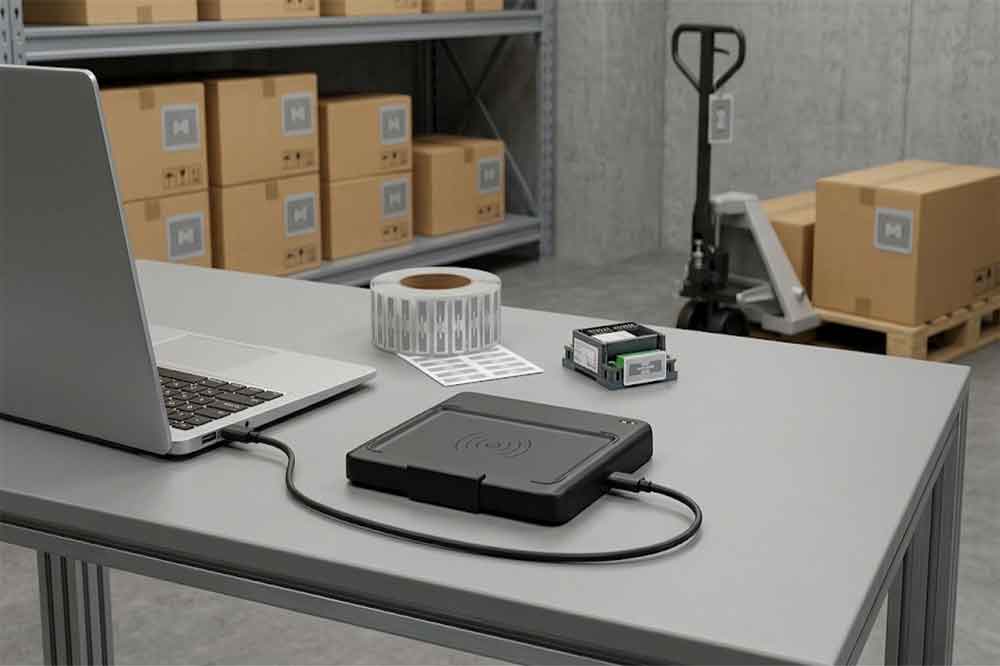
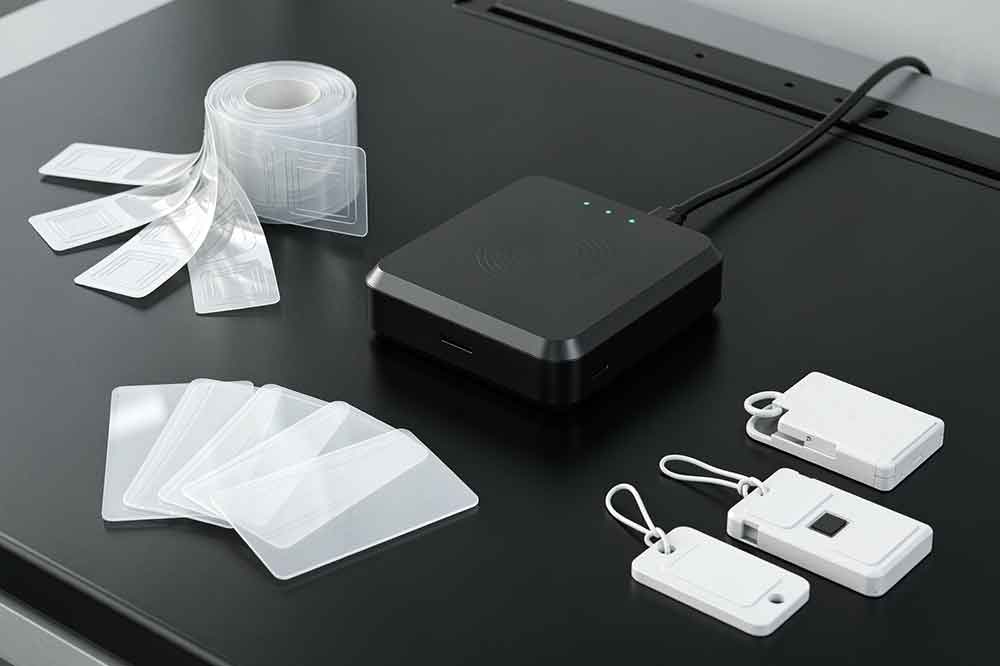
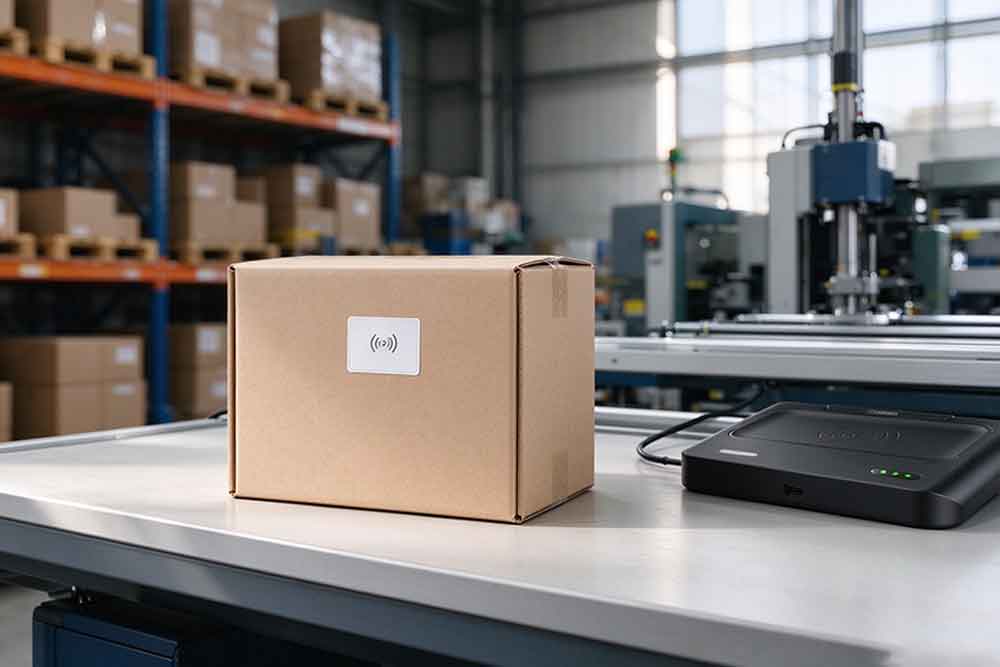
1. RFID Tags: Every pallet, bin, or product gets a tag. Passive UHF tags work great for most warehouse applications—they’re inexpensive and have a decent read range.
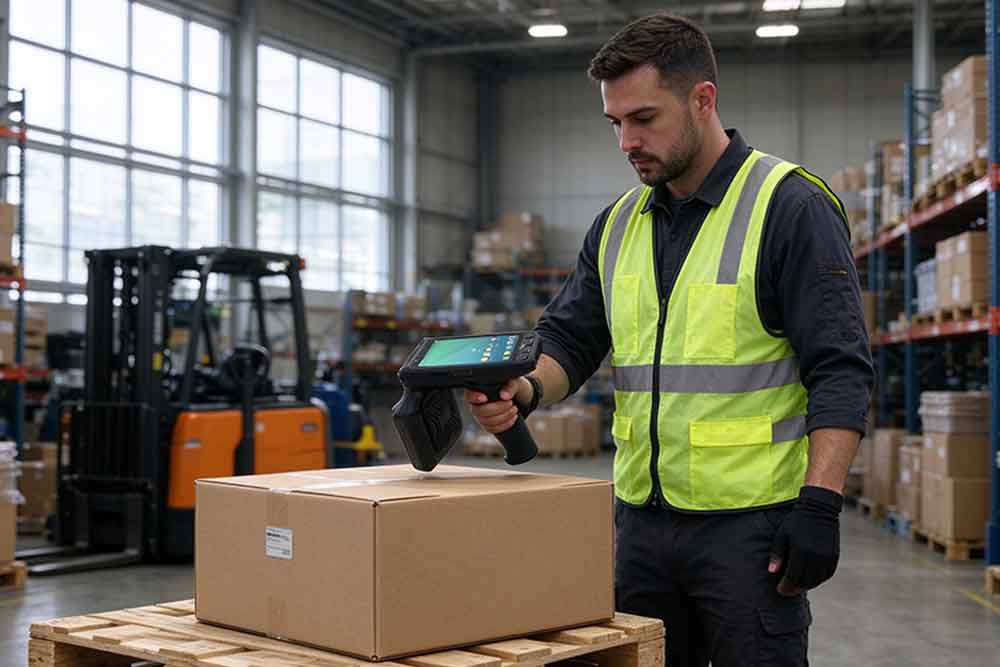
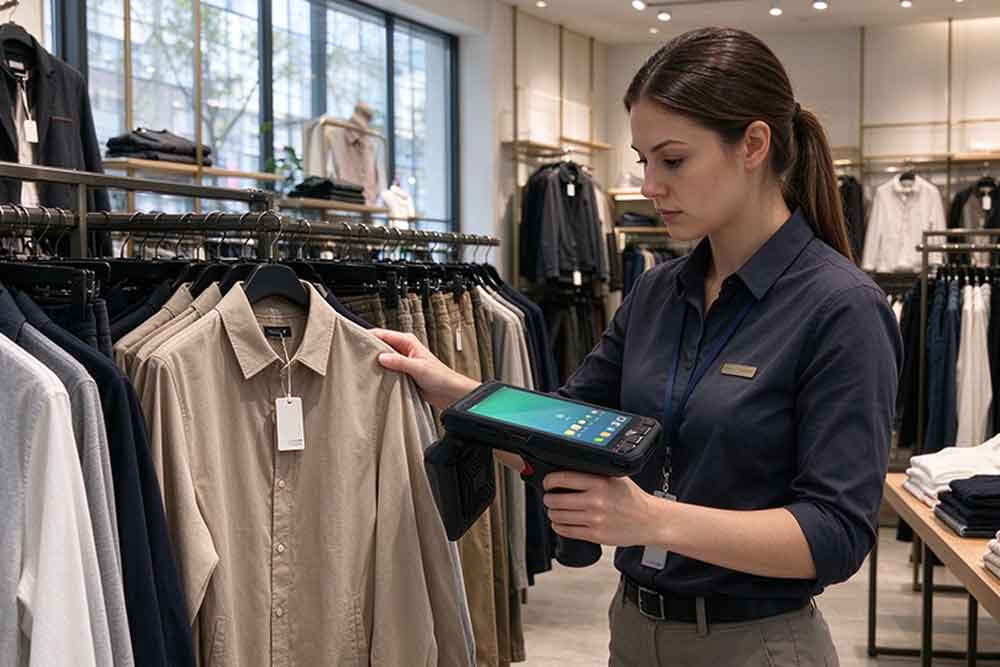
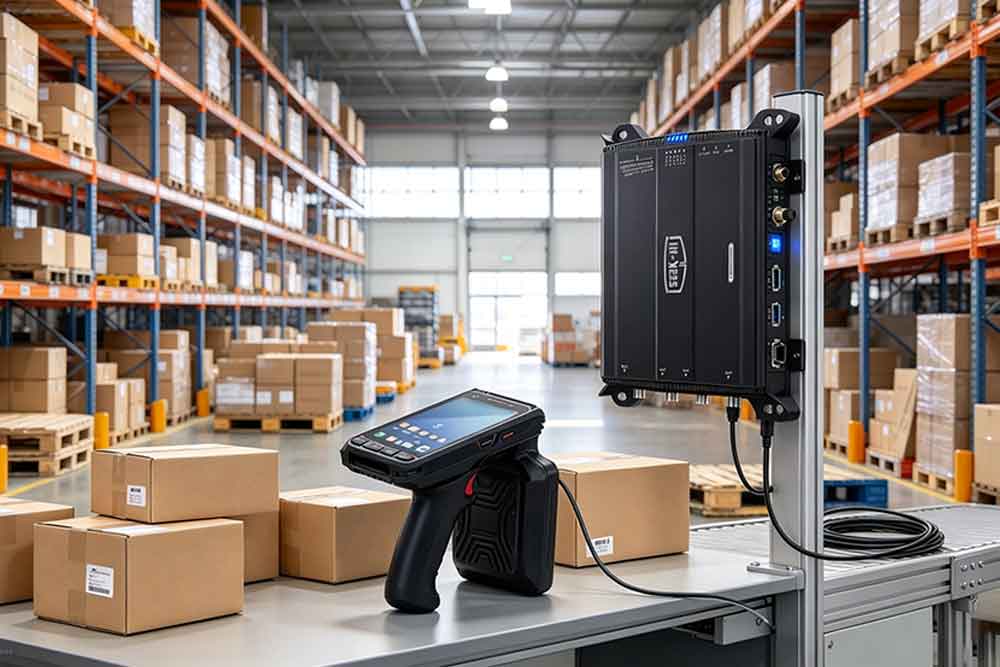
2. Handheld Scanners: The real heroes. Operators carry them around and scan aisles or zones. When choosing one, look for read range, battery life, durability, and software integration. In my experience, cheap devices with weak antennas are frustrating—you’ll waste more time than you save.
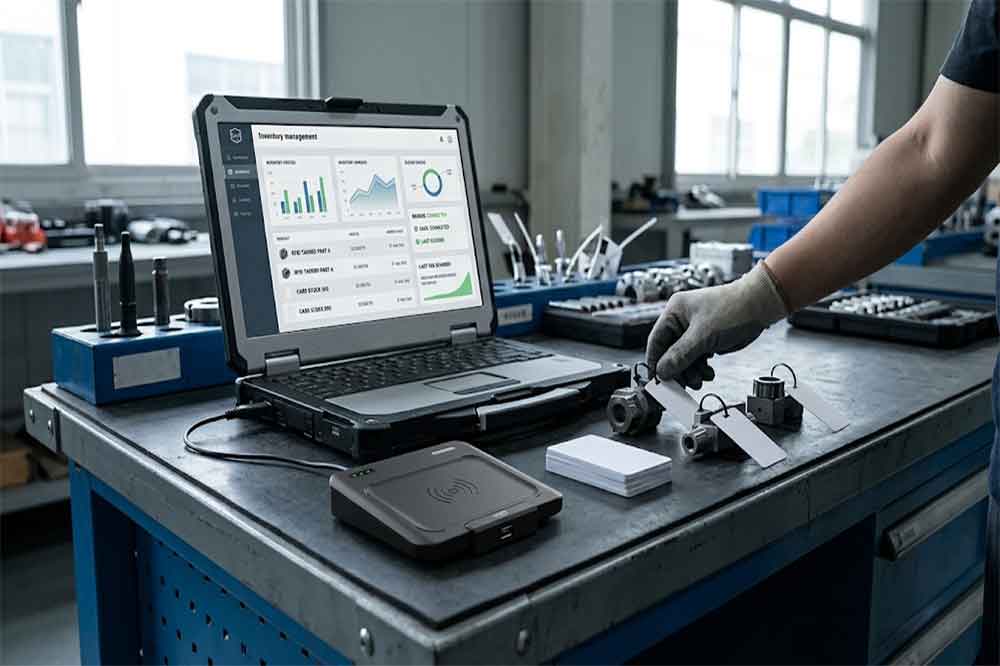
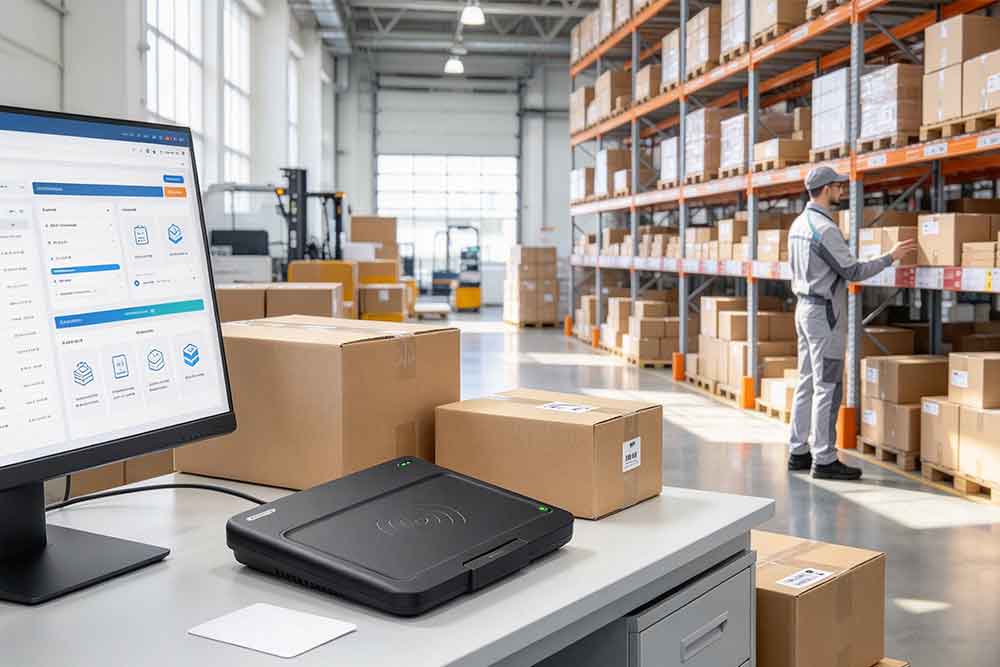
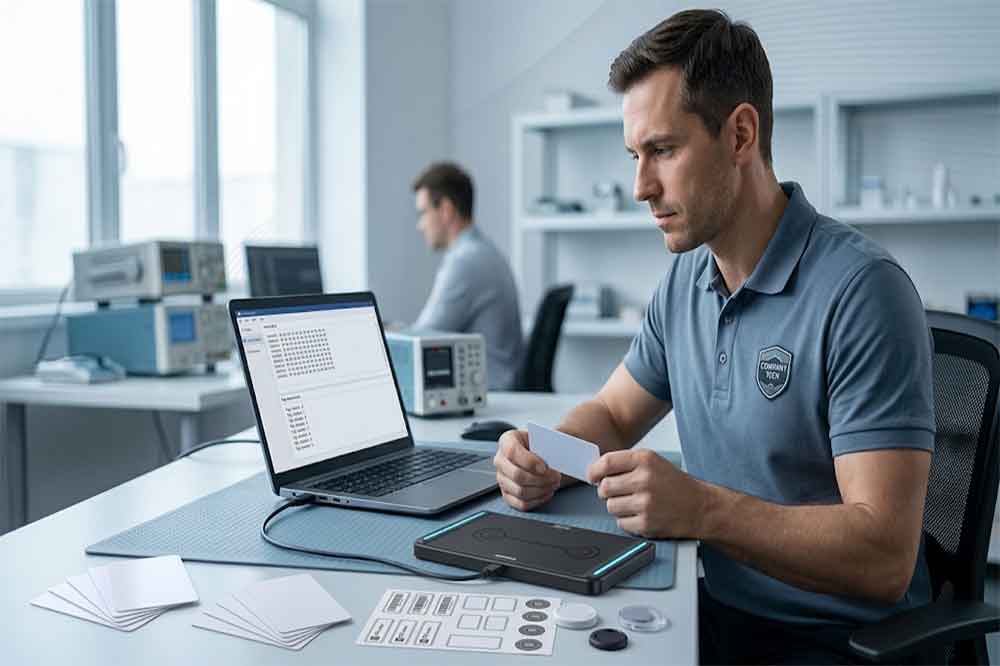
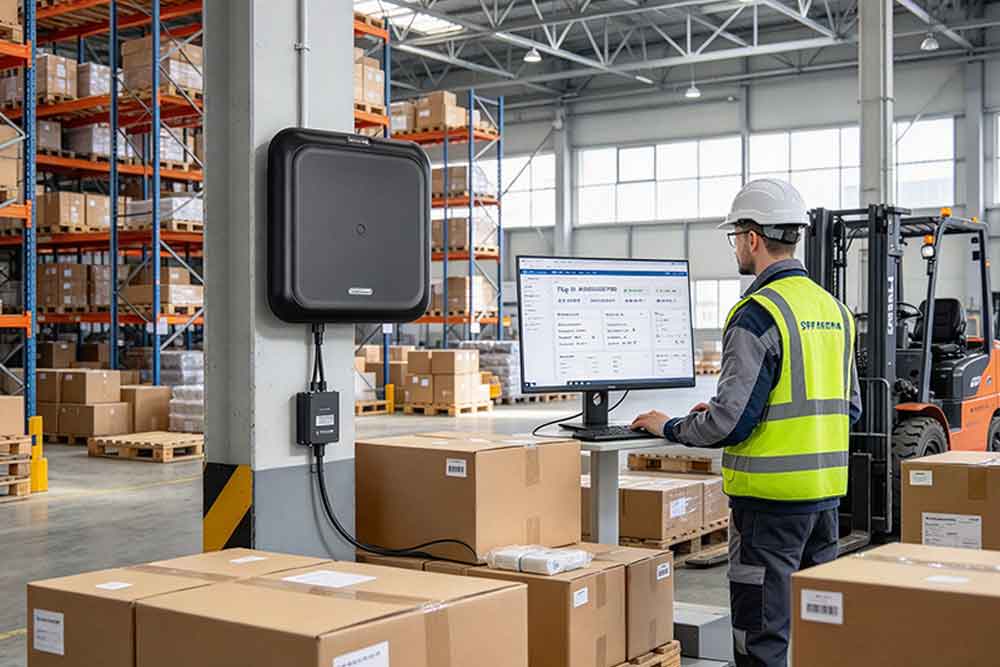
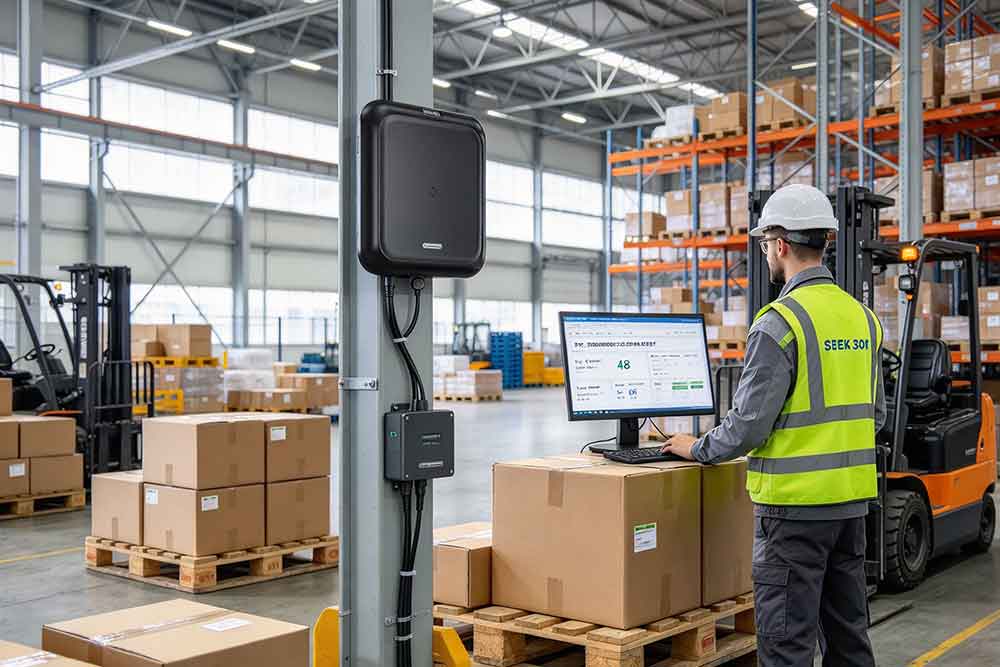
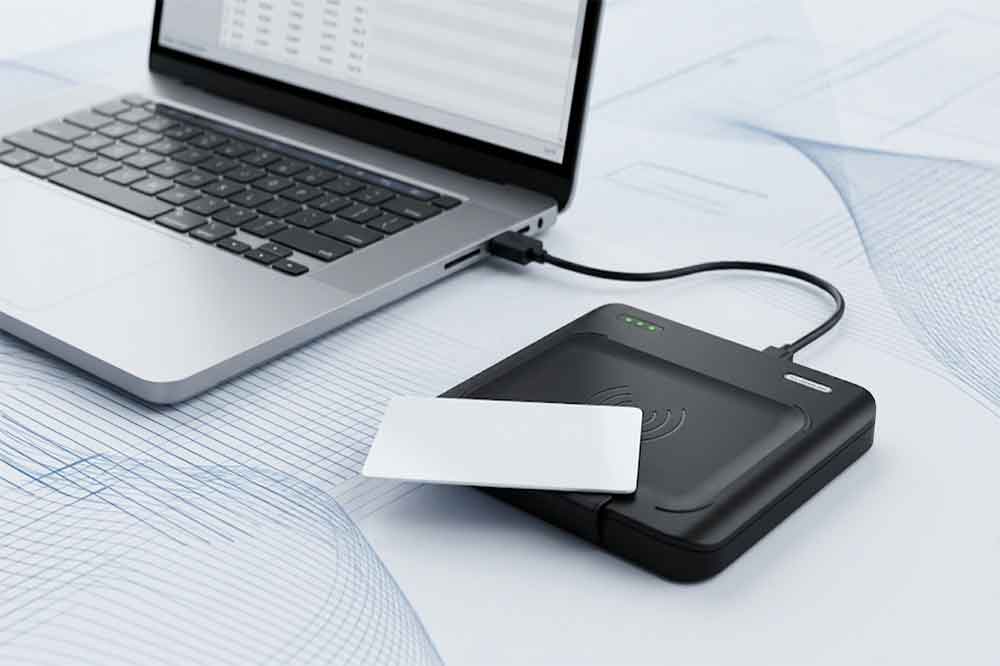
3. Software Connection: The scanner talks to your WMS or ERP. Data flows in real-time, which is great for managers who hate surprises at the end of the day. You can see stock levels, track movement, and spot missing items instantly.
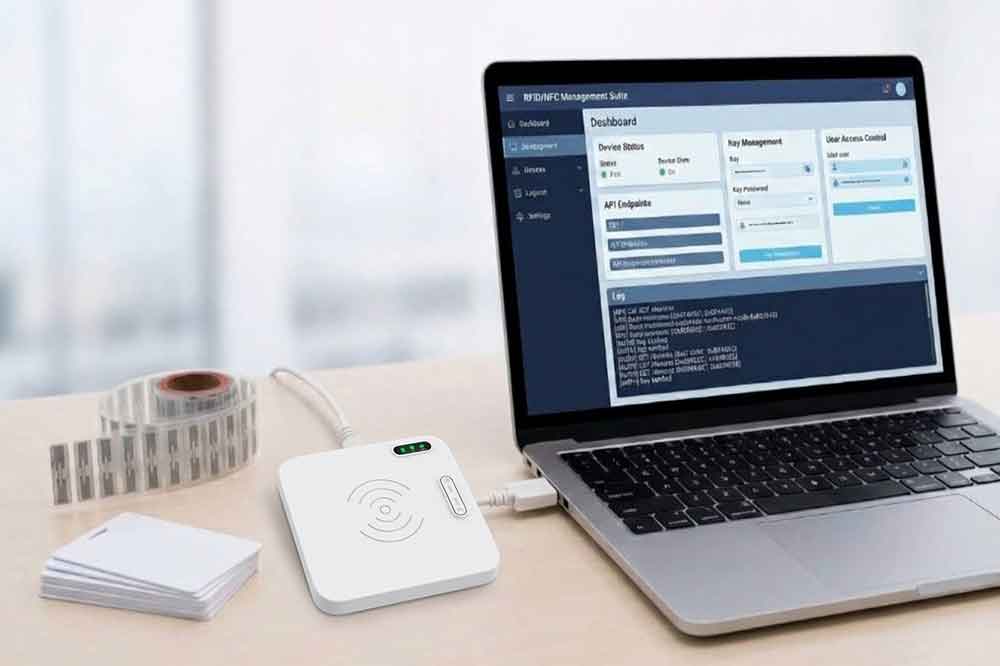
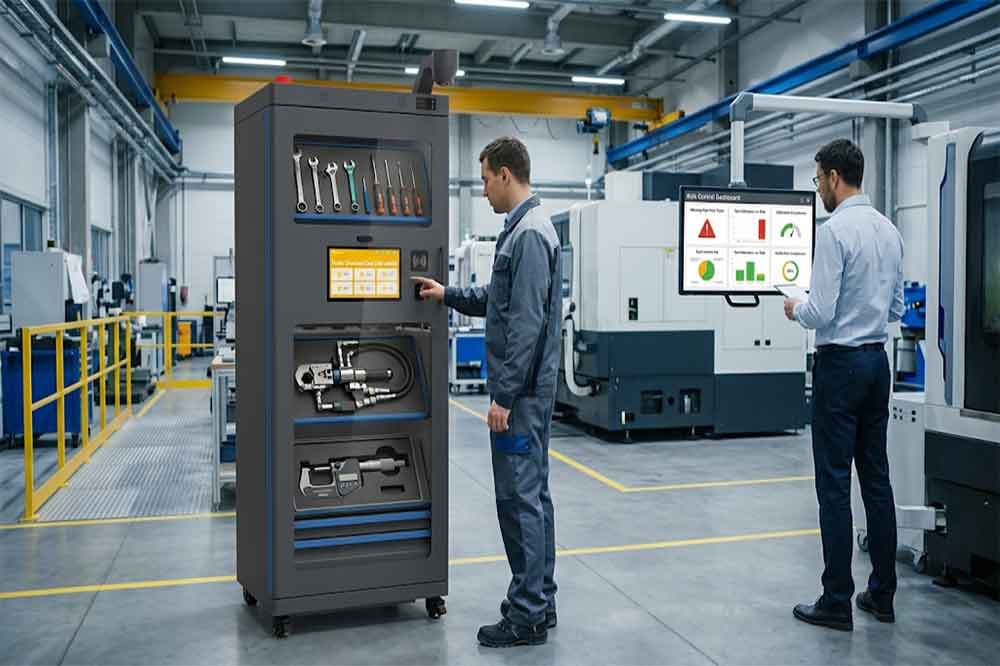
4. Dashboard & Reports: With a simple dashboard, your inventory isn’t just numbers on paper—it’s a living system. Analytics help you catch slow-moving stock, misplaced items, and potential shortages before they become headaches.
Real-World Warehouse Use Cases
I’ve seen handheld RFID scanners applied in some creative ways:
Cycle Counts: A warehouse with tens of thousands of SKUs used to schedule monthly counts. Now, with handheld RFID scanners, small teams can do quick audits every week, cutting errors dramatically.
Locating Misplaced Items: Boxes and pallets tend to wander. One time, a $10,000 shipment of electronics “disappeared” somewhere between two aisles. Using a handheld scanner, staff pinpointed it in under five minutes. That would have taken hours manually.
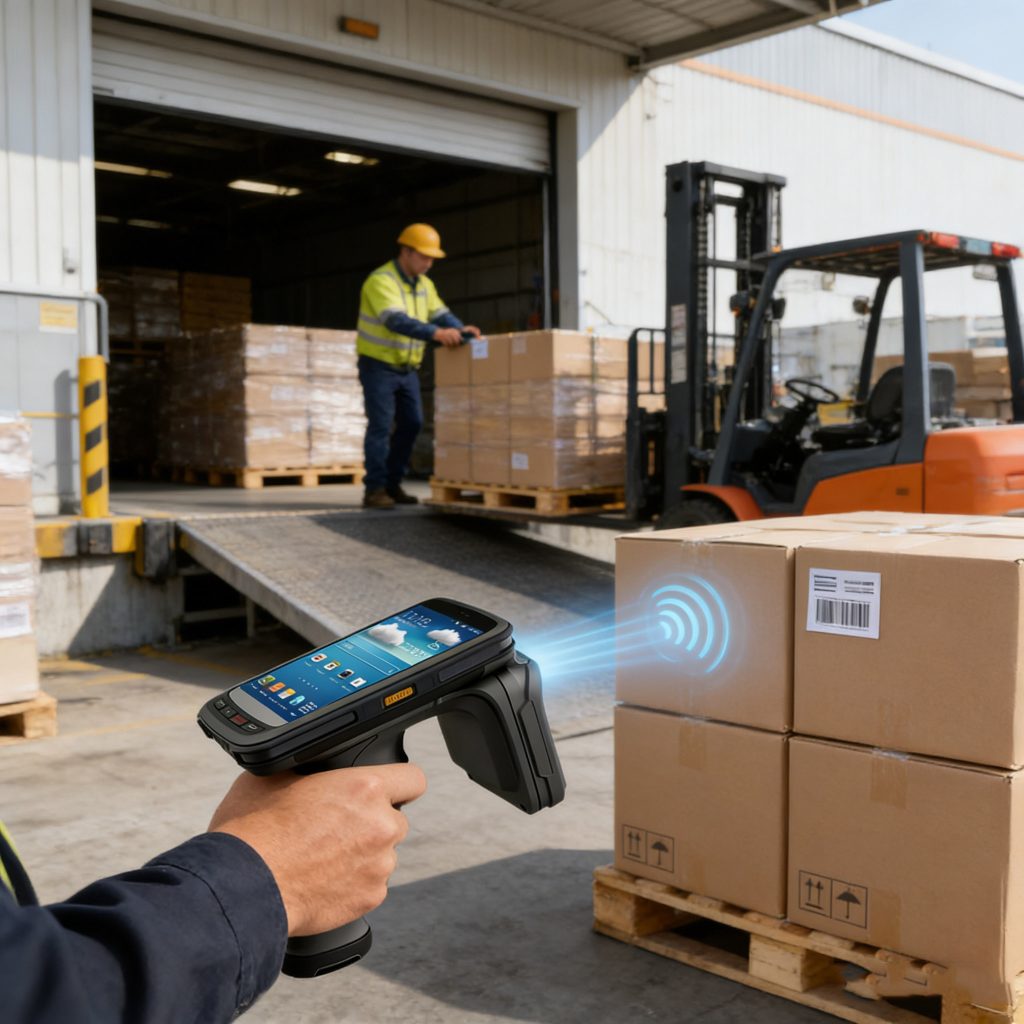
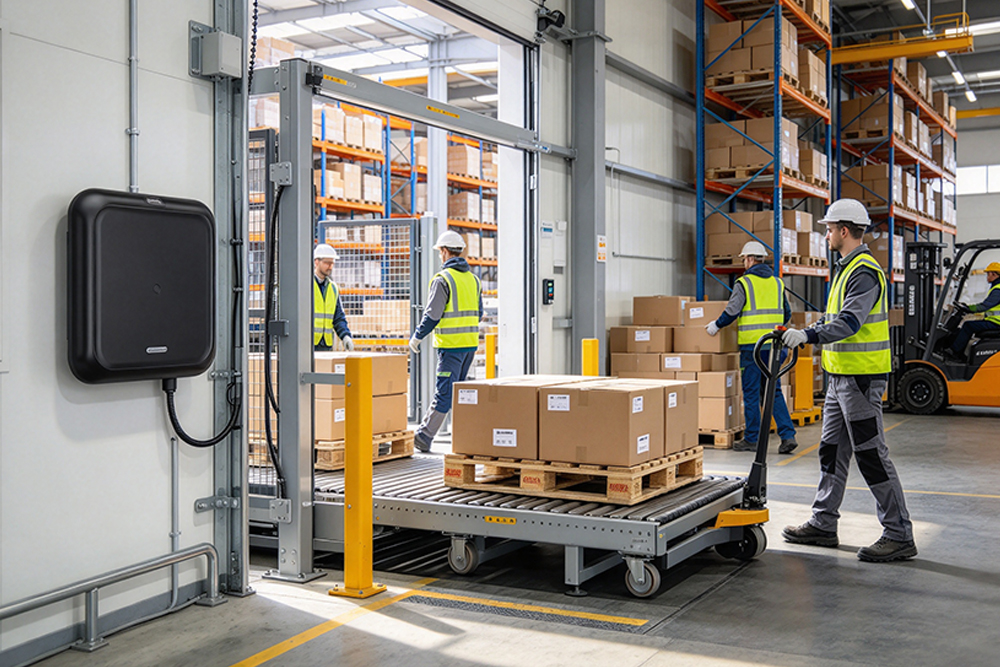
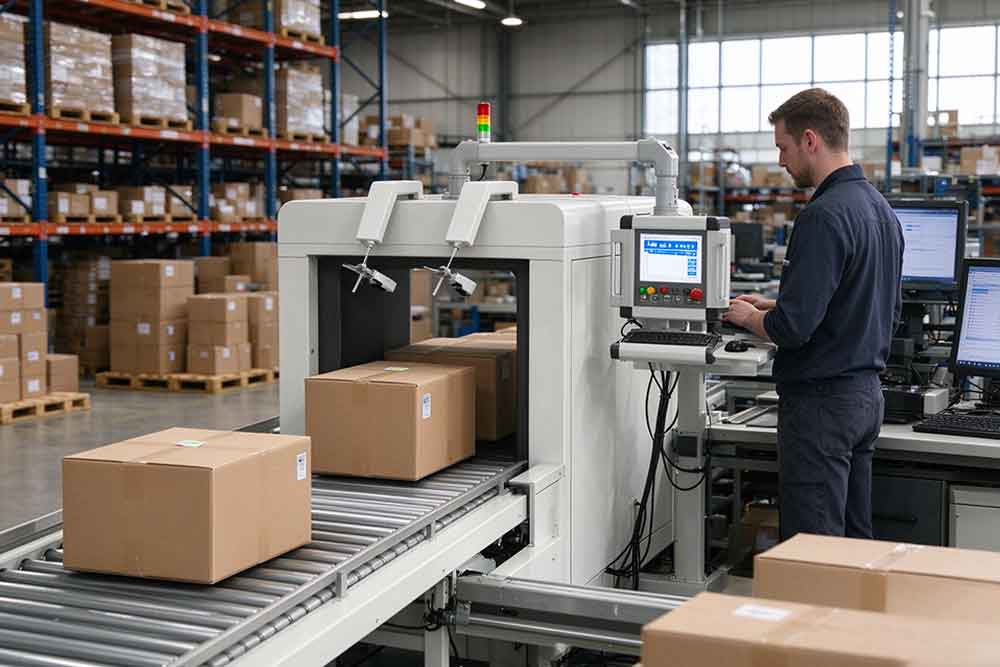
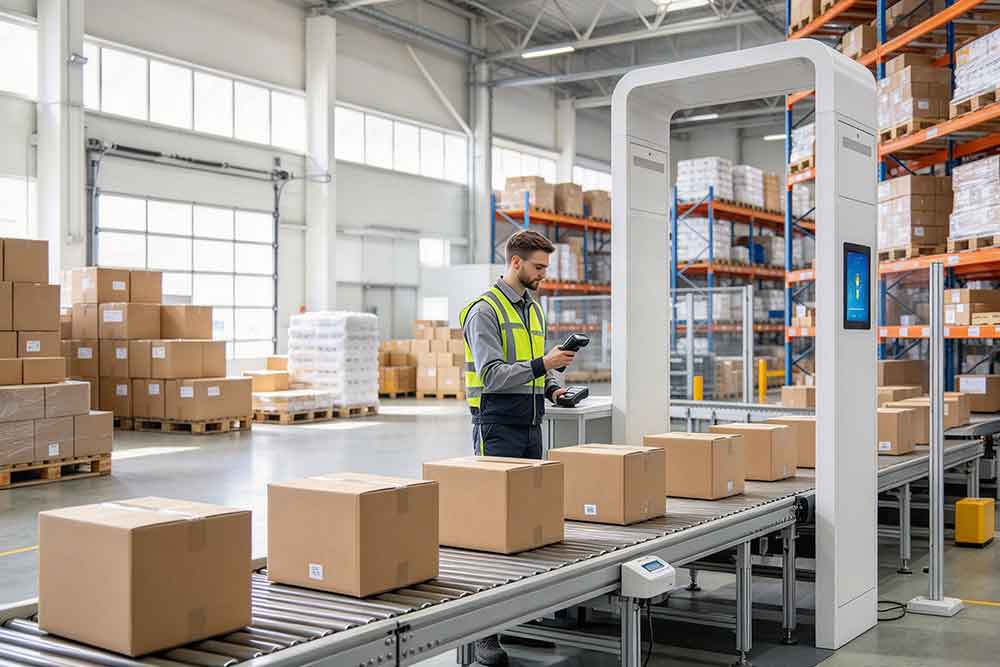
Receiving & Shipping: When new shipments arrive, you don’t need to unpack every box to scan each barcode. Walk the scanner along the pallets, and boom—everything is logged in the system instantly.
Multi-Site Operations: Some businesses have multiple warehouses. Handheld scanners make inventory checks and asset transfers across locations practical, fast, and much less error-prone.
Picking the Right Handheld Scanner
Not all scanners are created equal. I’ve tried a few in the field—some are solid, others a pain. A few lessons:
Frequency & Range Matter: UHF is usually best for warehouses. You want to reach across shelves without having to get ridiculously close.
Durability Counts: Dropping a scanner onto concrete shouldn’t mean a day lost in repairs. Industrial-grade devices are worth the investment.
Integration is Key: If it can’t talk to your WMS or ERP, you’re back to spreadsheets.
Battery Life: Nothing’s worse than mid-shift downtime because the scanner died.
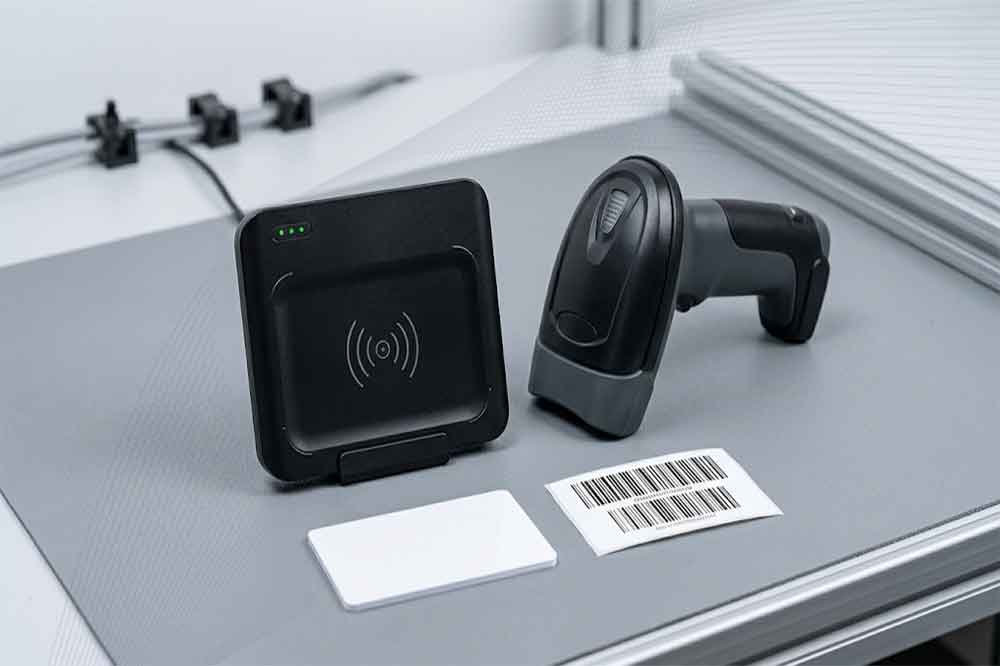
Devices like handheld RFID scanners, tend to balance all these factors pretty well—they’re fast, durable, and integrate smoothly.
Why It’s Worth It
From my perspective, the shift to handheld RFID is about three things: speed, accuracy, and sanity.
Speed: Tasks that once took hours now take minutes.
Accuracy: Less manual entry means fewer errors.
Visibility: Managers can actually see what’s happening in real time, not just rely on spreadsheets.
It’s easy to underestimate the frustration saved until you’ve been on the floor with one of these devices. Once you do, it’s hard to imagine going back to the old way.
Looking Ahead
Technology keeps improving. Modern handheld RFID scanners often run Android, connect to cloud systems, and offer advanced signal processing. Some even provide AI-assisted scanning to detect anomalies automatically.
For warehouses, these devices are no longer just a nice tool—they’re the first step toward a fully smart inventory system. And honestly, starting with handheld scanners is the most practical way to get there. Small teams, fast deployment, immediate results—it’s a rare combination.
Learn what is rfid tag in clothes, how RFID clothing tags improve apparel inventory, supply chain visibility, and retail management with smart tracking.
Discover what is rfid solutions, how RFID systems combine readers, tags, software, and automation to improve inventory tracking, logistics, and asset management.
Learn what is rfid scanner, how RFID scanners identify tagged items, and how businesses use RFID scanning technology for inventory, logistics, and asset tracking.
Discover what is rfid reader used for, how RFID readers identify tagged items, and how industries use RFID technology for inventory, logistics, and asset tracking.
Learn how to integrate a USB RFID reader with inventory systems, ERP software, warehouse applications, and custom business tools. Explore connection methods, data handling, and integration tips.
Troubleshoot common USB RFID reader problems, including connection failures, missed tags, incorrect data output, duplicate reads, and software compatibility issues.
Learn what is rfid on clothes, how RFID garment tags improve apparel inventory, supply chain visibility, and retail accuracy with practical industry insights.
Discover what is rfid module, how UHF RFID reader modules work, and how 33 dBm output, API control, and fast multi-tag identification support industrial applications.
Discover what is rfid meaning, how radio frequency identification works, and where RFID tags and readers improve tracking, inventory accuracy, and business operations.
Compare USB RFID reader data output modes, including HID keyboard emulation, virtual COM ports, and SDK integration. Learn which method fits your software and workflow.
Discover what affects USB RFID reader reading range, including frequency, tag antenna, reader power, orientation, and interference. Learn how to test read distance.
Learn what is rfid printer, how RFID printers encode smart labels, and how businesses use RFID printing technology for inventory, logistics, and asset tracking.
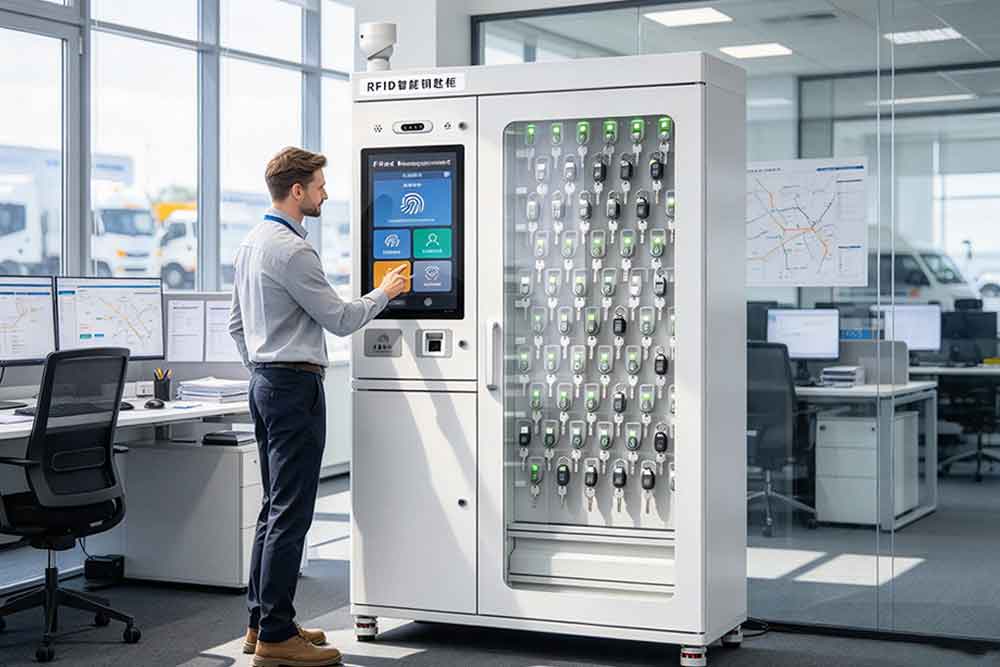
what is rfid keys? Discover how RFID key cabinets track vehicle keys, control access, verify users, and improve accountability with intelligent key management.
what is rfid inventory system? Discover how RFID tags, readers, and inventory software work together to track stock, improve visibility, and reduce manual checks. Explore practical applications, implementation considerations, and expert guidance from Cykeo.
Discover what is rfid in warehouse management system and how RFID improves inventory visibility, receiving accuracy, stock tracking, and warehouse workflows. Explore practical applications and implementation considerations with Cykeo.
Discover what is RFID in supply chain management and how RFID improves inventory visibility, shipment tracking, warehouse accuracy, and product traceability. Explore practical applications and implementation insights with Cykeo.
Learn how to integrate a USB RFID reader using SDKs and APIs. Explore development methods, software compatibility, testing, and business system integration.
Learn how to integrate a USB RFID reader with inventory, ERP, and warehouse software. Explore interfaces, data flow, SDKs, error handling, and testing.
Discover what is rfid in logistics and how RFID improves warehouse inventory, shipment verification, and automated sorting. Explore real-world applications and smarter tracking solutions with Cykeo.
Discover what is rfid in clothing and how garment tags help retailers track stock, improve inventory accuracy, speed up stocktaking, and manage apparel across stores.
Learn what is rfid how it works, from radio signals and RFID tags to readers and software. Explore real-world applications, key components, and practical setup tips with Cykeo.
Discover what is rfid in supply chain and how RFID improves inventory accuracy, shipment visibility, and warehouse operations. Explore practical applications and smarter tracking solutions with Cykeo.
Learn how USB RFID readers read and write tag data, what memory and software compatibility mean, and how to choose a reader for your business application.
Compare LF, HF, and UHF USB RFID readers by frequency, tag compatibility, reading distance, and applications to choose the right reader for your project.
Discover what is rfid for, how RFID supports inventory tracking, asset management, access control, and supply chain visibility. Explore practical uses and expert tips from Cykeo.
Explore USB RFID reader applications in asset tracking, inventory management, manufacturing, laboratories, and retail. Learn how to choose a reader for your business.
Discover what is rfid device, how RFID readers, tags, and antennas work together, and where RFID technology improves asset tracking, inventory accuracy, and business operations.
what is rfid code? Learn how RFID codes identify products and assets, how EPC numbers are stored on tags, and how businesses use them for tracking and inventory control.
what is rfid card reader? Discover how desktop RFID card readers read and write compatible tags, control operating range, support batch encoding, and simplify daily card issuance.
what is rfid bag? Discover how RFID smart tool bags identify maintenance tools, automate departure inventory, and alert technicians when tools are left behind.
what is rfid backpack? Discover how RFID tool bags automate tool inventory, detect missing maintenance tools, and improve safety for rail, aviation, and power field work.
what is rfid and how is it used? Learn how RFID tags, readers, antennas, and software work together for retail, logistics, inventory, assets, and tracking.
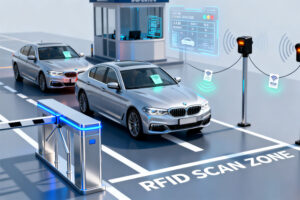
what is rfid access control? Discover how RFID security gates identify tagged products, trigger alarms, count traffic, and protect retail stores with reliable access control.
Compare a USB RFID reader with an RFID scanner and barcode scanner. Learn how RFID and barcode identification differ, and choose the right device for your business.
Use this USB RFID reader buying guide to compare specifications, software compatibility, sample testing, supplier support, and bulk purchasing requirements.
what is meant by rfid tag? Learn how RFID tags work, their components, applications, and how businesses use RFID technology for automated identification.
what is epc rfid? Discover how EPC RFID identifies individual items, improves supply chain visibility, and connects RFID tags with GS1 standards for tracking.
EPC in RFID means Electronic Product Code, a standardized identification scheme used to uniquely identify individual physical objects through RFID. An EPC can be encoded into a compatible RFID tag and read wirelessly, allowing systems to distinguish one item from another rather than identifying only a product type. GS1 describes the EPC as an id…
Learn how to choose a USB RFID reader by frequency, tag compatibility, reading distance, USB interface, software integration, and application requirements.
Learn how a USB RFID reader works, which RFID tags it supports, and how businesses use USB RFID readers for inventory, asset tracking, and tag encoding.
what is autosweep rfid? Learn how the Philippines AutoSweep RFID system works, where it is used, how toll payments are processed, and what motorists need to know.
what is an rfid writer? Learn how RFID writers encode tag memory, assign identifiers, verify data, and support inventory, logistics, retail, and asset management.
what is an rfid used for? Explore real RFID applications in inventory, logistics, asset tracking, retail, manufacturing, and supply chains with practical examples.
Learn how RFID tool cabinets support standard operating procedures for tool checkout, returns, inspections, exception handling, and industrial workflow consistency.
what is an rfid transponder? Learn how RFID transponders store identification data, communicate with readers, and support reliable tracking across industrial applications.
Learn how RFID tool cabinets support industrial tool risk management through risk classification, access controls, status monitoring, and exception tracking.
Learn what is an rfid key, how RFID key tags work with smart cabinets, and how UHF RFID identification supports secure key storage, tracking, and management.
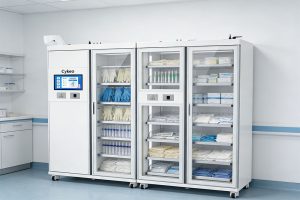
See how the Cykeo CK-GY2B RFID medical storage cabinet helps hospitals manage medical supplies more accurately, reduce loss, and simplify daily inventory work with real-time tracking.
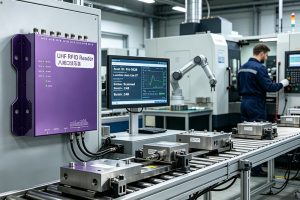
RFID asset tracking manufacturing improves production visibility, reduces equipment loss, and automates inventory. Discover how Cykeo delivers reliable industrial RFID solutions for modern factories.
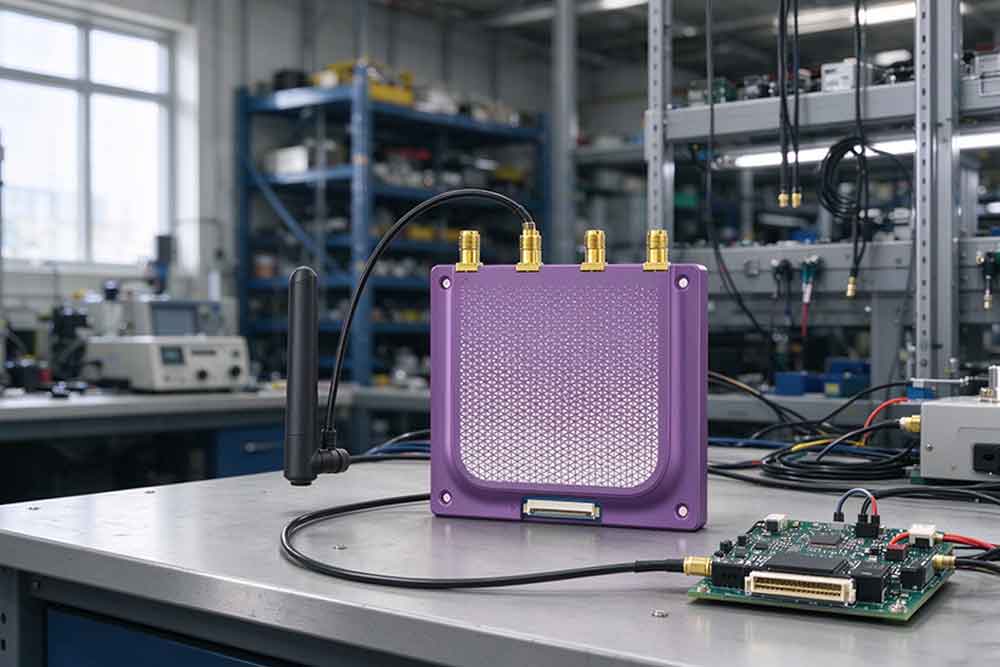
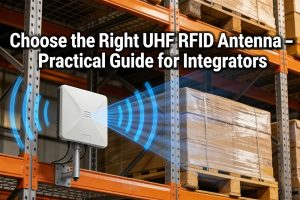
Discover practical tips for selecting the right UHF RFID antenna for warehouses, retail, and industrial applications. Learn from real-world insights and see Cykeo RFID antenna solutions.
 Cykeo RFID IoT Solution Products R&D Manufacturer