 Cykeo RFID IoT Solution Products R&D Manufacturer
what can rfid do
75RFID enables automatic identification, tracking, and management of physical objects by connecting RFID tags, readers, software, and business workflows.
MoreAll RFID Product
What is rfid access control? RFID access control is a security system that uses RFID readers, electronic tags, and controlled detection zones to identify tagged items or authorized RFID credentials and trigger an action when defined conditions are met. In retail, RFID access control can be used as a security gate to identify tagged merchandise moving through a store entrance or exit.
Unlike a conventional barrier that simply detects an object, an RFID security gate can work with the identity stored on the RFID tag. This makes the system useful where the business needs to distinguish merchandise leaving a defined area from tags that remain inside the store.
For a retail clothing store, for example, the objective is not simply to detect that something has crossed the doorway. The system needs to determine whether an RFID-tagged garment is actually passing through the security zone and whether that tag should generate an alarm.
That distinction is important in real installations.
A typical RFID access control system combines several functions in one security point:
The supplied Cykeo security-gate design uses ISO 18000-6C / EPC C1G2-compatible RFID technology and supports multi-tag reading. ISO/IEC 18000-63 is the current ISO designation for the former ISO/IEC 18000-6 Type C standard. It defines the air interface for RFID systems operating in the 860–960 MHz range and includes collision-arbitration procedures for environments containing multiple tags.
GS1’s current EPC Gen2 UHF RFID standard is version 3.0.1, updated on February 26, 2026, and specifies the air-interface protocol for communications in the 860–930 MHz range.
This is more than a standards label. In a busy retail doorway, multiple garments can pass through the detection area at nearly the same time. The reader therefore needs a protocol and RF architecture capable of handling multiple tags rather than treating every tag as an isolated event.
One practical detail in an RFID security gate is the infrared trigger.
Instead of continuously treating every RFID response in the surrounding area as a possible security event, the infrared sensing mechanism can provide a physical passage trigger. The RFID system can then evaluate tags associated with that passage event.
This approach is particularly useful in stores where merchandise may be displayed close to the entrance. Static RFID tags around the doorway should not automatically be interpreted as merchandise leaving the premises.
The Cykeo design therefore combines RFID identification with intelligent tag-state judgment and filtering of surrounding static tags. The goal is a cleaner decision at the doorway, rather than simply increasing reader sensitivity.
Retail is one of the clearest applications for item-level RFID because each garment can carry its own electronic identity.
Research from Auburn University’s RFID Lab has examined RFID specifically in apparel environments, including inventory accuracy, cycle counting, loss prevention, and item-level identification. Its Dillard’s field research found that RFID provided retailers with information about what was stolen, when it was stolen, and where it was stolen, demonstrating why item-level identification can support loss-prevention operations beyond simply sounding an alarm.
The broader retail-loss problem is substantial. The National Retail Federation reported that U.S. retail shrink reached $94.5 billion in 2021, equivalent to an average shrink rate of 1.44% in its survey. Apparel was among the product categories identified as particularly affected.
More recent NRF research also shows that the problem continues to evolve. Its 2026 study reported an 8.1% decrease in retail merchandise theft in 2025 compared with 2024, while other forms of external theft, fraud, and scams increased.
These figures do not mean an RFID gate alone can eliminate retail shrink. They do show why retailers continue to combine identification technology with broader loss-prevention processes.
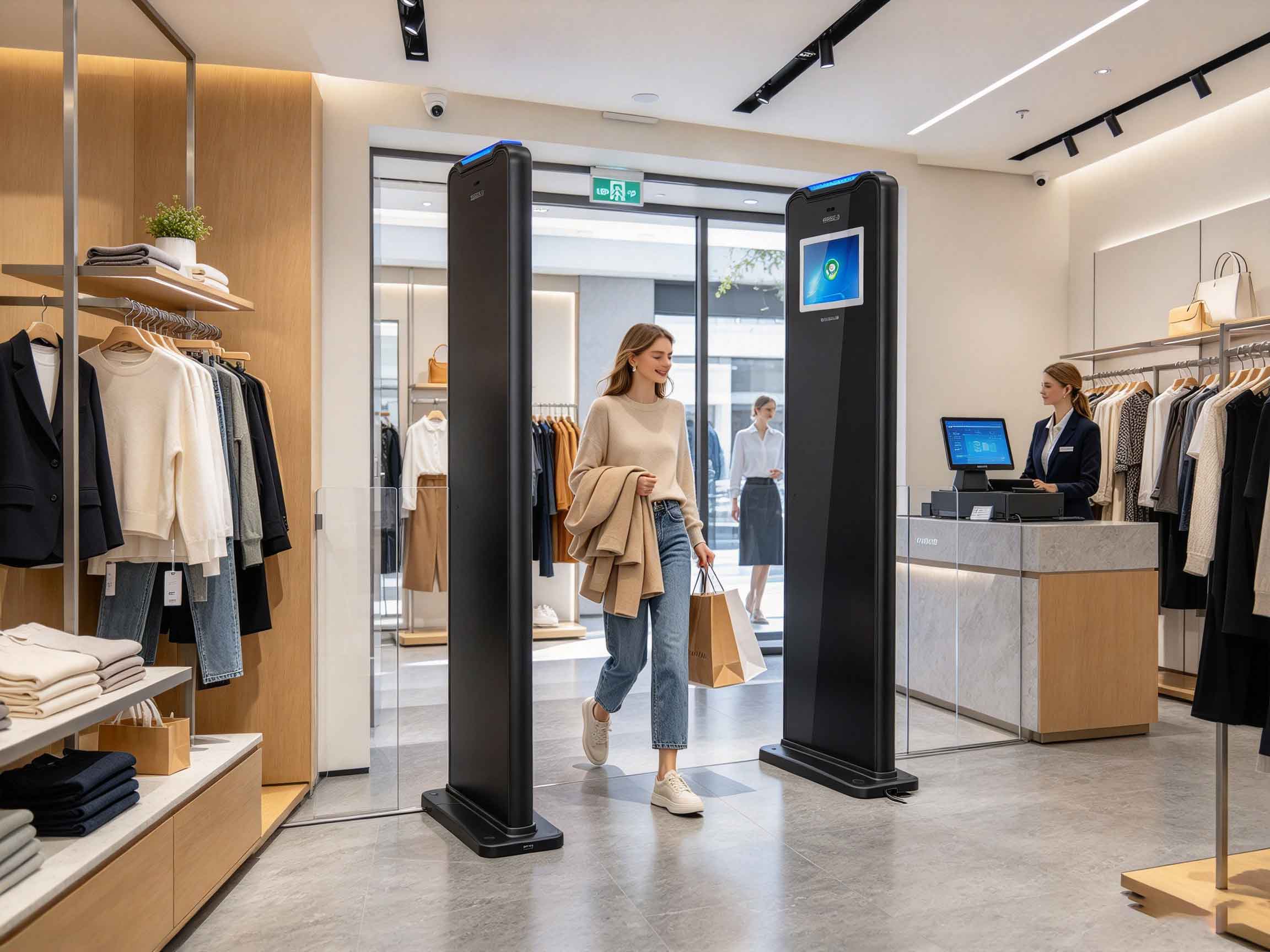
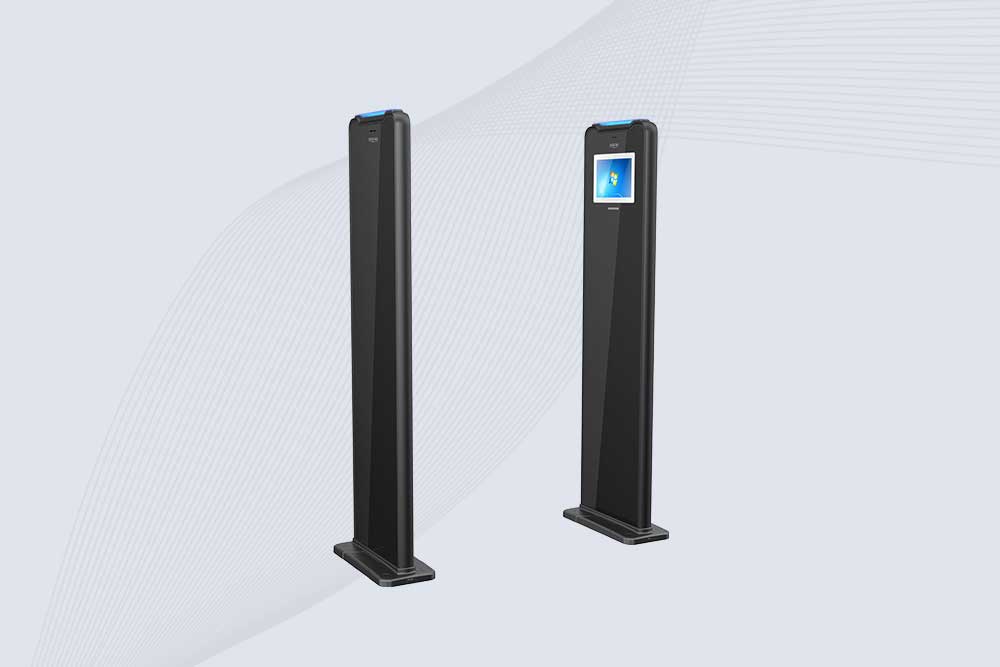
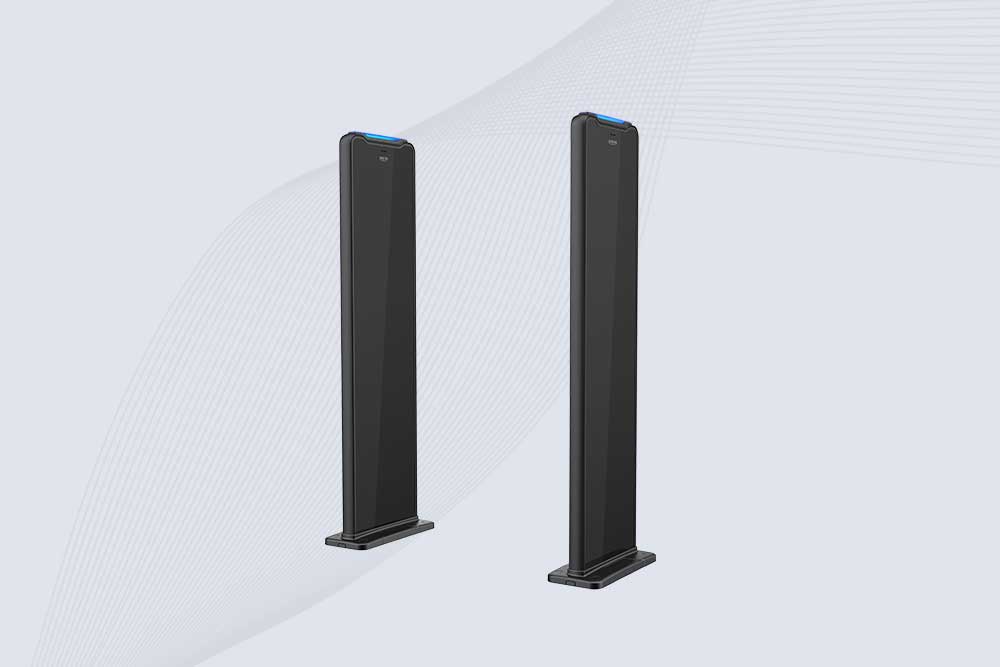
For a store or library installation, the physical design of the security gate matters almost as much as the RFID electronics.
| Feature | Practical function |
|---|---|
| Multi-tag reading | Identifies multiple RFID tags moving through the zone |
| Specially designed antenna | Creates a controlled detection area with fewer blind spots |
| Infrared triggering | Detects a physical passage event for RFID evaluation |
| Intelligent tag filtering | Helps distinguish moving merchandise from surrounding static tags |
| Sound and light alarm | Provides immediate local notification |
| Online EAS mode | Supports network-connected alarm management |
| Offline EAS mode | Allows local alarm operation without continuous network dependence |
| Ethernet | Provides wired communication with the host system |
| Wi-Fi / 4G expansion | Supports alternative communication architectures |
| People counting | Records entry and exit traffic |
| External display | Can show passing item information and quantities |
One of the supplied mechanical specifications is especially relevant to installation planning: the RFID security gates can be arranged with a wider spacing, with a maximum distance of 2.4 m according to the product specification.
That figure should be treated as an installation parameter rather than a universal RFID reading guarantee. Actual performance depends on the tag, reader configuration, antenna arrangement, merchandise density, doorway construction, and surrounding RF environment.
Traditional electronic article surveillance (EAS) is primarily designed to detect whether a protected item crosses a security boundary. RFID access control can go further because the RFID tag can provide an electronic identity that the reader evaluates.
That difference becomes useful when a retailer has hundreds or thousands of tagged products distributed around the store.
A Cykeo RFID security gate is designed to evaluate RFID tag status, rather than simply reacting to every RFID signal in the vicinity. The intelligent filtering function can automatically exclude surrounding static tags while focusing on tags associated with movement through the gate.
This is particularly important at the edge of a sales floor. A rack of clothing may be only a short distance from the entrance. If the system simply increased RF sensitivity, it could create more unwanted reads. In practice, controlling which tag responses constitute an event is often more important than pursuing maximum reading distance.
Consider a garment store with RFID-tagged jackets hanging close to the doorway.
A customer walks toward the exit. Several tags remain stationary on nearby clothing racks. The infrared sensor detects the passage, while the RFID reader captures tag responses in the security zone. The system then evaluates the tag movement and status rather than treating every nearby tag as an alarm condition.
This is where RFID access control becomes an application-specific system instead of merely an RFID reader placed beside a door.
The product is designed to support:
Actual performance should still be validated with the merchandise, tag placement, gate spacing, and store layout intended for production. A security gate that performs well with one garment construction may require different tuning when the tag location, fabric, folding method, or merchandise density changes.
A retail exit rarely behaves like a laboratory test in which one RFID tag crosses an antenna at a time.
A customer may carry several garments. Another customer may walk through the adjacent lane. A shopping bag can contain multiple RFID-tagged products. Clothing racks can sit immediately behind the passage.
The RFID access control system therefore needs to handle multiple tag responses while maintaining a defined detection area. ISO/IEC 18000-63 includes anti-collision mechanisms that allow RFID systems to communicate in environments containing multiple tags.
Cykeo’s supplied security-gate specification emphasizes strong multi-tag reading capability, low missed-read and false-read rates, and specially designed antennas intended to provide accurate coverage without obvious blind spots.
The engineering target is not simply “read more tags.” It is “read the relevant tags when they cross the security boundary.”
That distinction is easy to miss when comparing RFID gates by headline specifications alone.
Another practical consideration is how the security gate behaves when connected to the store’s wider system.
The supplied Cykeo design supports both online and offline EAS alarm modes. In an online configuration, the gate can communicate with a host system through its network connection. Ethernet is supported as the standard wired communication method, with Wi-Fi and 4G available as expandable communication options.
Offline operation provides another layer of operational flexibility. The gate can perform local alarm functions without depending entirely on continuous communication with a remote management platform.
The integrated alarm light and buzzer provide an immediate local indication when the configured security condition is met. This matters in a busy store: an alert that can be seen and heard at the entrance is much more practical than an event that exists only inside a software dashboard.
RFID access control can also combine merchandise identification with traffic information.
The Cykeo gate supports entry and exit people counting, allowing retailers or libraries to monitor movement through the controlled passage. An external display can also be connected to show passing item information and quantities.
This creates an interesting operational combination:
| Function | Information captured |
|---|---|
| RFID identification | Tagged item identity |
| Passage triggering | Physical movement through the gate |
| Tag-state evaluation | Whether the RFID event meets the configured condition |
| Alarm | Local security notification |
| People counting | Entry and exit traffic |
| External display | Item information and quantity |
| Network communication | Data exchange with the host system |
For libraries, the same concept can be adapted to books and other RFID-tagged materials. The supplied product specification specifically identifies the ability to display passing book information and quantity, making the gate useful for applications beyond clothing retail.
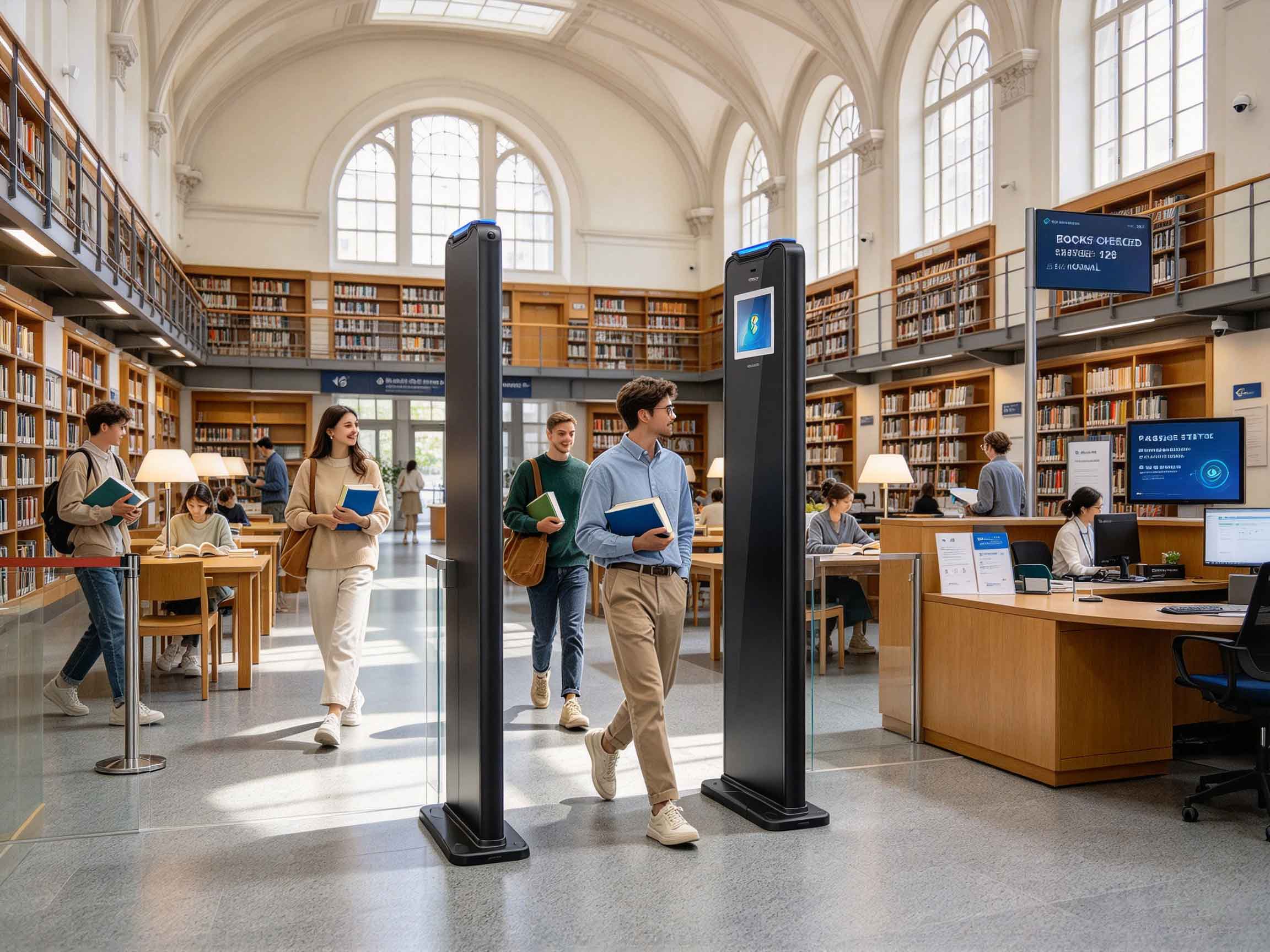
The strongest use cases are environments where tagged objects repeatedly cross a defined boundary and where the business needs more than simple visual surveillance.
RFID-tagged clothing can be identified as products approach or pass through the store exit. The system can evaluate tag movement and status while filtering stationary merchandise near the gate.
Books can be identified electronically as they pass through a controlled entrance or exit. An external display can provide item and quantity information, while people counting adds basic traffic visibility.
The same architecture can be considered for stores handling footwear, accessories, packaged merchandise, or other products where item-level RFID identification is already part of the operating process.
The important prerequisite is consistent RFID tagging. A security gate cannot compensate for poorly positioned tags, unsuitable tag constructions, or an installation that has never been tested with the actual merchandise.
RFID access control is used to monitor and identify RFID-tagged items or credentials as they pass through a controlled area. In retail, it can support merchandise security, RFID tag-state evaluation, alarms, and movement monitoring.
Yes. RFID systems based on ISO 18000-6C / EPC C1G2 are designed to support multi-tag communication. Cykeo’s security-gate specification specifically emphasizes strong multi-tag reading capability with low missed-reading and false-reading rates.
The Cykeo design combines infrared passage triggering, RFID tag-state evaluation, and intelligent filtering of surrounding static tags. This allows the system to focus on RFID events associated with movement through the security zone rather than treating every nearby tag response as an alarm.
According to the supplied Cykeo product specification, the RFID security-gate spacing can reach up to 2.4 m. The usable installation width and actual detection performance should be validated against the tag type, merchandise, antenna arrangement, and site environment.
Not necessarily. The supplied Cykeo system supports both online and offline EAS alarm modes. Ethernet communication is supported, while Wi-Fi and 4G can be added as alternative communication options.
Yes. The supplied Cykeo specification includes entry and exit people counting. This allows the same physical installation to provide both merchandise-security functions and basic traffic statistics.
What is rfid access control in practical terms? It is an RFID-based security and monitoring system that combines tag identification, controlled detection, intelligent filtering, alarms, and communication functions at a physical entrance or exit.
For Cykeo, the useful engineering detail is not simply that the gate supports RFID. It is the combination of ISO 18000-6C / EPC C1G2 compatibility, multi-tag reading, infrared triggering, static-tag filtering, integrated sound and light alarms, people counting, and flexible communication in one access-control installation.
In an apparel store, that means the system can be designed around the actual behavior of tagged merchandise rather than relying on a generic proximity alarm. The same principle can be adapted to libraries and other environments where RFID-tagged objects repeatedly cross a defined boundary.
SSD-T4A-P Smart access control with real-time crowd tracking ✔️ AI Tag Filtering for Reduced Misreads SSD-T4A-P supports AI-based tag filtering and up to 6 EPC filtering sets, helping reduce unwanted reads and improve identification accuracy in busy entrances, exits, and retail environments. ✔️ Fast In & Out Detection with Visual & Audio…
SSD-T4A UHF RFID Gate Reader with 11 dBi antenna, up to 10 m reading distance, AI tag filtering, in/out detection, 300,000 data storage, and TCP/HTTP/MQTT support.
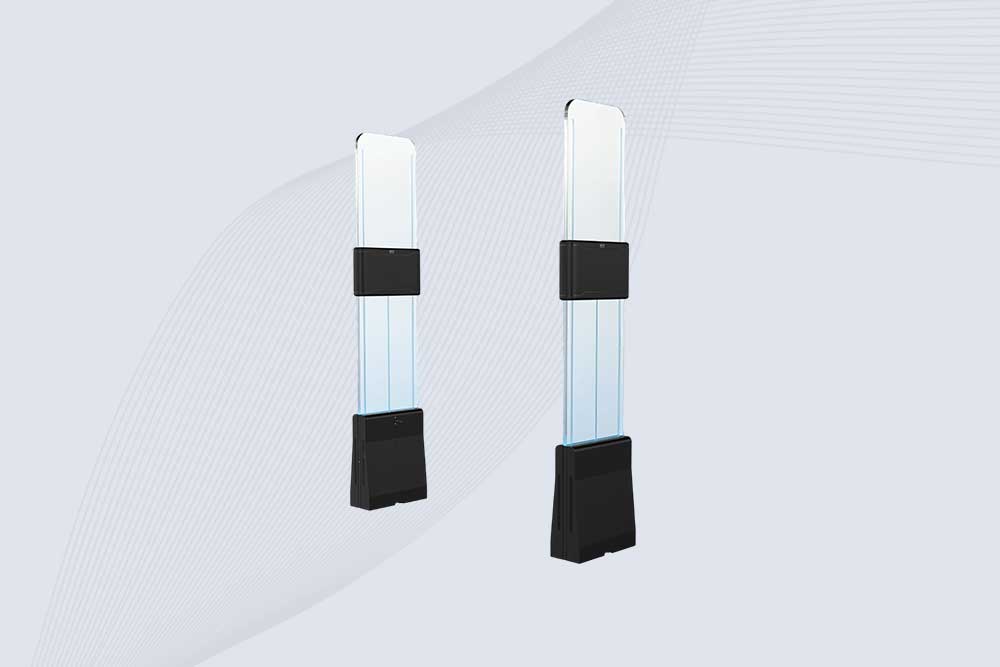
SSD-T2D UHF RFID Gate Reader with 11dBi circular antenna, Impinj E710/X3M1 chipset, up to 10m reading distance, AI tag filtering, in/out detection, and audio-visual alarms.
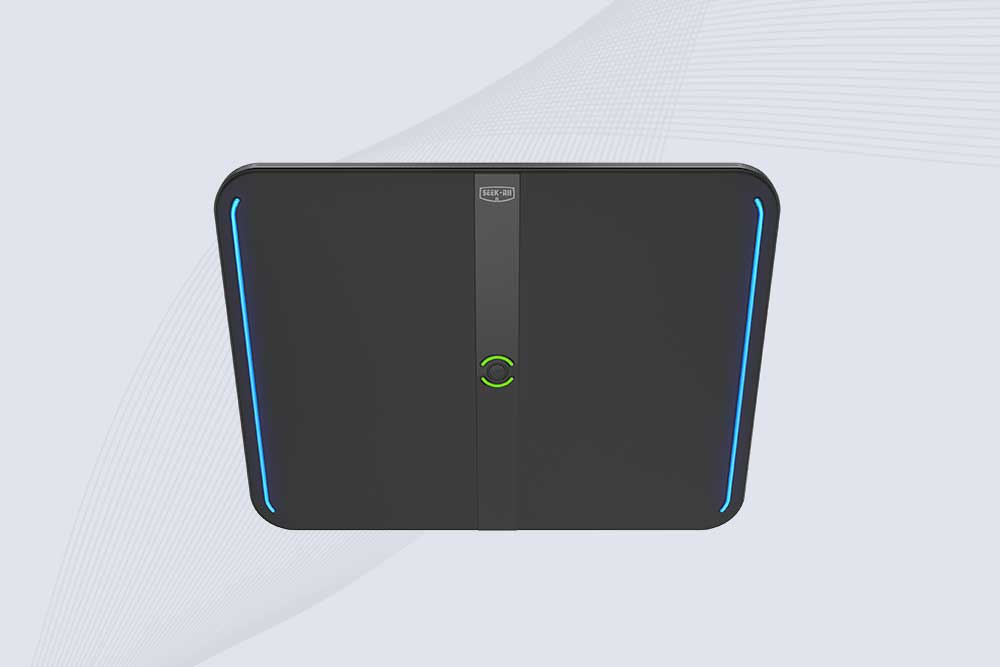
SSD-T1 ✔️ AI-Powered Tag Filtering SSD-T1 supports AI-based tag filtering with up to 6 EPC filtering sets, helping reduce unwanted tag reads and improve identification accuracy in busy retail and access-control environments. ✔️ Reliable In & Out Detection With a 7dBi antenna and a reading range of up to 2.5 meters, SSD-T1 can detect tagged i…
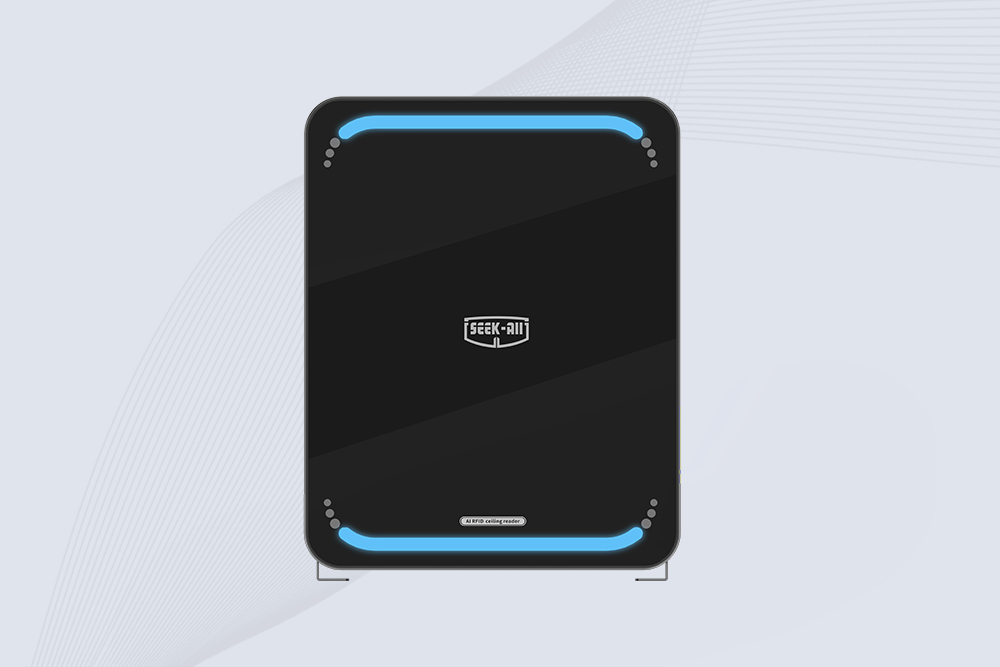
SSD-T1G is a 12 dBi AI RFID ceiling-mounted reader with 10m reading range, In/Out detection, AI tag filtering, 300,000-record storage, and TCP/HTTP/MQTT support.
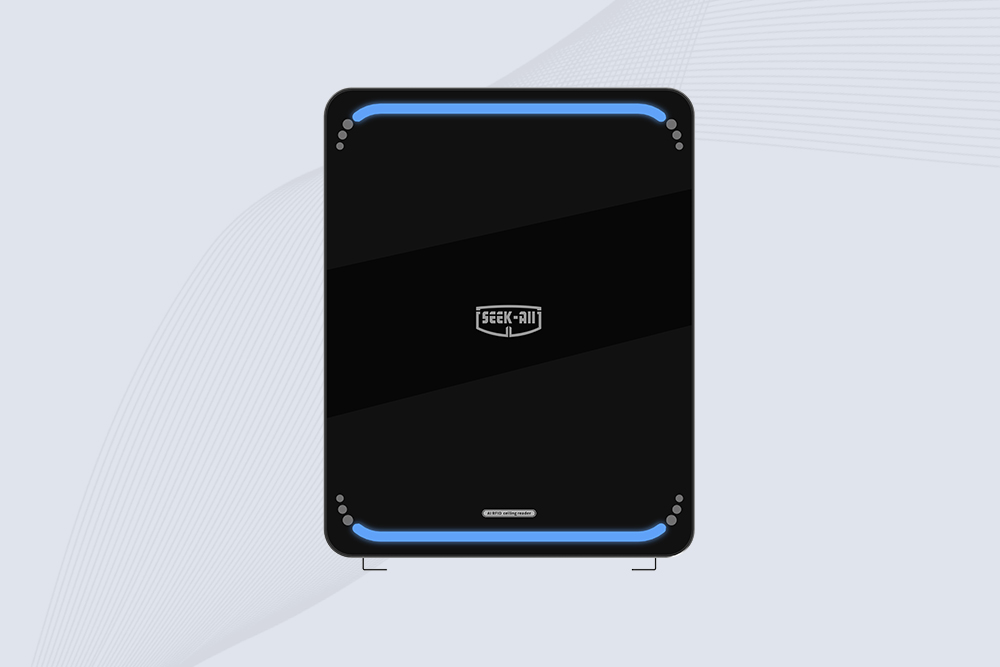
SSD-T1H 9dBi AI ceiling-mounted UHF RFID reader with up to 10m reading range, AI tag filtering, 300,000 data storage, and TCP/HTTP/MQTT support.

Cykeo’s CYKEO-T1D industrial RFID ceiling reader features 500 tags/sec scanning, IP54 protection, and -20℃~60℃ operation for retail/warehouse security. Supports ISO18000-6C and GB/T29768 protocols.
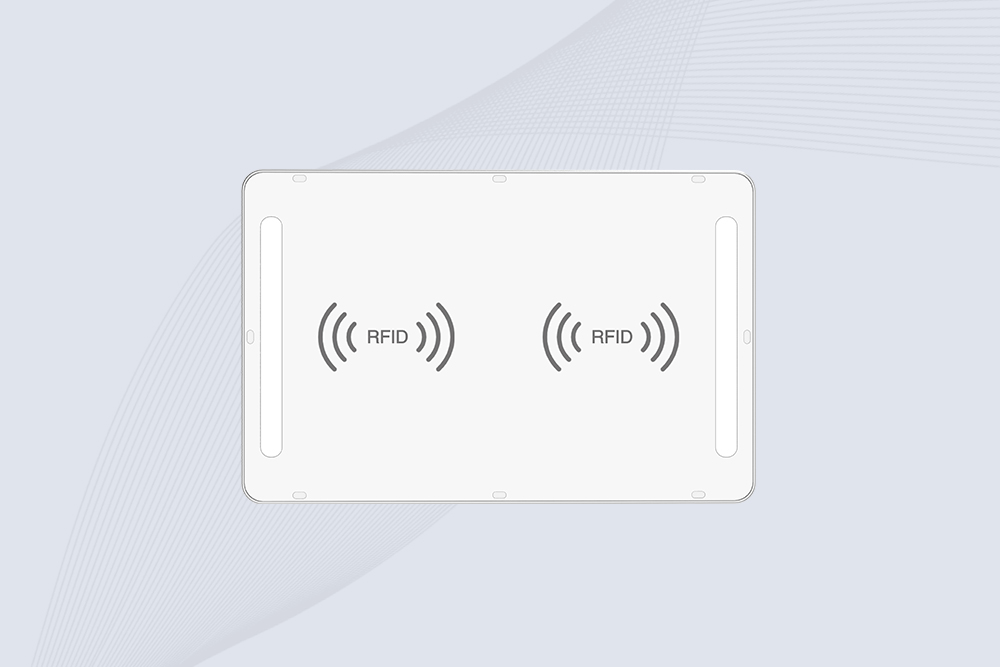
Cykeo’s ceiling-mounted RFID reader enables hands-free 5m inventory tracking with 500 tags/min speed. Features dual alerts, ERP integration, and IP54 rating for warehouse security.
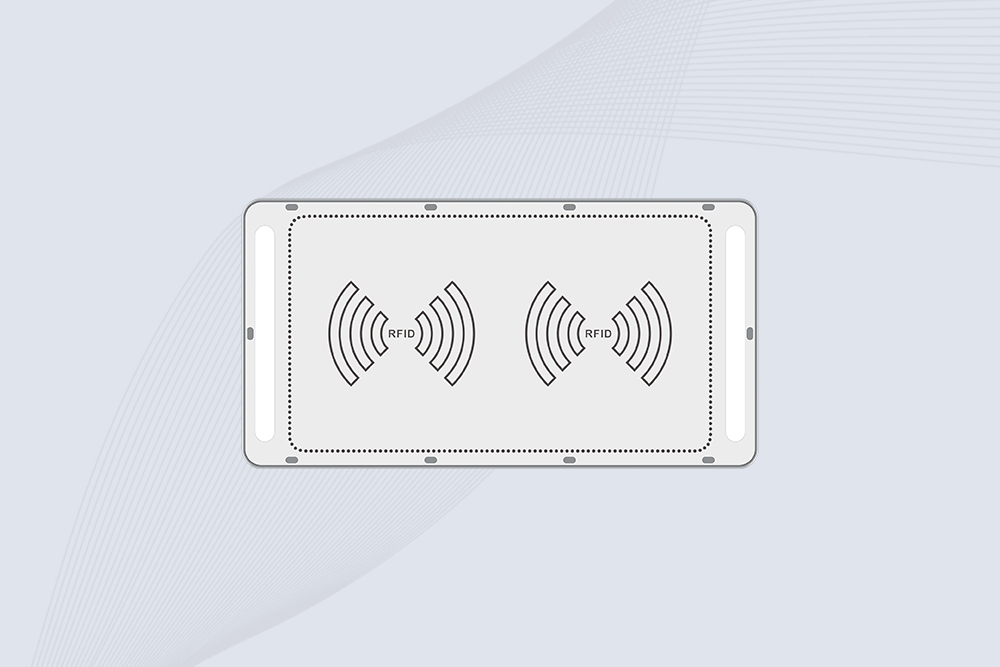
Cykeo CK-T1E RFID gate system features 120° coverage, AI motion filtering, and 5m detection for retail/warehouse security. IP67 rugged design with ERP integration.
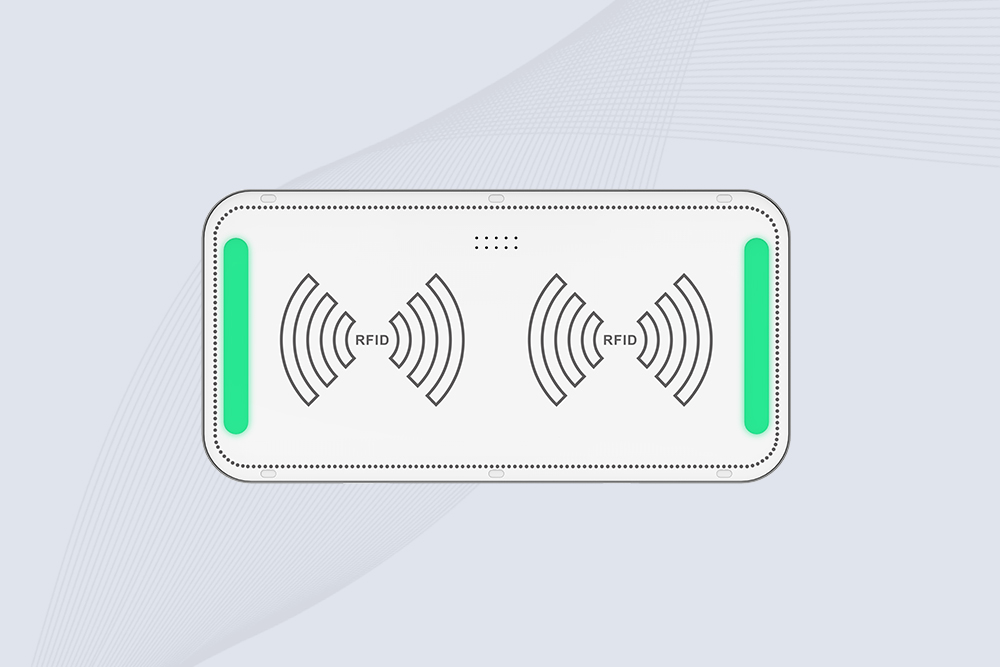
Cykeo CYKEO-T1A industrial ceiling RFID system offers 10-20m read range, 500+ tags/sec speed, and IP65 protection for smart warehousing. Supports multi-protocol integration and real-time inventory alerts.
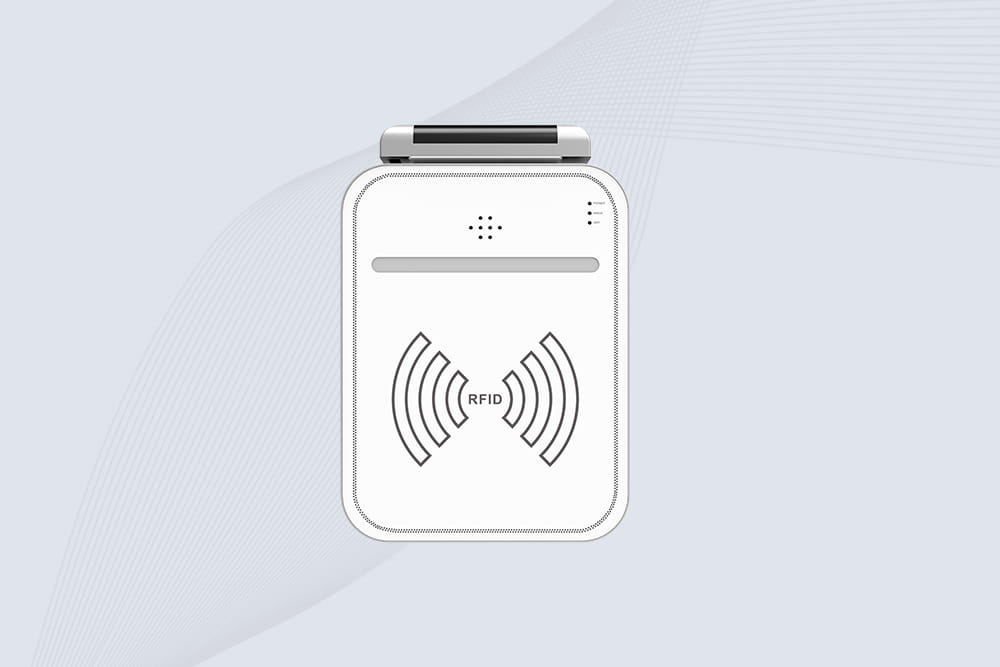
Cykeo’s CYKEO-T1 ceiling-mounted UHF RFID reader offers 500tags/sec scanning, ISO18000-6C compliance, and -20℃~60℃ operation for smart retail/warehouse management. Supports TCP/IP & Android integration.
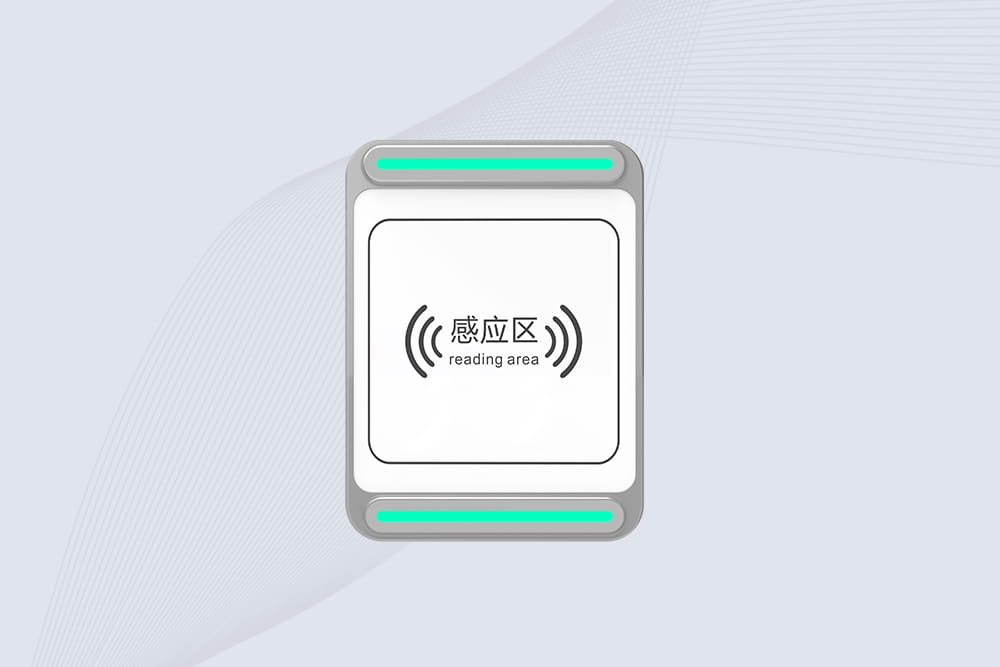
Cykeo CYKEO-T1B ceiling-mounted RFID system delivers 10-20m reading range, 500+ tags/sec processing, and integrated security alarms. Ideal for warehouse/logistics automation with Android-compatible SDK.

Cykeo’s industrial ceiling-mounted RFID reader offers 10m+ automated inventory tracking, ISO-18000 compliance, and anti-theft alarms. Designed for retail/warehouse/logistics facilities.
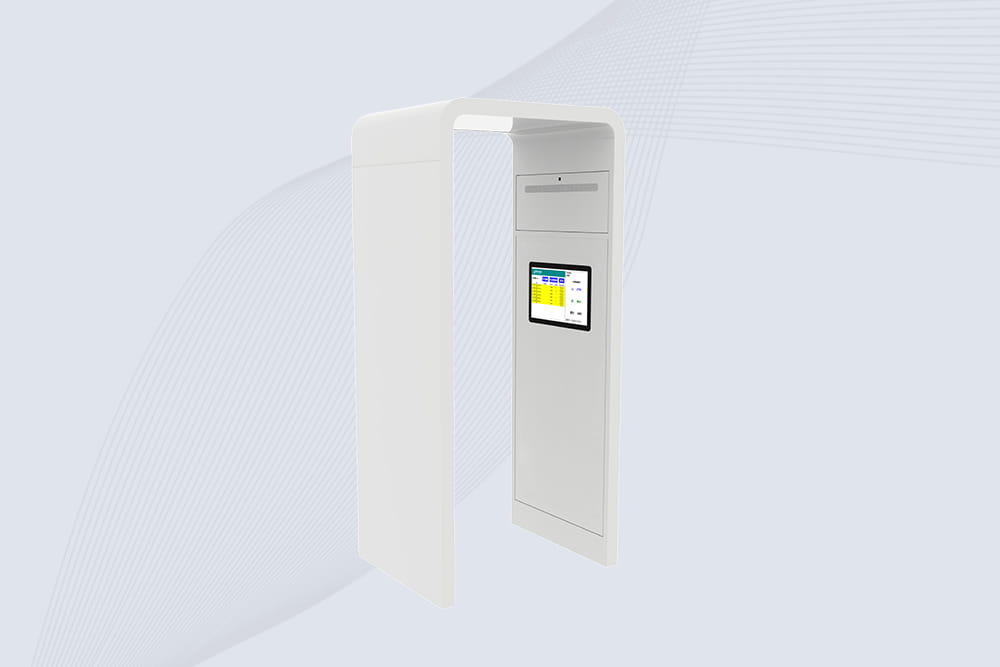
Cykeo CYKEO-T8 industrial arch gate RFID reader delivers 800+ tags/min scanning, 4m detection range, and Android touchscreen for libraries/retail stores. Supports SAP integration & dual EAS alarms.
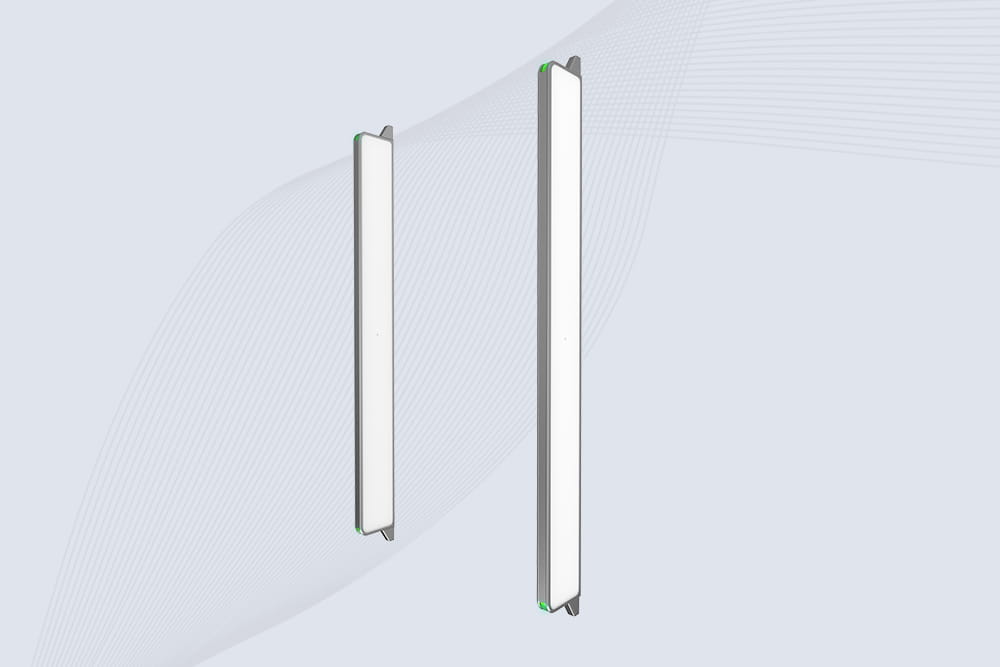
Cykeo CYKEO-T3 industrial RFID gate reader features 200cm detection, infrared triggering, and dual alarm modes for warehouses/libraries. Supports WiFi/4G and Java/C# SDK integration.
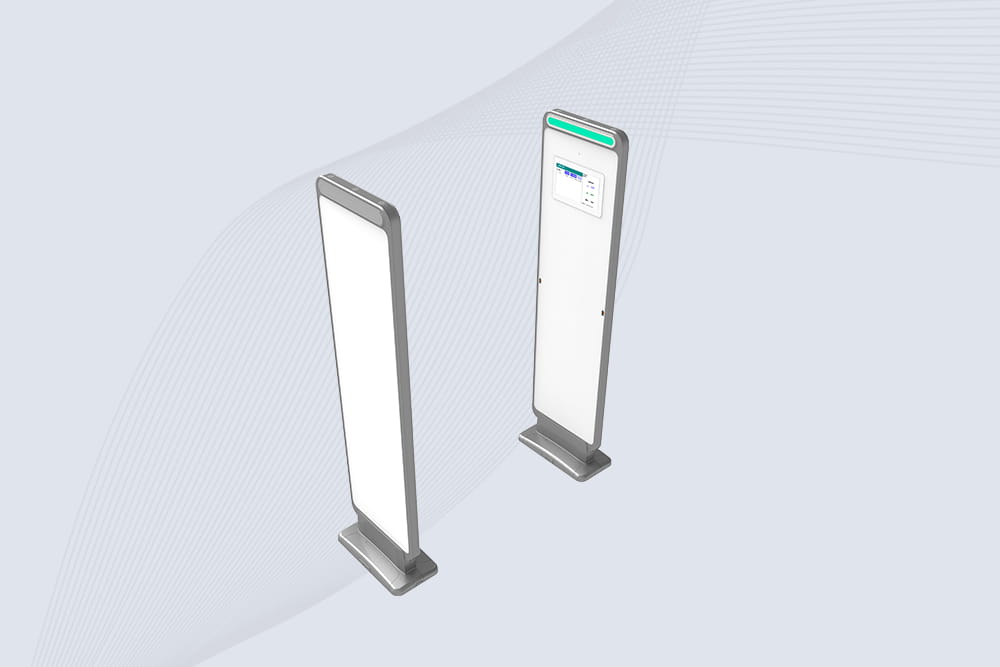
Cykeo CYKEO-T4 industrial RFID gate system features 4-antenna array, 99.9% detection accuracy, dual EAS alarms, and WiFi/4G connectivity for library/warehouse/retail security. ISO 18000-6C compliant.

Cykeo’s CYKEO-T5 UHF RFID gate reader features 600cm detection, infrared tracking, and dual-mode alarms for retail/library security. Supports crowd counting and multi-protocol integration.
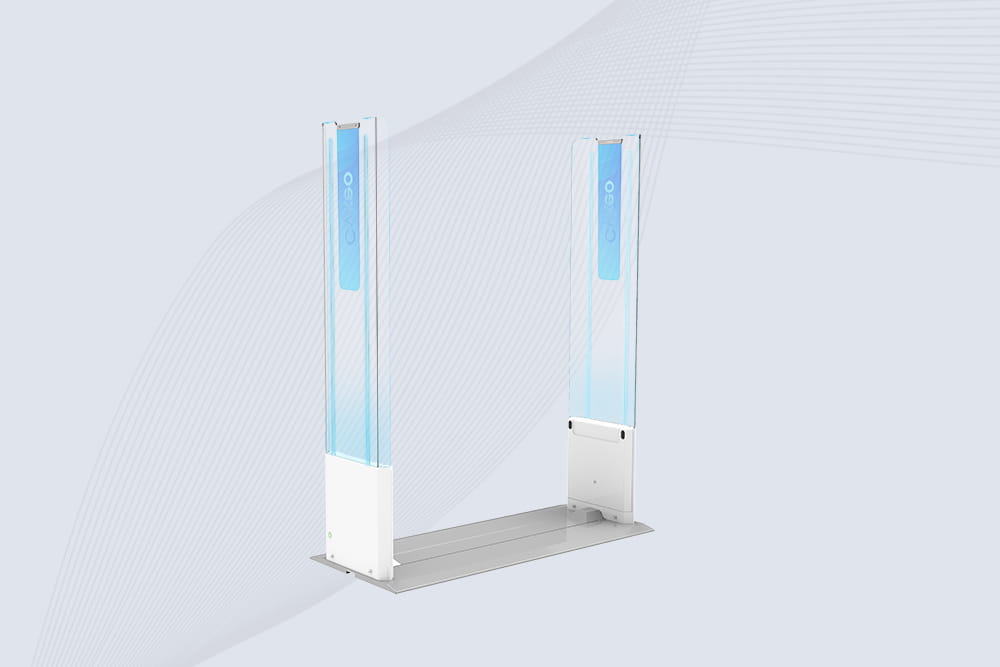
Cykeo CYKEO-T2A industrial Gate Barrier RFID Reader system features 6m detection, 200 tags/sec scanning, IP54 durability. Perfect for retail security, warehouse access control. Supports EPC C1G2, WiFi/4G, ERP integration.
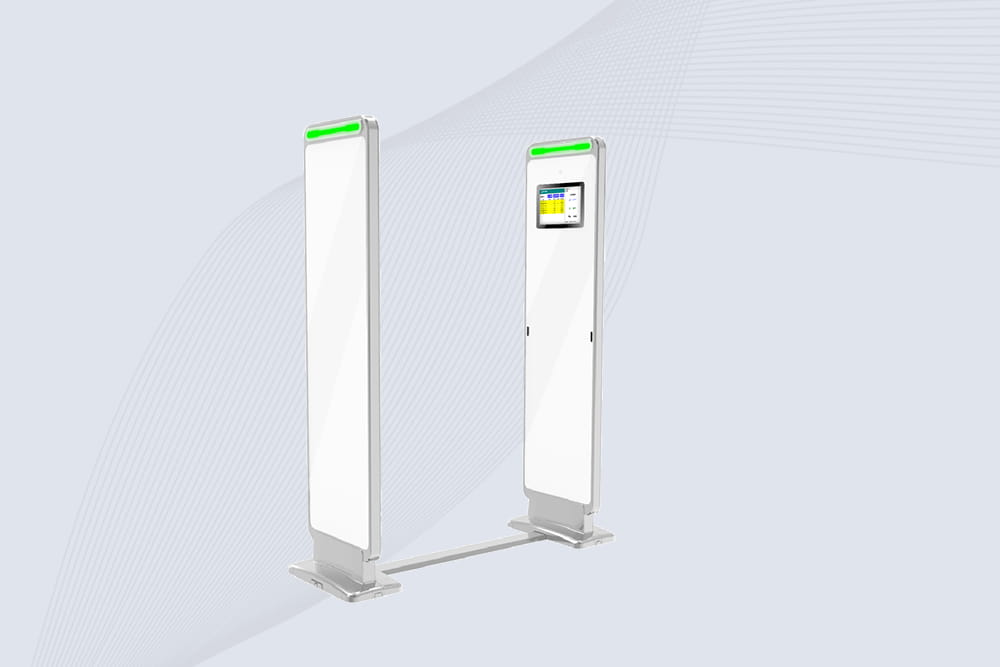
Cykeo’s CYKEO-T4 RFID Gate Reader system offers 200+ tags/sec scanning, EAS alarms, and rugged design for libraries/warehouses. Supports WiFi/4G and Windows/Android OS.

Cykeo HF RFID gate reader offers 90cm detection range, ISO15693/18000-6C compliance, and industrial-grade durability for libraries/retail. Features EAS alarms, infrared traffic analysis, and 3D omni-directional scanning.
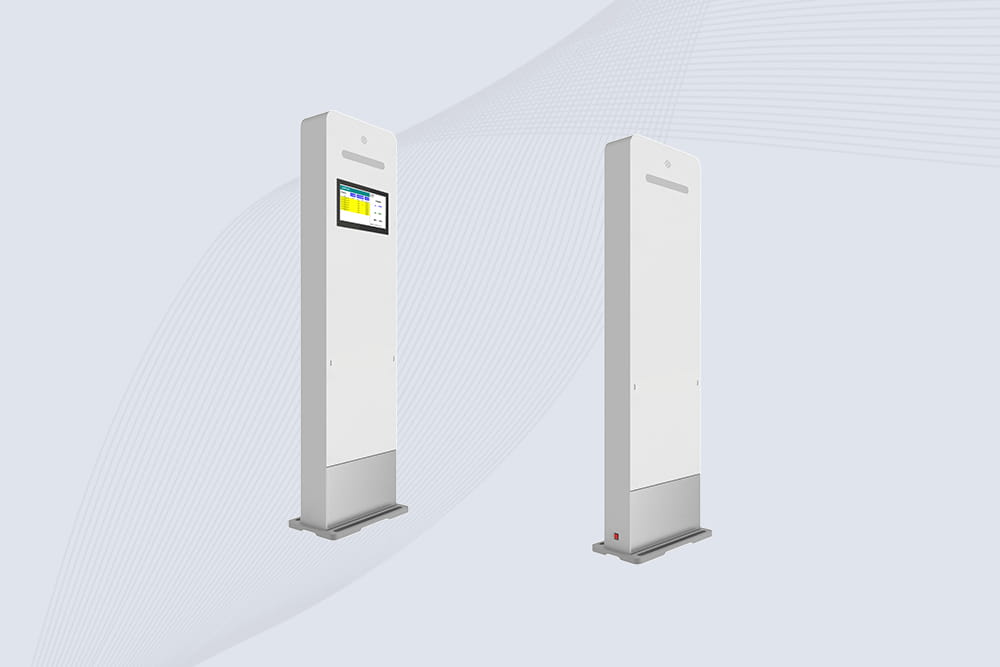
Cykeo CYKEO-T7 UHF RFID Gate Reader system delivers 600cm read range, 99.9% tag accuracy, real-time personnel counting, and SAP integration for logistics/warehouse/manufacturing. Supports dual OS & offline alarms.
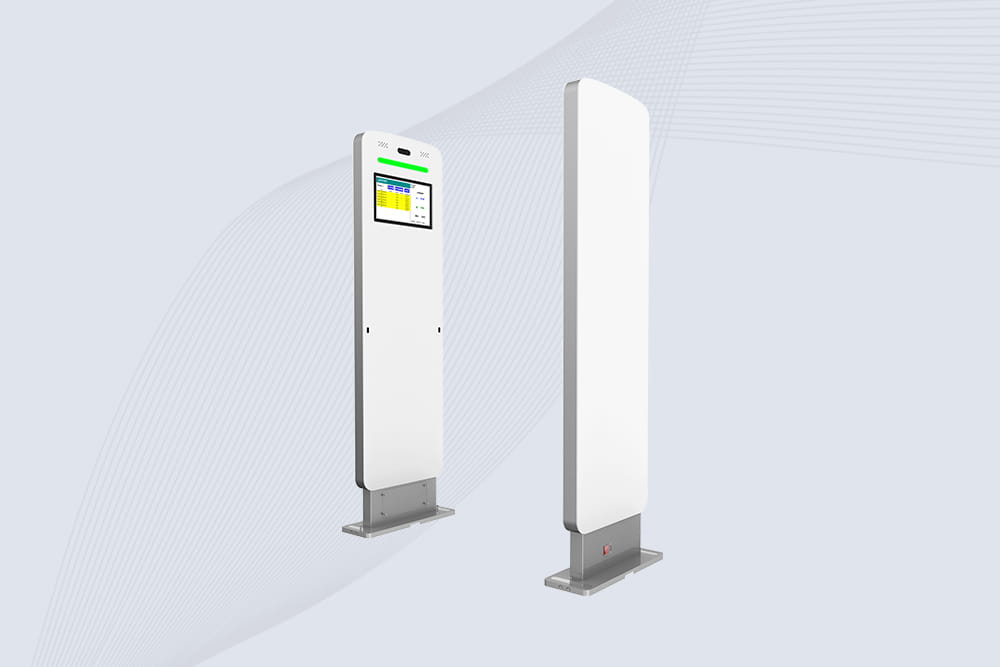
Cykeo CYKEO-T6 gate RFID reader features 1,200+ tags/min scanning, 6m detection range, and industrial-grade durability for libraries/stores/warehouses. Supports ISO 18000-6C and waterproof installations.

Cykeo CYKEO-T9HA industrial HF RFID gate reader offers 100cm range, 100+ tags/sec scanning, ISO 15693/14443A protocols, and IP66 durability for libraries, archives, and retail. Supports offline alarms and SAP integration.
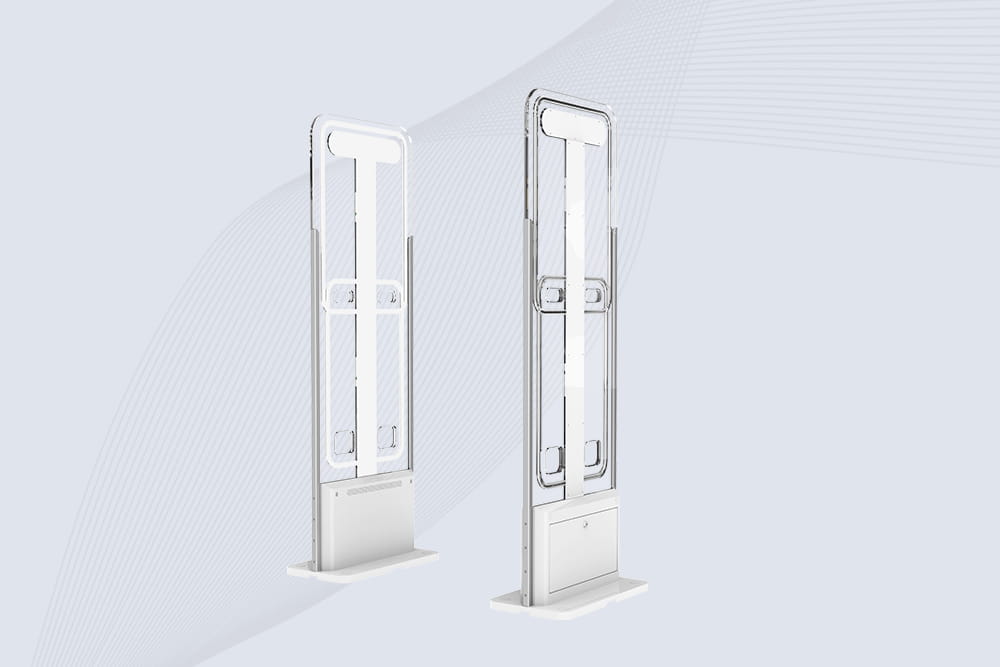
Cykeo CYKEO-T9UH UHF RFID gate reader offers 90cm detection width, EAS/AFI anti-theft alerts, IP54 rugged design, and multi-protocol support for libraries, retail, and logistics.
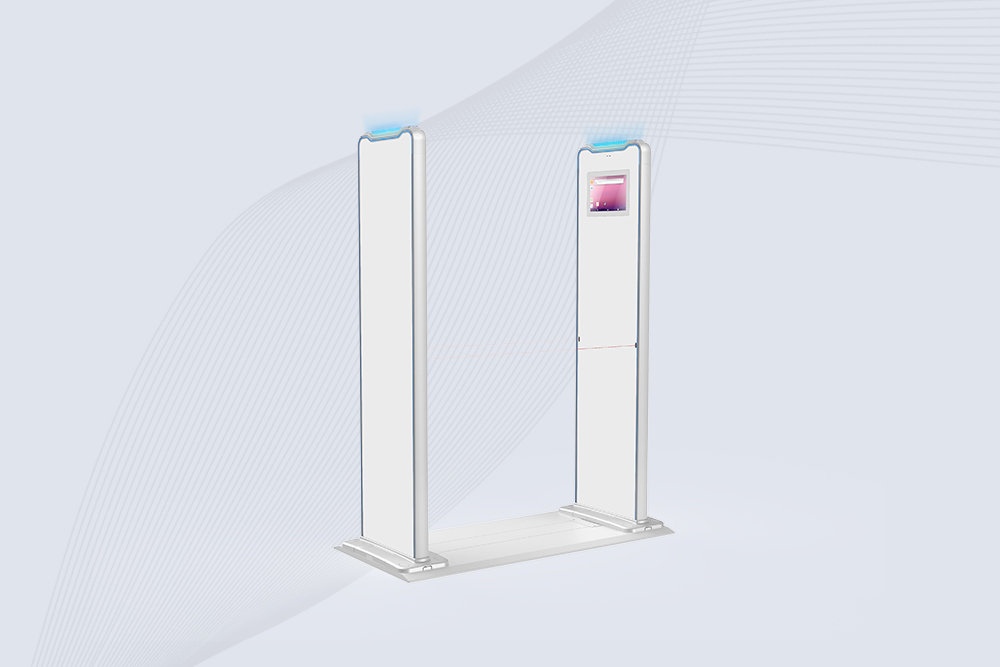
Cykeo’s Fixed RFID Gate Reader features 60 tags/sec scanning, IP54 rugged design, and dual-mode EAS alarm. Ideal for library/warehouse/event access control with real-time crowd analytics.
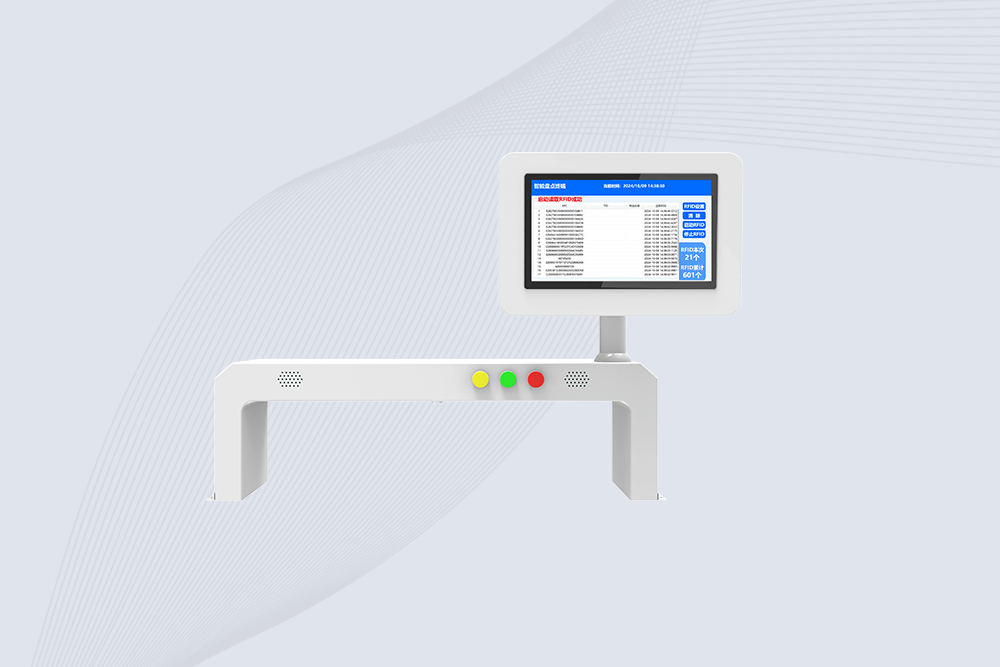
Cykeo CYKEO-T8A rfid gate access control system features IP68 enclosure, 400 tags/sec scanning, and 6-antenna array for warehouse/manufacturing security.
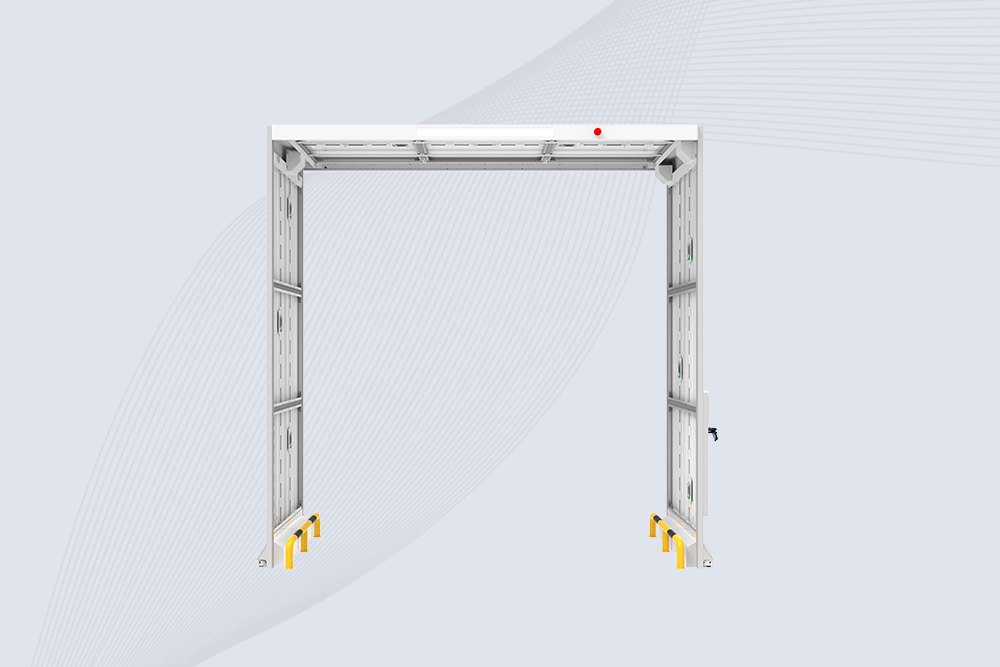
Cykeo CYKEO-T8F RFID gate entry systems deliver 200+ tags/sec scanning, EPC C1G2 compliance, and EAS alarms for warehouse/production gates. Supports Windows/Android OS.
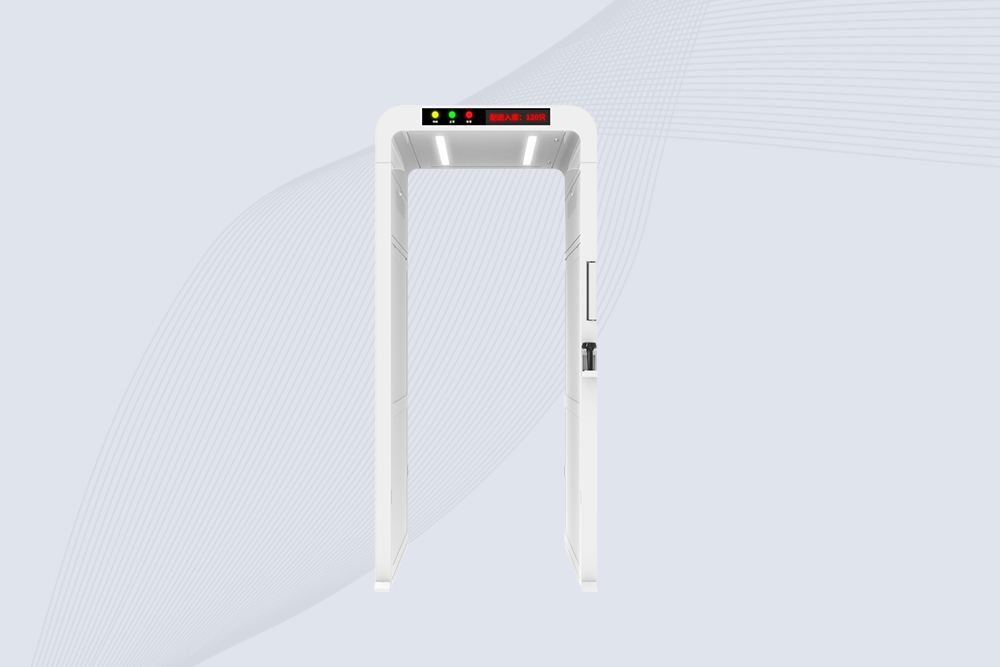
Cykeo CYKEO-T8C RFID gate opener delivers 200+ tags/sec scanning, ISO 18000-6C compliance, and facial recognition for logistics/secure facilities. Supports Windows/Android OS.
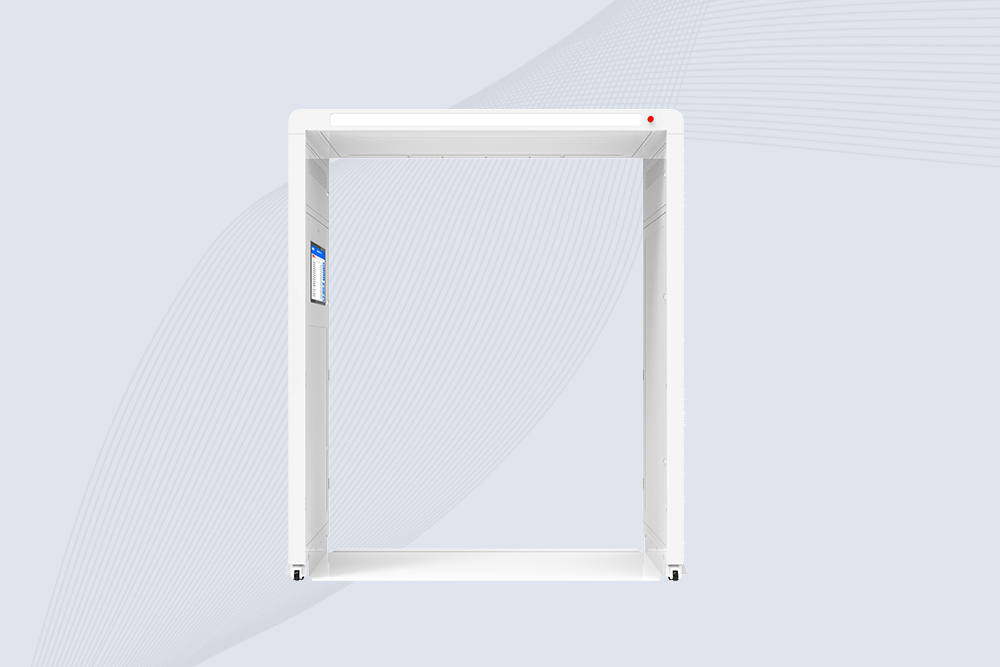
Cykeo CYKEO-T8D RFID gate access control system features 4-antenna 99.98% accuracy, ISO 18000-6C compliance, and real-time theft prevention for libraries/warehouses. Supports Windows/Android OS.
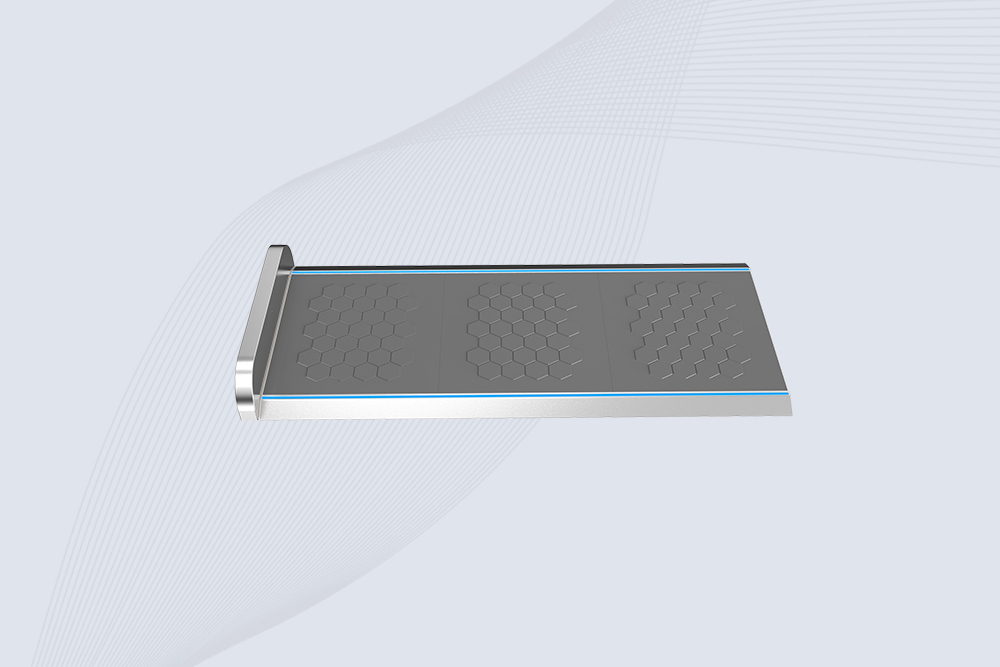
Cykeo CYKEO-T2 industrial RFID gate features 500+ tags/sec scanning, 0-3m vertical detection, and cloud management for warehouse automation and inventory control.
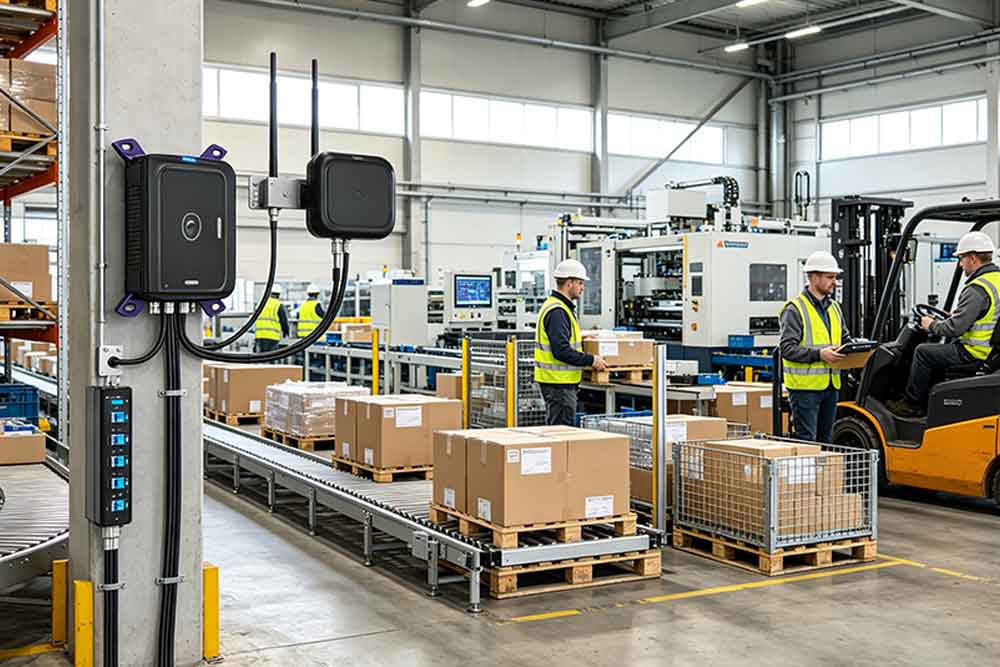
RFID enables automatic identification, tracking, and management of physical objects by connecting RFID tags, readers, software, and business workflows.
More
Learn how to integrate handheld RFID readers with ERP systems like SAP or Oracle. Follow expert steps for data sync, API setup, and real-time inventory updates.
More
Tracking reader technology enables real-time RFID asset monitoring, automated inventory control, and accurate equipment tracking. Discover how Cykeo tracking reader solutions improve operational efficiency.
More
Learn how RFID tool tracking works — from tag selection and reader setup to real-world workflows and troubleshooting. A complete guide for factories, workshops, and field service teams to regain control of tool management.
More