 Cykeo RFID IoT Solution Products R&D Manufacturer
How to Test RFID Tags With Your Phone Without a Scanner
320Learn how to test RFID tags with a smartphone without an RFID scanner. Understand NFC testing limits, suitable RFID tags, common issues, and tips for bulk RFID buyers.
MoreAll RFID Product
what can rfid do? RFID can identify, track, and manage physical objects by using wireless communication between RFID tags and readers. It enables automated inventory counting, asset tracking, supply-chain visibility, access control, and production monitoring while reducing manual scanning and improving data accuracy.
In real industrial projects, RFID is not simply a replacement for barcode labels. It changes how physical objects communicate with digital systems.
A carton entering a warehouse, a tool returning to a cabinet, or a component arriving at a production station can become a recorded event. The RFID tag provides the identity, the reader captures the signal, and the software decides what action should follow.
This practical relationship is where RFID creates value.
The most basic answer is simple: RFID can give physical objects a digital identity.
That identity allows businesses to recognize, locate, verify, and manage items without manually checking every label.
A barcode normally requires an operator to position a scanner toward the printed code. RFID uses radio communication, meaning the reader can capture tag information without direct visual alignment in many applications.
GS1 explains that RAIN RFID technology can identify objects automatically and support multiple tag reads without requiring line-of-sight scanning.
In practice, RFID can be used for:
The technology itself is flexible. The final result depends on how the RFID system is designed around the workflow.
Inventory is one of the most common reasons companies investigate RFID.
The difference appears when the number of items becomes too large for manual counting.
Imagine a warehouse aisle containing thousands of products. A worker using barcode scanning must locate labels one by one. With an RFID-enabled inventory system, tagged products can be detected through a handheld reader or fixed reader installation.
The important improvement is not only speed.
It is the quality of inventory information.
RFID can help organizations answer:
Auburn University researchers conducted field studies examining RFID-enabled inventory visibility. One study involving 13 retail stores over 23 weeks reported an approximately 26% reduction in inventory record inaccuracy after RFID implementation. A later study across 62 stores and five product categories found that the impact differed depending on the product category.
This research provides an important practical lesson.
RFID does not automatically create better inventory accuracy.
The improvement comes when:
During RFID deployments, one of the most common misunderstandings is focusing only on the tag.
A complete RFID solution normally includes:
| Component | Function |
|---|---|
| RFID Tag | Stores identification information |
| RFID Antenna | Sends and receives radio signals |
| RFID Reader | Communicates with tags |
| Middleware | Filters and processes tag events |
| Software Platform | Converts data into business actions |
| Database | Stores operational information |
A tag by itself does not know where it is.
A passive RFID tag does not contain GPS. It becomes visible only when it communicates with a compatible reader.
This is why professional RFID engineering starts with the application environment.
A warehouse doorway, production line, retail shelf, and medical cabinet all require different read-zone designs.
Supply chains contain thousands of movement events.
Products arrive, move between locations, enter production, leave warehouses, and reach customers. Traditional systems often record only selected checkpoints.
RFID can increase the number of automatic identification points.
GS1’s EPCIS standard is designed to capture supply-chain events by describing important information such as what happened, when it happened, where it happened, and why it happened.
For example:
Receiving
A tagged pallet arrives at the warehouse entrance.
↓
Storage
The item is associated with a storage location.
↓
Picking
The item is identified during order preparation.
↓
Shipping
The shipment is verified before departure.
The RFID tag does not replace the warehouse management system. Instead, it provides additional physical-world data that allows software to understand movement more accurately.
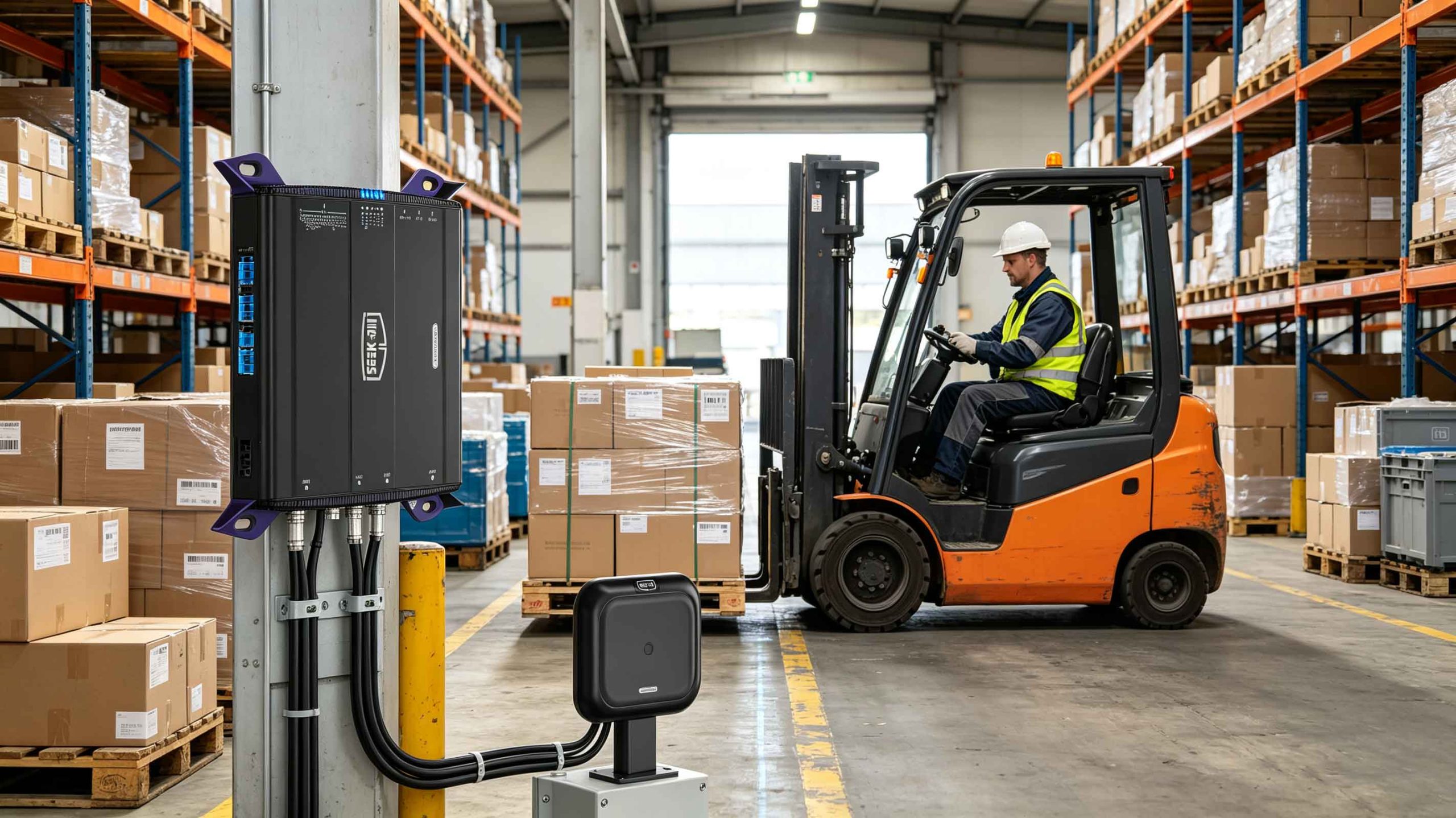
RFID is especially useful when companies manage physical assets that move frequently.
Examples include:
The challenge with these assets is rarely knowing what they are.
The challenge is knowing:
A serialized RFID tag can provide each asset with its own electronic identity.
For example:
Tool A → RFID ID 001
Tool B → RFID ID 002
Tool C → RFID ID 003
When connected with readers and software, those identities can become operational records.
Manufacturing environments often involve repeated movement between stations.
A component may move from receiving, to storage, to assembly, to inspection, and finally to finished goods.
RFID can connect these physical movements with production systems.
Possible applications include:
| Manufacturing area | RFID function |
|---|---|
| Material receiving | Identify incoming components |
| Production line | Track work-in-process items |
| Assembly station | Confirm correct components |
| Quality control | Record inspection events |
| Finished goods | Register completed products |
This is particularly valuable where manual recording creates delays or data gaps.
The RFID system does not replace manufacturing software. It supplies additional identification events that the software can use.
Yes. Some RFID tags can store additional information.
GS1 explains that RAIN RFID tags may contain different memory areas, including EPC memory for identification and User memory for additional application data when supported by the tag design.
However, many industrial RFID systems do not store large amounts of information directly on the tag.
A common architecture is:
RFID Tag → Unique ID → Database → Business Information
This approach allows companies to update product information, locations, maintenance records, or inventory status without rewriting every tag.
At Cykeo, RFID applications are developed around real operational requirements rather than only hardware specifications.
For industrial environments, fixed readers such as CYKEO-RA9L / CK-D9L can support controlled identification points through interfaces including Ethernet and RS-232.
The CYKEO-M4L RFID module is designed for OEM integration and supports UHF RFID protocols including ISO18000-6C/EPC C1G2.
In deployment projects, engineers normally evaluate:
A reader that performs well in a laboratory may behave differently beside metal shelving, liquid products, or moving pallets.
Real RFID performance comes from matching the technology with the physical environment.
One of the strongest advantages of RFID is that it allows identification to happen automatically while products, assets, or materials are already moving through a process.
In traditional workflows, employees often become the connection point between physical objects and digital records. They scan labels, enter information, confirm quantities, and update systems manually.
RFID changes that relationship.
A tagged item can generate an identification event when it enters a reader’s communication range. The system can then decide whether that event represents receiving, movement, production completion, shipment confirmation, or another business action.
GS1 identifies automation, improved operational efficiency, and reduced manual interaction as important benefits of RAIN RFID technology.
Typical automation examples include:
The practical difference is that RFID moves identification from a human-triggered activity to a system-generated event.
RFID and barcode systems are both identification technologies, but they solve problems differently.
A barcode depends on optical scanning. The scanner usually needs to see the printed code clearly.
RFID uses radio communication between a reader and a tag.
| Feature | Barcode | RFID |
|---|---|---|
| Line of sight | Usually required | Usually not required |
| Multiple item reading | Limited | Supported |
| Manual scanning | Common | Can be automated |
| Item-level identification | Possible | Possible |
| Environmental design | Mainly label visibility | RF environment matters |
| Data capture speed | Depends on operator | Depends on reader/tag setup |
| Automation potential | Moderate | High for suitable workflows |
GS1 explains that RAIN RFID does not necessarily replace barcodes. Instead, companies should evaluate which technology fits the specific application, and both can operate together in many environments.
This hybrid approach is common.
For example:
A technology decision should start with the process problem, not with replacing one label type with another.
Retail is one area where RFID has received significant attention because inventory visibility directly affects product availability.
An RFID-tagged item can be identified during receiving, shelf replenishment, stock counting, and checkout-related processes.
The benefit is not only faster counting.
Better visibility can help retailers understand whether inventory records match physical stock.
Auburn University’s RFID research demonstrated that RFID-enabled inventory visibility could improve inventory record accuracy in specific retail environments, although results depended on product category and implementation conditions.
Retail applications may include:
The important factor is integration.
An RFID reader creates data. The retail system must convert that data into useful actions.
Some RFID tags can be written, updated, or locked depending on their memory structure and security settings.
This capability allows certain applications to modify information during an item’s lifecycle.
Examples:
| Stage | Possible RFID data update |
|---|---|
| Production | Manufacturing status |
| Inspection | Quality approval status |
| Logistics | Handling information |
| Maintenance | Service records |
| Rental equipment | Usage status |
GS1 explains that supported RAIN RFID tags can contain User memory and that data can be written to supported memory areas with appropriate controls.
However, experienced RFID engineers usually avoid putting too much information directly onto the tag.
A more scalable architecture is often:
RFID identifier → Database record → Updated business information
The tag stays simple. The enterprise system manages the complexity.
RFID can support authentication by assigning objects or credentials a unique electronic identity.
Common examples include:
The RFID chip itself does not decide whether access or authentication should be granted.
The complete system normally includes:
This structure allows organizations to define how identification information should be used.
For product authentication, the RFID identity can help distinguish genuine tagged products from items without the expected identifier.
For access systems, the reader captures credential information while the control platform determines authorization.
A common misunderstanding is that RFID performance is determined only by the chip.
In reality, the entire radio environment matters.
During RFID deployment projects, engineers evaluate details such as:
For example, a tag attached to a cardboard shipping carton may perform very differently from the same tag attached directly to a metal container.
The application environment changes the result.
This is why professional RFID testing normally happens in the actual operating location.
A warehouse test aisle, production workstation, or shipping dock often reveals issues that cannot be discovered on a laboratory table.
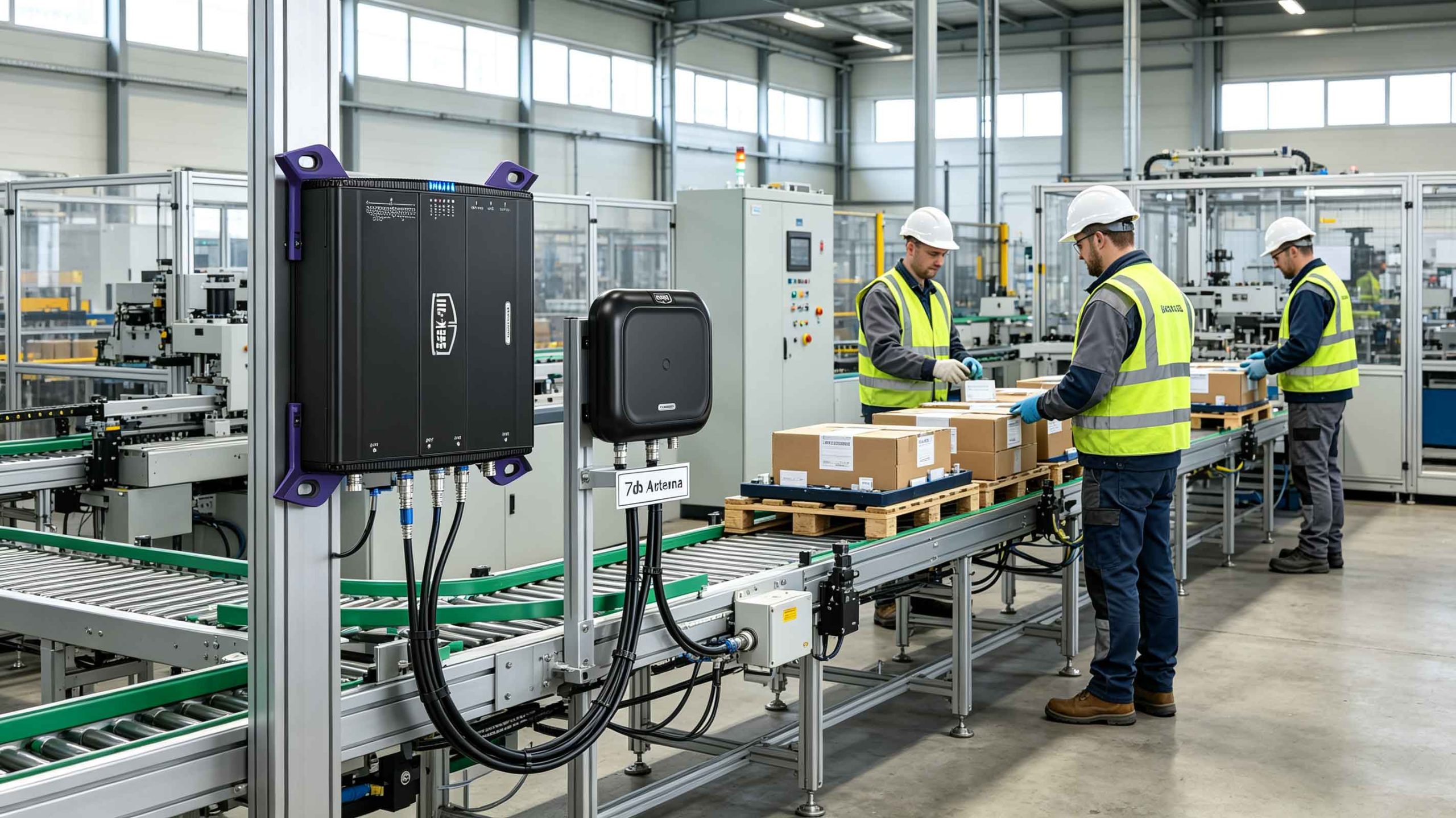
At Cykeo, RFID systems are designed around the connection between physical objects and digital workflows.
A typical industrial RFID solution may include:
For example:
A warehouse door application may require a fixed reader that identifies tagged pallets entering and leaving.
A tool management cabinet may require reliable identification of individual tools.
A production workstation may require fast confirmation that the correct component has arrived.
The RFID technology is similar, but the engineering approach changes according to the business objective.
This is why RFID projects should begin with questions such as:
RFID can identify tagged inventory, support automated receiving and shipping, improve stock visibility, and reduce repetitive manual scanning. Fixed and handheld RFID readers can be used depending on the workflow requirements.
RFID does not provide GPS-style location by itself. It identifies an item when it is detected by a reader. With multiple readers and software logic, organizations can create location-related visibility.
Yes. UHF RFID systems are designed to identify multiple tags within a suitable read zone. Actual performance depends on reader configuration, tag design, environment, and application requirements.
Yes. Passive RFID tags receive energy from the reader’s RF field and respond without requiring their own battery.
Some RFID tags can be reused depending on the application, tag construction, attachment method, and operating environment. Reusable asset tracking often uses durable RFID tags designed for repeated use.
Yes. RFID can create automatic identification events at different points in a supply chain, allowing systems to associate physical objects with digital records and operational processes.
The answer to what can RFID do is broader than simple identification.
RFID can connect physical objects with digital systems.
It can help businesses know what an item is, where it was detected, when it moved, and which process it belongs to.
From warehouses and factories to retail stores and asset-management environments, RFID creates a bridge between physical operations and real-time information.
The most successful RFID projects are not based only on choosing a powerful reader or a high-memory tag.
They are built around understanding the workflow.
The tag must match the object.
The reader must match the environment.
The software must match the business requirement.
When those elements work together, RFID becomes more than a tracking technology—it becomes an operational visibility system.
Cykeo provides UHF RFID readers, RFID reader modules, and integrated identification solutions designed for industrial applications where accurate and reliable data capture is required.
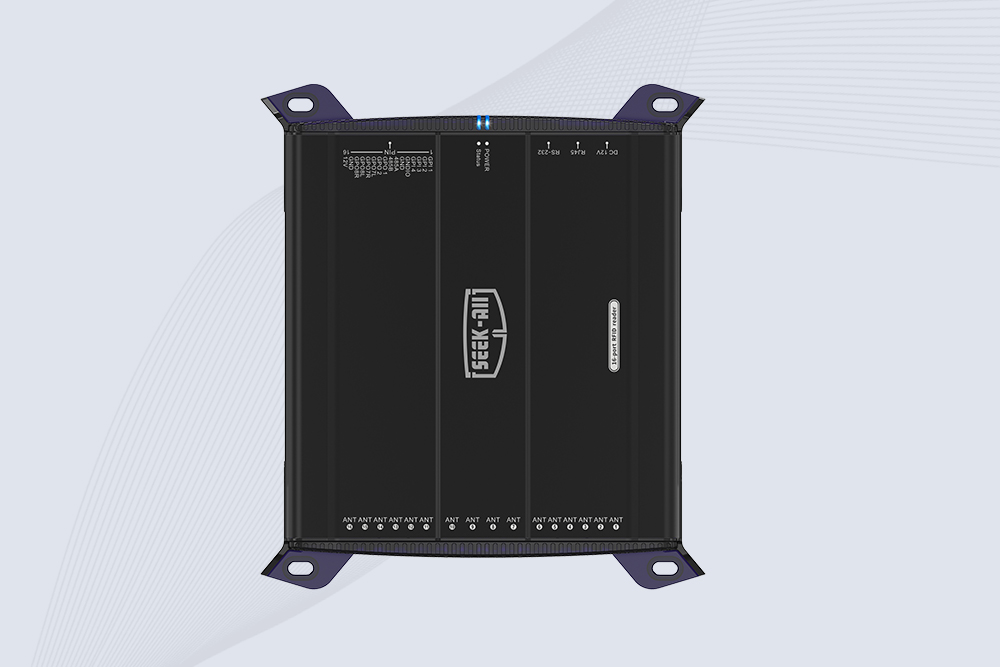
SSD-R16L Multi-Channel RFID Infrastructure for Automated Inventory Management ✔️ 16-Port High-Density RFID Reading Equipped with 16 SMA antenna ports, SSD-R16L supports multi-antenna deployment for warehouses, retail stores, logistics, production lines, and large-area RFID identification. ✔️ High-Speed & Long-Range Performance With up to 33…
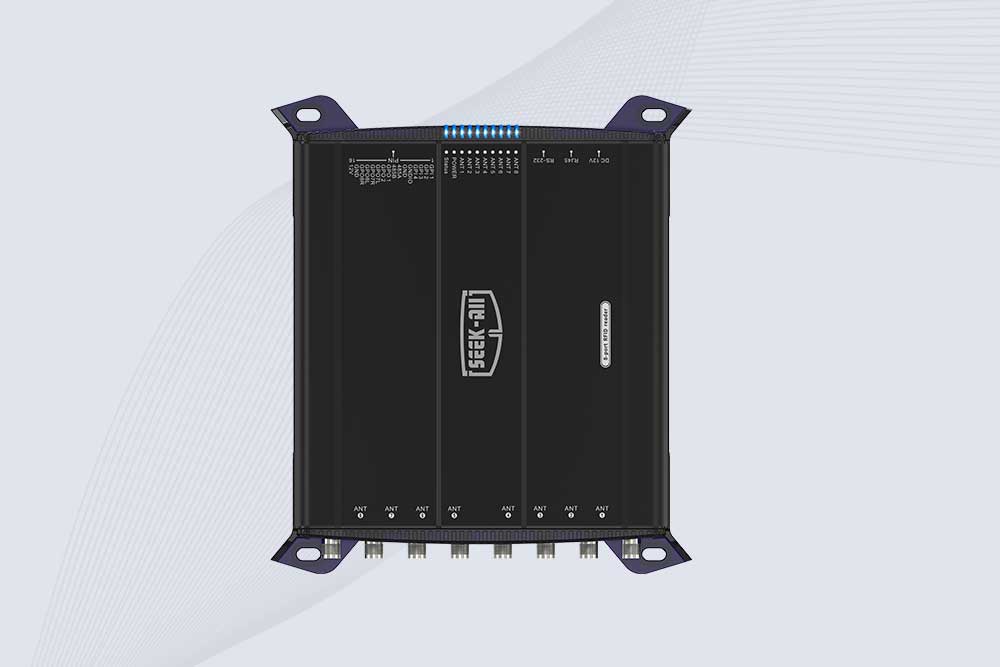
SSD-R8L 8-port UHF RFID reader with 33dBm output, up to 20m reading range and 600+ tags/s recognition. Ideal for warehouse, logistics, retail and asset tracking.
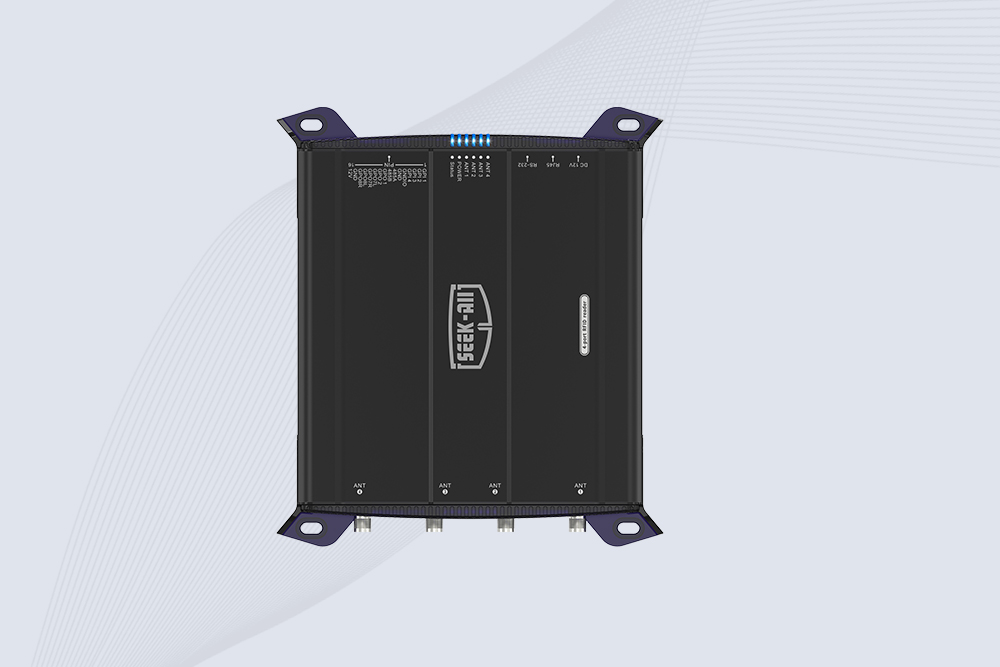
SSD-R4L is a 4-port UHF RFID fixed reader with 33dBm output power, up to 20m reading range, EPC C1G2 support and 600+ tags/s reading speed.
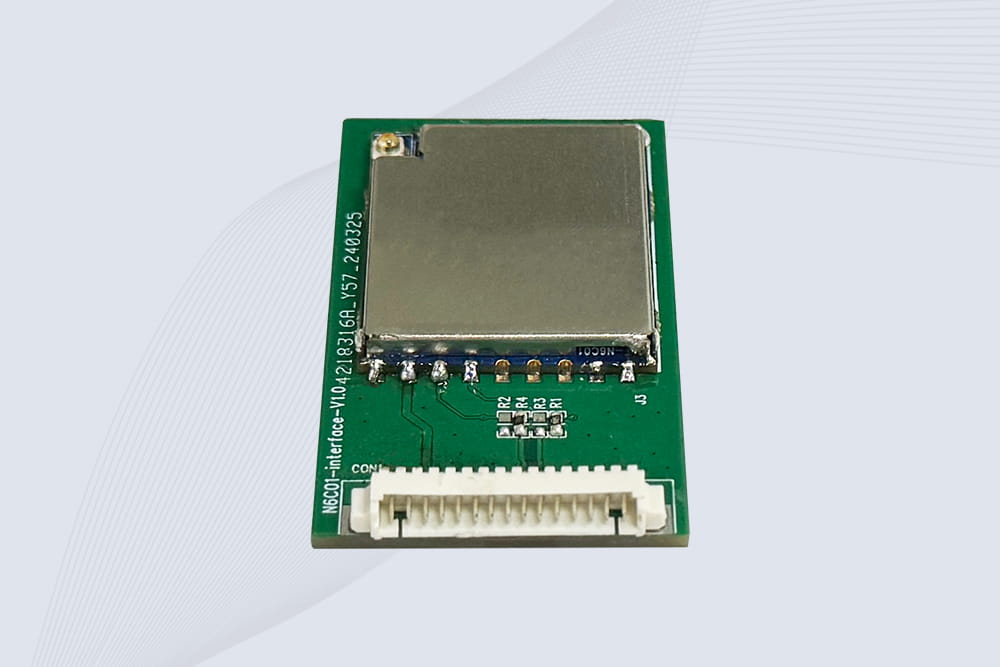
CYKEO Embedded RFID Modules are designed for compact industrial and IoT devices that require stable UHF performance. These UHF RFID Modules support global protocols, flexible power control, and reliable multi-tag reading for smart cabinets, production lines, and asset tracking systems.
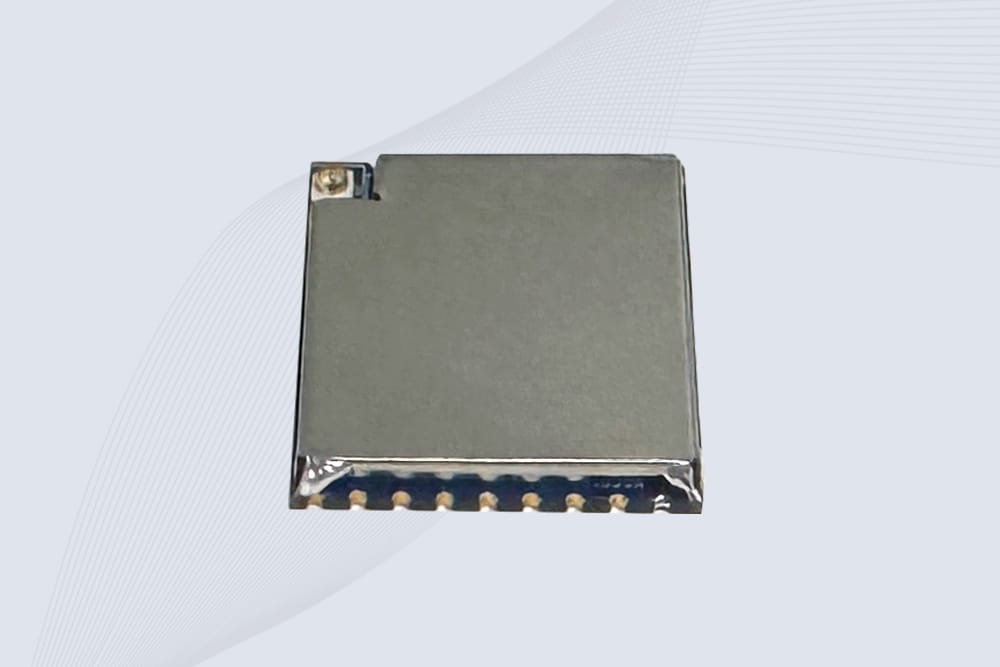
CYKEO Embedded RFID Module is built for compact IoT and industrial devices that need stable UHF performance. This UHF module supports global protocols, low power operation, and reliable multi-tag reading for smart lockers, production lines, and always-on RFID systems.
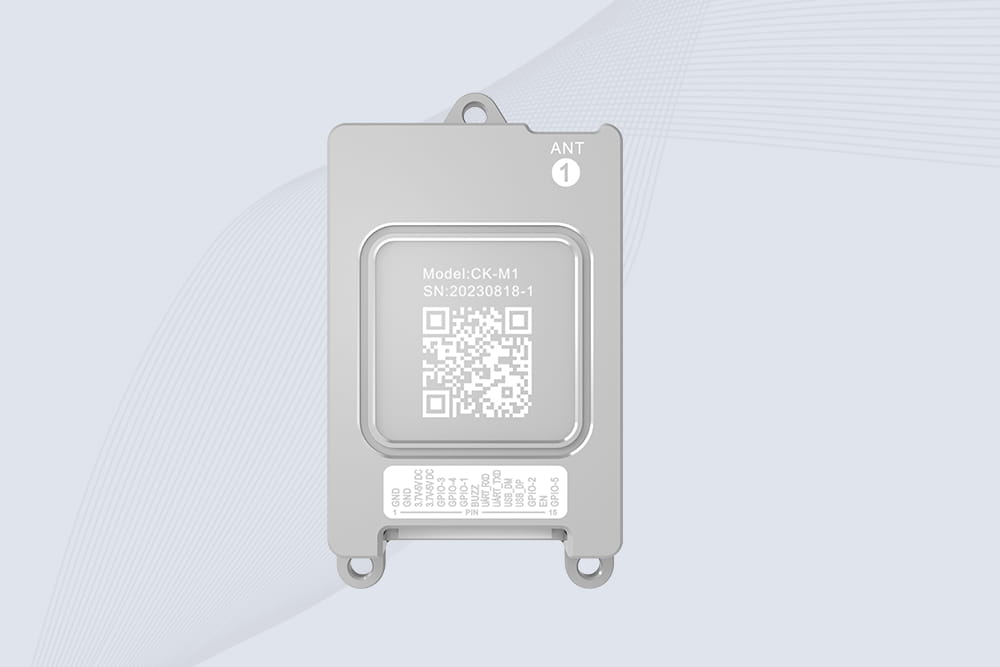
CYKEO CYKEO-M1 drone rfid module is a compact UHF RFID reader module designed for drones and UAV platforms. It supports long-range aerial scanning, fast multi-tag reading, and stable performance in wind, vibration, and outdoor environments.
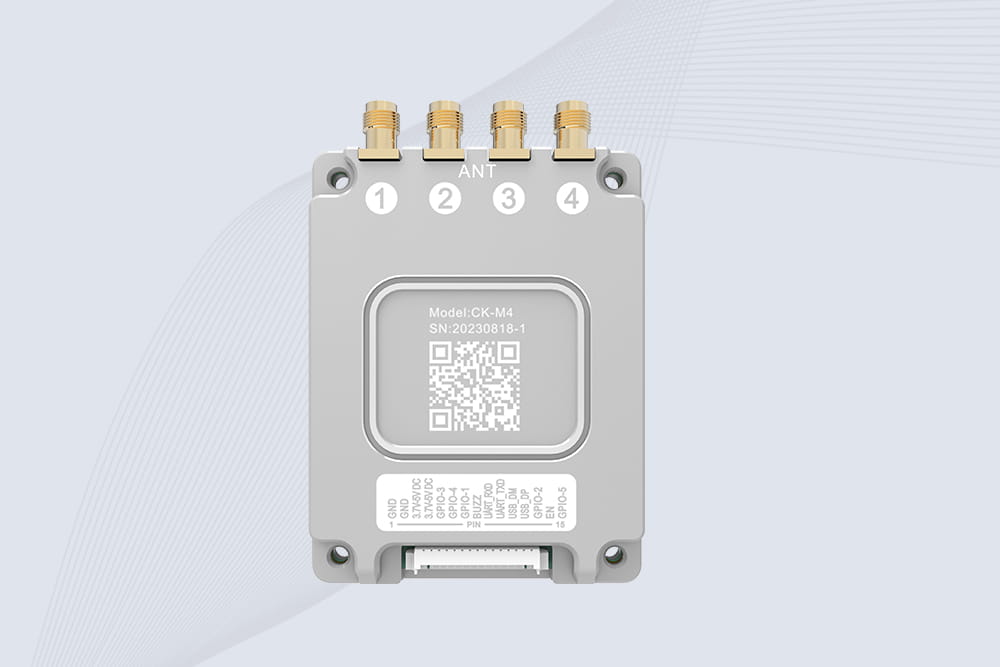
CYKEO CYKEO-M4 RC522 RFID Module is an industrial-grade UHF RFID reader with 4 ports, supporting ISO, EPC, and GB protocols. High-speed, accurate reading for IoT, automation, and warehouse applications.
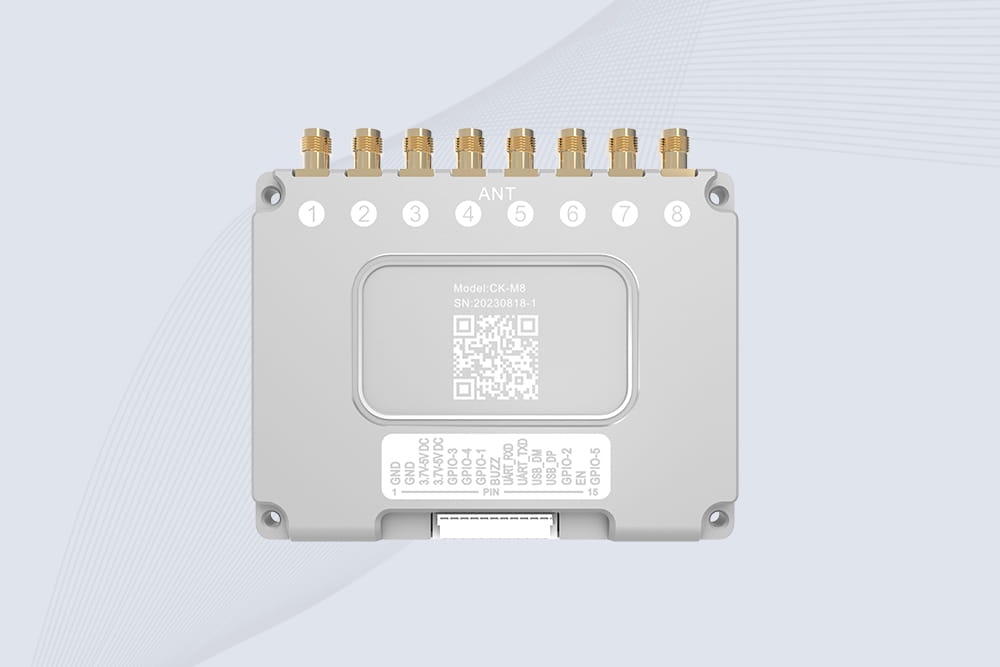
CYKEO CYKEO-M8 Module RFID is an 8-port UHF R2000 RFID Module designed for high-density, multi-tag environments. Stable 33dBm output, ISO & GB protocol support, ideal for warehouses, factories, and automated systems.
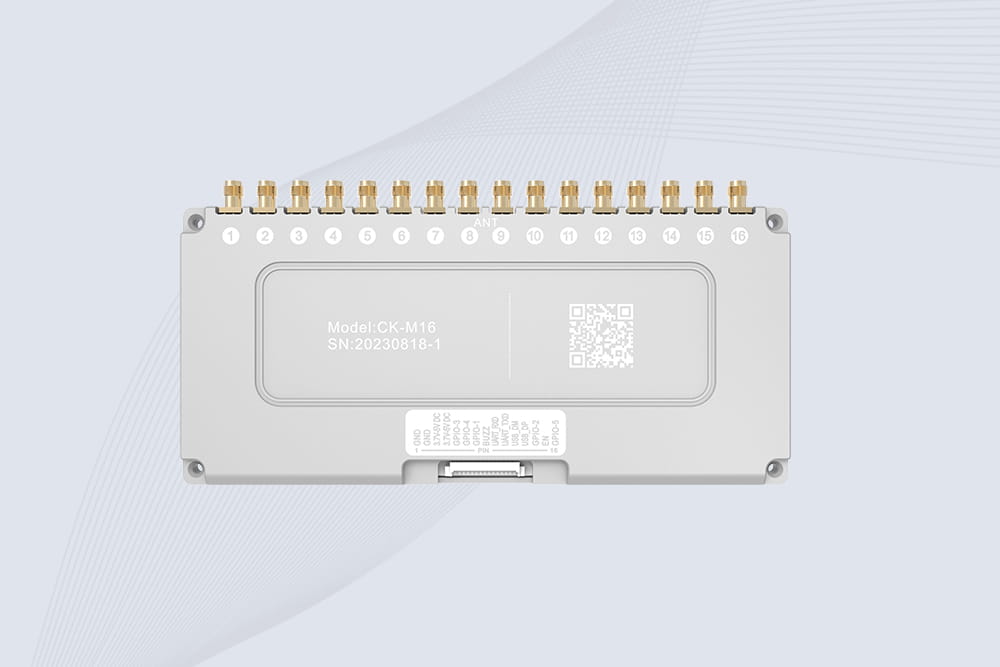
CYKEO CYKEO-M16 RFID Module is a 16-port UHF RFID reader module based on the R2000 chipset. Designed for dense tag environments, it supports ISO and GB standards and delivers stable multi-antenna control for industrial automation.
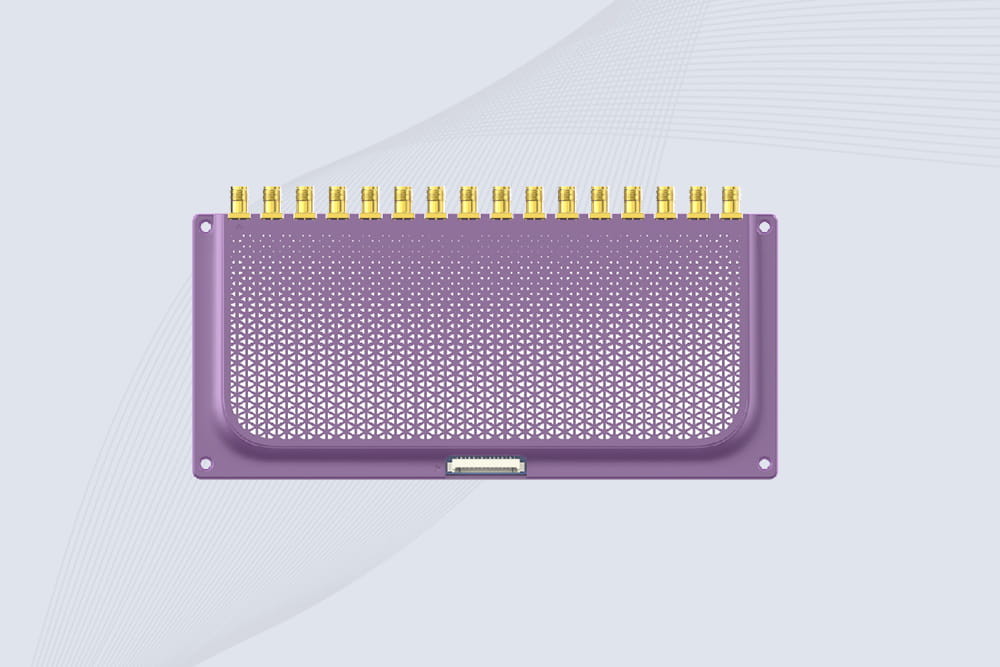
The CYKEO CYKEO-M16L RFID Reader Module is a 16-channel UHF RFID core designed for dense tag environments. With adjustable 33dBm output, multi-protocol support, and stable multi-antenna control, this RFID Tag Reader Module fits industrial automation, warehouse systems, and large-scale IoT deployments.
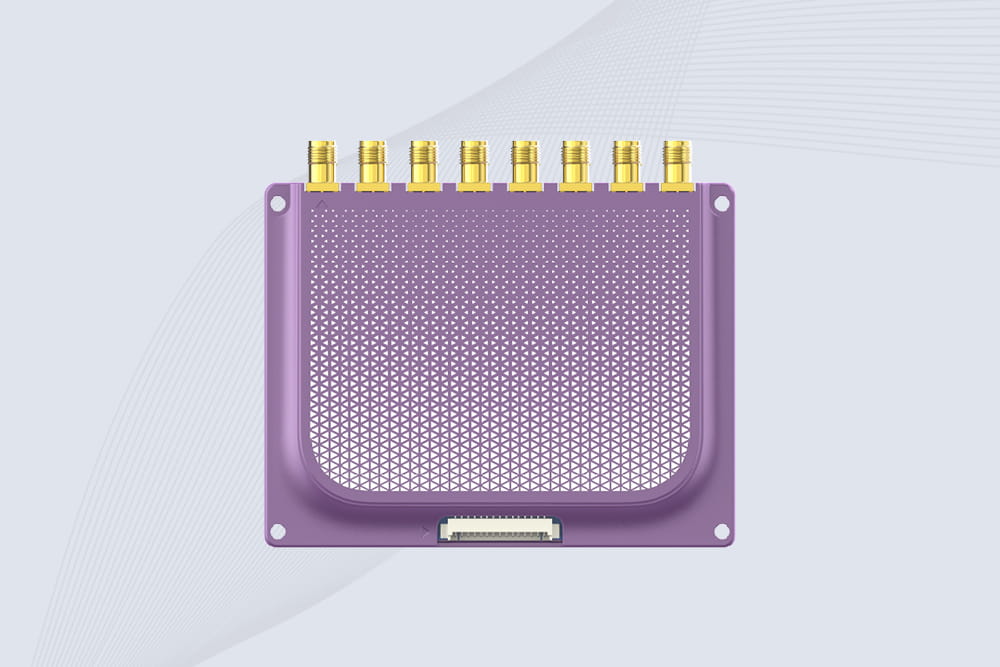
CYKEO CYKEO-M8L module RFID is a compact industrial UHF module built for dense tag and multi-antenna environments. With 8 RF ports, adjustable 33 dBm output, and ISO & GB protocol support, it is widely used in factories, warehouses, and automated tracking systems.
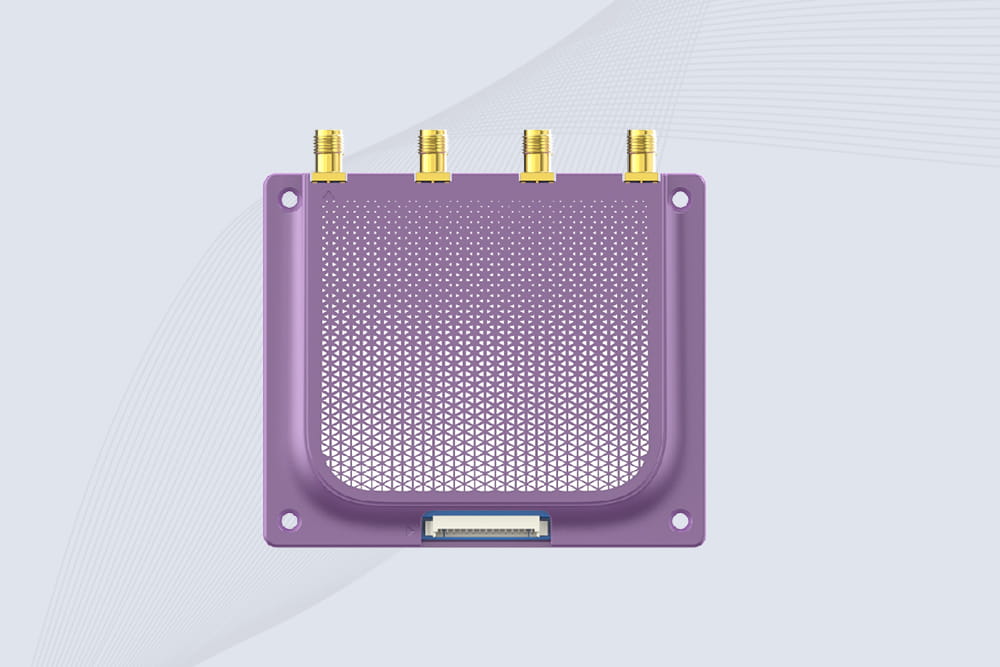
CYKEOCYKEO-M4L UHF RFID Module is a compact 4-channel RFID tag reader module designed for dense tag environments. Supporting ISO and GB protocols, it delivers stable reads up to 10 meters for industrial and IoT systems.
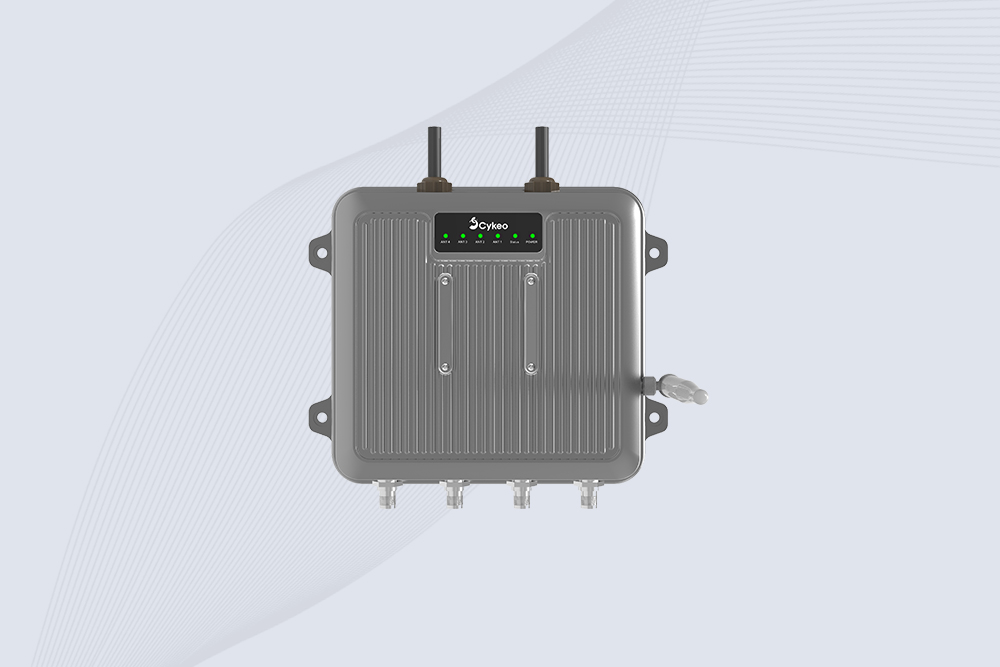
Cykeo CYKEO-C1 industrial Forklift RFID Reader features 20m read range, 600 tags/sec scanning, Impinj R2000 chipset, and IP67 rugged design. Ideal for warehouse logistics and manufacturing. Supports ISO 18000-6C/6B protocols.
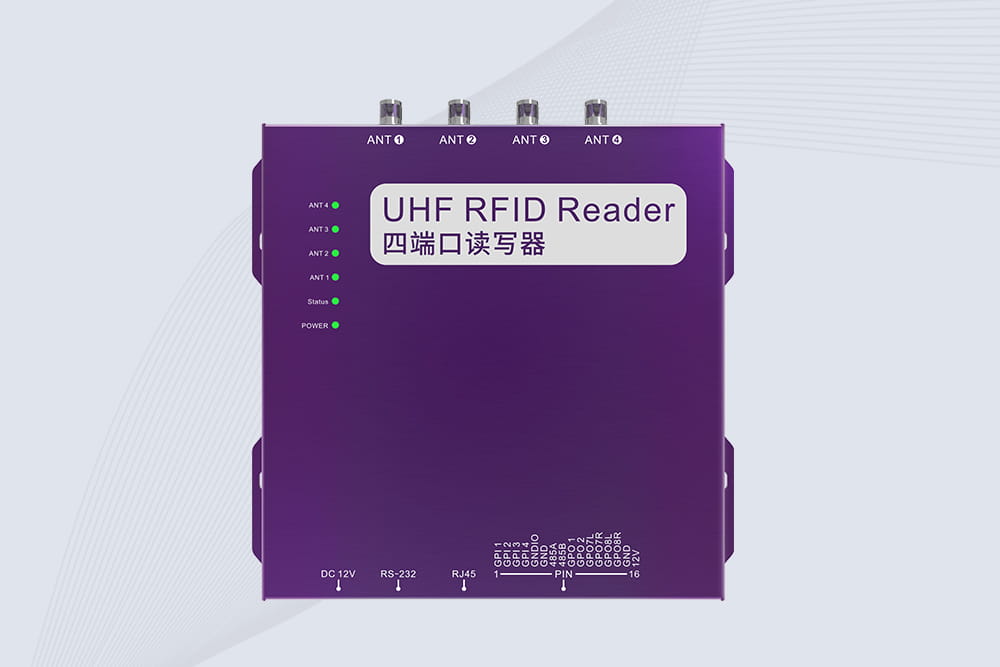
Cykeo CYKEO-R4 industrial UHF RFID Fixed Reader features 4 TNC ports, 400+ tags/sec speed, IP67 housing, and global frequency compliance for vehicle inspection, smart warehouse, and asset management systems.
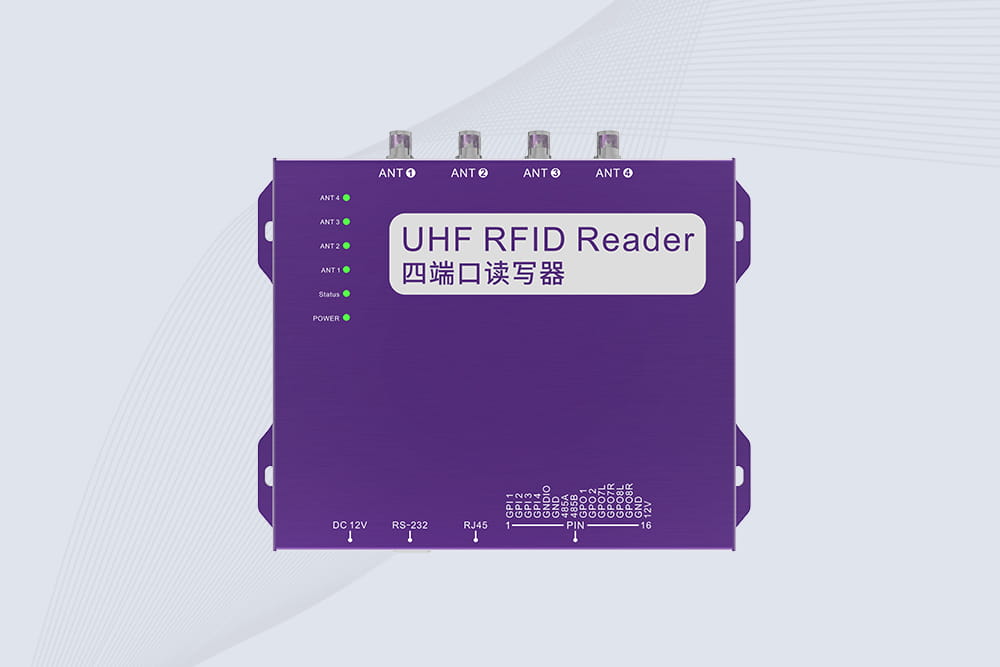
Cykeo’s CYKEO-R4L 4-port Fixed UHF RFID Reader delivers 400 tags/sec scanning, ISO 18000-6C compliance, and IP65 protection. Ideal for warehouse automation, manufacturing WIP tracking, and logistics management.
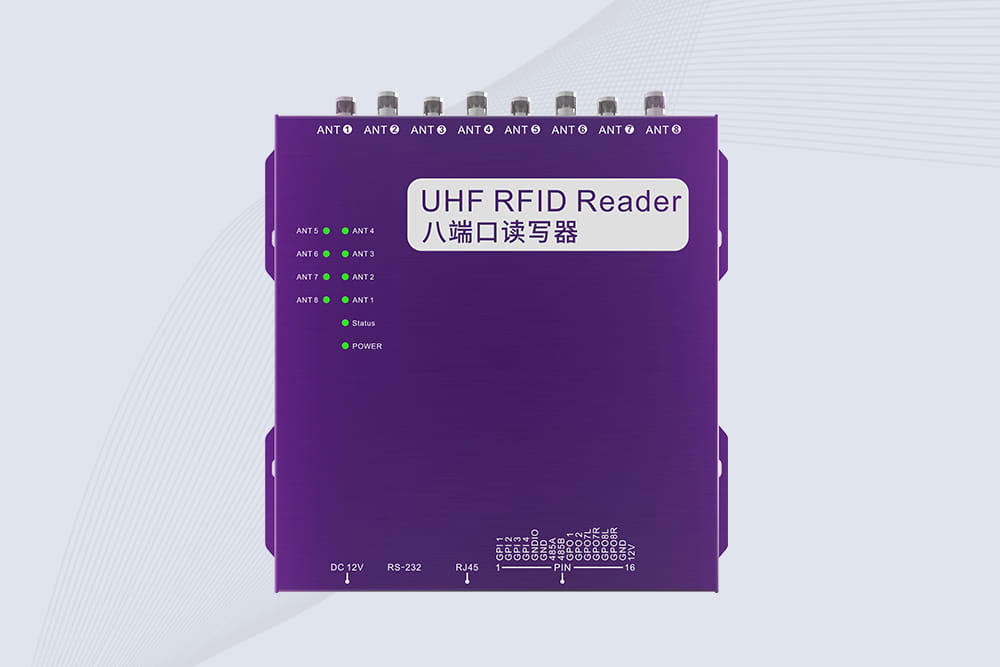
CYKEO CYKEO-R8L Fixed RFID Reader with 8-port UHF design, Impinj-based RF core and up to 20m read range. An industrial Fixed RFID Reader for vehicle inspection, warehouse portals, smart manufacturing lines and secure access checkpoints.
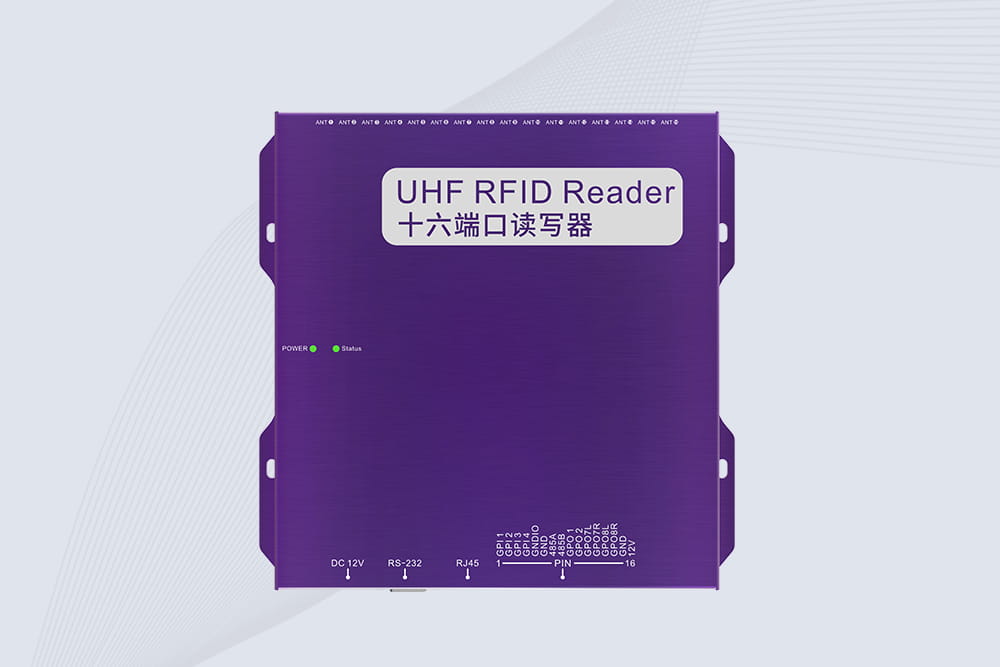
RFID Fixed Reader from CYKEO – the CYKEO-R16L 16-port UHF fixed reader for warehouses, smart cabinets, and production lines. Long-range, multi-tag reading, stable performance for 24/7 industrial use.
Learn how to test RFID tags with a smartphone without an RFID scanner. Understand NFC testing limits, suitable RFID tags, common issues, and tips for bulk RFID buyers.
More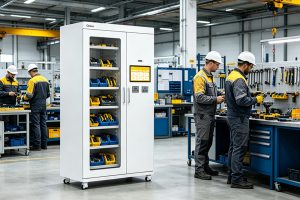
Learn how to track tools and equipment using RFID technology. Improve visibility, automate tool management, reduce losses, and achieve real-time inventory control with Cykeo RFID solutions.
More
Wondering how to make RFID tag and reader yourself? We break down what's actually possible: from encoding tags to building readers from modules, and when to just buy.
More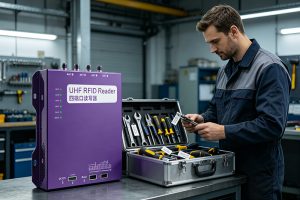
passive rfid tag reader enables contactless asset tracking in industrial environments. Cykeo solutions improve accuracy, safety, and real-time tool visibility.
More