 Cykeo RFID IoT Solution Products R&D Manufacturer
How to achieve inventory management use rfid tags
92inventory management rfid tags enable real-time asset visibility, reduce manual errors, and improve warehouse accuracy up to 99% for efficient operations.
MoreAll RFID Product
what can rfid chips do? RFID chips can identify individual objects, store an electronic identifier and, on supported tags, additional data, while communicating that information wirelessly to an RFID reader. They can support inventory tracking, asset identification, automated counting, traceability, access control, and other connected processes without requiring direct line-of-sight scanning.
The phrase “RFID chip” can be misleading, though. In a typical passive UHF RFID tag, the chip is only one part of the tag. The antenna captures energy from the reader, the chip processes the command, and the tag sends information back through backscatter. GS1 describes this reader–tag interaction as the basic operating principle of passive RFID.
So when someone asks what can rfid chips do, the better question is not simply what information the silicon can hold.
It is what the chip can make possible when it is connected to a reader, software, and a physical workflow.
The most common job of an RFID chip is unique identification.
An RFID tag can carry an EPC or another identifier that distinguishes one physical object from another. GS1 describes the Electronic Product Code as a way to identify physical objects, including trade items, assets, and locations.
That sounds straightforward until it is compared with ordinary product identification.
Imagine a warehouse containing 500 identical boxes.
A barcode may identify all 500 boxes as the same product. An RFID implementation can assign each tagged unit its own serialized identifier. The system can then associate individual tag IDs with records in a warehouse or enterprise database.
That difference opens the door to much more detailed tracking.
RFID chips can support:
GS1 also notes that RAIN RFID can operate without direct line of sight and can identify multiple tagged objects, making it particularly useful where individual barcode scanning becomes repetitive.
Not every RFID chip stores the same amount of information.
This is one of the areas where marketing descriptions often become too broad.
For a typical RAIN RFID tag, memory is divided into different logical areas. GS1 identifies four main memory banks: Reserved, EPC, TID, and User memory. The EPC memory contains the electronic product code, while User memory—when available—can contain additional information about the tagged item.
A useful simplified view looks like this:
| RFID memory | Typical purpose |
|---|---|
| Reserved memory | Passwords and tag security functions |
| EPC memory | Electronic Product Code / item identifier |
| TID memory | Tag and chip identification information |
| User memory | Additional application-specific data, when available |
The amount of User memory depends on the particular tag.
GS1 states that a RAIN RFID tag typically carries no more than 8 KB of data, although simple tags may contain only a 96-bit or 128-bit identifier while specialized high-memory tags can support considerably more information.
That means an RFID chip is not normally a miniature database.
For many logistics applications, it does not need to be.
The tag can simply hold an EPC, while the warehouse management system keeps the product name, supplier, location, order information, and other detailed records.
The RFID identifier becomes the bridge between the physical item and the digital record.
This is arguably the most important function to understand.
GS1’s EPC architecture allows an identifier to be serialized, meaning individual physical objects can receive distinct identities.
Consider two cartons containing exactly the same product.
With only a conventional product-level barcode, both cartons may carry the same GTIN. The system knows the product type, but not necessarily which physical carton is which.
With serialized RFID:
Carton A → EPC 001
Carton B → EPC 002
The warehouse system can therefore distinguish them as separate physical objects.
That becomes useful when tracking:
It also makes movement events more meaningful because the system can associate a detection with a specific tagged object.
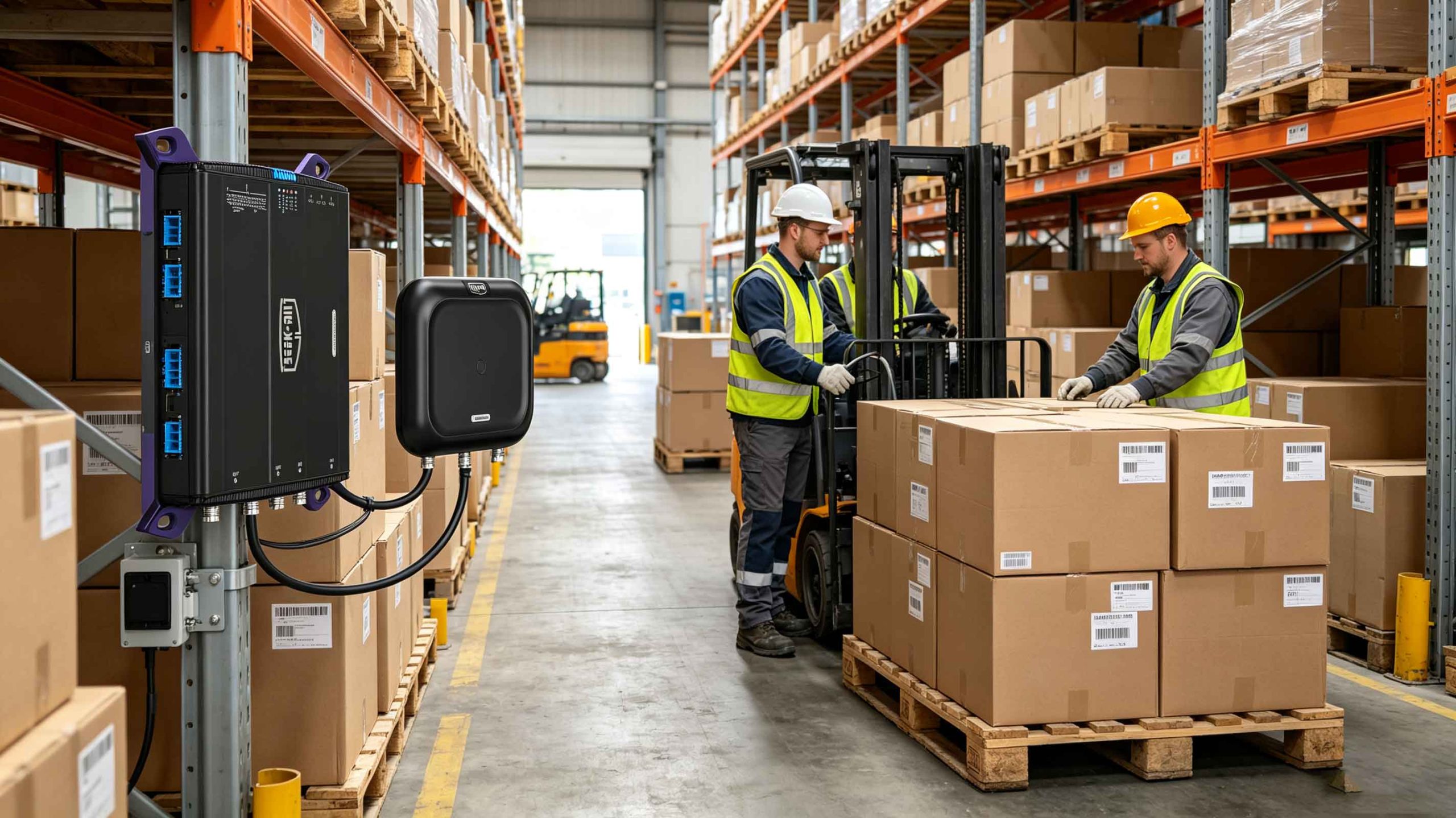
RFID chips can turn ordinary physical items into electronically identifiable inventory.
A fixed reader at a warehouse doorway can detect tagged products as they pass. A handheld reader can be used for cycle counting. A workstation reader can identify a tagged item before a manufacturing operation begins.
The important point is that the chip does not perform the inventory management by itself.
The complete system usually looks more like:
RFID tag → Reader → Middleware/Application → Database → Business action
For example, the reader may detect EPC E200...1234.
The warehouse software can interpret that identifier as:
Pallet 10482 → Storage Zone B → Expected shipment: Order 5821
The value comes from connecting the electronic identifier to the business record.
This is also why reader selection and software integration need to be considered together. A technically excellent RFID tag is not useful if the application cannot interpret the resulting data.
Yes. Some RFID tags support writable memory, allowing selected information to be changed after the tag has been deployed.
GS1 explains that information stored in the User memory bank can be written or updated on supported RAIN RFID tags. Certain memory areas can also be protected with passwords against unauthorized writing.
This creates possibilities that are difficult to achieve with a fixed printed barcode.
For example, an RFID tag might retain an identifier while selected application information changes during the item’s lifecycle.
Possible examples include:
However, not every RFID tag has User memory, and not every application should write large amounts of information onto the tag.
In many systems, the preferred architecture is still to keep detailed information in the database and use the RFID chip primarily as a reliable physical identifier.
A common misconception is that RFID is simply a tiny wireless storage device.
It is more useful to think of it as a machine-readable identity attached to a physical object.
A passive UHF RFID tag normally has no conventional radio transmitter. Instead, it draws energy from the reader’s electromagnetic field and communicates by backscatter.
That allows the tag to remain relatively simple while the reader performs the more substantial communication and processing work.
In a warehouse, this means the tag can sit quietly on a carton until it enters the reader’s field.
No battery.
No screen.
No operator pressing a button on the tag.
Just an electronic identity becoming visible to the system when the physical object reaches an appropriate read zone.
That is one reason RFID remains useful for high-volume identification.
The real value becomes more apparent when the same RFID identity is captured at several stages.
A tagged product might be detected at:
Each detection can become an event in the connected application.
GS1 describes RFID and EPC technologies as supporting visibility and traceability by giving physical objects unique identities that can be associated with business information.
This changes the question from:
“Where is our inventory?”
to something more operational:
“Where was this particular item last detected?”
That distinction is especially useful for reusable assets and products that move through multiple controlled process points.
A chip’s capability should never be considered separately from its antenna and application.
A tag attached to a cardboard carton may behave very differently from the same chip placed directly against metal. Liquids can also affect UHF RFID performance. Tag orientation, antenna polarization, reader power, distance, and surrounding RF reflections all matter.
This is why RFID deployment experience often starts with physical testing.
At Cykeo, an application should be evaluated around the complete system:
A reader that performs well on a test bench is not automatically the right reader for a pallet doorway.
The field is less forgiving.
RFID chips become particularly useful when an item moves through several physical checkpoints.
In a warehouse, for example, a tagged carton can be identified at receiving, detected during storage or picking, and captured again at shipping. The RFID chip does not independently know that it has “left the warehouse.” The reader detects its identifier, while the software interprets that detection according to the location and business process.
This distinction matters.
RFID chip = physical identity.
RFID reader = wireless identification.
Software = business interpretation.
GS1’s EPCIS framework is designed to capture and share supply-chain event information around objects, including what happened, when it happened, where it happened, and why.
For manufacturing, the same concept can be applied to work-in-process materials, reusable containers, tools, and finished products.
| Application | What the RFID chip enables |
|---|---|
| Warehouse | Individual item identification |
| Receiving | Automated arrival confirmation |
| Shipping | Shipment verification |
| Manufacturing | Work-in-process identification |
| Asset tracking | Movement and location events |
| Retail | Inventory visibility |
| Tool management | Tool identification and return tracking |
| Returns | Item-level identification |
The practical advantage is not that the chip “tracks itself.” It is that the chip provides a stable electronic identity whenever the object enters an appropriately designed RFID read zone.
RFID chips can give reusable physical assets an identity that remains associated with the asset throughout its operational life.
This is useful for objects that repeatedly move between departments, facilities, or workstations.
Examples include:
Suppose a factory owns hundreds of identical reusable containers. A printed label may identify the container type, but a serialized RFID tag can distinguish container 001 from container 002.
Once readers are installed at relevant checkpoints, the application can record detection events.
That can help answer questions such as:
The RFID chip provides the identity. The surrounding system provides the history.
Yes. RFID chips can be used in identification credentials such as cards, key fobs, badges, and other contactless devices.
The exact capability depends heavily on the RFID technology and chip type.
For example, low-frequency, high-frequency/NFC, and UHF RFID operate in different frequency ranges and support different communication characteristics. A UHF warehouse tag should not be treated as interchangeable with an HF access card.
For an access-control application, the system may use the RFID credential to identify a person or authorized object, after which the access-control software determines whether entry should be permitted.
Again:
The chip provides identification; the access-control system makes the authorization decision.
This separation is important when designing a secure system.
Some RFID chips support rewritable memory.
This means a reader-writer can update selected information stored on the tag, provided the tag’s memory architecture and security settings permit writing. GS1 documents the use of EPC, TID, User, and Reserved memory areas in RAIN RFID tags and notes that writable User memory is available on supported tags.
A simplified example might look like:
Before processing:Status = Received
After production:Status = Processed
After inspection:Status = Approved
However, storing every business detail directly on the chip is usually unnecessary.
For many industrial systems, a better structure is:
Tag ID → Database record → Current status
The tag remains the stable identifier while the database holds the larger and frequently changing information.
That approach can simplify integration and prevent the RFID tag from becoming an overloaded data container.

The chip itself is only one component of an RFID deployment.
Cykeo’s RFID hardware can provide the reader layer needed to communicate with compatible RFID tags and pass identification data to a host application.
For example, the CYKEO-RA9L / CK-D9L is an integrated UHF fixed reader designed for fixed identification applications, with RS-232 and Ethernet interfaces. The CYKEO-M4L is an OEM-oriented RFID module designed for integration into larger equipment and supports protocols including ISO18000-6C/EPC C1G2.
The application determines how those tag reads are used.
A warehouse might interpret a read as:
“Item entered Zone A.”
A shipping system might interpret it as:
“Expected carton detected at dispatch.”
A manufacturing application might interpret it as:
“Work-in-process unit arrived at Station 4.”
The same fundamental RFID identification principle can therefore support very different business processes.
RFID chips can provide electronic identification, communicate with RFID readers, and, on supported tags, store additional writable information. They can support inventory management, asset tracking, supply-chain visibility, manufacturing identification, access credentials, and automated process events.
They can, but they do not inherently need to. Many RFID systems use the chip primarily to carry an identifier while detailed information remains in a database. The information stored depends on the chip, tag design, application, and system architecture.
Some can. Supported RFID tags may have writable memory that can be updated using a compatible reader-writer. The available memory, write capability, and security controls depend on the specific tag.
No. A passive RFID chip does not independently determine its location. A reader must detect the tag, and software can then associate the read event with a known location or process point.
It varies by tag. GS1 states that a RAIN RFID tag typically carries no more than about 8 KB of data, while many practical tags use substantially less memory and may primarily store a serialized identifier.
Yes. Passive RFID tags do not require an onboard battery for normal operation. The reader supplies RF energy that powers the tag sufficiently for it to respond.
The most useful way to understand RFID chips is to stop treating the chip as an isolated component.
A chip can provide an electronic identity.
A tag antenna allows that identity to communicate wirelessly.
A reader detects it.
Software determines what the detection means.
The enterprise system turns that event into an operational record.
That chain is what makes RFID useful.
For a warehouse, it may mean faster inventory identification. For a factory, it may mean tracking work-in-process. For asset management, it may mean knowing when a reusable container or tool passed through a defined checkpoint.
The physical chip remains small and relatively simple. The operational possibilities come from connecting that identity to the right reader, read zone, software, and business process.
For Cykeo applications, this is why RFID system design should begin with the object, environment, read point, and required business event rather than the chip specification alone.
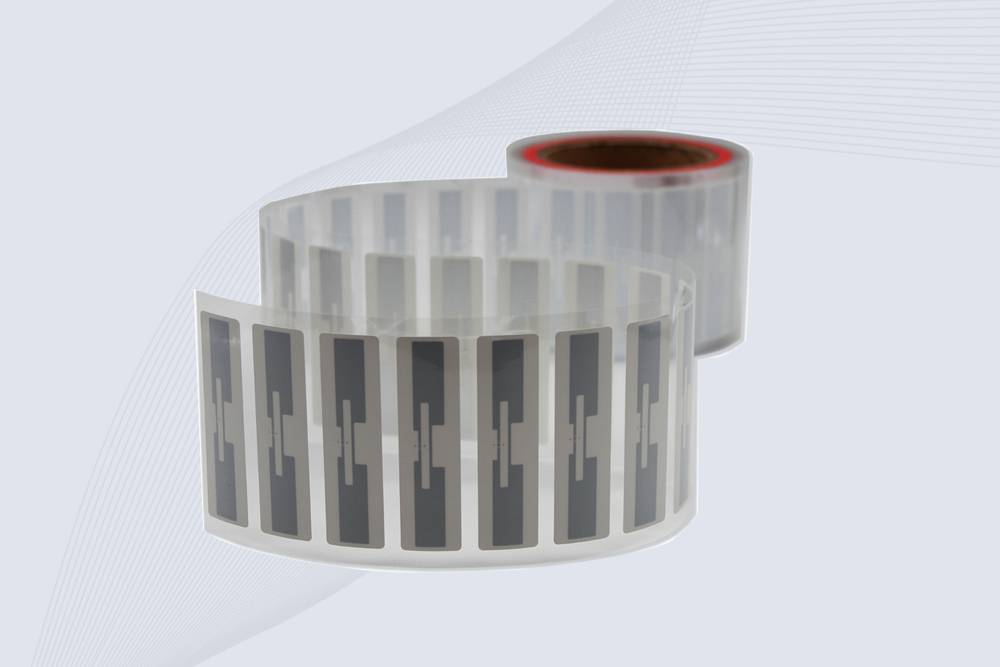
CYKEO Passive RFID Tags are made for wet and high-humidity environments where standard labels do not last. This rfid passive tag is often used around liquids, chemicals and temperature changes, providing stable reading distance and long data life for industrial tracking.
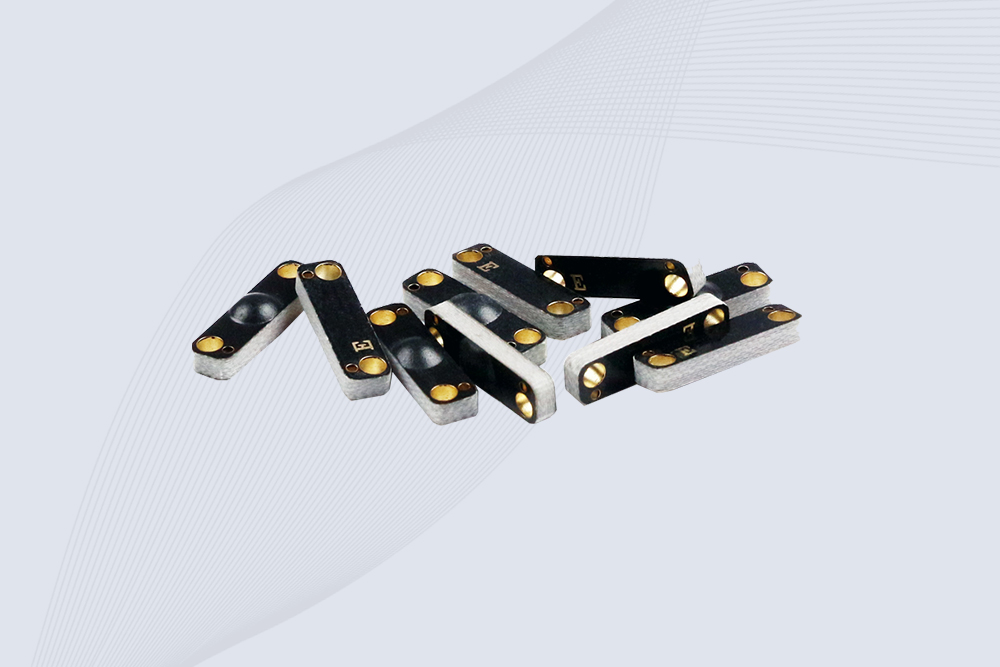
CYKEO CYKEO-PCB1504 Metal RFID Tags is a compact anti-metal UHF RFID solution built for direct mounting on metal surfaces. With stable 8-meter read range, Ucode-8 chip, and long data retention, this rfid metal tag fits tools, containers, automotive parts, and industrial asset tracking.
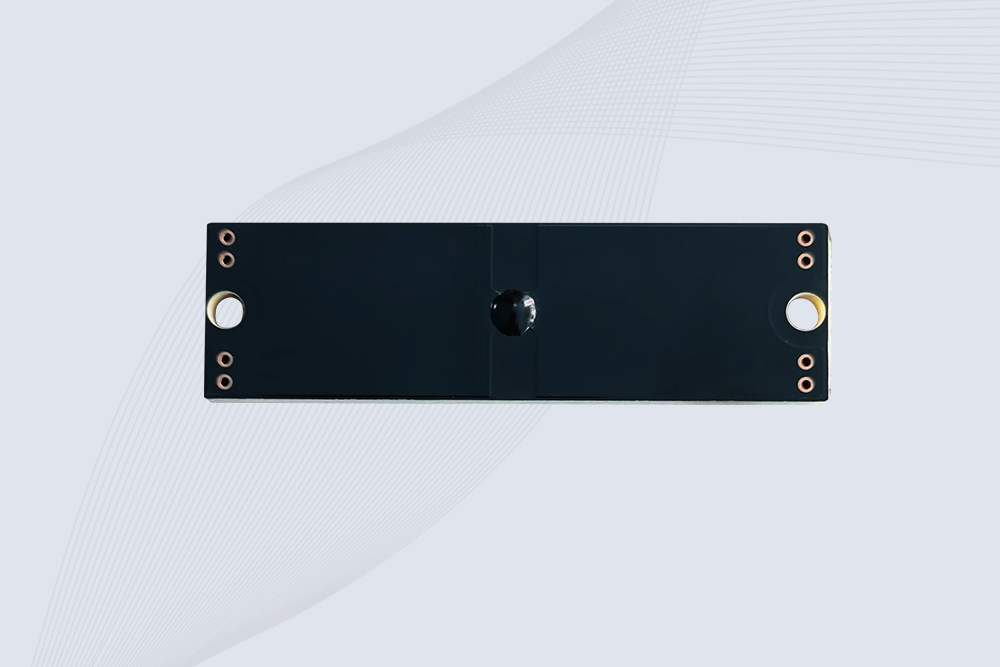
CYKEO CYKEO-PCB7020 On-Metal RFID Tags are designed for reliable tracking on steel and metal surfaces. Built with an FR4 epoxy body and industrial-grade chips, these On-Metal RFID Tags deliver stable performance, long data life, and chemical resistance, making them a dependable RFID anti-metal tag for harsh environments.
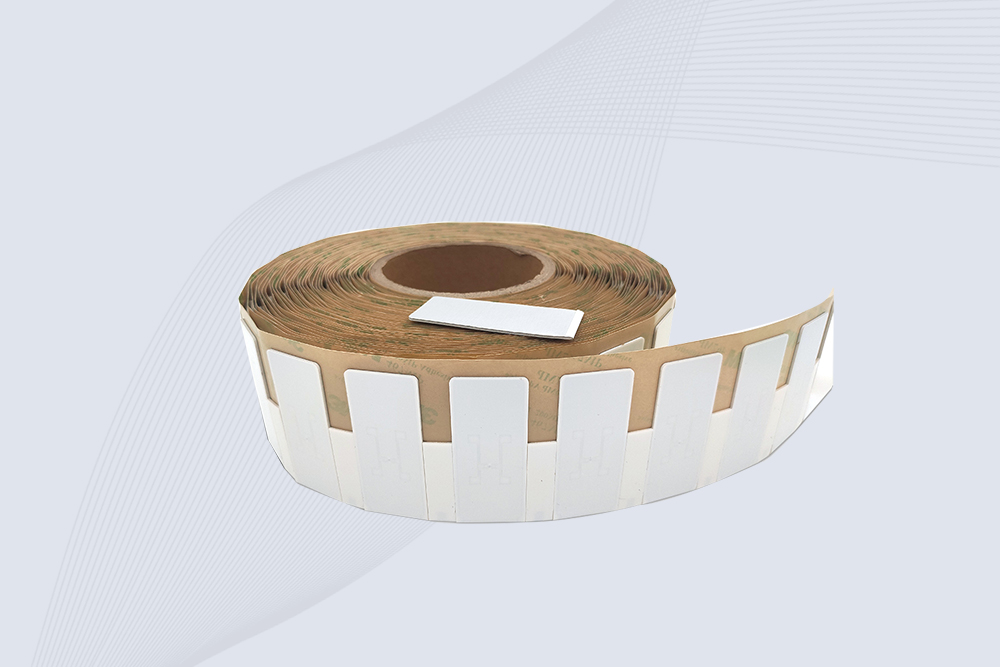
The CYKEO CYKEO-60-25 Anti-Metal RFID Tag is built for metal surfaces where standard tags fail. Designed for long-range performance, harsh environments, and stable data retention, this Anti-Metal RFID Tag is ideal for industrial assets, containers, and equipment tracking using on metal RFID tags.
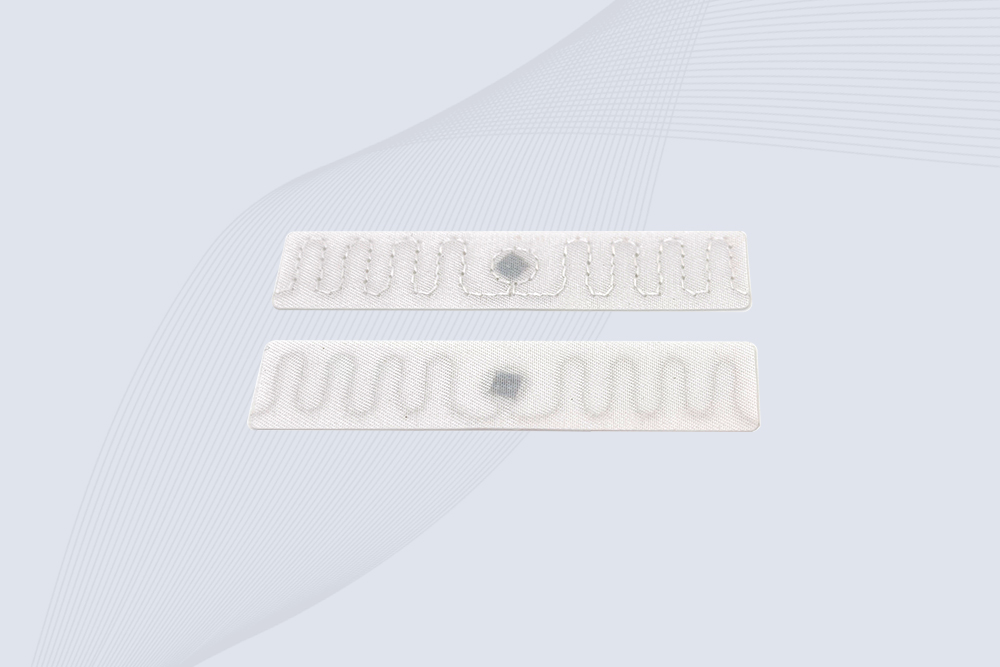
The CYKEO RFID Laundry Tag is designed for long-term textile identification in harsh laundry environments. Built to withstand high heat, chemicals, and repeated washing, this RFID Laundry Tag delivers stable performance for hotels, hospitals, and industrial laundry operations using laundry rfid tags at scale.
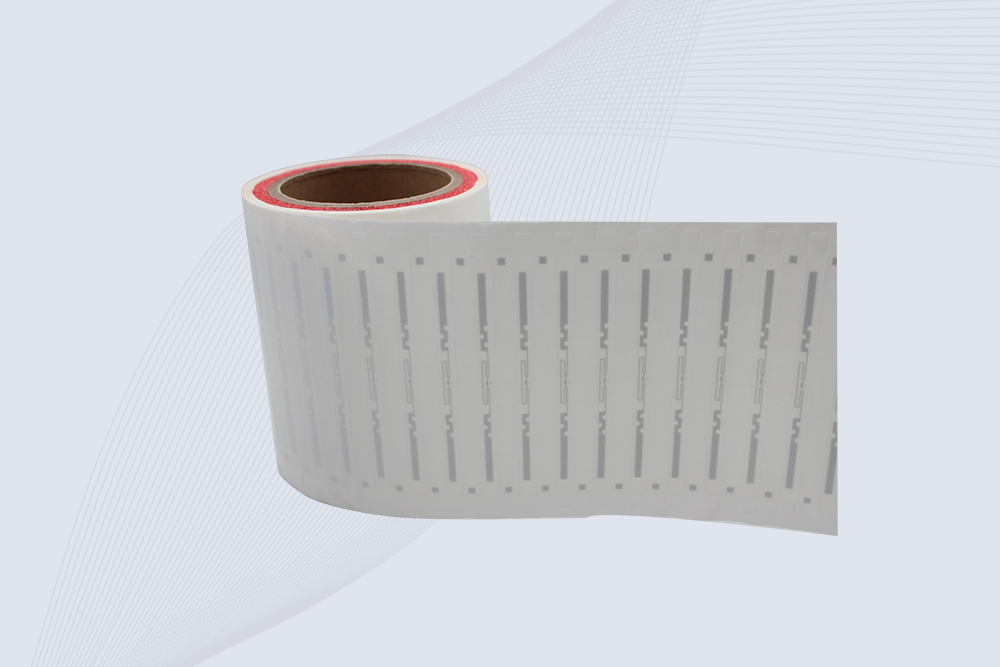
The CYKEO CYKEO-125-7 RFID Book Tag is designed for reliable book and document tracking in libraries and archives. This RFID Book Tag delivers long read range, dense placement support, and stable performance on shelves, making it a practical rfid tag on books for library automation, file management, and archival systems.
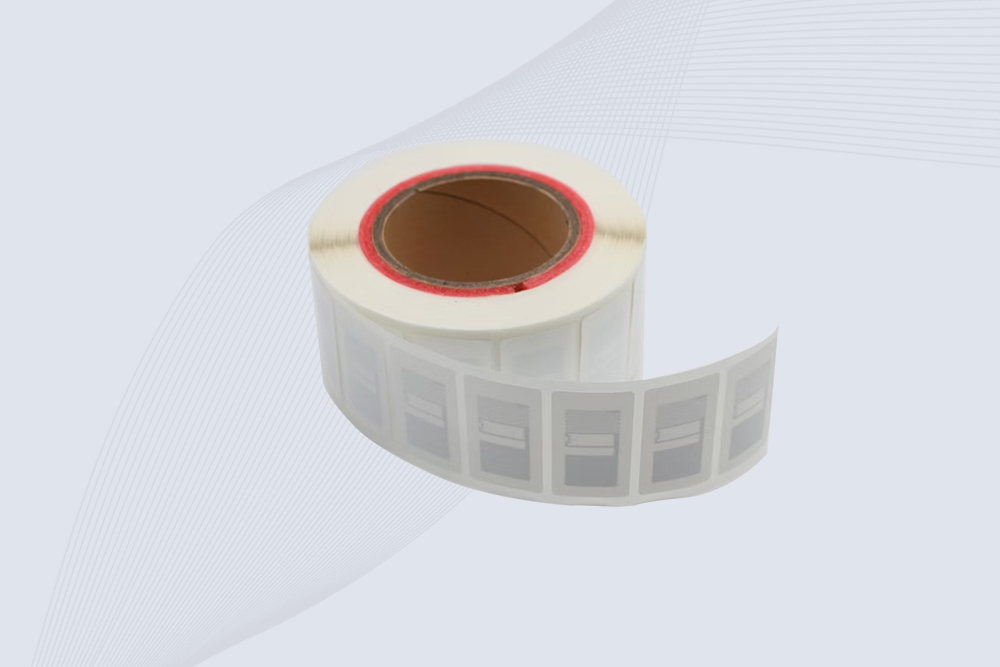
CYKEO RFID tags in hospitals are designed for sterile environments where accuracy matters. These autoclavable RFID tags support long-term tracking of surgical tools, implants, and medications, helping hospitals improve visibility, compliance, and patient safety.

CYKEO RFID Cable Tie Tag is built for reliable identification on metal surfaces. This UHF RFID Cable Tie Tag is widely used in rfid tags for inventory systems, industrial asset management and Hospital RFID Tags, offering stable read performance, long service life and global EPC Gen2 compatibility.
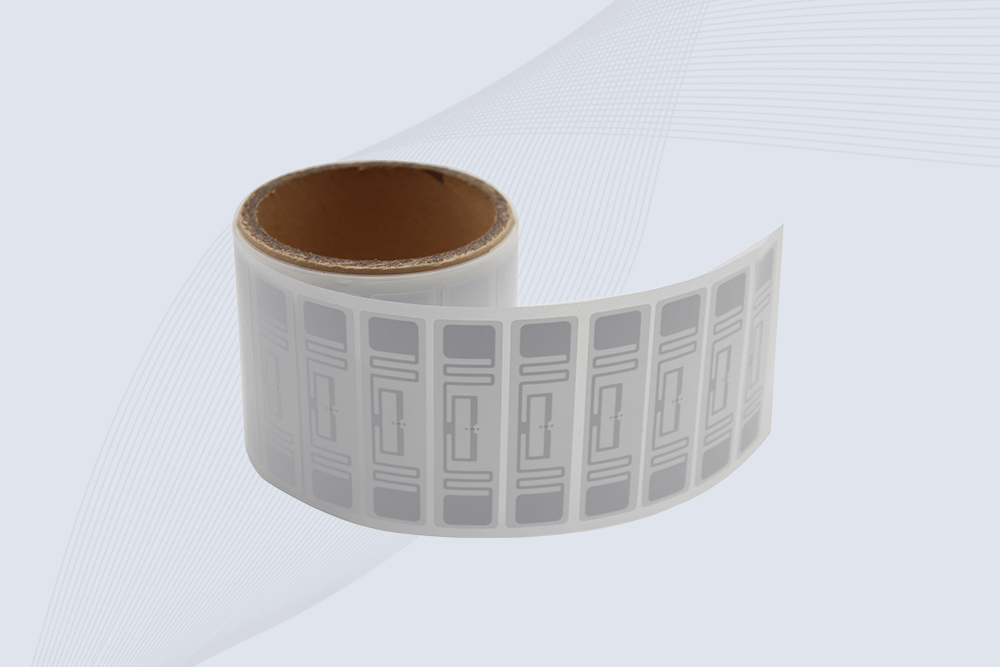
CYKEO RFID Asset Tag is designed for stable identification of metal assets in industrial environments. This UHF RFID Asset Tag is commonly used for rfid tag asset tracking on equipment, tools and containers, providing reliable reads, long service life and ISO/IEC 18000-6C support.

CYKEO UHF RFID Card is designed for fast identification and long-term use in industrial and commercial systems. Supporting ISO 18000-6C, this UHF RFID Card works at 860–960 MHz and is suitable for custom RFID cards used in asset tracking, access control and inventory management.
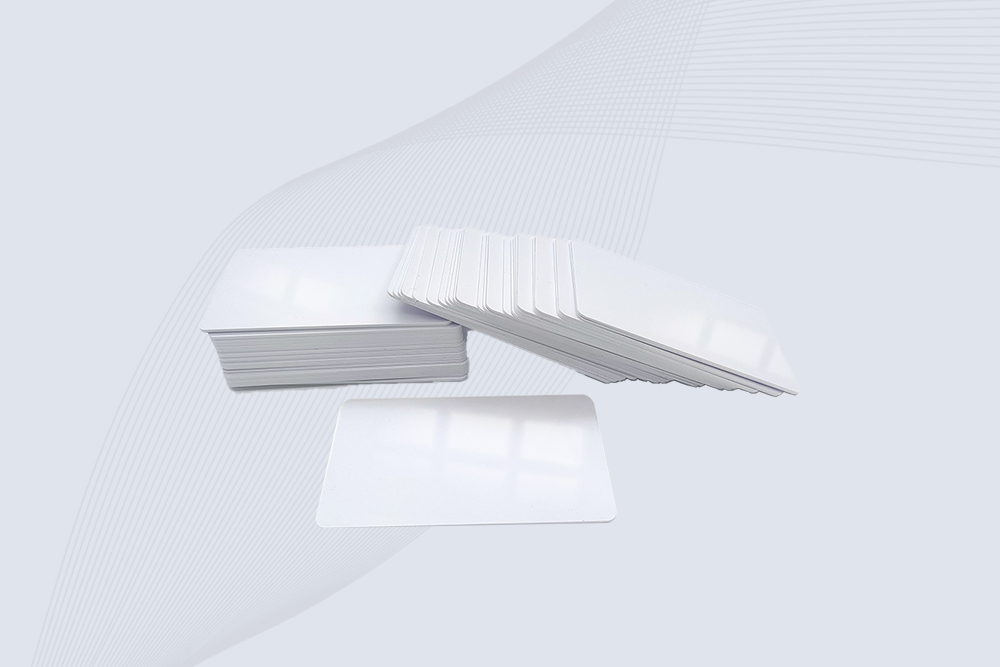
CYKEO HF RFID Cards are designed for secure and stable access control systems. These 13.56 MHz RFID key cards support ISO 14443-A, reliable rewriting and long service life, making HF RFID Cards suitable for offices, campuses, events and membership management.
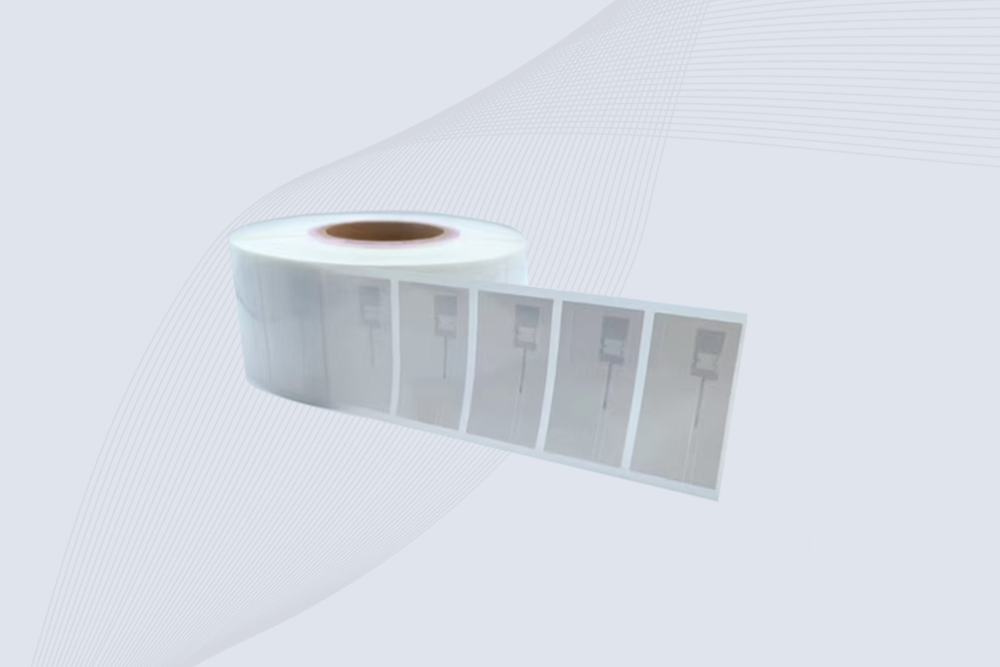
CYKEO UHF RFID Tag is designed for reliable tracking of metal jewelry and high-value items. This Jewelry RFID Tag supports long-range reading up to 8 meters, anti-counterfeit protection and stable performance on metal, making it suitable for retail, inventory control and asset management.

inventory management rfid tags enable real-time asset visibility, reduce manual errors, and improve warehouse accuracy up to 99% for efficient operations.
More
A tool tracking system is more than inventory software—it’s a full process for managing tools, reducing loss, and improving accountability. This article breaks down real-world use cases in construction sites, workshops, and warehouses, including R...
More
Can RFID tags be reprogrammed? Learn how EPC and user memory can be rewritten, what lock settings allow, and how Cykeo desktop RFID readers support reliable tag encoding.
More
Discover the key factors to consider when selecting a handheld RFID scanner for your business, from durability to software compatibility. Make an informed choice.
More