 Cykeo RFID IoT Solution Products R&D Manufacturer

Job RFID: How Does RFID Improve Workforce and Job Tracking?
132Optimize operations with job RFID solutions from Cykeo. Improve workforce tracking, tool management, job assignment, and asset visibility using industrial RFID technology.
MoreAll RFID Product
Many clothing, sporting goods, department, and general merchandise stores use RFID tags to identify products, improve inventory visibility, and support stocktaking. Retailers such as Decathlon have adopted item-level RFID, while other businesses use RFID to manage stock across stores, warehouses, and checkout operations.
The important distinction is that retailers do not all use RFID in the same way. One store may use handheld readers to count garments on a rack; another may use fixed readers to identify tagged items moving through a receiving area. Some systems can also support unattended checkout, where compatible tags are read in batches.
For retailers, the objective is practical: connect physical merchandise with reliable inventory information, without making every stock check depend on scanning products one by one.
RFID adoption is particularly relevant to retailers that manage large product ranges, frequent stock movements, or merchandise that is difficult to count manually. The technology is not limited to one store format.
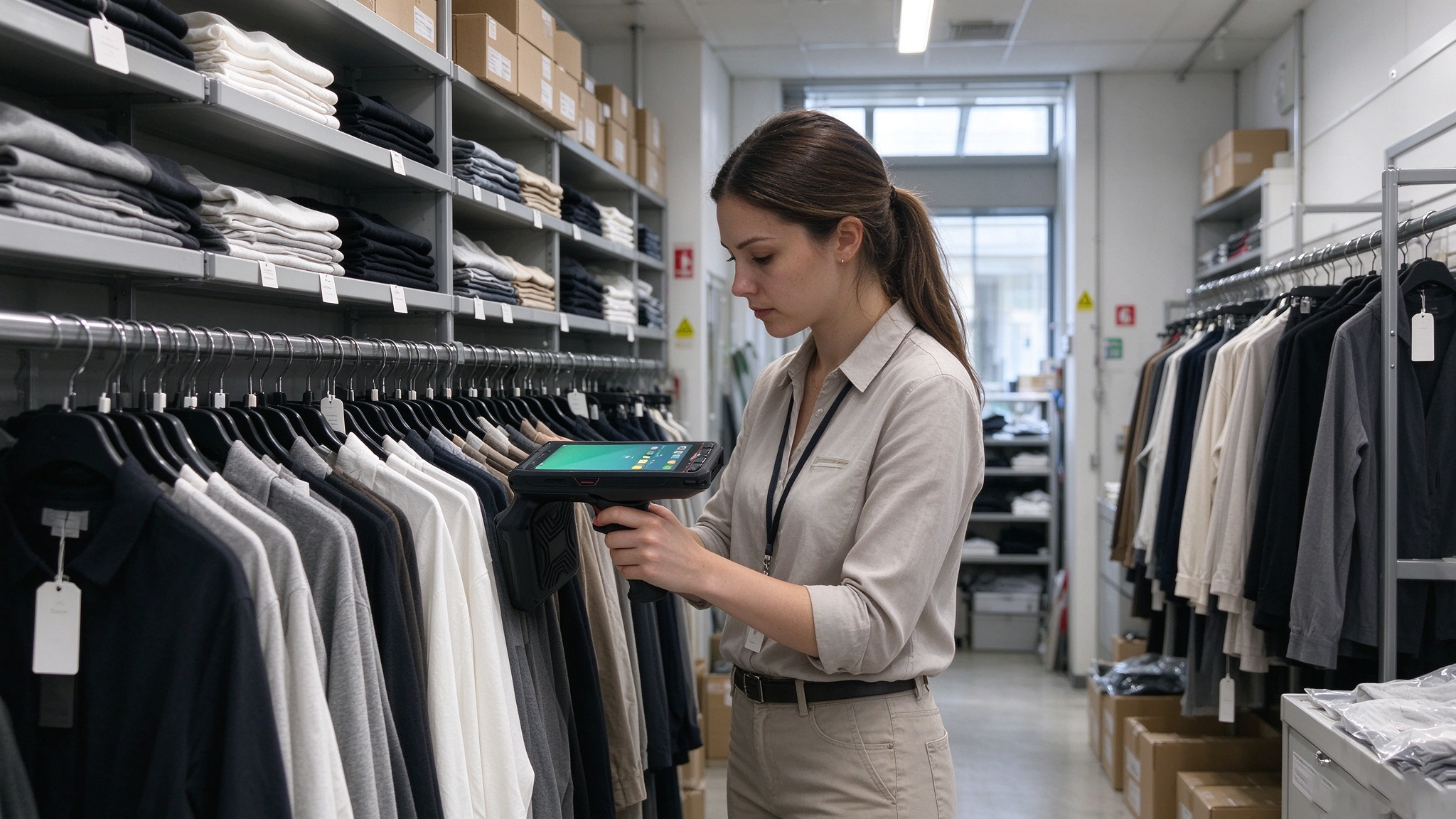
Fashion retailers manage many sizes, colours, styles, and seasonal collections. A shelf may look full while particular sizes are missing, or a product may be recorded in the wrong location. Item-level RFID can help staff identify tagged garments and compare observed items with inventory records.
Sporting goods retailers handle varied products, from clothing and shoes to equipment and accessories. RFID can support product identification and inventory checks across these categories, provided the tags and readers are suitable for the merchandise.
Decathlon is a documented example of a retailer that has used RFID in its retail and supply-chain operations. Its experience illustrates how item-level identification can connect products with stock-management processes across different stages of distribution. The exact equipment and workflow can differ between retailers and locations.
Department stores often manage multiple product categories across sales floors, stockrooms, and distribution facilities. RFID can help staff check tagged inventory and identify discrepancies between physical stock and system records.
Its value is not simply the ability to read tags quickly. Reliable identification also helps retailers understand which products were observed, where the reading occurred, and whether the software record needs updating.
Some retailers use RFID in checkout or unattended retail applications. When products carry compatible tags, a configured system may identify multiple items within a reading area, match the identifiers to product records, and send the resulting data to checkout software.
However, RFID reading and payment are separate functions. A reader identifies tags; the connected application must handle product matching and transaction logic, while payment requires the appropriate payment system and integration.
A useful example comes from research by Auburn University researchers Bill C. Hardgrave, John A. Aloysius, and Sandeep Goyal, published in Production and Operations Management. Their first field experiment followed inventory counts in 13 stores over 23 weeks. RFID-enabled inventory visibility reduced inventory record inaccuracy by approximately 26% in that study. A second experiment covered 62 stores and five product categories, with results varying by category. This is evidence of potential benefits, not a guarantee that every retailer will achieve the same improvement.
The practical implication is that RFID can be particularly useful when a store’s recorded inventory frequently differs from the stock physically available. More reliable records can help staff investigate discrepancies and make better replenishment decisions.
Before choosing a system, retailers should check three things:
A pilot should test actual merchandise in the intended environment. Successful tag detection alone does not guarantee accurate stock records; the software must also map tag identifiers to the correct products and process the resulting data correctly.
The best-documented examples show that RFID adoption is not limited to stores with self-checkout. Retailers also use tags throughout receiving, stock management, replenishment, and loss-prevention workflows.
Decathlon is a particularly strong documented example. According to its published RFID information, all its products have carried RFID tags since 2019, and in 2024 its global operations had close to 50,000 RFID readers across factories, warehouses, and stores. Its applications include inventory, shipping, checkout, and product security.
Clothing stores can use item-level RFID to distinguish individual products by style, colour, and size. This is useful when staff need to locate a particular garment or reconcile stock records with physical merchandise.
Stores with many product categories can use RFID for inventory checks and movement tracking. The system’s effectiveness depends on product coverage, tag suitability, reader placement, and integration with inventory software.
Compatible RFID systems can identify multiple tagged products in a reading area. Connected checkout software matches those identifiers to product and price records. Payment processing remains a separate function that must be integrated into the solution.
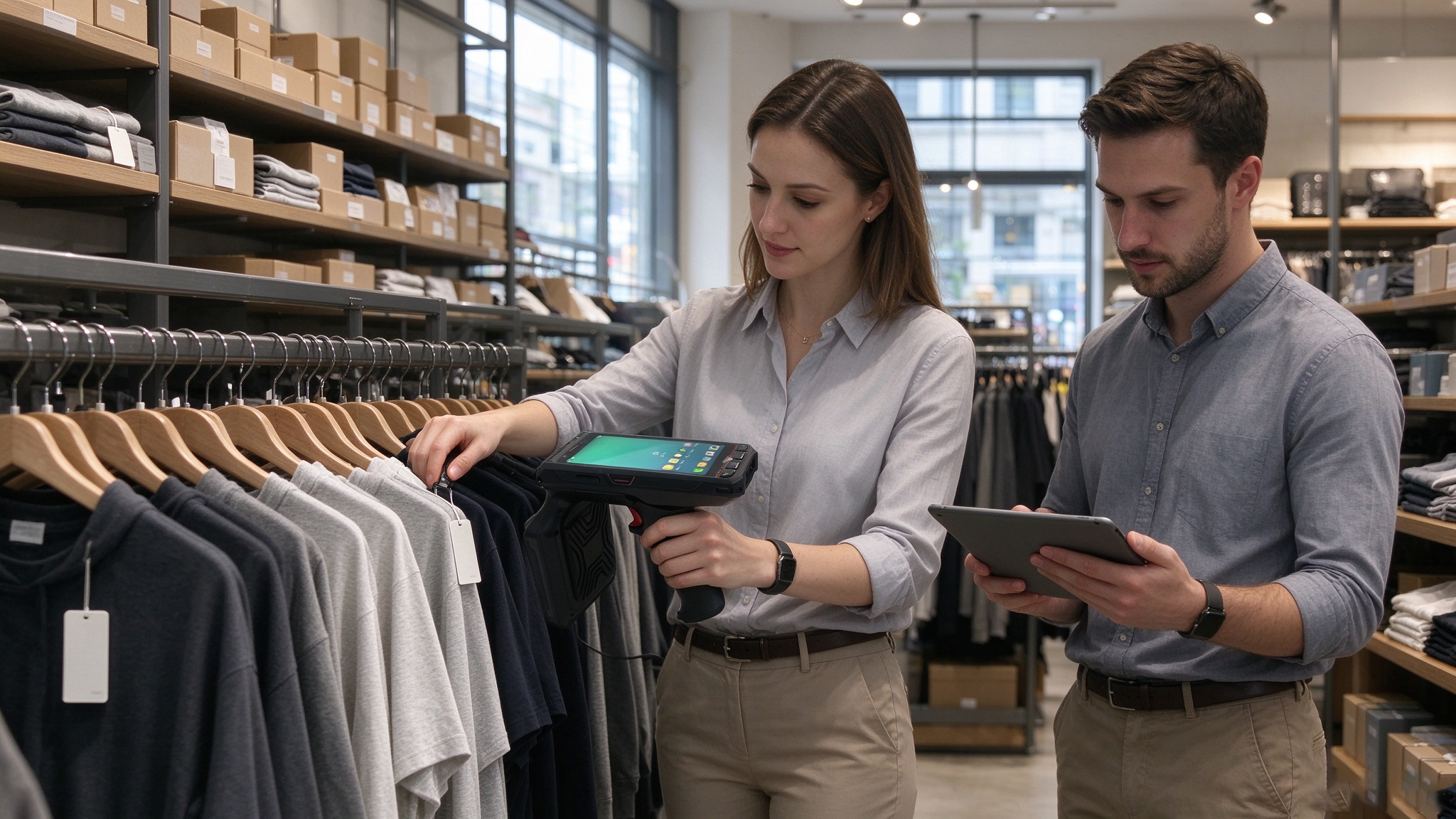
A store does not necessarily need to tag every product or install readers throughout the building on day one. A focused pilot can reveal where RFID delivers measurable value.
Choose a clearly defined objective, such as reducing inventory discrepancies, speeding up stocktaking, or identifying merchandise at checkout. Then select a representative group of products and test the complete workflow.
Measure results before and after implementation. Useful indicators include:
These measures make the pilot more useful than simply demonstrating that an RFID reader can detect a tag.
A tag that performs well on a cardboard package may not behave the same way on a metal product or near liquid-filled packaging. Tag orientation, product density, antenna position, and surrounding radio conditions can all affect results.
Test the actual merchandise in its intended position. For a checkout system, include multiple products in the same reading area and nearby tagged items that should not be included. For inventory work, test the products on their actual shelves or racks.
The reader captures tag data; software must associate that data with the correct product and update the relevant records. If the tag identifier is incorrectly mapped, a successful radio read can still produce an incorrect inventory result.
This is why implementation involves both hardware and business-process design. Retailers should confirm how identifiers are assigned, how records are updated, and how exceptions are handled before expanding the system.
RFID tags are used by clothing and fashion retailers, sporting goods stores, department stores, and businesses managing high volumes of tagged merchandise. Decathlon is a well-documented example, with RFID applications spanning manufacturing, warehousing, retail inventory, checkout, and product security. Adoption varies by company and location.
Walmart has used RFID technology in its retail supply chain, including initiatives involving merchandise categories such as apparel and other selected products. The scope and requirements can vary by category and supplier, so it is important to check Walmart’s current supplier guidance rather than assume every item in every store uses RFID.
Target has used RFID in retail inventory and merchandise operations, including apparel-related applications. The exact products, supplier requirements, and operational coverage may change over time. Retailers considering similar systems should consult current company documentation for the latest implementation details.
No. A retailer may tag all products in a selected category, tag specific product groups, or use RFID only at certain operational stages. Decathlon is an unusually comprehensive example: its published information states that 100% of its products carried RFID tags from 2019 onward. That figure should not be generalized to other retailers.
They can support faster item identification when products carry compatible tags and the checkout system is properly configured. Decathlon’s GS1 US case study describes an RFID-enabled checkout process in which shoppers can place multiple items in a reading area rather than scanning each product individually. The overall checkout time still depends on pricing, payment, exception handling, and system integration.
Not necessarily. Retailers may use RFID and barcodes together. RFID can support batch reading and identification without optical line of sight, while barcodes remain useful for product identification, consumer-facing packaging, and many existing point-of-sale processes. The appropriate setup depends on the retailer’s operational needs
Compare the system’s cost with measurable operational outcomes, such as stocktaking time, inventory record accuracy, product availability, labour requirements, and checkout performance. Include tag costs, readers, software integration, installation, and ongoing maintenance. Results from another retailer can inform the business case, but they cannot predict the exact return for a different store.
The answer to what stores use rfid tags includes sporting goods retailers such as Decathlon, apparel and fashion stores, department stores, and businesses introducing RFID-supported checkout. Their applications differ, but the common goal is to make physical merchandise easier to identify and connect with accurate digital records.
For Cykeo customers evaluating retail RFID, the sensible starting point is a defined operational problem, representative product testing, and a clear plan for connecting tag readings to inventory or checkout software. The best deployment is not necessarily the one with the most readers; it is the one that reliably supports the store’s actual workflow.
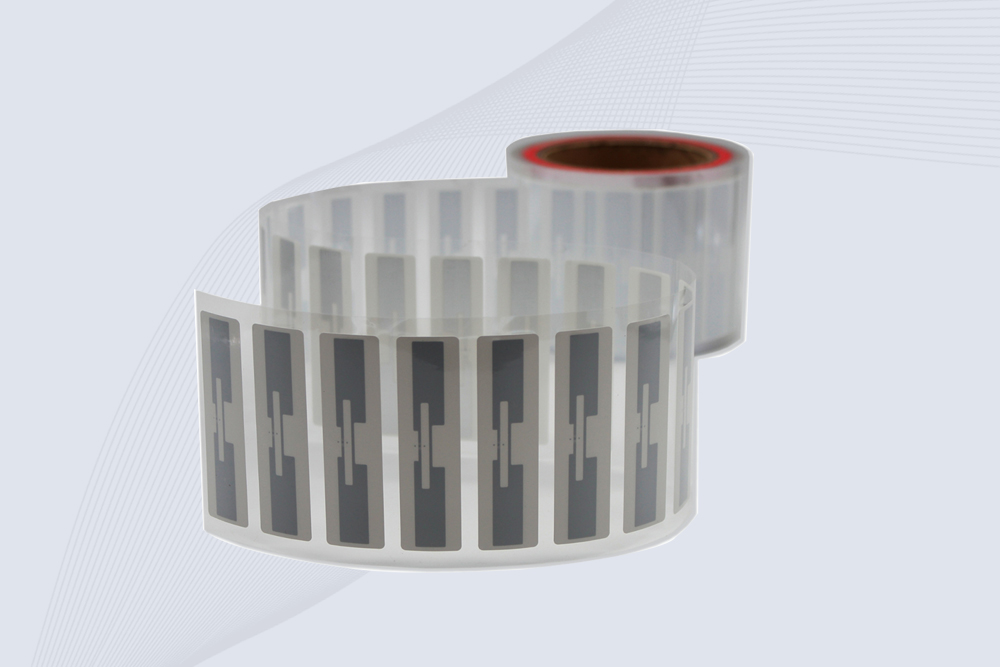
CYKEO Passive RFID Tags are made for wet and high-humidity environments where standard labels do not last. This rfid passive tag is often used around liquids, chemicals and temperature changes, providing stable reading distance and long data life for industrial tracking.
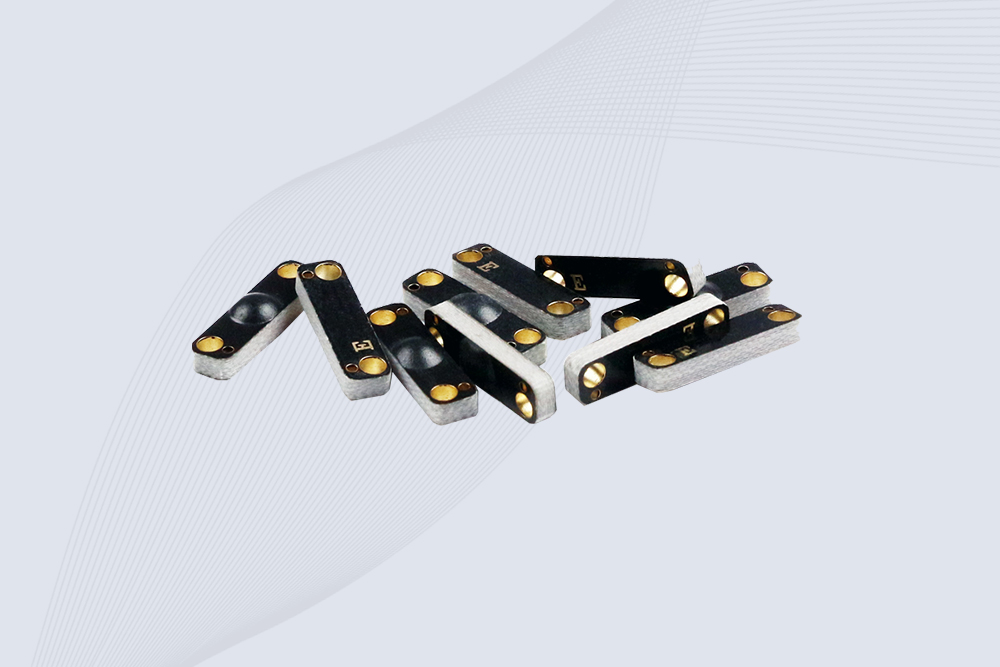
CYKEO CYKEO-PCB1504 Metal RFID Tags is a compact anti-metal UHF RFID solution built for direct mounting on metal surfaces. With stable 8-meter read range, Ucode-8 chip, and long data retention, this rfid metal tag fits tools, containers, automotive parts, and industrial asset tracking.
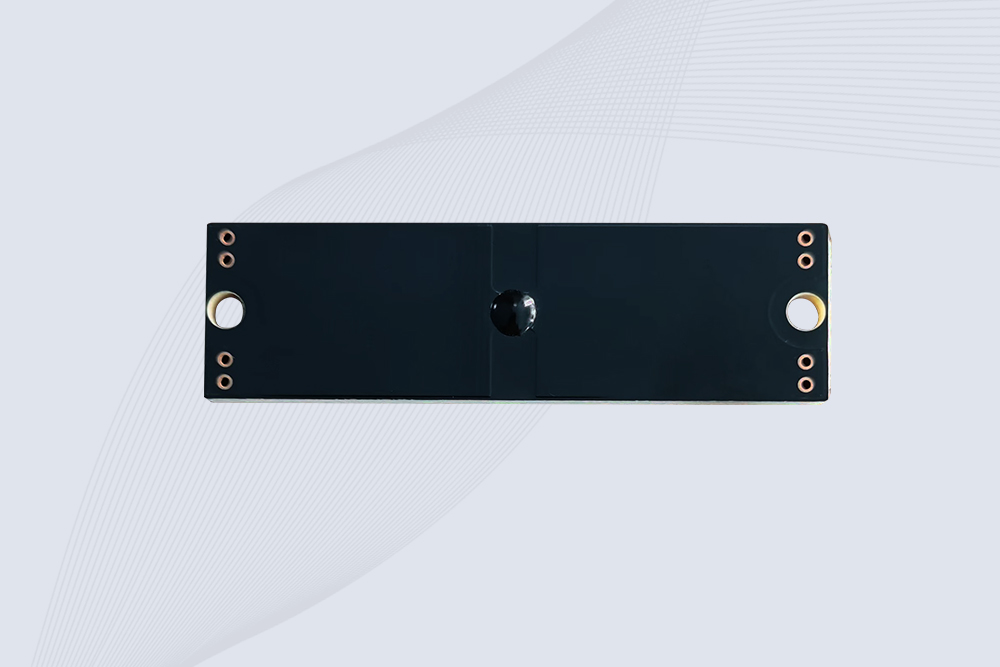
CYKEO CYKEO-PCB7020 On-Metal RFID Tags are designed for reliable tracking on steel and metal surfaces. Built with an FR4 epoxy body and industrial-grade chips, these On-Metal RFID Tags deliver stable performance, long data life, and chemical resistance, making them a dependable RFID anti-metal tag for harsh environments.
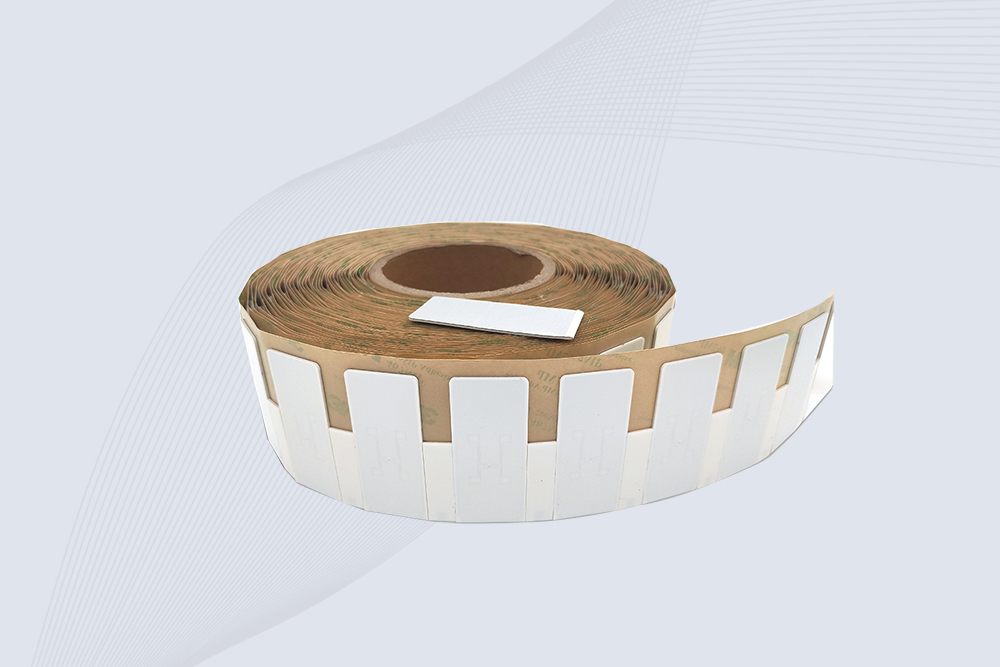
The CYKEO CYKEO-60-25 Anti-Metal RFID Tag is built for metal surfaces where standard tags fail. Designed for long-range performance, harsh environments, and stable data retention, this Anti-Metal RFID Tag is ideal for industrial assets, containers, and equipment tracking using on metal RFID tags.
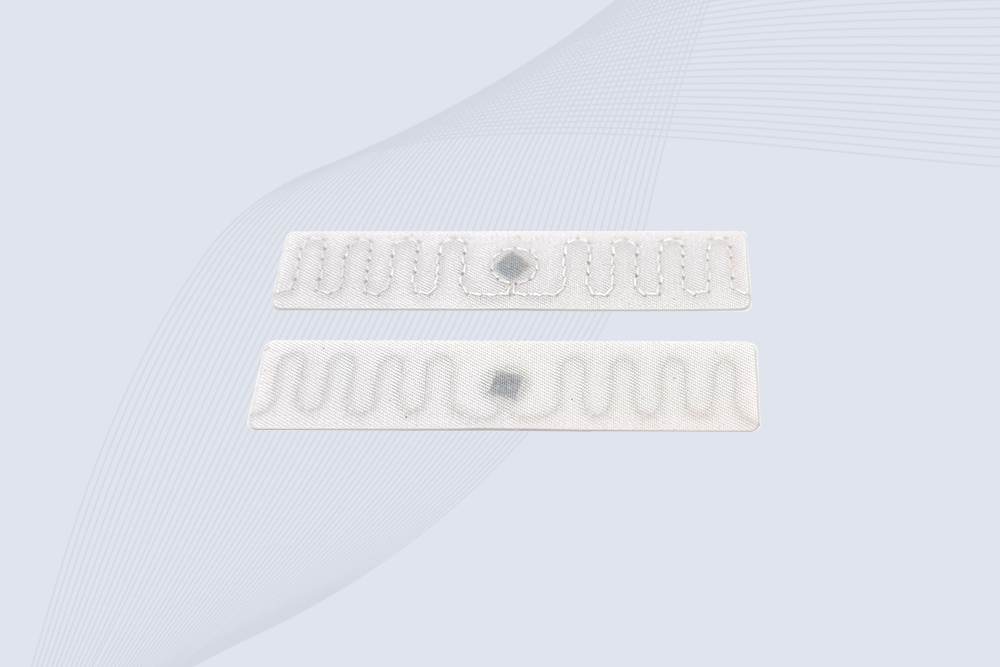
The CYKEO RFID Laundry Tag is designed for long-term textile identification in harsh laundry environments. Built to withstand high heat, chemicals, and repeated washing, this RFID Laundry Tag delivers stable performance for hotels, hospitals, and industrial laundry operations using laundry rfid tags at scale.
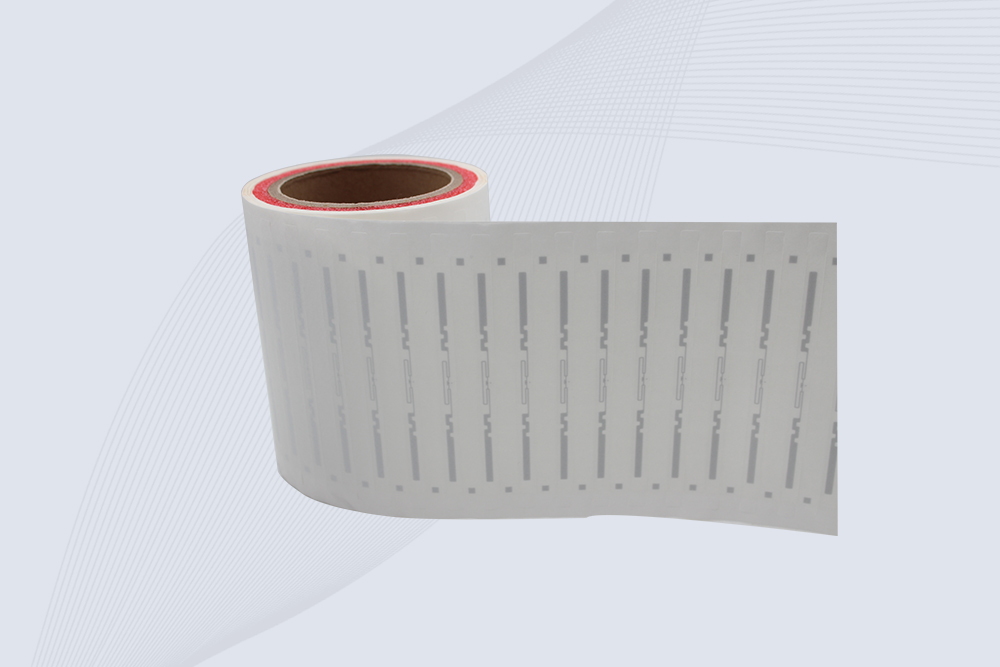
The CYKEO CYKEO-125-7 RFID Book Tag is designed for reliable book and document tracking in libraries and archives. This RFID Book Tag delivers long read range, dense placement support, and stable performance on shelves, making it a practical rfid tag on books for library automation, file management, and archival systems.
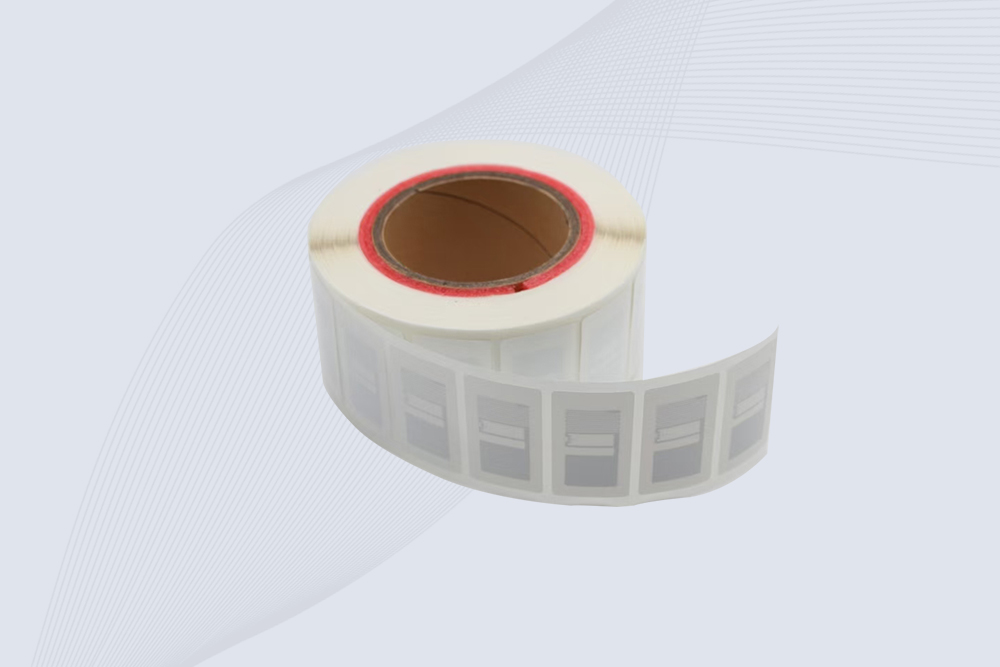
CYKEO RFID tags in hospitals are designed for sterile environments where accuracy matters. These autoclavable RFID tags support long-term tracking of surgical tools, implants, and medications, helping hospitals improve visibility, compliance, and patient safety.

CYKEO RFID Cable Tie Tag is built for reliable identification on metal surfaces. This UHF RFID Cable Tie Tag is widely used in rfid tags for inventory systems, industrial asset management and Hospital RFID Tags, offering stable read performance, long service life and global EPC Gen2 compatibility.
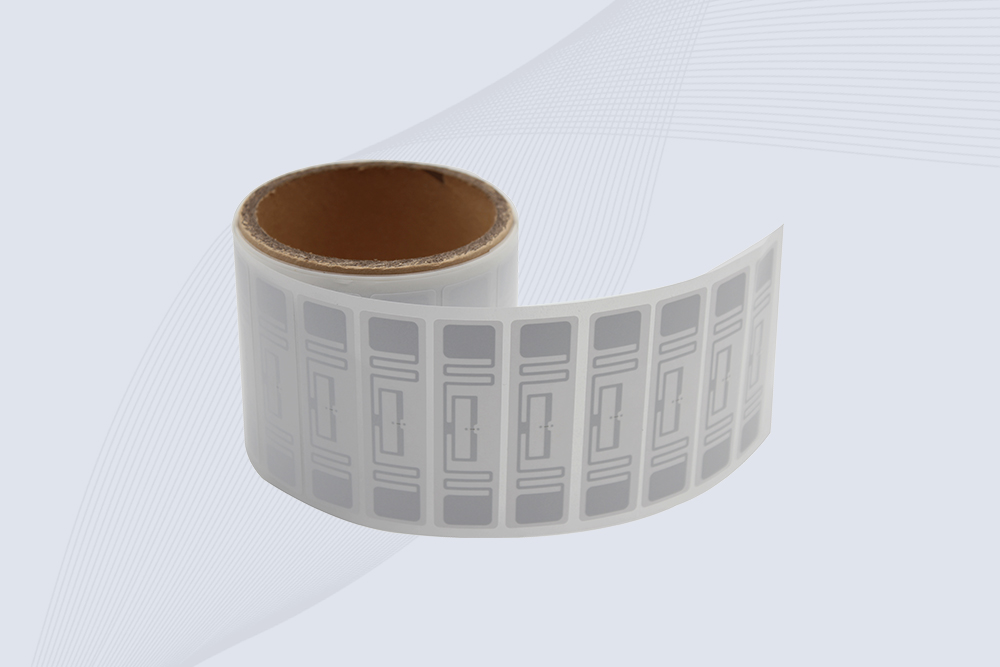
CYKEO RFID Asset Tag is designed for stable identification of metal assets in industrial environments. This UHF RFID Asset Tag is commonly used for rfid tag asset tracking on equipment, tools and containers, providing reliable reads, long service life and ISO/IEC 18000-6C support.

CYKEO UHF RFID Card is designed for fast identification and long-term use in industrial and commercial systems. Supporting ISO 18000-6C, this UHF RFID Card works at 860–960 MHz and is suitable for custom RFID cards used in asset tracking, access control and inventory management.
CYKEO HF RFID Cards are designed for secure and stable access control systems. These 13.56 MHz RFID key cards support ISO 14443-A, reliable rewriting and long service life, making HF RFID Cards suitable for offices, campuses, events and membership management.
CYKEO UHF RFID Tag is designed for reliable tracking of metal jewelry and high-value items. This Jewelry RFID Tag supports long-range reading up to 8 meters, anti-counterfeit protection and stable performance on metal, making it suitable for retail, inventory control and asset management.

Optimize operations with job RFID solutions from Cykeo. Improve workforce tracking, tool management, job assignment, and asset visibility using industrial RFID technology.
More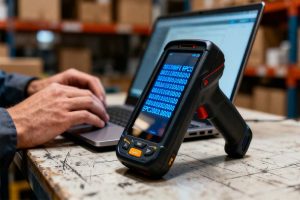
Cut through the jargon. An engineer's plain-English guide to how the Electronic Product Code (EPC) acts as the brain of RFID, enabling true item intelligence beyond simple tracking.
More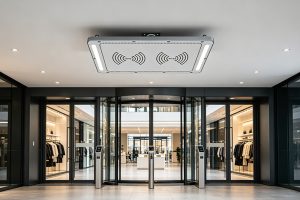
RFID gate opener sticker systems improve automated access control, item tracking, and security management for libraries, retail, healthcare, and smart storage spaces.
More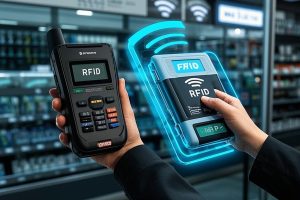
Compare fixed and handheld RFID readers for retail inventory tracking, loss prevention, and checkout efficiency. Discover which suits your store’s needs.
More