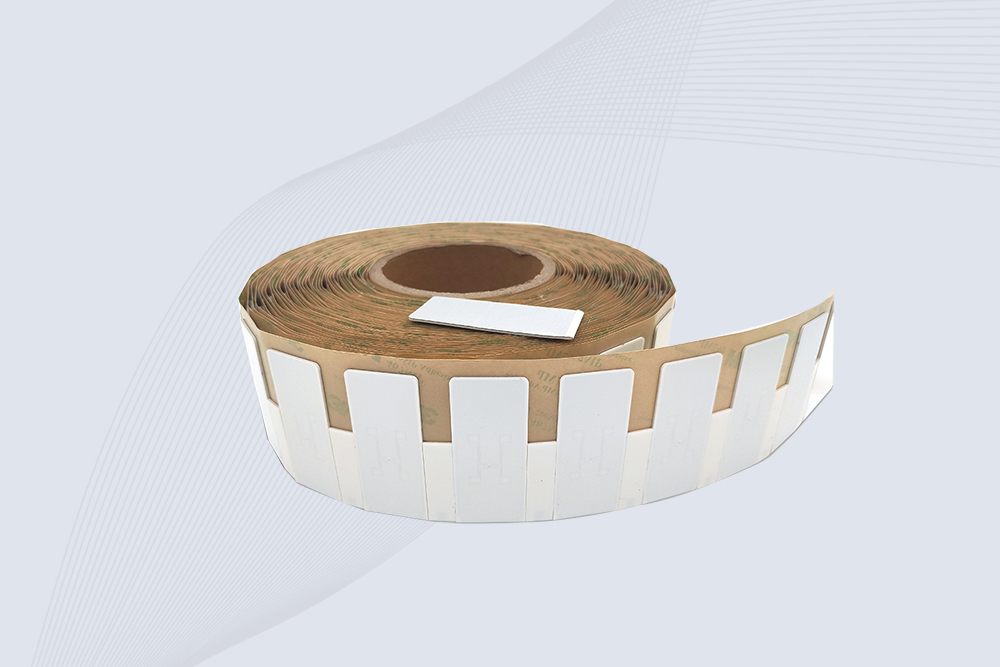
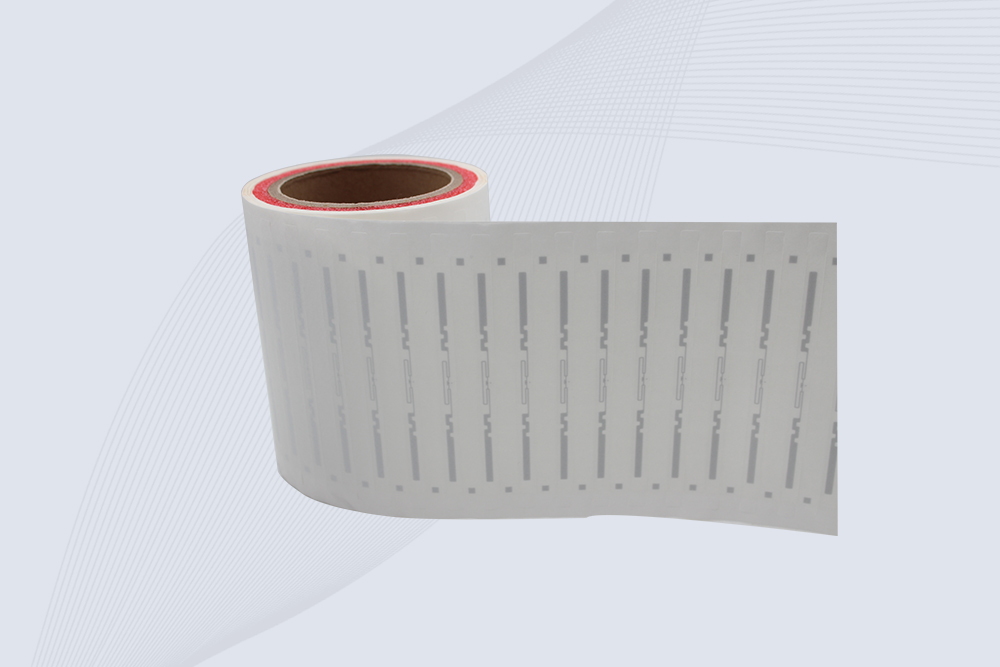
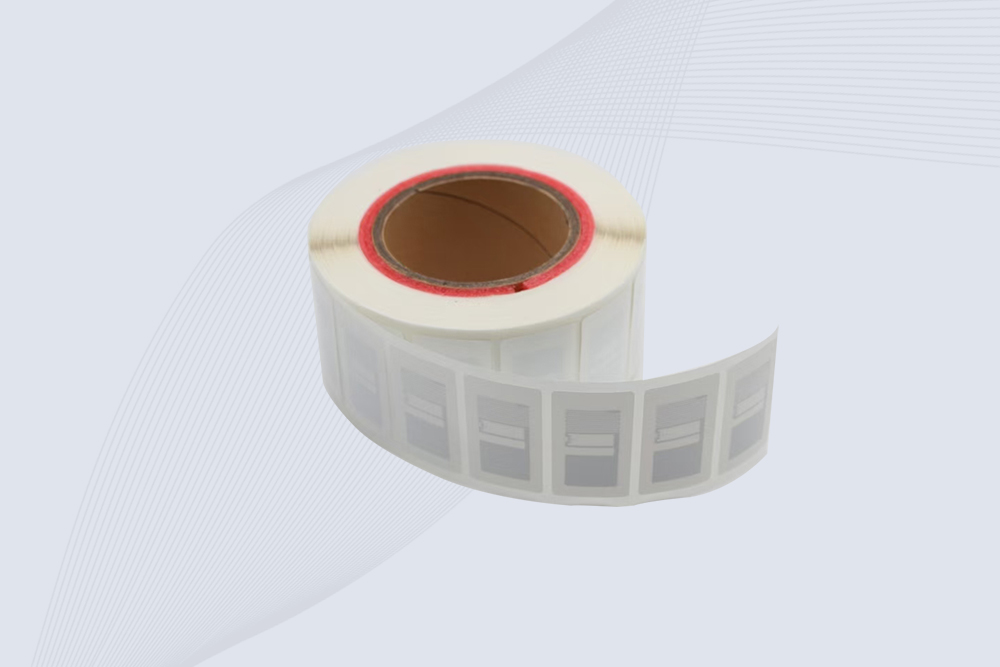
What’s RFID mean? RFID stands for Radio Frequency Identification, a technology that uses radio waves to identify and track tagged objects. An RFID system typically includes a tag, a reader, and software that processes the collected data, helping businesses identify products, manage inventory, and track assets without scanning each label individually.
The term appears on product labels, access cards, warehouse equipment, library systems, and retail inventory platforms. But RFID is not one specific device. It describes a family of identification technologies whose performance depends on the tag type, operating frequency, reader, antenna, and surrounding environment.
For businesses evaluating RFID, understanding what the term means is only the starting point. The practical question is whether the system can identify the right objects, at the right location, with sufficient reliability for the intended task.
What Does RFID Stand For?
RFID stands for Radio Frequency Identification. Each word describes a part of the technology:
Radio Frequency: The system uses radio-frequency electromagnetic fields to communicate with compatible tags.
Identification: The system obtains identifying information associated with a tagged object.
Technology: Tags, readers, antennas, and software work together to collect and use that information.
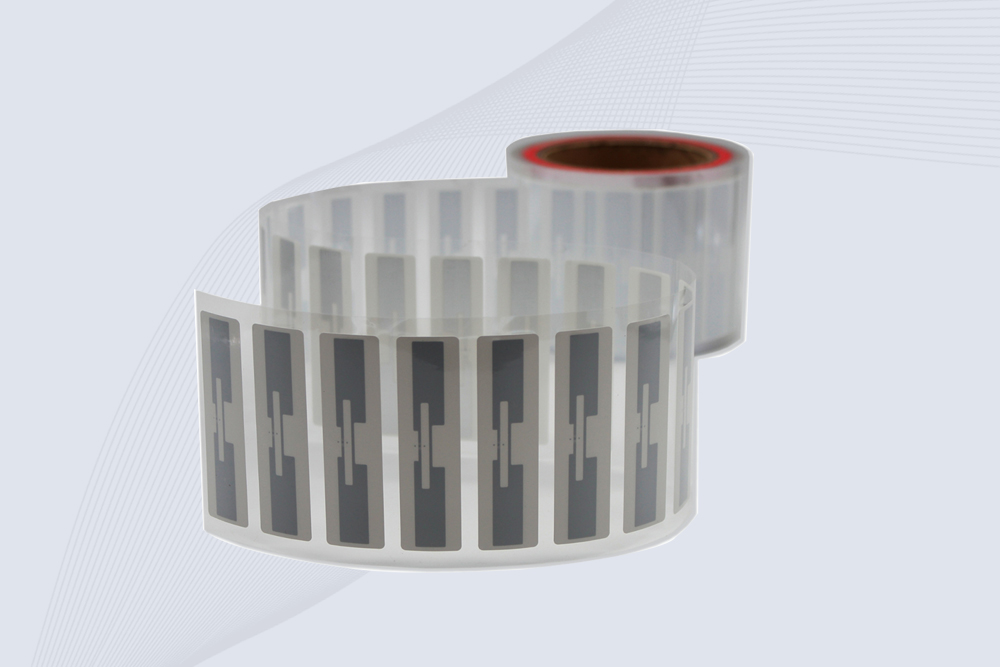
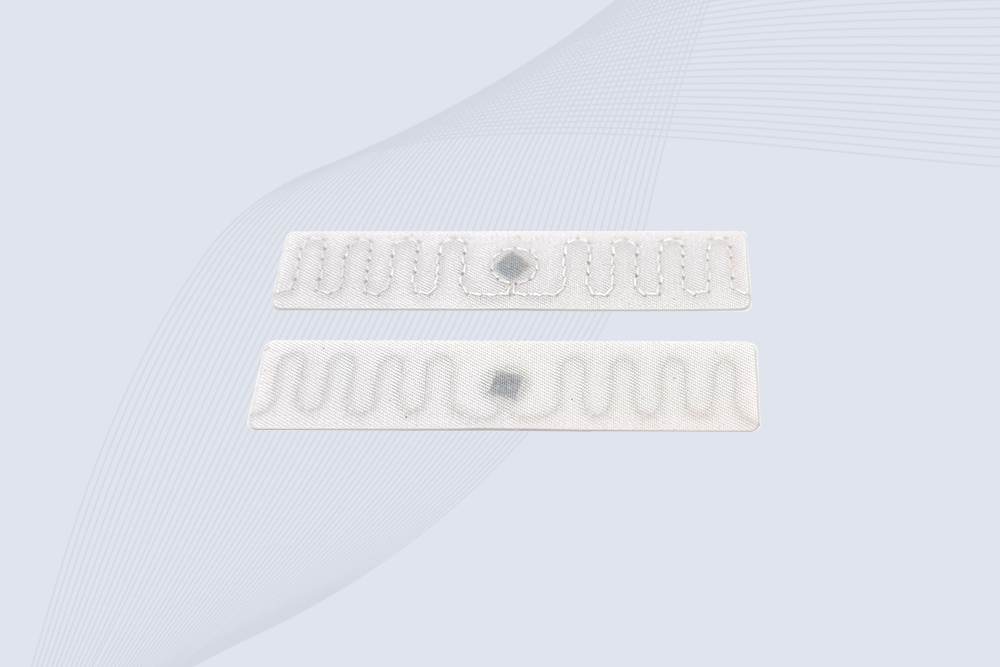
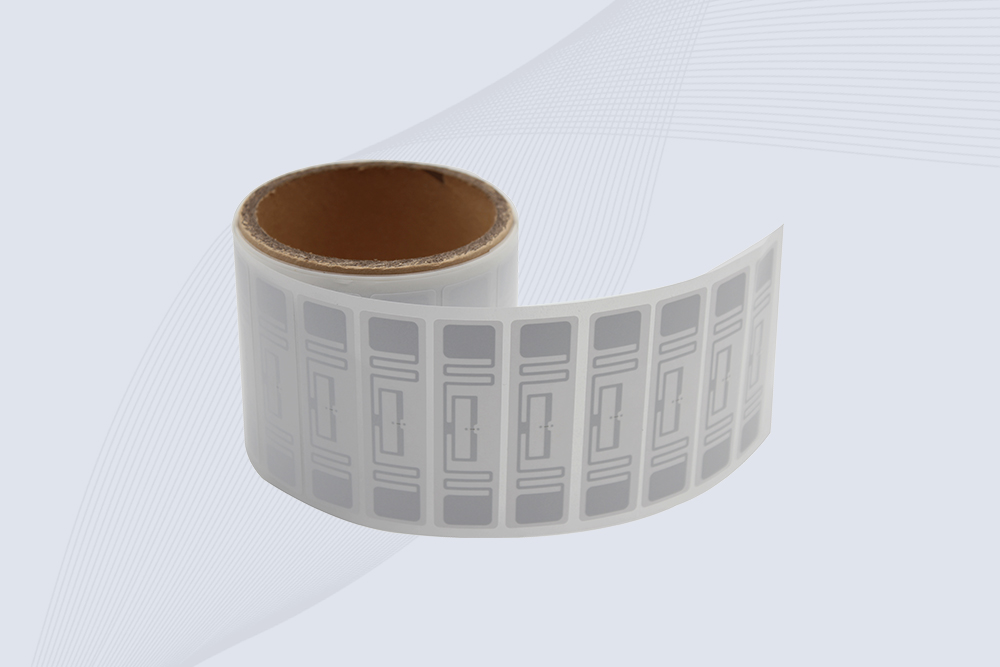
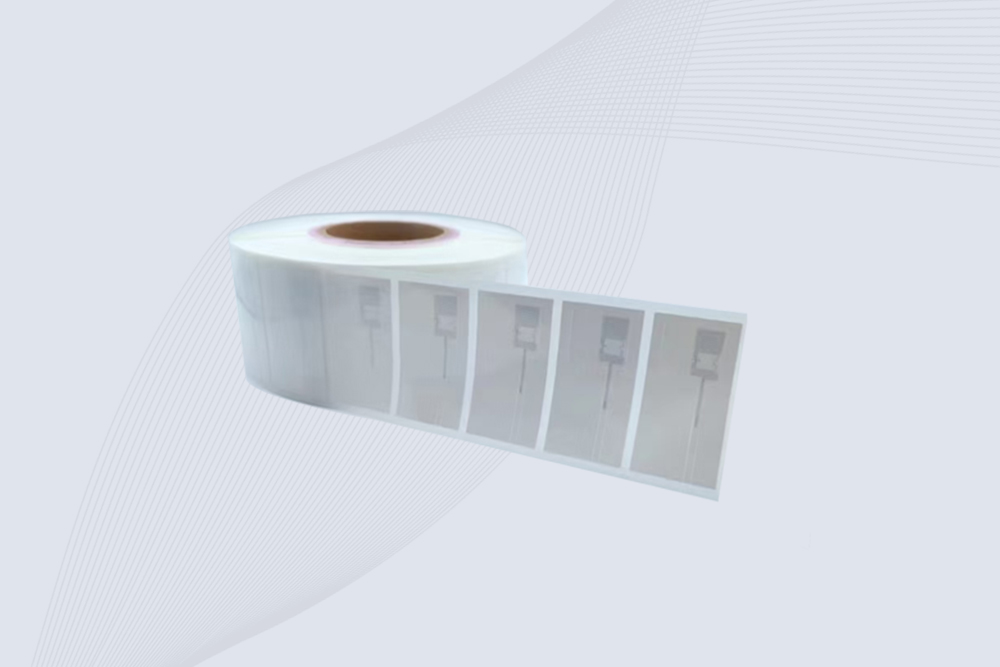
An RFID tag generally contains a chip and an antenna, although some tag designs use different constructions. The chip stores identifying information, while the antenna enables communication with the reader. Depending on the tag and system, the reader may retrieve stored data or write information to a supported tag.
A useful distinction: RFID identifies an object through radio communication; it does not automatically provide the object’s GPS location. A reader detects a tag within its effective reading area. Software may then associate that detection with a known doorway, shelf, workstation, or other reader location.
How Does RFID Work?
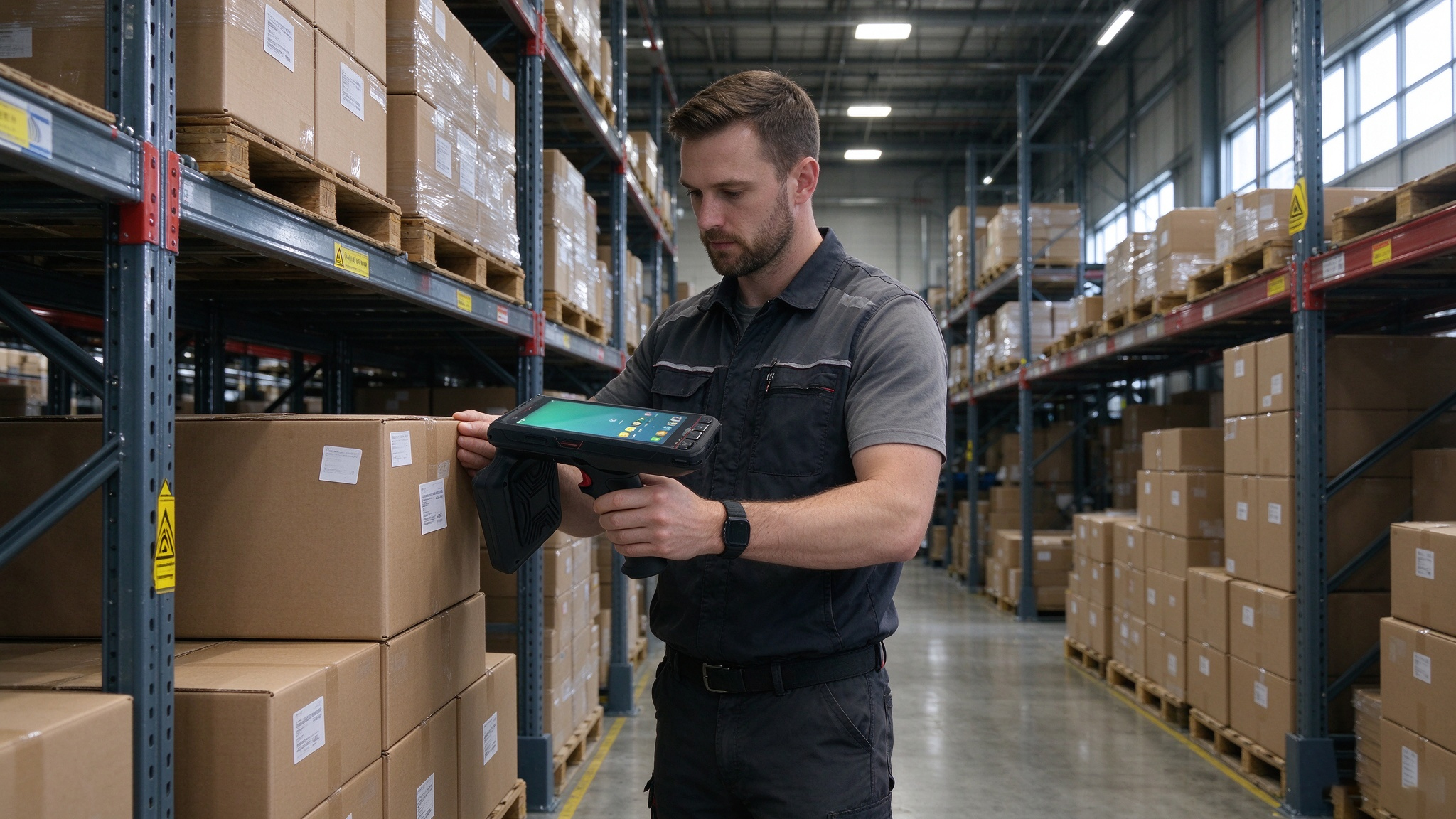
RFID readers collect identification data from compatible tags, helping warehouse teams check stock and record item movements.
An RFID workflow usually follows these steps:
The tag is attached to an object. It carries an identifier or other supported data.
The reader communicates with the tag. The exact process depends on the RFID frequency and tag design.
The tag responds when communication conditions are met. A passive tag typically obtains the energy it needs to respond from the reader’s RF field.
The reader receives the data. Its software or connected application interprets the response.
The business system uses the information. For example, it can update an inventory record or register an item’s passage through a monitored entrance.
In a warehouse, the useful result is not simply that a tag has been read. The important part is connecting that read to a meaningful business event, such as receiving a carton, transferring stock, or dispatching an order.
What Are the Main Types of RFID?
Not every RFID tag works in the same way. GS1 identifies low-frequency (LF), high-frequency (HF), and ultra-high-frequency (UHF) systems among the main RFID frequency categories. Each suits different operating conditions.
RFID type
Typical frequency
Common applications
LF RFID
125–134 kHz
Animal identification and some access-control systems
HF RFID
13.56 MHz
Smart cards, NFC-related applications, and library systems
UHF RFID
Region-dependent, commonly around 860–960 MHz
Warehouse inventory, retail stocktaking, and supply-chain tracking
Note: Actual operating bands and permitted power levels depend on regional regulations and the specific RFID standard.
RFID tags can also be grouped by how they receive power:
Passive RFID tags: Have no onboard battery and obtain operating energy from the reader’s RF field.
Active RFID tags: Use an onboard power source to transmit their signals.
Battery-assisted passive tags: Use a battery to support tag functions while relying on reader communication for the RFID response.
For many item-level inventory projects, passive UHF RFID is worth evaluating because compatible systems can read multiple tagged objects without requiring each label to be presented directly to a scanner. That capability is useful, but it does not guarantee every tag will be read in every environment
What Does RFID Mean in Real Business Operations?
Retailers can use RFID reads to compare recorded inventory with the products detected in a store or stockroom.
RFID becomes valuable when the identification data supports a defined business process. Common examples include:
Retail: Identifying merchandise and improving visibility into stock availability.
Warehousing: Recording tagged items as inventory moves through receiving, storage, and dispatch.
Libraries: Supporting book identification, circulation, and inventory checks.
Access control: Using compatible RFID credentials to authorize entry.
Asset management: Associating tagged equipment with records in a tracking system.
There is measurable research behind some of these applications. A field study published in Production and Operations Management examined RFID-enabled inventory visibility at 13 stores over 23 weeks. The researchers reported an approximately 26% reduction in inventory record inaccuracy in the first study. A second experiment covering 62 stores found that the effect varied across product categories. These findings support RFID’s potential, not a guarantee that every installation will achieve the same result.
For a business considering RFID, the implementation details matter as much as the acronym. Tag placement, nearby metal or liquids, reader antenna positioning, read-zone boundaries, and the connection between reader data and inventory software can all affect results.
How to Choose an RFID System for Your Application
Knowing what’s RFID mean is useful, but choosing the right system requires a closer look at the job it needs to perform. A tag that works well on a cardboard carton may perform differently when attached to a metal tool, a liquid container, or a garment.
Before selecting equipment, define the operating conditions.
Selection factor
What to check
Object and material
Is the tag attached to cardboard, plastic, fabric, metal, or a liquid container?
Read distance
Does the application need close-range identification or reading across a defined zone?
Tag quantity
Will the reader identify one item at a time or multiple tagged items in a group?
Installation
Will the reader be handheld, mounted at a doorway, or integrated into equipment?
Software integration
Must the data connect to inventory, access-control, library, or asset-management software?
Environment
Could metal structures, nearby equipment, tag orientation, or surrounding materials affect reading?
One detail is easy to overlook: maximum read range is not the same as reliable read-zone performance. GS1 notes that passive UHF RFID range depends on factors such as reader power, antenna characteristics, polarization, and tag orientation. Its guidance describes several metres as typical for passive UHF RFID, with longer distances possible in particular conditions.
For example, a warehouse portal should be designed to identify the intended cartons as they pass through the doorway without unnecessarily detecting nearby stock. Simply increasing reader power may expand the read area without solving the actual problem. Antenna placement, tag orientation, shielding where appropriate, and software filtering all deserve attention during testing.
A Practical Pre-Deployment Checklist
Before installing an RFID system, verify the following:
Test the selected tags on the actual products or assets.
Check read performance at the intended distance and orientation.
Test multiple tags together if batch identification is required.
Confirm that nearby items outside the intended zone are not routinely detected.
Verify that the reader sends usable data to the target software.
Record missed reads and unintended reads during realistic operating conditions.
These checks are especially important for industrial UHF RFID applications. A successful demonstration with a single tag on a desk does not establish how a reader will perform around metal shelving, stacked cartons, moving products, or densely packed inventory.
Frequently Asked Questions About What’s RFID Mean
1. What’s RFID mean in simple terms?
RFID means Radio Frequency Identification. It is a technology that uses radio waves to identify tagged objects. An RFID reader communicates with a compatible tag and receives identification data, which software can use for tasks such as inventory management, access control, and asset tracking.
2. What does RFID stand for?
RFID stands for Radio Frequency Identification. The name refers to using radio-frequency communication to identify an item or other tagged object. RFID systems may use passive or active tags, depending on the application.
3. Is RFID the same as a barcode?
No. A barcode is generally read optically, while RFID communicates through radio waves. RFID does not normally require the reader to have a direct visual line of sight to the tag, and compatible systems can read multiple tags within their effective read zone. Barcodes and RFID can also be used together.
4. Does an RFID tag need a battery?
Not always. Passive RFID tags have no onboard battery and receive the energy needed to respond from the reader’s RF field. Active RFID tags use an onboard power source, while battery-assisted passive tags use a battery for certain functions but communicate by backscattering the reader’s signal.
5. Can RFID track an item’s location?
RFID can help track an item’s movement when readers are installed at known locations and detection events are recorded by software. However, an ordinary passive RFID tag does not independently provide GPS coordinates. The location information available depends on the reader infrastructure and the system’s design.
6. How far away can an RFID reader detect a tag?
There is no single read distance for all RFID systems. LF and HF applications often operate at short distances, while passive UHF RFID can typically read over several metres under suitable conditions. Tag design, reader power, antenna configuration, surrounding materials, and orientation all influence actual performance.
7. What information does an RFID tag contain?
An RFID tag may store a unique identifier and, depending on its design, additional information. In GS1-based applications, an Electronic Product Code (EPC) can identify an individual physical object. Related product details may instead be stored in a connected database and retrieved using the identifier.
Conclusion: What’s RFID Mean for Modern Identification Systems?
The meaning of RFID goes beyond its full name, Radio Frequency Identification. It describes a practical way to identify tagged objects through radio communication and turn those reads into useful operational data. Retailers can use it for inventory visibility, warehouses can record item movements, and libraries can simplify circulation and stocktaking.
The right system depends on the application, not simply the advertised reading distance. Tag selection, antenna placement, read-zone control, and software integration all influence the outcome. For businesses researching what’s RFID mean, these are the details that turn a basic definition into a workable identification solution.
At Cykeo, RFID technology selection should start with the objects being identified and the process the system needs to support. That provides a clearer basis for comparing tags, readers, and system configurations.
CYKEO Passive RFID Tags are made for wet and high-humidity environments where standard labels do not last. This rfid passive tag is often used around liquids, chemicals and temperature changes, providing stable reading distance and long data life for industrial tracking.
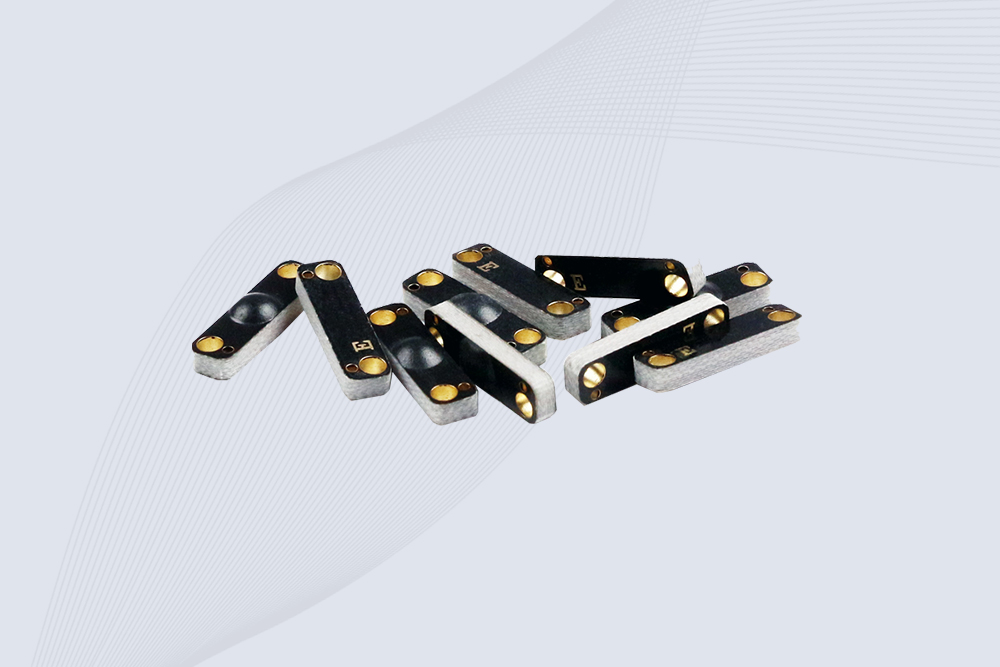
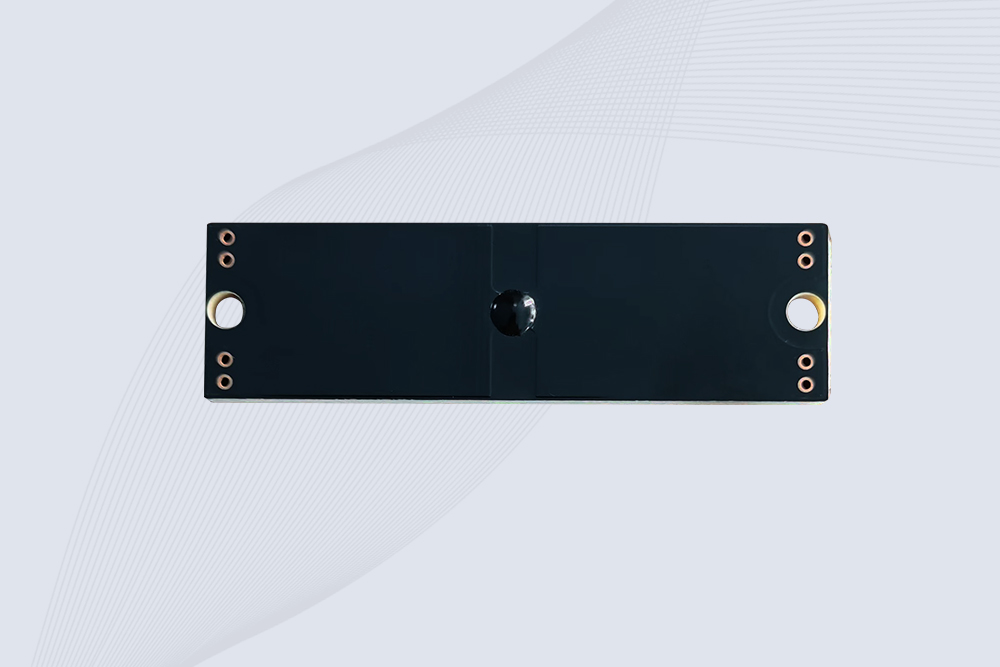
CYKEO CYKEO-PCB1504 Metal RFID Tags is a compact anti-metal UHF RFID solution built for direct mounting on metal surfaces. With stable 8-meter read range, Ucode-8 chip, and long data retention, this rfid metal tag fits tools, containers, automotive parts, and industrial asset tracking.
CYKEO CYKEO-PCB7020 On-Metal RFID Tags are designed for reliable tracking on steel and metal surfaces. Built with an FR4 epoxy body and industrial-grade chips, these On-Metal RFID Tags deliver stable performance, long data life, and chemical resistance, making them a dependable RFID anti-metal tag for harsh environments.
The CYKEO CYKEO-60-25 Anti-Metal RFID Tag is built for metal surfaces where standard tags fail. Designed for long-range performance, harsh environments, and stable data retention, this Anti-Metal RFID Tag is ideal for industrial assets, containers, and equipment tracking using on metal RFID tags.
The CYKEO RFID Laundry Tag is designed for long-term textile identification in harsh laundry environments. Built to withstand high heat, chemicals, and repeated washing, this RFID Laundry Tag delivers stable performance for hotels, hospitals, and industrial laundry operations using laundry rfid tags at scale.
The CYKEO CYKEO-125-7 RFID Book Tag is designed for reliable book and document tracking in libraries and archives. This RFID Book Tag delivers long read range, dense placement support, and stable performance on shelves, making it a practical rfid tag on books for library automation, file management, and archival systems.
CYKEO RFID tags in hospitals are designed for sterile environments where accuracy matters. These autoclavable RFID tags support long-term tracking of surgical tools, implants, and medications, helping hospitals improve visibility, compliance, and patient safety.
CYKEO RFID Cable Tie Tag is built for reliable identification on metal surfaces. This UHF RFID Cable Tie Tag is widely used in rfid tags for inventory systems, industrial asset management and Hospital RFID Tags, offering stable read performance, long service life and global EPC Gen2 compatibility.
CYKEO RFID Asset Tag is designed for stable identification of metal assets in industrial environments. This UHF RFID Asset Tag is commonly used for rfid tag asset tracking on equipment, tools and containers, providing reliable reads, long service life and ISO/IEC 18000-6C support.
CYKEO UHF RFID Card is designed for fast identification and long-term use in industrial and commercial systems. Supporting ISO 18000-6C, this UHF RFID Card works at 860–960 MHz and is suitable for custom RFID cards used in asset tracking, access control and inventory management.
CYKEO HF RFID Cards are designed for secure and stable access control systems. These 13.56 MHz RFID key cards support ISO 14443-A, reliable rewriting and long service life, making HF RFID Cards suitable for offices, campuses, events and membership management.
CYKEO UHF RFID Tag is designed for reliable tracking of metal jewelry and high-value items. This Jewelry RFID Tag supports long-range reading up to 8 meters, anti-counterfeit protection and stable performance on metal, making it suitable for retail, inventory control and asset management.
Explore the most advanced technologies used in smart cards, including NFC, RFID, and biometrics. Learn how Cykeo’s innovations enhance security and functionality.
Discover how RFID tags tracking improves inventory accuracy, asset visibility, and operational efficiency. Learn proven RFID tracking strategies from Cykeo experts.
What is RFID mean? Discover the meaning, working principles, and real-world applications of RFID technology with Cykeo insights for smart tracking and identification systems.
Upgrade your entry tracking system with RFID technology. Achieve real-time tracking, accurate access control, and automated security management for retail and logistics scenarios.
 Cykeo RFID IoT Solution Products R&D Manufacturer