What are the most advanced technologies used for creating smart cards, such as NFC and RFID?
Modern smart cards leverage cutting-edge technologies like NFC, RFID, biometrics, and secure encryption to enable secure, contactless transactions, access control, and identity verification. Here’s a breakdown of the key innovations shaping the industry.
1. Near Field Communication (NFC)
- Short-Range Communication:
- Operates at 13.56 MHz with a range of 0–10 cm, ideal for secure payments and data exchange.
- Supports peer-to-peer (P2P) mode for device pairing and file sharing.
- Advanced Use Cases:
- Mobile wallets (Apple Pay, Google Pay), transit cards, and secure building access.
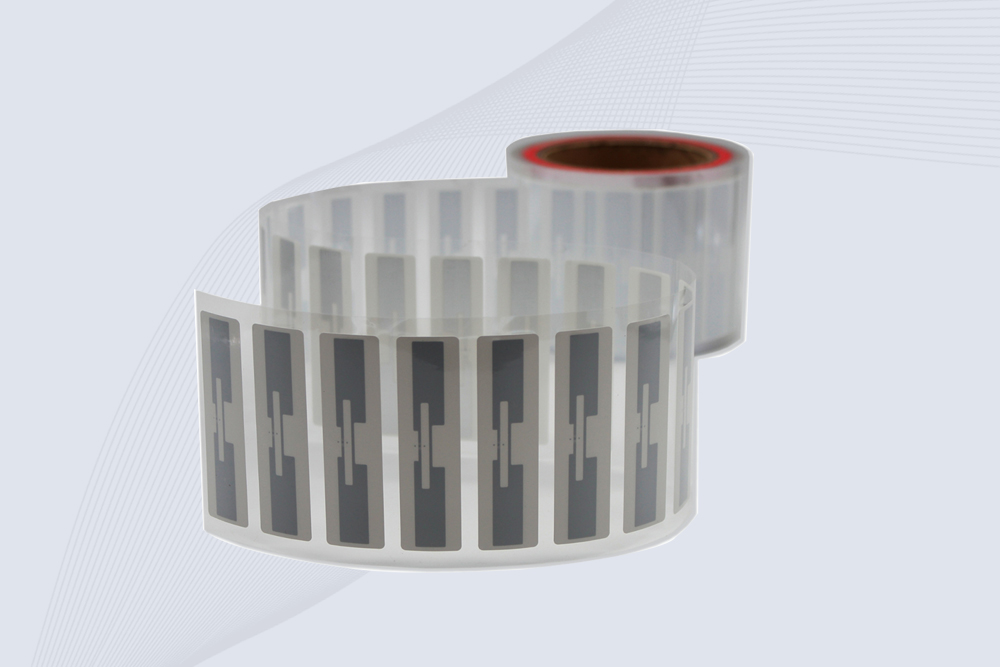
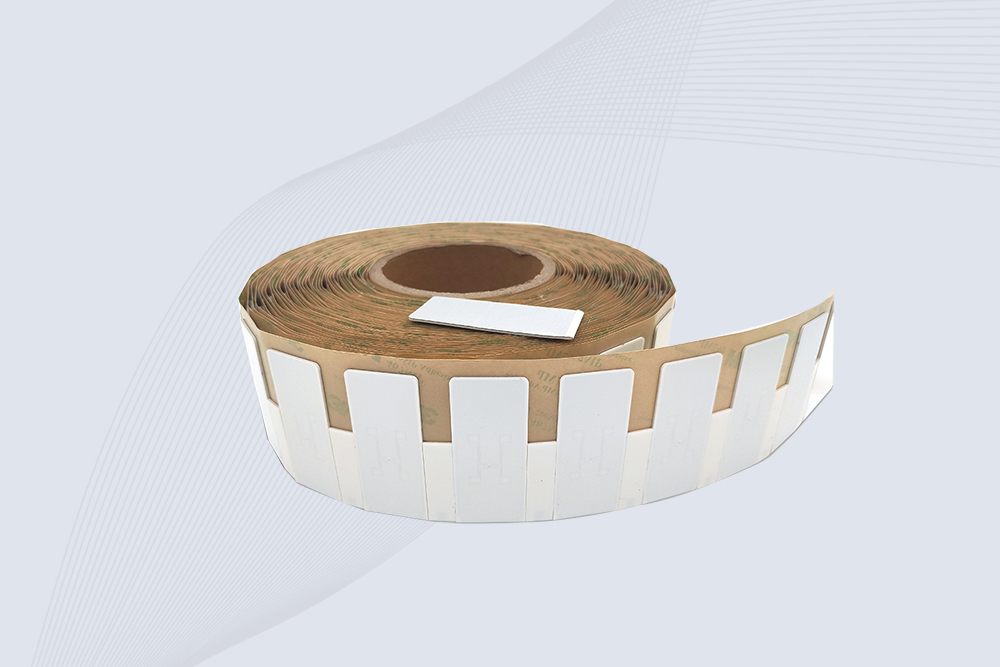
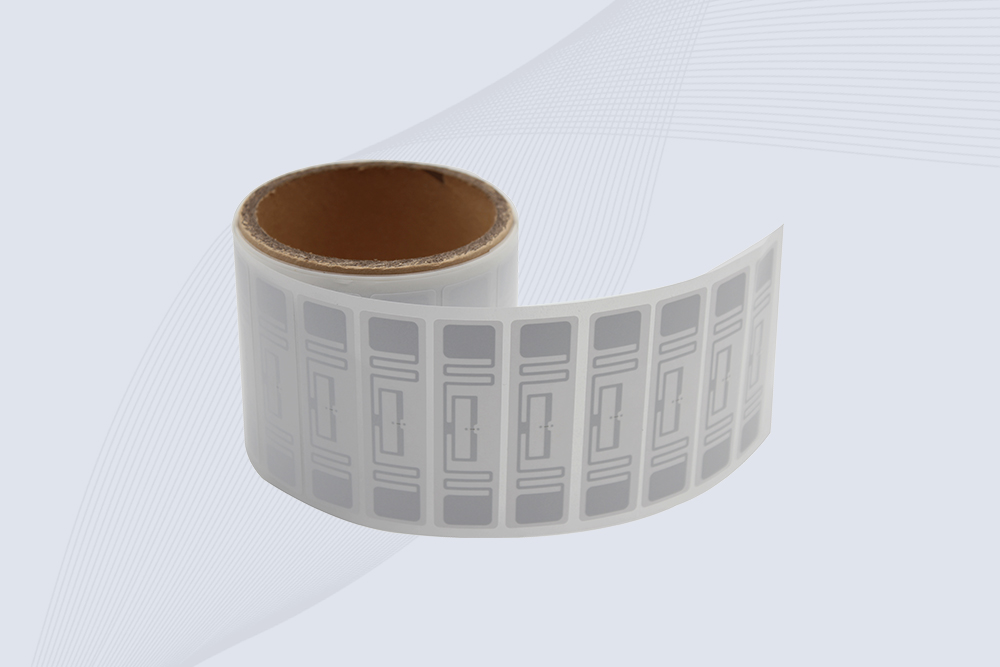
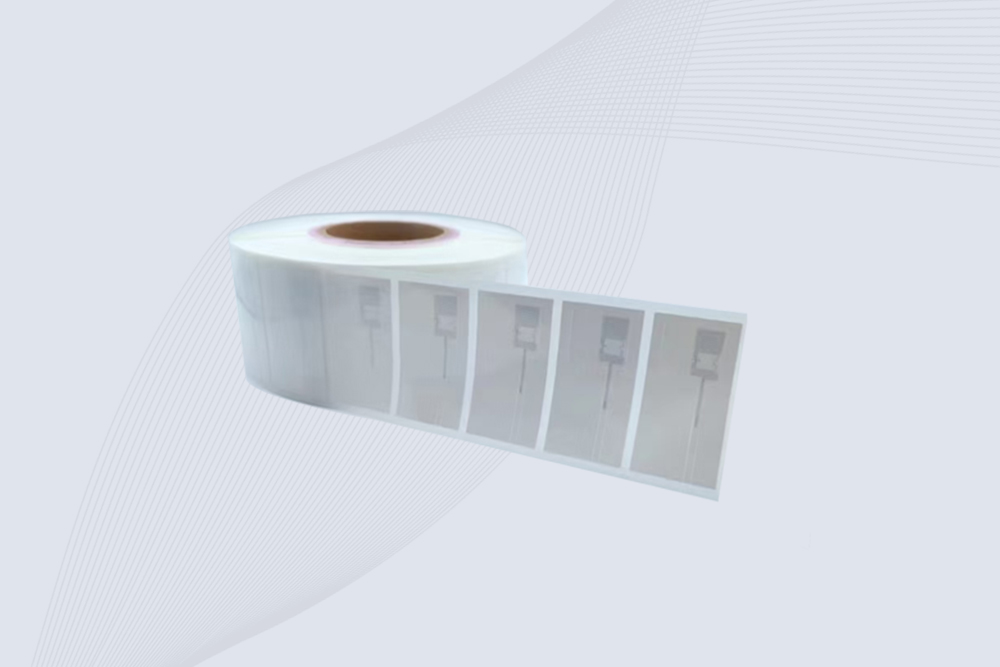
2. Radio-Frequency Identification (RFID)
- Longer-Range Scanning:
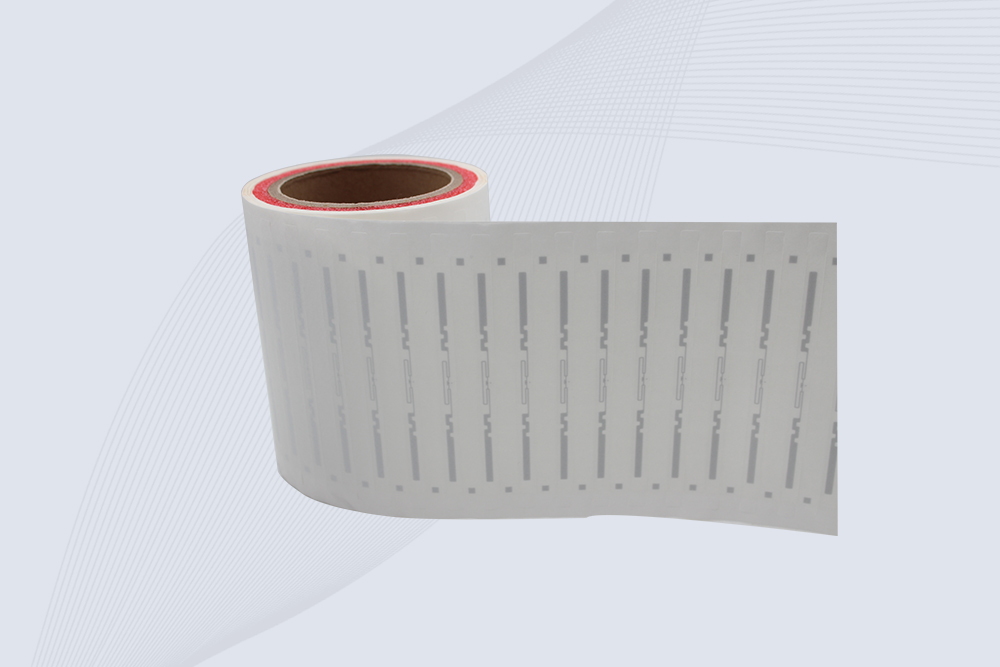
- UHF RFID (860–960 MHz) reads tags up to 12 meters for inventory tracking.
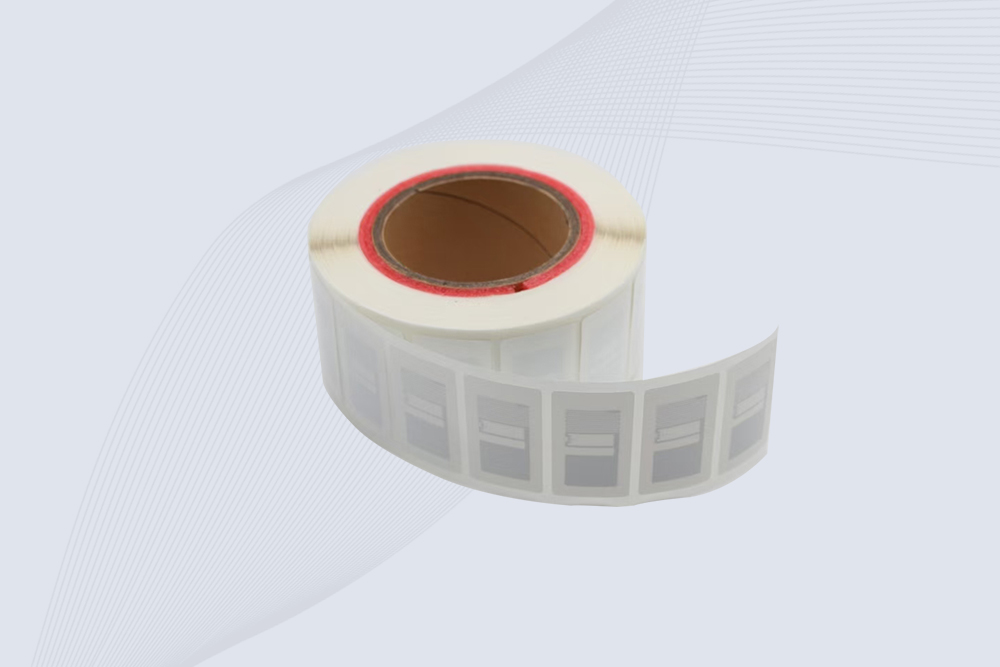
- HF RFID (13.56 MHz) used in passports and library systems for encrypted data storage.
- Durability:
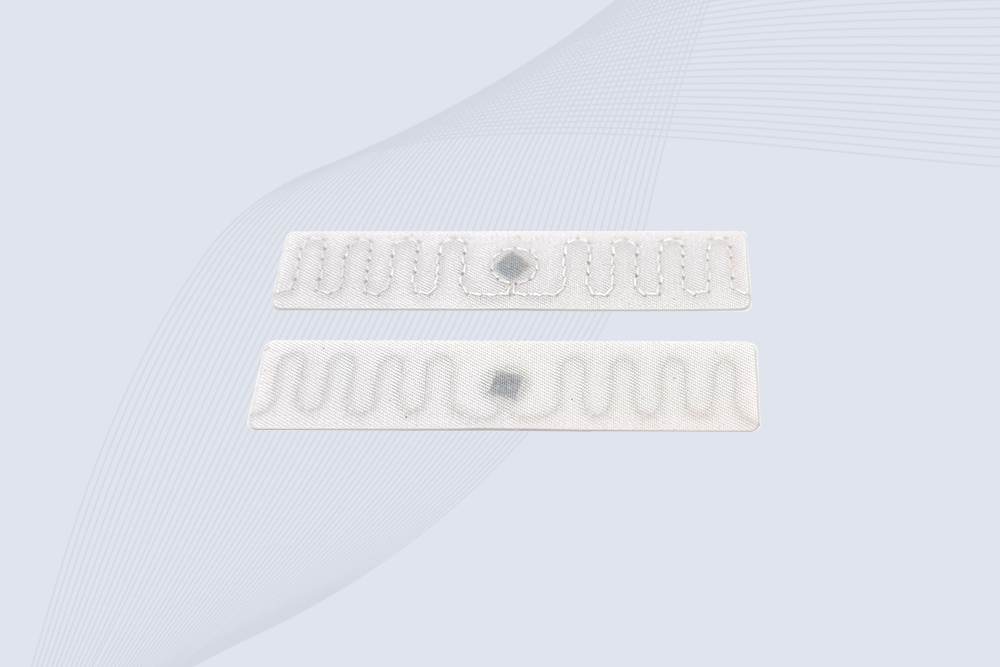
- Passive RFID tags require no battery, lasting 10+ years in harsh environments.
3. Dual-Interface Smart Cards
- Hybrid Functionality:
- Combine contact (chip-and-PIN) and contactless (NFC/RFID) modes for flexibility.
- Cykeo’s SecureDual Chip supports EMV payments and IoT authentication.
4. Biometric Integration
- Fingerprint & Facial Recognition:
- Embedded sensors authenticate users via biometric data stored on tamper-proof chips.
- Eliminates PINs/passwords for higher security in banking and government IDs.
5. Quantum-Safe Encryption
- Post-Quantum Cryptography (PQC):
- Protects against future quantum computing attacks with lattice-based algorithms.
- Critical for military, healthcare, and financial sectors.
Case Study: 50% Faster Transit Payments with Cykeo
A European metro system reduced boarding times by 50% using Cykeo’s NFC-enabled smart cards, processing 1M+ daily transactions securely.
 Cykeo RFID IoT Solution Products R&D Manufacturer