 Cykeo RFID IoT Solution Products R&D Manufacturer
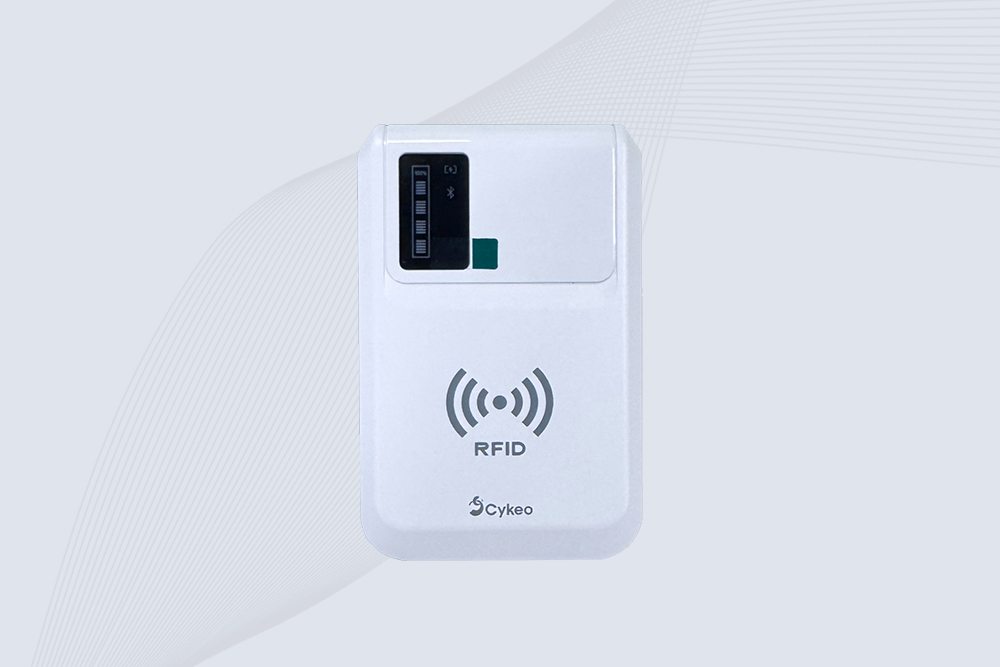
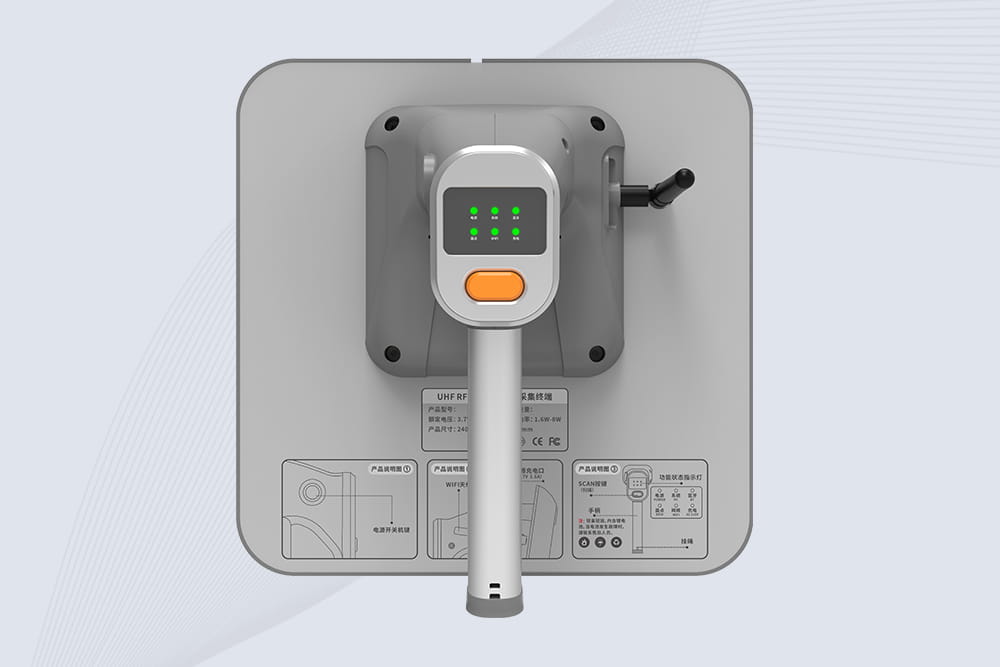
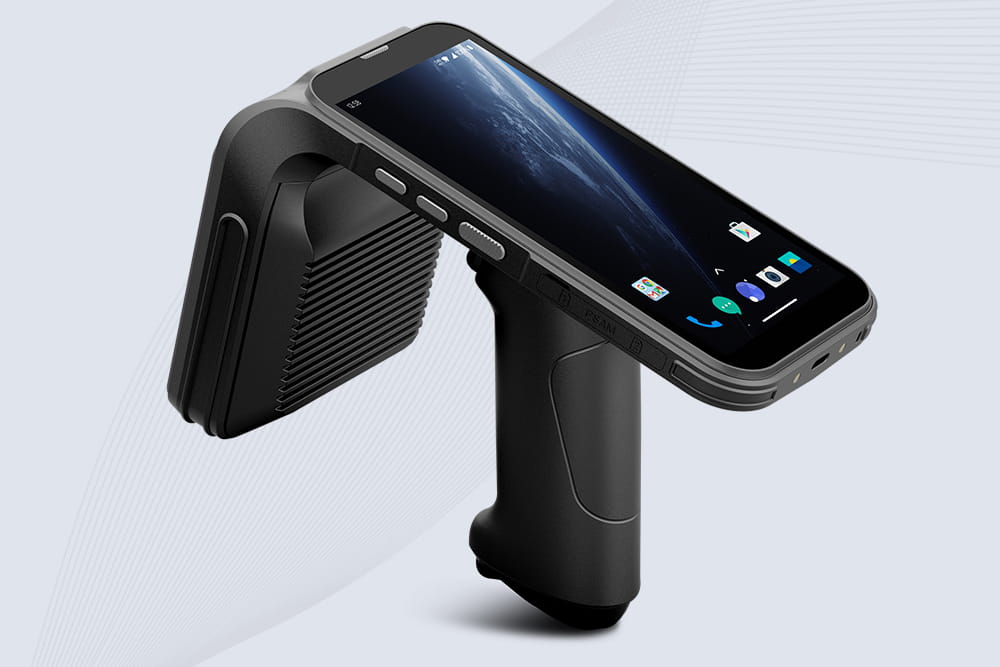
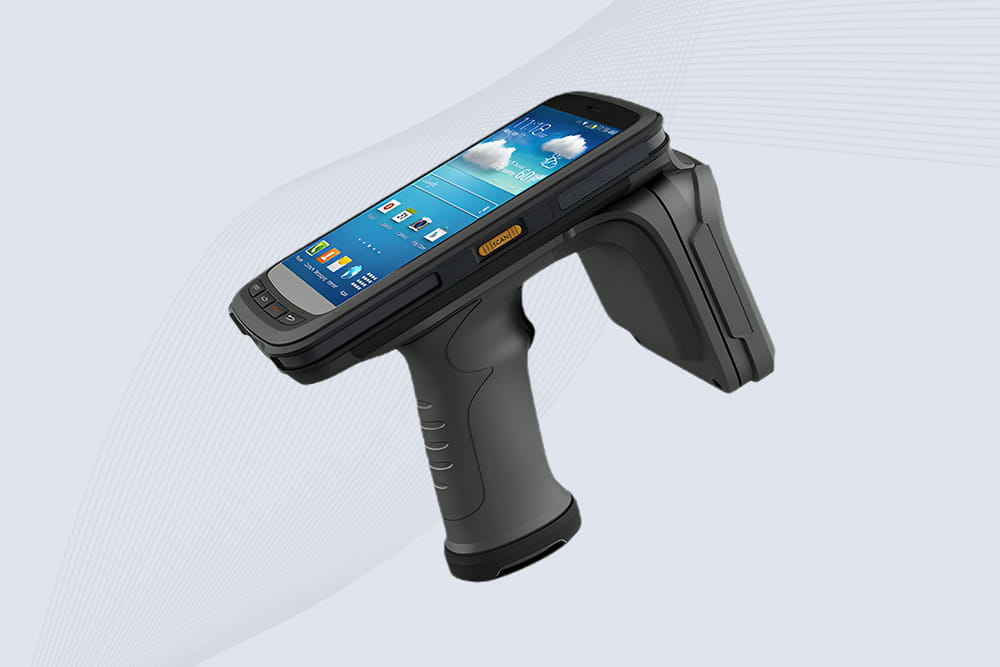
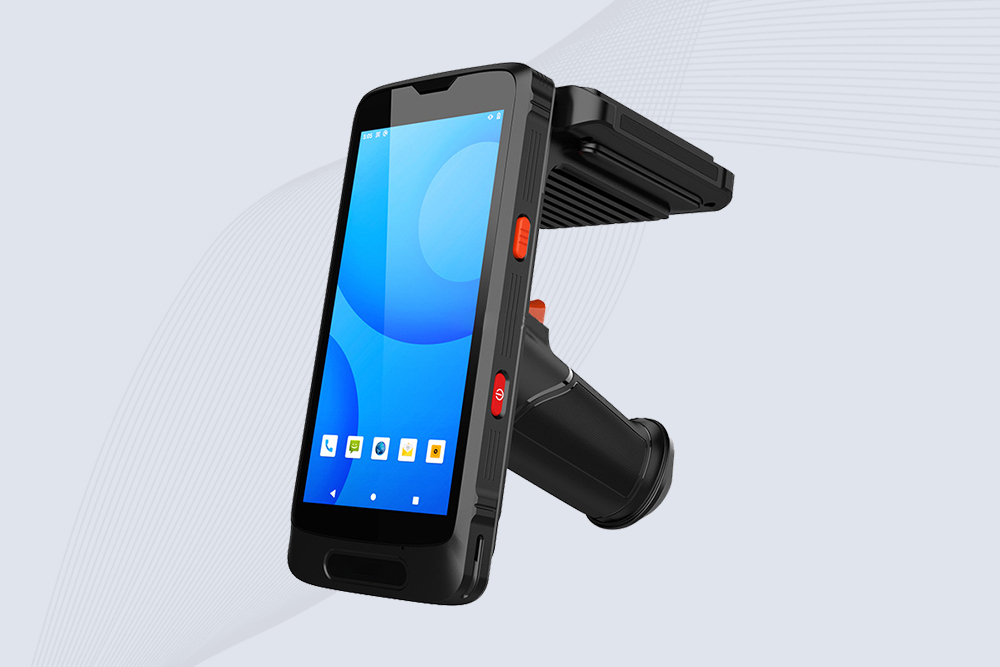
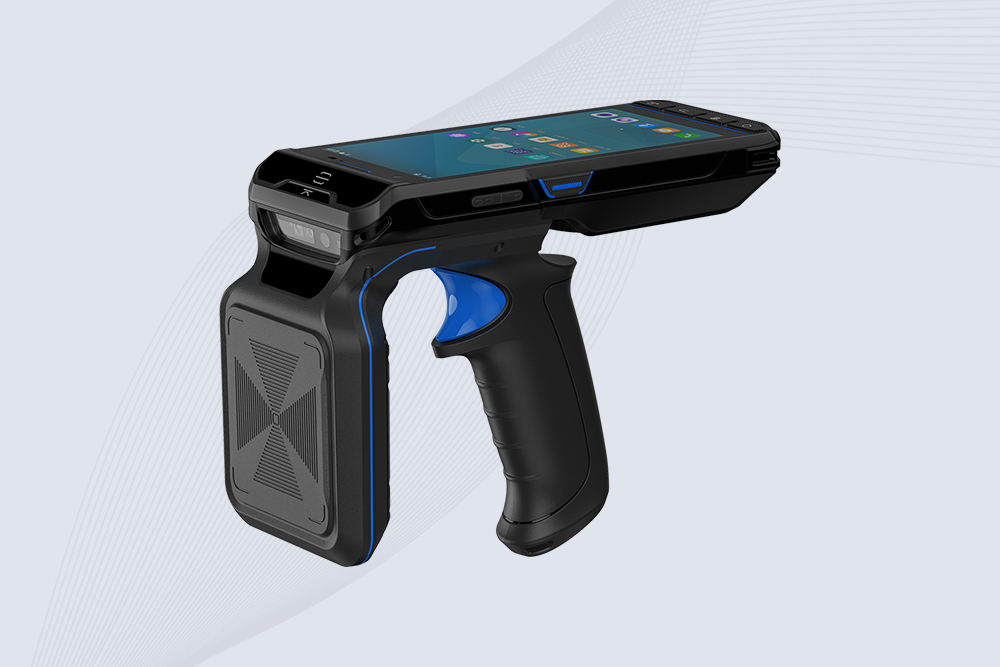
How can I improve RFID tag read range with handheld readers?
714Boost RFID tag read range with handheld readers using antenna adjustments, tag placement, and power settings. Learn actionable strategies for warehouses and outdoor use.
MoreAll RFID Product
Choosing between GPS and RFID for inventory tracking depends on your store’s needs, environment, and budget. While GPS excels in outdoor logistics, RFID is the superior choice for indoor retail environments. Here’s a detailed comparison to help you decide.
| Feature | GPS | RFID |
|---|---|---|
| Range | Global (outdoor) | Up to 15 meters (indoor/outdoor) |
| Battery Life | Days (active tags) | Years (passive tags) |
| Cost per Tag | 20–100+ | 0.10–5 |
| Use Case | Fleet, outdoor assets | Retail stock, warehouses |
A European fashion retailer cut inventory shrinkage by 20% using Cykeo’s RFID system, enabling daily stock audits across 10,000+ items.
Boost RFID tag read range with handheld readers using antenna adjustments, tag placement, and power settings. Learn actionable strategies for warehouses and outdoor use.
More
Discover the 5 critical tests to ensure your RFID readers survive harsh environments. Cykeo shares expert insights on durability, performance, and cost-effective rugged RFID technology.
More
What is an RFID tag used for? Learn how RFID tags support tracking, inventory control, retail automation, logistics, and industrial identification.
More
See how RFID stock count improves inventory accuracy up to 99%, speeds up stocktakes, lowers costs, and enhances customer experience. Learn about costs, challenges, and real-world applications in retail, warehousing, and supply chains.
More