What is an rfid tag used for refers to using a small electronic device containing a chip and antenna to identify, track, and manage products, assets, and inventory through wireless communication with RFID readers.
During Cykeo RFID solution deployments, engineers often find that customers initially view RFID tags as simple replacements for barcodes.
That understanding is incomplete.
An RFID tag creates a digital identity for a physical object.
A product, tool, medical device, or logistics package can carry information that connects directly with enterprise software systems.
In a warehouse, an RFID tag helps track thousands of items moving through different locations.
In retail, it helps employees know what products are available without manually checking every shelf.
The value is not only the tag itself.
The value comes from the continuous connection between physical assets and digital information.
What Is an RFID Tag?
RFID tag definition and structure
An RFID tag is an electronic identification device that communicates through radio frequency technology.
Cykeo provides integrated RFID identification solutions for:
Retail
Manufacturing
Logistics
Asset management
2. Optimized RFID Reader and Tag Matching
RFID performance depends heavily on matching the tag with the reader.
Cykeo engineers analyze:
Operating frequency
Product material
Reading distance
Installation environment
This helps avoid common RFID deployment problems:
Missed reading
Unstable recognition
Poor signal performance
3. Support for High-Speed Inventory Applications
Retail and warehouse operations often require rapid identification.
Cykeo UHF RFID solutions support applications requiring:
Fast inventory counting
Multiple item recognition
Automated product tracking
For example:
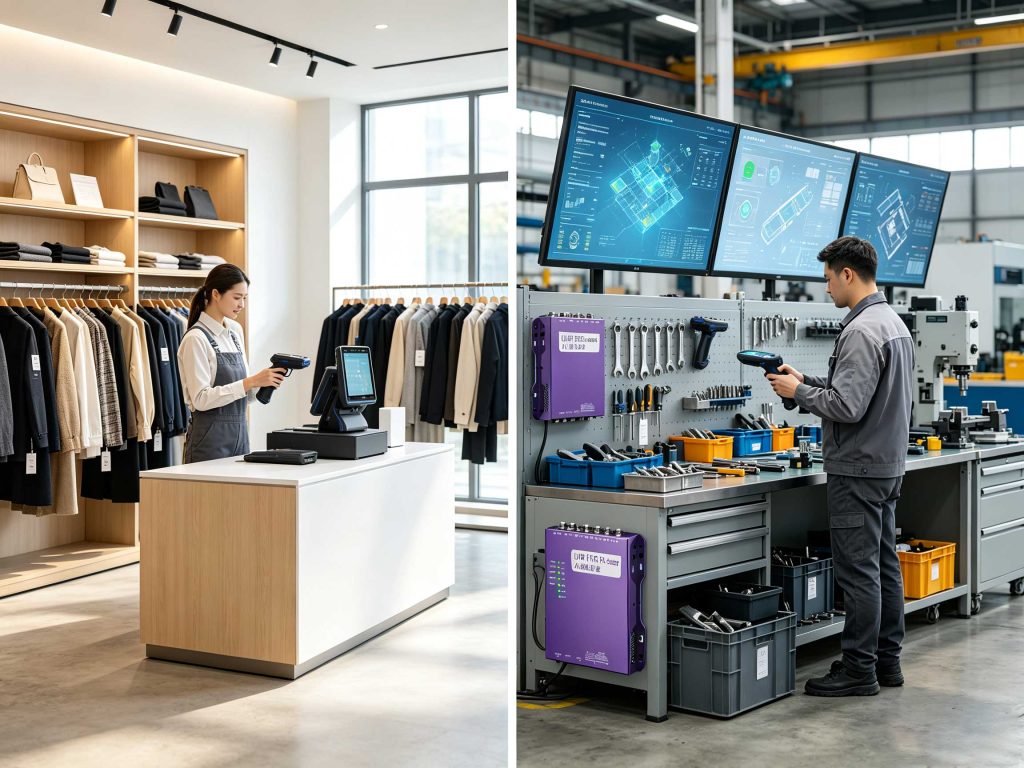
A smart retail checkout system can identify multiple RFID-tagged products together, reducing manual scanning time and improving customer experience.
4. RFID Solutions Designed for Different Industries
Cykeo RFID tag solutions support different application requirements.
Industry
RFID Tag Usage
Fashion Retail
Clothing and accessory tracking
Manufacturing
Component and production tracking
Logistics
Shipment and pallet identification
Healthcare
Equipment and supply management
Aviation
Tool and asset tracking
RFID Tag Industry Application Cases
1. Fashion Retail RFID Tag Management
Fashion retailers use RFID tags to improve inventory visibility.
A typical workflow:
RFID tags are attached to garments.
Fixed or handheld readers collect product information.
Inventory software updates stock data.
Employees locate products faster.
Benefits include:
Faster inventory checking
Reduced manual counting
Better product availability
Many global fashion companies have adopted RFID to improve inventory accuracy.
2. Smart Retail Checkout Systems
Modern retail stores are moving toward automated checkout.
RFID tags enable:
Automatic product recognition
Faster payment processing
Reduced checkout waiting time
Unlike traditional barcode scanning, customers do not need every item scanned individually.
3. Manufacturing Asset Tracking
Factories use RFID tags for:
Tool management
Production tracking
Equipment identification
Example:
A maintenance department can attach RFID tags to tools and automatically record:
Tool location
Usage history
Maintenance status
4. Logistics and Warehouse Automation
Warehouses use RFID tags for:
Receiving operations
Inventory management
Shipment verification
RFID improves the connection between physical goods and warehouse management systems.
RFID tags improve automation by connecting products and assets with digital management platforms.
Frequently Asked Questions About RFID Tags
FAQ 1: What is an RFID tag used for?
An RFID tag is used for automatic identification, tracking, and management of products, assets, inventory, and equipment through wireless communication with RFID readers.
FAQ 2: How does an RFID tag work?
An RFID reader sends radio signals to the tag. The RFID chip responds with stored information, allowing software systems to identify and track objects.
FAQ 3: Where are RFID tags commonly used?
RFID tags are widely used in:
Retail
Manufacturing
Logistics
Healthcare
Transportation
Asset management
FAQ 4: Can RFID tags replace barcodes?
RFID tags can replace or complement barcodes depending on the application. They provide advantages in automation, multiple-item reading, and tracking capability.
FAQ 5: How far can RFID tags be read?
Reading distance depends on RFID frequency, reader power, antenna design, and tag type. UHF RFID tags can typically support several meters of reading distance.
FAQ 6: Do RFID tags need batteries?
Most passive RFID tags do not require batteries. They receive energy from RFID readers and respond using stored chip information.
FAQ 7: How do I choose the right RFID tag?
Selection depends on:
Product material
Required reading distance
Environment
Durability requirements
RFID reader compatibility
RFID Tags Building Smarter Identification Systems
Understanding what is an rfid tag used for helps companies recognize how RFID technology transforms traditional tracking methods.
An RFID tag is more than a small electronic component.
It creates a digital identity for physical objects.
From retail inventory and automated checkout to manufacturing traceability and logistics management, RFID tags help organizations collect accurate information faster.
Cykeo provides professional RFID readers, RFID modules, and customized identification solutions designed for real-world business environments.
Through RF engineering experience, system integration capability, and application-focused development, Cykeo helps businesses build reliable RFID tracking systems.
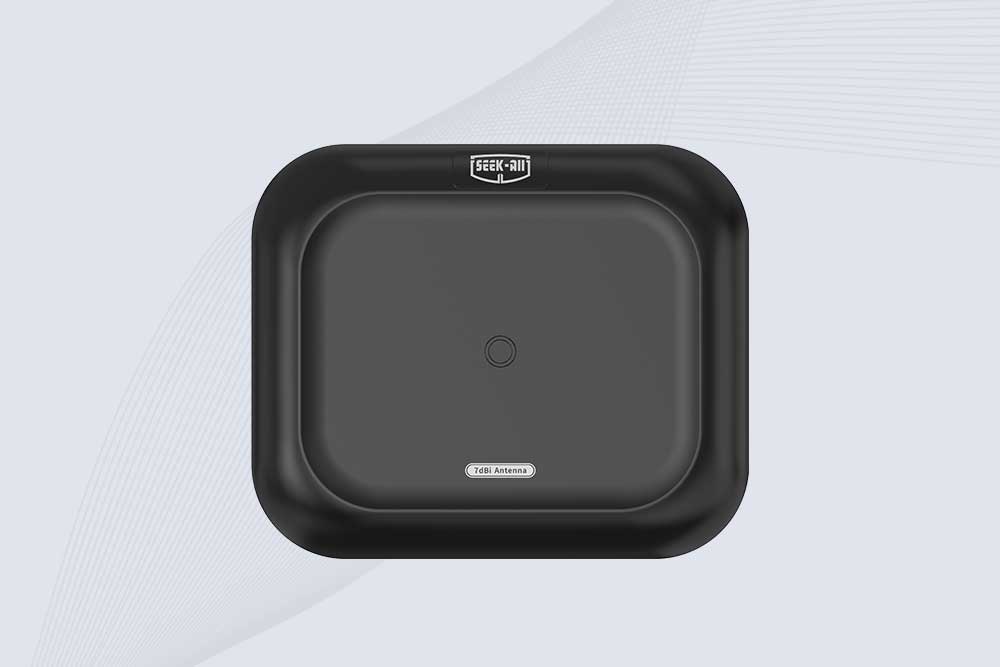
Explore the SSD-A07 UHF RFID antenna with 7 dBi gain, circular polarization, adjustable 840–960 MHz frequency, and 60°/75° beamwidth for stable RFID read/write performance.
SSD-A06 UHF RFID antenna with circular polarization, adjustable 840–960 MHz frequency, ≥4.5 dBi gain, and a compact directional design for RFID systems.
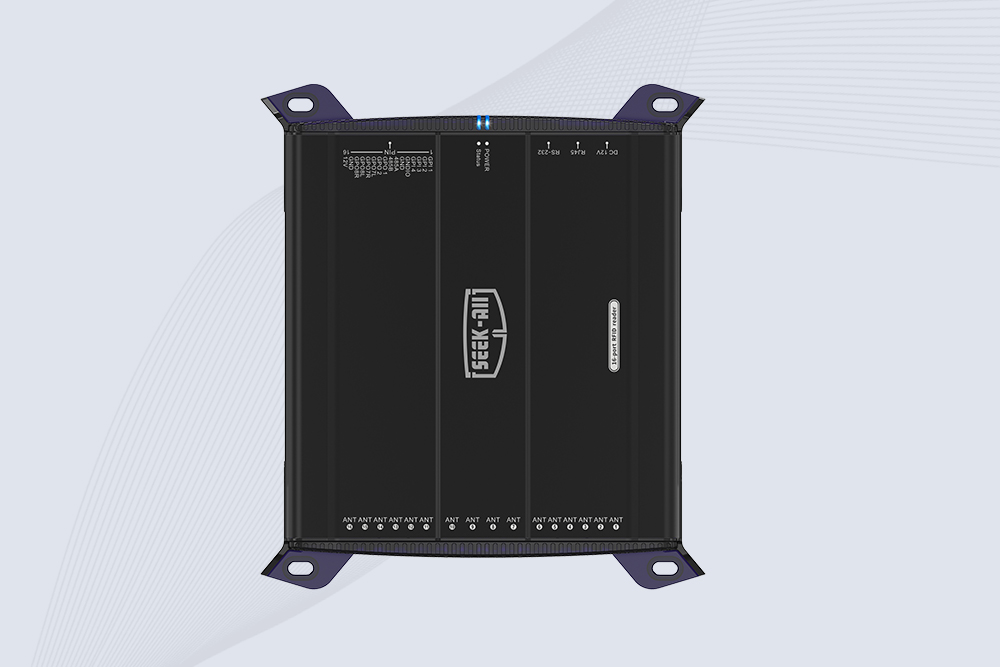
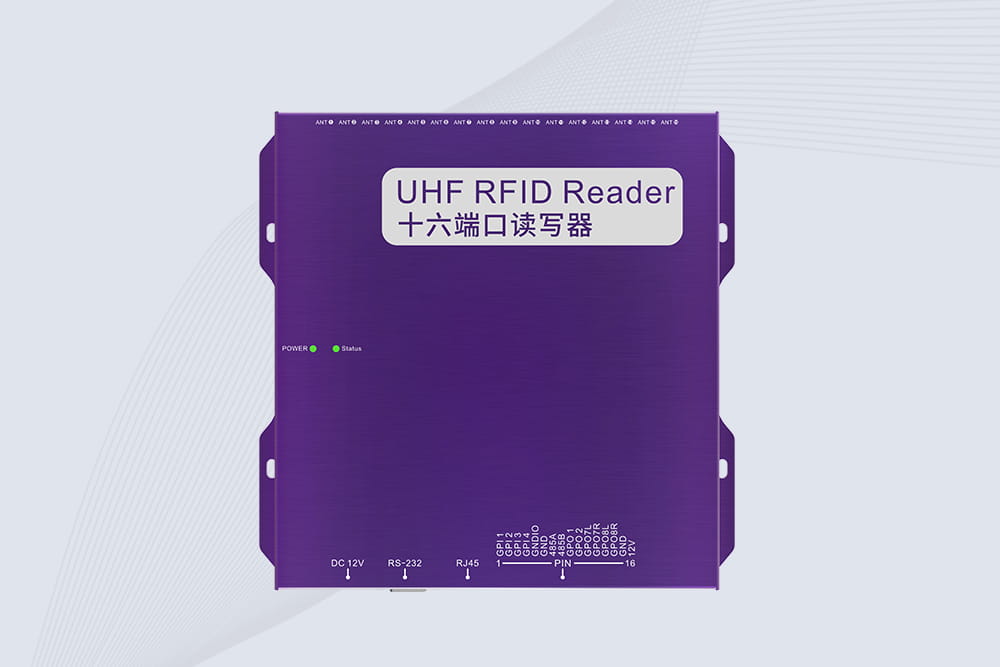
SSD-R16L Multi-Channel RFID Infrastructure for Automated Inventory Management ✔️ 16-Port High-Density RFID Reading Equipped with 16 SMA antenna ports, SSD-R16L supports multi-antenna deployment for warehouses, retail stores, logistics, production lines, and large-area RFID identification. ✔️ High-Speed & Long-Range Performance With up to 33…
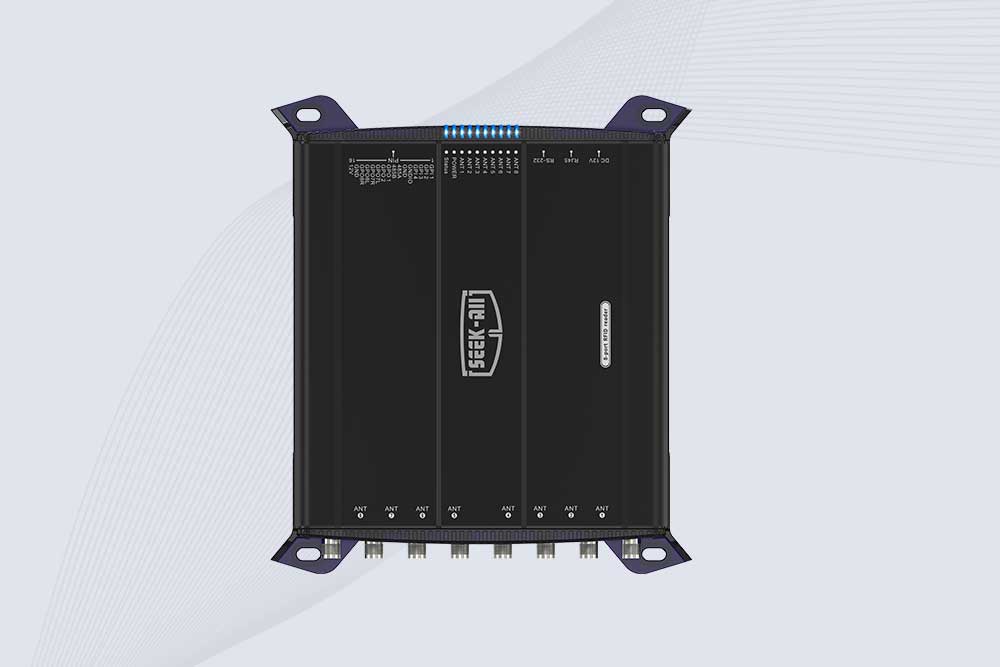
SSD-R8L 8-port UHF RFID reader with 33dBm output, up to 20m reading range and 600+ tags/s recognition. Ideal for warehouse, logistics, retail and asset tracking.
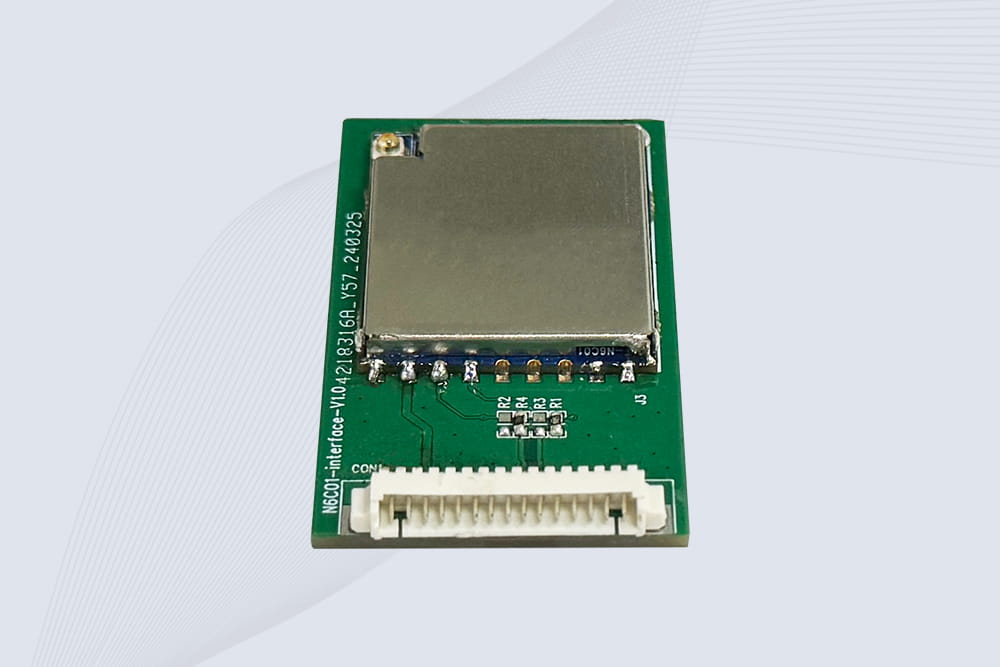
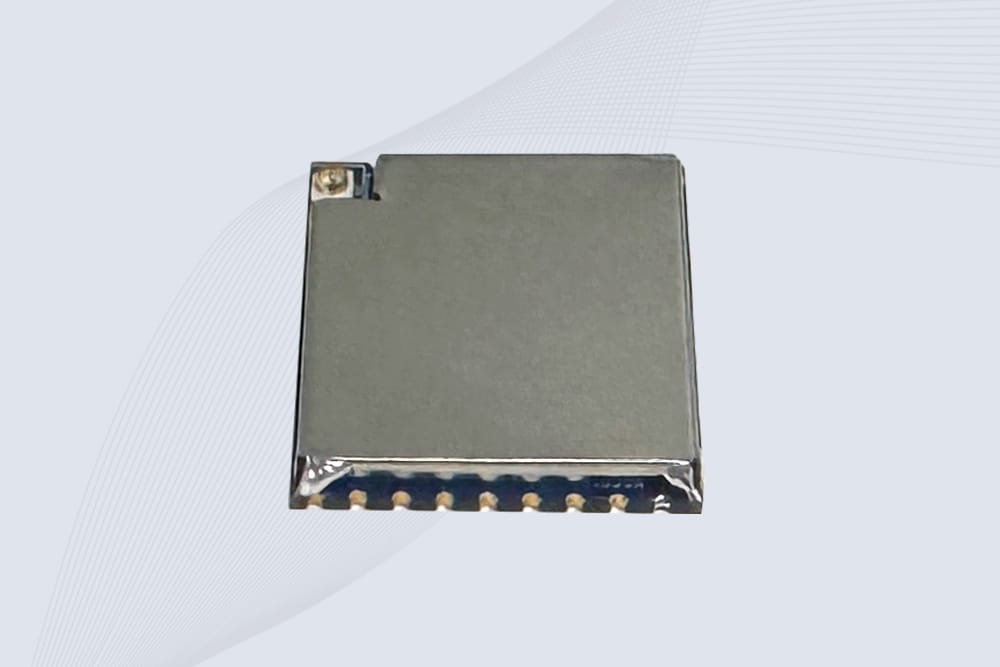
CYKEO Embedded RFID Modules are designed for compact industrial and IoT devices that require stable UHF performance. These UHF RFID Modules support global protocols, flexible power control, and reliable multi-tag reading for smart cabinets, production lines, and asset tracking systems.
CYKEO Embedded RFID Module is built for compact IoT and industrial devices that need stable UHF performance. This UHF module supports global protocols, low power operation, and reliable multi-tag reading for smart lockers, production lines, and always-on RFID systems.
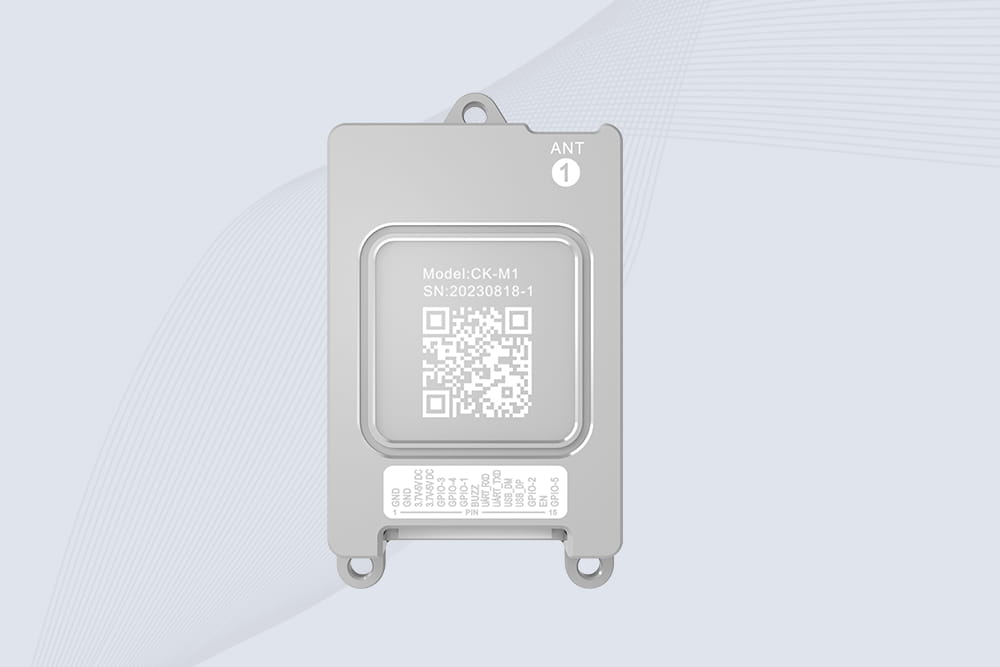
CYKEO CYKEO-M1 drone rfid module is a compact UHF RFID reader module designed for drones and UAV platforms. It supports long-range aerial scanning, fast multi-tag reading, and stable performance in wind, vibration, and outdoor environments.
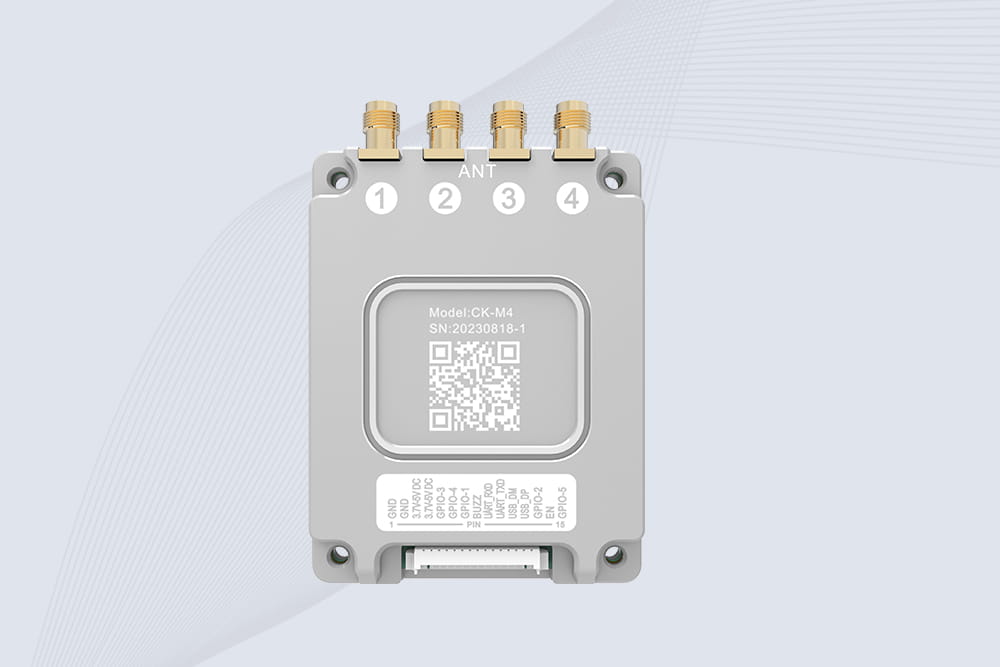
CYKEO CYKEO-M4 RC522 RFID Module is an industrial-grade UHF RFID reader with 4 ports, supporting ISO, EPC, and GB protocols. High-speed, accurate reading for IoT, automation, and warehouse applications.
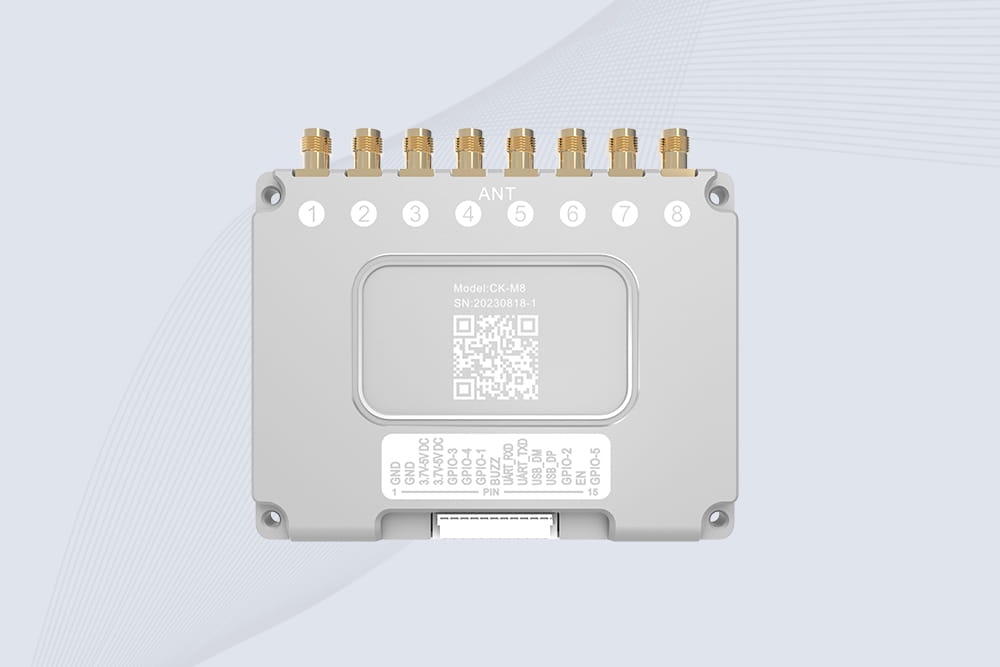
CYKEO CYKEO-M8 Module RFID is an 8-port UHF R2000 RFID Module designed for high-density, multi-tag environments. Stable 33dBm output, ISO & GB protocol support, ideal for warehouses, factories, and automated systems.
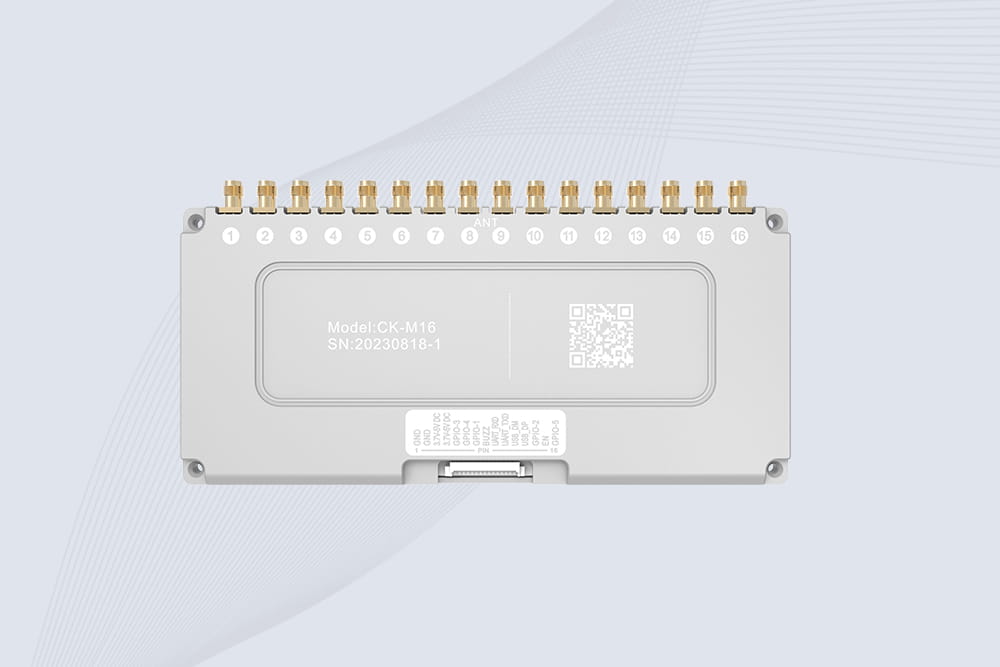
CYKEO CYKEO-M16 RFID Module is a 16-port UHF RFID reader module based on the R2000 chipset. Designed for dense tag environments, it supports ISO and GB standards and delivers stable multi-antenna control for industrial automation.
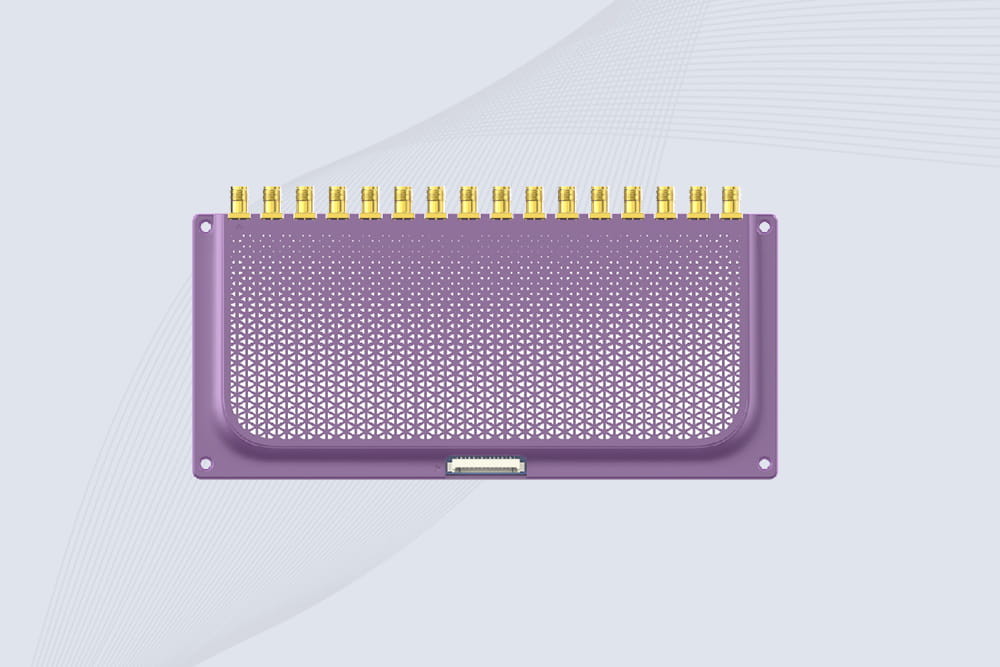
The CYKEO CYKEO-M16L RFID Reader Module is a 16-channel UHF RFID core designed for dense tag environments. With adjustable 33dBm output, multi-protocol support, and stable multi-antenna control, this RFID Tag Reader Module fits industrial automation, warehouse systems, and large-scale IoT deployments.
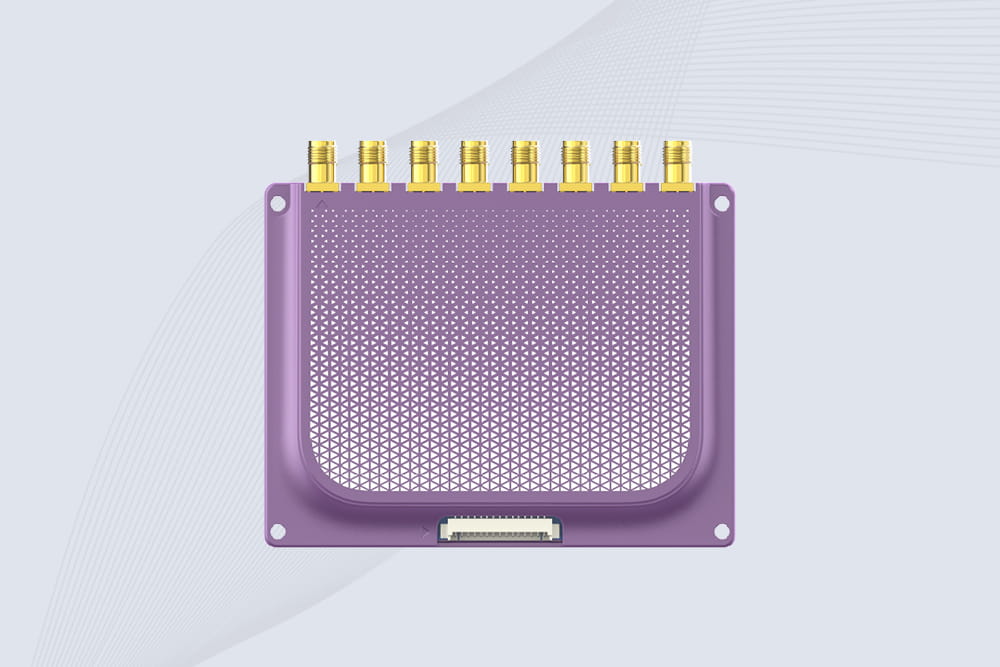
CYKEO CYKEO-M8L module RFID is a compact industrial UHF module built for dense tag and multi-antenna environments. With 8 RF ports, adjustable 33 dBm output, and ISO & GB protocol support, it is widely used in factories, warehouses, and automated tracking systems.
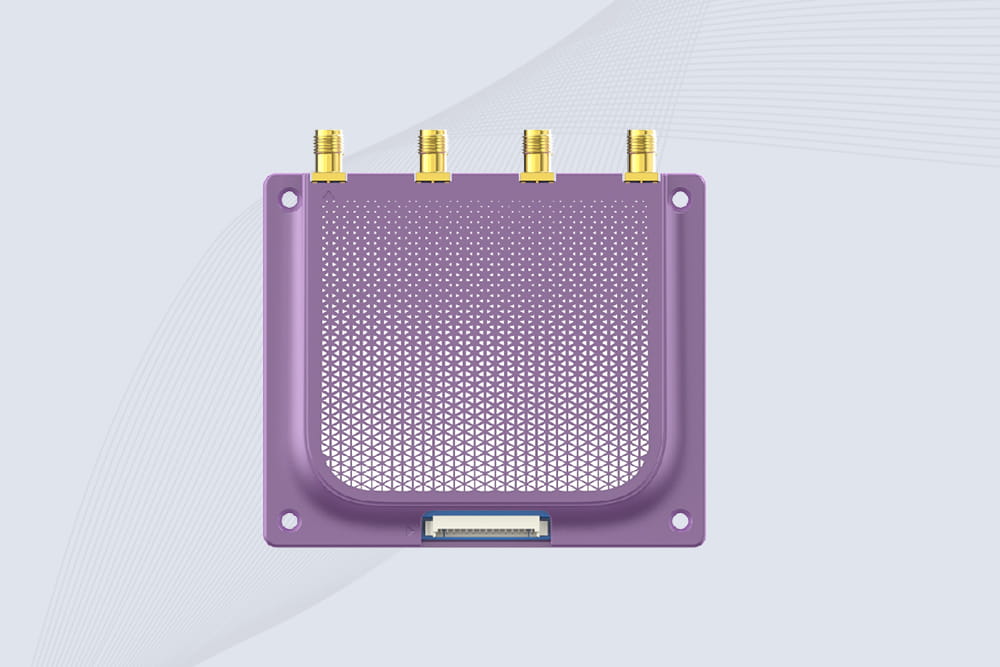
CYKEOCYKEO-M4L UHF RFID Module is a compact 4-channel RFID tag reader module designed for dense tag environments. Supporting ISO and GB protocols, it delivers stable reads up to 10 meters for industrial and IoT systems.
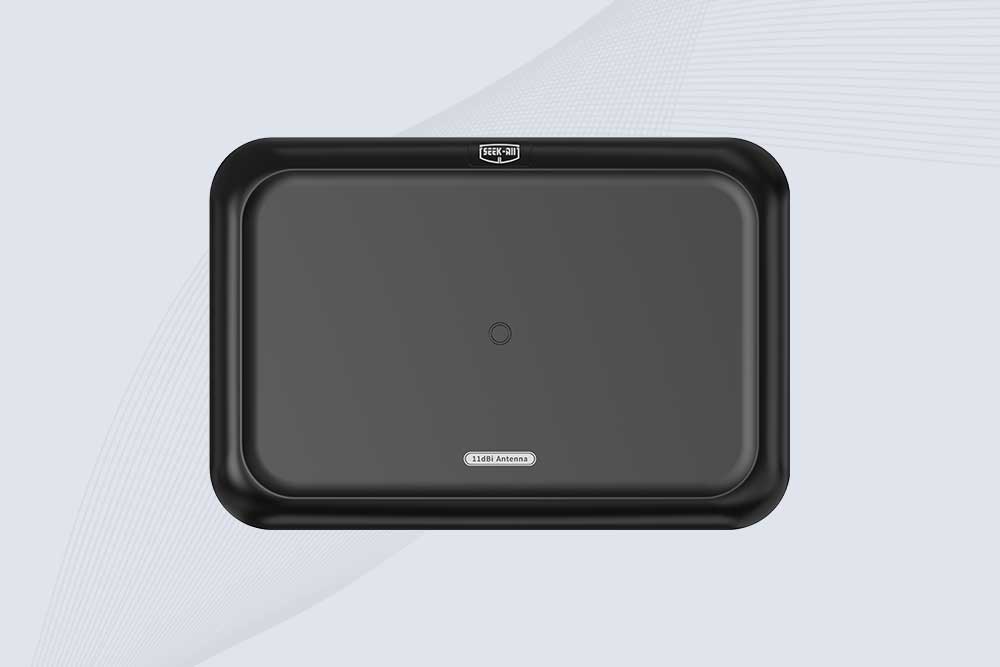
Cykeo CYKEO-A11 UHF RFID reader antenna delivers 11dBi gain, 840-960MHz frequency range, and IP65 ruggedness for retail, logistics, and industrial RFID systems. Features low VSWR and easy installation.
CYKEO Antenna RFID Reader delivers stable long-range UHF performance with a 10.5dBi directional design, built for warehouses, conveyor portals, and industrial RFID systems. This rfid reader antenna provides 20m+ read distance and rugged IP67 protection.
Cykeo CYKEO-A5B industrial Linear RFID Antenna delivers 5dBi gain, ≤1.5:1 VSWR, and IP65 rugged design for warehouse, production line, and logistics UHF systems.
Cykeo’s CYKEO-B12 Long Range RFID Antenna delivers 15m+ read range with 12dBi gain, IP65 rugged design, and global 840-960MHz UHF support. Ideal for warehouse/logistics asset tracking.
Cykeo CYKEO-B10 Long Distance RFID Antenna offers 10dBi gain, 840-960MHz frequency range, IP65 rating, and 20m+ coverage for logistics/warehousing/ETC systems. Low VSWR ensures stable signal transmission.
Cykeo CYKEO-A6 UHF RFID panel antenna features 6dBi gain, 840-960MHz broadband, IP65 metal-ready housing for logistics/smart retail. 18mm ultra-thin design with tool-free mounting.
Cykeo CK-A3 industrial antenna RFID UHF offers 5m+ tag detection, ≤1.3:1 VSWR, IP65 rugged design, and global UHF spectrum compatibility (840-960MHz) for warehouses, factories, and retail.
Cykeo CYKEO-B5 directional RFID antenna provides 5dBi gain with 60° narrow beamwidth for precise inventory tracking. IP65-rated, global UHF frequency support, and low VSWR.
Create your own high-performance DIY RFID antenna! 5dBi gain, 840-960MHz tunable, step-by-step guides. Compatible with Arduino, Raspberry Pi, and commercial UHF readers.
Cykeo CYKEO-A7 Flexible RFID Antenna features 840-960MHz wideband tuning, 7dBi gain, and IP68 rating for medical/retail/industrial curved surface deployments. 98% read accuracy with peel-and-stick installation.
Cykeo CYKEO-B5A industrial Passive RFID Antenna delivers 5dBi gain, 70° beamwidth, and -40°C~55°C operation for warehouses/smart cabinets. Compatible with Zebra/Impinj readers.
Cykeo’s CYKEO-A9B High Gain RFID Antenna delivers 15m+ read range with 9dBi amplification. Features IP54 rugged design, 840-960MHz bandwidth, and 80° beamwidth for warehouse/manufacturing RFID systems.
Cykeo’s enterprise-grade 8dbi Impinj RFID Antenna 10m+ read range with 840-960MHz tuning. Features IP65 housing, 1.4 VSWR, 35° beamwidth for retail/warehouse RFID systems.
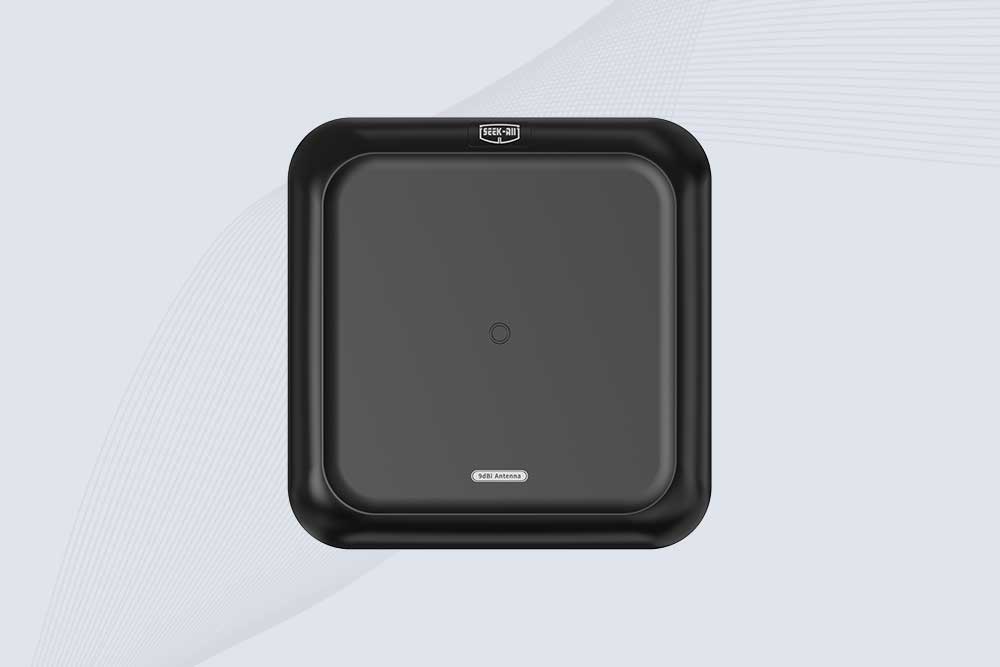
Cykeo CYKEO-A9 industrial UHF RFID antenna delivers 9dBi gain, 840-960MHz frequency range, and IP65 protection for warehouse/logistics/retail RFID systems. Features N-type connector and ≤1.3:1 VSWR.
CYKEO UHF RFID Antenna built for long-distance and industrial applications. This antenna rfid uhf delivers strong gain, outdoor durability, and reliable tag performance in warehouses, yards, and vehicle ID systems.
CYKEO Antenna RFID delivers reliable long-range UHF performance in warehouses, retail shelves, and cold-chain environments. This compact uhf rfid antenna provides stable reads with circular polarization and ultra-wide 840–960 MHz support, ideal for industrial tracking, smart shelves, and asset monitoring.
Cykeo’s CYKEO-C8 UHF RFID antennas delivers 8dBi gain, 840-960MHz full-band coverage, and IP65 ruggedness for manufacturing/warehouse RFID systems. Industrial RFID Antennas Features
Cykeo’s 8dBi UHF RFID antenna and reader kit delivers 10m+ range, 840-960MHz broadband, and IP65 ruggedness for factories, warehouses, and logistics. ISO 18000-6C & EPC Gen2 certified.
Cykeo’s CYKEO-A12C UHF Large RFID Antenna delivers 12dBi gain, 840-960MHz global frequency, IP65 ruggedness for logistics/warehousing/automotive. 40° beamwidth ensures stable 15m+ tag reads.
CYKEO Near Field RFID Antenna provides precise 5–30 cm reading for shelves, cabinets, and workstations. This compact rfid shelf antenna delivers stable short-range performance around metal and clutter, ideal for pharmacies, libraries, and electronics sorting.
Cykeo CYKEO-C1 industrial Forklift RFID Reader features 20m read range, 600 tags/sec scanning, Impinj R2000 chipset, and IP67 rugged design. Ideal for warehouse logistics and manufacturing. Supports ISO 18000-6C/6B protocols.
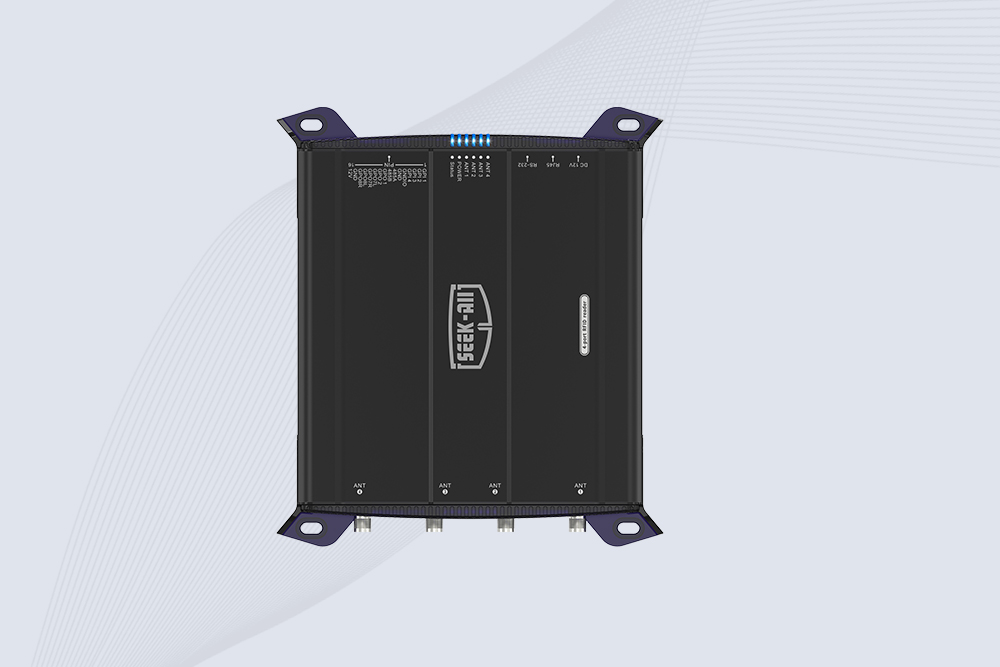
Cykeo CYKEO-R4 industrial UHF RFID Fixed Reader features 4 TNC ports, 400+ tags/sec speed, IP67 housing, and global frequency compliance for vehicle inspection, smart warehouse, and asset management systems.
CYKEO CYKEO-R8L Fixed RFID Reader with 8-port UHF design, Impinj-based RF core and up to 20m read range. An industrial Fixed RFID Reader for vehicle inspection, warehouse portals, smart manufacturing lines and secure access checkpoints.
RFID Fixed Reader from CYKEO – the CYKEO-R16L 16-port UHF fixed reader for warehouses, smart cabinets, and production lines. Long-range, multi-tag reading, stable performance for 24/7 industrial use.
Discover how RFID security gates protect assets, streamline access, and improve efficiency in libraries, retail stores, gated communities, and industrial parks. Learn about technology trends and real-world applications.
Learn como programar RFID access control step by step: from reading card UIDs with Arduino to enrolling credentials in commercial controllers. Practical tips, common mistakes, and best practices for a secure system.
 Cykeo RFID IoT Solution Products R&D Manufacturer