 Cykeo RFID IoT Solution Products R&D Manufacturer







The Hidden ROI of RFID Readers: Calculating Long-Term Business Value
1454Step-by-step guide to installing and configuring industrial RFID readers for maximum efficiency. Learn best practices and avoid common pitfalls with Cykeo’s expertise.
MoreAll RFID Product
Imagine tracking high-value equipment across a hospital campus vs. scanning boxes in a warehouse. One needs mile-long range; the other requires penny-cost tags. Active vs passive RFID isn’t just tech jargon – it’s choosing between two fundamentally different tools.
| Feature | Active RFID | Passive RFID |
|---|---|---|
| Power Source | Internal battery (3-5 year life) | Powered by reader’s signal |
| Range | 100m – 1km+ | 1cm – 15m |
| RFID Tag Cost | $15 – $100+ | $0.10 – $1.50 |
| Best For | Real-time vehicle/asset tracking | Inventory/asset identification |
Real Example:
A warehouse uses passive RFID for box-level tracking (scanning 500+ items per minute). Their yard uses active RFID to locate shipping containers across 20 acres.
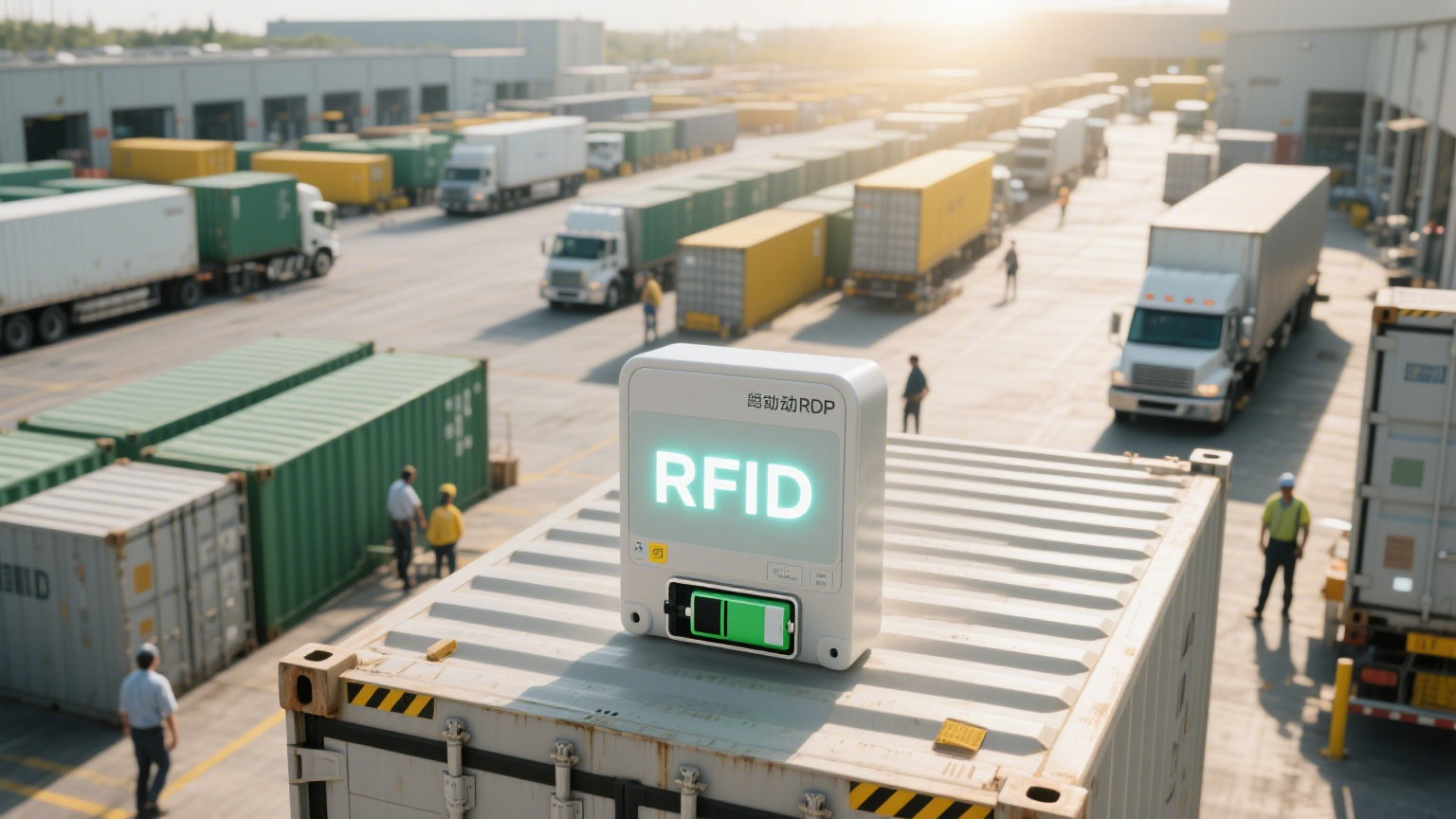
“Switching to active RFID cut our search time for chemotherapy pumps from 45 minutes to 2 seconds.”
– Hospital Operations Director
Choose ACTIVE RFID if you need:
✅ Real-time location updates
✅ Long-range tracking (100m+)
✅ Monitoring high-value assets
Choose PASSIVE RFID if you need:
✅ Low-cost item tagging
✅ High-volume scanning
✅ Zero-maintenance solutions
Still unsure? Some providers like Cykeo offer hybrid tags – worth exploring for specialized use cases.

Step-by-step guide to installing and configuring industrial RFID readers for maximum efficiency. Learn best practices and avoid common pitfalls with Cykeo’s expertise.
More
Learn how does passive RFID work using reader-powered energy and backscatter. Discover real data, field insights, and Cykeo solutions for efficient tracking systems.
More
To replace an RFID sticker, remove the old tag carefully, clean the surface, attach a compatible new RFID sticker, and verify reading performance with an RFID reader. Proper replacement ensures data accuracy, reliable identification, and continuou...
More
Master RFID antenna installation in industrial settings with expert tips on placement, interference mitigation, and durability. Ensure optimal performance for warehouses and factories.
More