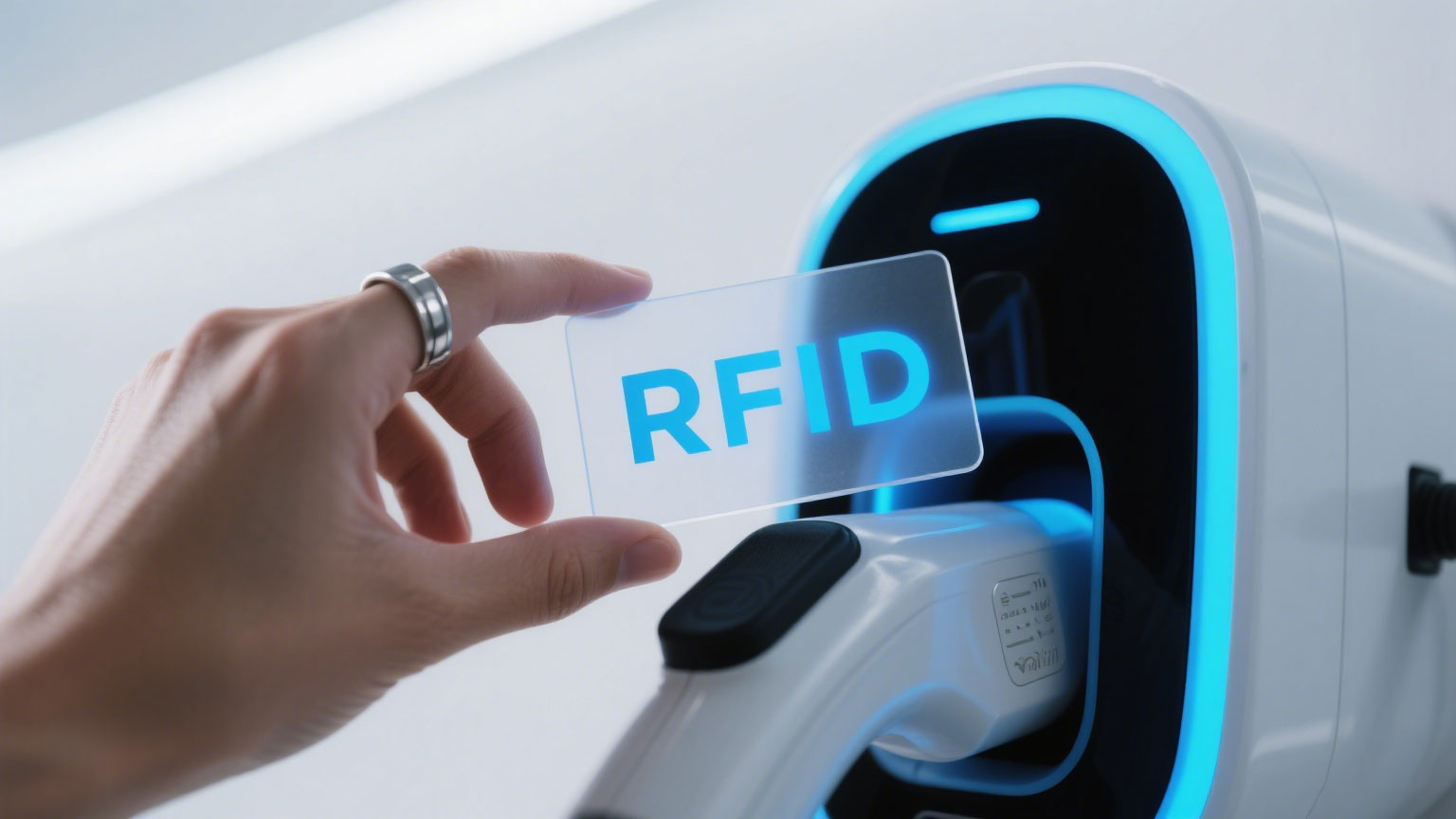
Picture this: You pull up to a charger with 5% phone battery, only to find the station requires an app. That sinking feeling? RFID cards for EV charging exist to kill that stress. They’re physical keys to start charging – no apps, no signals, no fuss.
The Magic: Tap card → Reader scans ID → Authenticates your account → Starts charging.
Real-World Use: A delivery driver uses their Cykeo RFID card at multiple public chargers. No unlocking phones in rain or scrolling apps after 10-hour shifts. Just tap-and-charge.
3 Reasons Drivers Swear By RFID Cards
Reliability Wins
Works with dead phones/poor cellular service
No failed Bluetooth connections
Universal Access
Use across networks (if provider supports interoperability)
Backup if app crashes
Speed & Simplicity
Grandparents-friendly: Literally “tap to start”
Faster than typing passwords in apps
Costs: Free or Minimal
Card Type
Price
Best For
EV Network Cards
Often free
Brand-specific networks
Universal Cards
$5 – $15
Cross-network roaming
Custom-Branded
$3 – $10/card
Fleets (e.g., Cykeo cards)
Note: Some networks charge a small issuance fee (~$10), but ongoing use is free.
Key Considerations Before Getting One
✓ Do This:
Request cards from your most-used charging networks
Stick it to your dashboard (never lose it)
Link multiple payment methods to one card
✗ Avoid This:
Assuming all chargers support RFID (check apps like PlugShare first)
Exposing cards to extreme heat (can warp)
Forgetting to activate it via the provider’s app
“Why Not Just Use Apps?”
RFID cards shine where apps fail:
Construction sites with poor cell service
Rural chargers with spotty connectivity
Rental/fleet vehicles (no app installs needed)
“My RFID card saved me during a mountain trip – zero signal but charged hassle-free.” – Tesla Model 3 Owner
The Future: Cards vs. Apps vs. Plug&Charge
While apps and auto-billing (Plug&Charge) grow, RFID cards remain essential because:
They’re battery-free and foolproof
Critical backup during tech failures
Preferred by privacy-focused drivers
Providers like Cykeo even embed them into corporate key fobs for fleet managers.
Bottom Line
An RFID card for EV charging is the physical “key” that:
Cuts tech dependency (no phones needed)
Works instantly (tap → charge)
Never fails when it matters most
It’s not revolutionary tech – just the simplest, most reliable way to charge when the digital world lets you down.
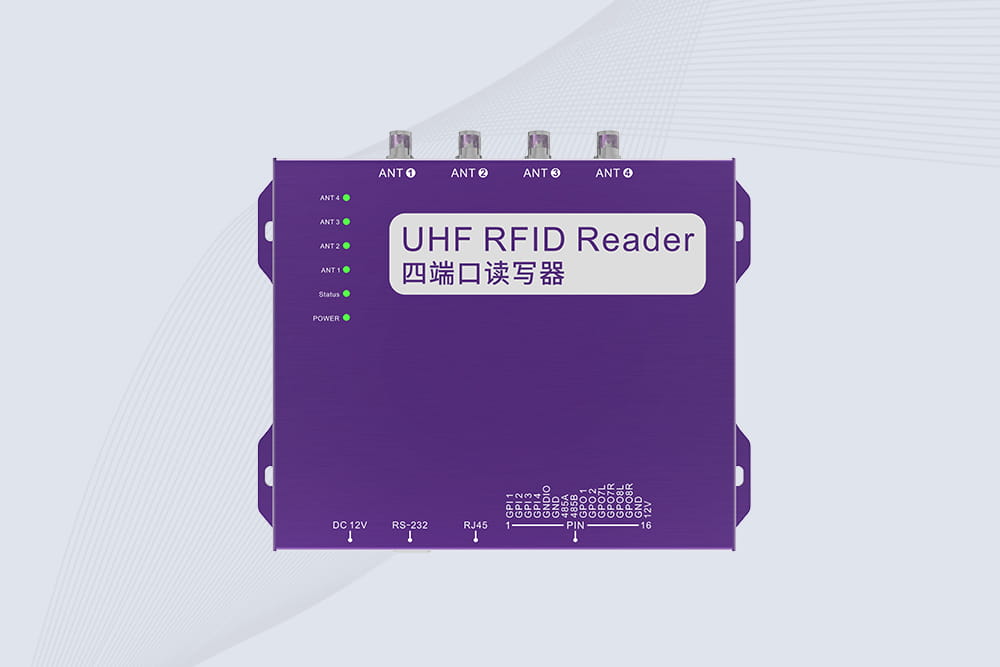
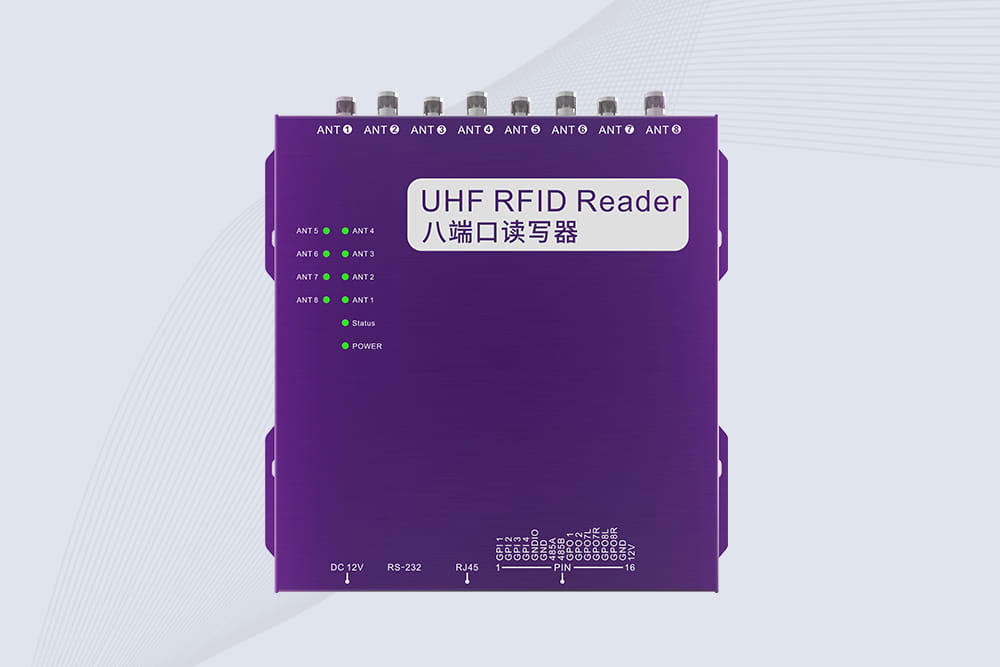
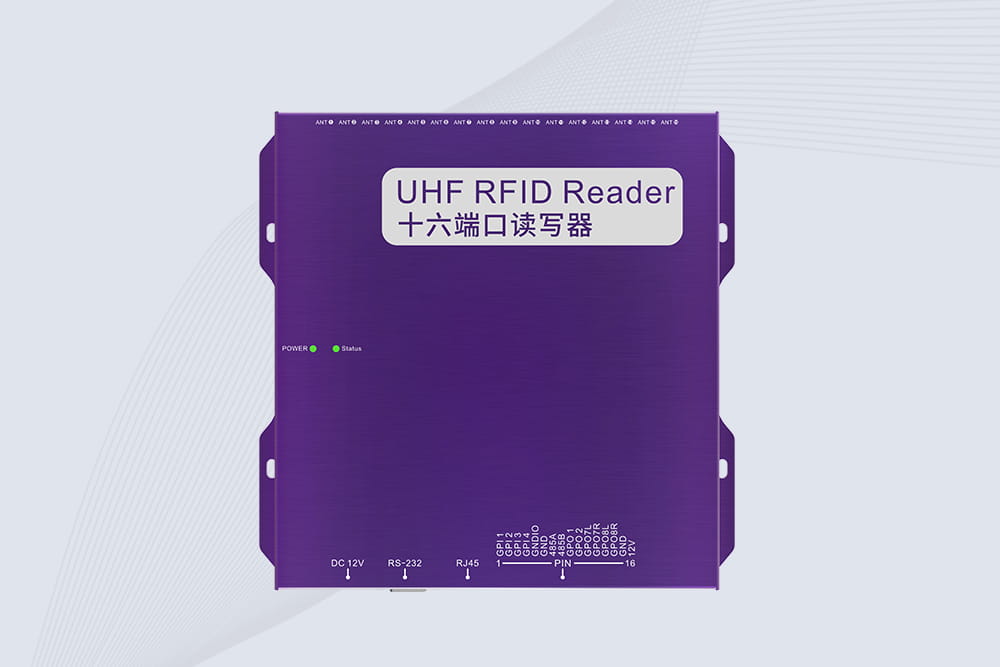
long-range UHF RFID readers that scan tags from up to 20 meters. Cykeo CK‑RA4L, CK‑RA6L, CK‑RA9L, and CK‑RA12L handle high-speed batch reading, work in tough industrial environments, and easily integrate with WMS, ERP, and IoT systems.
Learn how RFID reader modules are used in laundry tracking systems for garment sorting, textile inventory management, and industrial laundry automation.
Discover the pros and cons of RFID readers and GPS systems for real-time asset tracking. Learn why Cykeo’s RFID solutions offer cost-effective accuracy for warehouses, healthcare, and logistics.
 Cykeo RFID IoT Solution Products R&D Manufacturer