Why Do Hospitals Need RFID Tracking for Medical Devices?
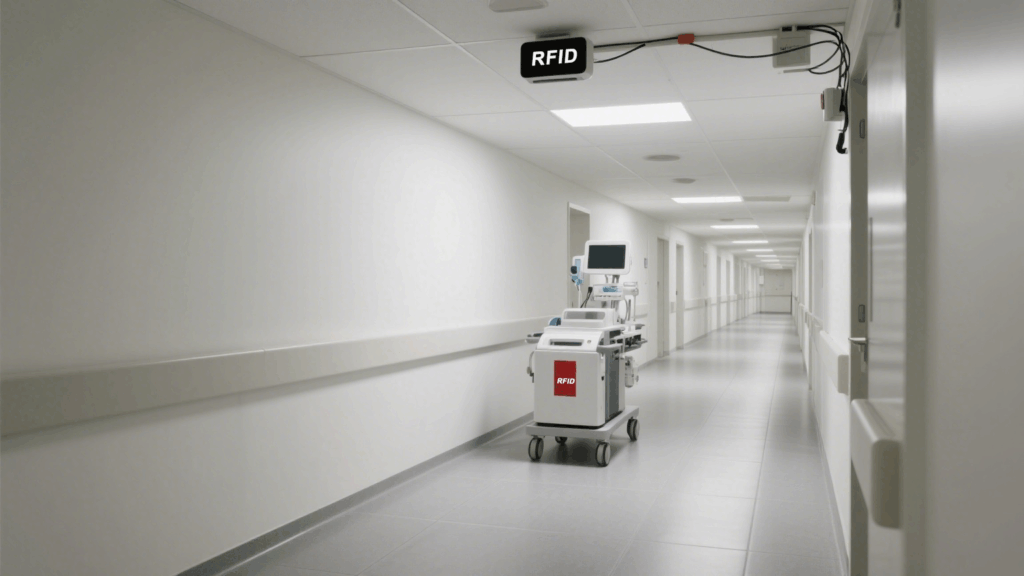
In hospitals, there are thousands of medical devices across various departments—such as ventilators, infusion pumps, monitors, and portable X-ray machines. Misplaced or unmanaged equipment directly affects patient care and operational costs. Traditional asset management relies heavily on manual records, which are time-consuming and error-prone. RFID (Radio Frequency Identification) provides real-time location, usage history, automated inventory, and full lifecycle tracking for medical devices.
Key Applications of RFID in Hospital Equipment Management
By attaching RFID tags to each medical device, and integrating them with antennas, readers, and asset management systems, hospitals can achieve: Real-time Equipment Location Tracking Staff can locate critical devices instantly via handheld or fixed RFID readers. Automatic Usage Status Updates The system updates the status when a device is moved, cleaned, or repaired. Loss Prevention for High-Value Assets RFID zones and alerts help prevent unauthorized removal of devices. Over 90% Improvement in Inventory Efficiency A task that used to take 1 hour manually can now be done in 5 minutes with RFID.
Recommended Product: Cykeo RFID Smart Cabinets for Medical Asset Tracking
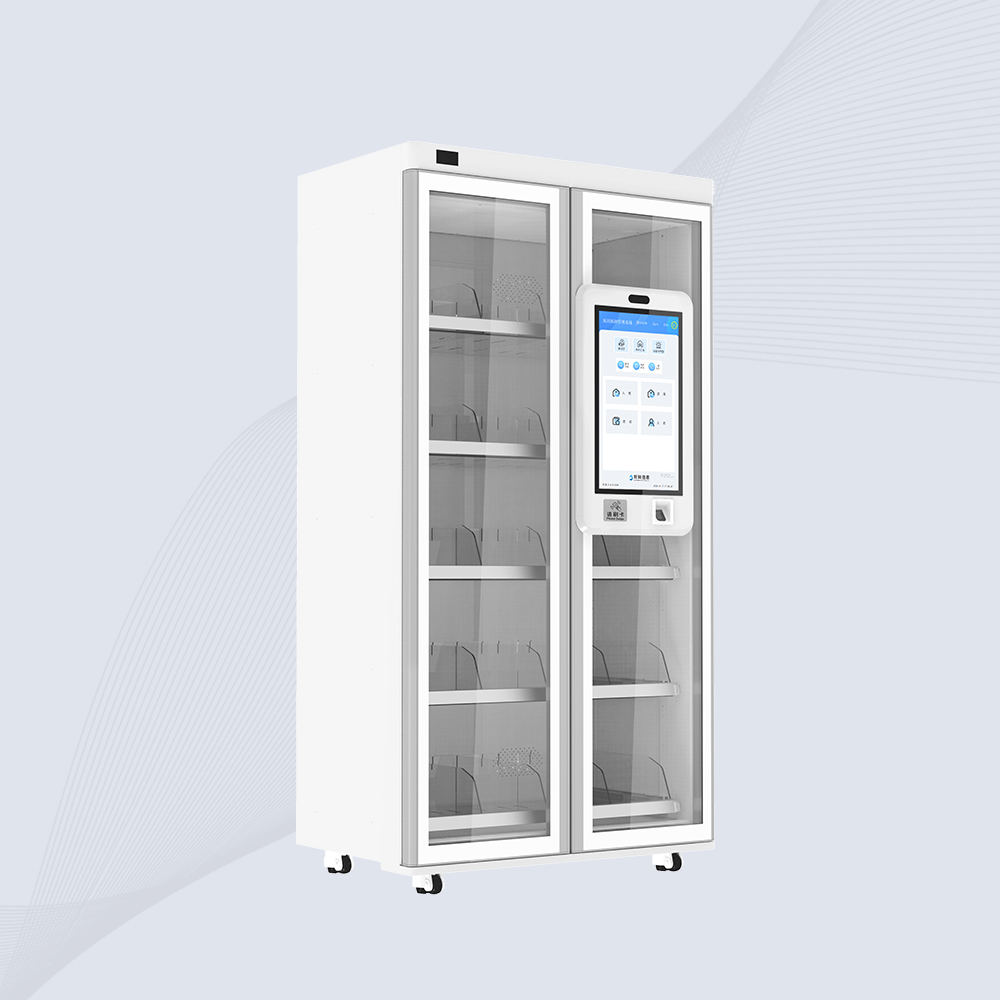
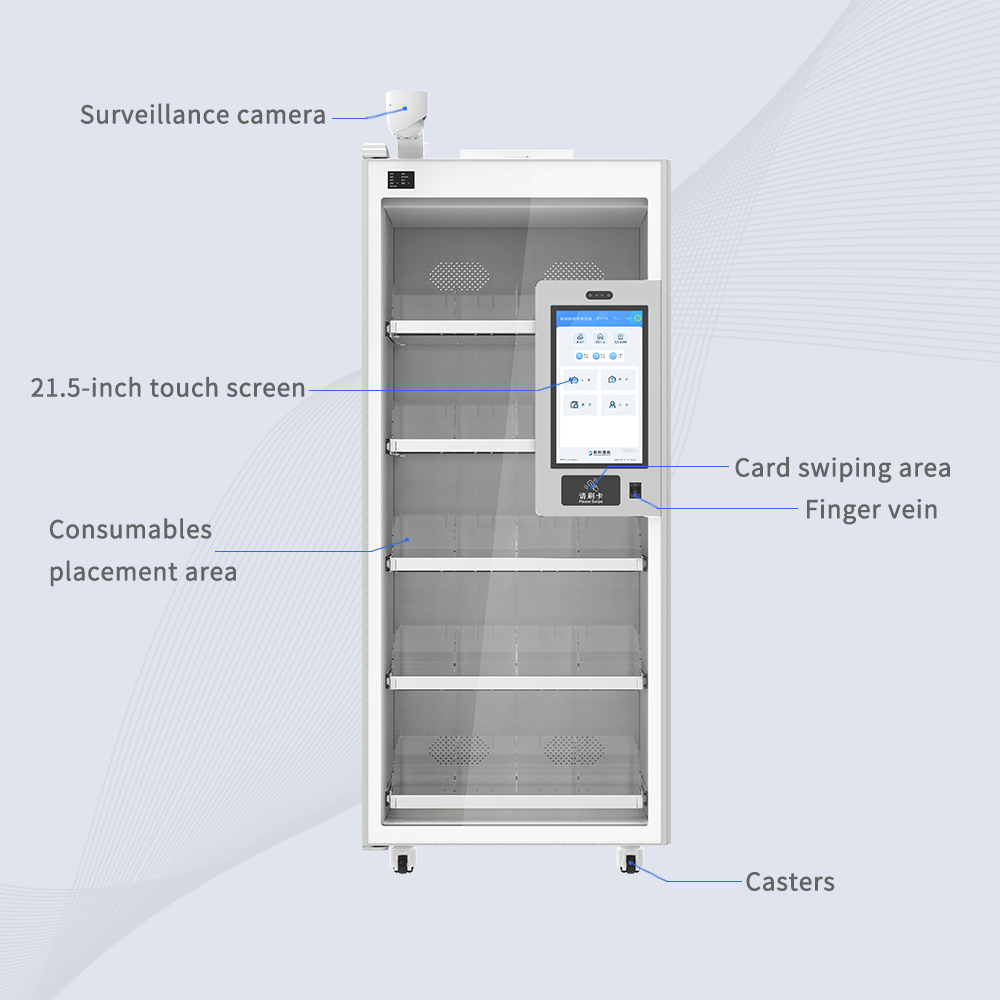
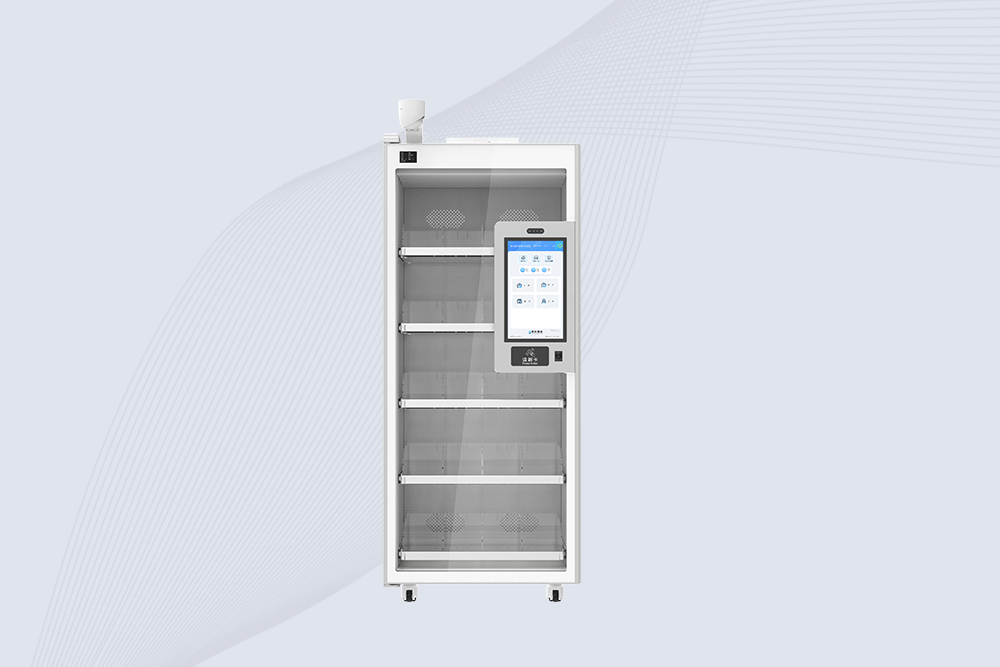
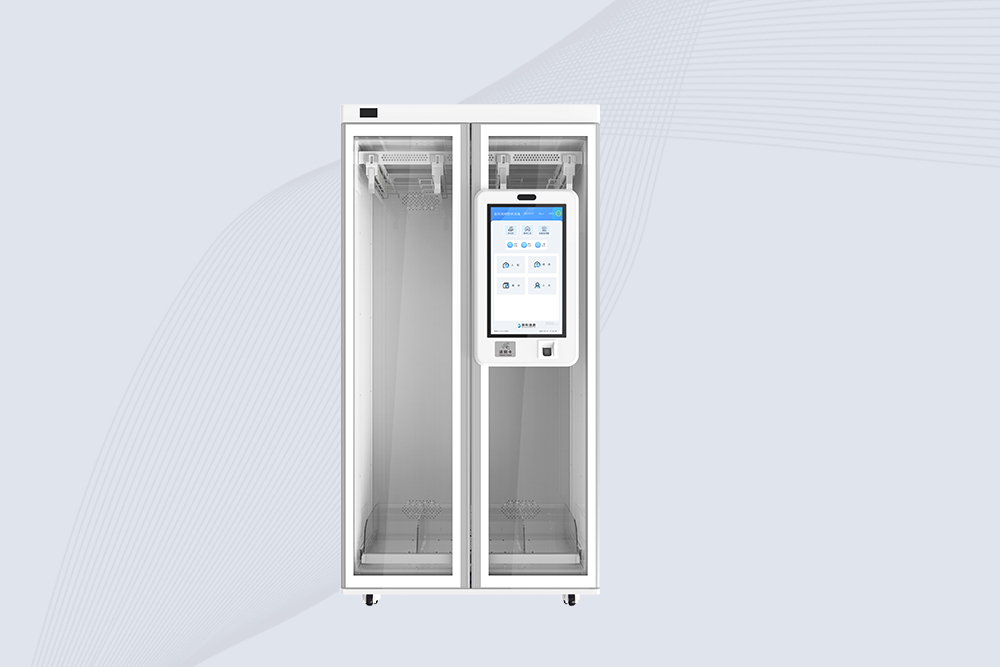
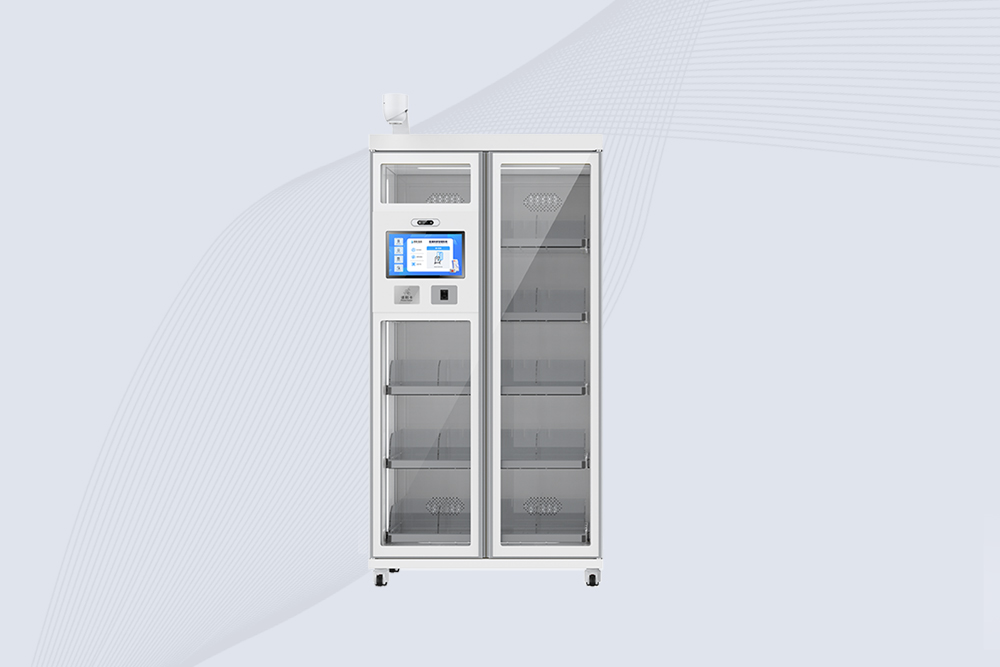
To further enhance hospital equipment management, Cykeo offers two specialized RFID smart cabinets ideal for operating rooms, ICUs, equipment rooms, and department-level asset control. CK-GY2 UHF RFID Hospital Asset Cabinet Supports UHF long-distance reading for up to 800 tagged assets Features a 22-inch touchscreen and medical asset management software Ideal for storing small medical devices, surgical tools, and electronic instruments
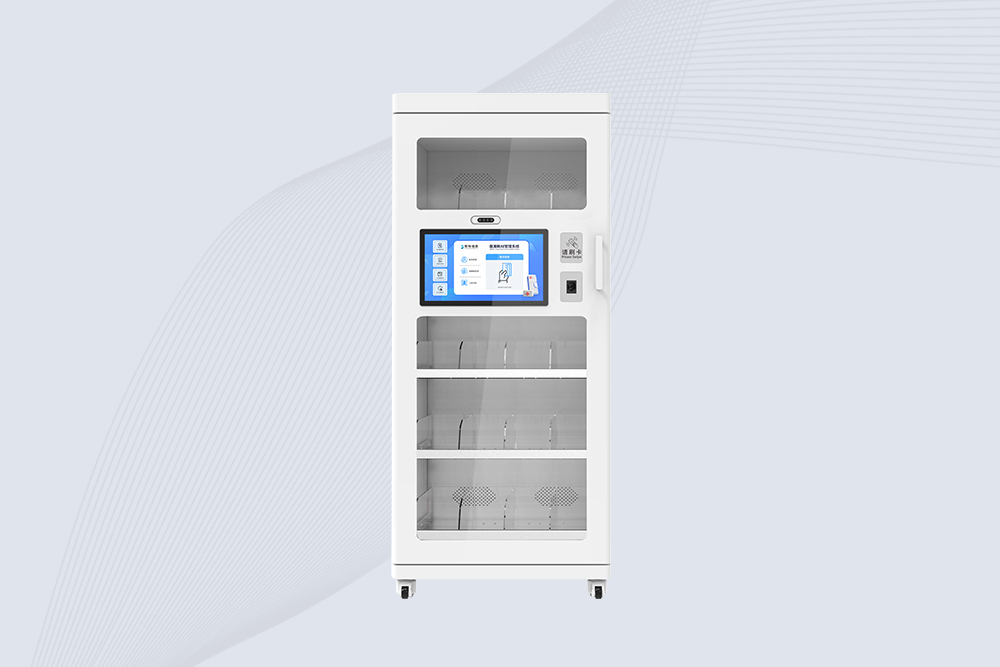
CK-GY1B Smart Medical Cabinet RFID Automatically tracks item check-in/out in real time Equipped with access control and user permission management Integrates seamlessly with HIS/ERP systems for end-to-end asset visibility
Future Trends in RFID-Based Medical Equipment Management
As healthcare digitalization evolves, RFID applications are moving from passive tracking to proactive intelligence: AI + RFID integration for predicting usage frequency and maintenance needs Auto-generated depreciation reports for asset audits Linking devices to patient data for usage traceability and compliance
Conclusion
RFID empowers hospitals to manage their medical equipment with precision, transparency, and automation. As professional manufacturer of RFID smart medical systems, Cykeo medical smart cabinets are trusted by healthcare institutions globally. Contact us now for custom solutions and pricing.
Cykeo’s smart medical cabinet RFID features 21.5″ touchscreen & 99.9% accuracy for OR instrument tracking. Modular shelves for 500+ items. HIPAA compliant. Request demo.
Cykeo’s UHF RFID hospital asset cabinet features dual-door security, antibacterial coating & 99.9% accuracy for OR implants. ISO 13485 compliant. Tracks 2000+ items.
Discover top long-range RFID readers compliant with EPCglobal Gen2 standards. Ensure seamless global interoperability and accuracy with Cykeo’s certified solutions.
Learn how to deploy multi-reader RFID systems for seamless warehouse coverage. Optimize placement, avoid interference, and integrate Cykeo’s solutions for maximum efficiency.
Learn how to configure UHF RFID readers for library book checkout systems. Optimize settings, integrate with ILS, and ensure seamless patron workflows with Cykeo solutions.
This article provides detailed guide on how to use an Android phone to emulate RFID tags, covering prerequisites, HCE principles, development steps, and practical B2B applications such as access control testing and IoT device prototyping.
 Cykeo RFID IoT Solution Products R&D Manufacturer