 Cykeo RFID IoT Solution Products R&D Manufacturer

Why Uniform Rental Companies Are Switching to RFID Laundry Tags
135Discover why uniform rental companies are adopting RFID laundry tags to improve garment tracking, reduce inventory loss, and streamline industrial laundry operations.
MoreAll RFID Product
Understanding how rfid tags work requires looking beyond the tag itself. An RFID system is not only a small electronic label. It is a coordinated communication process involving RFID tags, readers, antennas, software platforms, and databases.
At Cykeo, I have participated in RFID system testing and deployment projects covering libraries, archives, manufacturing lines, medical asset management, and industrial inventory environments. One detail becomes obvious after handling thousands of tags: the tag is only the beginning. The accuracy of the entire system depends on how well the tag, reader field, encoding process, and application software work together.
A typical RFID workflow starts when an RFID reader generates a radio frequency field. The tag antenna captures this energy, activates the chip, and sends stored information back to the reader. The system then connects this information with a database to identify the corresponding item.
In a real RFID workstation environment, this process happens within seconds. An operator places tagged items inside the reading area, the system captures EPC information, and the software links each unique code with product data.
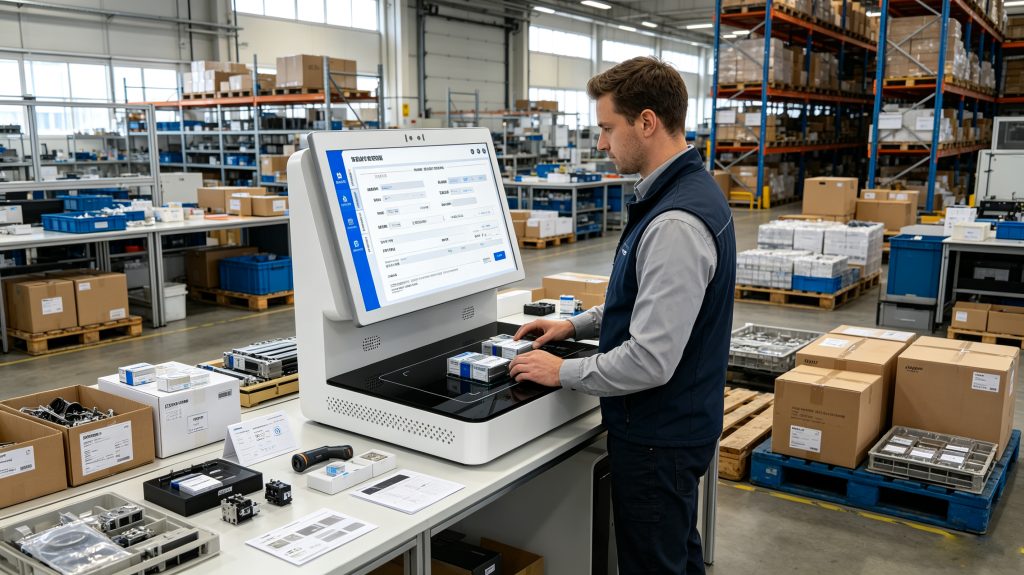
If you want to understand the complete communication process behind RFID identification, including how RFID readers communicate with tags and how different RFID technologies compare, you can also check our detailed guide on how does RFID tags work. It explains the working principle from the perspective of practical RFID system design and helps buyers choose the right tag solution for different applications.
RFID communication depends on three main components:
| Component | Function |
|---|---|
| RFID Tag | Stores identification data through an integrated chip |
| RFID Reader | Sends radio signals and receives tag responses |
| Software Platform | Converts tag data into useful information |
Unlike traditional barcodes, RFID does not require optical alignment. A reader can communicate with multiple tags simultaneously, making RFID suitable for environments where hundreds or thousands of items must be identified quickly.
According to GS1 RFID Standards Resources, EPC-based RFID systems are designed to provide unique identification for physical objects throughout supply chains.
For UHF RFID applications, tags usually operate within the 860–960 MHz frequency range. This allows longer reading distances and fast inventory operations.
An RFID tag contains several important elements:
The antenna receives electromagnetic energy from the RFID reader and enables communication.
The chip stores information such as:
Depending on the RFID standard, memory capacity varies. Some tags only store identification numbers, while others allow additional data storage.
In Cykeo RFID smart workstation applications, each RFID tag can be assigned a unique EPC serial number before being attached to an asset. The EPC becomes the digital identity of the item.
This approach is widely used in:
EPC, or Electronic Product Code, is one of the most important parts of modern RFID systems.
A barcode identifies a product category, but RFID EPC technology can provide a unique identity for individual items.
For example:
| Traditional Barcode | RFID EPC |
|---|---|
| Same product shares same code | Each item can have a unique identity |
| Requires visual scanning | Can be read without direct visibility |
| Usually scanned individually | Multiple tags can be identified together |
Cykeo RFID workstations support ISO18000-6C (EPC C1G2) protocol, allowing tags to be registered, encoded, and associated with database information.
During actual deployment, the biggest improvement is not only faster reading. It is reducing human input errors. When a librarian, technician, or warehouse operator manually enters hundreds of serial numbers, mistakes are difficult to avoid. RFID automation changes that process.
RFID tag encoding requires controlled communication.
A professional RFID workstation provides:
Cykeo’s UHF RFID smart workstation is designed for tag registration environments where accuracy matters. It supports:
This design is especially useful in locations where RFID tags must be registered before deployment.
Examples include:
Many people ask why some RFID tags read perfectly while others fail. The reason is usually environmental.
Important factors include:
Metal surfaces, liquids, and dense materials can affect radio performance.
Higher output power can increase reading distance, but excessive power may create unwanted reads.
The antenna determines signal direction and reading stability.
Advanced systems reduce duplicate reads and improve accuracy.
According to the AIM Global RFID Technology Overview, RFID system performance depends on the interaction between tags, readers, antennas, and application environments rather than a single component.
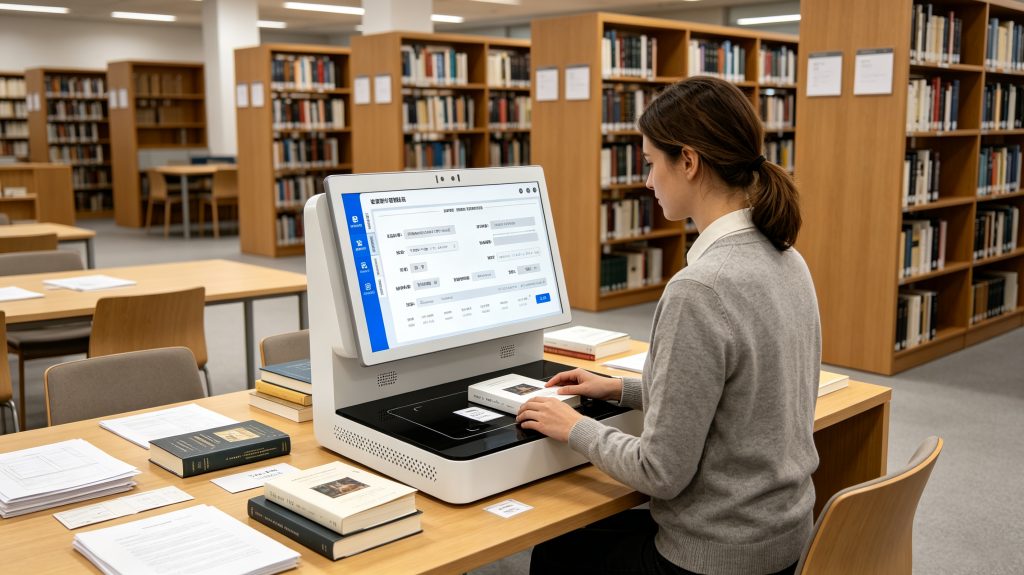
Most RFID tags used in inventory and asset tracking are passive tags. They receive energy from the RFID reader and do not require an internal battery.
Yes, RFID does not require direct visual contact like barcodes. However, materials such as metal and liquids may influence performance.
Modern UHF RFID systems can identify many tags simultaneously. Actual capacity depends on reader performance, tag environment, and software algorithms.
After years working with RFID products and application scenarios, I believe the most overlooked part of RFID is system integration.
A tag can be extremely small, but the information chain behind it is complex.
The successful RFID projects are not the ones with the strongest reader or the largest reading distance. They are the ones where the tag identity, reader performance, software database, and operational workflow fit together naturally.
That is the reason Cykeo focuses on complete RFID solutions, from tag encoding workstations to industrial RFID identification systems.
How rfid tags work is ultimately about creating a reliable connection between physical objects and digital information.
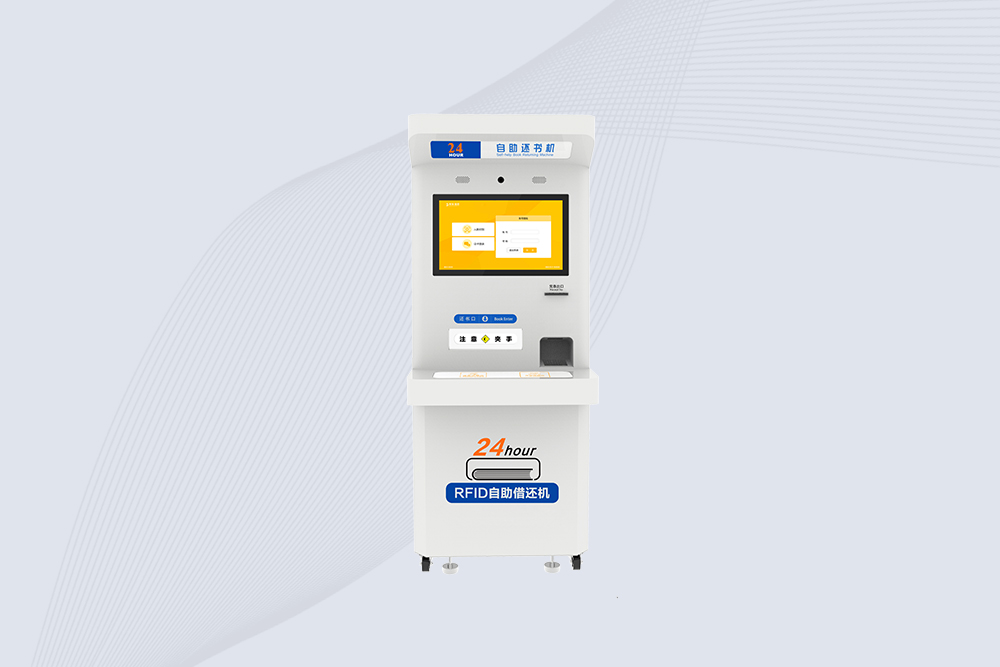
Cykeo’s CYKEO-DP10 library RFID Writer Reader terminal features HF/UHF dual-frequency, 10-channel scanning, automatic book sorting, and self-service payment. Ideal for 24/7 unmanned library operations.
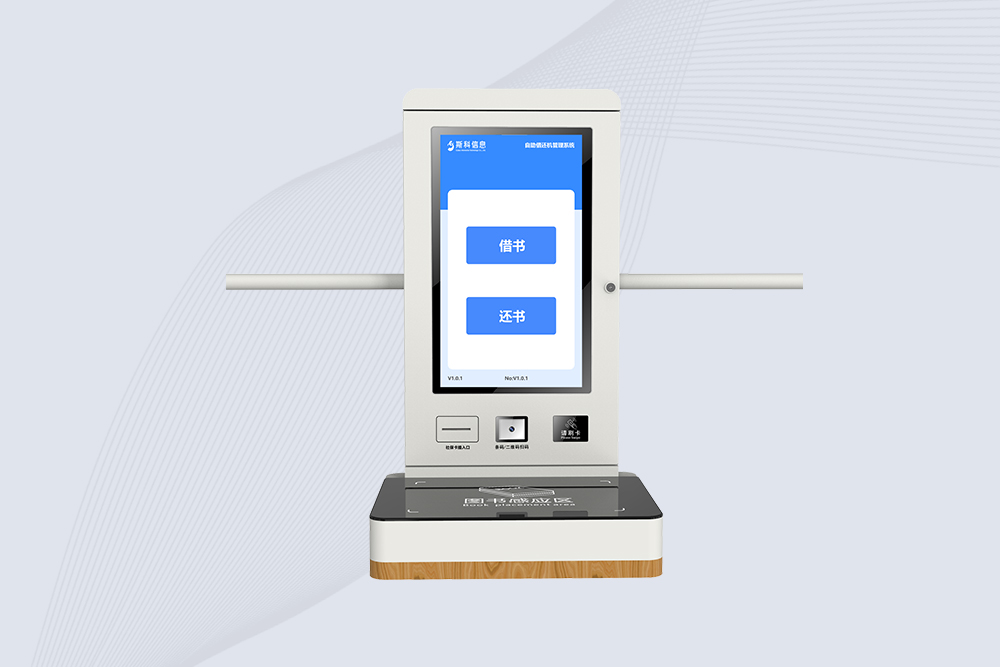
Cykeo’s CYKEO-DP4B RFID chip scanner kiosk offers 60+ tags/sec scanning, 21.5″ touchscreen, and wall-mounted design for libraries, warehouses, and retail. Supports ISO 18000-6C and customizable protocols.
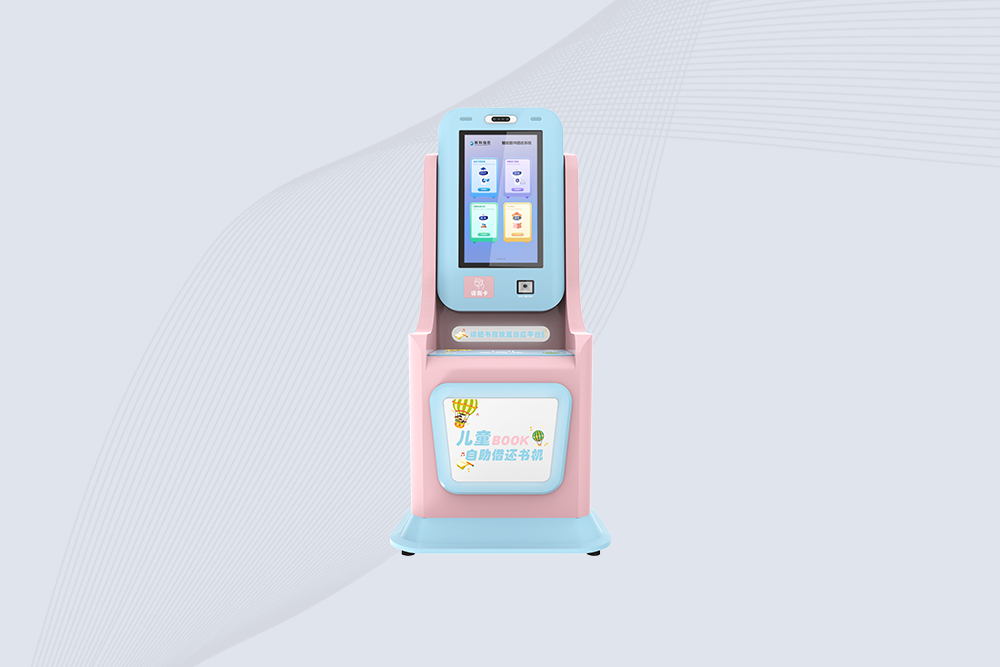
Cykeo CYKEO-DP5A passive RFID tag reader offers 10-tag/sec batch scanning, 840–960MHz frequency, and Windows/Android OS for libraries/archives. Features 4G/WiFi, self-service kiosk, and carbon steel housing.
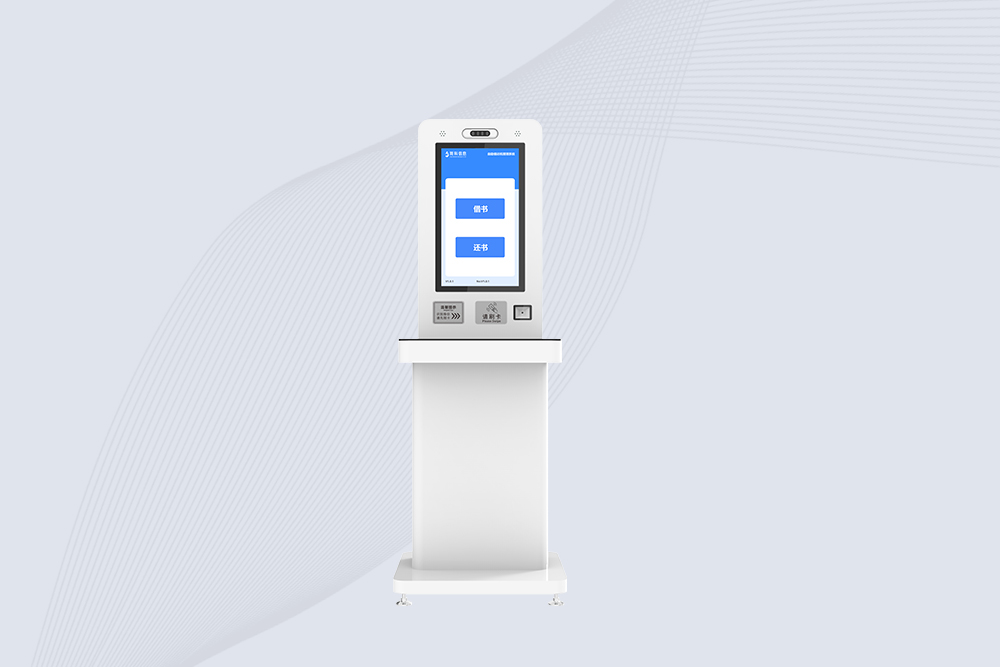
Cykeo CYKEO-DP6 vertical RFID Card and Reader terminal combines HF/UHF technology, 22″ touchscreen, and Windows/Android OS for libraries, archives, and retail. Features multi-protocol support, rugged design, and global certifications.
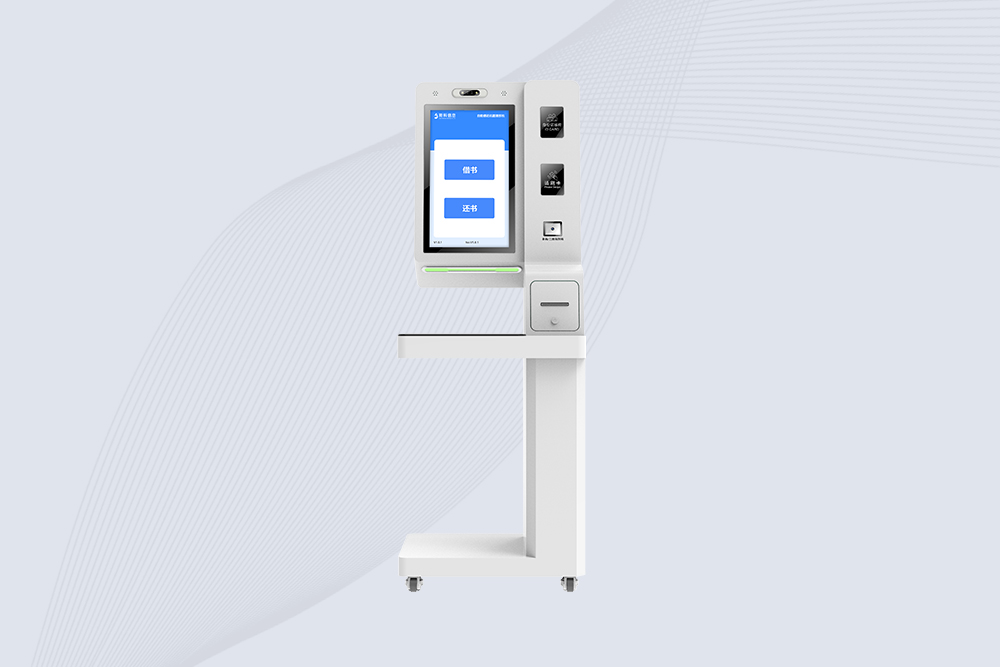
Cykeo’s CYKEO-DP6A library kiosk features UHF RFID tags reader technology, 21.5″ touchscreen, and Windows/Android OS for 24/7 book circulation. Achieves 99.9% inventory accuracy with ISO 18000-6C compliance.
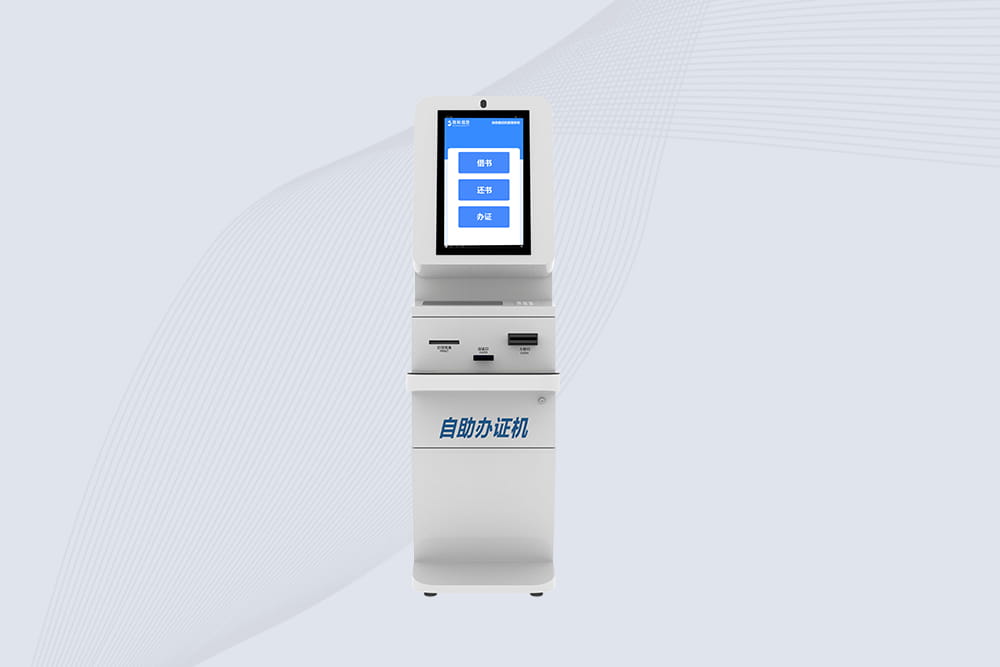
Cykeo’s CYKEO-DP9 card reader RFID kiosk enables 50-card issuance, book loans, and cash handling. Features ISO 18000-6C RFID, Windows/Android OS, 24/7 operation.
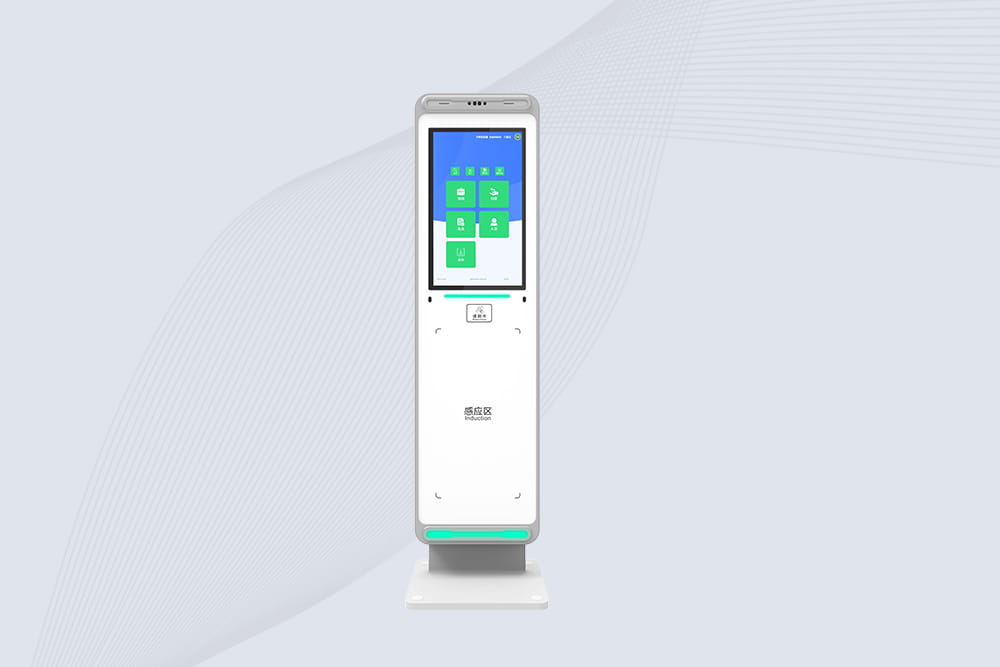
Cykeo’s medical-grade RFID scanner station features bulk UHF RFID scanning, anti-crosstalk technology, and dual OS compatibility for hospital inventory management and smart warehouses.
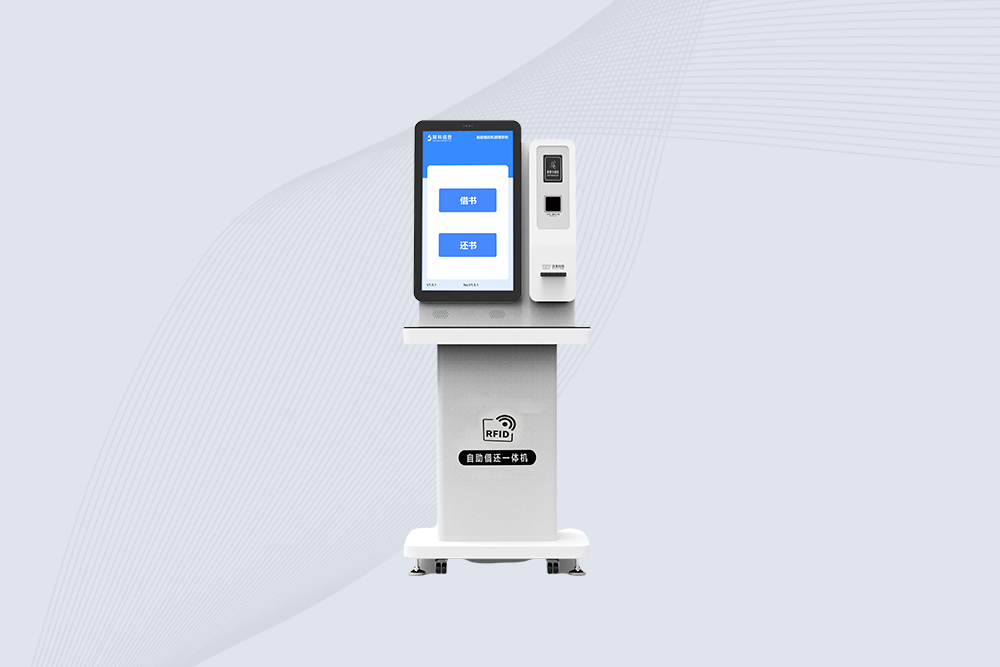
Cykeo CYKEO-DP7 UHF RFID scanner features 27″ touchscreen, 10-book simultaneous scanning, and ISO 18000-6C protocol for libraries. Supports receipt printing and SAP/Oracle integration.

Cykeo’s CYKEO-DP8 professional RFID card reader writer features dual-band operation, 300 cards/min encoding speed, and military-grade encryption. Ideal for library systems/access control.
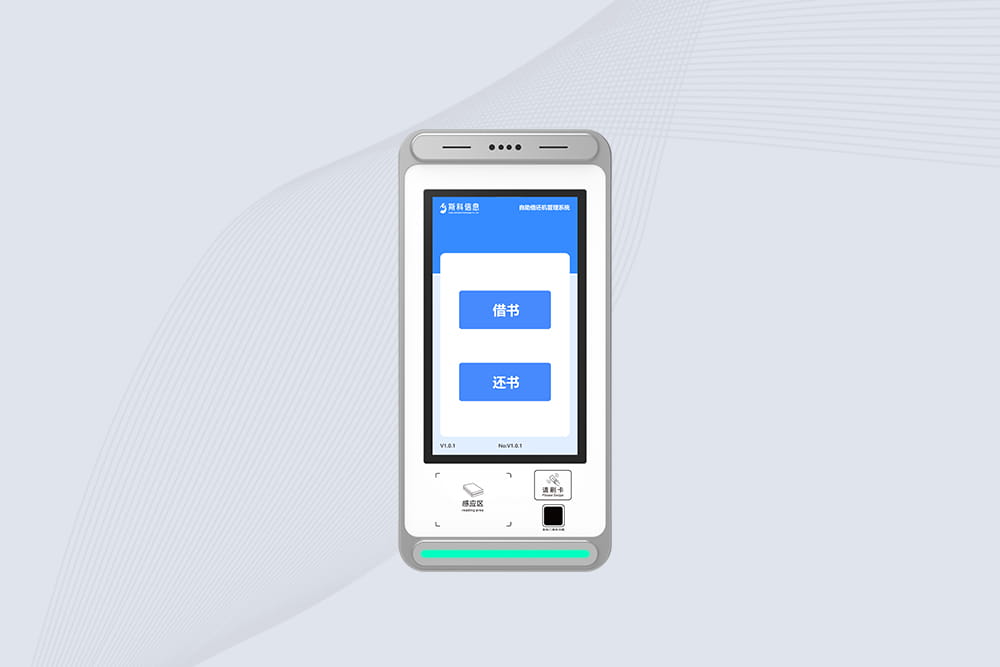
Cykeo CYKEO-DP4 wall-mounted RFID card scanner features 21.5″ touchscreen, 100+ tags/sec scanning, dual authentication (card/face), perfect for libraries/archives. IP54 rated with -20℃~60℃ operation.

Cykeo’s UHF reader RFID weighing scales combine 840-960MHz RFID scanning, 30kg/±1g precision, and SAP connectivity for chemical/pharma inventory. IP65 rated with biometric login.
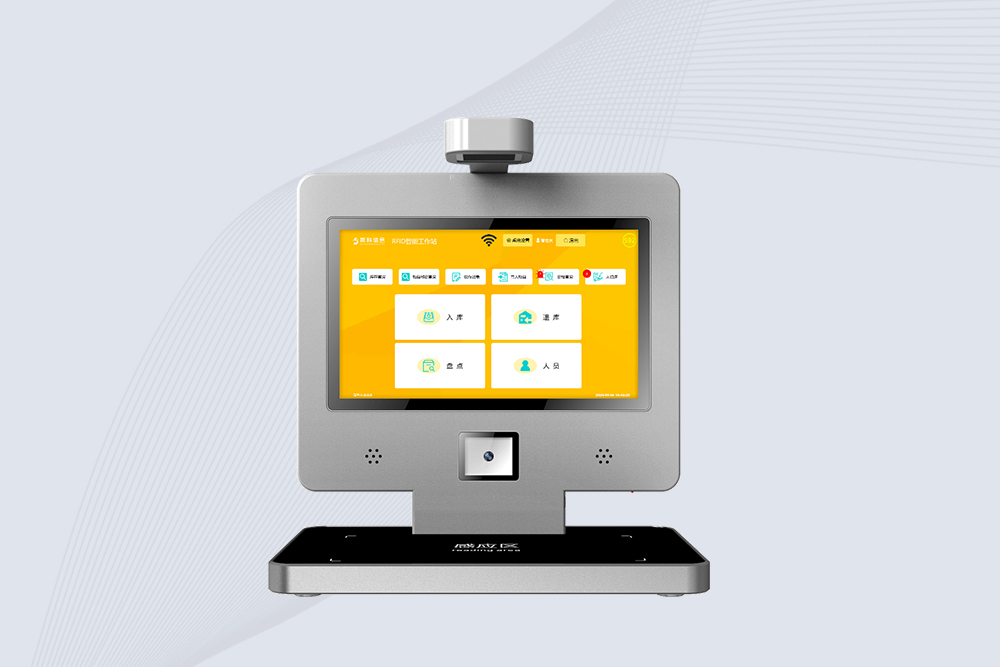
Cykeo CYKEO-DPA Desktop Reader RFID Workstation features 50+ tags/sec batch processing, IP65 rugged design, and Windows IoT for manufacturing/warehouse RFID operations. Supports ISO 18000-6C.
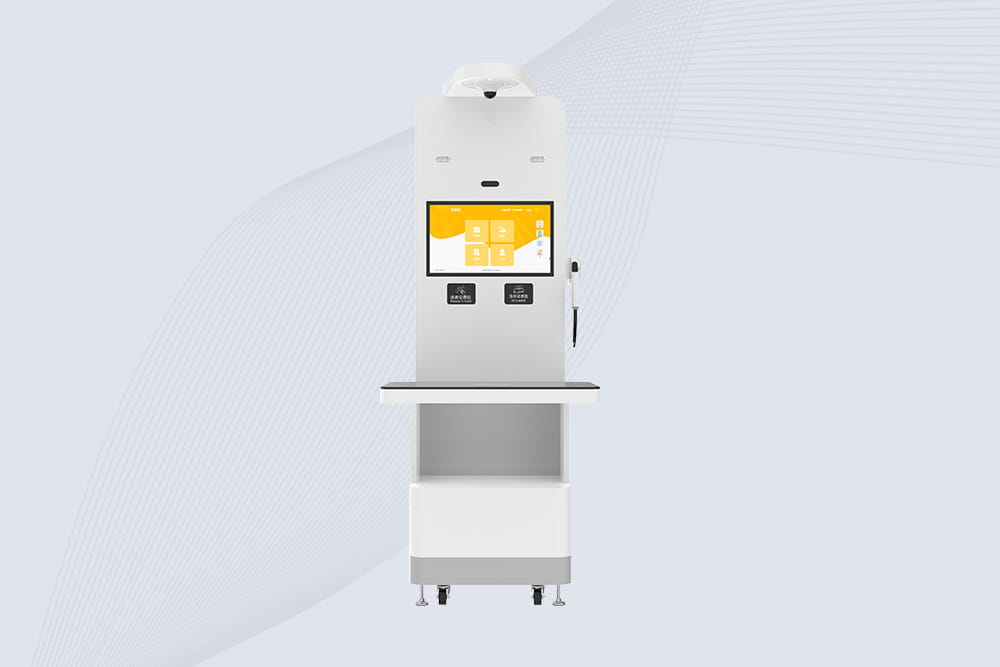
Cykeo CYKEO-DP12 vertical RFID workstation features 21.5″ touchscreen, 30-tool simultaneous tracking, and military-grade -20℃~70℃ operation for manufacturing/aviation/automotive sectors. Supports Windows & Android OS.
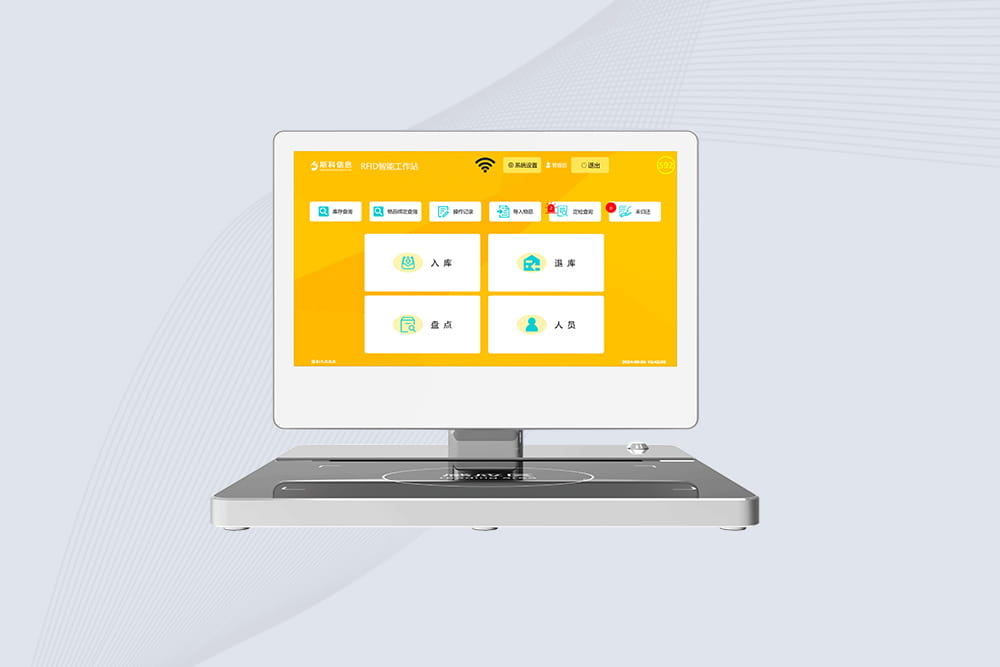
Cykeo’s professional RFID workstation features controlled 50cm encoding field, 50+ tags/batch processing, and integrated 12MP camera. Ideal for medical/library/archival asset registration.

Cykeo’s CYKEO-DP13 industrial RFID Smart workstation features 24″ touchscreen, UHF/HF dual-frequency scanning, military-grade durability for manufacturing/pharma/logistics. Supports batch-tagging of 200+ items with ERP integration.
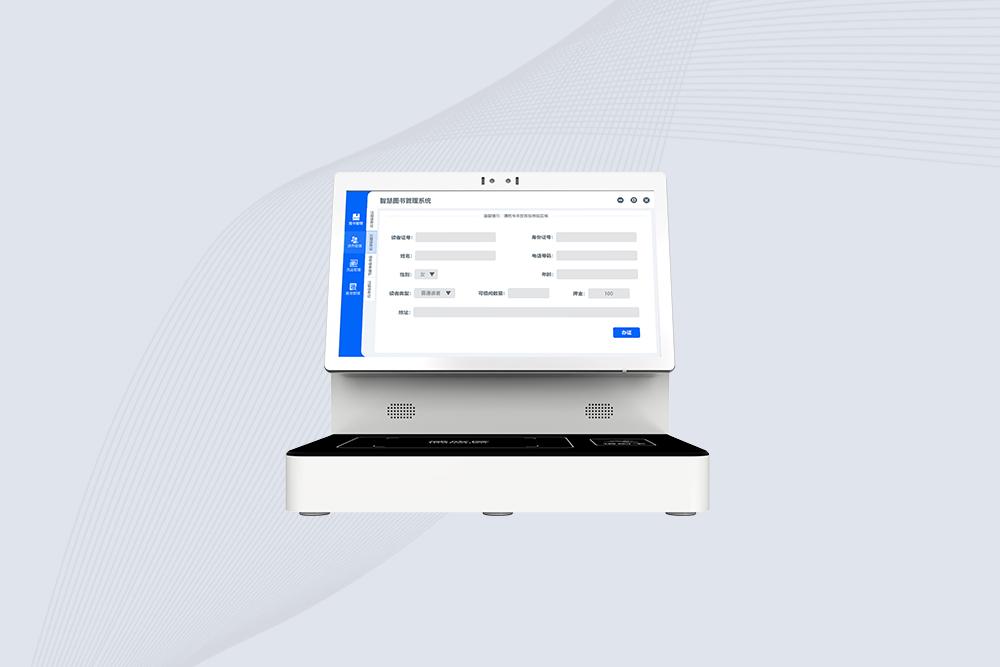
Cykeo’sCYKEO-DP3 RFID desktop reader workstation features 22″ touchscreen, multi-protocol UHF RFID, dual OS, and industrial connectivity for libraries, retail, and healthcare. Supports 10-tag simultaneous reading.

Cykeo CYKEO-DP2 Desktop RFID Reader workstation features 22″ touchscreen, 15+ tags/sec scanning, Windows/Android OS, and customizable protocols for libraries/archives. Supports face recognition and anti-theft integration.
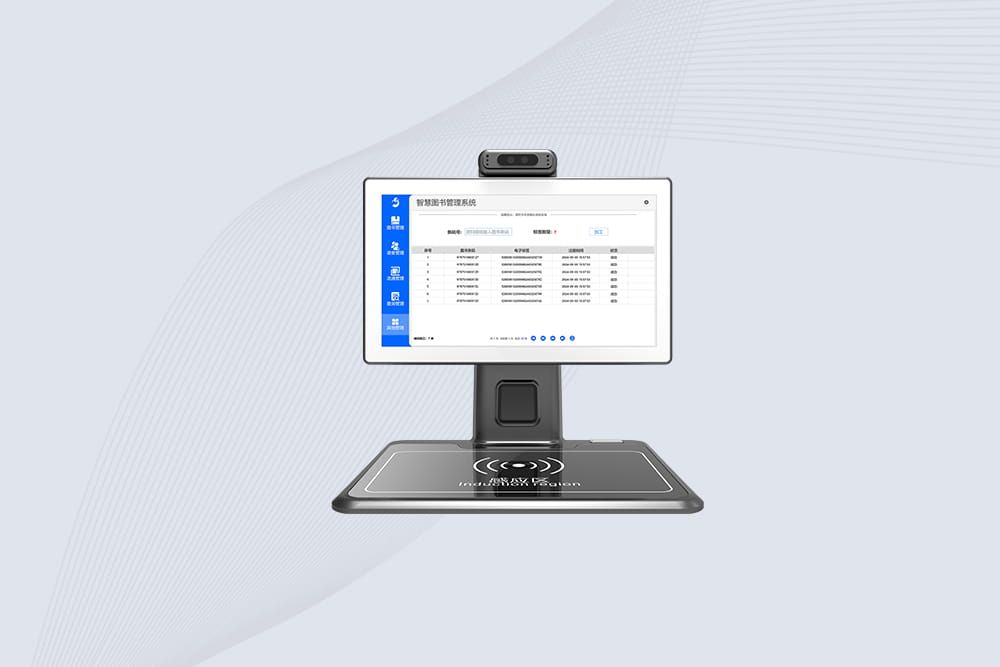
Cykeo CYKEO-DP2A Desktop UHF RFID Reader Workstation offers precision batch encoding of 50+ tags, 21.5″ touch interface, and ISO 18000-6C compliance. Ideal for libraries/archives with metal-environment adaptability.
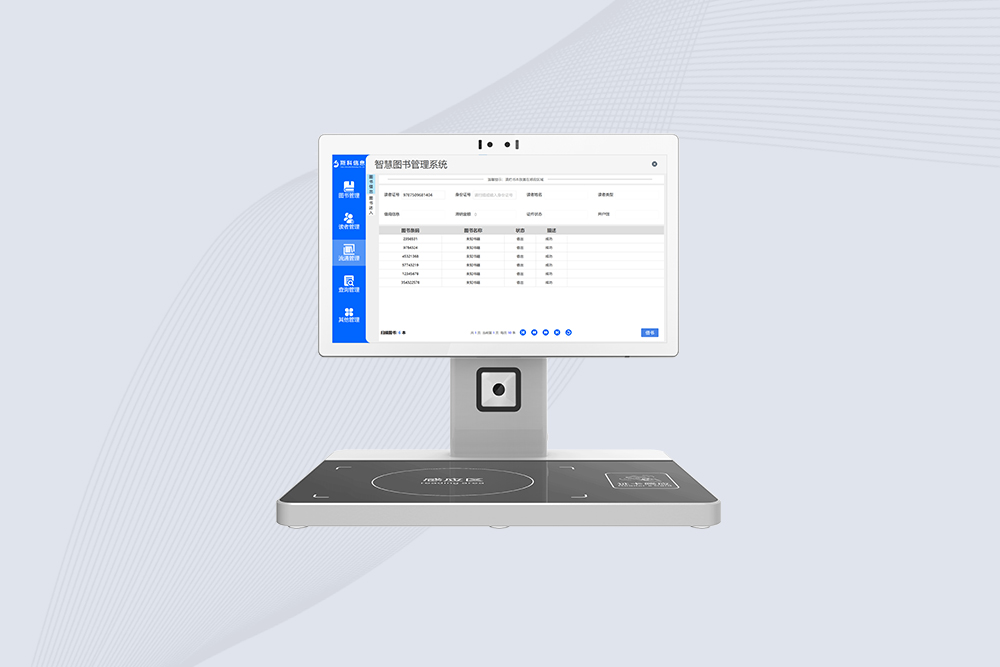
Cykeo CYKEO-DP2B industrial UHF RFID desktop Reader workstation features 15+ tag reading, 2m UHF range, Windows/Android OS, and IP54 design for libraries/warehouses. Supports ISO 18000-6B/6C protocols.
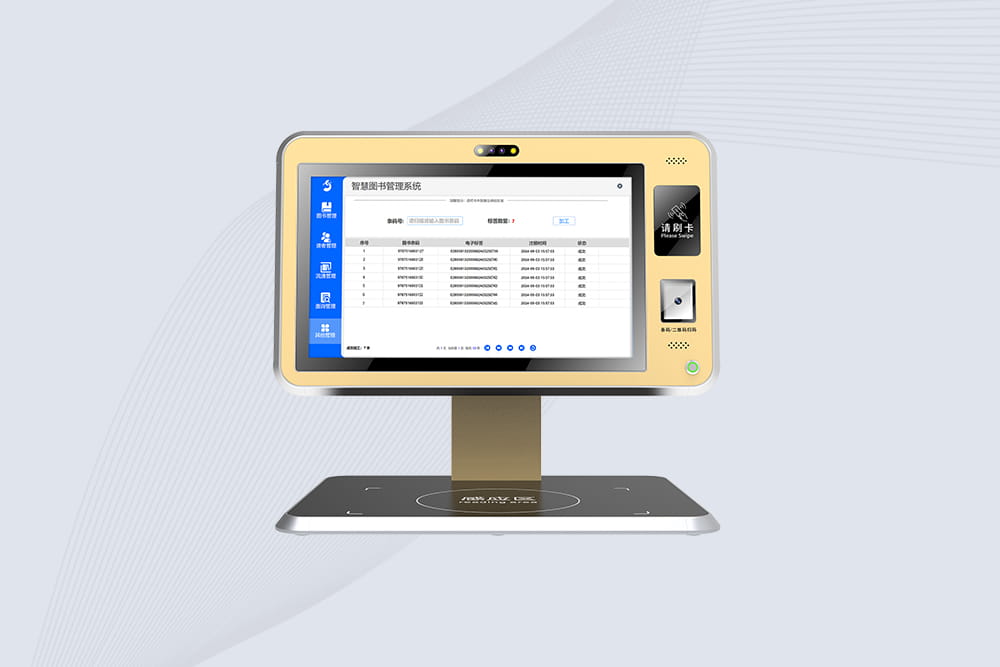
Cykeo CYKEO-DP3B industrial UHF RFID Desktop Reader Writer workstation features 15-tag batch processing, 840-960MHz frequency range, payment/voucher printing for libraries/hospitals/retail. Supports ISO 18000-6B/C protocols.
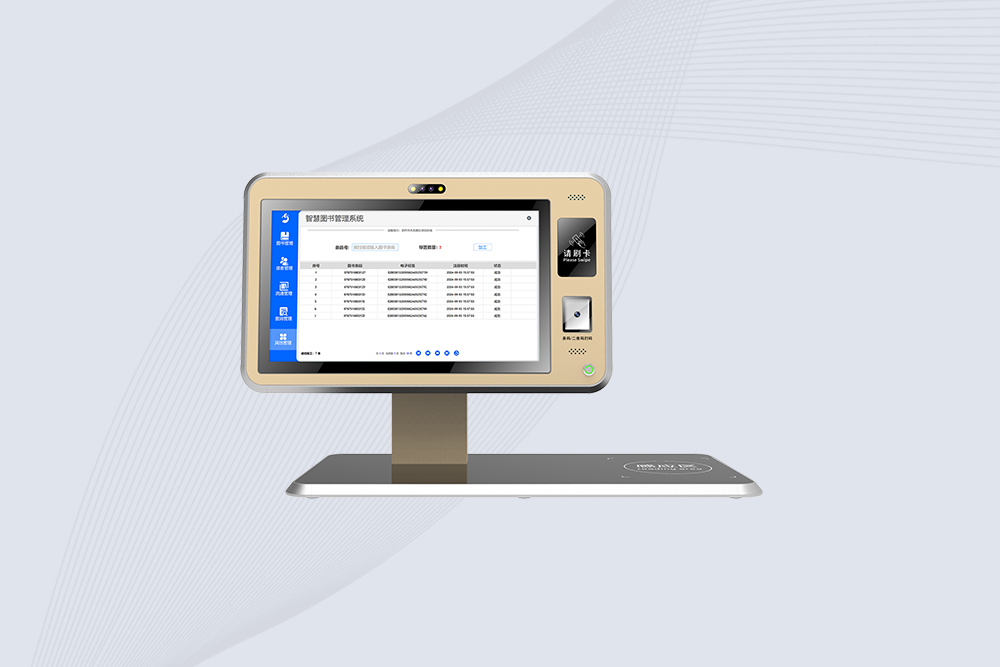
Cykeo CYKEO-DP3A library Desktop RFID Card Reader workstation features 21.5″ dual touchscreens, 10-item batch processing, and Windows/Android OS for archival/library asset management. UHF RFID card reader with ISO 18000-6C/B compliance.
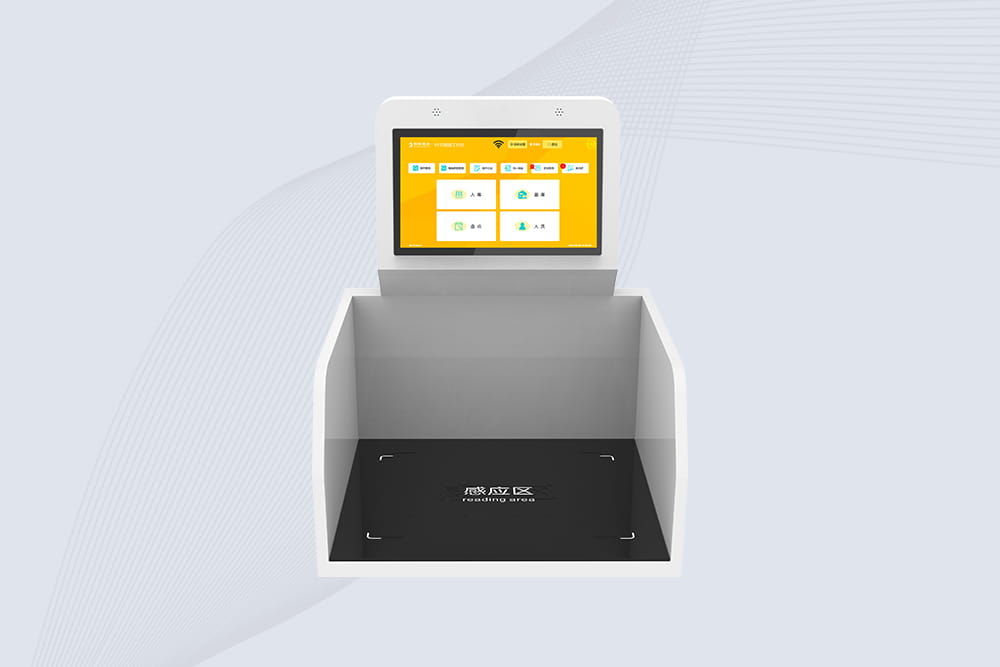
Cykeo’s industrial UHF Reader RFID Workstation features 40+ tags/sec RFID processing, Windows/Android OS, and bulk scanning for apparel/logistics operations.
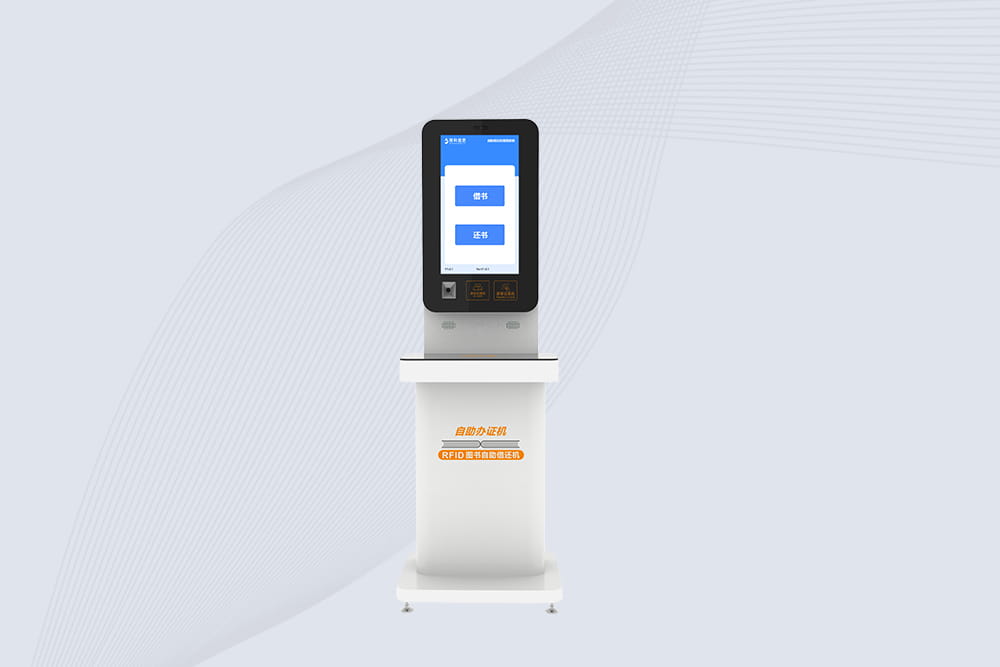
Cykeo CYKEO-DP6 Pro industrial RFID card reader offers dual-frequency scanning, MIL-STD ruggedness, and smart card compatibility for access control and payment systems.
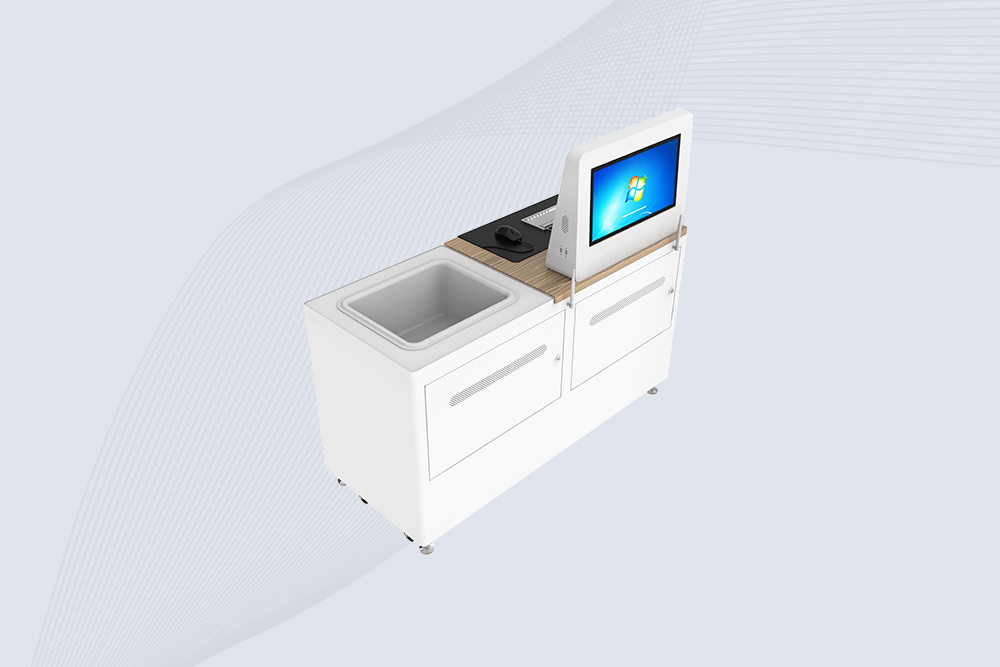
Cykeo CYKEO-DP13B dual-screen RFID workstation features dual 21.5″ touchscreens, 100-tag capacity, and integrated camera system for comprehensive asset tracking and management.
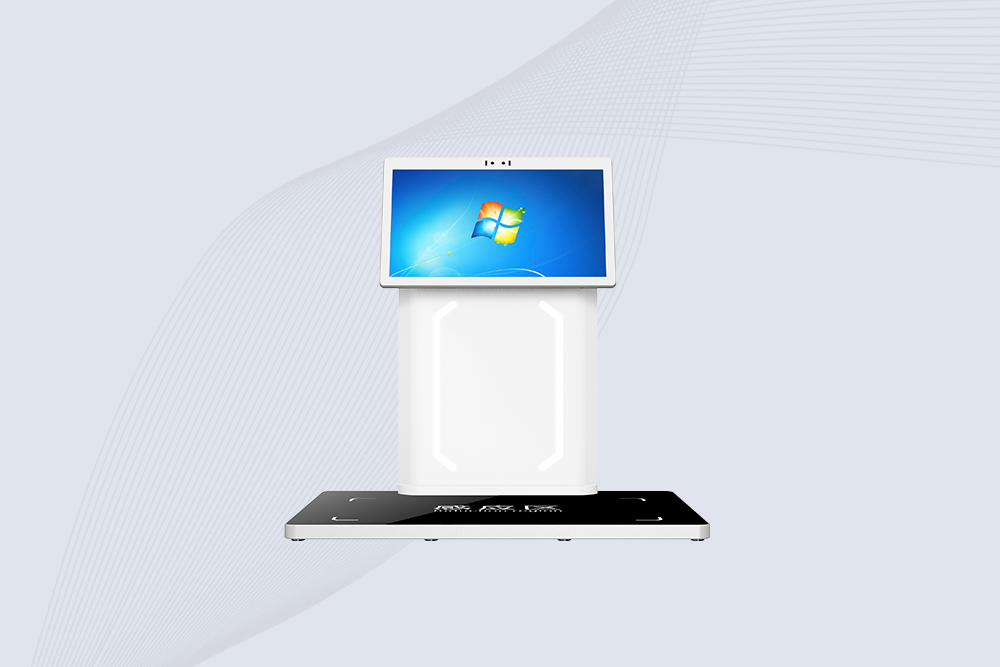
Cykeo CYKEO-DP14B desktop RFID workstation manages 200+ assets per scan. Features a 21.5″ touchscreen, UHF RFID, HF access control, and Windows/Android OS for secure tool tracking in police, medical, and bank environments.
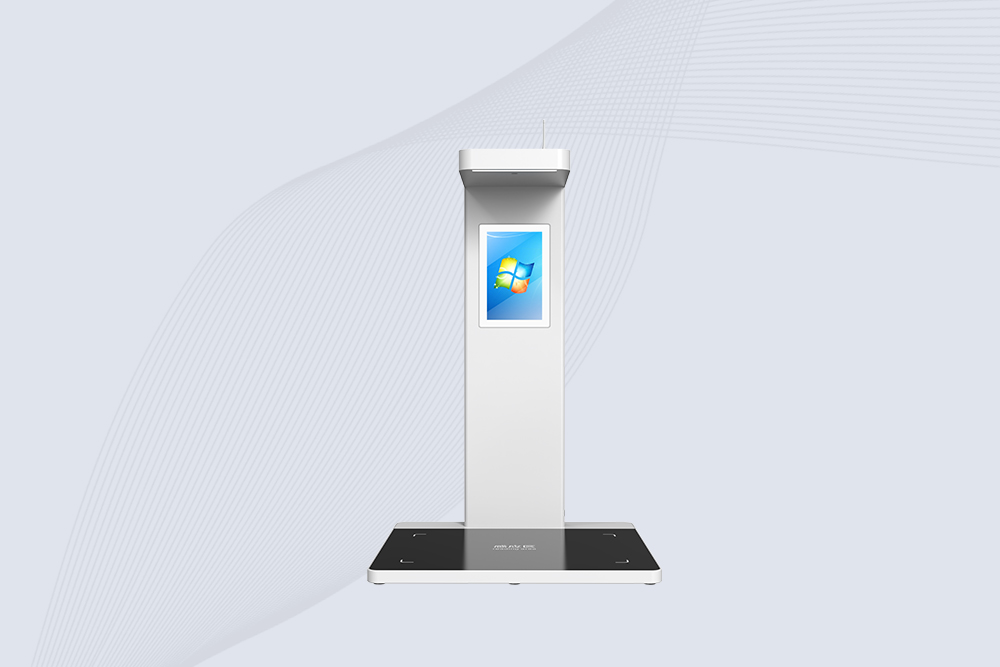
Cykeo CYKEO-DP1 RFID settlement station enables bulk UHF RFID and barcode verification for warehouse shipping. Features 10.1″ touchscreen, automatic data binding, and supports Windows/Android OS for seamless WMS integration. Ideal for inventory management and logistics.
RFID Industry Writer | IoT & Asset Tracking Analyst
James writes about RFID technology, asset tracking, and the practical challenges of digital transformation across warehousing, retail, manufacturing, and logistics.
His work focuses on how RFID is applied in real-world operations—improving inventory visibility, automating workflows, and helping businesses manage assets with greater accuracy and efficiency.
He regularly covers topics including UHF RFID, smart cabinets, RFID portals, tool tracking, warehouse automation, and industrial IoT trends..

Discover why uniform rental companies are adopting RFID laundry tags to improve garment tracking, reduce inventory loss, and streamline industrial laundry operations.
More
Exploring the applications of RFID technology in libraries, from improving borrowing efficiency and optimizing inventory management to enhancing security, and understanding how it makes libraries smarter and more user-friendly.
More
Learn how to scale RFID antenna systems across multiple locations without chaos. Cut costs, ensure consistency, and maintain real-time visibility.
More
Learn how to protect data in long-range RFID networks from interception or tampering. Discover Cykeo’s encryption, authentication, and compliance strategies for secure operations.
More