 Cykeo RFID IoT Solution Products R&D Manufacturer

Laundry RFID Tags for Automated Linen Tracking and Laundry Management
111Discover how laundry RFID tags improve linen visibility, automate inventory counts, reduce losses, and streamline laundry operations with Cykeo RFID solutions.
MoreAll RFID Product
Long-range RFID networks are vulnerable to eavesdropping, data tampering, and unauthorized access—especially in open environments like ports, construction sites, or rural facilities. Securing transmissions requires a layered approach combining encryption, authentication, and hardware safeguards. Below, we outline proven strategies to protect your RFID data without compromising performance.

Cykeo’s RFID systems, for instance, support dynamic key rotation and FIPS 140-2 validated encryption, meeting defense and healthcare compliance standards.
A logistics company reduced breach attempts by 80% after deploying Cykeo’s segmented RFID network with TLS-enabled gateways.
Cykeo’s readers are built with hardware security modules (HSMs) and comply with ISO 27001 standards. Their systems include over-the-air firmware signing and geofenced access controls, ideal for industries like pharmaceuticals or aerospace where data integrity is critical.

Discover how laundry RFID tags improve linen visibility, automate inventory counts, reduce losses, and streamline laundry operations with Cykeo RFID solutions.
More
Planning your setup? We clarify the question 'do RFID reader antennas take a lot of electricity' and break down the real power consumption of RFID systems.
More
RFID asset tracking in the education sector enables digital management of books, computers, multimedia equipment, and other assets through efficient identification and real-time location tracking. It improves management efficiency, prevents asset ...
More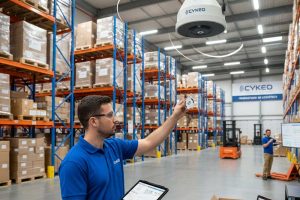
Learn how to test rfid reader performance with real field methods, troubleshooting tips, and CYKEO technician insights to verify range, stability, and accuracy.
More