 Cykeo RFID IoT Solution Products R&D Manufacturer
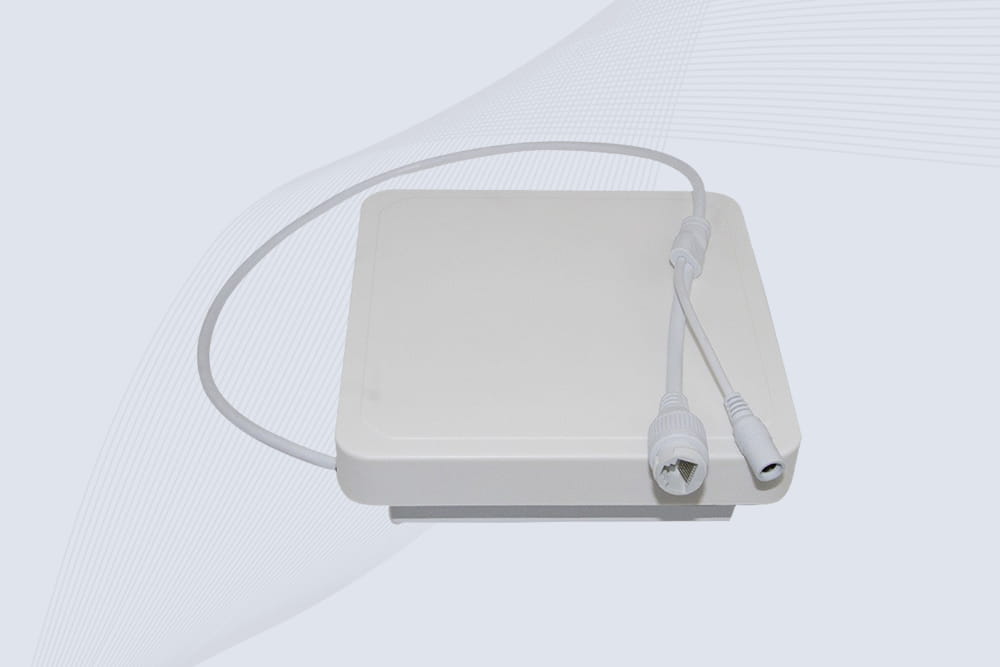
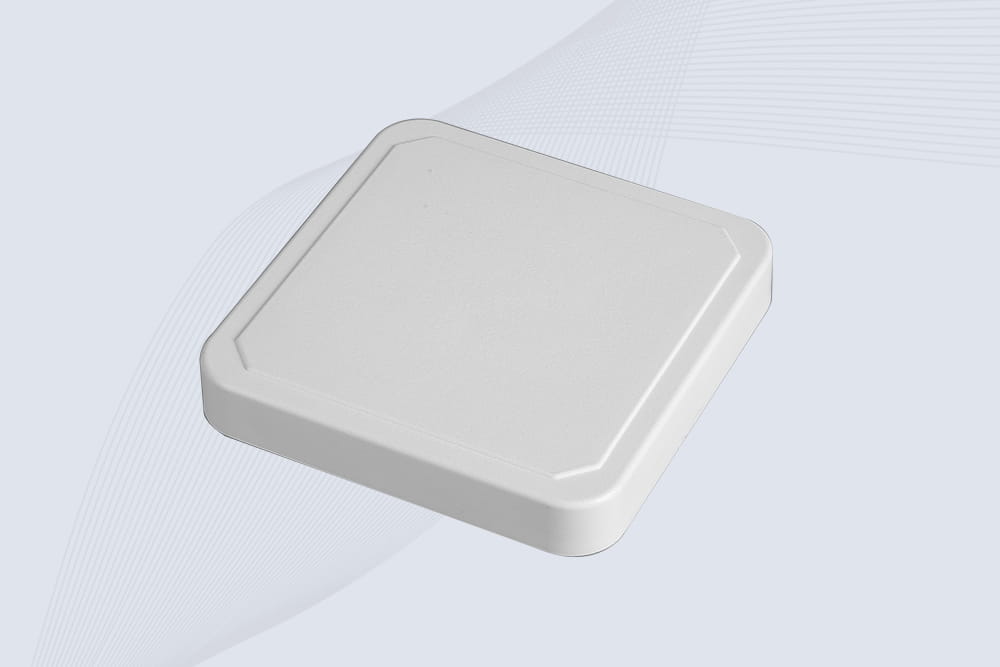
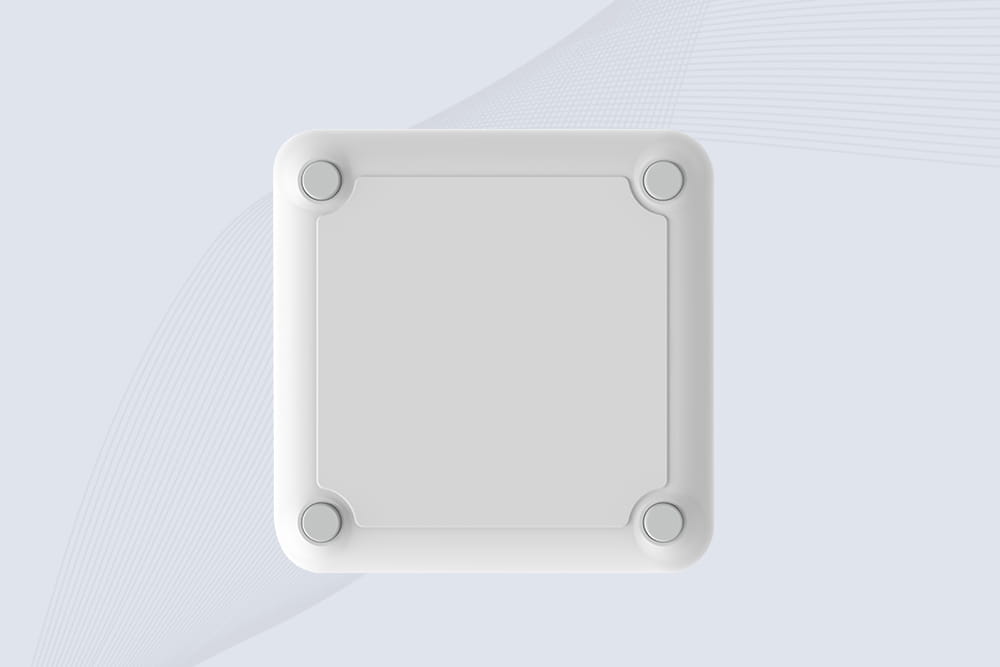
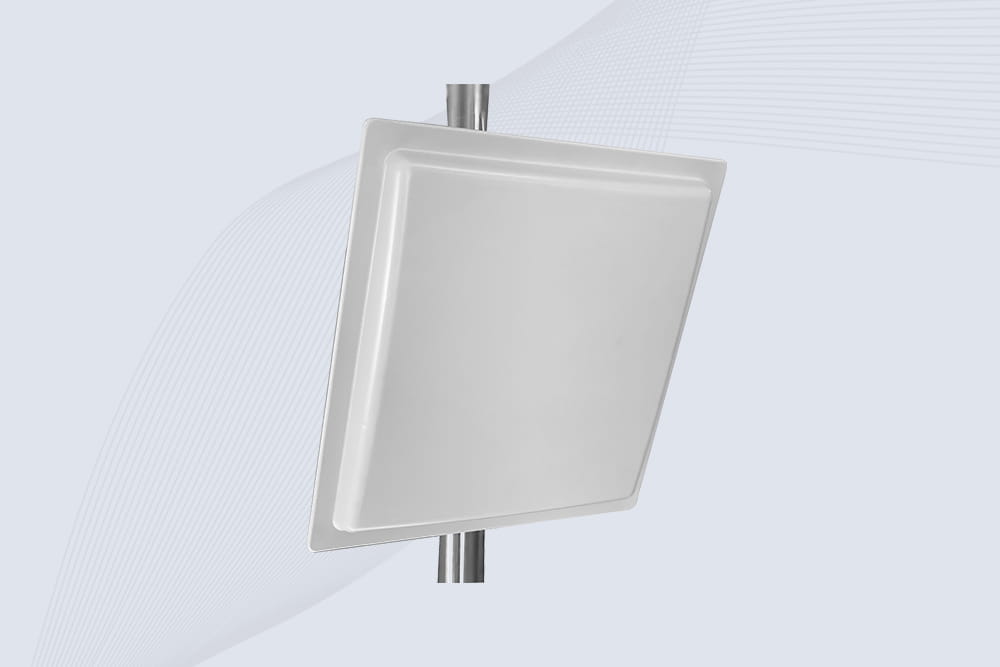
How Is RFID Reader Works? Simple Guide to the Brains of RFID
205Wondering "how is RFID reader works"? Discover the step-by-step process from signal transmission to data decoding. Simple explanation with real-world examples from CYKEO.
MoreAll RFID Product
Yes, extreme weather conditions like heavy rain, snow, and temperature fluctuations can significantly impact the performance of long-range RFID readers. Moisture, condensation, and physical obstructions (e.g., ice buildup) may weaken signals, reduce read ranges, or cause false reads. However, robust hardware design and strategic installation can minimize these effects. Below, we explain how weather impacts RFID systems and actionable steps to ensure reliability.
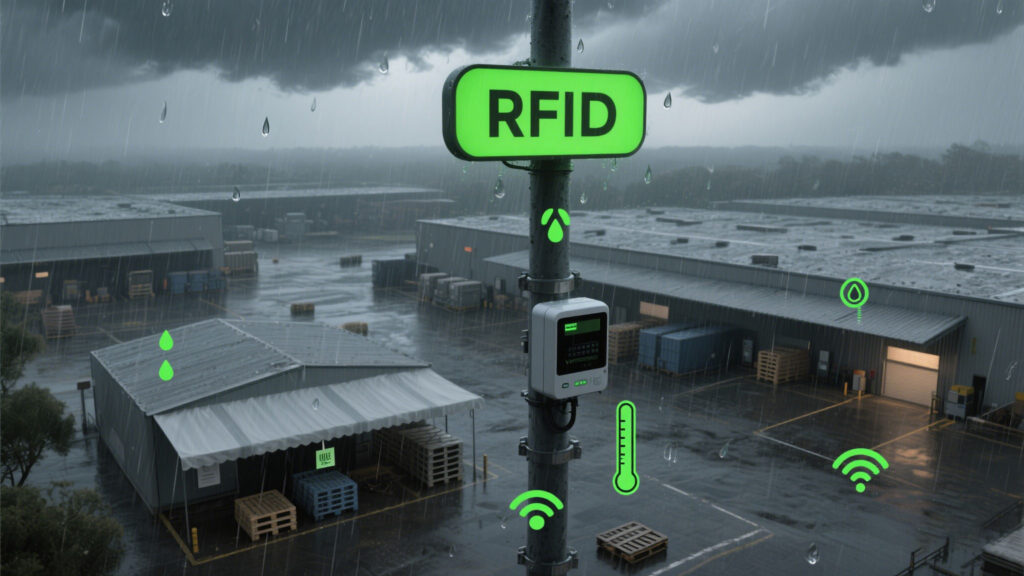
Cykeo’s outdoor RFID readers, for example, feature heated antenna enclosures to melt ice and prevent condensation in coastal or high-humidity zones.
A Nordic logistics hub using Cykeo’s heated readers maintained 95% read accuracy during winter storms, despite -25°C temperatures.
Cykeo’s readers are stress-tested in extreme climates, from tropical monsoons to polar blizzards. Their devices include self-diagnostic tools to alert users about weather-related performance dips and auto-adjust settings to maintain uptime.
Wondering "how is RFID reader works"? Discover the step-by-step process from signal transmission to data decoding. Simple explanation with real-world examples from CYKEO.
More
in-depth breakdown of the entire RFID tag testing process—from design validation to real-world field trials—featuring warehouse and Arduino case studies. Covers practical methods for testing read range, orientation sensitivity, interference resis...
More
Discover the best waterproof RFID devices for harsh marine and port environments. Compare IP68 ratings, saltwater resistance, and rugged UHF performance for logistics efficiency.
More
Wondering what an RFID tag looks like? Learn the different shapes, sizes, and applications of RFID tags used in clothing, inventory, logistics, and retail systems.
More