When people first hear about RFID technology, one of the most common questions is surprisingly simple:
“What does an RFID tag actually look like?”
The answer is not as straightforward as many expect.
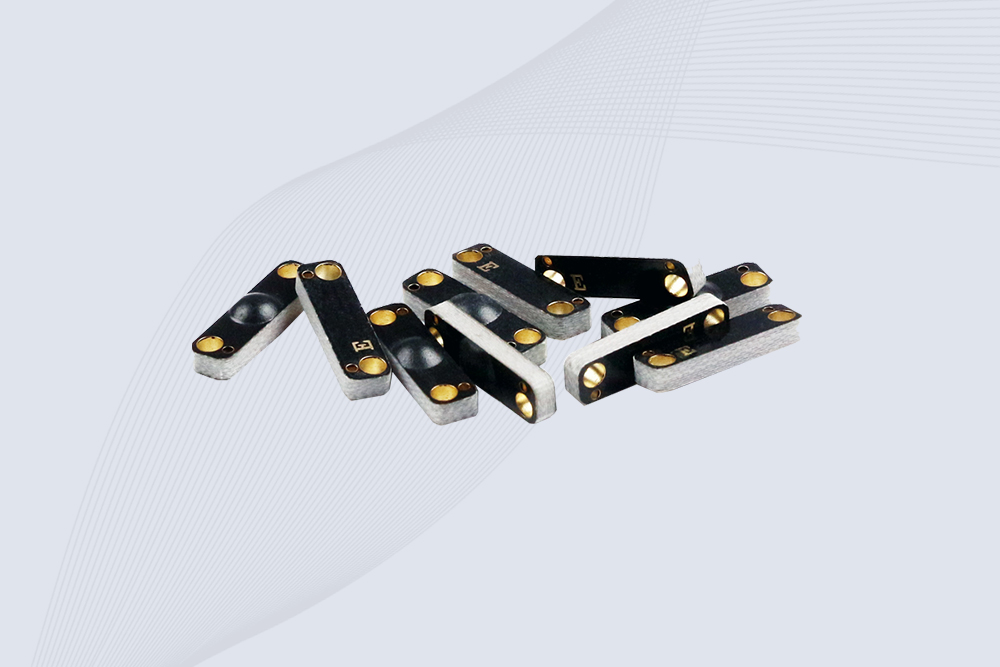
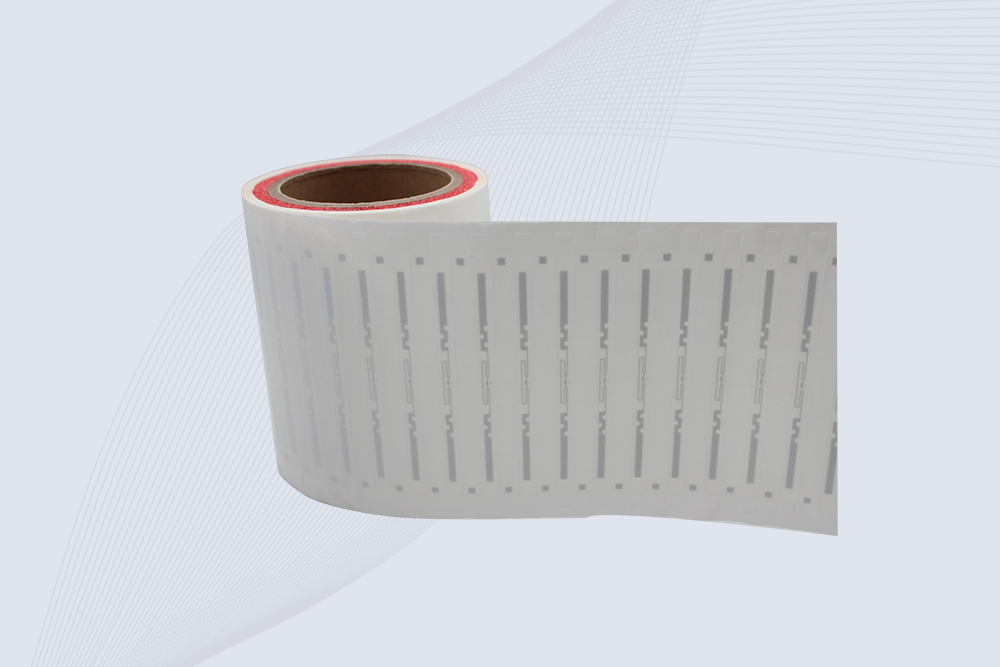
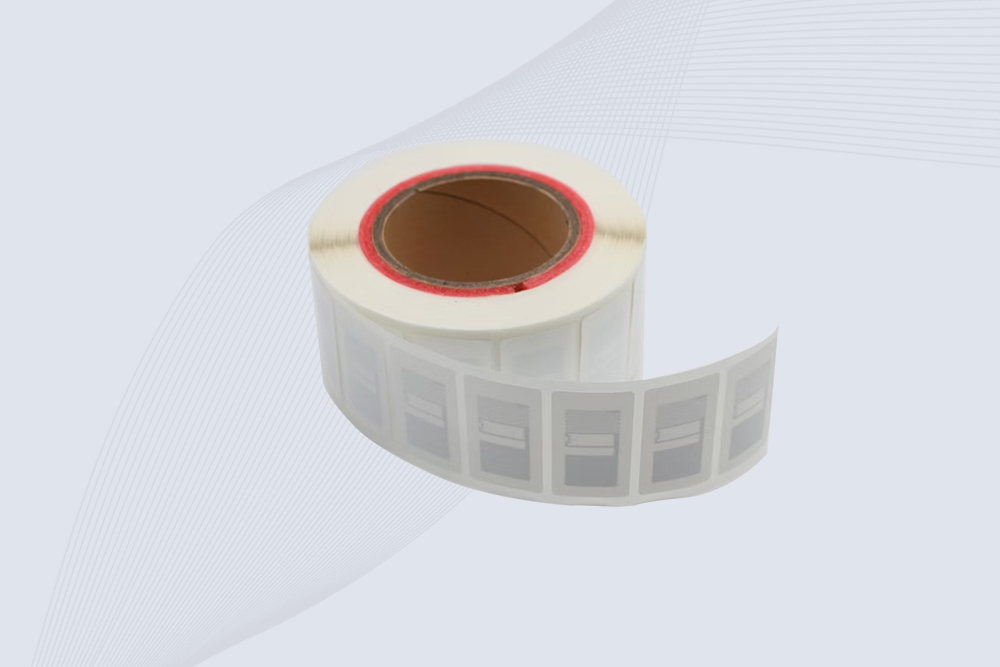
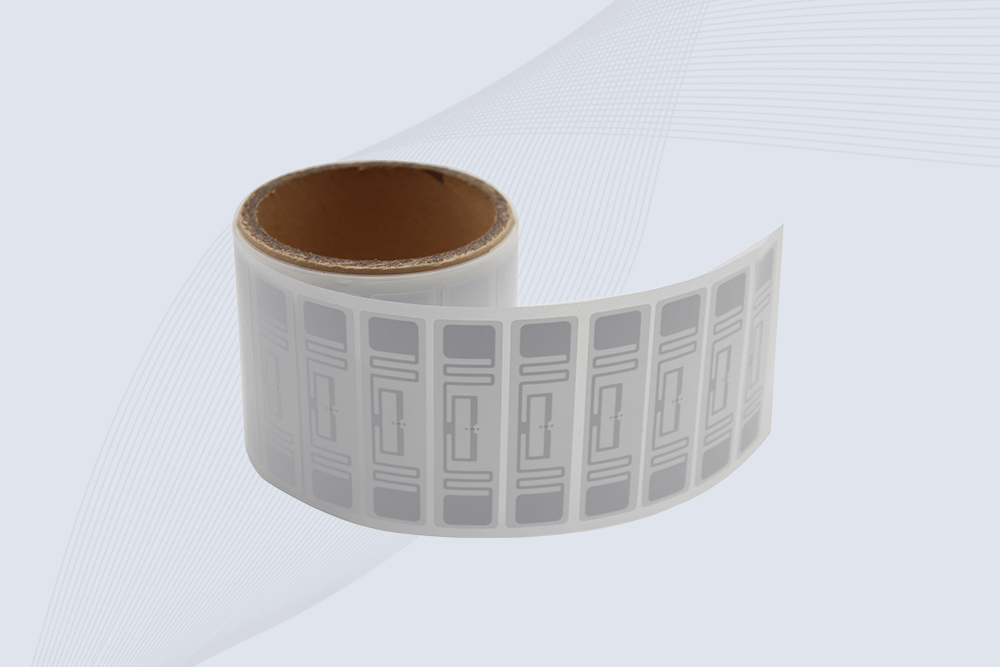
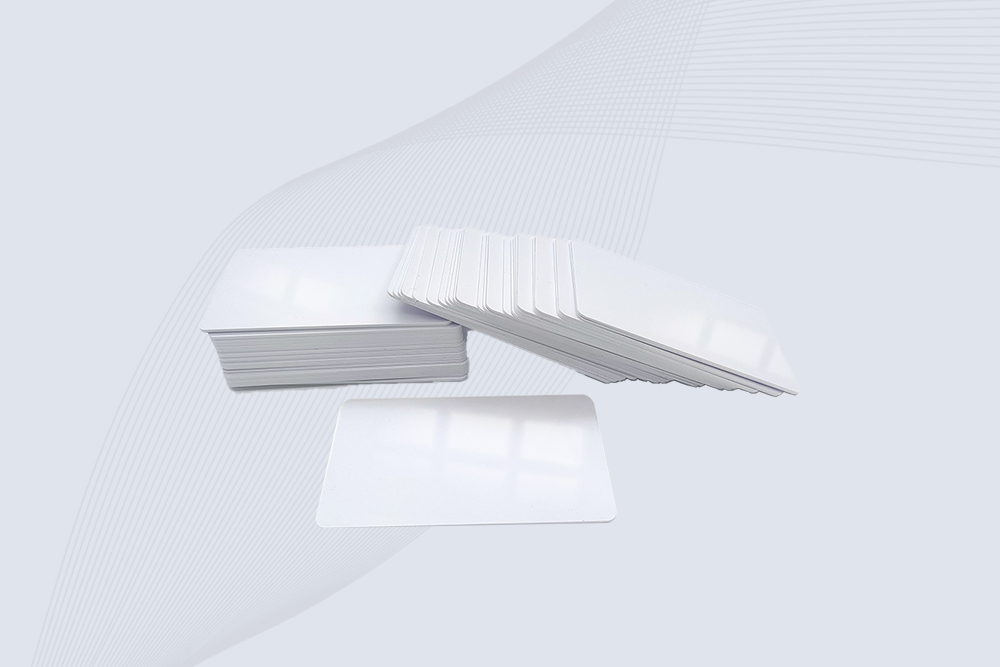
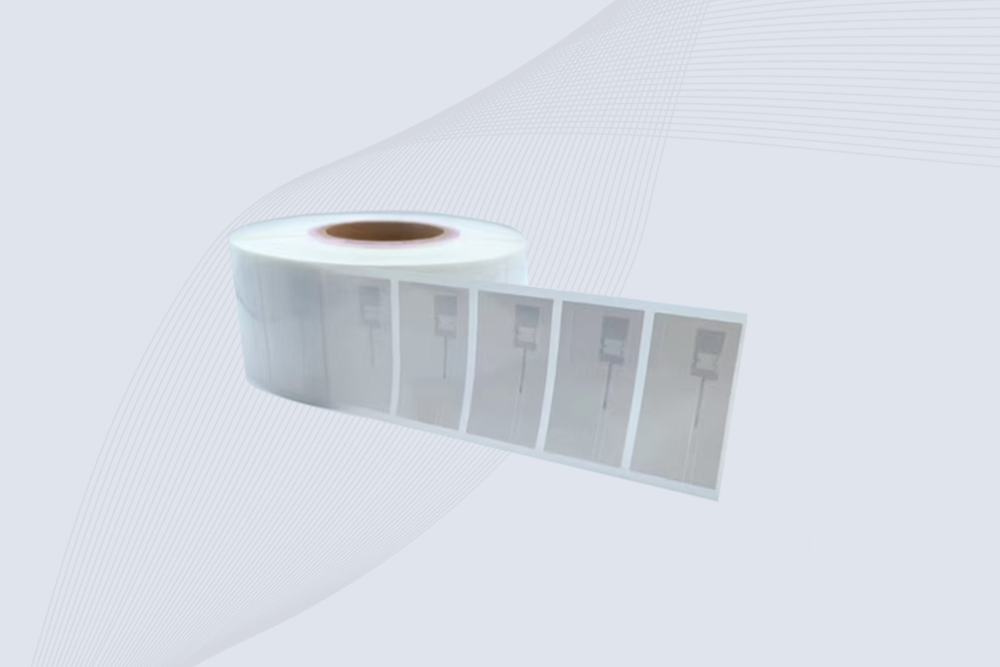
Some RFID tags look like ordinary barcode stickers. Some are hidden inside clothing labels. Others look like small plastic blocks used for industrial tracking.
This is also one reason why new customers contacting RFID suppliers often send photos asking, “Is this an RFID tag?”
In real projects, identifying an RFID tag is usually the first step before choosing readers, antennas, or an entire RFID management system.
For wholesalers, system integrators, and retailers, understanding the appearance of RFID tags helps avoid buying the wrong product for the application.
RFID Tags Do Not Have One Standard Appearance
Unlike a barcode label, RFID tags come in many different designs.
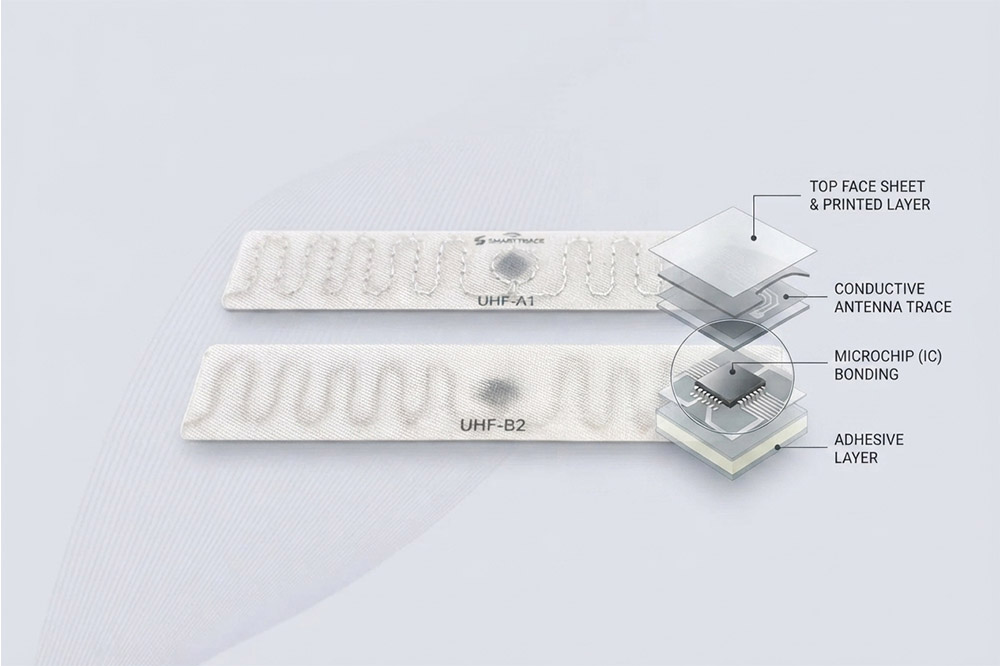
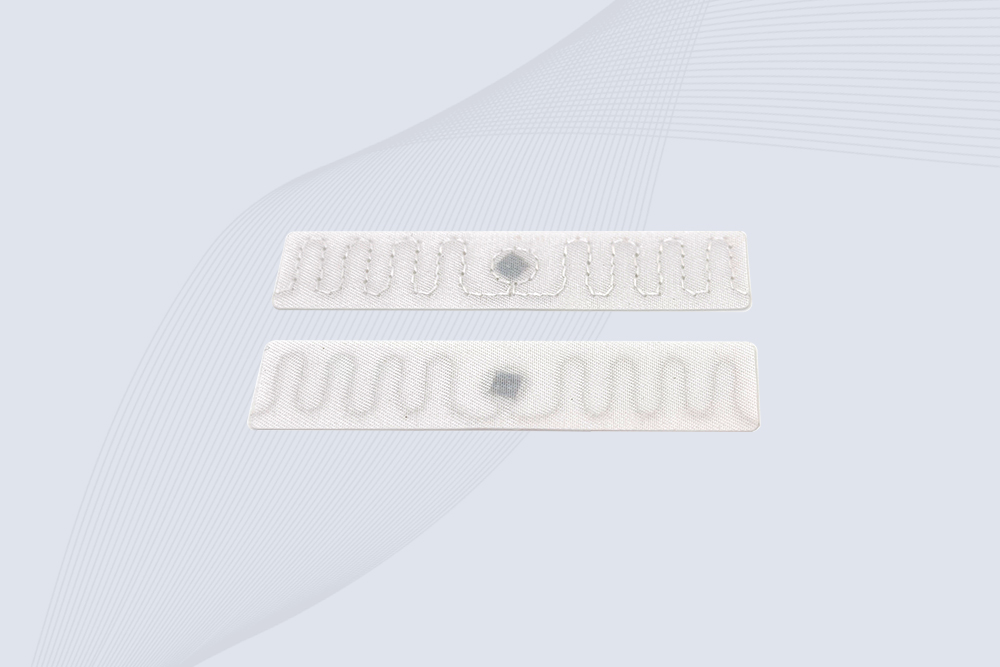
The basic RFID structure usually includes:
RFID chip
Antenna
Protective material or housing
Adhesive layer (for some labels)
The appearance depends heavily on where the tag will be used.
A clothing brand may need a thin flexible tag that can be sewn into garments.
A warehouse may need a durable tag that can survive dust, moisture, and repeated handling.
A logistics company may need a large UHF RFID tag with a longer reading distance.
So when someone asks “what does an RFID tag look like?”, the better question is usually:
“What RFID tag do you need for your application?”
Common Types of RFID Tags and Their Appearance
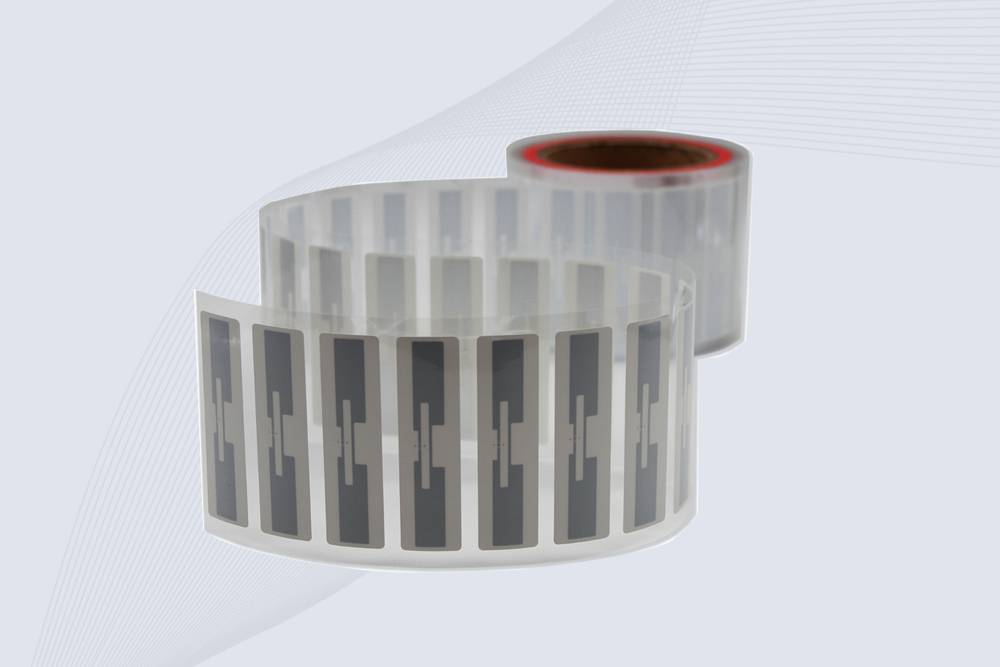
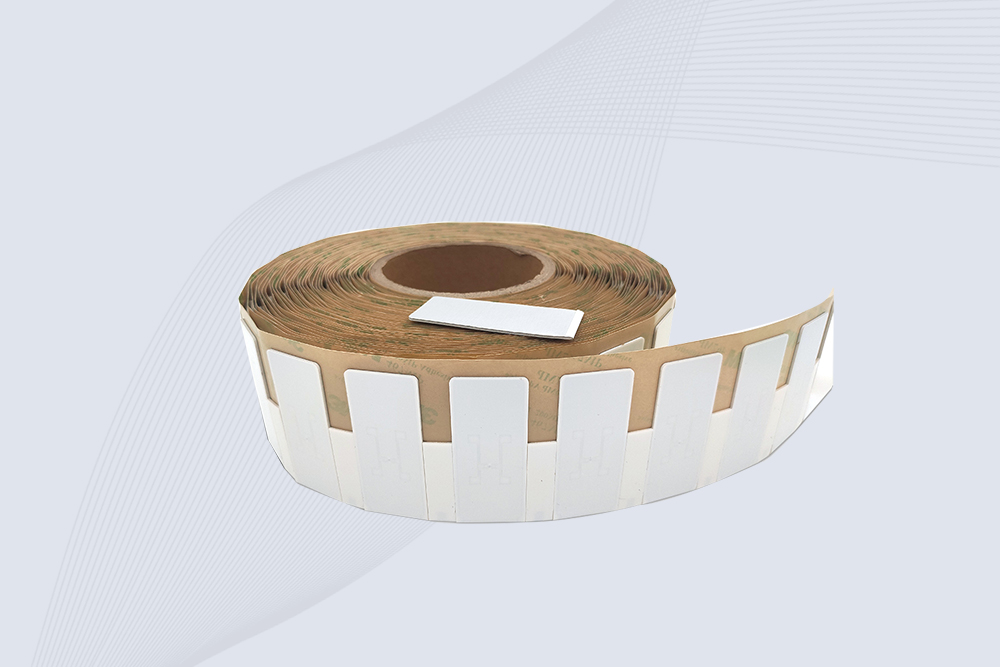
1. RFID Sticker Labels
This is probably the RFID tag most people see in daily life.
It looks similar to a normal product label.
Typical features:
Thin paper or PET surface
Printed information or logo
Adhesive backing
Small embedded RFID chip
These tags are widely used in:
Retail inventory
Warehouse management
Asset tracking
Product identification
From a distance, many RFID labels look exactly like barcode stickers. The difference is that RFID readers can identify them without direct line-of-sight scanning.
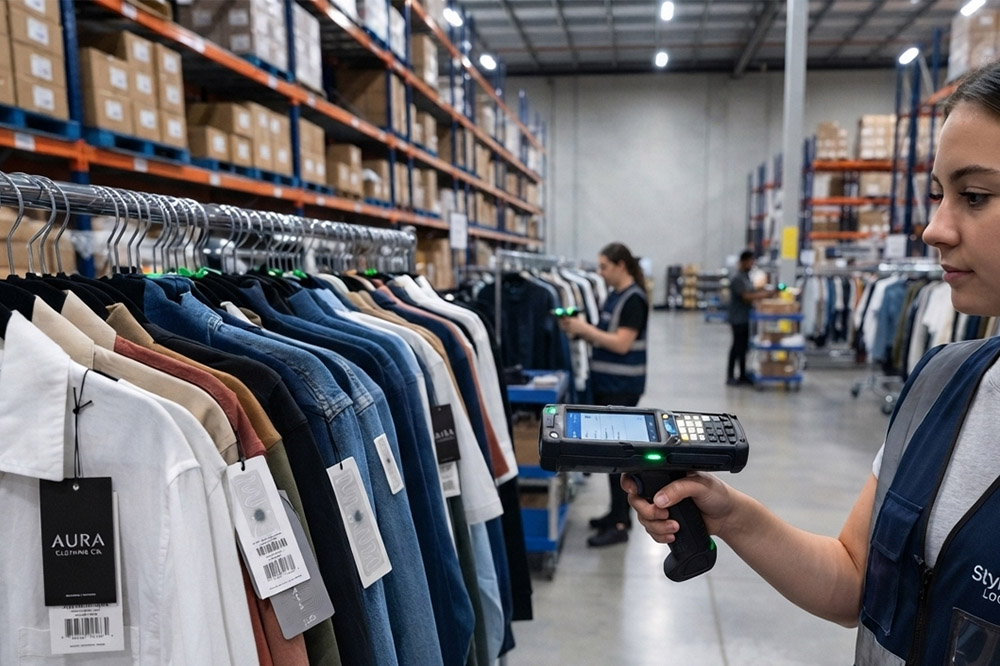
In fashion and apparel industries, RFID tags are often hidden inside clothing.
A customer may never notice them.
They can appear as:
Small fabric labels
Hang tags
Sew-in tags
Paper price tags with RFID chips inside
Many clothing manufacturers use RFID tags because inventory counting is still a major challenge.
For example, during seasonal product changes, a warehouse may need to check thousands of shirts, jackets, or shoes. Manual counting takes hours and still creates mistakes.
An RFID clothing tag allows workers to quickly identify products using handheld readers.
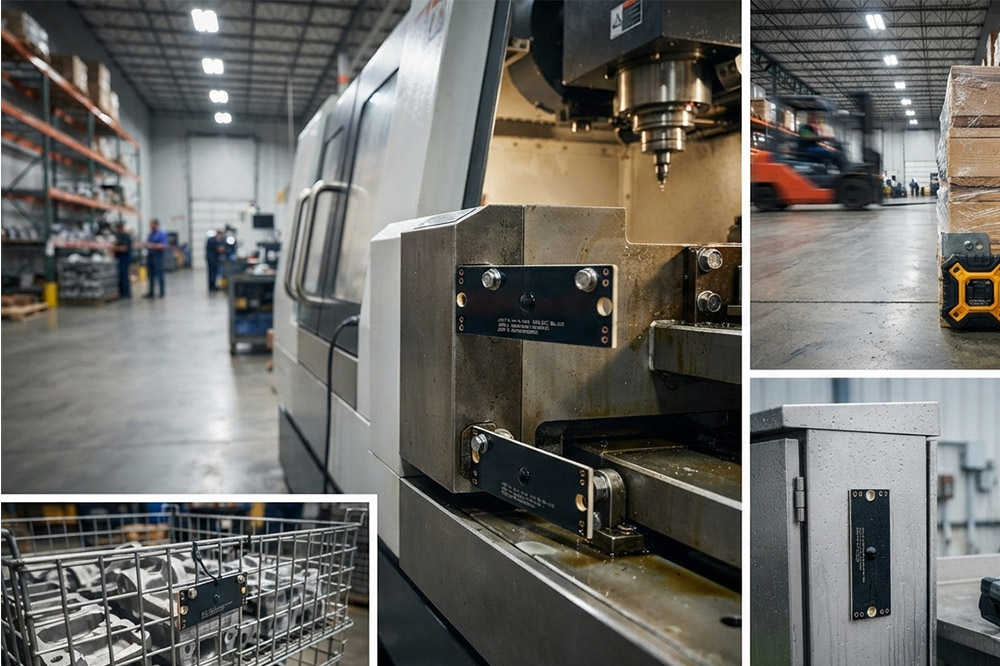
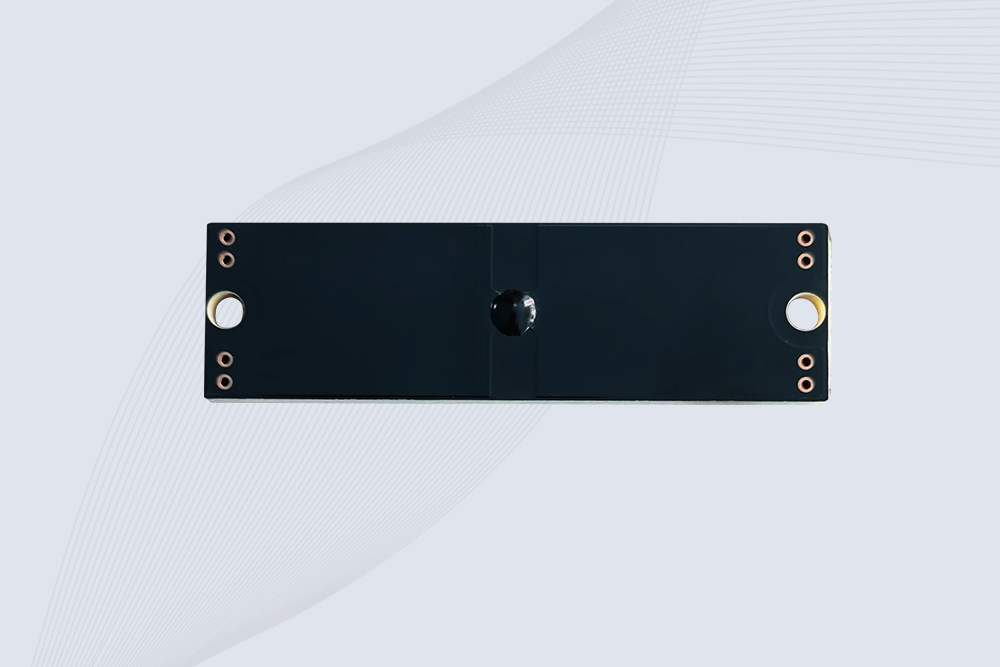
3. Hard RFID Tags
Industrial RFID tags usually look different from retail labels.
They are often:
Plastic
Thick
Waterproof
Shock resistant
Applications include:
Tool tracking
Pallet management
Equipment identification
Industrial asset tracking
A factory environment usually needs stronger protection than a retail store.
A thin sticker may work perfectly on a carton but fail quickly when attached to metal equipment.
How to Tell If Something Is RFID Tag?
Many customers try to identify RFID tags by appearance alone, but this is not always reliable.
A small sticker does not automatically mean RFID.
A printed label does not automatically mean barcode only.
Some practical ways to check include:
Look for RFID markings
Some manufacturers print:
RFID
EPC
UHF
NFC
on the tag surface.
However, many RFID tags have no visible marks.
Use an RFID Reader or Smartphone
NFC tags can often be detected by smartphones.
For UHF RFID tags, professional RFID readers are usually required.
This difference is important because many buyers confuse NFC tags and UHF RFID tags.
NFC works at short distance, usually for phones and access applications.
UHF RFID is commonly used for warehouse, retail, and logistics applications where longer reading distance is needed.
How Can You Identify an RFID Tag Correctly?
Many people first search for “what does an RFID tag look like” because they are unsure whether an object contains RFID technology.
If you want a more detailed explanation about identifying RFID tags, including testing methods and practical examples, you can read our previous guide:
For companies purchasing RFID tags in bulk, supplier experience matters.
A good RFID supplier should understand:
Retail applications
Warehouse environments
Industrial requirements
Reader compatibility
Custom production needs
The cheapest RFID tag is not always the most economical choice.
A tag that fails after installation can create much higher costs than the original purchase price.
From our experience working with RFID projects, the successful ones usually start with choosing the correct tag type instead of choosing the lowest-cost option.
Final Thoughts
RFID tags can look very different depending on their purpose.
Some are simple stickers. Some are hidden inside clothing. Some are strong industrial devices built for harsh environments.
If you are buying RFID tags for a business project, appearance is only the beginning.
The real question is whether the tag matches your product, environment, and RFID system.
Looking for customized RFID tags for retail, warehouse, or industrial applications?
Contact our RFID solution team for OEM RFID tag design, bulk pricing, and application support.
CYKEO Passive RFID Tags are made for wet and high-humidity environments where standard labels do not last. This rfid passive tag is often used around liquids, chemicals and temperature changes, providing stable reading distance and long data life for industrial tracking.
CYKEO CYKEO-PCB1504 Metal RFID Tags is a compact anti-metal UHF RFID solution built for direct mounting on metal surfaces. With stable 8-meter read range, Ucode-8 chip, and long data retention, this rfid metal tag fits tools, containers, automotive parts, and industrial asset tracking.
CYKEO CYKEO-PCB7020 On-Metal RFID Tags are designed for reliable tracking on steel and metal surfaces. Built with an FR4 epoxy body and industrial-grade chips, these On-Metal RFID Tags deliver stable performance, long data life, and chemical resistance, making them a dependable RFID anti-metal tag for harsh environments.
The CYKEO CYKEO-60-25 Anti-Metal RFID Tag is built for metal surfaces where standard tags fail. Designed for long-range performance, harsh environments, and stable data retention, this Anti-Metal RFID Tag is ideal for industrial assets, containers, and equipment tracking using on metal RFID tags.
The CYKEO RFID Laundry Tag is designed for long-term textile identification in harsh laundry environments. Built to withstand high heat, chemicals, and repeated washing, this RFID Laundry Tag delivers stable performance for hotels, hospitals, and industrial laundry operations using laundry rfid tags at scale.
The CYKEO CYKEO-125-7 RFID Book Tag is designed for reliable book and document tracking in libraries and archives. This RFID Book Tag delivers long read range, dense placement support, and stable performance on shelves, making it a practical rfid tag on books for library automation, file management, and archival systems.
CYKEO RFID tags in hospitals are designed for sterile environments where accuracy matters. These autoclavable RFID tags support long-term tracking of surgical tools, implants, and medications, helping hospitals improve visibility, compliance, and patient safety.
CYKEO RFID Cable Tie Tag is built for reliable identification on metal surfaces. This UHF RFID Cable Tie Tag is widely used in rfid tags for inventory systems, industrial asset management and Hospital RFID Tags, offering stable read performance, long service life and global EPC Gen2 compatibility.
CYKEO RFID Asset Tag is designed for stable identification of metal assets in industrial environments. This UHF RFID Asset Tag is commonly used for rfid tag asset tracking on equipment, tools and containers, providing reliable reads, long service life and ISO/IEC 18000-6C support.
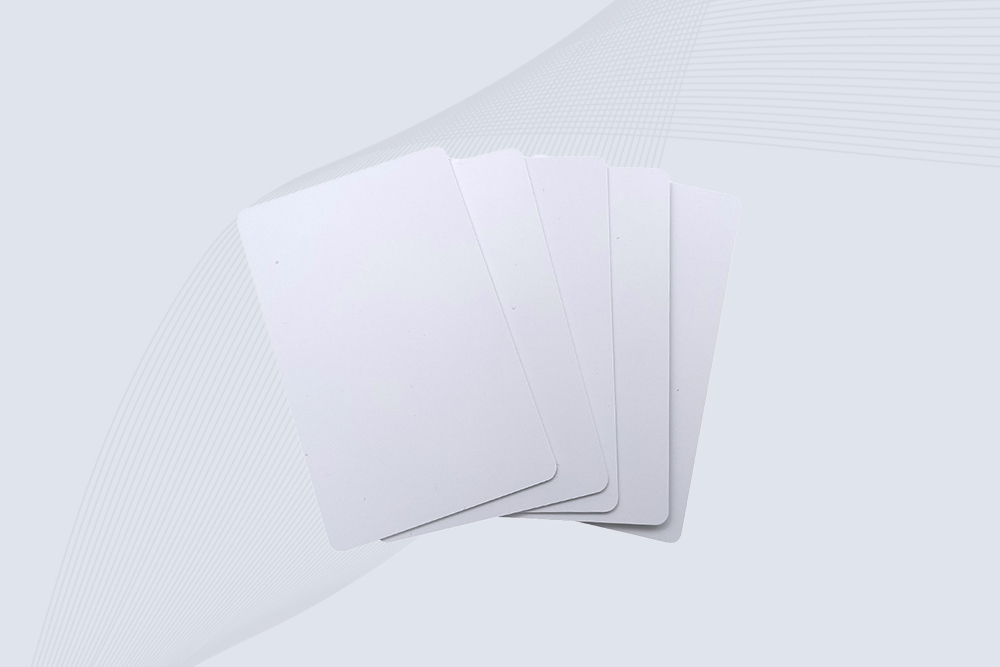
CYKEO UHF RFID Card is designed for fast identification and long-term use in industrial and commercial systems. Supporting ISO 18000-6C, this UHF RFID Card works at 860–960 MHz and is suitable for custom RFID cards used in asset tracking, access control and inventory management.
CYKEO HF RFID Cards are designed for secure and stable access control systems. These 13.56 MHz RFID key cards support ISO 14443-A, reliable rewriting and long service life, making HF RFID Cards suitable for offices, campuses, events and membership management.
CYKEO UHF RFID Tag is designed for reliable tracking of metal jewelry and high-value items. This Jewelry RFID Tag supports long-range reading up to 8 meters, anti-counterfeit protection and stable performance on metal, making it suitable for retail, inventory control and asset management.
RFID Industry Writer | IoT & Asset Tracking Analyst
James writes about RFID technology, asset tracking, and the practical challenges of digital transformation across warehousing, retail, manufacturing, and logistics.
His work focuses on how RFID is applied in real-world operations—improving inventory visibility, automating workflows, and helping businesses manage assets with greater accuracy and efficiency.
He regularly covers topics including UHF RFID, smart cabinets, RFID portals, tool tracking, warehouse automation, and industrial IoT trends..
Discover the essential features of industrial RFID handheld readers for optimal performance. Learn about durability, read range, battery life, and Cykeo’s rugged solutions.
If you’re a developer working on retail setups, warehouse automation, or any IoT project, you know hardware can be a pain to work with. The CK-DP11D UHF RFID Checkout Kiosk changes that. It’s designed to play nice with your code, with APIs, SDKs, ...
With the continuous development of technology, RFID (Radio Frequency Identification) is gradually making its way into the agricultural sector. This article explores how RFID technology is being applied in smart agriculture to achieve precise crop ...
Looking for a reliable RFID antenna manufacturer? Learn what distributors, system integrators, and OEM companies should consider when choosing an RFID antenna supplier for bulk projects.
 Cykeo RFID IoT Solution Products R&D Manufacturer