 Cykeo RFID IoT Solution Products R&D Manufacturer
RFID Multiple Tag Reading: Hitting 200+ Tags/Min in Real Warehouses
511RFID multiple tag reading tested: Discover real-world speeds, interference solutions, and how Cykeo users scan pallets in seconds. No hype - just warehouse results.
MoreAll RFID Product
A RFID label is a printable identification label that combines an RFID chip and antenna with a paper or synthetic label material. It allows products, cartons, or assets to be identified wirelessly while retaining human-readable information such as product names, numbers, or barcodes.
That distinction matters in real deployments. An RFID label is not simply a barcode with radio communication added. Inside the label is an RFID inlay containing the chip and antenna; the outer material provides the surface for printing and attachment.
At Cykeo, when we evaluate RFID labels for an application, we look at the item being tagged first, not just the reader specification. A label that performs well on corrugated cartons may behave very differently when moved onto a metal tool, liquid-filled container, or densely packed product.
That is one of the details that tends to get missed during procurement.
A typical RFID label contains three functional layers:
| Component | Primary Function |
|---|---|
| RFID chip | Stores identification and other encoded data |
| RFID Antenna | Receives reader energy and communicates with the reader |
| Label substrate | Holds the inlay and provides a printable surface |
For a passive RFID label, the tag does not need a battery. The reader supplies the RF energy needed for communication.
GS1 describes RFID as a family of technologies in which information is stored in a microelectronic chip and communicated with dedicated readers using radio-frequency waves or fields. GS1’s current standards repository lists EPC Gen2 as the UHF RFID air-interface standard and the current version as 3.0.1, modified February 26, 2026.
That makes RFID labels particularly useful when a business needs to identify large numbers of physical objects without manually scanning every printed code.
The answer depends on the RFID chip and how the system is configured.
In an EPC-based deployment, an RFID label can carry an Electronic Product Code associated with a unique physical object. GS1 explains that EPC provides a way to encode GS1 identifiers on RAIN RFID tags and can add serialization to identifiers such as GTINs.
Typical information associated with an RFID label includes:
The label does not necessarily need to contain every piece of product information. In many systems, the RFID tag provides the identifier while the business database holds the detailed record.
UHF RFID labels are common in logistics, warehousing, retail, and supply-chain applications because they can support identification of multiple tagged objects within a reading zone.
GS1’s EPC/RFID specifications identify UHF EPC/RFID as operating in the 860–960 MHz range, while the specific regulatory operating band depends on the region.
For a warehouse carton, a conventional UHF RFID label may be sufficient.
For metal assets, however, a standard paper label is often not the right choice. A specialized on-metal RFID label may be required because the mounting surface changes antenna behavior.
| Type | Typical Environment | Main Consideration |
|---|---|---|
| Paper RFID label | Cartons, products, packaging | Low-cost labeling |
| Synthetic RFID label | More demanding environments | Improved material durability |
| On-metal RFID label | Metal equipment and tools | Designed for metal surfaces |
| Hard RFID tag | Industrial assets | Mechanical protection |
The physical format should follow the application. It is tempting to standardize on one label across an entire operation, but that can create unnecessary read-performance problems later.

RFID labels are useful wherever physical products need to be identified as they move through a process.
Common applications include:
GS1’s traceability guidance specifically describes EPC/RFID tags being used for serialized identification and notes that fixed readers and handheld devices can be combined to capture important tracking events.
That combination is important. A label on its own does not create traceability. The reader, software, business identifier, and capture points all have to work together.
The practical advantage becomes clearer when looking at a busy receiving area.
A barcode requires the operator or scanning equipment to optically capture the printed symbol. RFID can identify tagged objects through radio communication, potentially allowing several tags to be captured in one reading operation.
Research from Auburn University’s RFID Lab illustrates why that capability matters. A field experiment involving 13 retail stores over 23 weeks found that RFID-enabled automatic inventory-record adjustment reduced inventory record inaccuracy by about 26%. The researchers also conducted a larger second study involving 62 stores and five product categories.
That result should not be interpreted as a guaranteed 26% improvement for every RFID installation. Product category, process design, reader placement, tag performance, and operational discipline all matter.
The more useful lesson is that RFID labels can become part of a measurable inventory-control process rather than functioning merely as another identification sticker.
Before ordering a large quantity, I recommend testing actual samples against the actual products.
Check:
The last three are frequently overlooked. In an actual warehouse, labels are bent, covered, stacked, exposed to dust, and sometimes placed at inconsistent orientations.
That is where a specification sheet stops being enough.
An RFID label and a barcode label can look similar on the outside, but they operate differently.
A barcode stores information visually and normally requires a scanner to see the printed code. An RFID label stores information electronically in its RFID chip and communicates wirelessly with an RFID reader.
| Feature | RFID Label | Barcode Label |
|---|---|---|
| Reading method | Radio frequency | Optical scanning |
| Line of sight | Not necessarily required | Generally required |
| Multiple-item reading | Possible | Usually one code at a time |
| Data storage | RFID chip memory | Printed symbol |
| Rewritable | Depending on chip | No |
| Human-readable printing | Yes | Yes |
| Typical application | Automated identification | Conventional identification |
This does not mean RFID labels automatically replace barcodes. In many deployments, the two are printed together.
That combination is useful. The RFID component supports automated machine reading, while the barcode gives employees a familiar visual reference during exception handling.
The correct RFID label depends heavily on the object receiving it.
A few practical examples:
Cardboard carton:
A standard passive UHF RFID label is often suitable because cardboard has relatively little influence on UHF tag performance.
Plastic container:
Testing is still important because container geometry and contents can affect the RF environment.
Metal tool:
A conventional paper RFID label may perform poorly when directly attached to metal. An on-metal RFID label designed with an appropriate structure is usually a better starting point.
Liquid-filled container:
The liquid content can affect UHF RFID performance, so the tag should be tested on the actual container rather than evaluated separately.
At Cykeo, I prefer testing the complete combination—tag + product + reader + antenna + software workflow—before recommending a production quantity. It takes longer at the beginning, but it avoids the expensive situation where thousands of labels have already been printed and the reading process then needs to be redesigned.
There is no single reading distance that applies to every RFID label.
Actual performance depends on:
For UHF systems, GS1 specifies the EPC Gen2 air interface within the 860–960 MHz frequency range, but a deployment does not simply operate at one universal frequency worldwide. Regional spectrum rules determine the permitted operating channels and power conditions.
This is why I would not select an RFID label based solely on a supplier’s advertised maximum distance.
A controlled three-meter reading zone can be much more useful than an uncontrolled ten-meter zone if the business needs to know exactly when a pallet enters a specific area.
An RFID label is only one part of an RFID system.
A typical deployment contains:
RFID label → RFID reader → antenna → communication interface → application software → business database
Each layer has a different job.
The label identifies the object.
The reader communicates with the label.
The antenna shapes the RF interaction.
The software interprets the captured information.
The business system turns the event into an inventory, shipment, asset, or production record.
That last step is where many projects become complicated.
A warehouse can capture thousands of EPC values every hour, but those readings have little operational value if the software cannot distinguish receiving, storage, picking, and shipping events.

RFID labels can provide several operational advantages when the application is properly designed:
The important qualification is “when properly designed.”
RFID does not remove the need for process engineering. A poorly positioned antenna, unsuitable tag, excessive read zone, or badly configured software can create just as many operational problems as it solves.
That is why field testing matters.
A RFID label is used to identify and track products, cartons, assets, and other physical objects wirelessly. It is commonly used in inventory management, logistics, manufacturing, retail, libraries, and supply-chain operations.
A passive RFID label receives RF energy from a compatible reader and uses that energy to communicate information stored in its RFID chip. The reader captures the tag data and sends it to connected software.
No. A barcode stores information in a visual printed pattern, while an RFID label contains an electronic RFID inlay. RFID can support wireless and multi-tag identification, while barcode scanning normally requires optical access to the printed code.
Yes. Many RFID labels have a printable surface that can contain product names, serial numbers, barcodes, logos, or other human-readable information while the embedded RFID inlay provides wireless identification.
Some can, but a standard RFID label should not automatically be assumed to work well directly on metal. Specialized on-metal RFID labels are designed for these applications and should be tested on the actual asset.
It depends on the label construction and application. Some RFID chips can be rewritten, but adhesive labels are generally designed around the lifecycle of the item or packaging to which they are attached.
When testing a new RFID label, I would not begin with a theoretical maximum range.
I start with the actual object.
Place the label where it will really be attached. Put several tagged objects into the same carton or shelf configuration. Introduce the reader and antenna that will actually be installed. Then repeat the test while changing orientation, distance, tag density, and movement speed.
This reveals problems that a bench test can hide.
For example, a label may read perfectly when placed flat and centered. Turn the carton ninety degrees, add ten more cartons, move them through the reading zone, and the result can change. That is not necessarily a defective label. It is information about the RF environment.
This is also why Cykeo treats RFID labels as part of the complete identification system rather than as an isolated consumable.
What is a RFID label? It is a printable RFID identification medium that combines an RFID inlay with a label substrate, allowing physical objects to carry both visible information and electronically readable identity.
For straightforward cardboard packaging, a conventional UHF RFID label may be enough. Metal, liquids, harsh environments, or specialized asset tracking require more careful tag selection and testing.
The useful question is therefore not simply which RFID label has the longest advertised range. It is which label remains readable, writable when required, physically suitable, and operationally useful throughout the actual workflow.
That distinction is where successful RFID implementation begins.
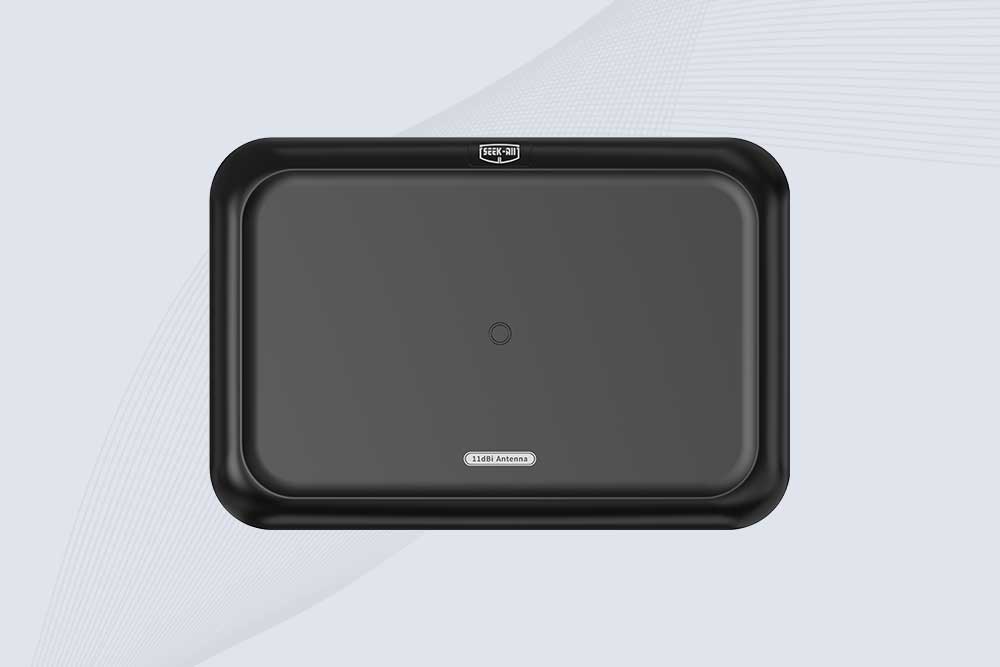
SSD-A11 UHF RFID antenna features 840–960 MHz adjustable frequency, ≥10.5 dBi gain, circular polarization and 50Ω impedance for fixed RFID systems.
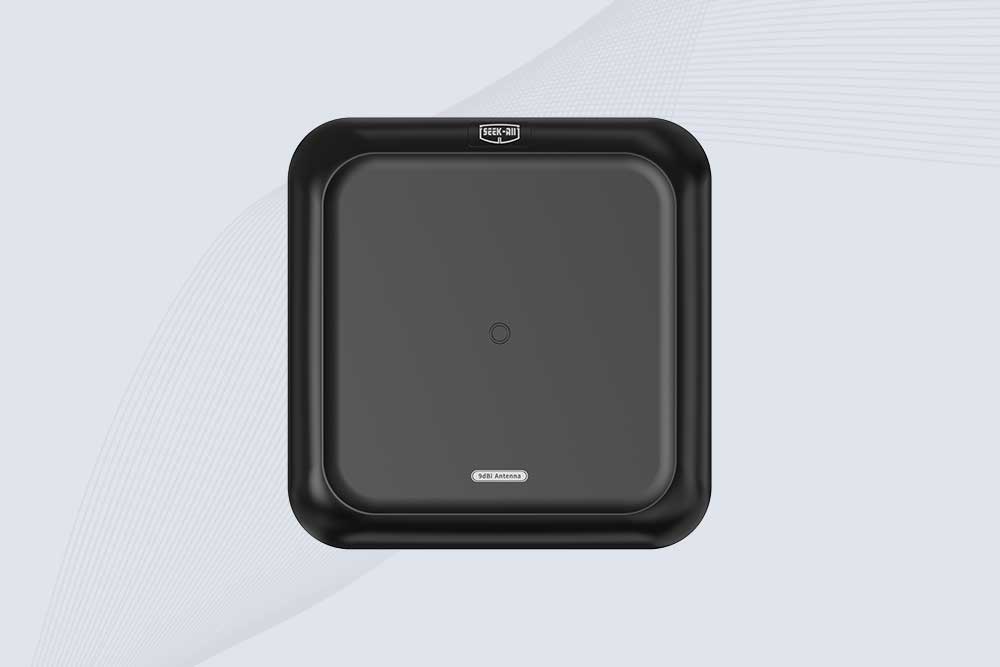
SSD-A09 is a 9 dBi UHF RFID antenna with 840–960 MHz adjustable frequency, circular polarization, 50Ω impedance and directional 60° × 60° coverage.
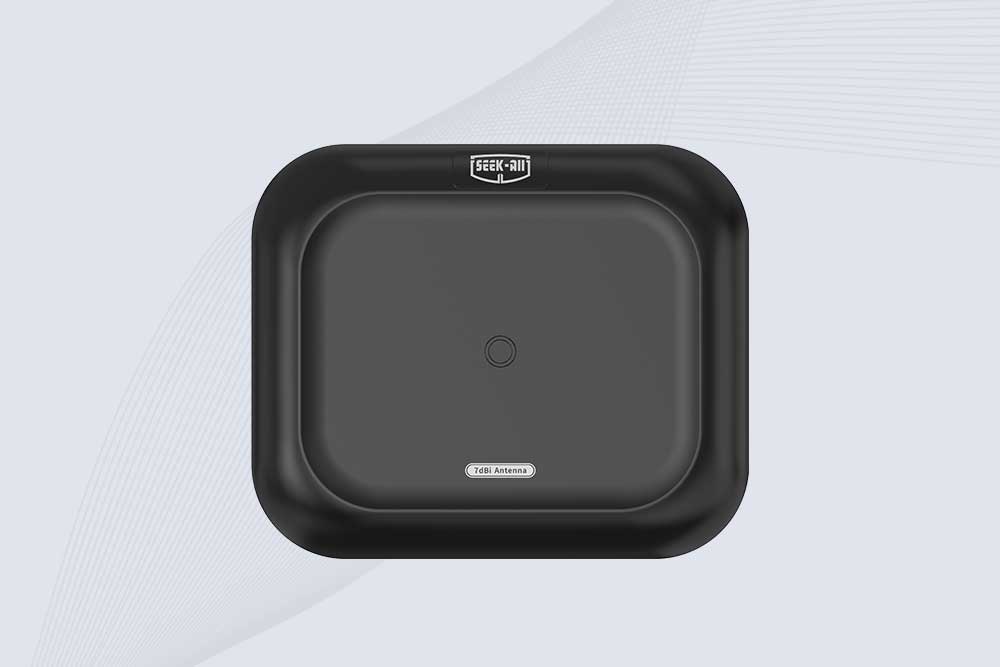
Explore the SSD-A07 UHF RFID antenna with 7 dBi gain, circular polarization, adjustable 840–960 MHz frequency, and 60°/75° beamwidth for stable RFID read/write performance.

SSD-A06 UHF RFID antenna with circular polarization, adjustable 840–960 MHz frequency, ≥4.5 dBi gain, and a compact directional design for RFID systems.
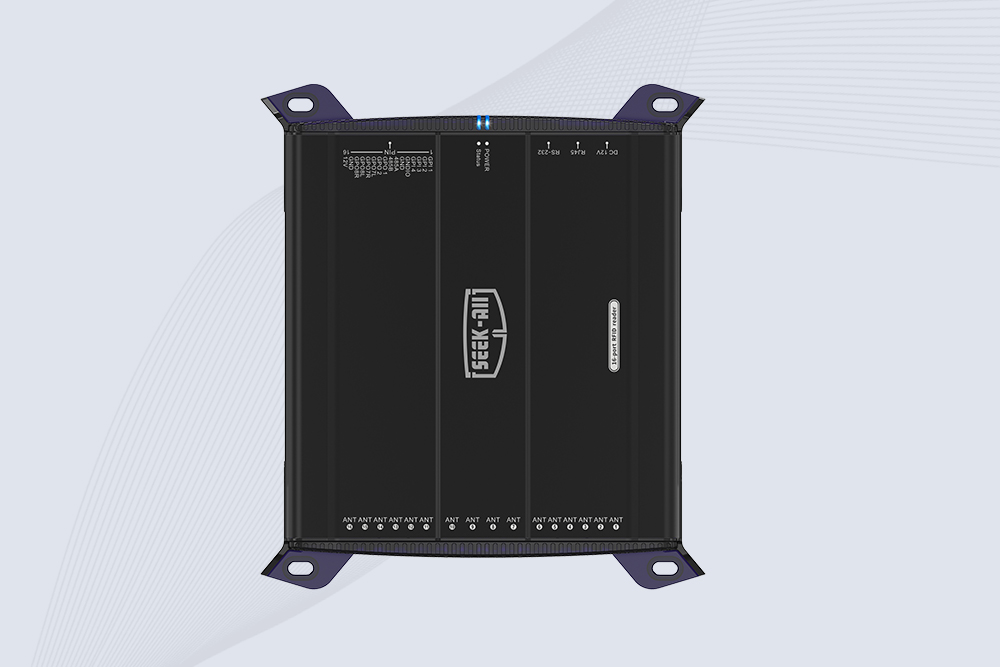
SSD-R16L Multi-Channel RFID Infrastructure for Automated Inventory Management ✔️ 16-Port High-Density RFID Reading Equipped with 16 SMA antenna ports, SSD-R16L supports multi-antenna deployment for warehouses, retail stores, logistics, production lines, and large-area RFID identification. ✔️ High-Speed & Long-Range Performance With up to 33…
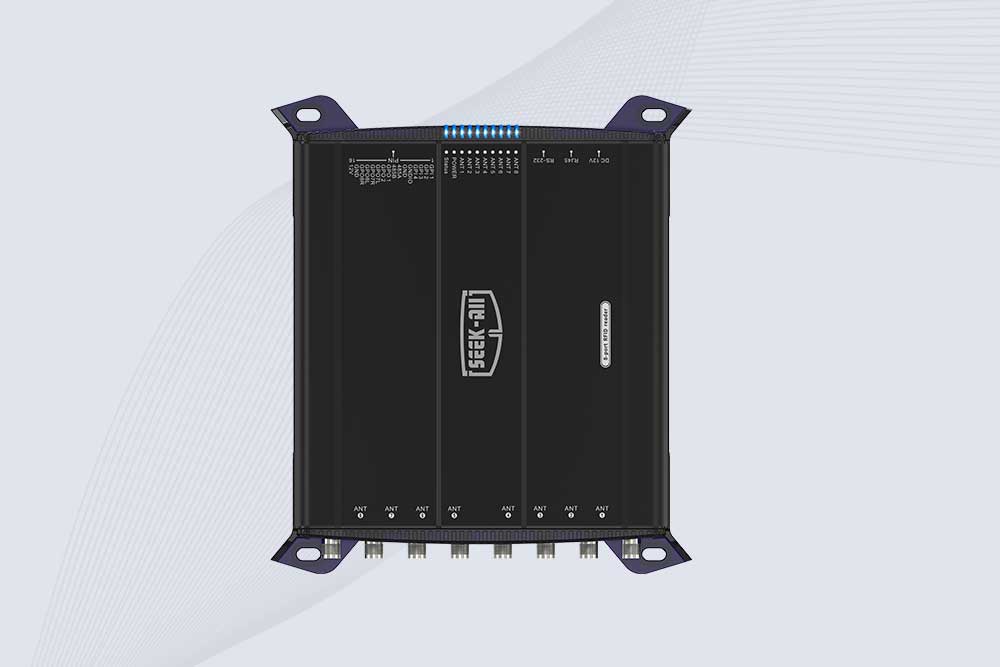
SSD-R8L 8-port UHF RFID reader with 33dBm output, up to 20m reading range and 600+ tags/s recognition. Ideal for warehouse, logistics, retail and asset tracking.
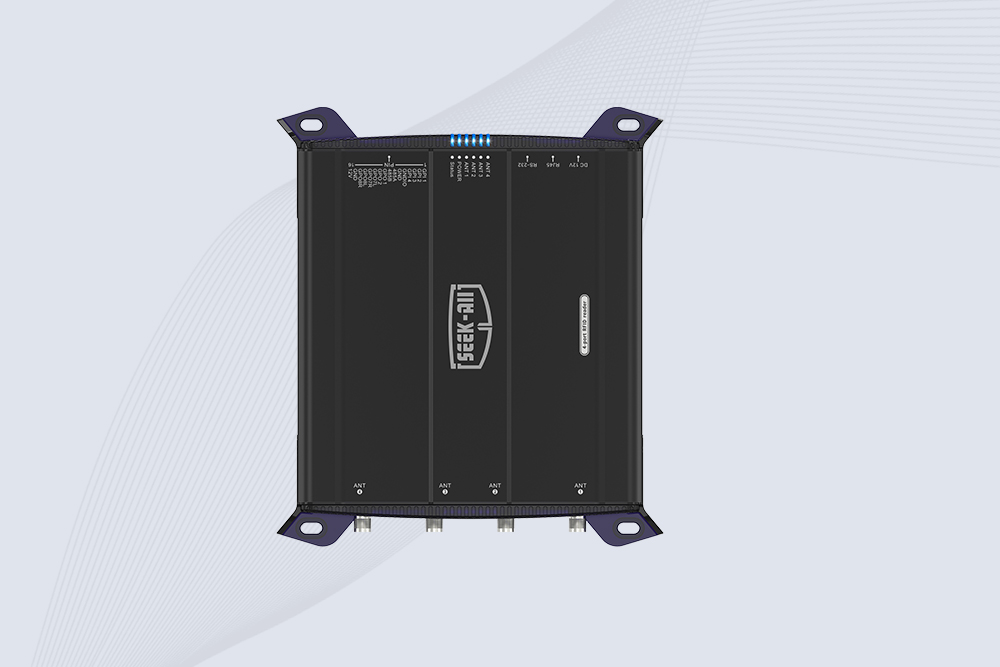
SSD-R4L is a 4-port UHF RFID fixed reader with 33dBm output power, up to 20m reading range, EPC C1G2 support and 600+ tags/s reading speed.
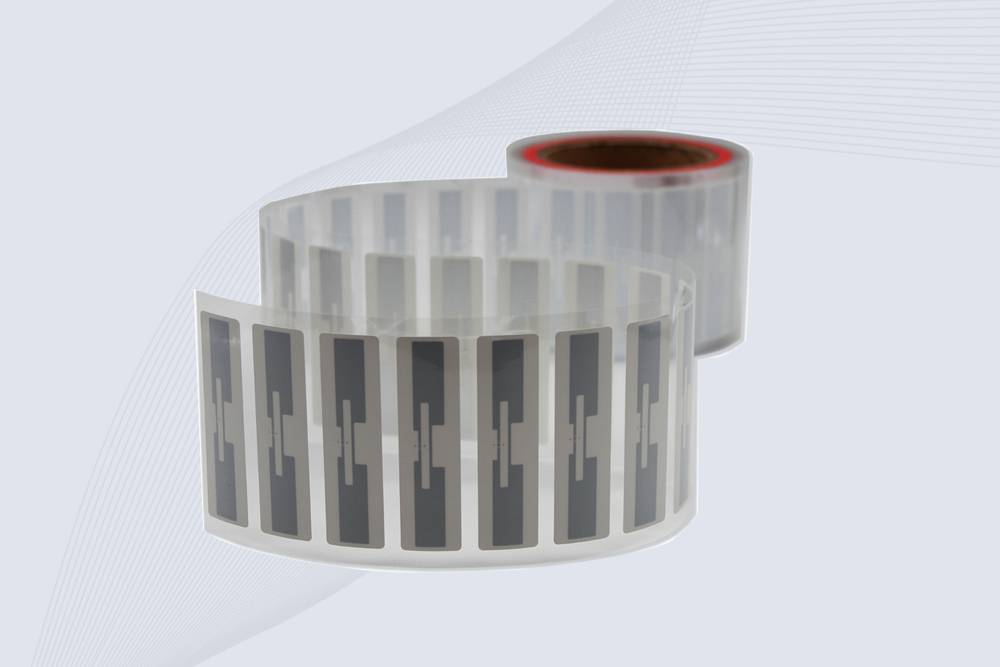
CYKEO Passive RFID Tags are made for wet and high-humidity environments where standard labels do not last. This rfid passive tag is often used around liquids, chemicals and temperature changes, providing stable reading distance and long data life for industrial tracking.
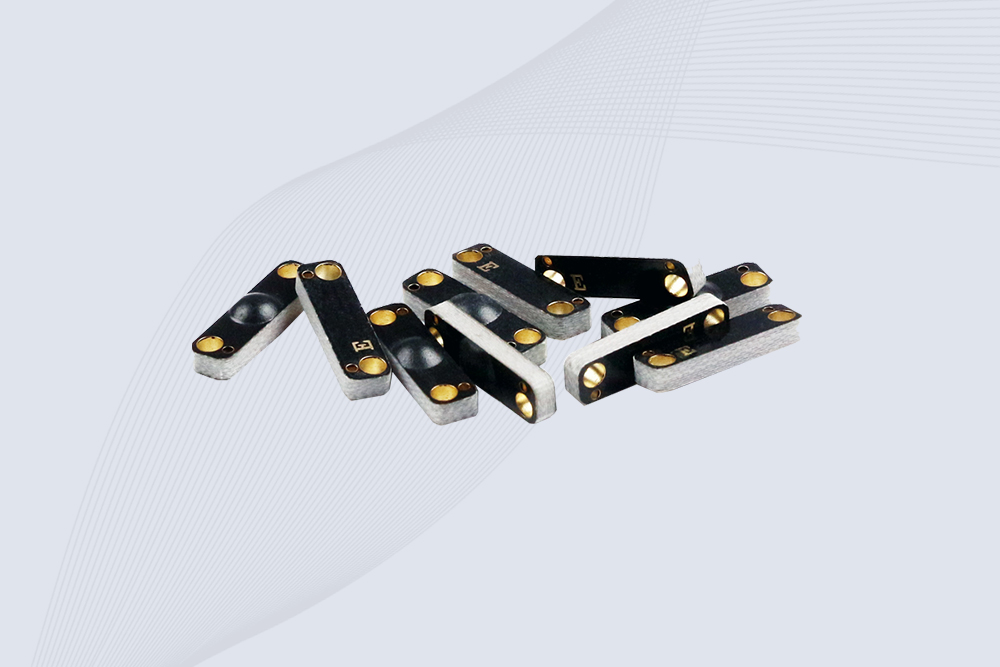
CYKEO CYKEO-PCB1504 Metal RFID Tags is a compact anti-metal UHF RFID solution built for direct mounting on metal surfaces. With stable 8-meter read range, Ucode-8 chip, and long data retention, this rfid metal tag fits tools, containers, automotive parts, and industrial asset tracking.
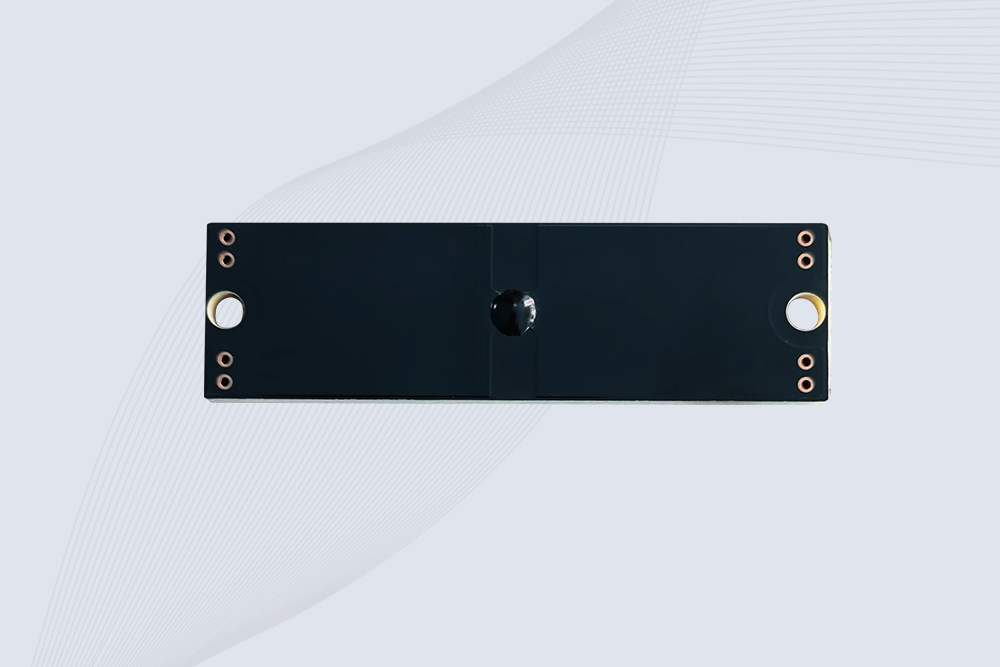
CYKEO CYKEO-PCB7020 On-Metal RFID Tags are designed for reliable tracking on steel and metal surfaces. Built with an FR4 epoxy body and industrial-grade chips, these On-Metal RFID Tags deliver stable performance, long data life, and chemical resistance, making them a dependable RFID anti-metal tag for harsh environments.
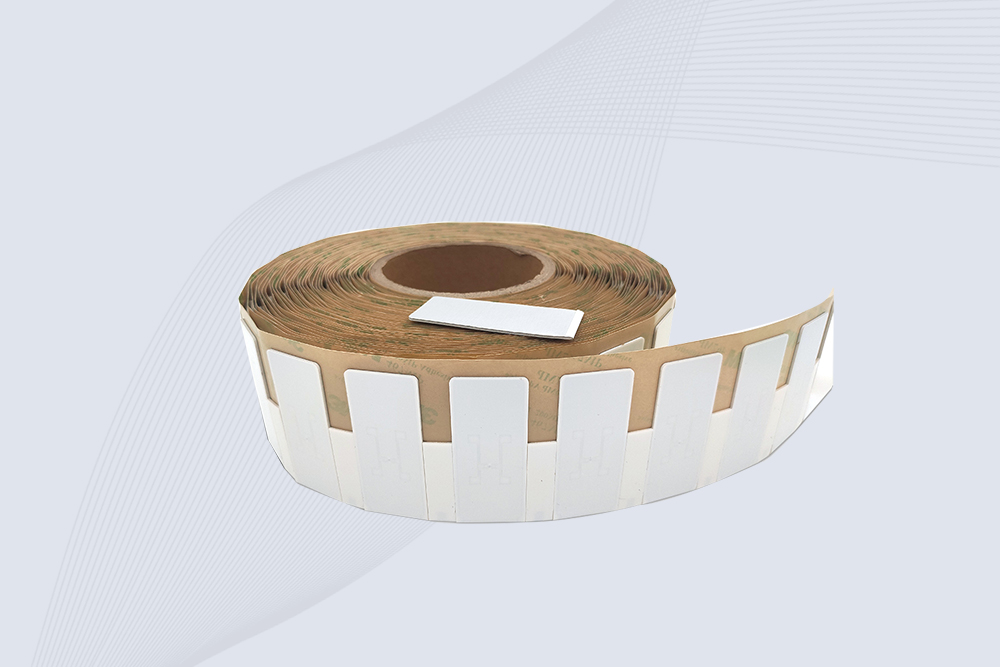
The CYKEO CYKEO-60-25 Anti-Metal RFID Tag is built for metal surfaces where standard tags fail. Designed for long-range performance, harsh environments, and stable data retention, this Anti-Metal RFID Tag is ideal for industrial assets, containers, and equipment tracking using on metal RFID tags.
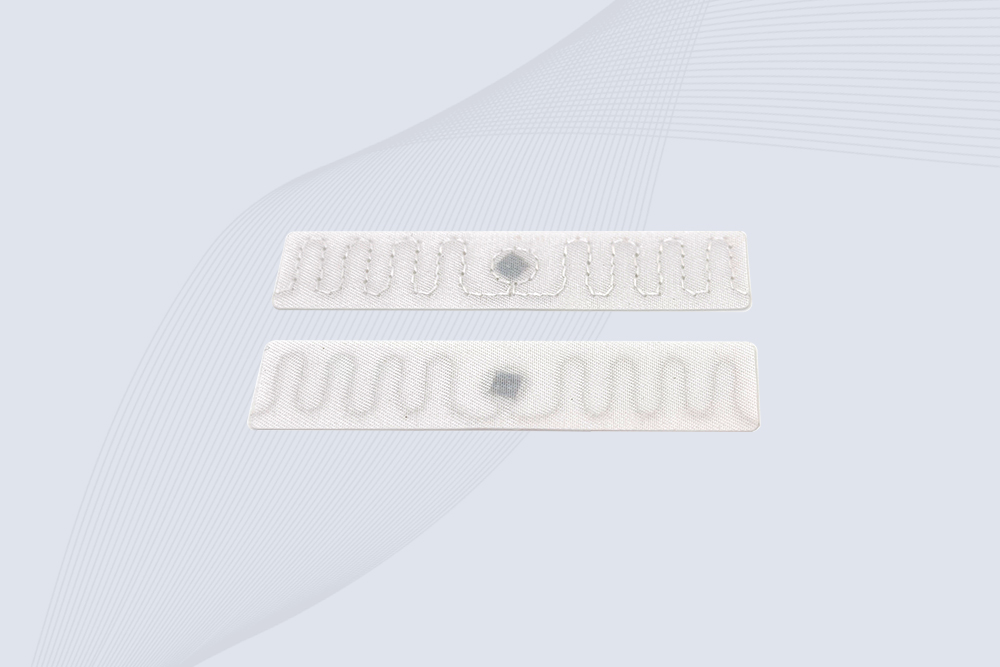
The CYKEO RFID Laundry Tag is designed for long-term textile identification in harsh laundry environments. Built to withstand high heat, chemicals, and repeated washing, this RFID Laundry Tag delivers stable performance for hotels, hospitals, and industrial laundry operations using laundry rfid tags at scale.
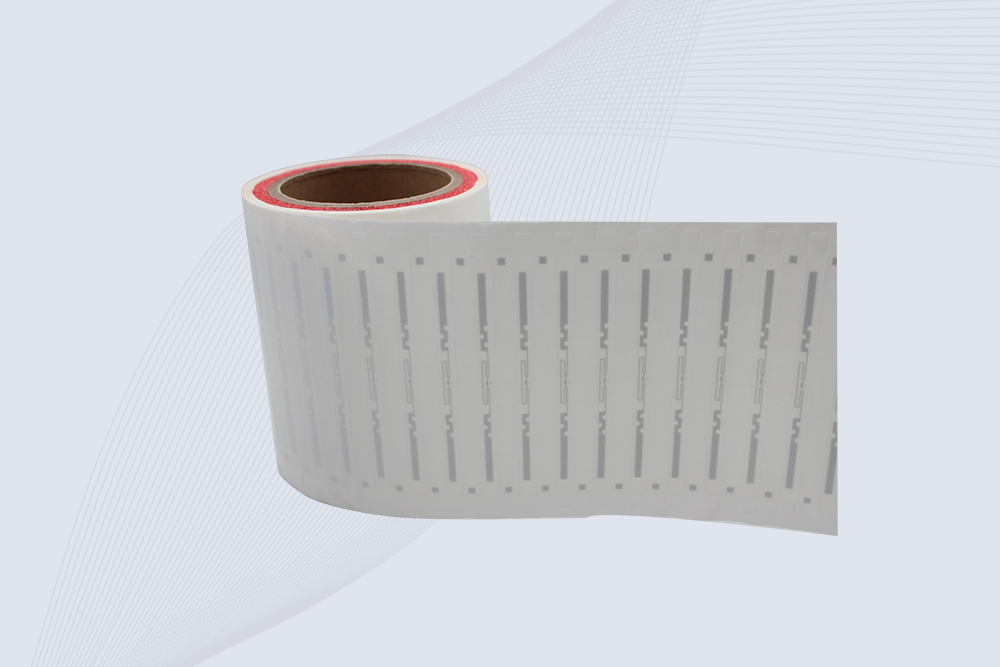
The CYKEO CYKEO-125-7 RFID Book Tag is designed for reliable book and document tracking in libraries and archives. This RFID Book Tag delivers long read range, dense placement support, and stable performance on shelves, making it a practical rfid tag on books for library automation, file management, and archival systems.
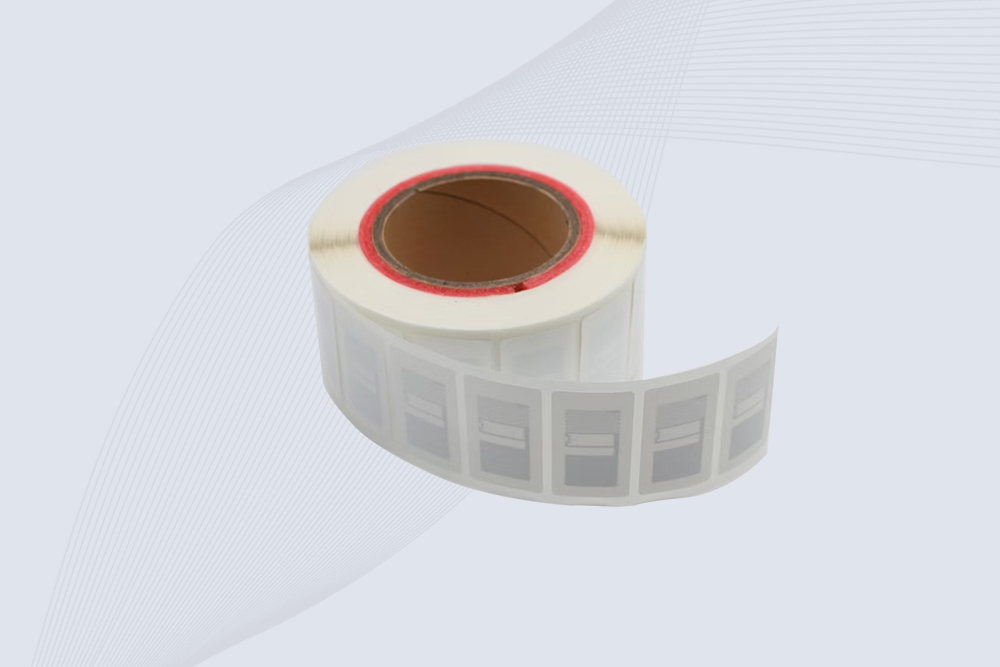
CYKEO RFID tags in hospitals are designed for sterile environments where accuracy matters. These autoclavable RFID tags support long-term tracking of surgical tools, implants, and medications, helping hospitals improve visibility, compliance, and patient safety.

CYKEO RFID Cable Tie Tag is built for reliable identification on metal surfaces. This UHF RFID Cable Tie Tag is widely used in rfid tags for inventory systems, industrial asset management and Hospital RFID Tags, offering stable read performance, long service life and global EPC Gen2 compatibility.
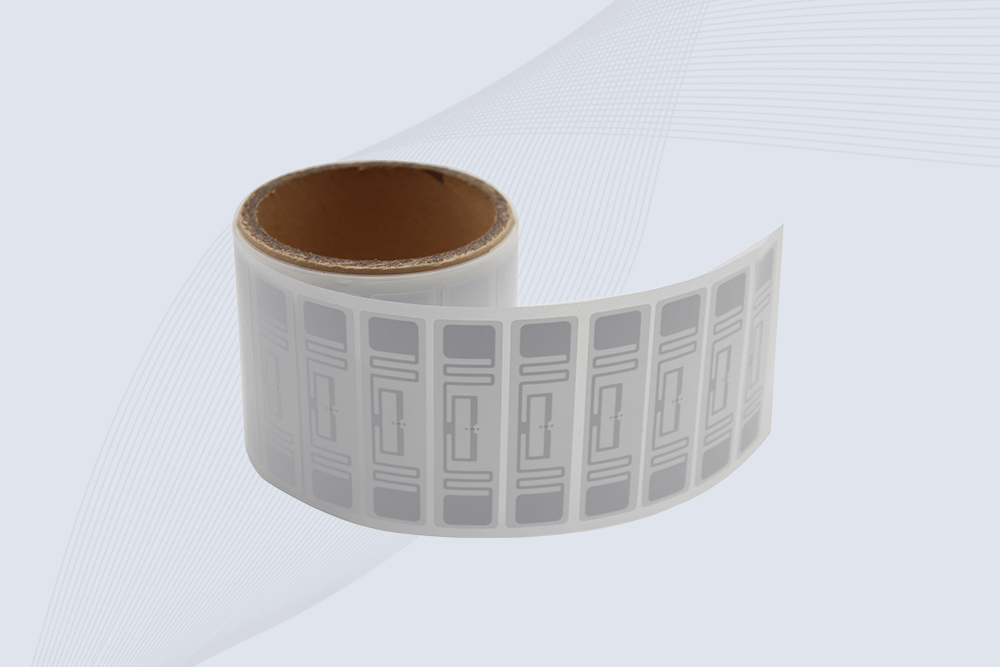
CYKEO RFID Asset Tag is designed for stable identification of metal assets in industrial environments. This UHF RFID Asset Tag is commonly used for rfid tag asset tracking on equipment, tools and containers, providing reliable reads, long service life and ISO/IEC 18000-6C support.
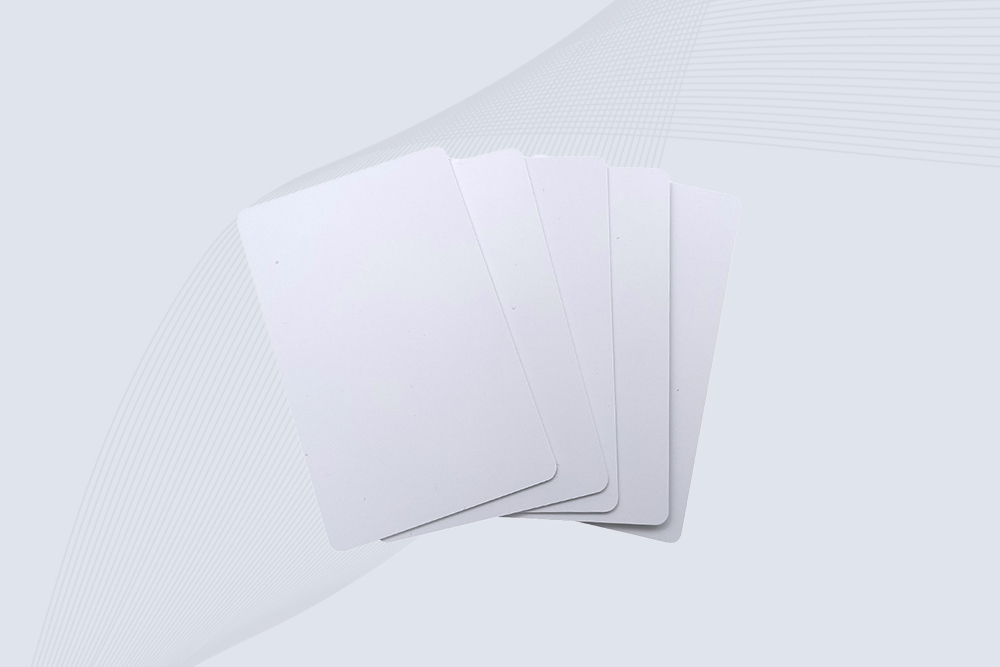
CYKEO UHF RFID Card is designed for fast identification and long-term use in industrial and commercial systems. Supporting ISO 18000-6C, this UHF RFID Card works at 860–960 MHz and is suitable for custom RFID cards used in asset tracking, access control and inventory management.
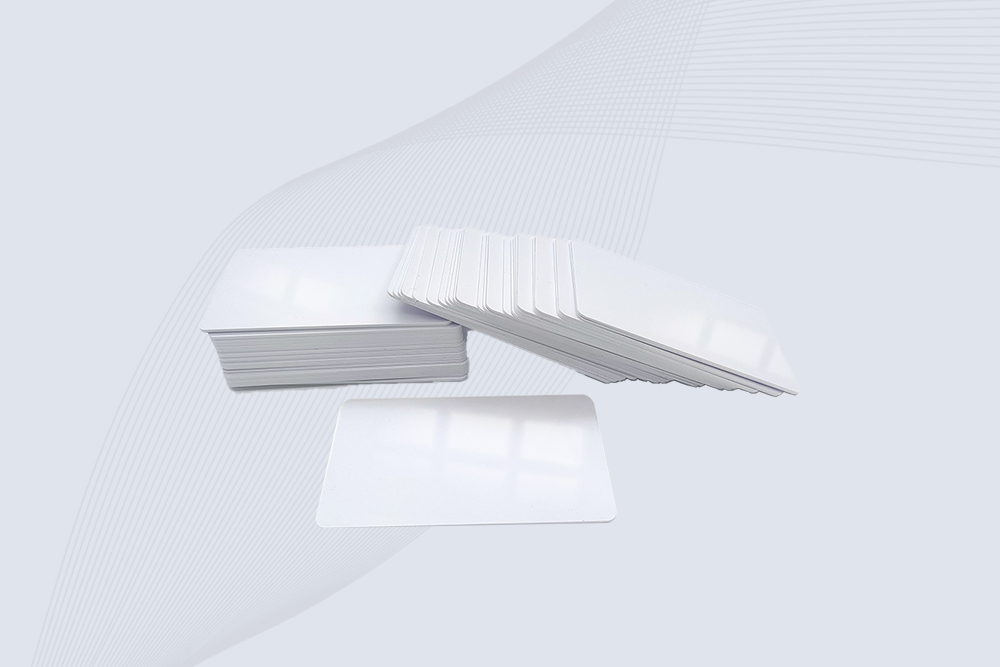
CYKEO HF RFID Cards are designed for secure and stable access control systems. These 13.56 MHz RFID key cards support ISO 14443-A, reliable rewriting and long service life, making HF RFID Cards suitable for offices, campuses, events and membership management.
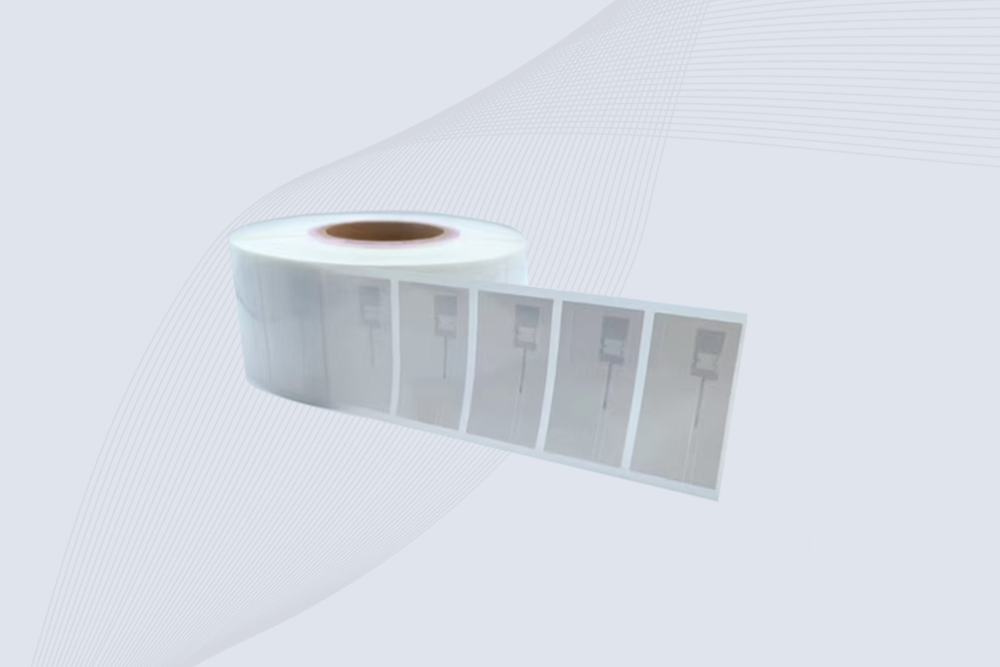
CYKEO UHF RFID Tag is designed for reliable tracking of metal jewelry and high-value items. This Jewelry RFID Tag supports long-range reading up to 8 meters, anti-counterfeit protection and stable performance on metal, making it suitable for retail, inventory control and asset management.
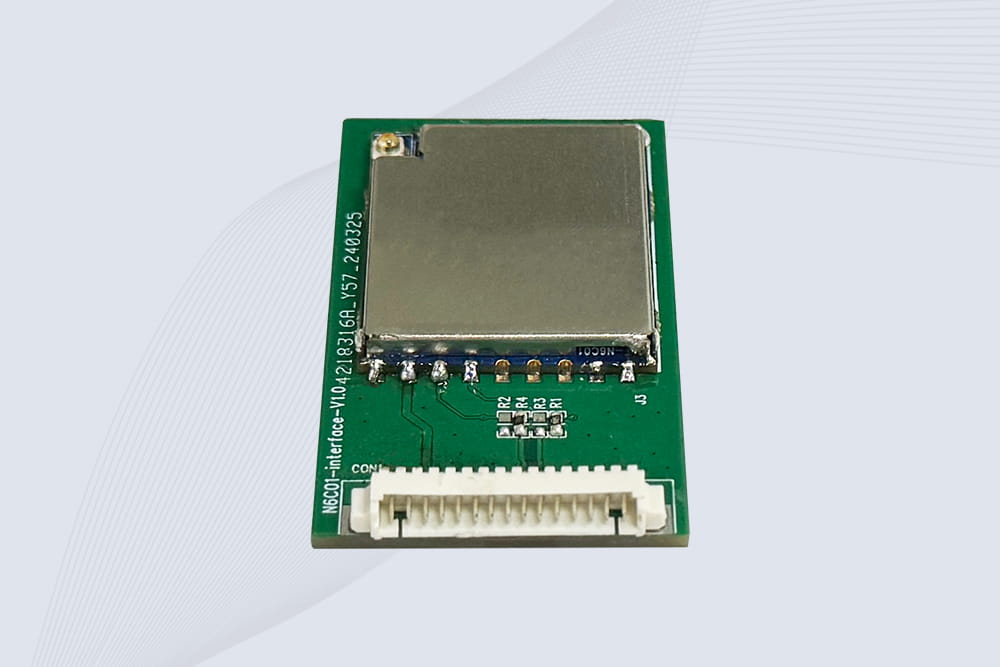
CYKEO Embedded RFID Modules are designed for compact industrial and IoT devices that require stable UHF performance. These UHF RFID Modules support global protocols, flexible power control, and reliable multi-tag reading for smart cabinets, production lines, and asset tracking systems.
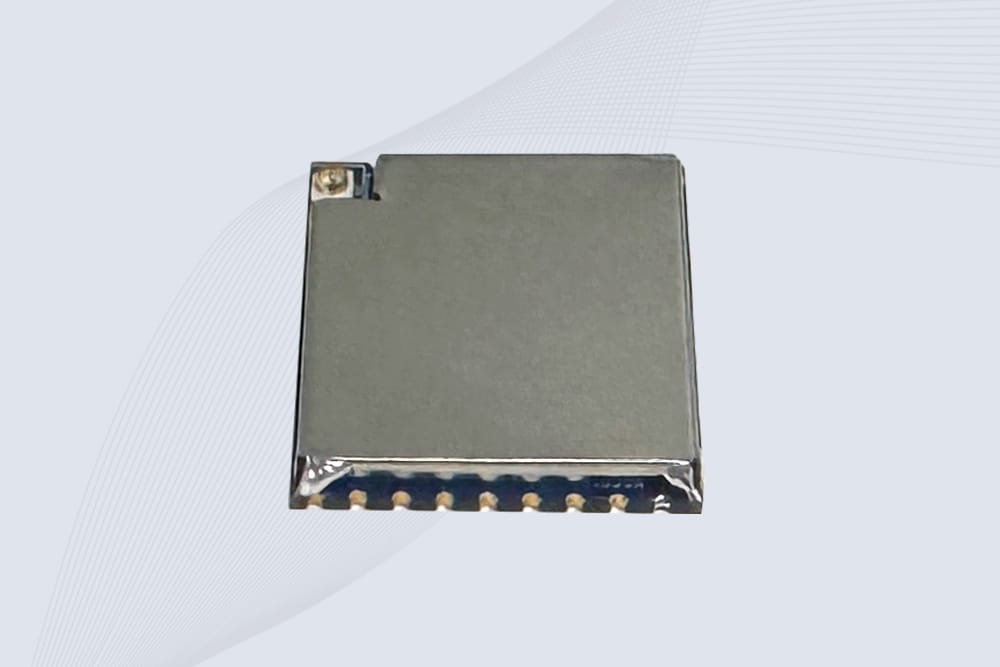
CYKEO Embedded RFID Module is built for compact IoT and industrial devices that need stable UHF performance. This UHF module supports global protocols, low power operation, and reliable multi-tag reading for smart lockers, production lines, and always-on RFID systems.
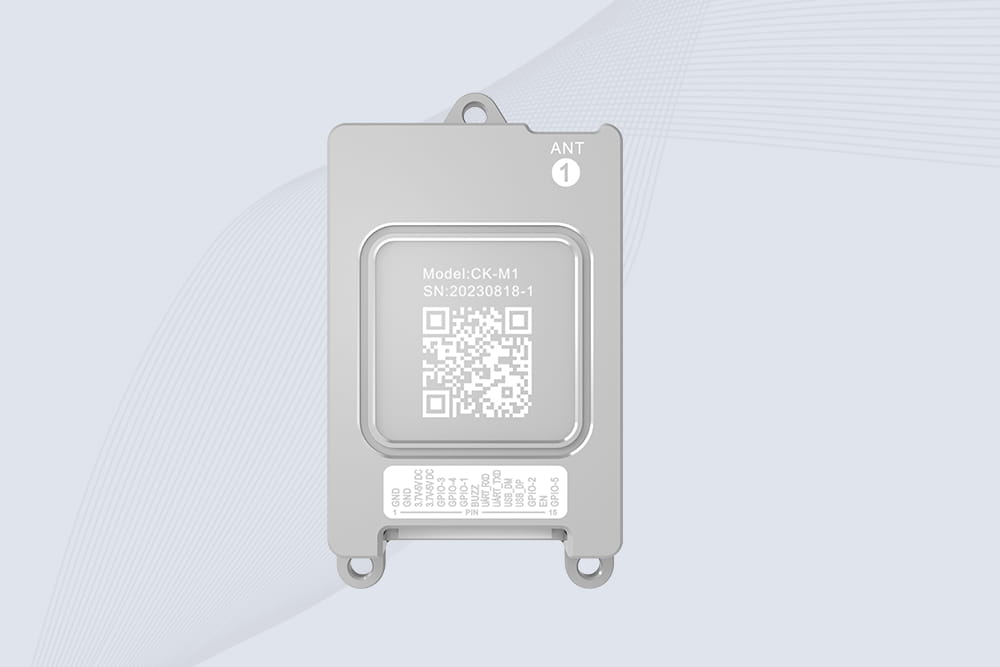
CYKEO CYKEO-M1 drone rfid module is a compact UHF RFID reader module designed for drones and UAV platforms. It supports long-range aerial scanning, fast multi-tag reading, and stable performance in wind, vibration, and outdoor environments.
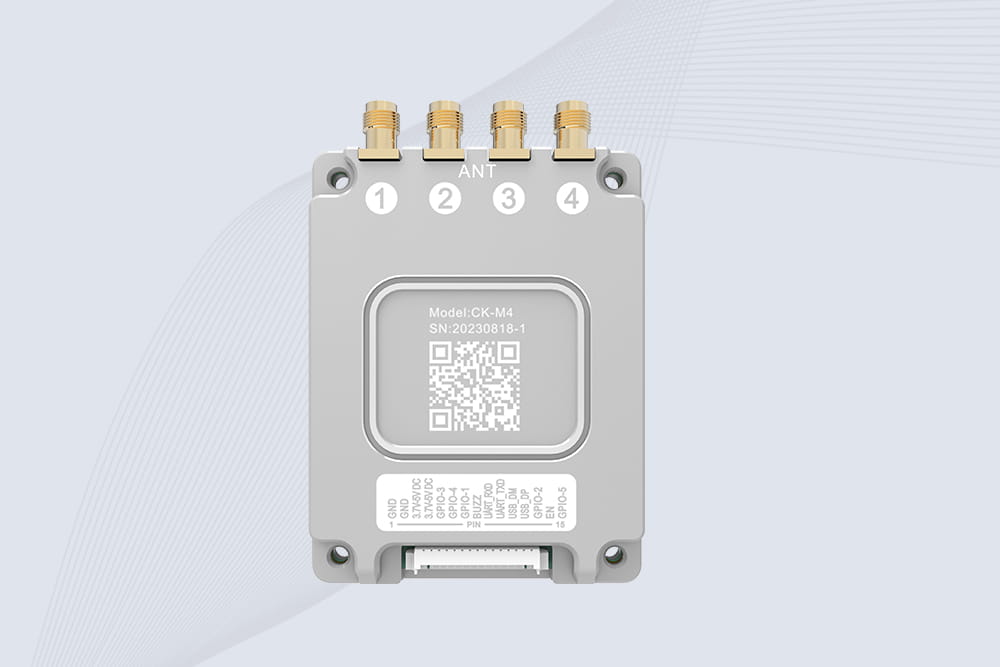
CYKEO CYKEO-M4 RC522 RFID Module is an industrial-grade UHF RFID reader with 4 ports, supporting ISO, EPC, and GB protocols. High-speed, accurate reading for IoT, automation, and warehouse applications.
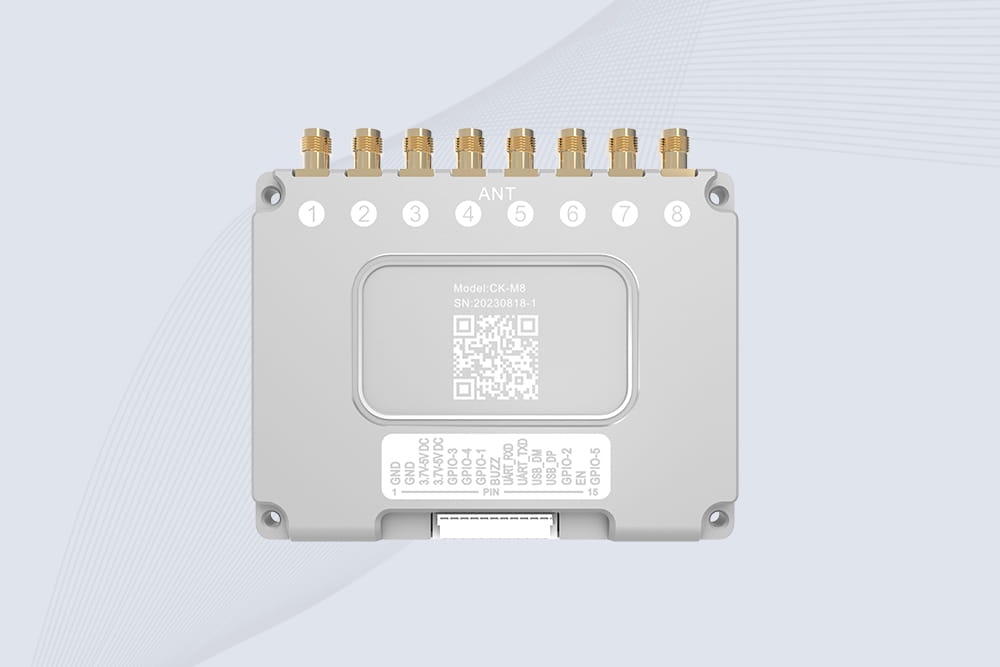
CYKEO CYKEO-M8 Module RFID is an 8-port UHF R2000 RFID Module designed for high-density, multi-tag environments. Stable 33dBm output, ISO & GB protocol support, ideal for warehouses, factories, and automated systems.
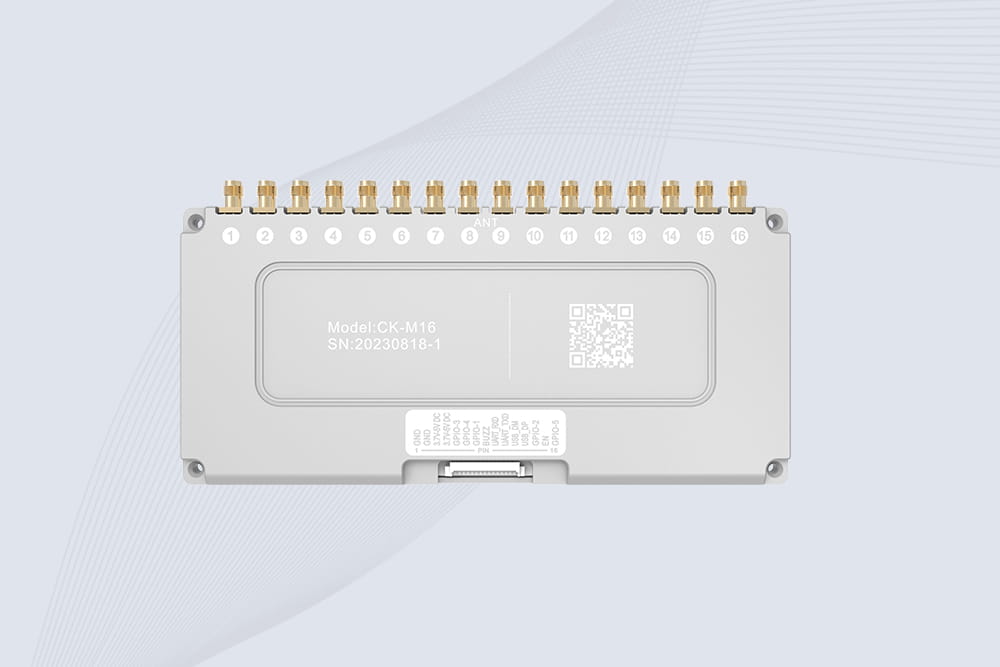
CYKEO CYKEO-M16 RFID Module is a 16-port UHF RFID reader module based on the R2000 chipset. Designed for dense tag environments, it supports ISO and GB standards and delivers stable multi-antenna control for industrial automation.
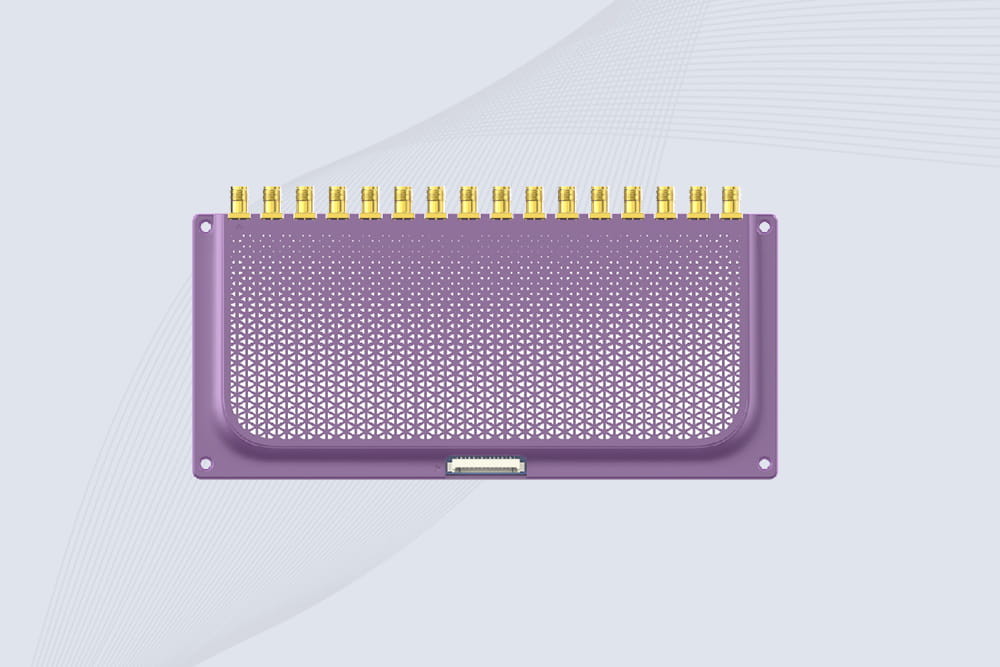
The CYKEO CYKEO-M16L RFID Reader Module is a 16-channel UHF RFID core designed for dense tag environments. With adjustable 33dBm output, multi-protocol support, and stable multi-antenna control, this RFID Tag Reader Module fits industrial automation, warehouse systems, and large-scale IoT deployments.
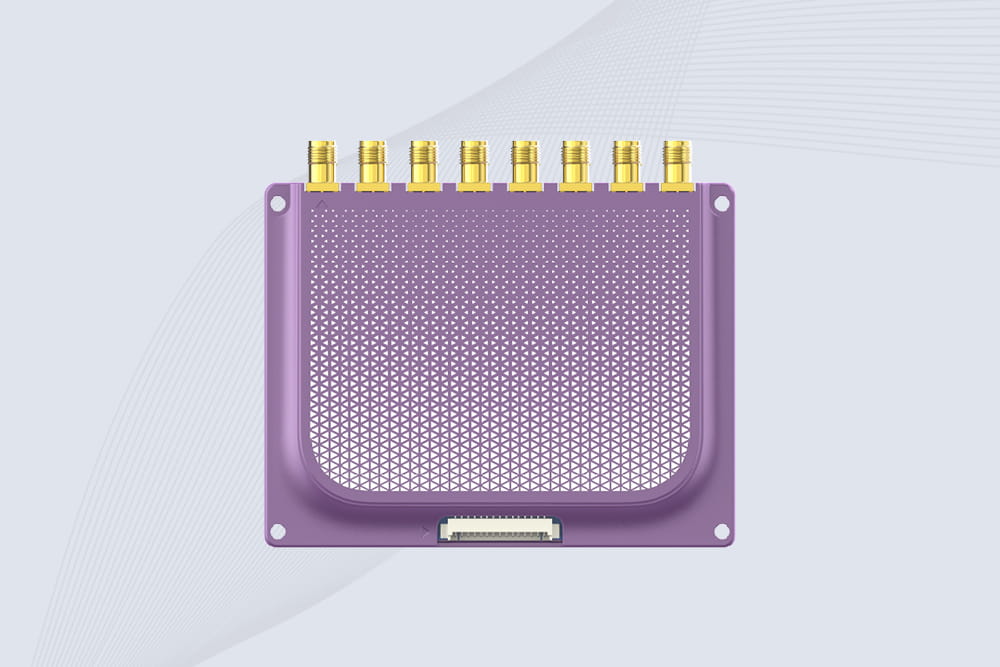
CYKEO CYKEO-M8L module RFID is a compact industrial UHF module built for dense tag and multi-antenna environments. With 8 RF ports, adjustable 33 dBm output, and ISO & GB protocol support, it is widely used in factories, warehouses, and automated tracking systems.
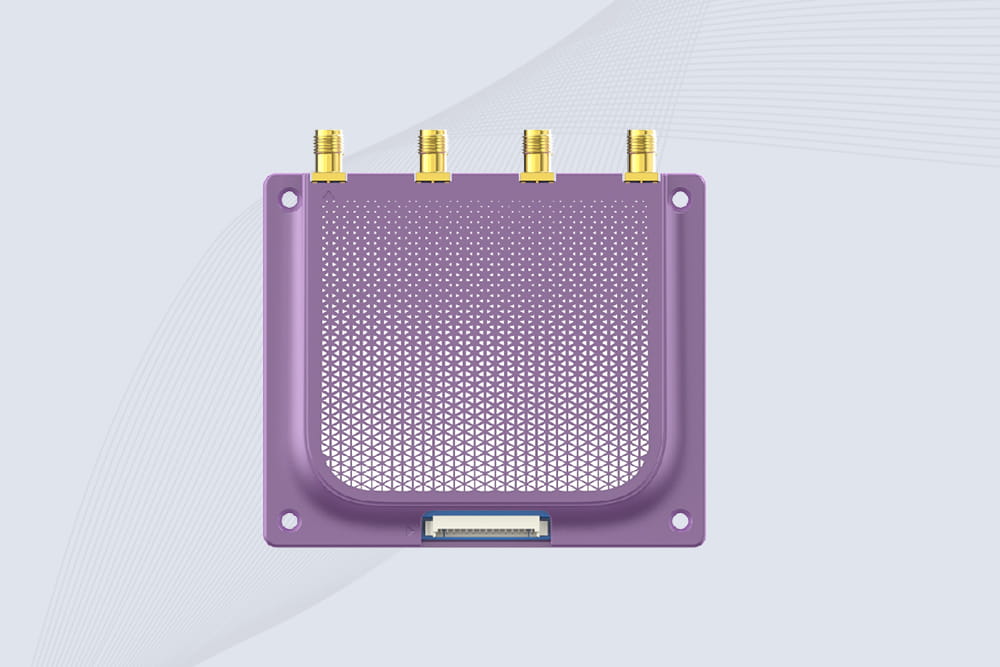
CYKEOCYKEO-M4L UHF RFID Module is a compact 4-channel RFID tag reader module designed for dense tag environments. Supporting ISO and GB protocols, it delivers stable reads up to 10 meters for industrial and IoT systems.
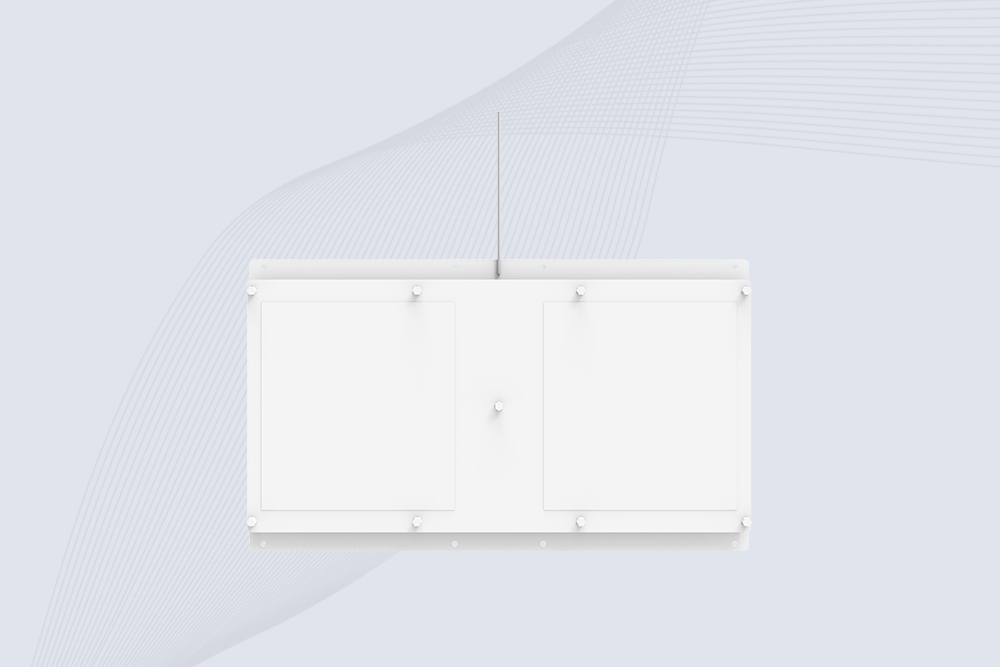
Cykeo CYKEO-A11 UHF RFID reader antenna delivers 11dBi gain, 840-960MHz frequency range, and IP65 ruggedness for retail, logistics, and industrial RFID systems. Features low VSWR and easy installation.
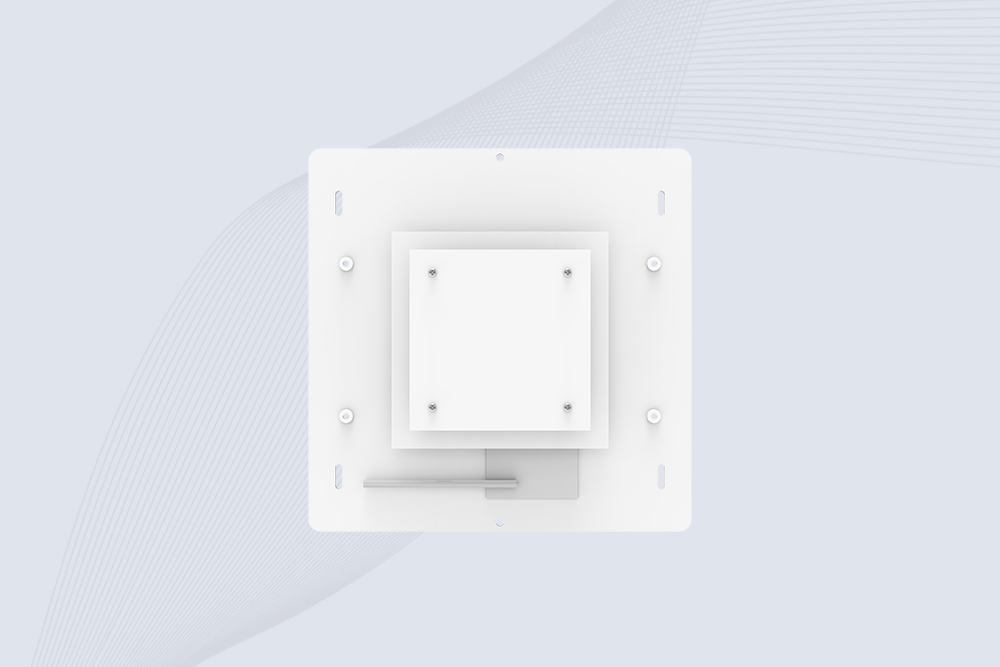
CYKEO Antenna RFID Reader delivers stable long-range UHF performance with a 10.5dBi directional design, built for warehouses, conveyor portals, and industrial RFID systems. This rfid reader antenna provides 20m+ read distance and rugged IP67 protection.

Cykeo CYKEO-PHF3 industrial HF RFID Antenna offers 24-point dynamic tracking, ISO 14443A/15693 protocols, metal-environment stability for archives/libraries/manufacturing.

Cykeo CYKEO-A5B industrial Linear RFID Antenna delivers 5dBi gain, ≤1.5:1 VSWR, and IP65 rugged design for warehouse, production line, and logistics UHF systems.

Cykeo’s CYKEO-B12 Long Range RFID Antenna delivers 15m+ read range with 12dBi gain, IP65 rugged design, and global 840-960MHz UHF support. Ideal for warehouse/logistics asset tracking.
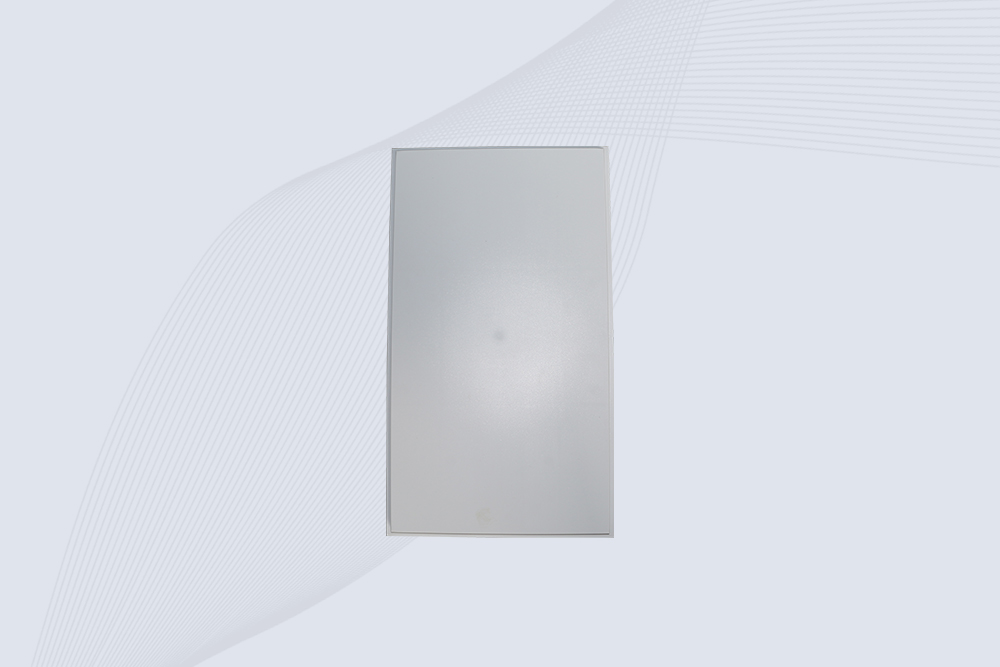
Cykeo CYKEO-B10 Long Distance RFID Antenna offers 10dBi gain, 840-960MHz frequency range, IP65 rating, and 20m+ coverage for logistics/warehousing/ETC systems. Low VSWR ensures stable signal transmission.
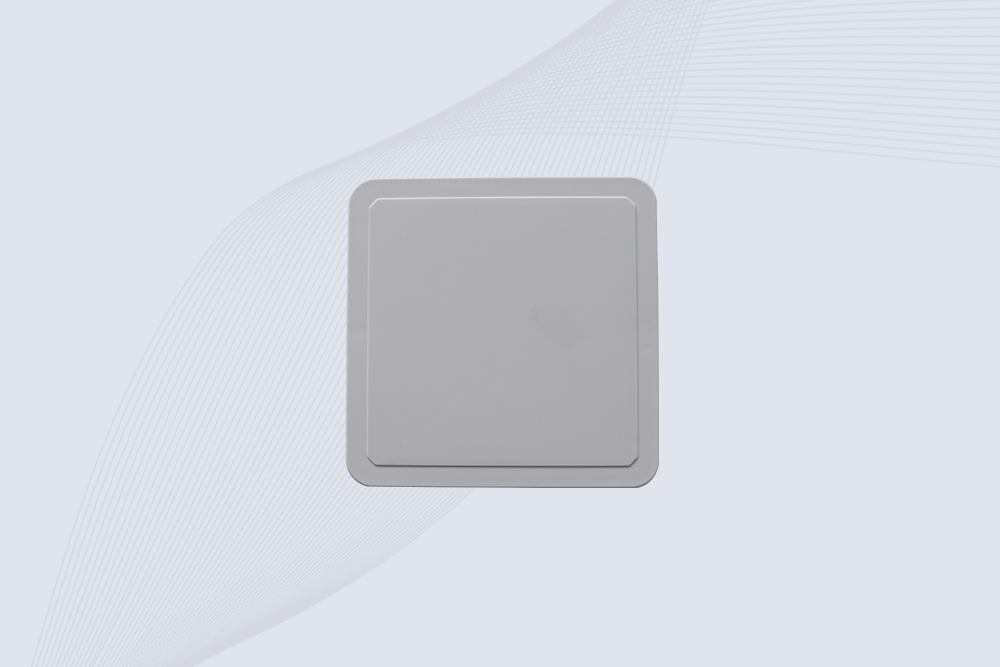
Cykeo CYKEO-A6 UHF RFID panel antenna features 6dBi gain, 840-960MHz broadband, IP65 metal-ready housing for logistics/smart retail. 18mm ultra-thin design with tool-free mounting.

Cykeo CK-A3 industrial antenna RFID UHF offers 5m+ tag detection, ≤1.3:1 VSWR, IP65 rugged design, and global UHF spectrum compatibility (840-960MHz) for warehouses, factories, and retail.
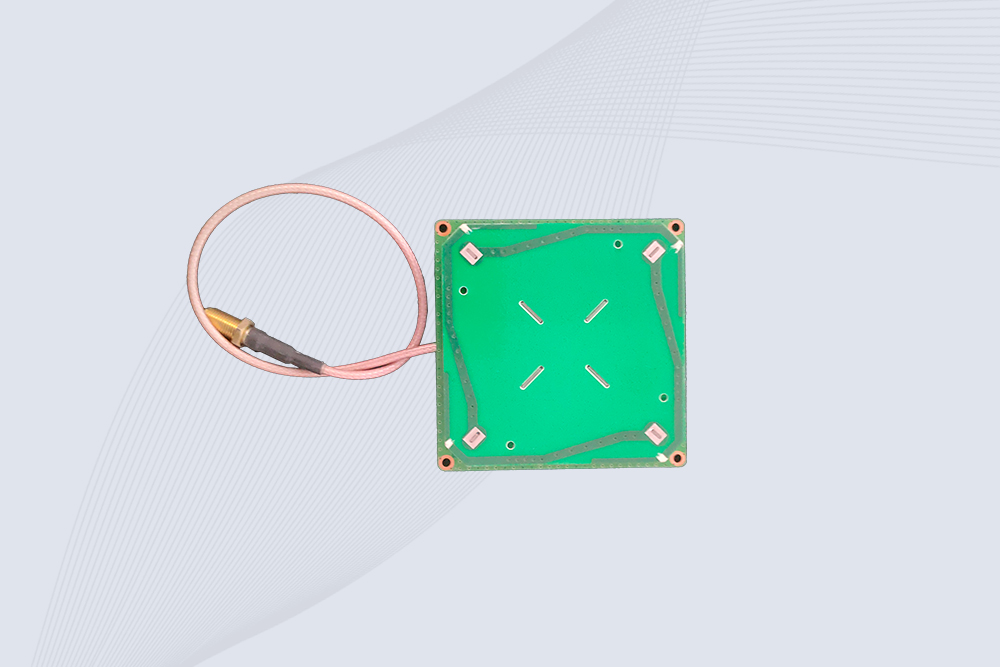
Cykeo CYKEO-B5 directional RFID antenna provides 5dBi gain with 60° narrow beamwidth for precise inventory tracking. IP65-rated, global UHF frequency support, and low VSWR.
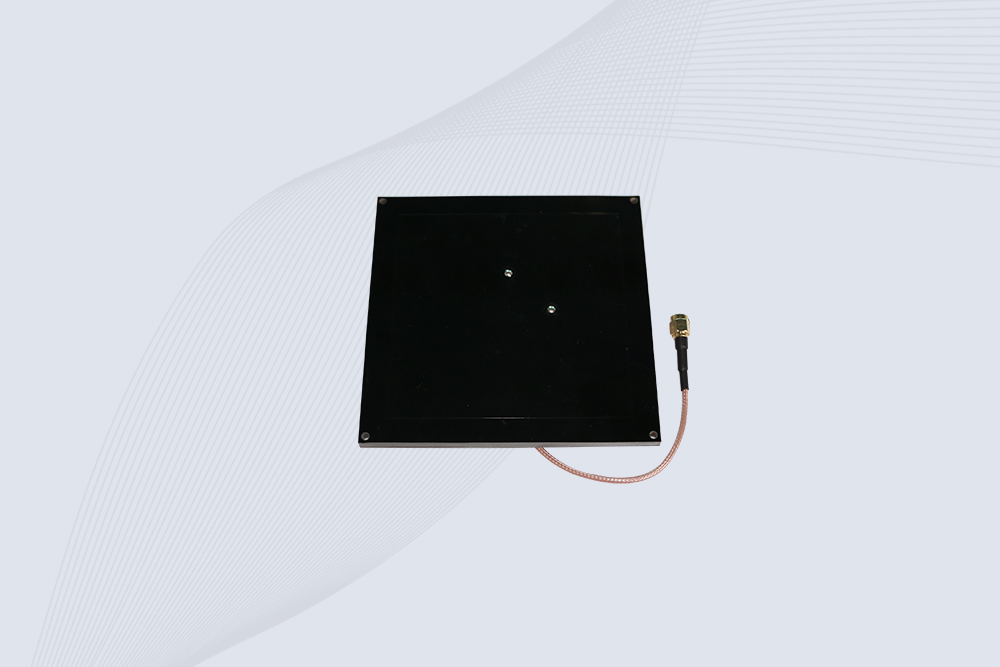
Create your own high-performance DIY RFID antenna! 5dBi gain, 840-960MHz tunable, step-by-step guides. Compatible with Arduino, Raspberry Pi, and commercial UHF readers.
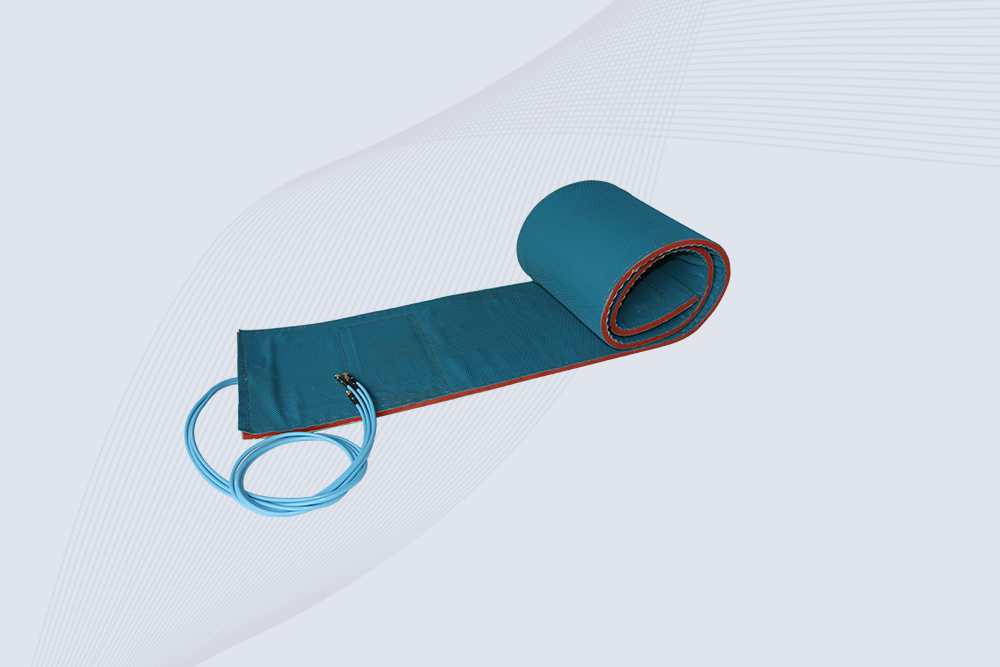
Cykeo CYKEO-A7 Flexible RFID Antenna features 840-960MHz wideband tuning, 7dBi gain, and IP68 rating for medical/retail/industrial curved surface deployments. 98% read accuracy with peel-and-stick installation.
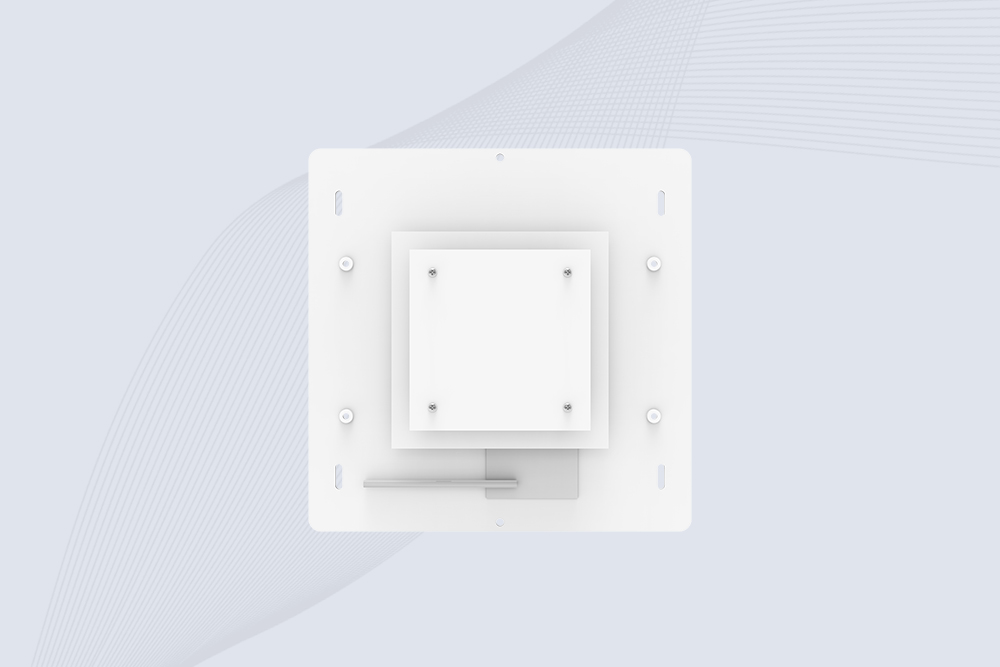
Cykeo CYKEO-B5A industrial Passive RFID Antenna delivers 5dBi gain, 70° beamwidth, and -40°C~55°C operation for warehouses/smart cabinets. Compatible with Zebra/Impinj readers.
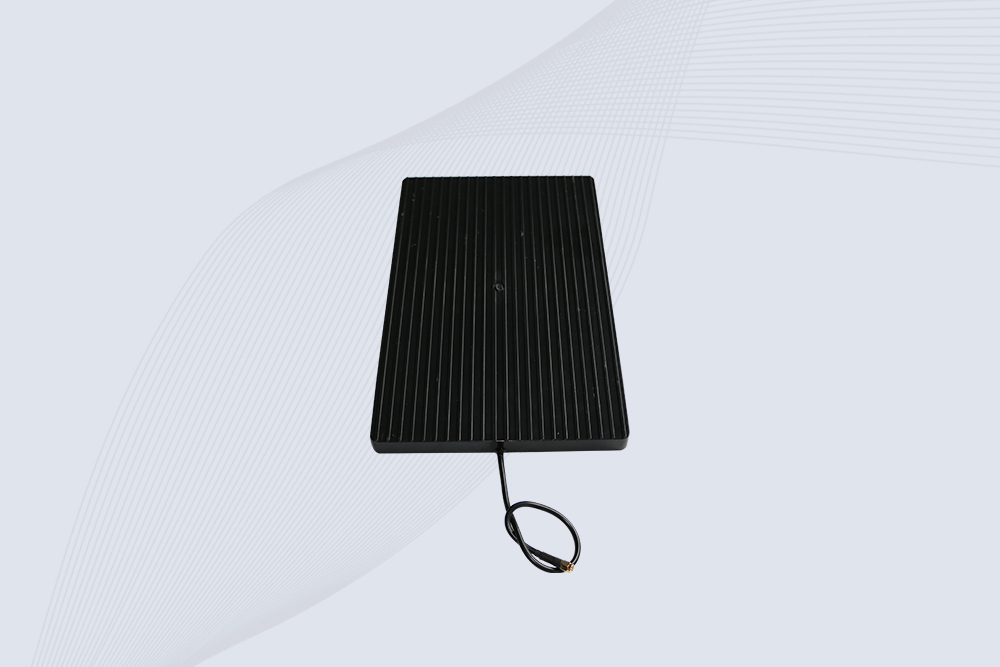
Cykeo’s CYKEO-A9B High Gain RFID Antenna delivers 15m+ read range with 9dBi amplification. Features IP54 rugged design, 840-960MHz bandwidth, and 80° beamwidth for warehouse/manufacturing RFID systems.

Cykeo’s enterprise-grade 8dbi Impinj RFID Antenna 10m+ read range with 840-960MHz tuning. Features IP65 housing, 1.4 VSWR, 35° beamwidth for retail/warehouse RFID systems.
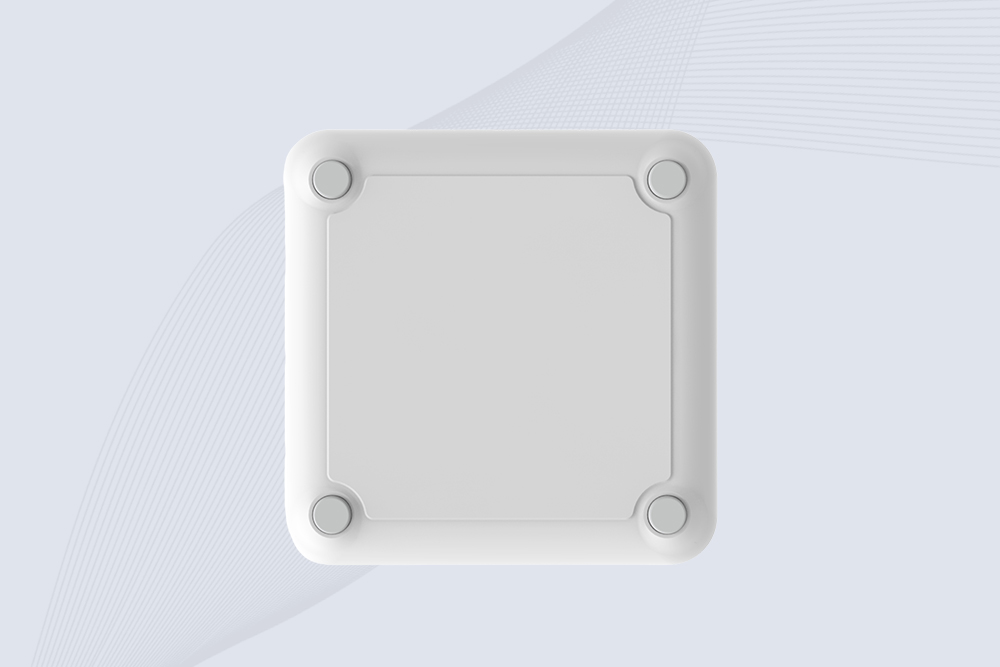
Cykeo CYKEO-A9 industrial UHF RFID antenna delivers 9dBi gain, 840-960MHz frequency range, and IP65 protection for warehouse/logistics/retail RFID systems. Features N-type connector and ≤1.3:1 VSWR.
CYKEO UHF RFID Antenna built for long-distance and industrial applications. This antenna rfid uhf delivers strong gain, outdoor durability, and reliable tag performance in warehouses, yards, and vehicle ID systems.
CYKEO Antenna RFID delivers reliable long-range UHF performance in warehouses, retail shelves, and cold-chain environments. This compact uhf rfid antenna provides stable reads with circular polarization and ultra-wide 840–960 MHz support, ideal for industrial tracking, smart shelves, and asset monitoring.
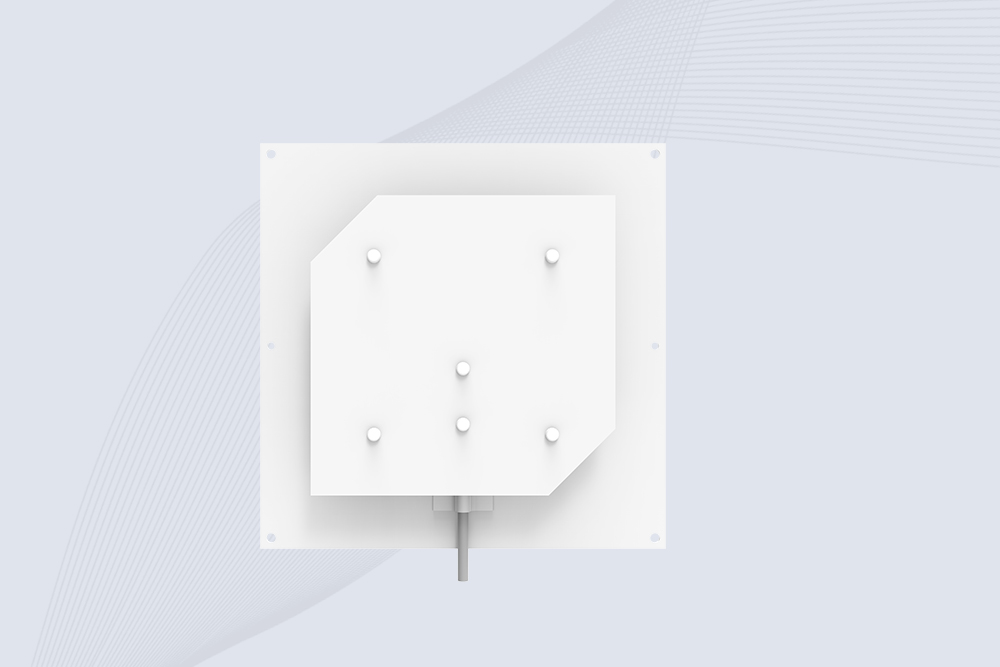
Cykeo’s CYKEO-C8 UHF RFID antennas delivers 8dBi gain, 840-960MHz full-band coverage, and IP65 ruggedness for manufacturing/warehouse RFID systems. Industrial RFID Antennas Features
Cykeo’s 8dBi UHF RFID antenna and reader kit delivers 10m+ range, 840-960MHz broadband, and IP65 ruggedness for factories, warehouses, and logistics. ISO 18000-6C & EPC Gen2 certified.
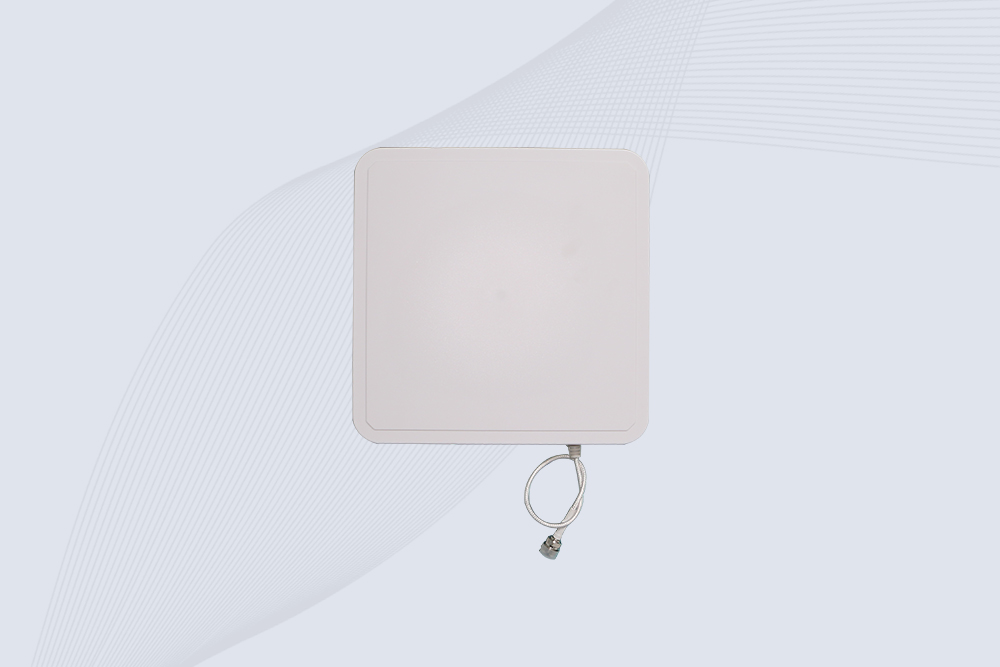
Cykeo CYKEO-A9A industrial UHF RFID reader and antenna kit delivers 10m range, 500 tags/sec, IP65 ruggedness for manufacturing/logistics. Supports EPC Gen2, ISO18000-6C.
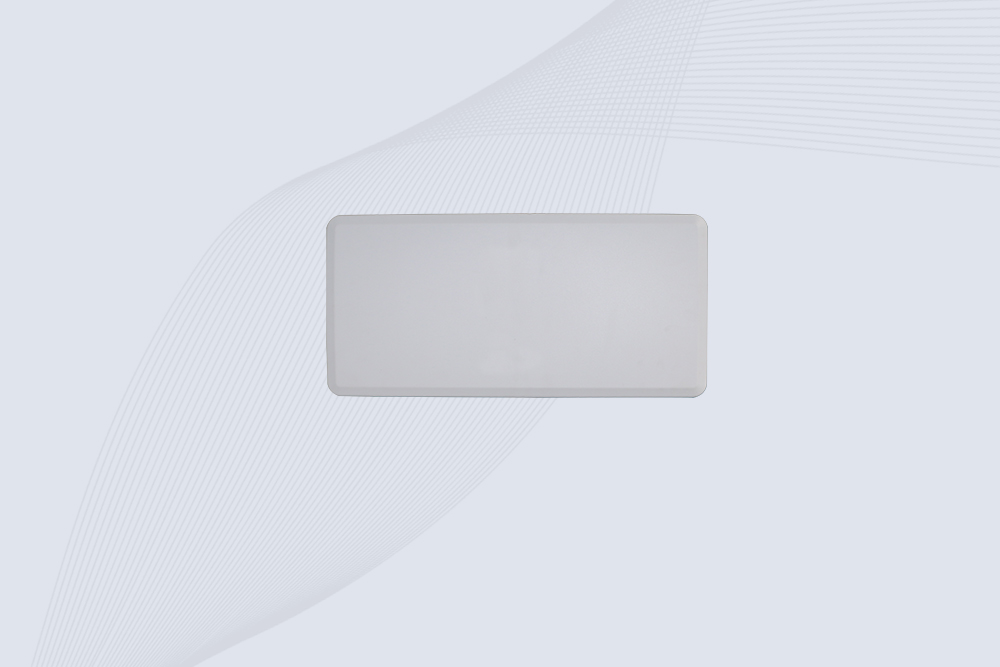
Cykeo’s CYKEO-A12C UHF Large RFID Antenna delivers 12dBi gain, 840-960MHz global frequency, IP65 ruggedness for logistics/warehousing/automotive. 40° beamwidth ensures stable 15m+ tag reads.

CYKEO Near Field RFID Antenna provides precise 5–30 cm reading for shelves, cabinets, and workstations. This compact rfid shelf antenna delivers stable short-range performance around metal and clutter, ideal for pharmacies, libraries, and electronics sorting.

RFID multiple tag reading tested: Discover real-world speeds, interference solutions, and how Cykeo users scan pallets in seconds. No hype - just warehouse results.
More
Discover how RFID scanners improve inventory efficiency, enable real-time asset tracking, and support logistics, retail, and healthcare industries. Learn how to choose the right device for your needs.
More
Discover the hidden costs of handheld RFID scanners—hardware, software, maintenance, and more. Learn how to calculate ROI and avoid budget surprises.
More
Discover how uhf adhesive rfid label tag technology improves warehouse accuracy, retail inventory visibility, and logistics efficiency using Cykeo UHF RFID solutions.
More