 Cykeo RFID IoT Solution Products R&D Manufacturer
What are the differences between NFC and RFID?
704Understand the differences between NFC and RFID, their unique applications, and how Cykeo’s hybrid solutions bridge both technologies for seamless operations.
MoreAll RFID Product
RFID cards work by using radio frequency signals to exchange data between an embedded RFID chip and a reader. The reader sends energy, activates the card chip, and receives stored identification information without physical contact.
Unlike traditional barcode cards that require optical scanning, RFID cards communicate through electromagnetic fields. This allows faster identification, automatic data collection, and reliable operation in environments where manual scanning is inefficient.
After years of RFID system development and deployment at Cykeo, one practical lesson has remained consistent: the card itself is rarely the weak point. The actual performance depends on the interaction between the chip, antenna design, reader output power, and application environment.
An RFID card usually contains three important elements:
| Component | Function |
|---|---|
| RFID Chip | Stores unique identification data and manages communication |
| RFID Antenna | Receives RF energy and sends data back to the reader |
| Protective Layer | Protects internal components from physical damage |
The communication process happens within milliseconds:
In a real installation, this process happens quietly. A library employee placing a stack of books on an RFID workstation may trigger hundreds of identification operations without scanning one barcode individually.

Most RFID cards used in daily applications are passive RFID cards.
They do not contain batteries. Instead, they receive power from the electromagnetic field generated by an RFID reader.
Passive RFID cards are widely used because they offer:
Common applications include:
Active RFID cards include an internal battery.
They are mainly used when longer communication distances or continuous broadcasting are required.
| Type | Power Source | Typical Usage |
|---|---|---|
| Passive RFID Card | Reader energy | Access control, libraries, identification |
| Active RFID Card | Internal battery | Long-range tracking systems |
The reader does not simply “read” the card like a barcode scanner. RFID communication involves structured data exchange.
A typical RFID system includes:
The card sends a unique identifier, commonly linked with information stored in enterprise software.
For example:
| RFID Card Data | Connected Information |
|---|---|
| EPC number | Product identity |
| Employee ID | Access permission |
| Library card number | Borrowing record |
| Asset code | Equipment history |
According to GS1, EPC-based identification allows organizations to uniquely identify physical objects through electronic codes, creating a bridge between physical assets and digital systems.
This is why RFID cards are not only identification tools. They become part of a larger information management system.
During RFID workstation projects, we often find that customers initially focus only on reading distance. In actual operation, another factor matters more: reading control.
A reader that detects everything nearby may look powerful in a demonstration but creates problems in production environments.
For example, in a hospital archive room:
This is why Cykeo RFID workstations use controlled reading areas and optimized antenna structures.
The RFID workstation solution supports:
| Feature | Barcode Card | Magnetic Card | RFID Card |
|---|---|---|---|
| Contactless Operation | No | Limited | Yes |
| Multiple Reading | No | No | Yes |
| Physical Wear Resistance | Medium | Medium | High |
| Data Automation | Limited | Limited | Strong |
| Integration Capability | Low | Medium | High |
RFID cards improve operational efficiency because users do not need precise alignment between the card and reader.
This small difference becomes significant in high-volume environments.
A transportation operator processing thousands of passengers daily, or a library managing millions of books, experiences the difference immediately.
Libraries were among the earliest large-scale adopters of RFID technology.
Applications include:
RFID cards and tags allow staff to reduce repetitive manual operations.
Companies use RFID cards for:
The card becomes a secure digital identity connected with company software.
Hospitals use RFID systems for:
Accuracy and traceability are especially important in medical environments.
Cykeo provides RFID hardware and software solutions designed for professional applications.
Key features include:
| Cykeo Capability | Benefit |
|---|---|
| Stable RFID reading technology | Reliable daily operation |
| Controlled reading area | Prevents unwanted identification |
| Professional SDK support | Easier system integration |
| C# and Java resources | Faster software development |
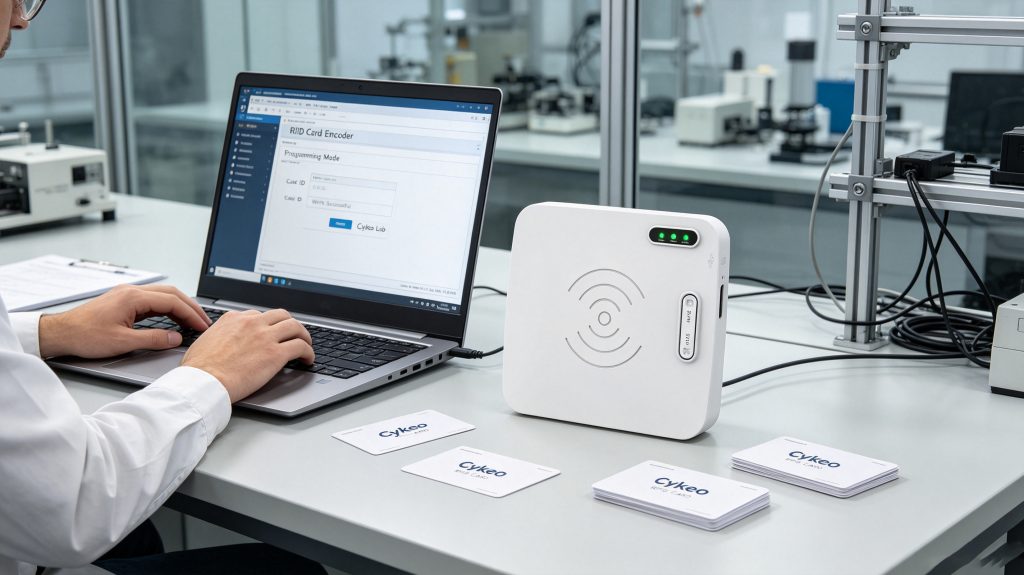
For RFID card encoding applications, Cykeo desktop RFID equipment supports automatic writing, batch card programming, tag filtering, and USB communication.
The system is designed for environments where operators need dependable performance rather than complicated procedures.
Most RFID cards are passive and do not require batteries. They receive energy from the RFID reader signal.
Reading distance depends on frequency, antenna design, reader power, and environment. HF RFID cards usually work within centimeters, while some UHF RFID systems can achieve several meters.
Yes. RFID cards can store identification numbers, access permissions, and encrypted data depending on chip type
Many RFID cards can be rewritten multiple times, making them suitable for employee cards, access systems, and industrial applications.
RFID cards do not require direct visual scanning and can support faster automated identification.
Understanding how do rfid cards work requires looking beyond the card itself. The real value comes from the complete RFID ecosystem: chip technology, antenna engineering, readers, software, and database integration.
From libraries and hospitals to industrial facilities, RFID cards are helping organizations replace manual identification with faster and more reliable digital workflows.
At Cykeo, practical deployment experience shows that successful RFID systems are built around stability, controlled reading performance, and seamless integration into existing operations.
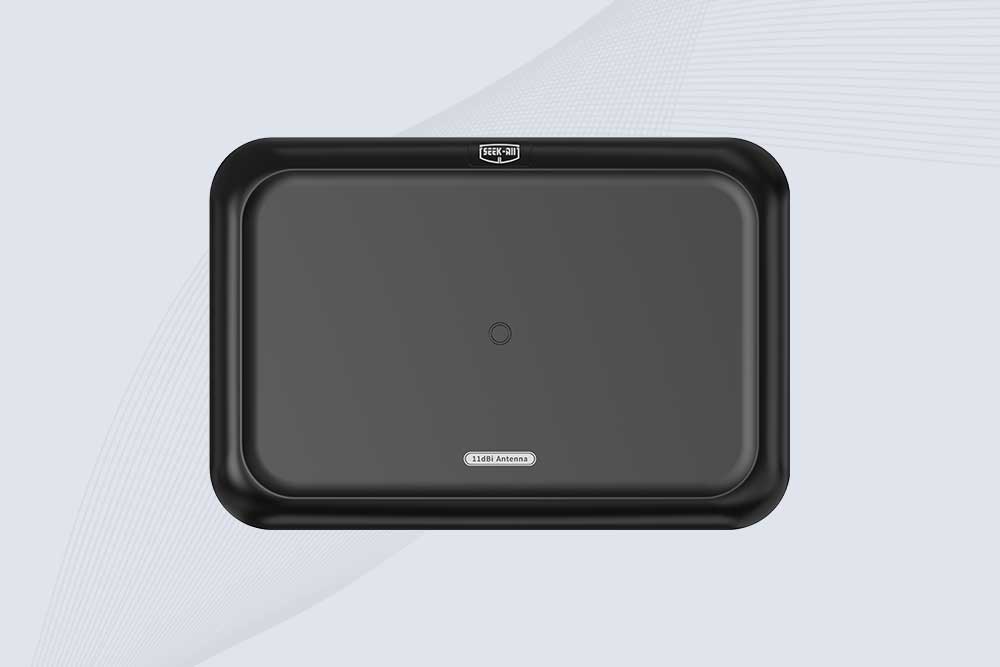
SSD-A11 UHF RFID antenna features 840–960 MHz adjustable frequency, ≥10.5 dBi gain, circular polarization and 50Ω impedance for fixed RFID systems.
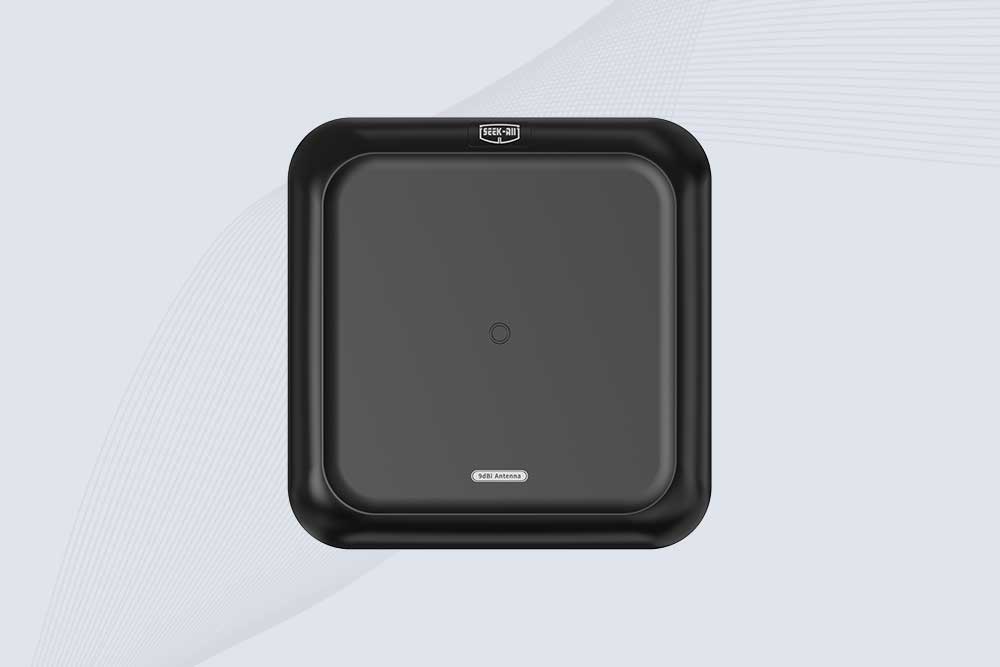
SSD-A09 is a 9 dBi UHF RFID antenna with 840–960 MHz adjustable frequency, circular polarization, 50Ω impedance and directional 60° × 60° coverage.
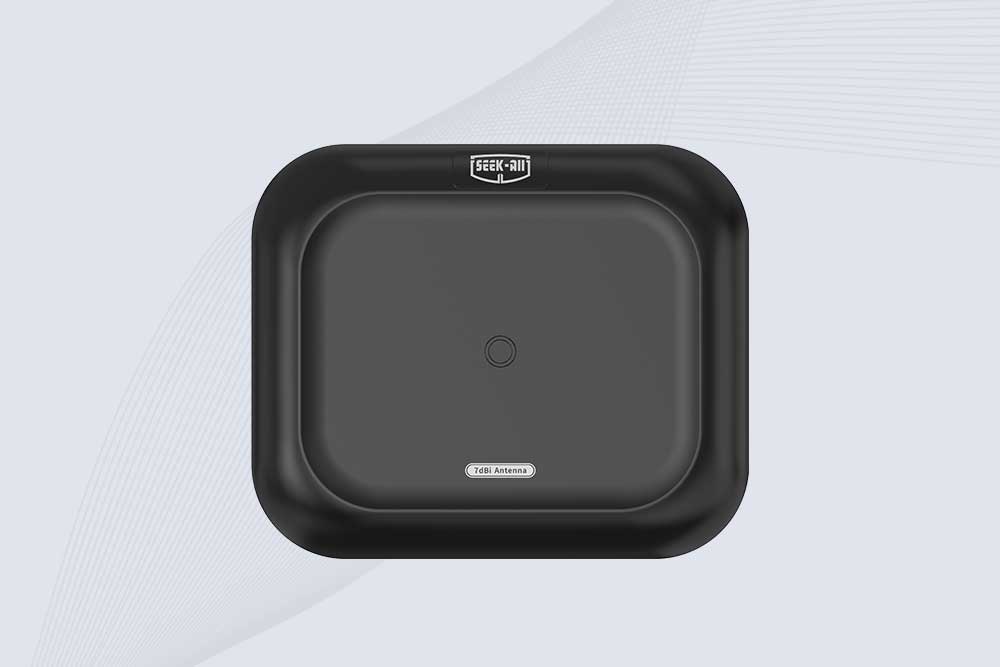
Explore the SSD-A07 UHF RFID antenna with 7 dBi gain, circular polarization, adjustable 840–960 MHz frequency, and 60°/75° beamwidth for stable RFID read/write performance.

SSD-A06 UHF RFID antenna with circular polarization, adjustable 840–960 MHz frequency, ≥4.5 dBi gain, and a compact directional design for RFID systems.
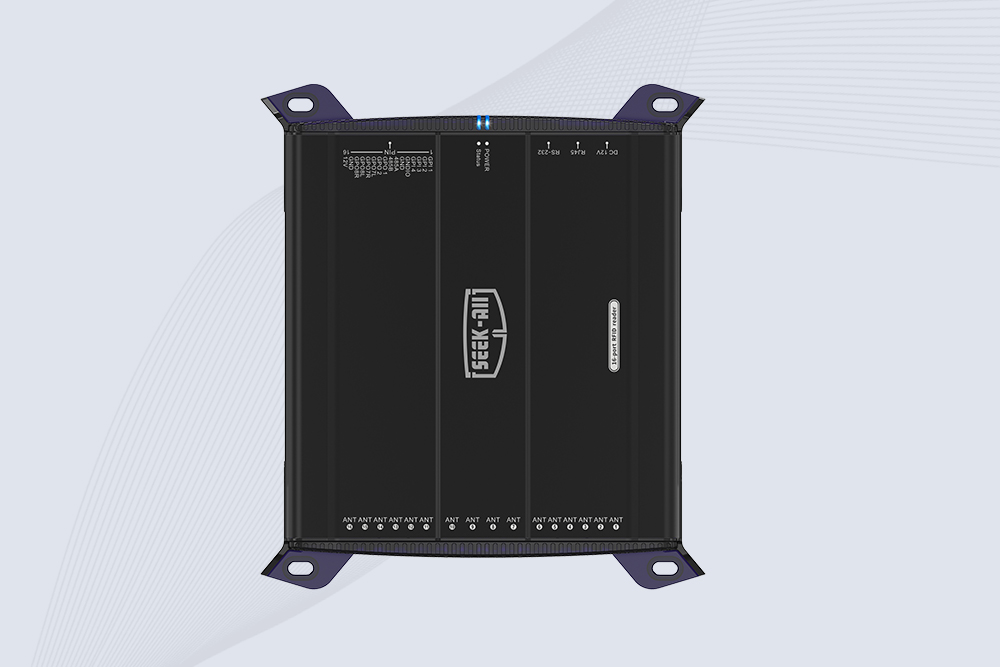
SSD-R16L Multi-Channel RFID Infrastructure for Automated Inventory Management ✔️ 16-Port High-Density RFID Reading Equipped with 16 SMA antenna ports, SSD-R16L supports multi-antenna deployment for warehouses, retail stores, logistics, production lines, and large-area RFID identification. ✔️ High-Speed & Long-Range Performance With up to 33…
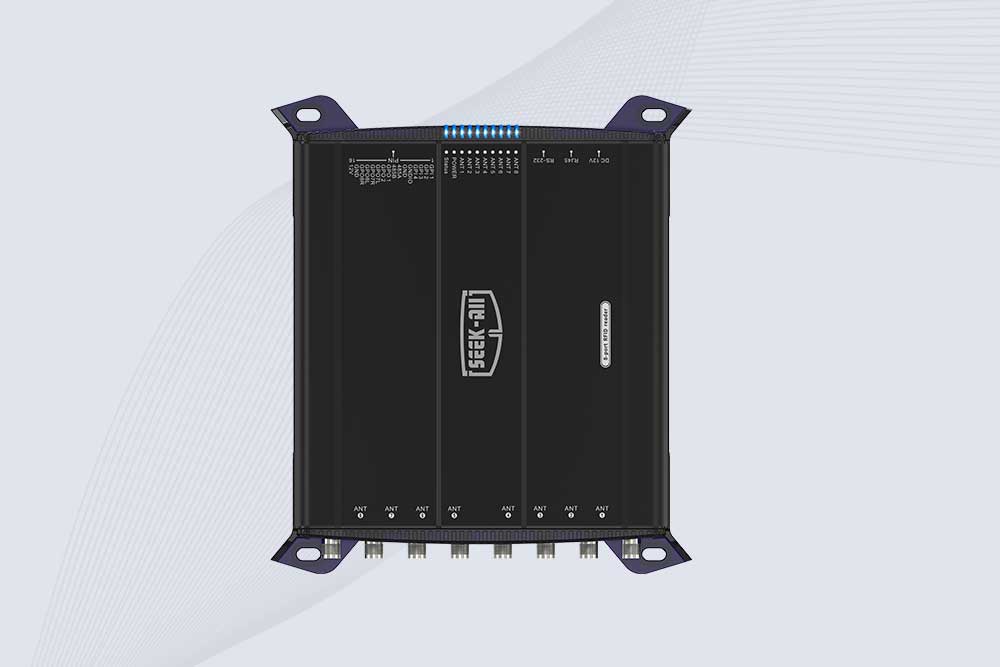
SSD-R8L 8-port UHF RFID reader with 33dBm output, up to 20m reading range and 600+ tags/s recognition. Ideal for warehouse, logistics, retail and asset tracking.
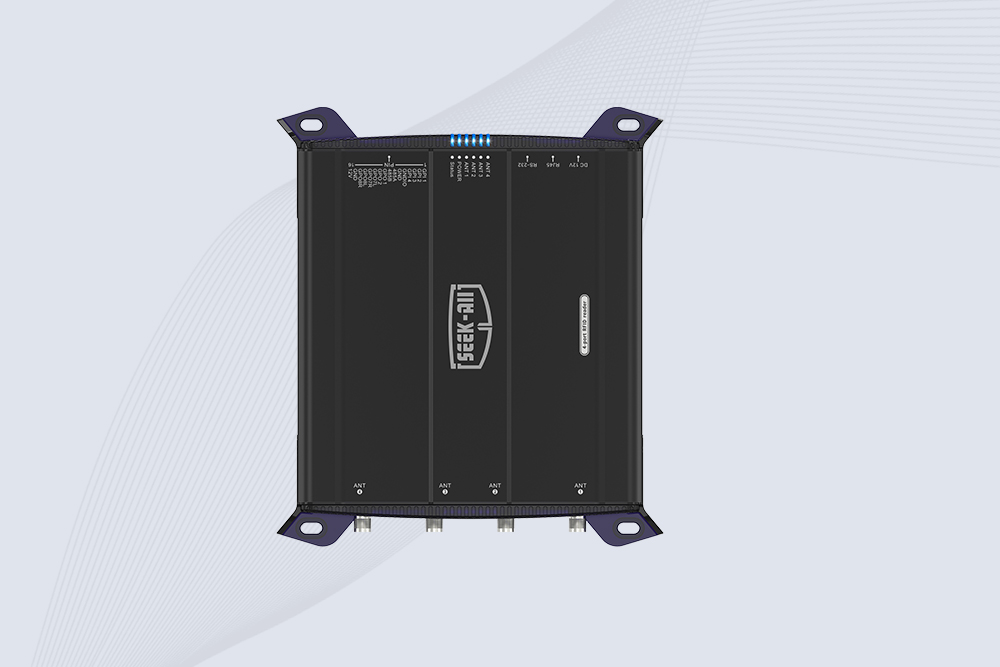
SSD-R4L is a 4-port UHF RFID fixed reader with 33dBm output power, up to 20m reading range, EPC C1G2 support and 600+ tags/s reading speed.
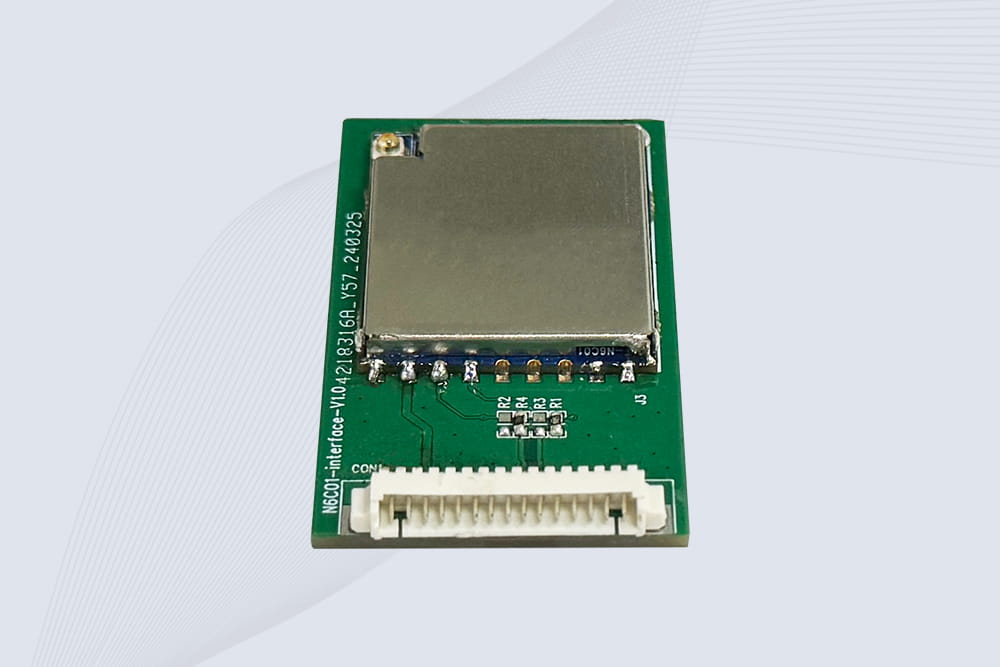
CYKEO Embedded RFID Modules are designed for compact industrial and IoT devices that require stable UHF performance. These UHF RFID Modules support global protocols, flexible power control, and reliable multi-tag reading for smart cabinets, production lines, and asset tracking systems.
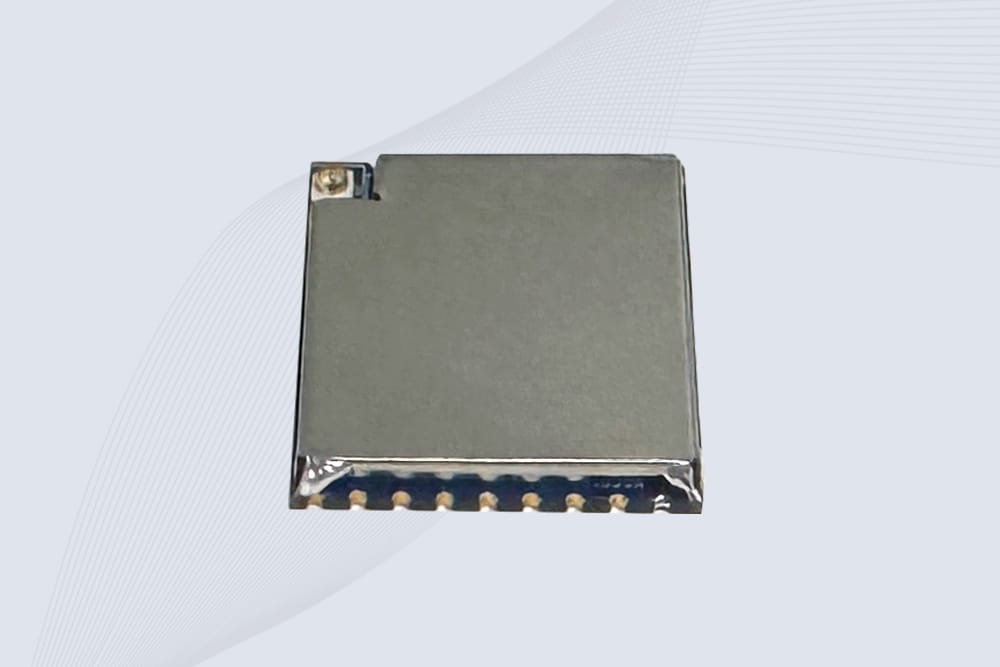
CYKEO Embedded RFID Module is built for compact IoT and industrial devices that need stable UHF performance. This UHF module supports global protocols, low power operation, and reliable multi-tag reading for smart lockers, production lines, and always-on RFID systems.
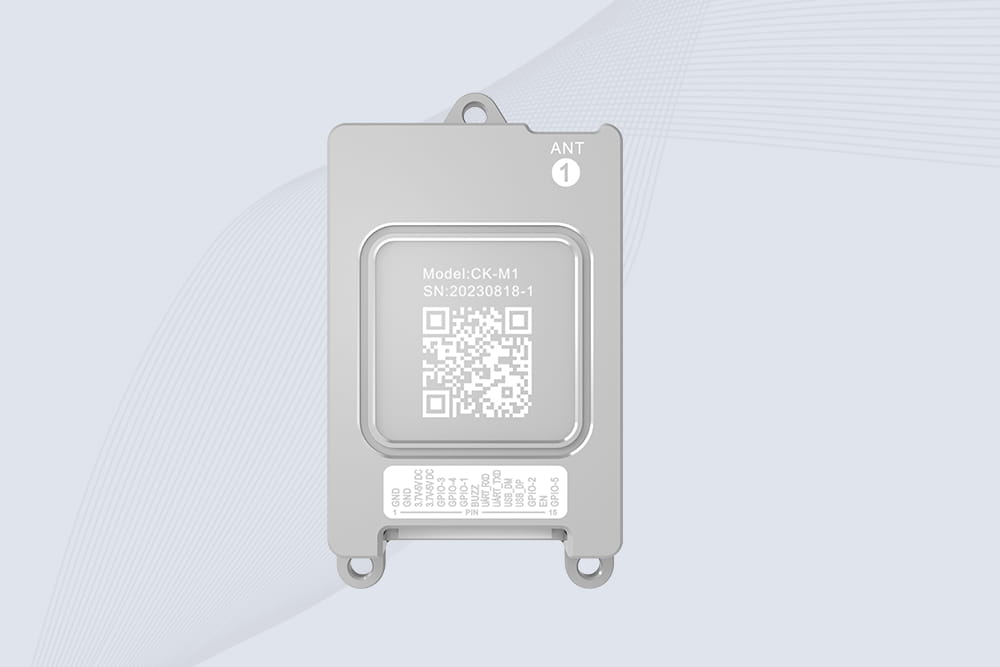
CYKEO CYKEO-M1 drone rfid module is a compact UHF RFID reader module designed for drones and UAV platforms. It supports long-range aerial scanning, fast multi-tag reading, and stable performance in wind, vibration, and outdoor environments.
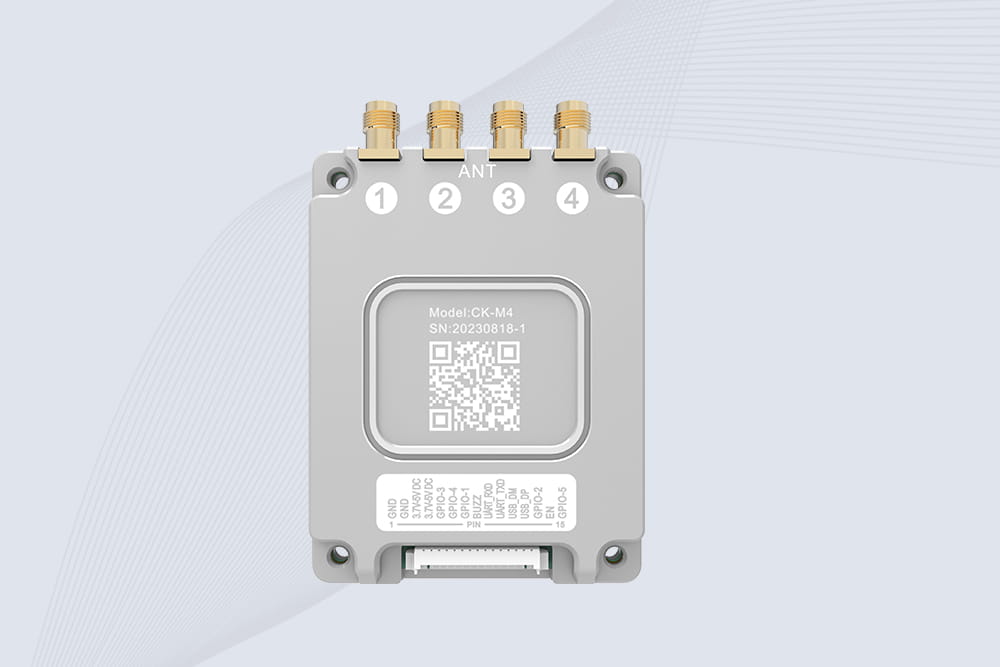
CYKEO CYKEO-M4 RC522 RFID Module is an industrial-grade UHF RFID reader with 4 ports, supporting ISO, EPC, and GB protocols. High-speed, accurate reading for IoT, automation, and warehouse applications.
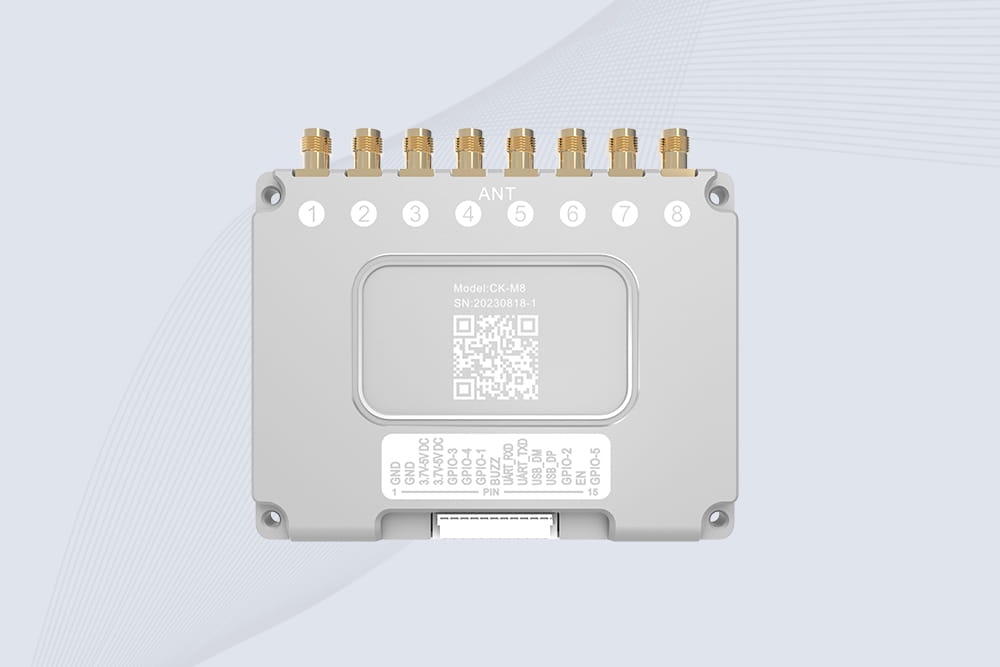
CYKEO CYKEO-M8 Module RFID is an 8-port UHF R2000 RFID Module designed for high-density, multi-tag environments. Stable 33dBm output, ISO & GB protocol support, ideal for warehouses, factories, and automated systems.
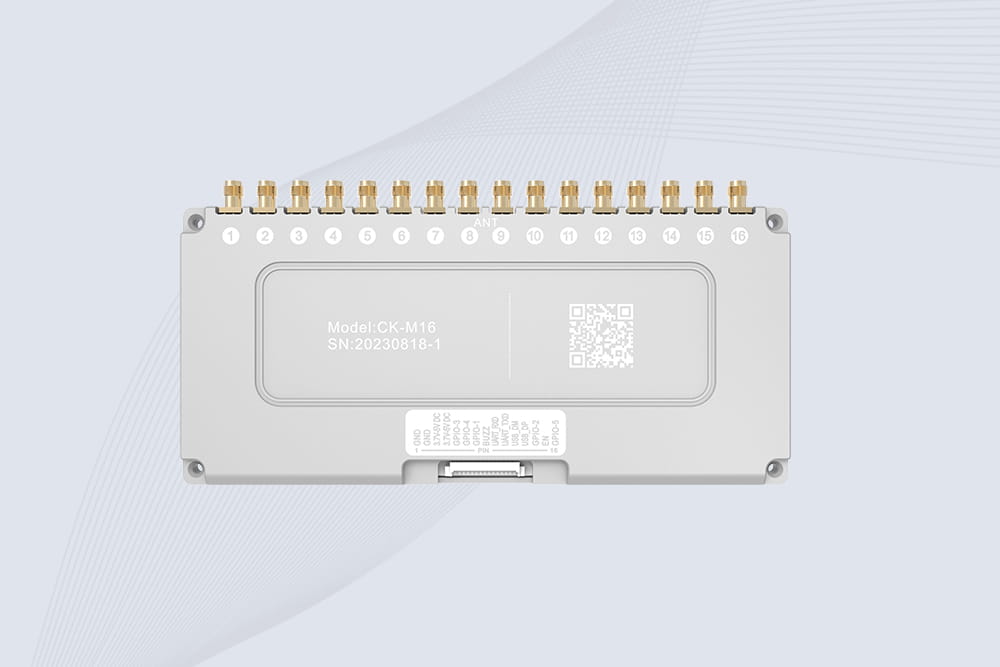
CYKEO CYKEO-M16 RFID Module is a 16-port UHF RFID reader module based on the R2000 chipset. Designed for dense tag environments, it supports ISO and GB standards and delivers stable multi-antenna control for industrial automation.
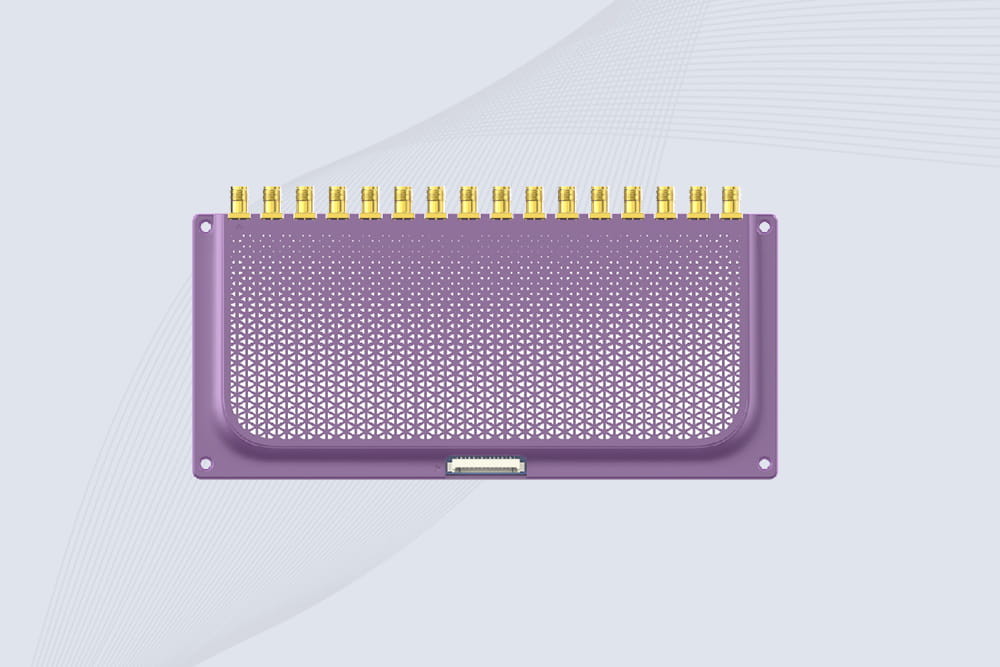
The CYKEO CYKEO-M16L RFID Reader Module is a 16-channel UHF RFID core designed for dense tag environments. With adjustable 33dBm output, multi-protocol support, and stable multi-antenna control, this RFID Tag Reader Module fits industrial automation, warehouse systems, and large-scale IoT deployments.
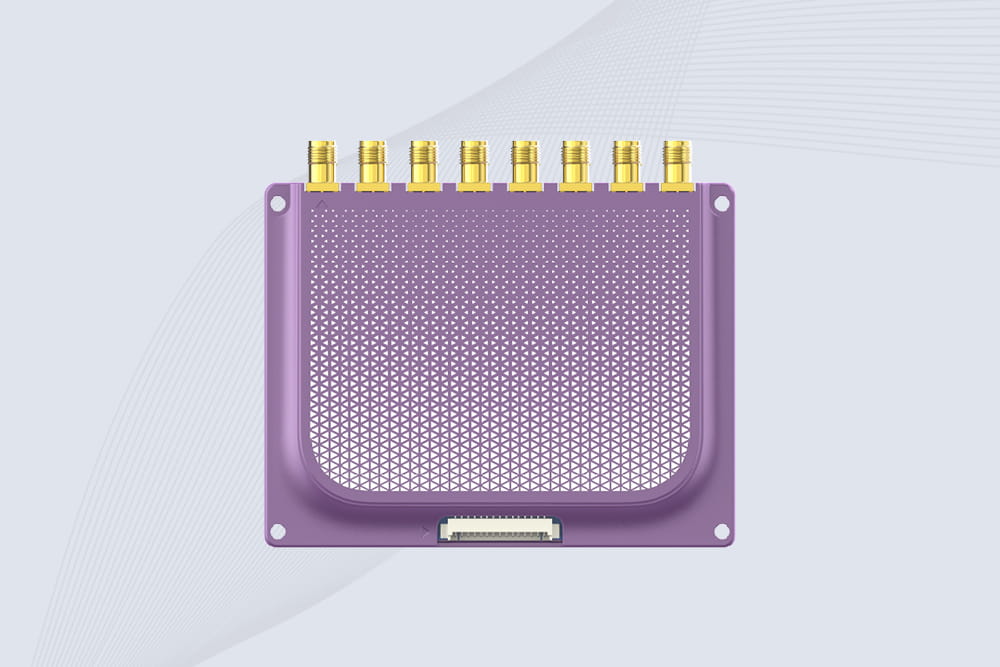
CYKEO CYKEO-M8L module RFID is a compact industrial UHF module built for dense tag and multi-antenna environments. With 8 RF ports, adjustable 33 dBm output, and ISO & GB protocol support, it is widely used in factories, warehouses, and automated tracking systems.
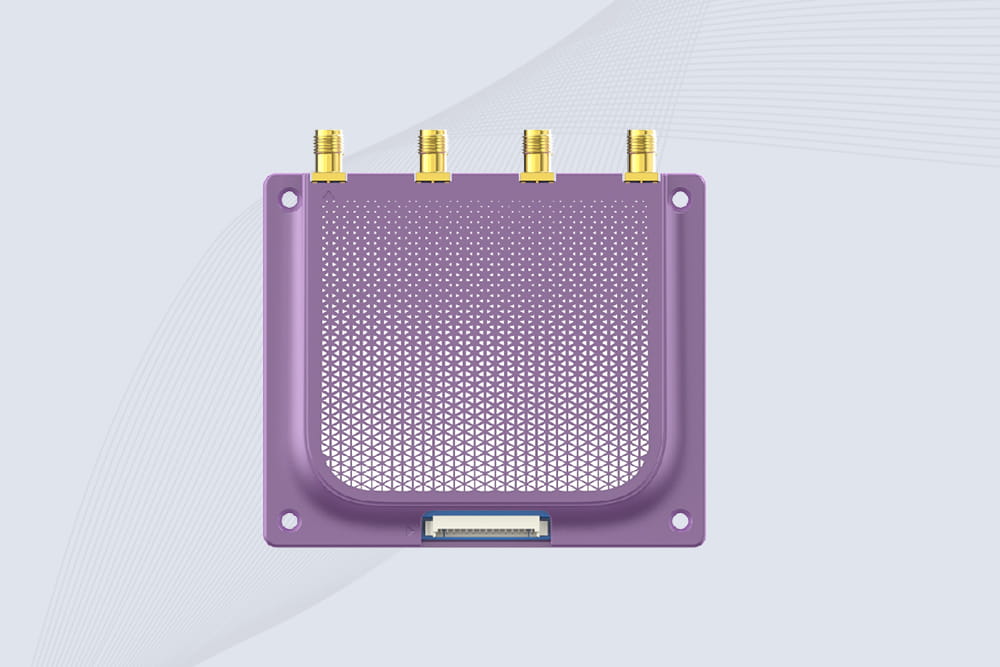
CYKEOCYKEO-M4L UHF RFID Module is a compact 4-channel RFID tag reader module designed for dense tag environments. Supporting ISO and GB protocols, it delivers stable reads up to 10 meters for industrial and IoT systems.
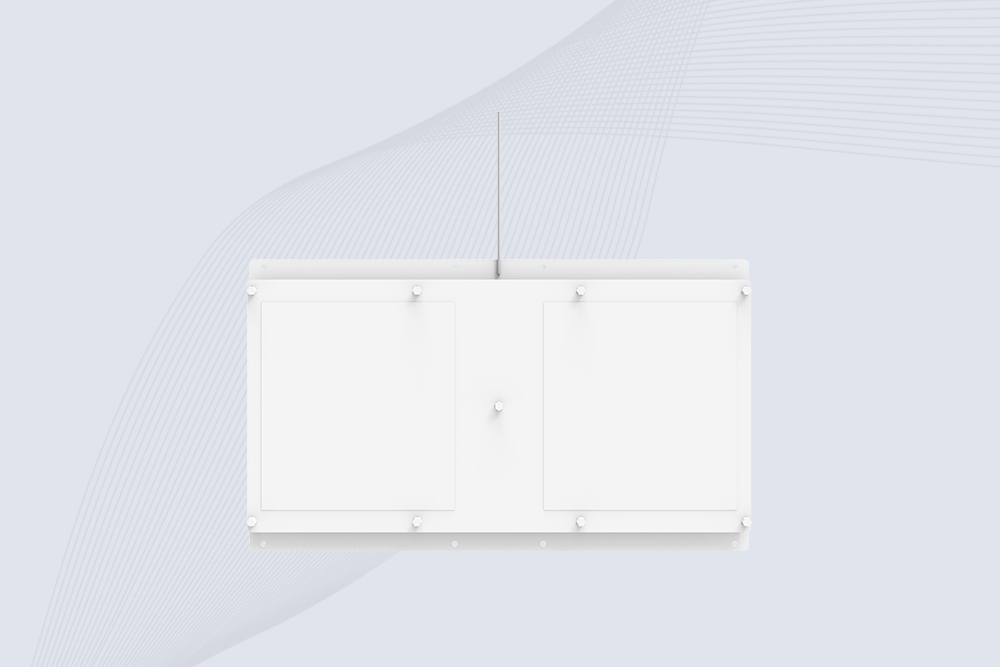
Cykeo CYKEO-A11 UHF RFID reader antenna delivers 11dBi gain, 840-960MHz frequency range, and IP65 ruggedness for retail, logistics, and industrial RFID systems. Features low VSWR and easy installation.
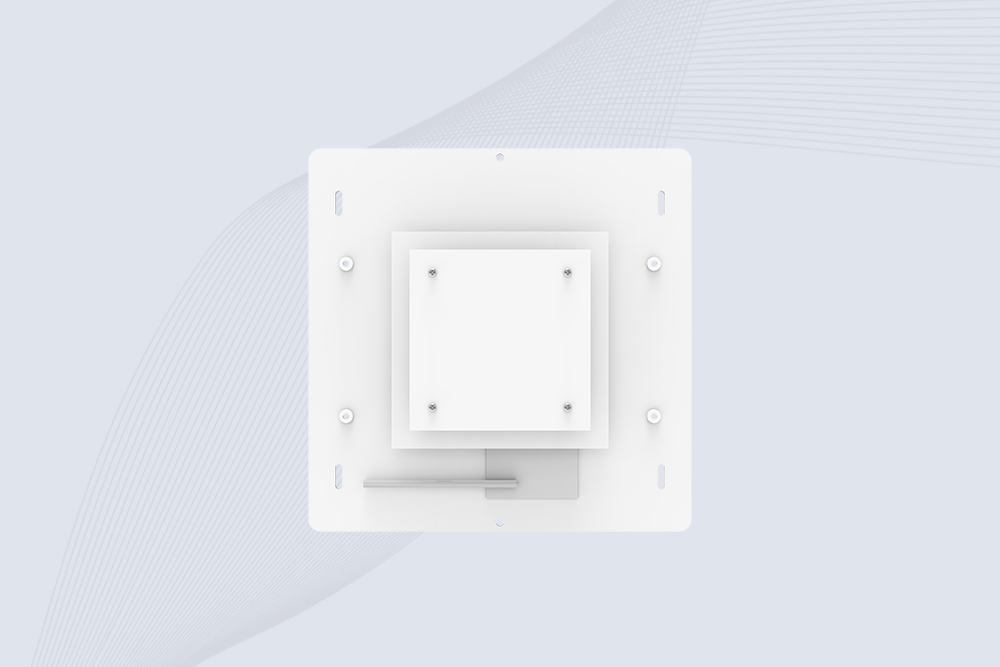
CYKEO Antenna RFID Reader delivers stable long-range UHF performance with a 10.5dBi directional design, built for warehouses, conveyor portals, and industrial RFID systems. This rfid reader antenna provides 20m+ read distance and rugged IP67 protection.

Cykeo CYKEO-PHF3 industrial HF RFID Antenna offers 24-point dynamic tracking, ISO 14443A/15693 protocols, metal-environment stability for archives/libraries/manufacturing.

Cykeo CYKEO-A5B industrial Linear RFID Antenna delivers 5dBi gain, ≤1.5:1 VSWR, and IP65 rugged design for warehouse, production line, and logistics UHF systems.

Cykeo’s CYKEO-B12 Long Range RFID Antenna delivers 15m+ read range with 12dBi gain, IP65 rugged design, and global 840-960MHz UHF support. Ideal for warehouse/logistics asset tracking.
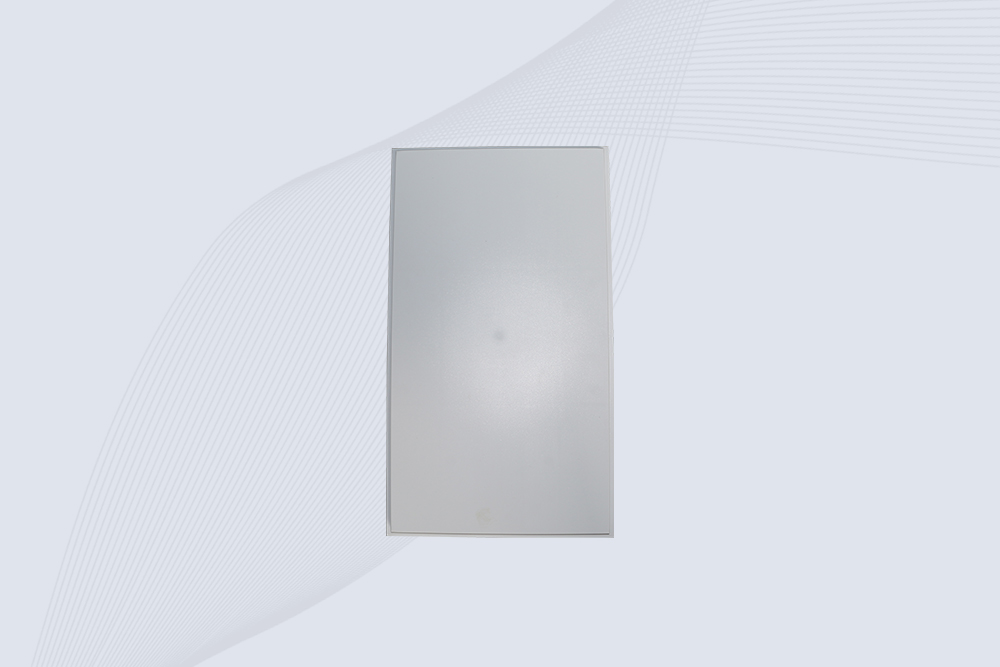
Cykeo CYKEO-B10 Long Distance RFID Antenna offers 10dBi gain, 840-960MHz frequency range, IP65 rating, and 20m+ coverage for logistics/warehousing/ETC systems. Low VSWR ensures stable signal transmission.
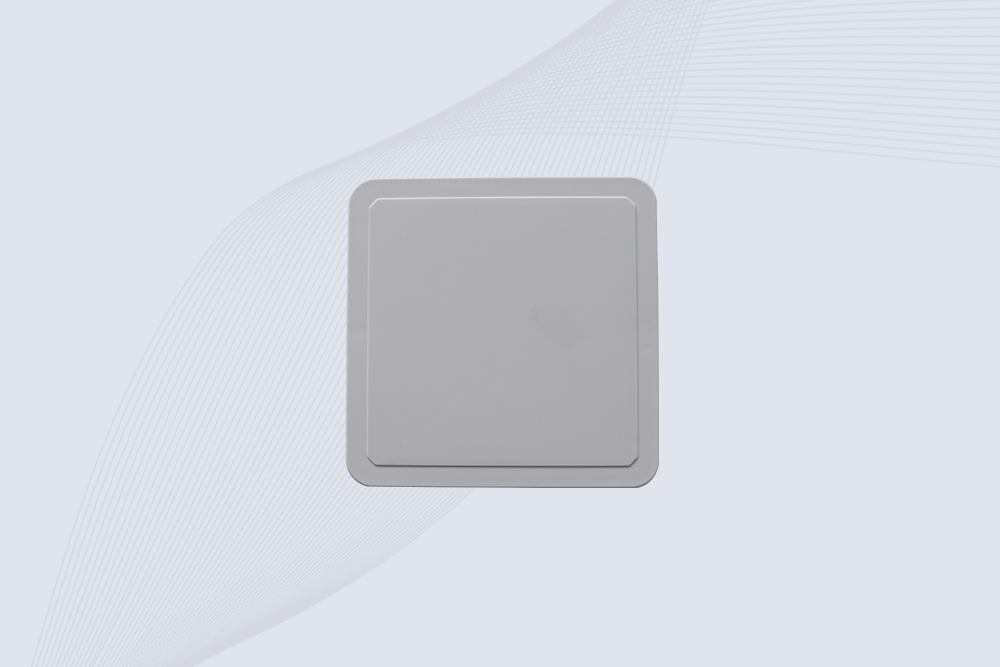
Cykeo CYKEO-A6 UHF RFID panel antenna features 6dBi gain, 840-960MHz broadband, IP65 metal-ready housing for logistics/smart retail. 18mm ultra-thin design with tool-free mounting.

Cykeo CK-A3 industrial antenna RFID UHF offers 5m+ tag detection, ≤1.3:1 VSWR, IP65 rugged design, and global UHF spectrum compatibility (840-960MHz) for warehouses, factories, and retail.
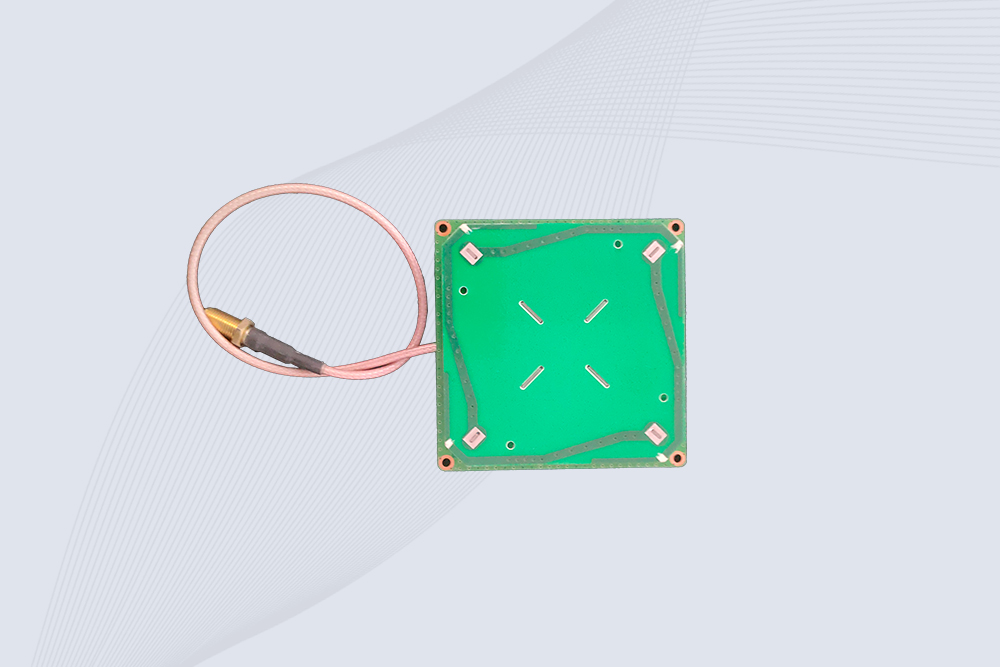
Cykeo CYKEO-B5 directional RFID antenna provides 5dBi gain with 60° narrow beamwidth for precise inventory tracking. IP65-rated, global UHF frequency support, and low VSWR.
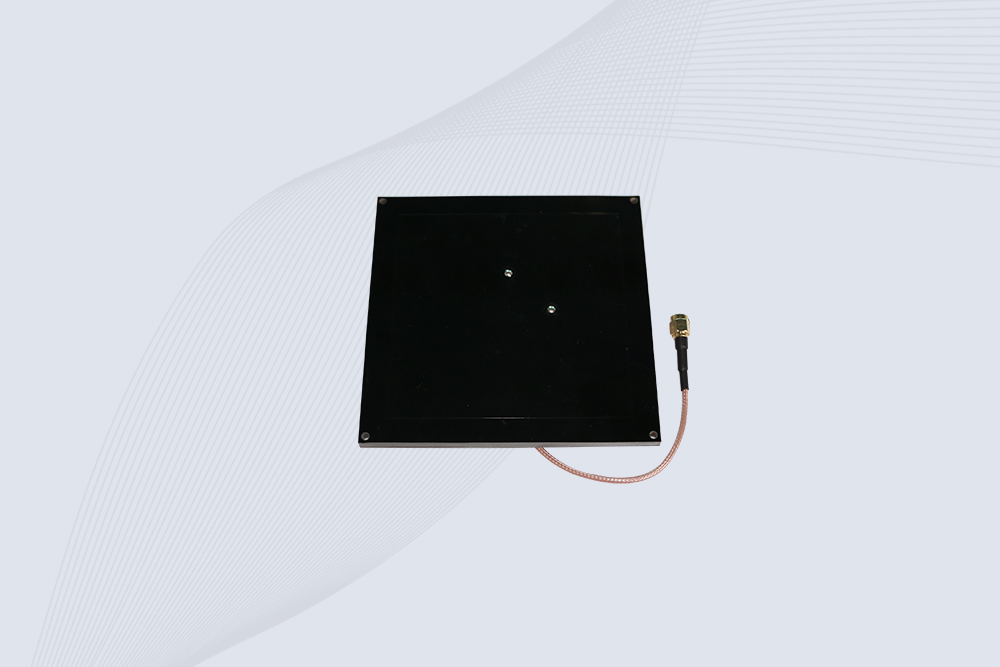
Create your own high-performance DIY RFID antenna! 5dBi gain, 840-960MHz tunable, step-by-step guides. Compatible with Arduino, Raspberry Pi, and commercial UHF readers.
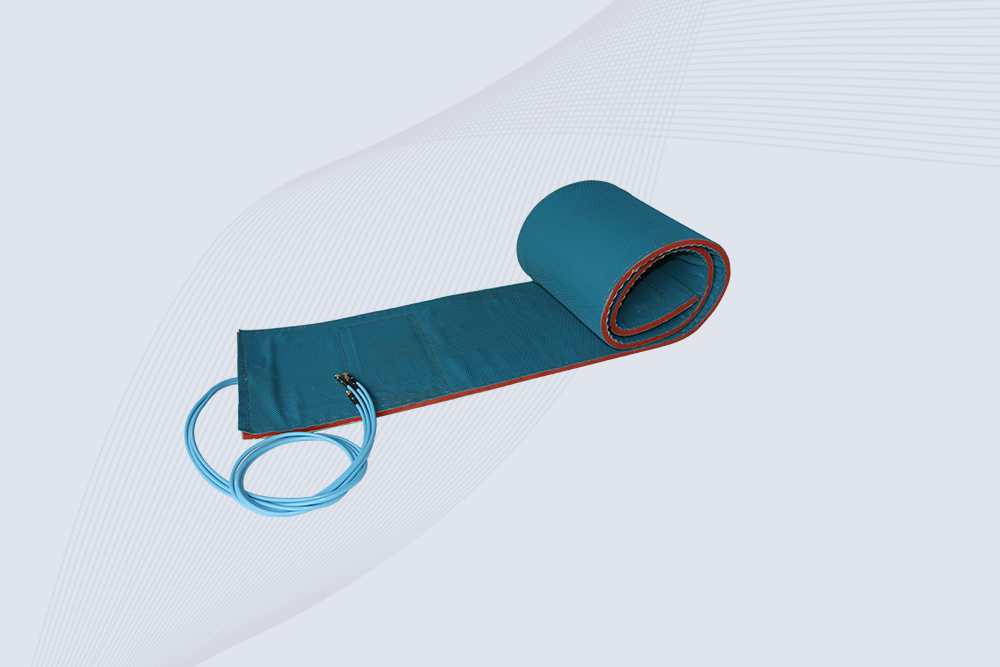
Cykeo CYKEO-A7 Flexible RFID Antenna features 840-960MHz wideband tuning, 7dBi gain, and IP68 rating for medical/retail/industrial curved surface deployments. 98% read accuracy with peel-and-stick installation.
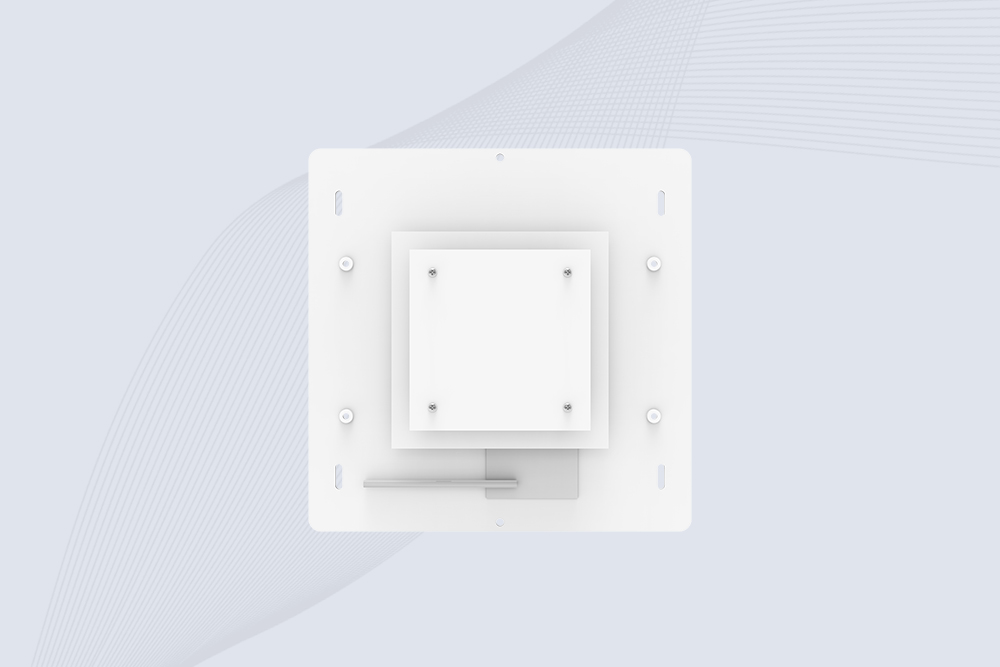
Cykeo CYKEO-B5A industrial Passive RFID Antenna delivers 5dBi gain, 70° beamwidth, and -40°C~55°C operation for warehouses/smart cabinets. Compatible with Zebra/Impinj readers.
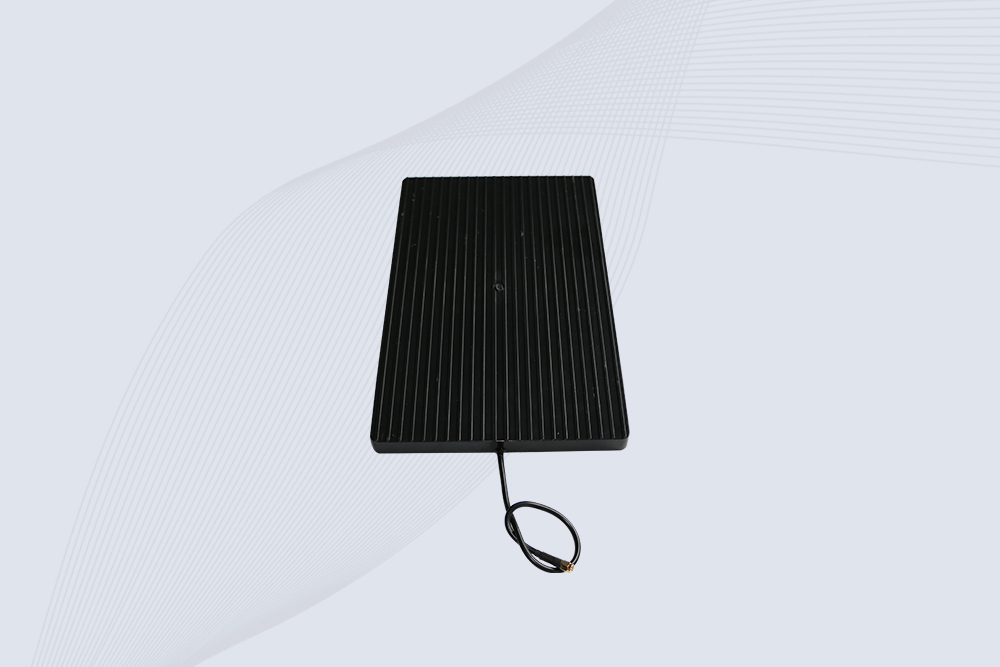
Cykeo’s CYKEO-A9B High Gain RFID Antenna delivers 15m+ read range with 9dBi amplification. Features IP54 rugged design, 840-960MHz bandwidth, and 80° beamwidth for warehouse/manufacturing RFID systems.

Cykeo’s enterprise-grade 8dbi Impinj RFID Antenna 10m+ read range with 840-960MHz tuning. Features IP65 housing, 1.4 VSWR, 35° beamwidth for retail/warehouse RFID systems.
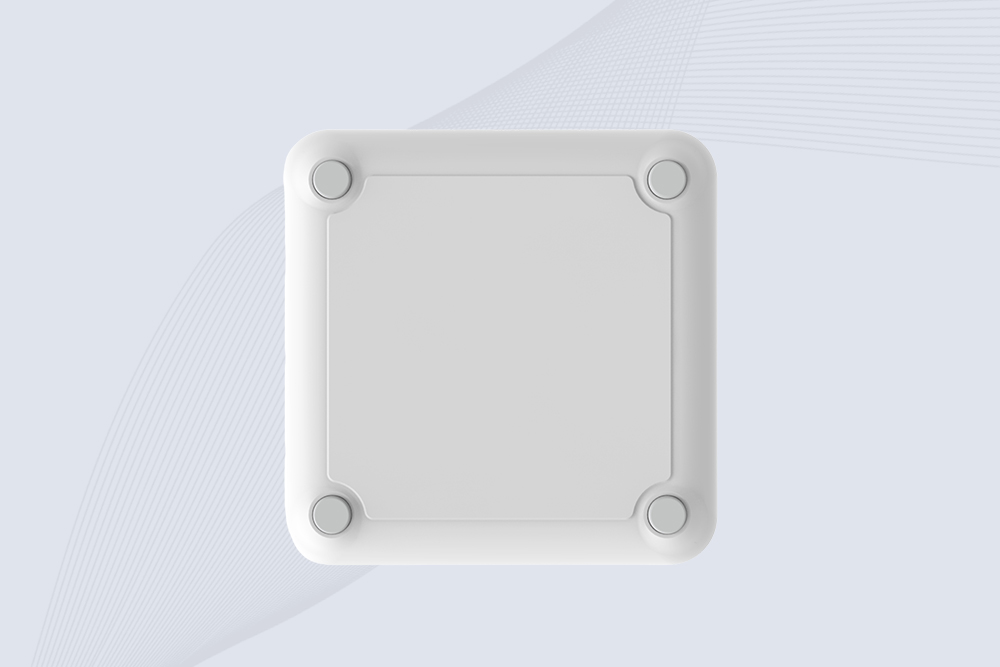
Cykeo CYKEO-A9 industrial UHF RFID antenna delivers 9dBi gain, 840-960MHz frequency range, and IP65 protection for warehouse/logistics/retail RFID systems. Features N-type connector and ≤1.3:1 VSWR.
CYKEO UHF RFID Antenna built for long-distance and industrial applications. This antenna rfid uhf delivers strong gain, outdoor durability, and reliable tag performance in warehouses, yards, and vehicle ID systems.
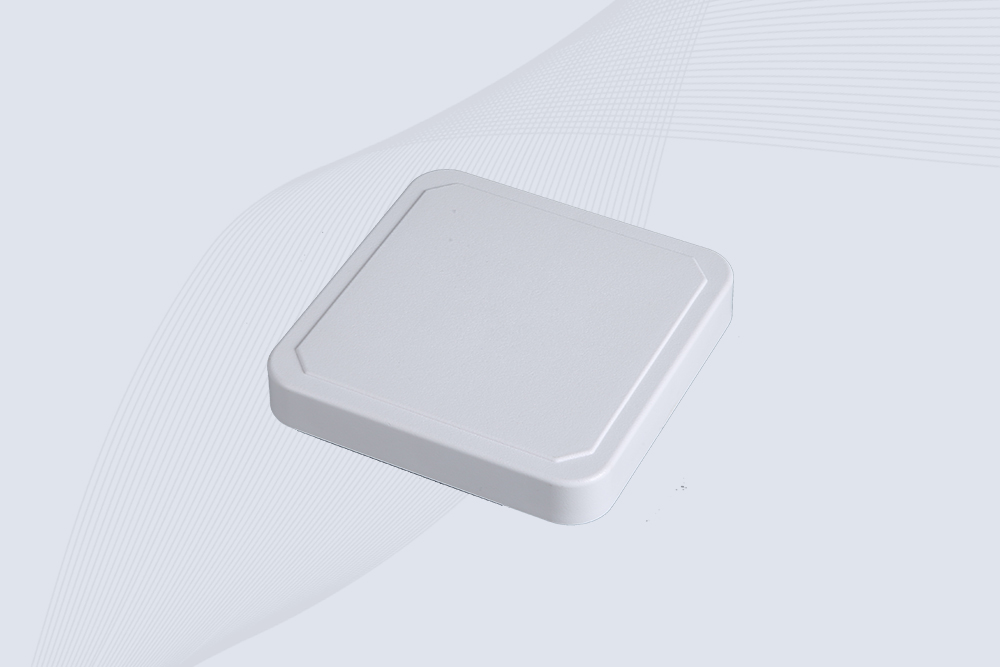
CYKEO Antenna RFID delivers reliable long-range UHF performance in warehouses, retail shelves, and cold-chain environments. This compact uhf rfid antenna provides stable reads with circular polarization and ultra-wide 840–960 MHz support, ideal for industrial tracking, smart shelves, and asset monitoring.
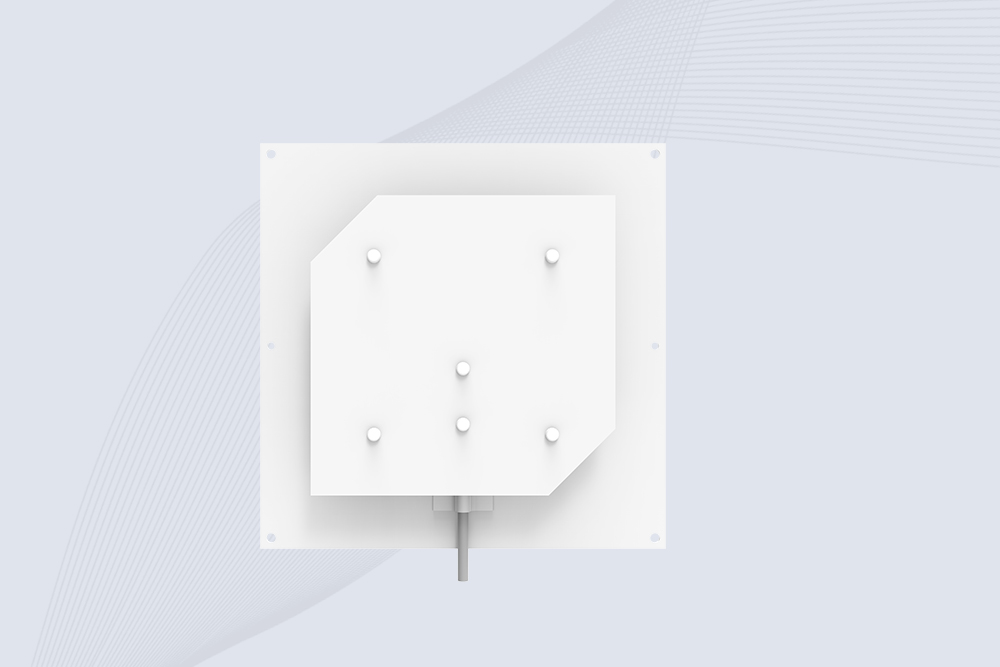
Cykeo’s CYKEO-C8 UHF RFID antennas delivers 8dBi gain, 840-960MHz full-band coverage, and IP65 ruggedness for manufacturing/warehouse RFID systems. Industrial RFID Antennas Features
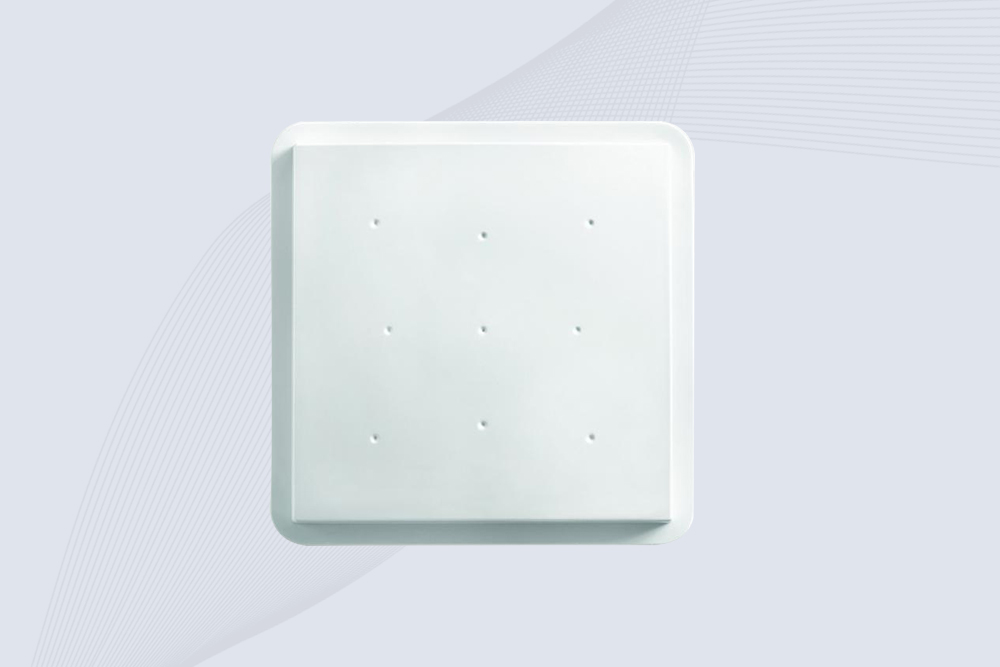
Cykeo’s 8dBi UHF RFID antenna and reader kit delivers 10m+ range, 840-960MHz broadband, and IP65 ruggedness for factories, warehouses, and logistics. ISO 18000-6C & EPC Gen2 certified.
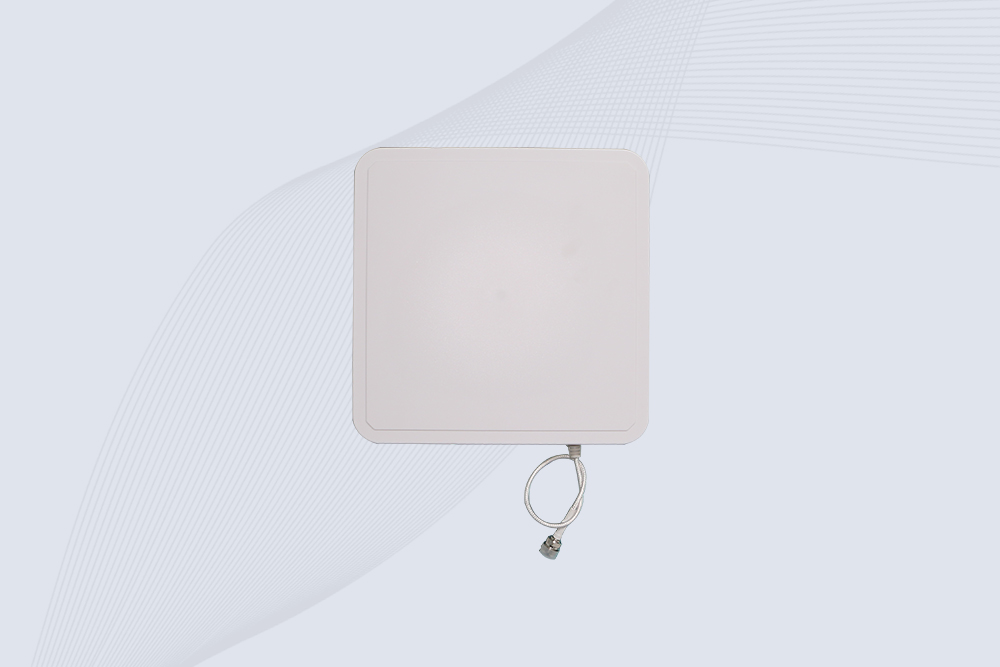
Cykeo CYKEO-A9A industrial UHF RFID reader and antenna kit delivers 10m range, 500 tags/sec, IP65 ruggedness for manufacturing/logistics. Supports EPC Gen2, ISO18000-6C.
Cykeo’s CYKEO-A12C UHF Large RFID Antenna delivers 12dBi gain, 840-960MHz global frequency, IP65 ruggedness for logistics/warehousing/automotive. 40° beamwidth ensures stable 15m+ tag reads.

CYKEO Near Field RFID Antenna provides precise 5–30 cm reading for shelves, cabinets, and workstations. This compact rfid shelf antenna delivers stable short-range performance around metal and clutter, ideal for pharmacies, libraries, and electronics sorting.
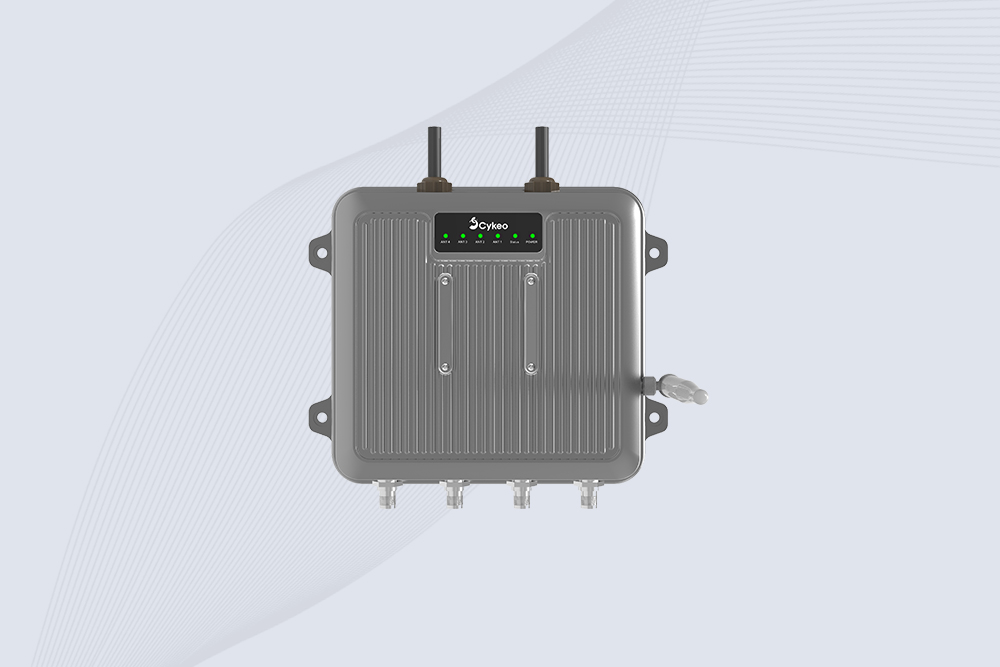
Cykeo CYKEO-C1 industrial Forklift RFID Reader features 20m read range, 600 tags/sec scanning, Impinj R2000 chipset, and IP67 rugged design. Ideal for warehouse logistics and manufacturing. Supports ISO 18000-6C/6B protocols.
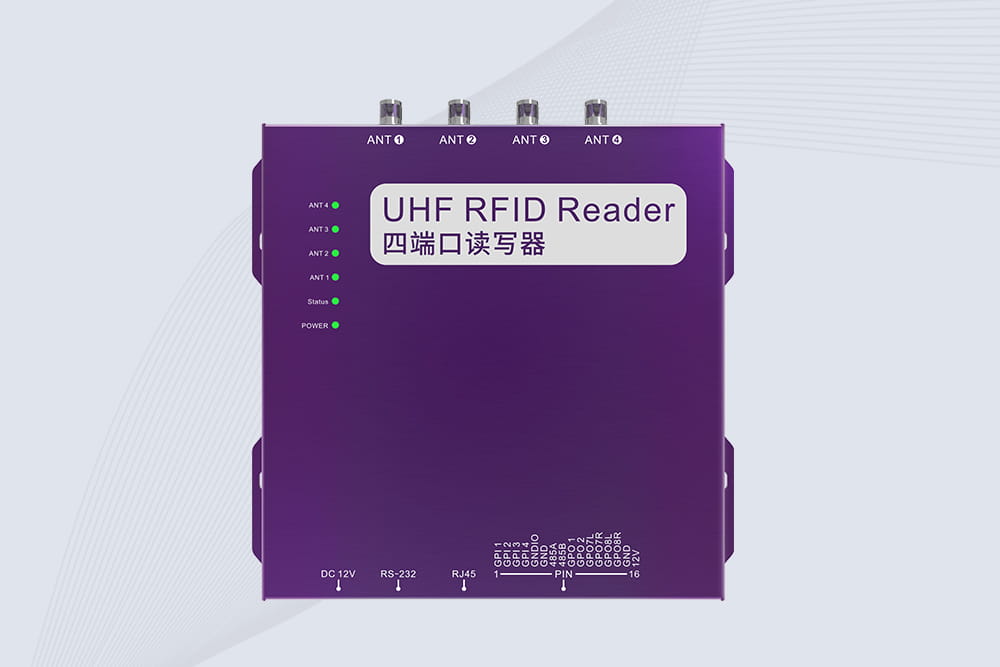
Cykeo CYKEO-R4 industrial UHF RFID Fixed Reader features 4 TNC ports, 400+ tags/sec speed, IP67 housing, and global frequency compliance for vehicle inspection, smart warehouse, and asset management systems.
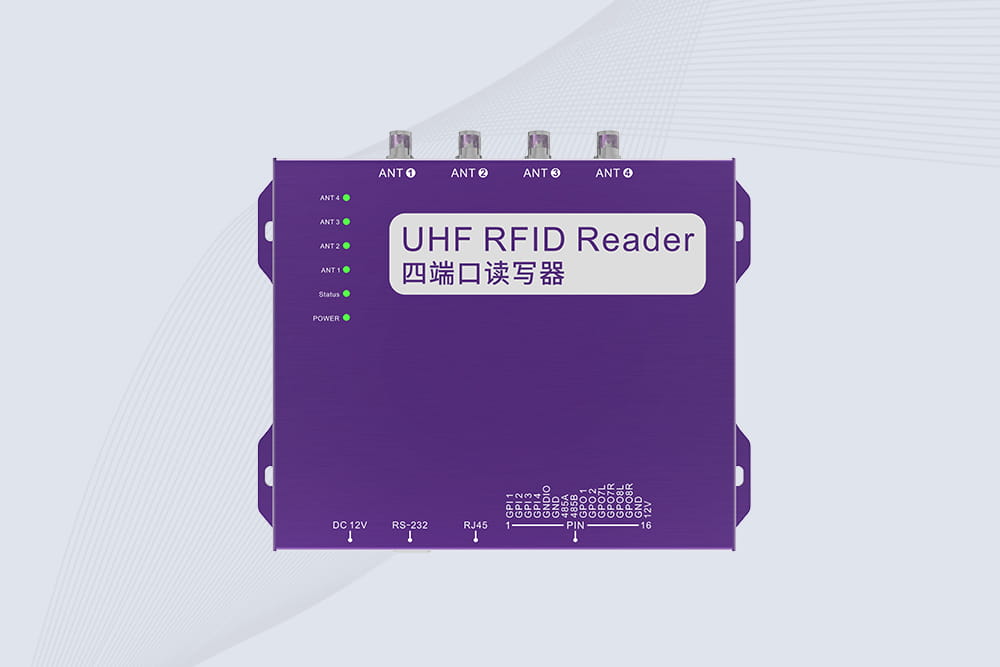
Cykeo’s CYKEO-R4L 4-port Fixed UHF RFID Reader delivers 400 tags/sec scanning, ISO 18000-6C compliance, and IP65 protection. Ideal for warehouse automation, manufacturing WIP tracking, and logistics management.
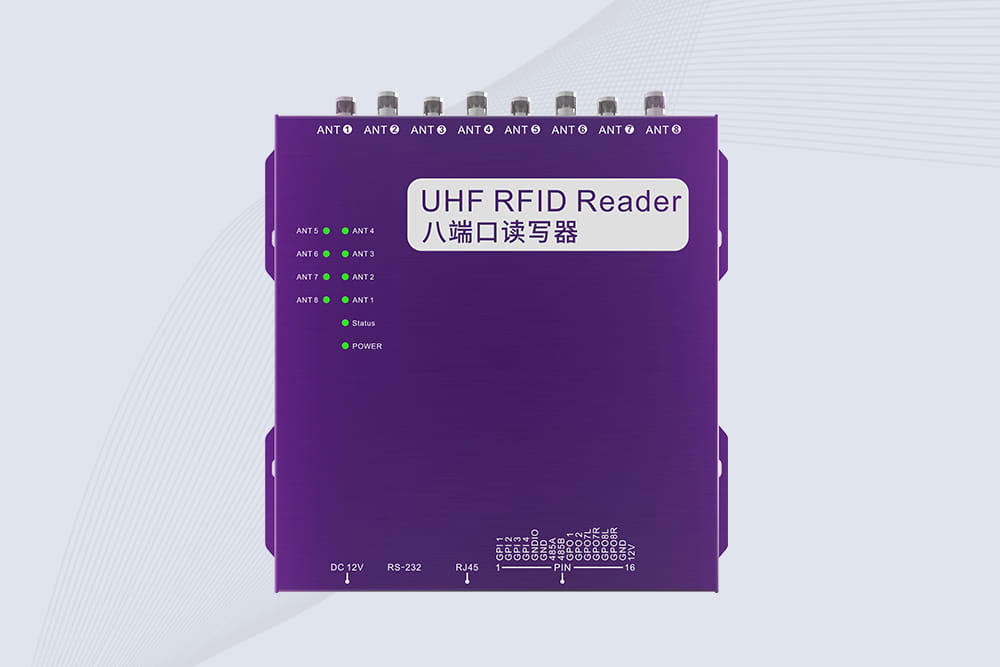
CYKEO CYKEO-R8L Fixed RFID Reader with 8-port UHF design, Impinj-based RF core and up to 20m read range. An industrial Fixed RFID Reader for vehicle inspection, warehouse portals, smart manufacturing lines and secure access checkpoints.
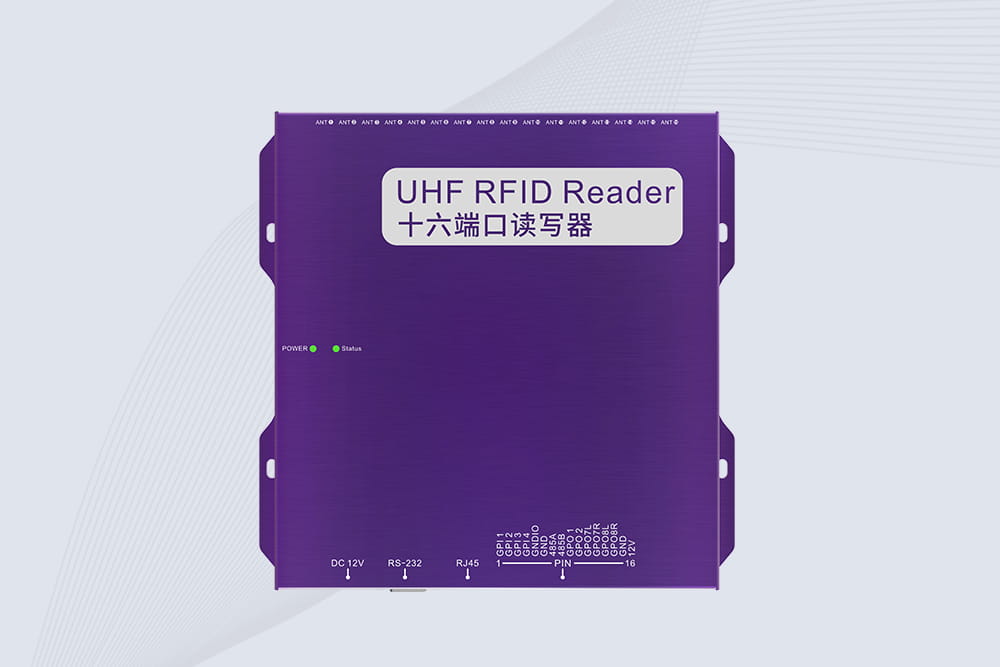
RFID Fixed Reader from CYKEO – the CYKEO-R16L 16-port UHF fixed reader for warehouses, smart cabinets, and production lines. Long-range, multi-tag reading, stable performance for 24/7 industrial use.
Understand the differences between NFC and RFID, their unique applications, and how Cykeo’s hybrid solutions bridge both technologies for seamless operations.
More
This article provides detailed guide on how to use an Android phone to emulate RFID tags, covering prerequisites, HCE principles, development steps, and practical B2B applications such as access control testing and IoT device prototyping.
More
Learn how RFID reader modules are used in production line tracking, manufacturing automation, conveyor systems, and industrial process verification applications.
More
Learn how RFID tags work, how to test them with phones or readers, and troubleshoot common issues. Practical tips for engineers and warehouse professionals.
More