In many factories, production tracking still depends on people scanning barcodes manually.
A worker moves a product to the next station, scans the label, confirms the process, and repeats the same action hundreds or thousands of times every shift.
The problem is that manual tracking breaks down easily.
Scans get skipped. Labels become damaged. Operators forget to update the system during busy production periods. Eventually, inventory data and production status stop matching reality.
That’s one reason RFID production tracking systems are becoming much more common in manufacturing environments.
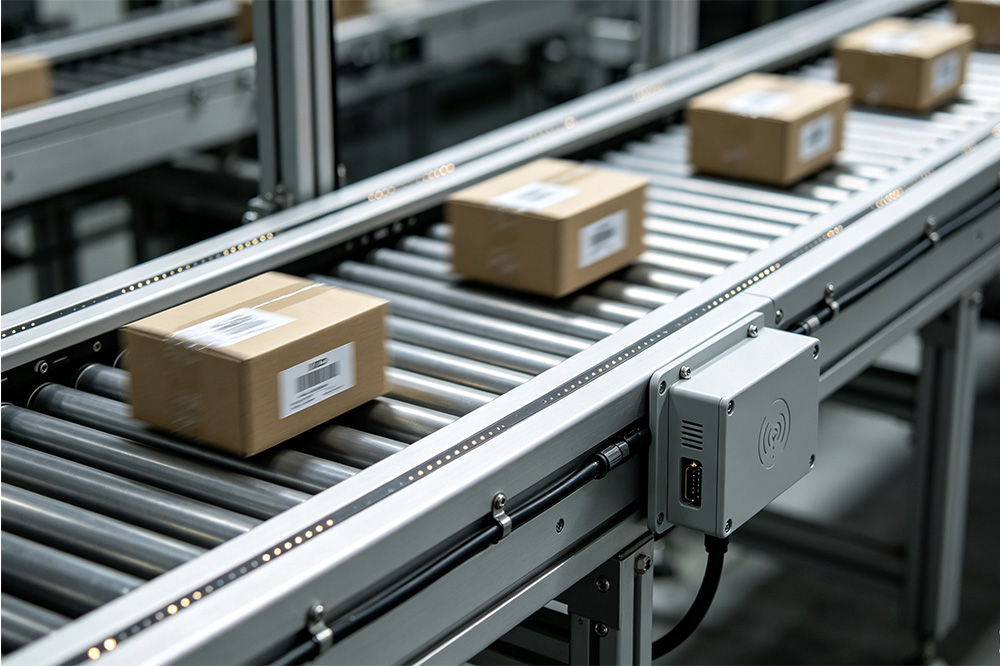
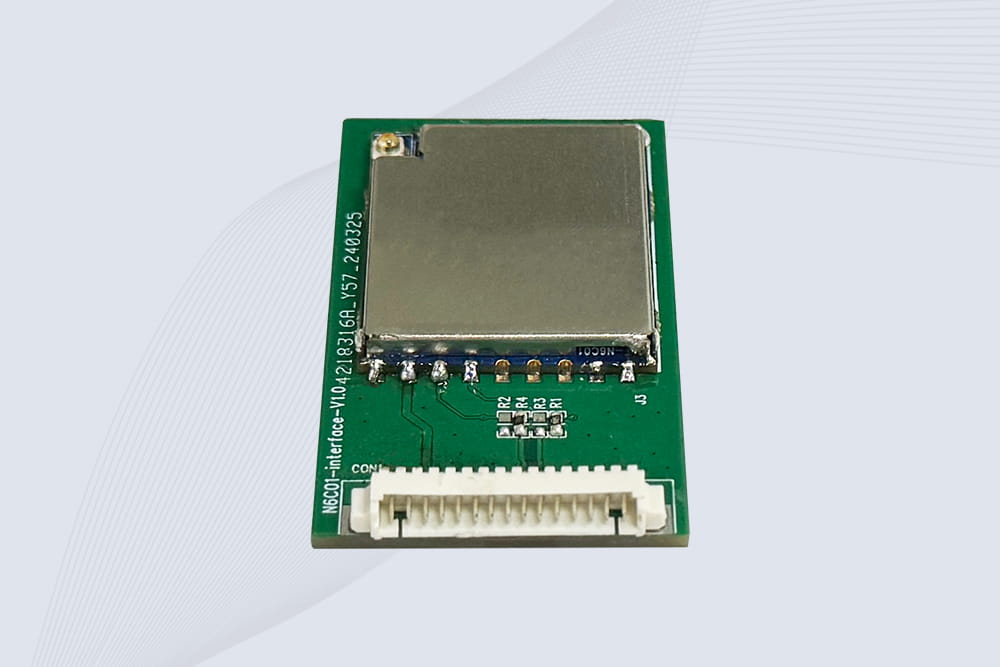
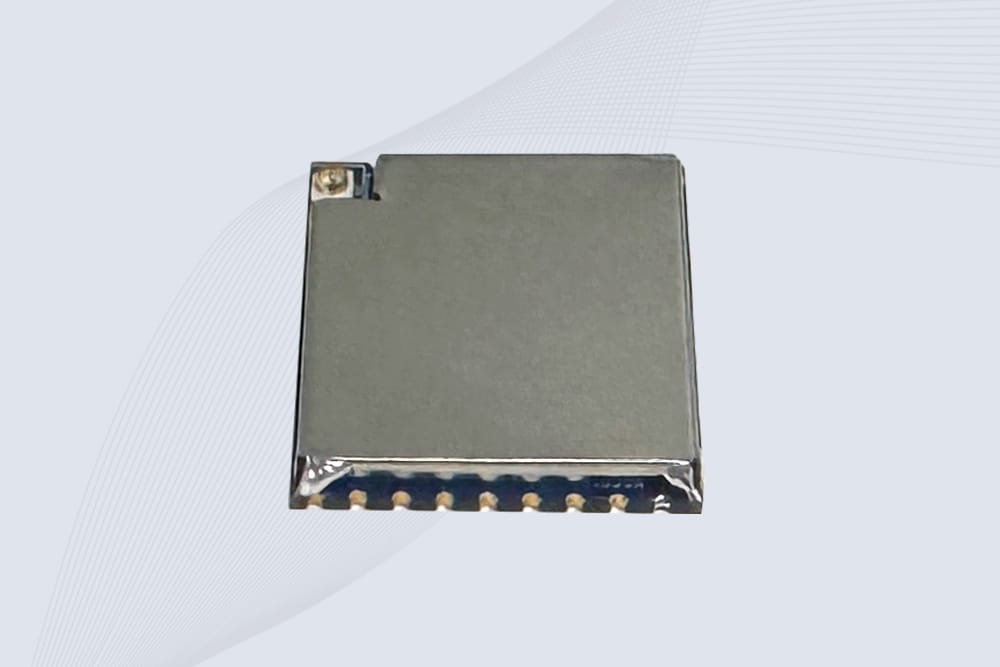
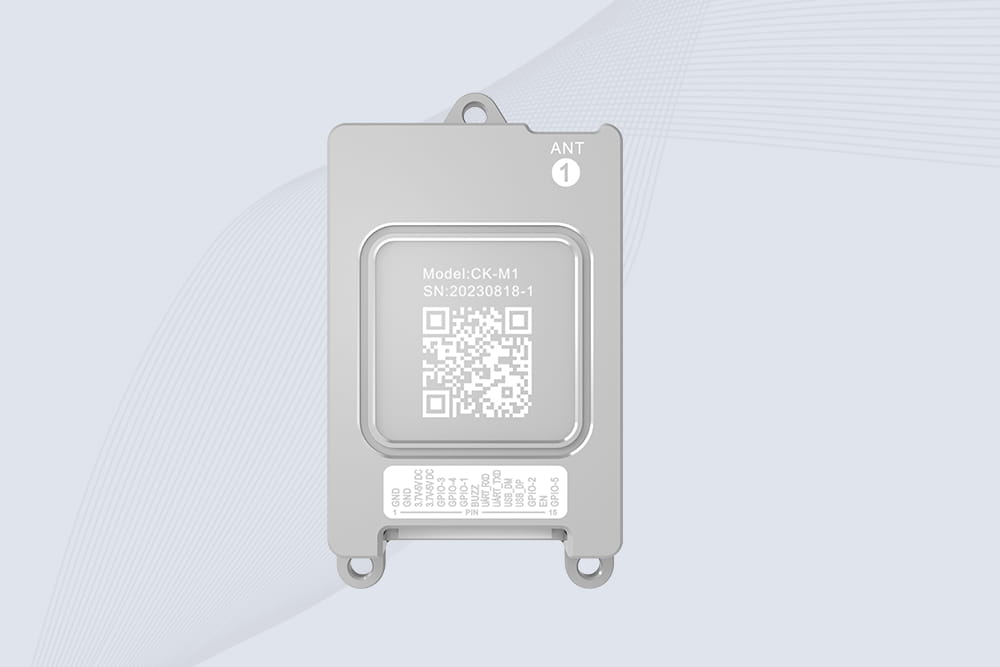
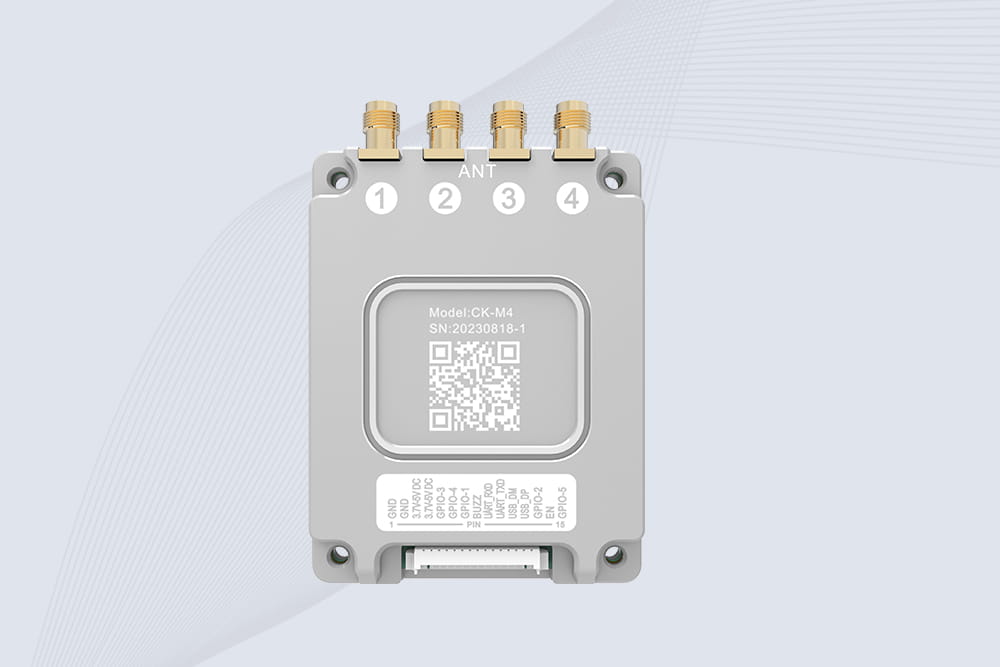
And increasingly, the RFID hardware behind these systems is an embedded RFID reader module installed directly inside production equipment itself.
Why Manufacturing Plants Are Moving Toward RFID Tracking
Factories today need better visibility into:
Work-in-progress inventory
Production flow
Material movement
Tool usage
Process verification
Manual tracking creates delays and data gaps.
RFID helps automate data collection because tagged items can be identified automatically while moving through production processes.
That becomes especially useful on high-speed lines where stopping for barcode scanning slows down operations.
Common RFID Applications in Production Lines
RFID is now used across many manufacturing workflows.
Work-In-Progress Tracking
Factories use RFID to monitor products as they move between:
Assembly stations
Testing areas
Packaging lines
Quality inspection zones
This provides better production visibility in real time.
It’s particularly useful for OEM manufacturers developing embedded industrial systems.
Production Environments Are Difficult for RFID
Factories create challenging RF conditions.
RFID systems often operate around:
Metal machinery
Conveyor frames
Motors and electrical noise
Dense material storage
Moving products
Welding equipment
All of these can affect RF stability.
A system that performs well during office testing may behave completely differently once installed beside active production equipment.
That’s why field testing matters much more than lab demonstrations.
Antenna Design Usually Determines Production Stability
Many unstable RFID systems are actually suffering from poor antenna placement.
Especially inside compact manufacturing equipment where installation space is limited.
Integrators often spend time testing:
Antenna direction
RF shielding
Distance from metal
Read zone size
Conveyor positioning
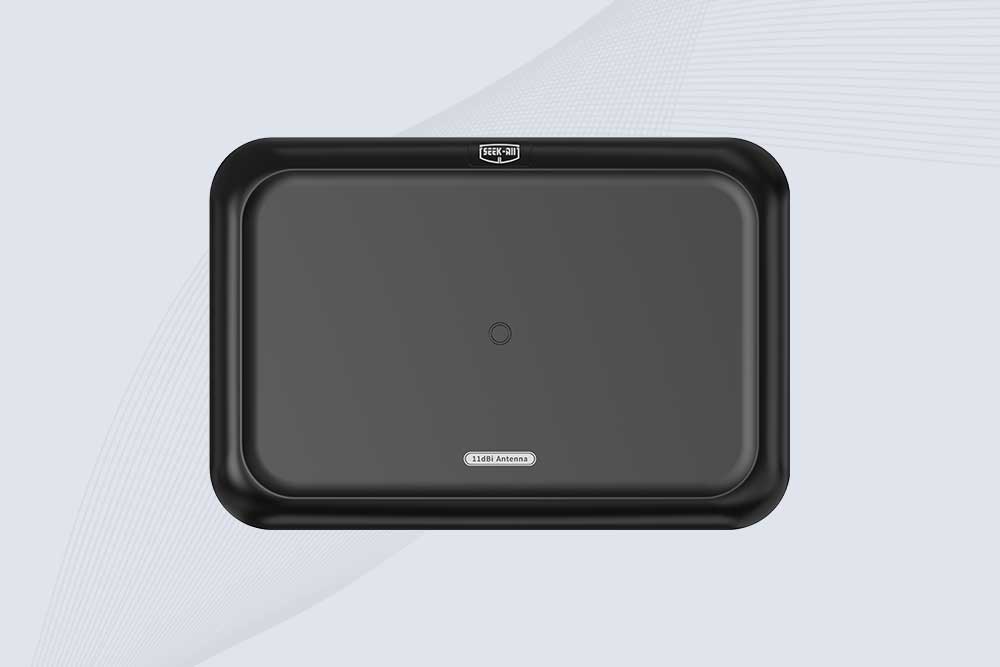
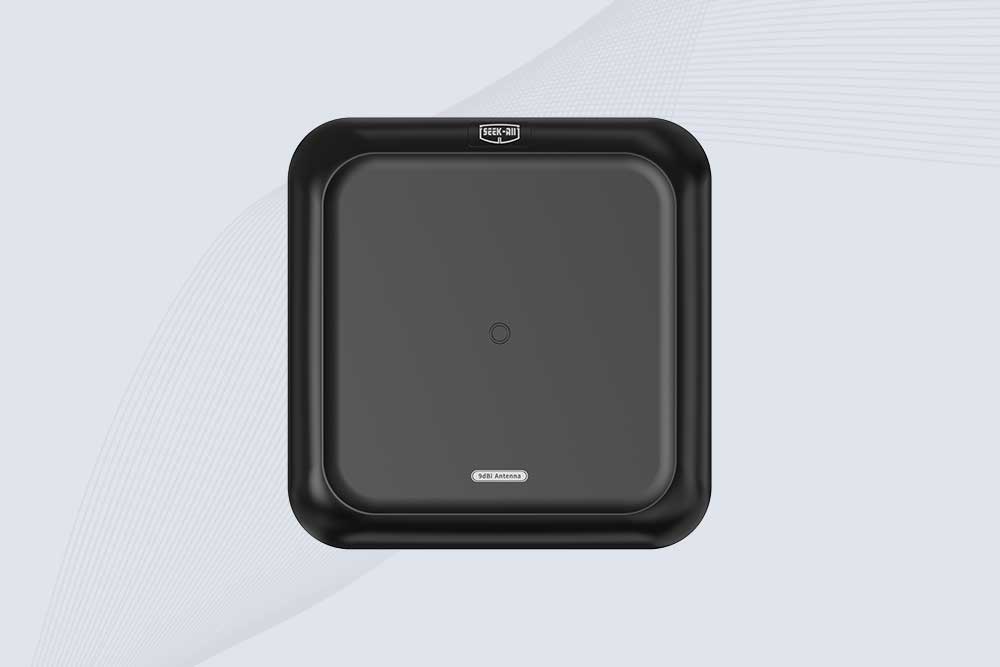
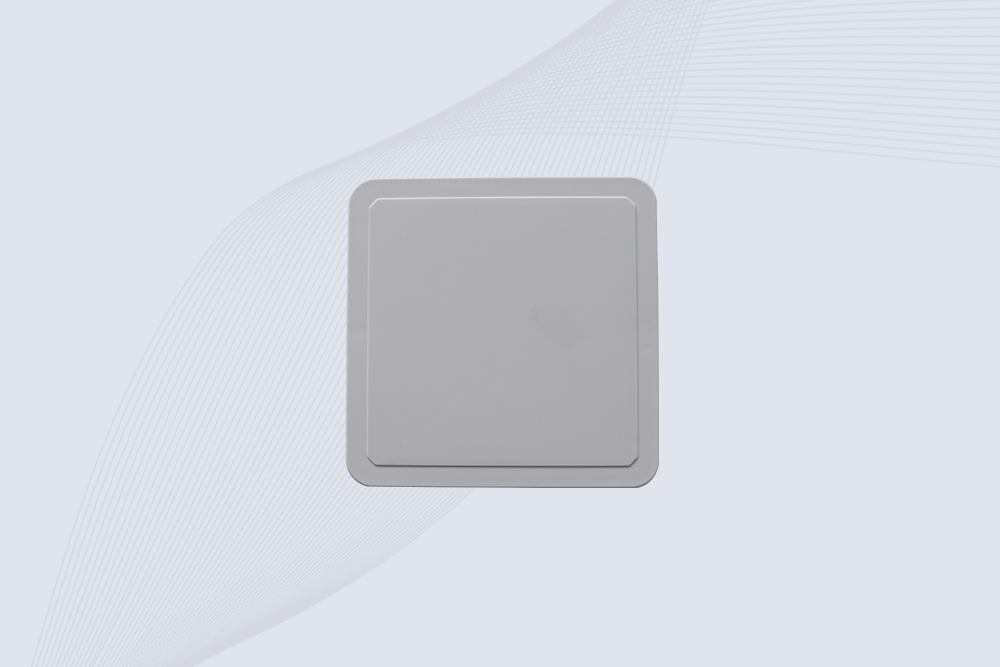
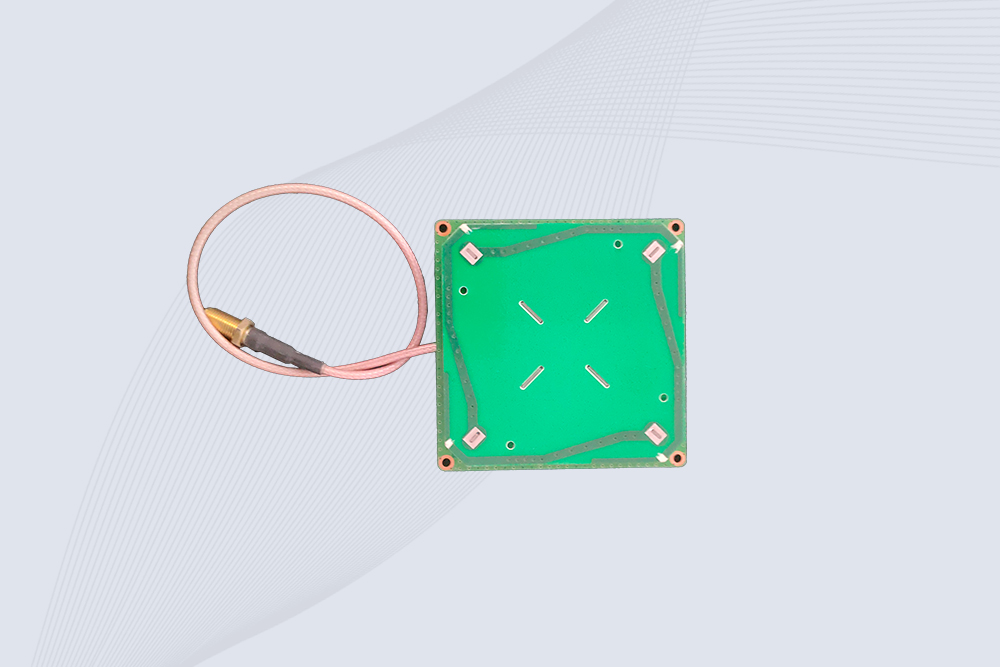
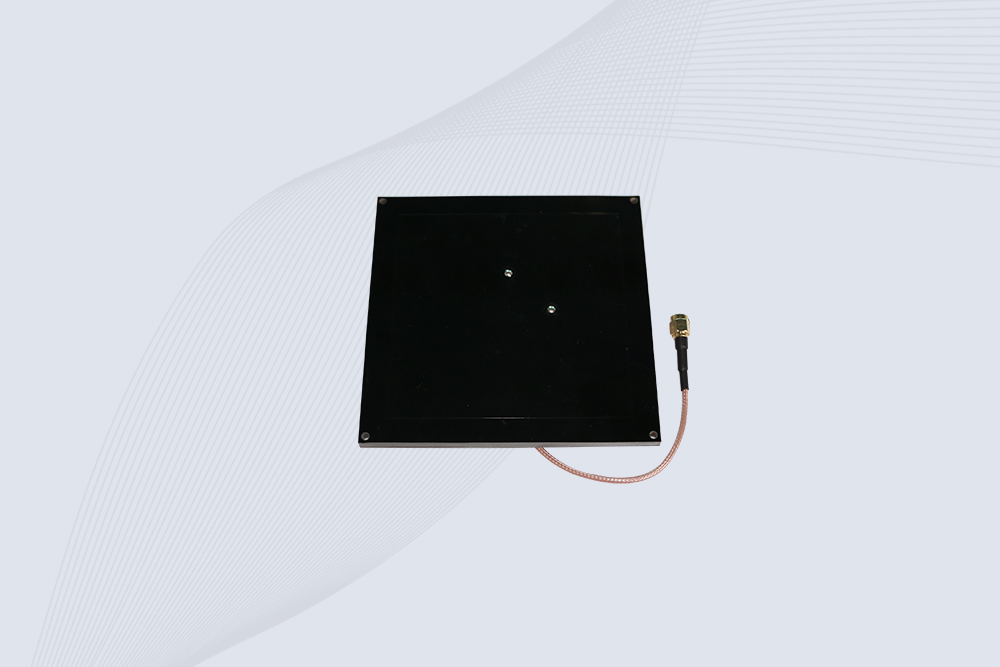
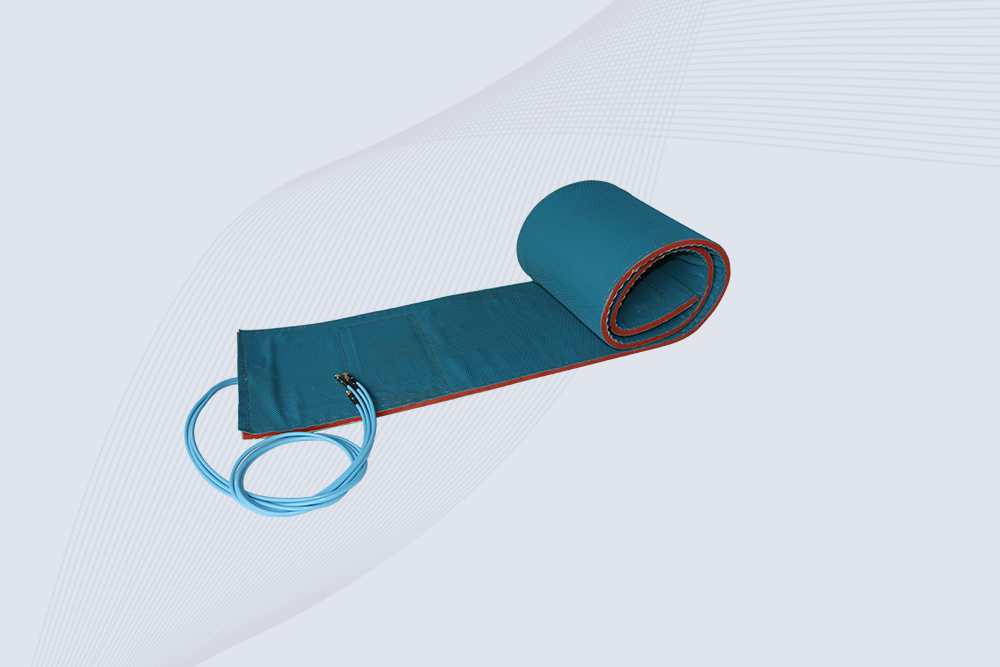
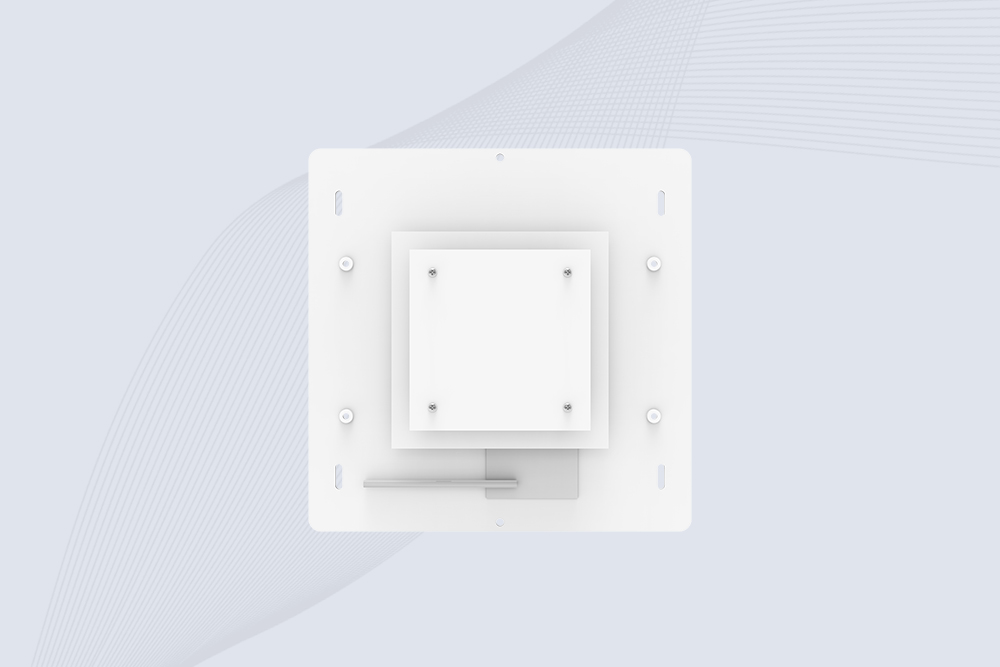
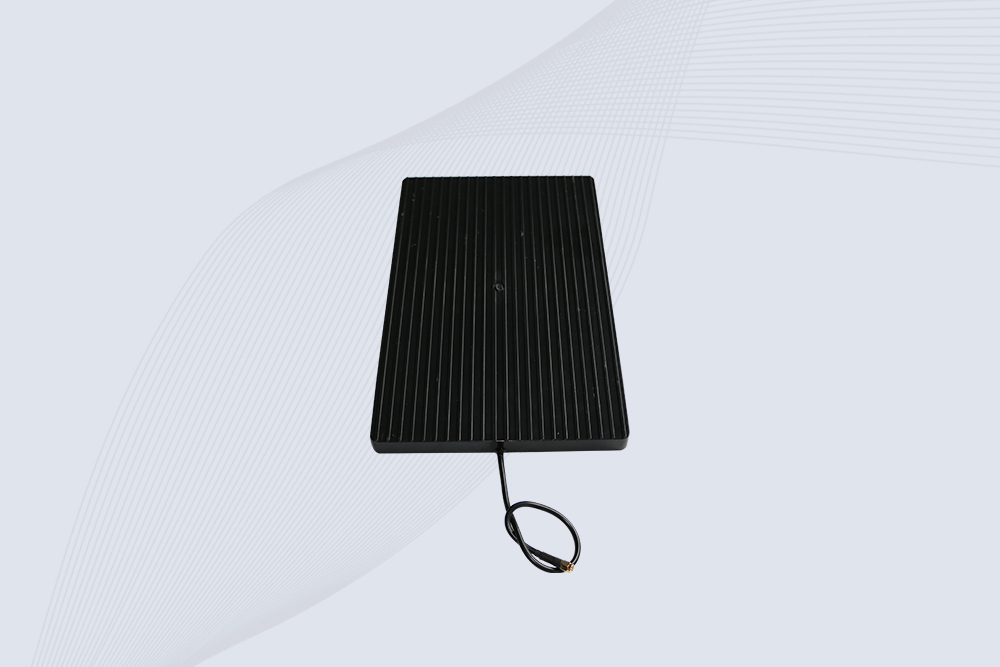
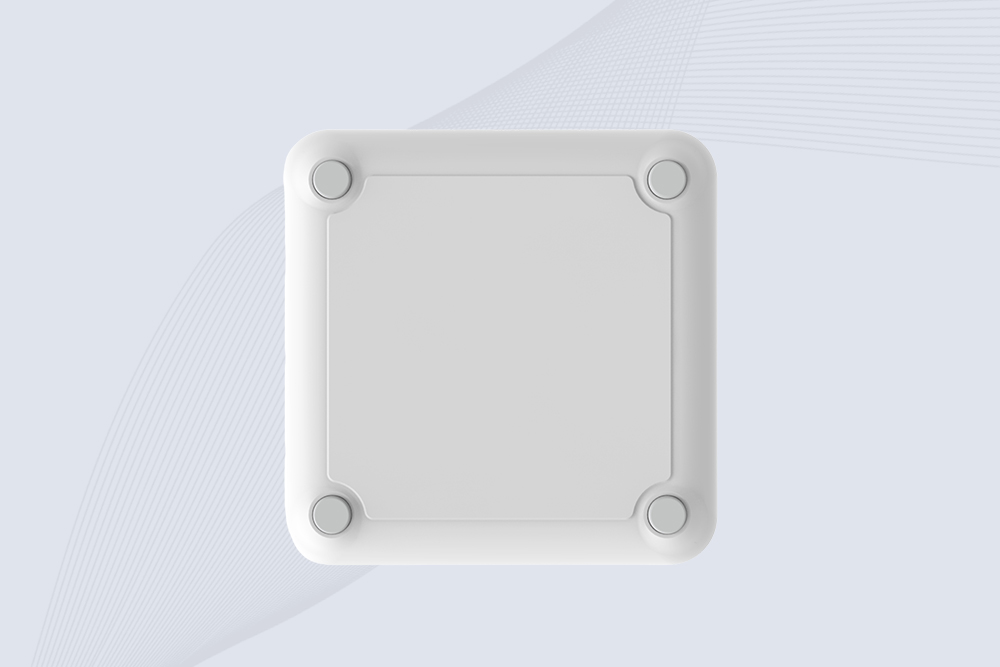
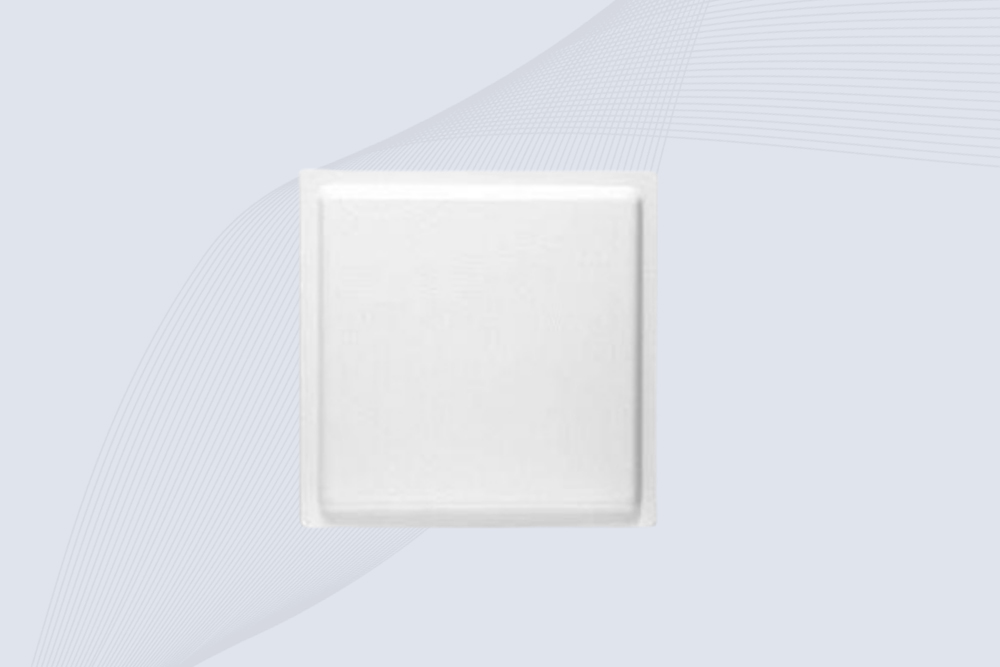
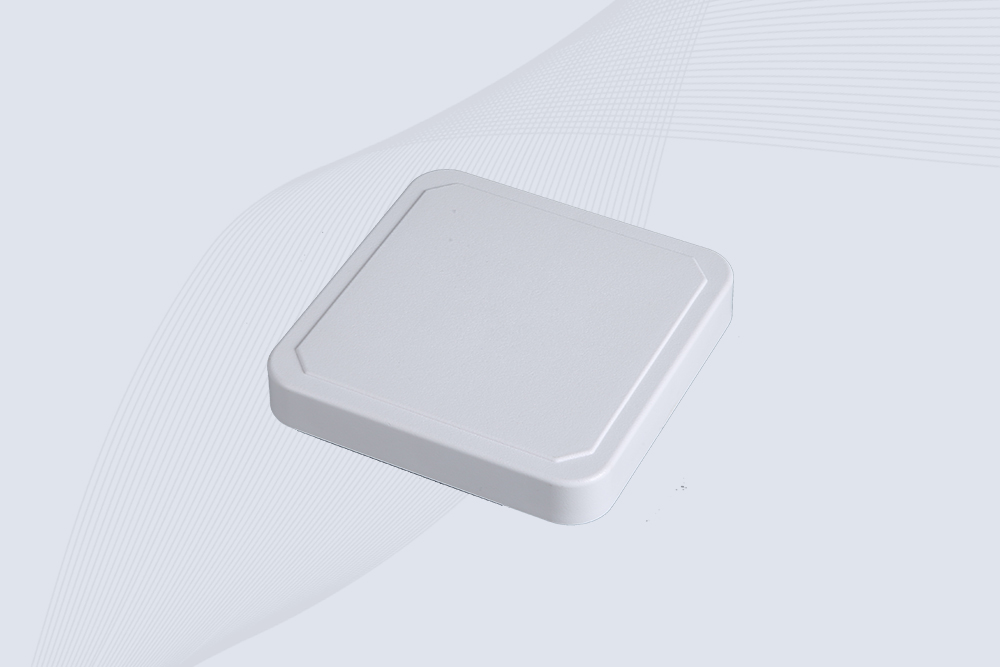
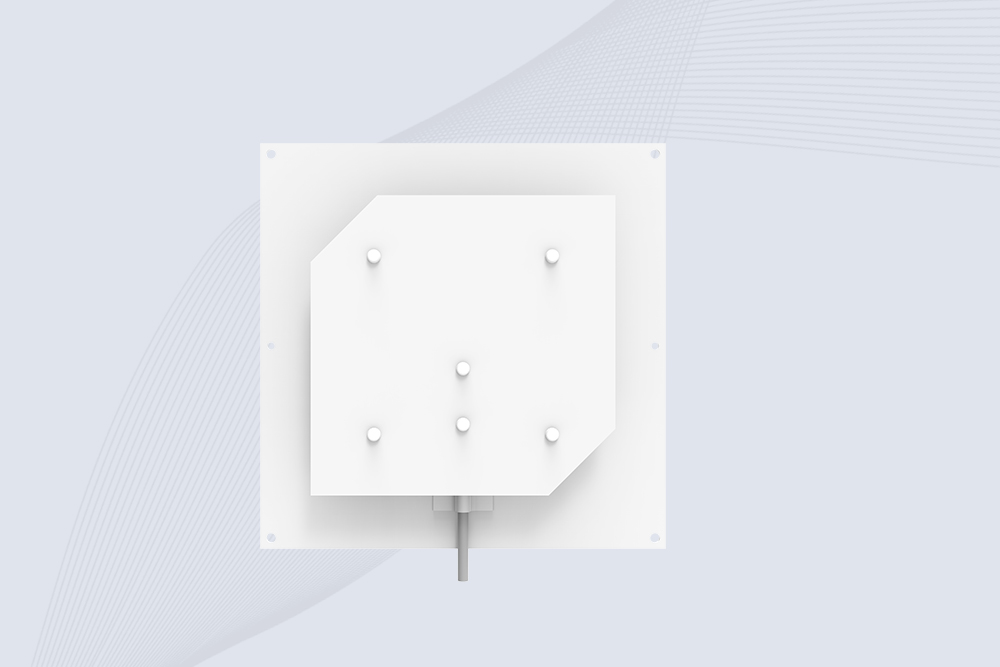
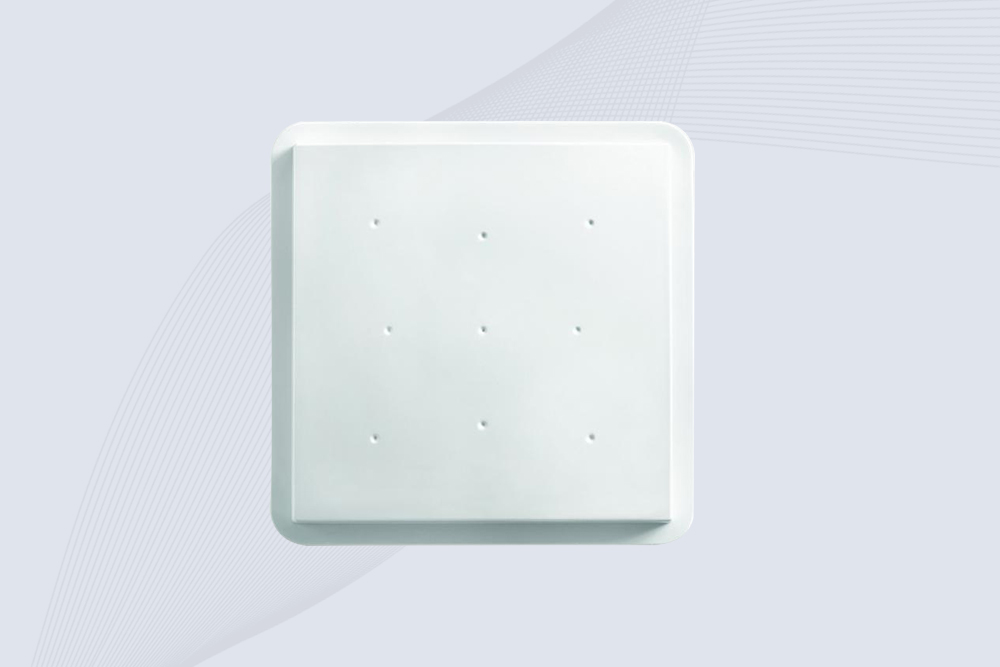
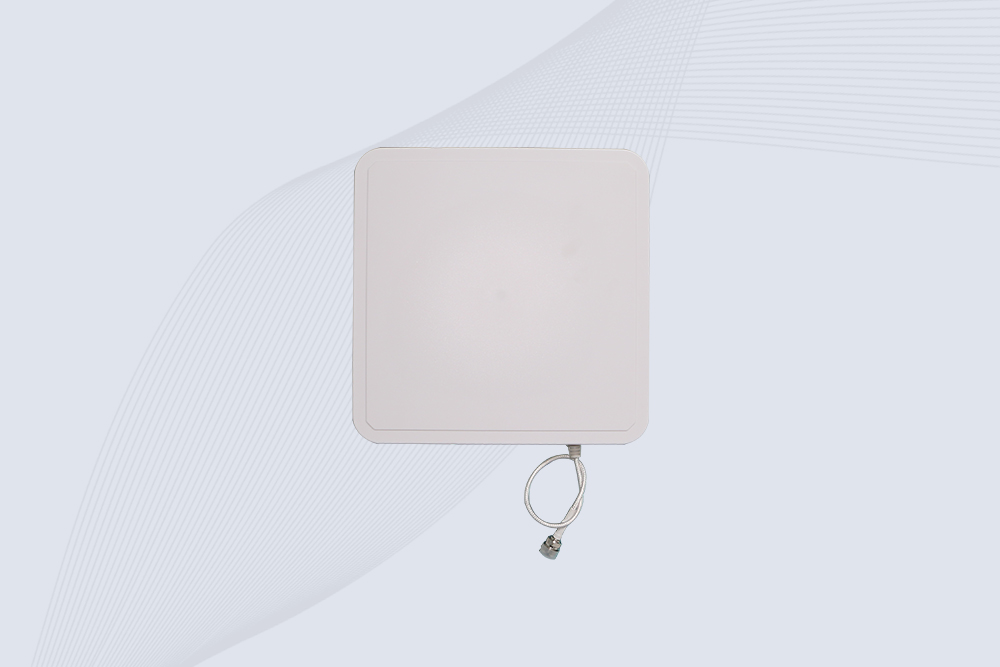
Even small rfid antenna changes can dramatically improve read consistency.
Multi-Tag Reading Matters on Fast Production Lines
Production systems rarely handle one tag at a time.
Factories often need to identify:
Multiple products
Material trays
Production batches
Mixed assemblies
simultaneously.
This is where anti-collision performance becomes important.
Poor multi-tag handling can create:
Incorrect production records
Missing process history
Material tracking errors
Delayed automation events
which directly affects manufacturing efficiency.
RFID Modules Are Becoming Smaller and Easier to Integrate
One reason embedded RFID adoption is increasing is hardware miniaturization.
Modern RFID modules are now compact enough to fit inside:
Industrial machines
Smart production stations
Conveyor systems
Compact control cabinets
without requiring large external hardware.
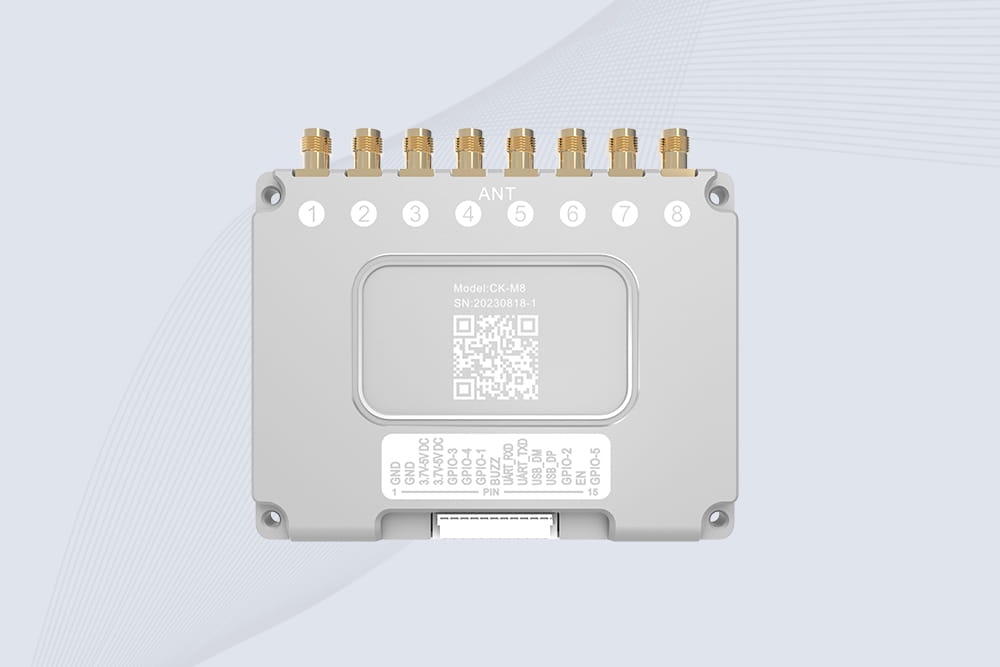
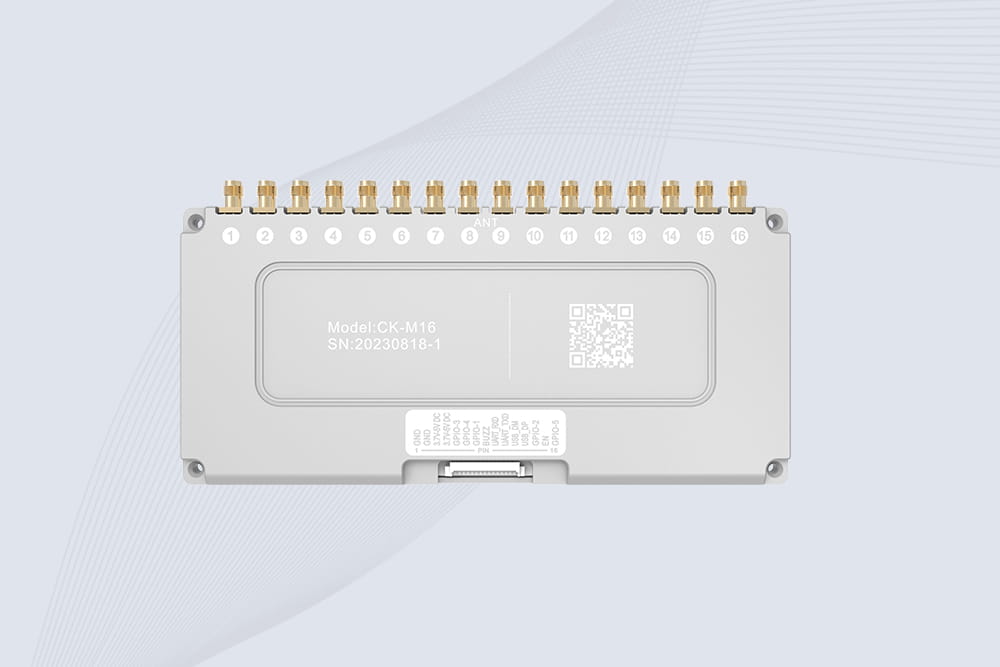
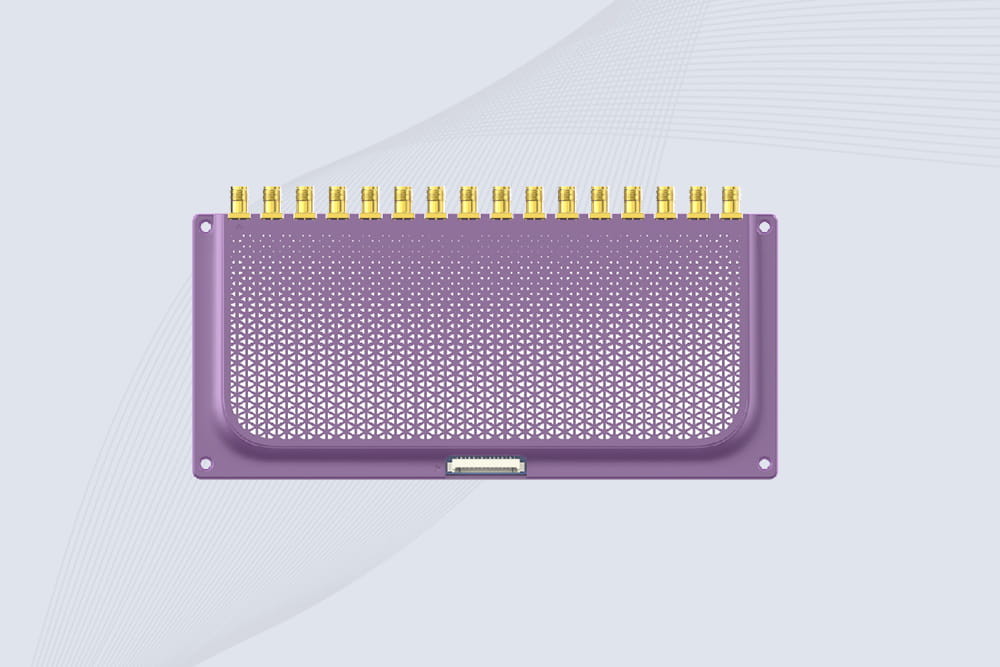
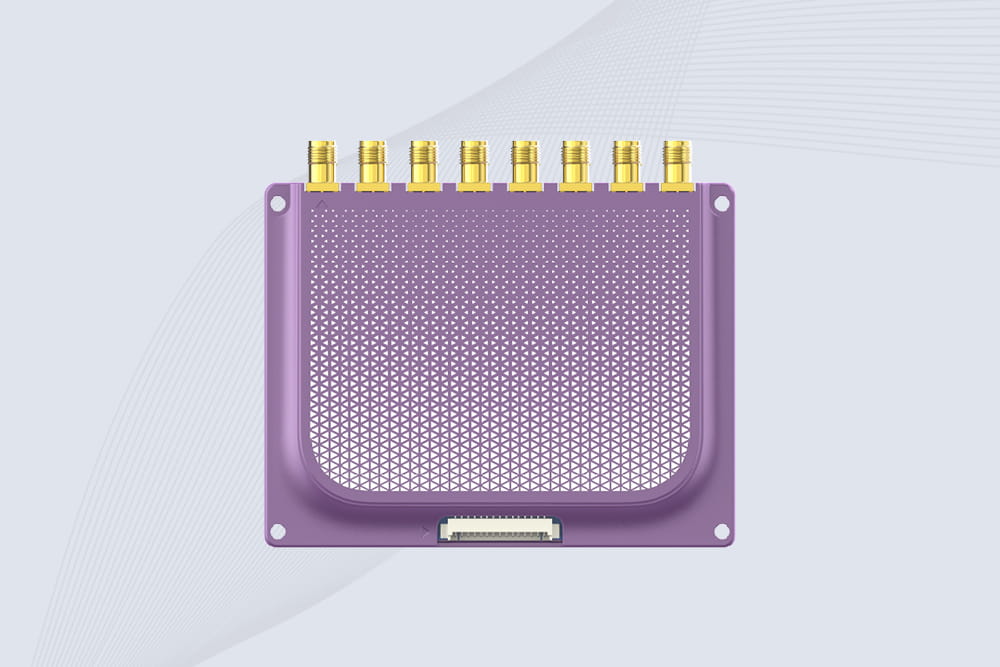
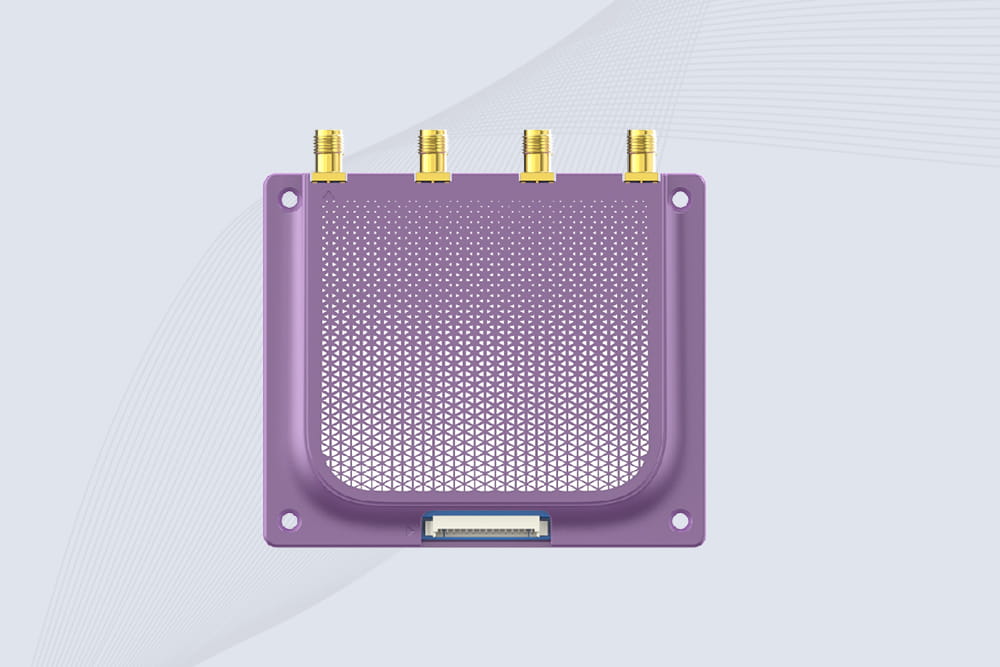
You can see examples of RFID modules designed for embedded industrial integration here:rfid modules
These types of modules are widely used in production automation and industrial tracking systems.
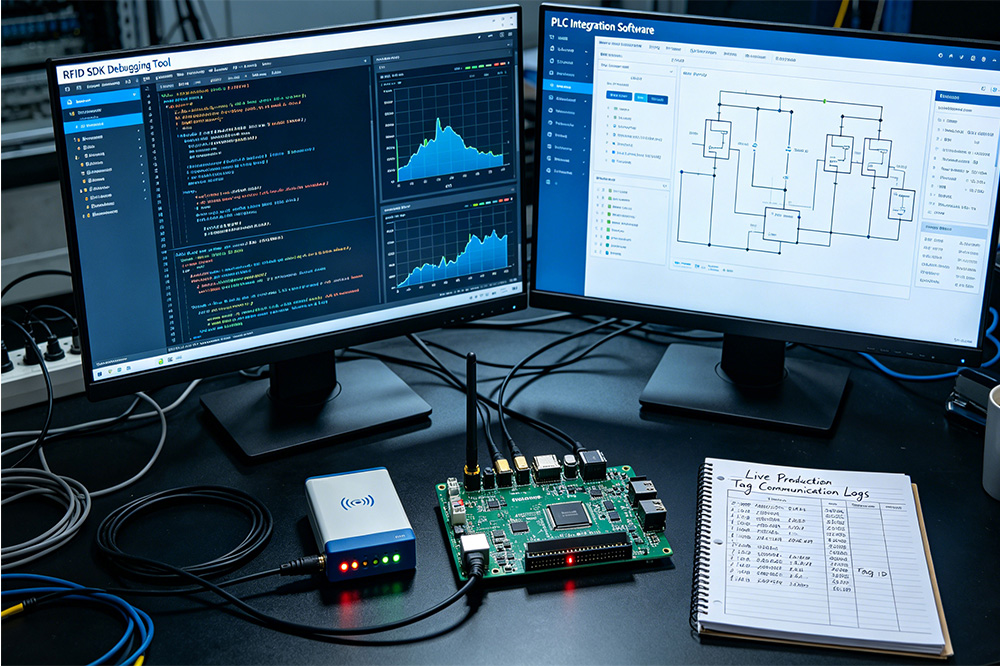
Software Integration Is Usually the Hardest Part
RFID hardware alone does not create a complete manufacturing system.
Production RFID deployments usually integrate with:
MES platforms
ERP systems
PLC controllers
Quality tracking software
Warehouse systems
Cloud dashboards
This is where SDK quality becomes extremely important.
Poor software integration often creates more operational problems than the RFID hardware itself.
For engineers interested in understanding how RFID modules work internally, this guide explains how RFID reader modules are designed and built:how to make rfid reader module
Many RFID Production Systems Start as Small Prototypes
A surprising number of manufacturing RFID projects begin with simple development setups.
Engineering teams often start experimenting using:
Arduino systems
Raspberry Pi controllers
Small conveyor prototypes
DIY RFID stations
before scaling into full production deployments.
That early testing stage is usually where developers first learn how RFID behaves around industrial equipment and moving materials.
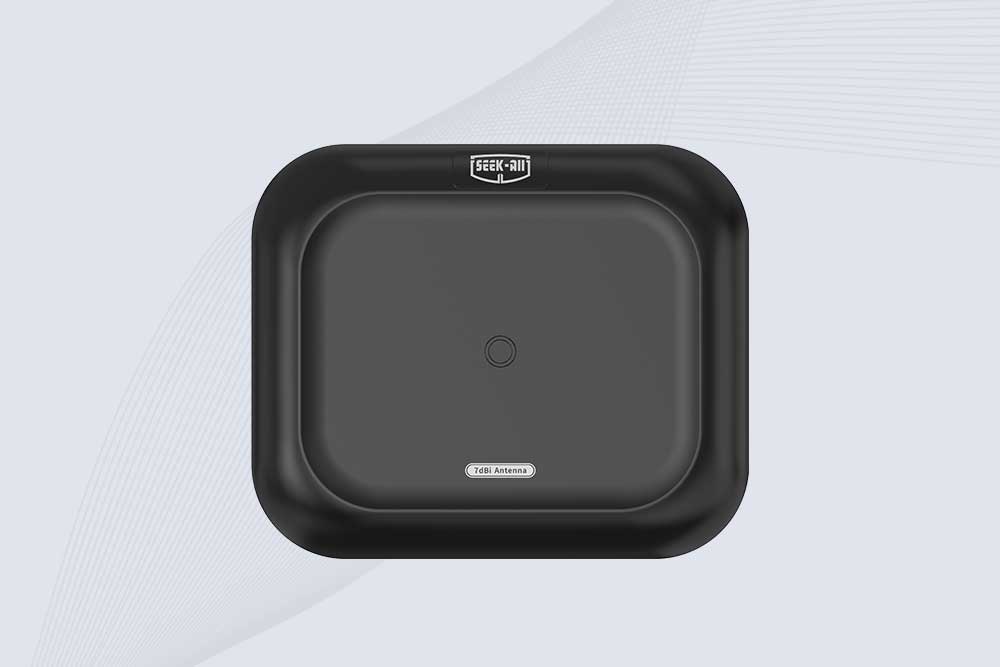
Explore the SSD-A07 UHF RFID antenna with 7 dBi gain, circular polarization, adjustable 840–960 MHz frequency, and 60°/75° beamwidth for stable RFID read/write performance.
SSD-A06 UHF RFID antenna with circular polarization, adjustable 840–960 MHz frequency, ≥4.5 dBi gain, and a compact directional design for RFID systems.
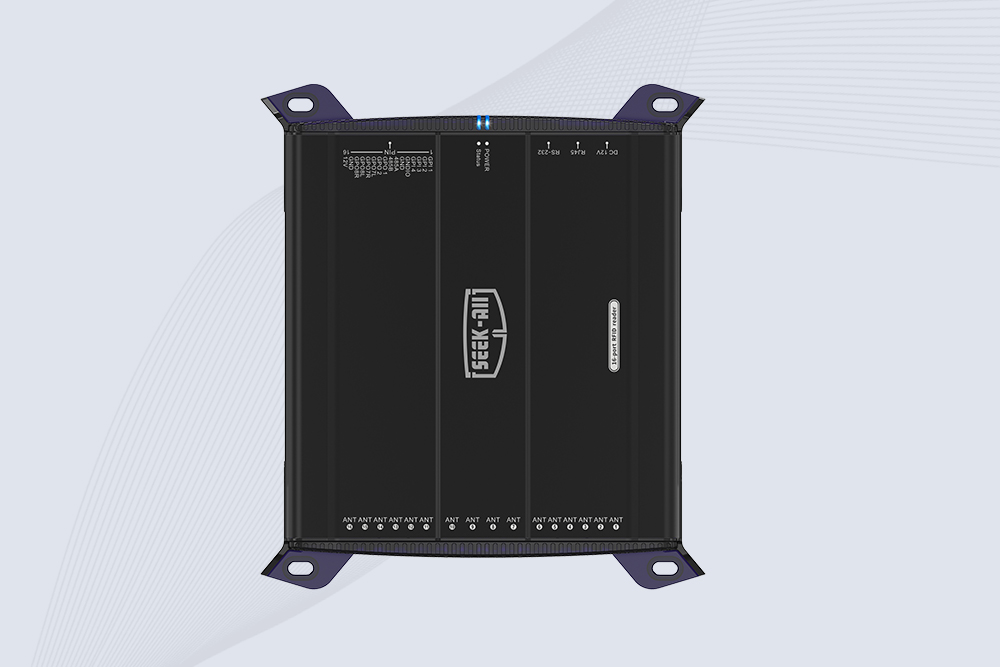
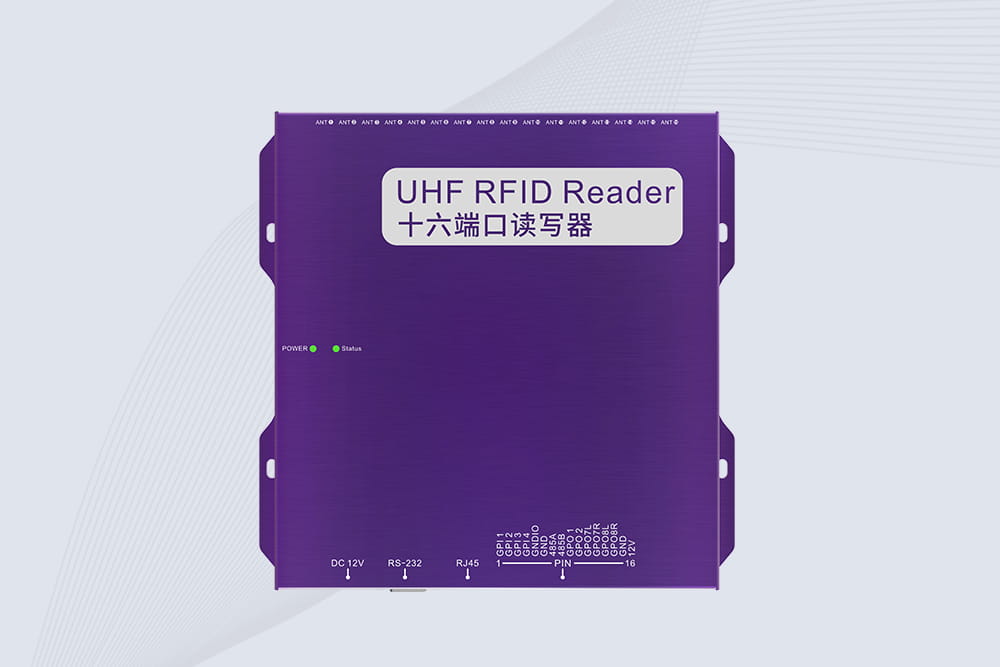
SSD-R16L Multi-Channel RFID Infrastructure for Automated Inventory Management ✔️ 16-Port High-Density RFID Reading Equipped with 16 SMA antenna ports, SSD-R16L supports multi-antenna deployment for warehouses, retail stores, logistics, production lines, and large-area RFID identification. ✔️ High-Speed & Long-Range Performance With up to 33…
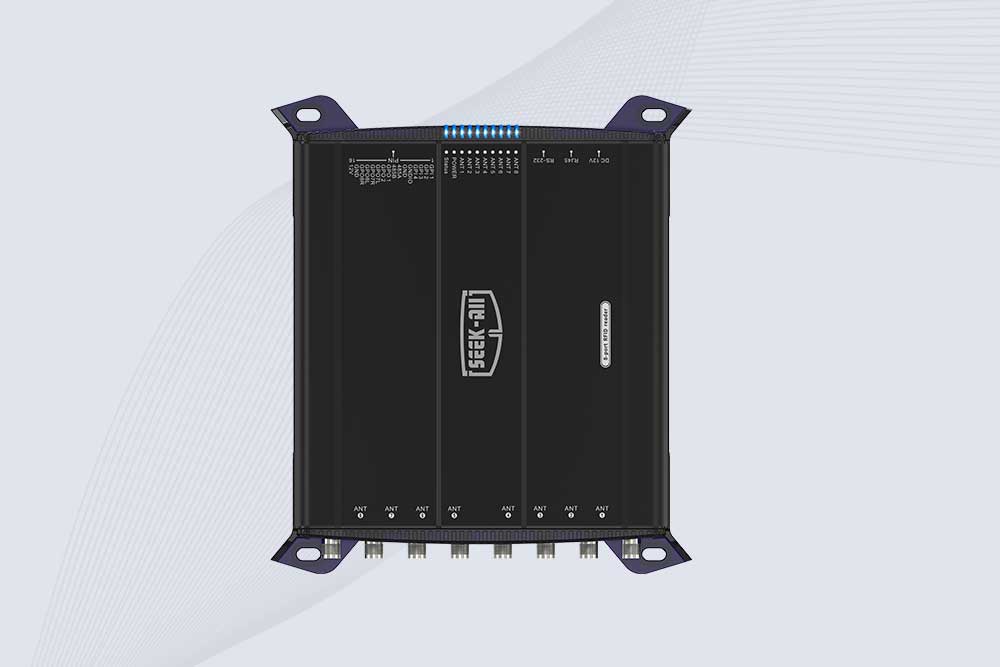
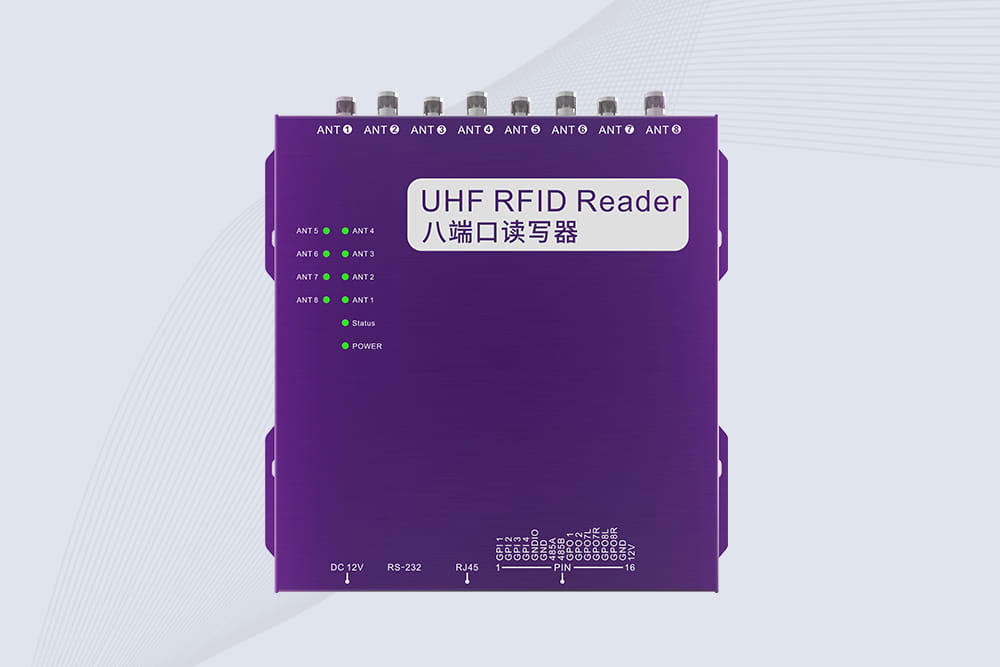
SSD-R8L 8-port UHF RFID reader with 33dBm output, up to 20m reading range and 600+ tags/s recognition. Ideal for warehouse, logistics, retail and asset tracking.
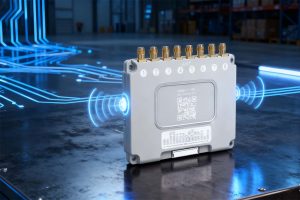
CYKEO Embedded RFID Modules are designed for compact industrial and IoT devices that require stable UHF performance. These UHF RFID Modules support global protocols, flexible power control, and reliable multi-tag reading for smart cabinets, production lines, and asset tracking systems.
CYKEO Embedded RFID Module is built for compact IoT and industrial devices that need stable UHF performance. This UHF module supports global protocols, low power operation, and reliable multi-tag reading for smart lockers, production lines, and always-on RFID systems.
CYKEO CYKEO-M1 drone rfid module is a compact UHF RFID reader module designed for drones and UAV platforms. It supports long-range aerial scanning, fast multi-tag reading, and stable performance in wind, vibration, and outdoor environments.
CYKEO CYKEO-M4 RC522 RFID Module is an industrial-grade UHF RFID reader with 4 ports, supporting ISO, EPC, and GB protocols. High-speed, accurate reading for IoT, automation, and warehouse applications.
CYKEO CYKEO-M8 Module RFID is an 8-port UHF R2000 RFID Module designed for high-density, multi-tag environments. Stable 33dBm output, ISO & GB protocol support, ideal for warehouses, factories, and automated systems.
CYKEO CYKEO-M16 RFID Module is a 16-port UHF RFID reader module based on the R2000 chipset. Designed for dense tag environments, it supports ISO and GB standards and delivers stable multi-antenna control for industrial automation.
The CYKEO CYKEO-M16L RFID Reader Module is a 16-channel UHF RFID core designed for dense tag environments. With adjustable 33dBm output, multi-protocol support, and stable multi-antenna control, this RFID Tag Reader Module fits industrial automation, warehouse systems, and large-scale IoT deployments.
CYKEO CYKEO-M8L module RFID is a compact industrial UHF module built for dense tag and multi-antenna environments. With 8 RF ports, adjustable 33 dBm output, and ISO & GB protocol support, it is widely used in factories, warehouses, and automated tracking systems.
CYKEOCYKEO-M4L UHF RFID Module is a compact 4-channel RFID tag reader module designed for dense tag environments. Supporting ISO and GB protocols, it delivers stable reads up to 10 meters for industrial and IoT systems.
Cykeo CYKEO-A11 UHF RFID reader antenna delivers 11dBi gain, 840-960MHz frequency range, and IP65 ruggedness for retail, logistics, and industrial RFID systems. Features low VSWR and easy installation.
CYKEO Antenna RFID Reader delivers stable long-range UHF performance with a 10.5dBi directional design, built for warehouses, conveyor portals, and industrial RFID systems. This rfid reader antenna provides 20m+ read distance and rugged IP67 protection.
Cykeo CYKEO-A5B industrial Linear RFID Antenna delivers 5dBi gain, ≤1.5:1 VSWR, and IP65 rugged design for warehouse, production line, and logistics UHF systems.
Cykeo’s CYKEO-B12 Long Range RFID Antenna delivers 15m+ read range with 12dBi gain, IP65 rugged design, and global 840-960MHz UHF support. Ideal for warehouse/logistics asset tracking.
Cykeo CYKEO-B10 Long Distance RFID Antenna offers 10dBi gain, 840-960MHz frequency range, IP65 rating, and 20m+ coverage for logistics/warehousing/ETC systems. Low VSWR ensures stable signal transmission.
Cykeo CYKEO-A6 UHF RFID panel antenna features 6dBi gain, 840-960MHz broadband, IP65 metal-ready housing for logistics/smart retail. 18mm ultra-thin design with tool-free mounting.
Cykeo CK-A3 industrial antenna RFID UHF offers 5m+ tag detection, ≤1.3:1 VSWR, IP65 rugged design, and global UHF spectrum compatibility (840-960MHz) for warehouses, factories, and retail.
Cykeo CYKEO-B5 directional RFID antenna provides 5dBi gain with 60° narrow beamwidth for precise inventory tracking. IP65-rated, global UHF frequency support, and low VSWR.
Create your own high-performance DIY RFID antenna! 5dBi gain, 840-960MHz tunable, step-by-step guides. Compatible with Arduino, Raspberry Pi, and commercial UHF readers.
Cykeo CYKEO-A7 Flexible RFID Antenna features 840-960MHz wideband tuning, 7dBi gain, and IP68 rating for medical/retail/industrial curved surface deployments. 98% read accuracy with peel-and-stick installation.
Cykeo CYKEO-B5A industrial Passive RFID Antenna delivers 5dBi gain, 70° beamwidth, and -40°C~55°C operation for warehouses/smart cabinets. Compatible with Zebra/Impinj readers.
Cykeo’s CYKEO-A9B High Gain RFID Antenna delivers 15m+ read range with 9dBi amplification. Features IP54 rugged design, 840-960MHz bandwidth, and 80° beamwidth for warehouse/manufacturing RFID systems.
Cykeo’s enterprise-grade 8dbi Impinj RFID Antenna 10m+ read range with 840-960MHz tuning. Features IP65 housing, 1.4 VSWR, 35° beamwidth for retail/warehouse RFID systems.
Cykeo CYKEO-A9 industrial UHF RFID antenna delivers 9dBi gain, 840-960MHz frequency range, and IP65 protection for warehouse/logistics/retail RFID systems. Features N-type connector and ≤1.3:1 VSWR.
CYKEO UHF RFID Antenna built for long-distance and industrial applications. This antenna rfid uhf delivers strong gain, outdoor durability, and reliable tag performance in warehouses, yards, and vehicle ID systems.
CYKEO Antenna RFID delivers reliable long-range UHF performance in warehouses, retail shelves, and cold-chain environments. This compact uhf rfid antenna provides stable reads with circular polarization and ultra-wide 840–960 MHz support, ideal for industrial tracking, smart shelves, and asset monitoring.
Cykeo’s CYKEO-C8 UHF RFID antennas delivers 8dBi gain, 840-960MHz full-band coverage, and IP65 ruggedness for manufacturing/warehouse RFID systems. Industrial RFID Antennas Features
Cykeo’s 8dBi UHF RFID antenna and reader kit delivers 10m+ range, 840-960MHz broadband, and IP65 ruggedness for factories, warehouses, and logistics. ISO 18000-6C & EPC Gen2 certified.
Cykeo’s CYKEO-A12C UHF Large RFID Antenna delivers 12dBi gain, 840-960MHz global frequency, IP65 ruggedness for logistics/warehousing/automotive. 40° beamwidth ensures stable 15m+ tag reads.
CYKEO Near Field RFID Antenna provides precise 5–30 cm reading for shelves, cabinets, and workstations. This compact rfid shelf antenna delivers stable short-range performance around metal and clutter, ideal for pharmacies, libraries, and electronics sorting.
Cykeo CYKEO-C1 industrial Forklift RFID Reader features 20m read range, 600 tags/sec scanning, Impinj R2000 chipset, and IP67 rugged design. Ideal for warehouse logistics and manufacturing. Supports ISO 18000-6C/6B protocols.
Cykeo CYKEO-R4 industrial UHF RFID Fixed Reader features 4 TNC ports, 400+ tags/sec speed, IP67 housing, and global frequency compliance for vehicle inspection, smart warehouse, and asset management systems.
CYKEO CYKEO-R8L Fixed RFID Reader with 8-port UHF design, Impinj-based RF core and up to 20m read range. An industrial Fixed RFID Reader for vehicle inspection, warehouse portals, smart manufacturing lines and secure access checkpoints.
RFID Fixed Reader from CYKEO – the CYKEO-R16L 16-port UHF fixed reader for warehouses, smart cabinets, and production lines. Long-range, multi-tag reading, stable performance for 24/7 industrial use.
A detailed look at the CK-M8 UHF RFID 8-port module, its features, real-world performance, specs, and how it compares to Impinj R2000-based modules. Suitable for warehouses, logistics, manufacturing, and retail tracking systems.
Wondering "how do i use a rfid card reader"? Discover simple steps for access control, USB reader setup, card positioning tips, and troubleshooting with CYKEO.
how RFID access control systems are built and why developers prefer reader + antenna based integration. A practical guide for RFID OEMs and system integrators.
Understand the difference between RTLS and RFID in healthcare. Learn how hospitals use real-time tracking systems to improve equipment visibility and workflow efficiency.
 Cykeo RFID IoT Solution Products R&D Manufacturer