 Cykeo RFID IoT Solution Products R&D Manufacturer
How RFID Tags Work: A Complete Guide to RFID Identification Technology
153How rfid tags work explained with real RFID engineering insights. Learn how RFID chips, readers, EPC codes and smart workstations create accurate identification systems.
MoreAll RFID Product
Printable RFID labels combine visual printing with embedded RFID chips, enabling fast UHF identification, automated inventory tracking, and more accurate warehouse management.
The first thing most companies notice after switching to printable RFID labels is not the scanning speed. It is the silence.
No barcode beeps. No repeated rescans. No staff stopping forklifts to manually verify pallet IDs under poor warehouse lighting.
The label simply gets detected.
In large inventory environments, that changes workflow rhythm more than most managers expect.
At Cykeo, we’ve seen printable UHF RFID labels deployed across logistics aisles, garment warehouses, laboratory sample rooms, and industrial tooling storage. The environments differ. The operational pattern usually does not: fewer interruptions, faster reconciliation, and dramatically lower counting friction.
Printable RFID labels are adhesive smart labels containing:
Unlike ordinary barcode stickers, these labels can store digital data while also displaying human-readable information such as:
The combination matters operationally because staff and systems can work simultaneously from the same label.
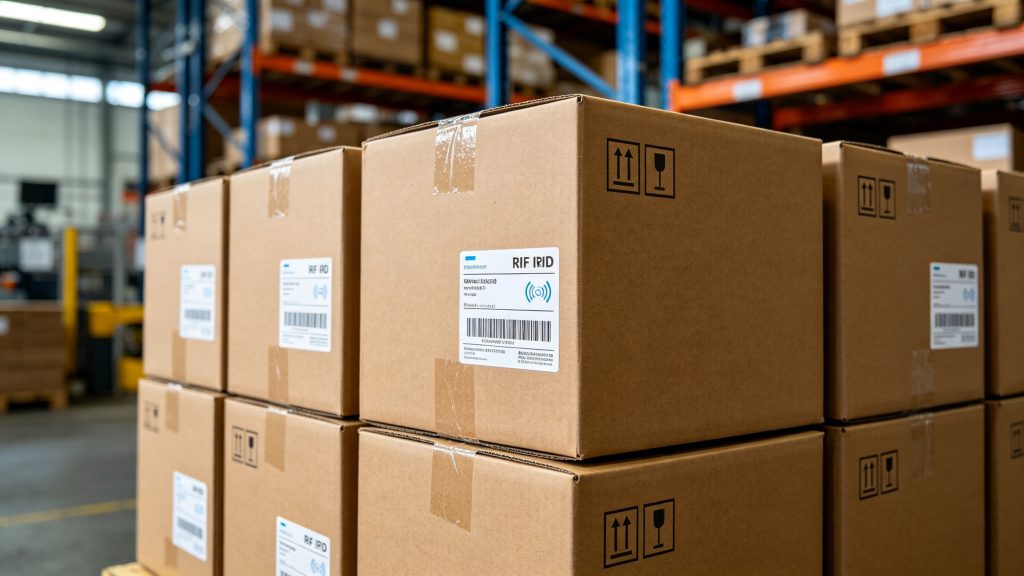
Ultra-high-frequency RFID labels are widely used because they support:
According to RFID Journal, properly configured UHF RFID systems can process hundreds of tagged items within seconds in warehouse environments.
That becomes especially useful during:
A barcode scanner handles one item at a time. RFID behaves more like environmental sensing.
In one warehouse audit project, workers previously spent nearly an entire afternoon reconciling pallet discrepancies caused by misplaced cartons.
After printable RFID labels were introduced:
The surprising detail was psychological. Staff stopped treating inventory as a separate task because tracking became part of movement itself.
That distinction matters operationally.
| Feature | Operational Benefit |
|---|---|
| UHF long-range reading | Faster warehouse throughput |
| Printable surface | Human-readable labeling |
| Embedded RFID chip | Automated digital tracking |
| Multi-tag reading | Batch inventory processing |
| Rewritable memory | Flexible asset lifecycle use |
Label performance depends heavily on material selection.
For example:
One recurring mistake in deployments is choosing low-cost labels without considering environmental interference.
Condensation, curved containers, and metallic shelving can all affect performance.
This is usually where experienced RFID integration matters more than label price alone.
According to GS1 , RFID implementations in retail and supply chain operations can improve inventory accuracy levels to above 95% when properly integrated.
That percentage sounds abstract until a warehouse avoids:
In practical terms, inventory accuracy is often less about counting speed and more about decision reliability.
Fast pallet verification and automated movement tracking.
Improved stock visibility and reduced out-of-stock conditions.
Traceable sample identification without repetitive manual scanning.
Continuous monitoring of reusable equipment and containers.
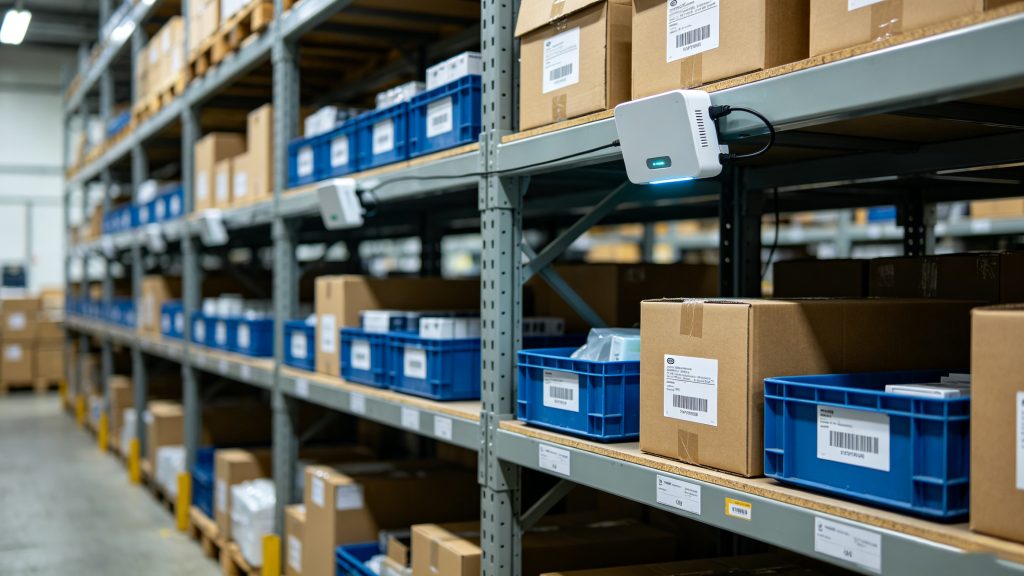
Yes. Many UHF RFID chips support rewritable EPC and user memory areas.
No. UHF RFID technology supports non-line-of-sight identification.
Standard labels are not ideal near metal. Specialized anti-metal RFID labels should be used instead.
Printable RFID labels work best when companies stop thinking about them as “smart stickers.”
They are infrastructure components.
Once labels become reliable enough, operational behavior changes quietly:
That shift is difficult to quantify on a product brochure, but very obvious inside a busy warehouse after several weeks of use.
And in most real deployments, that operational calm becomes the strongest argument for printable RFID labels.
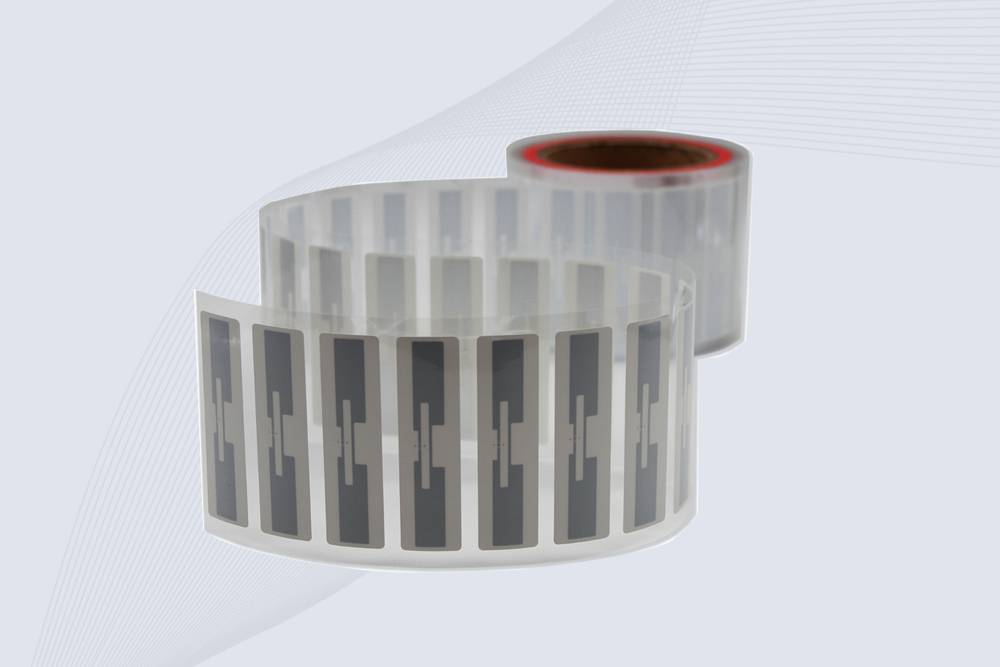
CYKEO Passive RFID Tags are made for wet and high-humidity environments where standard labels do not last. This rfid passive tag is often used around liquids, chemicals and temperature changes, providing stable reading distance and long data life for industrial tracking.
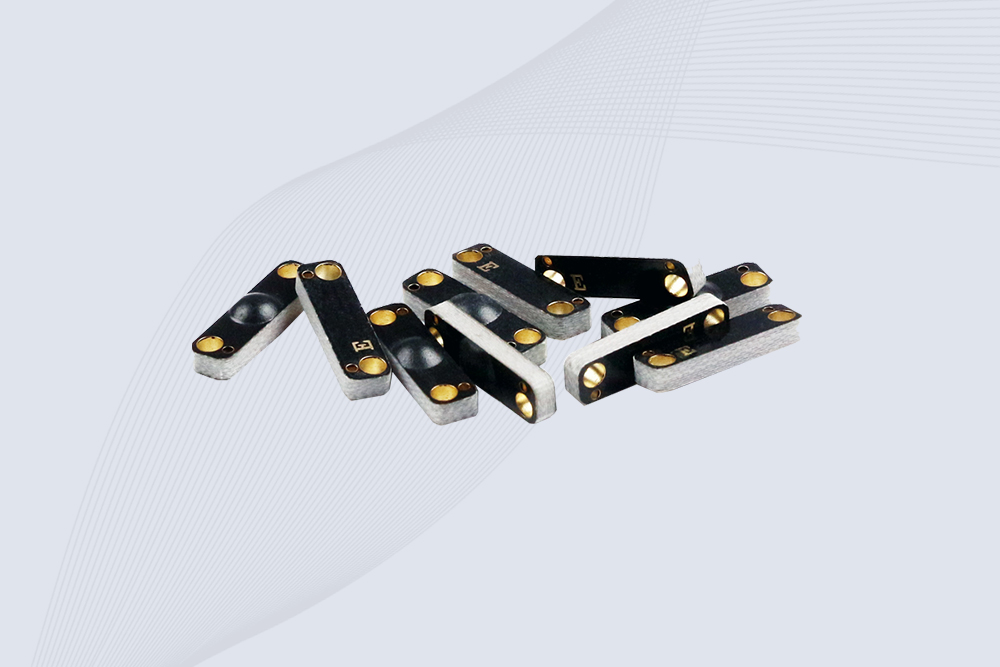
CYKEO CYKEO-PCB1504 Metal RFID Tags is a compact anti-metal UHF RFID solution built for direct mounting on metal surfaces. With stable 8-meter read range, Ucode-8 chip, and long data retention, this rfid metal tag fits tools, containers, automotive parts, and industrial asset tracking.
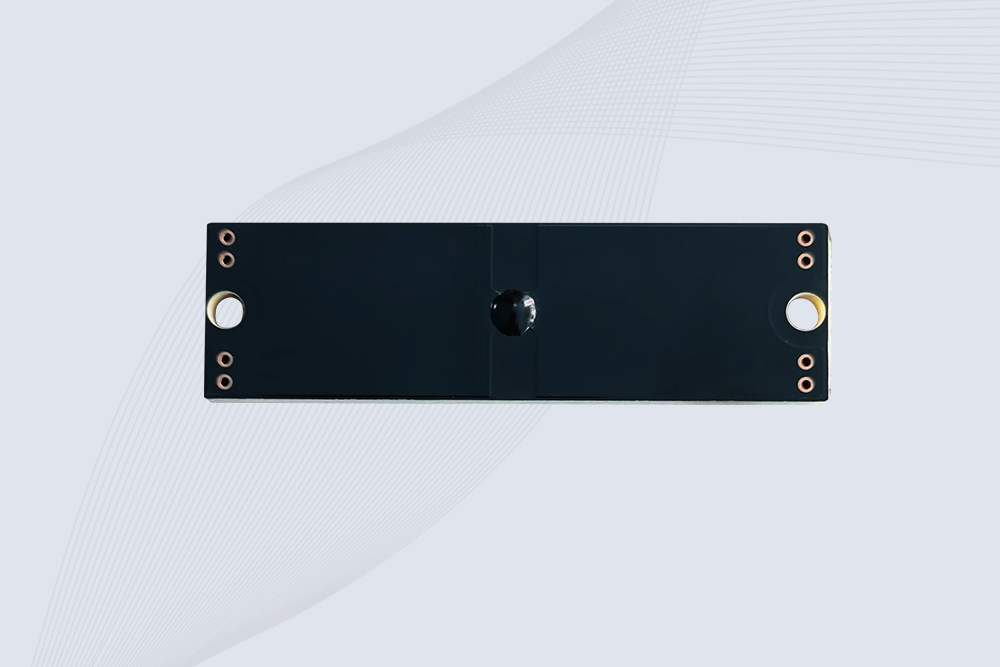
CYKEO CYKEO-PCB7020 On-Metal RFID Tags are designed for reliable tracking on steel and metal surfaces. Built with an FR4 epoxy body and industrial-grade chips, these On-Metal RFID Tags deliver stable performance, long data life, and chemical resistance, making them a dependable RFID anti-metal tag for harsh environments.
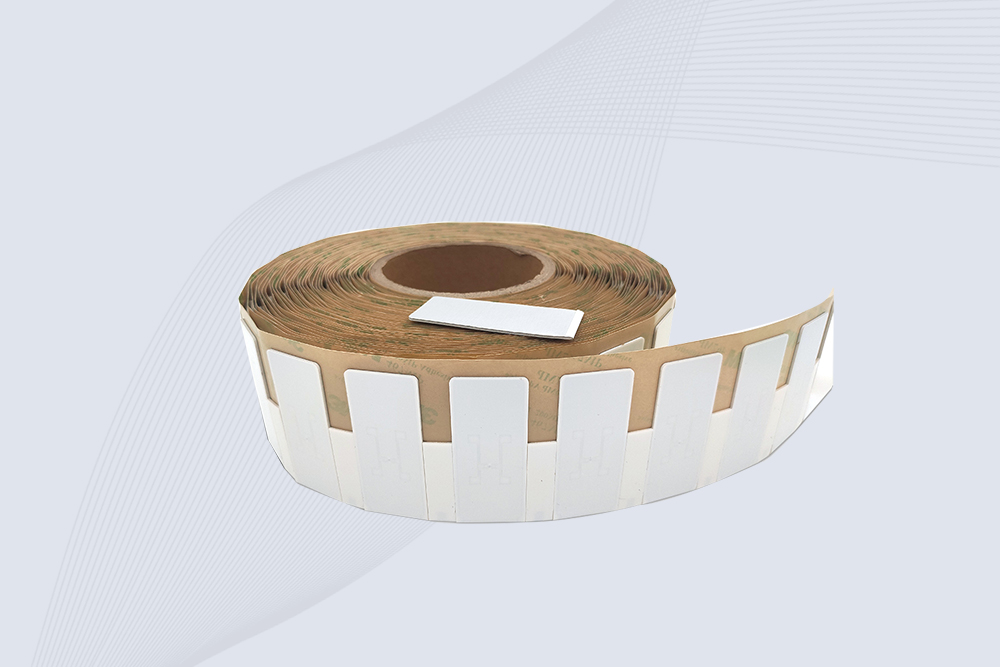
The CYKEO CYKEO-60-25 Anti-Metal RFID Tag is built for metal surfaces where standard tags fail. Designed for long-range performance, harsh environments, and stable data retention, this Anti-Metal RFID Tag is ideal for industrial assets, containers, and equipment tracking using on metal RFID tags.
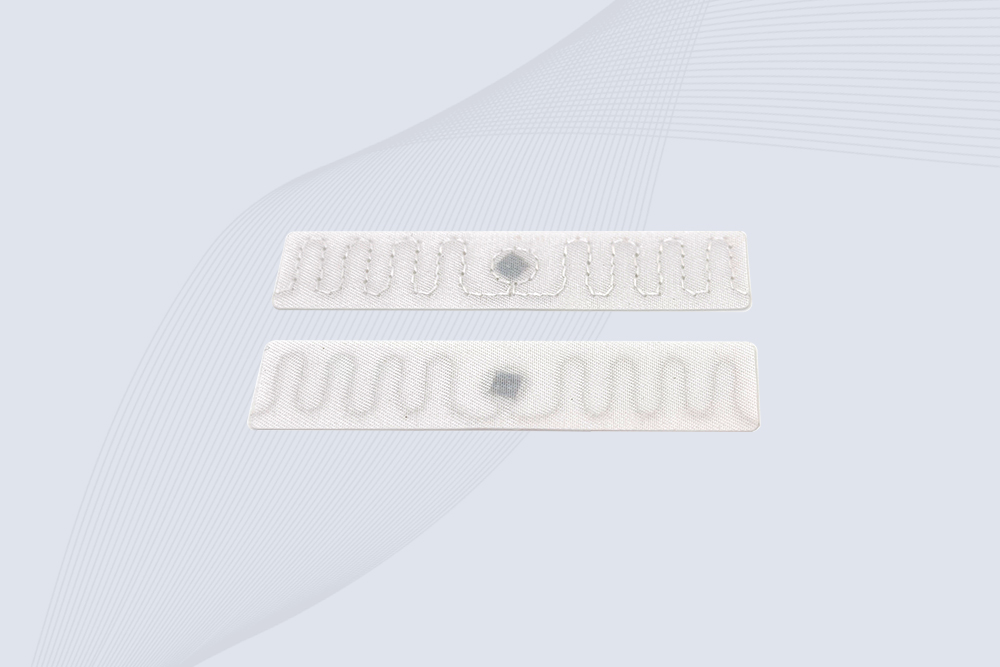
The CYKEO RFID Laundry Tag is designed for long-term textile identification in harsh laundry environments. Built to withstand high heat, chemicals, and repeated washing, this RFID Laundry Tag delivers stable performance for hotels, hospitals, and industrial laundry operations using laundry rfid tags at scale.
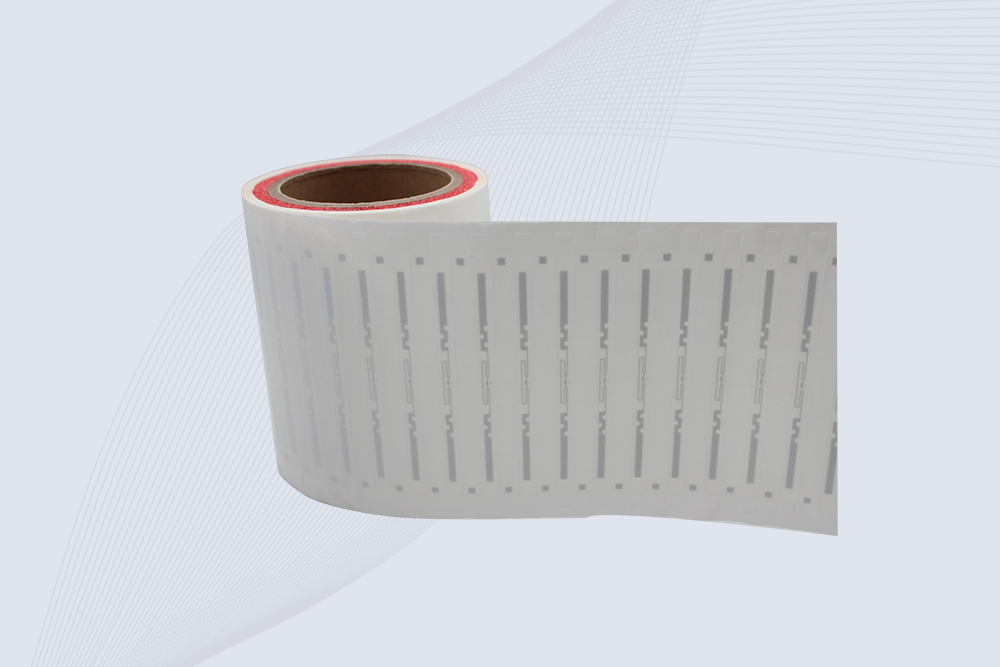
The CYKEO CYKEO-125-7 RFID Book Tag is designed for reliable book and document tracking in libraries and archives. This RFID Book Tag delivers long read range, dense placement support, and stable performance on shelves, making it a practical rfid tag on books for library automation, file management, and archival systems.
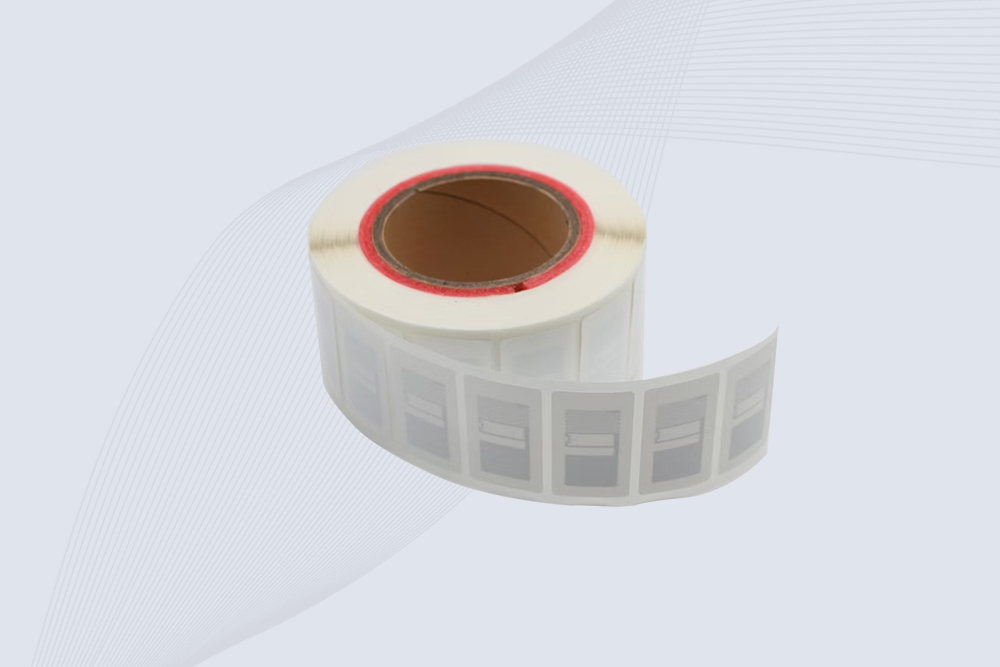
CYKEO RFID tags in hospitals are designed for sterile environments where accuracy matters. These autoclavable RFID tags support long-term tracking of surgical tools, implants, and medications, helping hospitals improve visibility, compliance, and patient safety.

CYKEO RFID Cable Tie Tag is built for reliable identification on metal surfaces. This UHF RFID Cable Tie Tag is widely used in rfid tags for inventory systems, industrial asset management and Hospital RFID Tags, offering stable read performance, long service life and global EPC Gen2 compatibility.
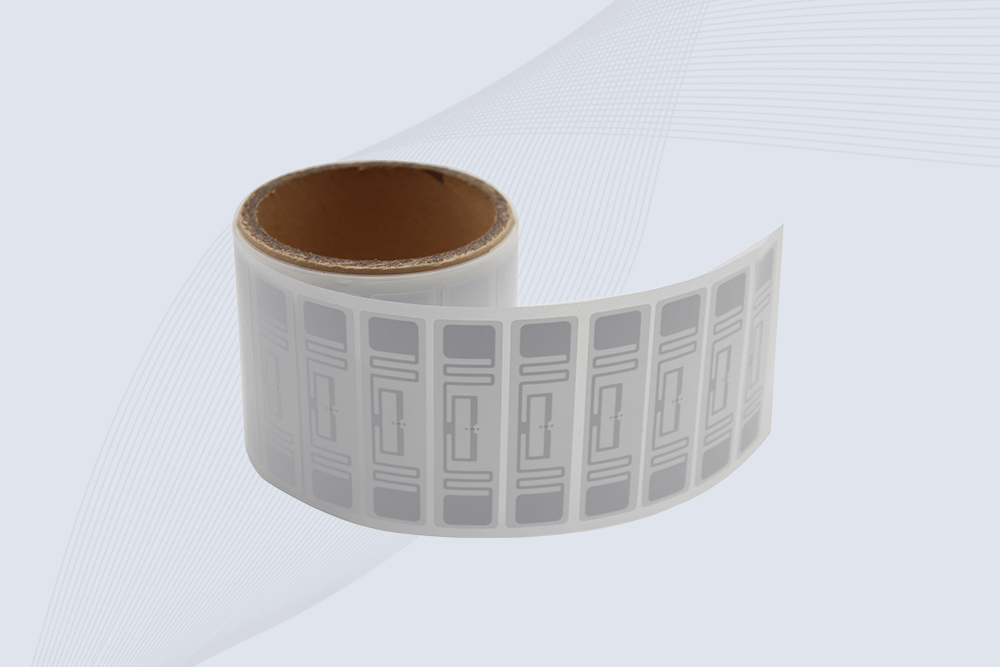
CYKEO RFID Asset Tag is designed for stable identification of metal assets in industrial environments. This UHF RFID Asset Tag is commonly used for rfid tag asset tracking on equipment, tools and containers, providing reliable reads, long service life and ISO/IEC 18000-6C support.

CYKEO UHF RFID Card is designed for fast identification and long-term use in industrial and commercial systems. Supporting ISO 18000-6C, this UHF RFID Card works at 860–960 MHz and is suitable for custom RFID cards used in asset tracking, access control and inventory management.
CYKEO HF RFID Cards are designed for secure and stable access control systems. These 13.56 MHz RFID key cards support ISO 14443-A, reliable rewriting and long service life, making HF RFID Cards suitable for offices, campuses, events and membership management.
CYKEO UHF RFID Tag is designed for reliable tracking of metal jewelry and high-value items. This Jewelry RFID Tag supports long-range reading up to 8 meters, anti-counterfeit protection and stable performance on metal, making it suitable for retail, inventory control and asset management.
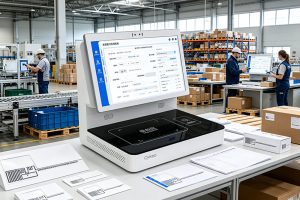
How rfid tags work explained with real RFID engineering insights. Learn how RFID chips, readers, EPC codes and smart workstations create accurate identification systems.
More
RFID asset management software improves inventory visibility, asset tracking, and operational efficiency using UHF RFID technology and real-time monitoring.
More
rfid card reader and writer solutions enable secure card encoding, fast identification, and access management. Discover real deployment insights and RFID best practices.
More
Discover the most durable Rugged RFID tags of 2025, designed to withstand harsh conditions. Learn about their heat resistance, impact durability, and waterproofing features to improve industrial asset management.
More