Introduction: Why Emulate RFID Tags with Android Phones?
In IoT development, access control testing, and smart hardware prototyping, using physical RFID cards often involves cost, logistics, and management overhead. Android phones with built-in NFC modules can emulate standard RFID cards—such as MIFARE Classic, NTAG, or ISO 14443 types—by leveraging Host-based Card Emulation (HCE), enabling rapid prototyping and system testing without requiring physical cards.
HCE Simulation Principle: How Can a Phone Act Like an RFID Tag?
Host-based Card Emulation (HCE), introduced in Android 4.4, enables smartphones to emulate smartcards and communicate with RFID readers via the APDU protocol:
The phone generates a 13.56 MHz RF signal;
Registers AID (Application ID) to handle reader requests;
Developers write logic to handle incoming APDU commands and return data.
This means software-based simulation can replace physical RFID cards entirely.
Required Hardware and Software
To successfully emulate RFID tags using an Android phone, ensure the following conditions are met:
Popular HCE-compatible devices include Google Pixel series and Samsung Galaxy models.
Step-by-Step Guide: Develop Your Own RFID Emulation App
Create a New Project: Start a blank project in Android Studio
Add Permissions: Declare NFC permissions in AndroidManifest.xml
Implement HostApduService: Handle APDU commands from RFID readers
Register Your AID: Define your card’s Application ID in res/xml/apduservice.xml
Deploy and Test: Install the app on your phone and test with an external RFID reader
Application Scenarios: Beyond Access Control
Enterprise Access Control Testing: Validate reader compatibility and logic
Ticketing System Demos: Emulate transit cards, campus IDs, or trade show tickets
Educational Use: Train students on NFC protocol through live demos
Rapid Prototyping: Test data interactions without manufacturing physical cards
Security Notes: Emulation Is Not Cloning
While Android can emulate card data and even simulate UID in some cases, not all RFID types can be cloned or simulated securely:
MIFARE DESFire cards use encryption and are generally not fully emulatable
Most phones use software-emulated UIDs, which lack hardware uniqueness
In enterprise settings, add controls like device whitelisting and replay attack prevention
Frequently Asked Questions (FAQ)
Q1: Can all Android phones emulate RFID tags? A: No. The phone must support HCE and have NFC enabled.
Q2: Can I emulate any card type? A: No. Emulation is limited to ISO 14443-4 (APDU-based) cards.
Q3: Why does my emulated phone not work with some access control systems? A: The reader may be sensitive to UID length or rely on proprietary vendor protocols.
Turn Your Phone into the Ultimate Testing Tool
As RFID and NFC technologies evolve, using Android phones to emulate RFID tags has become essential tool for developers, testers, and system integrators. Mastering HCE not only improves testing efficiency but also cuts development costs. With proper setup, your smartphone can serve as a flexible, reusable RFID card alternative.
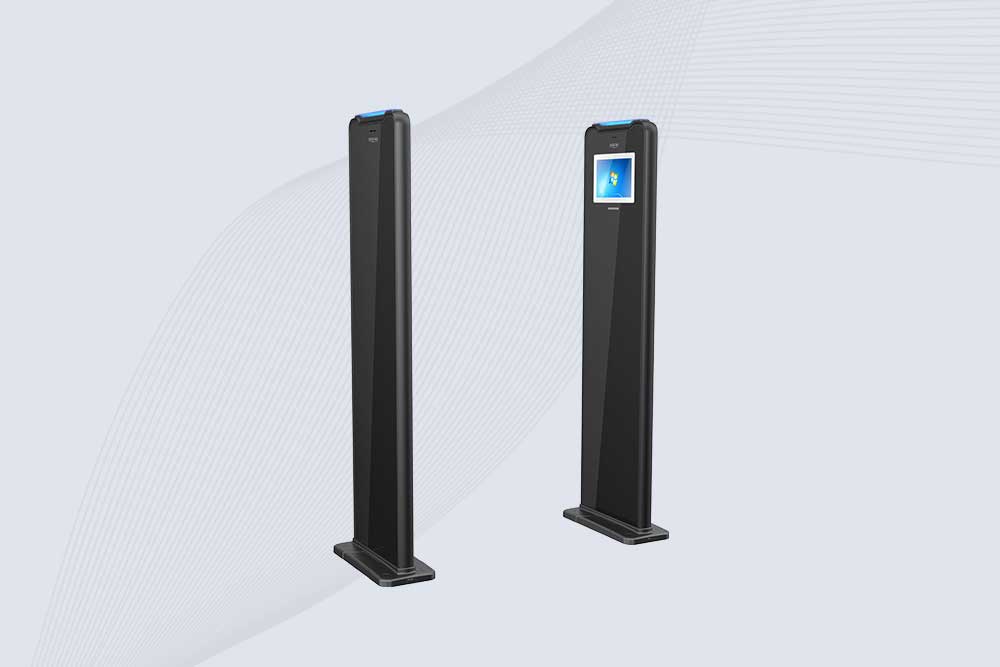
SSD-T4A-P Smart access control with real-time crowd tracking ✔️ AI Tag Filtering for Reduced Misreads SSD-T4A-P supports AI-based tag filtering and up to 6 EPC filtering sets, helping reduce unwanted reads and improve identification accuracy in busy entrances, exits, and retail environments. ✔️ Fast In & Out Detection with Visual & Audio…
SSD-T4A UHF RFID Gate Reader with 11 dBi antenna, up to 10 m reading distance, AI tag filtering, in/out detection, 300,000 data storage, and TCP/HTTP/MQTT support.
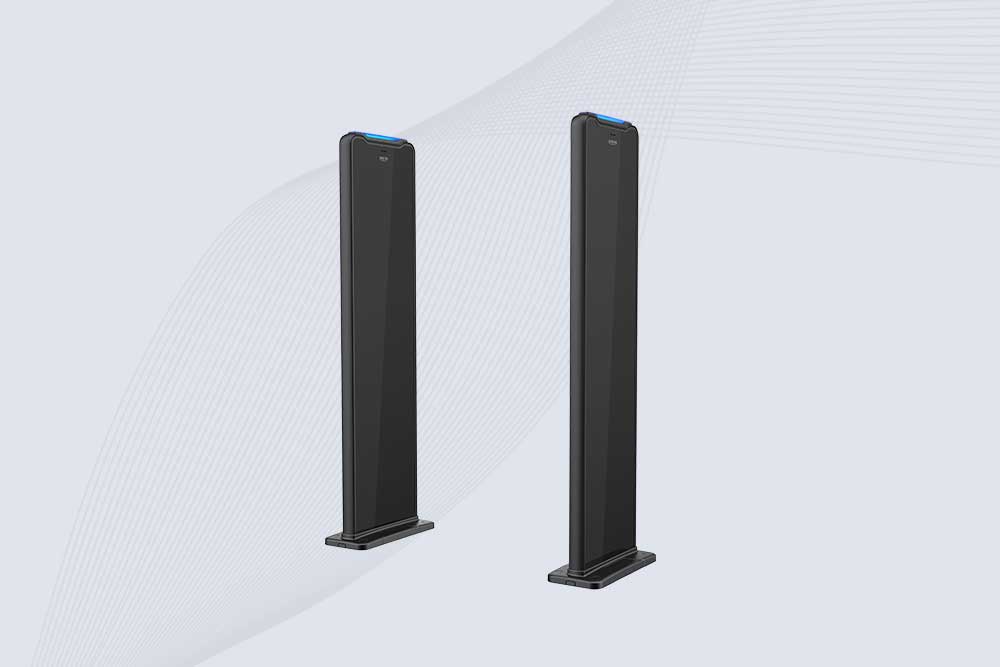
SSD-T2D UHF RFID Gate Reader with 11dBi circular antenna, Impinj E710/X3M1 chipset, up to 10m reading distance, AI tag filtering, in/out detection, and audio-visual alarms.
SSD-T1 ✔️ AI-Powered Tag Filtering SSD-T1 supports AI-based tag filtering with up to 6 EPC filtering sets, helping reduce unwanted tag reads and improve identification accuracy in busy retail and access-control environments. ✔️ Reliable In & Out Detection With a 7dBi antenna and a reading range of up to 2.5 meters, SSD-T1 can detect tagged i…
Learn how RFID reader modules are used in production line tracking, manufacturing automation, conveyor systems, and industrial process verification applications.
 Cykeo RFID IoT Solution Products R&D Manufacturer