 Cykeo RFID IoT Solution Products R&D Manufacturer
RFID Autoclave in Hospitals: From Sterilization to Efficient Tracking
823Discover how RFID autoclave solutions improve sterilization tracking, equipment management, and inventory control in hospitals.
MoreAll RFID Product
Traditional USB RFID readers are affordable and stable, but they show clear drawbacks in modern use cases:
In modern applications, wired RFID systems expose issues like complex cabling and limited mobility, which hinder operational efficiency.

Bluetooth RFID readers are gaining popularity in asset management, inspection, warehousing, library systems, and more. Their core advantages include:
With fast setup, wide compatibility, and low costs, Bluetooth RFID readers are replacing traditional wired systems across industries.
Bluetooth RFID readers offer true plug-and-play functionality:
In large-scale or temporary deployments—like trade shows or construction sites—Bluetooth devices reduce setup time by over 80%. In contrast, USB readers often require dedicated PCs, extension cords, and driver installations, significantly prolonging deployment.

Bluetooth RFID readers reduce maintenance costs through:
These devices operate independently of computers, cutting down IT resource expenses.
USB readers, on the other hand, often experience downtime due to cable damage, loose ports, or system conflicts. Bluetooth RFID devices offer easier maintenance and lower long-term cost, making them more cost-effective in the long run.
Industries adopting Bluetooth RFID readers include:
Wired solutions struggle to meet the mobility and flexibility these use cases demand.
Bluetooth RFID readers now serve dynamic industries like security, warehousing, and healthcare—adapting seamlessly to changing environments.

As mobile workflows, edge computing, and IoT adoption accelerate, wireless solutions dominate the RFID landscape.
Industry reports show that by 2026, over 70% of mobile inspection and asset management deployments will prioritize wireless RFID readers.
Bluetooth 5.0, BLE (Bluetooth Low Energy), and similar advances offer faster reads, lower power consumption, and more stable connections—solidifying their position as the superior choice. Wireless RFID systems are fast becoming essential tools in digital asset management, with Bluetooth technology continuously improving performance and adaptability.
Compared to traditional USB readers, Bluetooth RFID readers offer superior performance in deployment speed, maintenance, compatibility, and flexibility. They drive the digital transformation of asset tracking, inspections, and logistics across industries.
When selecting an RFID solution, enterprises should prioritize Bluetooth-enabled devices to build smarter, more efficient management systems.
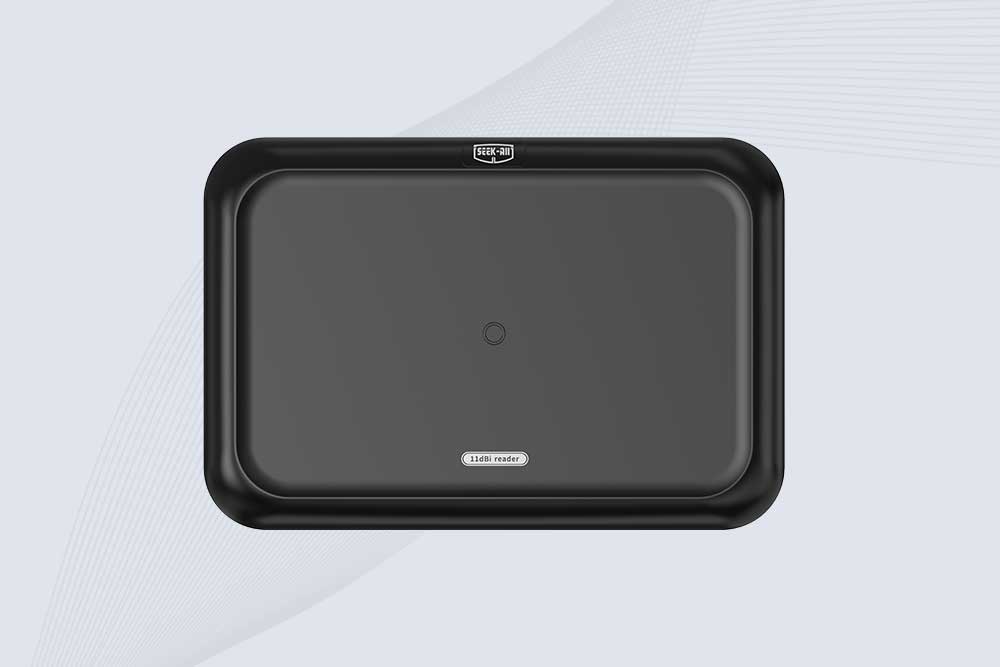
SSD-RA11L is an 11 dBi UHF RFID reader with up to 15m reading distance, 600+ tags/s speed, integrated antenna and flexible connectivity.
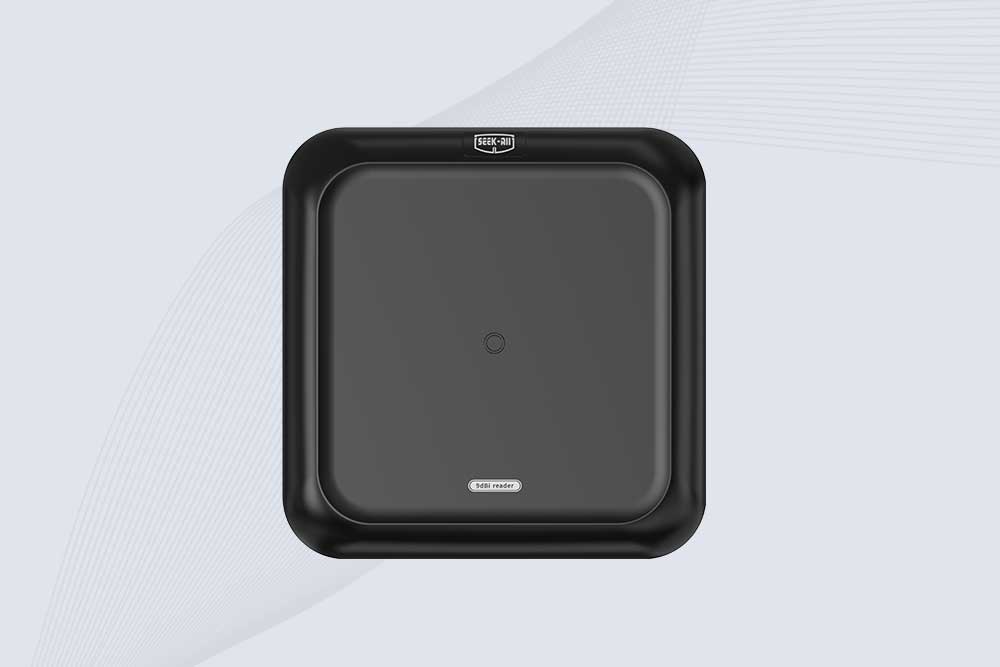
SSD-RA09L is a long range UHF RFID reader with a built-in 9 dBi antenna, 10m reading range, 600+ tags/s speed and flexible interfaces.
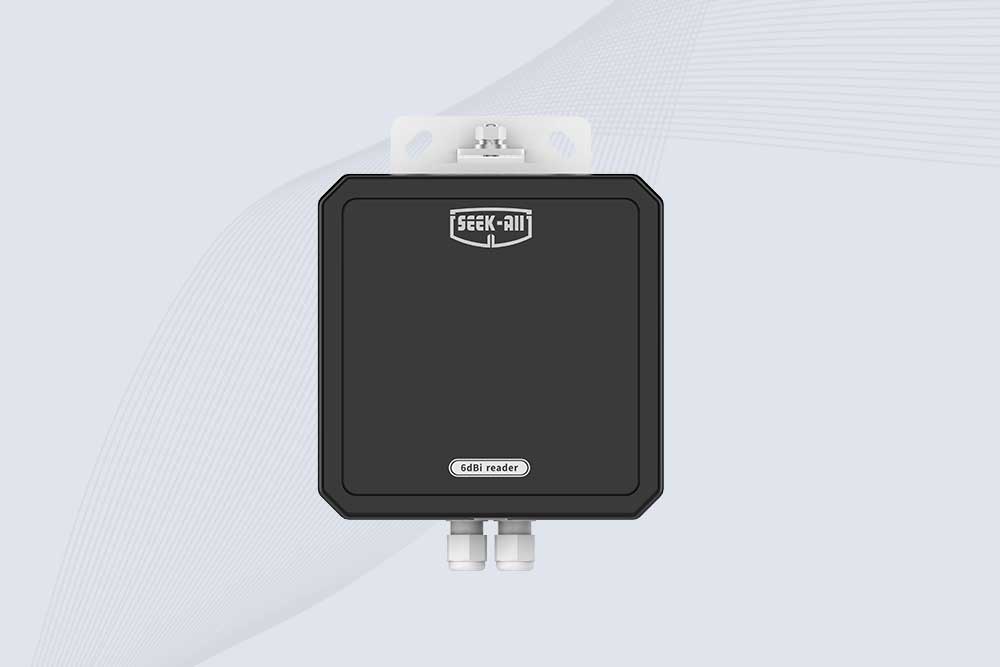
SSD-RA06L is an industrial UHF RFID reader with a built-in 6 dBi antenna, 3 m read range, 600+ tags/s, Ethernet, RS232, and optional Wi-Fi, 4G, and PoE.
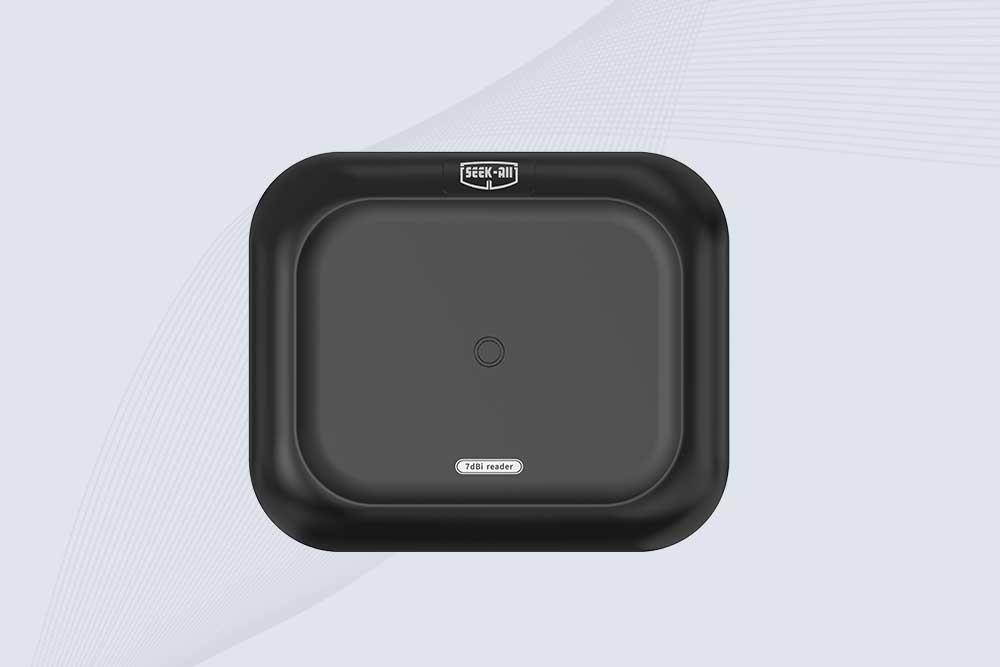
SSD-RA07L industrial UHF RFID reader with integrated 7 dBi antenna, up to 6 m reading distance, over 600 tags/s, Ethernet, RS232, and optional Wi-Fi, 4G, and PoE.

Discover how RFID autoclave solutions improve sterilization tracking, equipment management, and inventory control in hospitals.
More
Discover advanced rfid chips from Cykeo for asset tracking, inventory visibility, retail automation, and industrial RFID applications. Improve efficiency with reliable RFID technology.
More
Learn the best practices to maintain RFID handheld devices for longevity and performance. Discover cleaning, firmware, and battery care tips for seamless operations.
More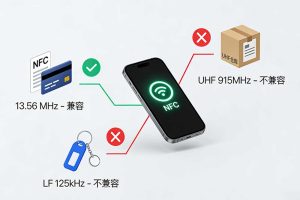
Can you use NFC to read RFID tags? We explain the technical relationship, what’s possible in practice, and why NFC fails for industrial RFID applications.
More