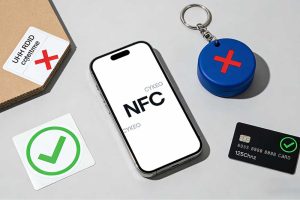
As digitalization transforms asset tracking, inventory audits, and personnel attendance, RFID Bluetooth Readers become essential tools for improving operational efficiency and data accuracy. Compared to traditional RFID readers, Bluetooth versions offer greater mobility and easier connectivity—ideal for mobile inspections and handheld usage.
Frequency Selection: LF, HF, or UHF?
Choosing the right RFID frequency depends on your application:
Low Frequency (LF, 125kHz): Strong penetration, suitable for metal or watery environments, but short read range
High Frequency (HF, 13.56MHz): Common in access control and NFC payment systems
Ultra-High Frequency (UHF, 860–960MHz): Long-range reading, ideal for warehouse and logistics applications
Communication Protocols: Ensure Compatibility and Scalability
When choosing an RFID Bluetooth Reader, check which communication protocols it supports, such as:
ISO/IEC 18000-6C (EPC Gen2): A UHF standard widely used in supply chain management
ISO/IEC 14443, 15693: Common in HF applications like smart cards and access systems
Also distinguish between BLE (Bluetooth Low Energy) and Classic Bluetooth—BLE suits long-term use with mobile devices, while Classic Bluetooth supports faster data transmission.
Battery Life: A Critical Factor for Productivity
Handheld RFID Bluetooth Readers are often used in mobile settings, so battery performance directly affects operational uptime. Focus on:
Battery capacity (e.g., over 3000mAh)
Continuous working hours (e.g., over 8 hours)
Support for fast charging or swappable batteries
Some devices also support low-power modes and battery alerts to ensure stable operation throughout the day.
Reading Range: Defines Usable Coverage
RFID Bluetooth Readers vary widely in reading distance:
HF models usually read within 10 cm
UHF models can reach 3 to 10 meters or more
Reading distance depends not just on the reader’s power, but also on tag type, antenna design, and surrounding interference. Always run field tests to assess real-world performance. UHF readers suit long-range and bulk scanning needs better than HF devices.
System Compatibility and Integration Capabilities
Modern RFID Bluetooth Readers must integrate smoothly with enterprise systems. Ensure that the device:
Supports Android, iOS, and Windows
Offers SDK/API for custom software development
Connects with WMS, ERP, and other third-party platforms
Premium models may also support OTA updates and encrypted data transmission, improving security and long-term maintainability. System compatibility is critical to successful RFID deployment—prioritize devices with broad platform support and integration potential.
Conclusion: A 5-Point Checklist Before Buying
In 2025, enterprises should check these five key parameters before buying an RFID Bluetooth Reader:
Frequency that fits your scenario (LF/HF/UHF)
Supported communication protocols and Bluetooth version
Battery capacity and operating duration
Read range and tag compatibility
System integration and platform compatibility
Choosing the right RFID Bluetooth Reader helps enterprises accelerate digital transformation and improve asset tracking across departments.
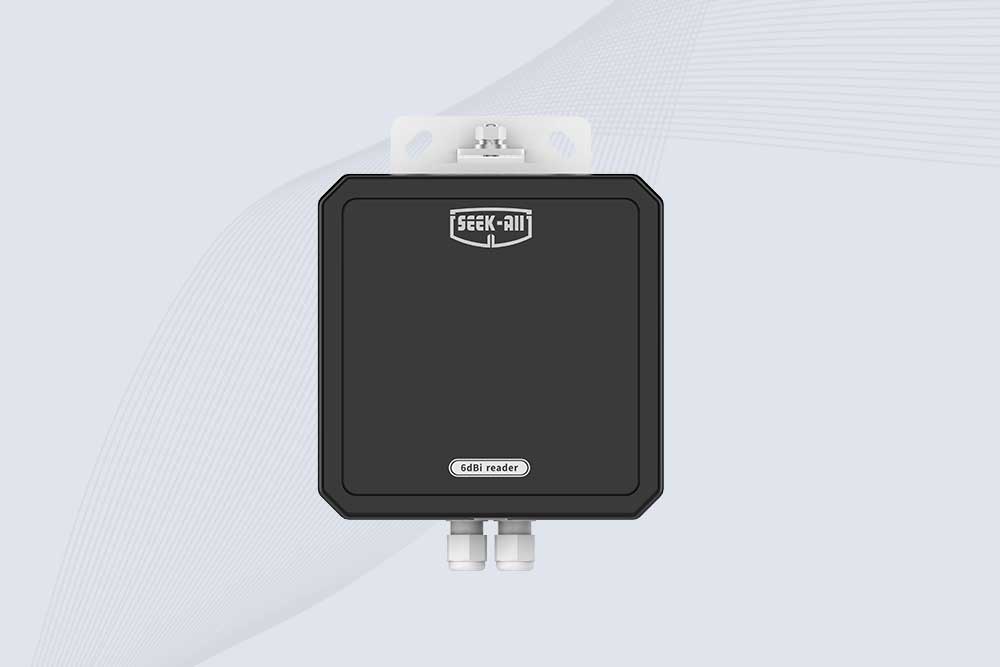
SSD-RA06L is an industrial UHF RFID reader with a built-in 6 dBi antenna, 3 m read range, 600+ tags/s, Ethernet, RS232, and optional Wi-Fi, 4G, and PoE.
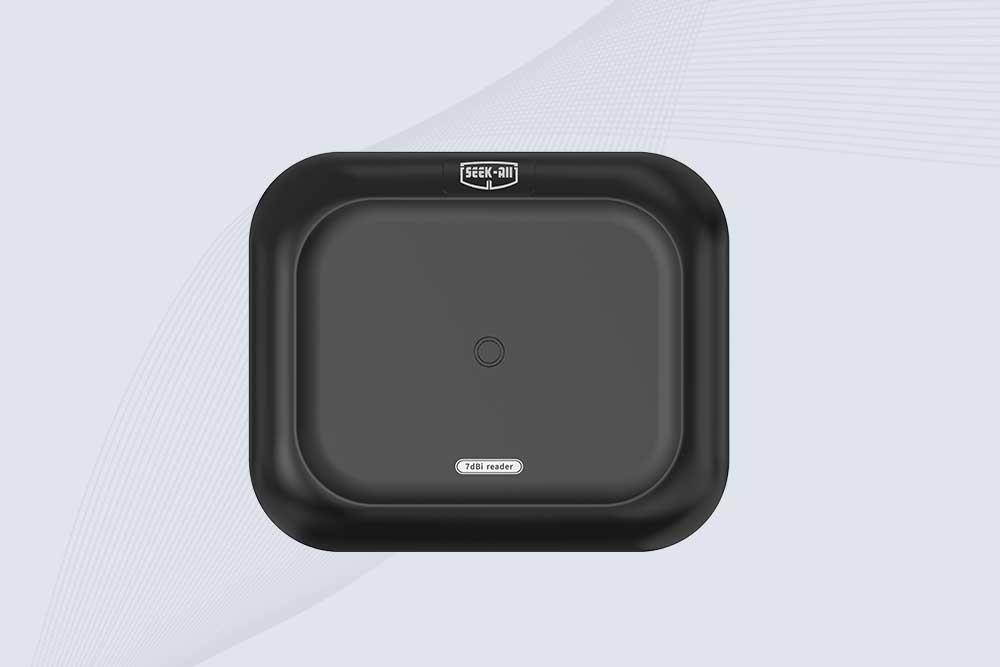
SSD-RA07L industrial UHF RFID reader with integrated 7 dBi antenna, up to 6 m reading distance, over 600 tags/s, Ethernet, RS232, and optional Wi-Fi, 4G, and PoE.
Looking for a simple, reliable RFID antenna? The CK-A11 UHF RFID Reader Antenna offers wide coverage, minimal interference, and easy integration for efficient asset tracking in logistics, retail, healthcare, and more. Durable, easy-to-use, and bui...
Discover how RFID antennas drive modern supply chain automation—reduce errors, enable real-time tracking, and streamline operations without manual bottlenecks.
Discover how to choose and deploy UHF RFID antennas for retail smart shelves. Real-world insights on polarization, near-field control, metal interference, and system optimization for integrators.
 Cykeo RFID IoT Solution Products R&D Manufacturer