 Cykeo RFID IoT Solution Products R&D Manufacturer








How RFID Gate Opener Sticker For Parking Management Efficiency
175RFID gate opener sticker solutions improve vehicle access control, parking automation, and gated entry security with fast hands-free RFID identification.
MoreAll RFID Product
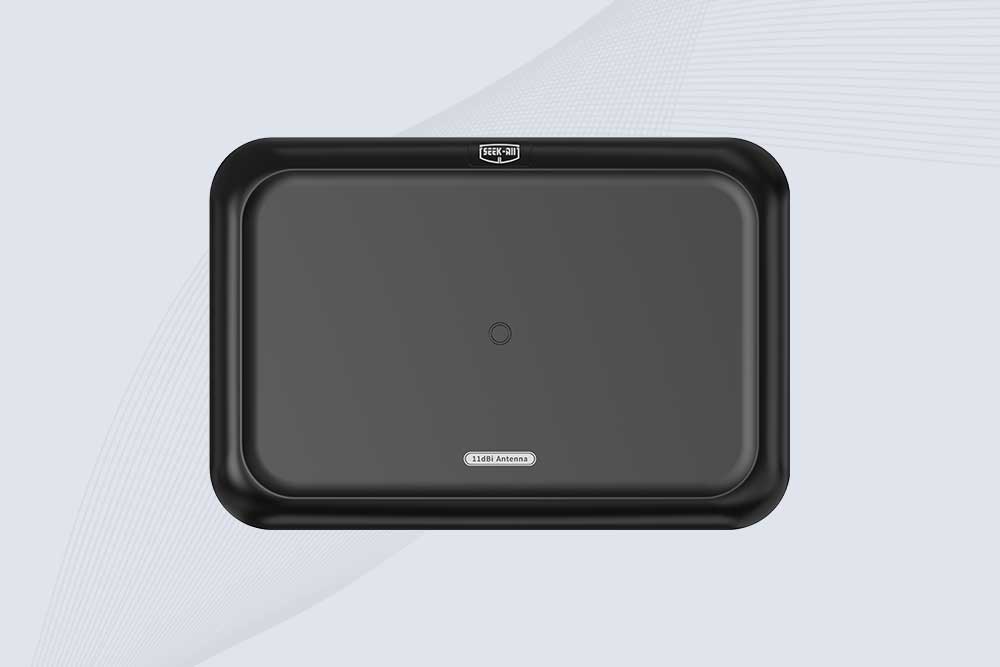
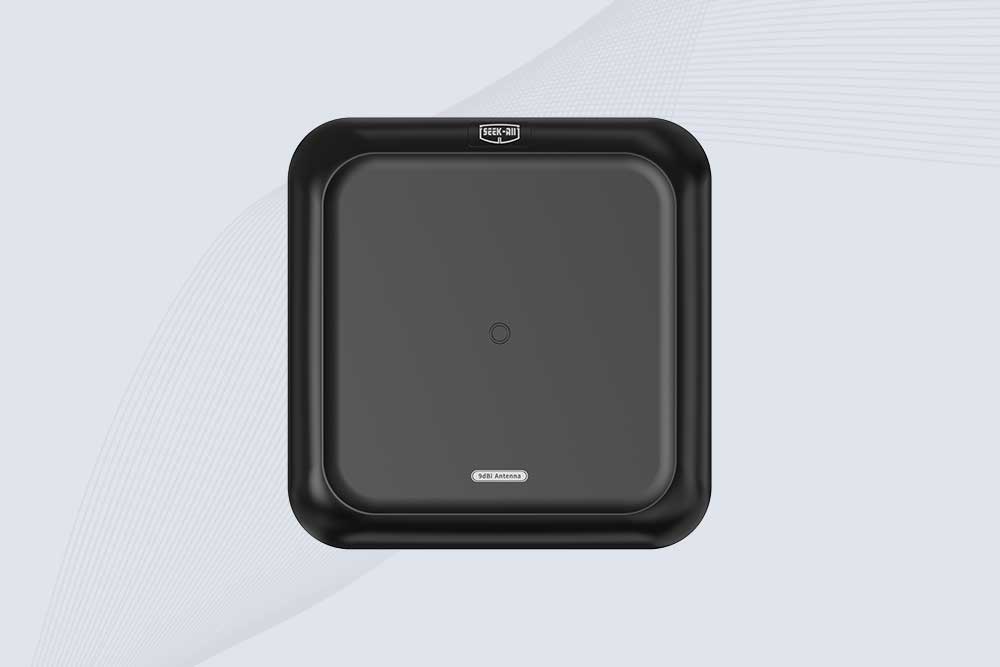
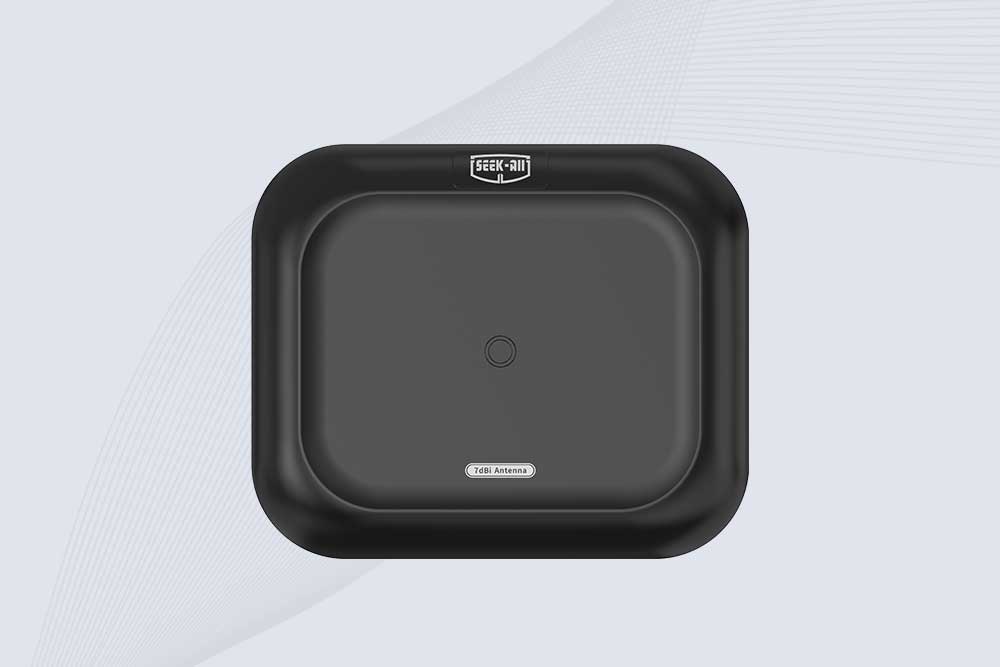
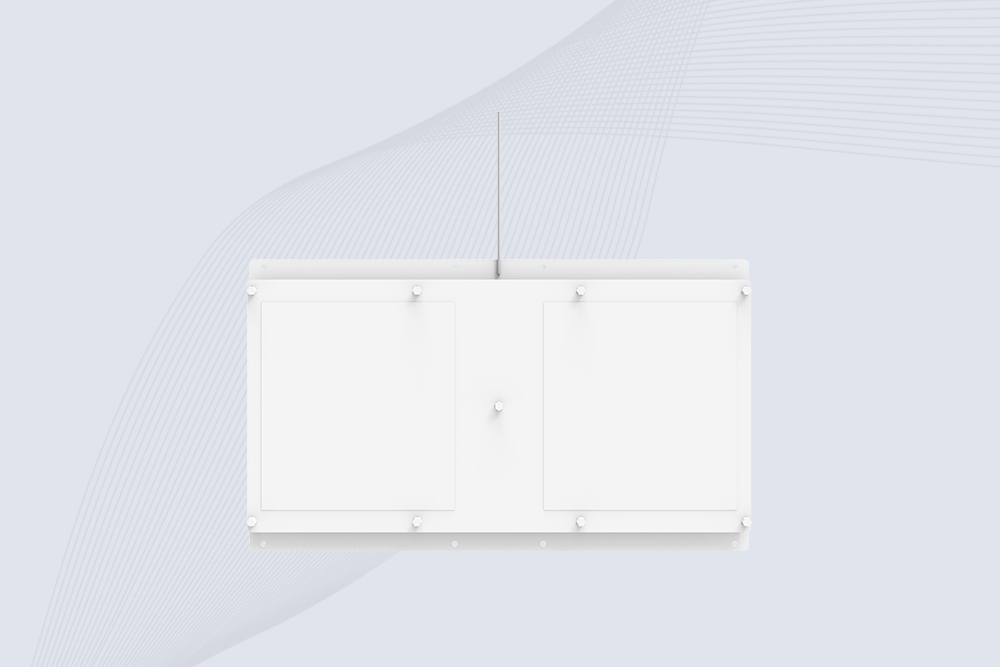
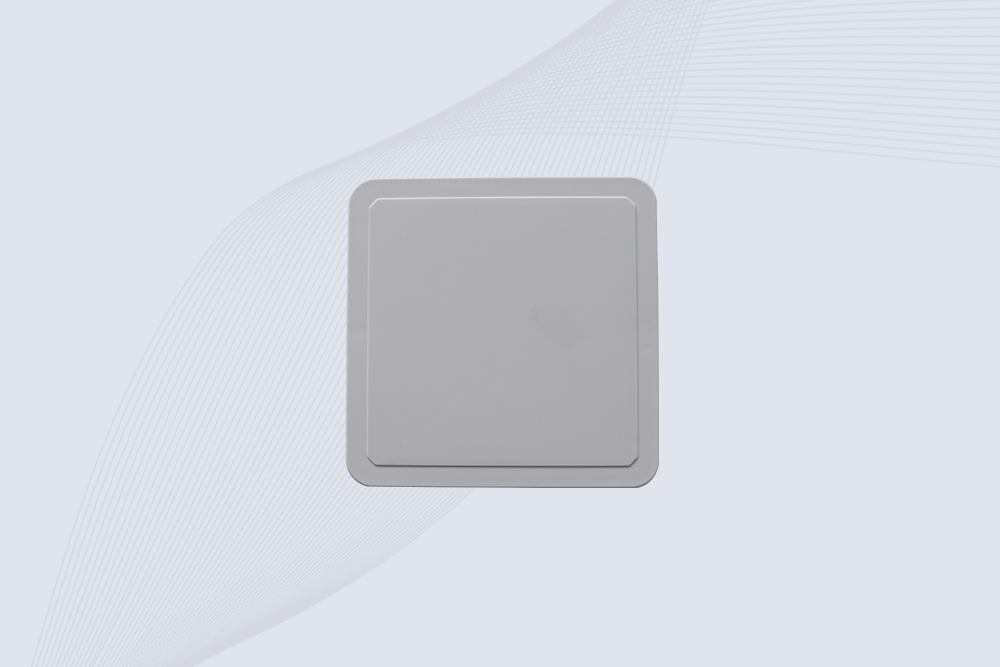
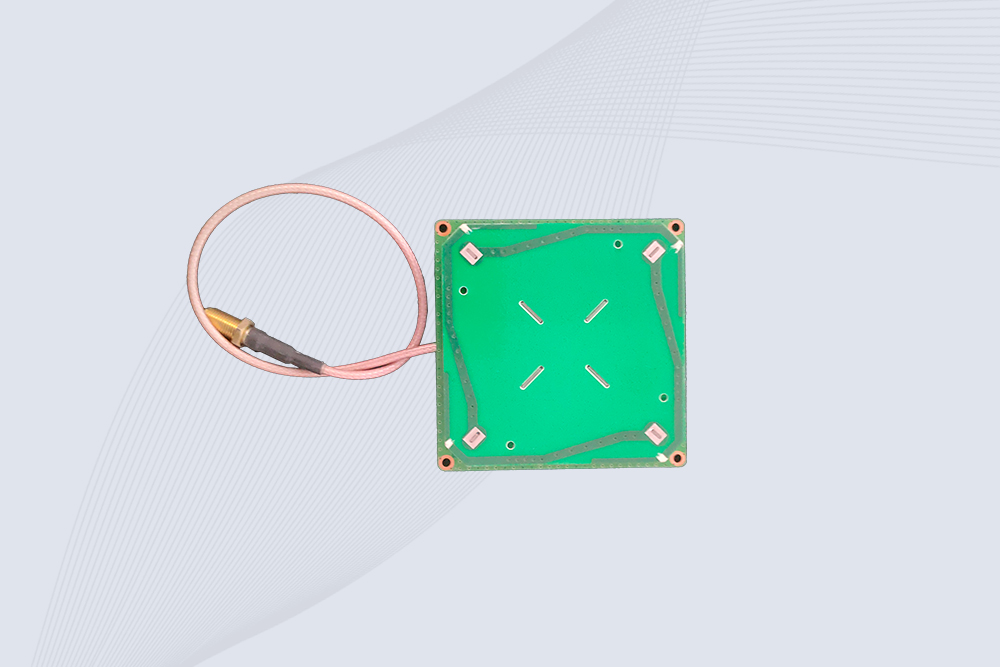
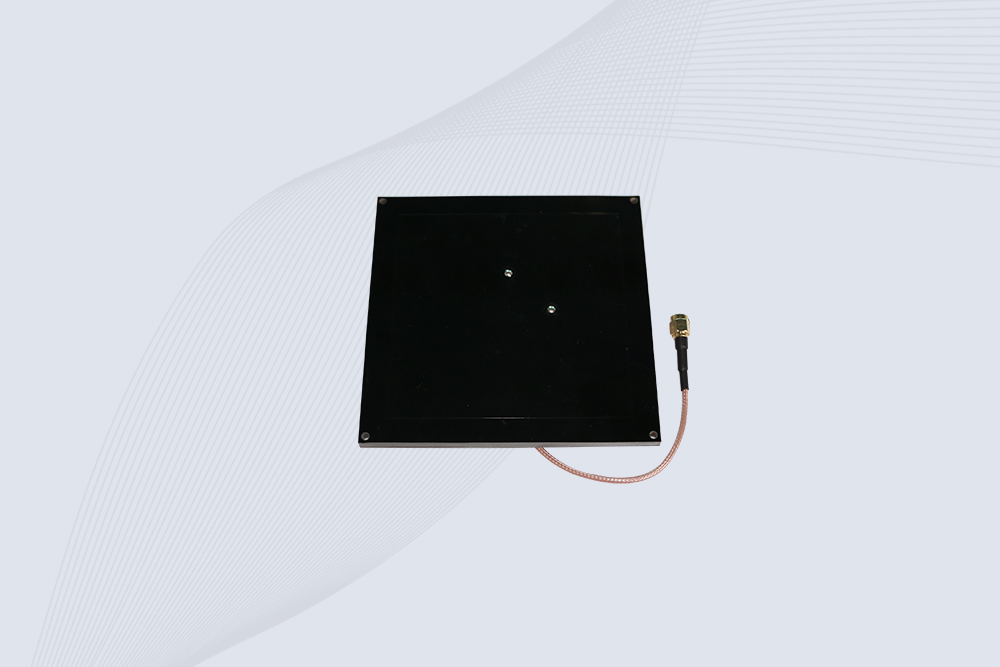
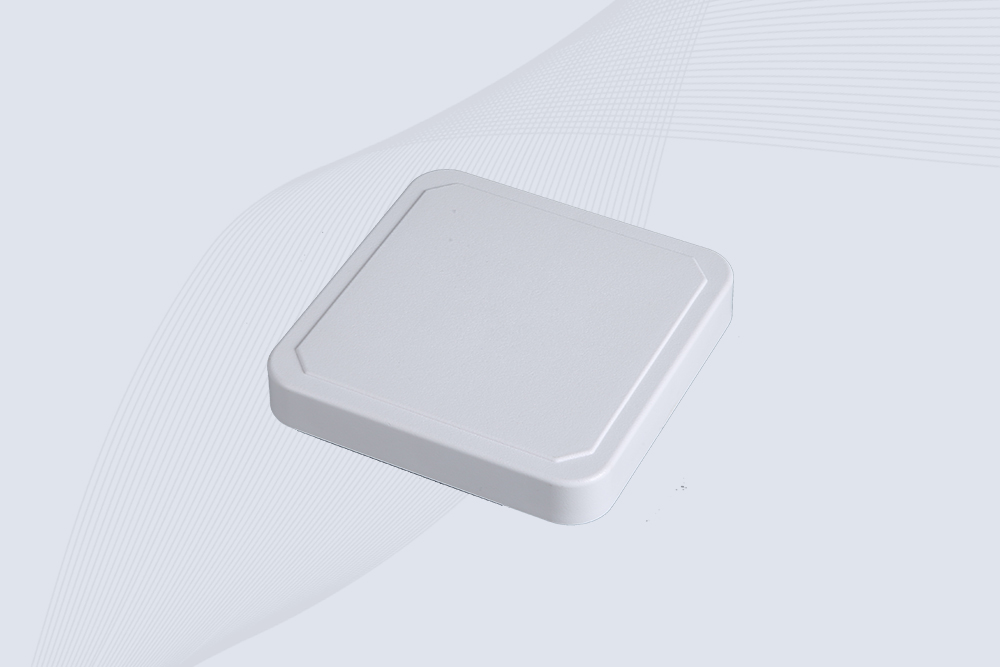
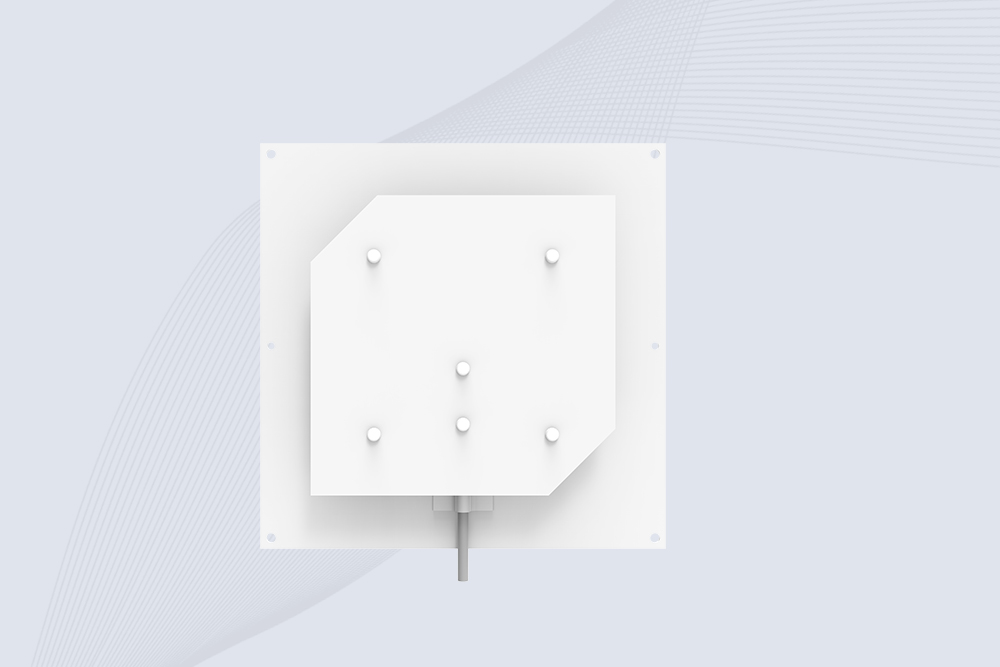
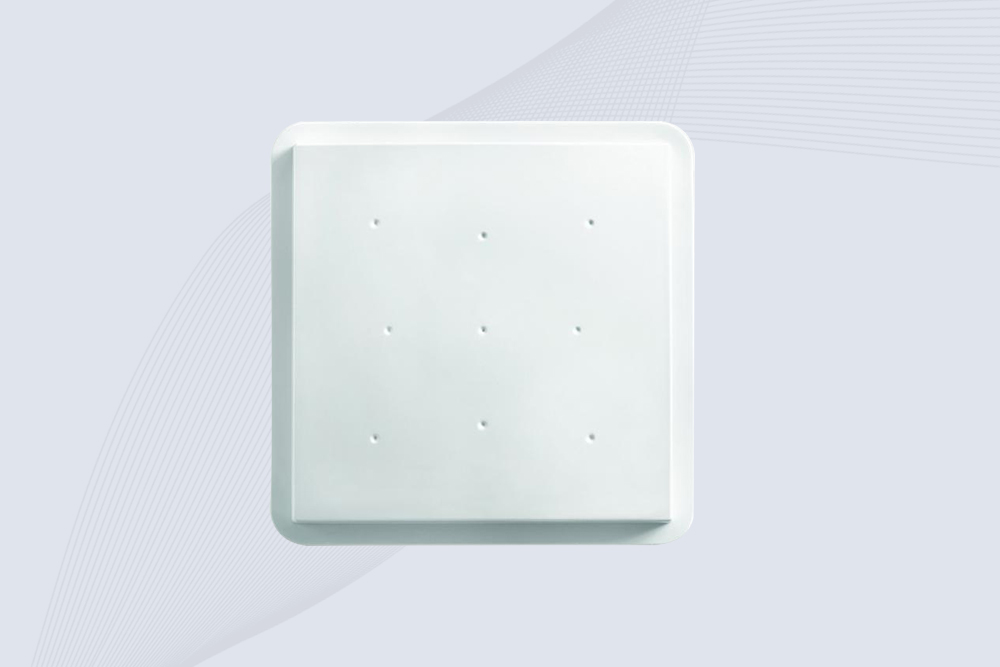
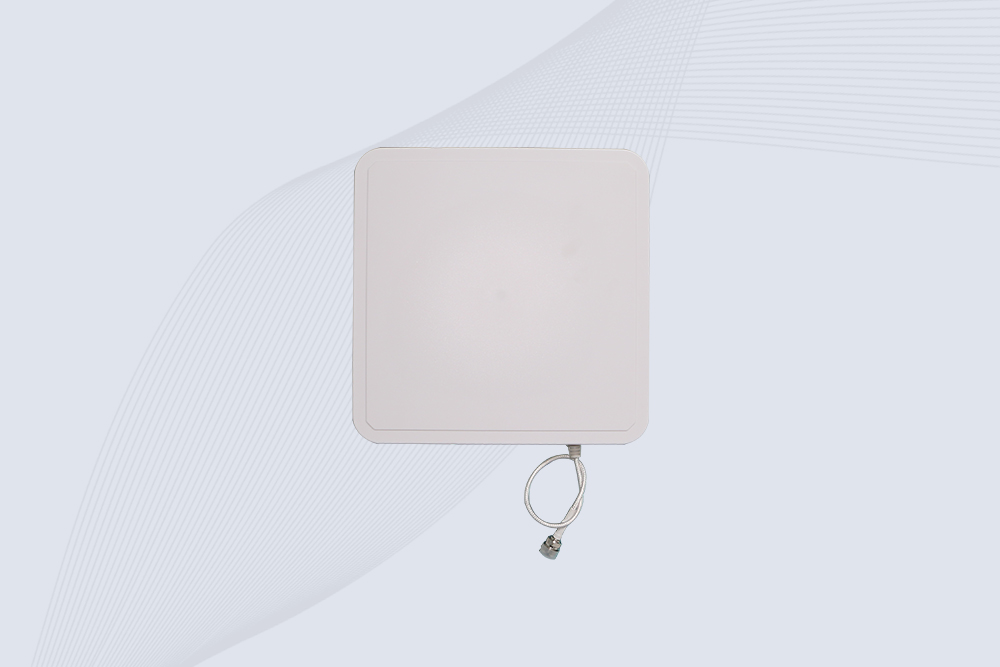
Imagine a warehouse where pallets check themselves in, shipments auto-update their locations, and inventory counts happen in seconds—not hours. This isn’t sci-fi; it’s what RFID antennas make possible in modern supply chains. But here’s the catch: even the smartest RFID system is only as good as its antennas. Let’s break down how these unsung heroes eliminate manual work, slash errors, and keep goods moving in a world that won’t wait.
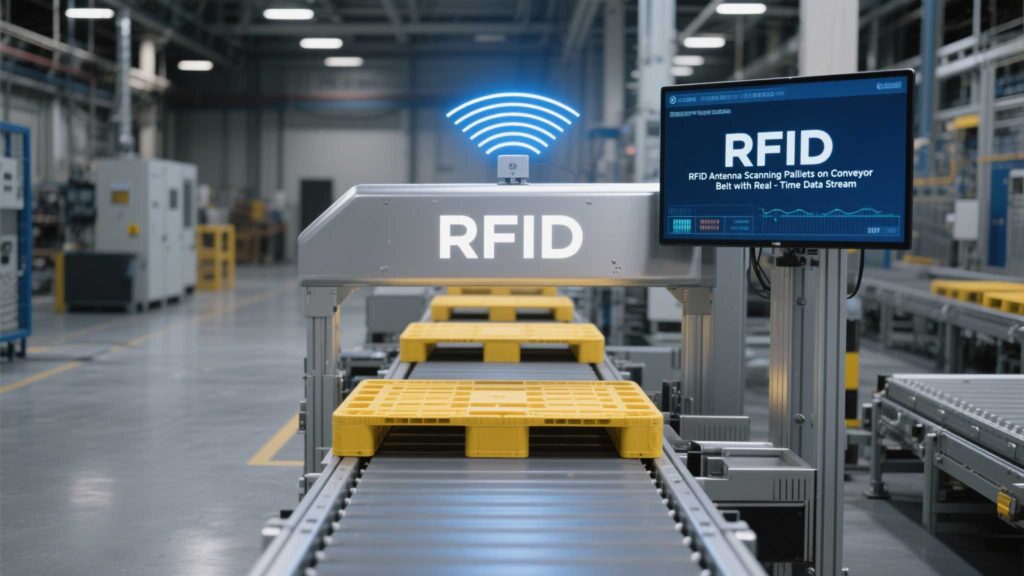
RFID antennas act like GPS for your inventory. Unlike barcodes, they don’t need line-of-sight scans. Pair them with cloud software, and you get:
Pro Tip: For maximum coverage, mount antennas at choke points: loading docks, conveyor belts, and exit gates.
Human error costs supply chains $62 billion yearly. RFID antennas fix this by:
Case Study: Cykeo’s clients reduced shipping errors by 74% after installing RFID antennas at packaging stations.
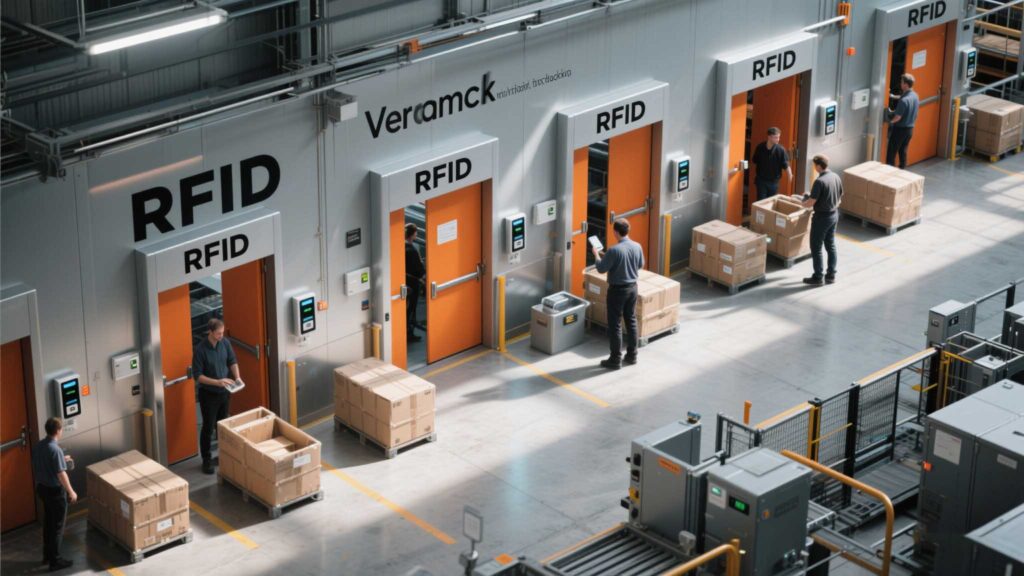
Warehouses and ports aren’t clean labs. RFID antennas handle:
Pro Hack: Angle antennas away from reflective surfaces (metal walls, machinery) to avoid signal bounce.
Adding 10,000 SKUs? RFID antennas scale without meltdowns:
Cost Saver: Start with 3–5 antennas in critical zones, then expand as ROI kicks in.
Red Flag: If read rates drop 15%+, realign or test antennas for interference.
Takeaway: RFID antennas aren’t just “nice-to-have”—they’re the glue holding automated supply chains together. They turn chaotic warehouses into clockwork operations and cut profit leaks from errors and delays. For teams eyeing growth, ignoring antennas is like building a racecar with bicycle wheels.
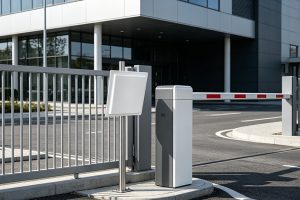
RFID gate opener sticker solutions improve vehicle access control, parking automation, and gated entry security with fast hands-free RFID identification.
More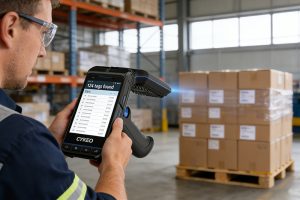
Wondering what is RFID reader portable? We explain the definition, how it differs from fixed readers, key features, and real-world applications for inventory and asset tracking. Clear guidance from CYKEO engineers.
More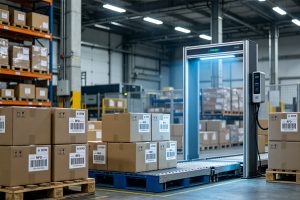
Learn how RFID barcode tags combine barcode simplicity with RFID automation. Discover applications, tag types, material options, industry use cases, and wholesale buying tips for businesses.
More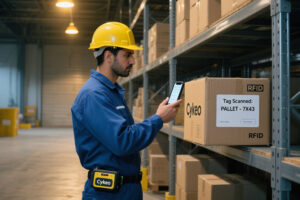
Discover why most iPhones can't scan RFID tags natively. See how Cykeo's Bluetooth adapter turns your iPhone into a real RFID scanner for inventory & access control.
More