 Cykeo RFID IoT Solution Products R&D Manufacturer

What Are RFID Jobs Used For RFID Tool Tracking Solutions?
44Explore how rfid jobs improve tool tracking, workforce accountability, and inventory automation with Cykeo UHF RFID systems for industrial workplaces.
MoreAll RFID Product
A warehouse manager once told me something that stuck.
“We don’t have a scanning problem. We have a missing visibility problem.”
At first, that sounds like the same thing.
It isn’t.
Most warehouses, factories, and distribution centers already have barcode systems. Workers scan products every day. The equipment works. The software works.
The issue is that barcodes only work when someone actively scans them.
That’s where RFID barcode tags started gaining traction.
Instead of replacing barcodes completely, many businesses are now combining both technologies on a single label.
One side of the label is visible.
The other side is invisible.
And that’s exactly why these tags have become so popular.
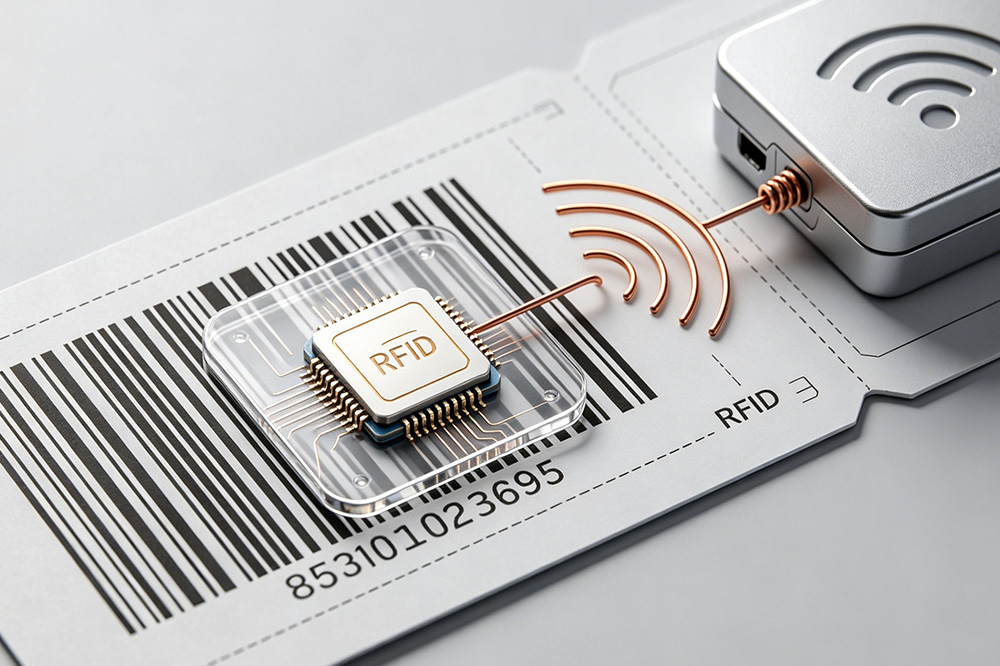
At a glance, it looks like an ordinary barcode label.
You see:
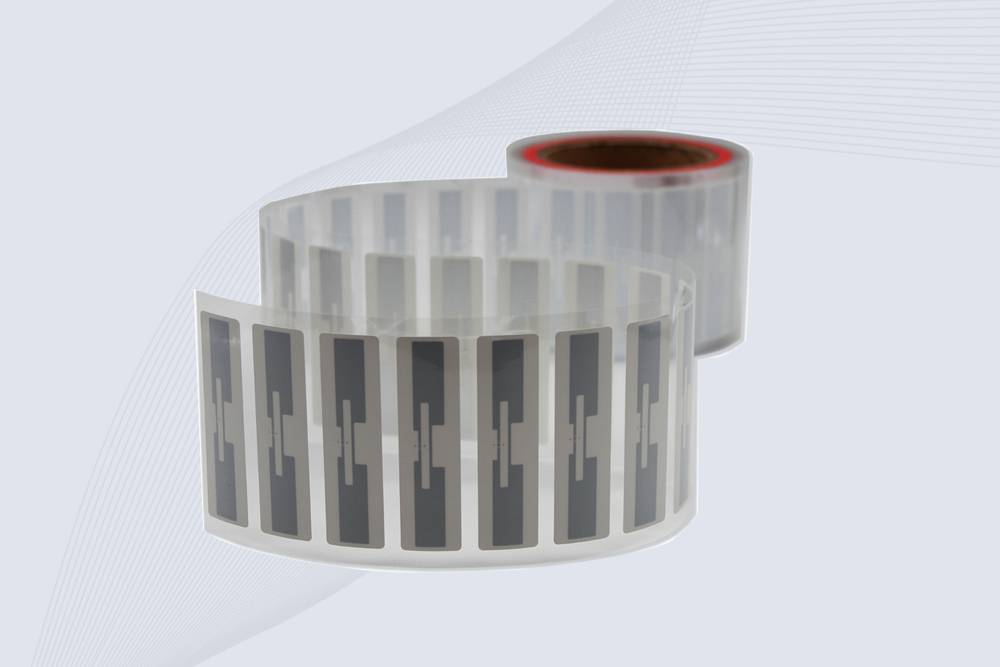
But hidden inside the label is an RFID inlay containing:
The barcode can be scanned manually.
The RFID chip can be read automatically without direct line-of-sight.
In practical terms, one label gives businesses two tracking methods instead of one.
If an RFID reader isn’t available, workers can still use barcode scanners.
If speed becomes critical, RFID readers can identify hundreds of items automatically.
That flexibility is often the main reason companies adopt RFID barcode labels rather than switching entirely to RFID overnight.
If RFID is faster, why not eliminate barcodes altogether?
In theory, it sounds logical.
In reality, supply chains rarely work that way.
A manufacturer may use RFID internally.
Their customer may still rely on barcode scanners.
A logistics provider might support both.
Retail stores often operate mixed environments.
Because of this, RFID barcode tags act as a bridge between existing systems and future automation.
The same label works for everyone.
No major workflow disruption.
No immediate infrastructure replacement.
For many organizations, that’s a much easier business case to justify.
Imagine a pallet carrying 200 products.
Using traditional barcode labels:
A worker scans each carton individually.
200 scans.
200 opportunities for human error.
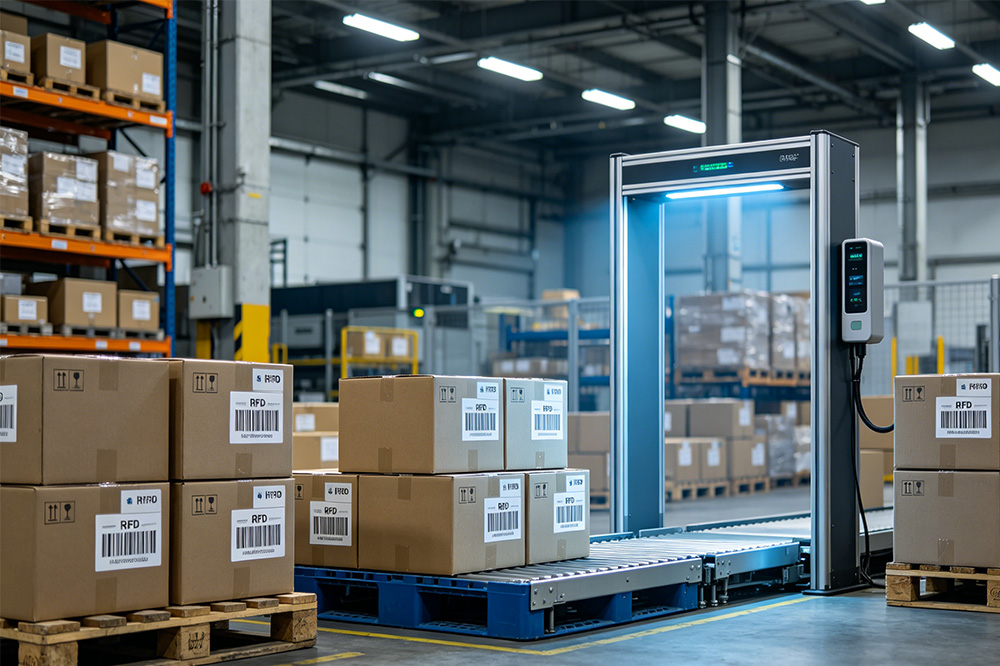
Now imagine the same pallet carrying RFID barcode tags.
As the pallet passes through an RFID portal, every tag is identified automatically.
No stopping.
No scanning gun.
No individual handling.
The barcode still remains available whenever manual verification is needed.
This hybrid approach is becoming increasingly common in modern warehouses.
Walk into a clothing store today and you may notice something interesting.
Many apparel labels still display printed barcodes.
Yet hidden inside the tag is an RFID chip.
Retailers discovered that inventory counts that once took several days can sometimes be completed in hours.
Employees simply walk through the sales floor with RFID readers.
Products are counted automatically.
Missing inventory becomes easier to identify.
Shelf replenishment improves.
And customers are less likely to encounter empty displays.
The barcode still serves point-of-sale systems.
RFID handles inventory visibility.
Both technologies coexist on the same label.

One mistake buyers frequently make is treating RFID labels as commodities.
In reality, application requirements vary significantly.
A label used on cardboard boxes differs from one attached to metal equipment.
A tag used inside a freezer differs from one exposed to outdoor weather.
A healthcare application may require completely different materials than an industrial warehouse.
Before selecting any RFID barcode tag, it’s worth understanding the environment first.
Paper RFID labels dominate many inventory applications.
They’re often used for:
For controlled indoor environments, paper labels typically offer the lowest cost per tag.
When businesses begin RFID deployment, this is usually where they start.
Some environments destroy ordinary labels surprisingly fast.
I’ve seen warehouse labels become unreadable after only a few months because of moisture and abrasion.
Synthetic RFID labels are designed for more demanding conditions.
Common applications include:
The higher initial cost often pays for itself through longer service life.
Metal changes everything.
A label that reads perfectly on cardboard may struggle when placed directly on a steel cabinet.
That’s because metal interferes with RFID signal performance.
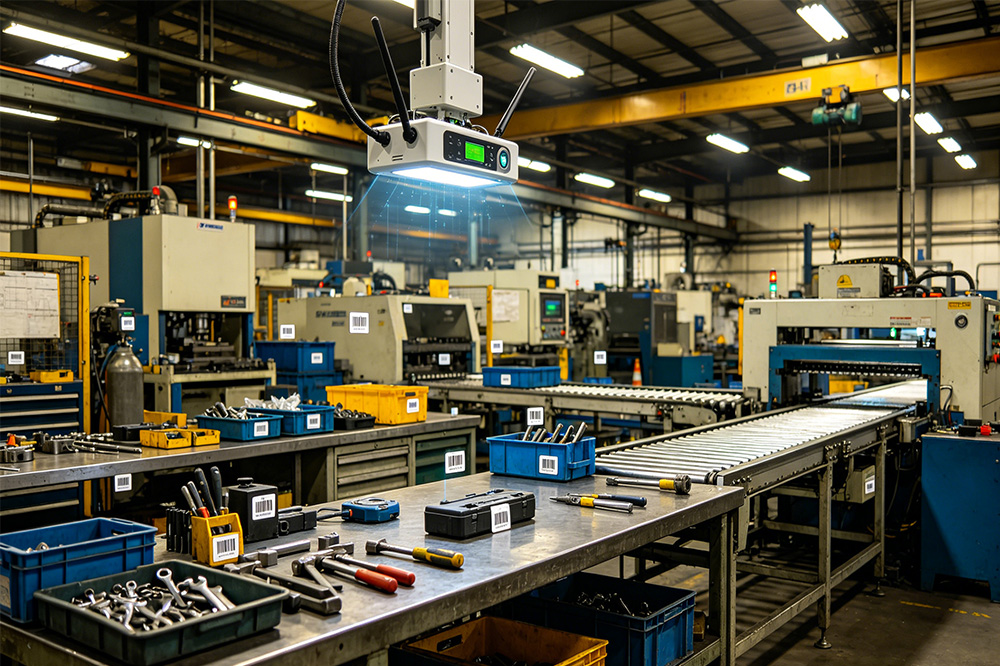
For tools, machinery, containers, and industrial assets, specialized anti-metal RFID tags are usually required.
This is why experienced RFID integrators always ask one question before recommending tags:
“What surface will the tag be attached to?”
The answer affects almost every design decision.
Most discussions focus on tag prices.
But in large deployments, labor often becomes the bigger expense.
Consider a warehouse with 50,000 inventory items.
Saving just a few seconds per scan can translate into hundreds of labor hours annually.
That’s where RFID barcode tags often generate value.
The technology doesn’t necessarily eliminate employees.
It eliminates repetitive scanning activity.
Workers spend less time collecting data and more time acting on it.
Some industries consistently see strong returns.
When sourcing RFID barcode tags in volume, experienced procurement teams usually focus on practical issues rather than technical buzzwords.
Questions often include:
These answers usually determine the correct tag design faster than comparing product datasheets.
For years, people predicted RFID would completely replace barcodes.
That hasn’t happened.
And honestly, it may never happen in many industries.
What seems more likely is continued coexistence.
Barcodes remain inexpensive, universal, and familiar.
RFID adds automation, speed, and visibility.
When both technologies exist on the same label, businesses gain flexibility without sacrificing compatibility.
That’s a big reason why RFID barcode tags continue showing up in warehouses, factories, hospitals, retail stores, and supply chains worldwide.
For companies evaluating inventory automation projects, exploring different RFID barcode tags and industrial RFID tag solutions early in the planning process can help avoid costly redesigns later.
CYKEO Passive RFID Tags are made for wet and high-humidity environments where standard labels do not last. This rfid passive tag is often used around liquids, chemicals and temperature changes, providing stable reading distance and long data life for industrial tracking.
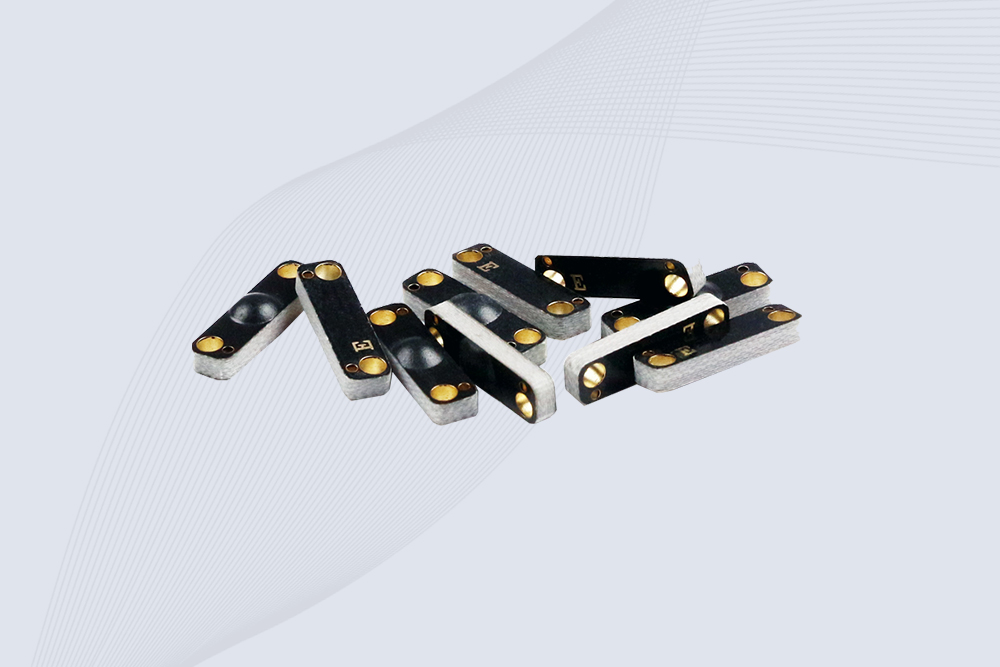
CYKEO CYKEO-PCB1504 Metal RFID Tags is a compact anti-metal UHF RFID solution built for direct mounting on metal surfaces. With stable 8-meter read range, Ucode-8 chip, and long data retention, this rfid metal tag fits tools, containers, automotive parts, and industrial asset tracking.
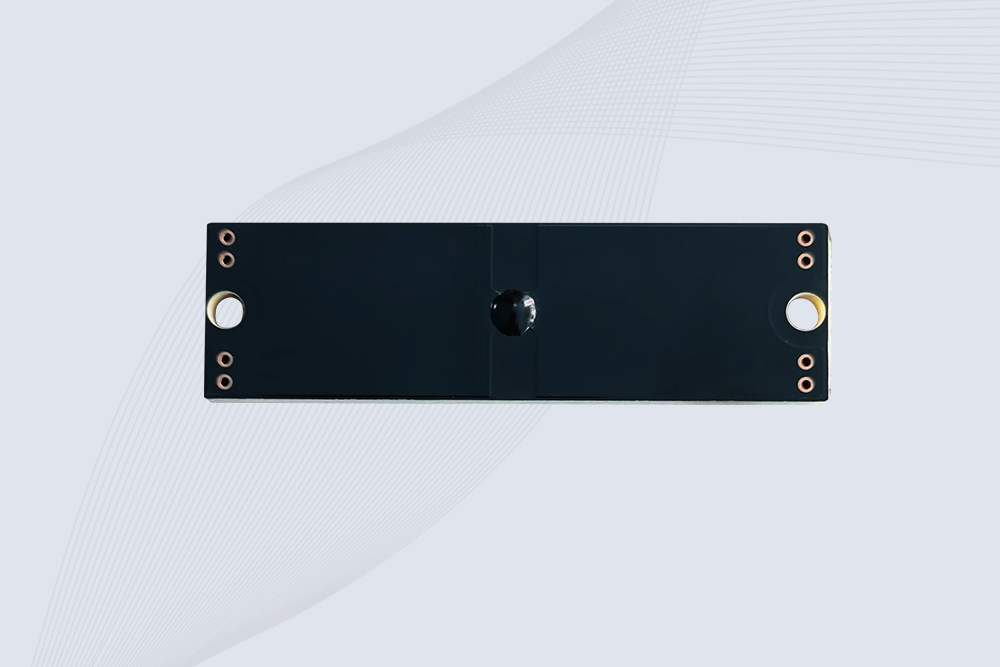
CYKEO CYKEO-PCB7020 On-Metal RFID Tags are designed for reliable tracking on steel and metal surfaces. Built with an FR4 epoxy body and industrial-grade chips, these On-Metal RFID Tags deliver stable performance, long data life, and chemical resistance, making them a dependable RFID anti-metal tag for harsh environments.
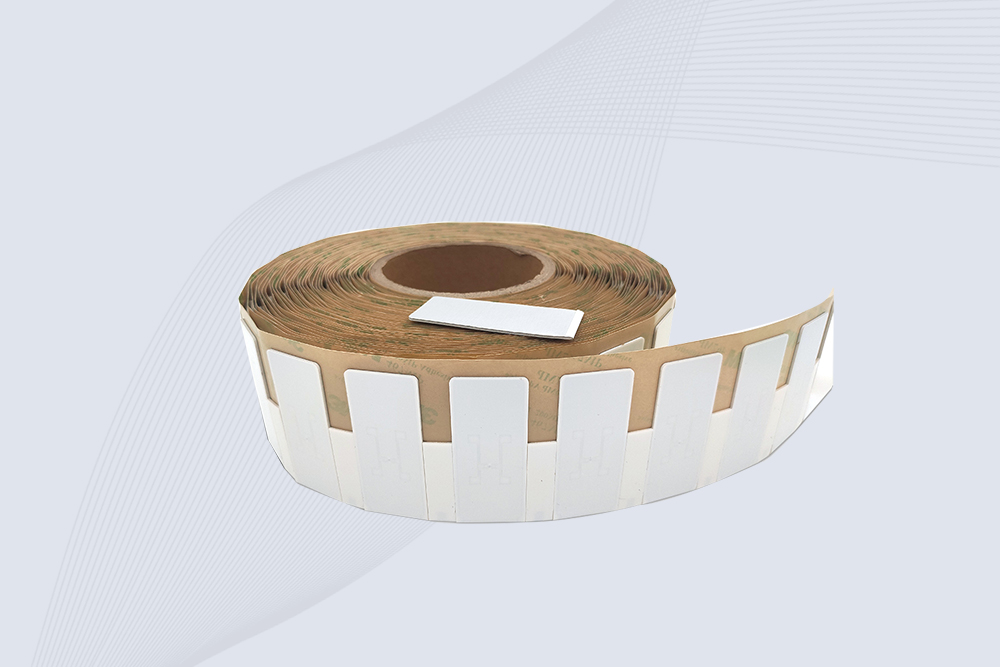
The CYKEO CYKEO-60-25 Anti-Metal RFID Tag is built for metal surfaces where standard tags fail. Designed for long-range performance, harsh environments, and stable data retention, this Anti-Metal RFID Tag is ideal for industrial assets, containers, and equipment tracking using on metal RFID tags.
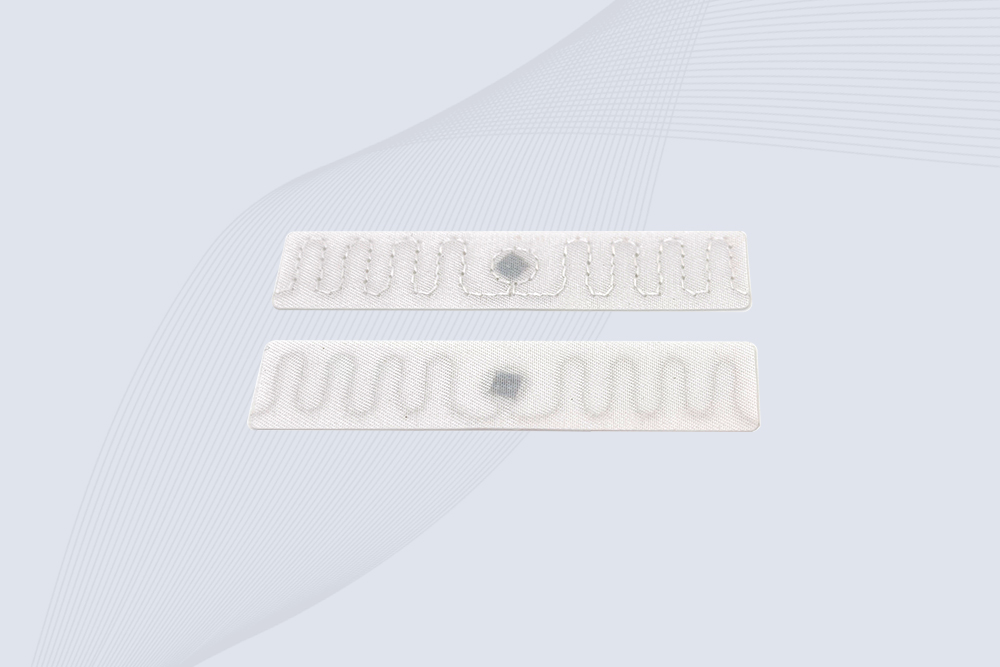
The CYKEO RFID Laundry Tag is designed for long-term textile identification in harsh laundry environments. Built to withstand high heat, chemicals, and repeated washing, this RFID Laundry Tag delivers stable performance for hotels, hospitals, and industrial laundry operations using laundry rfid tags at scale.
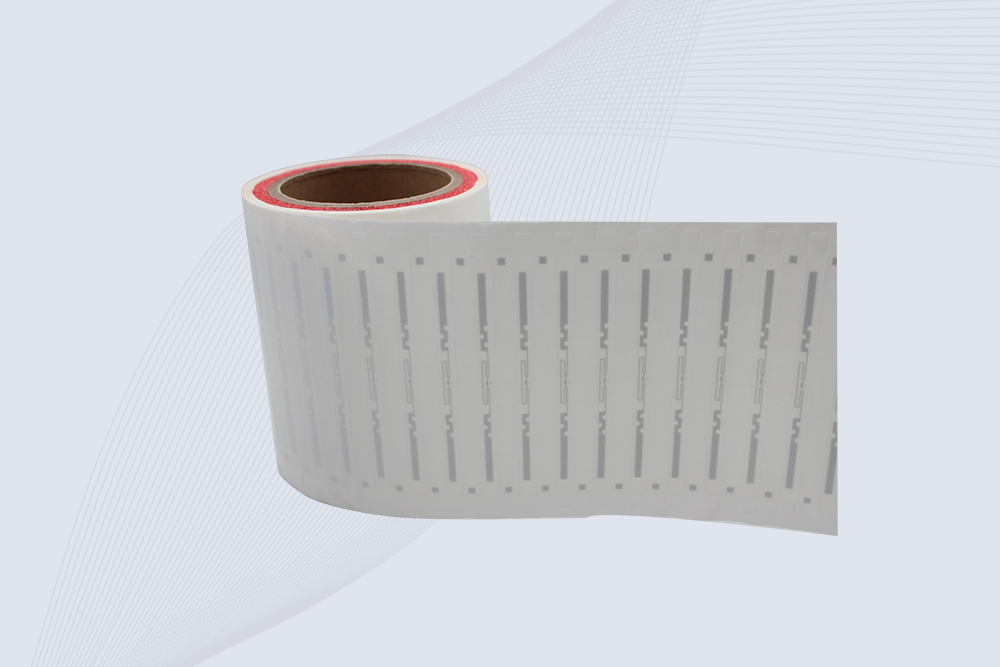
The CYKEO CYKEO-125-7 RFID Book Tag is designed for reliable book and document tracking in libraries and archives. This RFID Book Tag delivers long read range, dense placement support, and stable performance on shelves, making it a practical rfid tag on books for library automation, file management, and archival systems.
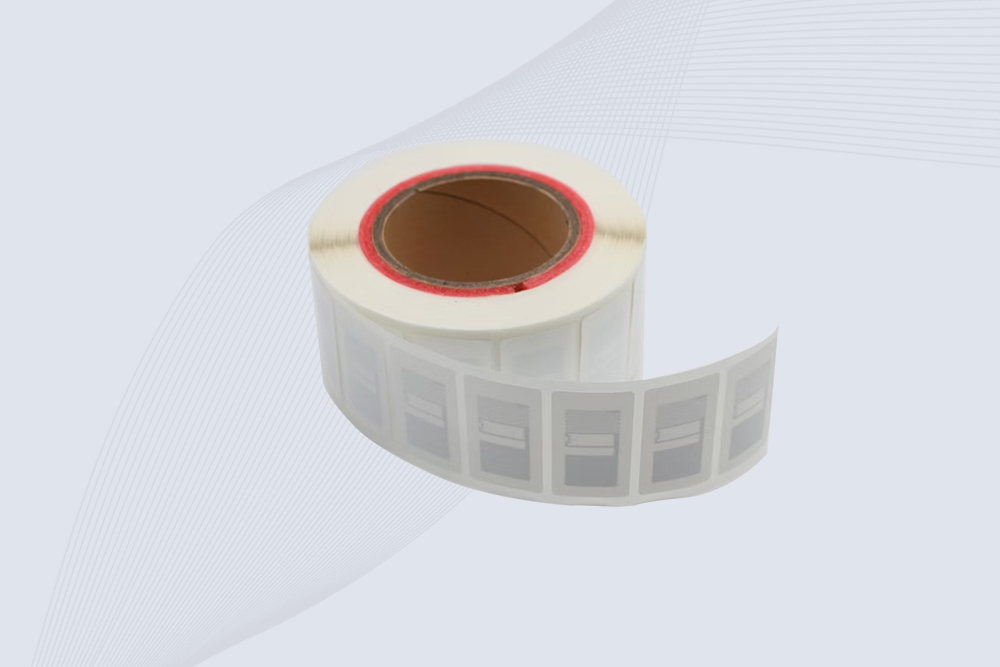
CYKEO RFID tags in hospitals are designed for sterile environments where accuracy matters. These autoclavable RFID tags support long-term tracking of surgical tools, implants, and medications, helping hospitals improve visibility, compliance, and patient safety.

CYKEO RFID Cable Tie Tag is built for reliable identification on metal surfaces. This UHF RFID Cable Tie Tag is widely used in rfid tags for inventory systems, industrial asset management and Hospital RFID Tags, offering stable read performance, long service life and global EPC Gen2 compatibility.
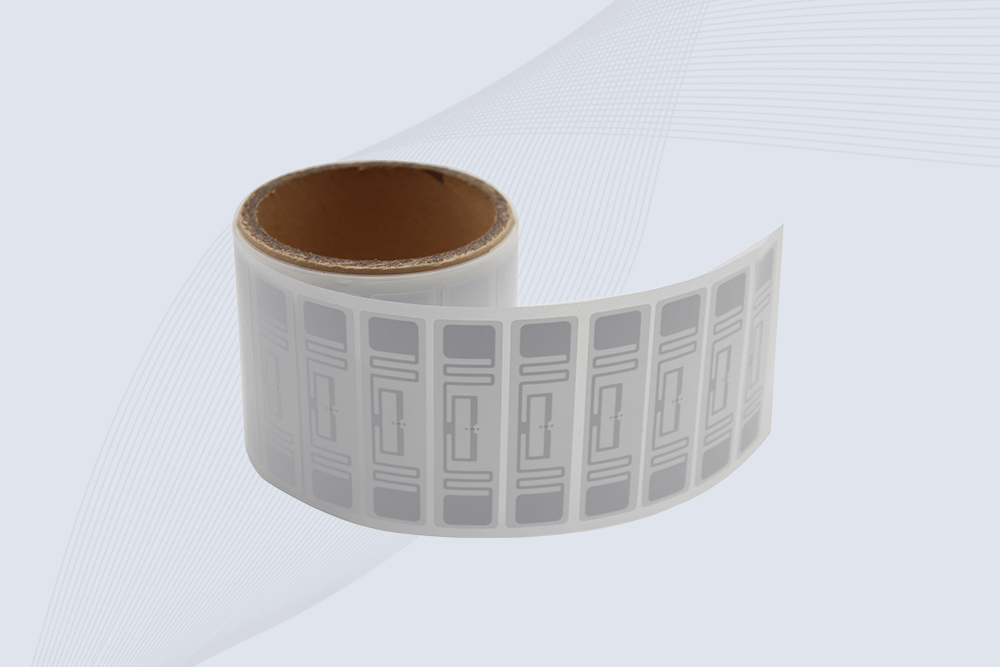
CYKEO RFID Asset Tag is designed for stable identification of metal assets in industrial environments. This UHF RFID Asset Tag is commonly used for rfid tag asset tracking on equipment, tools and containers, providing reliable reads, long service life and ISO/IEC 18000-6C support.

CYKEO UHF RFID Card is designed for fast identification and long-term use in industrial and commercial systems. Supporting ISO 18000-6C, this UHF RFID Card works at 860–960 MHz and is suitable for custom RFID cards used in asset tracking, access control and inventory management.
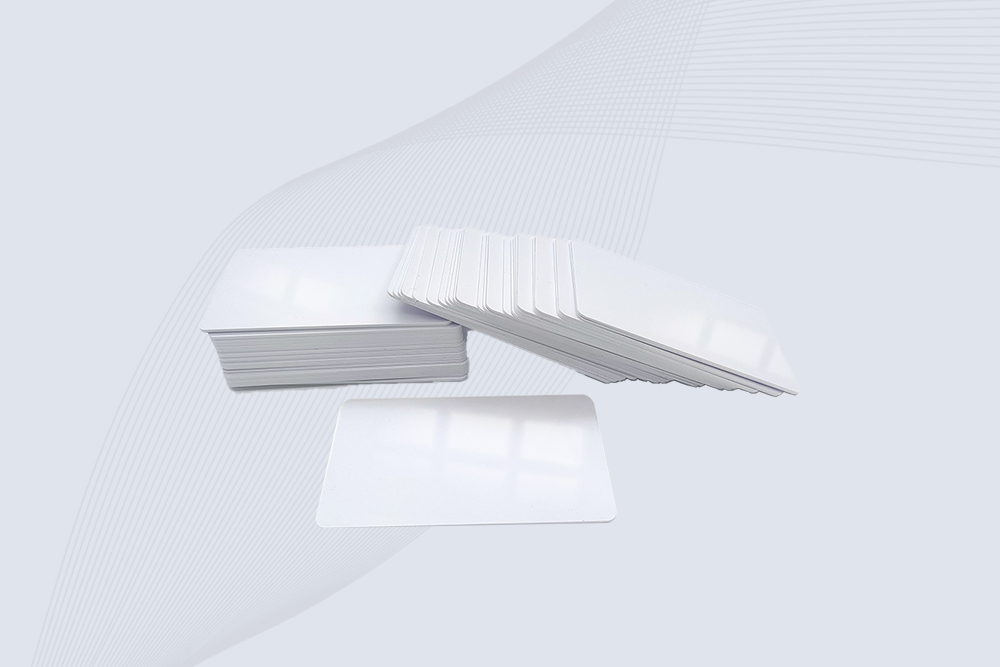
CYKEO HF RFID Cards are designed for secure and stable access control systems. These 13.56 MHz RFID key cards support ISO 14443-A, reliable rewriting and long service life, making HF RFID Cards suitable for offices, campuses, events and membership management.
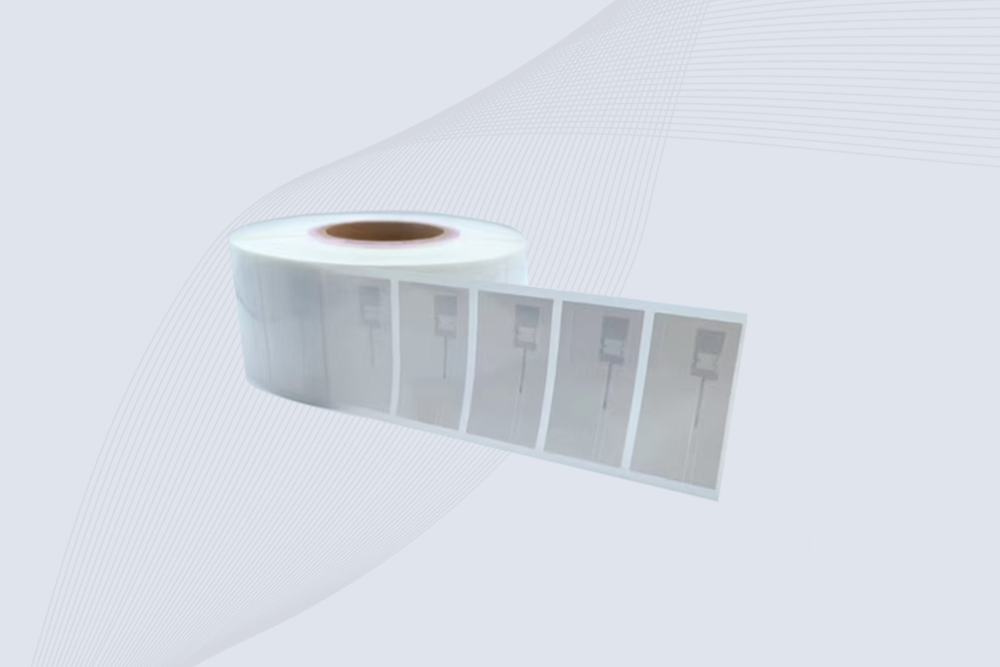
CYKEO UHF RFID Tag is designed for reliable tracking of metal jewelry and high-value items. This Jewelry RFID Tag supports long-range reading up to 8 meters, anti-counterfeit protection and stable performance on metal, making it suitable for retail, inventory control and asset management.
RFID Industry Writer | IoT & Asset Tracking Analyst
James writes about RFID technology, asset tracking, and the practical challenges of digital transformation across warehousing, retail, manufacturing, and logistics.
His work focuses on how RFID is applied in real-world operations—improving inventory visibility, automating workflows, and helping businesses manage assets with greater accuracy and efficiency.
He regularly covers topics including UHF RFID, smart cabinets, RFID portals, tool tracking, warehouse automation, and industrial IoT trends..

Explore how rfid jobs improve tool tracking, workforce accountability, and inventory automation with Cykeo UHF RFID systems for industrial workplaces.
More
Want longer RFID read distance? This practical wholesale guide breaks down 6 key factors affecting RFID reading range and how to choose the right setup for bulk projects.
More
Discover industrial-grade RFID antennas that withstand dust storms, moisture, and -40°F to 185°F temps. Ensure reliable tracking in mines, farms, and factories.
More
Industrial RFID Readers feature high protection ratings, long-range identification, and high-speed data reading, making them essential for manufacturing, logistics, and warehouse automation. These devices serve as key components in industrial auto...
More