 Cykeo RFID IoT Solution Products R&D Manufacturer
rfid employee tracking: How Does It Improve Workforce Visibility?
78Explore rfid employee tracking for real-time workforce visibility, safety monitoring, and operational efficiency across industrial and secure environments.
MoreAll RFID Product
A UHF tag is an ultra-high-frequency RFID tag used for wireless identification, tracking, and data collection. It enables fast, non-line-of-sight reading of assets, inventory, tools, and equipment, making it one of the most widely adopted RFID technologies worldwide.
In actual RFID deployments, the tag itself is often the least expensive component. Yet it is frequently the most important. A poorly encoded UHF tag can create inventory errors, failed transactions, and tracking blind spots that ripple through an entire operation.
After working on RFID implementation projects across manufacturing plants, warehouses, healthcare facilities, and tool management systems for more than a decade, I’ve found that successful RFID deployments usually begin long before the first reader is installed. They begin at the tag-writing stage.
That is exactly where devices like the Cykeo D2L RFID desktop encoder become valuable.
A UHF tag contains:
When energized by a compatible RFID reader, the tag transmits its unique identifier back to the system.
Unlike barcode labels, UHF tags do not require direct line-of-sight.
Multiple tags can be read simultaneously.
That difference sounds simple.
Operationally, it changes everything.
| Feature | UHF Tag |
|---|---|
| Frequency | 860–960 MHz |
| Read Method | Wireless |
| Line of Sight Required | No |
| Multi-Tag Reading | Yes |
| Rewritable Data | Yes |
| Typical Applications | Asset Tracking, Inventory Management |
According to the official EPCglobal Gen2 standard maintained by GS1 EPCglobal, UHF RFID remains the dominant technology for large-scale inventory and asset visibility applications.
Most RFID discussions focus on read range.
In practice, failed encoding causes more deployment headaches.
A tag that contains incorrect EPC data can still be physically present but operationally invisible.
I encountered this issue during a warehouse implementation involving over 40,000 tagged assets. Inventory discrepancies initially appeared to be reader failures.
The real problem?
Inconsistent tag encoding during initial commissioning.
Once encoding procedures were standardized, inventory accuracy improved dramatically.
The Cykeo D2L RFID desktop encoder was specifically designed for tag writing and issuance environments.
Key advantages include:
For large issuance projects, controlled write zones often matter more than maximum read distance because they prevent accidental programming of nearby tags.
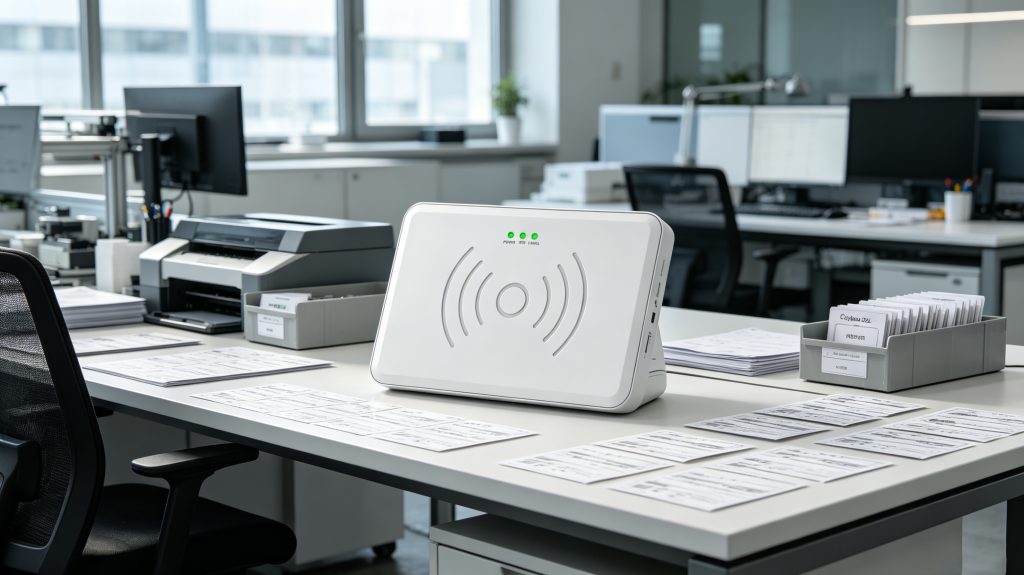
UHF tags enable:
According to research published by the Auburn University RFID Lab, RFID-enabled inventory systems commonly achieve inventory accuracy rates exceeding 95% under properly designed implementations.
Tool accountability remains one of the fastest-growing RFID applications.
Tagged tools can be:
Hospitals increasingly deploy UHF tags on:
Research available through the U.S. National Library of Medicine (PubMed) documents operational efficiency improvements associated with RFID-based medical asset tracking.
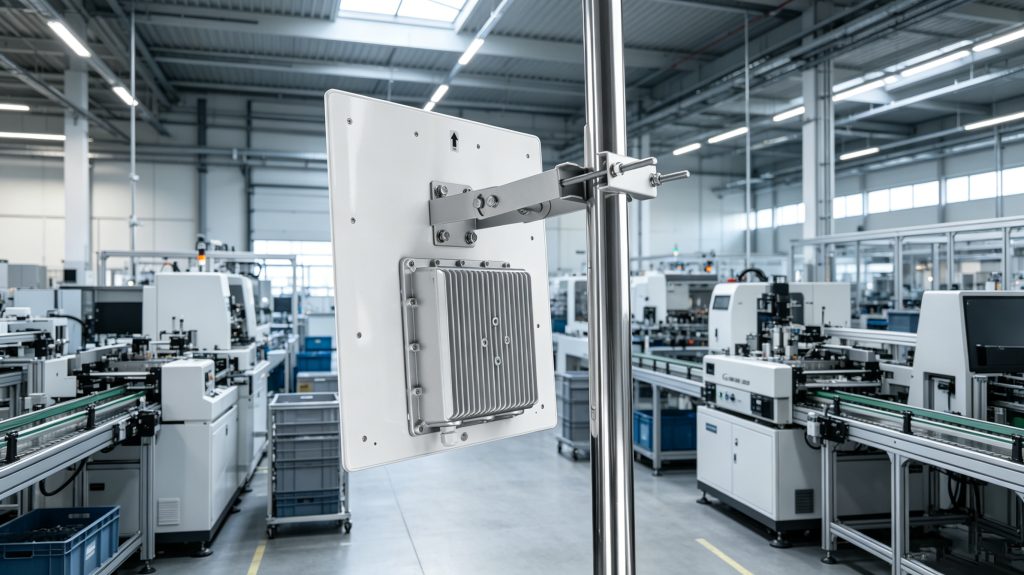
The most successful RFID projects I’ve participated in did not start with antennas.
They started with naming conventions.
Asset numbering standards.
Encoding procedures.
Verification workflows.
Technology amplifies process quality.
It does not replace it.
When tag commissioning is controlled from day one, deployment complexity drops noticeably.
That’s why dedicated encoding devices remain essential despite advances in reader technology.
A UHF tag is used for RFID-based identification, inventory management, asset tracking, logistics visibility, and equipment monitoring.
Yes. Most EPC Gen2 UHF tags support multiple write operations and can be reprogrammed when required.
UHF RFID tags typically operate between 860 MHz and 960 MHz, depending on regional regulations.
Proper encoding ensures accurate asset identification and prevents duplicate or incorrect EPC data from entering the RFID system.
A properly encoded uhf tag is the foundation of every successful RFID deployment. Whether tracking tools, inventory, medical equipment, or industrial assets, data quality begins at the tag level. Combined with reliable encoding equipment such as the Cykeo D2L desktop RFID encoder, organizations can improve accuracy, reduce operational errors, and unlock the full value of modern RFID visibility systems. The future of scalable asset management continues to depend on the humble but powerful uhf tag.

Discover SSD-D4AL, a USB-HID UHF RFID reader with 4/8/16 antenna options, Impinj E710/X3M1 chipset, plug-and-play USB power, and OEM customization.
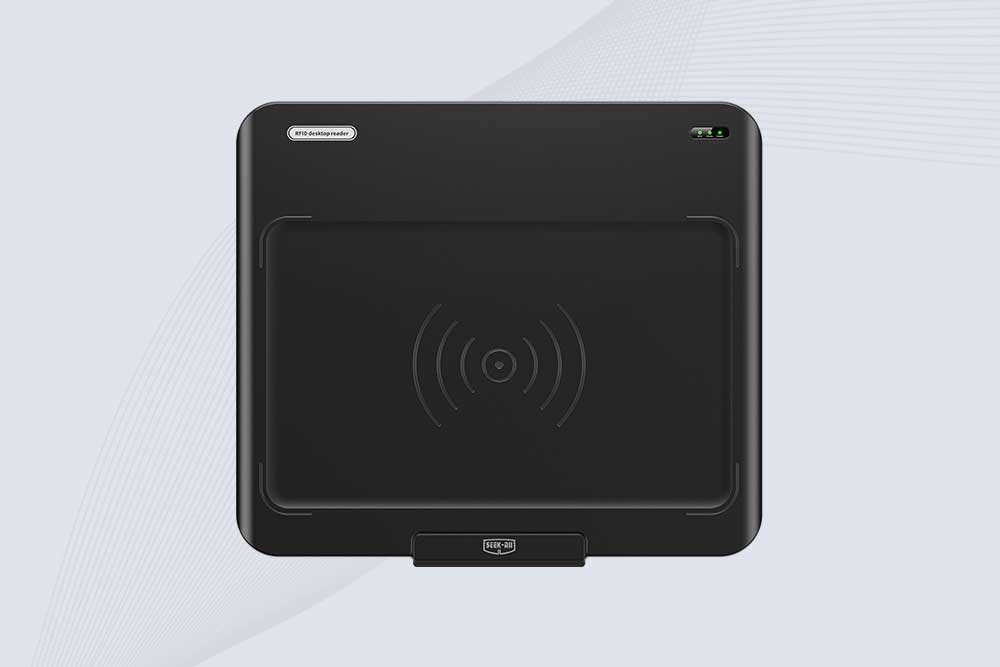
SSD-D3AL is a USB-HID UHF RFID reader with 0–30 cm reading, 0–15 cm writing, over 600 tags/s recognition, USB plug-and-play operation and OEM Logo customization.
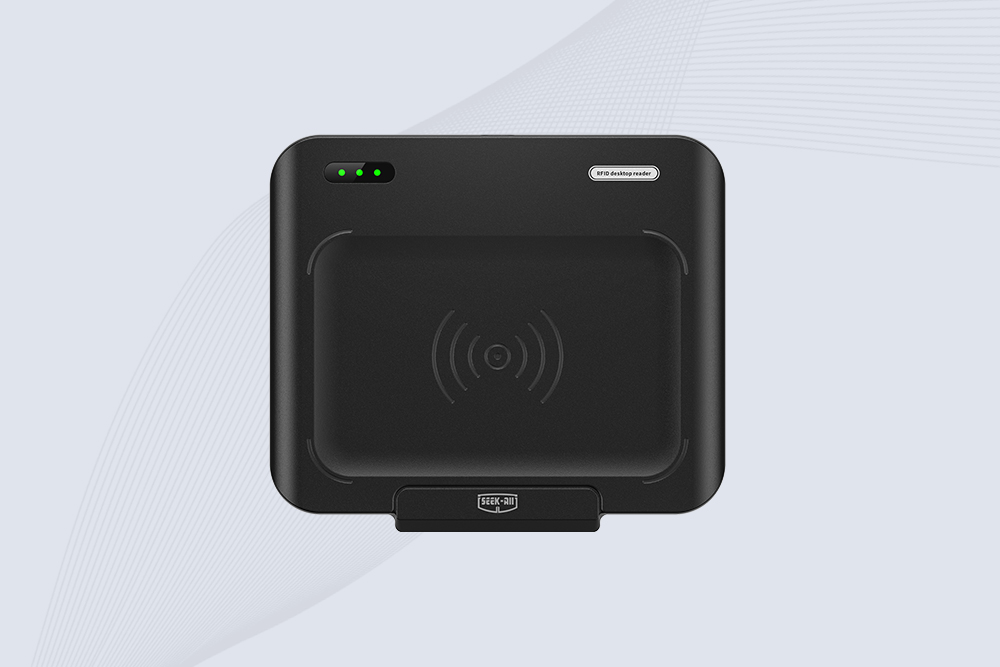
SSD-D1AL is a compact USB UHF RFID reader with Impinj E710/X3M1 chipset, USB-HID, 600+ tags/s recognition, 4/8/16 antenna support and plug-and-play USB power.

CYKEO CYKEO-D1LA USB RFID Reader is a compact desktop solution with near-field control for precise tag reading and encoding. Powered by USB, supporting ISO 18000-6C, and built for stable batch writing, this usb rfid tag reader fits retail, libraries, offices, and controlled RFID encoding tasks.
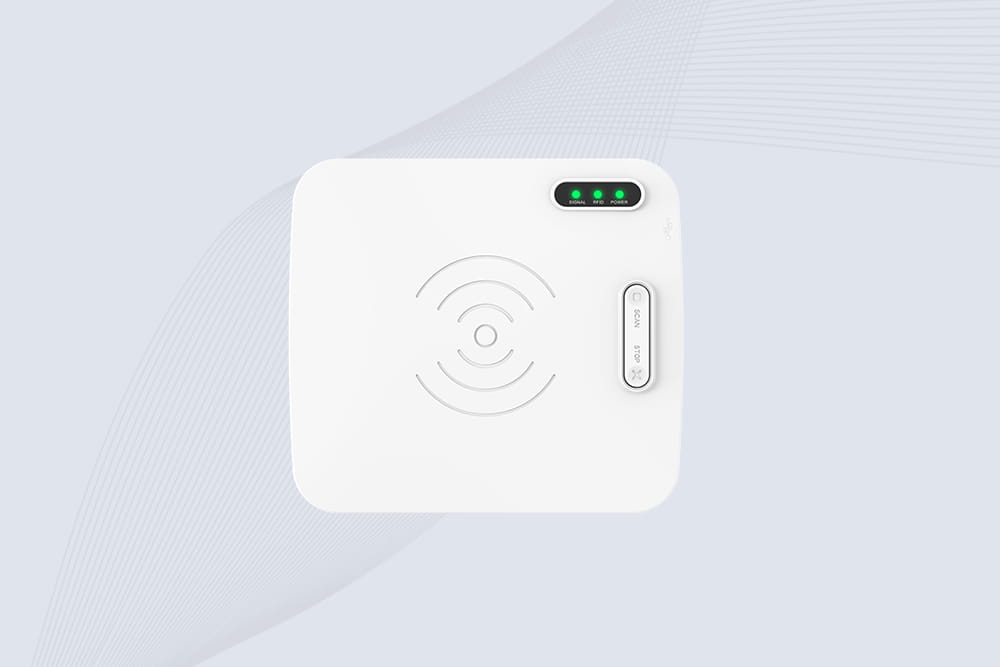
CYKEO CYKEO-D1L RFID scanner USB is a compact desktop UHF RFID scanner designed for short-range tag writing and verification. This usb rfid scanner supports batch encoding, stable 0–26 dBm output, and works across Windows, Linux, and Android systems.
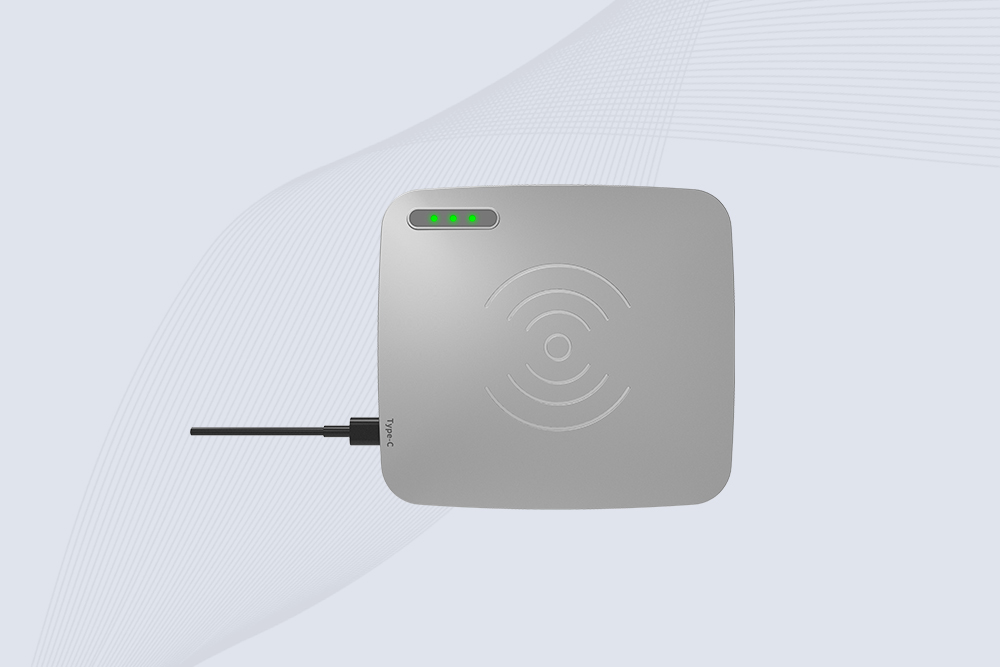
CYKEO CYKEO-D1C USB RFID Card Reader is a near-field UHF desktop writer designed for secure, short-range tag encoding. With USB-C connectivity and stable 26 dBm output, this rfid reader usb c is ideal for badge issuance, label encoding, and controlled desktop RFID workflows.
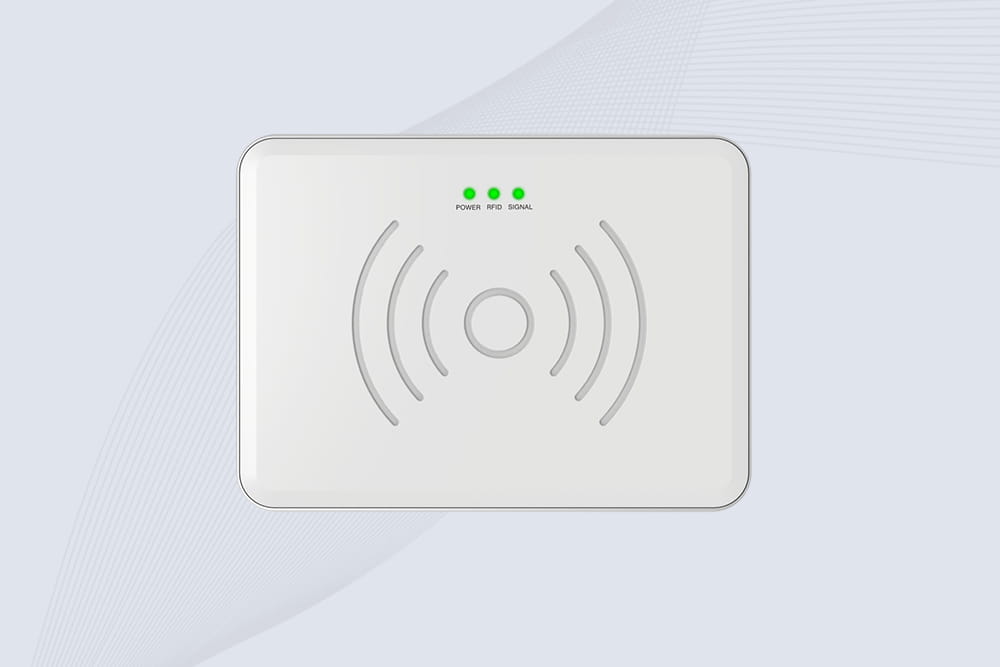
CYKEO CYKEO-D2L RFID Reader USB is a compact desktop encoder built on the Impinj R500 chip. With near-field control and stable USB power, this usb rfid card reader delivers precise tag writing for offices, retail counters, and small-scale logistics encoding tasks.
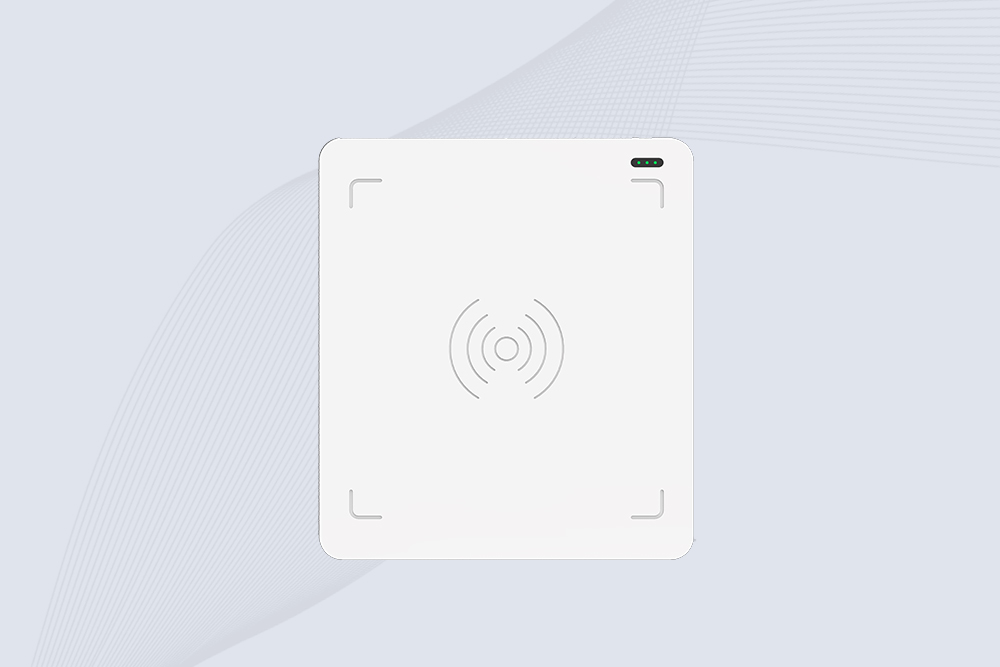
CYKEO CYKEO-D3L USB RFID Tag Reader delivers stable UHF tag reading and writing for daily desktop and light industrial tasks. Designed for controlled short-range operation, this USB RFID Tag Reader works reliably with rfid tag and reader systems in libraries, tool tracking, and inventory registration.
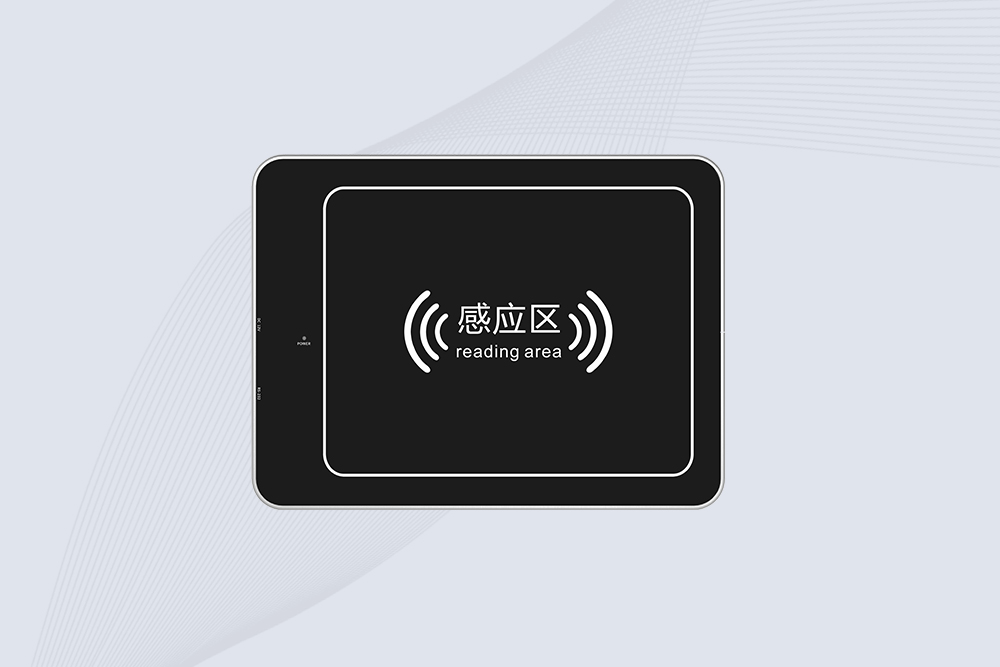
The CYKEO CYKEO-D4L UHF RFID Tag Reader is a stable Desktop RFID Reader designed for accurate tag registration, borrowing, and return workflows. Built with the Impinj R2000 chip, this UHF RFID Tag Reader delivers controlled short-range reads for libraries, asset tracking, and inventory management environments.
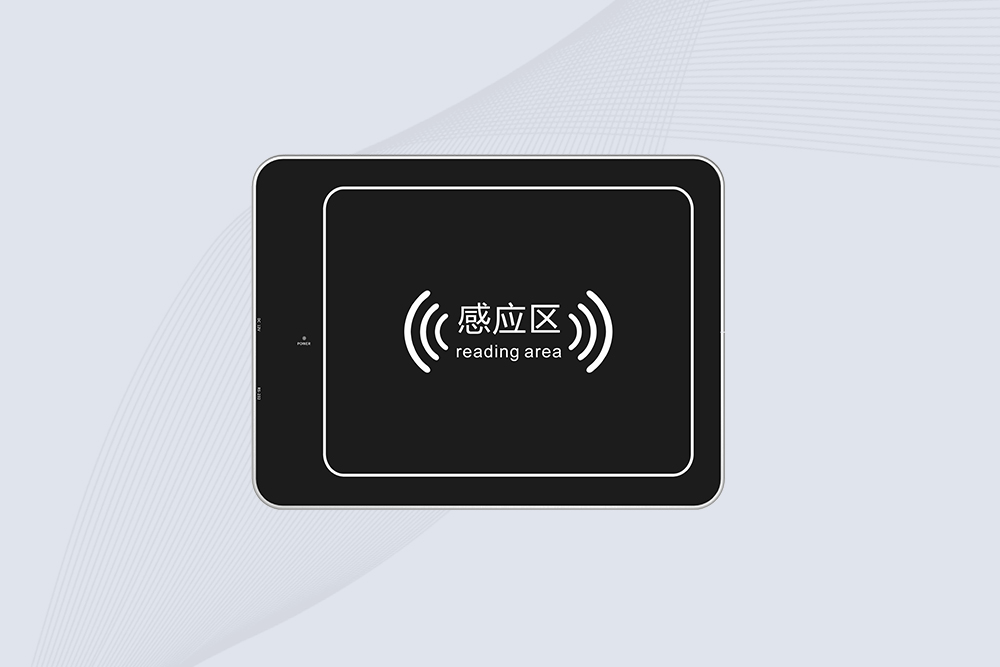
The CYKEO CYKEO-D5L Desktop RFID Card Reader is a stable UHF RFID Card Reader designed for controlled short-range reading and writing. Built for libraries, tool rooms, and asset desks, this UHF RFID Card Reader supports dense tag handling, secure data processing, and easy USB integration.
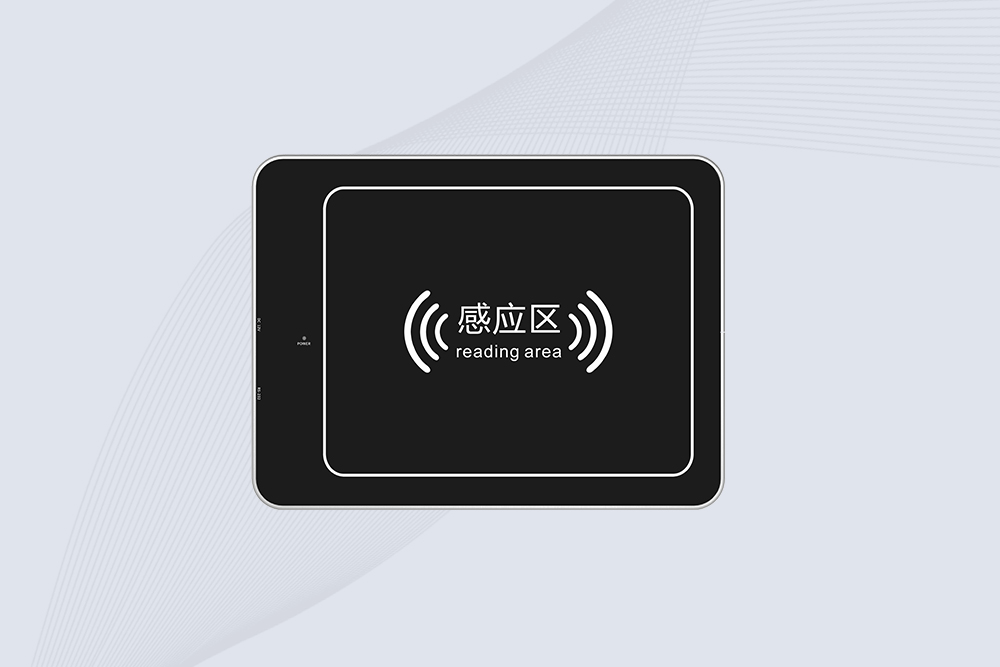
The CYKEO CYKEO-D6L RFID Reader Writer is a heavy-duty Desktop RFID Reader designed for short-range, high-accuracy tag programming. Built for libraries, labs, and asset desks, this RFID Reader Writer supports batch processing, stable 33dBm output, and seamless integration with existing management systems.
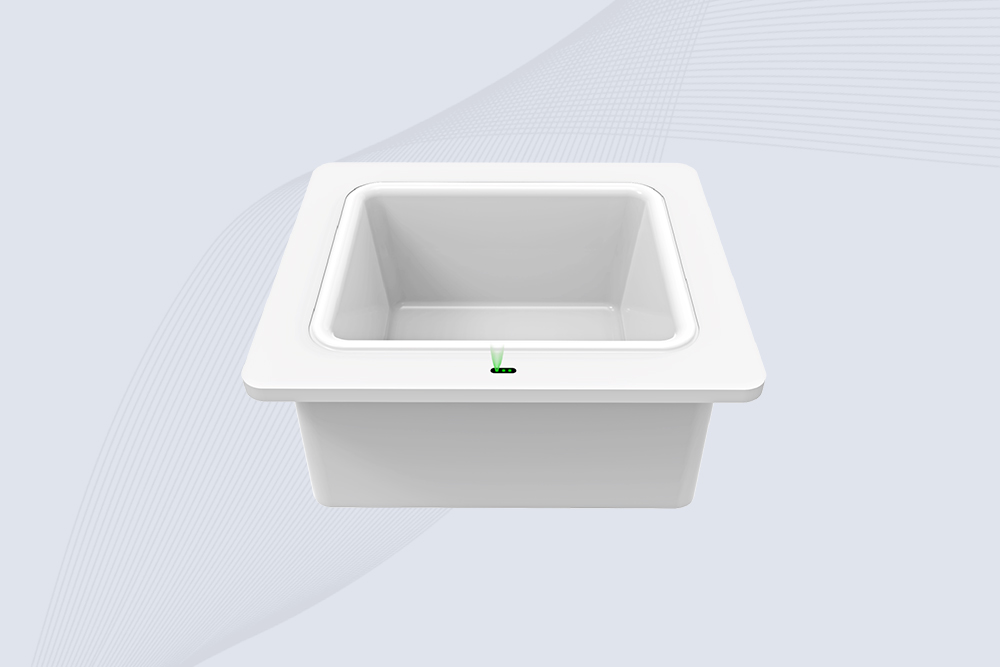
Cykeo CYKEO-D8B UHF RFID tunnel and RFID Desktop Reader features 30+ items batch reading,
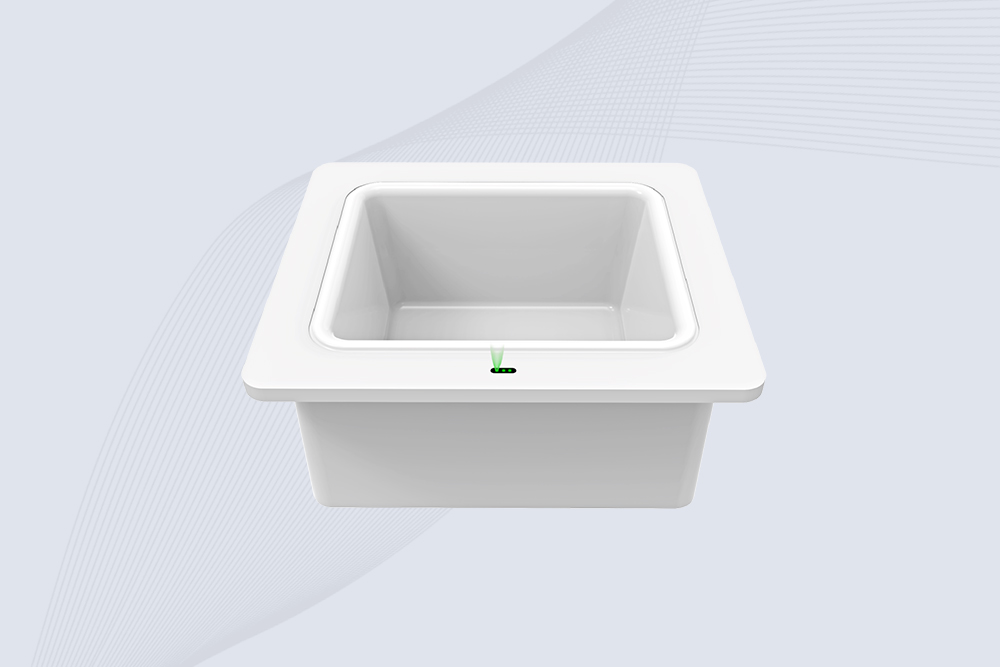
Cykeo CYKEO-D8A embedded RFID badge reader offers 30+ tags/sec scanning, 20cm anti-crosstalk precision, and DC 12V power for unmanned stores, warehouses, and smart inventory systems.
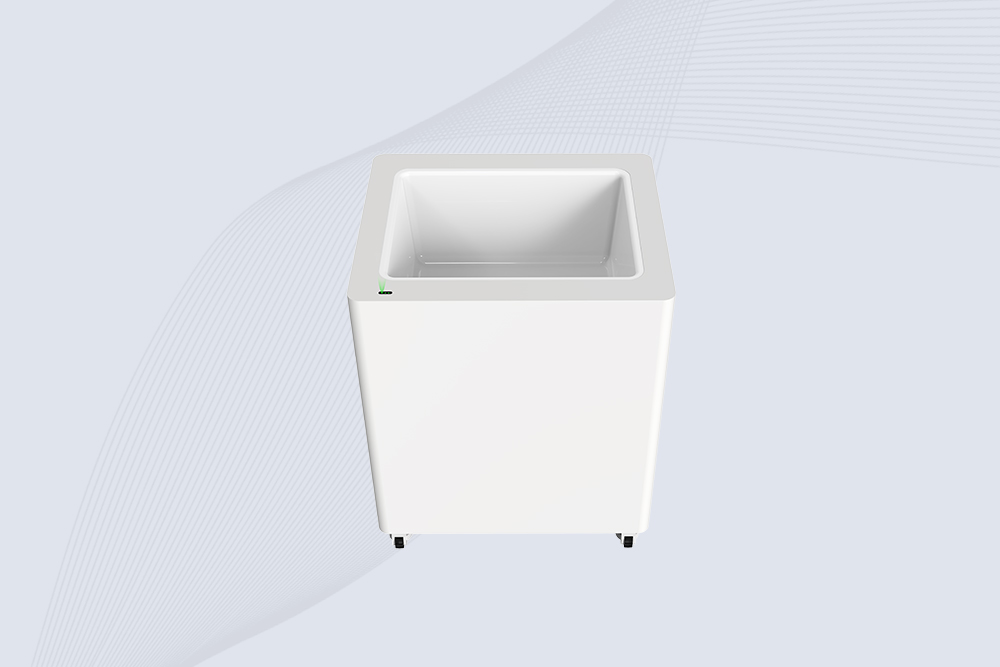
Cykeo’s CYKEO-D8C UHF RFID gate reader achieves 200-tag/batch scanning with adjustable power control, ideal for retail inventory and smart warehouse management.
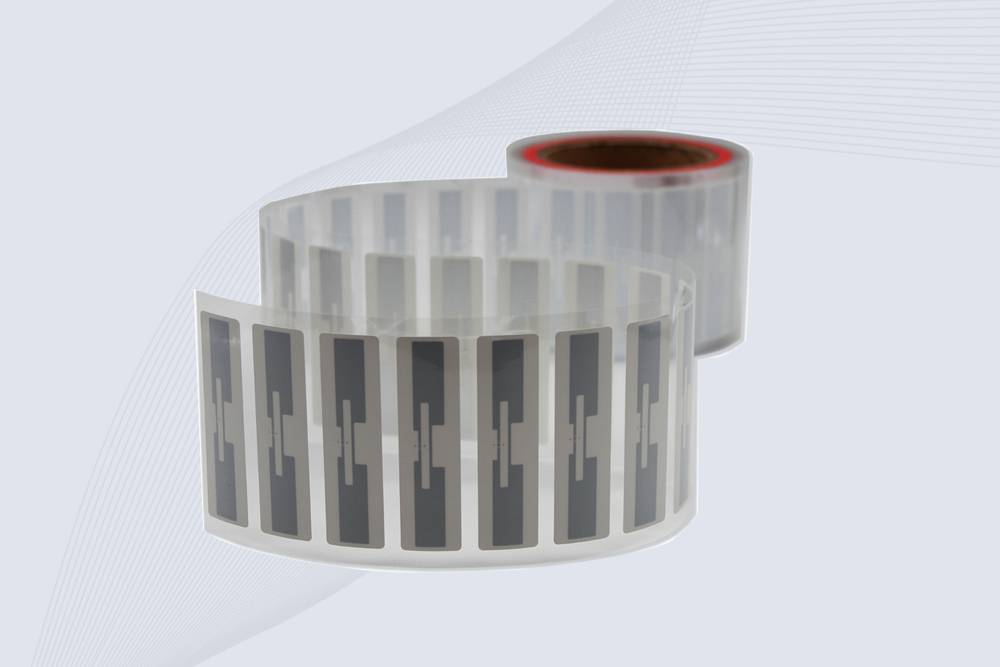
CYKEO Passive RFID Tags are made for wet and high-humidity environments where standard labels do not last. This rfid passive tag is often used around liquids, chemicals and temperature changes, providing stable reading distance and long data life for industrial tracking.
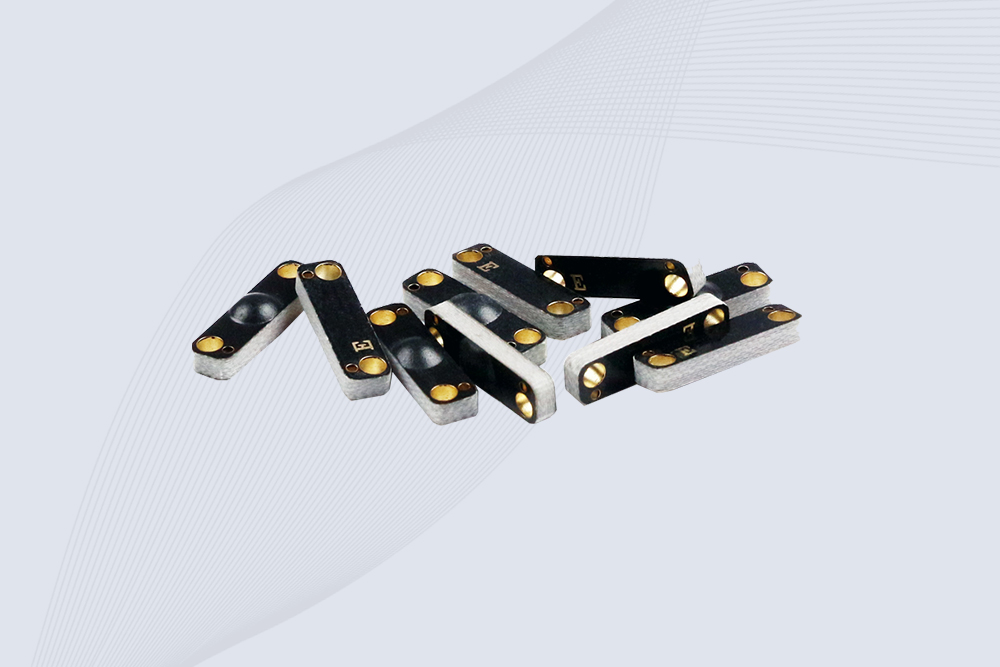
CYKEO CYKEO-PCB1504 Metal RFID Tags is a compact anti-metal UHF RFID solution built for direct mounting on metal surfaces. With stable 8-meter read range, Ucode-8 chip, and long data retention, this rfid metal tag fits tools, containers, automotive parts, and industrial asset tracking.
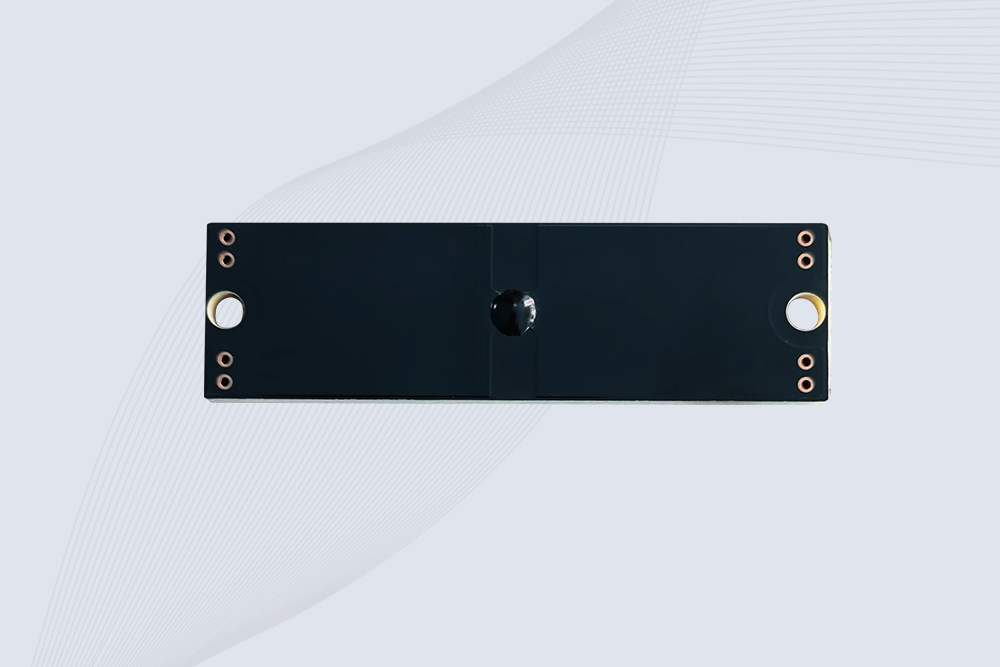
CYKEO CYKEO-PCB7020 On-Metal RFID Tags are designed for reliable tracking on steel and metal surfaces. Built with an FR4 epoxy body and industrial-grade chips, these On-Metal RFID Tags deliver stable performance, long data life, and chemical resistance, making them a dependable RFID anti-metal tag for harsh environments.
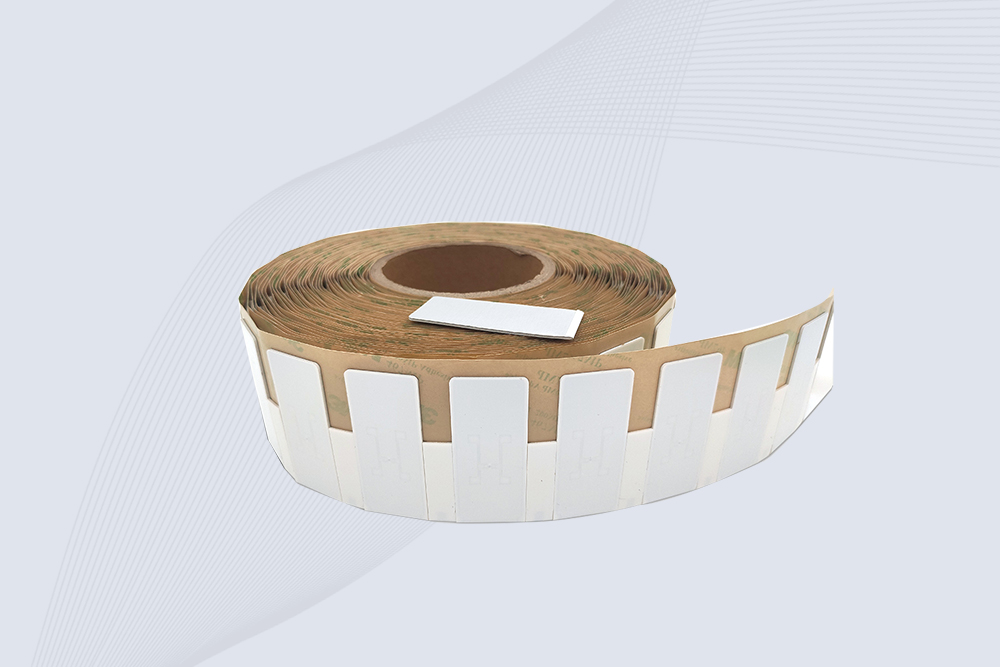
The CYKEO CYKEO-60-25 Anti-Metal RFID Tag is built for metal surfaces where standard tags fail. Designed for long-range performance, harsh environments, and stable data retention, this Anti-Metal RFID Tag is ideal for industrial assets, containers, and equipment tracking using on metal RFID tags.
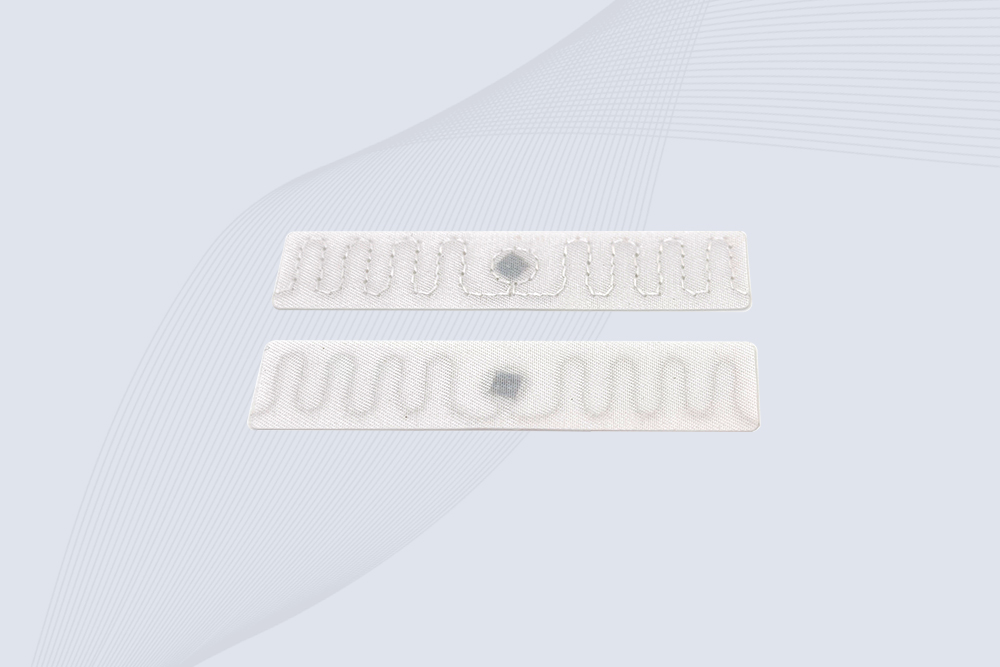
The CYKEO RFID Laundry Tag is designed for long-term textile identification in harsh laundry environments. Built to withstand high heat, chemicals, and repeated washing, this RFID Laundry Tag delivers stable performance for hotels, hospitals, and industrial laundry operations using laundry rfid tags at scale.
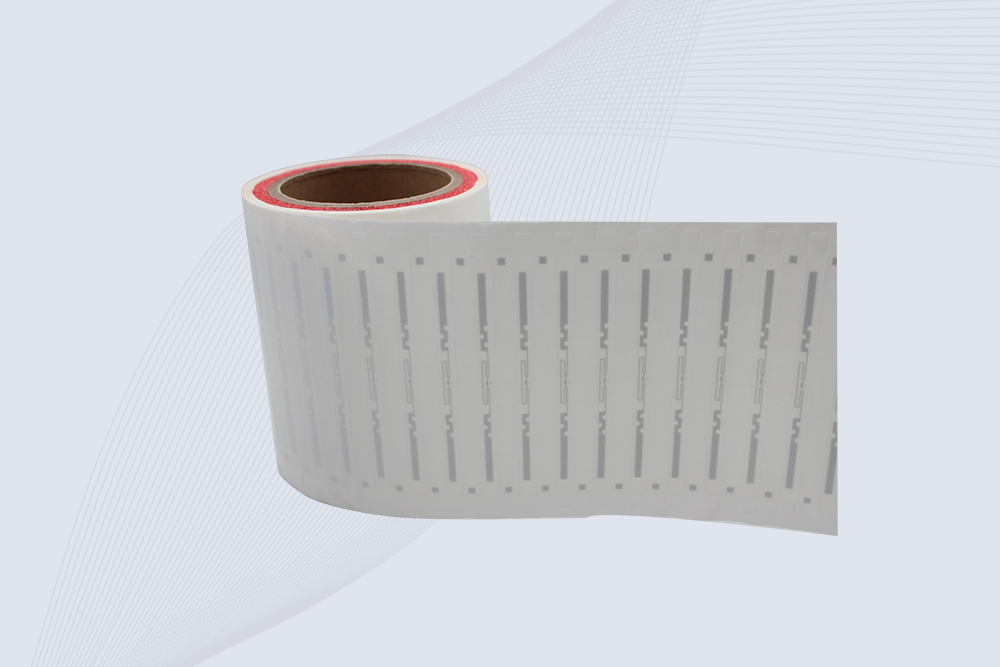
The CYKEO CYKEO-125-7 RFID Book Tag is designed for reliable book and document tracking in libraries and archives. This RFID Book Tag delivers long read range, dense placement support, and stable performance on shelves, making it a practical rfid tag on books for library automation, file management, and archival systems.
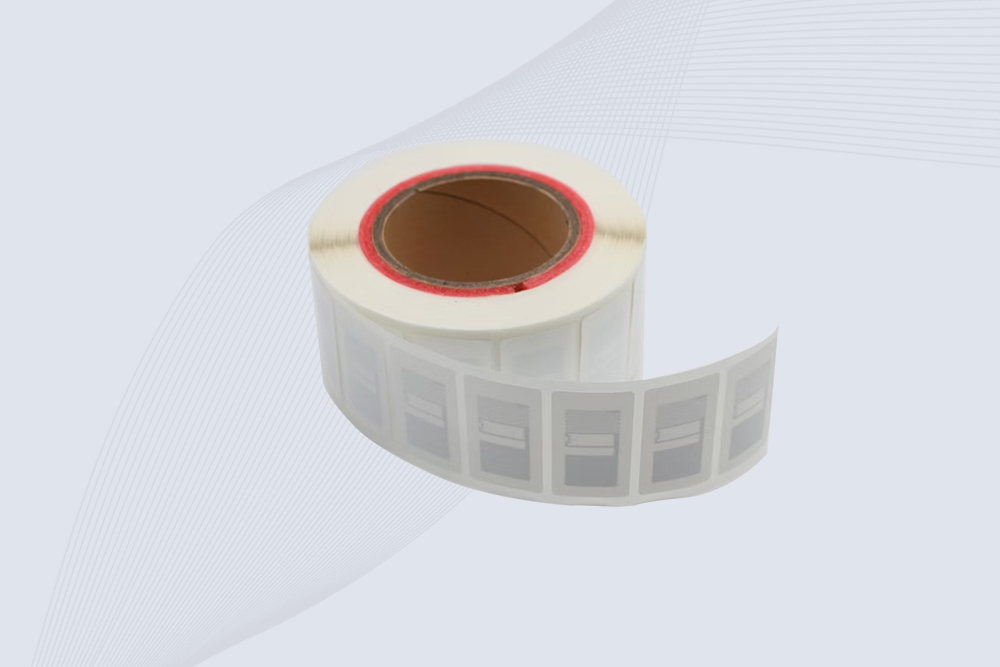
CYKEO RFID tags in hospitals are designed for sterile environments where accuracy matters. These autoclavable RFID tags support long-term tracking of surgical tools, implants, and medications, helping hospitals improve visibility, compliance, and patient safety.

CYKEO RFID Cable Tie Tag is built for reliable identification on metal surfaces. This UHF RFID Cable Tie Tag is widely used in rfid tags for inventory systems, industrial asset management and Hospital RFID Tags, offering stable read performance, long service life and global EPC Gen2 compatibility.
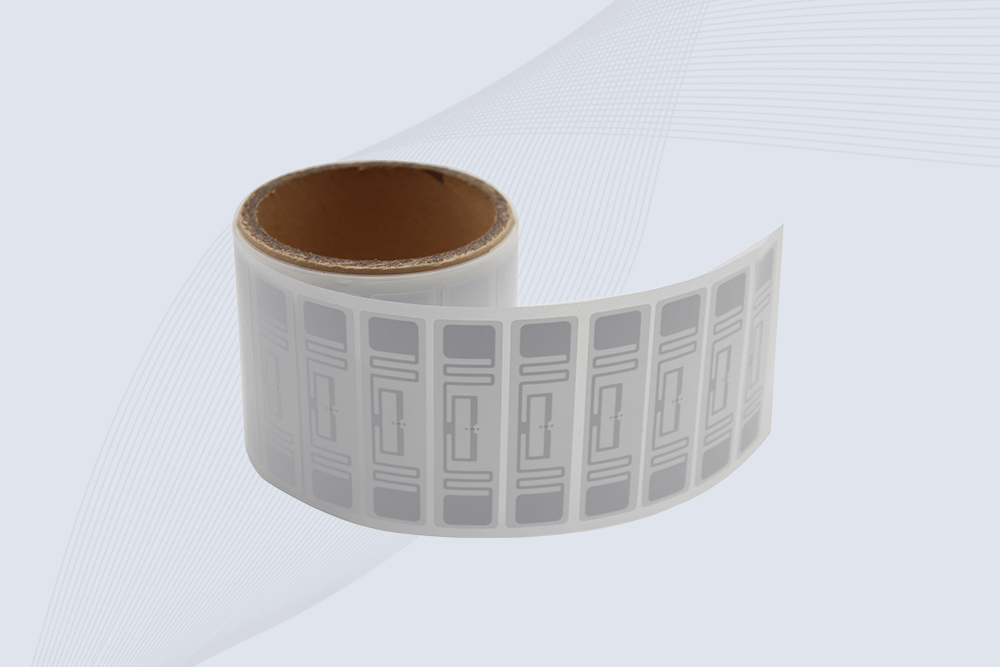
CYKEO RFID Asset Tag is designed for stable identification of metal assets in industrial environments. This UHF RFID Asset Tag is commonly used for rfid tag asset tracking on equipment, tools and containers, providing reliable reads, long service life and ISO/IEC 18000-6C support.
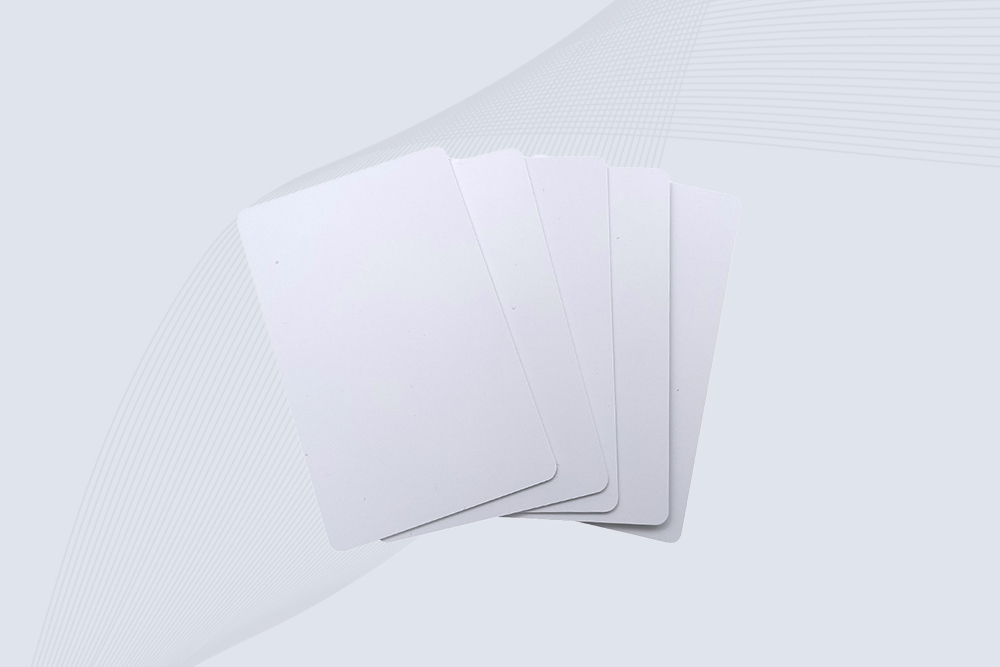
CYKEO UHF RFID Card is designed for fast identification and long-term use in industrial and commercial systems. Supporting ISO 18000-6C, this UHF RFID Card works at 860–960 MHz and is suitable for custom RFID cards used in asset tracking, access control and inventory management.
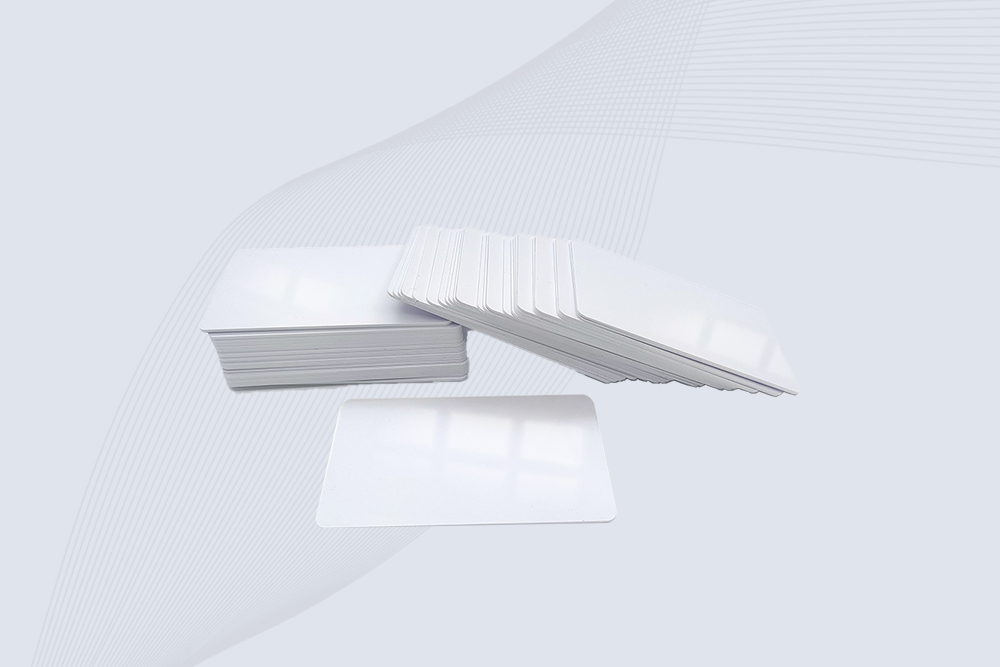
CYKEO HF RFID Cards are designed for secure and stable access control systems. These 13.56 MHz RFID key cards support ISO 14443-A, reliable rewriting and long service life, making HF RFID Cards suitable for offices, campuses, events and membership management.
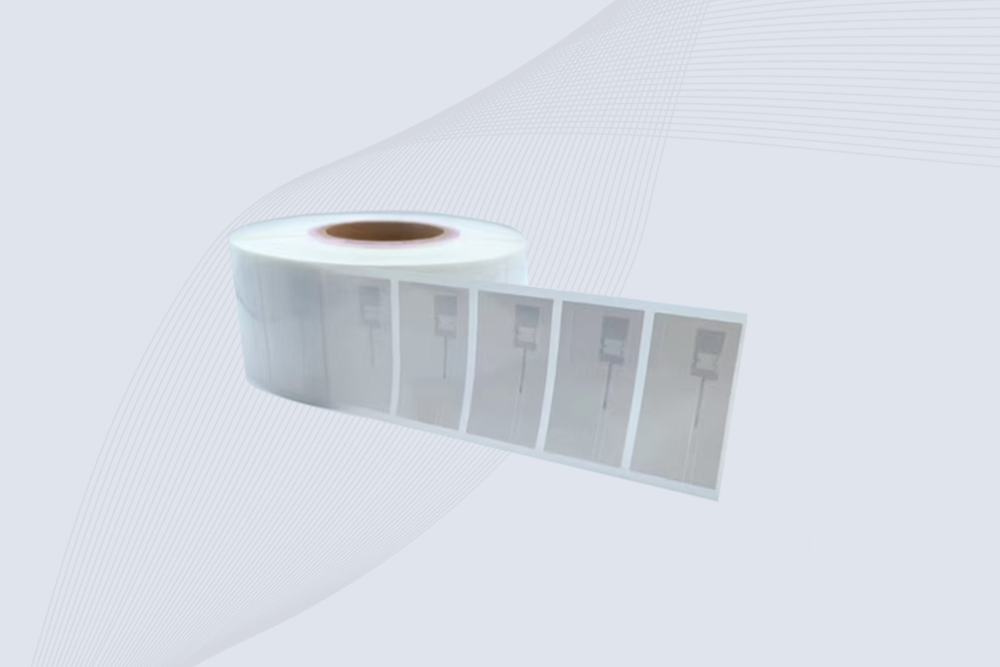
CYKEO UHF RFID Tag is designed for reliable tracking of metal jewelry and high-value items. This Jewelry RFID Tag supports long-range reading up to 8 meters, anti-counterfeit protection and stable performance on metal, making it suitable for retail, inventory control and asset management.

Explore rfid employee tracking for real-time workforce visibility, safety monitoring, and operational efficiency across industrial and secure environments.
More
RFID location tracking gives real-time visibility of assets and people. Learn how CYKEO delivers accurate tracking in real environments.
More
Wondering can your phone read RFID? We test what actually works with NFC, explain the hard limits, and show when you need professional RFID hardware.
More
Can RFID signals pass through metal? Learn why metal affects RFID performance, how on-metal RFID tags work, and practical ways to improve read reliability.
More