 Cykeo RFID IoT Solution Products R&D Manufacturer
RFID Reader Security: Protecting Your Data from Cyber Threats
819Learn how to secure RFID readers from cyber threats and protect sensitive data. Discover Cykeo’s best practices for RFID cybersecurity in 2024.
MoreAll RFID Product
What is rfid card? An RFID card is a smart identification card with an embedded chip and antenna that communicates wirelessly with RFID readers. It enables contactless identification, access control, payment, and data management.
Written by Cykeo RFID technology specialists with practical experience developing RFID identification equipment, card issuing systems, and industrial RFID solutions for enterprise applications.
In real projects, an RFID card is often mistaken for a simple replacement for a traditional magnetic card. However, during system deployment, the difference becomes obvious. The card itself is only one part of the complete identification process.
A successful RFID card system depends on several factors:
While testing RFID card issuing equipment for customer projects, our engineers found that writing speed and stability were often more important than theoretical reading distance. In a busy card issuance environment, operators need hundreds or thousands of cards to be encoded continuously without interruptions.
Cykeo RFID desktop card readers are designed around this practical requirement, combining near-field antenna control, stable writing performance, and convenient software integration for professional RFID card management.
An RFID card is a contactless smart card that uses Radio Frequency Identification technology to exchange information with RFID readers.
Unlike traditional cards that require physical contact or magnetic scanning, RFID cards communicate through electromagnetic fields.
An RFID card generally contains:
| Component | Function |
|---|---|
| RFID Chip | Stores identification data and controls communication |
| Antenna Coil | Receives and transmits radio signals |
| Card Material | Protects internal electronic components |
The working process is simple but highly efficient:
This wireless communication allows users to complete identification without inserting or physically touching the card.
RFID cards can support both reading and writing operations depending on the card type and system requirements.
A typical RFID card workflow includes:
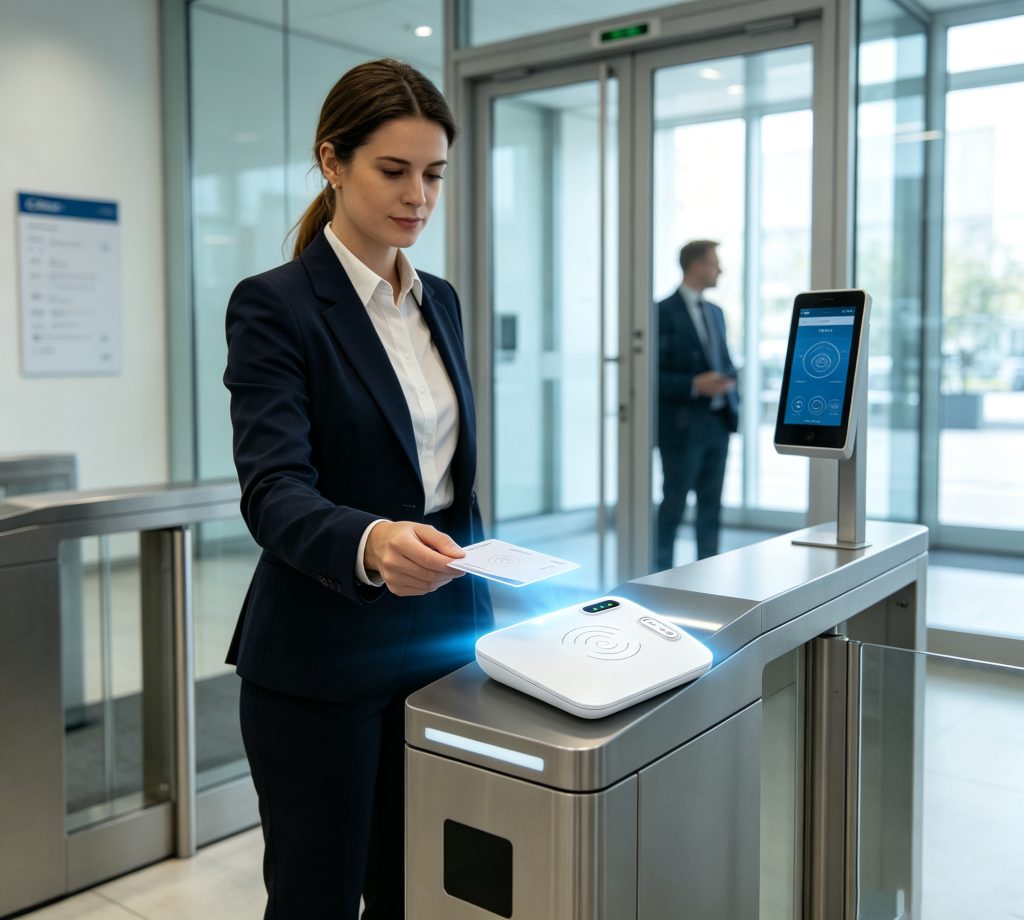
For example, when issuing employee access cards, the operator can write employee ID information into the RFID card. The access system later reads this information and determines whether access should be granted.
Cykeo RFID desktop card readers use near-field antenna technology to control the communication area more precisely.
This design provides several practical advantages:
In crowded office environments or card production stations, this controlled communication area helps prevent incorrect card operations.

RFID cards can be categorized according to frequency and application.
| RFID Card Type | Frequency | Common Applications |
|---|---|---|
| Low Frequency RFID Card | 125 kHz | Access control, identification |
| High Frequency RFID Card | 13.56 MHz | Campus cards, payment, transportation |
| UHF RFID Card | 860–960 MHz | Long-range identification applications |
The most widely used smart cards today are HF RFID cards based on standards such as ISO14443 and ISO15693.
Different applications require different card technologies.
For example:
RFID cards are widely used for:
Users simply present the card near an RFID reader, and the system verifies identity information automatically.
Many public transportation systems use RFID-based cards because they support fast transactions and repeated use.
The contactless design allows passengers to complete authentication quickly without inserting cards into machines.
RFID cards help manage:
Libraries often combine RFID cards with RFID labels and readers to create automated circulation systems.
Companies use RFID cards for:
| RFID Card | Traditional Magnetic Card |
|---|---|
| Contactless operation | Requires physical contact |
| Faster identification | Slower manual operation |
| Supports data storage | Limited information capacity |
| Can support multiple applications | Usually single purpose |
The biggest difference is flexibility.
An RFID card can become part of a larger digital management system rather than simply being an identification object.
Security is an important factor when selecting RFID cards.
Modern RFID card systems may include:
The security level depends on the RFID chip type and system architecture.
Professional RFID deployments should consider both hardware and software protection.
Yes. Most RFID cards are designed for repeated use. Data can often be updated depending on the RFID chip type and system configuration.
No. Most RFID cards are passive devices powered by the electromagnetic field generated by RFID readers.
Yes. RFID cards can store identification data, but the amount and type of information depend on the chip capacity and application design.
A high-quality RFID card can typically operate for many years under normal usage conditions. Durability depends on card material, chip quality, and environment.
What is rfid card is not only a question about a plastic card with a chip. Modern RFID cards represent a bridge between physical identity and digital management systems.
From employee access control to industrial identification, RFID cards help organizations improve efficiency, security, and automation.
Cykeo focuses on developing reliable RFID card solutions, including desktop RFID readers, card writing systems, and software integration tools that support professional RFID applications.

Discover SSD-D4AL, a USB-HID UHF RFID reader with 4/8/16 antenna options, Impinj E710/X3M1 chipset, plug-and-play USB power, and OEM customization.
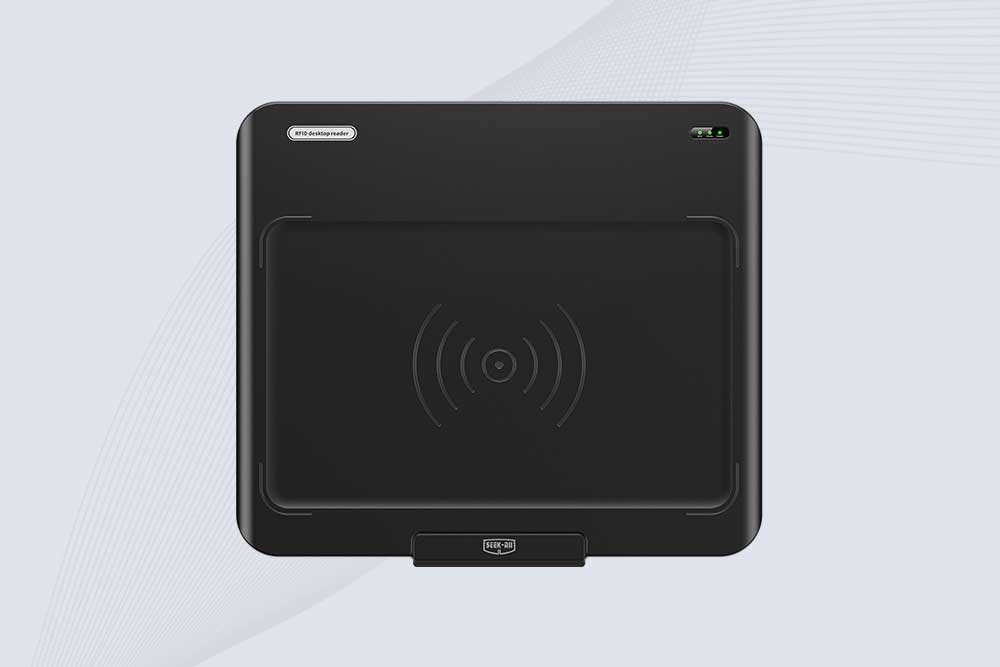
SSD-D3AL is a USB-HID UHF RFID reader with 0–30 cm reading, 0–15 cm writing, over 600 tags/s recognition, USB plug-and-play operation and OEM Logo customization.
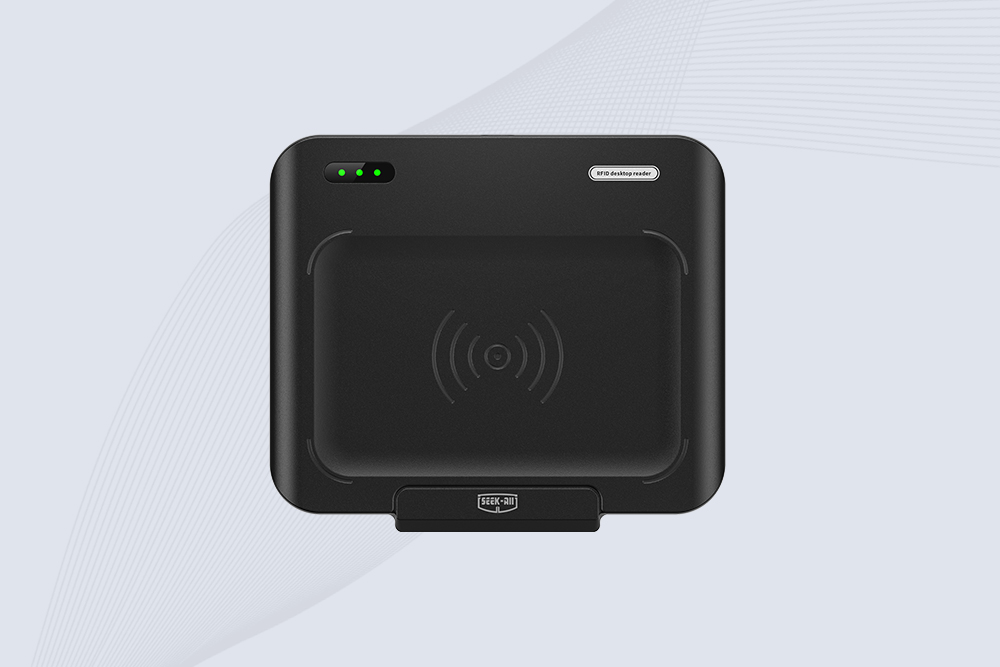
SSD-D1AL is a compact USB UHF RFID reader with Impinj E710/X3M1 chipset, USB-HID, 600+ tags/s recognition, 4/8/16 antenna support and plug-and-play USB power.

CYKEO CYKEO-D1LA USB RFID Reader is a compact desktop solution with near-field control for precise tag reading and encoding. Powered by USB, supporting ISO 18000-6C, and built for stable batch writing, this usb rfid tag reader fits retail, libraries, offices, and controlled RFID encoding tasks.
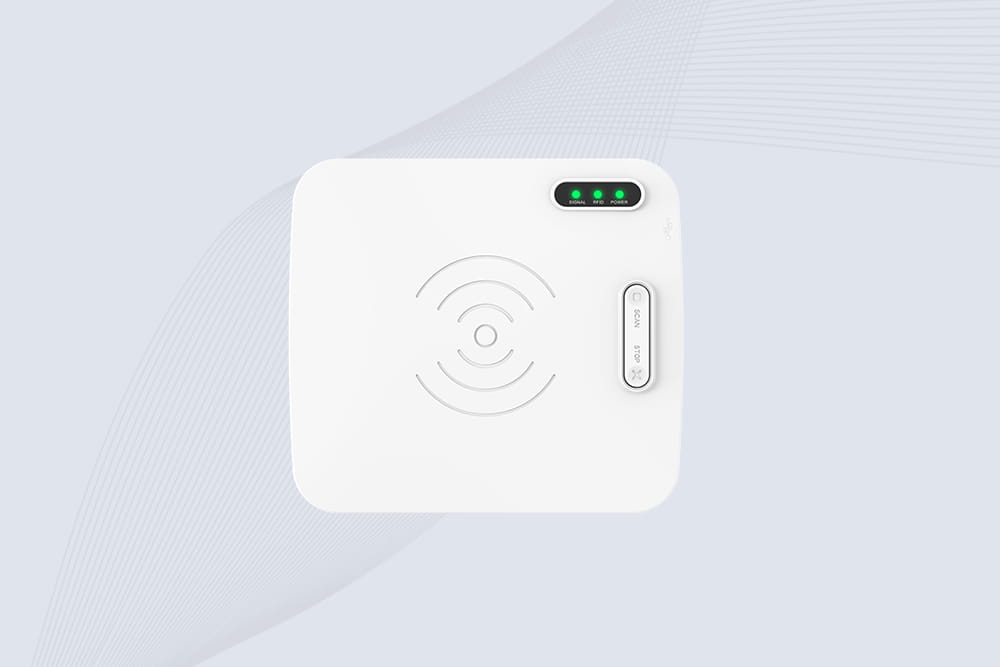
CYKEO CYKEO-D1L RFID scanner USB is a compact desktop UHF RFID scanner designed for short-range tag writing and verification. This usb rfid scanner supports batch encoding, stable 0–26 dBm output, and works across Windows, Linux, and Android systems.
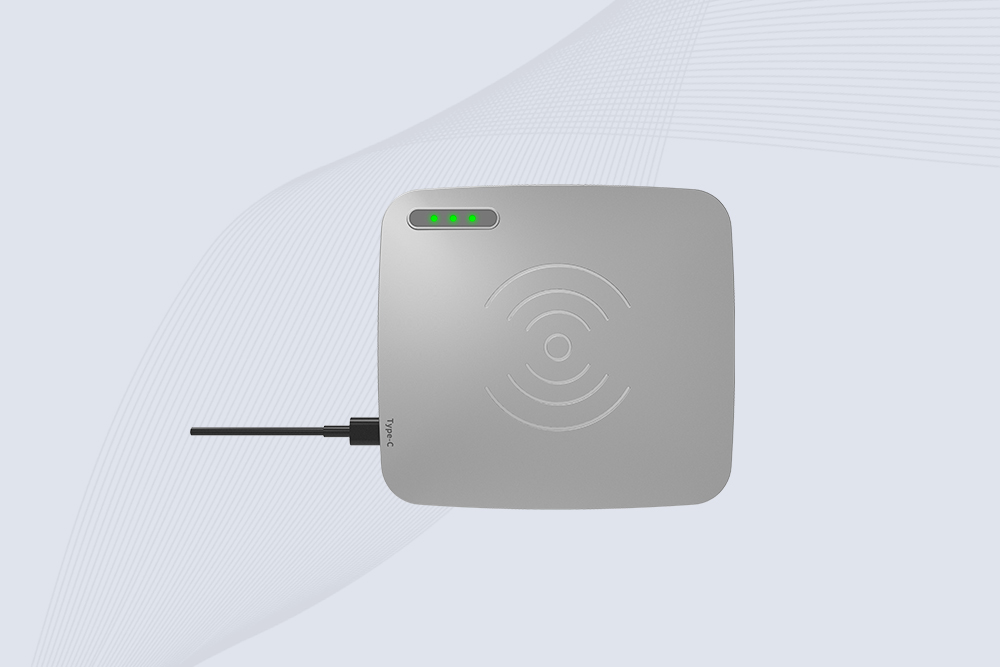
CYKEO CYKEO-D1C USB RFID Card Reader is a near-field UHF desktop writer designed for secure, short-range tag encoding. With USB-C connectivity and stable 26 dBm output, this rfid reader usb c is ideal for badge issuance, label encoding, and controlled desktop RFID workflows.
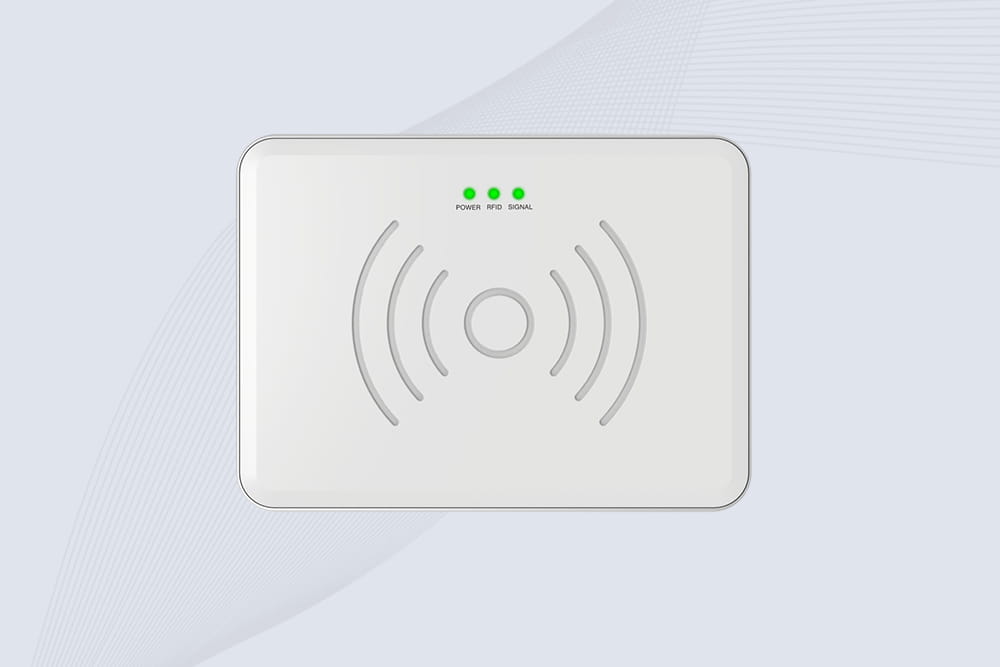
CYKEO CYKEO-D2L RFID Reader USB is a compact desktop encoder built on the Impinj R500 chip. With near-field control and stable USB power, this usb rfid card reader delivers precise tag writing for offices, retail counters, and small-scale logistics encoding tasks.
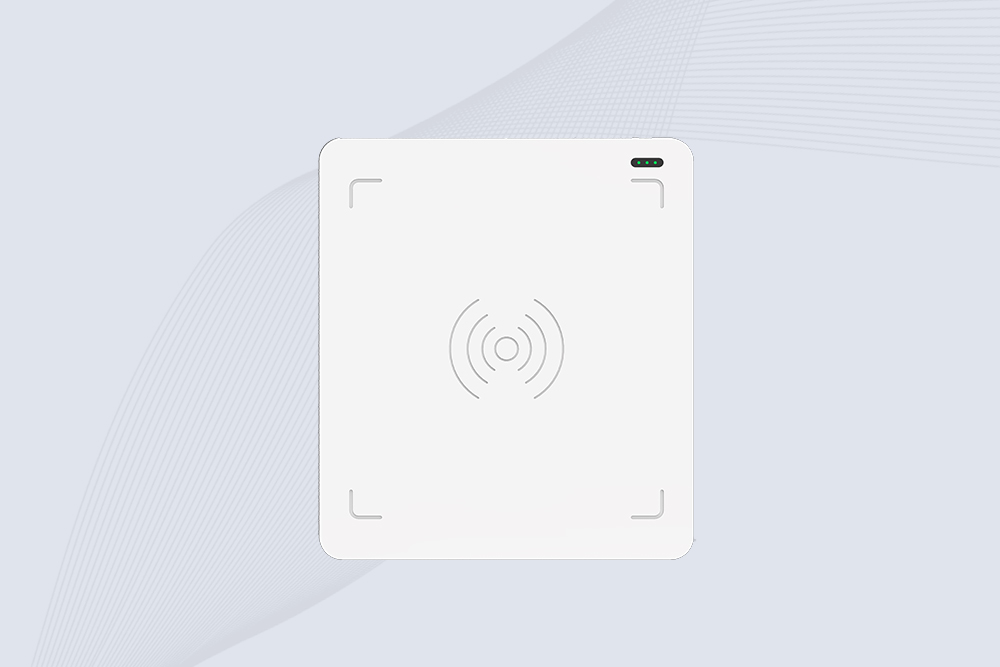
CYKEO CYKEO-D3L USB RFID Tag Reader delivers stable UHF tag reading and writing for daily desktop and light industrial tasks. Designed for controlled short-range operation, this USB RFID Tag Reader works reliably with rfid tag and reader systems in libraries, tool tracking, and inventory registration.
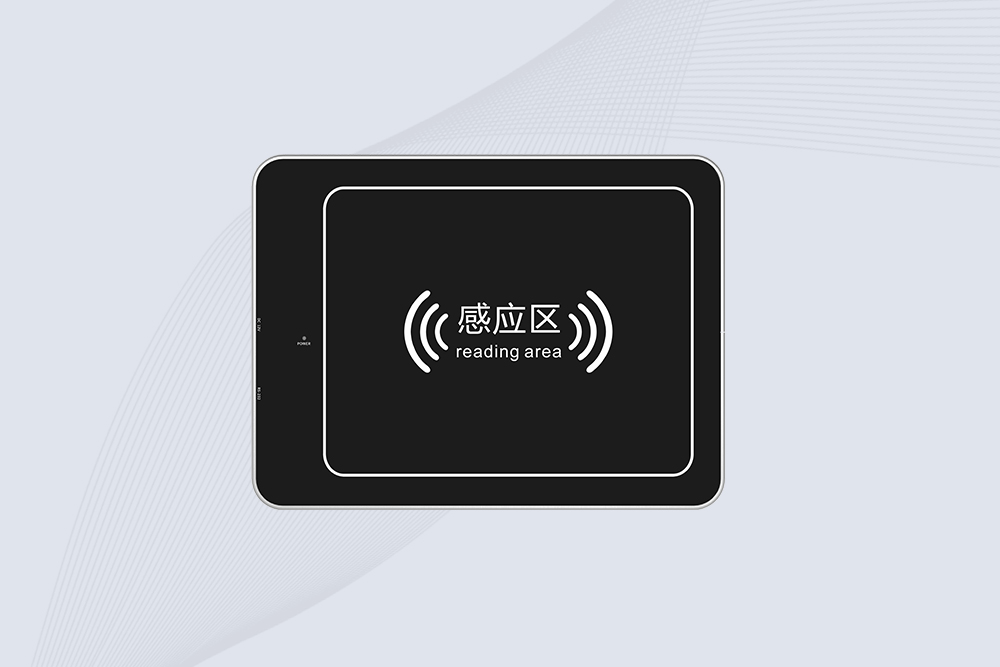
The CYKEO CYKEO-D4L UHF RFID Tag Reader is a stable Desktop RFID Reader designed for accurate tag registration, borrowing, and return workflows. Built with the Impinj R2000 chip, this UHF RFID Tag Reader delivers controlled short-range reads for libraries, asset tracking, and inventory management environments.
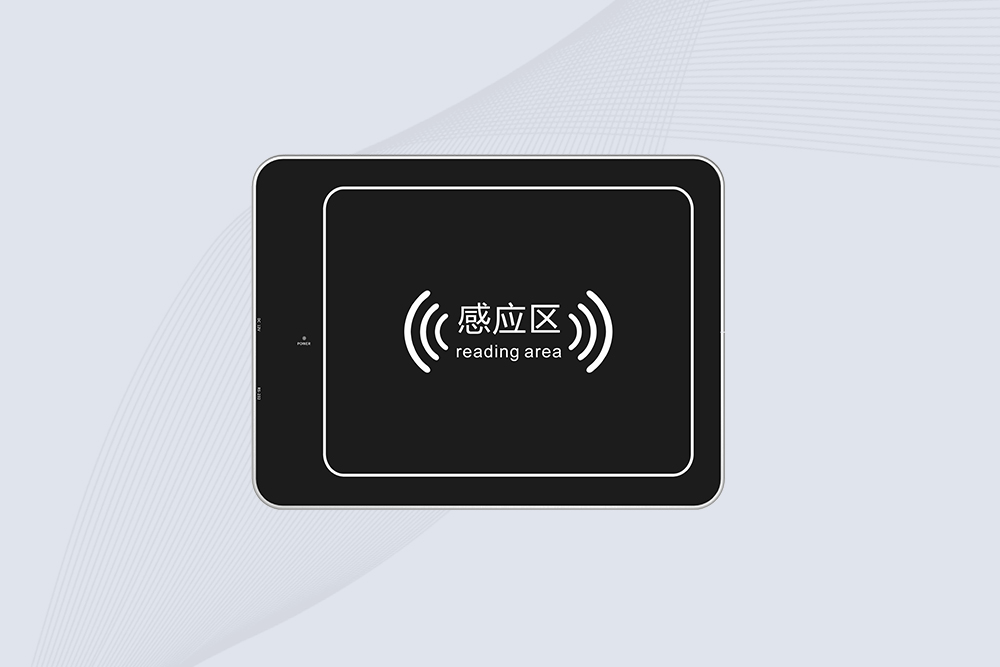
The CYKEO CYKEO-D5L Desktop RFID Card Reader is a stable UHF RFID Card Reader designed for controlled short-range reading and writing. Built for libraries, tool rooms, and asset desks, this UHF RFID Card Reader supports dense tag handling, secure data processing, and easy USB integration.
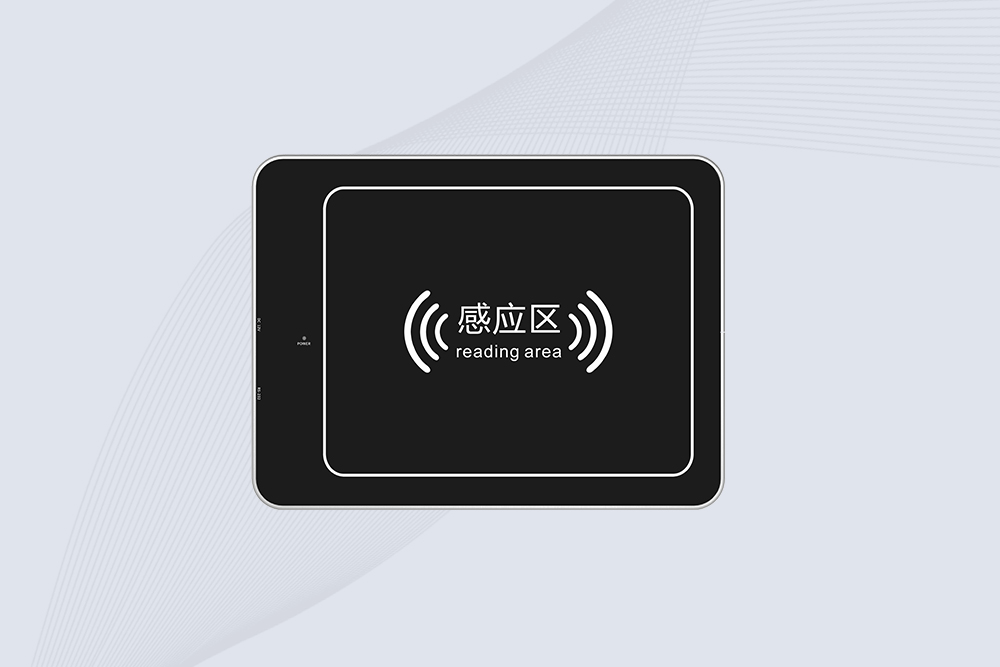
The CYKEO CYKEO-D6L RFID Reader Writer is a heavy-duty Desktop RFID Reader designed for short-range, high-accuracy tag programming. Built for libraries, labs, and asset desks, this RFID Reader Writer supports batch processing, stable 33dBm output, and seamless integration with existing management systems.
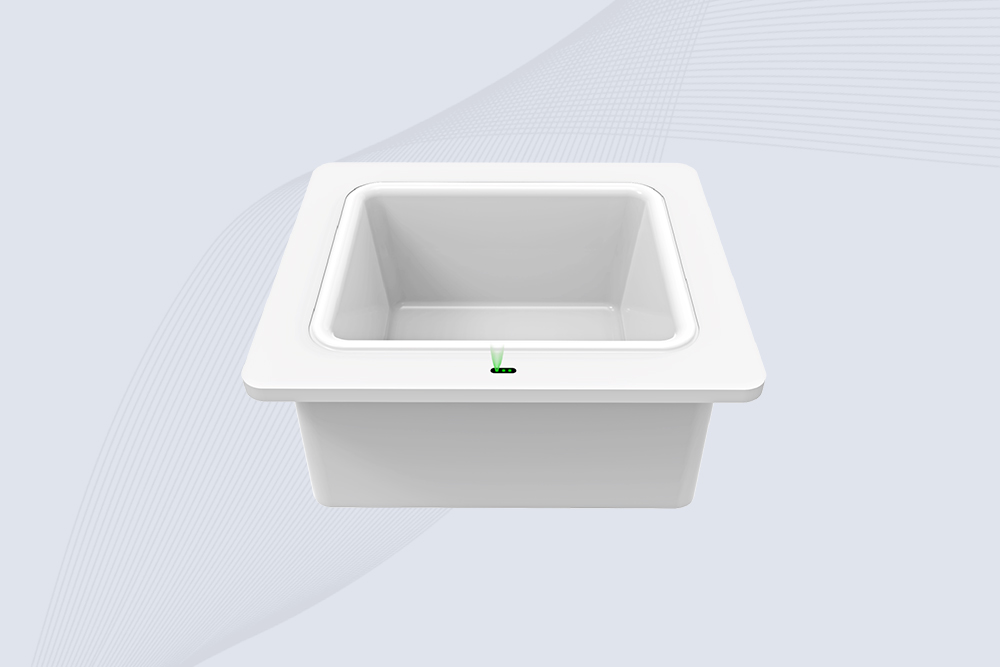
Cykeo CYKEO-D8B UHF RFID tunnel and RFID Desktop Reader features 30+ items batch reading,
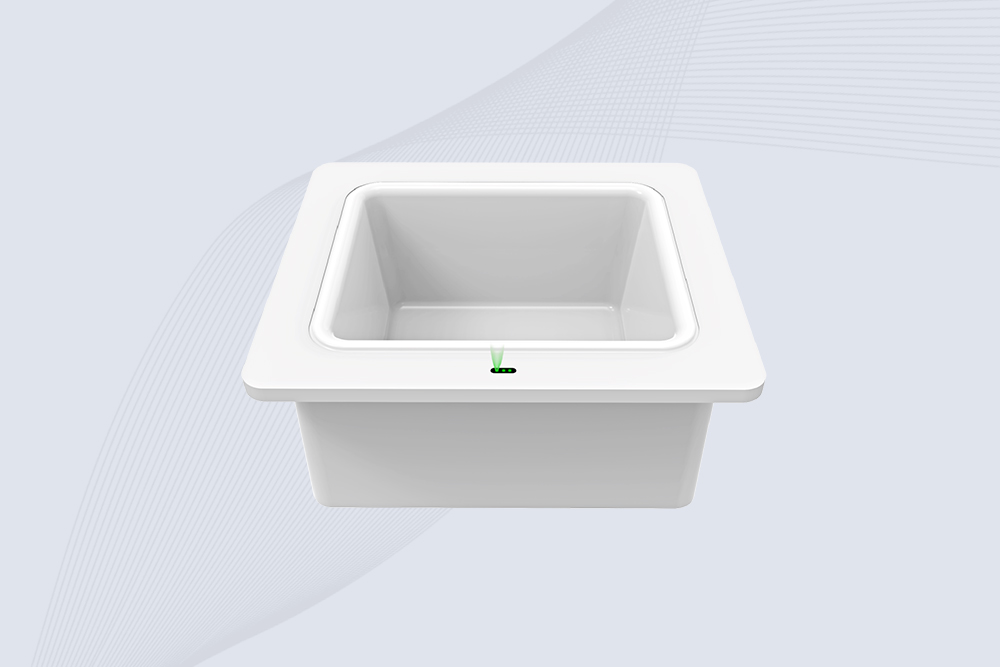
Cykeo CYKEO-D8A embedded RFID badge reader offers 30+ tags/sec scanning, 20cm anti-crosstalk precision, and DC 12V power for unmanned stores, warehouses, and smart inventory systems.
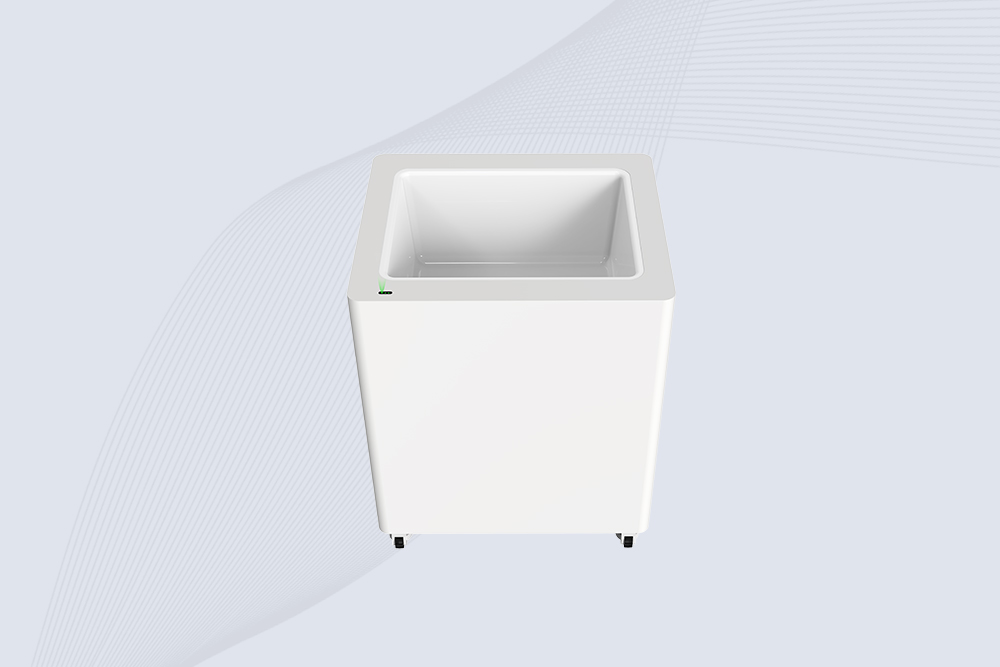
Cykeo’s CYKEO-D8C UHF RFID gate reader achieves 200-tag/batch scanning with adjustable power control, ideal for retail inventory and smart warehouse management.
Learn how to secure RFID readers from cyber threats and protect sensitive data. Discover Cykeo’s best practices for RFID cybersecurity in 2024.
More
Discover the best handheld RFID readers for construction tool tracking. Compare rugged designs, UHF performance, GPS integration, and software compatibility for job sites.
More
retail store security tag system helps retailers protect products, reduce losses and improve checkout efficiency with advanced RFID security solutions from Cykeo.
More
RFID and IoT technologies offers efficiency Logistics Solution
More