 Cykeo RFID IoT Solution Products R&D Manufacturer
What is the primary function of an RFID tag?
938Discover the key functions of RFID tags: from asset tracking to security. Learn how they automate identification, enhance supply chains, and enable IoT connectivity.
MoreAll RFID Product
As cost pressures continue to mount in the logistics sector, traditional management models are increasingly falling short of the demand for efficient, accurate, and intelligent operations. The integration of RFID and IoT technologies offers transformative solution for the logistics industry. This article explores the applications of RFID IoT systems in logistics, analyzing how they address key industry challenges and help enterprises reduce costs and improve efficiency.
With the rapid growth of e-commerce, logistics operations have surged, exposing numerous flaws in traditional logistics management. Manual barcode scanning is slow and error-prone, resulting in low sorting efficiency. Inventory management lacks precision, making it difficult to track item quantities and locations in real-time, which can lead to overstocking or stockouts. During transportation, tracking cargo is challenging, hindering timely response to anomalies. Additionally, disorganized inbound and outbound warehouse management often results in misdelivery or omission. These issues not only drive up operational costs but also reduce customer satisfaction, limiting business growth.
RFID IoT systems integrate Radio Frequency Identification (RFID) with the Internet of Things (IoT). RFID tags are affixed to goods, pallets, and other items, storing unique identification data. RFID readers emit radio signals to activate and read tag information, which is then transmitted through network modules to a cloud-based management platform. With the aid of big data analytics and artificial intelligence, the platform processes this information to achieve intelligent, end-to-end cargo management.
Key Advantages Include:
High-Efficiency Data Collection: Simultaneously reads multiple tags, greatly improving operational efficiency.
Real-Time Monitoring: Tracks cargo location and status in real-time.
Smart Decision Support: Uses data analysis to optimize routing, inventory, and other logistics operations.
Seamless System Integration: Easily integrates with existing WMS (Warehouse Management Systems), TMS (Transportation Management Systems), and other enterprise platforms.

Smart Warehouse Management
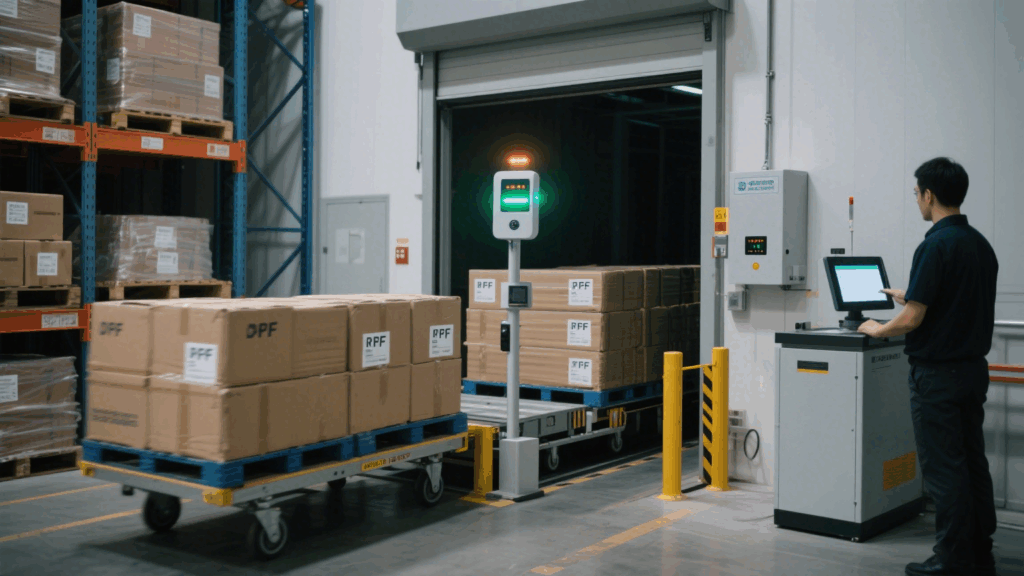
Upon arrival at the warehouse, goods pass through RFID-enabled entry points where tags are automatically read and inbound data is registered instantly—no manual scanning required. Inventory data is then synced with the WMS in real-time. RFID readers on shelves allow precise item location tracking during storage. During outbound processing, the system guides staff to quickly locate items based on order data and automatically verifies shipments to prevent errors or omissions.
Efficient Parcel Sorting
At sorting centers, RFID IoT systems play a pivotal role. Once parcels are tagged, they move along conveyor belts through RFID reading zones. Based on destination data, the system automatically directs sorting equipment to channel parcels accurately. This process achieves over 99% sorting accuracy and increases efficiency several times compared to manual methods.
End-to-End Transportation Tracking
By integrating RFID tags with GPS technology, cargo tracking extends beyond the warehouse. When goods are loaded, tags are bound to vehicles. During transit, roadside RFID readers or onboard devices transmit real-time data on cargo status and location to the cloud platform. Logistics managers can monitor shipments via mobile or desktop, and respond promptly to delays or exceptions—enhancing customer trust in delivery transparency.
Smart Delivery and Proof of Receipt
At the delivery station, personnel use handheld RFID devices to scan packages and retrieve delivery details. During the delivery process, cargo status updates in real-time. Upon reaching the customer, the delivery agent scans the package again to confirm receipt, uploading the confirmation to the system and completing the delivery cycle with full transparency.
Define Requirements Clearly: Businesses should plan RFID IoT deployments based on specific operational needs and goals, identifying key application areas and desired outcomes.
Select Reliable Vendors: Work with experienced suppliers who have a strong track record in logistics and provide robust after-sales support.
Emphasize Employee Training: Train staff thoroughly to ensure they can operate RFID IoT systems proficiently and maintain stable system performance.
Adopt a Phased Implementation Strategy: Start with pilot programs in selected warehouses or operations, expand system-wide only after successful validation to minimize risks.

RFID IoT systems provide powerful momentum for the intelligent transformation of the logistics industry. By adopting these systems, logistics enterprises can overcome operational bottlenecks, enhance efficiency, reduce costs, and secure competitive edge in rapidly evolving market. If you have further questions or would like to explore how RFID IoT can benefit your logistics operations, feel free to contact us—we’re here to help.
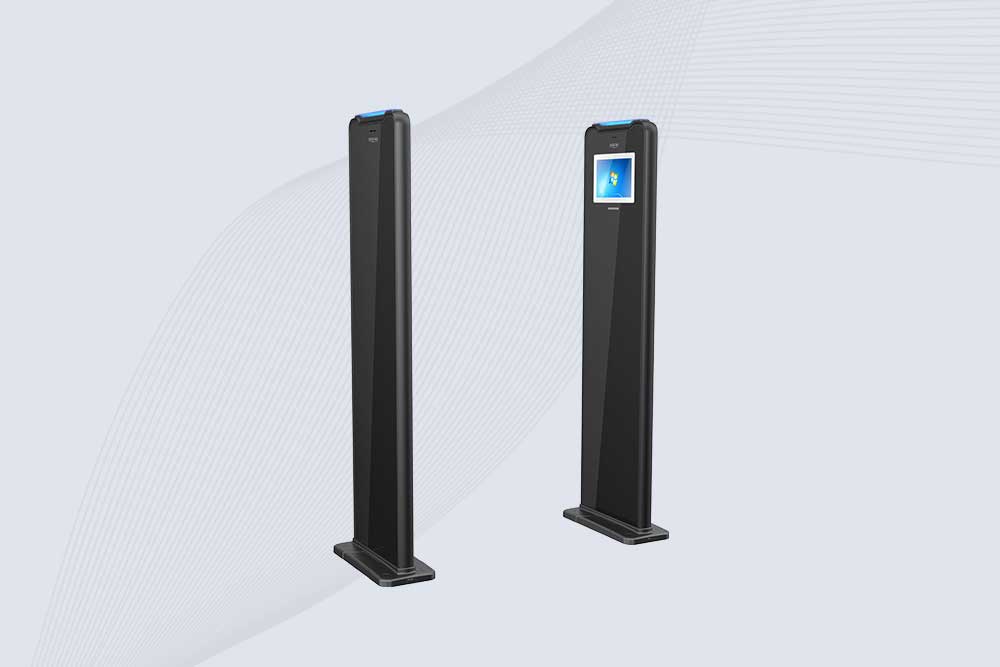
SSD-T4A-P Smart access control with real-time crowd tracking ✔️ AI Tag Filtering for Reduced Misreads SSD-T4A-P supports AI-based tag filtering and up to 6 EPC filtering sets, helping reduce unwanted reads and improve identification accuracy in busy entrances, exits, and retail environments. ✔️ Fast In & Out Detection with Visual & Audio…
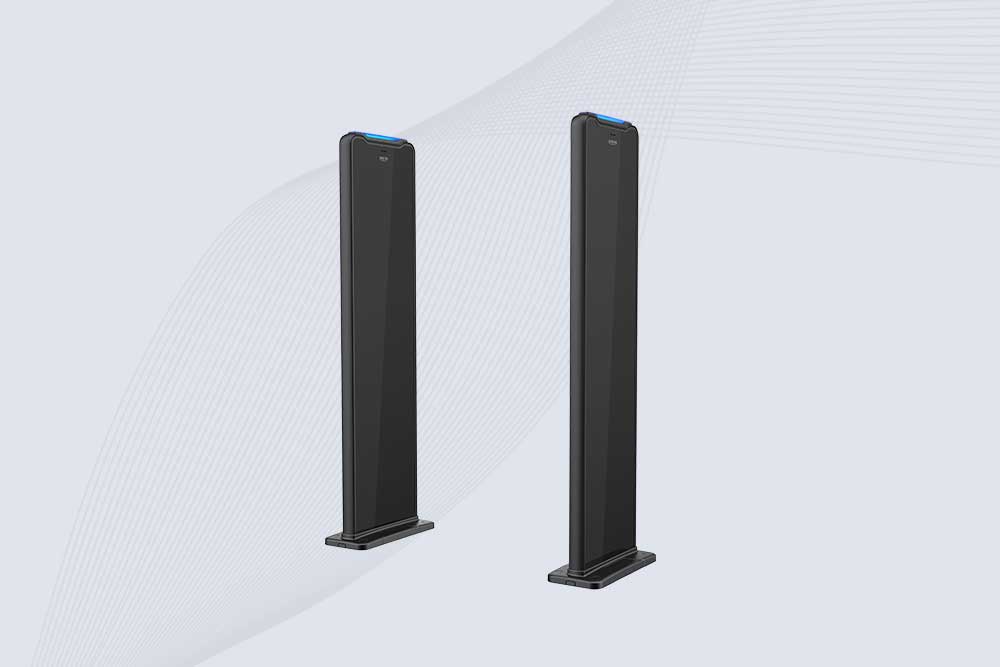
SSD-T4A UHF RFID Gate Reader with 11 dBi antenna, up to 10 m reading distance, AI tag filtering, in/out detection, 300,000 data storage, and TCP/HTTP/MQTT support.
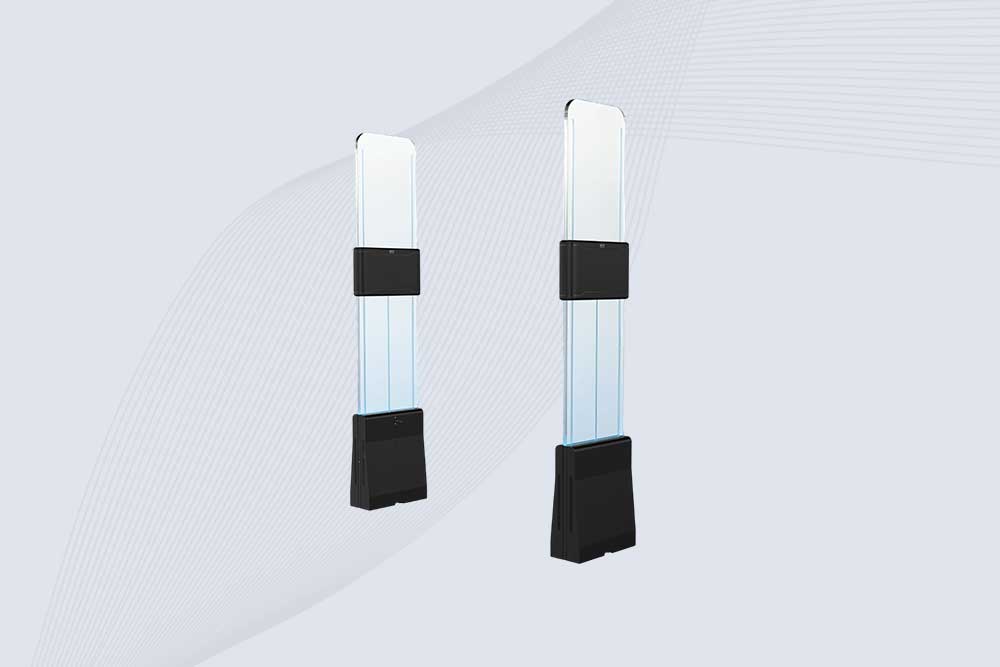
SSD-T2D UHF RFID Gate Reader with 11dBi circular antenna, Impinj E710/X3M1 chipset, up to 10m reading distance, AI tag filtering, in/out detection, and audio-visual alarms.
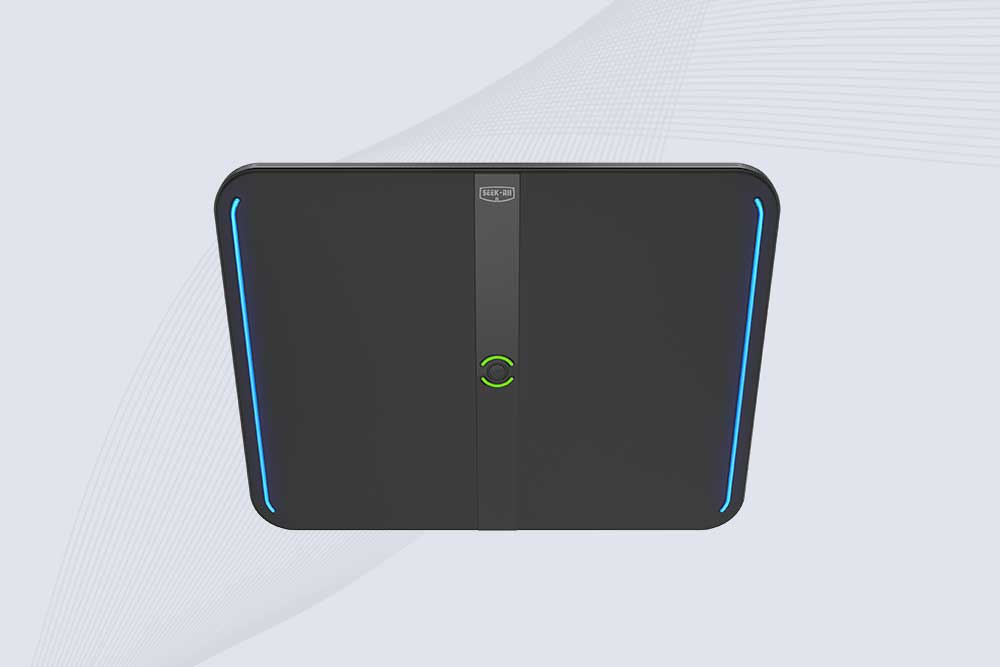
SSD-T1 ✔️ AI-Powered Tag Filtering SSD-T1 supports AI-based tag filtering with up to 6 EPC filtering sets, helping reduce unwanted tag reads and improve identification accuracy in busy retail and access-control environments. ✔️ Reliable In & Out Detection With a 7dBi antenna and a reading range of up to 2.5 meters, SSD-T1 can detect tagged i…
Discover the key functions of RFID tags: from asset tracking to security. Learn how they automate identification, enhance supply chains, and enable IoT connectivity.
More
Can phone read RFID on its own? We clarify the technical reality of phone NFC vs. UHF RFID for business and how CYKEO bridges the gap.
More
Understand the differences between UHF and HF handheld RFID readers. Compare range, applications, costs, and choose the right technology for logistics, healthcare, or retail.
More
Learn how passive RFID tags work without batteries, how they get powered by RFID readers, and why they are widely used in libraries, retail, and inventory management.
More