All RFID Product

What is the primary function of an RFID tag?​

Cykeo News RFID FAQ 9390

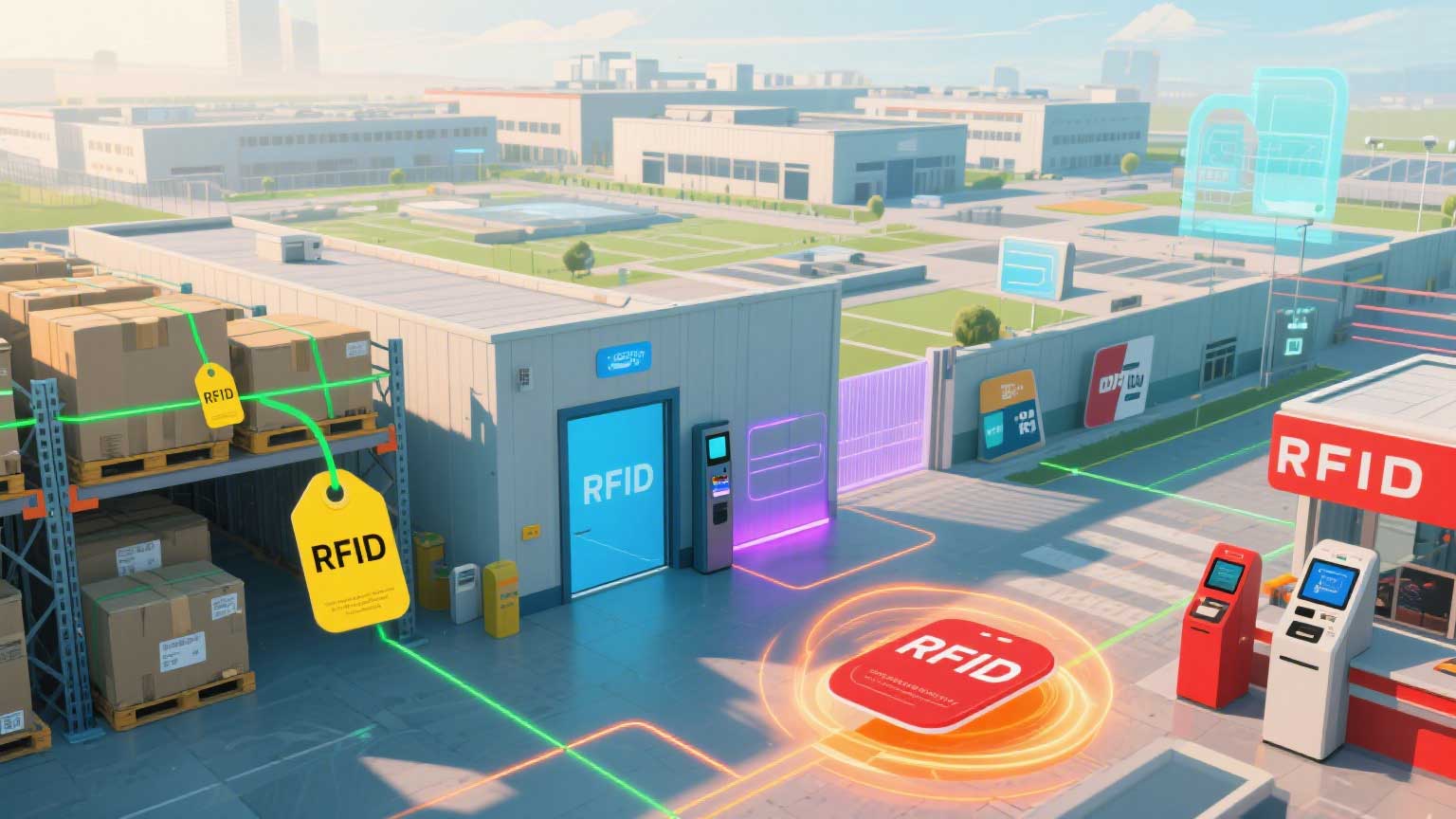
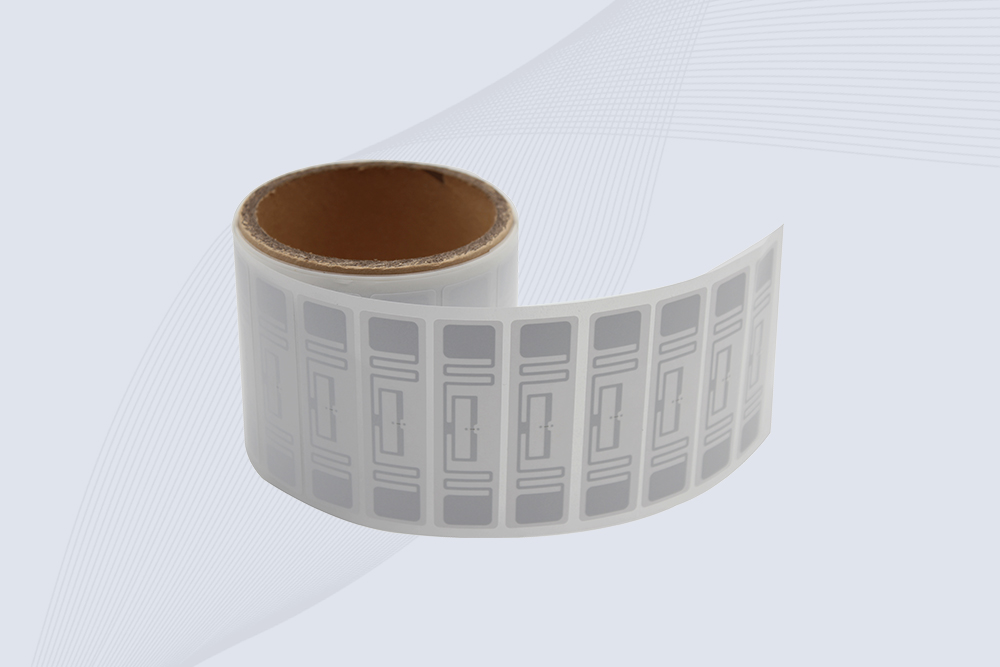
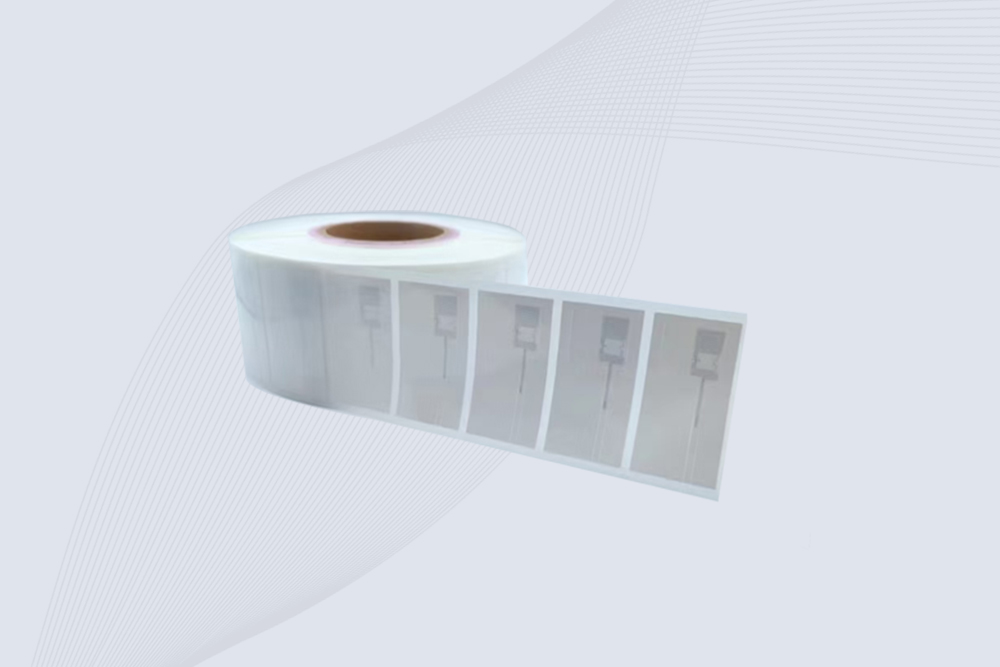
An RFID tag acts as a ​​tiny wireless data ambassador​​ attached to objects or living beings. Its core function is to automatically ​​identify, track, and share critical information​​ with readers via radio waves – eliminating manual scans, reducing errors, and enabling real-time visibility across industries.

​​1. Core Capabilities: Beyond Simple Identification​​

Automated Identification​​

  • Stores unique identifiers (UIDs) in embedded microchips
  • Broadcasts data to readers 100x faster than barcode scanning
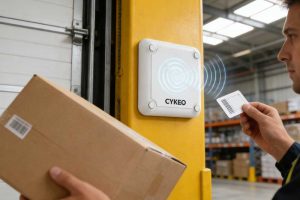
  • Example: Cykeo’s inventory tags identify 500+ items per second in warehouses

​​Real-Time Location Tracking​​

​​Security & Authentication​​

  • Encrypts data transmission using AES-128 protocols
  • Verifies product authenticity (e.g., luxury goods)

Data Logging & Storage​​

  • Stores maintenance histories on machinery tags
  • Records environmental conditions (temperature/humidity)
What is the primary function of an RFID tag?​

​​2. How Tags Achieve These Functions​​

Technical Workflow:

  1. ​​Energy Harvesting​​: Passive tags use radio waves from readers to power up
  2. ​​Signal Reflection​​: Antenna modulates/reflects signals to transmit data
  3. ​​Data Processing​​: Readers convert waves into digital info for cloud systems
  4. ​​System Integration​​: Triggers actions in ERP/CRM platforms

Key Advantage: No line-of-sight needed – tags work through packaging, liquids, or fabrics

​​3. Industry-Specific Applications​​

​​Industry​​​​Key RFID Tag Functions​​
​​Retail​​– Instant inventory counts
– Anti-theft triggers
– Self-checkout automation
​​Healthcare​​– Patient-ID wristbands
– Medication tracking
– Sterile equipment monitoring
​​Manufacturing​​– Tool tracking
– Work-in-progress monitoring
– Quality control flags
​​Logistics​​– Automated shipping manifests
– Tamper-evident seals
– Temperature logging

Cykeo’s reusable pallet tags cut logistics losses by 32% in pilot projects

​​4. Critical Advantages vs. Legacy Systems​​

Type​​RFID Tags​​​​Barcodes​​
​​Scanning Speed​​200+ tags/second1–2 items/second
​​Data Capacity​​Up to 8KB (vs. 100 characters)Limited to 20–25 characters
​​Durability​​Resists dirt/moisture damageEasily damaged
​​Read Range​​Up to 100m (active tags)< 30cm

​​5. Emerging Smart Functions​​

  • ​​Sensor Integration​​: Tags log shock/vibration for fragile shipments
  • ​​Predictive Maintenance​​: Monitors equipment wear via vibration sensors
  • ​​Sustainability Tracking​​:
    • Carbon footprint logging
    • Recycling history verification
  • ​​AI Synergy​​:
    • Anomaly detection in supply chains
    • Dynamic pricing based on shelf life

​​6. Implementation Best Practices​​

  1. ​​Tag Selection​​:
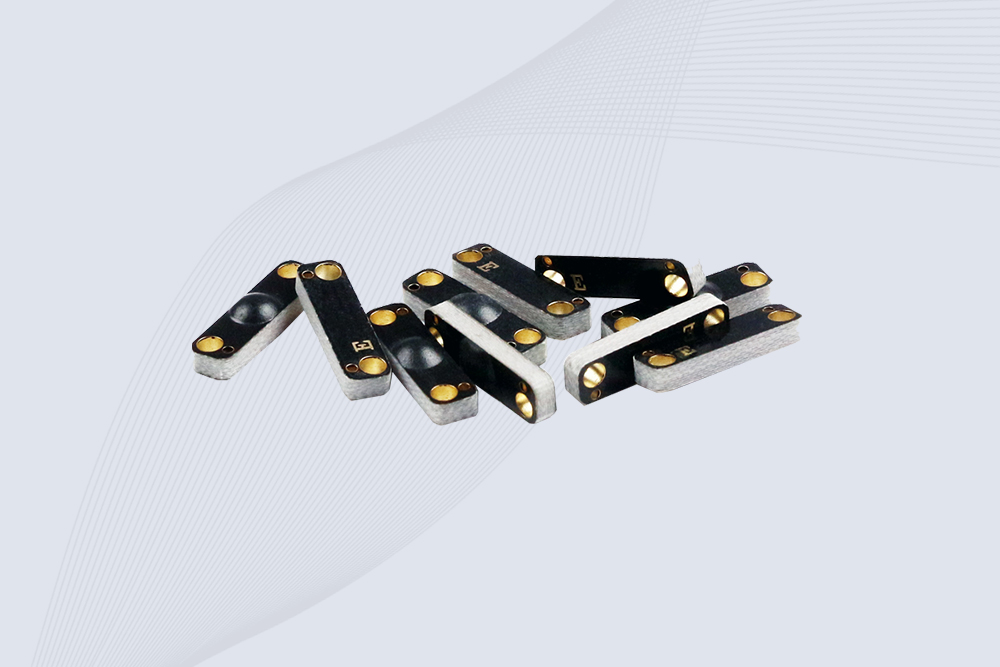
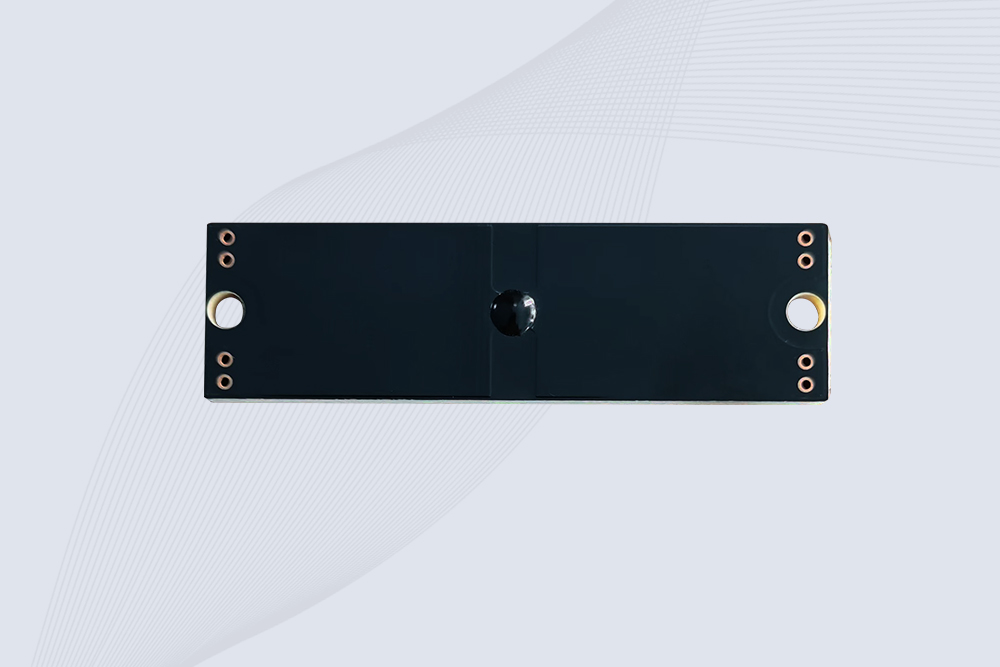
    • Metal-mount tags for machinery
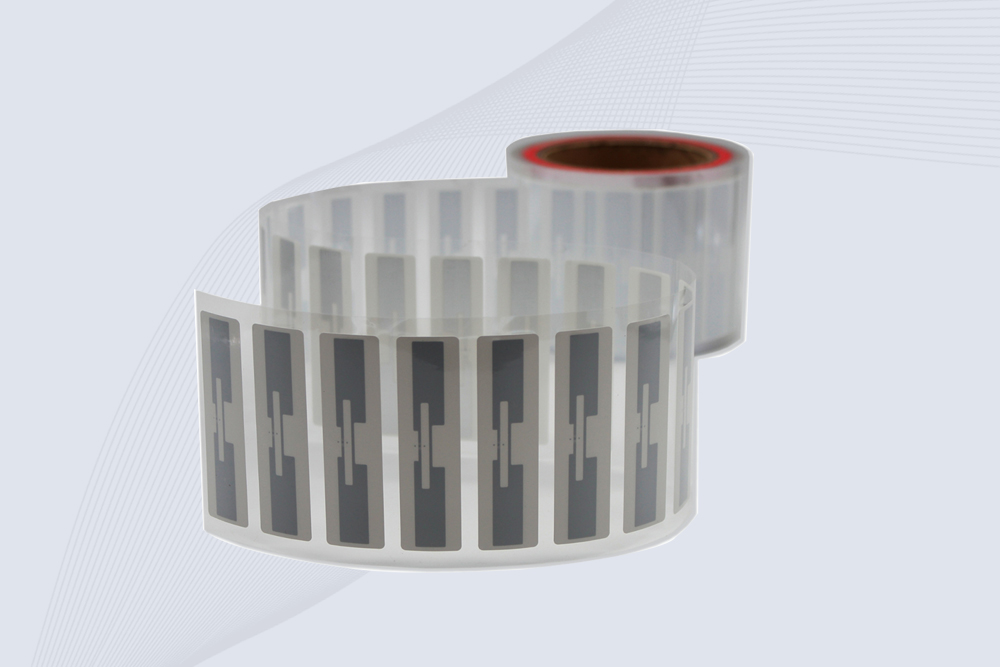
    • Flexible tags for textiles
  2. ​​Data Strategy​​:
    • Store only essential data (e.g., UID + timestamp)
    • Use cloud databases for heavy records
  3. ​​Security​​:
    • Deploy “kill switches” for high-risk items
    • Regular encryption key rotations
PgUp: PgDn:

Relevance

View more