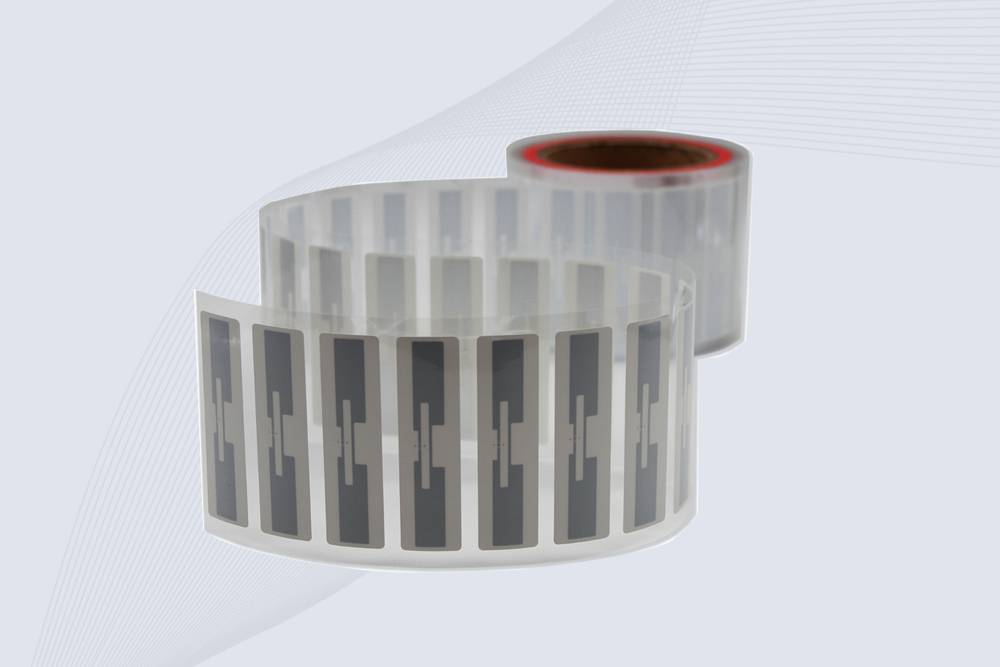
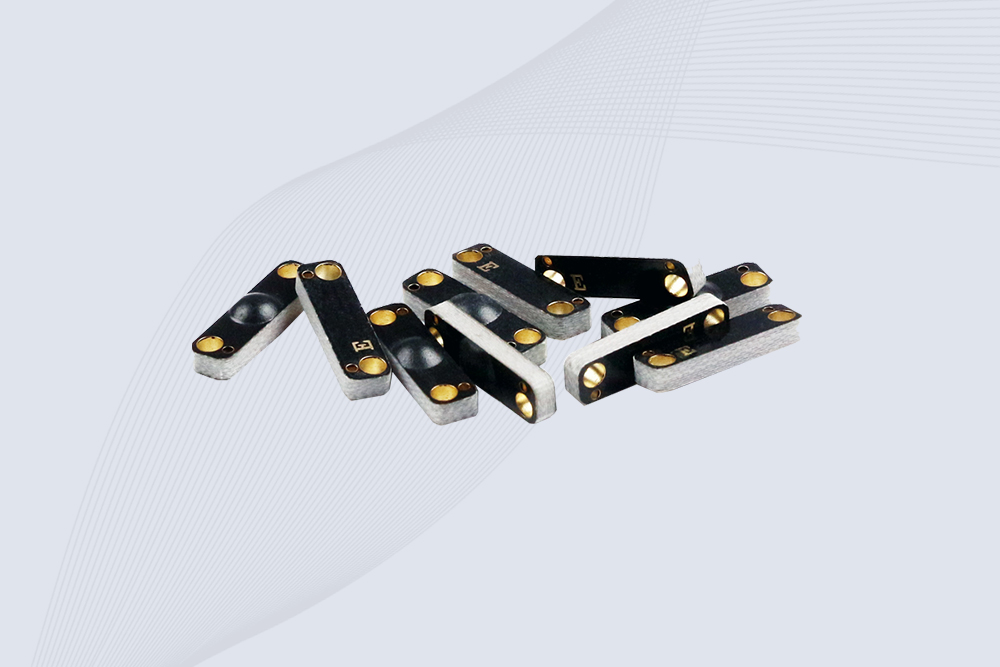
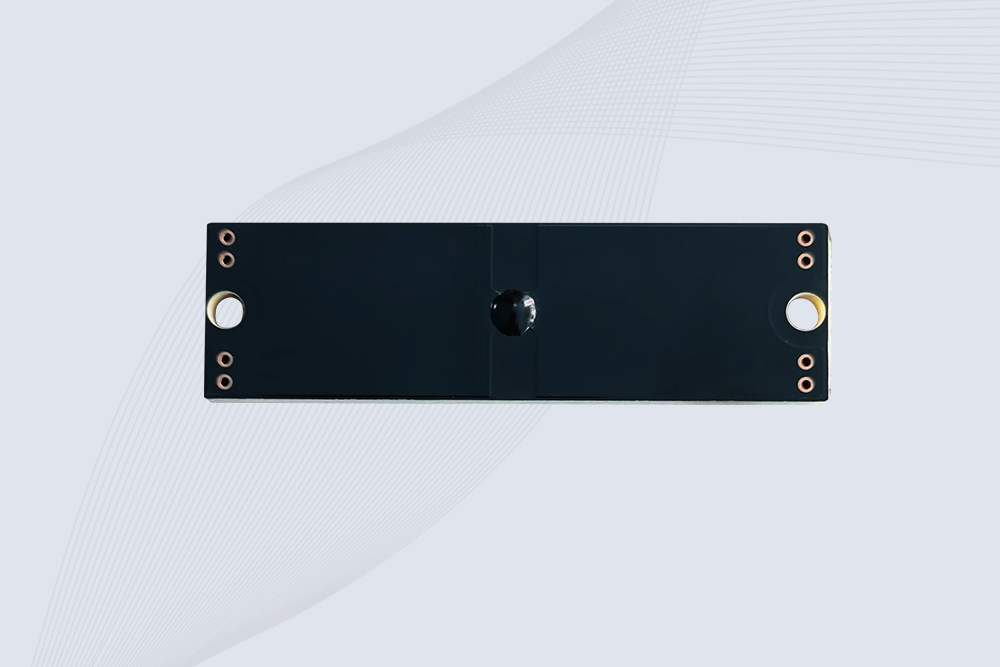
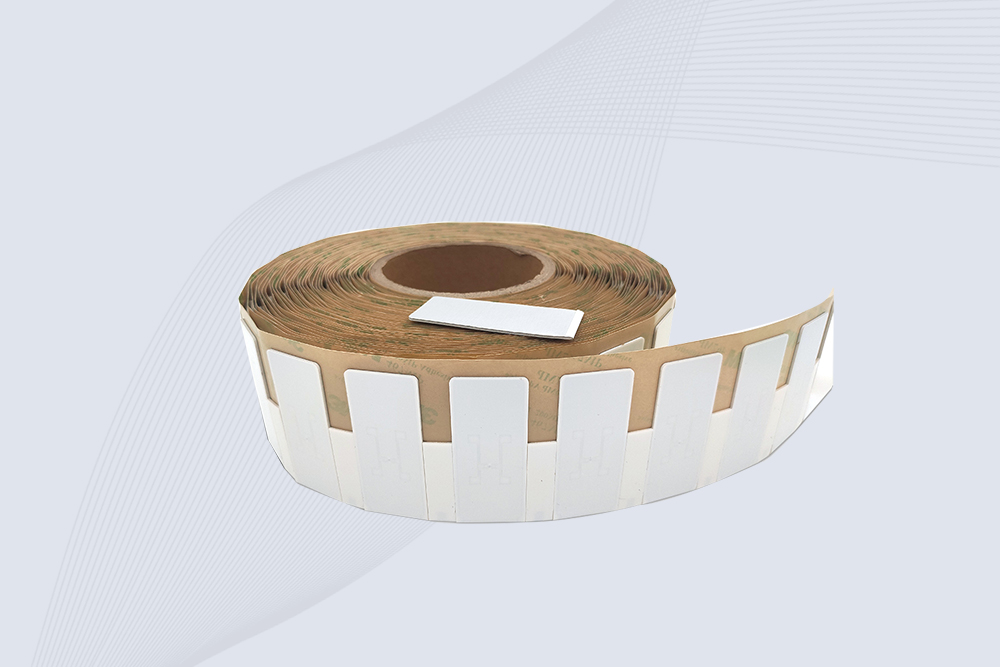
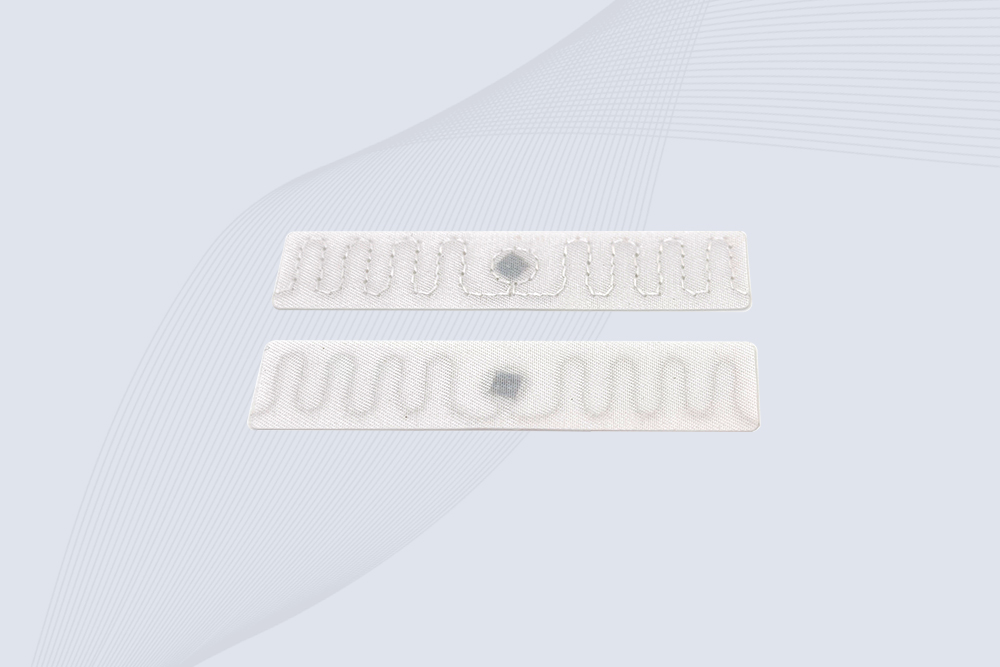
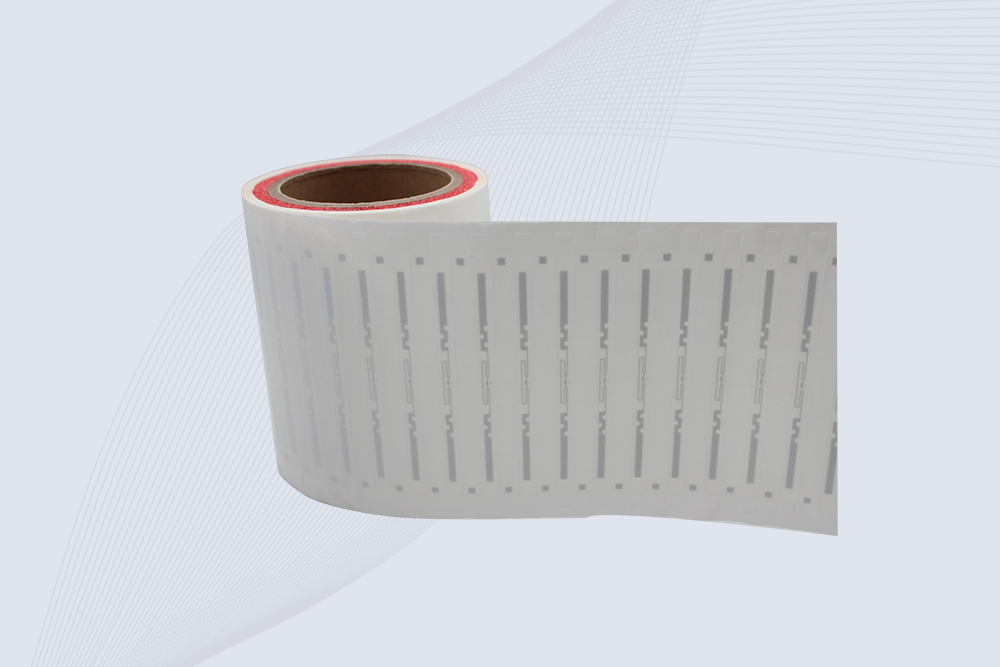
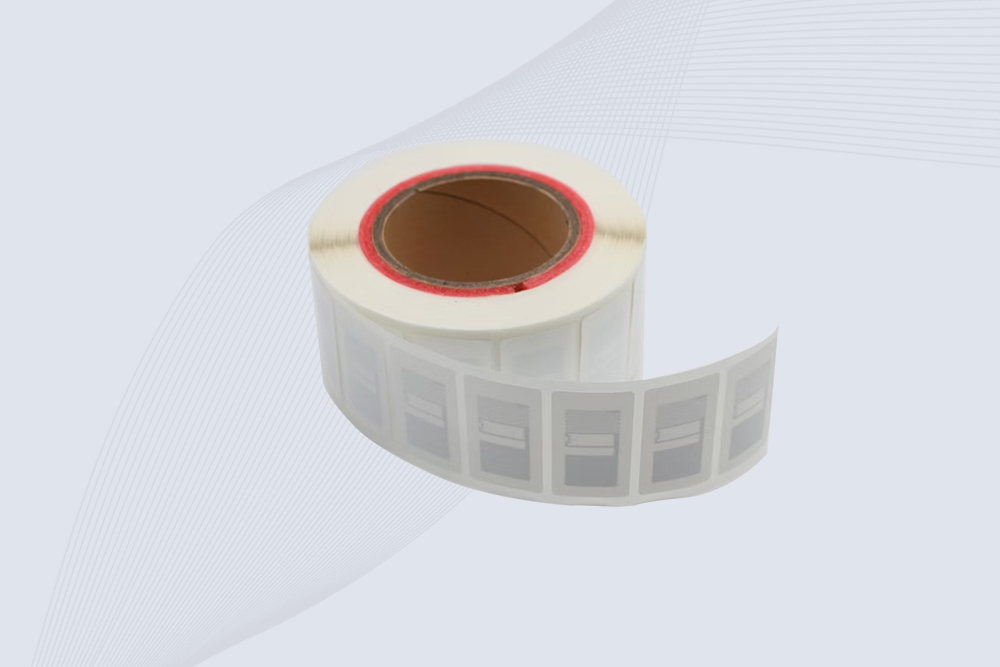
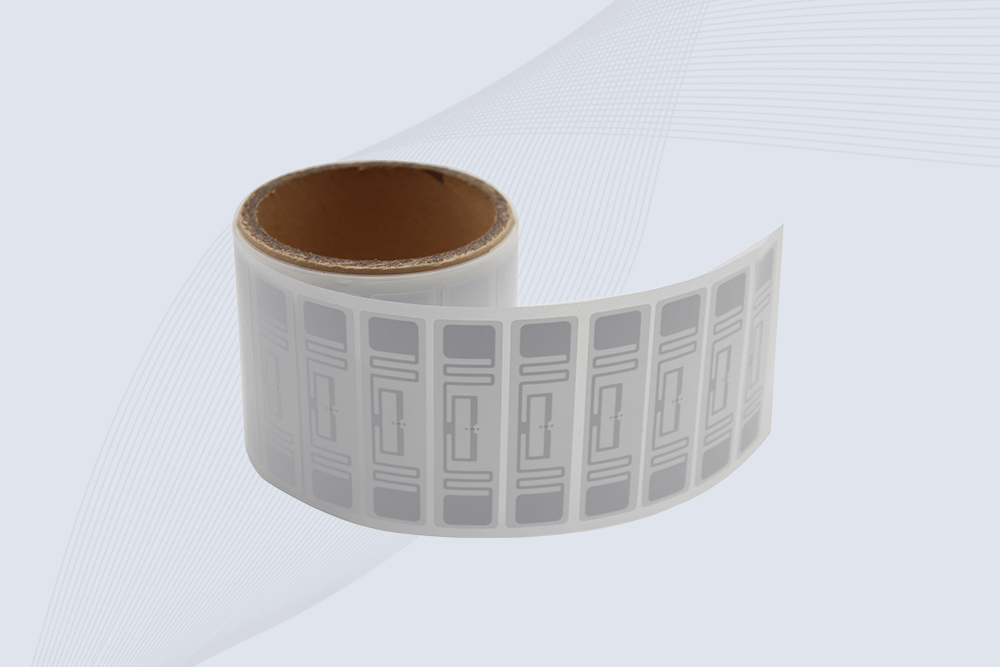
UHF RFID (Ultra-High Frequency Radio Frequency Identification) operates at 860-960 MHz, enabling extended read ranges of 7-15 meters for passive tags – a game-changing advantage over LF (125 kHz) and HF (13.56 MHz) systems limited to <1.5m. This spectrum powers rapid, bulk scanning of hundreds of items simultaneously, making it indispensable for large-scale logistics and manufacturing.*
1. Core Technical Mechanics
Frequency Physics
UHF radio waves:
Travel farther and faster than lower frequencies
Penetrate non-metallic materials (wood, plastic)
Experience signal reflection with metals/liquids (requires specialized tags)
Explore the real-world classification of RFID tags — from passive to active, and LF to UHF. Learn how different tag types perform in warehouses, logistics, and industrial environments, and how to choose the right one for your project.
Explore rfid tracking solutions for real-time asset visibility, automated inventory, and high-accuracy tracking across retail, healthcare, and logistics.
Discover rfid handheld reader writer solutions from Cykeo for mobile inventory, asset tracking, and tag programming. Improve field operations with fast RFID reading, writing, and data management.
 Cykeo RFID IoT Solution Products R&D Manufacturer