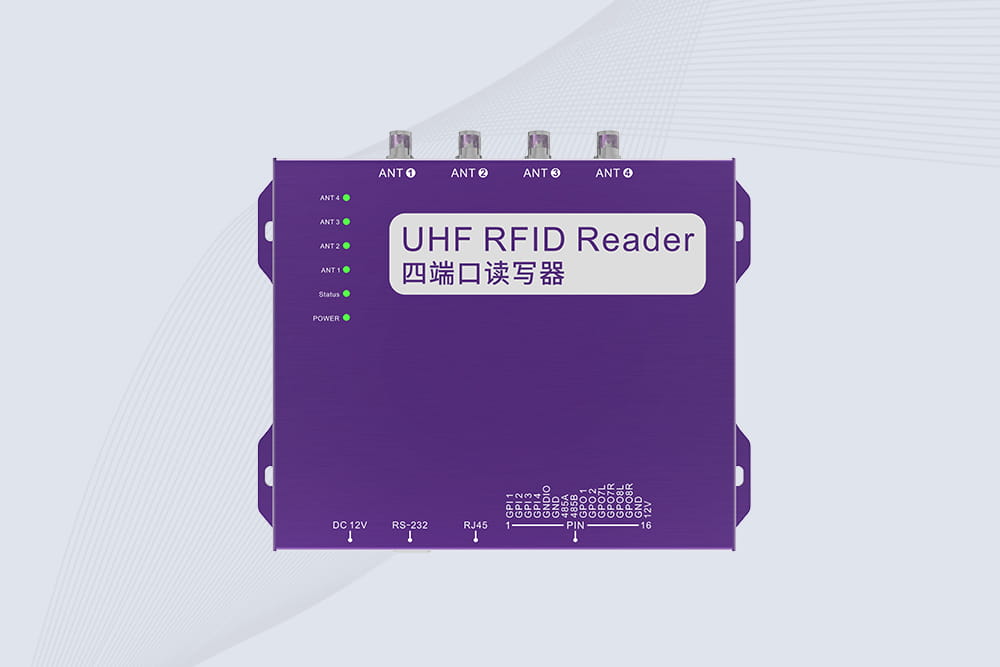
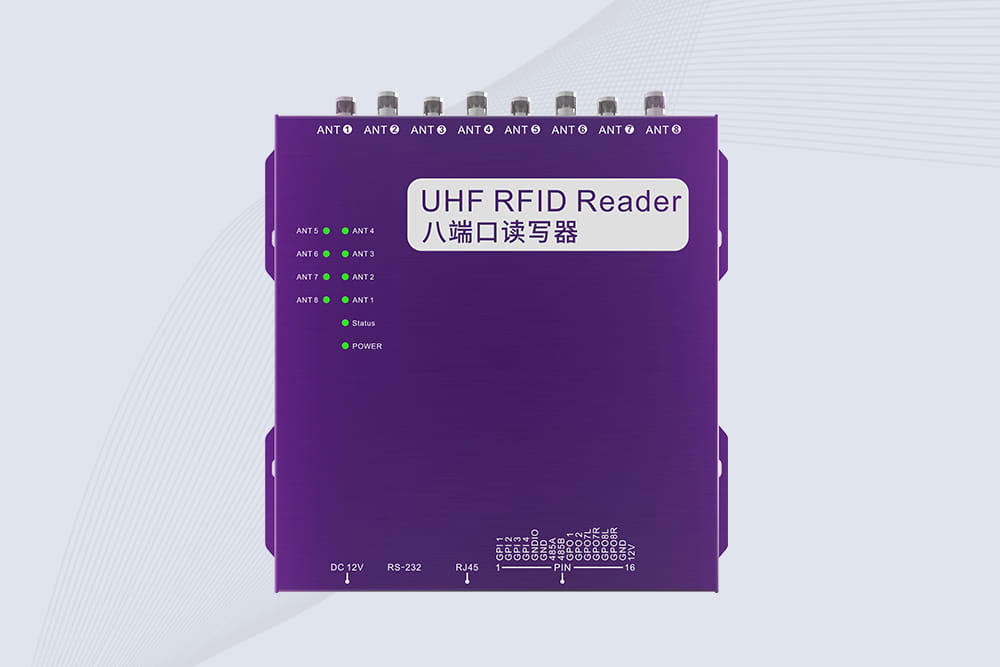
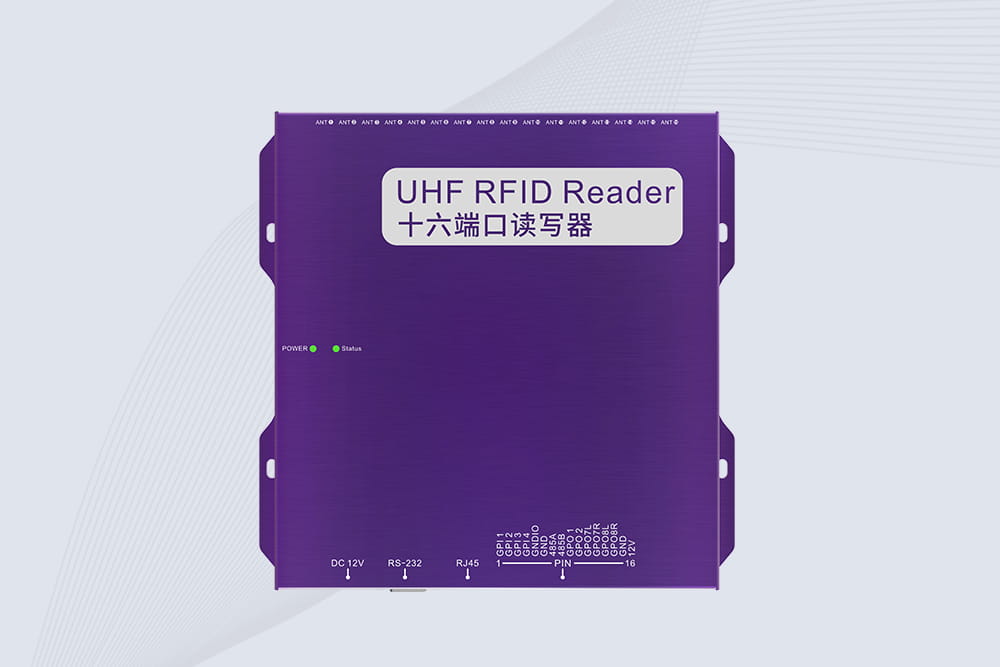
a rfid is a radio-frequency identification technology used to identify objects automatically through radio waves. An RFID system typically combines tags, antennas, readers, and software to capture item identities without requiring the direct line of sight associated with conventional barcode scanning.
That definition sounds simple. Field deployment is not.
At Cykeo, RFID projects are usually evaluated from the physical operating environment first. A tag attached to a folded shirt behaves very differently from one mounted on a metal tool cabinet, a pharmaceutical carton, or a pallet moving through a warehouse portal.
GS1 describes RFID as a family of technologies that automatically captures an object’s unique identifier using radio waves. The most common commercial approaches include NFC and RAIN RFID, with passive UHF RFID widely used for item-level identification.
How Does a RFID System Actually Work?
A typical UHF RFID installation contains four working layers:
Converts reads into inventory, movement, checkout, or tracking events
For passive UHF RFID, the reader supplies operating energy through its RF field. The tag responds by changing the reflection characteristics of its antenna, effectively backscattering information to the reader. GS1 identifies this reader-tag interaction as a core element of EPC/RFID infrastructure.
That distinction matters on an installation floor.
A tag does not simply “broadcast its location.” The reader must create a suitable RF environment, and the software must interpret the resulting reads correctly. Antenna placement, tag orientation, surrounding materials, reader power, interference, and read-zone design can all affect the final result.
RFID Is More Than a Tag
A common mistake in early RFID projects is to judge the technology by the tag alone.
The actual system is closer to this:
Tag → RF field → Antenna → Reader → Middleware/API → Business software → Operational decision
For example, a garment entering a retail stockroom might be identified by a UHF tag. The reader captures its EPC, the software associates that identifier with a SKU and location, and the inventory system can then update the item’s status.
The RFID tag is only the physical identity layer.
What Makes UHF RFID Different From Barcode?
Barcode systems normally require the scanner to see the printed code. RFID uses radio communication, so multiple tagged objects can be captured within a designed read zone.
GS1’s UHF Gen2 air-interface standard operates in the UHF range and forms the technical foundation for passive UHF RFID deployments. ISO/IEC 18000-63 defines the corresponding air-interface specification for RFID item management in the 860–960 MHz band.
That does not mean every RFID installation automatically reads everything nearby.
In real deployments, uncontrolled reads are just as troublesome as missed reads.
A warehouse doorway, for instance, needs a defined read zone. A retail checkout platform needs localized detection. A tool cabinet may require near-field containment so that a neighboring cabinet does not respond.
This is where engineering becomes more important than the RFID label itself.
What Can RFID Be Used For?
RFID is now used across environments where organizations need to identify, count, locate, authenticate, or process physical items.
Common applications include:
Retail: apparel inventory, smart checkout, loss prevention
Manufacturing: work-in-process tracking and component identification
Healthcare: medical supplies, pharmaceuticals, equipment management
Libraries: automated circulation and inventory
Tool management: tool issue, return, and missing-tool detection
Warehousing: bulk inventory and stock reconciliation
Asset management: equipment identification and movement records
Research from Auburn University’s RFID Lab provides a useful real-world reference. One field experiment across 13 retail stores found that RFID-enabled inventory-record adjustment reduced inventory record inaccuracy by about 26%; a subsequent study expanded the research to 62 stores and five product categories.
The important point is not the percentage by itself. The study demonstrates that RFID’s value can be measured at the inventory-record level, rather than merely by counting successful tag reads.
UHF RFID enables rapid identification of tagged merchandise during retail inventory operations.
Where RFID Projects Usually Succeed — and Fail
In practical deployment work, four questions often reveal more than a long specification sheet:
What material is the tag attached to?
How many tags must be read together?
Where must the read zone begin and end?
What business event should a successful read trigger?
Metal, liquids, dense packaging, overlapping tags, and poorly controlled antenna zones can all change performance.
This is why Cykeo approaches RFID as a system rather than a single hardware purchase. The reader, antenna, tag, software interface, and installation geometry have to work together.
For standards-based UHF deployments, GS1 notes that EPC Gen2 is closely aligned with ISO/IEC 18000-63, supporting interoperability across the RFID ecosystem.
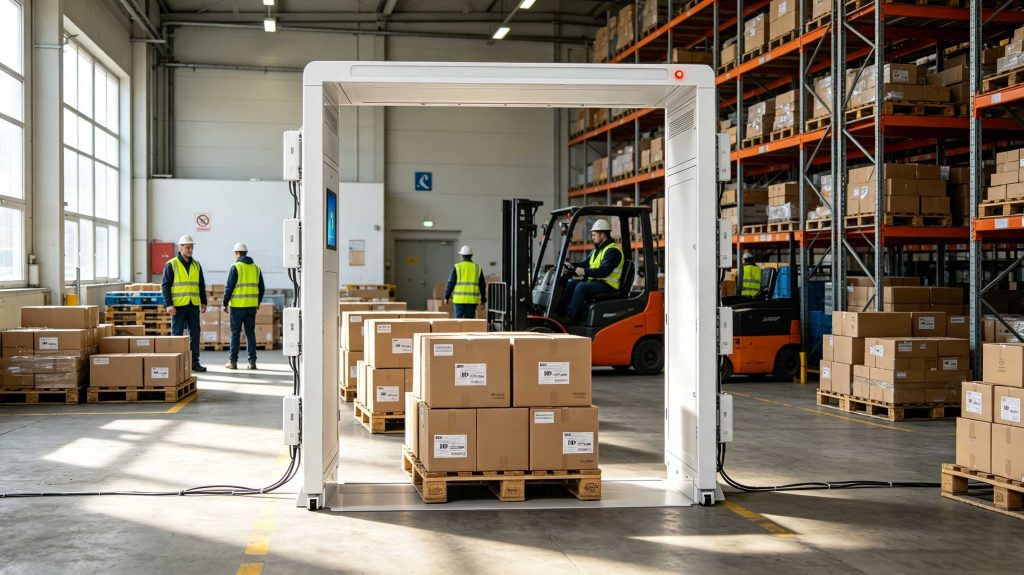
A controlled RFID portal creates a defined identification zone for pallet and carton movement.
Cykeo RFID Technical Advantages
For Cykeo, RFID is not treated as a simple replacement for barcode scanning. The useful question is whether the identification layer can survive the physical and operational conditions of the application.
A practical RFID deployment normally combines:
RFID tags or labels
Fixed, desktop, handheld, or integrated RFID readers
Antennas and RF control
Reader communication interfaces
Middleware or SDK
Inventory, POS, WMS, ERP, or other host software
Event filtering and data-processing logic
This architecture matters because the reader does not inherently “know” that a tagged item has been sold, returned, moved, or misplaced. It detects tag events. The application layer gives those events business meaning.
GS1 describes EPC/RFID as an identification technology capable of capturing unique identifiers without line-of-sight, while its standards ecosystem includes tag-data standards, LLRP, reader management, and application-level event interfaces.
Where Cykeo equipment becomes useful
Cykeo RFID solutions can be configured around different operating environments rather than forcing every project into the same reader format.
Application requirement
Suitable RFID approach
Item-level inventory
UHF RFID tags + handheld/fixed reader
Retail checkout
RFID checkout or desktop reading platform
Warehouse receiving
Fixed reader + portal/antenna
Tool management
RFID tags + cabinet/reader system
Medical supplies
RFID shelf, cabinet, or inventory station
Apparel stores
UHF garment tags + handheld/fixed readers
OEM equipment
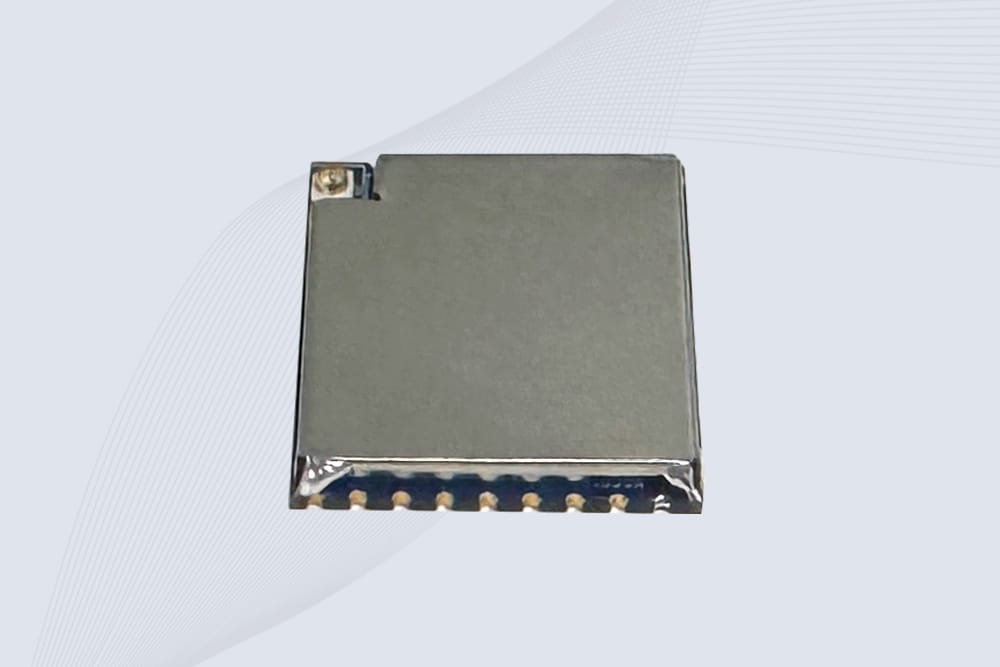
Embedded RFID reader module
High-volume identification
Multi-tag UHF reader architecture
The distinction is important in real installations. A reader that performs well on a laboratory bench may behave very differently when surrounded by metal shelving, liquid containers, densely packed garments, or multiple adjacent readers.
RFID System Architecture Deep Dive
A working RFID system is best understood as a chain of physical identification and software interpretation.
RFID Tag → Reader/Antenna → RF Data → Filtering → Application → Business System
A passive UHF tag has no internal battery. GS1 US explains that the reader’s electromagnetic field provides the energy that activates the tag, after which the tag communicates through backscatter.
1. RFID Tag Layer
The tag stores an identifier, commonly an EPC in RAIN RFID applications.
The physical tag is selected according to the object:
Paper or synthetic label for apparel
On-metal tag for metal tools
Durable encapsulated tag for industrial equipment
Small-form tag for individual products
Specialized tag for medical or laboratory environments
This is where many projects quietly succeed or fail. Tag selection cannot be separated from the material being tagged.
2. Reader Layer
The reader supplies RF energy, communicates with tags, receives their responses, and transfers tag data upstream.
Cykeo’s RFID portfolio can support different deployment formats, including fixed readers, desktop platforms, integrated equipment, and OEM-oriented reader modules.
For a high-density inventory application, multi-tag recognition is usually more valuable than simply advertising maximum read distance.
3. Software Layer
Raw reads are not the final inventory record.
Software may need to:
Remove duplicate reads
Apply filtering rules
Associate EPCs with SKUs
Record entry and exit events
Trigger inventory updates
Send transactions to POS or ERP
Generate exceptions
Record operator identity
Maintain audit logs
GS1 specifically identifies LLRP as a standardized interface between software and RFID readers, with additional standards supporting reader management and application-level events.
RFID Performance: What Should Actually Be Measured?
A common mistake is comparing RFID readers using only advertised read distance.
In a real deployment, I would measure at least these variables:
Metric
Why it matters
Read rate
Determines throughput
Read consistency
Prevents missed inventory
Multi-tag performance
Critical for batch identification
Write performance
Important for tag encoding
RF power control
Helps manage read zones
Antenna coverage
Defines actual detection area
False-read behavior
Prevents unwanted events
Interface stability
Affects system integration
Environmental tolerance
Matters in industrial sites
GS1 notes that UHF passive RFID can capture unique identifiers at high rates and at distances well beyond 10 meters in appropriate conditions. That does not mean every installation should be designed for a 10-meter read zone.
In retail, an excessively wide read zone can be a problem. A checkout station should identify the products placed at the station—not the products sitting on the neighboring shelf.
That difference is easy to miss in a specification sheet.
RFID vs Barcode: The Operational Difference
Barcode and RFID are not enemies. Many successful deployments use both.
Feature
RFID
Barcode
Line of sight
Generally not required
Required
Multiple-item reading
Yes
Usually one item at a time
Unique item identification
Possible
Depends on barcode structure
Physical contact
Not required
Optical scan
Dirty/damaged label tolerance
Often better
Can be problematic
Initial system cost
Usually higher
Usually lower
Environmental sensitivity
RF/material dependent
Optical/visibility dependent
Best strength
Automated bulk identification
Simple, economical identification
GS1’s RFID guidance specifically highlights the ability to identify products without line-of-sight and explains how this can improve supply-chain visibility and inventory accuracy.
The strongest argument for RFID is therefore not “RFID is newer.”
It is less manual identification work at the moment when labor becomes expensive or operational speed matters.
Where RFID Creates Measurable Business Value
A major GS1/ECR study involving ten global retailers reported inventory accuracy of 93%–99% with RFID, with accuracy improving by more than 50% in the retailers studied. The same research estimated potential sales increases of up to 5.5%.
Those numbers should not be copied into a project proposal as a guaranteed outcome. They are results from specific retail implementations.
What they do demonstrate is more useful: item-level RFID can change inventory from an occasional counting exercise into a more frequent operational data source.
Retail
Garments can be tagged at item level and checked in batches during receiving, replenishment, cycle counting, returns, and checkout.
A store employee carrying a handheld reader can identify multiple garments without stopping to position a scanner over every barcode.
Healthcare
RFID can be used for:
Medical consumables
Pharmacy inventory
Surgical instruments
Blood or specimen workflows where appropriate
Asset identification
Supply-room management
The challenge here is usually not the RFID signal itself. It is data discipline. If a tagged item is moved but the application does not register the transaction, the system still has an inaccurate operational picture.
Warehousing and Logistics
RFID portals and fixed readers can detect tagged cartons, totes, pallets, tools, or returnable transport items as they pass defined zones.
This is particularly useful when scanning every individual barcode manually would create a bottleneck.
Manufacturing
RFID can connect a physical component with its production history, workstation, tooling information, or movement event.
For reusable tools, the tag may become a persistent digital identity rather than merely a shipping label.
Deployment Strategy: Start With the Read Zone
I would not begin an RFID project by choosing the reader.
Start with the read zone.
Ask:
What object is being identified?
What material is underneath the tag?
How many tags can appear simultaneously?
How fast are the objects moving?
Where must reading stop?
Where must reading definitely not happen?
What software receives the event?
What happens when a tag is missed?
Then build the hardware around those answers.
A small retail checkout station and a warehouse portal may both use UHF RFID, but they have almost opposite RF requirements. The checkout station wants controlled near-field or localized identification. A portal may require broader coverage through a doorway.
This is why field testing matters more than selecting a reader from a specification table.
Industry Case Studies
Apparel Retail
A Cykeo RFID deployment can combine item-level garment tags, handheld inventory readers, fixed identification points, and an RFID-enabled checkout station.
The result is a workflow in which receiving, stock counting, replenishment and checkout can share the same item identity.
Tool Room
Industrial tools can receive durable RFID tags and be associated with personnel, storage positions, or maintenance records.
Instead of relying entirely on a manual sign-out sheet, the system can create an electronic movement record.
Hospital Supply Room
RFID-enabled shelves or cabinets can identify tagged supplies and connect inventory events to the hospital management system.
The key advantage is not simply “knowing what is there.” It is reducing the gap between the physical shelf and the digital inventory record.
FAQ: RFID Fundamentals
What does RFID stand for?
RFID stands for Radio Frequency Identification. It uses radio communication between tags and readers to identify physical objects.
Does RFID require a battery?
Not always. Passive RFID tags have no internal battery and receive operating energy from the reader’s electromagnetic field. Active RFID tags contain their own power source.
Can RFID replace barcodes?
RFID can replace barcodes in some workflows, particularly where batch reading, non-line-of-sight identification, or automated tracking provides enough operational value. Many businesses continue using both.
Can RFID read multiple products at once?
Yes. UHF RFID is specifically suited to multi-tag identification, although the actual performance depends on tag orientation, material, reader configuration, antenna placement, RF environment, and software filtering.
How far can RFID be read?
There is no universal RFID reading distance. GS1 notes that suitable UHF passive RFID systems can operate at distances well beyond 10 meters, but practical deployment distance depends heavily on the tag, reader, antenna, power, and environment.
Is RFID suitable for retail checkout?
Yes. RFID can support batch identification at checkout, allowing several tagged products to be identified without individually scanning each barcode. The read zone must be carefully controlled to avoid detecting nearby merchandise.
Does an RFID tag contain customer information?
Not necessarily. GS1’s consumer RFID guidelines state that EPC/RFID tags do not contain personally identifiable consumer information; the tag generally carries product-related identification, while associated information is maintained in business systems.
SEO Ending
RFID is most valuable when the physical movement of an object needs to become a reliable digital event.
That could mean a garment entering a store, a medical supply leaving a cabinet, a tool returning to a tool room, or several products arriving at a checkout station together.
The hardware is only one part of that process. Tag selection, RF design, read-zone control, software filtering, system integration, and operational workflow determine whether the deployment works outside the laboratory.
For companies evaluating a rfid solution, the practical starting point is therefore simple: define the object, define the movement, define the read zone, then select the technology around it.
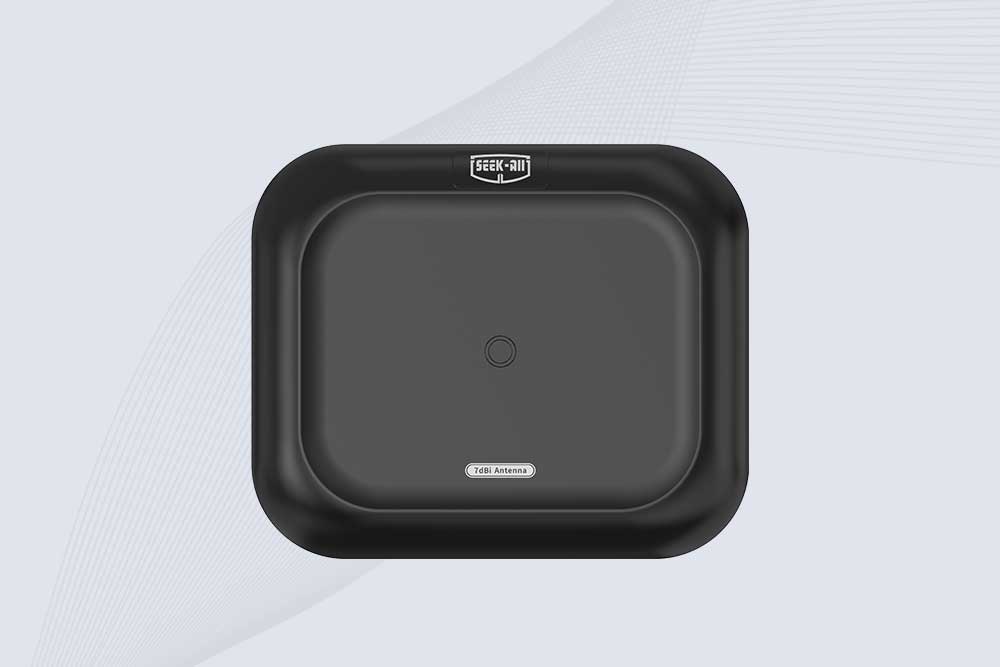
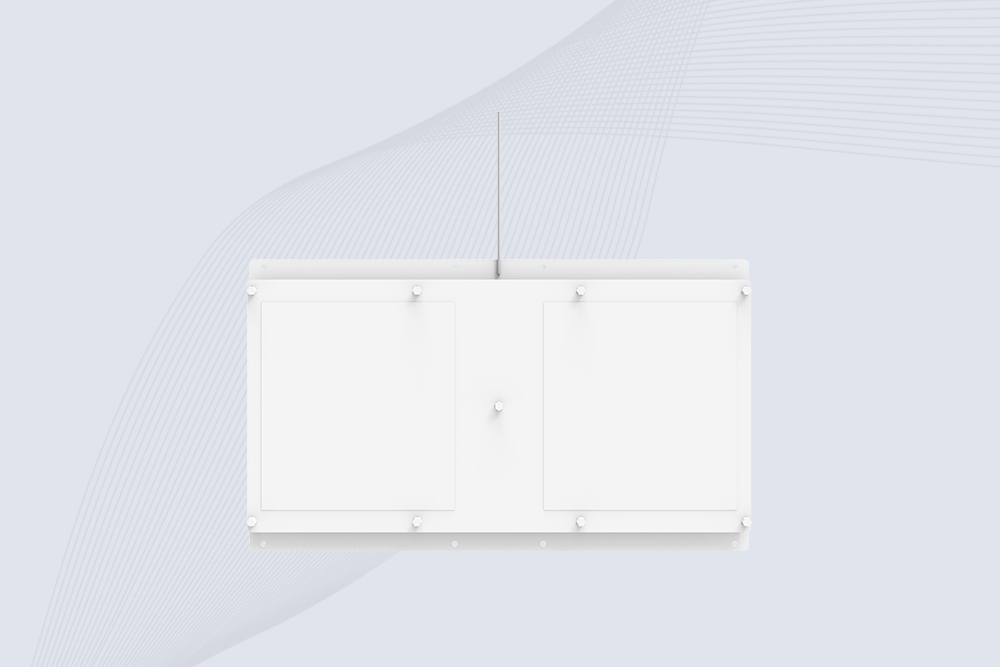
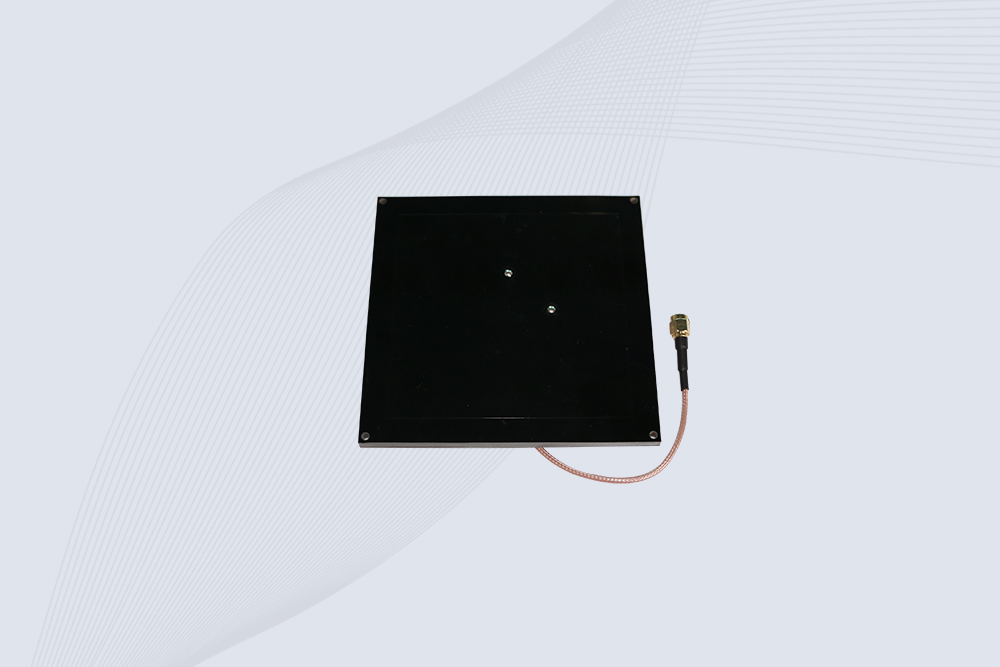
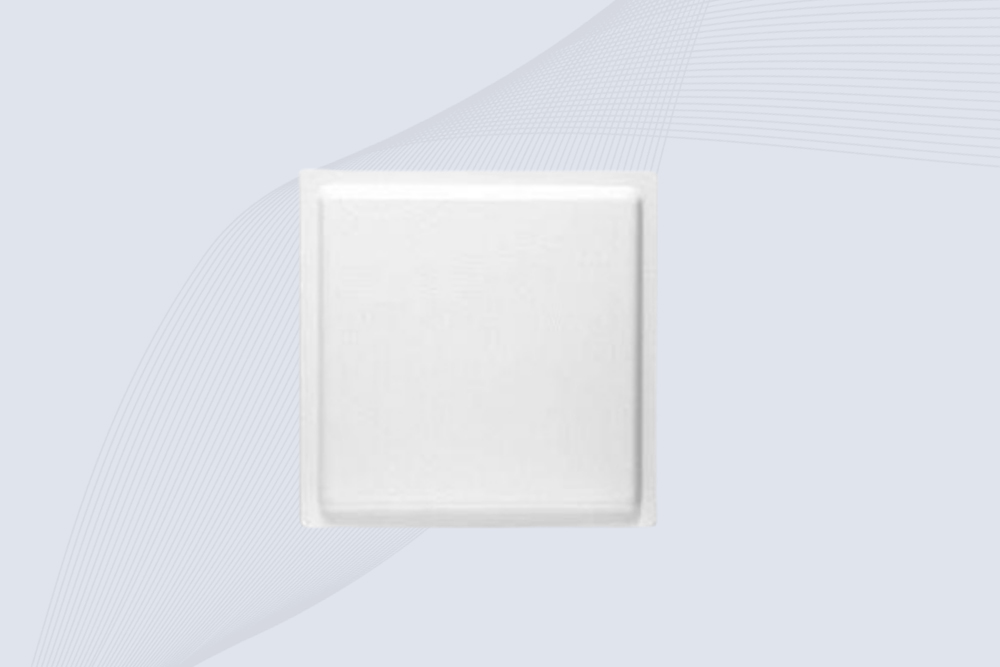
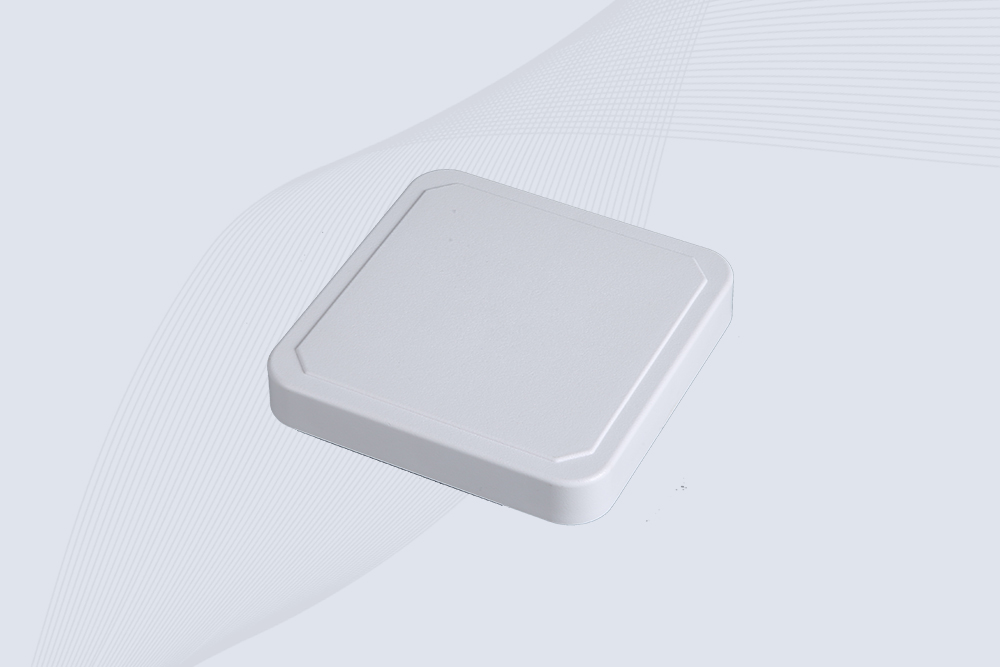
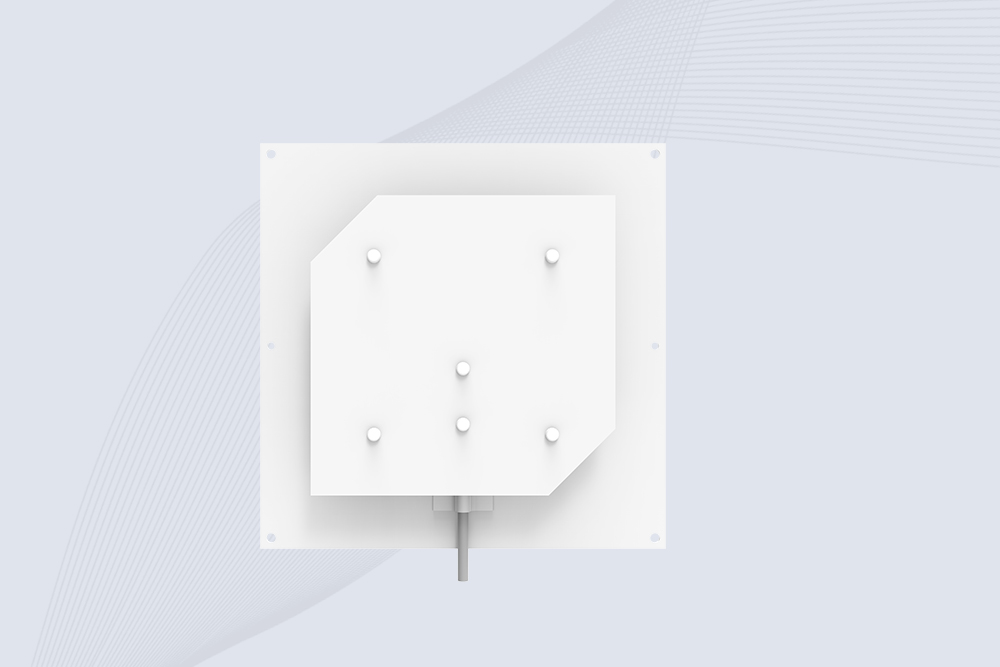
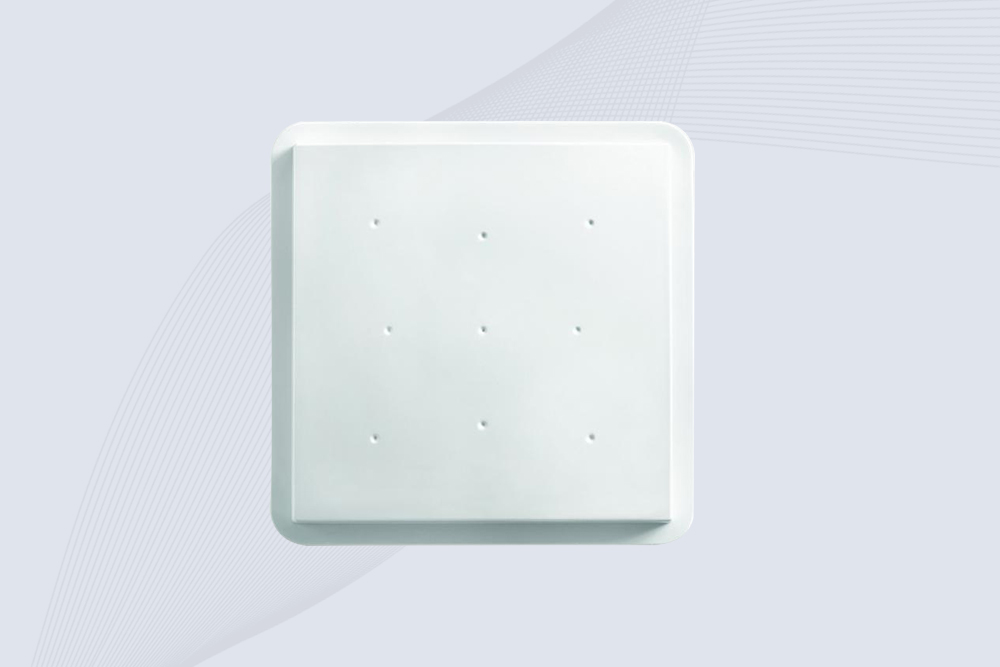
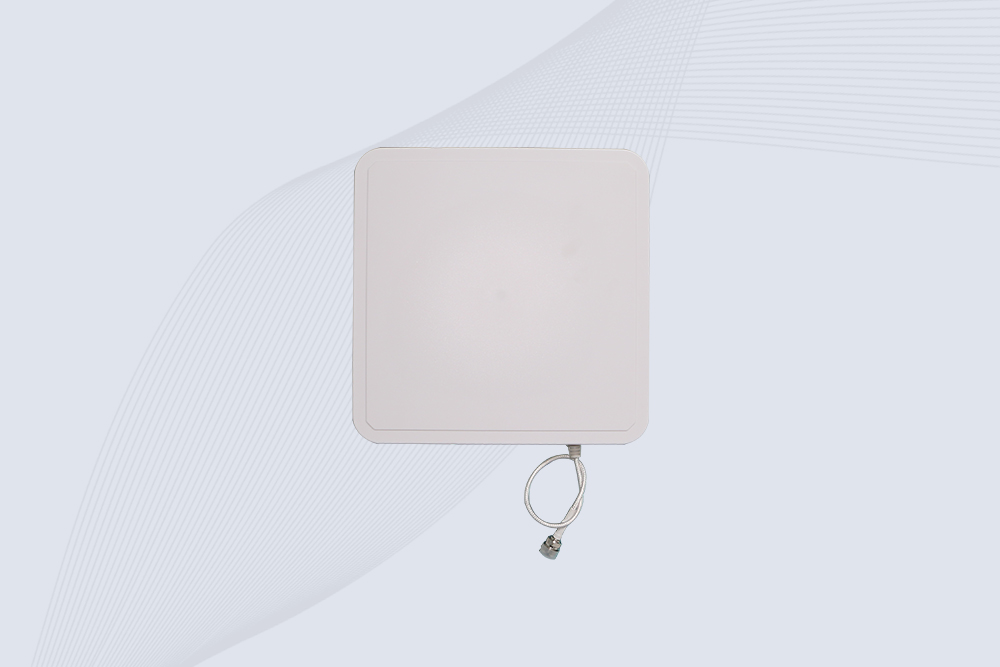
Explore the SSD-A07 UHF RFID antenna with 7 dBi gain, circular polarization, adjustable 840–960 MHz frequency, and 60°/75° beamwidth for stable RFID read/write performance.
SSD-A06 UHF RFID antenna with circular polarization, adjustable 840–960 MHz frequency, ≥4.5 dBi gain, and a compact directional design for RFID systems.
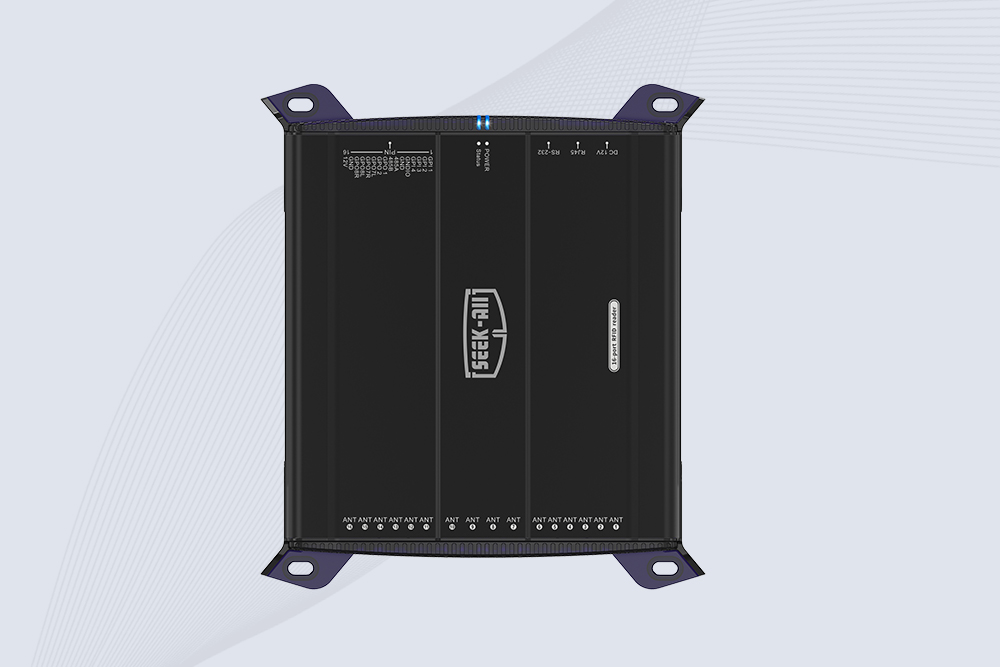
SSD-R16L Multi-Channel RFID Infrastructure for Automated Inventory Management ✔️ 16-Port High-Density RFID Reading Equipped with 16 SMA antenna ports, SSD-R16L supports multi-antenna deployment for warehouses, retail stores, logistics, production lines, and large-area RFID identification. ✔️ High-Speed & Long-Range Performance With up to 33…
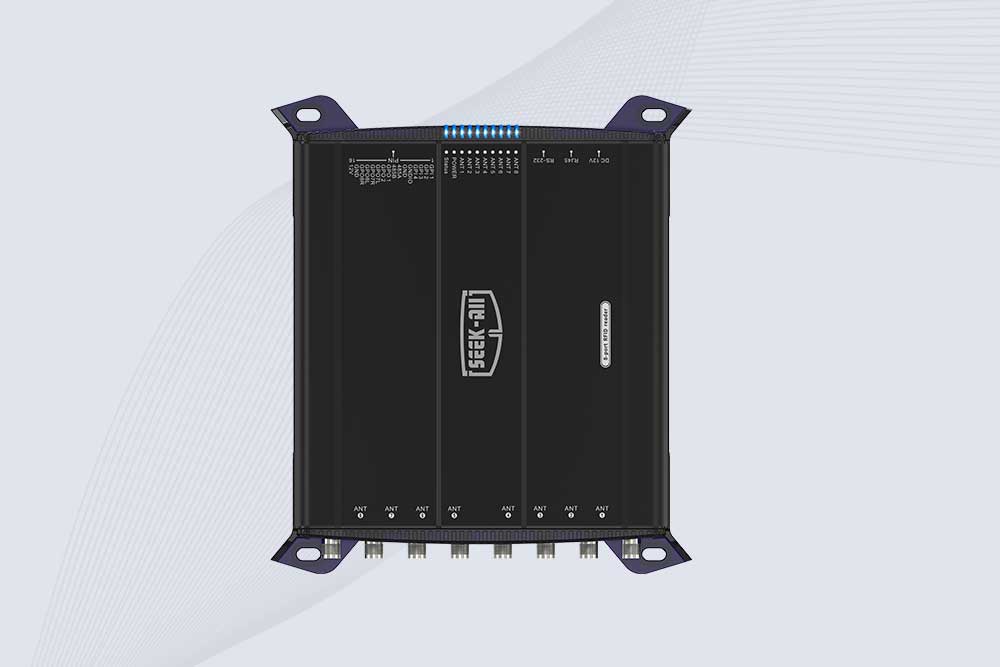
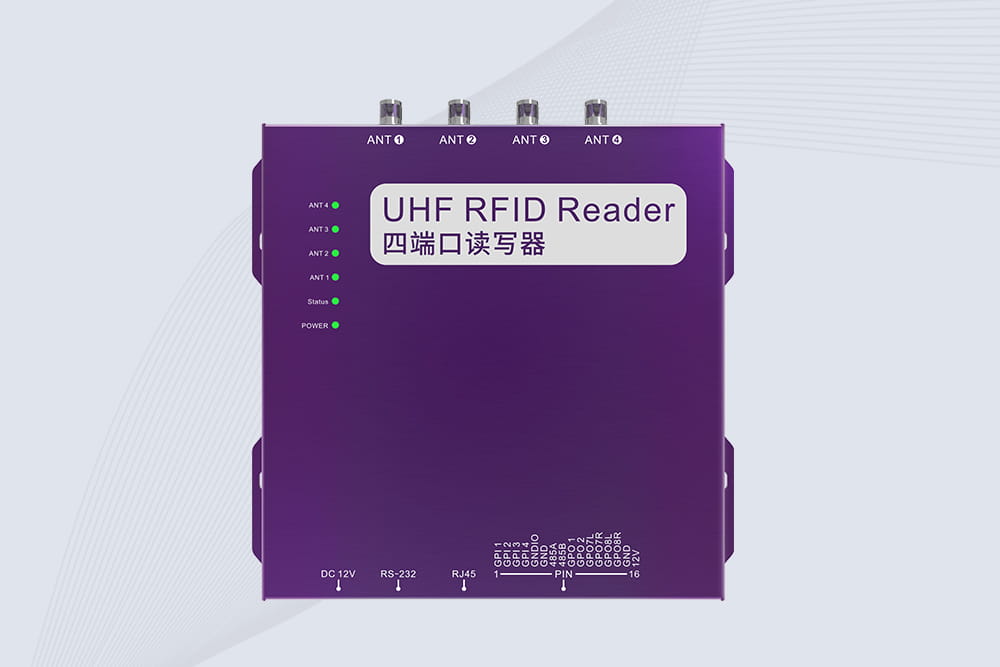
SSD-R8L 8-port UHF RFID reader with 33dBm output, up to 20m reading range and 600+ tags/s recognition. Ideal for warehouse, logistics, retail and asset tracking.
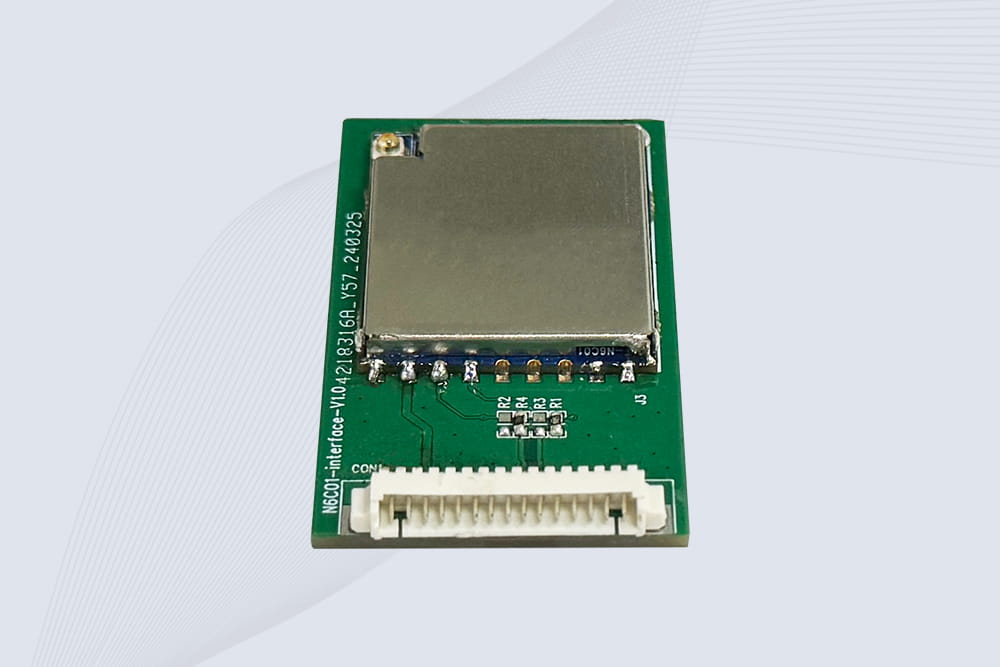
CYKEO Embedded RFID Modules are designed for compact industrial and IoT devices that require stable UHF performance. These UHF RFID Modules support global protocols, flexible power control, and reliable multi-tag reading for smart cabinets, production lines, and asset tracking systems.
CYKEO Embedded RFID Module is built for compact IoT and industrial devices that need stable UHF performance. This UHF module supports global protocols, low power operation, and reliable multi-tag reading for smart lockers, production lines, and always-on RFID systems.
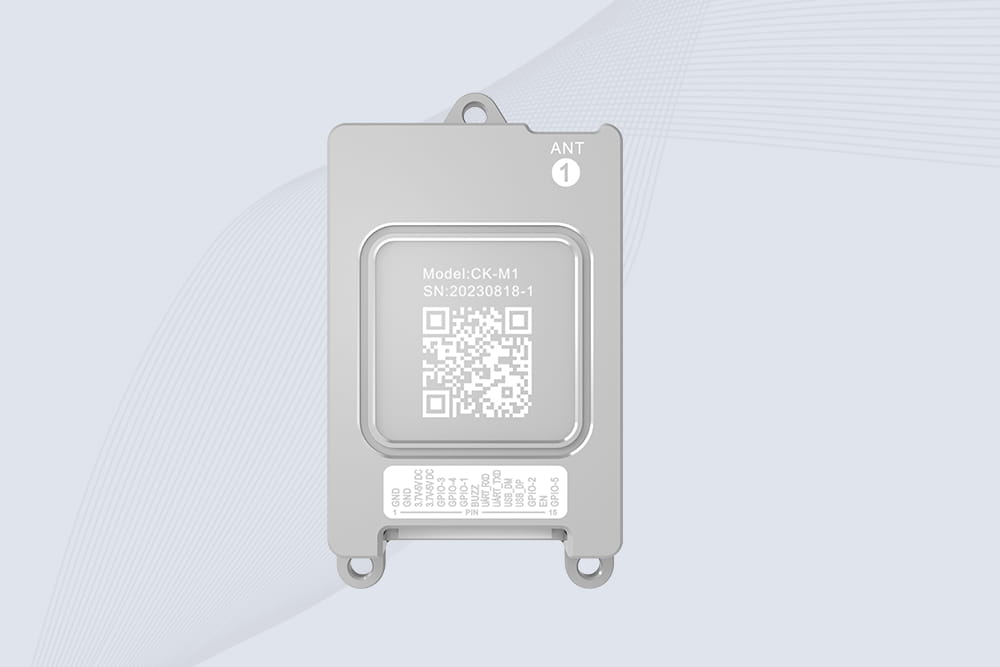
CYKEO CYKEO-M1 drone rfid module is a compact UHF RFID reader module designed for drones and UAV platforms. It supports long-range aerial scanning, fast multi-tag reading, and stable performance in wind, vibration, and outdoor environments.
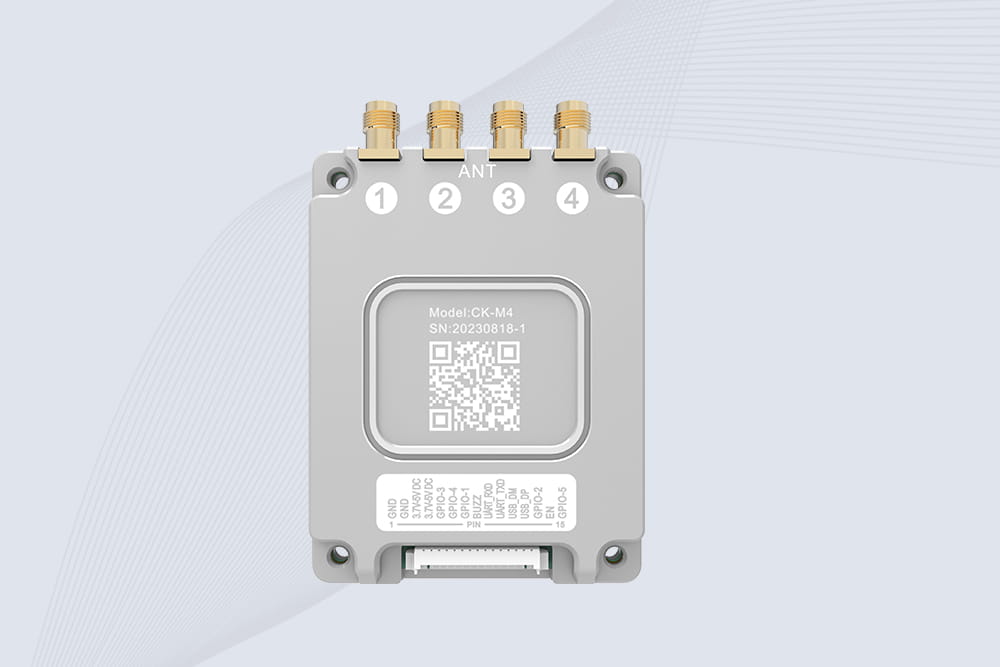
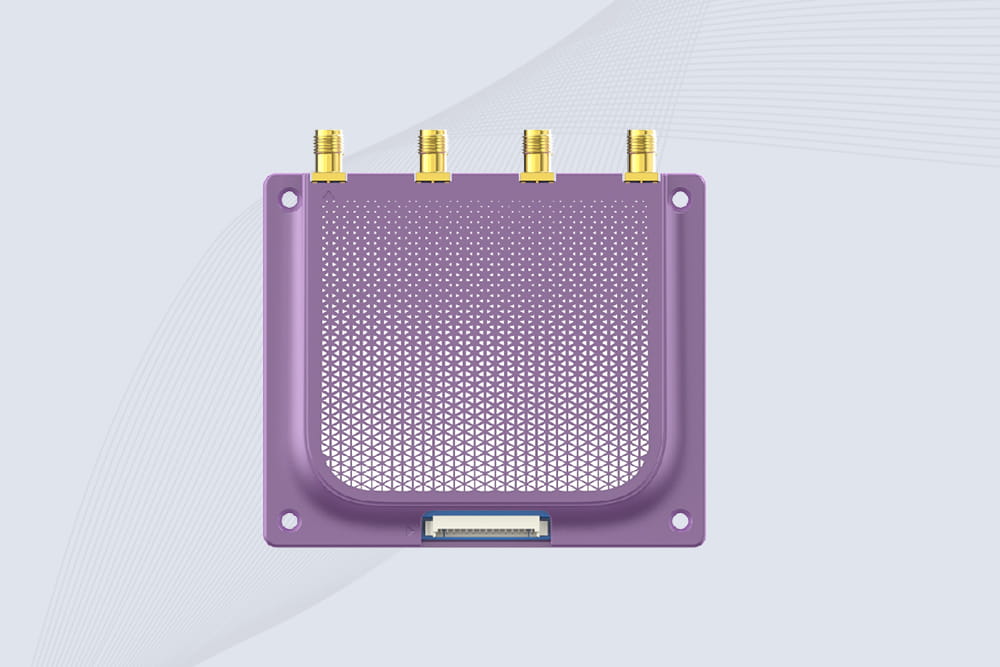
CYKEO CYKEO-M4 RC522 RFID Module is an industrial-grade UHF RFID reader with 4 ports, supporting ISO, EPC, and GB protocols. High-speed, accurate reading for IoT, automation, and warehouse applications.
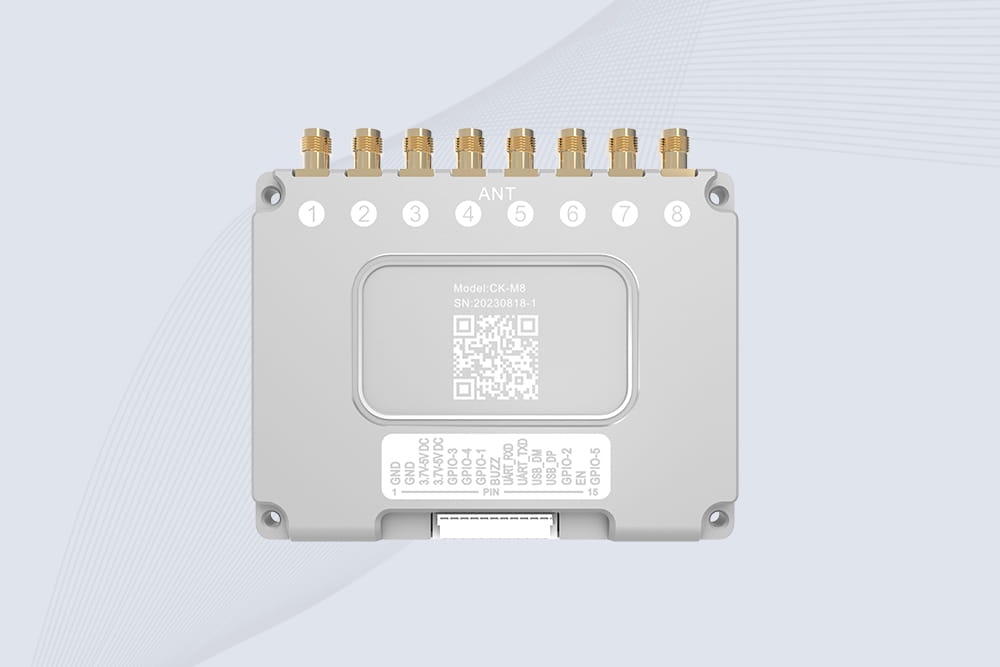
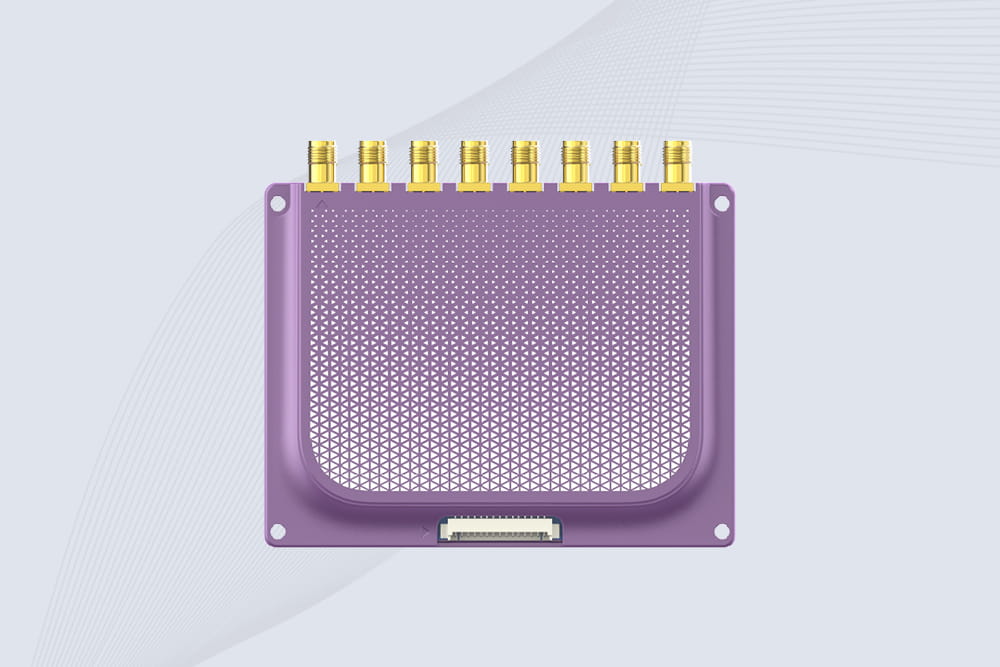
CYKEO CYKEO-M8 Module RFID is an 8-port UHF R2000 RFID Module designed for high-density, multi-tag environments. Stable 33dBm output, ISO & GB protocol support, ideal for warehouses, factories, and automated systems.
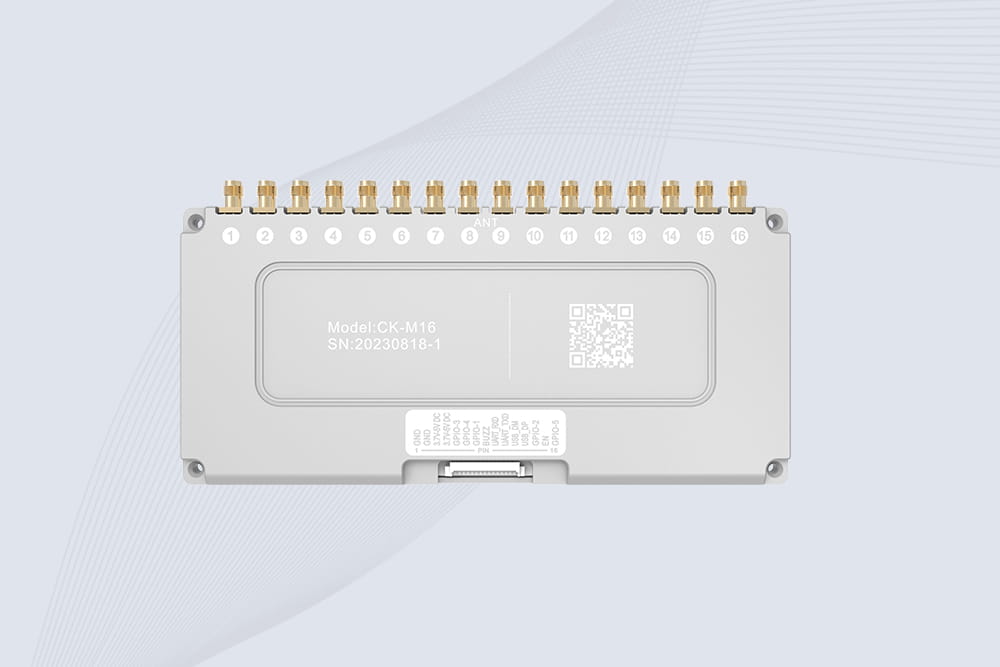
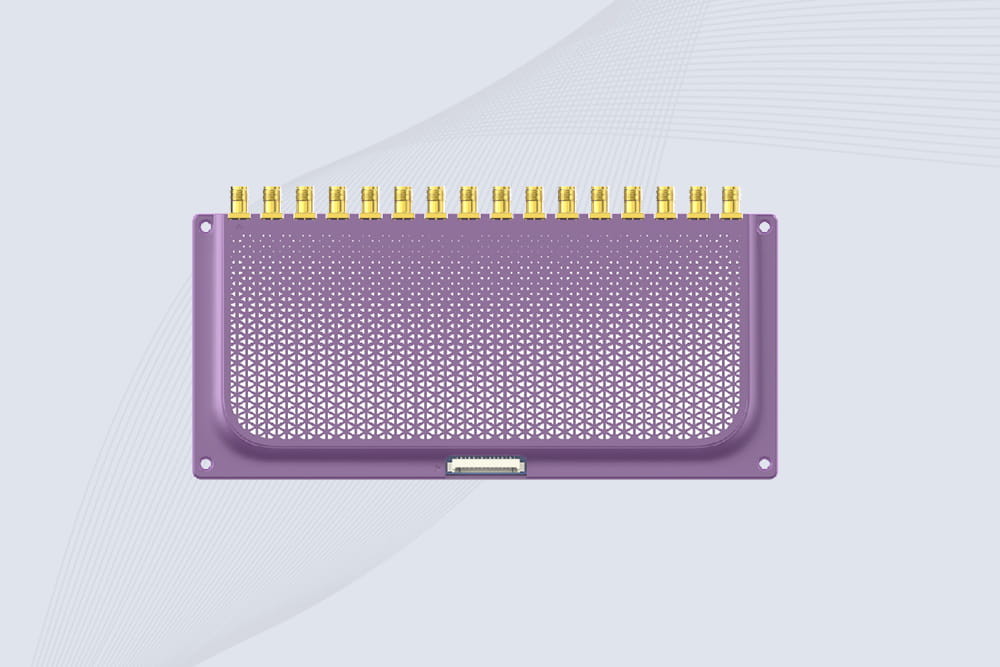
CYKEO CYKEO-M16 RFID Module is a 16-port UHF RFID reader module based on the R2000 chipset. Designed for dense tag environments, it supports ISO and GB standards and delivers stable multi-antenna control for industrial automation.
The CYKEO CYKEO-M16L RFID Reader Module is a 16-channel UHF RFID core designed for dense tag environments. With adjustable 33dBm output, multi-protocol support, and stable multi-antenna control, this RFID Tag Reader Module fits industrial automation, warehouse systems, and large-scale IoT deployments.
CYKEO CYKEO-M8L module RFID is a compact industrial UHF module built for dense tag and multi-antenna environments. With 8 RF ports, adjustable 33 dBm output, and ISO & GB protocol support, it is widely used in factories, warehouses, and automated tracking systems.
CYKEOCYKEO-M4L UHF RFID Module is a compact 4-channel RFID tag reader module designed for dense tag environments. Supporting ISO and GB protocols, it delivers stable reads up to 10 meters for industrial and IoT systems.
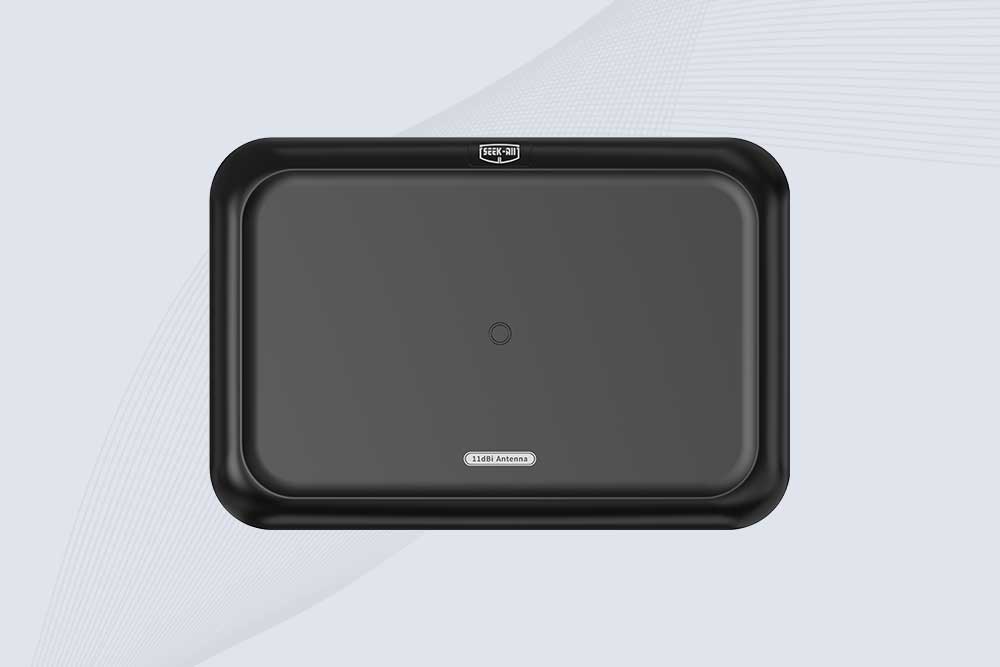
Cykeo CYKEO-A11 UHF RFID reader antenna delivers 11dBi gain, 840-960MHz frequency range, and IP65 ruggedness for retail, logistics, and industrial RFID systems. Features low VSWR and easy installation.
CYKEO Antenna RFID Reader delivers stable long-range UHF performance with a 10.5dBi directional design, built for warehouses, conveyor portals, and industrial RFID systems. This rfid reader antenna provides 20m+ read distance and rugged IP67 protection.
Cykeo CYKEO-A5B industrial Linear RFID Antenna delivers 5dBi gain, ≤1.5:1 VSWR, and IP65 rugged design for warehouse, production line, and logistics UHF systems.
Cykeo’s CYKEO-B12 Long Range RFID Antenna delivers 15m+ read range with 12dBi gain, IP65 rugged design, and global 840-960MHz UHF support. Ideal for warehouse/logistics asset tracking.
Cykeo CYKEO-B10 Long Distance RFID Antenna offers 10dBi gain, 840-960MHz frequency range, IP65 rating, and 20m+ coverage for logistics/warehousing/ETC systems. Low VSWR ensures stable signal transmission.
Cykeo CYKEO-A6 UHF RFID panel antenna features 6dBi gain, 840-960MHz broadband, IP65 metal-ready housing for logistics/smart retail. 18mm ultra-thin design with tool-free mounting.
Cykeo CK-A3 industrial antenna RFID UHF offers 5m+ tag detection, ≤1.3:1 VSWR, IP65 rugged design, and global UHF spectrum compatibility (840-960MHz) for warehouses, factories, and retail.
Cykeo CYKEO-B5 directional RFID antenna provides 5dBi gain with 60° narrow beamwidth for precise inventory tracking. IP65-rated, global UHF frequency support, and low VSWR.
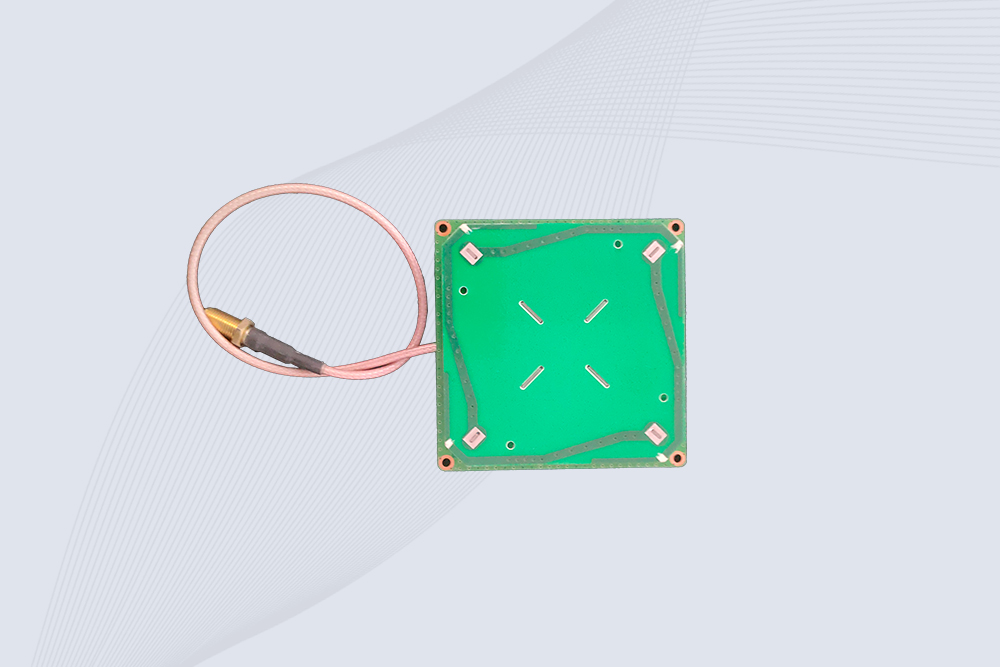
Create your own high-performance DIY RFID antenna! 5dBi gain, 840-960MHz tunable, step-by-step guides. Compatible with Arduino, Raspberry Pi, and commercial UHF readers.
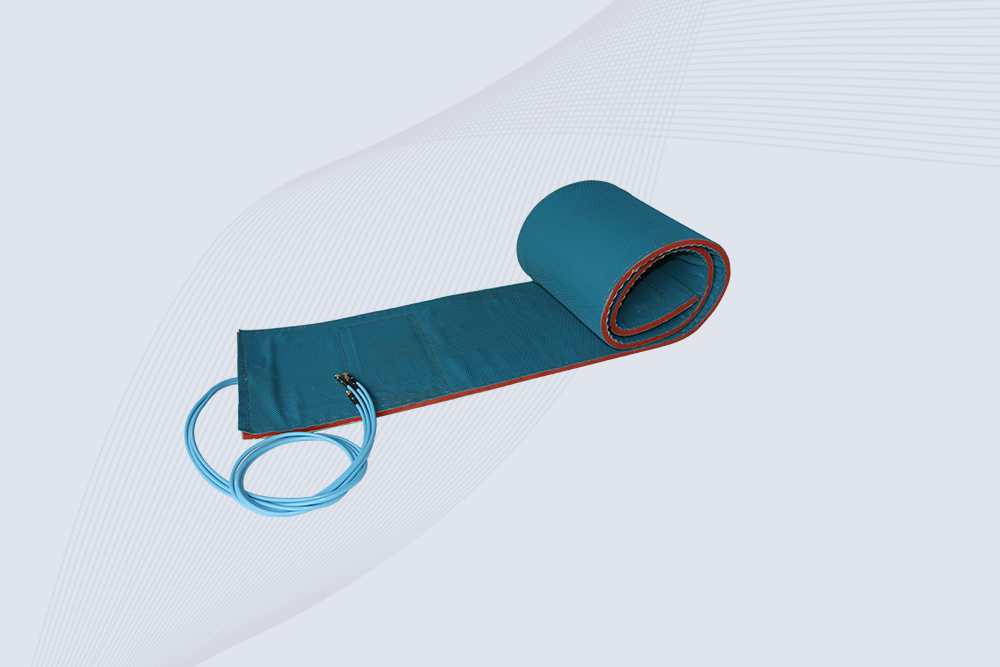
Cykeo CYKEO-A7 Flexible RFID Antenna features 840-960MHz wideband tuning, 7dBi gain, and IP68 rating for medical/retail/industrial curved surface deployments. 98% read accuracy with peel-and-stick installation.
Cykeo CYKEO-B5A industrial Passive RFID Antenna delivers 5dBi gain, 70° beamwidth, and -40°C~55°C operation for warehouses/smart cabinets. Compatible with Zebra/Impinj readers.
Cykeo’s CYKEO-A9B High Gain RFID Antenna delivers 15m+ read range with 9dBi amplification. Features IP54 rugged design, 840-960MHz bandwidth, and 80° beamwidth for warehouse/manufacturing RFID systems.
Cykeo’s enterprise-grade 8dbi Impinj RFID Antenna 10m+ read range with 840-960MHz tuning. Features IP65 housing, 1.4 VSWR, 35° beamwidth for retail/warehouse RFID systems.
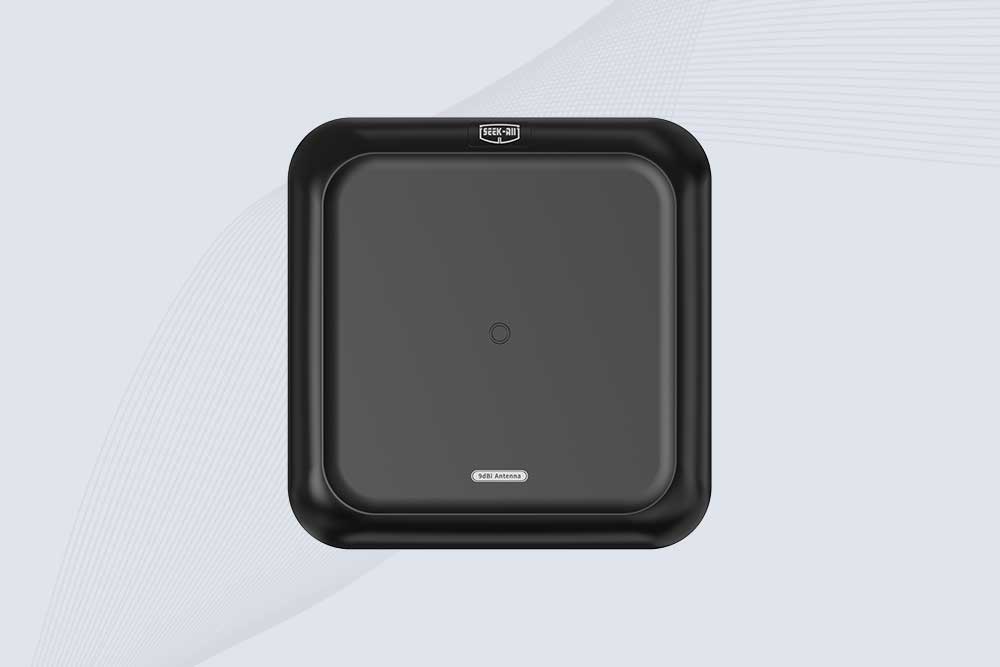
Cykeo CYKEO-A9 industrial UHF RFID antenna delivers 9dBi gain, 840-960MHz frequency range, and IP65 protection for warehouse/logistics/retail RFID systems. Features N-type connector and ≤1.3:1 VSWR.
CYKEO UHF RFID Antenna built for long-distance and industrial applications. This antenna rfid uhf delivers strong gain, outdoor durability, and reliable tag performance in warehouses, yards, and vehicle ID systems.
CYKEO Antenna RFID delivers reliable long-range UHF performance in warehouses, retail shelves, and cold-chain environments. This compact uhf rfid antenna provides stable reads with circular polarization and ultra-wide 840–960 MHz support, ideal for industrial tracking, smart shelves, and asset monitoring.
Cykeo’s CYKEO-C8 UHF RFID antennas delivers 8dBi gain, 840-960MHz full-band coverage, and IP65 ruggedness for manufacturing/warehouse RFID systems. Industrial RFID Antennas Features
Cykeo’s 8dBi UHF RFID antenna and reader kit delivers 10m+ range, 840-960MHz broadband, and IP65 ruggedness for factories, warehouses, and logistics. ISO 18000-6C & EPC Gen2 certified.
Cykeo’s CYKEO-A12C UHF Large RFID Antenna delivers 12dBi gain, 840-960MHz global frequency, IP65 ruggedness for logistics/warehousing/automotive. 40° beamwidth ensures stable 15m+ tag reads.
CYKEO Near Field RFID Antenna provides precise 5–30 cm reading for shelves, cabinets, and workstations. This compact rfid shelf antenna delivers stable short-range performance around metal and clutter, ideal for pharmacies, libraries, and electronics sorting.
Cykeo CYKEO-C1 industrial Forklift RFID Reader features 20m read range, 600 tags/sec scanning, Impinj R2000 chipset, and IP67 rugged design. Ideal for warehouse logistics and manufacturing. Supports ISO 18000-6C/6B protocols.
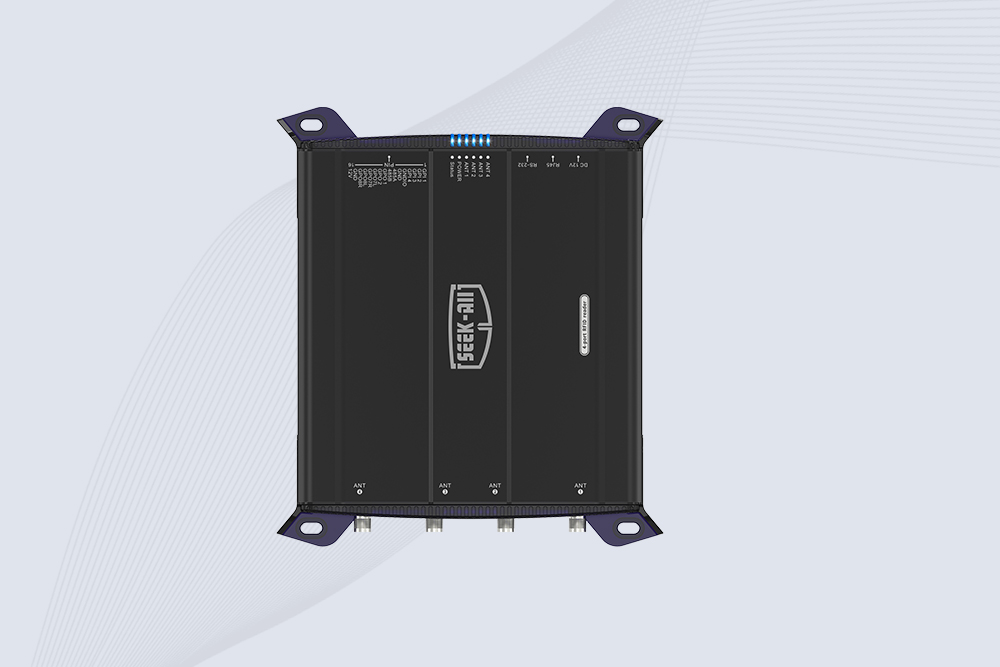
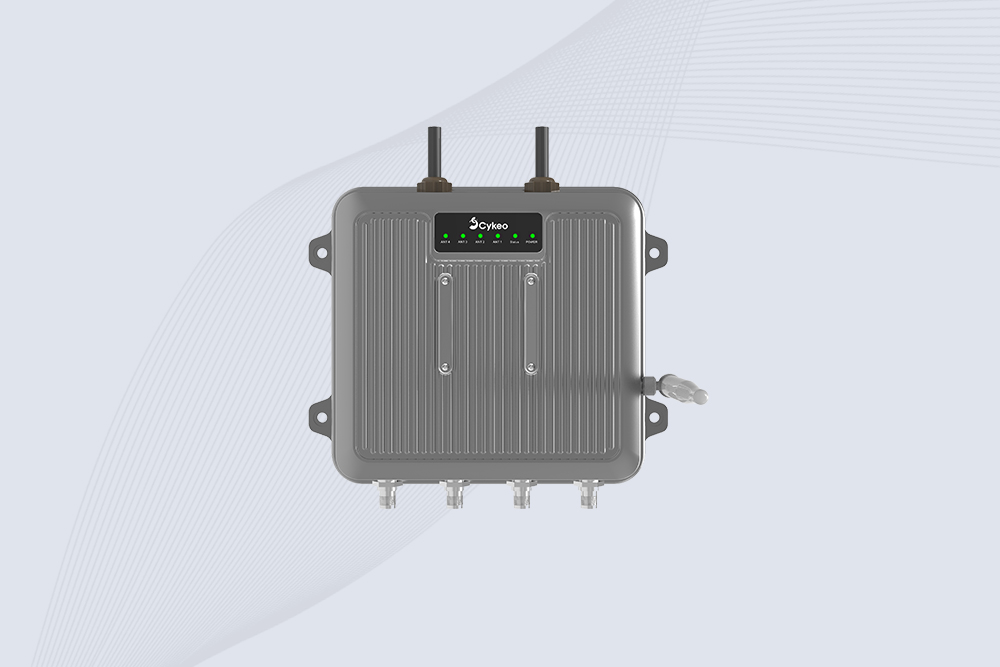
Cykeo CYKEO-R4 industrial UHF RFID Fixed Reader features 4 TNC ports, 400+ tags/sec speed, IP67 housing, and global frequency compliance for vehicle inspection, smart warehouse, and asset management systems.
CYKEO CYKEO-R8L Fixed RFID Reader with 8-port UHF design, Impinj-based RF core and up to 20m read range. An industrial Fixed RFID Reader for vehicle inspection, warehouse portals, smart manufacturing lines and secure access checkpoints.
RFID Fixed Reader from CYKEO – the CYKEO-R16L 16-port UHF fixed reader for warehouses, smart cabinets, and production lines. Long-range, multi-tag reading, stable performance for 24/7 industrial use.
A practical guide on how to increase the range of your RFID reader. Learn about antenna selection, power tuning, environmental factors, and optimal tag placement for CYKEO systems.
Discover how a UHF RFID reader antenna affects reading distance, accuracy, and system performance. Learn practical tips for warehouses, manufacturing, logistics, and OEM RFID projects.
Discover how handheld RFID scanners enhance inventory accuracy and streamline operations. Learn why Cykeo’s solutions are trusted for error-free asset tracking.
Learn proven strategies to minimize RFID tag read errors in fixed reader systems. Discover Cykeo’s best practices for antenna placement, signal optimization, and environmental adjustments.
 Cykeo RFID IoT Solution Products R&D Manufacturer