 Cykeo RFID IoT Solution Products R&D Manufacturer
How to Use RFID Scanner for Daily Operations and Real Project Situations?
205Learn how to use rfid scanner in real work scenarios. Clear, field-tested steps for inventory, access control, and asset tracking using CYKEO RFID solutions.
MoreAll RFID Product
What is RFID technology and how does it work? RFID uses radio waves to identify tagged objects without direct line-of-sight scanning. A reader communicates with an RFID tag, receives its stored identification data, and sends that information to software for tracking, inventory, authentication, or automation.
RFID stands for Radio Frequency Identification. It is not one single technology or one fixed hardware format. LF, HF, UHF, passive and active RFID systems behave differently and serve different applications. GS1 identifies LF, HF, and UHF as the three principal RFID frequency categories.
That distinction matters when specifying equipment.
A short-range HF system used for access control should not be evaluated by the same criteria as a UHF system counting hundreds of tagged products in a warehouse.
From the engineering side, I normally look at the physical scene before discussing reader specifications: what is being tagged, what surrounds it, how fast it moves, and where the reading event needs to happen. That tells us much more than a headline read-distance figure.
A basic RFID system contains three working layers:
GS1 describes an RFID infrastructure as one or more readers communicating with one or more tags. For passive RFID, the reader supplies energy through its RF field; the tag responds by modulating the reflected signal, a process known as backscatter.
The sequence is quick:
Reader → RF field → Tag response → Reader decoding → Software processing → Business event
There is no requirement for an employee to aim a scanner directly at every label.
That is one of the fundamental differences between RFID and conventional optical identification.
A typical passive RFID tag contains:
The chip stores an identifier. In many UHF deployments, that identifier is an EPC (Electronic Product Code).
GS1’s EPC Tag Data Standard defines the EPC and specifies data carried in Gen2 RFID tag memory, including EPC data, User Memory, control information, and tag-manufacturer information.
The physical tag can be surprisingly simple.
The engineering challenge is rarely the chip itself.
It is the relationship between the antenna, the tagged object, the surrounding materials, and the reader.
The RFID reader is the active communication device.
For passive UHF RFID, it generally:
GS1 notes that passive UHF/RFID readers can both read and write tags through standardized commands and that the EPC Gen2 air interface is closely aligned with ISO/IEC 18000-63.
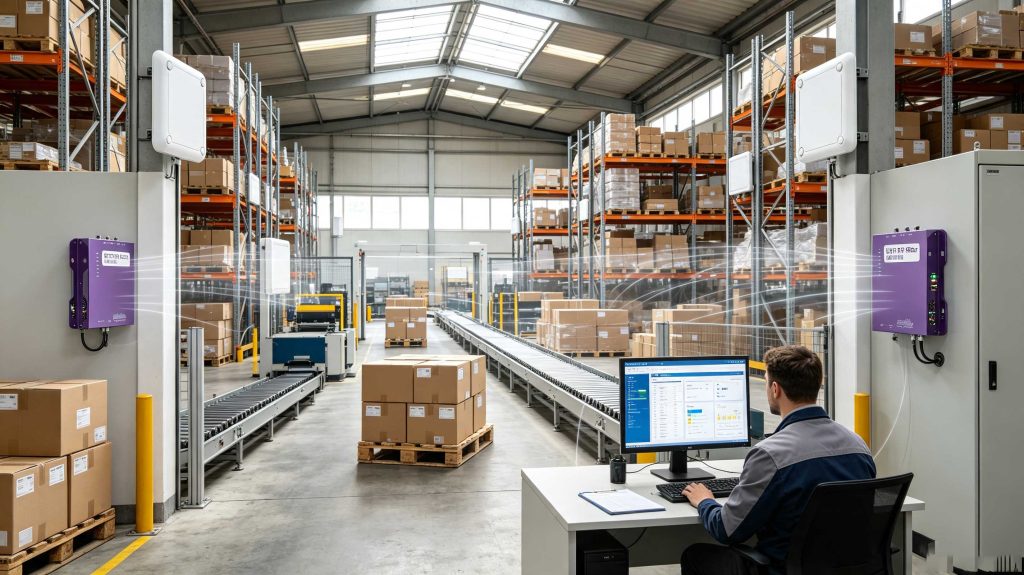
In a warehouse, for example, the reader may be mounted at a dock door.
A pallet moves through the interrogation zone.
Several tags respond.
The reader reports their identifiers.
The warehouse software then decides whether those items correspond to the expected shipment.
The useful result is not simply “10 tags detected.”
It is “the expected shipment has arrived.”
LF systems commonly operate at 125 kHz or 134 kHz. GS1 reports typical read ranges of approximately 10–50 cm, with applications including animal identification and access control.
HF RFID commonly operates at 13.56 MHz and is used in applications such as:
Typical reading distances range from centimeters to around one meter depending on implementation.
UHF RFID, often called RAIN RFID, is particularly important for:
GS1 identifies passive UHF RFID as operating in the 860–930 MHz range globally, with read ranges potentially reaching around 10 meters depending on the environment.
The exact result in a deployment is never guaranteed by frequency alone.
This is where specifications can become misleading.
GS1 specifically notes that passive UHF read range depends on factors including reader power, operating frequency, RF interference, antenna characteristics, polarization, gain, and tag orientation. Typical UHF passive applications can operate over several meters, while exceptional configurations can reach considerably farther.
In field testing, I pay particular attention to the shape of the reading zone, not merely its maximum distance.
A warehouse gate may need a controlled zone.
A retail checkout platform may need a short, predictable zone.
A tool-tracking application may need reliable identification around metal surfaces.
These are very different RF problems.
The raw tag identifier is only the beginning.
A practical RFID system may perform the following operations:
| RFID Stage | Example |
|---|---|
| Tag identification | EPC 3014… detected |
| Data filtering | Duplicate reads removed |
| Event recognition | Item entered receiving area |
| Database lookup | Product record retrieved |
| Business action | Inventory quantity updated |
| Application output | WMS displays receiving status |
This is why RFID should be treated as an identification infrastructure, rather than simply a replacement for barcode labels.
GS1’s architecture similarly separates identification, RFID capture, data processing, and information exchange. EPCIS, for example, is used to represent physical event information across supply-chain processes.
When evaluating an RFID project, I would not begin with the question:
“How far can this reader read?”
I would begin with:
This approach avoids a common deployment mistake: buying a powerful reader first and trying to make the physical environment fit afterward.
Cykeo RFID solutions are designed around this same practical principle. Reader power, antenna configuration, tag selection, communication interface, and application software need to work as one system.
The same core technology can support very different workflows:
| Application | RFID Role |
|---|---|
| Retail | Product identification and inventory |
| Warehouse | Receiving and shipment verification |
| Healthcare | Medical supply tracking |
| Manufacturing | Tool and work-in-process tracking |
| Logistics | Pallet and shipment identification |
| Libraries | Automated item circulation |
| Asset management | Equipment identification and movement records |
The underlying radio communication stays relatively simple.
The deployment becomes sophisticated because the physical environment and business process are not.
For real deployments, RFID performance is rarely determined by the reader alone. The tag, antenna, reader power, mounting position, RF environment, middleware, and business software all affect the final result.
This is where Cykeo focuses its engineering work: building RFID systems around the operating environment rather than treating the reader as an isolated device.
A major advantage of UHF RFID is that the reader does not need to establish a one-by-one visual scan of every item.
GS1 describes UHF passive RFID as capable of capturing unique identifiers at high rates and at distances well beyond 10 meters in suitable conditions, without line-of-sight contact.
For warehouse receiving, retail stocktaking, tool management, and pharmaceutical inventory, that difference is substantial.
A carton containing dozens of tagged items can become a single RFID reading event rather than dozens of individual barcode scans.
Barcode technology generally depends on optical visibility. RFID communicates through radio waves.
GS1 explains that passive RFID tags receive energy from the reader’s electromagnetic field and return information through backscatter.
That makes RFID particularly useful when:
The practical limitation is equally important: RFID is not magic through everything.
Metal, liquids, tag orientation, dense packing, antenna polarization and reflections can all change the read result.
That is why experienced RFID deployment starts with physical testing rather than a theoretical read-distance figure.
A commercial RFID system normally has four functional layers.
| Layer | Main Components | Function |
|---|---|---|
| Identification | RFID tag / EPC | Gives each item a digital identity |
| RF layer | Reader + antenna | Powers and communicates with tags |
| Processing | Middleware / SDK / API | Filters and interprets read events |
| Business layer | WMS / ERP / POS / database | Turns reads into business transactions |
GS1 describes the basic RFID structure as a reader/interrogator and transponder/tag, while EPC provides identifiers that can represent products, logistics units, locations and other business entities.
In a Cykeo deployment, the reader should therefore be viewed as the RF acquisition layer, not the complete system.
A typical event may look like:
Tag → Antenna → RFID Reader → Data Filtering → Middleware → Database → ERP/WMS/POS
The filtering stage matters more than many first-time deployments expect.
A reader may see the same tag repeatedly while a person stands near an antenna. The software should not interpret ten RF observations as ten inventory movements.
A sensible system distinguishes between:
Those are business events, not merely RF events.
| Feature | RFID | Barcode |
|---|---|---|
| Line of sight | Usually not required | Usually required |
| Multiple-item reading | Yes | Normally one at a time |
| Reading direction | More flexible | Scanner alignment matters |
| Individual digital identity | Yes | Depends on barcode design |
| Reading through packaging | Possible in suitable conditions | Usually no |
| Optical damage | Not dependent on visible printing | Can affect scanning |
| Infrastructure cost | Generally higher | Generally lower |
| Environmental sensitivity | RF/material dependent | Optical/label dependent |
RFID is therefore not automatically a barcode replacement.
If a worker needs to identify one product at a counter and the barcode is already working reliably, RFID may add unnecessary cost.
If the same worker must count hundreds of products repeatedly, the calculation changes.
A field experiment conducted by Auburn University’s RFID Lab across 62 retail stores found that RFID-enabled inventory processes reduced inventory record inaccuracy by about 26% in the reported study.
That is a business-process result—not simply a radio specification.
RFID is an umbrella term covering several frequency ranges and operating approaches. GS1 notes that UHF passive RFID, commonly called RAIN RFID, is among the most broadly implemented forms in industry.
NFC is generally optimized for very short-range interaction.
| Requirement | UHF RFID | NFC |
|---|---|---|
| Long-range inventory | Excellent fit | Poor fit |
| Bulk reading | Excellent fit | Generally unsuitable |
| Smartphone interaction | Limited without compatible hardware | Excellent |
| Retail product identification | Strong | Strong for selected applications |
| Near-field authentication | Possible | Excellent |
| Warehouse portal | Strong | Poor fit |
The question is not which technology is “better.”
The question is where the interaction happens.
Retail is one of the clearest examples.
RFID can provide individual product identities throughout receiving, backroom storage, replenishment, stocktaking and checkout. GS1 specifically identifies supply-chain and retail applications for EPC/RFID, including improving product visibility and reducing checkout friction.
In one field example reported by Vogue Business, Ganni’s store inventory accuracy increased from 93.4% to 99.5% within two weeks of implementation.
The lesson is not that every store will achieve 99.5%.
It is that RFID becomes valuable when the organization acts on the data.
In a warehouse, RFID can be deployed at:
A fixed reader can continuously capture tags crossing a defined RF zone, while handheld readers provide flexibility for cycle counting and exception investigation.
For high-volume operations, this combination is often more useful than choosing only one reader type.
Hospitals face a different problem.
The valuable item may not be expensive. It may simply be unavailable at the exact moment it is needed.
RFID can identify:
The system can connect an RFID event to a location, department, cabinet, user or transaction.
That turns “Where is it?” from a manual search into a database query.
Industrial tools create another strong use case.
A tagged tool can be associated with:
Employee → Tool → Work order → Location → Return event
For tools that repeatedly move between storage rooms, workshops and field operations, RFID can provide a much clearer movement history than handwritten records.
The difficult part is usually not the software.
It is selecting a tag that survives the tool’s actual environment—oil, metal contact, vibration, cleaning chemicals and temperature changes.
A reliable deployment should start with the workflow, not the hardware catalogue.
Decide exactly what RFID must detect:
Record:
Do not test only one perfectly positioned tag.
Test:
This is often overlooked.
A portal that reads every intended tag but also captures tags from the neighboring aisle is not successful.
A good deployment needs both read sensitivity and read selectivity.
RFID data should eventually feed the appropriate:
ERP / WMS / MES / POS / inventory database
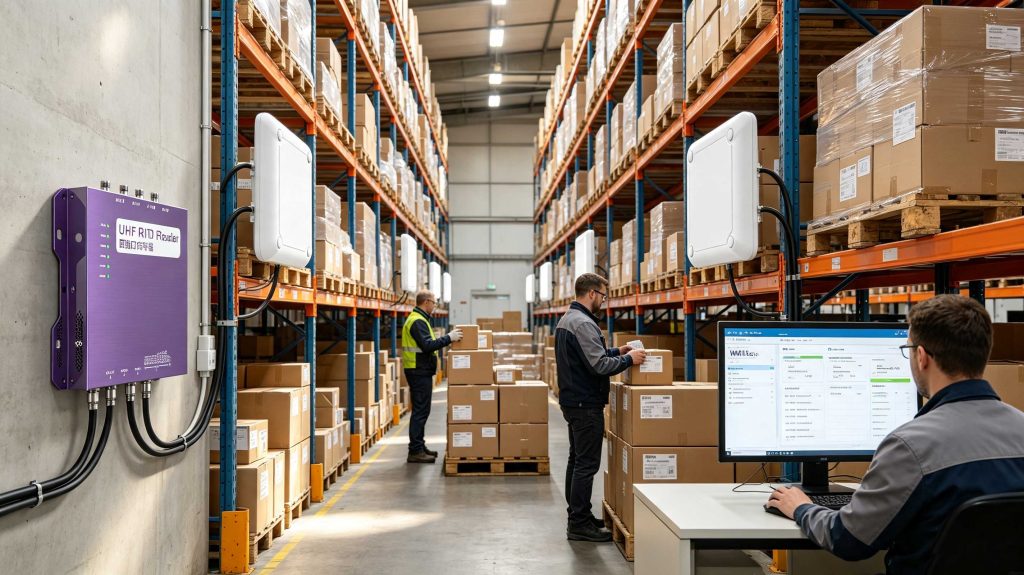
Cykeo readers can be integrated into application environments through communication interfaces, SDK/API development and application-level data processing, depending on the selected hardware architecture.
No. UHF RFID can identify tags without direct visual contact. However, tag material, orientation, reader position and surrounding objects can strongly affect performance.
Yes. Anti-collision protocols allow readers to identify multiple tags within the RF field. This is one of the main reasons UHF RFID is useful for inventory and logistics.
Sometimes, but not universally. RFID is particularly attractive when organizations need bulk reading, non-line-of-sight identification or automated movement detection.
There is no single guaranteed distance. GS1 notes that UHF passive RFID can operate at distances well beyond 10 meters under appropriate conditions, but actual range depends on tag design, reader power, antenna gain, orientation and environment.
Yes. Metal can detune or shield conventional RFID tags and alter RF propagation. On-metal RFID tags and appropriate antenna positioning are often required for metal assets.
Yes. RFID can support medical inventory, equipment tracking, consumables management and controlled movement workflows, provided tag materials and system integration are validated for the clinical environment.
Treating RFID as a reader-purchase project. The strongest deployments define the required business events first, then select tags, antennas, readers and software around those events.
RFID technology is most valuable when radio identification becomes part of an operational process rather than a standalone scanning tool. The reader captures the physical event; software gives that event meaning.
For warehouses, retail stores, hospitals, manufacturing facilities and asset-management environments, the practical target is not simply “more reads.” It is better visibility with fewer manual interventions.
That distinction is central to how Cykeo approaches RFID system engineering.
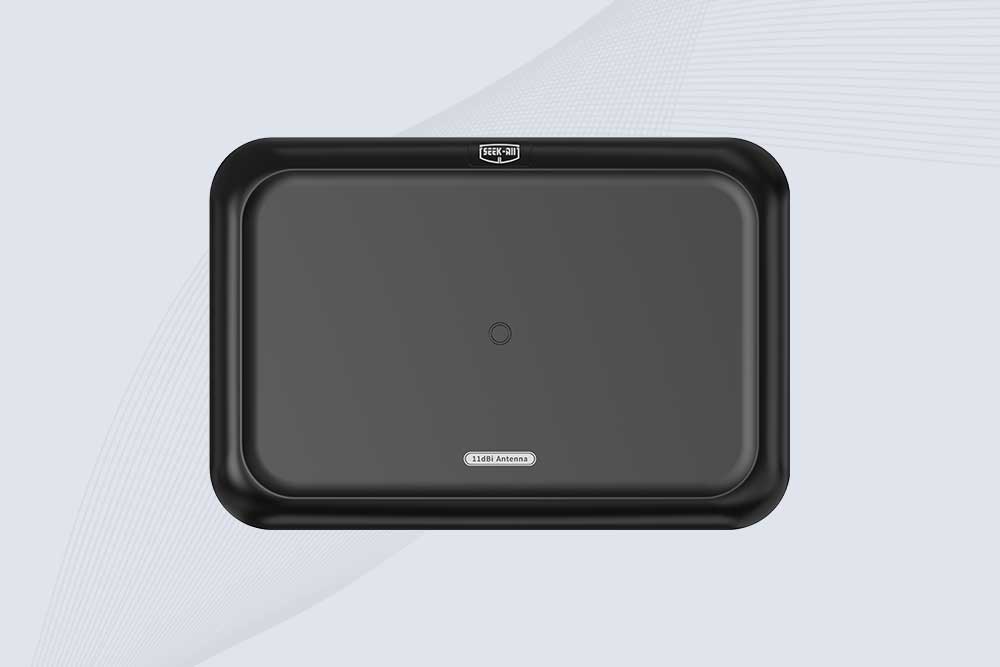
SSD-A11 UHF RFID antenna features 840–960 MHz adjustable frequency, ≥10.5 dBi gain, circular polarization and 50Ω impedance for fixed RFID systems.
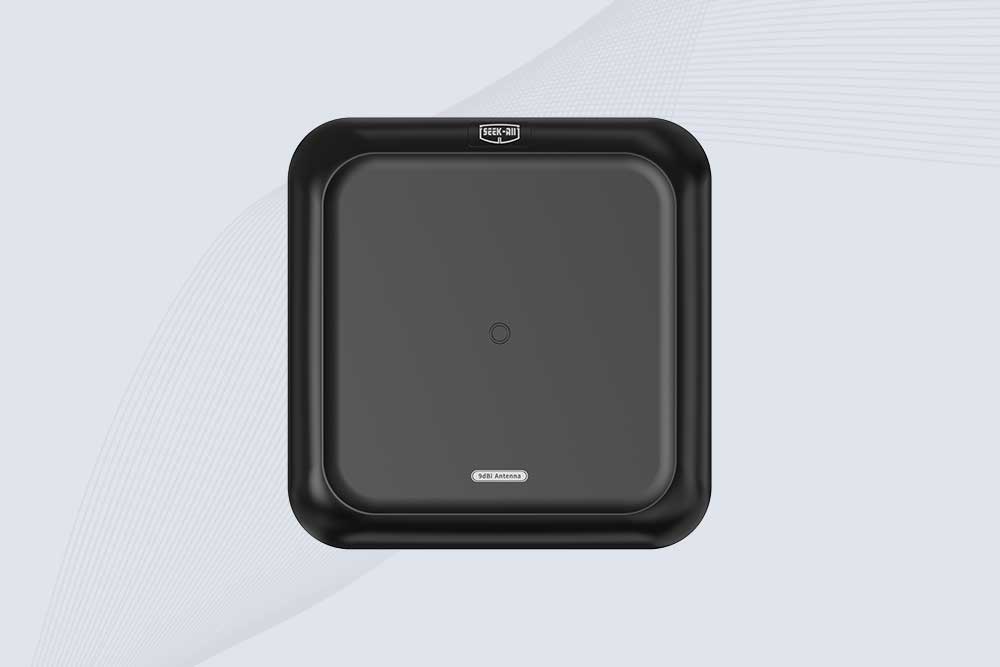
SSD-A09 is a 9 dBi UHF RFID antenna with 840–960 MHz adjustable frequency, circular polarization, 50Ω impedance and directional 60° × 60° coverage.
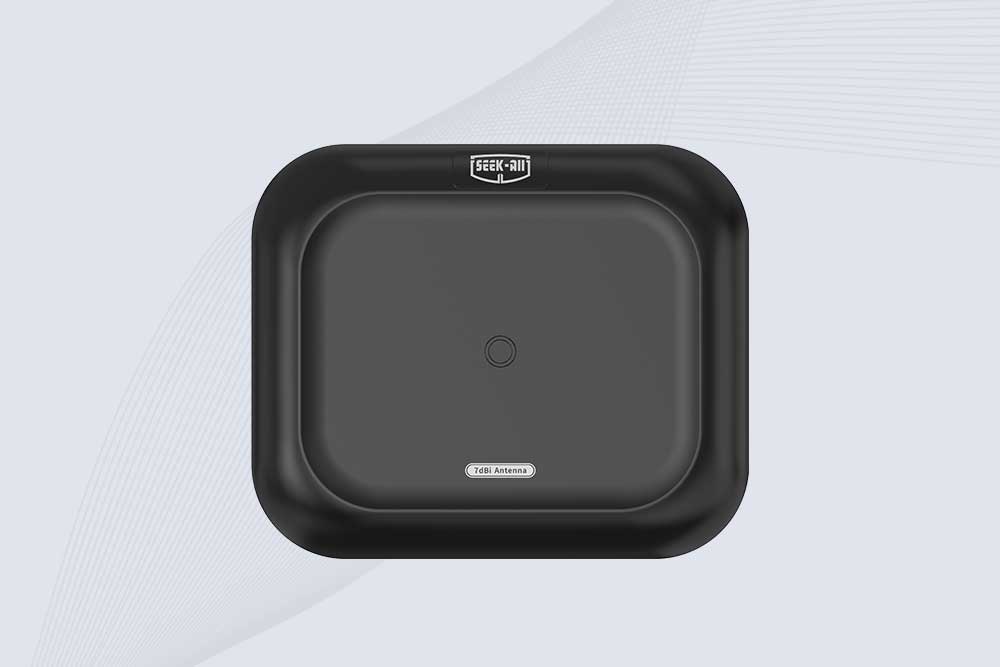
Explore the SSD-A07 UHF RFID antenna with 7 dBi gain, circular polarization, adjustable 840–960 MHz frequency, and 60°/75° beamwidth for stable RFID read/write performance.

SSD-A06 UHF RFID antenna with circular polarization, adjustable 840–960 MHz frequency, ≥4.5 dBi gain, and a compact directional design for RFID systems.
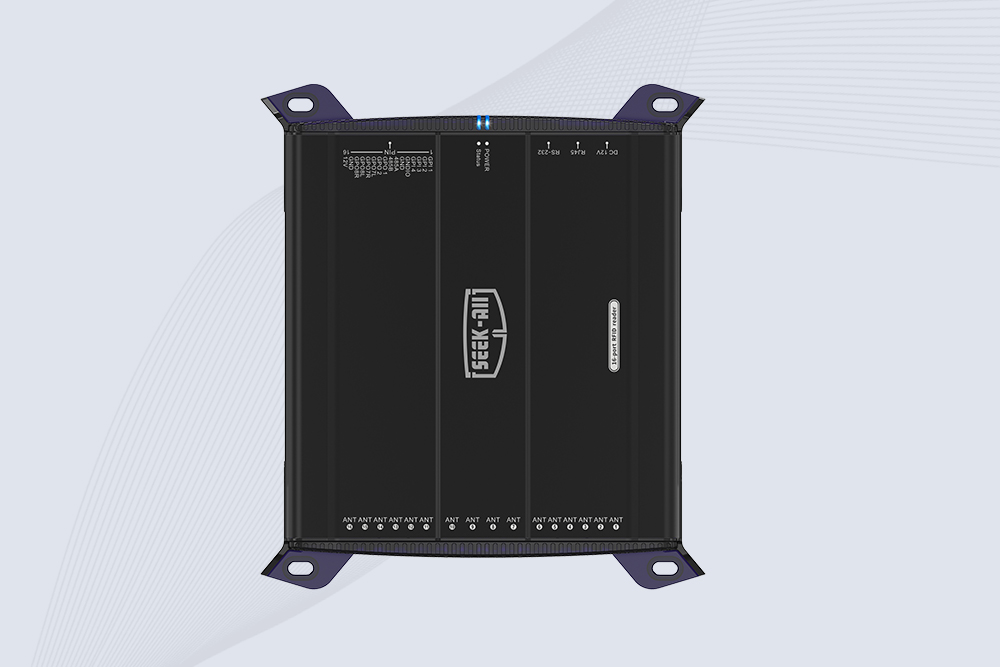
SSD-R16L Multi-Channel RFID Infrastructure for Automated Inventory Management ✔️ 16-Port High-Density RFID Reading Equipped with 16 SMA antenna ports, SSD-R16L supports multi-antenna deployment for warehouses, retail stores, logistics, production lines, and large-area RFID identification. ✔️ High-Speed & Long-Range Performance With up to 33…
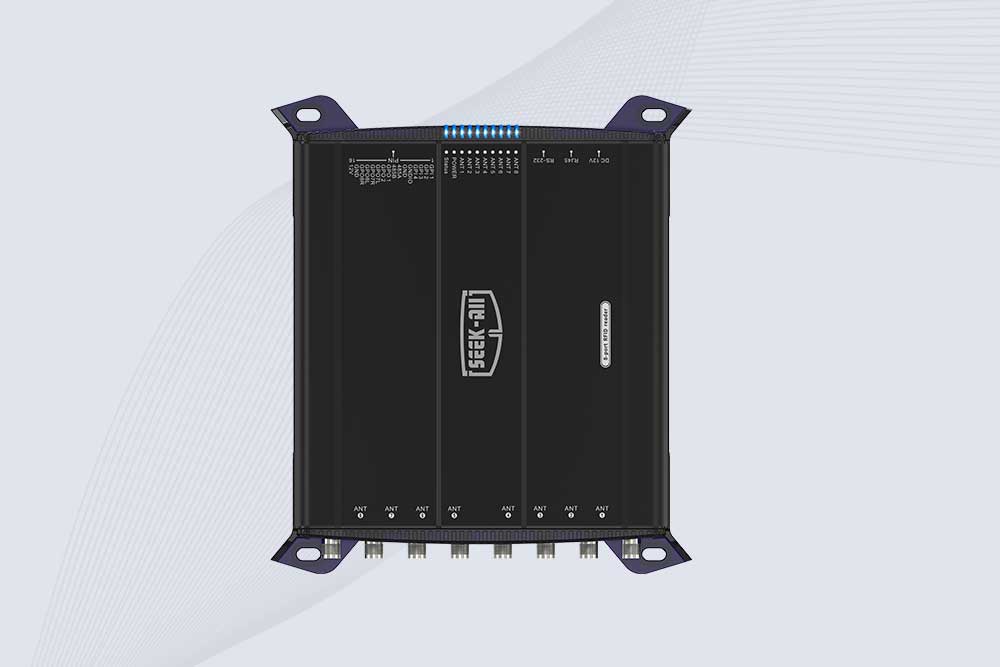
SSD-R8L 8-port UHF RFID reader with 33dBm output, up to 20m reading range and 600+ tags/s recognition. Ideal for warehouse, logistics, retail and asset tracking.
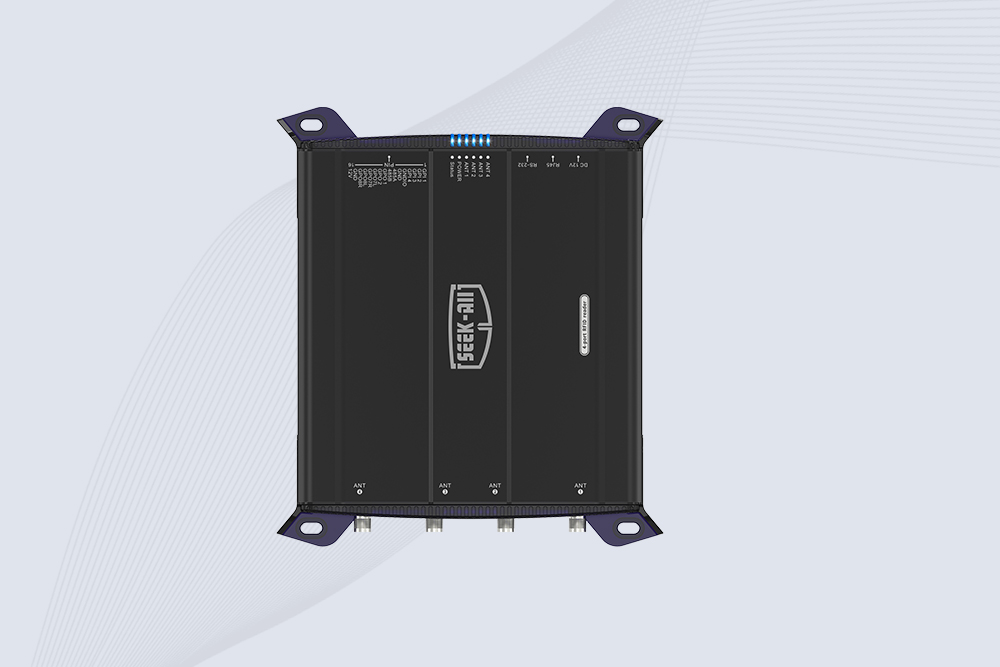
SSD-R4L is a 4-port UHF RFID fixed reader with 33dBm output power, up to 20m reading range, EPC C1G2 support and 600+ tags/s reading speed.
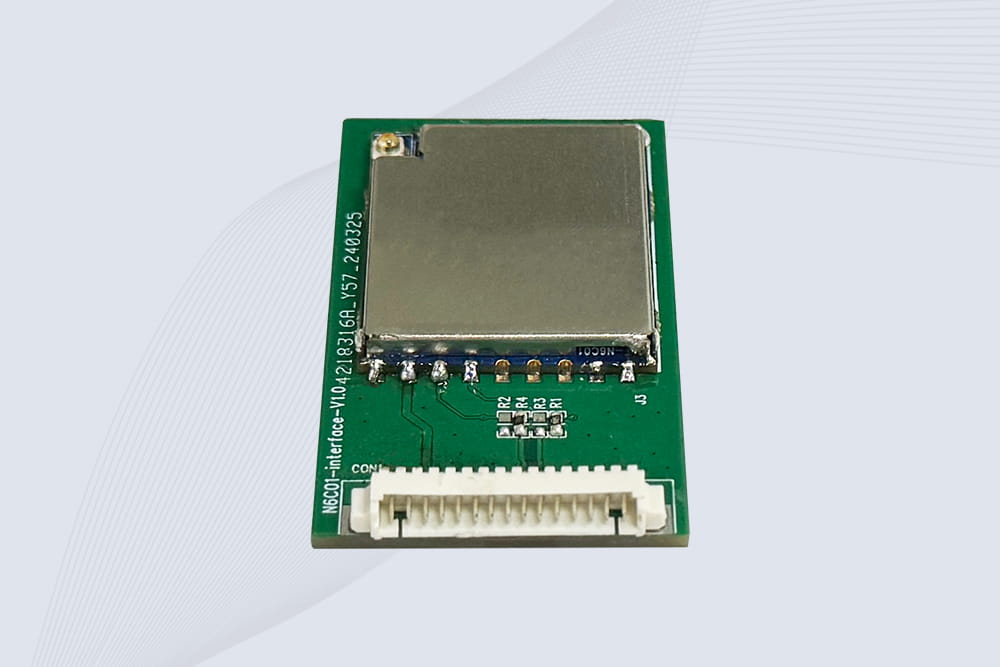
CYKEO Embedded RFID Modules are designed for compact industrial and IoT devices that require stable UHF performance. These UHF RFID Modules support global protocols, flexible power control, and reliable multi-tag reading for smart cabinets, production lines, and asset tracking systems.
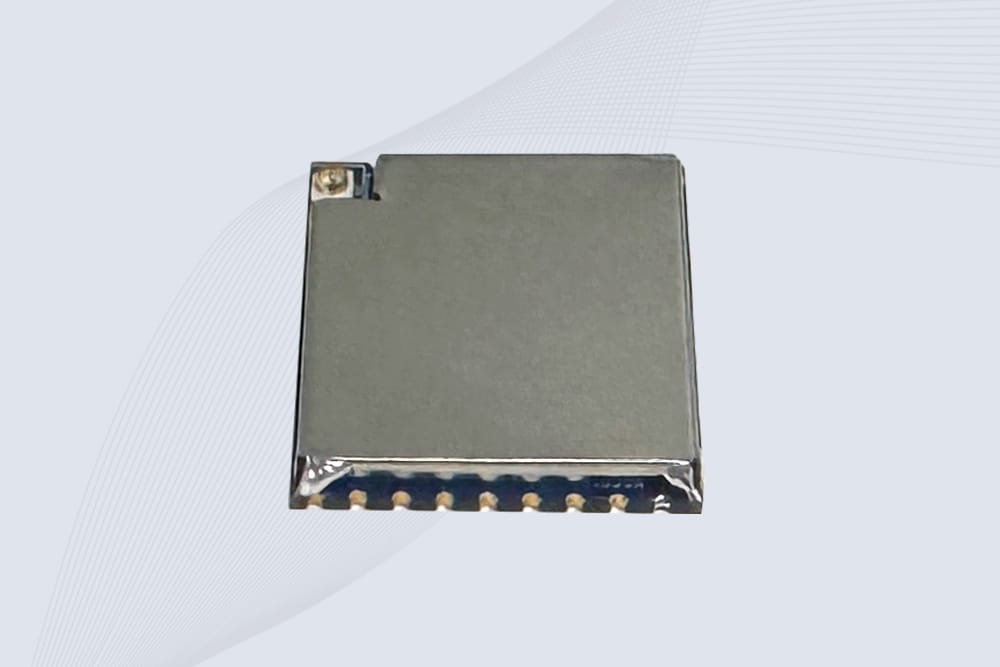
CYKEO Embedded RFID Module is built for compact IoT and industrial devices that need stable UHF performance. This UHF module supports global protocols, low power operation, and reliable multi-tag reading for smart lockers, production lines, and always-on RFID systems.
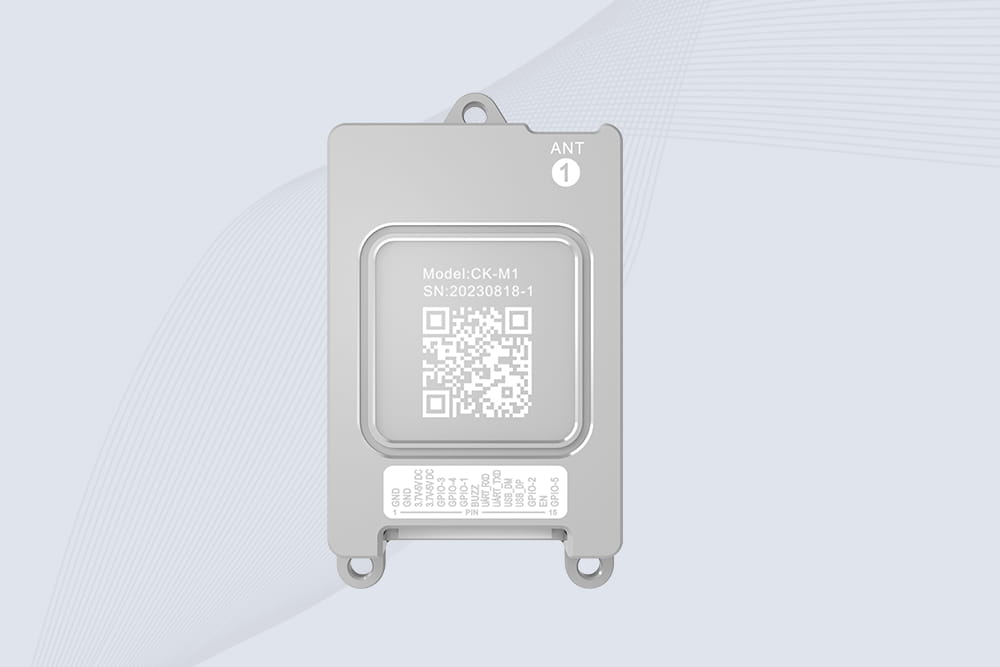
CYKEO CYKEO-M1 drone rfid module is a compact UHF RFID reader module designed for drones and UAV platforms. It supports long-range aerial scanning, fast multi-tag reading, and stable performance in wind, vibration, and outdoor environments.
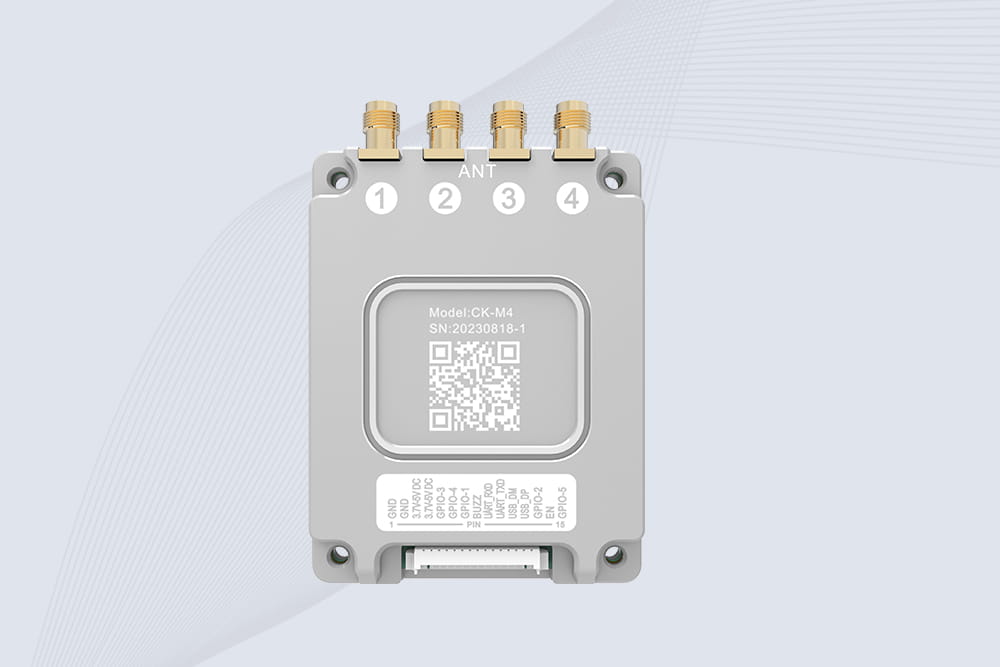
CYKEO CYKEO-M4 RC522 RFID Module is an industrial-grade UHF RFID reader with 4 ports, supporting ISO, EPC, and GB protocols. High-speed, accurate reading for IoT, automation, and warehouse applications.
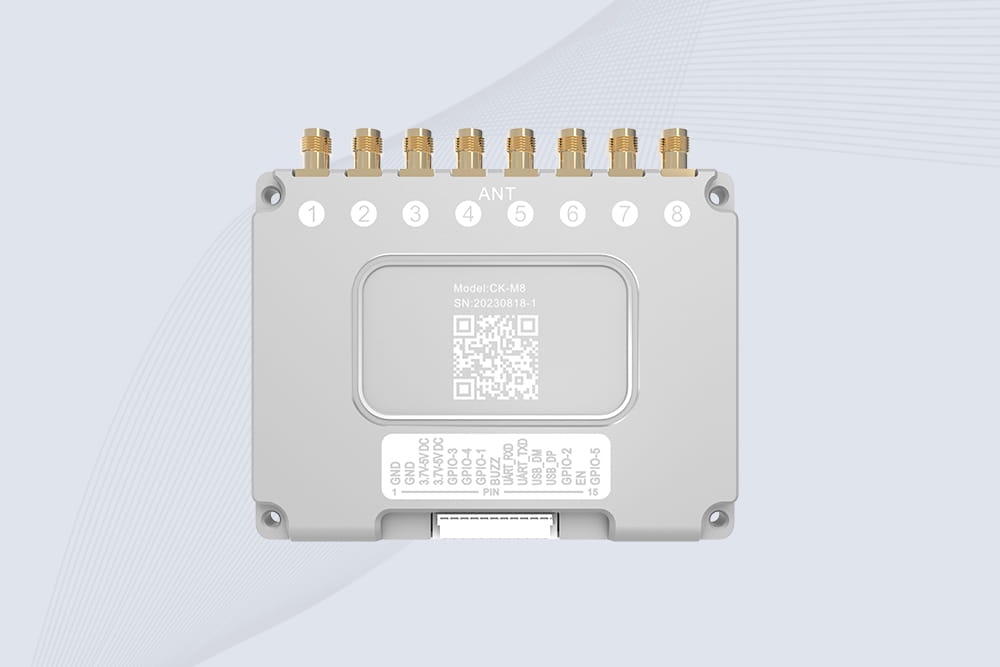
CYKEO CYKEO-M8 Module RFID is an 8-port UHF R2000 RFID Module designed for high-density, multi-tag environments. Stable 33dBm output, ISO & GB protocol support, ideal for warehouses, factories, and automated systems.
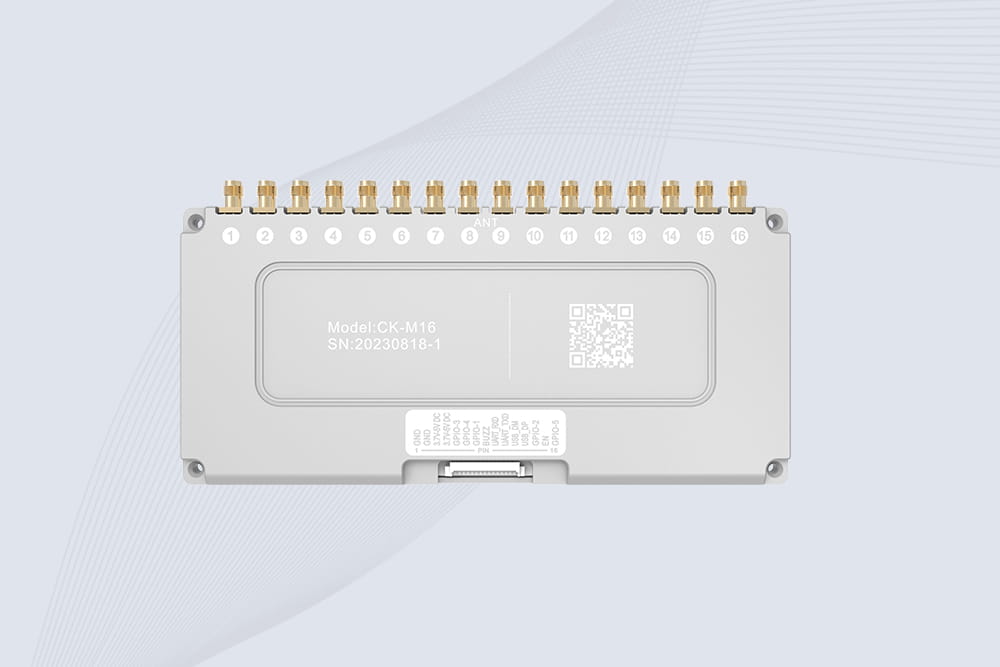
CYKEO CYKEO-M16 RFID Module is a 16-port UHF RFID reader module based on the R2000 chipset. Designed for dense tag environments, it supports ISO and GB standards and delivers stable multi-antenna control for industrial automation.
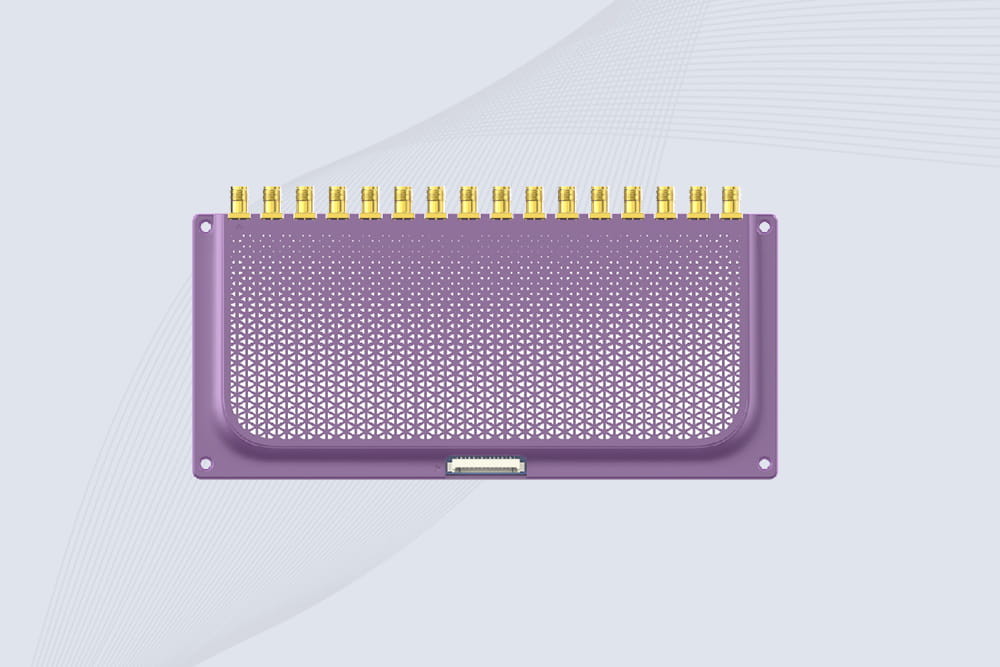
The CYKEO CYKEO-M16L RFID Reader Module is a 16-channel UHF RFID core designed for dense tag environments. With adjustable 33dBm output, multi-protocol support, and stable multi-antenna control, this RFID Tag Reader Module fits industrial automation, warehouse systems, and large-scale IoT deployments.
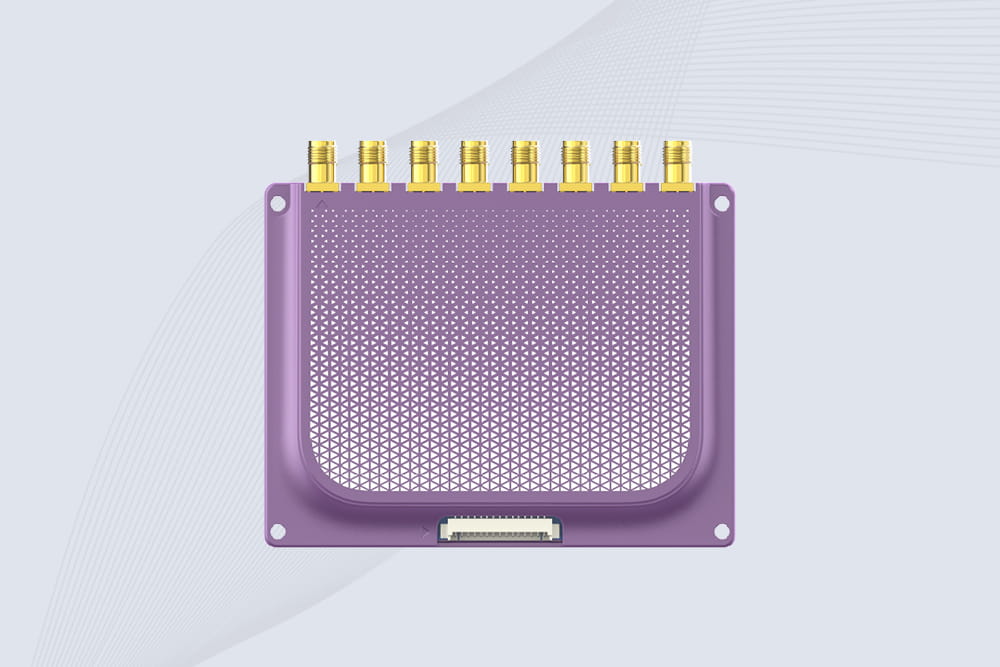
CYKEO CYKEO-M8L module RFID is a compact industrial UHF module built for dense tag and multi-antenna environments. With 8 RF ports, adjustable 33 dBm output, and ISO & GB protocol support, it is widely used in factories, warehouses, and automated tracking systems.
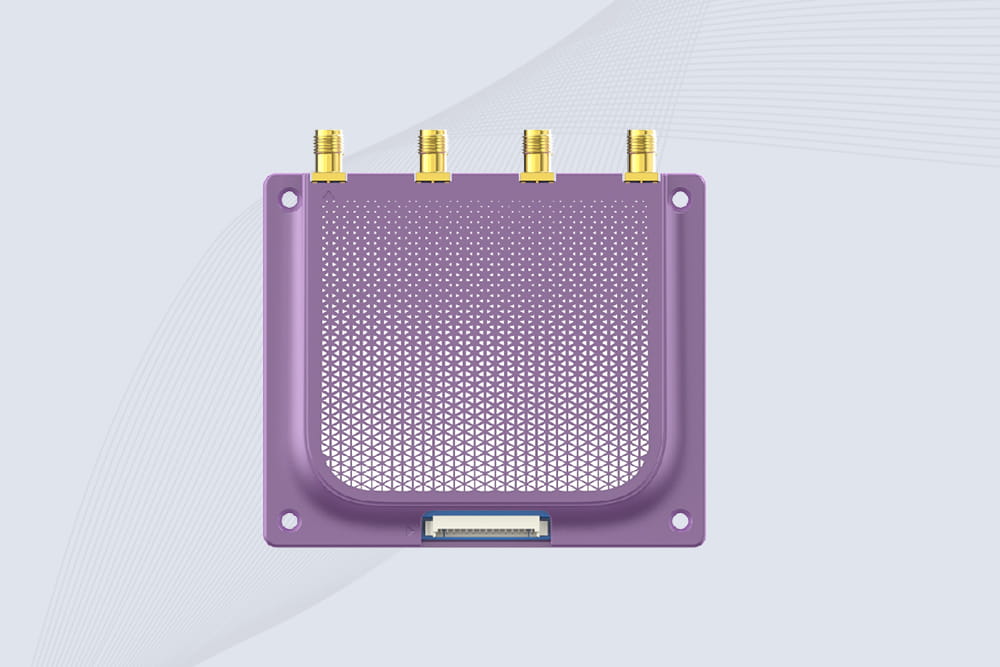
CYKEOCYKEO-M4L UHF RFID Module is a compact 4-channel RFID tag reader module designed for dense tag environments. Supporting ISO and GB protocols, it delivers stable reads up to 10 meters for industrial and IoT systems.
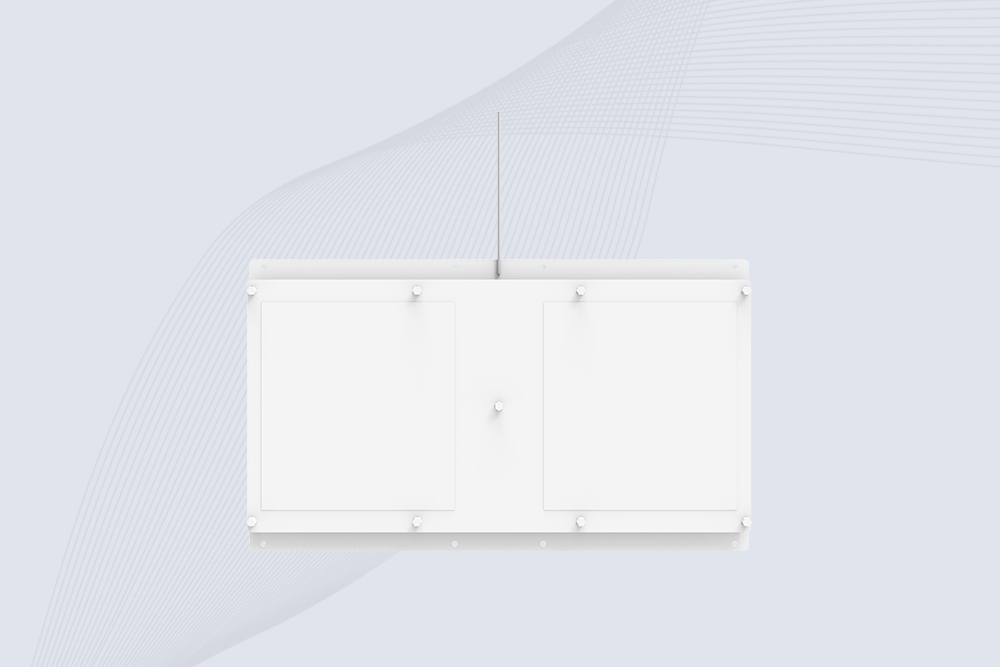
Cykeo CYKEO-A11 UHF RFID reader antenna delivers 11dBi gain, 840-960MHz frequency range, and IP65 ruggedness for retail, logistics, and industrial RFID systems. Features low VSWR and easy installation.

CYKEO Antenna RFID Reader delivers stable long-range UHF performance with a 10.5dBi directional design, built for warehouses, conveyor portals, and industrial RFID systems. This rfid reader antenna provides 20m+ read distance and rugged IP67 protection.

Cykeo CYKEO-PHF3 industrial HF RFID Antenna offers 24-point dynamic tracking, ISO 14443A/15693 protocols, metal-environment stability for archives/libraries/manufacturing.

Cykeo CYKEO-A5B industrial Linear RFID Antenna delivers 5dBi gain, ≤1.5:1 VSWR, and IP65 rugged design for warehouse, production line, and logistics UHF systems.

Cykeo’s CYKEO-B12 Long Range RFID Antenna delivers 15m+ read range with 12dBi gain, IP65 rugged design, and global 840-960MHz UHF support. Ideal for warehouse/logistics asset tracking.
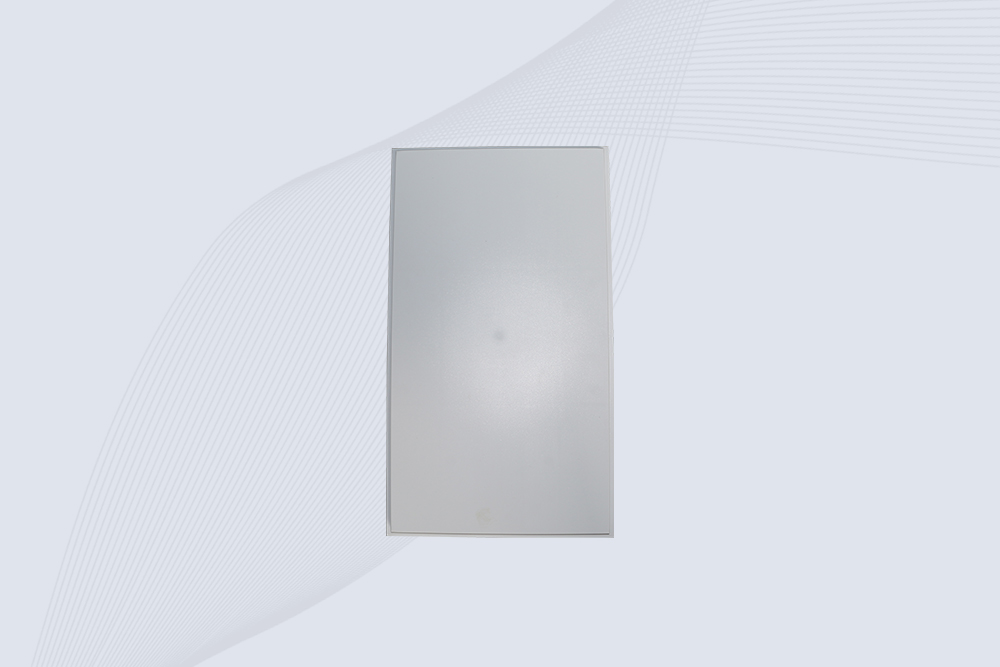
Cykeo CYKEO-B10 Long Distance RFID Antenna offers 10dBi gain, 840-960MHz frequency range, IP65 rating, and 20m+ coverage for logistics/warehousing/ETC systems. Low VSWR ensures stable signal transmission.
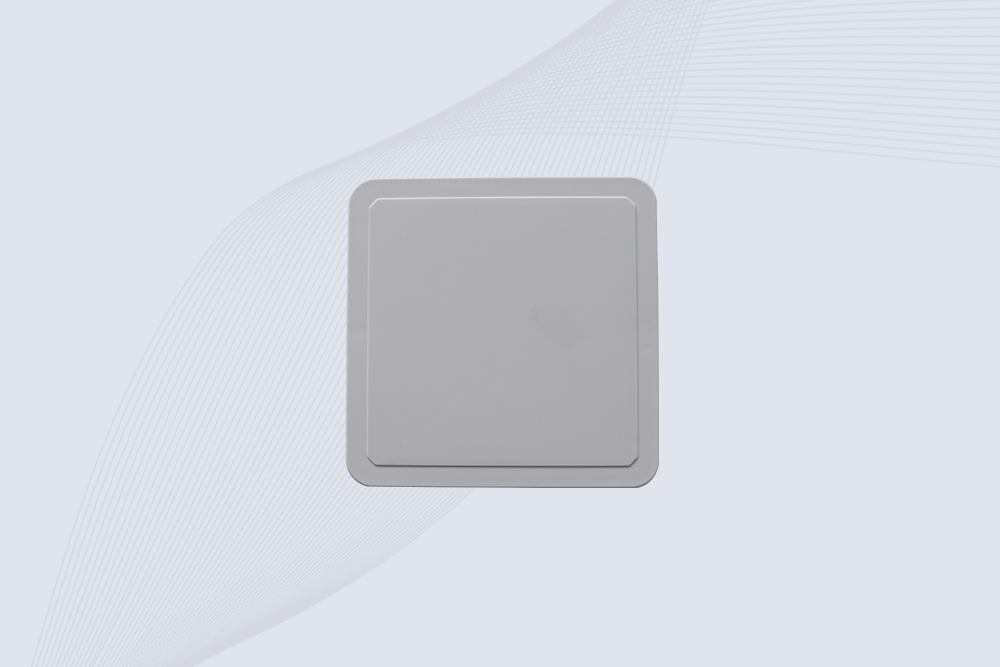
Cykeo CYKEO-A6 UHF RFID panel antenna features 6dBi gain, 840-960MHz broadband, IP65 metal-ready housing for logistics/smart retail. 18mm ultra-thin design with tool-free mounting.

Cykeo CK-A3 industrial antenna RFID UHF offers 5m+ tag detection, ≤1.3:1 VSWR, IP65 rugged design, and global UHF spectrum compatibility (840-960MHz) for warehouses, factories, and retail.
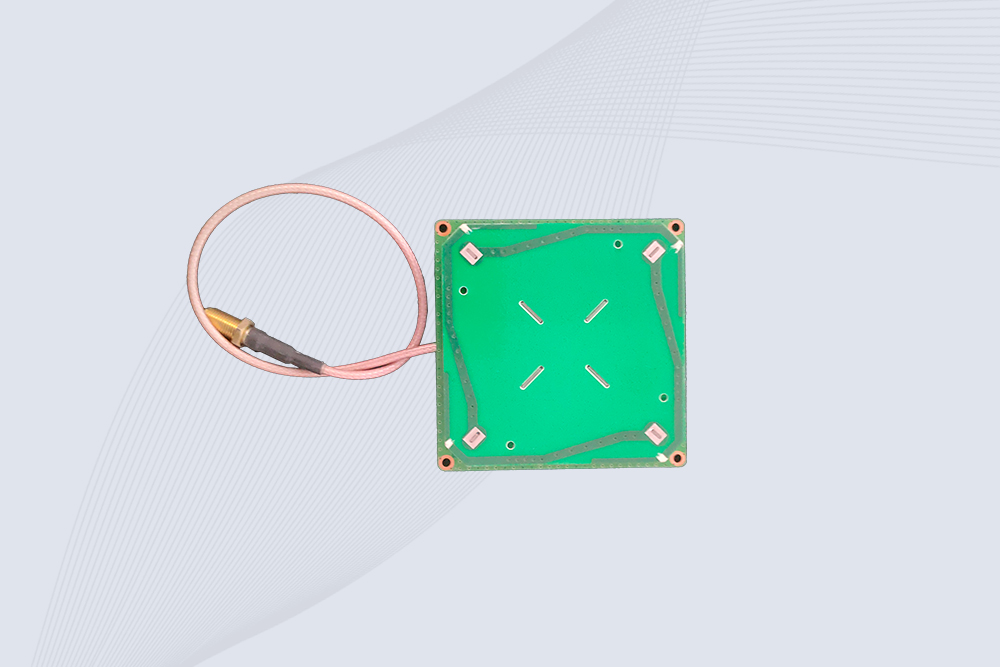
Cykeo CYKEO-B5 directional RFID antenna provides 5dBi gain with 60° narrow beamwidth for precise inventory tracking. IP65-rated, global UHF frequency support, and low VSWR.
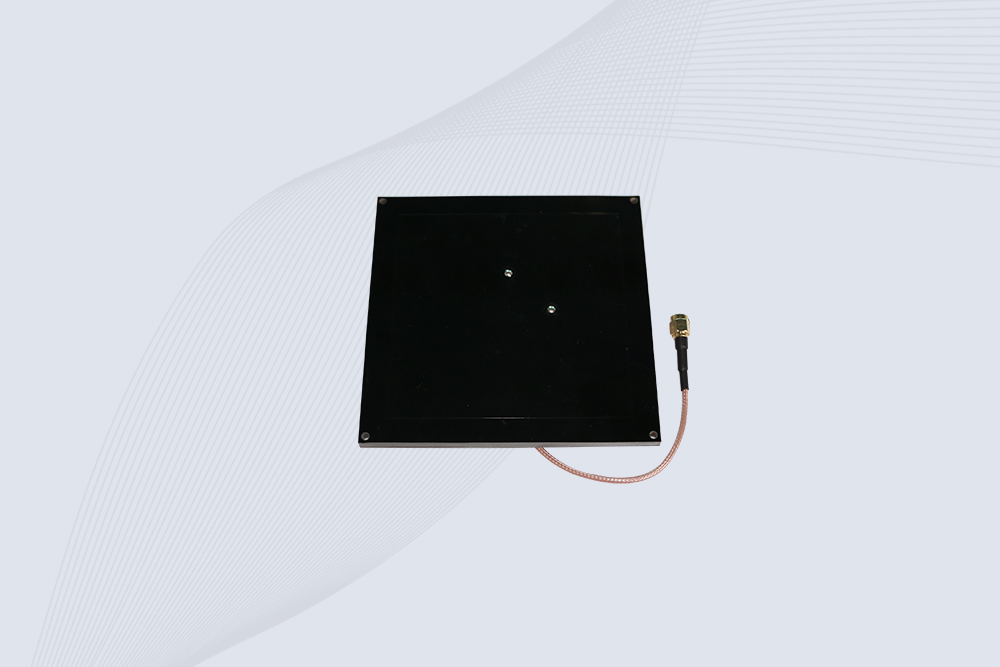
Create your own high-performance DIY RFID antenna! 5dBi gain, 840-960MHz tunable, step-by-step guides. Compatible with Arduino, Raspberry Pi, and commercial UHF readers.
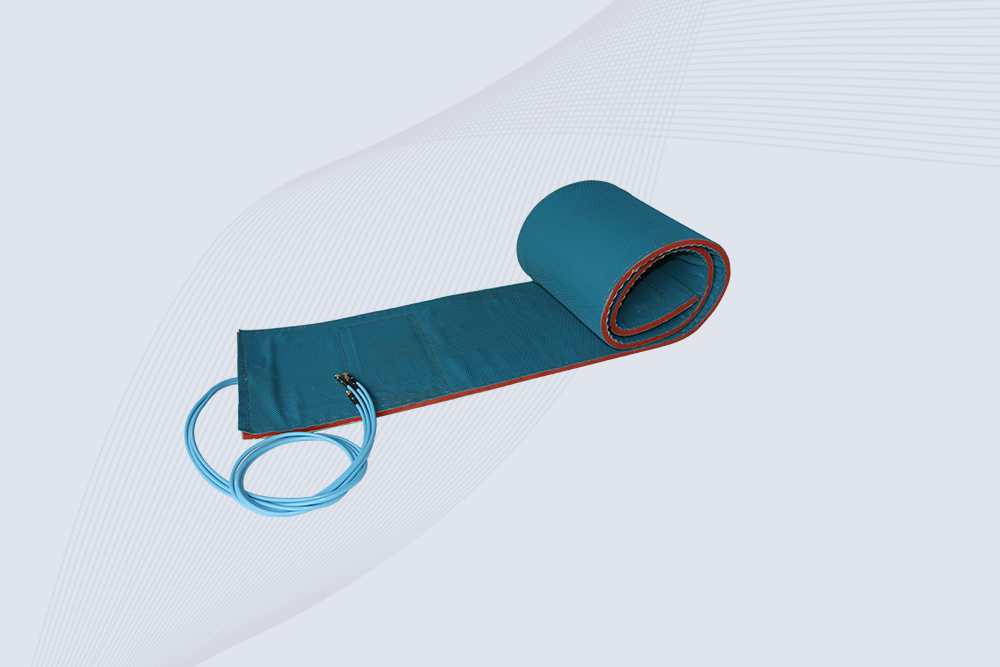
Cykeo CYKEO-A7 Flexible RFID Antenna features 840-960MHz wideband tuning, 7dBi gain, and IP68 rating for medical/retail/industrial curved surface deployments. 98% read accuracy with peel-and-stick installation.

Cykeo CYKEO-B5A industrial Passive RFID Antenna delivers 5dBi gain, 70° beamwidth, and -40°C~55°C operation for warehouses/smart cabinets. Compatible with Zebra/Impinj readers.
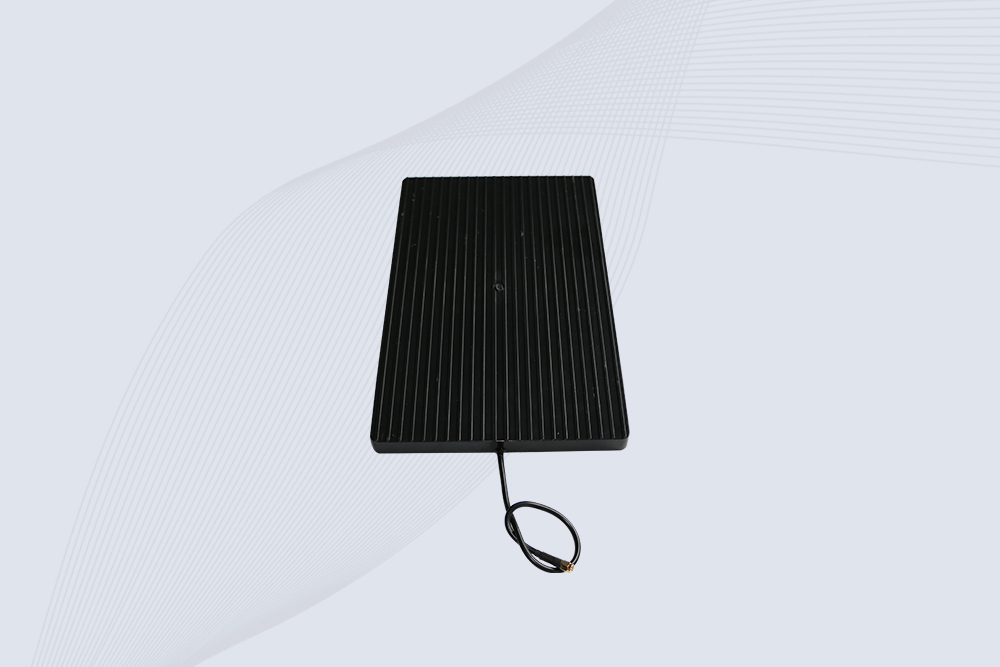
Cykeo’s CYKEO-A9B High Gain RFID Antenna delivers 15m+ read range with 9dBi amplification. Features IP54 rugged design, 840-960MHz bandwidth, and 80° beamwidth for warehouse/manufacturing RFID systems.

Cykeo’s enterprise-grade 8dbi Impinj RFID Antenna 10m+ read range with 840-960MHz tuning. Features IP65 housing, 1.4 VSWR, 35° beamwidth for retail/warehouse RFID systems.
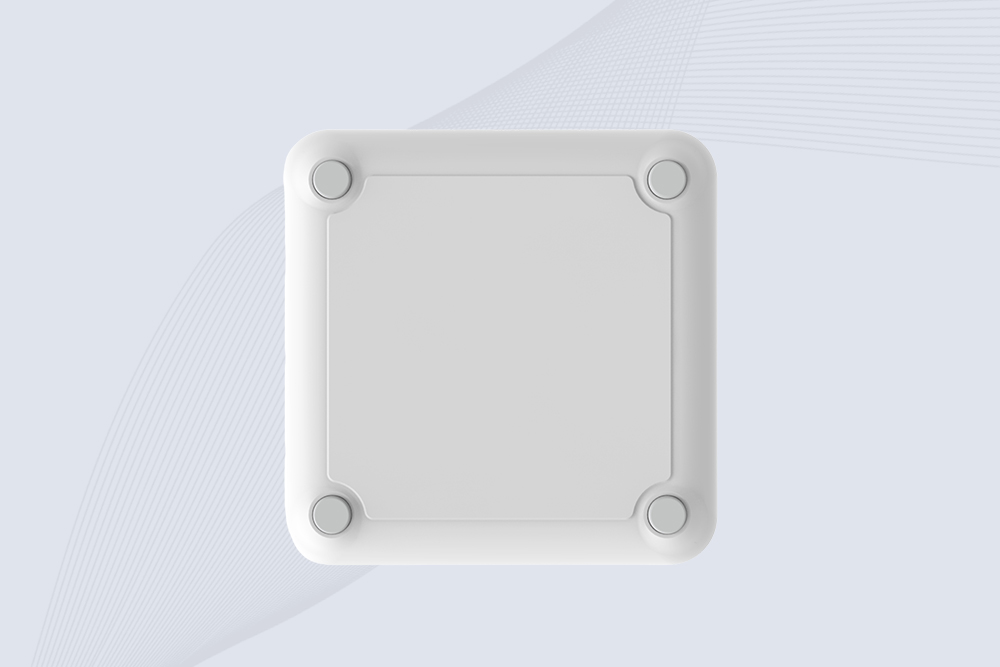
Cykeo CYKEO-A9 industrial UHF RFID antenna delivers 9dBi gain, 840-960MHz frequency range, and IP65 protection for warehouse/logistics/retail RFID systems. Features N-type connector and ≤1.3:1 VSWR.
CYKEO UHF RFID Antenna built for long-distance and industrial applications. This antenna rfid uhf delivers strong gain, outdoor durability, and reliable tag performance in warehouses, yards, and vehicle ID systems.
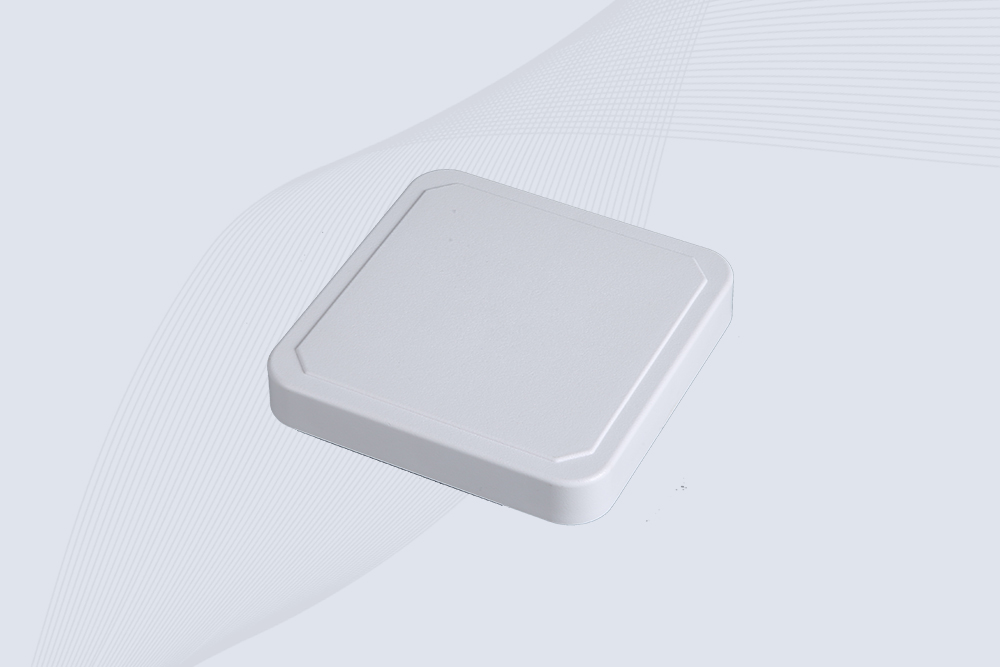
CYKEO Antenna RFID delivers reliable long-range UHF performance in warehouses, retail shelves, and cold-chain environments. This compact uhf rfid antenna provides stable reads with circular polarization and ultra-wide 840–960 MHz support, ideal for industrial tracking, smart shelves, and asset monitoring.
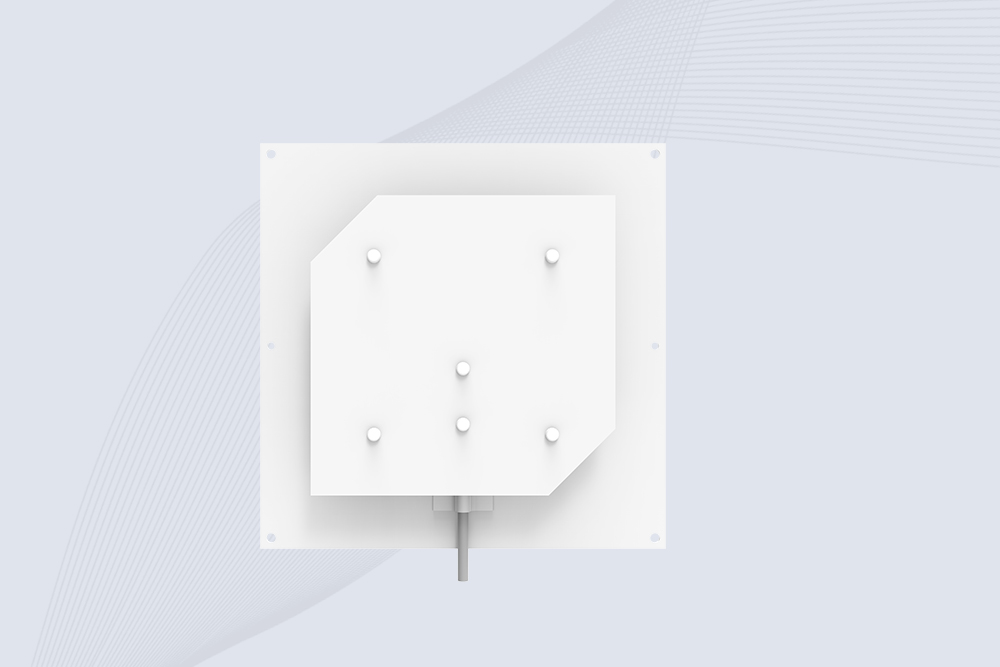
Cykeo’s CYKEO-C8 UHF RFID antennas delivers 8dBi gain, 840-960MHz full-band coverage, and IP65 ruggedness for manufacturing/warehouse RFID systems. Industrial RFID Antennas Features
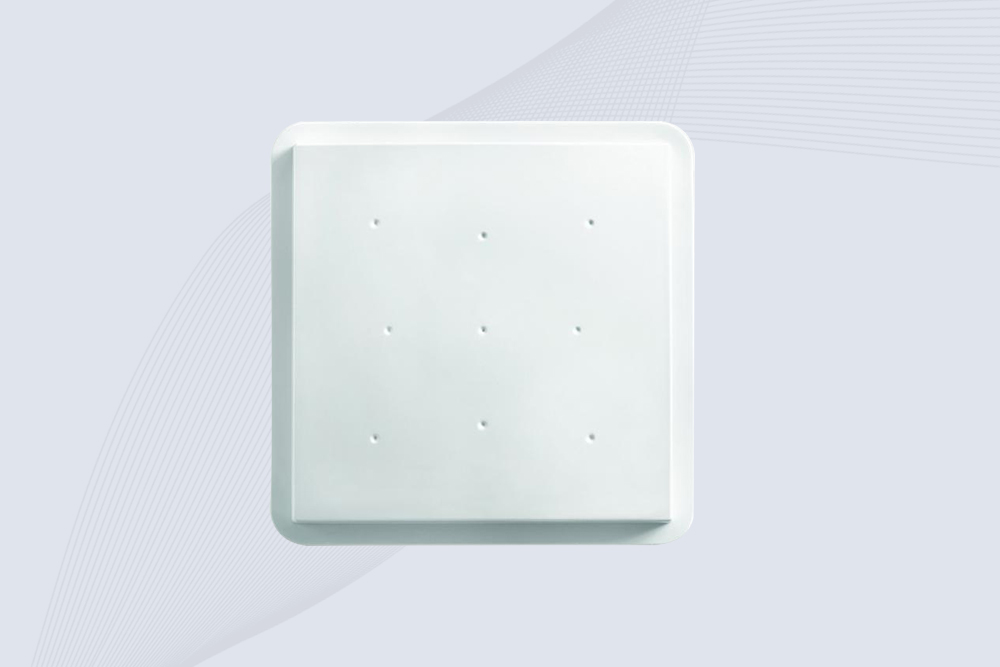
Cykeo’s 8dBi UHF RFID antenna and reader kit delivers 10m+ range, 840-960MHz broadband, and IP65 ruggedness for factories, warehouses, and logistics. ISO 18000-6C & EPC Gen2 certified.
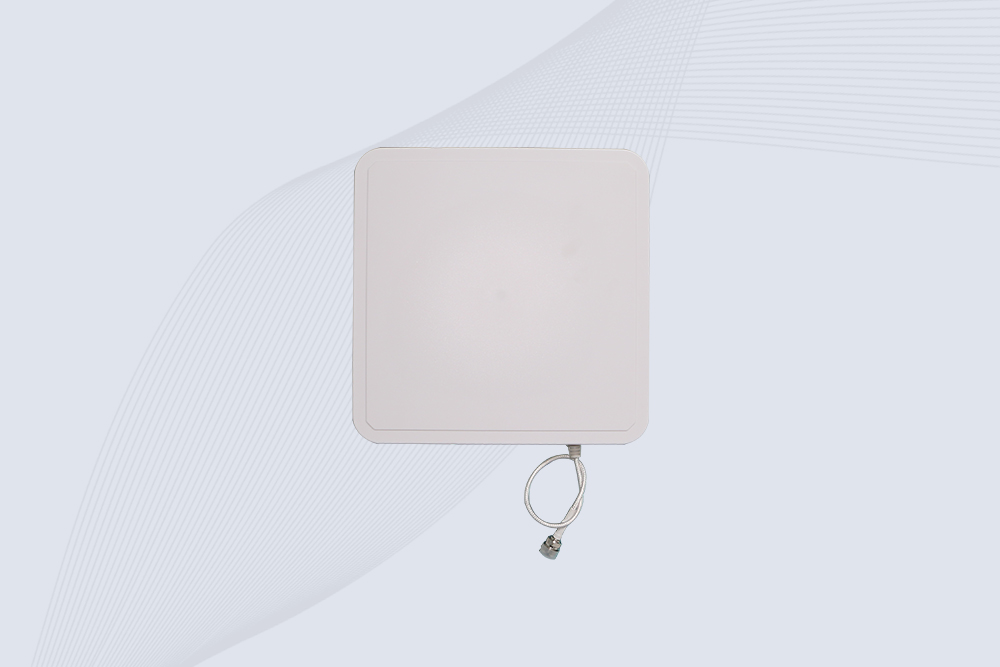
Cykeo CYKEO-A9A industrial UHF RFID reader and antenna kit delivers 10m range, 500 tags/sec, IP65 ruggedness for manufacturing/logistics. Supports EPC Gen2, ISO18000-6C.
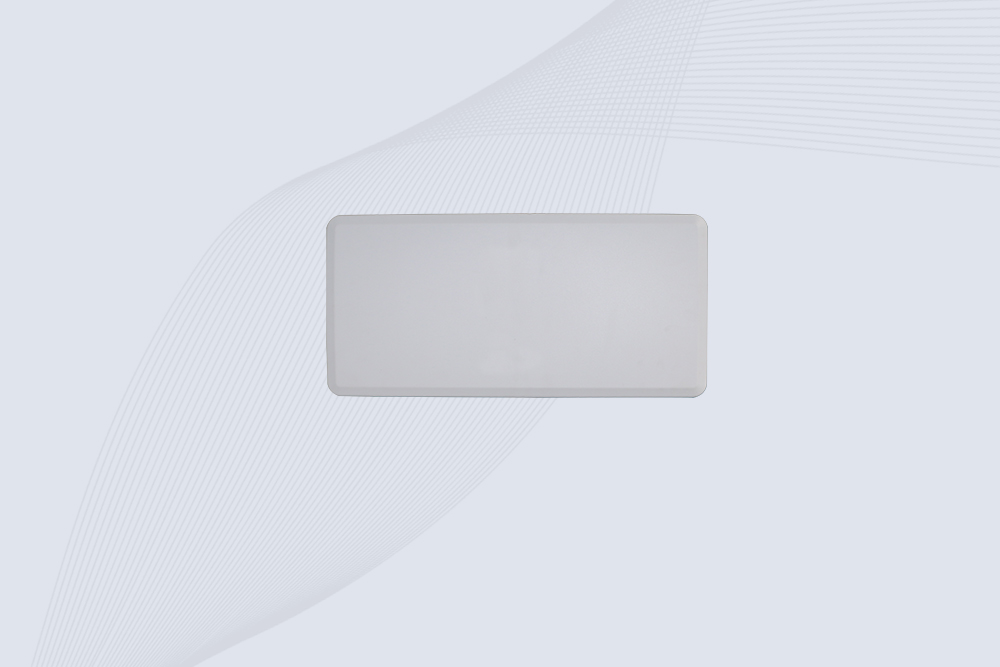
Cykeo’s CYKEO-A12C UHF Large RFID Antenna delivers 12dBi gain, 840-960MHz global frequency, IP65 ruggedness for logistics/warehousing/automotive. 40° beamwidth ensures stable 15m+ tag reads.

CYKEO Near Field RFID Antenna provides precise 5–30 cm reading for shelves, cabinets, and workstations. This compact rfid shelf antenna delivers stable short-range performance around metal and clutter, ideal for pharmacies, libraries, and electronics sorting.
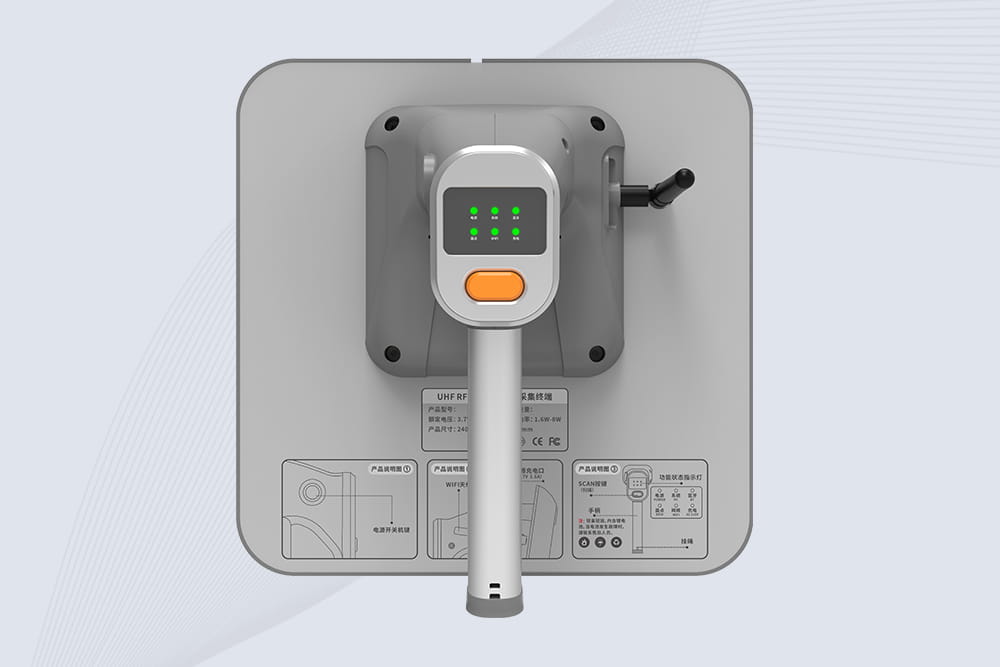
Cykeo CYKEO-B9 UHF Bluetooth handheld RFID scanner features 12m UHF range, 200+ tags/sec scanning, IP67 rugged design for retail/warehouse/pharma. Supports Android SDK & real-time Bluetooth 5.0 transmission.
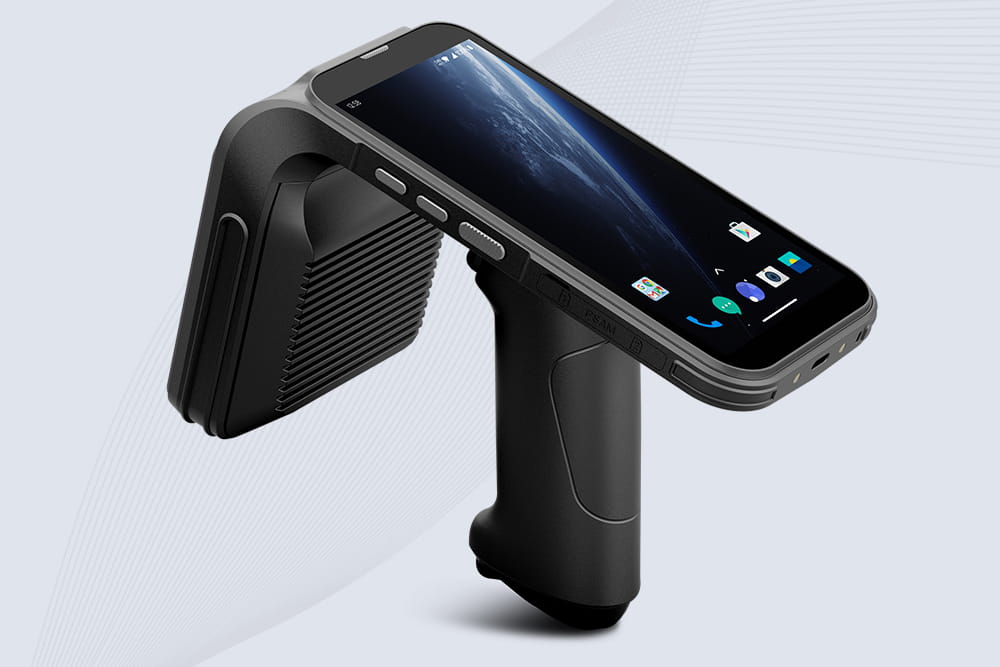
Cykeo CYKEO-B4 UHF Handheld RFID Reader scanner delivers 1300 tags/sec reading, 30m UHF range, and 12-hour battery life. IP65 rugged design with barcode/NFC/ID scanning for retail/manufacturing/logistics.
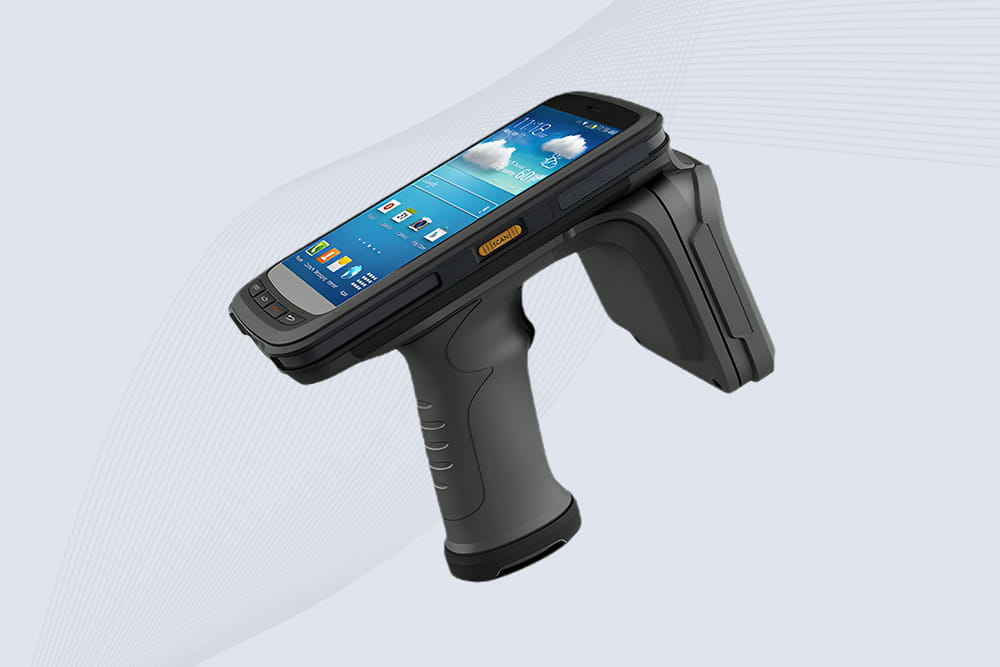
Cykeo CYKEO-B2 industrial UHF RFID handheld Scanner offers 10m range, 500 tags/sec scanning, Android 11 OS, and IP65 rugged design for retail/warehouse/manufacturing.
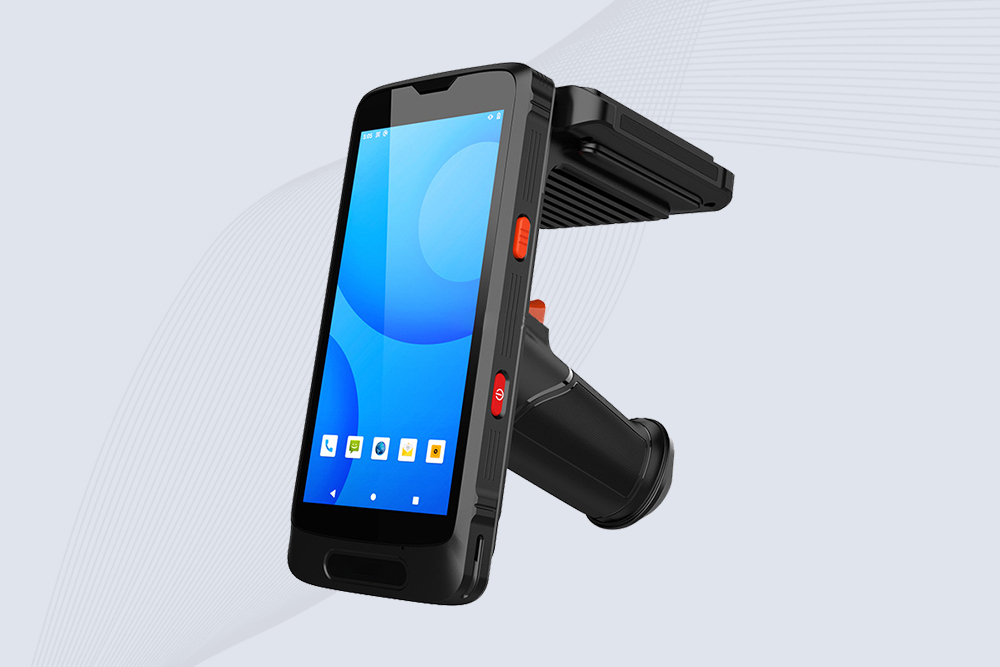
Cykeo CYKEO-B3 industrial RFID Reader Handheld, terminal offers 2m read range, multi-protocol scanning (NFC/barcode/ID), Android 10 OS, and IP65 ruggedness for logistics/retail/manufacturing.
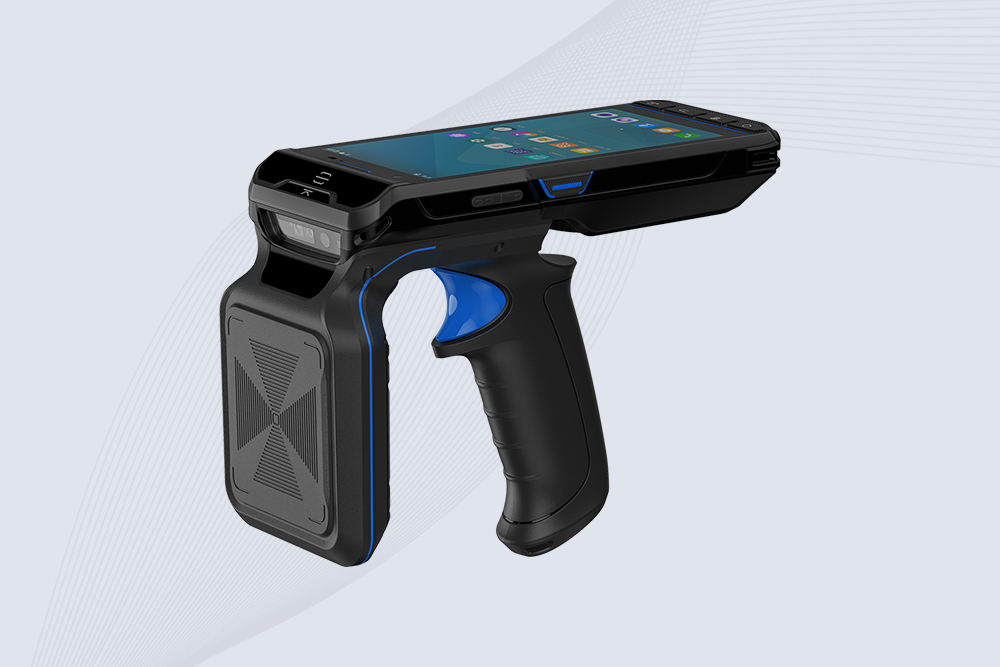
Cykeo CYKEO-B3L industrial handheld UHF RFID Reader terminal features 20m read range, 500 tags/sec scanning, Android 13 OS, 12-hour battery for logistics/retail/manufacturing. Supports barcode/NFC/ID reading.
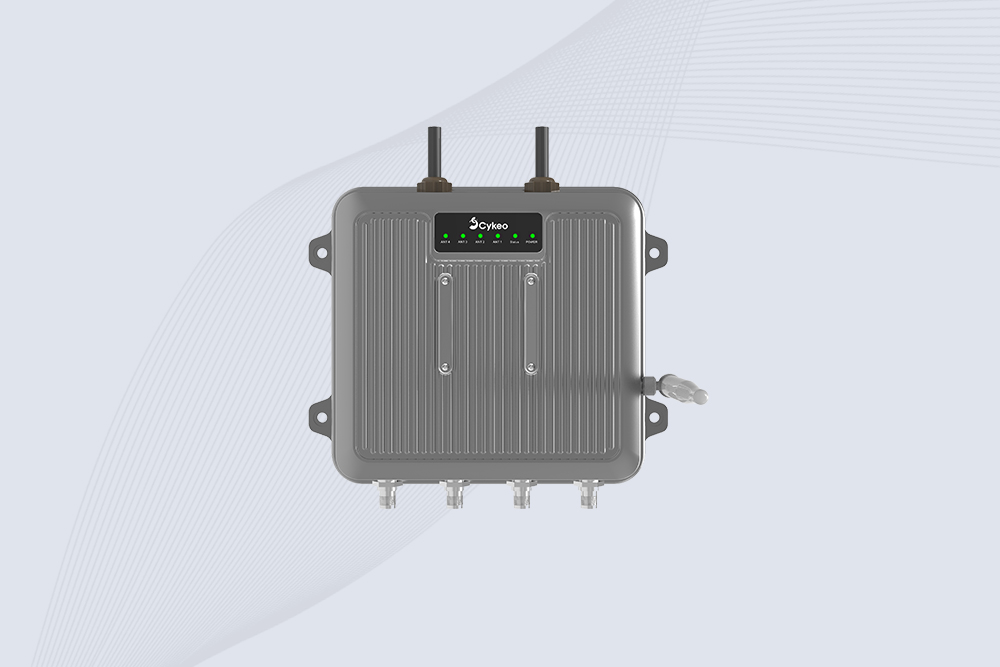
Cykeo CYKEO-C1 industrial Forklift RFID Reader features 20m read range, 600 tags/sec scanning, Impinj R2000 chipset, and IP67 rugged design. Ideal for warehouse logistics and manufacturing. Supports ISO 18000-6C/6B protocols.
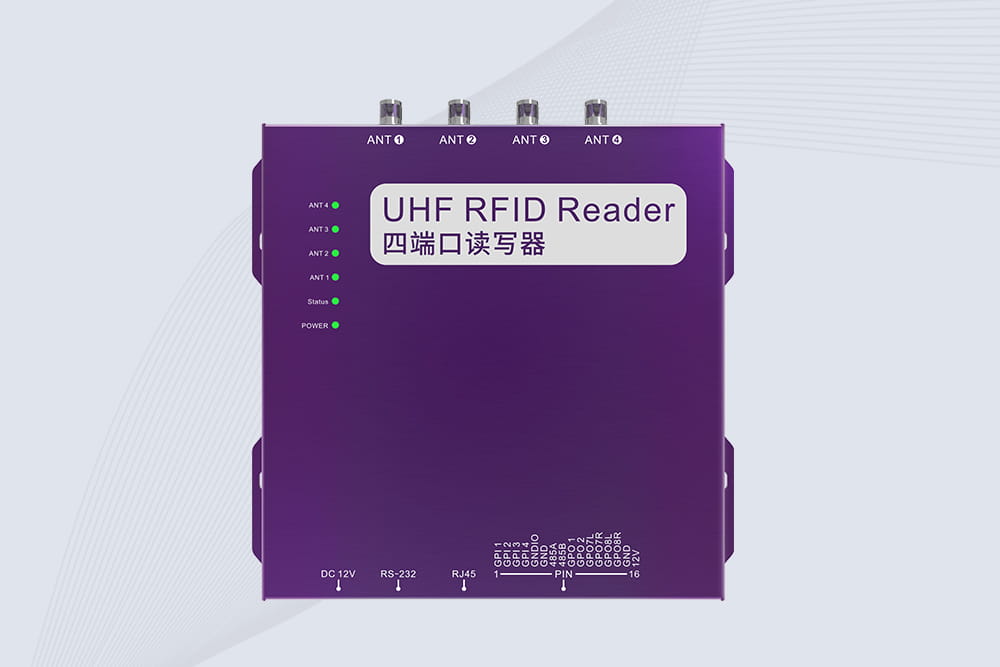
Cykeo CYKEO-R4 industrial UHF RFID Fixed Reader features 4 TNC ports, 400+ tags/sec speed, IP67 housing, and global frequency compliance for vehicle inspection, smart warehouse, and asset management systems.
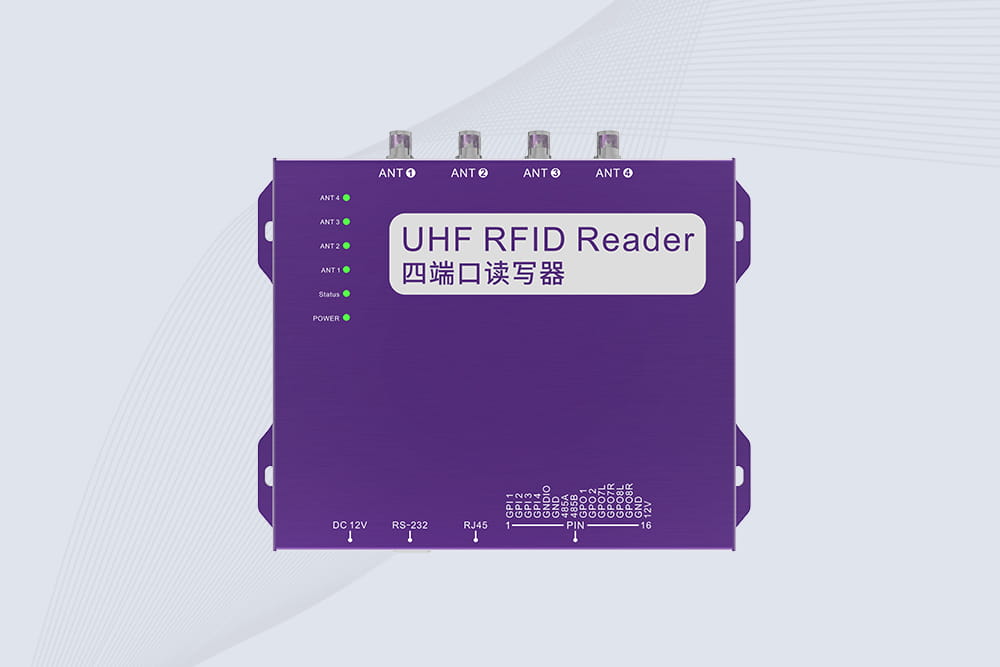
Cykeo’s CYKEO-R4L 4-port Fixed UHF RFID Reader delivers 400 tags/sec scanning, ISO 18000-6C compliance, and IP65 protection. Ideal for warehouse automation, manufacturing WIP tracking, and logistics management.
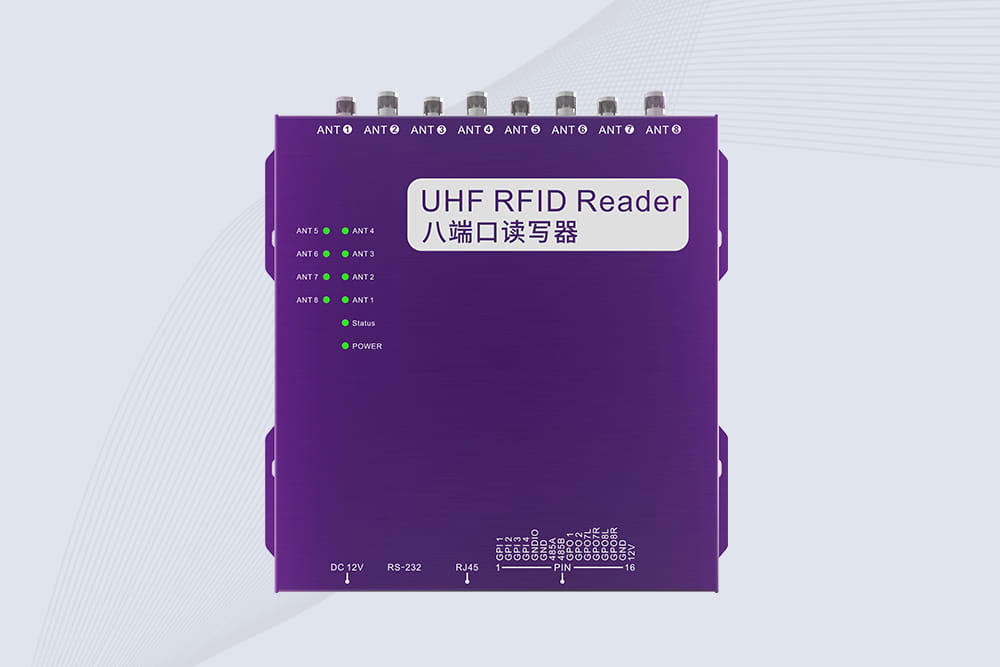
CYKEO CYKEO-R8L Fixed RFID Reader with 8-port UHF design, Impinj-based RF core and up to 20m read range. An industrial Fixed RFID Reader for vehicle inspection, warehouse portals, smart manufacturing lines and secure access checkpoints.
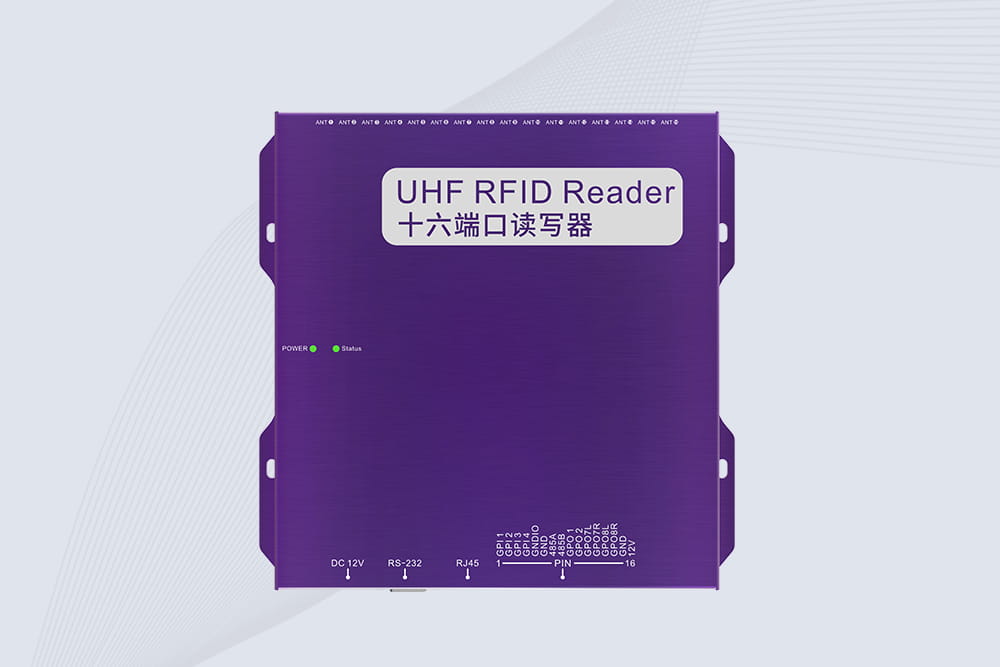
RFID Fixed Reader from CYKEO – the CYKEO-R16L 16-port UHF fixed reader for warehouses, smart cabinets, and production lines. Long-range, multi-tag reading, stable performance for 24/7 industrial use.

Learn how to use rfid scanner in real work scenarios. Clear, field-tested steps for inventory, access control, and asset tracking using CYKEO RFID solutions.
More
RFID serves to identify, track, and manage physical objects through wireless communication between RFID tags and readers, connecting assets with digital syst...
More
The Cykeo CK‑D1C USB RFID card reader makes reading and writing cards fast and hassle-free. Perfect for offices, warehouses, libraries, and access control systems. Plug-and-play, batch encoding, and secure short-range reading.
More
RFID tags for garments must be washable, soft, and tamper-resistant. This article outlines common RFID label types—fabric, hang tag, embedded, and sew-in—and helps businesses select the right solution for different textile applications.
More