 Cykeo RFID IoT Solution Products R&D Manufacturer

How to Use an RFID Reader: It’s a Tool, Not Magic
294New to RFID? Our practical guide on how to use an RFID reader covers setup, scanning, configuration, and integrating tag data into your workflows with CYKEO systems.
MoreAll RFID Product
USB RFID reader may identify a tag from a short distance in one application but struggle to read the same type of tag in another. This does not necessarily mean that the reader is defective. RFID reading distance depends on several factors, including the frequency, antenna design, tag construction, reader settings, and surrounding materials.
For businesses evaluating a USB RFID reader, the advertised maximum distance is only one part of the decision. A reader that can detect a tag across a long distance may not be the best option for a workstation that requires precise identification of one item at a time.
The right choice depends on how the reader will be used. Inventory verification, desktop tag encoding, staff identification, and warehouse operations all have different requirements for reading distance and accuracy.
This guide explains what affects USB RFID reader reading range and how to evaluate real-world performance before purchasing hardware in bulk.
RFID reading range is the distance at which a reader can successfully communicate with a compatible RFID tag under specified conditions.
The actual distance varies by RFID technology and application. LF, HF, and UHF readers use different frequency bands and communication methods, so their typical reading distances are not directly interchangeable.
For example, an HF desktop reader designed for close-range identification may work well when an employee presents an RFID card near the device. A UHF reader may be more suitable for applications that need to identify tagged products from farther away.
USB describes the connection between the reader and its host computer. It does not determine the RFID frequency or guarantee a particular reading distance.
When comparing devices, buyers should confirm the reader’s frequency, supported tag types, antenna configuration, and intended operating conditions.
RFID frequency is one of the first specifications to check when evaluating reading range.
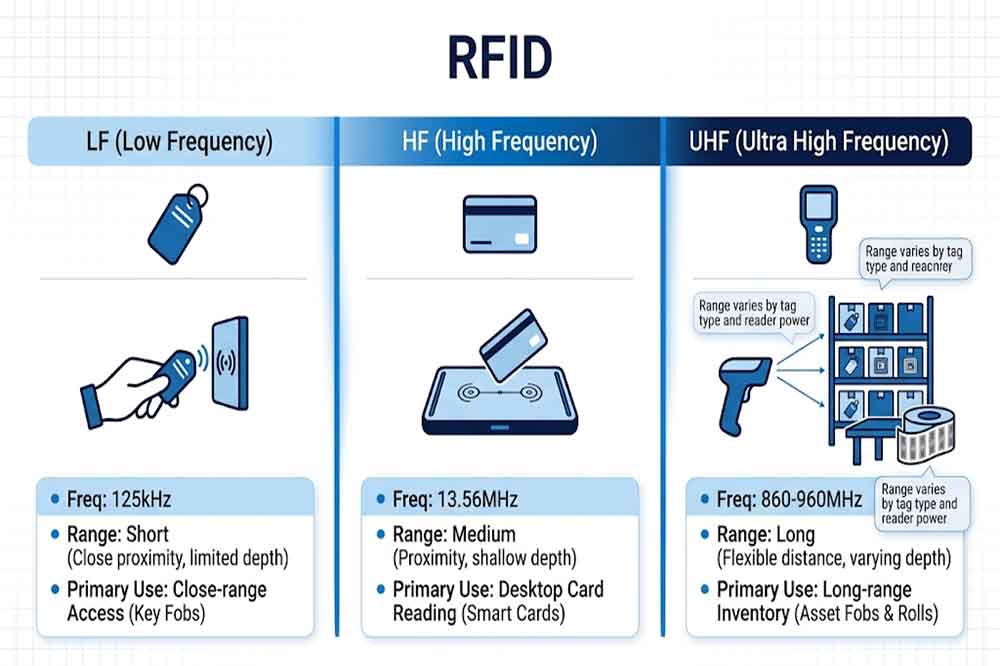
Low-frequency RFID commonly operates at 125 kHz or 134.2 kHz, depending on the system and application.
LF technology is often used for animal identification, access-related applications, and certain industrial identification tasks. Its reading distance is generally short, and performance depends on the reader and transponder design.
LF may be suitable when tags are presented close to a reader and the application does not require long-distance identification.
High-frequency RFID commonly operates at 13.56 MHz. HF readers are used for applications such as contactless cards, product identification, library systems, and NFC-related use cases where supported.
Many HF desktop readers are designed for close-range interaction. This can be an advantage when operators need to identify a particular card or item without unintentionally reading tags farther away.
However, not every HF reader supports every 13.56 MHz tag protocol. Buyers should verify protocol compatibility as well as reading distance.
Ultra-high-frequency RFID systems commonly operate within regional bands around 860–960 MHz. The permitted operating frequencies and power limits vary by country or region.
UHF technology is widely used for inventory, logistics, warehouse operations, and applications that need to identify tags at greater distances or read multiple tags within a suitable field.
Actual UHF reading range can vary significantly according to tag antenna design, reader antenna performance, power settings, installation, and environmental conditions.
A UHF reader should not be selected based on frequency alone. Test it with the intended tags and materials before deployment.
For a detailed comparison, read our guide to USB RFID reader frequency: LF vs HF vs UHF.
The tag plays a major role in reading performance.
A tag’s antenna design determines how effectively it couples with the reader’s electromagnetic field. Larger tags may support larger antennas, but size alone does not guarantee better performance. Antenna tuning, chip characteristics, construction, and the material carrying the tag also matter.
For example, a small UHF label attached to a metal tool may behave differently from a label designed specifically for metal surfaces.
When evaluating a reader, use the actual tag model intended for the application. Testing with a different tag can produce misleading results.
The reader antenna influences the shape, strength, and coverage of the reading field.
Some USB RFID readers have a built-in antenna for desktop use. Other systems may support an external antenna, depending on the hardware design.
A compact integrated reader may be convenient for controlled workstation tasks. A system with an external antenna may offer more flexibility for applications requiring different coverage areas, but only if the reader is designed to support that configuration.
The antenna’s effective coverage area matters as much as the maximum distance. A narrow, controlled reading zone may be preferable to a large field when several tagged items are close together.
Reader output power can affect the range of supported RFID systems, particularly UHF devices. However, higher power is not always the best solution.
Excessive read range may cause unwanted tags to be detected. In a desktop application, this can lead to incorrect product selection or confusion when several tagged items are nearby.
Power settings must also comply with the regulations applicable to the deployment location and the reader’s approved operating limits.
Where power adjustment is supported, test several appropriate settings with the actual tags and intended read zone. Choose the setting that provides reliable identification without unnecessary reads beyond the target area.
The position of the tag relative to the reader can change reading performance.
Some tag antennas perform best when their orientation aligns with the reader’s field. Rotating the tag, changing the distance, or placing it at an angle may reduce the probability of a successful read.
This is particularly relevant when tags are attached to tools, cartons, equipment, or products that may be presented in different positions.
During testing, check more than one orientation. If operators cannot control tag placement in normal use, the test should reflect that variation.
The materials around a tag can affect RFID performance.
Metal surfaces can detune or shield certain tag antennas, while liquids can absorb or alter radio-frequency energy, particularly in some UHF applications. Packaging, product contents, mounting surfaces, and nearby equipment may also influence performance.
A standard tag that works well on a cardboard box may not work reliably when attached directly to a metal enclosure.
If the application involves metal or liquid-filled products, consider tags designed for those conditions. Test the complete assembly, including the mounting position and surrounding materials.
Other radio-frequency devices, nearby RFID readers, and environmental conditions can affect performance. The impact depends on the technology, configuration, and installation.
In a busy warehouse or production area, a reader may operate near other equipment. A reading problem that does not appear in a quiet office may emerge after installation.
Test the reader in the actual deployment environment whenever possible. For UHF projects, review regional frequency requirements and the reader’s configuration to help manage interference.
A maximum reading-distance figure usually describes performance under particular test conditions. It should not automatically be treated as the distance that a business can expect in daily operation.
A reliable working distance is the distance at which the system consistently performs the required task with the intended tags and setup.
Consider two different applications.
In a desktop encoding station, an operator may need to read one tag at close range. A short, controlled reading zone may be ideal because it reduces the chance of detecting another nearby tag.
In a warehouse verification process, a business may need to identify tagged cartons from farther away. The system may require a different UHF reader, antenna arrangement, tag design, and workflow.
The best reading range is therefore not always the longest one. It is the range that supports the business process accurately and consistently.
When reviewing specifications, ask the supplier how the reading distance was measured and which tag, antenna, power setting, and test environment were used.
A practical test can help purchasing teams compare candidate readers before committing to a bulk order.
Choose the exact tag model that will be used in the project. Record the tag type, dimensions, mounting surface, and any relevant product materials.
Do not rely entirely on tests performed with a supplier’s demonstration tag.
Place the reader and tag in a consistent environment. Remove unnecessary tagged items from the reading area so that the test focuses on the intended tag.
For a UHF system, follow the manufacturer’s setup instructions and applicable regulatory requirements.
Start at a short distance and move the tag gradually farther away. Keep the reader configuration unchanged during the first test.
Record the distance at which reads become unreliable, not just the farthest distance at which a single read succeeds.
Repeat the test with the tag rotated or positioned as it would be during actual use. If the tag will be attached to a product, test it in that mounted position.
A single successful read does not establish reliability. Repeat each test under the same conditions and record successful reads, missed reads, and unintended reads.
The required reliability threshold depends on the business process. A workflow that controls valuable equipment may have different acceptance criteria from a basic demonstration.
Move the reader and tagged product into the intended workstation, warehouse, laboratory, or production area.
Check whether nearby metal, liquids, other tags, or surrounding equipment changes the result.
Confirm that the host computer receives the correct tag data and that the application handles it properly. A successful radio-frequency read is only one part of the system.
For more on connecting RFID hardware to business applications, see our guide to USB RFID reader integration with inventory and ERP systems.
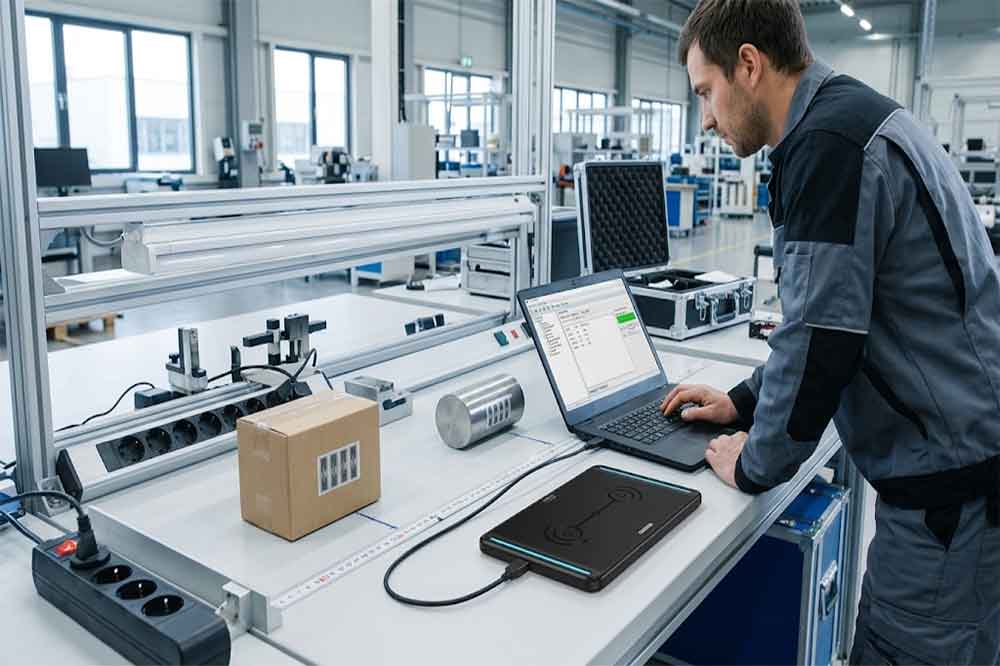
Problem: The reader only detects tags at very close range.
Check that the reader and tag use compatible frequencies and protocols. Confirm the reader settings, tag condition, and test distance. If the application requires longer-range reading, a different reader or tag design may be necessary.
Problem: The reading distance changes when the tag is attached to a product.
The product’s material or tag mounting position may be affecting performance. Test the tag on the actual product and consider a tag designed for the relevant surface.
Problem: The reader detects unwanted tags.
The reading zone may be larger than the application requires. Where supported, review power settings, antenna placement, application filtering, and the physical positioning of tagged items.
Problem: The reader works in the office but not in the warehouse.
The deployment environment may contain different materials, nearby equipment, or additional RFID systems. Repeat testing at the installation site and compare results with the original setup.
Problem: Reading performance is inconsistent.
Check tag orientation, placement, reader configuration, and the stability of the test conditions. Record repeated results before deciding whether the problem is related to the reader, tag, or environment.
Before selecting a device, define the task rather than starting with a maximum-distance specification.
For close-range card or item identification, prioritize compatible tag protocols, a controlled read zone, and straightforward computer integration.
For workstation-based inventory, consider how the operator presents the item, whether multiple tags may be nearby, and how the software handles repeated reads.
For longer-range inventory or logistics applications, review UHF compatibility, antenna design, tag suitability, regional frequency requirements, and the actual coverage needed.
Also confirm the host interface and software support. A reader with suitable radio performance may still be unsuitable if it cannot connect to the intended application.
Our guide to choosing the right USB RFID reader provides additional selection considerations. You can also review the USB RFID reader buying guide for businesses before requesting samples or a quotation.
When evaluating readers for a B2B project, prepare a short list of technical questions:
These questions help establish whether the reader is suitable for the real application rather than only for a controlled demonstration.
USB RFID reader reading range depends on the complete RFID setup, not just the reader itself. Frequency, tag antenna design, reader antenna, power configuration, orientation, nearby materials, and interference can all influence the result.
For reliable selection, test the intended tags under realistic conditions and evaluate consistent performance rather than relying on one maximum-distance figure. A reader that provides the right coverage, accurate identification, and suitable software integration will generally be more valuable than one chosen solely for its advertised range.
If you are evaluating USB RFID readers for inventory, asset tracking, manufacturing, or another business application, contact Cykeo with your tag type, required distance, product materials, and software requirements to discuss a suitable configuration.
Q1. What is the reading range of a USB RFID reader?
It depends on frequency, reader and tag design, configuration, and environment. Confirm the specification for the exact model and test it with your intended tags.
Q2. Does UHF always have a longer range than HF?
UHF often supports longer-range applications, but actual performance depends on the reader, tag, antenna, and installation conditions.
Q3. Why does an RFID tag read at a shorter distance on metal?
Metal can interfere with or detune some tag antennas. A tag designed for metal surfaces may improve performance, but it should be tested on the actual product.
Q4. Is a longer RFID reading range always better?
No. A controlled short-range field may be preferable when the system must identify one specific item and avoid reading nearby tags.
Q5. How should I test a reader before bulk purchasing?
Test the intended tags and product materials at measured distances, repeat reads in different orientations, and verify performance in the actual working environment.

Discover SSD-D4AL, a USB-HID UHF RFID reader with 4/8/16 antenna options, Impinj E710/X3M1 chipset, plug-and-play USB power, and OEM customization.
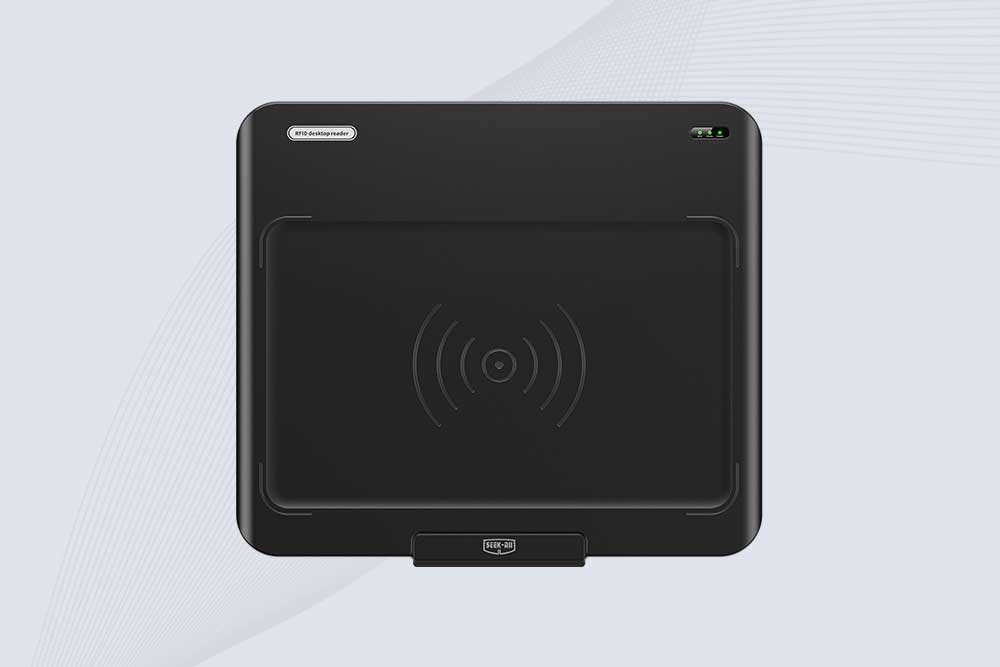
SSD-D3AL is a USB-HID UHF RFID reader with 0–30 cm reading, 0–15 cm writing, over 600 tags/s recognition, USB plug-and-play operation and OEM Logo customization.
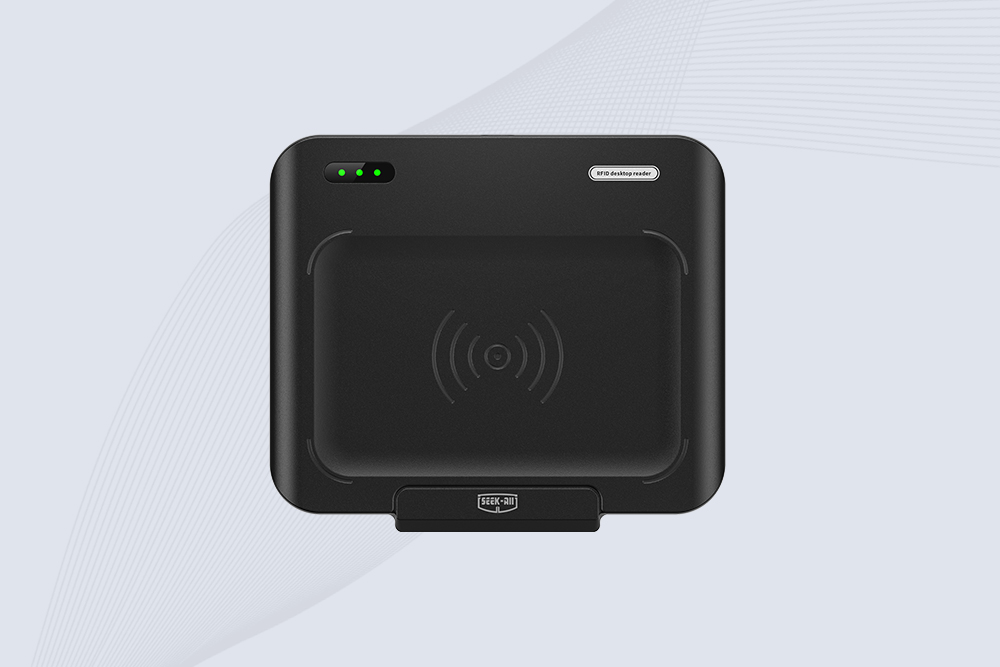
SSD-D1AL is a compact USB UHF RFID reader with Impinj E710/X3M1 chipset, USB-HID, 600+ tags/s recognition, 4/8/16 antenna support and plug-and-play USB power.

CYKEO CYKEO-D1LA USB RFID Reader is a compact desktop solution with near-field control for precise tag reading and encoding. Powered by USB, supporting ISO 18000-6C, and built for stable batch writing, this usb rfid tag reader fits retail, libraries, offices, and controlled RFID encoding tasks.
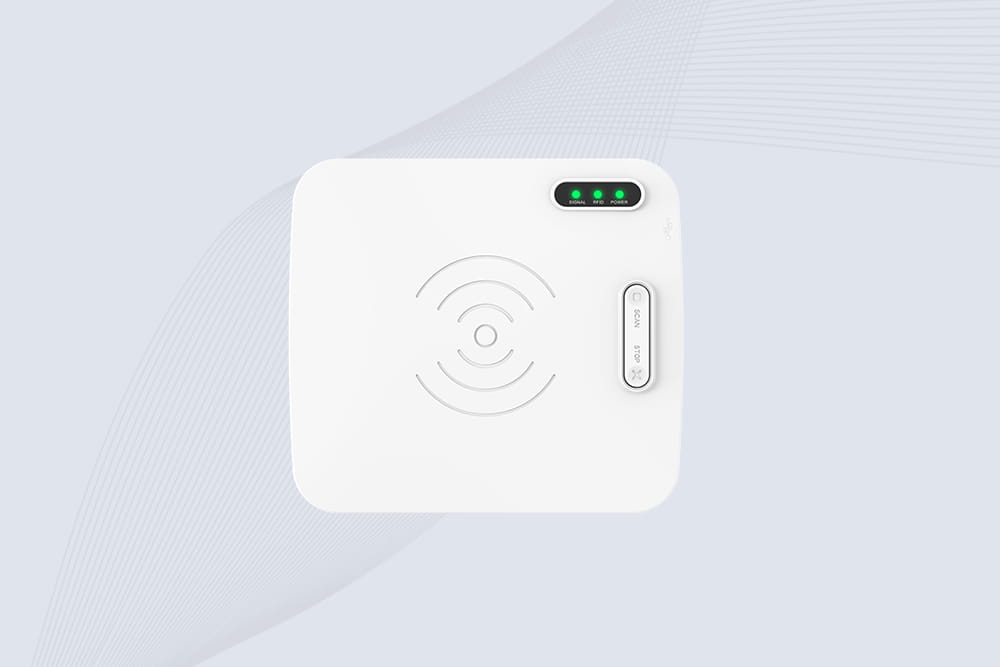
CYKEO CYKEO-D1L RFID scanner USB is a compact desktop UHF RFID scanner designed for short-range tag writing and verification. This usb rfid scanner supports batch encoding, stable 0–26 dBm output, and works across Windows, Linux, and Android systems.
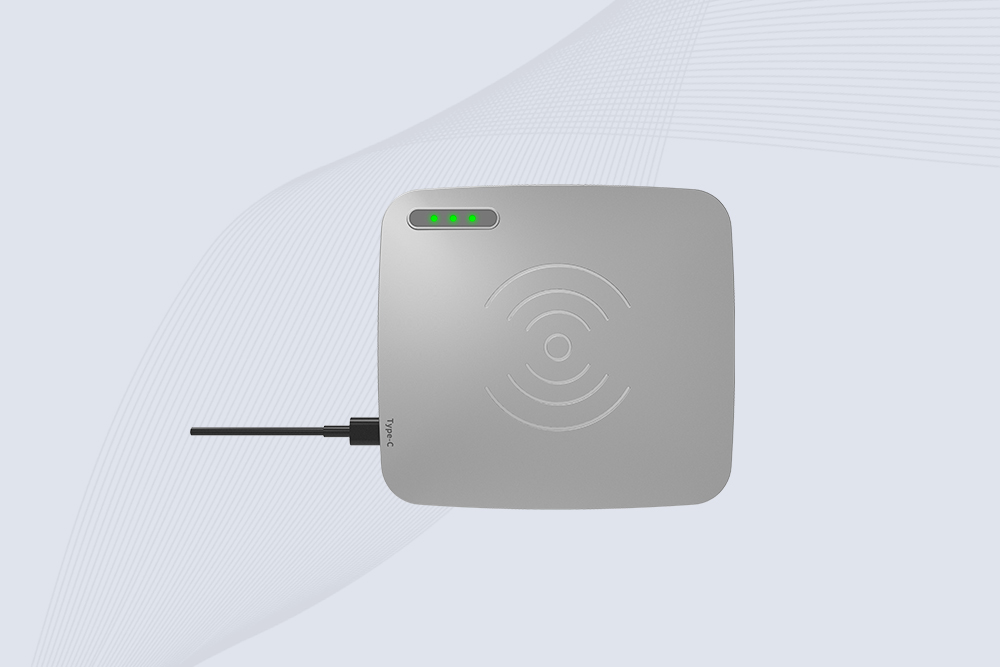
CYKEO CYKEO-D1C USB RFID Card Reader is a near-field UHF desktop writer designed for secure, short-range tag encoding. With USB-C connectivity and stable 26 dBm output, this rfid reader usb c is ideal for badge issuance, label encoding, and controlled desktop RFID workflows.
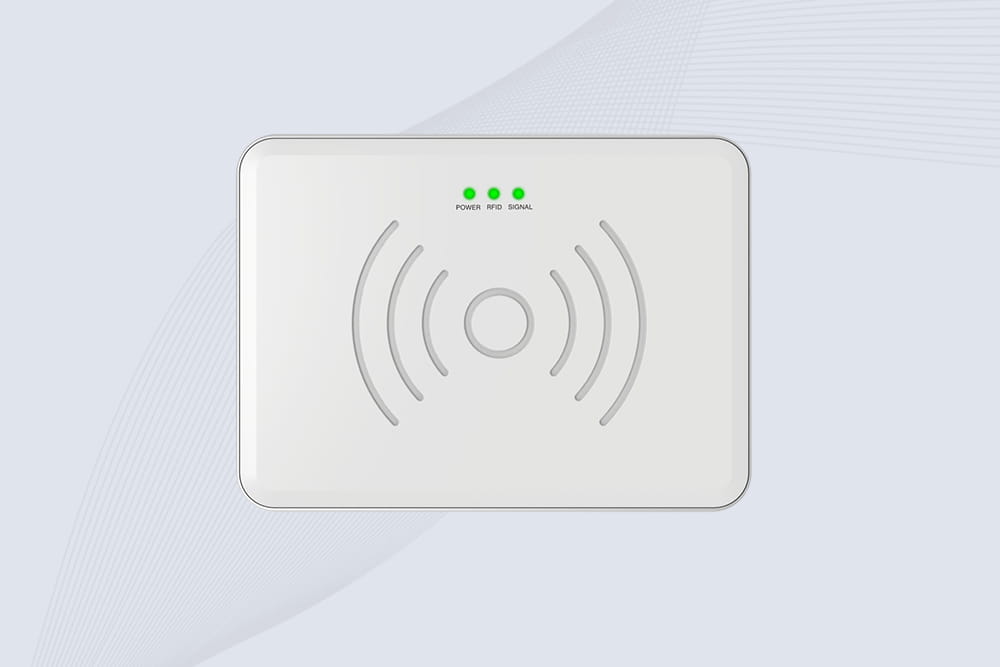
CYKEO CYKEO-D2L RFID Reader USB is a compact desktop encoder built on the Impinj R500 chip. With near-field control and stable USB power, this usb rfid card reader delivers precise tag writing for offices, retail counters, and small-scale logistics encoding tasks.
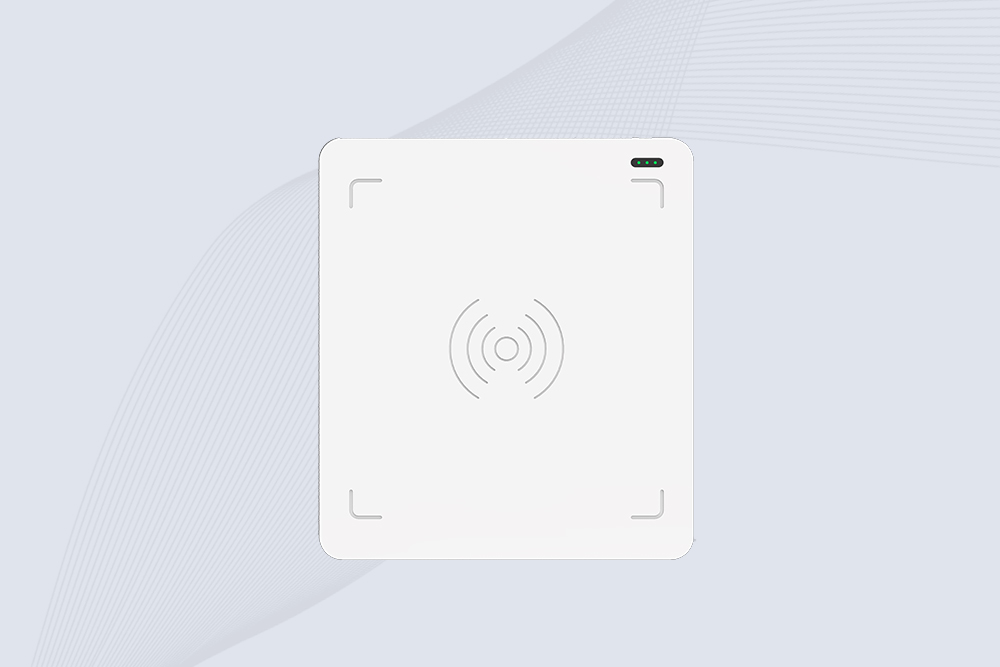
CYKEO CYKEO-D3L USB RFID Tag Reader delivers stable UHF tag reading and writing for daily desktop and light industrial tasks. Designed for controlled short-range operation, this USB RFID Tag Reader works reliably with rfid tag and reader systems in libraries, tool tracking, and inventory registration.
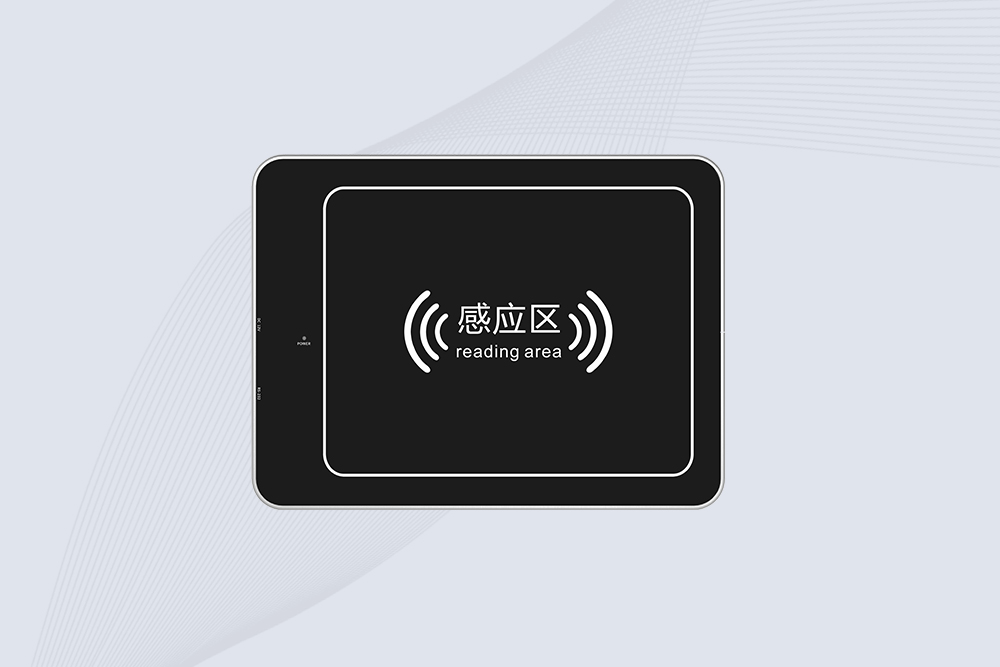
The CYKEO CYKEO-D4L UHF RFID Tag Reader is a stable Desktop RFID Reader designed for accurate tag registration, borrowing, and return workflows. Built with the Impinj R2000 chip, this UHF RFID Tag Reader delivers controlled short-range reads for libraries, asset tracking, and inventory management environments.
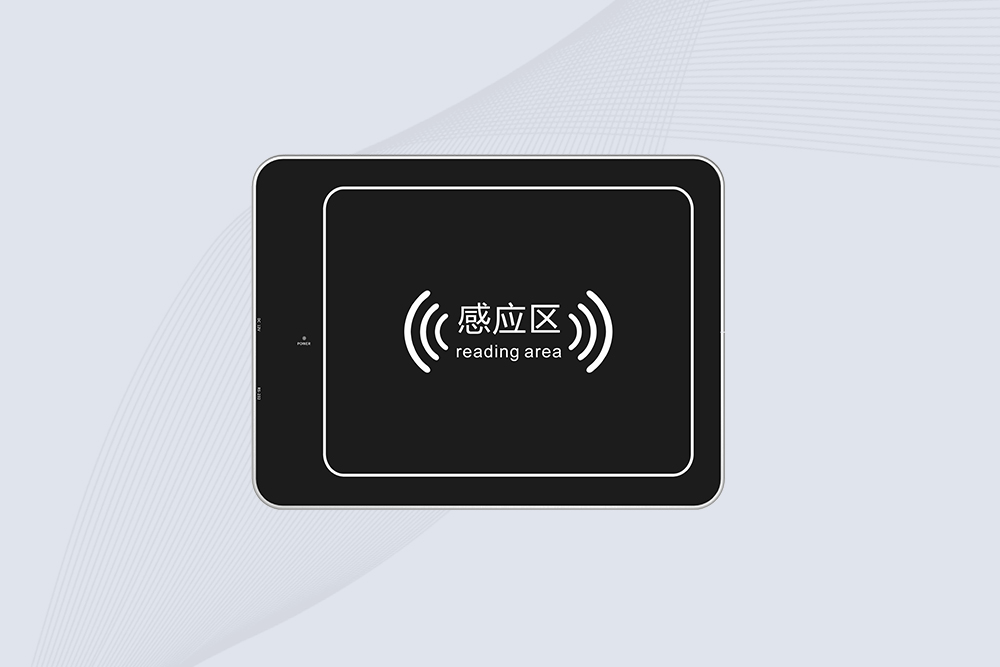
The CYKEO CYKEO-D5L Desktop RFID Card Reader is a stable UHF RFID Card Reader designed for controlled short-range reading and writing. Built for libraries, tool rooms, and asset desks, this UHF RFID Card Reader supports dense tag handling, secure data processing, and easy USB integration.
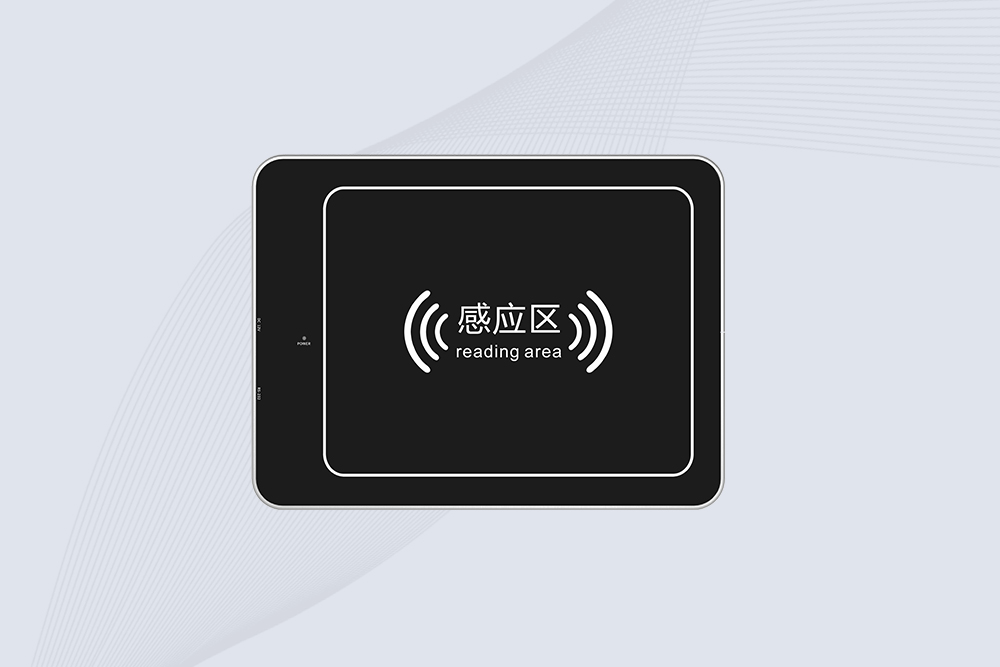
The CYKEO CYKEO-D6L RFID Reader Writer is a heavy-duty Desktop RFID Reader designed for short-range, high-accuracy tag programming. Built for libraries, labs, and asset desks, this RFID Reader Writer supports batch processing, stable 33dBm output, and seamless integration with existing management systems.
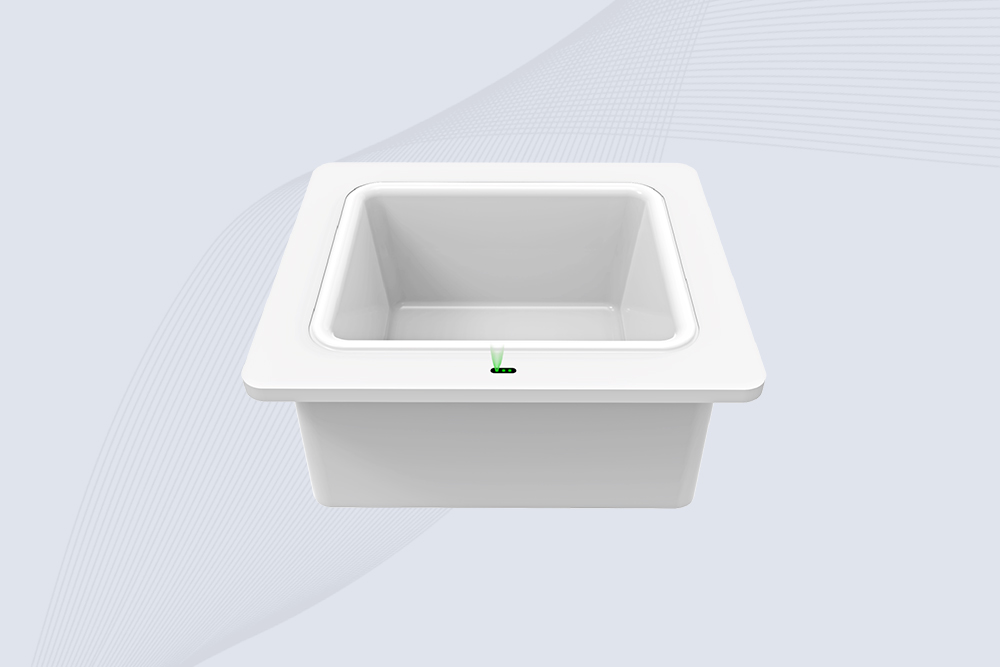
Cykeo CYKEO-D8B UHF RFID tunnel and RFID Desktop Reader features 30+ items batch reading,
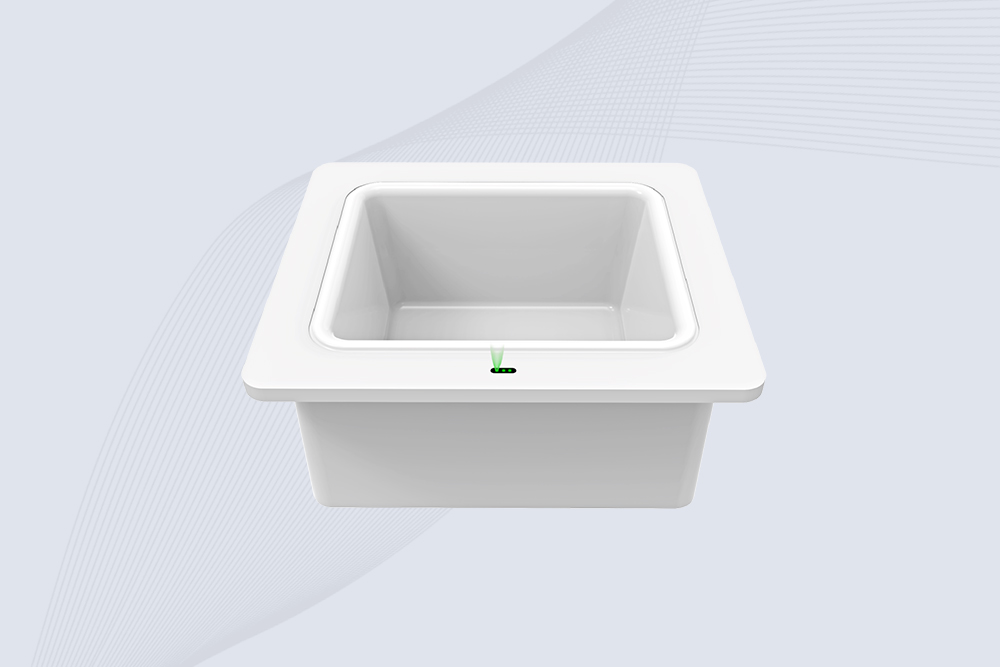
Cykeo CYKEO-D8A embedded RFID badge reader offers 30+ tags/sec scanning, 20cm anti-crosstalk precision, and DC 12V power for unmanned stores, warehouses, and smart inventory systems.
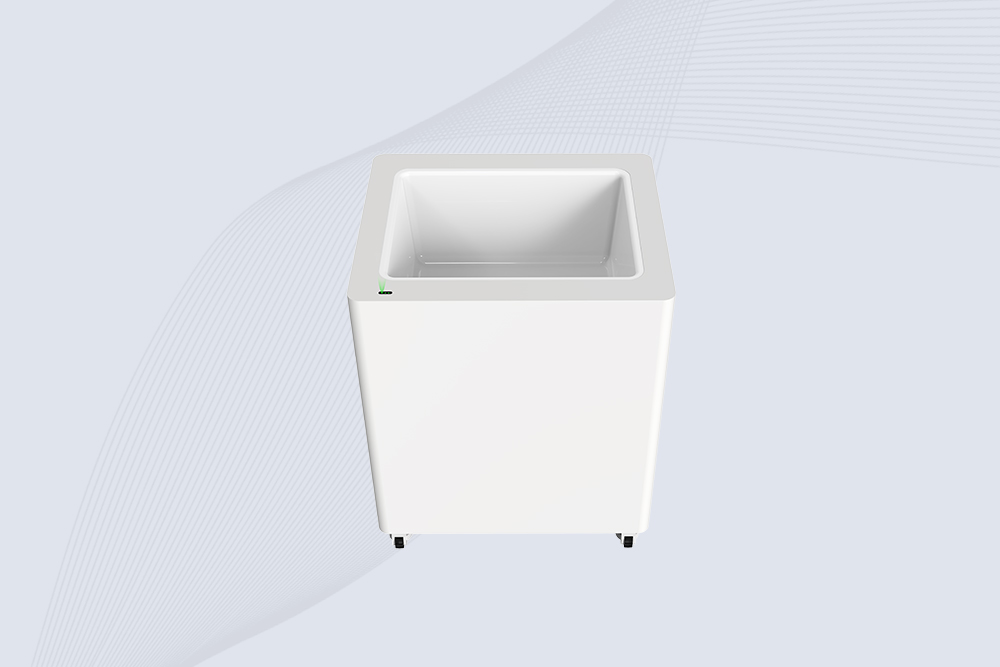
Cykeo’s CYKEO-D8C UHF RFID gate reader achieves 200-tag/batch scanning with adjustable power control, ideal for retail inventory and smart warehouse management.
RFID Industry Writer | IoT & Asset Tracking Analyst
James writes about RFID technology, asset tracking, and the practical challenges of digital transformation across warehousing, retail, manufacturing, and logistics.
His work focuses on how RFID is applied in real-world operations—improving inventory visibility, automating workflows, and helping businesses manage assets with greater accuracy and efficiency.
He regularly covers topics including UHF RFID, smart cabinets, RFID portals, tool tracking, warehouse automation, and industrial IoT trends..
New to RFID? Our practical guide on how to use an RFID reader covers setup, scanning, configuration, and integrating tag data into your workflows with CYKEO systems.
More
Explore rfid receiver solutions from Cykeo for stable RFID signal detection, asset tracking, inventory automation, and industrial identification with accurate real-time data capture.
More
Discover how RFID for tools improves safety and accountability in oil & gas and MRO environments. Learn how RFID tool cabinets ensure 100% tool tracking accuracy.
More
Learn how does an rfid scanner work, from RF signals and tag detection to reader antennas, anti-collision, data capture, and real-world RFID scanning performance.
More