 Cykeo RFID IoT Solution Products R&D Manufacturer
Advantage of yms with rfid compatibility Applications
130Explore how yms with rfid compatibility delivers real-time yard visibility, automates gate processes, and boosts logistics efficiency with proven RFID data insights and Cykeo solutions.
MoreAll RFID Product
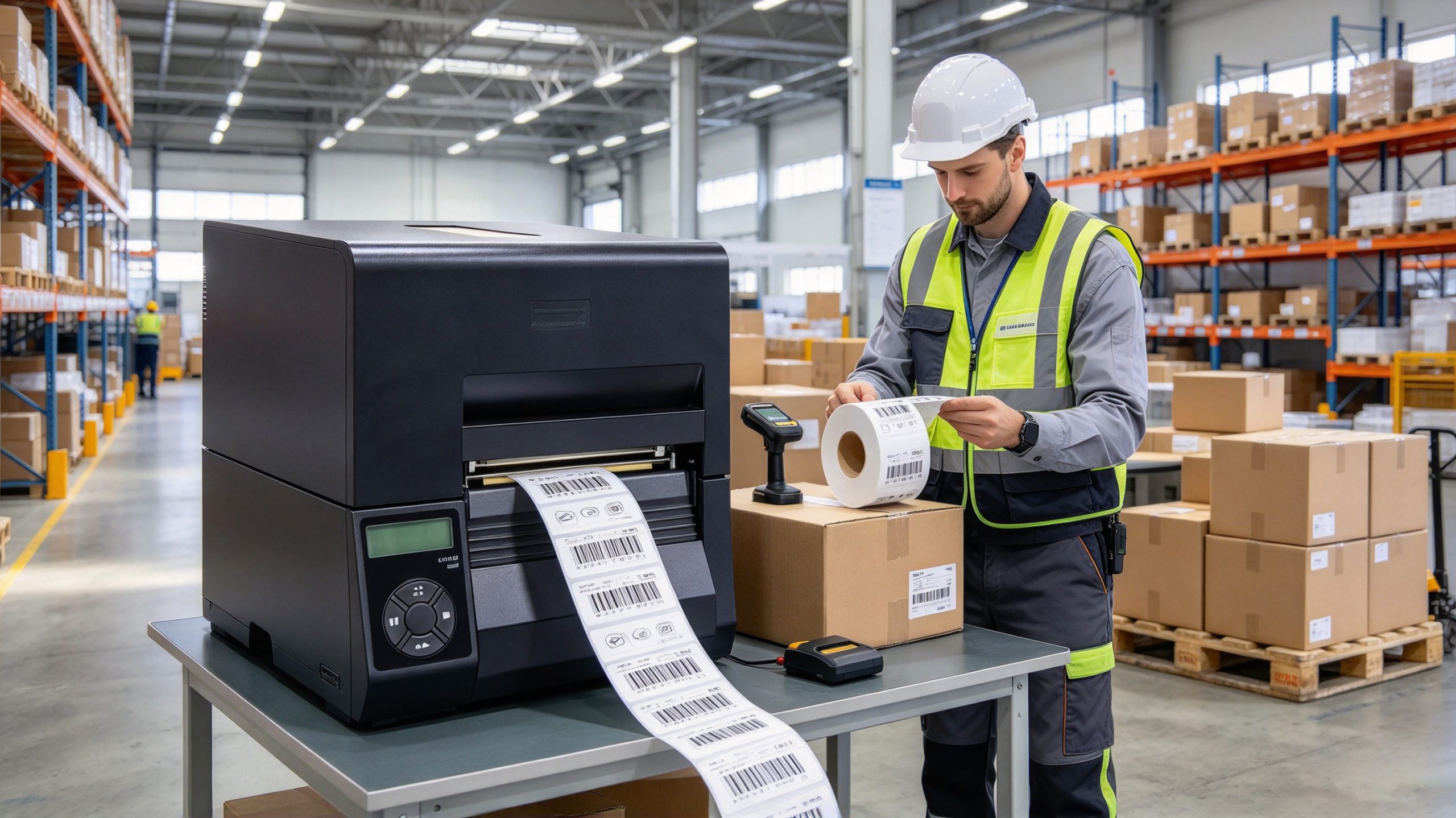
What is RFID printer? An RFID printer is a specialized device that prints information on labels while simultaneously encoding data into embedded RFID chips. It combines traditional thermal label printing with RFID read-write technology, allowing businesses to create smart labels used for inventory management, logistics, asset tracking, and supply chain identification.
Unlike a standard barcode printer, an RFID printer does not only create a visible label. It also communicates with an RFID inlay embedded inside the label, verifies whether the chip can be read correctly, and stores identification information according to the supported RFID standard.
In real deployments, an RFID printer is often positioned at the point where products, cartons, pallets, or assets enter a digital tracking system. For example, a warehouse may print and encode RFID labels when receiving new inventory, ensuring that each physical item has a corresponding digital identity before it moves further through the supply chain.
From Cykeo’s experience working with RFID identification equipment, one important detail is often overlooked: RFID printing is not simply “printing with an RFID sticker.” The process involves selecting the correct RFID inlay, encoding the chip correctly, verifying the written data, and ensuring the final label performs reliably in the intended environment.
An RFID printer combines several functions into one workflow:
| Component | Function |
|---|---|
| Thermal printing system | Prints human-readable information such as product codes, shipping details, or asset numbers |
| RFID encoder | Writes data into the RFID chip embedded inside the label |
| RFID reader module | Verifies that the encoded tag can be successfully detected |
| Software interface | Sends print commands and manages RFID data |
The basic process usually follows these steps:
This verification step is one of the most important differences between an RFID printer and a conventional label printer.
A barcode printer can confirm whether ink or thermal transfer has created a visible image. An RFID printer must also confirm that the invisible electronic component inside the label works correctly.
The biggest difference is the ability to communicate with RFID chips.
A regular label printer creates visual information. An RFID printer creates both visual and electronic identification.
| Feature | RFID Printer | Standard Label Printer |
|---|---|---|
| Prints text and barcodes | Yes | Yes |
| Writes RFID chip data | Yes | No |
| Reads RFID tag response | Yes | No |
| Creates smart labels | Yes | No |
| Used for automated identification | Yes | Limited |
| Requires RFID-compatible labels | Yes | No |
For businesses implementing RFID systems, the printer is usually part of a larger identification chain:
RFID printer → RFID label → RFID reader → software platform → business process
Each part must work together.
A correctly printed label with poorly selected RFID hardware may still fail in the field. For example, a tag designed for cardboard packaging may not perform well when attached directly to metal equipment or liquid containers.
RFID printers commonly work with RFID smart labels containing:
The most common business applications use passive UHF RFID labels because they are suitable for supply chain identification.
According to GS1, UHF RFID systems generally operate within the 860–960 MHz frequency range depending on regional regulations and are widely used in logistics and supply chain applications.
Common RFID printer label applications include:
| Application | RFID label usage |
|---|---|
| Warehouse inventory | Product identification and stock management |
| Shipping cartons | Linking physical shipments with digital records |
| Retail apparel | Tracking garments through stores and distribution |
| Industrial assets | Identifying tools, equipment, and reusable containers |
| Healthcare supplies | Managing tagged inventory and equipment |
Modern supply chains depend heavily on accurate identification.
A warehouse receiving thousands of products cannot rely only on manual data entry if the goal is fast and reliable inventory visibility. RFID printers allow organizations to create digital identities at the beginning of the product journey.
For example, when a manufacturer completes a production batch, RFID labels can be printed and encoded before products leave the facility. Each item or carton receives a unique identifier that can later be captured by RFID readers during shipping, receiving, storage, and inventory checks.
Research from Auburn University’s RFID Lab and retail field studies has shown that RFID-enabled inventory processes can improve inventory record accuracy when properly implemented.
A study published in Production and Operations Management examined RFID-enabled inventory visibility in retail environments and reported approximately a 26% reduction in inventory record inaccuracy in the studied RFID-enabled setting involving 13 stores over 23 weeks.
The result should not be interpreted as an automatic guarantee. RFID performance depends on tagging quality, reader installation, software integration, and operational discipline.
Selecting an RFID printer requires more than comparing printing speed or appearance. The printer must match the RFID labels, software system, and business workflow.
Important factors include:
Confirm that the printer supports the RFID frequency and protocol required by your application.
Many supply-chain systems use UHF RFID based on EPC Gen2 standards, while other applications may require different RFID technologies.
The printer should verify successful writes. Failed RFID writes can create inventory problems later because the printed label may appear correct while the electronic identity is unusable.
Different environments require different label designs.
Consider:
The RFID inlay and adhesive material should match the application.
An RFID printer becomes valuable when organizations need to create digital identities for physical objects. The printer is usually placed at the beginning of a tracking process, where products, assets, or packages receive their RFID-enabled identification.
Different industries use RFID printers in different ways.
Warehouses often use RFID printers to create labels for incoming products, storage units, cartons, and shipping containers.
A typical workflow may include:
The advantage is that identification data is created at the source rather than added manually later.
In large warehouses, this can reduce repetitive scanning tasks and improve the connection between physical goods and digital inventory systems.
Retail businesses use RFID printers to create garment labels, product tags, and shipping labels.
Fashion supply chains are particularly suitable for RFID because products often have many variations:
An RFID label allows a business system to associate each garment with a unique identifier. Employees can then perform inventory checks using compatible RFID readers instead of manually scanning every barcode.
Manufacturers may use RFID printers to label:
During production, RFID labels can connect physical items with manufacturing records. This can support traceability and help teams understand where materials are located during different production stages.
Industrial companies often manage thousands of tools, containers, or equipment items.
An RFID printer can create durable identification labels that allow assets to be registered before entering operational use.
The label itself does not provide location tracking. Instead, it allows compatible readers installed at specific points to identify when an asset is detected.
The terms RFID printer and RFID encoder are sometimes used together, but they describe slightly different concepts.
An RFID encoder is the part responsible for writing data to the RFID chip.
An RFID printer usually includes:
In other words:
RFID encoder = RFID writing function
RFID printer = printing + RFID encoding system
This difference matters when selecting equipment. Some production environments only need RFID encoding integrated into existing machines, while others require a complete printer solution.
Although RFID printers simplify label creation, several technical details influence reliability.
Inside every RFID smart label, the antenna and chip position affect encoding performance.
The printer must correctly align the RFID inlay with its internal antenna system. Poor alignment can result in failed writes or inconsistent verification.
Not all RFID labels are suitable for every application.
For example:
| Environment | Important consideration |
|---|---|
| Cardboard cartons | Standard UHF RFID labels may perform well |
| Metal equipment | Specialized on-metal RFID labels may be required |
| Liquid products | Testing is recommended because liquids can affect RF performance |
| Textile products | Flexible labels may be preferred |
The label is part of the RFID system, not just a printable sticker.
An RFID printer must communicate with business software correctly.
A warehouse management system may need to send:
Without proper integration, the printer may produce labels that look correct but are not connected to the correct inventory records.
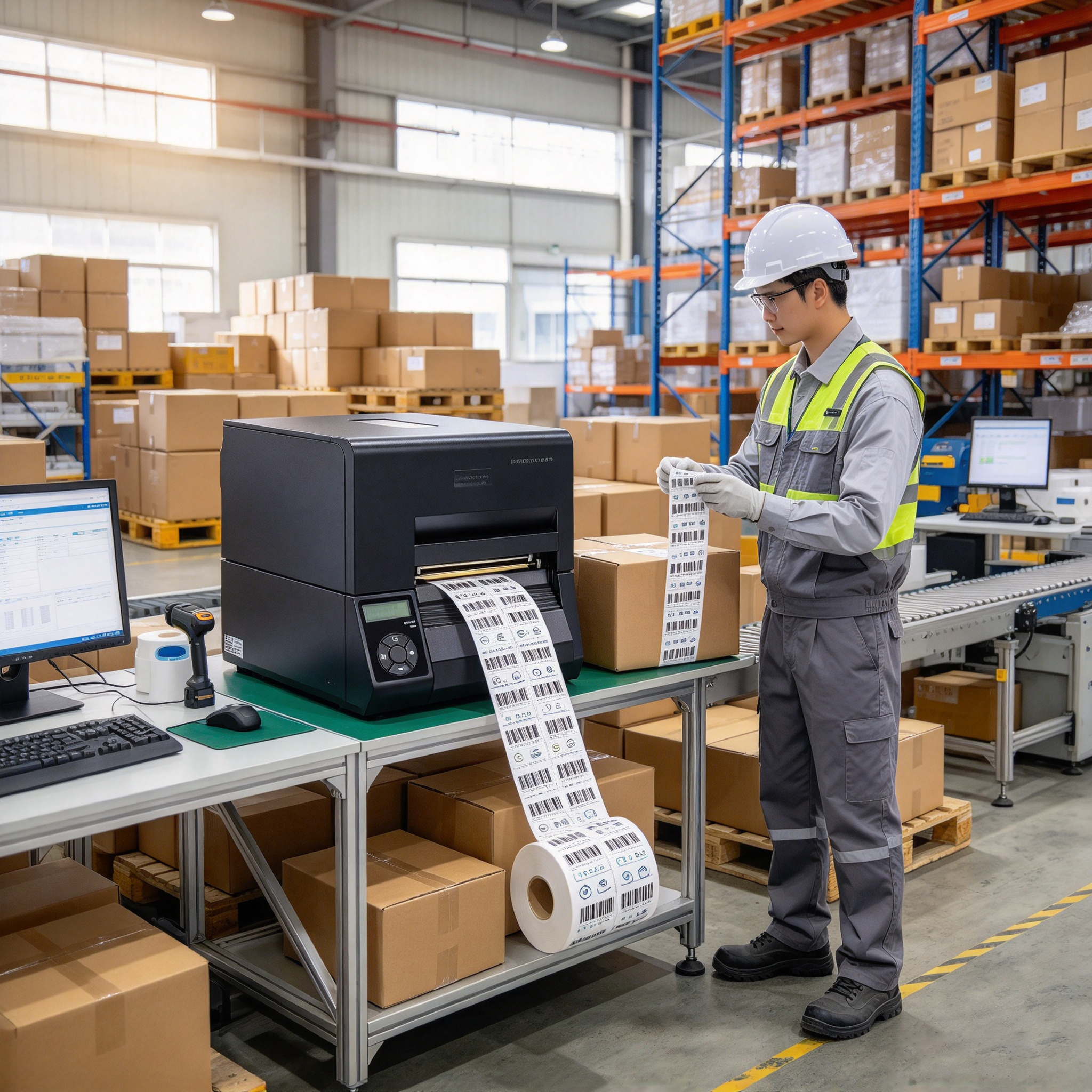
An RFID printer is used to print labels while encoding information into embedded RFID chips. Businesses use RFID printers for inventory labels, shipping labels, asset tags, retail products, and supply chain identification.
A barcode printer creates visible labels only. An RFID printer creates printed labels and writes electronic information into RFID chips embedded inside smart labels. RFID printers can also verify whether the RFID chip responds correctly.
Yes. Many RFID printers can also print traditional thermal labels without RFID functionality. However, RFID features require compatible RFID-enabled label materials.
Support depends on the printer model. Many supply-chain RFID printers support UHF RFID standards based on EPC Gen2 / ISO 18000-63 specifications. Always verify the exact supported protocols before deployment.
Yes. RFID printers require RFID smart labels containing an RFID chip and antenna. Regular barcode labels do not contain electronic components and cannot be encoded.
It depends on the RFID tag type and memory configuration. Some RFID chips support writable memory, while others are designed mainly for identification. Access permissions and tag settings also affect writing capability.
No. RFID printers are used in warehouses, manufacturing plants, retail stores, healthcare environments, libraries, logistics operations, and asset-management systems.
Choosing an RFID printer starts with understanding the complete workflow.
Before selecting equipment, evaluate:
A printer that works well for carton labeling may not be the right choice for industrial assets or textile products.
The strongest RFID deployments are designed around the real operation, not only the printer specification sheet.
Understanding what is rfid printer means understanding that the device is not simply a printing machine. It is a bridge between physical products and digital identification systems.
For companies building RFID-based inventory, logistics, or asset-management solutions, Cykeo focuses on RFID technologies that help connect readers, tags, and operational workflows into practical identification systems.
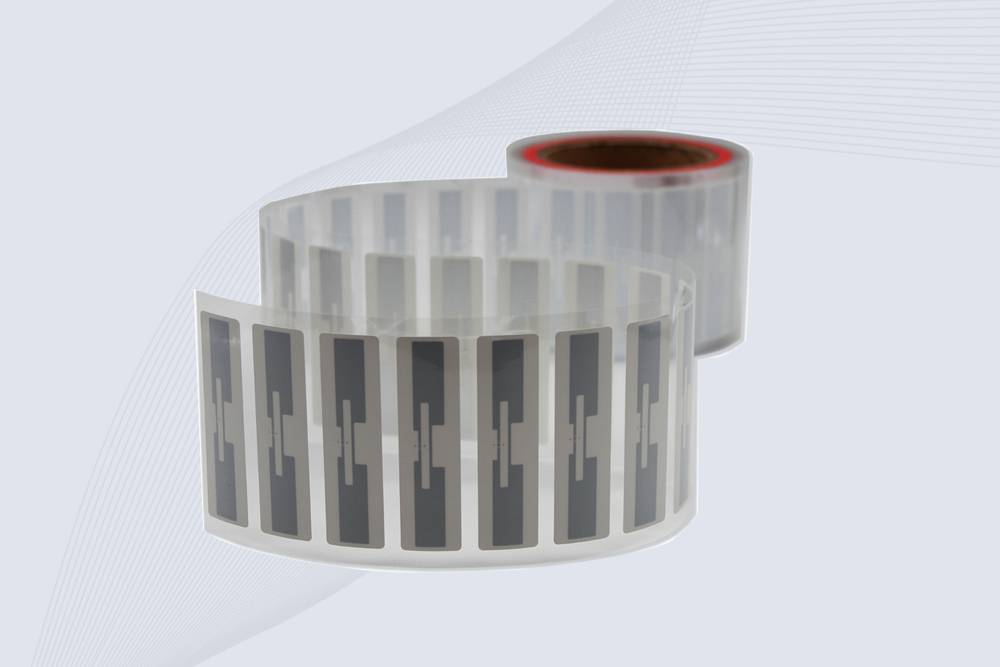
CYKEO Passive RFID Tags are made for wet and high-humidity environments where standard labels do not last. This rfid passive tag is often used around liquids, chemicals and temperature changes, providing stable reading distance and long data life for industrial tracking.
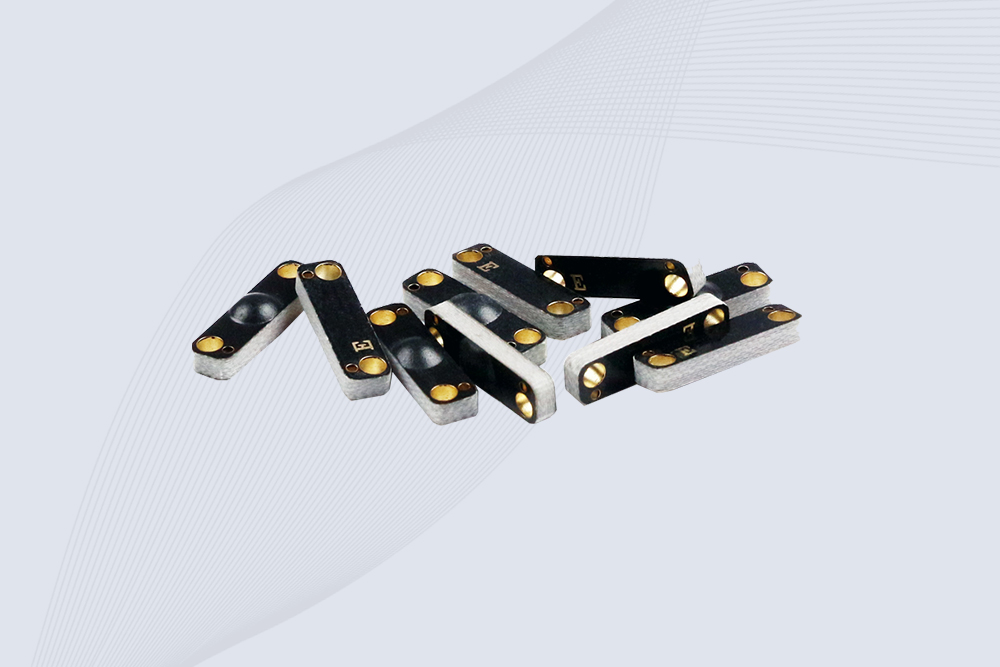
CYKEO CYKEO-PCB1504 Metal RFID Tags is a compact anti-metal UHF RFID solution built for direct mounting on metal surfaces. With stable 8-meter read range, Ucode-8 chip, and long data retention, this rfid metal tag fits tools, containers, automotive parts, and industrial asset tracking.
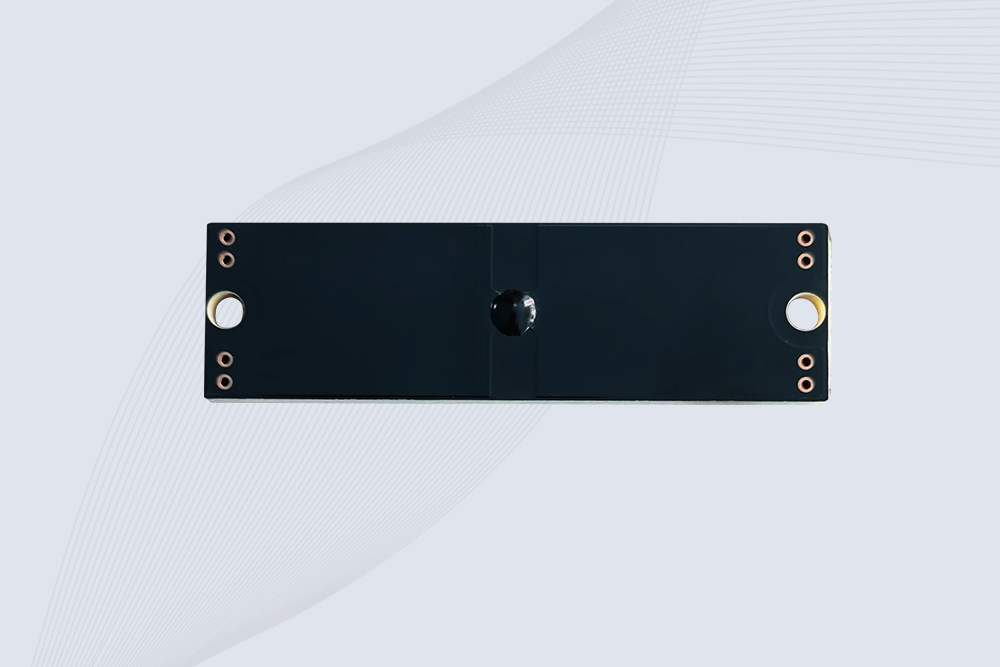
CYKEO CYKEO-PCB7020 On-Metal RFID Tags are designed for reliable tracking on steel and metal surfaces. Built with an FR4 epoxy body and industrial-grade chips, these On-Metal RFID Tags deliver stable performance, long data life, and chemical resistance, making them a dependable RFID anti-metal tag for harsh environments.
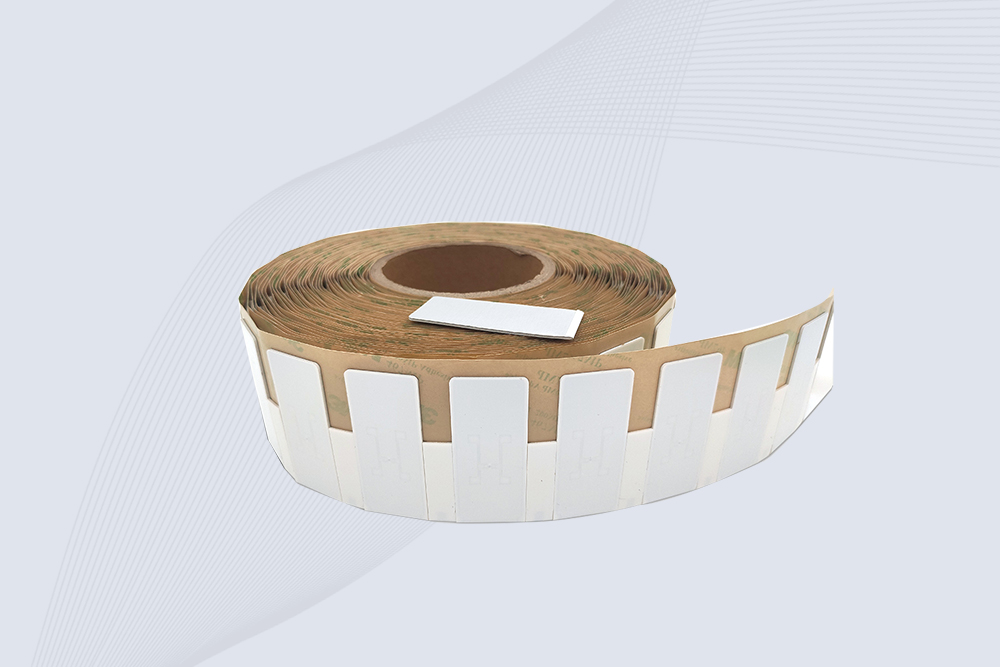
The CYKEO CYKEO-60-25 Anti-Metal RFID Tag is built for metal surfaces where standard tags fail. Designed for long-range performance, harsh environments, and stable data retention, this Anti-Metal RFID Tag is ideal for industrial assets, containers, and equipment tracking using on metal RFID tags.
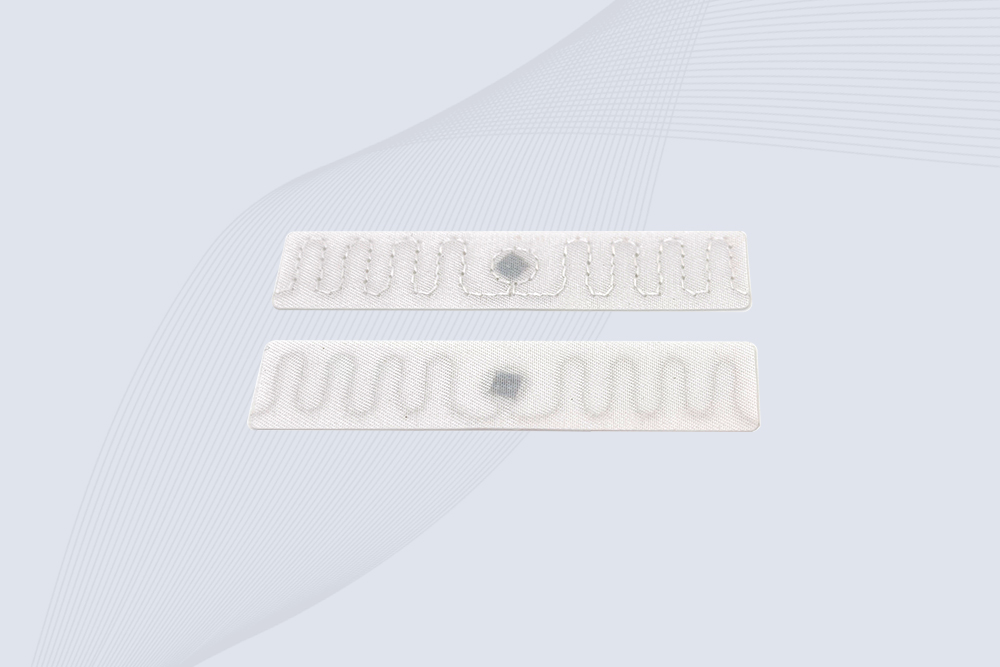
The CYKEO RFID Laundry Tag is designed for long-term textile identification in harsh laundry environments. Built to withstand high heat, chemicals, and repeated washing, this RFID Laundry Tag delivers stable performance for hotels, hospitals, and industrial laundry operations using laundry rfid tags at scale.
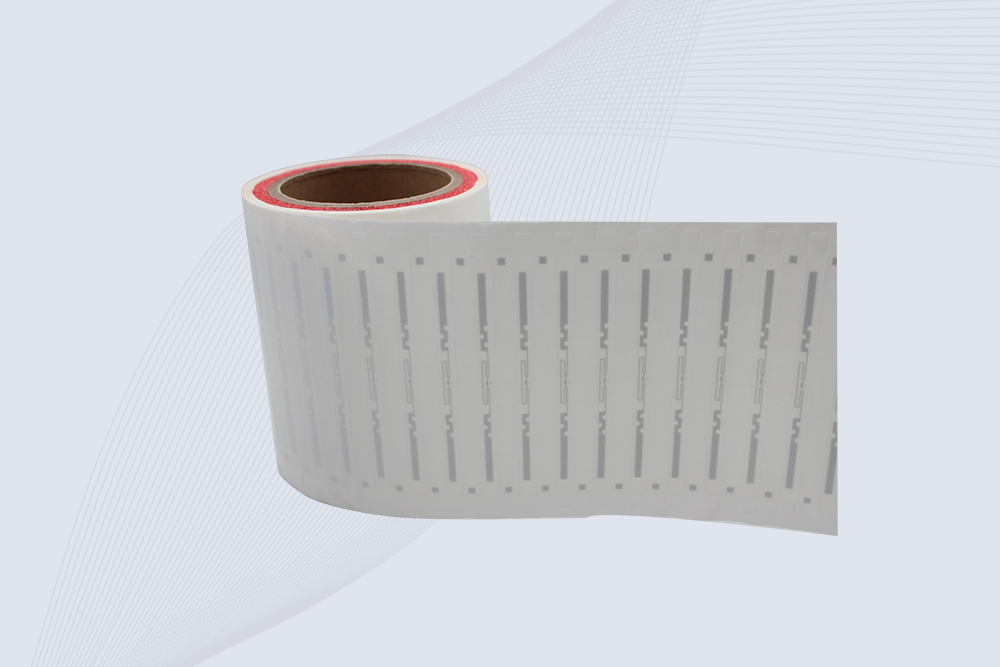
The CYKEO CYKEO-125-7 RFID Book Tag is designed for reliable book and document tracking in libraries and archives. This RFID Book Tag delivers long read range, dense placement support, and stable performance on shelves, making it a practical rfid tag on books for library automation, file management, and archival systems.
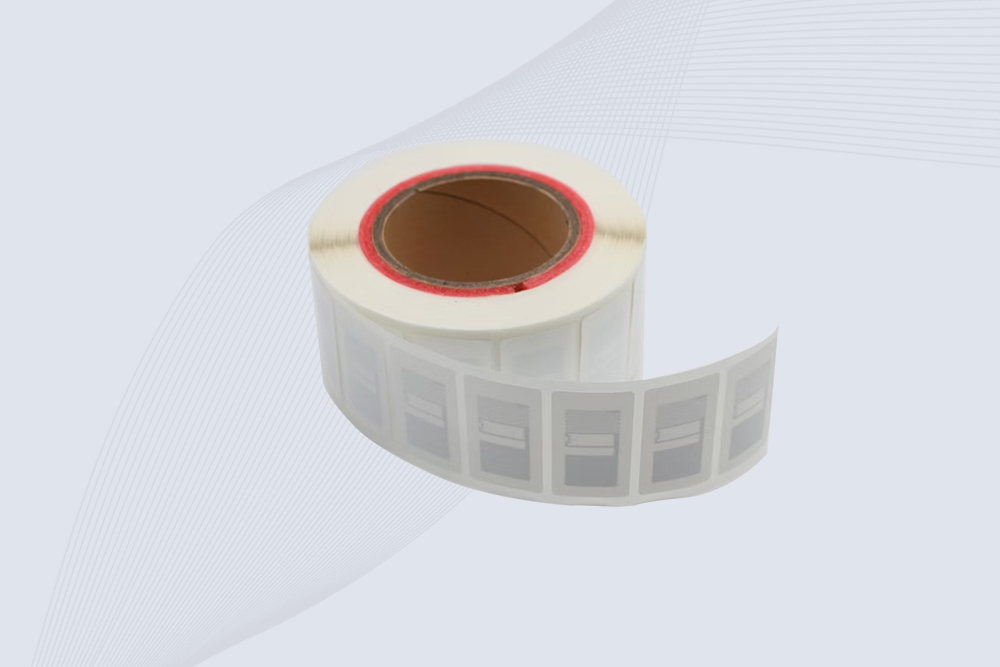
CYKEO RFID tags in hospitals are designed for sterile environments where accuracy matters. These autoclavable RFID tags support long-term tracking of surgical tools, implants, and medications, helping hospitals improve visibility, compliance, and patient safety.

CYKEO RFID Cable Tie Tag is built for reliable identification on metal surfaces. This UHF RFID Cable Tie Tag is widely used in rfid tags for inventory systems, industrial asset management and Hospital RFID Tags, offering stable read performance, long service life and global EPC Gen2 compatibility.
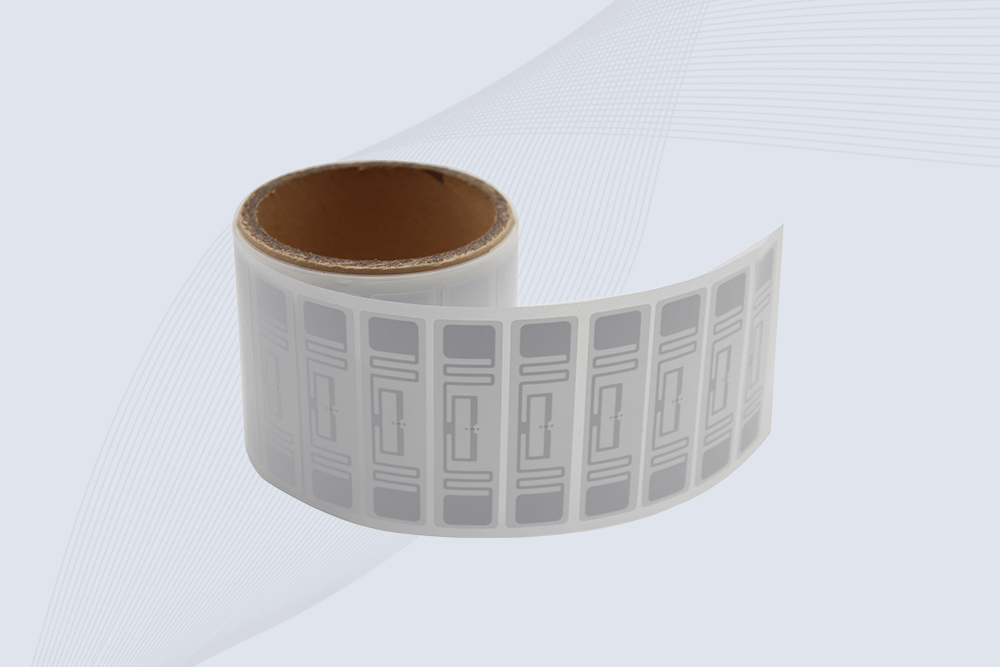
CYKEO RFID Asset Tag is designed for stable identification of metal assets in industrial environments. This UHF RFID Asset Tag is commonly used for rfid tag asset tracking on equipment, tools and containers, providing reliable reads, long service life and ISO/IEC 18000-6C support.
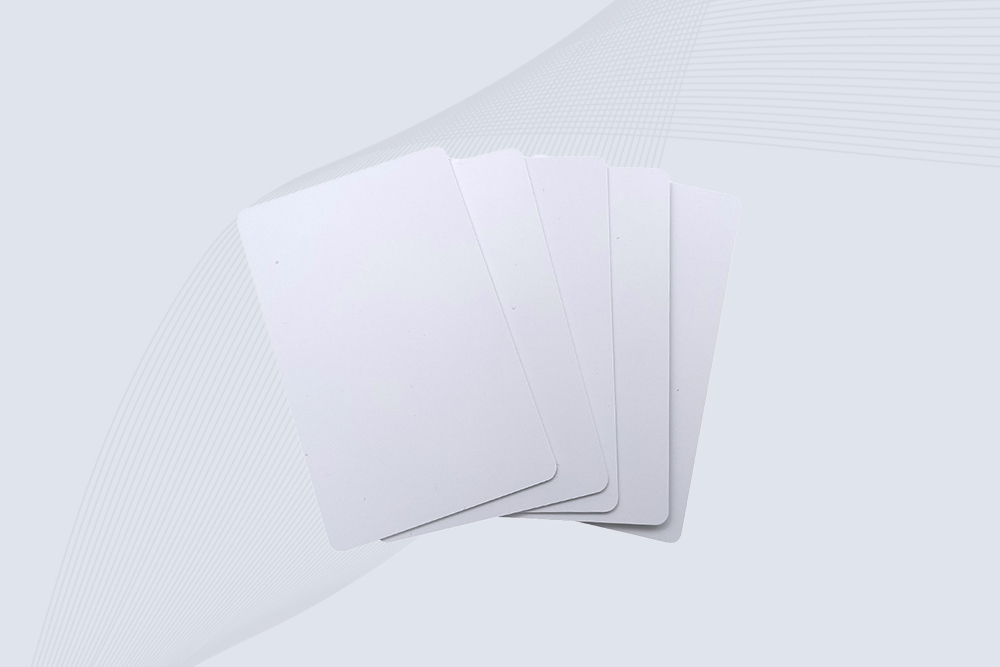
CYKEO UHF RFID Card is designed for fast identification and long-term use in industrial and commercial systems. Supporting ISO 18000-6C, this UHF RFID Card works at 860–960 MHz and is suitable for custom RFID cards used in asset tracking, access control and inventory management.
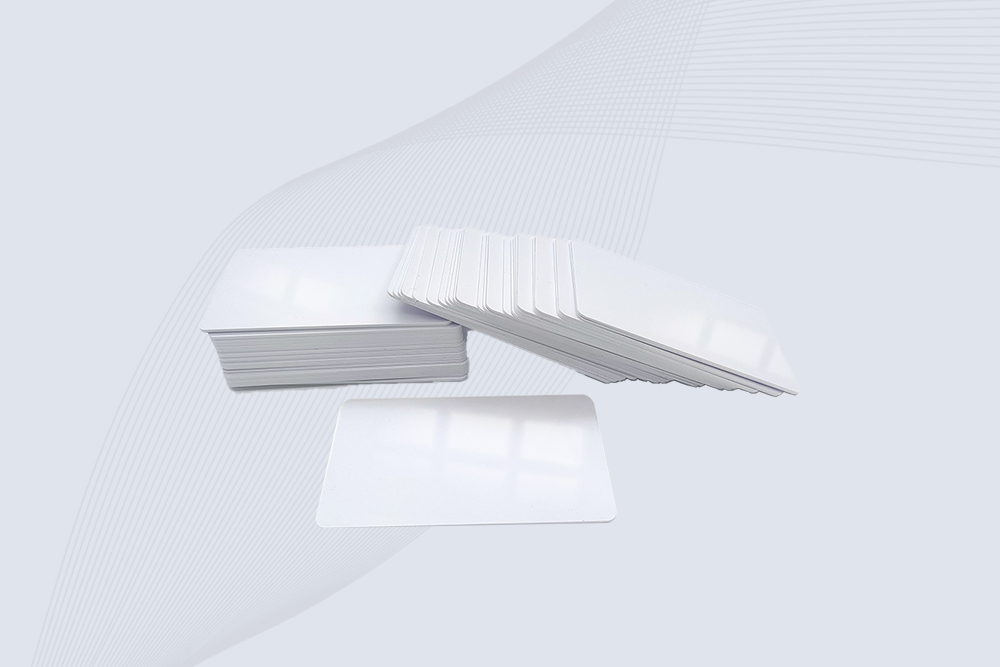
CYKEO HF RFID Cards are designed for secure and stable access control systems. These 13.56 MHz RFID key cards support ISO 14443-A, reliable rewriting and long service life, making HF RFID Cards suitable for offices, campuses, events and membership management.
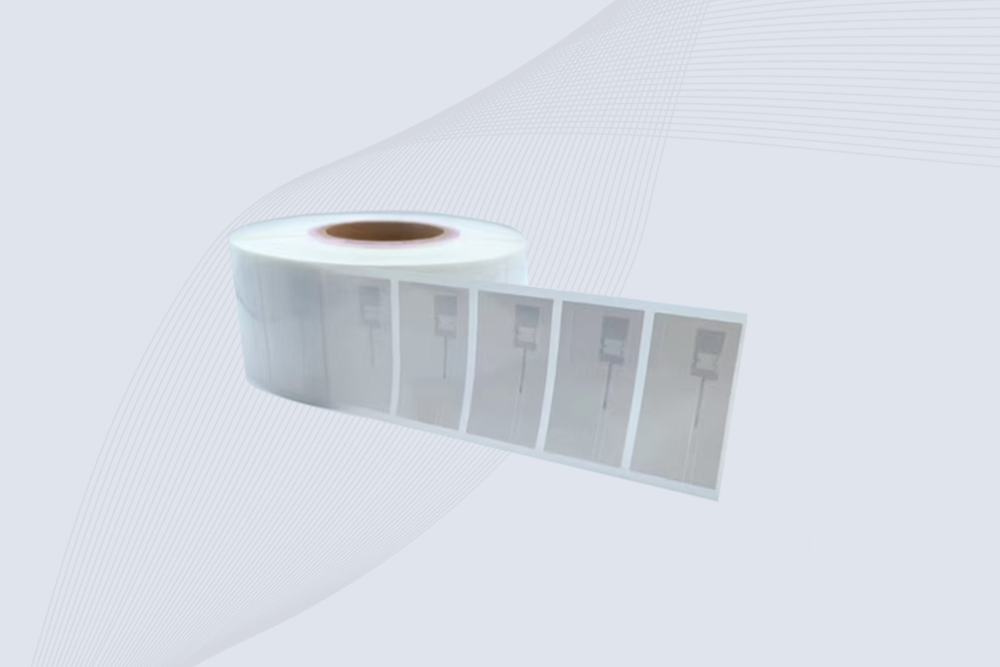
CYKEO UHF RFID Tag is designed for reliable tracking of metal jewelry and high-value items. This Jewelry RFID Tag supports long-range reading up to 8 meters, anti-counterfeit protection and stable performance on metal, making it suitable for retail, inventory control and asset management.

Explore how yms with rfid compatibility delivers real-time yard visibility, automates gate processes, and boosts logistics efficiency with proven RFID data insights and Cykeo solutions.
More
Learn how RFID reader modules are used in laundry tracking systems for garment sorting, textile inventory management, and industrial laundry automation.
More
Struggling with rfid reader distance measurement in real projects? Learn field-tested range methods, common mistakes, and CYKEO setup tips that improve reading accuracy.
More
in-depth breakdown of the entire RFID tag testing process—from design validation to real-world field trials—featuring warehouse and Arduino case studies. Covers practical methods for testing read range, orientation sensitivity, interference resis...
More