YMS with RFID compatibility enables real-time yard visibility by automatically identifying vehicles, trailers, and assets via RFID, reducing manual check-ins and improving yard efficiency by up to 30–50% in active logistics environments.
I’ve seen yards where clipboards disappeared within weeks—replaced by silent RFID reads at the gate. No bottlenecks, no guesswork. Just timestamps, movement logs, and fewer arguments between warehouse and security teams.
what is yms with rfid compatibility
A Yard Management System (YMS) integrated with RFID uses tagged trailers, containers, or vehicles and fixed readers at gates or zones to automate tracking.
<h3>Core Functions</h3>
Gate entry/exit automation
Yard location tracking
Dock door assignment
Real-time asset visibility
According to Zebra Technologies , RFID-enabled yard operations can reduce gate processing time by over 60%, especially in high-throughput distribution centers.
how rfid transforms yard operations
From manual to automated flow
Traditional yard:
Driver stops → paperwork → manual entry
Delays stack up during peak hours
RFID-enabled yard:
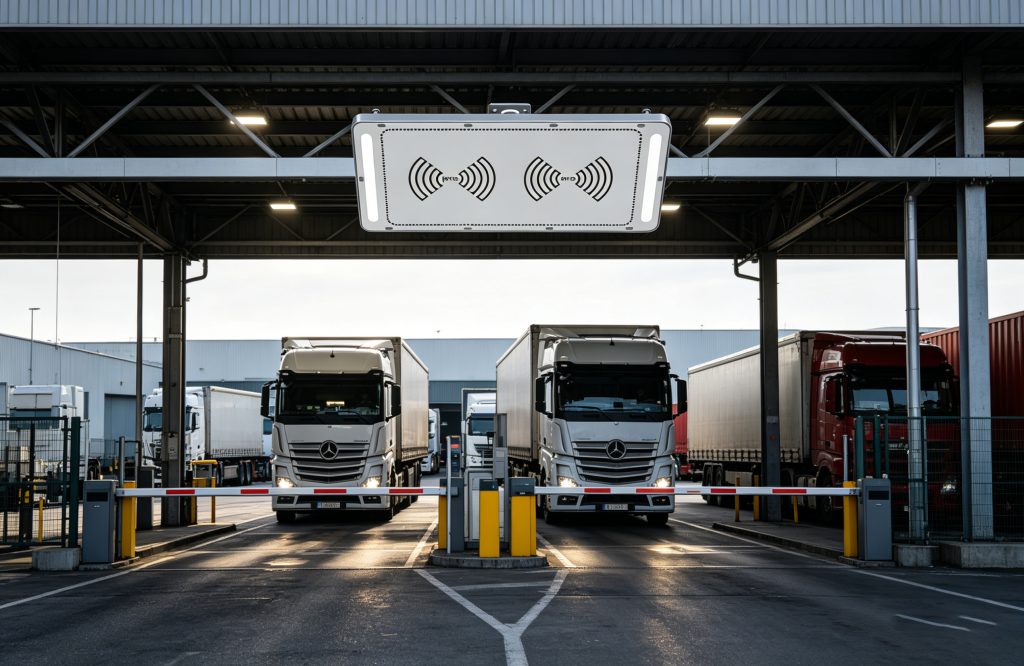
Vehicle passes gate → tag auto-read
System logs entry instantly
Field Observation
In one mid-size logistics yard (≈120 trailers/day), RFID reduced:
Metric
Before
After
Gate processing time
2–4 min
<30 sec
Data entry errors
Frequent
Near zero
Yard search time
15–20 min
<5 min
Not dramatic on paper—until you multiply by hundreds of daily movements.
Automated truck identification using RFID at yard entry point
key technologies behind yms with rfid compatibility
GS1 standard sensure interoperability across global supply chains—critical when assets move across regions.
where it actually delivers roi
1. Gate efficiency
No scanning. No stopping. Vehicles flow.
2. Yard accuracy
Knowing exactly where assets are reduces idle time.
3. Labor reduction
Fewer manual checks, fewer staff tied to entry points.
McKinsey logistics insights suggest digital yard solutions can improve overall logistics productivity by 10–20%, with RFID acting as a key enabler.
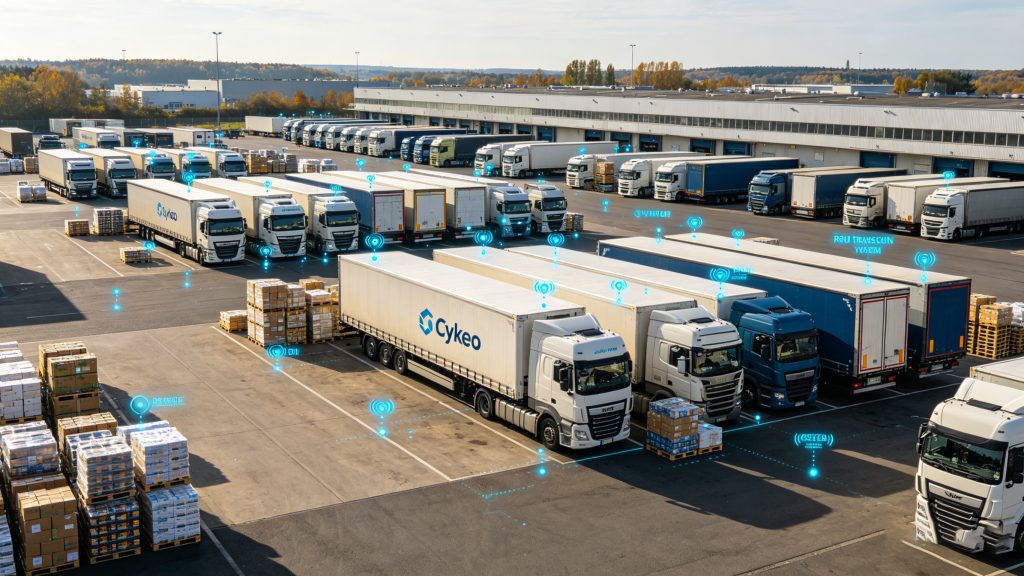
Live tracking of trailers and containers using RFID-enabled YMS
deployment insights (what people underestimate)
Tag placement matters more than reader power
Windshield tags placed too low? Missed reads. Metal interference near chassis? Signal distortion.
Gate design is everything
Narrow lanes = better read accuracy
Controlled entry points = cleaner data
Software latency kills experience
Even perfect reads feel slow if the system lags. Keep response time under 1 second.
comparison: rfid vs manual yard management
Feature
RFID YMS
Manual Yard
Entry speed
Seconds
Minutes
Accuracy
95–99%
70–85%
Labor cost
Low
High
Visibility
Real-time
Delayed
FAQ
Is RFID reliable in outdoor yards?
Yes. Industrial UHF RFID systems are designed for outdoor use, with weather-resistant tags and stable read performance.
Can RFID integrate with existing YMS?
Most modern systems support API integration, allowing RFID data to sync with existing platforms.
What is the typical read range?
Between 5–15 meters depending on antenna setup and environment.
Do vehicles need to stop?
No. Properly configured systems support drive-through identification.
In practice, yms with rfid compatibility doesn’t just speed things up—it removes friction entirely. Once vehicles stop queuing, everything downstream—dock scheduling, labor planning, inventory flow—starts behaving differently. That’s where the real value quietly compounds.
What is RFID mean? Discover the meaning, working principles, and real-world applications of RFID technology with Cykeo insights for smart tracking and identification systems.
Chipless RFID is considered the next-generation RFID technology due to its low cost and environmental advantages. But can it truly replace traditional RFID? This article analyzes its potential and limitations from aspects like reading distance, da...
Discover how RFID security gates protect assets, streamline access, and improve efficiency in libraries, retail stores, gated communities, and industrial parks. Learn about technology trends and real-world applications.
 Cykeo RFID IoT Solution Products R&D Manufacturer