 Cykeo RFID IoT Solution Products R&D Manufacturer
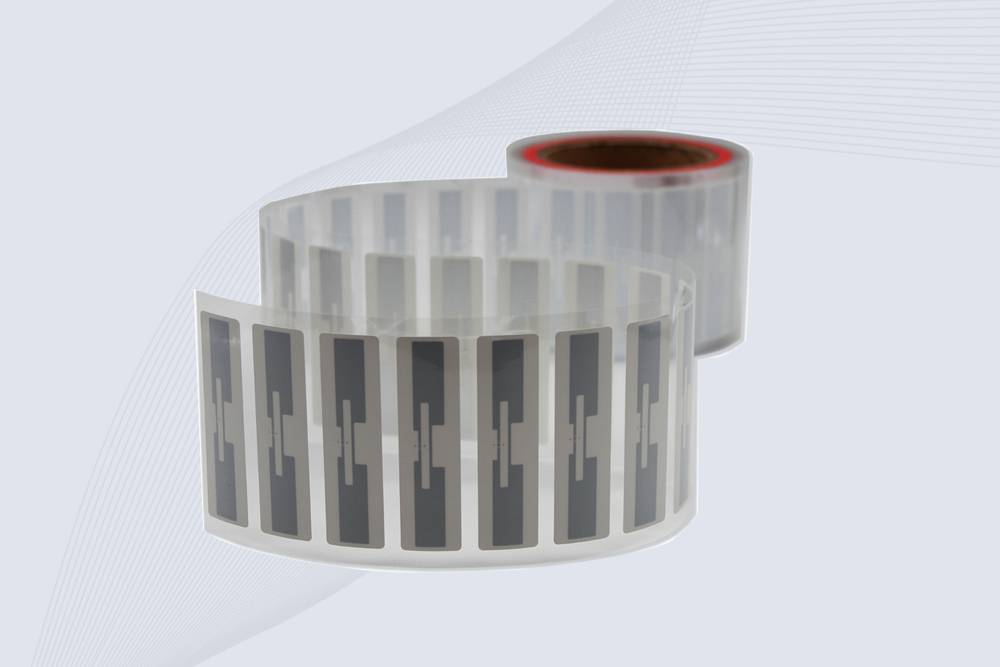
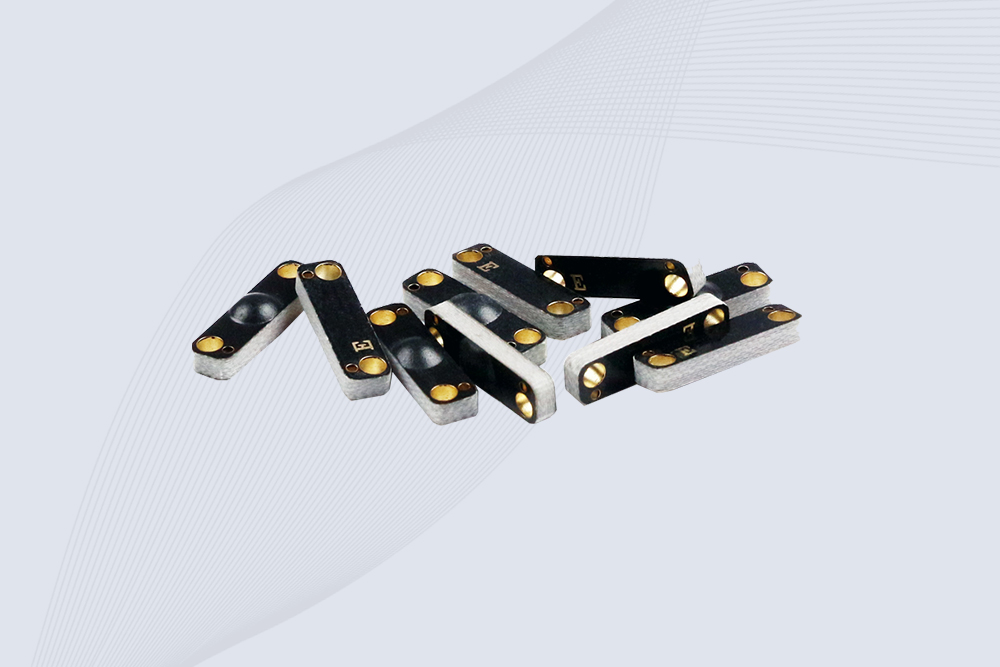
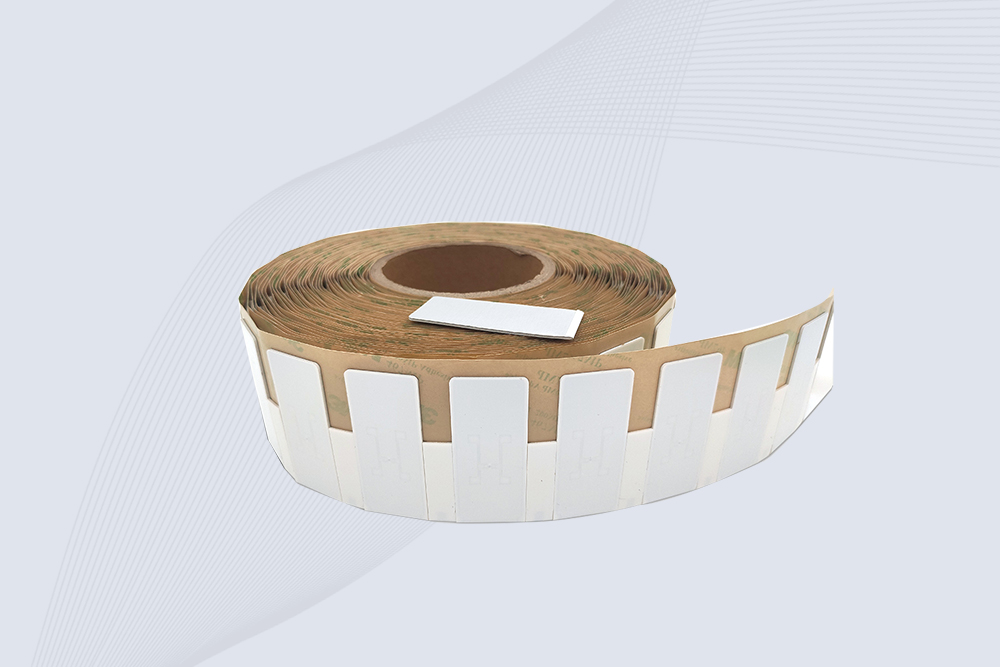


How to Reduce RFID Tag Read Errors in High-Metal Warehouses?
773Learn proven strategies to minimize RFID tag read errors in high-metal warehouses. Discover anti-metal tags, optimal placement, and interference reduction techniques.
MoreAll RFID Product
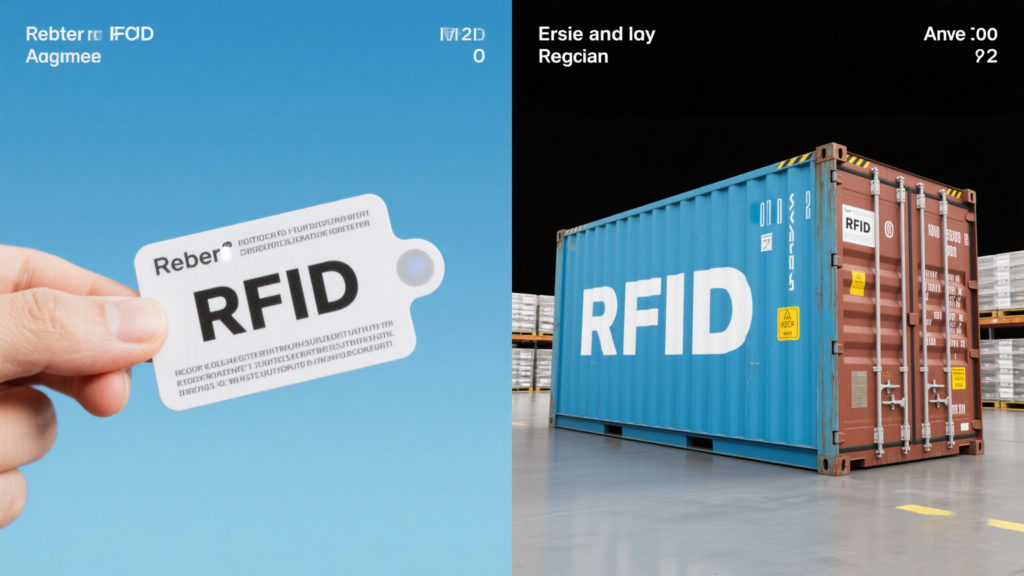
RFID technology has revolutionized industries by automating data collection, but choosing between passive RFID tags and active RFID systems can be daunting. Whether you’re managing a warehouse, tracking medical equipment, or optimizing supply chains, understanding their strengths and limitations is key to maximizing ROI. Let’s dive into what sets them apart—and how to pick the right fit.
Passive RFID Tags
Active RFID Systems
1. Tracking Range and Environment

2. Budget and Scalability
3. Data Frequency and Functionality
Passive RFID Use Cases
Active RFID Use Cases
Cykeo offers hybrid RFID readers that support both passive and active tag protocols, ideal for businesses transitioning between systems. For instance, a warehouse storing bulk goods (passive-tagged) and high-value machinery (active-tagged) can use a single Cykeo reader to manage both, reducing hardware costs by 30%.
1. Interference Issues
2. Battery Life in Active Systems
3. Scalability
Semi-passive RFID tags are gaining traction. These battery-assisted tags use power only for sensors (e.g., temperature logging) while relying on reader energy for communication. They’re perfect for pharmaceutical logistics, where real-time environmental data is critical.

Learn proven strategies to minimize RFID tag read errors in high-metal warehouses. Discover anti-metal tags, optimal placement, and interference reduction techniques.
More
Confused by the terms? We answer "can NFC read RFID" by clarifying how these technologies relate and what this means for real-world applications.
More
Discover how rfid shipment tracking improves shipment visibility, warehouse accuracy, and delivery efficiency with real-time RFID identification and industrial-grade Cykeo RFID solutions.
More
Wondering how small can an RFID reader be? CYKEO explores compact UHF modules as tiny as 18x21mm, embedded options, and size-versus-performance tradeoffs.
More