For small and medium enterprises (SMEs), every dollar counts. RFID technology promises efficiency gains, but upfront costs often spark hesitation. Can an RFID system truly pay off for smaller operations? Let’s break down the expenses, hidden savings, and strategies to maximize ROI—without the jargon.
Understanding RFID Costs: Upfront vs. Lifetime
1. Initial Investment
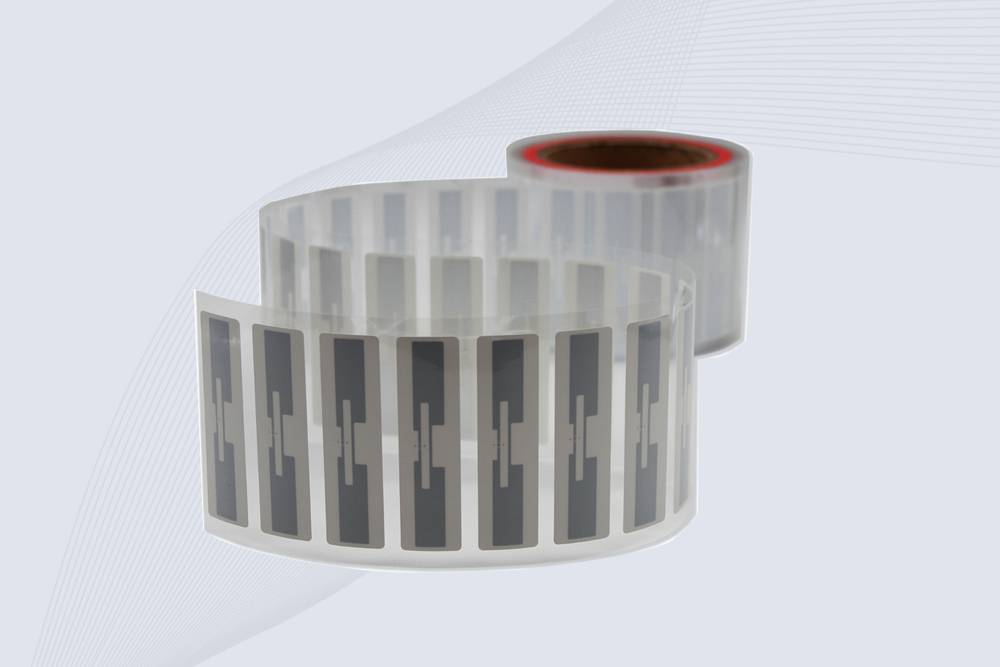
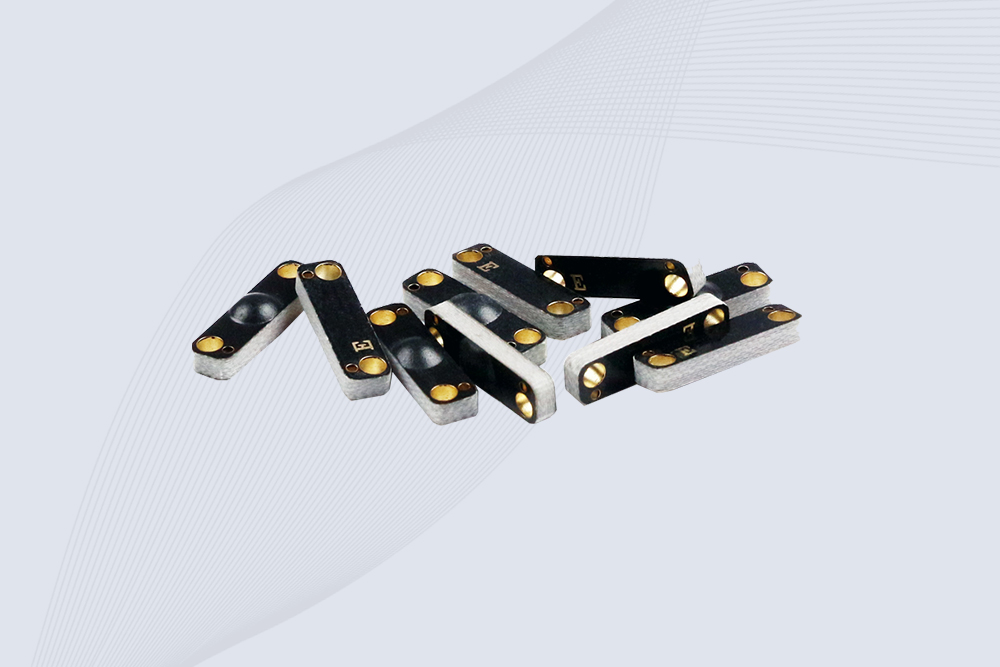
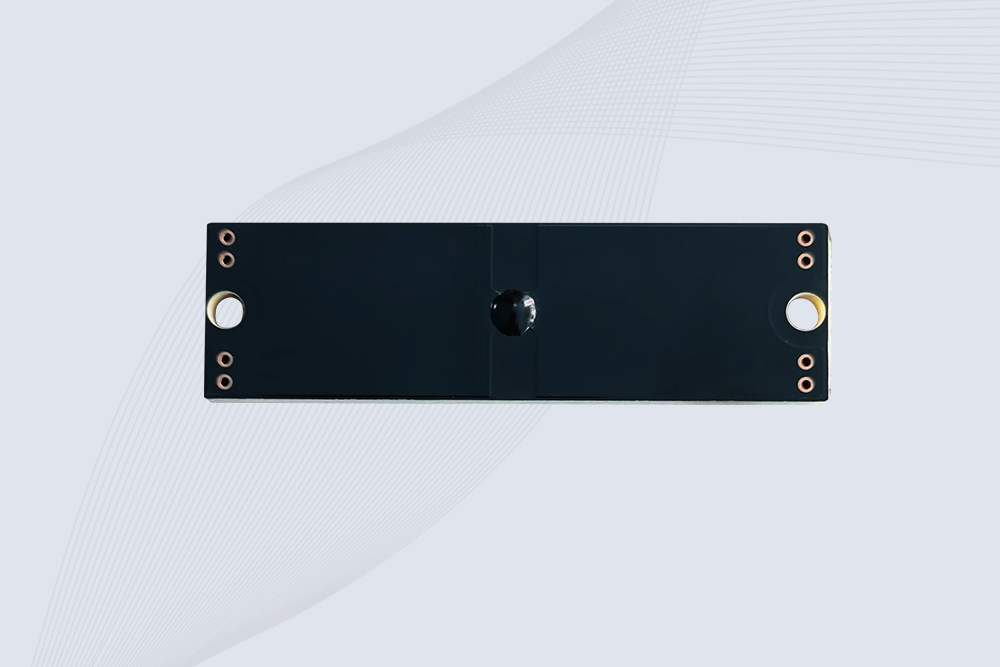
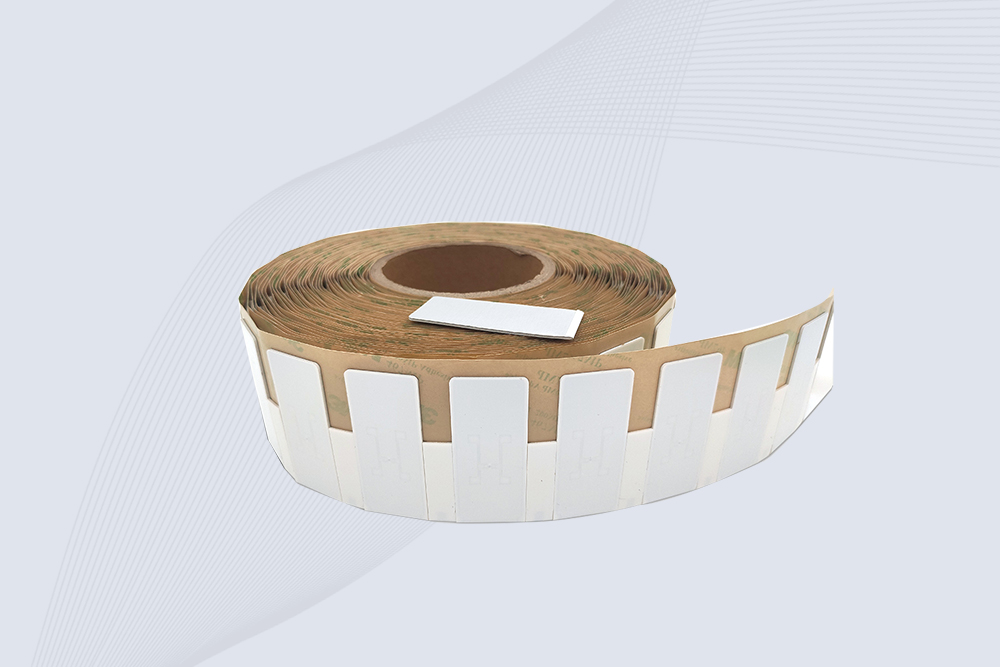
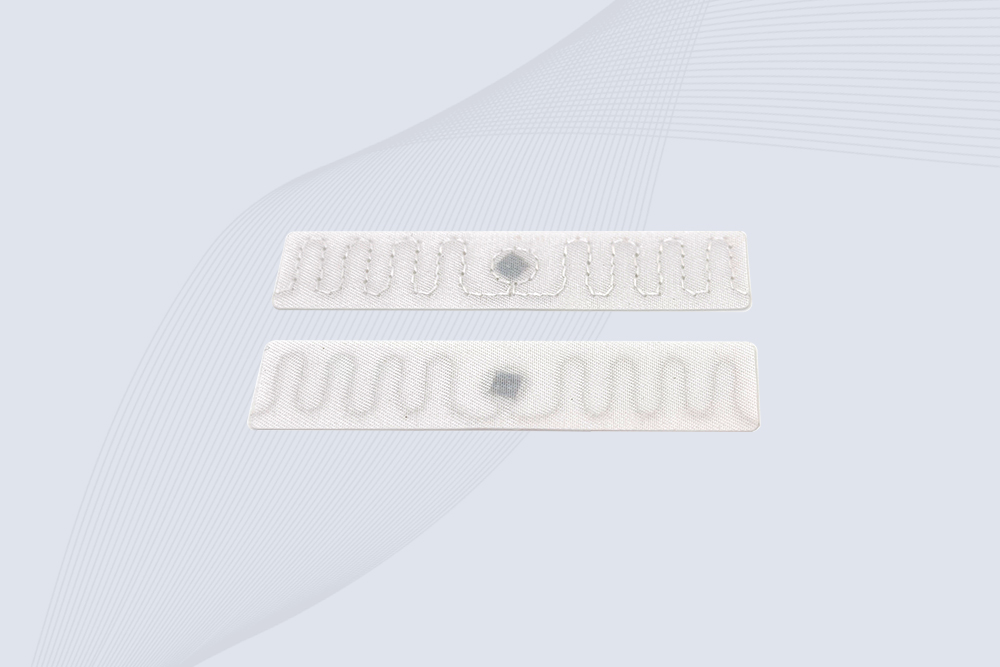
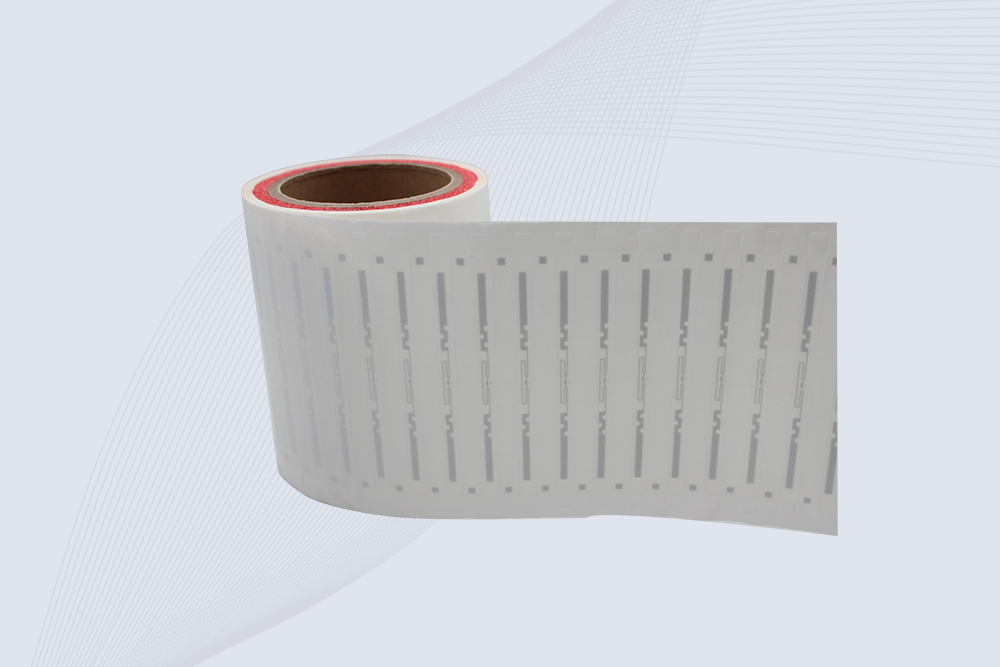
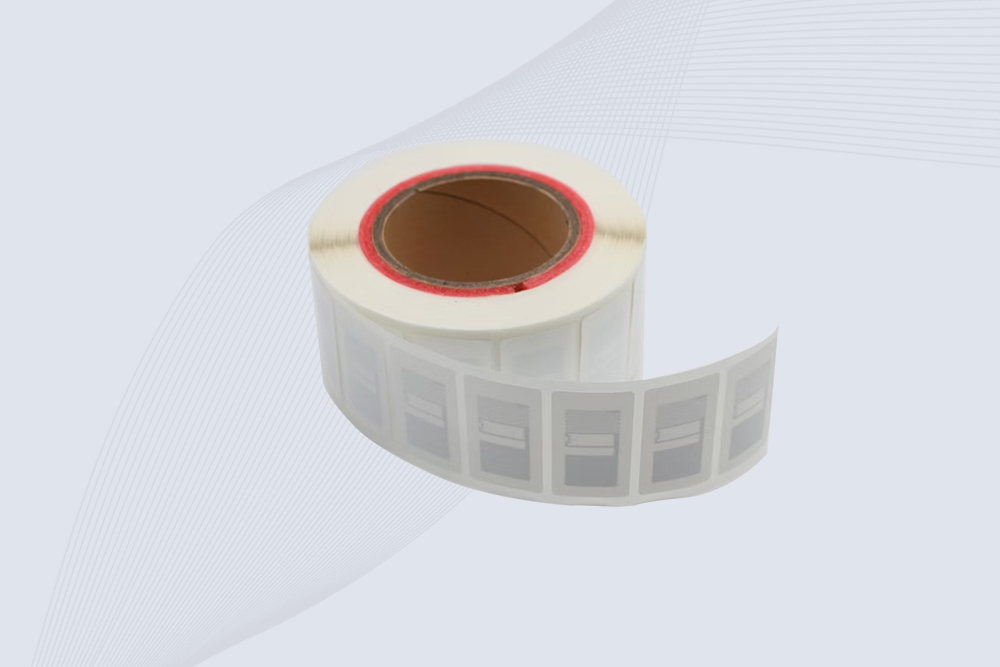
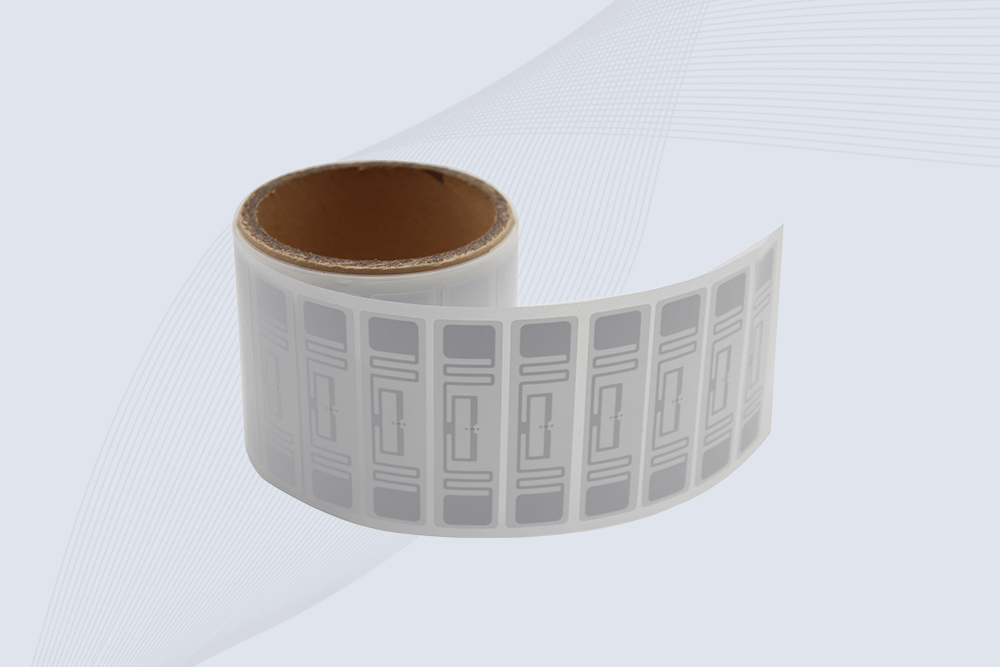
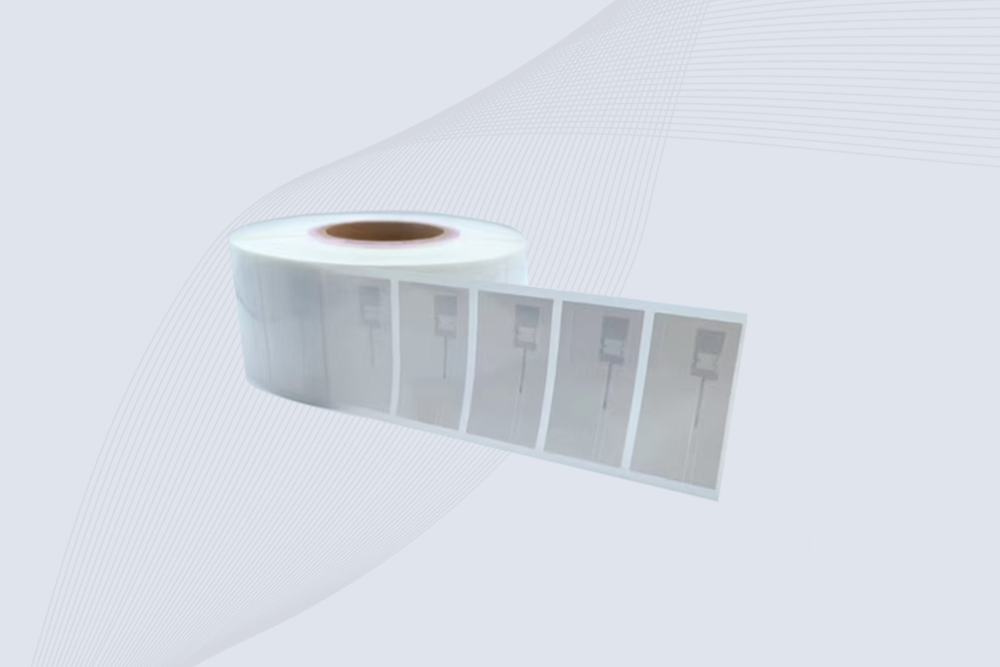
RFID Tags: 0.10–50 each (passive to semi-passive).
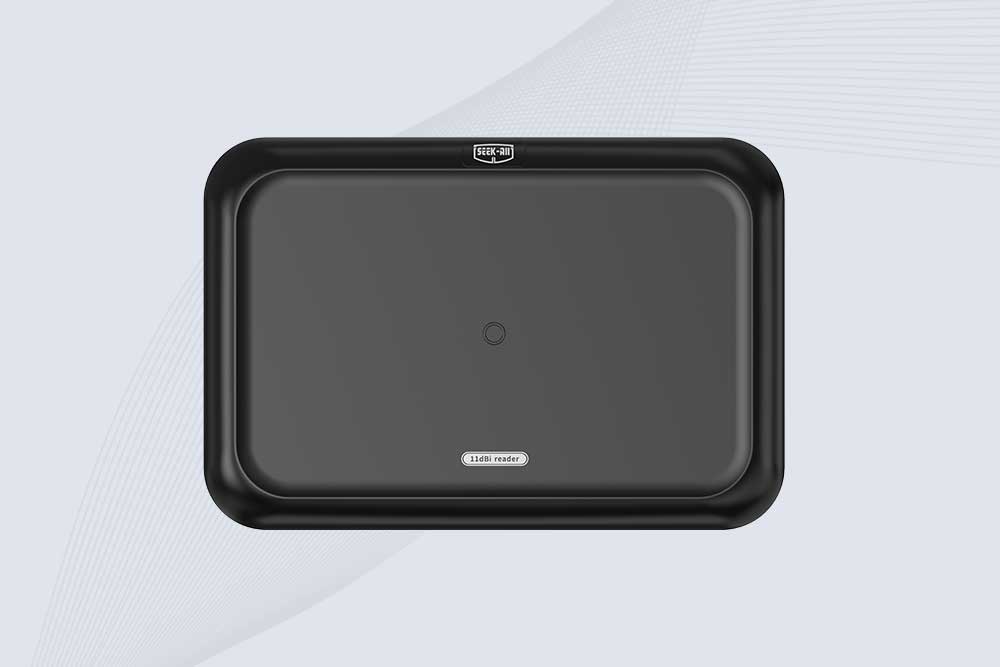
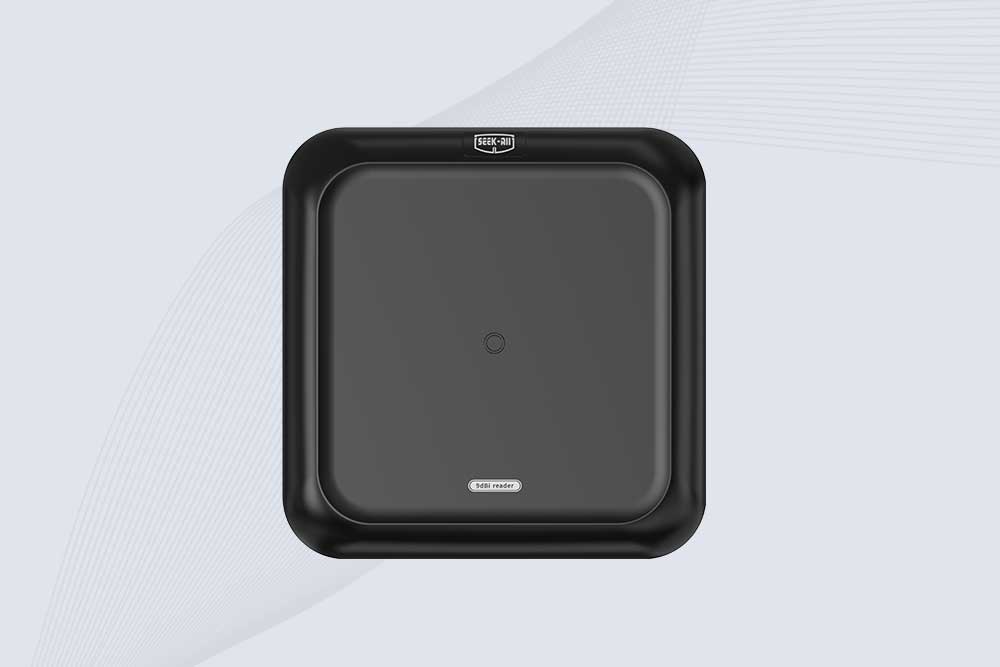
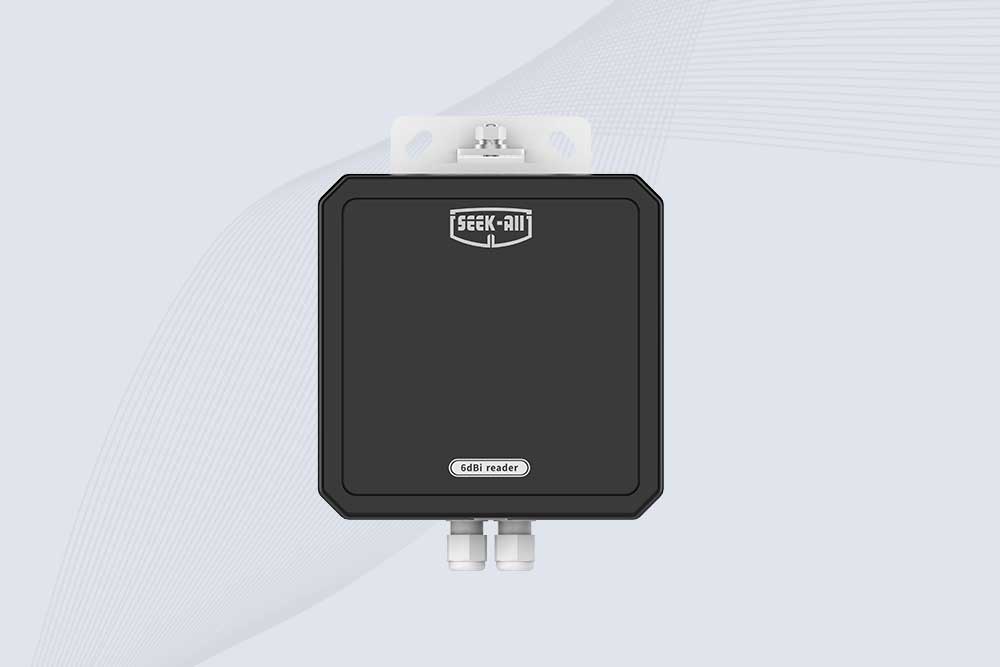
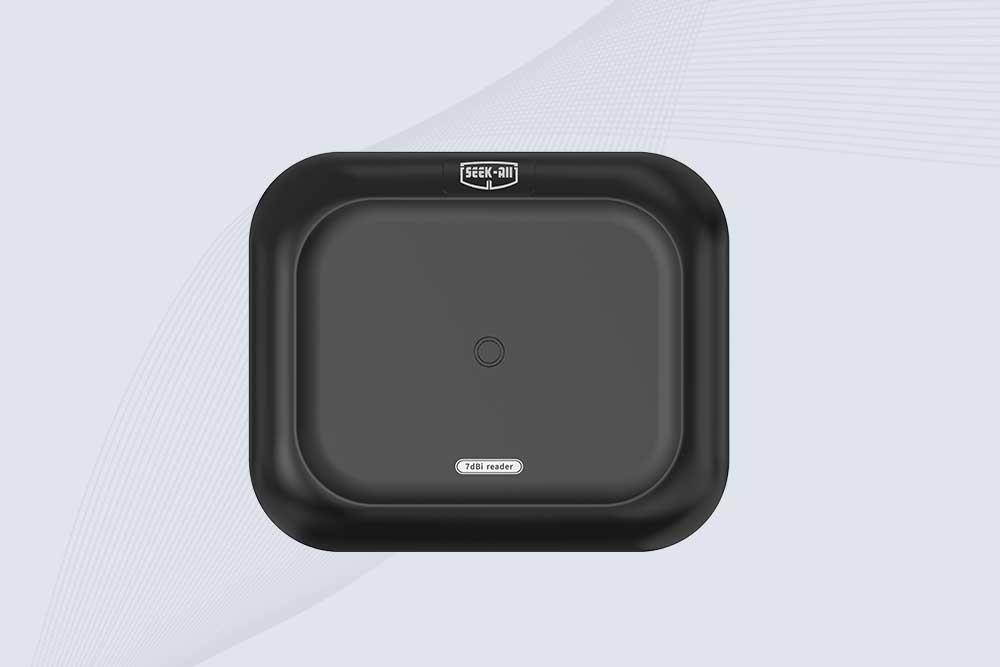
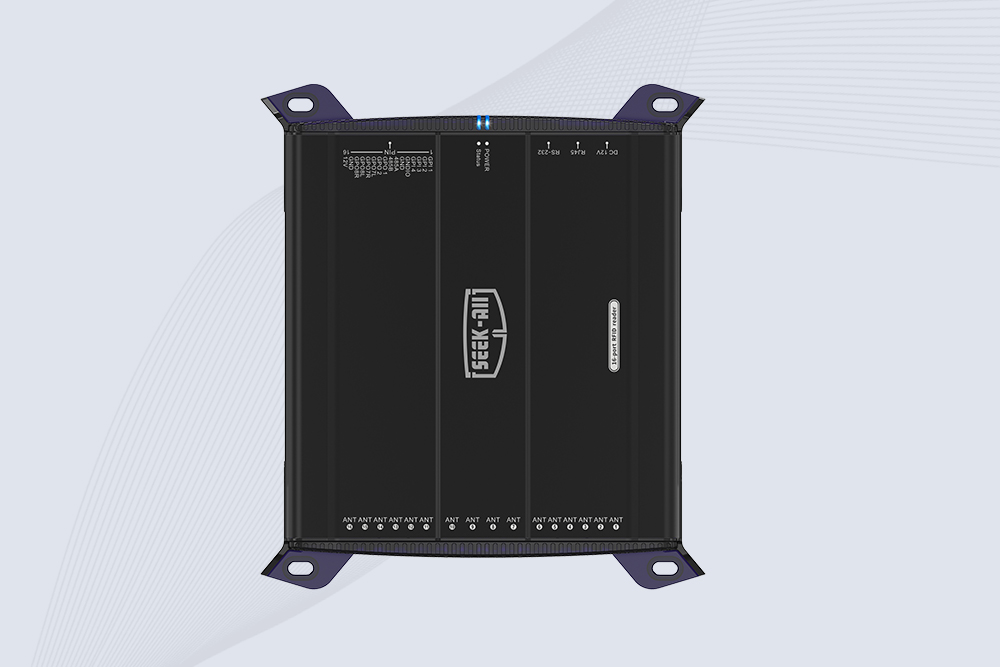
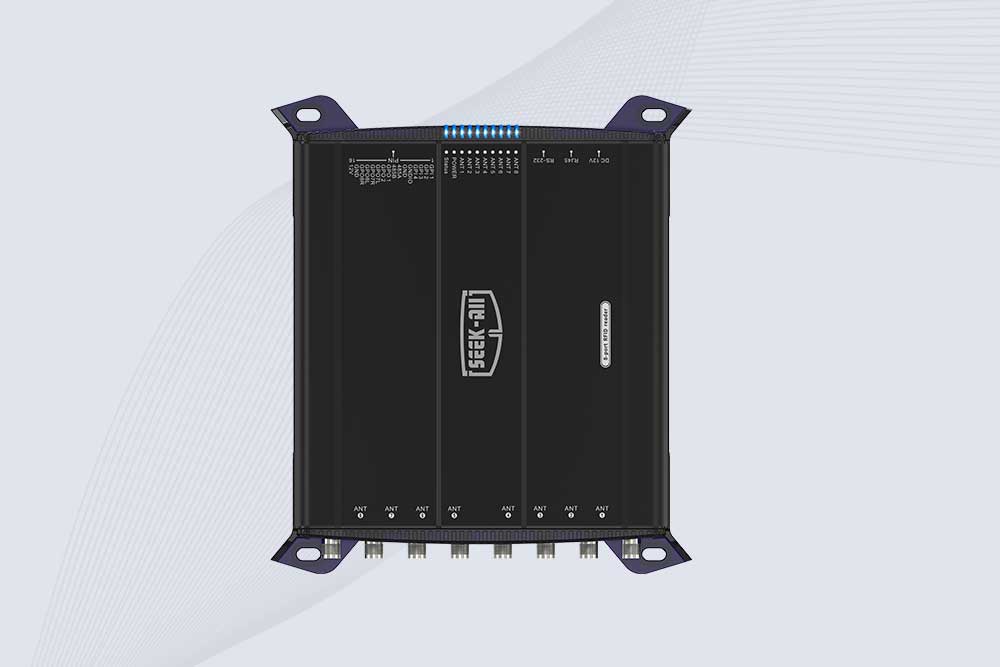
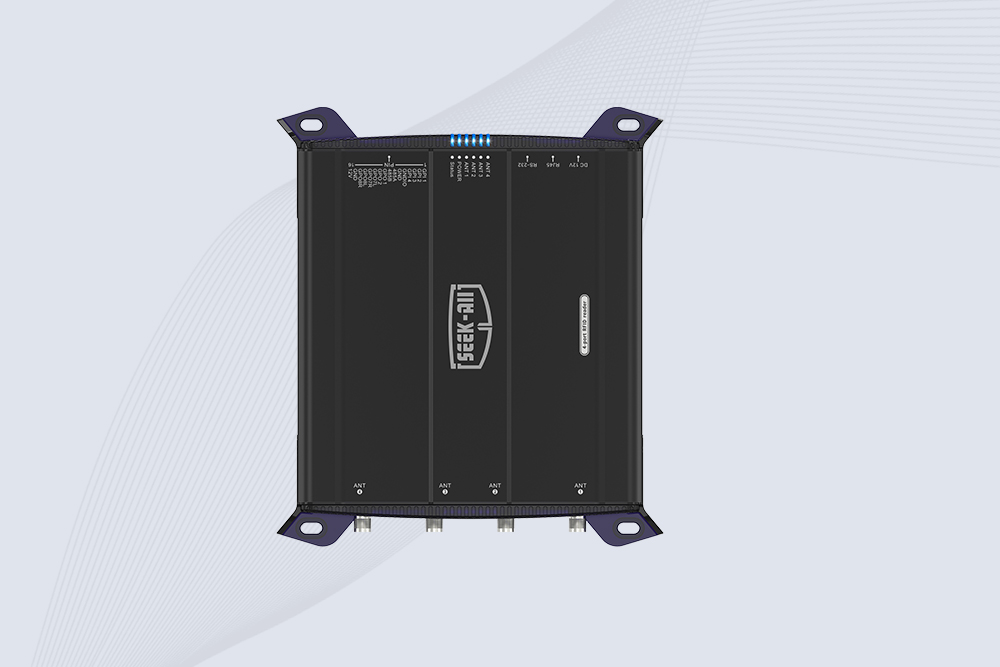
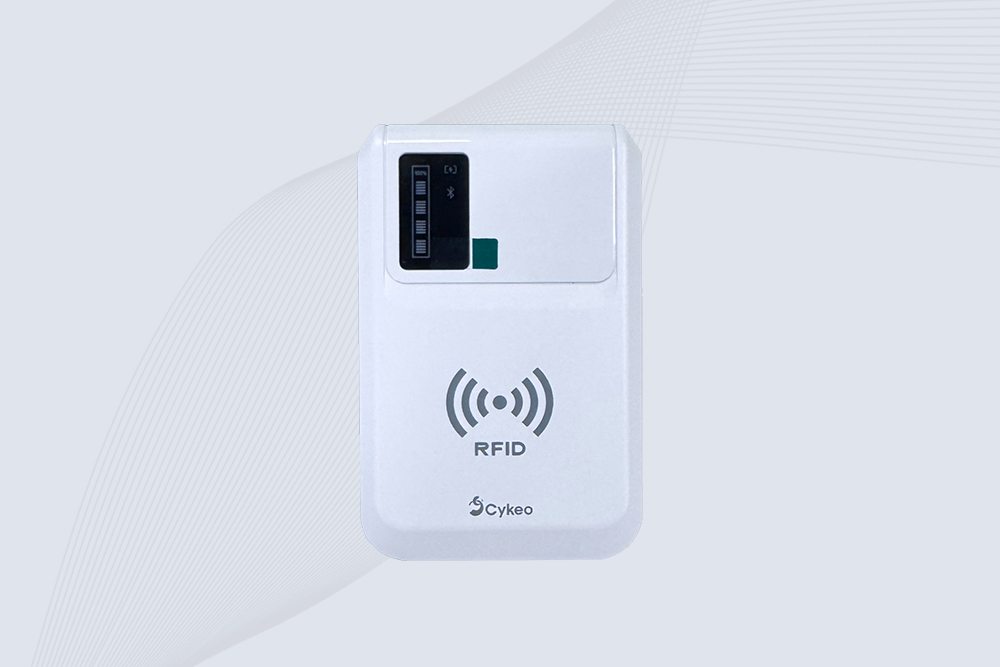
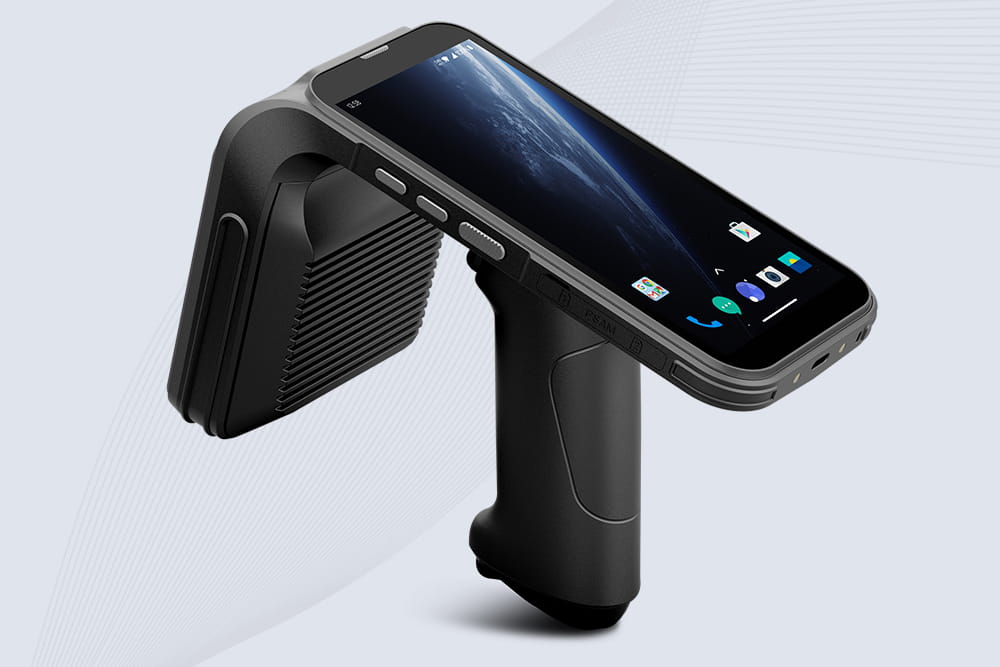
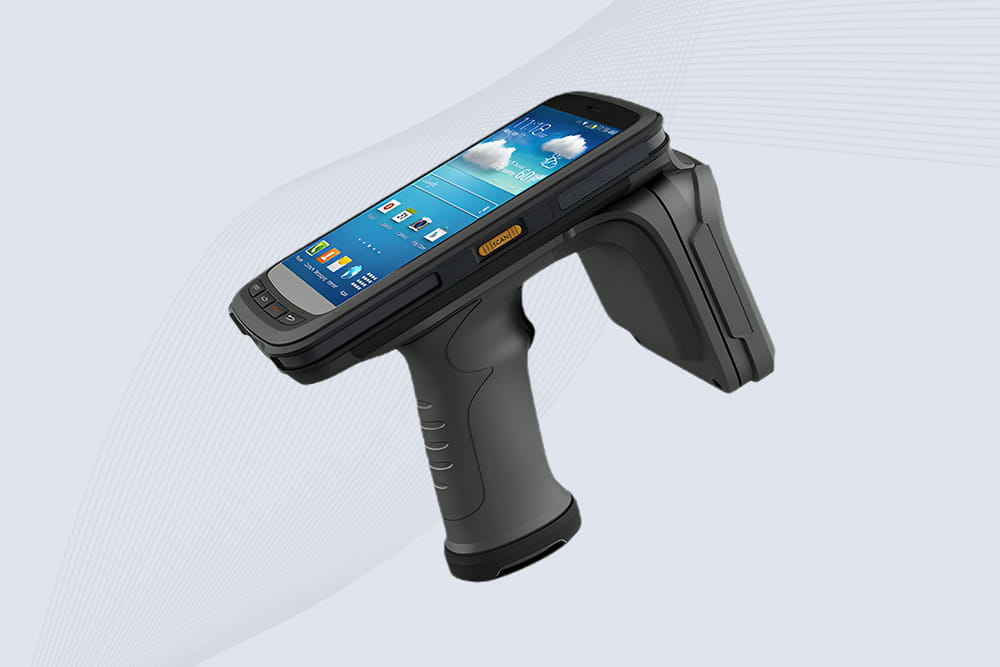
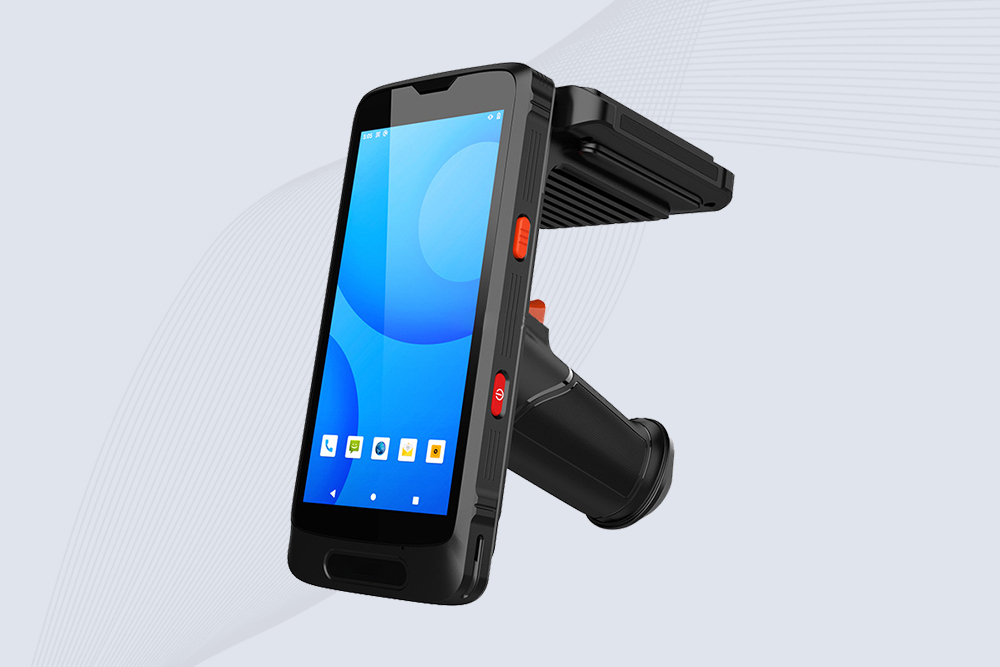
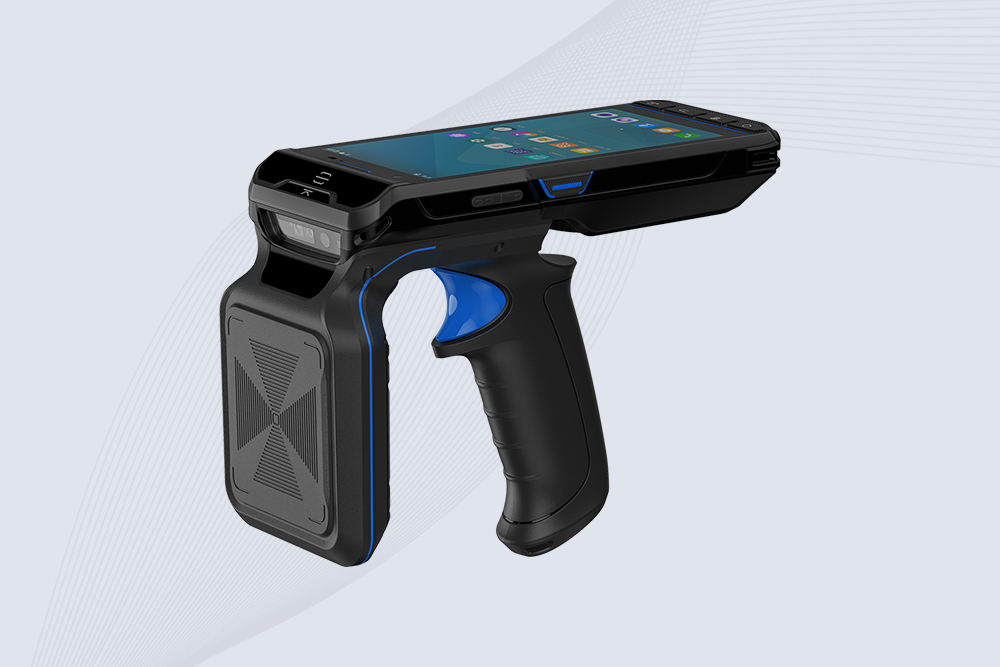
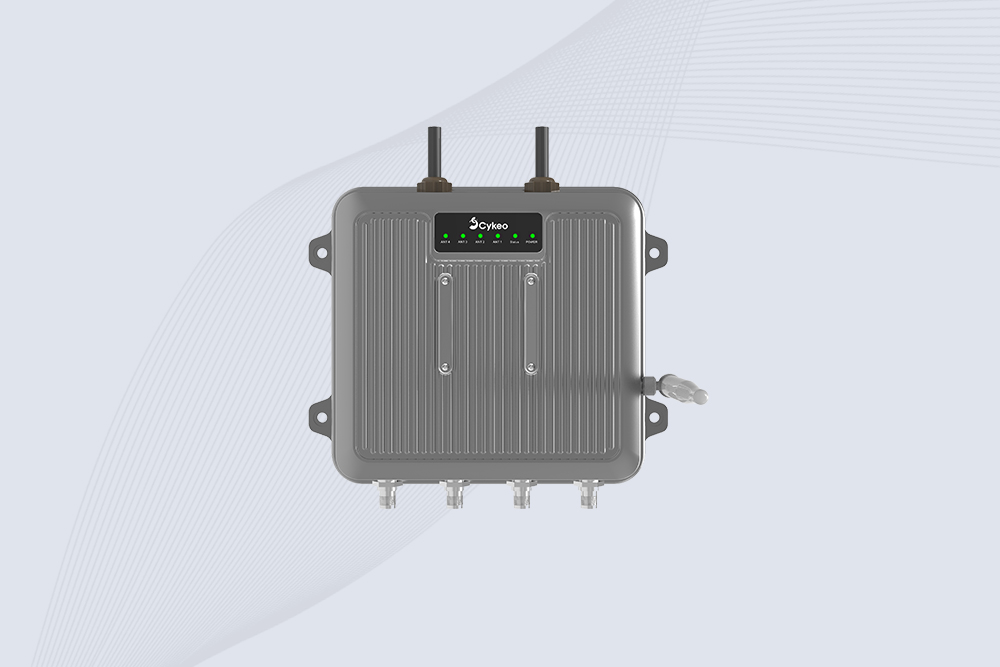
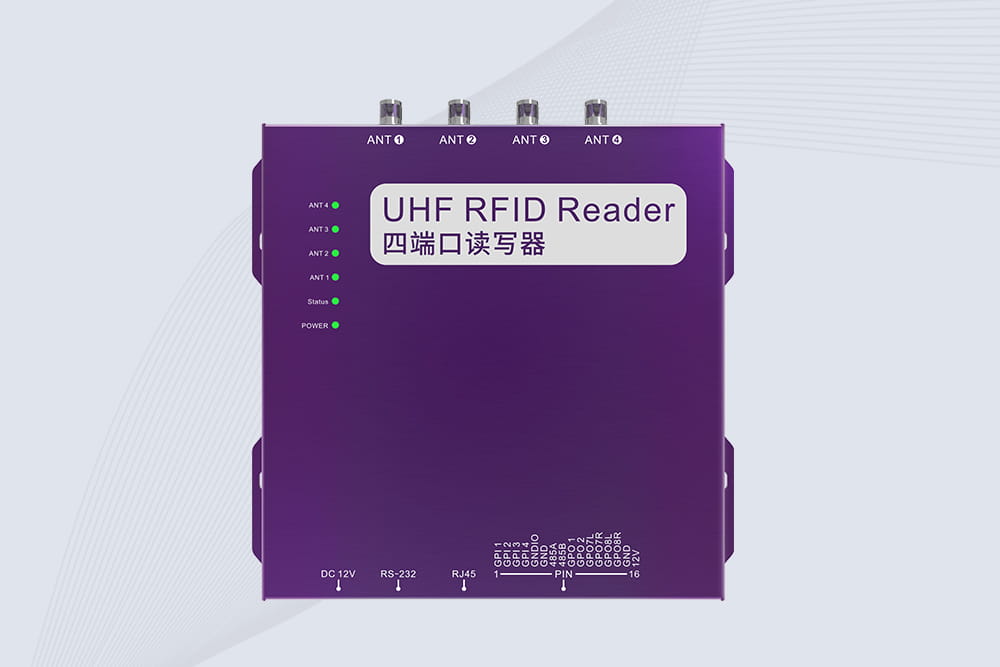
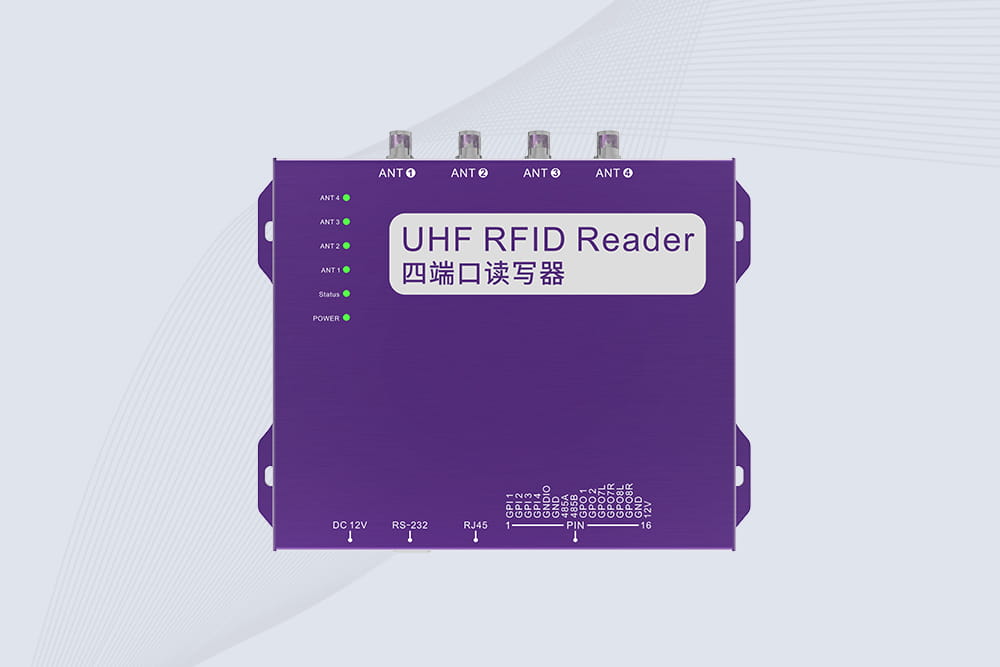
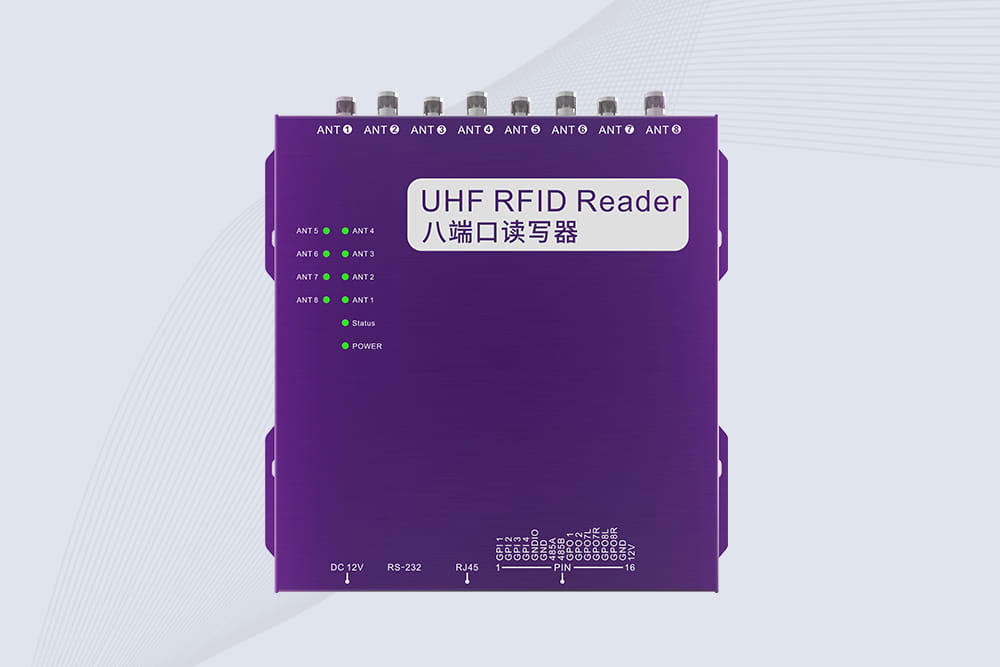
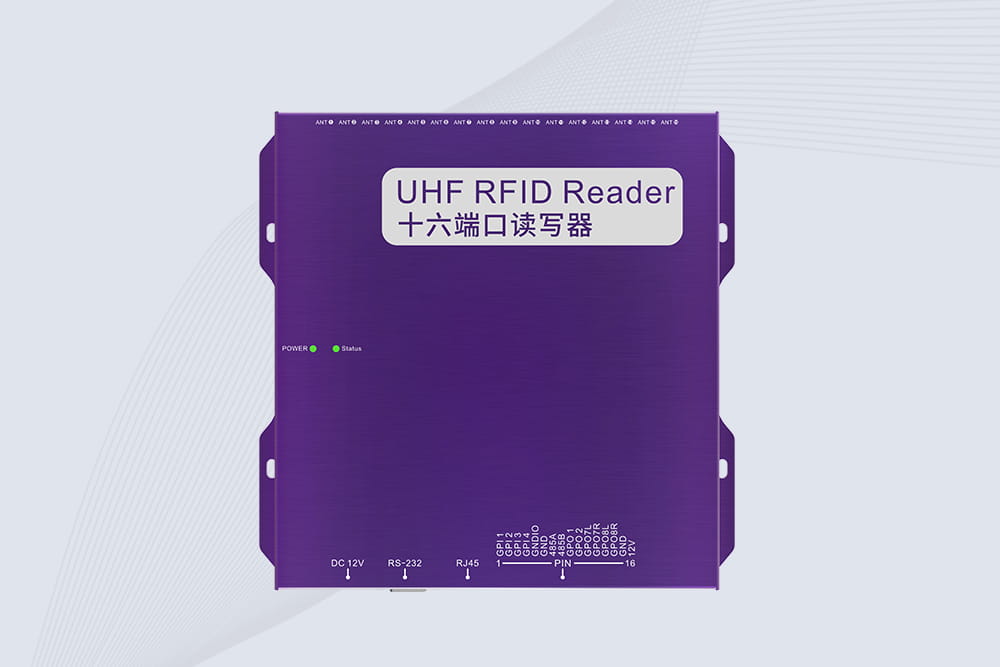
RFID Readers: Handheld models start at 800;fixedreadersrangefrom1,500–$4,000.
Software: 2,000–10,000 for cloud-based inventory platforms.
Installation: 500–5,000+ for system integration and staff training.
2. Hidden Savings
Labor Reduction: Automating inventory checks cuts manual hours by 70%. A mid-sized retailer saving 20 hours weekly at 15/hourrecoups15,600 annually.
Error Reduction: Eliminate stockouts and overordering. Food SMEs report 30% fewer expired goods with RFID expiry tracking.
Theft Prevention: Retailers using RFID anti-theft tags reduce shrinkage by 50%, saving $10k+ yearly.
Case Study: A Clothing SME’s RFID Journey
A UK-based apparel company with two stores and a warehouse invested $12,000 in a passive RFID system:
Discover how RFID technology transforms healthcare facility management. Learn how UHF RFID systems, mobile readers, and smart tagging improve asset tracking, patient safety, and workflow efficiency.
Discover why the RFID 13.56 MHz reader is the best choice for modern access control and industrial tracking. Real-world insights, practical tips, and lessons learned from hands-on installations.
USB RFID reader reading range depends on RFID frequency, reader antenna design, tag characteristics, orientation, and the surrounding environment. This guide...
Looking for asset tracking tags? CYKEO explains the difference between active and passive tags, how to pick the right one for metal or outdoor use, and what actually works.
 Cykeo RFID IoT Solution Products R&D Manufacturer