 Cykeo RFID IoT Solution Products R&D Manufacturer
Top 5 Industrial RFID Readers for Automotive Manufacturing Lines
692Need RFID readers that survive factory floors? We compare heat-resistant, high-speed UHF readers for automotive lines—no marketing fluff.
MoreAll RFID Product
If you have ever spent an afternoon wandering around a warehouse looking for a specific piece of equipment that was supposed to be in bay 14 but is actually in bay 22, you already know why people use asset tracking rfid tags. But when it comes time to actually buy them, things get confusing fast. There are so many options—active, passive, UHF, LF, on-metal, waterproof—and everyone claims theirs is the best. At CYKEO, we talk to people every day who bought a box of tags only to realize they do not work on the stuff they need to track. So, let us break down the real questions people ask before they start sticking tags on their gear.
Asset tracking tags are physical devices that attach to equipment, tools, or inventory so you can track where they are and who has them. They come in all shapes and sizes, but they all do one thing: they store a unique ID that a reader can pick up wirelessly .
Some tags are as thin as a piece of paper and stick onto a box. Others are rugged plastic blocks that you bolt onto a shipping container. The tag itself does not have a screen or a GPS chip—it just holds a number. The reader and the software turn that number into useful information, like “this generator is in the maintenance yard” or “this laptop was last checked out to Sarah.”
This is the first fork in the road. Active vs passive asset tags is not just a technical distinction—it determines what you can track and how much you will pay.
Passive tags have no battery. They sit there doing nothing until a reader sends out a radio wave. The tag steals a little energy from that wave, wakes up, and shouts its ID number. That is it. They are cheap—sometimes under a dollar—and last basically forever because there is no battery to die . The trade-off is read range: usually a few feet to maybe 30 feet in ideal conditions .
Active tags have their own internal battery. They are constantly broadcasting or ready to broadcast. They can be read from hundreds of feet away, and some have sensors that report temperature, shock, or door openings . But they cost more—$20 to $50 or more—and the battery eventually needs replacing. You use active tags for expensive stuff that moves around a big area, like shipping containers or heavy equipment on a construction site .
Start with two questions: what is it made of, and where is it going?
Metal surfaces: This is where most people get burned. Regular RFID tags do not work on metal. The metal reflects the radio waves and basically kills the signal. If you are tagging anything metal—server racks, toolboxes, industrial machinery—you need RFID tags for metal equipment tracking. These have a special foam or ferrite layer that separates the tag from the metal so the radio waves can still work . Slap a regular sticker on a steel cabinet, and it will read maybe 10% of the time. Use the right on-metal tag, and it reads every time.
Outdoor or harsh conditions: If your gear lives outside, gets rained on, or goes through a wash bay, you need durable asset tags for outdoor use. Look for IP67 or IP68 ratings. That means the tag is sealed against dust and can survive being dunked in water . Some are built to handle chemicals, extreme temperatures, and direct sunlight. A paper label will disintegrate in a month. A rugged tag will last for years.
Small or awkward surfaces: Some assets just do not have a flat spot for a tag. Hand tools, barcode scanners, medical devices—these need smaller tags or tags designed to wrap around cables. There are flexible tags that conform to curved surfaces and mini tags that fit into tight spaces .
Yes, and for a few reasons. IT asset tracking tags usually need to handle metal surfaces and limited space. A server chassis is metal, so you need on-metal tags. A laptop has very little flat space, especially if it is in a docking station. You want thin tags—like 0.4mm ultra-thin ones—that do not interfere with docking or sliding into bags .
Also, IT assets move around a lot. A laptop might go from the office to home to a client site. That means you probably want UHF tags for longer read range at doorways or checkpoints. And you want tags with strong adhesive because these devices get handled constantly. Cheap labels will peel off after a few months of daily use .
Not as much as you might think. Most asset tracking tags store just a unique ID number—usually 96 or 128 bits. That is enough for millions of possible IDs. The tag itself does not store the asset history, maintenance records, or who checked it out. All that lives in your software database .
Some high-end tags have extra memory—up to 8 kilobits—so you can store things like calibration dates or service history right on the tag . This is useful if your equipment works in places with no internet connection. But for most businesses, just having a unique ID that links to a cloud database is the way to go.
Active tags usually have more memory and more features. Some active tags can store sensor data—like temperature logs or vibration events—and then transmit that data when they come within range of a reader . This is huge for cold chain logistics. You can put an active tag on a pallet of medicine, and when it arrives at the warehouse, the reader automatically gets a report of whether the temperature stayed within range during transit.
Active tags also tend to have longer battery life than people expect. Some last five to seven years on a single battery, especially if they are designed to wake up and transmit only when they detect motion or a reader nearby .
A long time. Since they have no battery, the tag itself does not wear out. The weak points are the adhesive and the physical housing. A good durable asset tag with industrial adhesive can last five to ten years or more in normal conditions . If you bolt it on instead of using adhesive, it will probably outlast the asset it is attached to.
The chip inside has no moving parts, so it does not degrade over time. The antenna can break if the tag gets bent or crushed, but if the tag stays intact, the electronics keep working forever.
Sometimes, but not always. Indoor tags are usually cheaper and have standard adhesive. They work fine in warehouses, offices, and retail stores. Outdoor tags need UV-resistant materials, waterproof sealing, and adhesive that does not melt in the sun or freeze in the winter .
If you are tagging equipment that goes in and out—like tools that live in a warehouse but get used outdoors—you should go with outdoor-rated tags from the start. It costs a bit more upfront, but it saves you from having to replace a bunch of tags after the first summer.
It depends on how the tag is configured. Active tags that transmit constantly—like every few seconds—will drain a battery in months. But most active tags are designed to sleep most of the time. They wake up every few minutes, take a reading, and go back to sleep. Some wake up only when they detect motion .
With smart power management, active tags can last three to seven years on a single battery . Some have replaceable batteries, so you just swap them out when they die. Others are sealed and need to be replaced entirely when the battery runs out. Check before you buy if you are deploying hundreds of them.
Look at the IP rating and the materials. IP67 means the tag is dust-tight and can survive being submerged in up to a meter of water for 30 minutes . IP68 means it can go deeper, usually up to 3 meters or more. For outdoor industrial use, you want at least IP67.
Also look at the temperature range. A tag rated for -20°C to 65°C is fine for most warehouses and outdoor use in temperate climates. If you are tagging equipment that goes into freezers or sits on asphalt in the desert, you need tags rated for extreme temperatures .
For chemical exposure or wash-down environments—like food processing or auto shops—you need tags that resist solvents, oils, and caustic cleaners. Polyurethane or epoxy housings hold up better than plastic in these settings.
Cheap tags are tempting, but they are often a false economy. A $0.30 paper label might seem like a deal until half of them fall off or fail to read. Then you are paying labor to re-tag everything, plus dealing with the downtime of not knowing where your stuff is .
For most equipment tracking, you want to balance cost with durability. A $1.50 to $3.00 rugged tag that lasts five years is cheaper than a $0.30 label that you have to replace every six months . The tag is the cheapest part of the system. The labor to apply it, the reader infrastructure, and the software are the big expenses. Do not cheap out on the tag and then wonder why the system does not work.
Passive tags? Yes, if they are still physically intact and the adhesive is still good. You can wipe the old data and write new information onto them. But if the tag has been on a piece of equipment for years, the adhesive might be shot, or the label might be worn. In practice, most people just buy new tags for new assets .
Active tags with replaceable batteries can be reused. You swap the battery, reprogram them, and put them on new gear. But if the tag is sealed, you cannot replace the battery, so the whole unit is disposable when the battery dies.
Depends on the tag. Basic passive tags have no security. A reader can read the ID, and any writer can copy that ID onto a blank tag. That is fine for inventory because you are just counting boxes. But if you are tracking high-value assets or using tags for access control, you want tags with encryption and authentication .
Higher-end tags support password protection, and some have built-in encryption so the tag only responds to authorized readers . You can also lock the tag so the ID cannot be changed. For critical assets, these features are worth the extra cost.
There are a few ways:
Adhesive: The most common. Works for flat, clean surfaces. Peel and stick. Industrial adhesives hold up better than consumer-grade.
Rivets or screws: For rugged tags on machinery or vehicles. Drill a small hole and bolt it on. This is the most permanent method.
Zip ties or cable ties: For temporary tagging or for assets where you cannot use adhesive. Works for pipes, cables, or items that get cleaned frequently.
Embedding: For high-end applications, you can embed the tag inside the asset itself during manufacturing. This is common in the automotive industry and for some medical devices.
The method matters. If you use adhesive on a surface that gets oily or wet, the tag will fall off. If you bolt a tag onto a vibrating engine, you need to use threadlocker or lock washers so it does not shake loose.
It varies by industry, but the numbers are solid. In retail, RFID deployments typically pay for themselves in two years . In healthcare, hospitals report saving thousands of hours of nursing labor just by not having to hunt for pumps and monitors . In construction, knowing where your $50,000 excavator is at all times prevents theft and reduces rental costs.
The biggest savings come from:
The tags themselves are a small part of the cost. The real value is in the visibility they provide.
Start small. Pick one category of assets that is expensive or constantly getting lost. Tag those, set up a reader, and see how it goes. Use that pilot to figure out which tag works on your surfaces, whether you need active or passive, and how your team handles the workflow.
Then scale from there. Trying to tag everything at once is overwhelming. A phased approach lets you learn and adjust without wasting money on tags that do not work for your environment.
CYKEO offers a range of asset tracking tags for different surfaces and environments, plus the readers and software to make them useful. We help you match the tag to the asset, so you are not guessing.
User Guide
How to Remove RFID Tags from Clothing Safely (Without Ripping Your Shirt)
The Truth About RFID Signals: Aluminum Foil, Smartphones, and Reading Range Explained
How Security Tag Readers Work: RFID vs. Magnetic Systems – Which Is More Efficient?
How to Deactivate RFID Tags Without Guesswork or Myths?
How to Test RFID Tags with Phone
How to Test RFID Tags with Your Smartphone (No Scanner Needed)
How to Use Android Phone to Emulate RFID Tag: Full Tutorial and Application Guide
Can Your RFID Tags Reader iPhone ? Here’s How It Actually Works
Can You Use an NFC Phone as an RFID Tag?
How to Choose the Right RFID Tag for Clothing? Materials, Packaging & Attachment Explained
Industrial Essentials: 2025 Guide to the Most Durable Rugged RFID Tags
Active RFID Tag Range: The Real Difference Between Active and Passive Tags
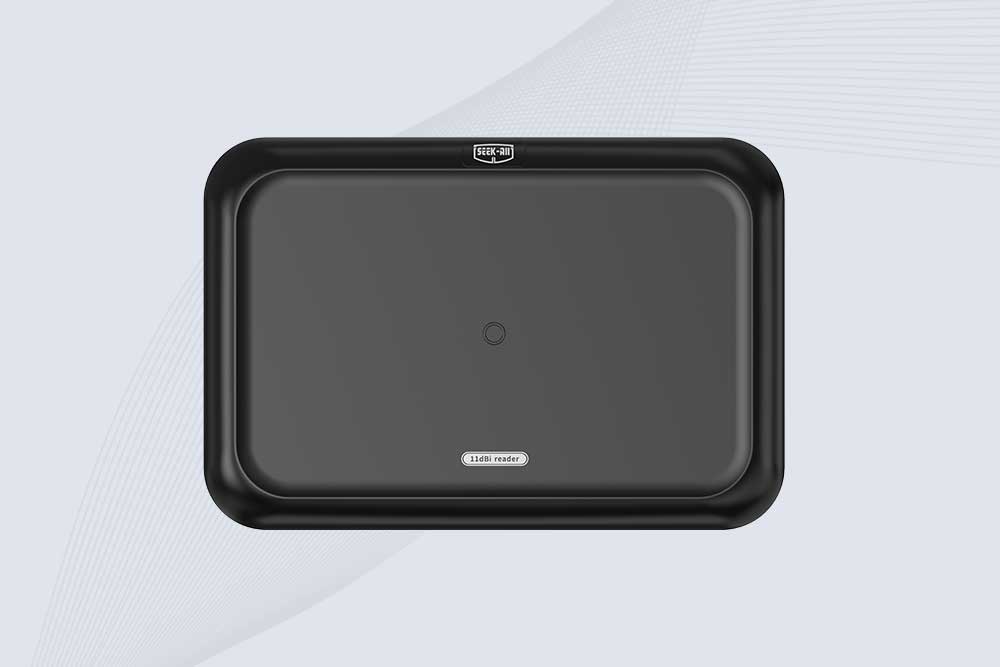
SSD-RA11L is an 11 dBi UHF RFID reader with up to 15m reading distance, 600+ tags/s speed, integrated antenna and flexible connectivity.
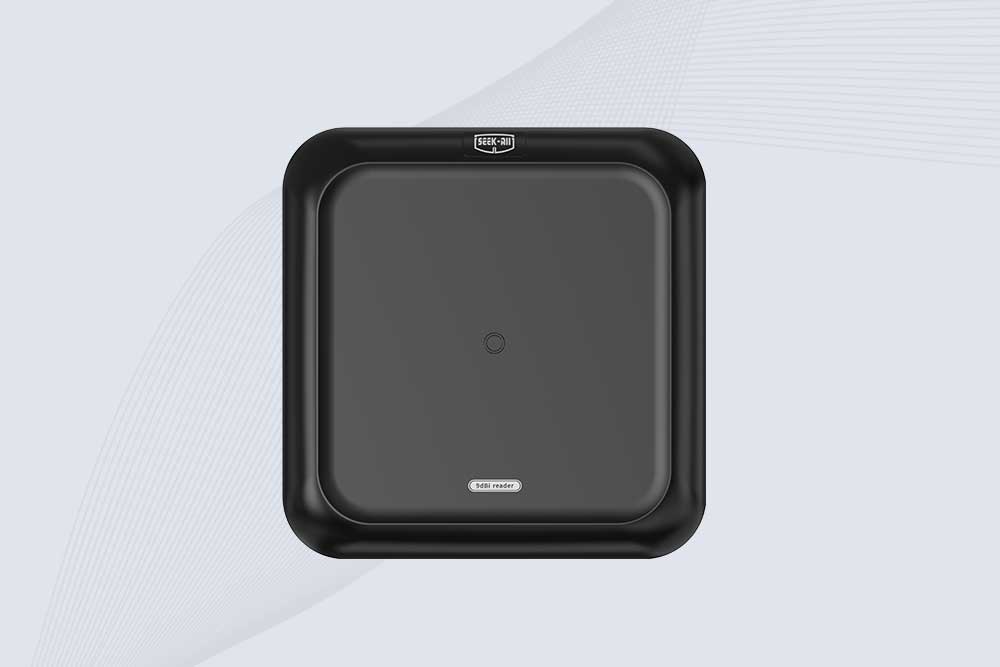
SSD-RA09L is a long range UHF RFID reader with a built-in 9 dBi antenna, 10m reading range, 600+ tags/s speed and flexible interfaces.
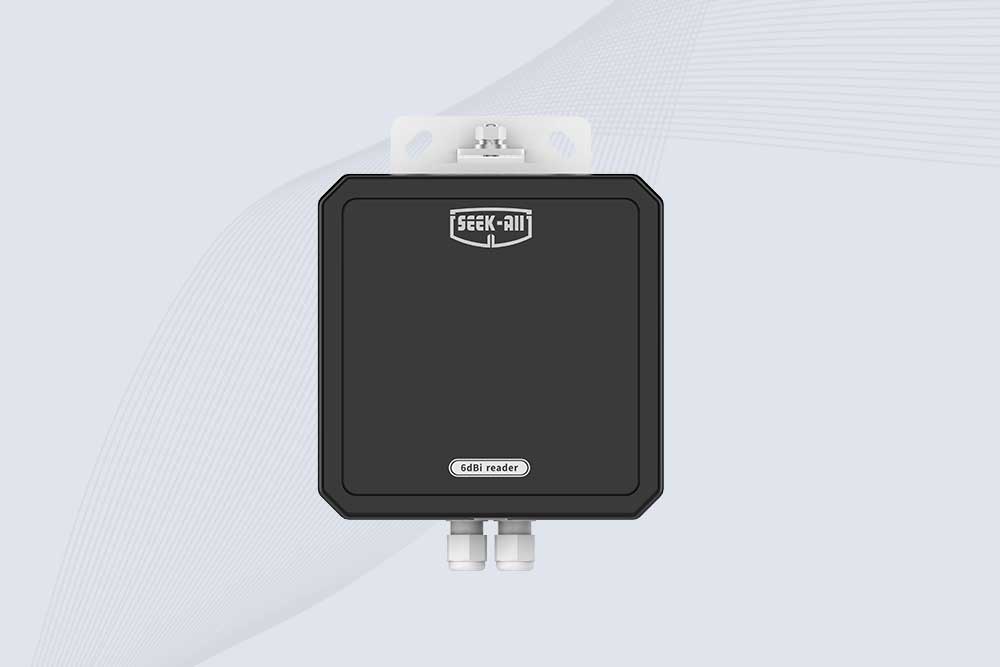
SSD-RA06L is an industrial UHF RFID reader with a built-in 6 dBi antenna, 3 m read range, 600+ tags/s, Ethernet, RS232, and optional Wi-Fi, 4G, and PoE.
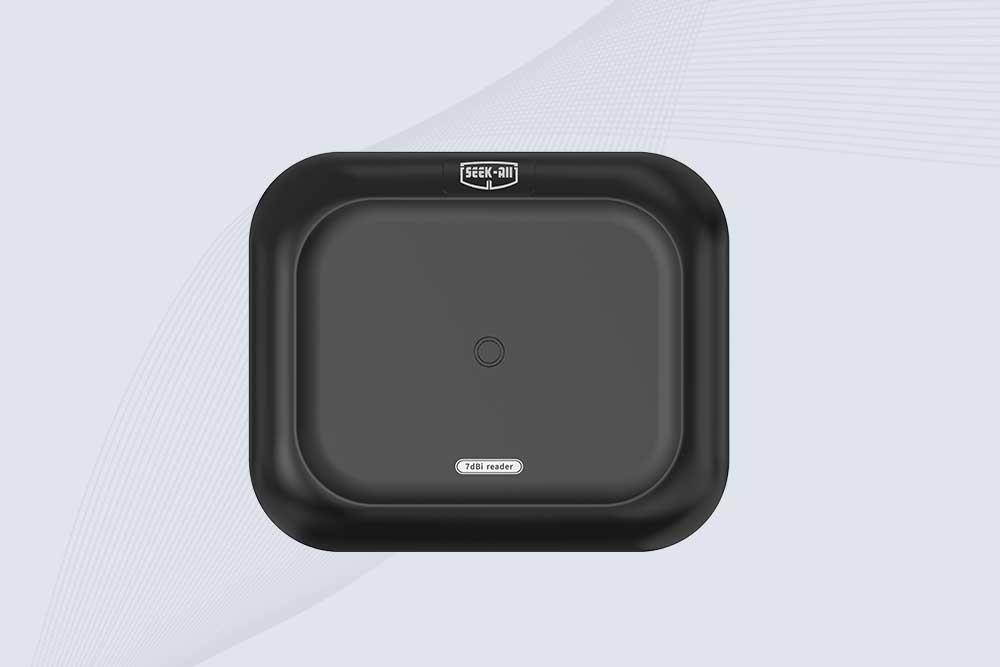
SSD-RA07L industrial UHF RFID reader with integrated 7 dBi antenna, up to 6 m reading distance, over 600 tags/s, Ethernet, RS232, and optional Wi-Fi, 4G, and PoE.
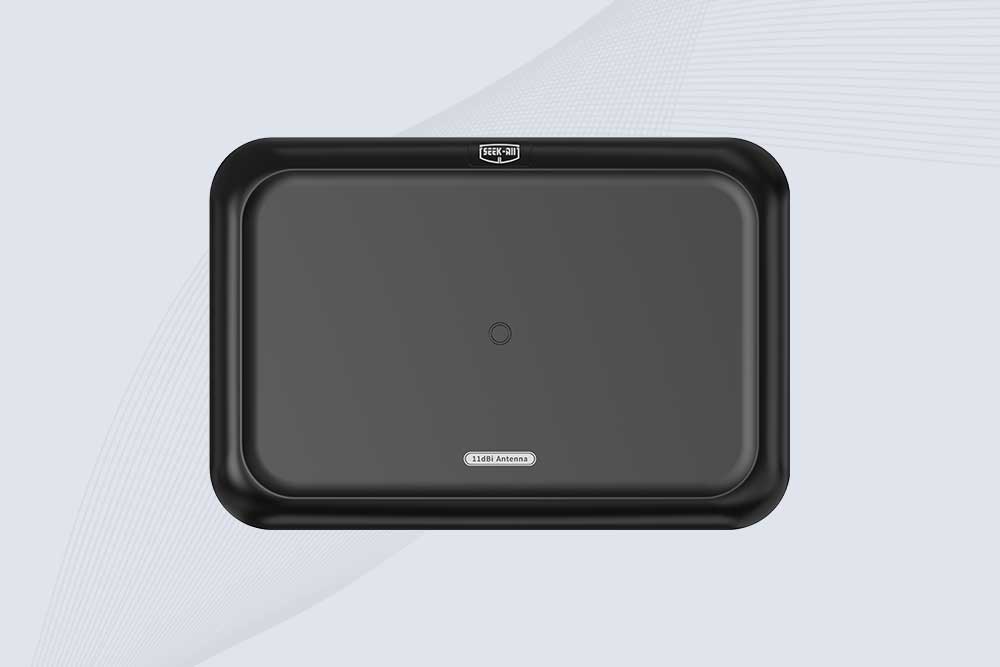
SSD-A11 UHF RFID antenna features 840–960 MHz adjustable frequency, ≥10.5 dBi gain, circular polarization and 50Ω impedance for fixed RFID systems.
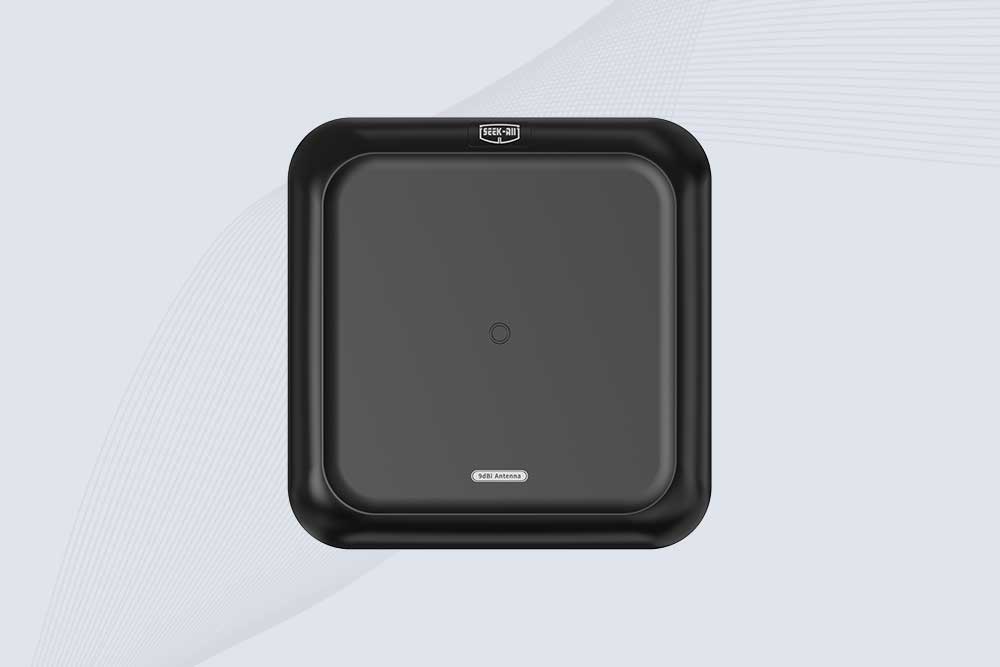
SSD-A09 is a 9 dBi UHF RFID antenna with 840–960 MHz adjustable frequency, circular polarization, 50Ω impedance and directional 60° × 60° coverage.
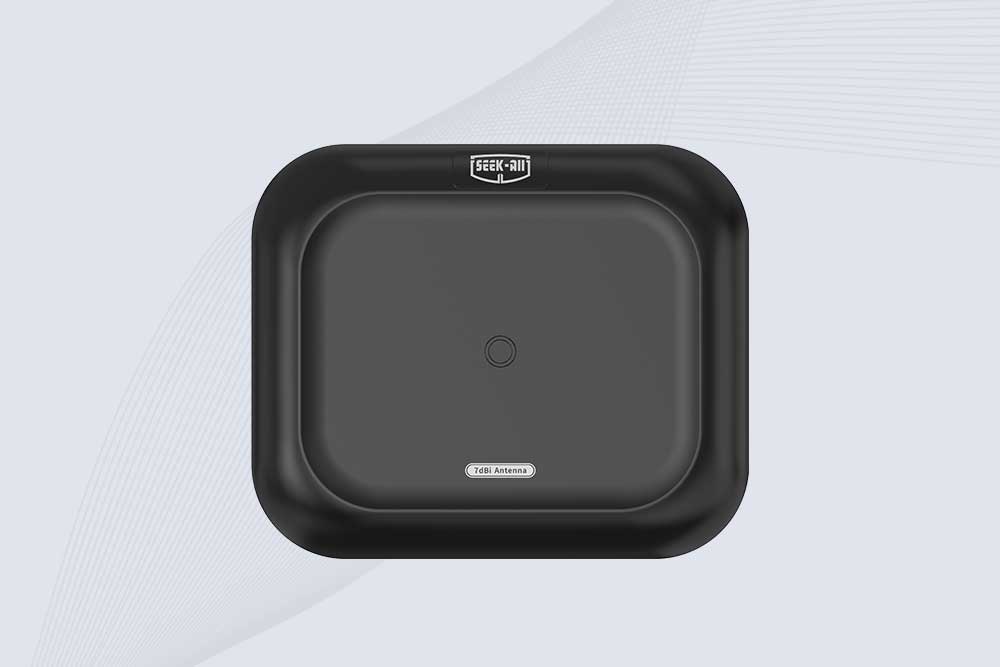
Explore the SSD-A07 UHF RFID antenna with 7 dBi gain, circular polarization, adjustable 840–960 MHz frequency, and 60°/75° beamwidth for stable RFID read/write performance.

SSD-A06 UHF RFID antenna with circular polarization, adjustable 840–960 MHz frequency, ≥4.5 dBi gain, and a compact directional design for RFID systems.
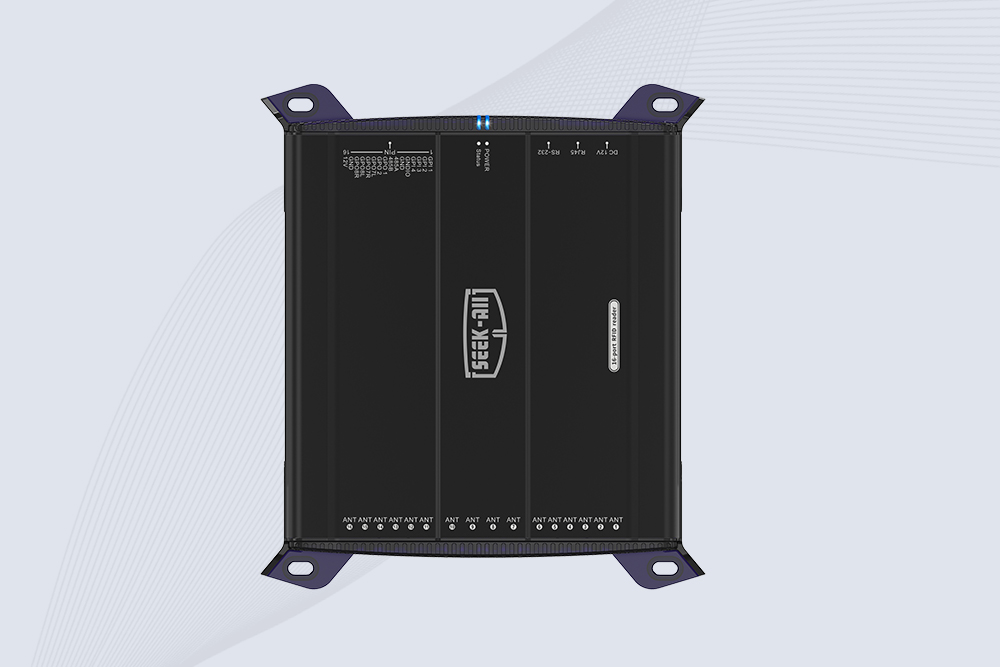
SSD-R16L Multi-Channel RFID Infrastructure for Automated Inventory Management ✔️ 16-Port High-Density RFID Reading Equipped with 16 SMA antenna ports, SSD-R16L supports multi-antenna deployment for warehouses, retail stores, logistics, production lines, and large-area RFID identification. ✔️ High-Speed & Long-Range Performance With up to 33…
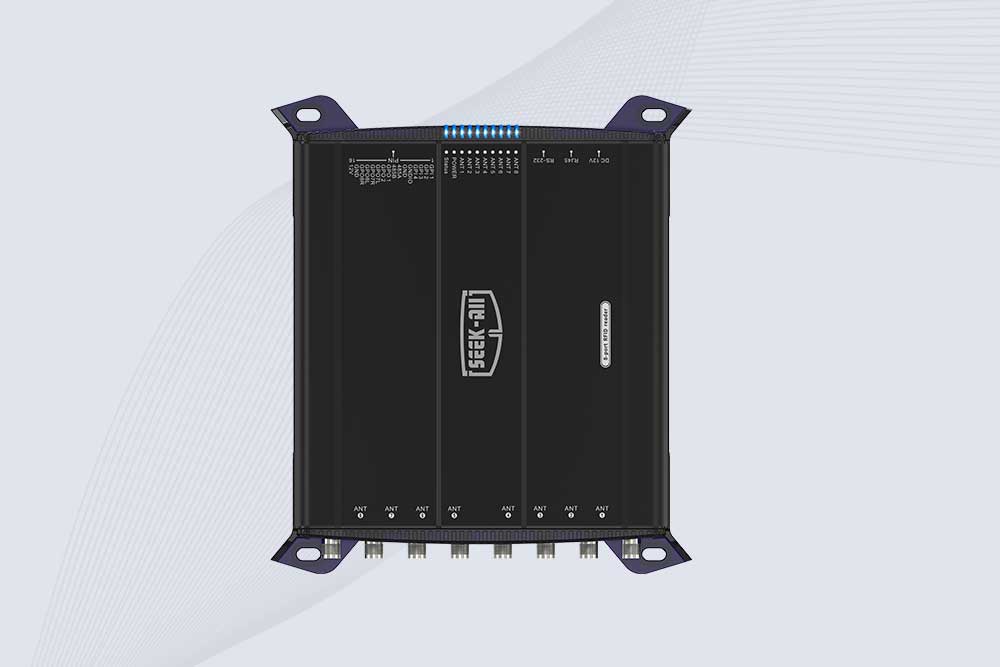
SSD-R8L 8-port UHF RFID reader with 33dBm output, up to 20m reading range and 600+ tags/s recognition. Ideal for warehouse, logistics, retail and asset tracking.
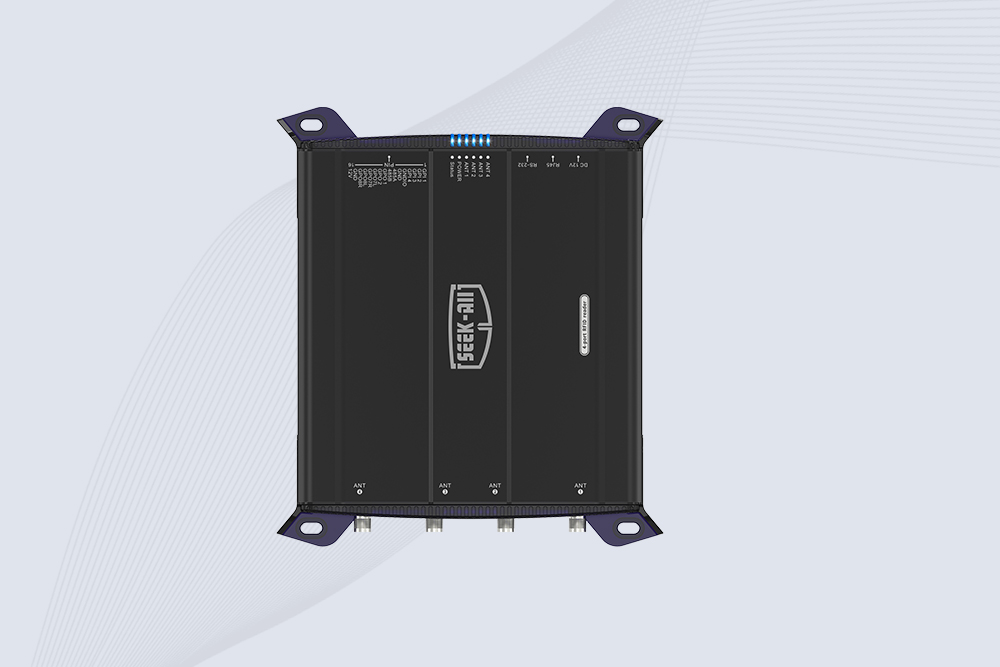
SSD-R4L is a 4-port UHF RFID fixed reader with 33dBm output power, up to 20m reading range, EPC C1G2 support and 600+ tags/s reading speed.
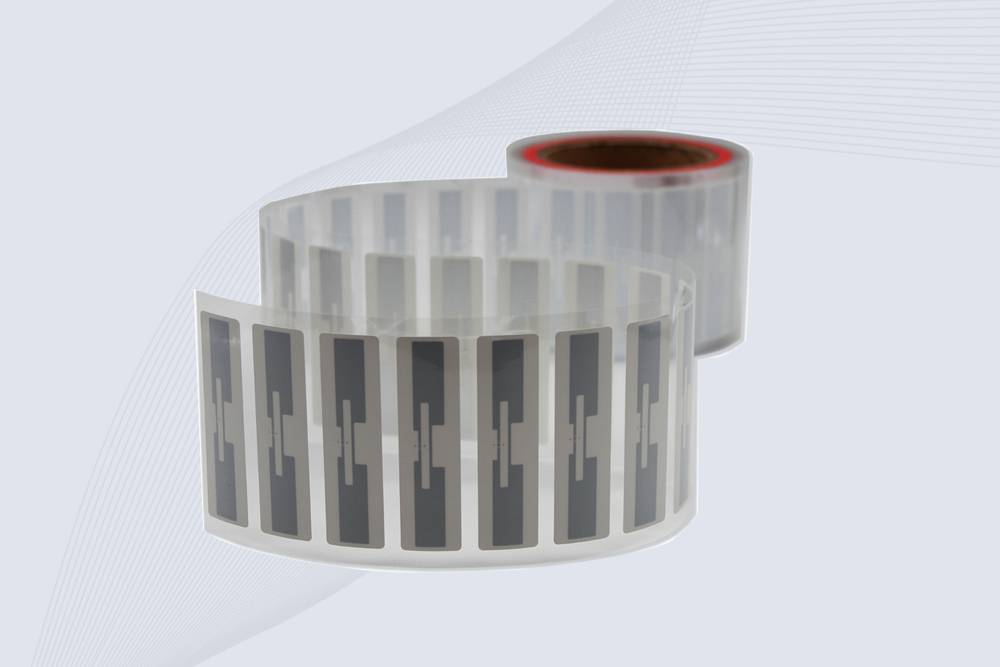
CYKEO Passive RFID Tags are made for wet and high-humidity environments where standard labels do not last. This rfid passive tag is often used around liquids, chemicals and temperature changes, providing stable reading distance and long data life for industrial tracking.
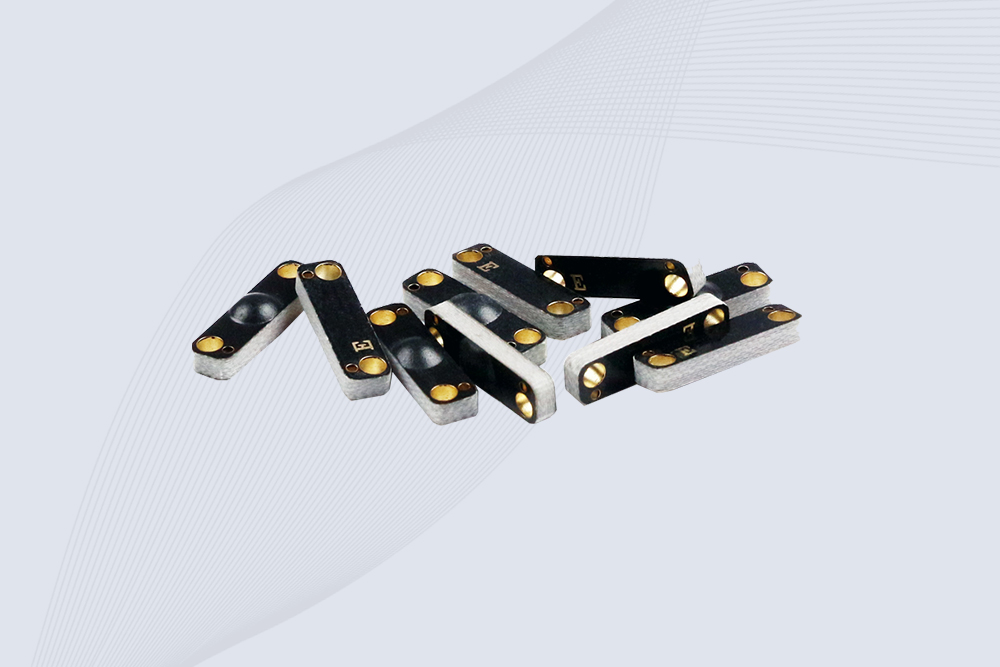
CYKEO CYKEO-PCB1504 Metal RFID Tags is a compact anti-metal UHF RFID solution built for direct mounting on metal surfaces. With stable 8-meter read range, Ucode-8 chip, and long data retention, this rfid metal tag fits tools, containers, automotive parts, and industrial asset tracking.
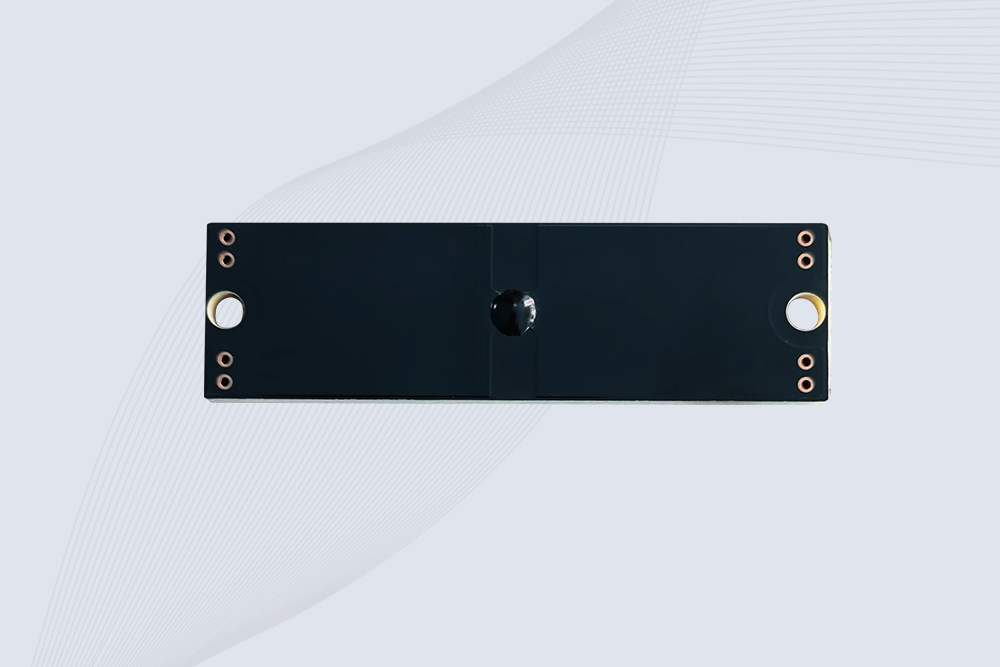
CYKEO CYKEO-PCB7020 On-Metal RFID Tags are designed for reliable tracking on steel and metal surfaces. Built with an FR4 epoxy body and industrial-grade chips, these On-Metal RFID Tags deliver stable performance, long data life, and chemical resistance, making them a dependable RFID anti-metal tag for harsh environments.
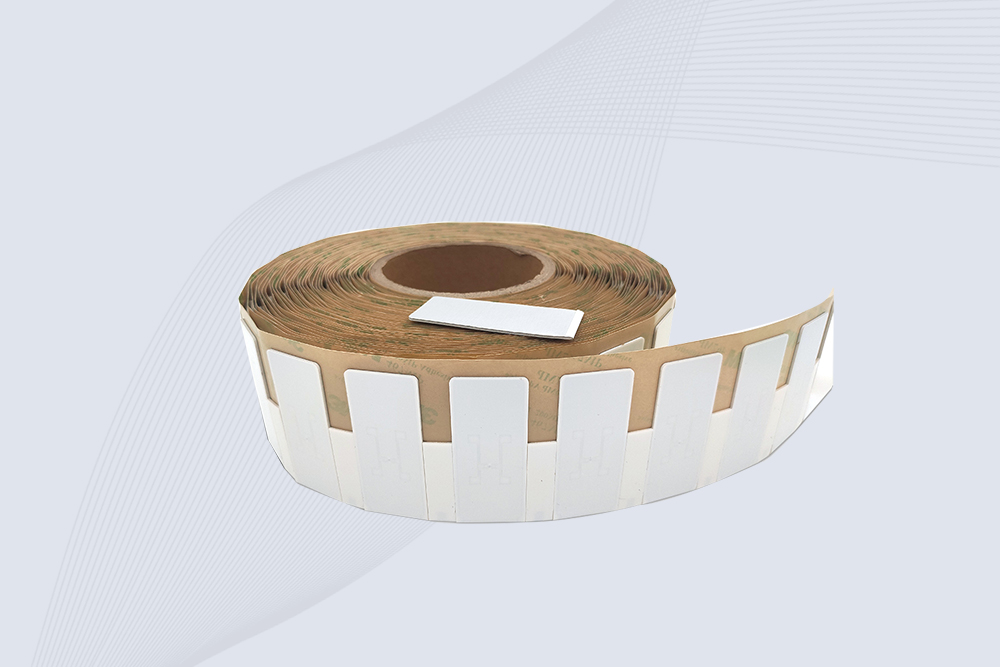
The CYKEO CYKEO-60-25 Anti-Metal RFID Tag is built for metal surfaces where standard tags fail. Designed for long-range performance, harsh environments, and stable data retention, this Anti-Metal RFID Tag is ideal for industrial assets, containers, and equipment tracking using on metal RFID tags.
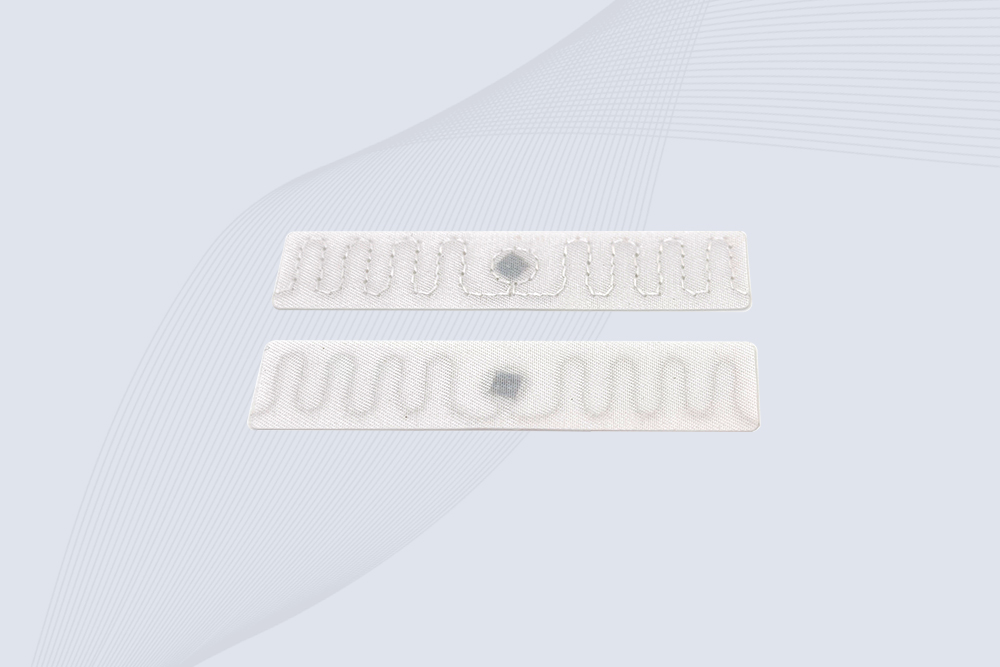
The CYKEO RFID Laundry Tag is designed for long-term textile identification in harsh laundry environments. Built to withstand high heat, chemicals, and repeated washing, this RFID Laundry Tag delivers stable performance for hotels, hospitals, and industrial laundry operations using laundry rfid tags at scale.
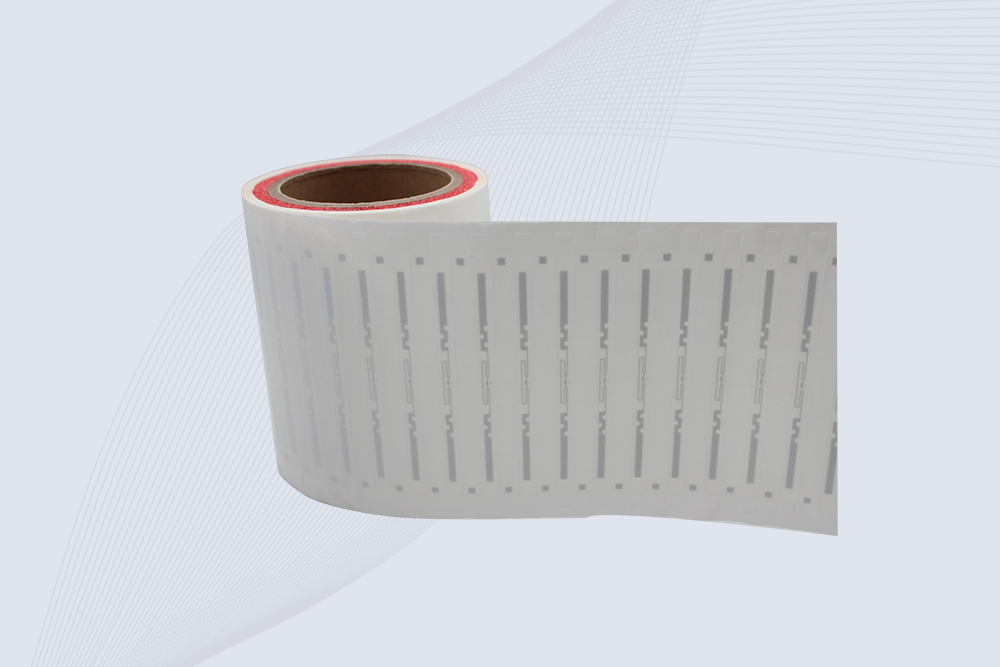
The CYKEO CYKEO-125-7 RFID Book Tag is designed for reliable book and document tracking in libraries and archives. This RFID Book Tag delivers long read range, dense placement support, and stable performance on shelves, making it a practical rfid tag on books for library automation, file management, and archival systems.
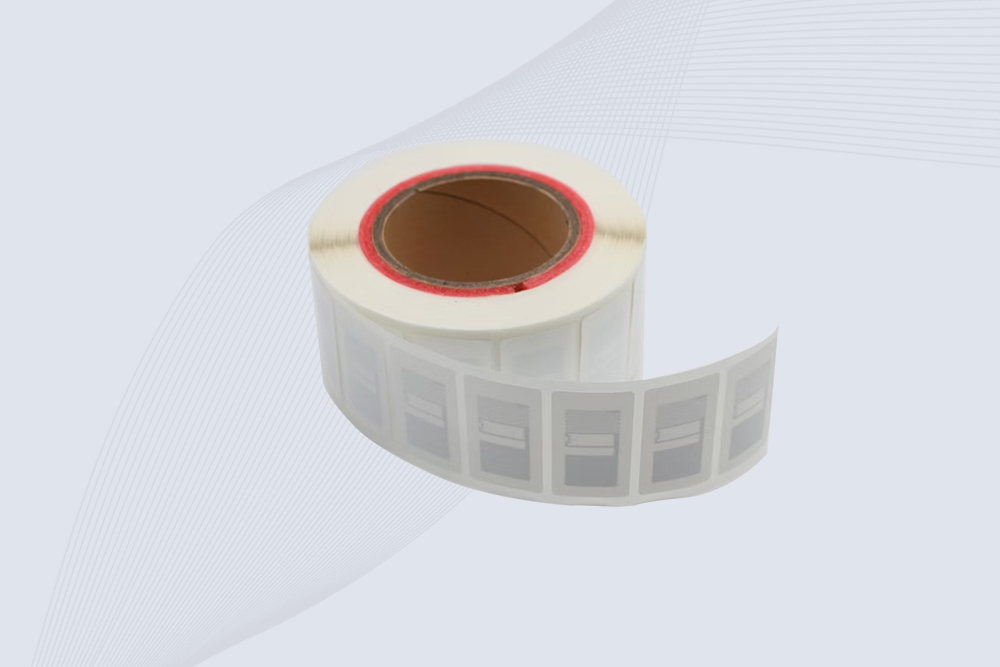
CYKEO RFID tags in hospitals are designed for sterile environments where accuracy matters. These autoclavable RFID tags support long-term tracking of surgical tools, implants, and medications, helping hospitals improve visibility, compliance, and patient safety.

CYKEO RFID Cable Tie Tag is built for reliable identification on metal surfaces. This UHF RFID Cable Tie Tag is widely used in rfid tags for inventory systems, industrial asset management and Hospital RFID Tags, offering stable read performance, long service life and global EPC Gen2 compatibility.
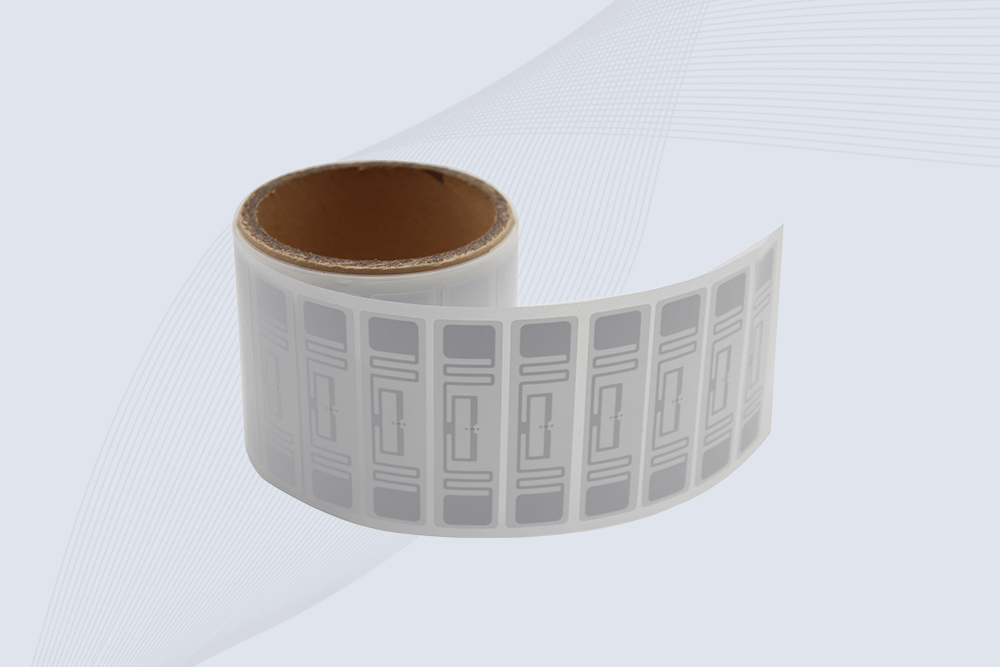
CYKEO RFID Asset Tag is designed for stable identification of metal assets in industrial environments. This UHF RFID Asset Tag is commonly used for rfid tag asset tracking on equipment, tools and containers, providing reliable reads, long service life and ISO/IEC 18000-6C support.

CYKEO UHF RFID Card is designed for fast identification and long-term use in industrial and commercial systems. Supporting ISO 18000-6C, this UHF RFID Card works at 860–960 MHz and is suitable for custom RFID cards used in asset tracking, access control and inventory management.
CYKEO HF RFID Cards are designed for secure and stable access control systems. These 13.56 MHz RFID key cards support ISO 14443-A, reliable rewriting and long service life, making HF RFID Cards suitable for offices, campuses, events and membership management.
CYKEO UHF RFID Tag is designed for reliable tracking of metal jewelry and high-value items. This Jewelry RFID Tag supports long-range reading up to 8 meters, anti-counterfeit protection and stable performance on metal, making it suitable for retail, inventory control and asset management.
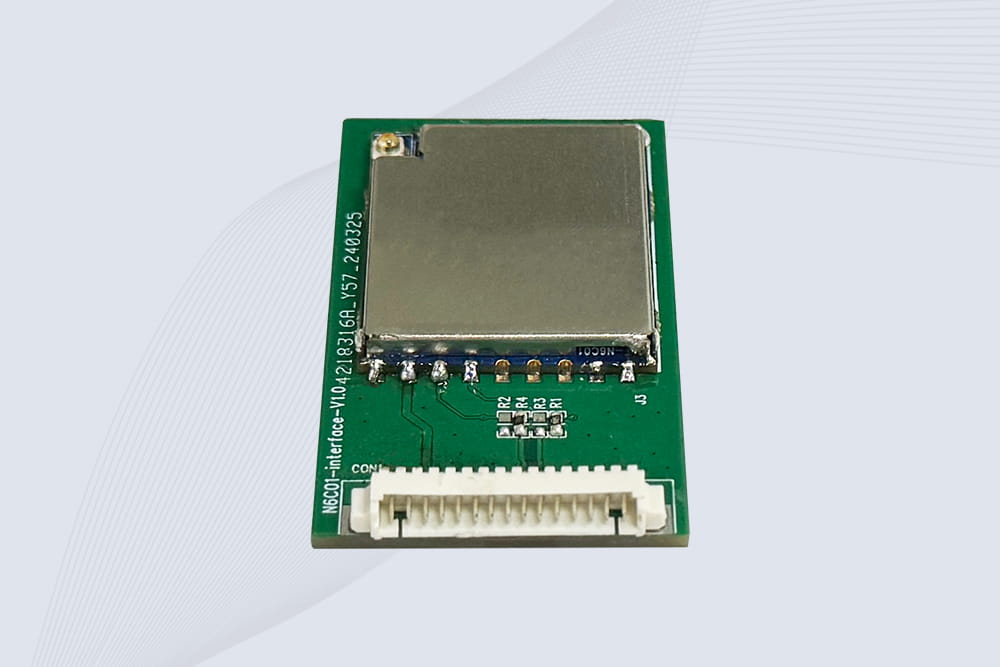
CYKEO Embedded RFID Modules are designed for compact industrial and IoT devices that require stable UHF performance. These UHF RFID Modules support global protocols, flexible power control, and reliable multi-tag reading for smart cabinets, production lines, and asset tracking systems.
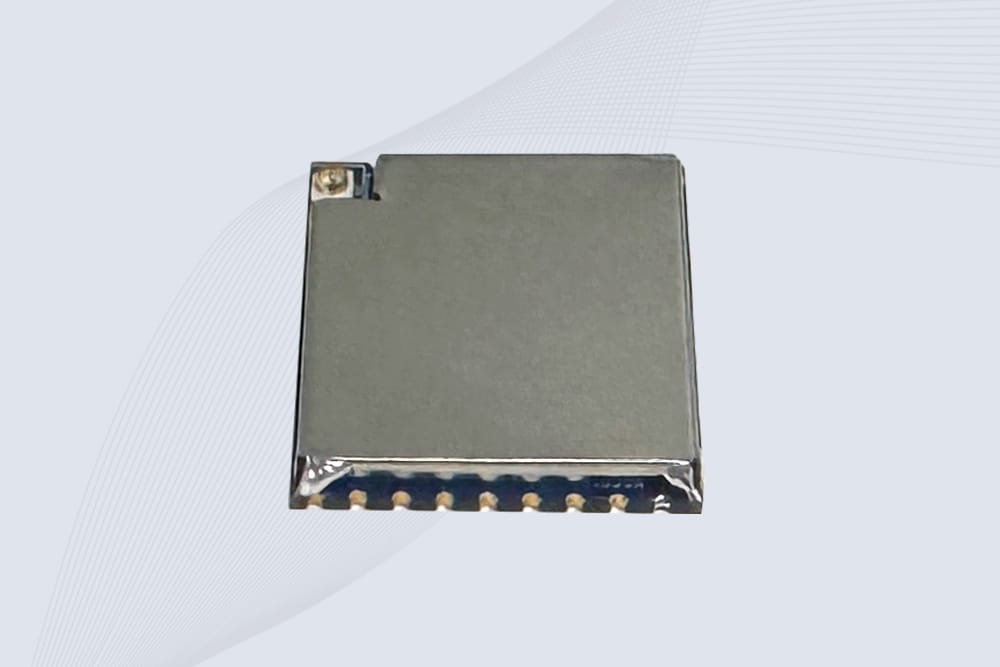
CYKEO Embedded RFID Module is built for compact IoT and industrial devices that need stable UHF performance. This UHF module supports global protocols, low power operation, and reliable multi-tag reading for smart lockers, production lines, and always-on RFID systems.
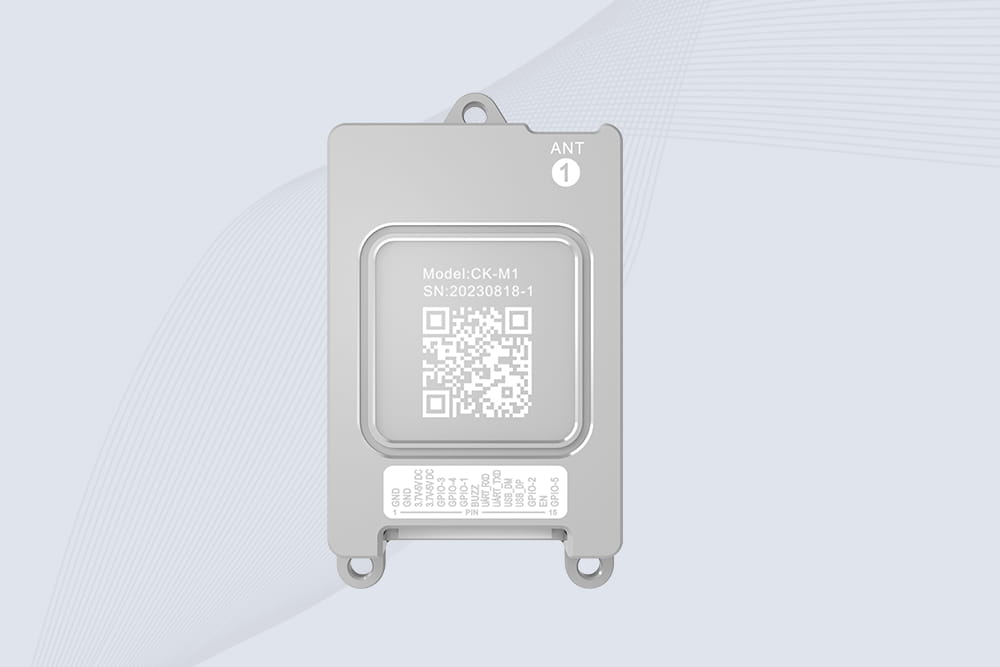
CYKEO CYKEO-M1 drone rfid module is a compact UHF RFID reader module designed for drones and UAV platforms. It supports long-range aerial scanning, fast multi-tag reading, and stable performance in wind, vibration, and outdoor environments.
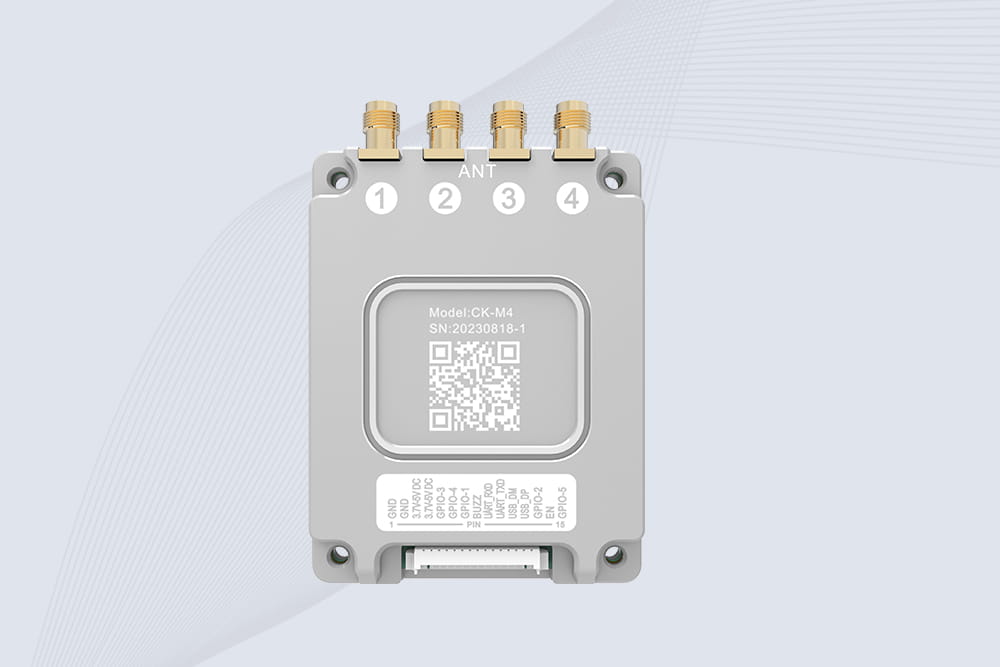
CYKEO CYKEO-M4 RC522 RFID Module is an industrial-grade UHF RFID reader with 4 ports, supporting ISO, EPC, and GB protocols. High-speed, accurate reading for IoT, automation, and warehouse applications.
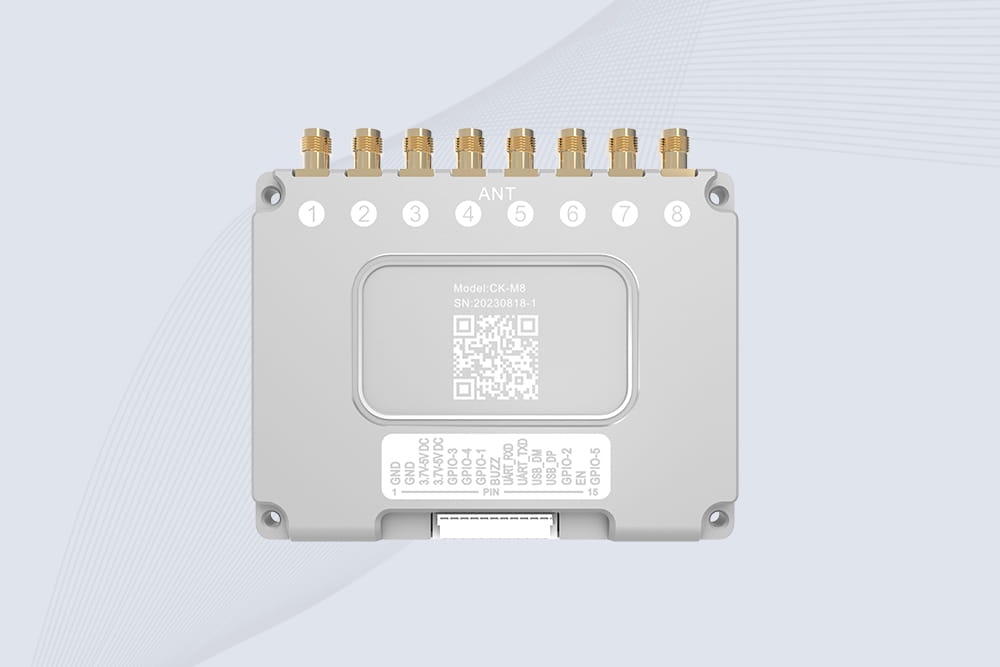
CYKEO CYKEO-M8 Module RFID is an 8-port UHF R2000 RFID Module designed for high-density, multi-tag environments. Stable 33dBm output, ISO & GB protocol support, ideal for warehouses, factories, and automated systems.
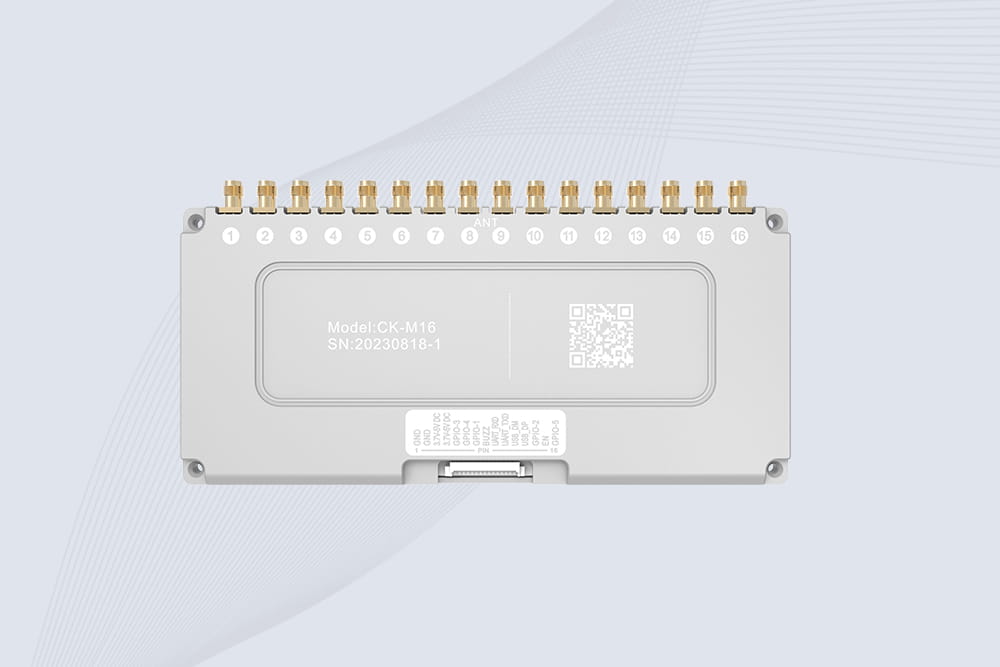
CYKEO CYKEO-M16 RFID Module is a 16-port UHF RFID reader module based on the R2000 chipset. Designed for dense tag environments, it supports ISO and GB standards and delivers stable multi-antenna control for industrial automation.
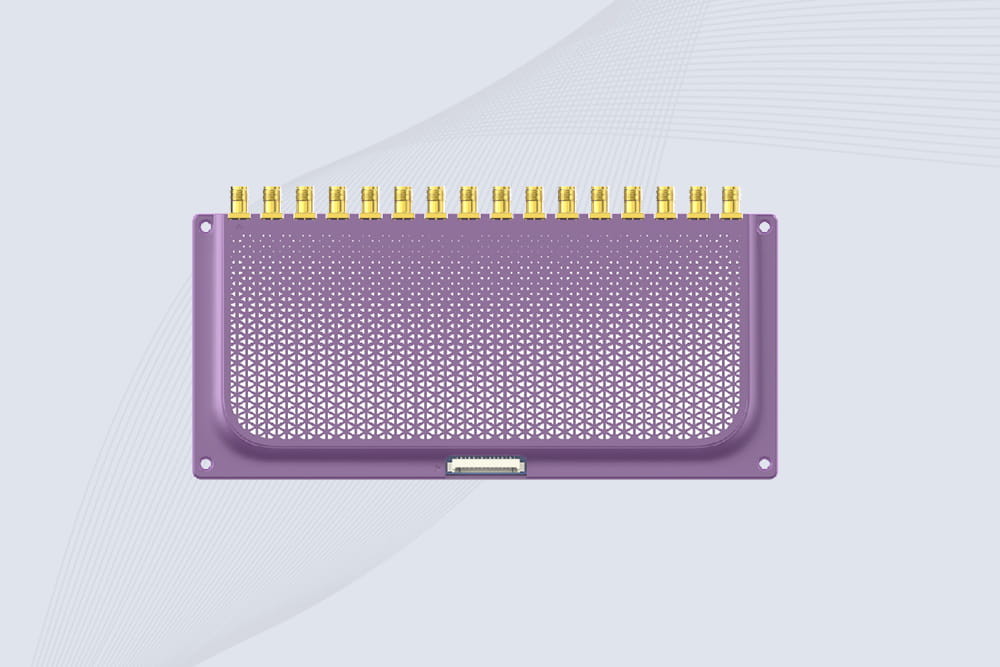
The CYKEO CYKEO-M16L RFID Reader Module is a 16-channel UHF RFID core designed for dense tag environments. With adjustable 33dBm output, multi-protocol support, and stable multi-antenna control, this RFID Tag Reader Module fits industrial automation, warehouse systems, and large-scale IoT deployments.
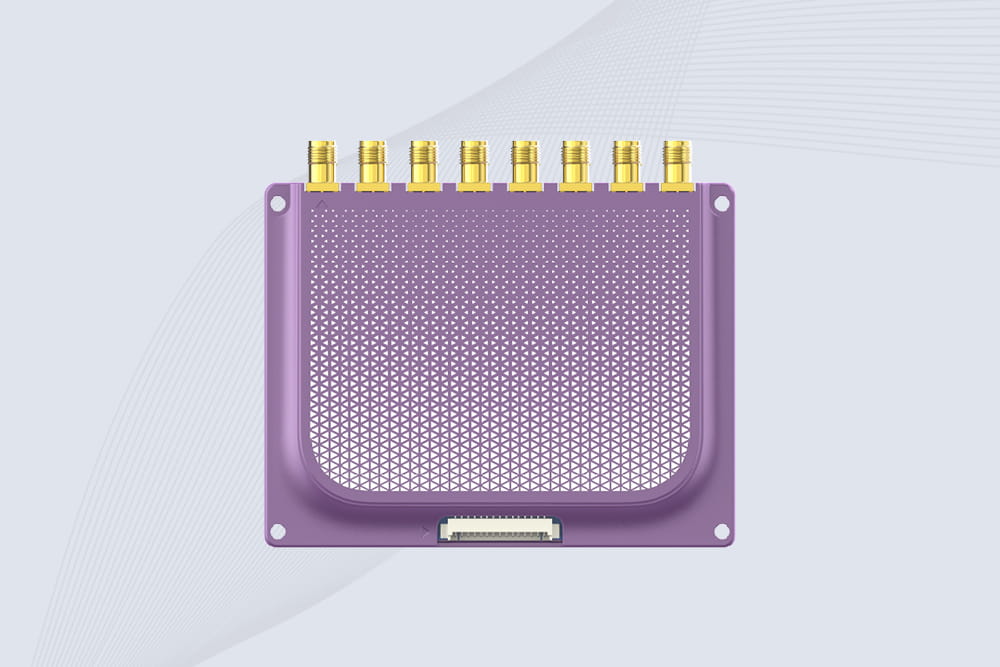
CYKEO CYKEO-M8L module RFID is a compact industrial UHF module built for dense tag and multi-antenna environments. With 8 RF ports, adjustable 33 dBm output, and ISO & GB protocol support, it is widely used in factories, warehouses, and automated tracking systems.
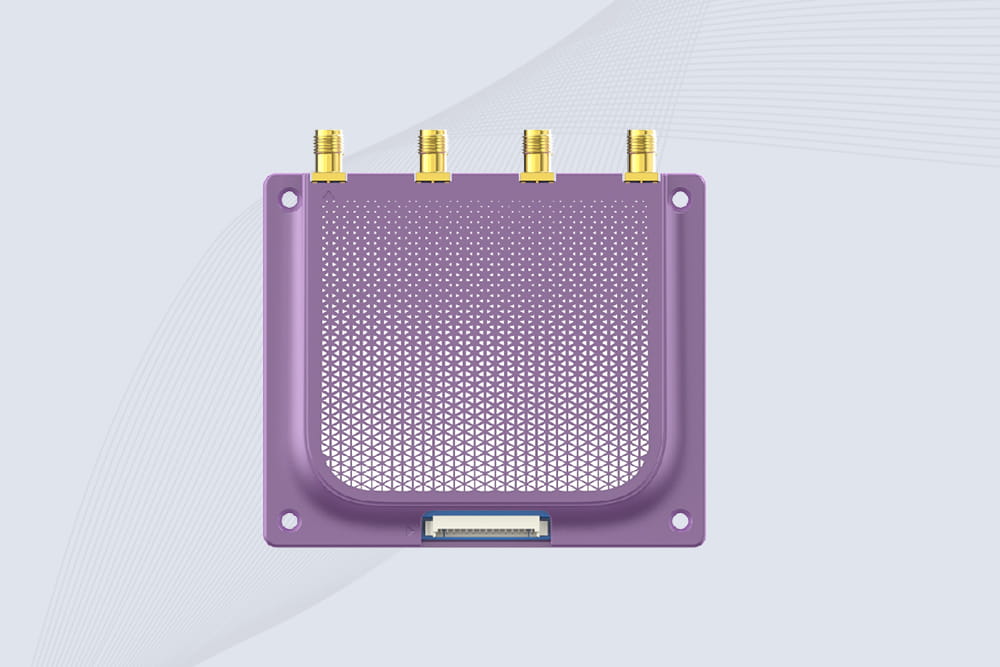
CYKEOCYKEO-M4L UHF RFID Module is a compact 4-channel RFID tag reader module designed for dense tag environments. Supporting ISO and GB protocols, it delivers stable reads up to 10 meters for industrial and IoT systems.
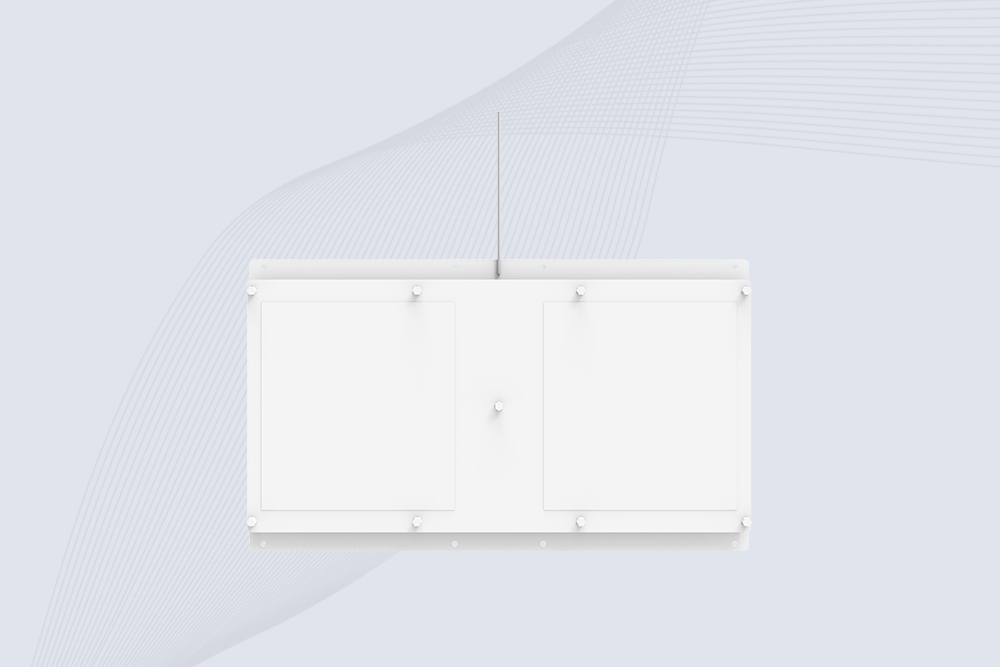
Cykeo CYKEO-A11 UHF RFID reader antenna delivers 11dBi gain, 840-960MHz frequency range, and IP65 ruggedness for retail, logistics, and industrial RFID systems. Features low VSWR and easy installation.

CYKEO Antenna RFID Reader delivers stable long-range UHF performance with a 10.5dBi directional design, built for warehouses, conveyor portals, and industrial RFID systems. This rfid reader antenna provides 20m+ read distance and rugged IP67 protection.

Cykeo CYKEO-PHF3 industrial HF RFID Antenna offers 24-point dynamic tracking, ISO 14443A/15693 protocols, metal-environment stability for archives/libraries/manufacturing.

Cykeo CYKEO-A5B industrial Linear RFID Antenna delivers 5dBi gain, ≤1.5:1 VSWR, and IP65 rugged design for warehouse, production line, and logistics UHF systems.

Cykeo’s CYKEO-B12 Long Range RFID Antenna delivers 15m+ read range with 12dBi gain, IP65 rugged design, and global 840-960MHz UHF support. Ideal for warehouse/logistics asset tracking.
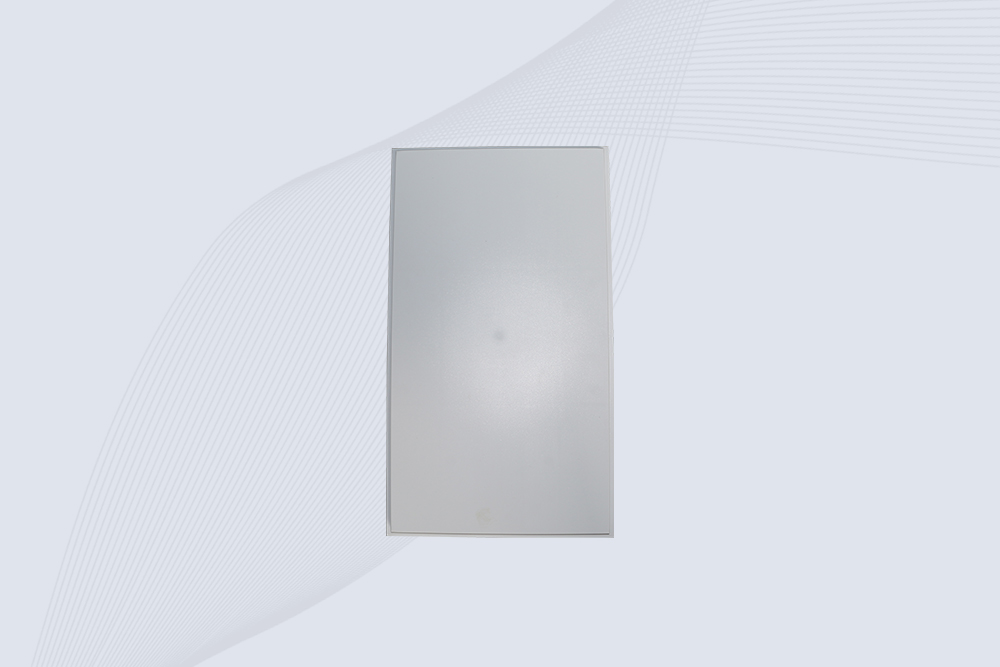
Cykeo CYKEO-B10 Long Distance RFID Antenna offers 10dBi gain, 840-960MHz frequency range, IP65 rating, and 20m+ coverage for logistics/warehousing/ETC systems. Low VSWR ensures stable signal transmission.
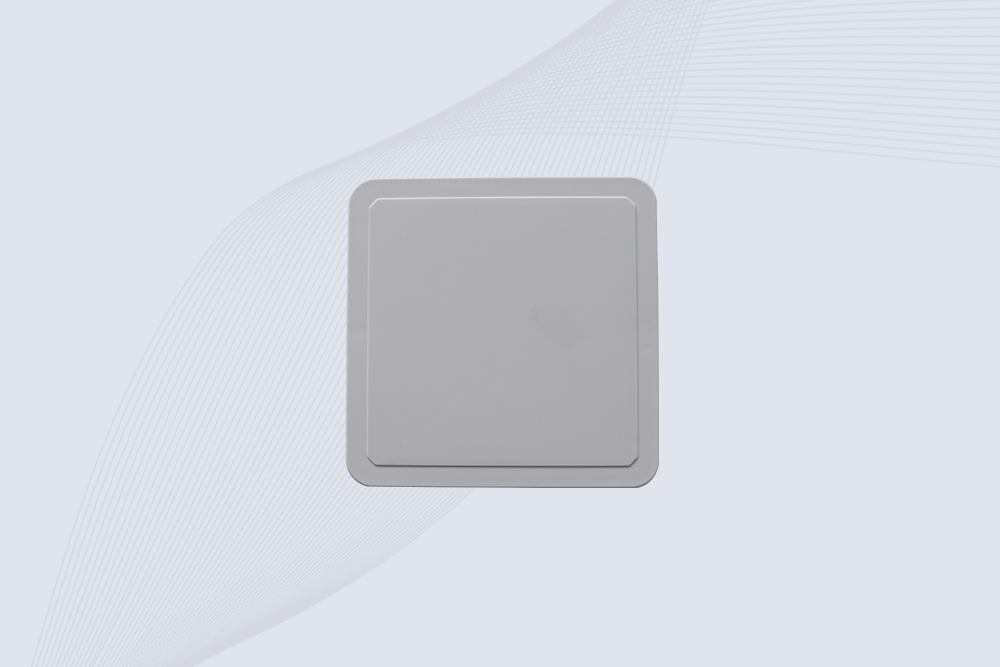
Cykeo CYKEO-A6 UHF RFID panel antenna features 6dBi gain, 840-960MHz broadband, IP65 metal-ready housing for logistics/smart retail. 18mm ultra-thin design with tool-free mounting.

Cykeo CK-A3 industrial antenna RFID UHF offers 5m+ tag detection, ≤1.3:1 VSWR, IP65 rugged design, and global UHF spectrum compatibility (840-960MHz) for warehouses, factories, and retail.
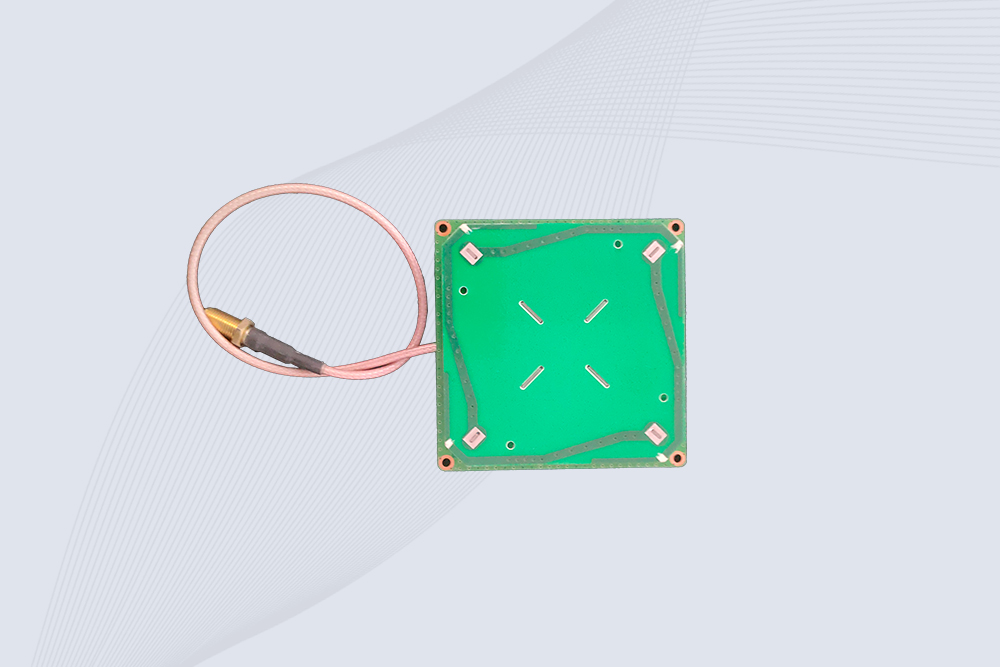
Cykeo CYKEO-B5 directional RFID antenna provides 5dBi gain with 60° narrow beamwidth for precise inventory tracking. IP65-rated, global UHF frequency support, and low VSWR.
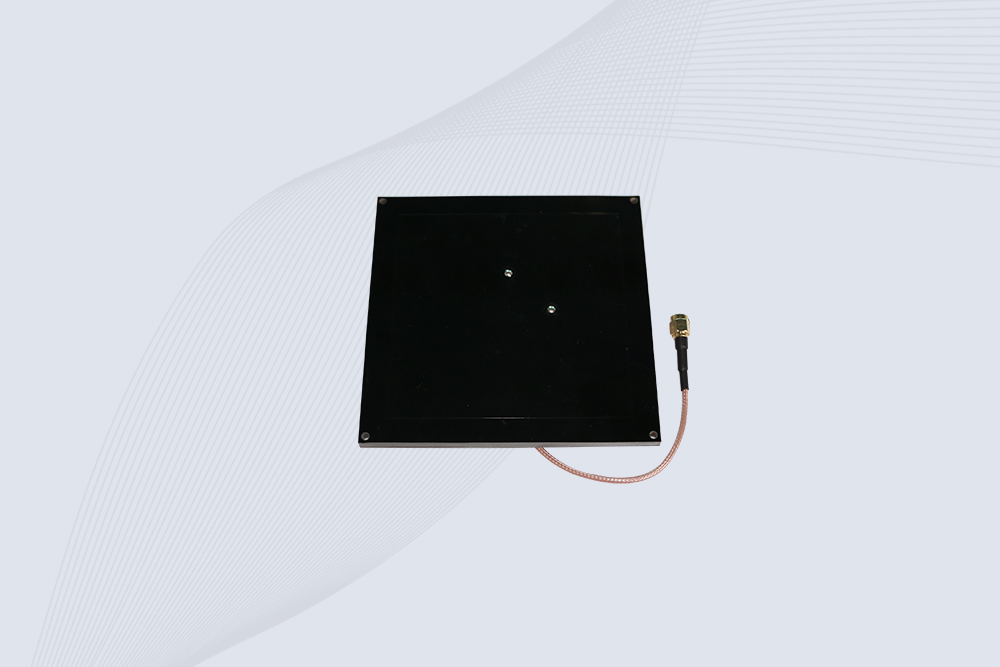
Create your own high-performance DIY RFID antenna! 5dBi gain, 840-960MHz tunable, step-by-step guides. Compatible with Arduino, Raspberry Pi, and commercial UHF readers.
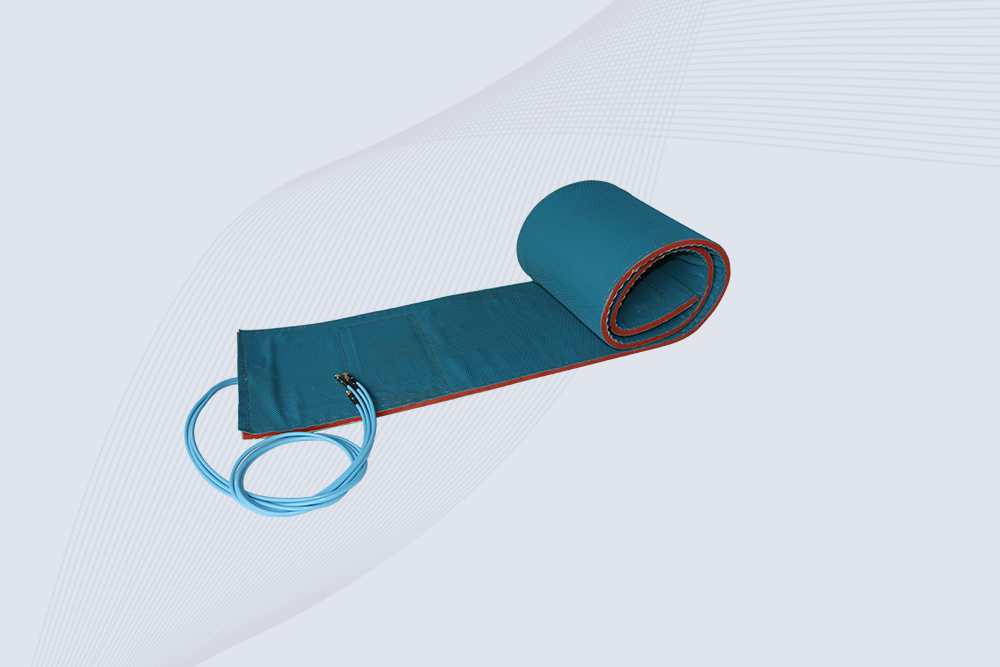
Cykeo CYKEO-A7 Flexible RFID Antenna features 840-960MHz wideband tuning, 7dBi gain, and IP68 rating for medical/retail/industrial curved surface deployments. 98% read accuracy with peel-and-stick installation.

Cykeo CYKEO-B5A industrial Passive RFID Antenna delivers 5dBi gain, 70° beamwidth, and -40°C~55°C operation for warehouses/smart cabinets. Compatible with Zebra/Impinj readers.
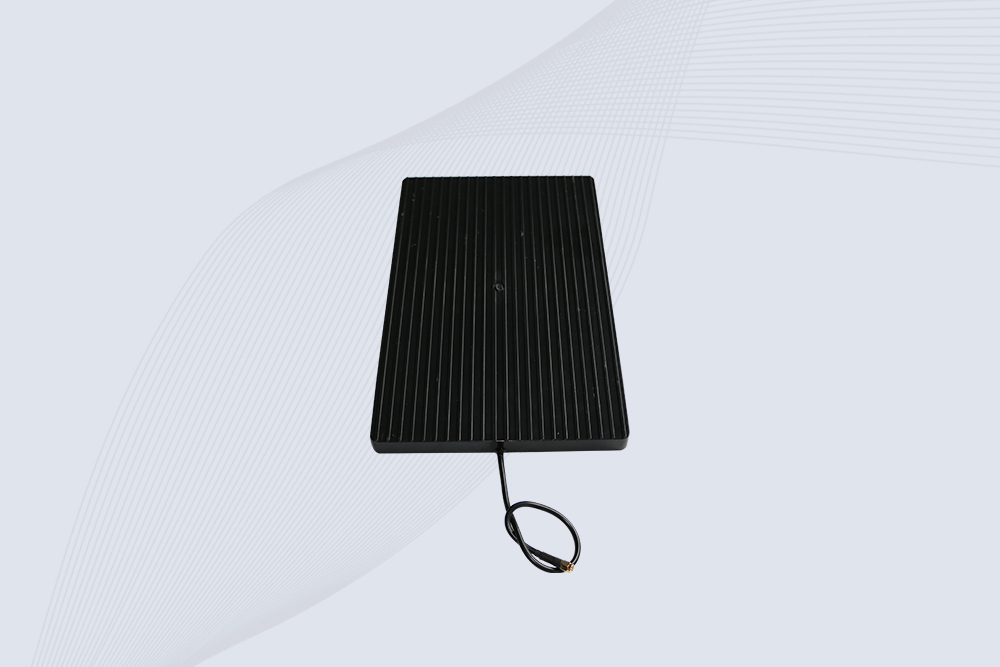
Cykeo’s CYKEO-A9B High Gain RFID Antenna delivers 15m+ read range with 9dBi amplification. Features IP54 rugged design, 840-960MHz bandwidth, and 80° beamwidth for warehouse/manufacturing RFID systems.

Cykeo’s enterprise-grade 8dbi Impinj RFID Antenna 10m+ read range with 840-960MHz tuning. Features IP65 housing, 1.4 VSWR, 35° beamwidth for retail/warehouse RFID systems.
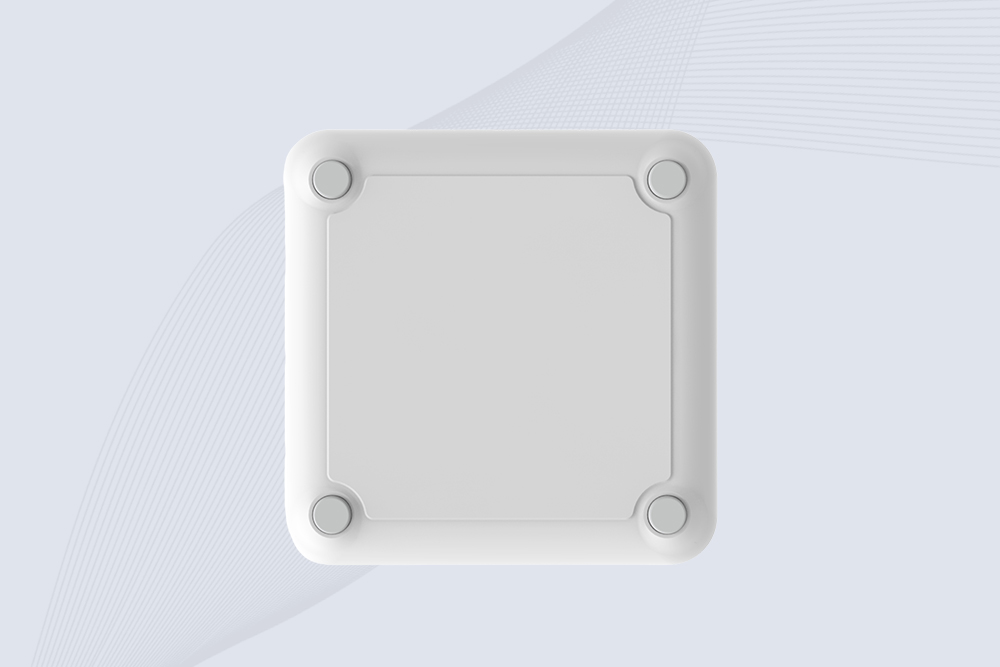
Cykeo CYKEO-A9 industrial UHF RFID antenna delivers 9dBi gain, 840-960MHz frequency range, and IP65 protection for warehouse/logistics/retail RFID systems. Features N-type connector and ≤1.3:1 VSWR.
CYKEO UHF RFID Antenna built for long-distance and industrial applications. This antenna rfid uhf delivers strong gain, outdoor durability, and reliable tag performance in warehouses, yards, and vehicle ID systems.
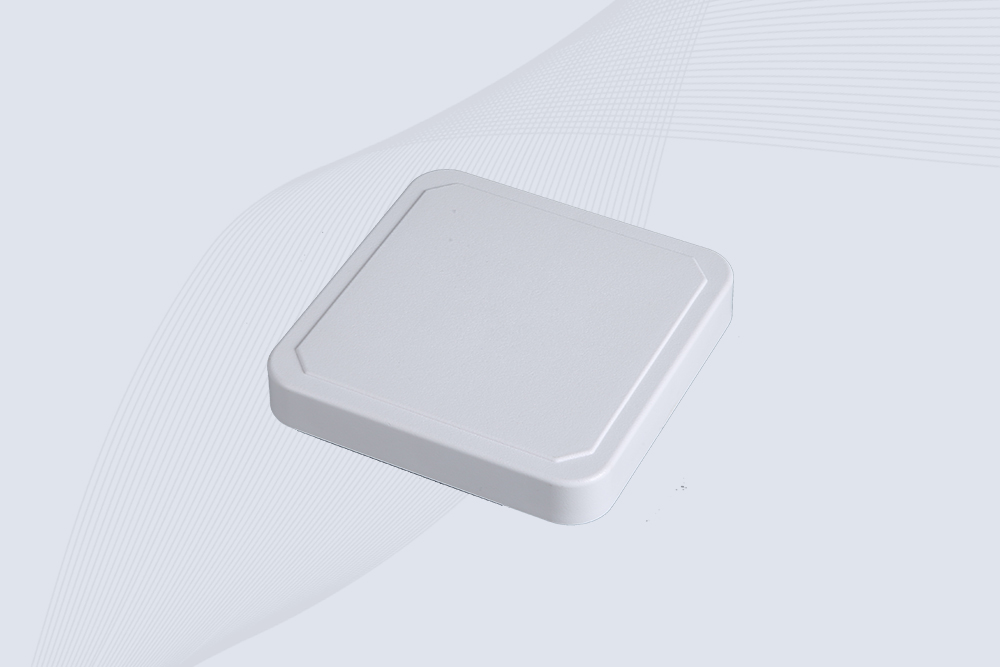
CYKEO Antenna RFID delivers reliable long-range UHF performance in warehouses, retail shelves, and cold-chain environments. This compact uhf rfid antenna provides stable reads with circular polarization and ultra-wide 840–960 MHz support, ideal for industrial tracking, smart shelves, and asset monitoring.
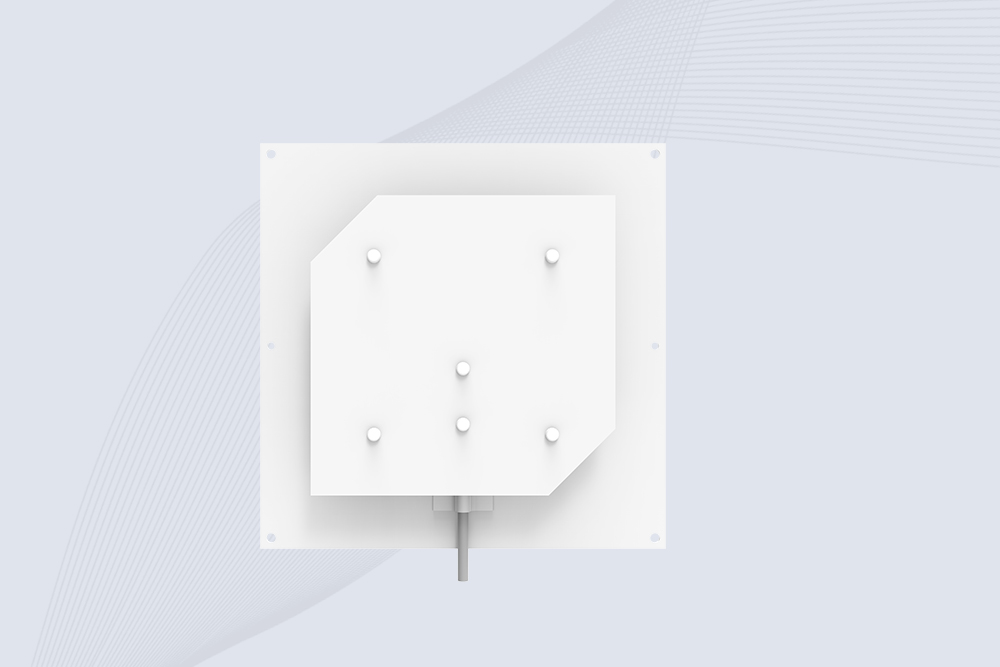
Cykeo’s CYKEO-C8 UHF RFID antennas delivers 8dBi gain, 840-960MHz full-band coverage, and IP65 ruggedness for manufacturing/warehouse RFID systems. Industrial RFID Antennas Features

Need RFID readers that survive factory floors? We compare heat-resistant, high-speed UHF readers for automotive lines—no marketing fluff.
More
Wondering "how far away can you read an RFID chip"? Discover exact read distances for LF, HF, UHF, and active RFID chips. Factors affecting range and real-world performance with CYKEO.
More
Discover what RFID wireless theft really means. From card skimming to retail loss prevention, learn real-world risks, how criminals exploit RFID, and the best defenses to secure your data and assets.
More
Curious about the different types of RFID readers? This guide explains fixed, handheld, and portal RFID readers in simple terms, highlighting their features and real-world applications so you can easily understand their differences.
More