When I first started working with RFID systems, I honestly didn’t care much about the frequency. 125 kHz or 13.56 MHz — it all sounded the same back then. But after a few chaotic installations, mismatched cards, and a lot of frustrated phone calls from clients, I learned my lesson: the right frequency makes all the difference.
The day I switched to an RFID 13.56 MHz reader, things finally started running smoothly — faster reads, fewer errors, and stronger data protection. It felt like upgrading from an old flip phone to a modern smartphone overnight.
Understanding What 13.56 MHz Really Means
In the world of RFID, there are two main categories — low frequency (125 kHz) and high frequency (13.56 MHz).
Low-frequency readers are simple and reliable, but they’re also limited. They can identify basic ID cards, but there’s no encryption or memory to store data. That’s fine if you’re just controlling a single warehouse door, but not for modern security systems.
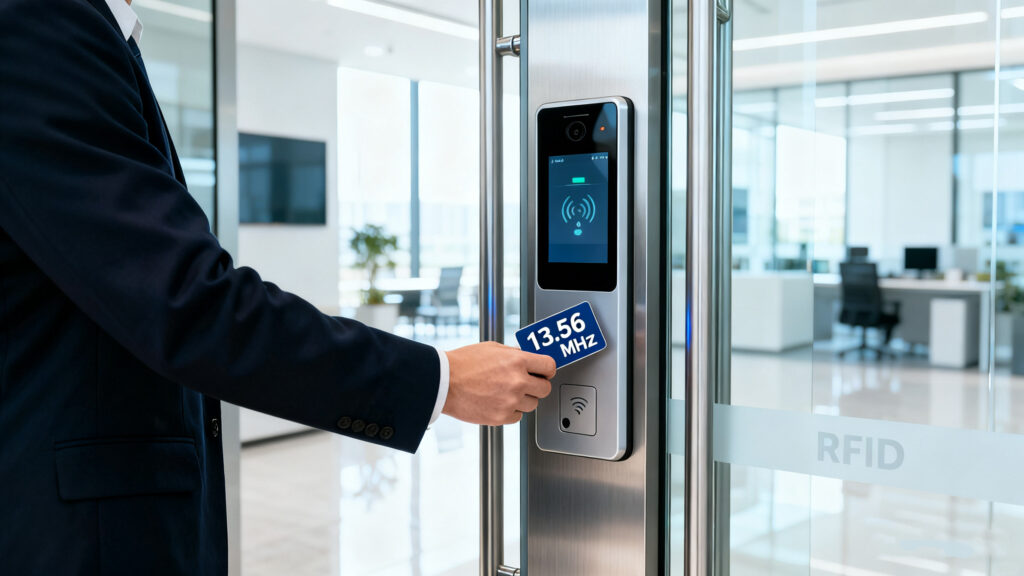
RFID 13.56 MHz readers, on the other hand, work with smart cards and NFC technology. They can handle encrypted data, interact with smartphones, and even support multiple access modes — like tap, wave, or mobile credentials. The difference isn’t just in speed; it’s in flexibility and long-term usability.
Why 13.56 MHz Is the Smarter Choice
A few years ago, I managed an upgrade project for an office that had been using old 125 kHz cards for years. We decided to move step by step — replacing the readers first, then slowly migrating the cards.
The transition was smoother than expected. The new readers supported both the old and new cards, and once employees experienced how quick and reliable the 13.56 MHz cards were, no one wanted to go back. Eventually, we phased out the older cards completely.
Now, most of our installations use 13.56 MHz readers exclusively — they’re simply more secure and support encrypted credentials, mobile access, and better integration with digital systems.
Lessons from Industrial Applications
I also got to see how these readers perform in tougher environments — factory floors, logistics centers, even outdoor yards.
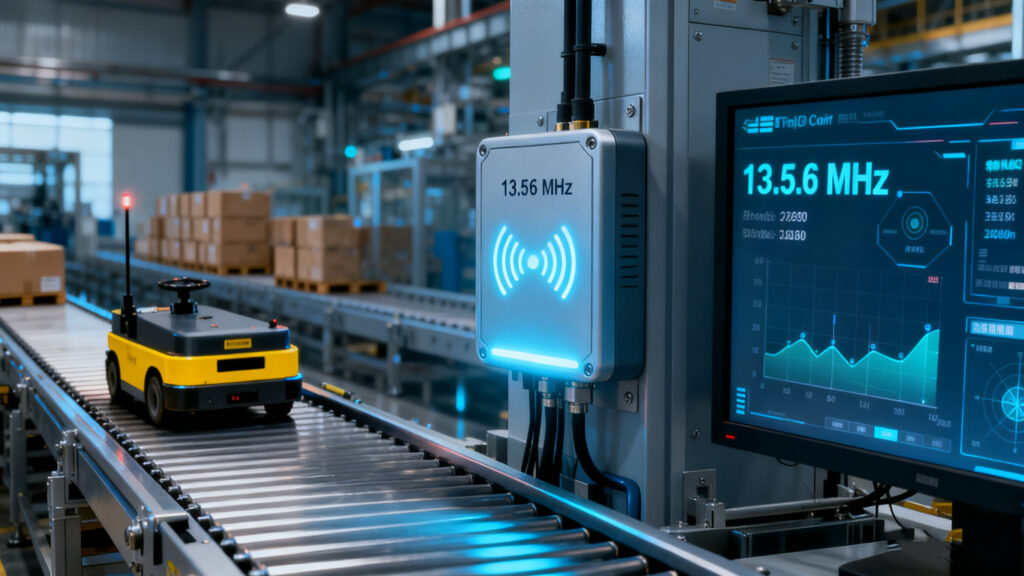
In one project, we used rfid 13.56 mhz readers to track materials moving between production stations. Each tag carried not just an ID but actual data: part number, batch info, and processing stage. Unlike low-frequency readers that often struggled with speed or interference, the 13.56 MHz units read tags instantly, even near metal machinery.
That’s when it really hit me — this technology isn’t just for access control. It’s about real-time data flow. Every tag became a live data point.
On-the-Go Flexibility
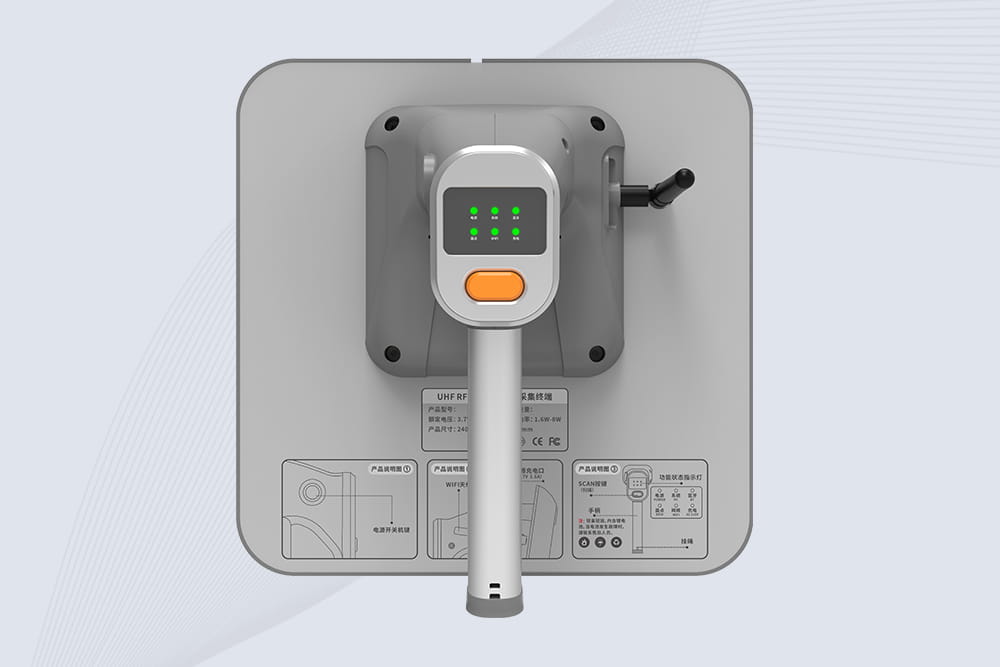
Not every setup is a fixed installation. Sometimes I need to check tags in the field, test a new batch of cards, or verify user credentials before a deployment. That’s where portable 13.56 MHz RFID readers shine.
The first time I used one, I was surprised by how convenient it was — a small, battery-powered reader that connects to a laptop or tablet. I could test cards right on site without running cables or installing software. It’s become part of my everyday toolkit now.
My Checklist for Choosing an RFID 13.56 MHz Reader
Over the years, I’ve built my own little checklist when evaluating RFID readers:
Card compatibility – Must support ISO 14443 and ISO 15693 standards.
Interface type – Choose USB for desktop use, or Wiegand/RS-485 for access control systems.
Security features – Encrypted communication and data authentication are a must.
Durability – Industrial settings need waterproof or metal-resistant housings.
Mobile credential support – NFC or Bluetooth access adds huge flexibility for users.
Final Thoughts
If you’re setting up a new access system, upgrading an old one, or building a smarter logistics network, my advice is simple: Start with 13.56 MHz.
It’s secure, scalable, and future-ready. The technology supports not just cards but also phones, wearables, and smart devices. Once you get used to the speed and reliability of a rfid 13.56 mhz reader, you won’t want to deal with older systems again.
This isn’t about chasing tech trends — it’s about stability and simplicity. After making the switch myself, I can say one thing for sure: the 13.56 MHz standard just makes sense.
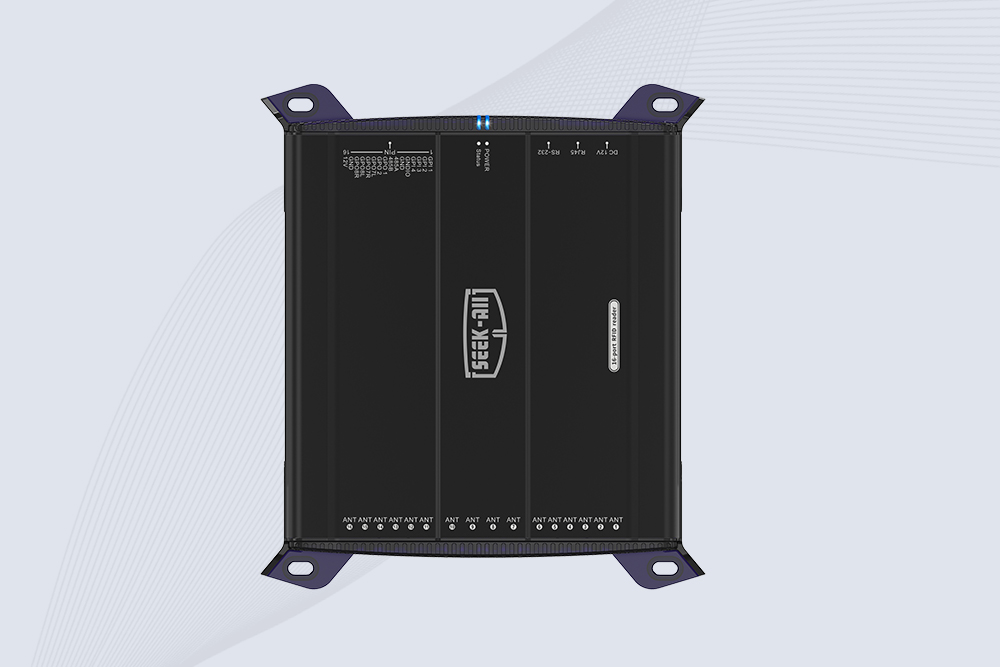
SSD-R16L Multi-Channel RFID Infrastructure for Automated Inventory Management ✔️ 16-Port High-Density RFID Reading Equipped with 16 SMA antenna ports, SSD-R16L supports multi-antenna deployment for warehouses, retail stores, logistics, production lines, and large-area RFID identification. ✔️ High-Speed & Long-Range Performance With up to 33…
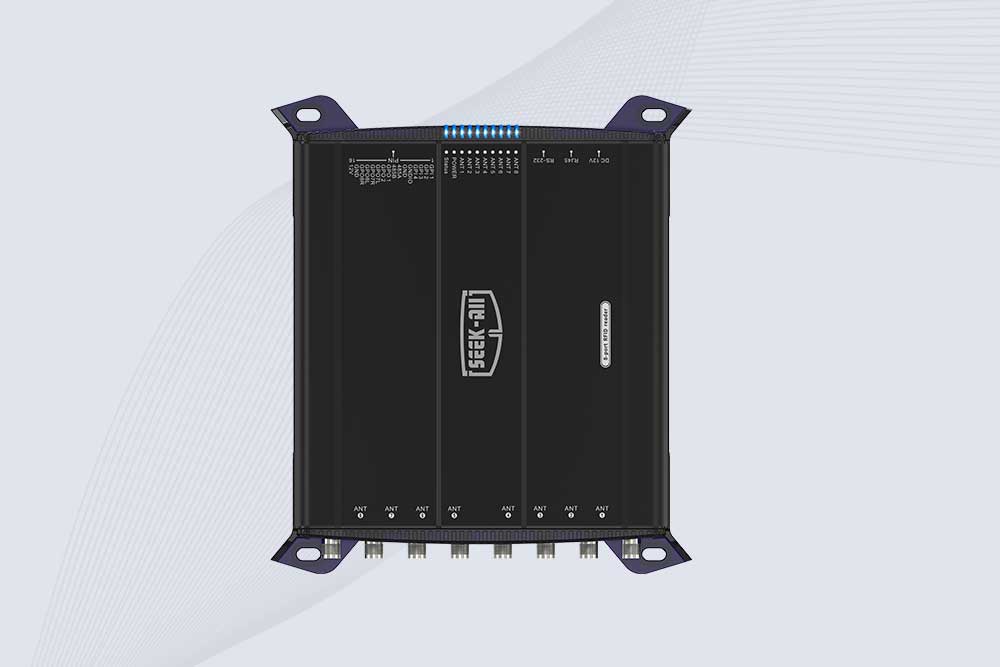
SSD-R8L 8-port UHF RFID reader with 33dBm output, up to 20m reading range and 600+ tags/s recognition. Ideal for warehouse, logistics, retail and asset tracking.
Android RFID Emulator improves testing and debugging efficiency, but it also introduces security risks in real-world enterprise applications, such as illegal emulation and UID spoofing. This article analyzes how it works, uncovers potential threat...
Avoid RFID system meltdowns! Learn how to match readers, antennas, and tags for seamless compatibility. Boost read rates and cut errors with expert tips.
Wondering how to connect RFID reader to database? We break down the real-world steps, from data capture to SQL integration, and show how CYKEO makes it simpler.
 Cykeo RFID IoT Solution Products R&D Manufacturer