A few years ago, many companies looking for vehicle access control were still relying on barcode stickers, license plate recognition, or even security guards checking vehicles manually. Those methods still exist today, but once traffic increases, the weak points become obvious. Vehicles slow down, drivers wait in line, and mistakes happen more often than people expect.
This is probably why long range RFID scanners have become much more common in factories, logistics parks, ports, campuses, and even residential communities.
Interestingly, most buyers don’t start by asking, “Which RFID reader has the longest reading distance?” Instead, they usually ask something more practical.
“Can it identify trucks without stopping?”
“Will it still work on rainy days?”
“Can it distinguish one lane from another?”
Those questions usually tell you far more about the project than simply talking about reading range.
Vehicle Identification Is More Than Opening a Gate
People sometimes imagine vehicle identification as a barrier gate opening automatically. That’s only one small part of the whole system.
In many industrial sites, the RFID scanner is actually connected to several different software platforms at the same time. It may communicate with an ERP system, warehouse management software, visitor management software, or fleet scheduling platform.
For example, imagine a logistics warehouse where fifty trucks arrive every morning.
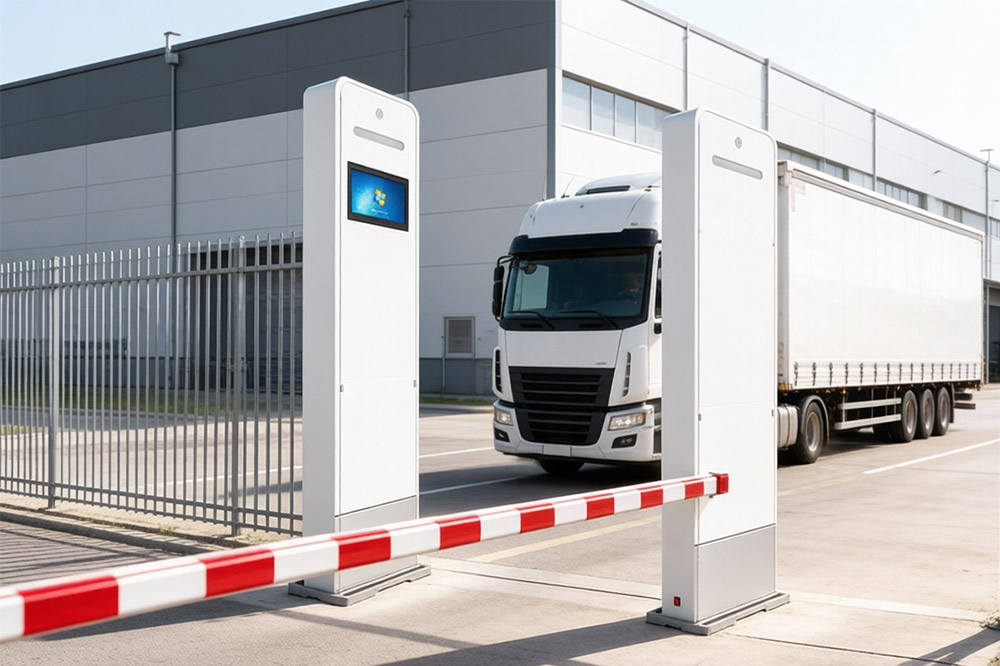
Drivers don’t need to stop and swipe a card. The UHF RFID tag attached to the windshield is detected several meters before the vehicle reaches the entrance. By the time the truck arrives at the gate, the system has already confirmed the vehicle identity, checked the delivery schedule, and recorded the arrival time automatically.
From the driver’s perspective, nothing special happens.
From the warehouse manager’s perspective, every entry is already stored in the database without anyone typing information manually.
That difference becomes surprisingly valuable after several months of operation.
Reading Distance Isn’t Everything
One misunderstanding appears again and again.
Many buyers believe that a longer reading distance always means a better RFID scanner.
Not necessarily.
We’ve seen projects where a 12-meter reading distance actually created more problems than a 6-meter one. If the reader starts detecting vehicles waiting in another lane or trucks parked nearby, the software receives unnecessary data. Eventually someone starts blaming the reader, although the real issue is system design.
A better question would be:
“How accurately can the reader identify only the intended vehicle?”
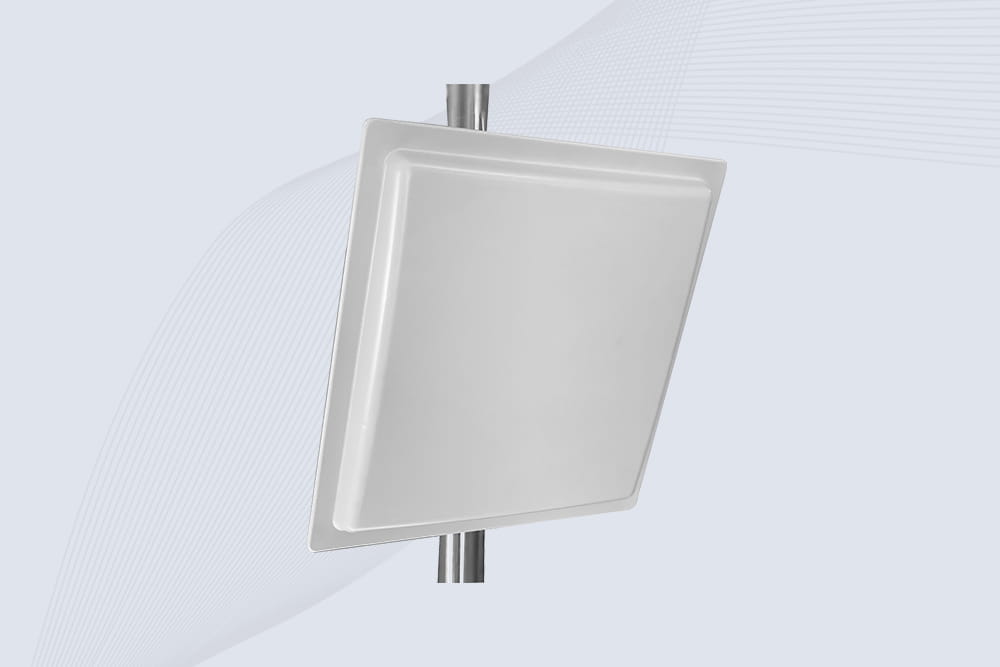
Directional antennas, antenna angle, installation height, lane width, and tag placement often influence the final performance more than simply increasing output power.
That’s why experienced system integrators usually spend time evaluating the site before recommending hardware.
Different Industries, Different Priorities
Although the same RFID technology is used, every industry seems to care about something slightly different.
A manufacturing factory usually wants employees and delivery trucks to pass through quickly without creating congestion during shift changes.
A logistics company is more interested in recording entry and exit times automatically because those records are connected to shipment management.
Mining sites often require readers that continue working despite dust, vibration, and changing weather conditions.
Ports, on the other hand, are dealing with hundreds or even thousands of container trucks every day. Stability becomes much more important than achieving the maximum theoretical reading distance.
It’s one of those details that doesn’t always appear in product brochures, but anyone who has worked on large deployments quickly notices the difference.
Windshield Tags Make a Big Difference
The RFID reader is only one half of the solution.
The RFID tag attached to the vehicle deserves just as much attention.
Some projects use standard adhesive windshield tags. Others prefer tamper-proof tags that cannot be transferred from one vehicle to another. In high-security environments, encrypted RFID tags may also be considered.
Poor-quality tags often become the hidden reason behind inconsistent reading performance.
We’ve seen installations where replacing the tag—not the reader—improved the identification rate almost immediately.
That surprises many first-time buyers.
Installation Usually Decides the Final Performance
One lesson comes up repeatedly in real deployments.
A high-performance RFID reader installed in the wrong location may perform worse than a mid-range reader installed correctly.
Take a factory entrance as an example.
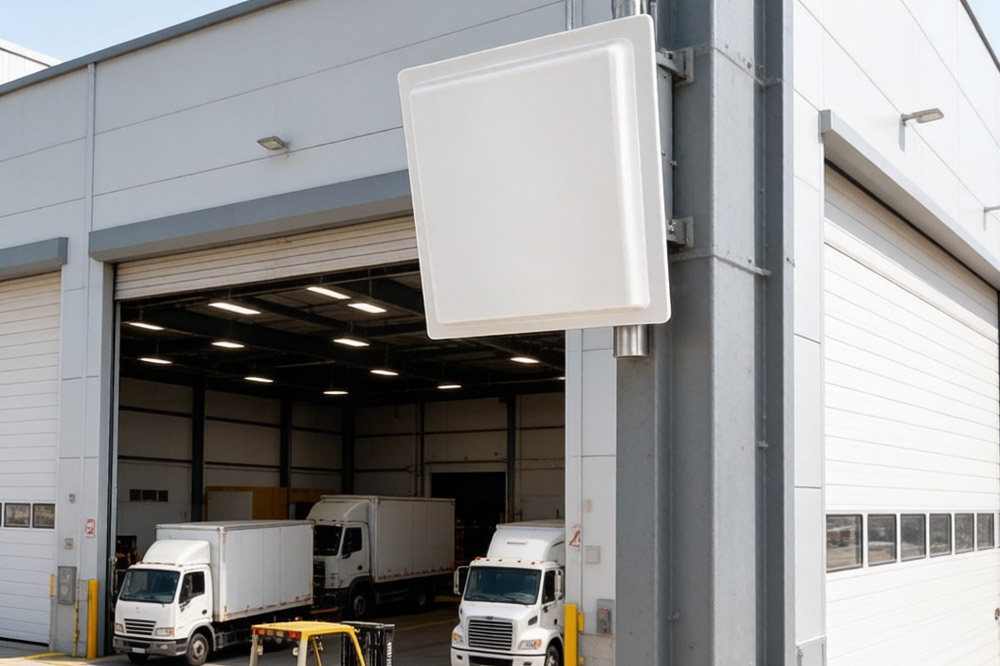
If the antenna points directly toward several parking spaces instead of the traffic lane, vehicles waiting nearby may also be detected. The software then has to filter unnecessary reads, which increases complexity for no real benefit.
On the other hand, adjusting the antenna angle slightly downward and limiting the reading zone often creates a much cleaner result.
This isn’t something people usually notice during a product demonstration. It becomes obvious only after the system has been running for several weeks, when operators start reviewing the access logs and comparing them with actual vehicle movements.
Choosing the Right Long Range RFID Scanner
With so many RFID readers available, it’s easy to compare specifications and assume the model with the biggest numbers is automatically the best option. In reality, experienced buyers usually look beyond the datasheet.
A few questions are worth asking before making a decision.
How many vehicles are expected to pass every hour?
Will the reader control a single lane or several lanes?
Does the project need integration with existing access control software?
Will the system work outdoors throughout the year?
These questions often narrow down the options much faster than comparing transmit power alone.
Another point that is sometimes overlooked is future expansion. A small factory today may add another entrance next year or introduce visitor management later. Choosing a reader that supports APIs, standard communication protocols, and remote management can save considerable time during future upgrades.
Common Applications We’ve Seen
Vehicle identification projects vary a lot, but several scenarios appear repeatedly.
A manufacturing plant uses RFID to allow employee vehicles and supplier trucks to enter automatically.
A logistics center records truck arrivals, loading times, and departures without manual registration.
A university campus replaces traditional parking cards with windshield RFID tags to reduce waiting time during busy mornings.
Mining companies identify authorized vehicles entering restricted areas while keeping a complete movement history.
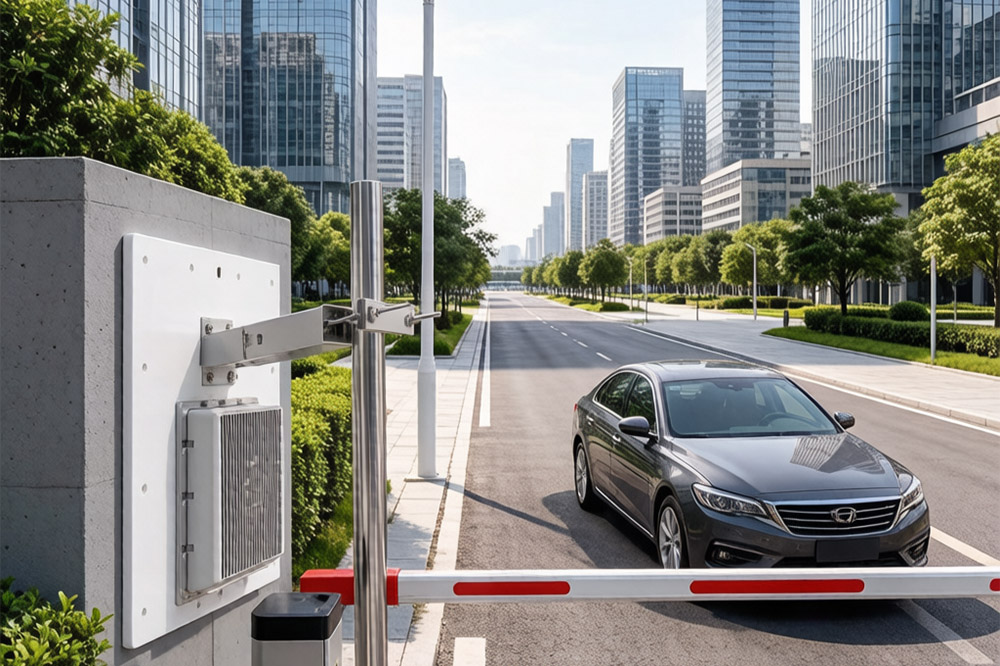
Industrial parks often combine RFID readers with barrier gates, cameras, LED displays, and visitor management software to create a fully automated entrance.
Although these projects look different on the surface, they all share one goal—reducing manual work while improving the accuracy of vehicle records.
Integration Matters More Than Many People Expect
The RFID reader is only one component of the complete solution.
Many successful deployments connect the reader with ERP systems, warehouse management platforms, attendance systems, or cloud dashboards. Once these systems start exchanging data automatically, managers can see vehicle movements in real time instead of waiting for manual reports.
For system integrators, open SDKs, REST APIs, and support for standard protocols often become deciding factors.
Hardware can usually be replaced later.
Poor software compatibility is much harder to fix.
A Small Detail That Often Gets Ignored
One project we discussed with an overseas customer looked straightforward at first. The customer wanted to identify trucks entering a warehouse.
After reviewing the site photos, however, another issue became obvious.
The trucks frequently stopped side by side before reaching the gate. If the reader covered both lanes, incorrect vehicle detection would become unavoidable.
Instead of increasing transmission power, the final solution used a directional antenna with a carefully adjusted angle. The reading area became smaller, but the identification accuracy improved significantly.
It’s a good reminder that successful RFID projects rarely depend on one specification alone. Installation planning, tag selection, antenna positioning, and software logic all contribute to the final result.
Finding the Right Manufacturing Partner
For distributors, OEM brands, and system integrators, selecting an RFID supplier isn’t only about buying hardware.
Long-term technical support, customization capability, stable production capacity, and fast delivery often become equally important—especially when multiple projects are running at the same time.
Many wholesale buyers also look for suppliers that can provide customized firmware, private labeling, SDK support, and engineering assistance during deployment. Those services may not appear on a product page, but they often determine whether a project is delivered smoothly.
If your project involves parking management, factory access, logistics yards, ports, campuses, or fleet management, discussing the application before selecting the hardware usually leads to better results than choosing a reader based only on specifications.
Every site is different. A reader that performs perfectly in one environment may require different antenna placement or configuration somewhere else. Spending a little more time during the planning stage usually prevents far bigger problems after installation.
Frequently Asked Questions
How far can a long range RFID scanner identify a vehicle?
Most UHF vehicle identification systems operate between 3 and 12 meters, depending on the reader, antenna gain, RFID tag quality, vehicle speed, and installation environment.
Can RFID identify vehicles without stopping?
Yes. In many access control systems, vehicles continue driving while the reader captures the windshield RFID tag automatically, reducing waiting time at entrances.
Do RFID vehicle identification systems work in bad weather?
Generally yes. UHF RFID performs reliably in rain, heat, and cold when industrial-grade readers and properly installed antennas are used.
Can one RFID reader manage multiple lanes?
It depends on the project. Some systems use multiple directional antennas connected to a single reader, while wider entrances often require separate readers for better accuracy.
Which industries commonly use long range RFID vehicle identification?
Manufacturing, logistics, ports, mining, industrial parks, campuses, residential communities, government facilities, airports, and commercial parking operators are among the most common users.
Looking for RFID Manufacturer?
Whether you’re an RFID distributor, system integrator, software developer, or OEM brand, choosing the right hardware partner can make future projects much easier.
If you’re planning a vehicle identification project, it’s worth discussing your installation environment, lane layout, software platform, and reading distance requirements before selecting the reader. A well-matched solution usually delivers better performance than simply choosing the highest specification on paper.
Our engineering team supports OEM and ODM projects, API integration, customized firmware, private labeling, and technical assistance for vehicle identification systems worldwide.
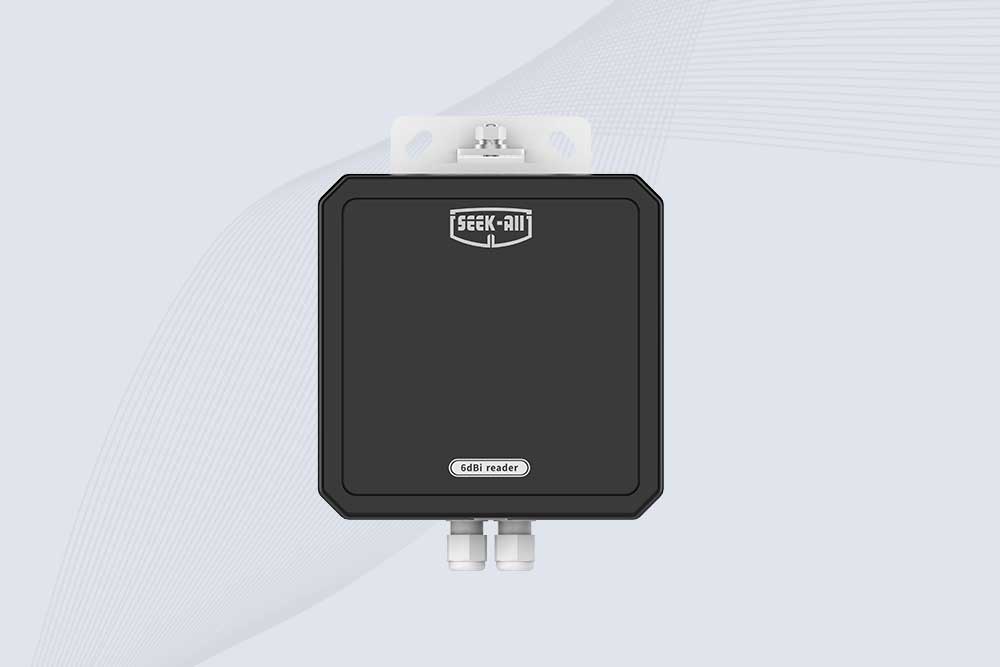
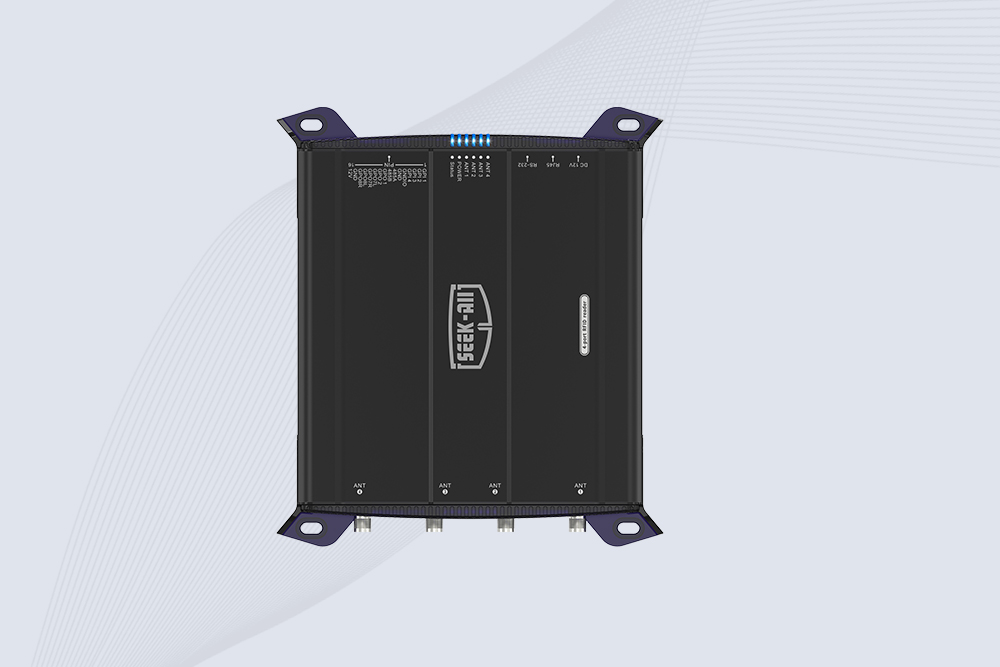
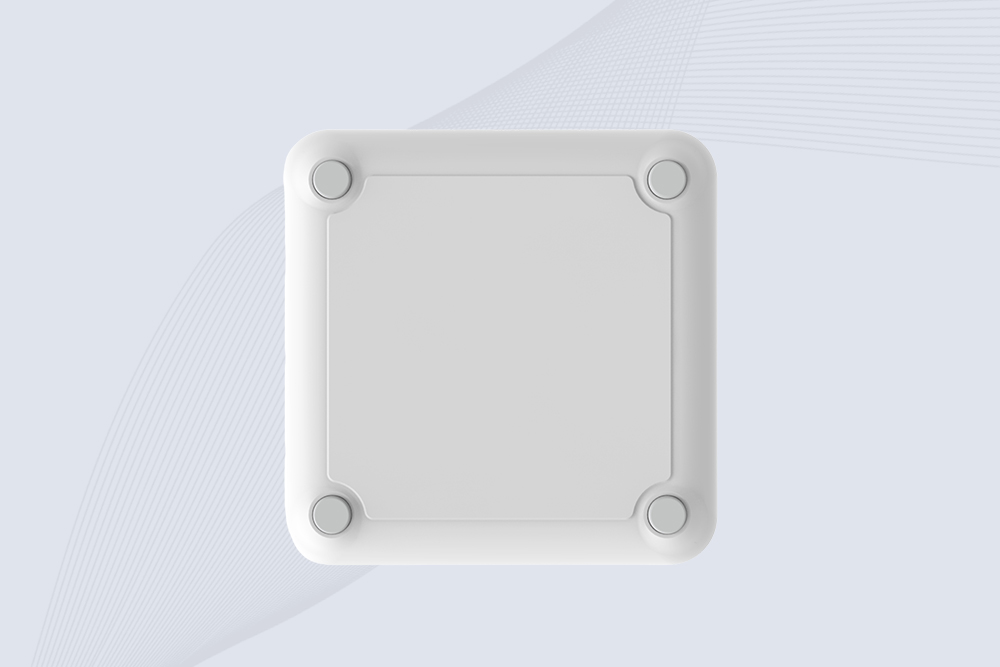
SSD-RA06L is an industrial UHF RFID reader with a built-in 6 dBi antenna, 3 m read range, 600+ tags/s, Ethernet, RS232, and optional Wi-Fi, 4G, and PoE.
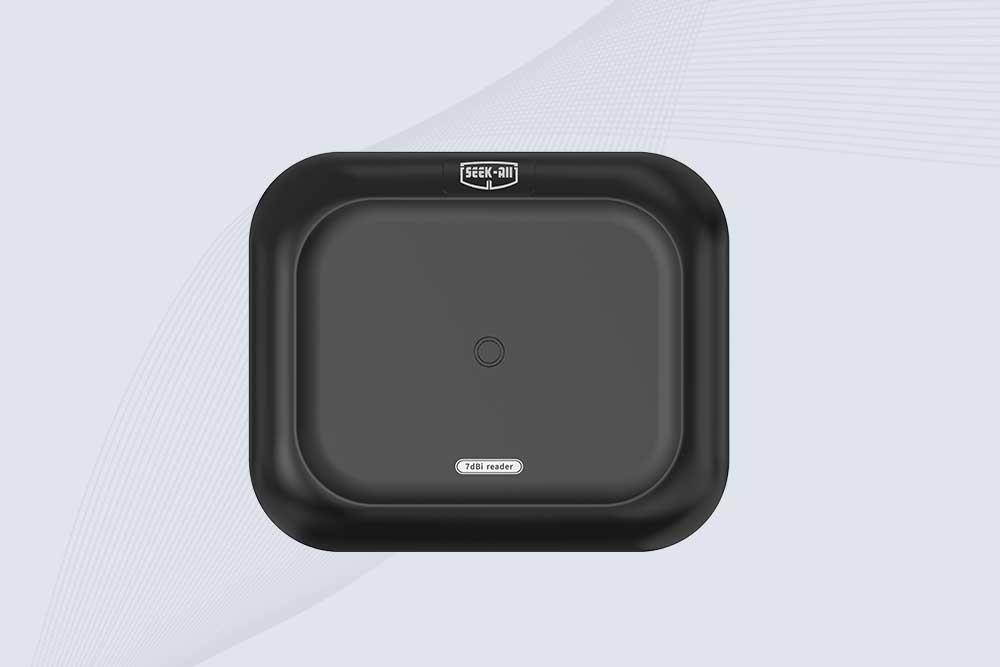
SSD-RA07L industrial UHF RFID reader with integrated 7 dBi antenna, up to 6 m reading distance, over 600 tags/s, Ethernet, RS232, and optional Wi-Fi, 4G, and PoE.
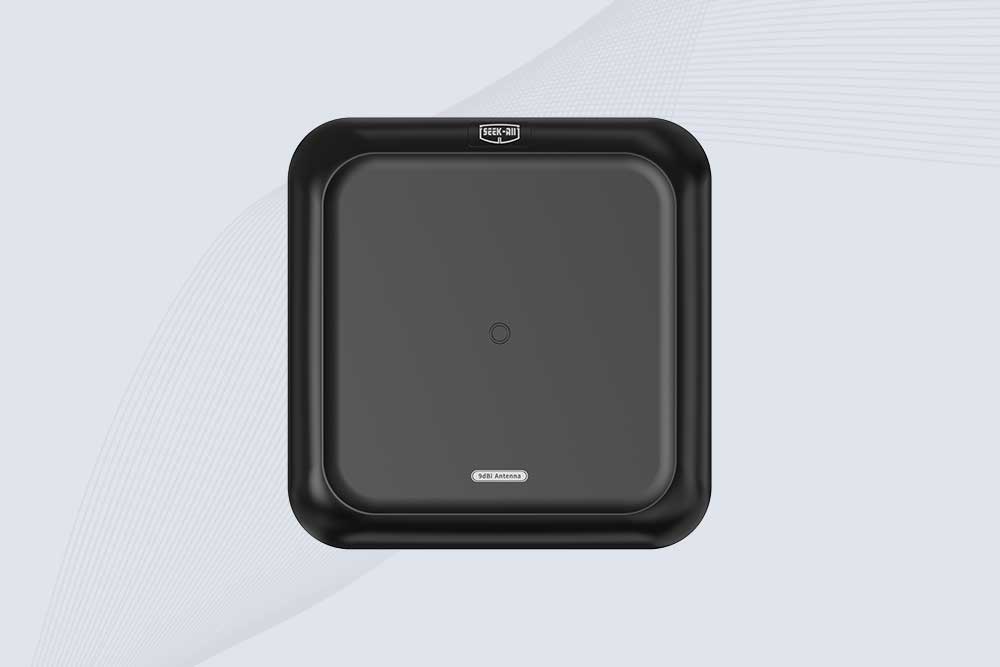
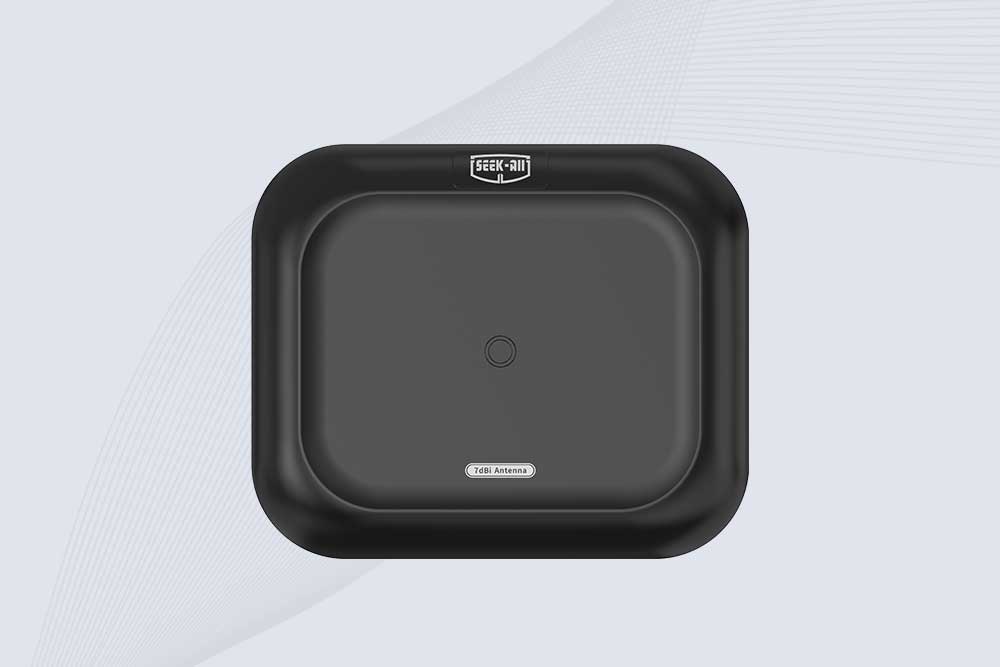
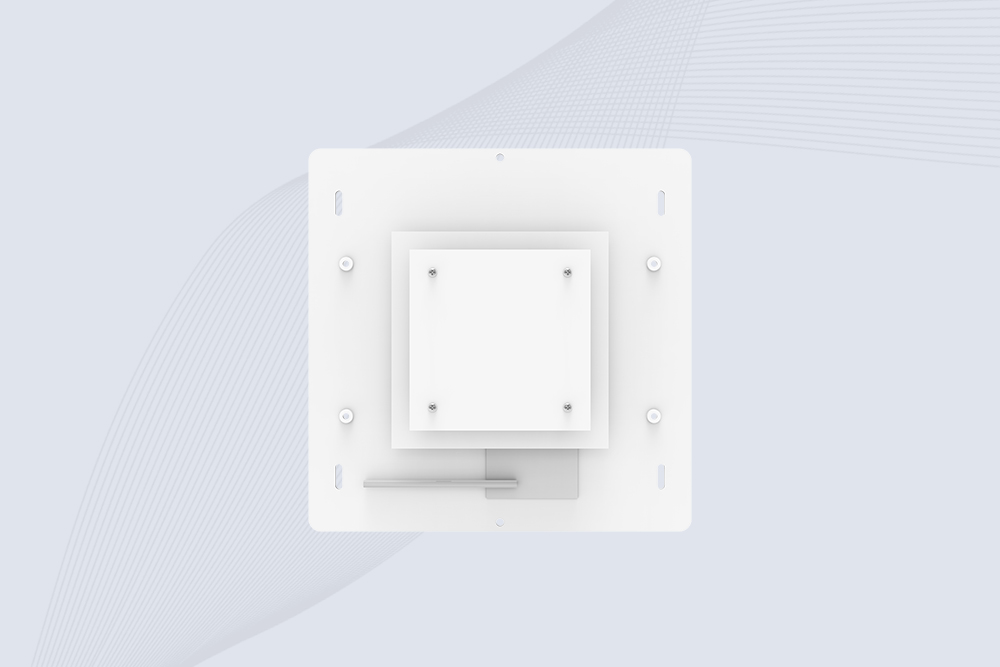
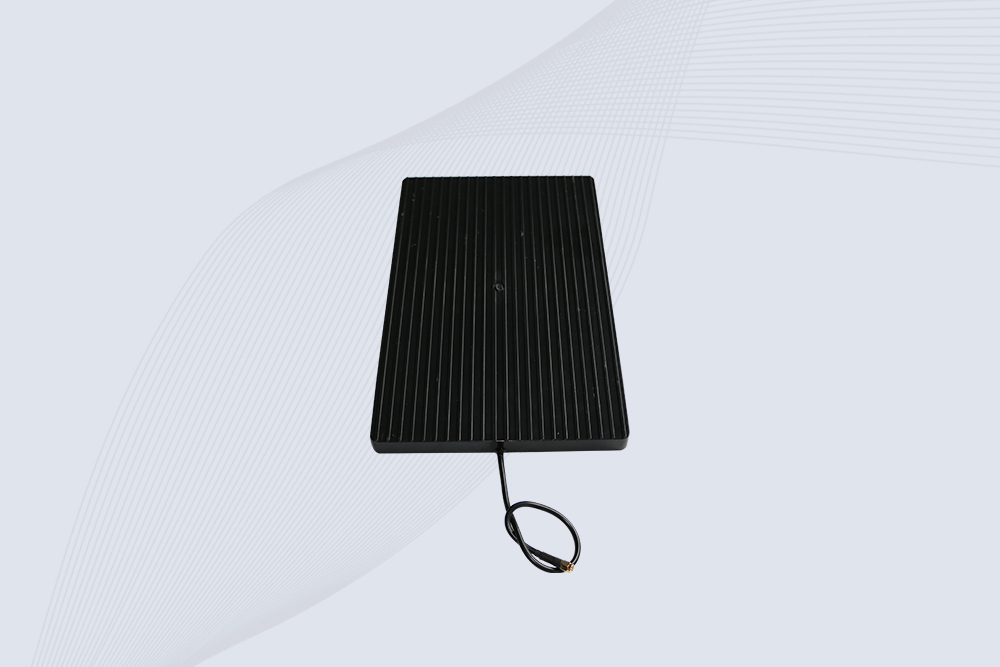
Explore the SSD-A07 UHF RFID antenna with 7 dBi gain, circular polarization, adjustable 840–960 MHz frequency, and 60°/75° beamwidth for stable RFID read/write performance.
SSD-A06 UHF RFID antenna with circular polarization, adjustable 840–960 MHz frequency, ≥4.5 dBi gain, and a compact directional design for RFID systems.
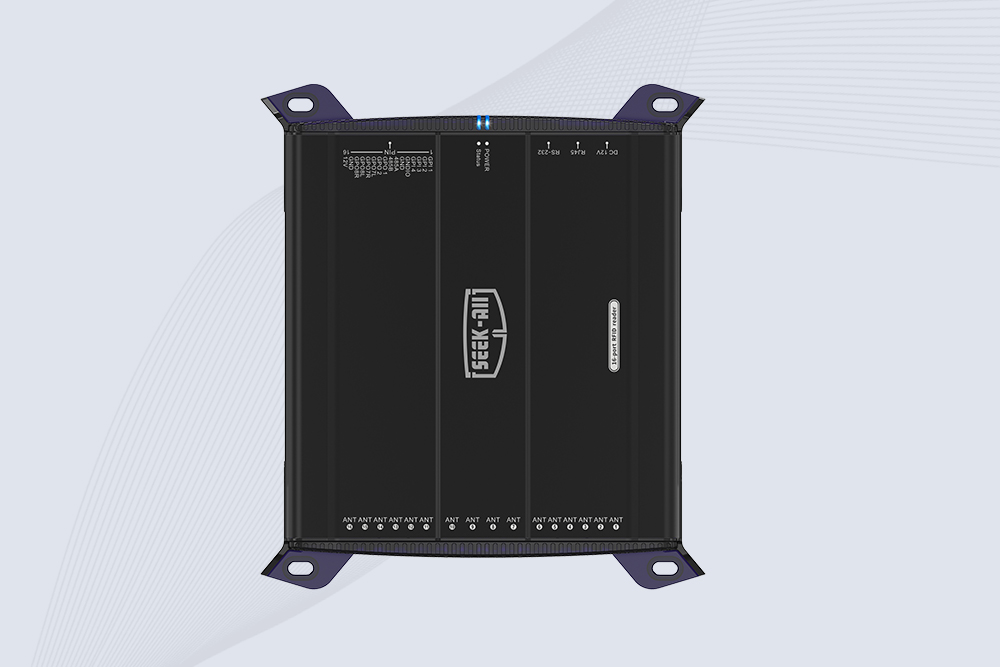
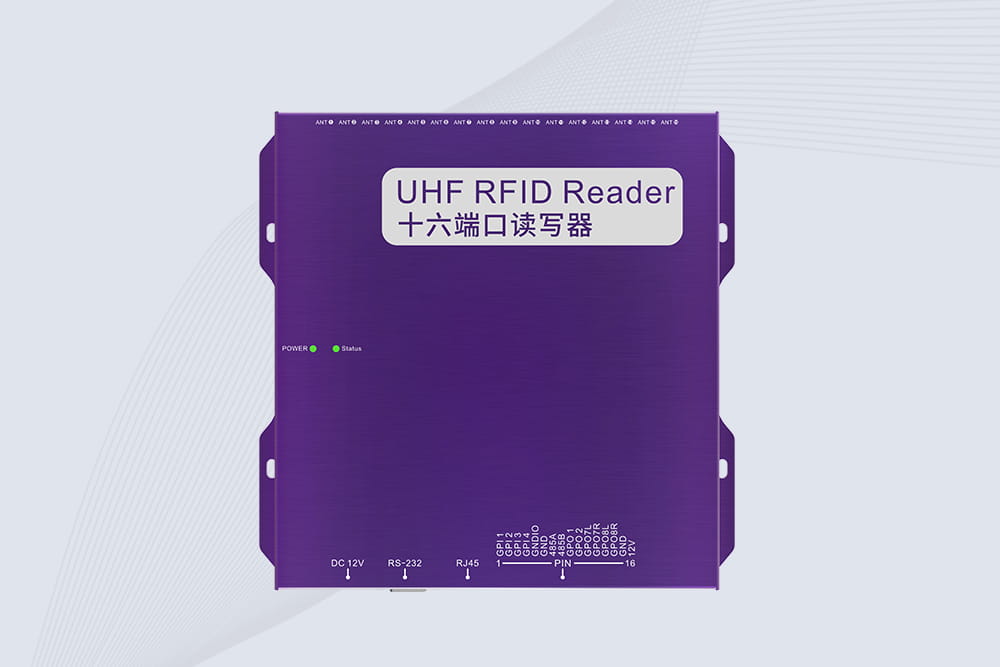
SSD-R16L Multi-Channel RFID Infrastructure for Automated Inventory Management ✔️ 16-Port High-Density RFID Reading Equipped with 16 SMA antenna ports, SSD-R16L supports multi-antenna deployment for warehouses, retail stores, logistics, production lines, and large-area RFID identification. ✔️ High-Speed & Long-Range Performance With up to 33…
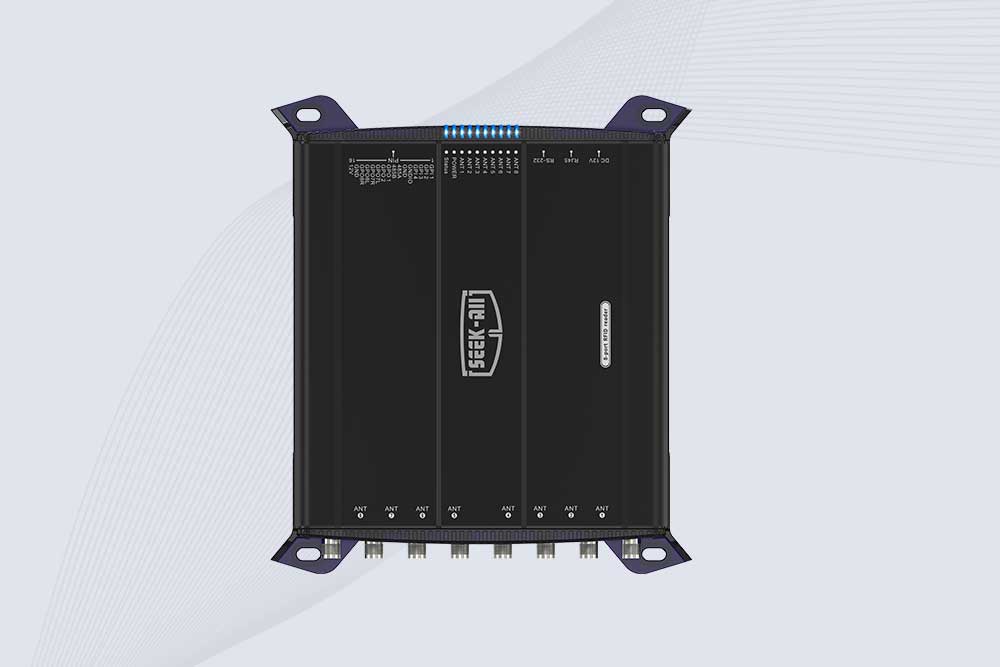
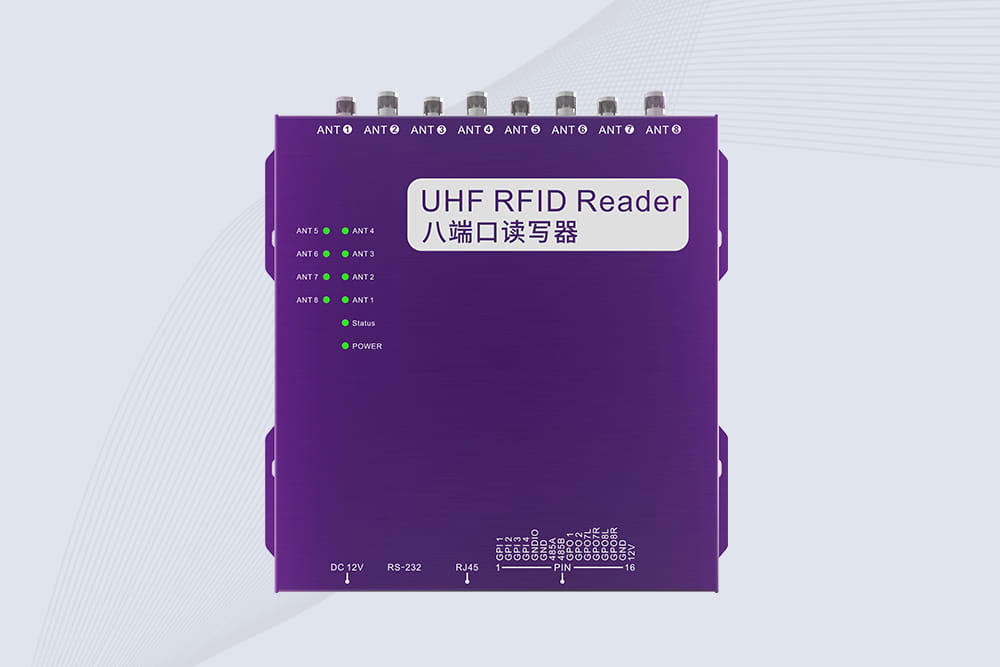
SSD-R8L 8-port UHF RFID reader with 33dBm output, up to 20m reading range and 600+ tags/s recognition. Ideal for warehouse, logistics, retail and asset tracking.
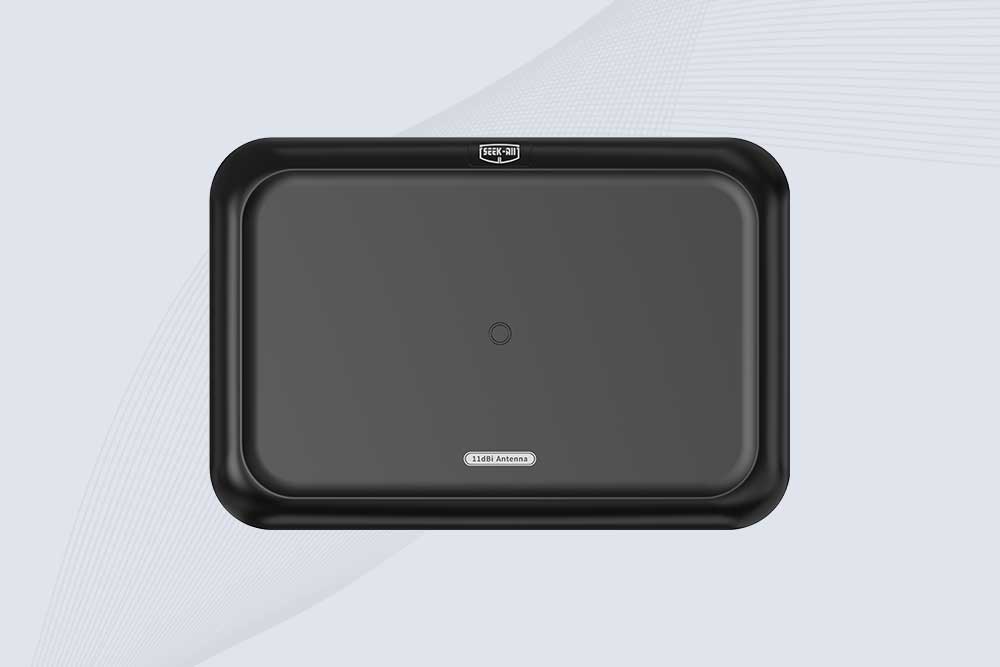
Cykeo CYKEO-A11 UHF RFID reader antenna delivers 11dBi gain, 840-960MHz frequency range, and IP65 ruggedness for retail, logistics, and industrial RFID systems. Features low VSWR and easy installation.
CYKEO Antenna RFID Reader delivers stable long-range UHF performance with a 10.5dBi directional design, built for warehouses, conveyor portals, and industrial RFID systems. This rfid reader antenna provides 20m+ read distance and rugged IP67 protection.
Cykeo CYKEO-A5B industrial Linear RFID Antenna delivers 5dBi gain, ≤1.5:1 VSWR, and IP65 rugged design for warehouse, production line, and logistics UHF systems.
Cykeo’s CYKEO-B12 Long Range RFID Antenna delivers 15m+ read range with 12dBi gain, IP65 rugged design, and global 840-960MHz UHF support. Ideal for warehouse/logistics asset tracking.
Cykeo CYKEO-B10 Long Distance RFID Antenna offers 10dBi gain, 840-960MHz frequency range, IP65 rating, and 20m+ coverage for logistics/warehousing/ETC systems. Low VSWR ensures stable signal transmission.
Cykeo CYKEO-A6 UHF RFID panel antenna features 6dBi gain, 840-960MHz broadband, IP65 metal-ready housing for logistics/smart retail. 18mm ultra-thin design with tool-free mounting.
Cykeo CK-A3 industrial antenna RFID UHF offers 5m+ tag detection, ≤1.3:1 VSWR, IP65 rugged design, and global UHF spectrum compatibility (840-960MHz) for warehouses, factories, and retail.
Cykeo CYKEO-B5 directional RFID antenna provides 5dBi gain with 60° narrow beamwidth for precise inventory tracking. IP65-rated, global UHF frequency support, and low VSWR.
Create your own high-performance DIY RFID antenna! 5dBi gain, 840-960MHz tunable, step-by-step guides. Compatible with Arduino, Raspberry Pi, and commercial UHF readers.
Cykeo CYKEO-A7 Flexible RFID Antenna features 840-960MHz wideband tuning, 7dBi gain, and IP68 rating for medical/retail/industrial curved surface deployments. 98% read accuracy with peel-and-stick installation.
Cykeo CYKEO-B5A industrial Passive RFID Antenna delivers 5dBi gain, 70° beamwidth, and -40°C~55°C operation for warehouses/smart cabinets. Compatible with Zebra/Impinj readers.
Cykeo’s CYKEO-A9B High Gain RFID Antenna delivers 15m+ read range with 9dBi amplification. Features IP54 rugged design, 840-960MHz bandwidth, and 80° beamwidth for warehouse/manufacturing RFID systems.
Cykeo’s enterprise-grade 8dbi Impinj RFID Antenna 10m+ read range with 840-960MHz tuning. Features IP65 housing, 1.4 VSWR, 35° beamwidth for retail/warehouse RFID systems.
Cykeo CYKEO-A9 industrial UHF RFID antenna delivers 9dBi gain, 840-960MHz frequency range, and IP65 protection for warehouse/logistics/retail RFID systems. Features N-type connector and ≤1.3:1 VSWR.
CYKEO UHF RFID Antenna built for long-distance and industrial applications. This antenna rfid uhf delivers strong gain, outdoor durability, and reliable tag performance in warehouses, yards, and vehicle ID systems.
CYKEO Antenna RFID delivers reliable long-range UHF performance in warehouses, retail shelves, and cold-chain environments. This compact uhf rfid antenna provides stable reads with circular polarization and ultra-wide 840–960 MHz support, ideal for industrial tracking, smart shelves, and asset monitoring.
Cykeo’s CYKEO-C8 UHF RFID antennas delivers 8dBi gain, 840-960MHz full-band coverage, and IP65 ruggedness for manufacturing/warehouse RFID systems. Industrial RFID Antennas Features
Cykeo’s 8dBi UHF RFID antenna and reader kit delivers 10m+ range, 840-960MHz broadband, and IP65 ruggedness for factories, warehouses, and logistics. ISO 18000-6C & EPC Gen2 certified.
Cykeo’s CYKEO-A12C UHF Large RFID Antenna delivers 12dBi gain, 840-960MHz global frequency, IP65 ruggedness for logistics/warehousing/automotive. 40° beamwidth ensures stable 15m+ tag reads.
CYKEO Near Field RFID Antenna provides precise 5–30 cm reading for shelves, cabinets, and workstations. This compact rfid shelf antenna delivers stable short-range performance around metal and clutter, ideal for pharmacies, libraries, and electronics sorting.
Cykeo’s industrial long range RFID reader delivers 20-meter scanning, 500+ tags/sec speed, and IP67 waterproof design for automated warehouses, logistics, and harsh environment applications.
Cykeo’s CYKEO-RA6L industrial RFID long range reader features 20m read distance, 500 tags/sec speed, and IP67 protection. Ideal for warehouse automation, manufacturing WIP tracking, and smart logistics. Supports ISO 18000-6C/6B protocols.
CYKEO Long Range RFID Tag Reader built for outdoor and industrial operations. This Outdoor RFID Reader delivers 20m read distance, fast tag processing, and IP67 durability for wide-area tracking.
Cykeo CYKEO-RA12L industrial Long Range RFID Reader delivers 20m read range, 200+ tags/sec scanning, and IP67 protection for manufacturing/logistics applications. Supports ISO 18000-6C/GB protocols.
Cykeo CYKEO-C1 industrial Forklift RFID Reader features 20m read range, 600 tags/sec scanning, Impinj R2000 chipset, and IP67 rugged design. Ideal for warehouse logistics and manufacturing. Supports ISO 18000-6C/6B protocols.
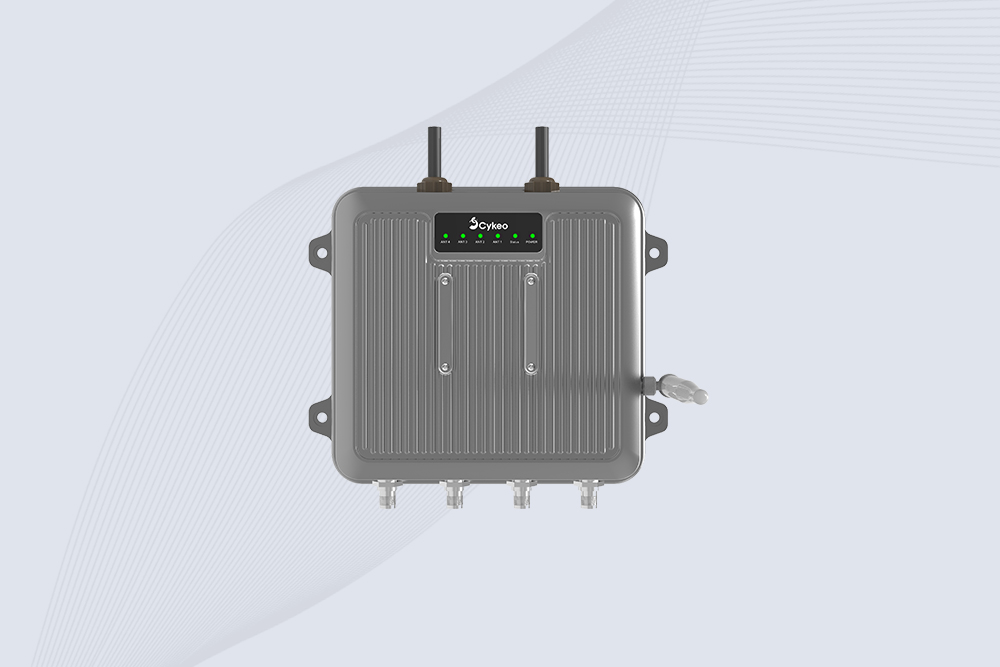
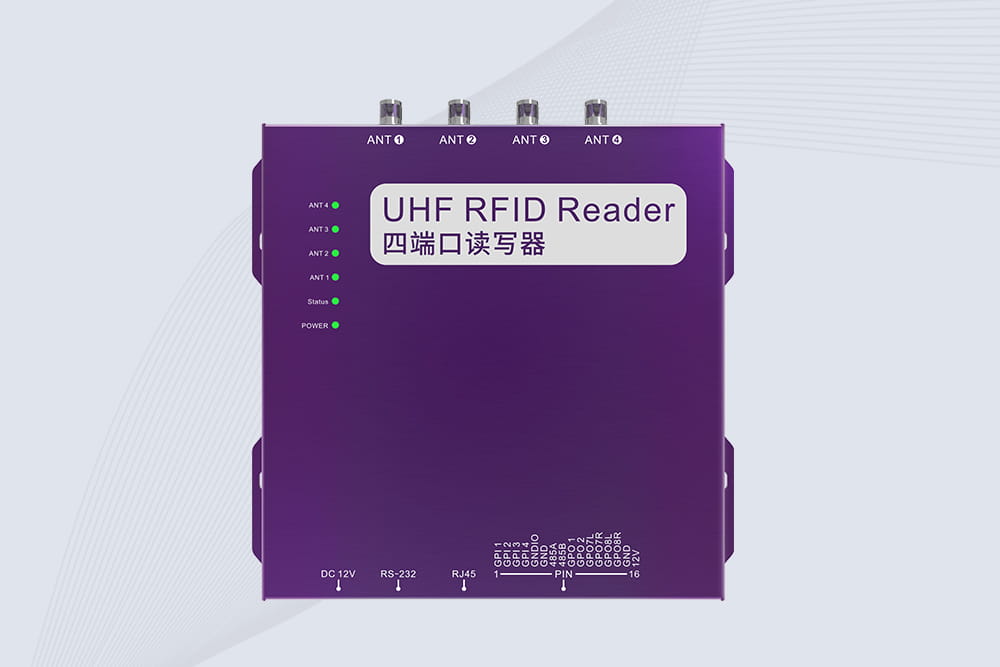
Cykeo CYKEO-R4 industrial UHF RFID Fixed Reader features 4 TNC ports, 400+ tags/sec speed, IP67 housing, and global frequency compliance for vehicle inspection, smart warehouse, and asset management systems.
CYKEO CYKEO-R8L Fixed RFID Reader with 8-port UHF design, Impinj-based RF core and up to 20m read range. An industrial Fixed RFID Reader for vehicle inspection, warehouse portals, smart manufacturing lines and secure access checkpoints.
RFID Fixed Reader from CYKEO – the CYKEO-R16L 16-port UHF fixed reader for warehouses, smart cabinets, and production lines. Long-range, multi-tag reading, stable performance for 24/7 industrial use.
RFID Industry Writer | IoT & Asset Tracking Analyst
James writes about RFID technology, asset tracking, and the practical challenges of digital transformation across warehousing, retail, manufacturing, and logistics.
His work focuses on how RFID is applied in real-world operations—improving inventory visibility, automating workflows, and helping businesses manage assets with greater accuracy and efficiency.
He regularly covers topics including UHF RFID, smart cabinets, RFID portals, tool tracking, warehouse automation, and industrial IoT trends..
Need to read your RFID card number? This no-nonsense guide shows you the fastest methods, from simple USB readers to professional tools, and explains what the number means.
Discover retail RFID technology from Cykeo for self-checkout, inventory visibility, and smart retail. Improve checkout speed, reduce shrinkage, and enhance customer experience.
Learn how to use rfid scanner in real work scenarios. Clear, field-tested steps for inventory, access control, and asset tracking using CYKEO RFID solutions.
How the CK-TP3BC RFID Inventory Tunnel System enhances warehouse efficiency with tracking, scanning, and integration into conveyor-based systems. Explore the benefits of modular RFID solutions for wholesale buyers and RFID developers.
 Cykeo RFID IoT Solution Products R&D Manufacturer