A few months ago, I visited a medium-sized warehouse. Trucks were arriving and departing constantly, and at the main gate, a barrier lifted automatically for each authorized vehicle. There was no need for guards to check IDs or manage entry manually, and every vehicle’s entry and exit was logged. This is exactly how a fixed RFID gate reader works in real-life operations.
What is a Fixed RFID Gate Reader?
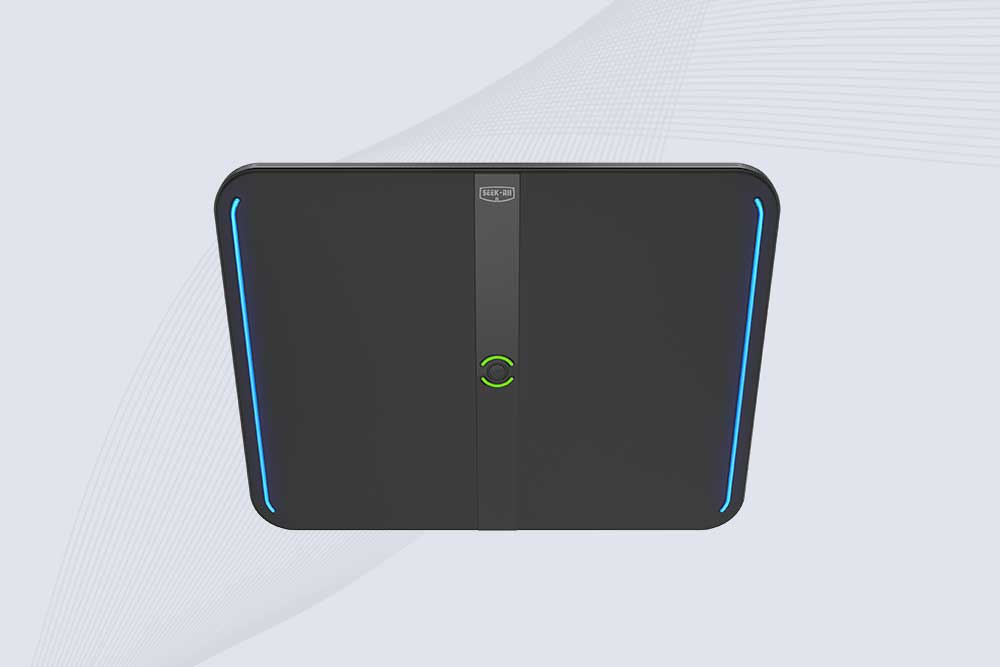
A fixed RFID gate reader is a device installed at a permanent location—like a gate, door, or checkpoint—to detect RFID tags automatically. Unlike handheld readers, it continuously monitors its area and can read multiple tags simultaneously.
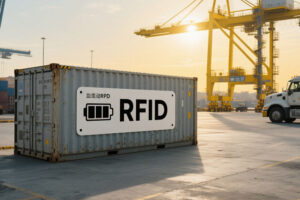
For instance, at the logistics center I mentioned, trucks approaching the dock carried RFID tags on their windshields. As soon as they entered the reader’s detection area, the system verified the tag, opened the gate, and recorded the timestamp. Inside the office, employees could access doors using their ID cards, with the system automatically logging their entry times. This setup ensures both security and efficiency without manual intervention.
How It Works
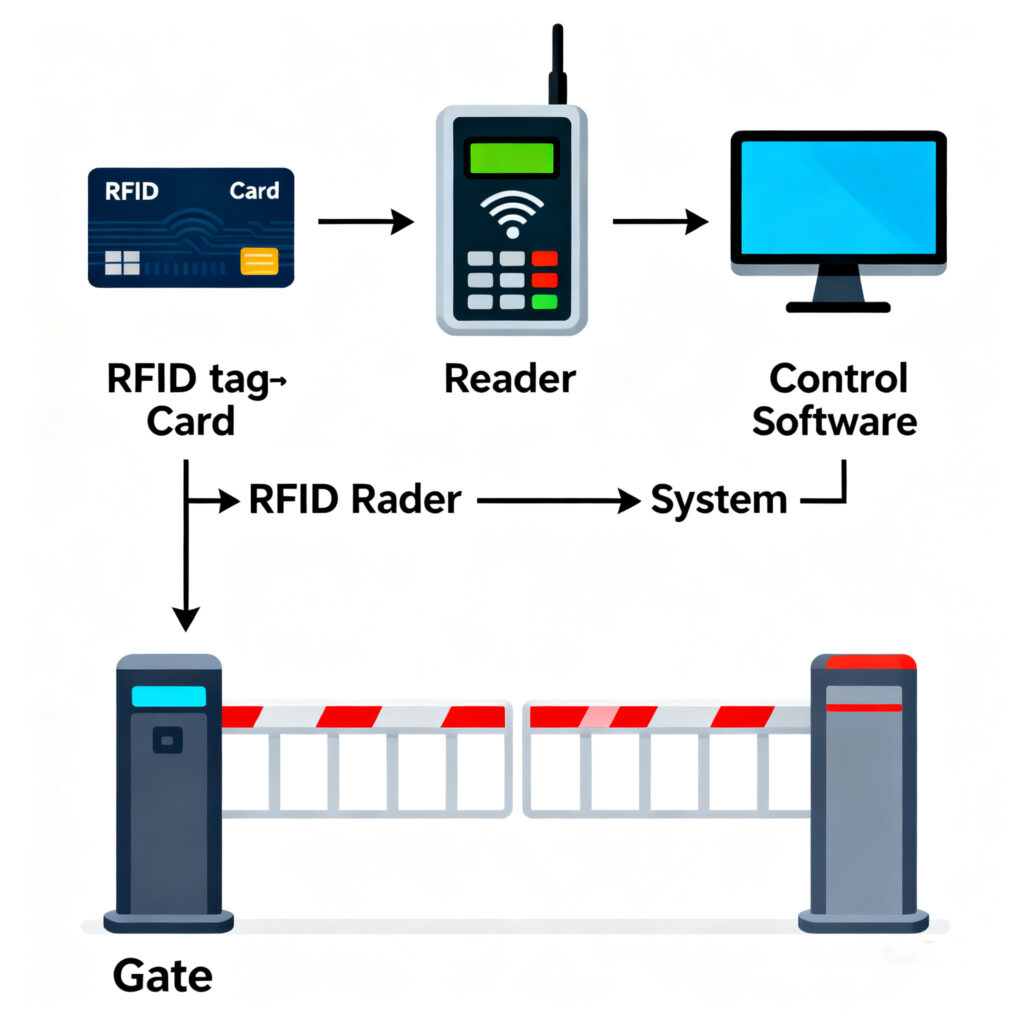
A typical fixed RFID gate reader system includes:
RFID Tags or Cards – Carried by employees or attached to vehicles. Passive tags don’t need batteries, while active ones cover longer distances.
Reader and Antenna – Detects tags when they enter the reading zone and communicates with the control system.
Control Software – Validates access permissions, logs entries, and can trigger gate opening or security alerts.
Gate or Barrier – Physically opens or closes based on signals from the reader.
The installation varies by environment. Outdoor readers must withstand rain, dust, and extreme temperatures, while indoor readers can be smaller and simpler. Multiple readers and gates can be connected to a central system for comprehensive monitoring.
Benefits of Using Fixed RFID Gate Readers
Enhanced Security – Lost or stolen tags can be deactivated immediately. Access rights can be updated centrally.
Operational Efficiency – People and vehicles move smoothly through entry points without waiting.
Accurate Logs – Every entry and exit is recorded automatically, useful for audits and reporting.
Scalability – Additional gates or doors can be integrated without major system changes.
I’ve personally seen this in action at a warehouse: dozens of trucks arrived per hour. Without a fixed RFID gate reader, security staff would have to check each vehicle manually, leading to delays and errors. With the system, the gate opened automatically for authorized trucks, and logs were maintained in real time, allowing staff to focus on more critical tasks.
Key Considerations for Implementation
While the system is straightforward, there are practical points to keep in mind:
Identify Needs – Are you monitoring people, vehicles, or both? Vehicles often require long-range UHF readers; doors may only need LF/HF tags.
Environment Compatibility – Outdoor readers need weatherproofing, while indoor installations can be simpler.
Tag Management – Ensure lost or stolen tags can be deactivated quickly.
Maintenance – Regular software updates, tag replacement, and hardware checks are important.
Integration – Ensure compatibility with gate mechanisms and other security systems.
For example, in a residential complex I visited, vehicles had RFID stickers on their windshields. Residents passed through the gate in less than 10 seconds, even during peak hours. Visitors received temporary tags that only worked during their allowed time. Security staff could monitor every entry in real time, which significantly reduced human error and improved efficiency.
Real-World Applications
Office Buildings – Employees swipe in with RFID cards; management can track attendance and access history.
Warehouses and Factories – Trucks and personnel are monitored; gates open only for authorized entries.
Logistics Centers – Multiple vehicles can pass simultaneously without delays, with all movements logged for later review.
The subtle difference is noticeable: without a fixed RFID gate reader, keys or manual checks slow down operations and introduce errors. With the system, access is smooth, secure, and largely invisible to users.
Conclusion
A fixed RFID gate reader is more than a security device. It streamlines access, improves efficiency, reduces human error, and ensures accurate records. Whether you are managing a busy warehouse, office building, or gated community, this system keeps operations running smoothly while maintaining control and security. Choosing the right system requires attention to environment, traffic volume, and security needs, but the benefits of automation and real-time monitoring are undeniable.
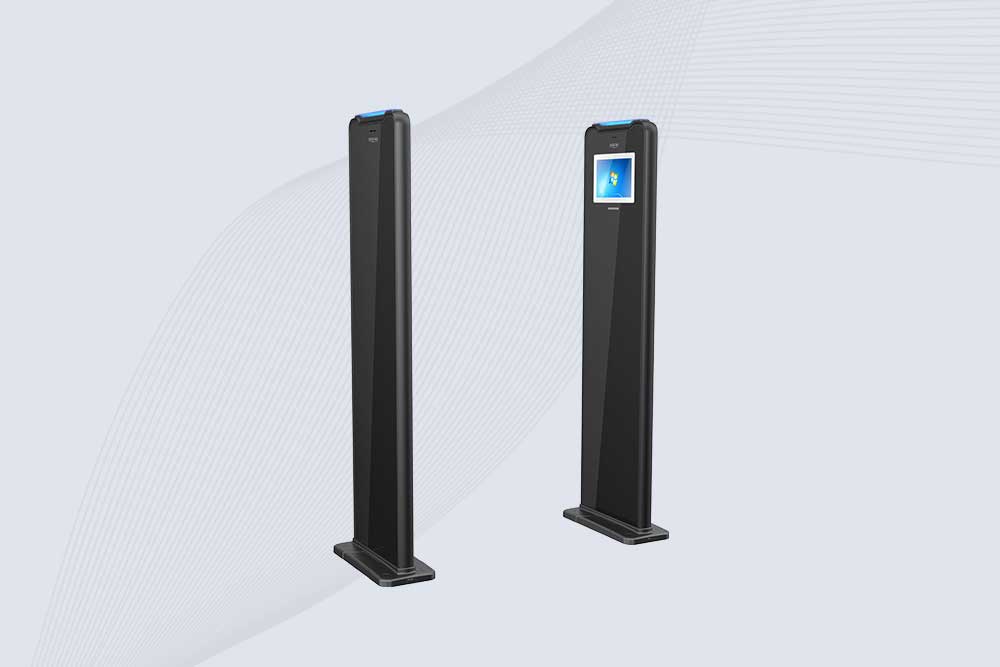
SSD-T4A-P Smart access control with real-time crowd tracking ✔️ AI Tag Filtering for Reduced Misreads SSD-T4A-P supports AI-based tag filtering and up to 6 EPC filtering sets, helping reduce unwanted reads and improve identification accuracy in busy entrances, exits, and retail environments. ✔️ Fast In & Out Detection with Visual & Audio…
SSD-T4A UHF RFID Gate Reader with 11 dBi antenna, up to 10 m reading distance, AI tag filtering, in/out detection, 300,000 data storage, and TCP/HTTP/MQTT support.
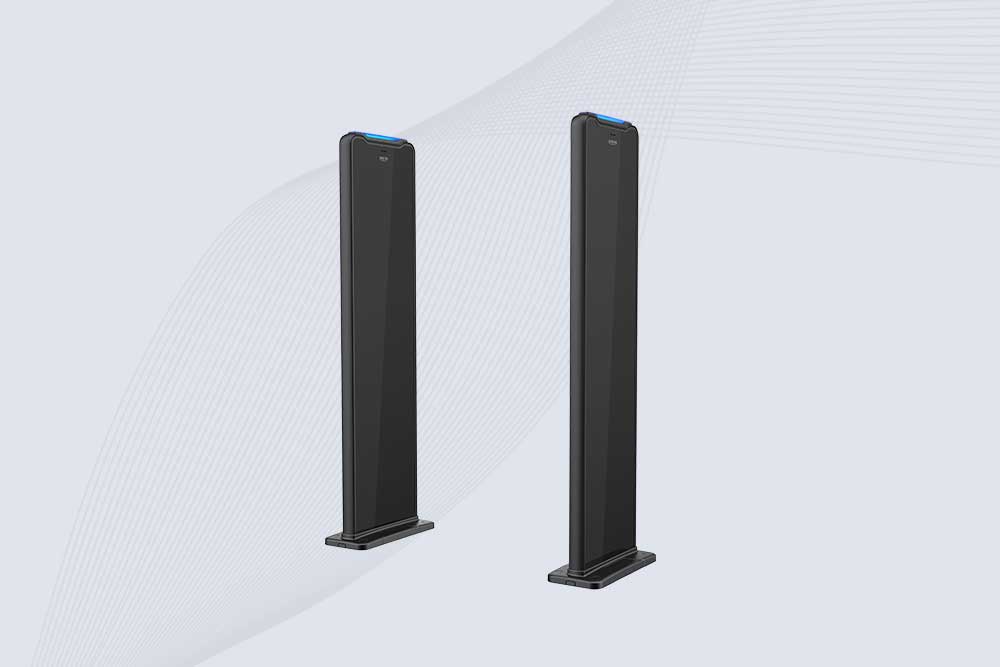
SSD-T2D UHF RFID Gate Reader with 11dBi circular antenna, Impinj E710/X3M1 chipset, up to 10m reading distance, AI tag filtering, in/out detection, and audio-visual alarms.
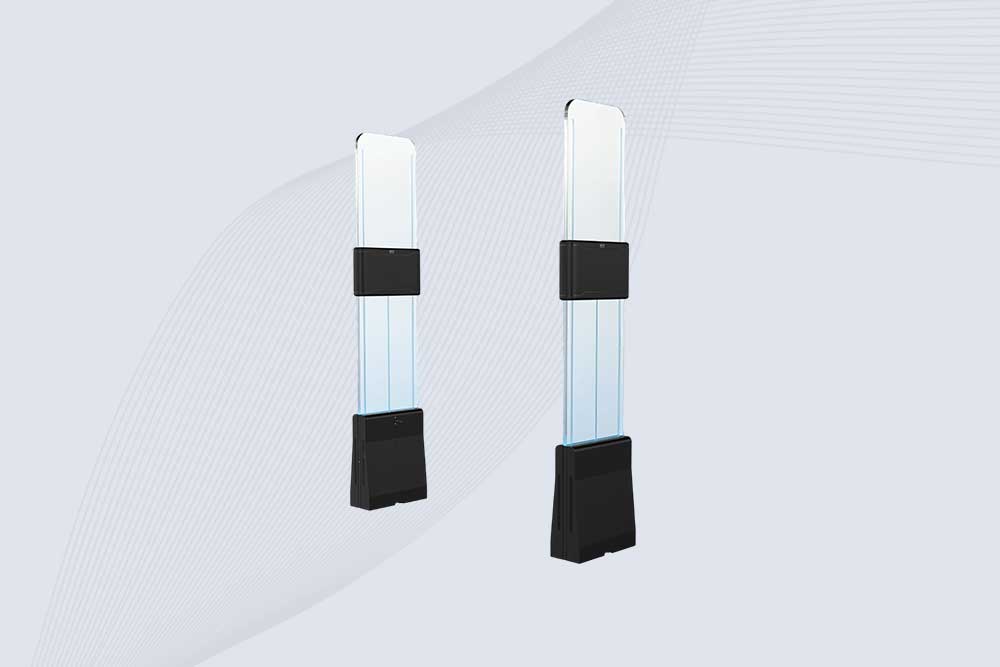
SSD-T1 ✔️ AI-Powered Tag Filtering SSD-T1 supports AI-based tag filtering with up to 6 EPC filtering sets, helping reduce unwanted tag reads and improve identification accuracy in busy retail and access-control environments. ✔️ Reliable In & Out Detection With a 7dBi antenna and a reading range of up to 2.5 meters, SSD-T1 can detect tagged i…
RFID readers can make retail inventory checks much faster by identifying multiple tagged products without requiring employees to scan every item individually...
RFID is quietly becoming the backbone of modern textile and apparel operations. From production floors to warehouses, retail stores, and even recycling centers, it streamlines processes that were once time-consuming and error-prone.
Wondering "can you read 2 RFID tags next to each other"? Discover how RFID anti-collision works, tag spacing requirements, and solutions for reliable multi-tag reading with CYKEO.
 Cykeo RFID IoT Solution Products R&D Manufacturer