 Cykeo RFID IoT Solution Products R&D Manufacturer
How Do RFID Printers Work?
93Learn how do rfid printers work, from RFID encoding and EPC writing to label printing and verification. Explore printer setup, media selection, accuracy, and real-world RFID workflows for reliable smart labeling.
MoreAll RFID Product
In today’s fast-paced world, access control is no longer just about locking doors. For businesses, residential complexes, and industrial facilities, controlling who enters and exits—and how seamlessly they do it—can make or break operations. Enter the RFID gate access control system, a technology that merges speed, security, and simplicity.
You’ve probably swiped a card to enter an office building or passed through a parking barrier without stopping. Behind that simple motion lies a sophisticated technology: Radio Frequency Identification (RFID). Unlike traditional locks or manual verification, RFID systems recognize tags carried by vehicles or individuals, granting access automatically.
Think of a busy corporate campus at 8 AM. Employees are arriving with coffee in one hand, phones in the other. Stopping each car for a guard check would create traffic chaos. An RFID system ensures authorized vehicles pass without delay, while still maintaining high security standards.
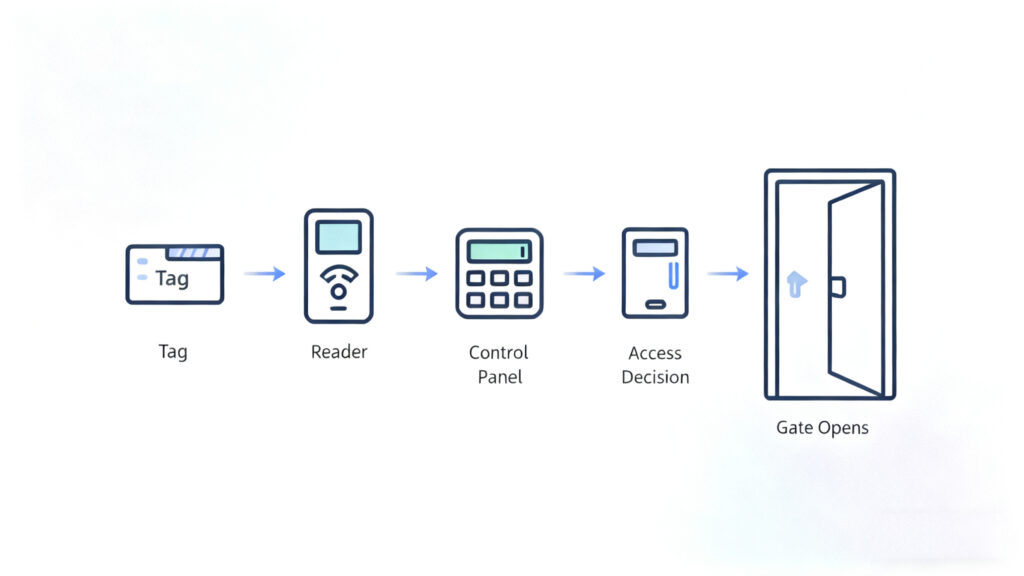
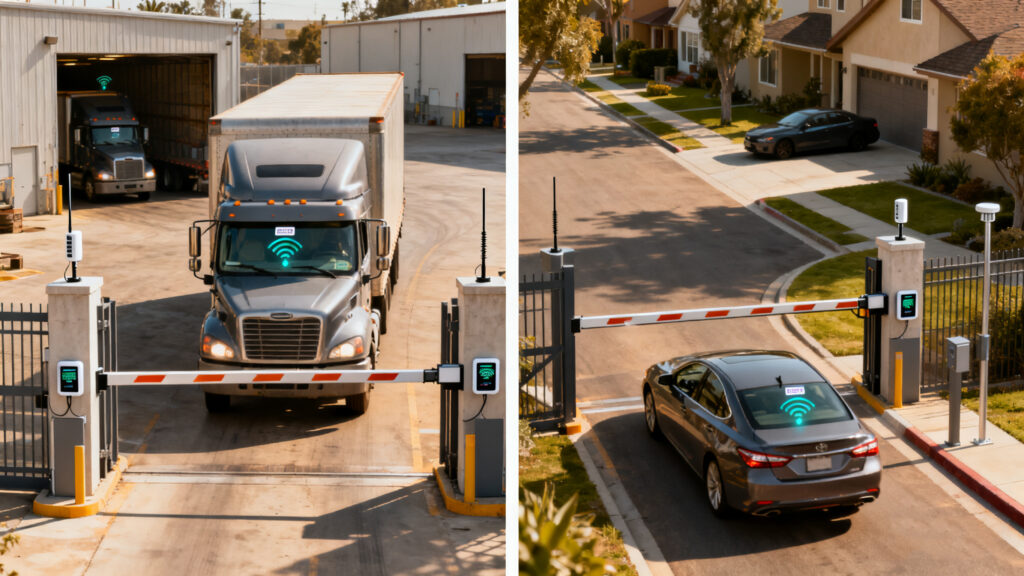
RFID systems are often marketed as purely technical solutions, but they have a direct impact on people’s daily experience. Employees appreciate smoother entry, residents value convenience, and security teams gain time to focus on real threats rather than routine checks. Implementing an RFID gate access control system is not just about hardware—it’s about enhancing trust, efficiency, and peace of mind.
Whether for industrial, residential, or event-based applications, RFID gate access control systems have transformed how we approach security and convenience. By thinking beyond the tag and reader, considering real-world conditions, and integrating smart management practices, organizations can unlock both operational efficiency and user satisfaction.
In short: it’s not just a gate—it’s the gateway to smarter, safer, and smoother access.
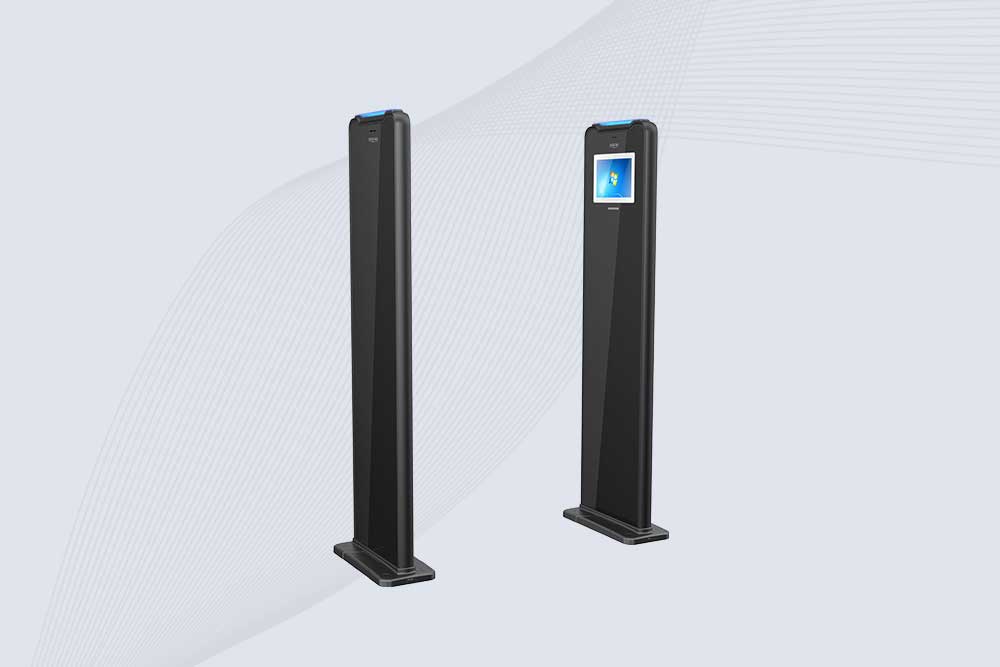
SSD-T4A-P Smart access control with real-time crowd tracking ✔️ AI Tag Filtering for Reduced Misreads SSD-T4A-P supports AI-based tag filtering and up to 6 EPC filtering sets, helping reduce unwanted reads and improve identification accuracy in busy entrances, exits, and retail environments. ✔️ Fast In & Out Detection with Visual & Audio…
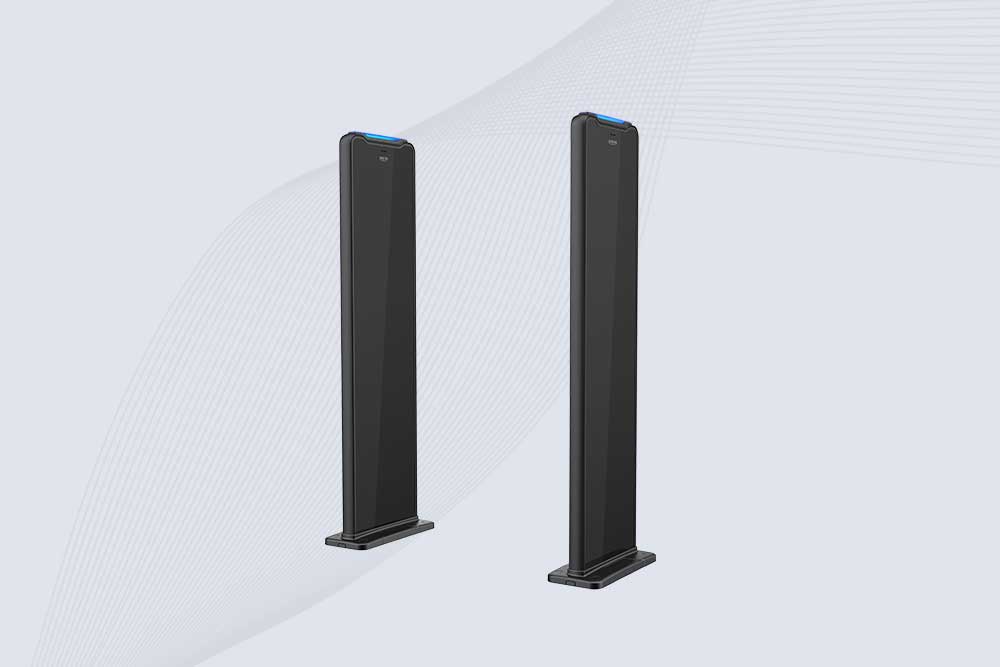
SSD-T4A UHF RFID Gate Reader with 11 dBi antenna, up to 10 m reading distance, AI tag filtering, in/out detection, 300,000 data storage, and TCP/HTTP/MQTT support.
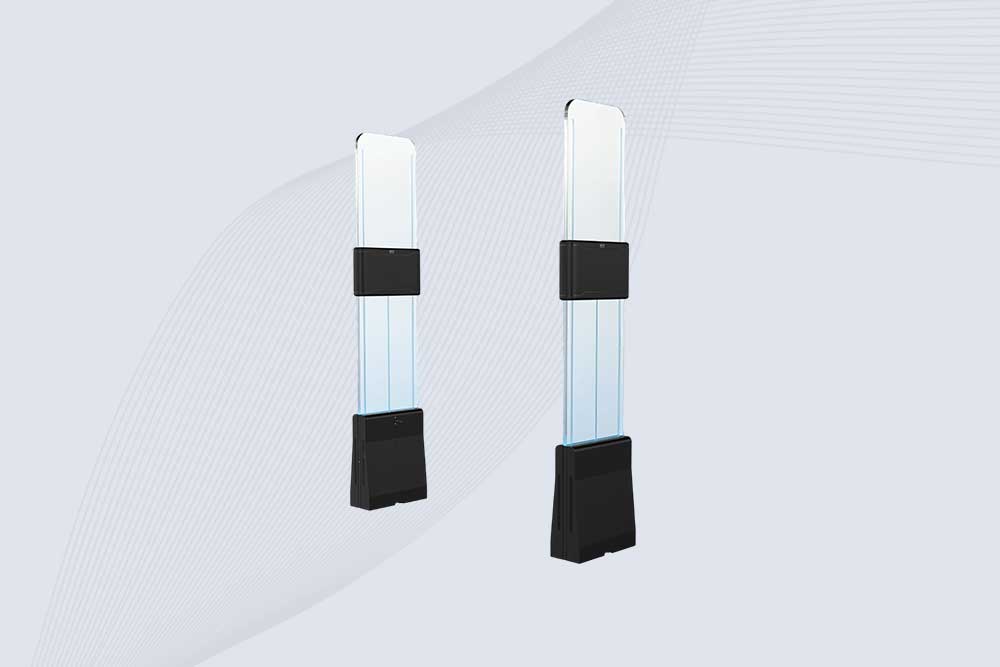
SSD-T2D UHF RFID Gate Reader with 11dBi circular antenna, Impinj E710/X3M1 chipset, up to 10m reading distance, AI tag filtering, in/out detection, and audio-visual alarms.
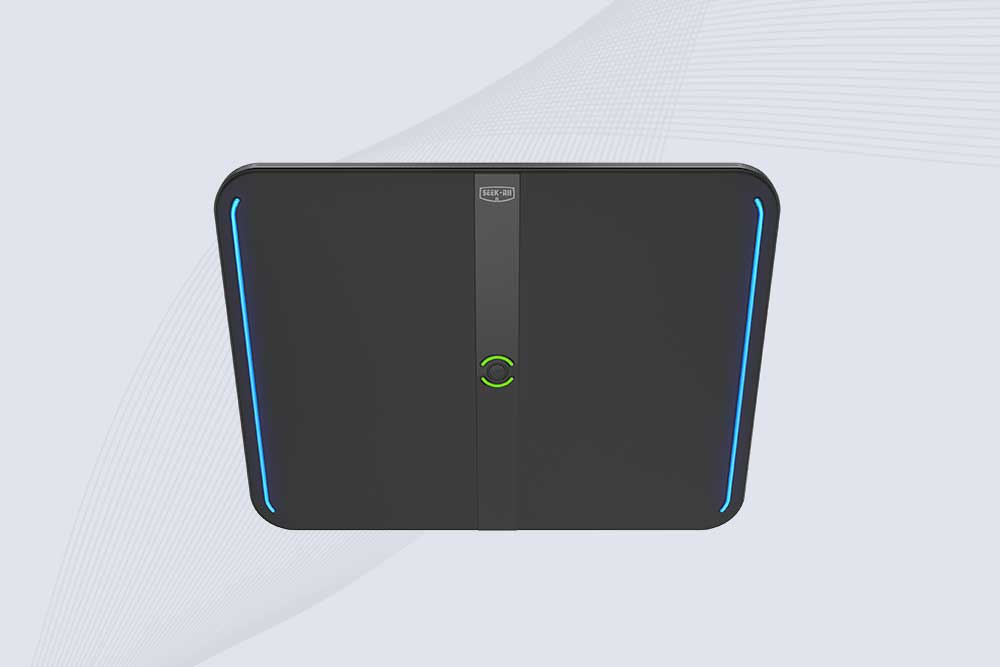
SSD-T1 ✔️ AI-Powered Tag Filtering SSD-T1 supports AI-based tag filtering with up to 6 EPC filtering sets, helping reduce unwanted tag reads and improve identification accuracy in busy retail and access-control environments. ✔️ Reliable In & Out Detection With a 7dBi antenna and a reading range of up to 2.5 meters, SSD-T1 can detect tagged i…

Learn how do rfid printers work, from RFID encoding and EPC writing to label printing and verification. Explore printer setup, media selection, accuracy, and real-world RFID workflows for reliable smart labeling.
More
Discover how RFID technology operates, its real-world advantages, and why it’s controversial. A practical look at privacy, risks, and responsible implementation.
More
Discover how RFID systems work, from tags and readers to data processing. Learn about RFID components, communication, and Cykeo’s role in scalable solutions.
More
Wondering "can RFID tags be read when buried underground"? Discover how depth, soil conditions, and frequency affect readability, plus real-world applications for utility marking with CYKEO.
More