A few months ago, I visited a mid-sized warehouse. Trucks kept coming and going, and at the entrance, a gate slid open automatically for each authorized vehicle. No guards checking IDs, no delays—everything was recorded automatically. That’s an RFID gate access control system at work.
What It Does
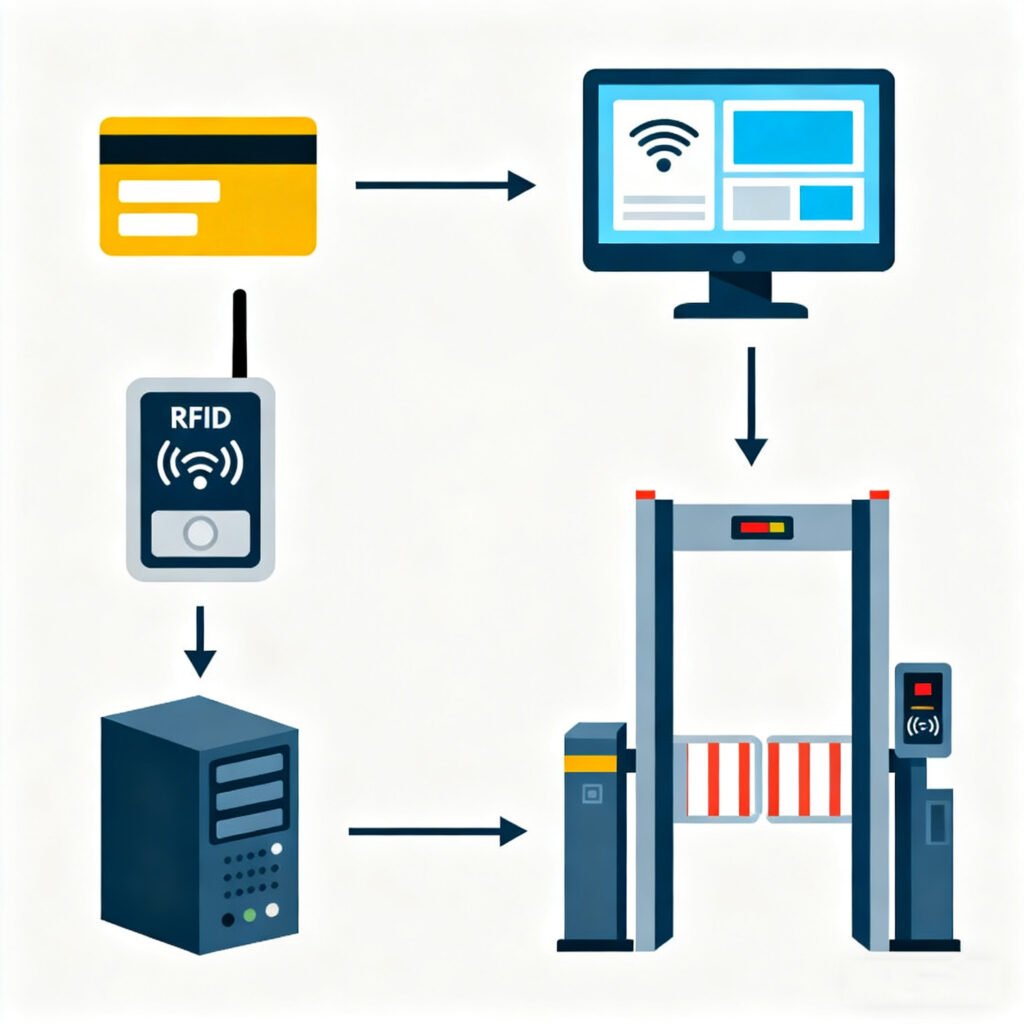
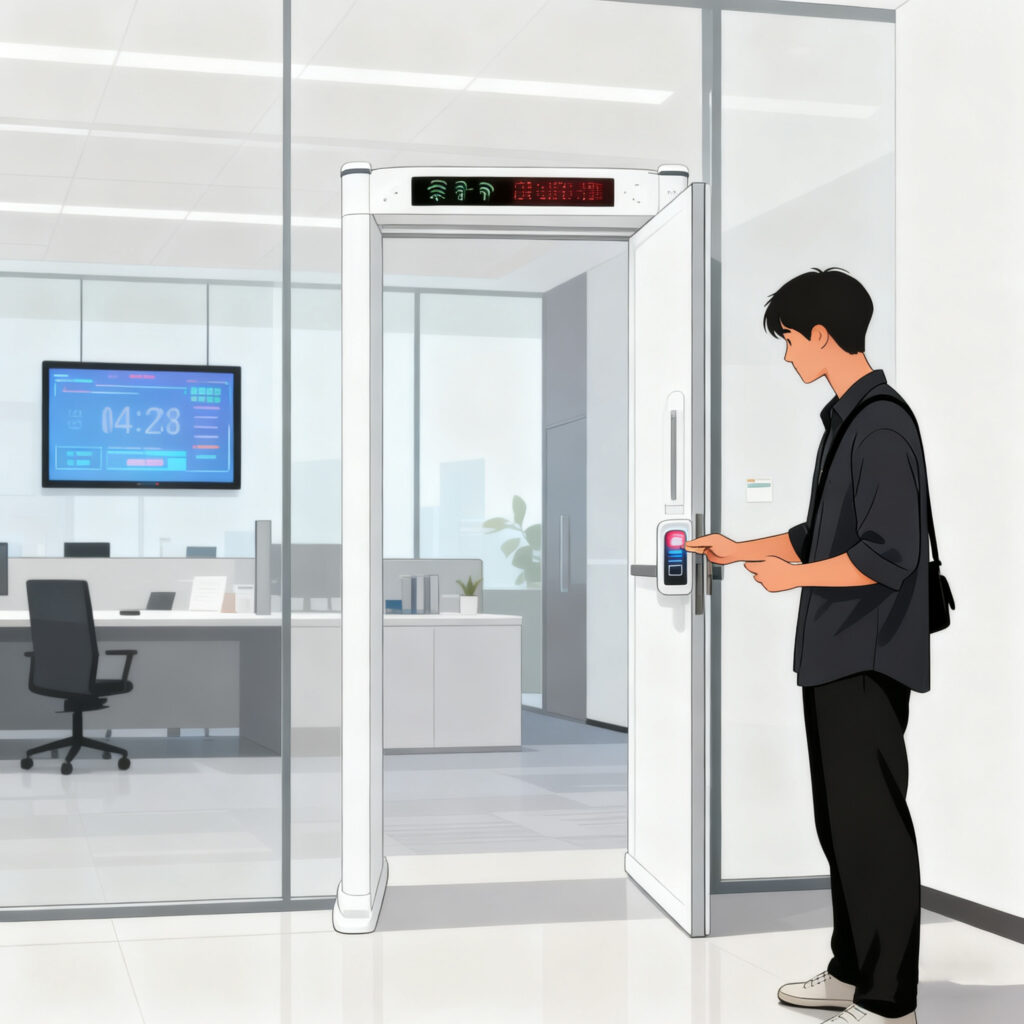
At its simplest, the system allows authorized people or vehicles to enter without keys. Each person or vehicle carries a small tag, card, or fob. When it comes near a reader at a gate or door, the system checks the ID. If it’s allowed, the gate opens. If not, it stays closed. Every entry is logged, making tracking easy.
For example: an employee drives to the office parking lot. They wave their RFID card near the reader, the barrier lifts, and the system records the time. Later, the same system logs which employees entered specific areas inside the building. It works seamlessly for both vehicles and people.
How the System is Built
A typical setup has four parts:
Tag or Card – Passive ones don’t need batteries; active ones work at longer distances.
Reader and Antenna – Detect tags and send info to the system.
Control Software – Decides whether to open the gate, keeps logs, and can trigger alarms.
Gate or Door Mechanism – Actually moves to allow entry.
In practice, outdoor gates need weatherproof readers. Indoor doors don’t. A single system can control multiple gates, manage parking lots, or integrate with visitor management software.
Why It Helps
Security – Lost a tag? Deactivate it instantly. Access rights can be updated in seconds.
Efficiency – No lines, no waiting. For busy offices or warehouses, this saves a lot of time.
Logs and Tracking – Every entry and exit is recorded automatically.
Scalability – Add gates or doors without rebuilding the system.
Take a warehouse I visited recently: delivery trucks arrive all day. Without RFID, guards would check every truck manually, leading to delays and mistakes. With RFID, gates open automatically, and the system records everything. Employees inside the office can see exactly when trucks arrived and departed.
Things to Watch
Even the best system needs planning:
Match your needs – Vehicles require long-range UHF tags; doors usually use LF/HF tags.
Environment – Outdoor readers must handle sun, rain, and dust.
Lost tags happen – The system should allow quick deactivation.
Maintenance – Software updates, occasional hardware checks, and replacing worn-out tags are normal.
I also saw a residential complex where residents’ cars had RFID stickers. Visitors got temporary passes valid only for a few hours. It worked so well that residents rarely waited more than 10 seconds at the gate, even during peak hours.
Real-World Examples
Office Buildings – Employees swipe in; managers get entry logs.
Residential Communities – Vehicles move smoothly; visitor access can be temporary.
Warehouses and Factories – Track trucks and staff, open gates only for authorized personnel.
The difference is subtle but noticeable. With keys or codes, you wait, check, or manually record. With RFID, it’s effortless, almost invisible. That’s why so many organizations are adopting it.
Conclusion
A well-designed RFID gate access control system makes life simpler. People move faster, vehicles flow smoothly, and security staff can focus on real issues rather than routine checks. For offices, warehouses, or gated communities, it’s not just about security—it’s about convenience and efficiency.
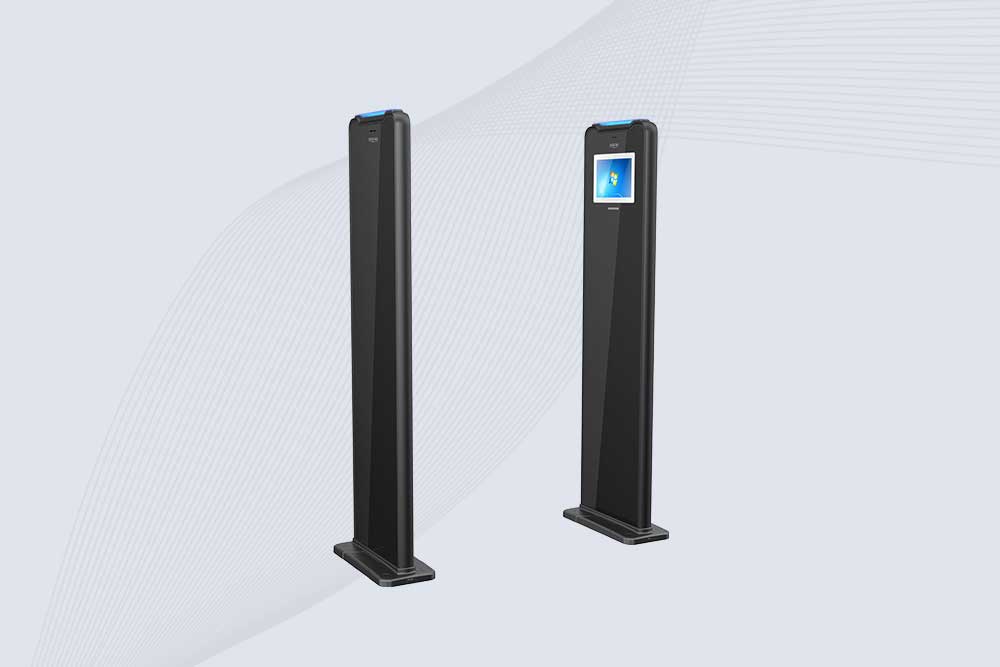
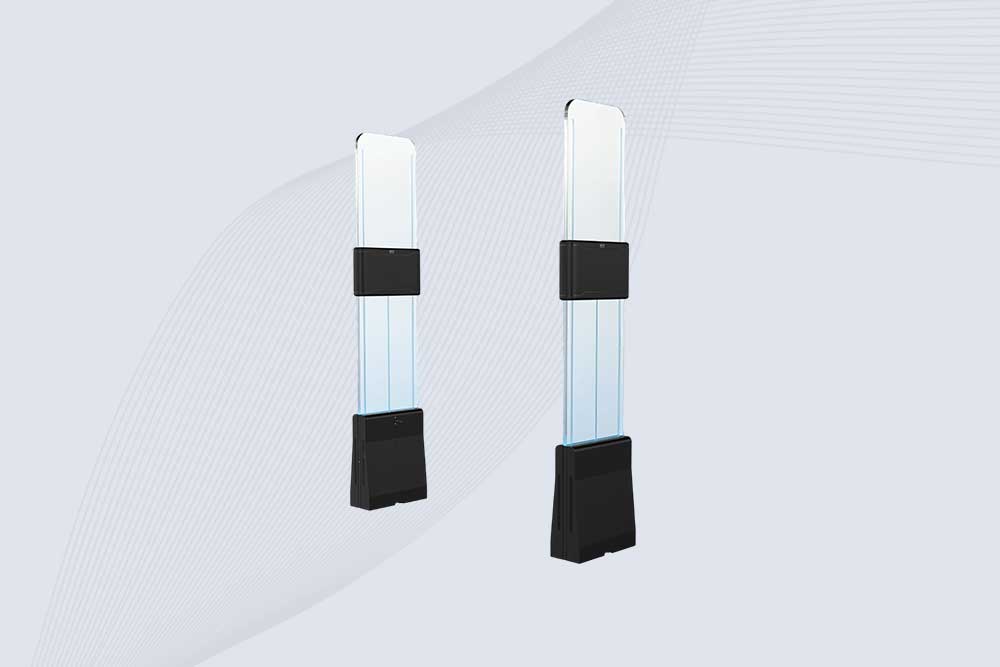
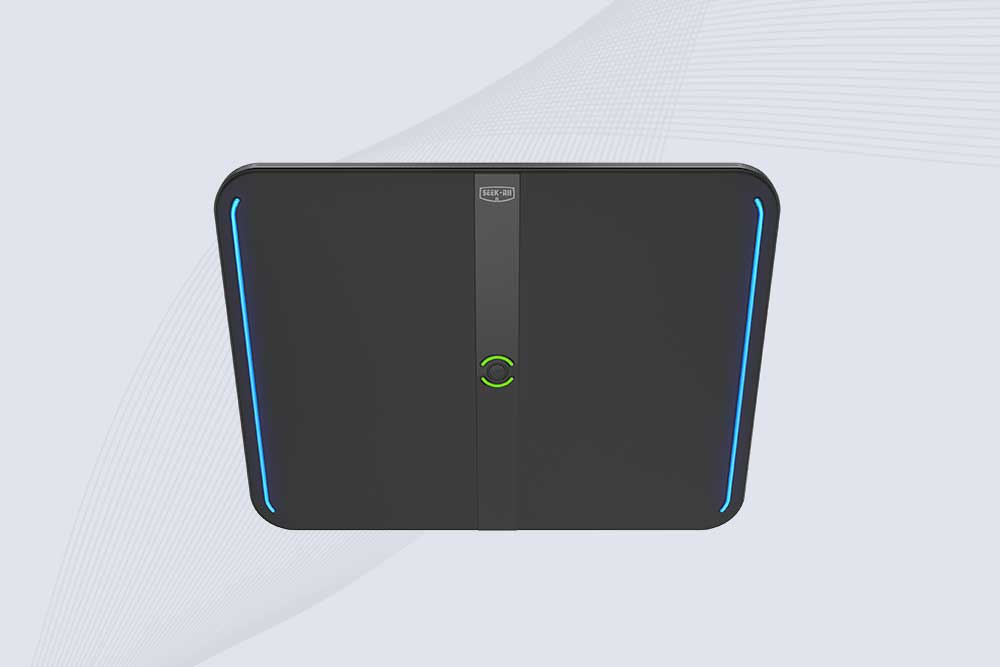
SSD-T4A-P Smart access control with real-time crowd tracking ✔️ AI Tag Filtering for Reduced Misreads SSD-T4A-P supports AI-based tag filtering and up to 6 EPC filtering sets, helping reduce unwanted reads and improve identification accuracy in busy entrances, exits, and retail environments. ✔️ Fast In & Out Detection with Visual & Audio…
SSD-T4A UHF RFID Gate Reader with 11 dBi antenna, up to 10 m reading distance, AI tag filtering, in/out detection, 300,000 data storage, and TCP/HTTP/MQTT support.
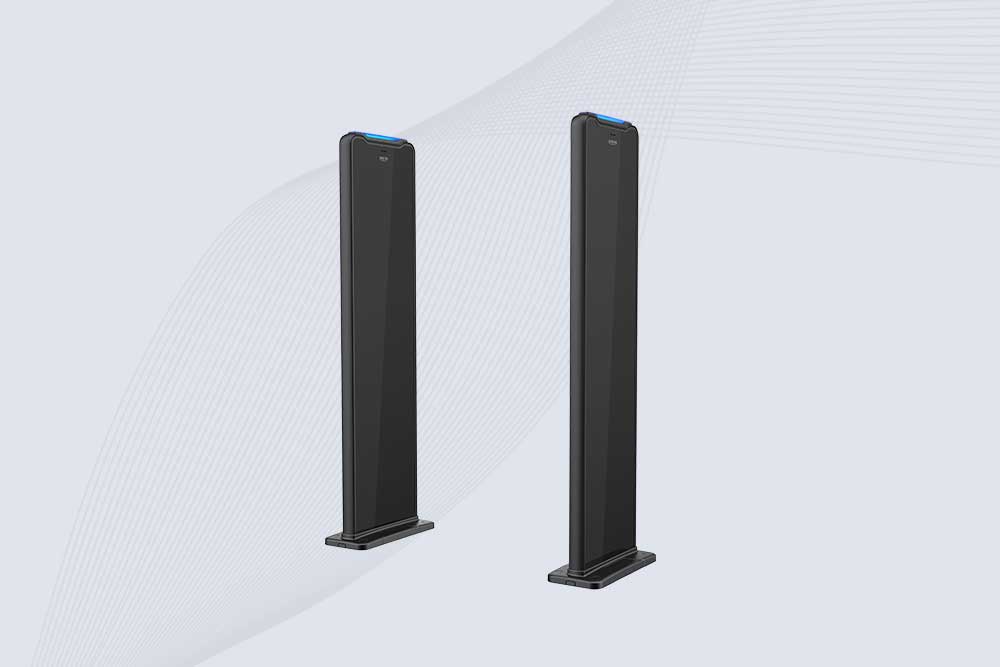
SSD-T2D UHF RFID Gate Reader with 11dBi circular antenna, Impinj E710/X3M1 chipset, up to 10m reading distance, AI tag filtering, in/out detection, and audio-visual alarms.
SSD-T1 ✔️ AI-Powered Tag Filtering SSD-T1 supports AI-based tag filtering with up to 6 EPC filtering sets, helping reduce unwanted tag reads and improve identification accuracy in busy retail and access-control environments. ✔️ Reliable In & Out Detection With a 7dBi antenna and a reading range of up to 2.5 meters, SSD-T1 can detect tagged i…
Explore the benefits and challenges of using long-range RFID readers for retail inventory. Learn how Cykeo’s solutions streamline stock management in stores and warehouses.
Wondering if your NFC is working? Learn how to check NFC functionality on Android and iPhone, test NFC tags, identify common issues, and fix NFC problems with this practical step-by-step guide.
Wondering, "Can I read RFID chips with an RF gun?" CYKEO explains how UHF RFID pistol-grip scanners work for inventory, their read range, and what tags they work with.
 Cykeo RFID IoT Solution Products R&D Manufacturer