 Cykeo RFID IoT Solution Products R&D Manufacturer
USB RFID Reader vs RFID Scanner: What Should Businesses Choose?
167Learn the real difference between USB RFID readers and RFID scanners. Discover how RFID frequency, reading distance, software support, and application needs ...
MoreAll RFID Product
An RFID scanner works by transmitting radio-frequency energy, detecting responses from RFID tags, and converting those responses into digital identification data. Depending on the RFID technology, the scanner can read one or many tags without requiring direct visual alignment, then send the captured information to connected software.
An RFID scanner is essentially the working interface between the radio environment and the application.
The scanner generates an RF field through its antenna. A compatible tag enters that field and responds according to its protocol. The scanner receives the response, processes the signal, identifies the tag, and passes the resulting data to the host system.
With passive UHF RFID, the process is particularly interesting because the tag normally does not need its own battery. GS1 describes RAIN RFID as a technology in which passive tags communicate with readers using backscatter, with the reader supplying the RF energy required by the tag.
That means the scanner is doing two jobs at once:
The second job is where much of the engineering difficulty sits.
A professional RFID scanner contains considerably more than an antenna.
Typical internal functions include:
| Scanner component | Primary function |
|---|---|
| RF transmitter | Generates the RF signal used to interrogate tags |
| RF receiver | Detects tag responses |
| RF front end | Filters, switches and conditions RF signals |
| Antenna interface | Connects the reader electronics to the antenna |
| Baseband processor | Processes the RFID communication signal |
| Controller | Manages reader commands and scanning operations |
| Firmware | Implements protocol and device functions |
| Communication interface | Transfers RFID data to software or controllers |
| SDK/API | Allows integration with customer applications |
For a Cykeo rfid reader, I pay particular attention to the relationship between the RF front end and digital processing.
A scanner can have impressive transmitter specifications and still produce disappointing field results if its receiver cannot reliably separate weak backscatter from the local RF environment.
That becomes obvious around metal racks, machinery, moving forklifts, or another RFID reader operating nearby.
The exact process depends on the RFID frequency and protocol, but the basic sequence is consistent.
Reader → RF field → RFID tag → tag response → reader receiver → decoded ID → software
For passive UHF RFID, the reader transmits RF energy toward the tag. The tag’s antenna captures energy and activates the integrated circuit. Once the reader initiates communication, the tag changes the characteristics of its antenna load, producing a modulated backscatter response.
GS1’s EPC UHF Gen2 specification defines this reader-to-tag and tag-to-reader communication architecture and identifies passive backscatter as a fundamental part of the system.
The scanner therefore does not “see” the tag in the optical sense.
It detects a radio response.
RFID scanning does not fundamentally depend on a camera seeing a printed code.
That is one reason RFID is useful for objects inside cartons, stacked products, warehouse containers, and other applications where optical scanning becomes inconvenient.
But “no line of sight” does not mean “nothing affects the signal.”
Material composition still matters.
Metal can reflect or distort RF energy. Water-rich products can absorb UHF energy. Tag orientation changes antenna coupling. Dense groups of tags create a more complicated RF environment.
GS1 notes that passive UHF RFID read range depends on factors including reader power, antenna characteristics, tag orientation, polarization and the surrounding environment. Typical passive UHF RFID systems operate over several meters, with longer distances possible under suitable conditions.
This is why a specification claiming a maximum read distance should never be treated as the expected distance in every installation.
This is where RFID differs sharply from a conventional one-at-a-time scanning workflow.
A warehouse scanner may encounter dozens or hundreds of tags within its RF field. The reader needs a protocol mechanism for separating those responses.
For EPC Gen2 RFID, the inventory process uses anti-collision procedures to organize multiple tags responding within the same reader field. GS1 describes the system as supporting reader-controlled inventory operations for identifying individual tags within a population.
A simplified inventory cycle looks like:
During a Cykeo field test, I would not stop after successfully reading one tag.
I want to know what happens when twenty tags arrive together.
Then fifty.
Then when their orientations are different.
That is where scanner performance starts to become meaningful. <h2>What Determines RFID Scanner Read Range?</h2>
Read range is not controlled by transmitter power alone.
Important variables include:
GS1 states that passive UHF RFID tags can typically be read several meters away and can reach around 15 meters in special cases, while specialized high-sensitivity systems can achieve longer ranges.
The practical lesson is less glamorous but more useful:
Maximum range is not the same thing as useful scanning range.
For a warehouse doorway, I may want a defined zone that captures the pallet crossing the threshold while ignoring tagged inventory sitting several meters away.
More range can actually create a worse system.
The antenna determines where the scanner’s RF energy goes and where the receiver is most likely to hear tag responses.
Different installations may require:
GS1 specifically identifies antenna directivity, gain, polarization and tag orientation as factors affecting the effective RFID read volume.
In practical deployment, antenna placement is often more important than the impressive number printed on the reader specification sheet.
A portal installed too close to a metal frame behaves differently from a laboratory setup.
A reader mounted beside a conveyor sees moving tags at changing angles.
A handheld scanner moves through three-dimensional space with the operator.
Those are different RF problems.
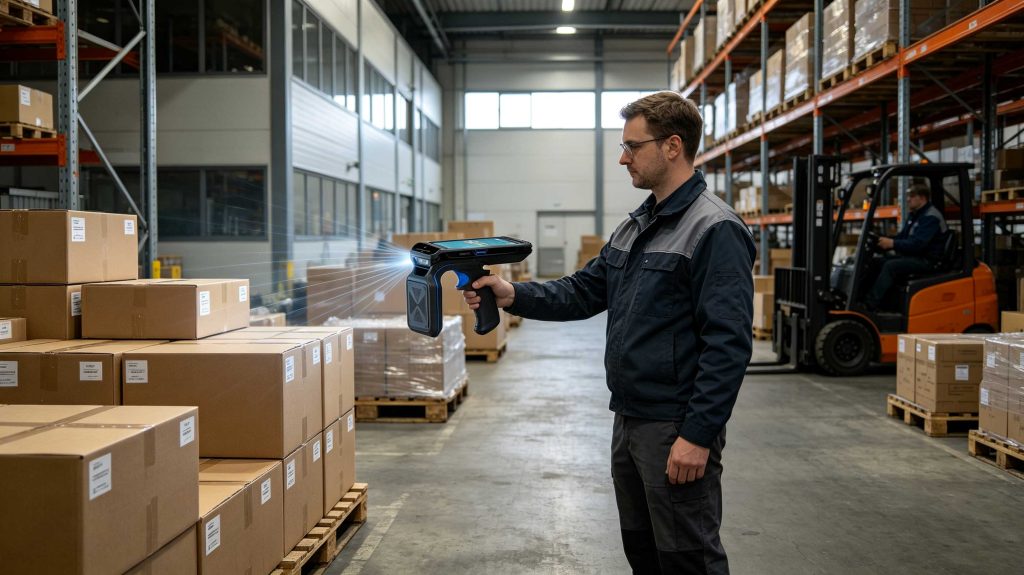
A scanner that performs perfectly on a test bench may behave differently after installation.
The reason is usually not mysterious.
The RF environment changed.
Consider a warehouse receiving area. The scanner is now surrounded by steel racks, forklifts, pallets, cables, workers, cartons and hundreds of tagged products. The tag that worked beautifully on a wooden table may now be sitting against a liquid-filled container or a metal surface.
This is why I prefer repeatability testing over a single maximum-distance demonstration.
A useful test records:
| Test condition | What to observe |
|---|---|
| Single tag | Basic communication stability |
| Multiple tags | Anti-collision performance |
| Different orientations | Orientation sensitivity |
| Different distances | Operating margin |
| Metal nearby | Environmental sensitivity |
| Liquid-containing products | Material influence |
| Moving tags | Dynamic scanning performance |
| Adjacent reader active | Interference behavior |
| Repeated scanning | Long-term consistency |
The uncomfortable test is usually the informative one.
The scanner normally sits between the physical RFID environment and an application.
A simplified architecture is:
RFID Tag → RFID Scanner → Communication Interface → Software Platform → Database / Business System
Depending on the device, communication may use Ethernet, USB, RS-232, Bluetooth, Wi-Fi or another interface.
Professional readers may also expose SDKs, APIs or standardized reader protocols for application integration.
For example, GS1 identifies Low Level Reader Protocol (LLRP) as an interface that allows RFID reader control and communication with client software.
This matters when RFID data becomes part of an operational process.
The application may need to know not only that a tag was detected, but:
The scanner captures the RF event.
The software gives that event meaning.
Cykeo develops RFID reader and scanner technologies with attention to the complete signal path rather than treating RF transmission as the only performance indicator.
Relevant engineering areas include:
For example, Cykeo’s UHF RFID platforms can support output power up to 33 dBm, adjustable RF power and high-speed multi-tag recognition on applicable models.
The useful engineering question is not simply whether a scanner can read a tag.
It is whether it can maintain reliable identification when the tag population, environment and movement pattern become unpredictable.
That is the point at which an RFID scanner becomes an industrial tool rather than a demonstration device.
RFID scanners are not built around one physical form. The right architecture depends on how the tagged object moves, how many tags need to be captured, and how tightly the read zone must be controlled.
| RFID scanner type | Typical application | Main advantage |
|---|---|---|
| Handheld RFID scanner | Inventory, asset search, warehouse operations | Mobile scanning |
| Fixed RFID scanner | Portals, conveyors, production lines | Continuous automatic reading |
| Integrated RFID reader | Gates, cabinets, equipment | Compact installation |
| Desktop RFID reader | Tag registration, encoding, item management | Controlled short-range operation |
| Embedded RFID module | OEM equipment, smart devices | Flexible product integration |
| Vehicle-mounted reader | Forklifts, carts, mobile equipment | Scanning while moving |
For a warehouse, a fixed reader may sit quietly beside a doorway all day. A handheld scanner behaves differently: the operator determines where the antenna points and how long it remains near the tagged objects.
That distinction changes the RF design.
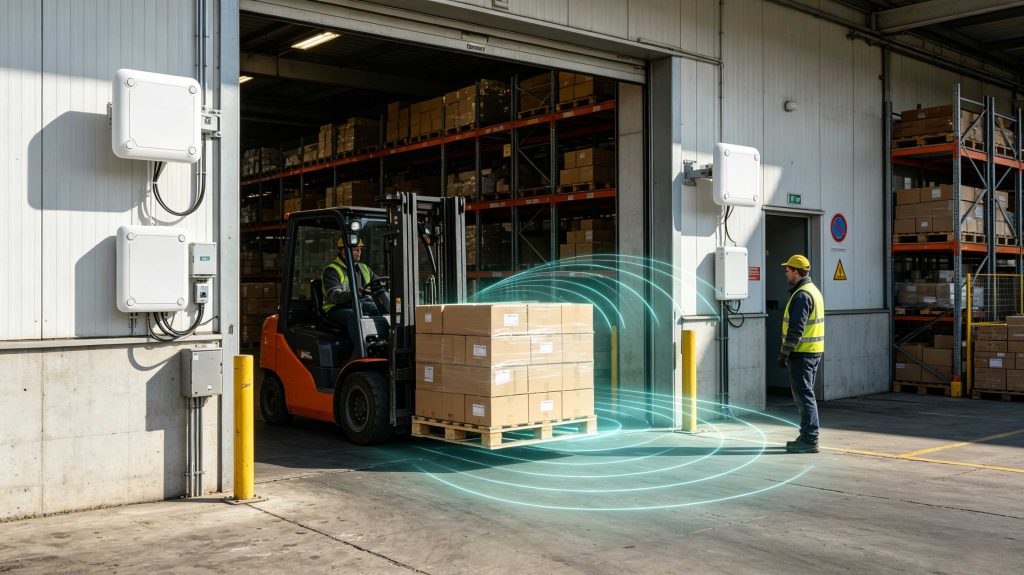
GS1 notes that RAIN RFID readers can be installed at locations such as doorways, garage entrances and manufacturing areas so assets can be read as they move without an operator manually triggering every scan.
The difference is not simply that RFID is “faster.”
The two technologies collect identification data in fundamentally different ways.
| Characteristic | RFID scanner | Barcode scanner |
|---|---|---|
| Line of sight | Usually not required | Normally required |
| Multiple-item reading | Possible | Generally one code at a time |
| Automatic portal reading | Yes | Limited |
| Tag orientation | Matters | Barcode must face scanner appropriately |
| Data carrier | RFID IC + antenna | Printed optical code |
| Read-through packaging | Possible depending on material | Generally unavailable |
| Environmental sensitivity | RF conditions matter | Optical visibility matters |
| Rewriting | Supported by suitable RFID tags | Usually requires replacing label |
| Best use case | High-volume identification | Direct visual identification |
GS1 specifically notes that RAIN RFID can identify tagged items without direct line of sight and can read items inside sealed containers or within stacks, while also emphasizing that RFID is not automatically the right replacement for barcodes in every application.
That last qualification is important.
A carton with one visible, clean barcode does not need RFID simply because RFID is newer.
RFID becomes interesting when the physical process itself is difficult: hundreds of items, fast-moving assets, concealed labels, repeated inventory, automatic portals.
There is no single universal “RFID scanner accuracy” percentage that applies to every installation.
Accuracy depends on the complete system.
A scanner may successfully identify a tag in a laboratory and still produce missed or unwanted reads in a warehouse. Conversely, a carefully tuned installation can deliver highly repeatable results despite a difficult environment.
I normally separate performance into three measurements:
That third point is easy to overlook.
A radio system can read a tag perfectly while the software processes the event incorrectly.
GS1 reports that RAIN RFID can reduce average inventory time by approximately 95% compared with traditional manual barcode inventory processes. That is an industry-level productivity figure, not a guaranteed scanner accuracy figure for an individual deployment.
Metal and liquid are two recurring variables in UHF RFID deployment.
Metal can reflect and diffract electromagnetic waves, while liquids can absorb RF energy and detune a tag antenna. GS1 specifically identifies these effects and notes that specialized on-metal tag designs can mitigate performance problems around metallic objects.
This is why a tag that performs well on a cardboard box should not automatically be selected for:
The tag itself may need a different antenna construction.
The scanner may be perfectly healthy.
Changing the reader first is not always the right diagnosis.
UHF RFID operates in an RF environment shared with other wireless systems. Adjacent RFID readers can also interfere with one another if their fields overlap improperly.
ISO/IEC 23200-2:2023 specifically defines a test method for evaluating the interference-rejection performance of UHF RFID interrogators when operating alongside heterogeneous wireless systems.
That standard is revealing for one reason: interference is measurable engineering behavior, not an excuse used after a failed installation.
During a multi-reader deployment, I would check:
In a large warehouse, two readers that each work perfectly alone can behave differently when both are operating.
The installation has become the system.
Reading a tag and locating a tag are not exactly the same task.
A conventional RFID scanner may tell the application that a tag has been detected. A more advanced system can use antenna information, signal characteristics, phase or specialized reader architecture to estimate where a tag is located.
ISO/IEC 22243:2019 defines methods for RFID tag localization using the ISO/IEC 18000 family of backscatter-based RFID air interfaces, including ISO/IEC 18000-63.
This opens applications beyond simple inventory:
But localization should not be confused with ordinary tag reading.
The scanner needs additional information and processing to estimate position.
The strongest RFID applications tend to have something in common: people are currently spending time identifying objects one by one.
Typical examples include:
Fixed readers can identify cartons or pallets as they pass through receiving and dispatch areas.
Handheld RFID scanners can rapidly capture tagged merchandise without requiring employees to visually locate every barcode.
RFID scanners can associate components, tools or work-in-process units with production stations.
Tagged tools can be identified during issue, return and inventory operations.
Large quantities of tagged textiles can be processed without individually presenting each item to an optical scanner.
Industrial equipment can be identified as it enters or leaves defined zones.
RFID can associate tagged components with maintenance processes and historical records.
GS1 identifies inventory, asset tracking and manufacturing-related applications among the established uses of RAIN RFID.
Cykeo approaches RFID scanning as a combined RF, antenna, protocol and software-integration problem.
Depending on the product architecture, Cykeo RFID platforms can provide:
The CYKEO-M4L is particularly suited to OEM applications where the customer needs an RFID engine rather than a finished scanner enclosure. It integrates the RF front end and baseband digital processing, supports adjustable RF output and is designed for embedded development.
For fixed industrial applications, Cykeo readers can instead be paired with appropriate antennas and installed at portals, conveyors, workstations or controlled inventory areas.
The architecture changes.
The engineering objective does not: capture reliable RFID events without turning the surrounding facility into one giant unwanted read zone.
A useful specification review goes beyond maximum read distance.
| Selection factor | Question to ask |
|---|---|
| Frequency | Which regional UHF band is required? |
| Protocol | Does the reader support the required RFID air interface? |
| Antenna ports | How many antennas are actually needed? |
| RF power | Is adjustable output required? |
| Receiver performance | Can weak tag responses be recovered reliably? |
| Multi-tag capability | What happens with dense tag populations? |
| Interference | How will neighboring readers be controlled? |
| Interface | Ethernet, serial, USB or another connection? |
| SDK/API | How easily can the scanner integrate with software? |
| Environment | Indoor, outdoor, dust, moisture, vibration or temperature? |
| Read-zone control | Can unwanted reads be reduced? |
| Maintenance | How will firmware and configuration be managed? |
ISO/IEC 18000-63 defines technical parameters for UHF RFID systems, including operating frequency, channel characteristics, modulation, data coding, bit rate and communication procedures. The current published 2021 edition covers the 860–960 MHz Type C air interface.
For an actual project, regional spectrum regulations still need to be checked separately.
An RFID scanner transmits RF energy, communicates with compatible RFID tags, receives their responses, decodes identification data and sends the resulting information to connected software. Passive UHF systems use backscatter communication.
Yes. UHF RFID systems are specifically designed to manage multiple tags within an interrogation zone using inventory and collision-arbitration procedures. This makes bulk identification practical for inventory and logistics.
There is no universal distance. GS1 states that passive UHF RFID typically operates over several meters, with up to 15 meters possible in special cases. Specialized high-sensitivity systems can reach farther.
No. RAIN RFID can identify tags without direct optical line of sight, although materials, tag orientation, antenna design and the RF environment still influence performance.
Yes, but the tag and antenna design must be suitable for the application. Specialized on-metal RFID tags are designed to compensate for the effects of metallic surfaces.
Neither is universally better. Handheld scanners are useful when operators need to search, count or locate assets. Fixed scanners are better when objects should be identified automatically at a doorway, conveyor or production station.
Yes, when the RFID tag supports writable memory and the reader and software implement the required commands. GS1 notes that suitable RAIN RFID tags can have User Memory written or updated after deployment.
How does an RFID scanner work? It creates an RF field, communicates with compatible tags, receives their responses, processes the RFID protocol, filters and identifies tag data, and delivers the resulting events to the connected application.
The scanner is only the visible part.
Behind one successful read are antenna geometry, RF power, receiver sensitivity, protocol timing, anti-collision, interference control, tag construction and software integration.
That is why RFID scanner selection should begin with the physical process rather than a specification sheet.
If the requirement is automatic pallet identification, the design should start at the portal.
If the requirement is tool inventory, start with how the operator moves.
If the requirement is asset tracking, start with the zones that matter.
Then select the scanner.
That is the practical answer to how does an RFID scanner work.
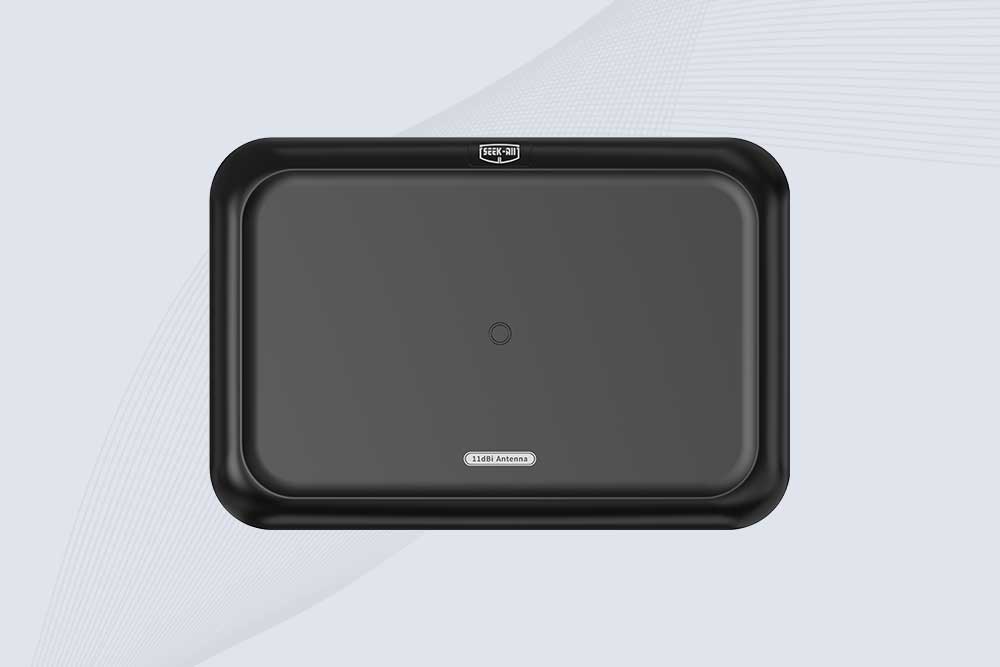
SSD-A11 UHF RFID antenna features 840–960 MHz adjustable frequency, ≥10.5 dBi gain, circular polarization and 50Ω impedance for fixed RFID systems.
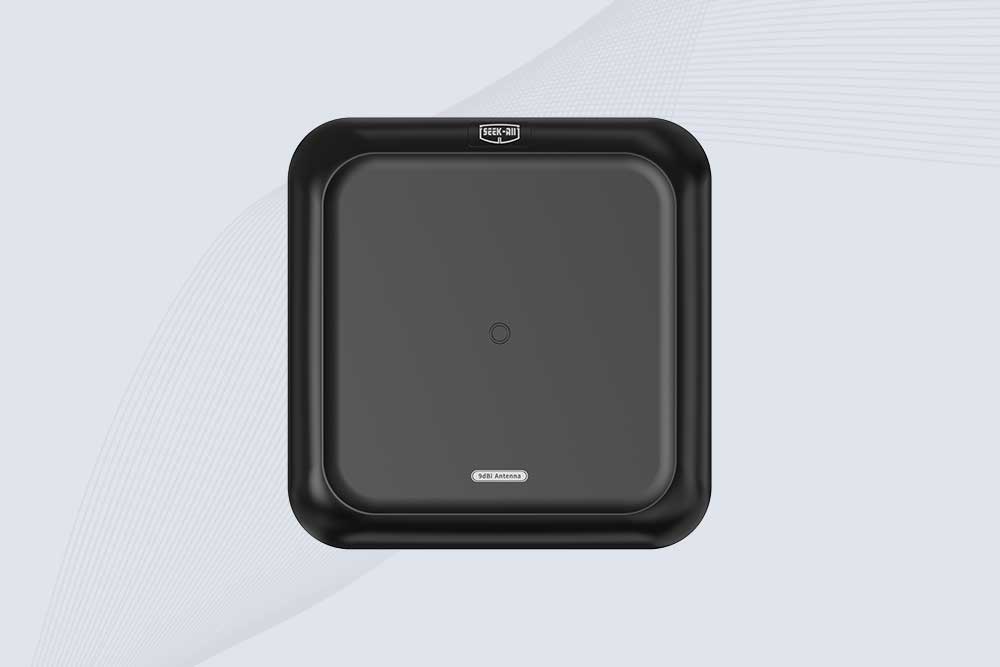
SSD-A09 is a 9 dBi UHF RFID antenna with 840–960 MHz adjustable frequency, circular polarization, 50Ω impedance and directional 60° × 60° coverage.
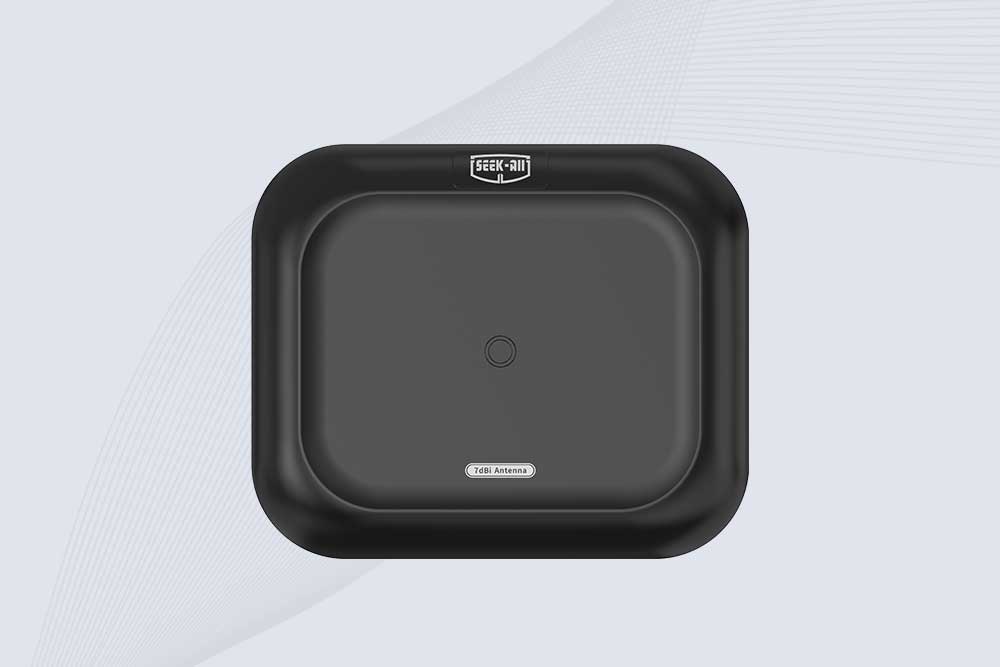
Explore the SSD-A07 UHF RFID antenna with 7 dBi gain, circular polarization, adjustable 840–960 MHz frequency, and 60°/75° beamwidth for stable RFID read/write performance.

SSD-A06 UHF RFID antenna with circular polarization, adjustable 840–960 MHz frequency, ≥4.5 dBi gain, and a compact directional design for RFID systems.
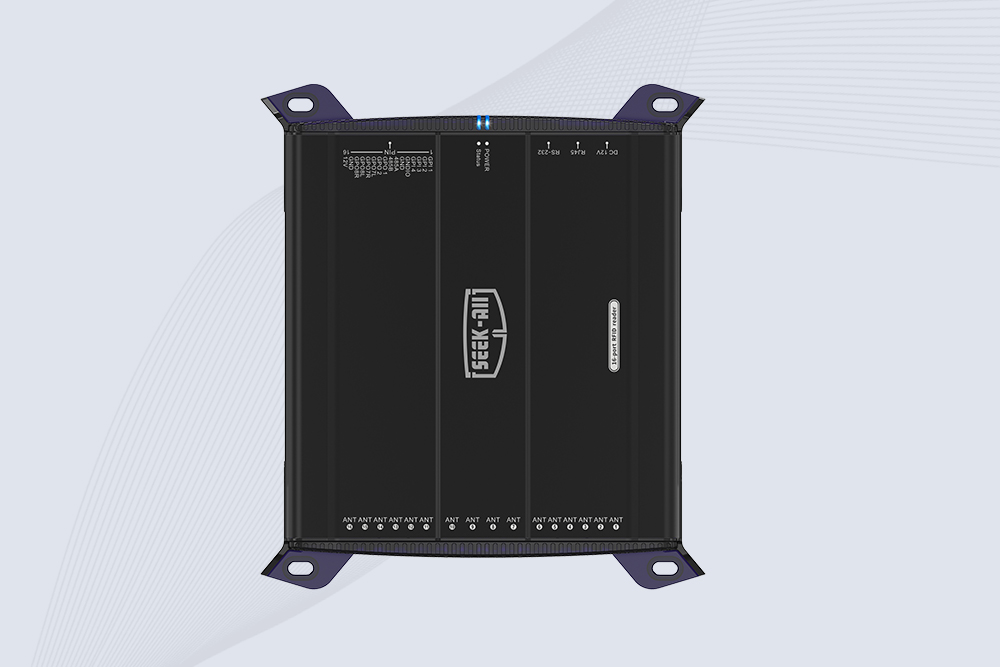
SSD-R16L Multi-Channel RFID Infrastructure for Automated Inventory Management ✔️ 16-Port High-Density RFID Reading Equipped with 16 SMA antenna ports, SSD-R16L supports multi-antenna deployment for warehouses, retail stores, logistics, production lines, and large-area RFID identification. ✔️ High-Speed & Long-Range Performance With up to 33…
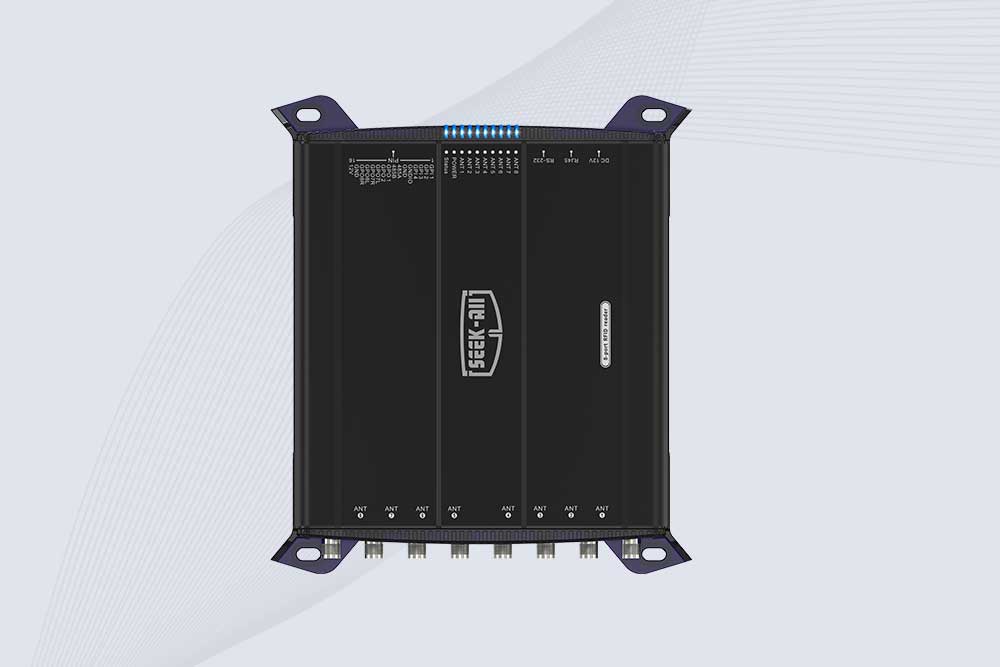
SSD-R8L 8-port UHF RFID reader with 33dBm output, up to 20m reading range and 600+ tags/s recognition. Ideal for warehouse, logistics, retail and asset tracking.
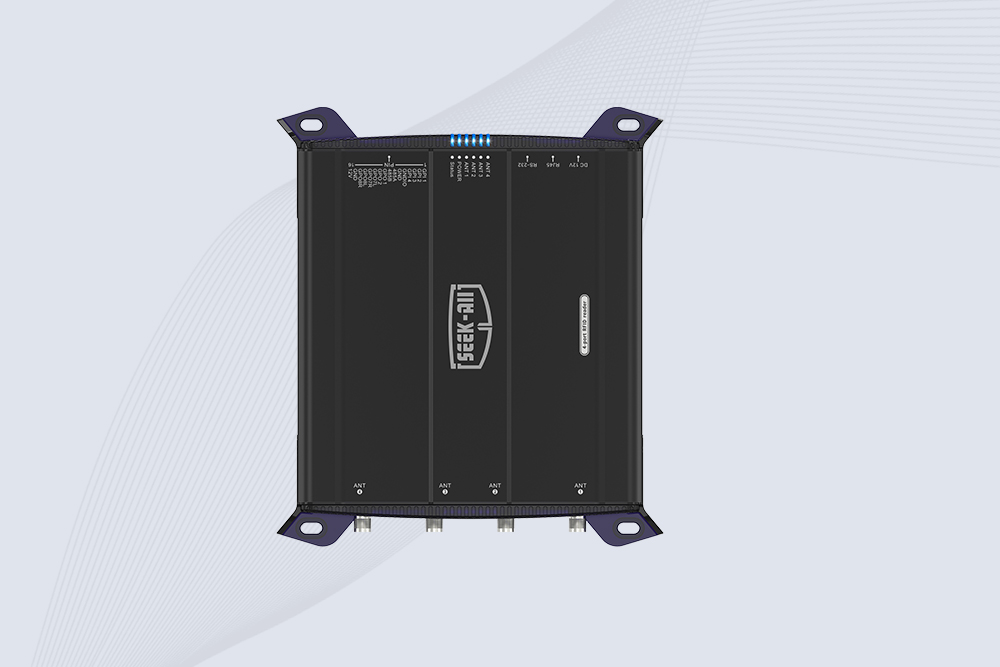
SSD-R4L is a 4-port UHF RFID fixed reader with 33dBm output power, up to 20m reading range, EPC C1G2 support and 600+ tags/s reading speed.
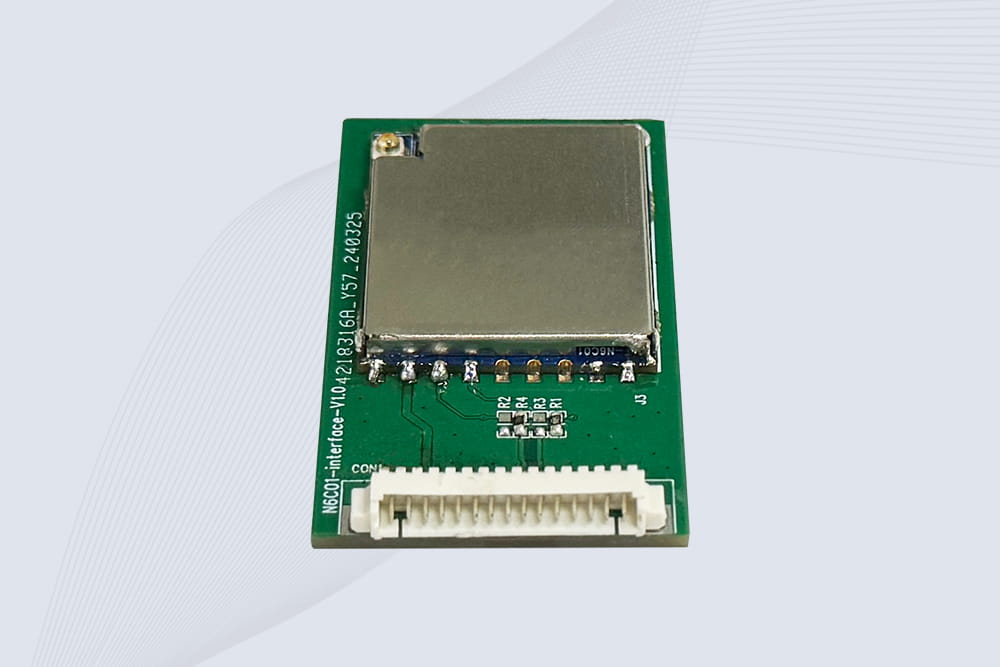
CYKEO Embedded RFID Modules are designed for compact industrial and IoT devices that require stable UHF performance. These UHF RFID Modules support global protocols, flexible power control, and reliable multi-tag reading for smart cabinets, production lines, and asset tracking systems.
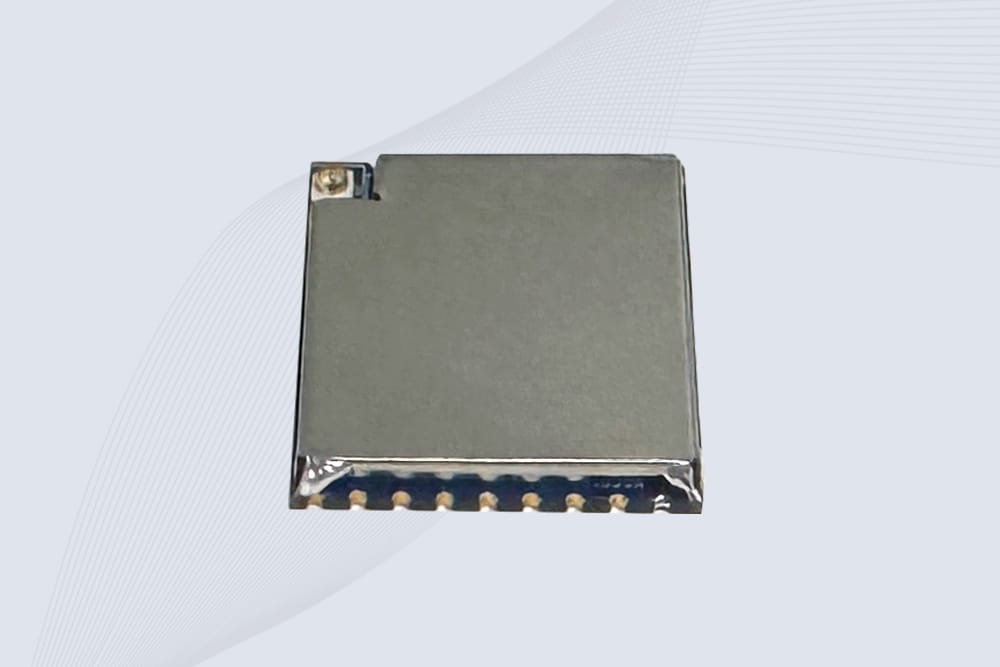
CYKEO Embedded RFID Module is built for compact IoT and industrial devices that need stable UHF performance. This UHF module supports global protocols, low power operation, and reliable multi-tag reading for smart lockers, production lines, and always-on RFID systems.
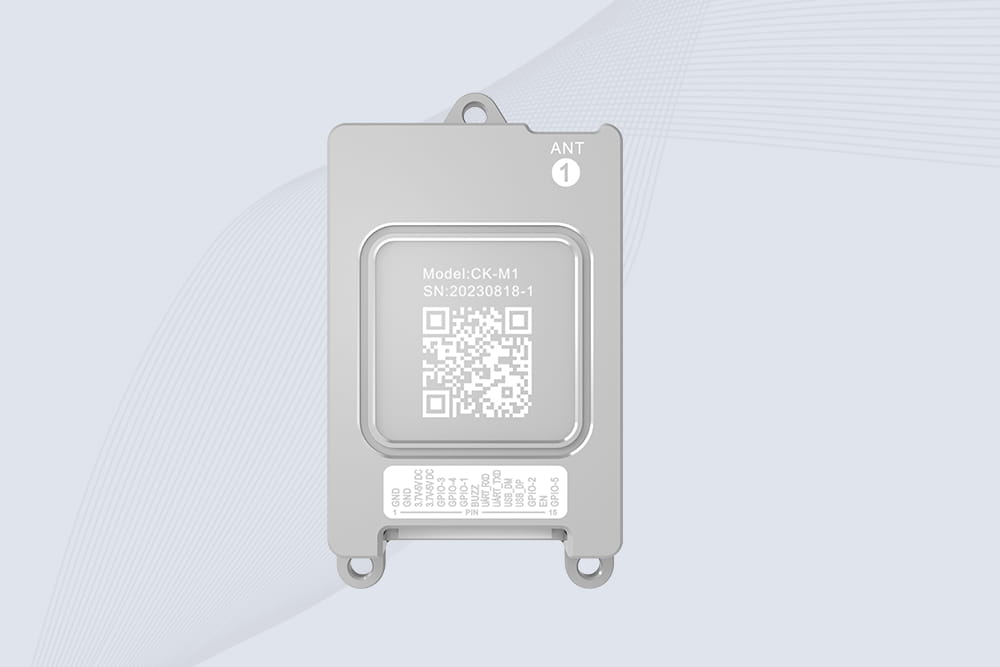
CYKEO CYKEO-M1 drone rfid module is a compact UHF RFID reader module designed for drones and UAV platforms. It supports long-range aerial scanning, fast multi-tag reading, and stable performance in wind, vibration, and outdoor environments.
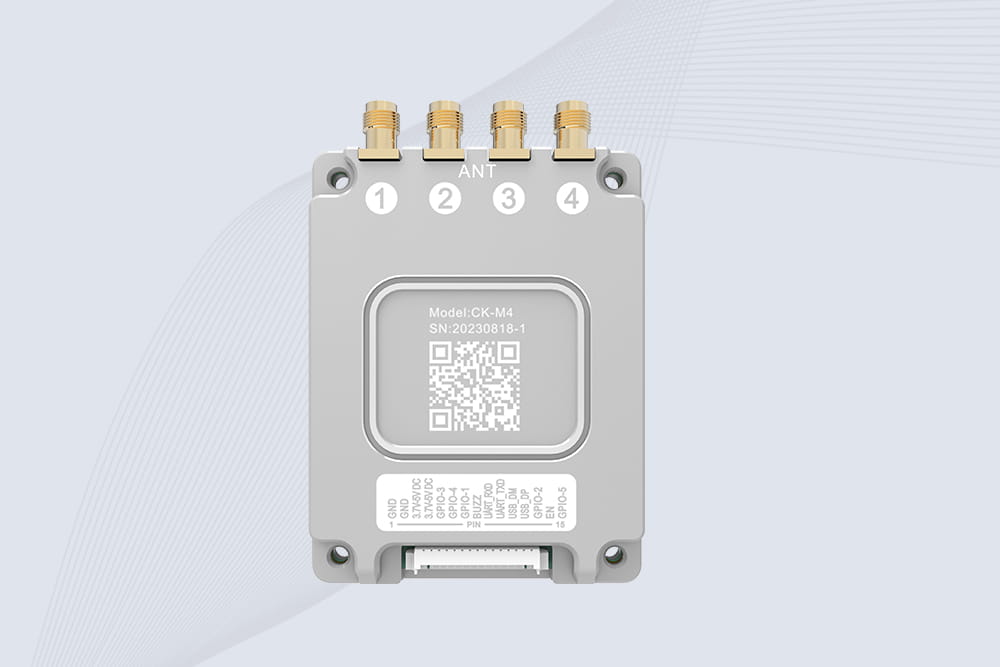
CYKEO CYKEO-M4 RC522 RFID Module is an industrial-grade UHF RFID reader with 4 ports, supporting ISO, EPC, and GB protocols. High-speed, accurate reading for IoT, automation, and warehouse applications.
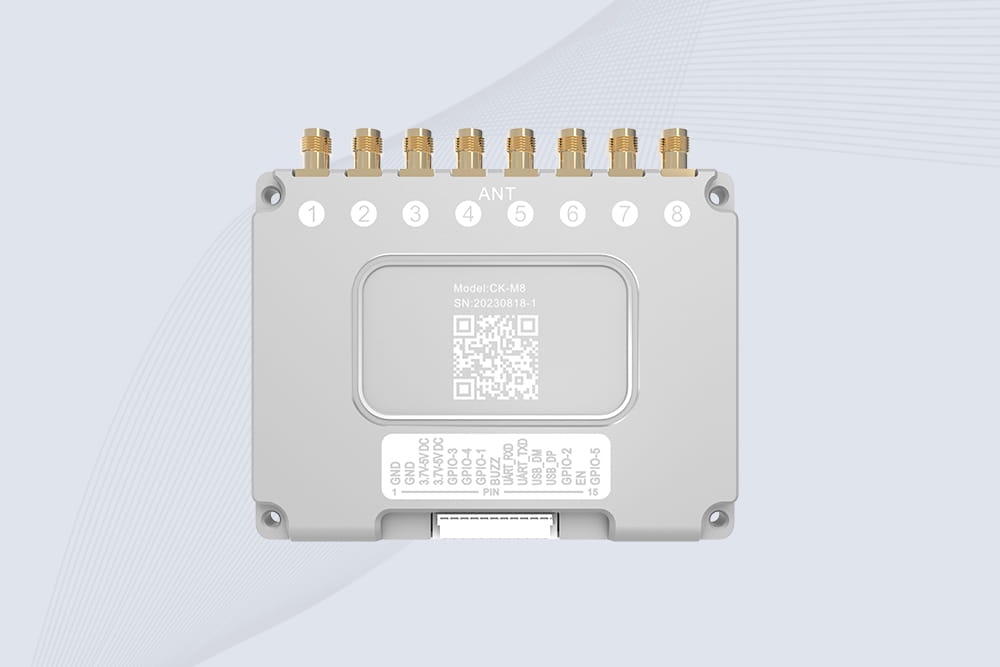
CYKEO CYKEO-M8 Module RFID is an 8-port UHF R2000 RFID Module designed for high-density, multi-tag environments. Stable 33dBm output, ISO & GB protocol support, ideal for warehouses, factories, and automated systems.
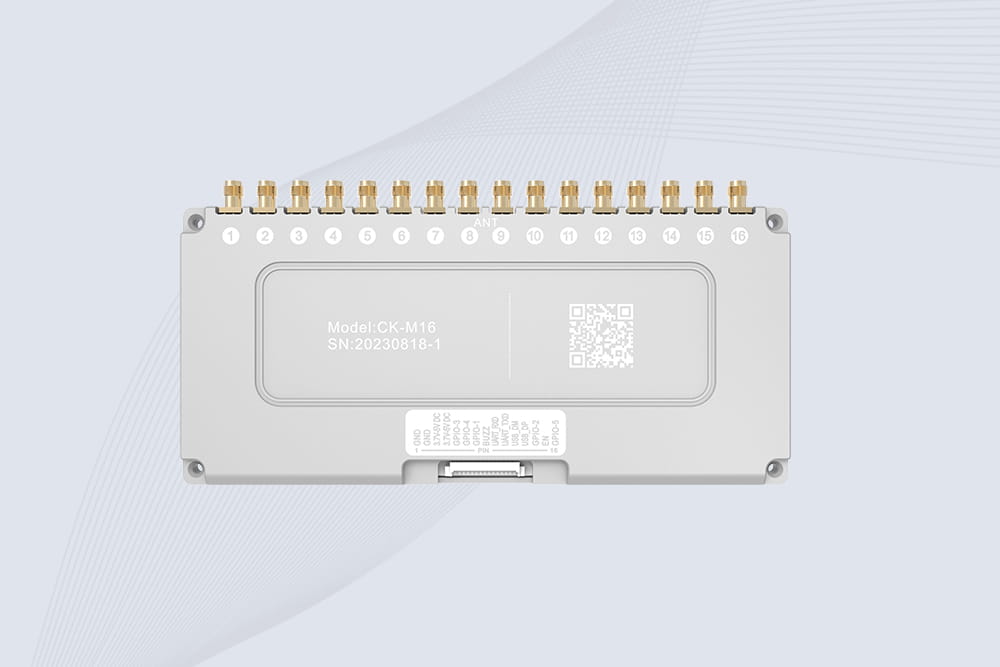
CYKEO CYKEO-M16 RFID Module is a 16-port UHF RFID reader module based on the R2000 chipset. Designed for dense tag environments, it supports ISO and GB standards and delivers stable multi-antenna control for industrial automation.
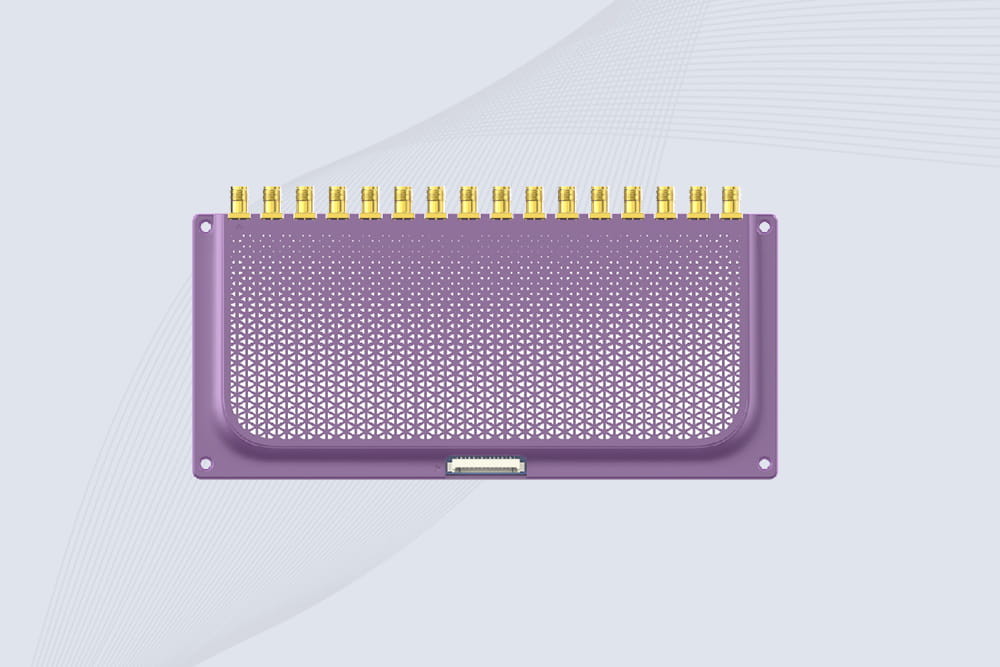
The CYKEO CYKEO-M16L RFID Reader Module is a 16-channel UHF RFID core designed for dense tag environments. With adjustable 33dBm output, multi-protocol support, and stable multi-antenna control, this RFID Tag Reader Module fits industrial automation, warehouse systems, and large-scale IoT deployments.
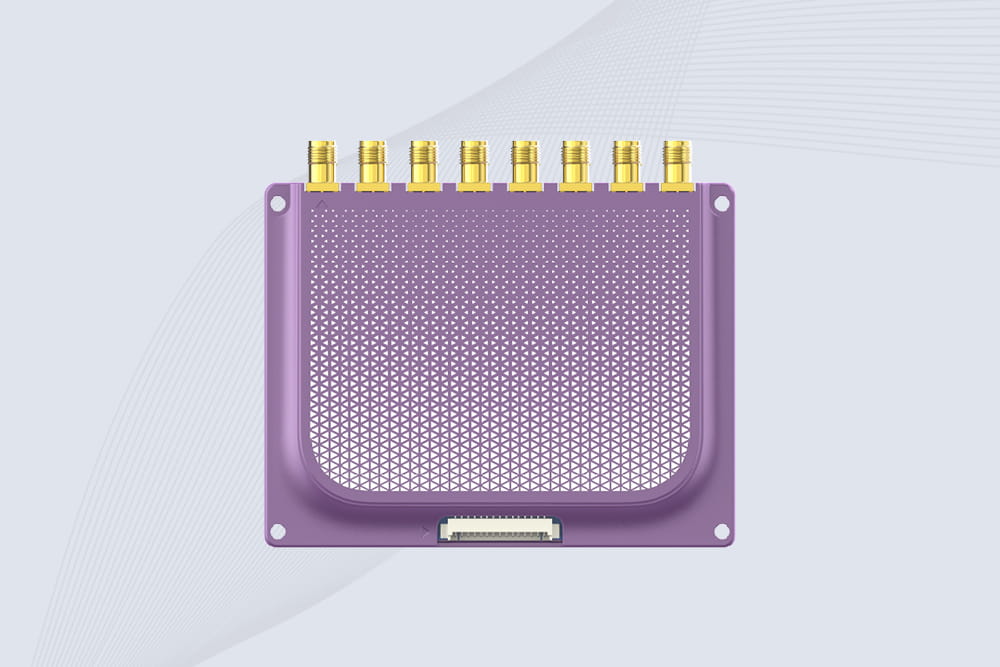
CYKEO CYKEO-M8L module RFID is a compact industrial UHF module built for dense tag and multi-antenna environments. With 8 RF ports, adjustable 33 dBm output, and ISO & GB protocol support, it is widely used in factories, warehouses, and automated tracking systems.
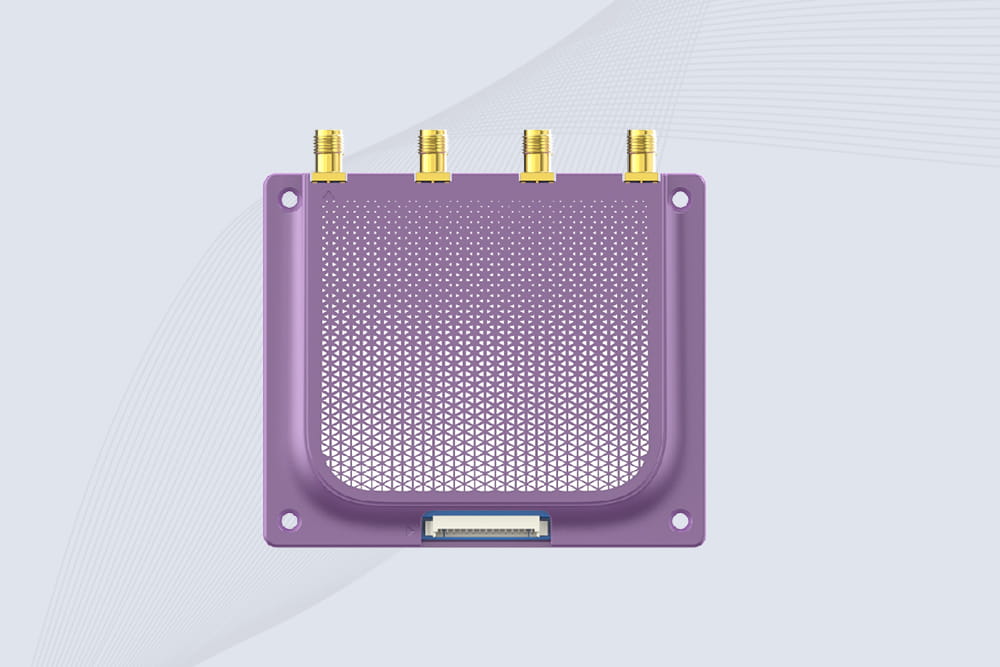
CYKEOCYKEO-M4L UHF RFID Module is a compact 4-channel RFID tag reader module designed for dense tag environments. Supporting ISO and GB protocols, it delivers stable reads up to 10 meters for industrial and IoT systems.
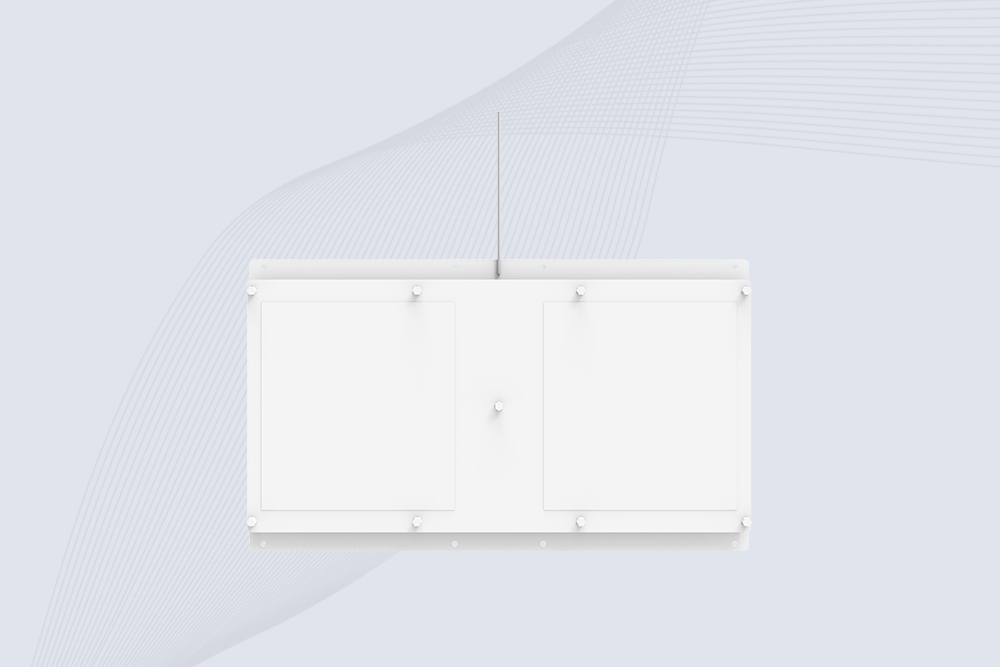
Cykeo CYKEO-A11 UHF RFID reader antenna delivers 11dBi gain, 840-960MHz frequency range, and IP65 ruggedness for retail, logistics, and industrial RFID systems. Features low VSWR and easy installation.
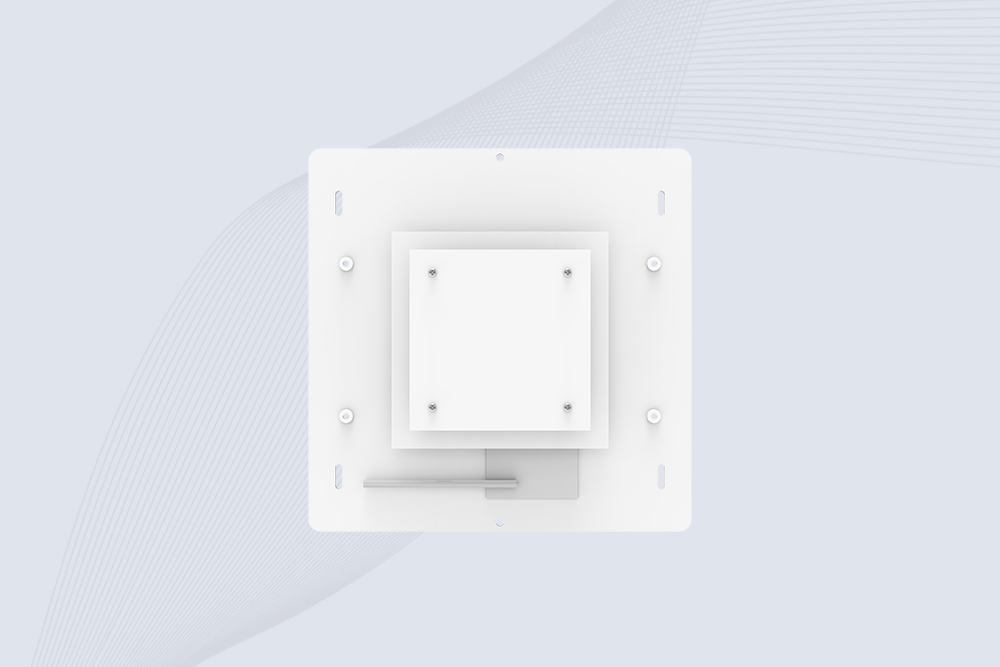
CYKEO Antenna RFID Reader delivers stable long-range UHF performance with a 10.5dBi directional design, built for warehouses, conveyor portals, and industrial RFID systems. This rfid reader antenna provides 20m+ read distance and rugged IP67 protection.

Cykeo CYKEO-PHF3 industrial HF RFID Antenna offers 24-point dynamic tracking, ISO 14443A/15693 protocols, metal-environment stability for archives/libraries/manufacturing.

Cykeo CYKEO-A5B industrial Linear RFID Antenna delivers 5dBi gain, ≤1.5:1 VSWR, and IP65 rugged design for warehouse, production line, and logistics UHF systems.

Cykeo’s CYKEO-B12 Long Range RFID Antenna delivers 15m+ read range with 12dBi gain, IP65 rugged design, and global 840-960MHz UHF support. Ideal for warehouse/logistics asset tracking.
Cykeo CYKEO-B10 Long Distance RFID Antenna offers 10dBi gain, 840-960MHz frequency range, IP65 rating, and 20m+ coverage for logistics/warehousing/ETC systems. Low VSWR ensures stable signal transmission.
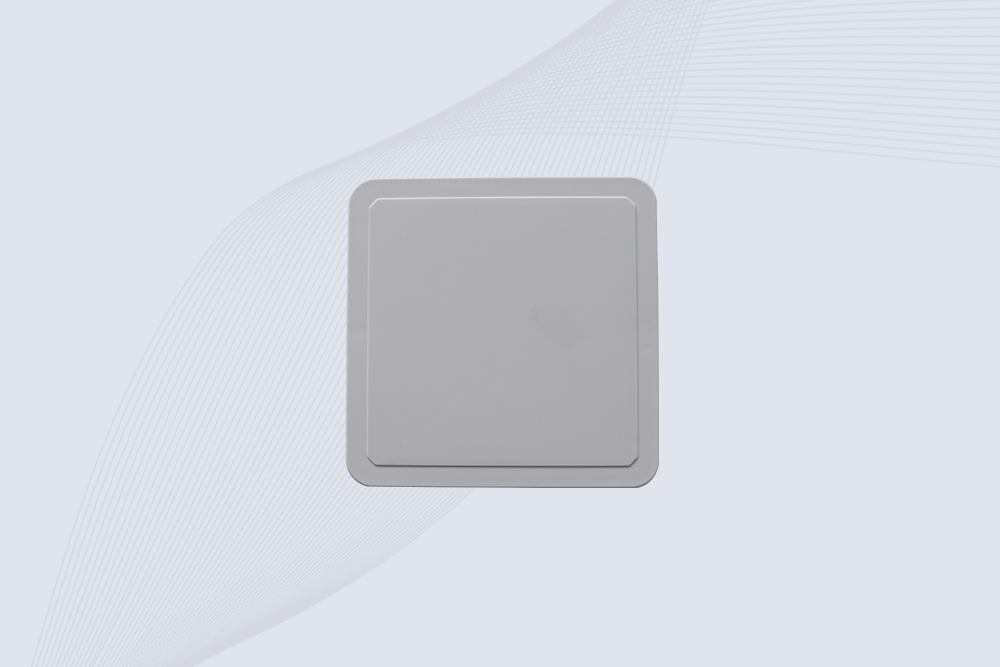
Cykeo CYKEO-A6 UHF RFID panel antenna features 6dBi gain, 840-960MHz broadband, IP65 metal-ready housing for logistics/smart retail. 18mm ultra-thin design with tool-free mounting.

Cykeo CK-A3 industrial antenna RFID UHF offers 5m+ tag detection, ≤1.3:1 VSWR, IP65 rugged design, and global UHF spectrum compatibility (840-960MHz) for warehouses, factories, and retail.
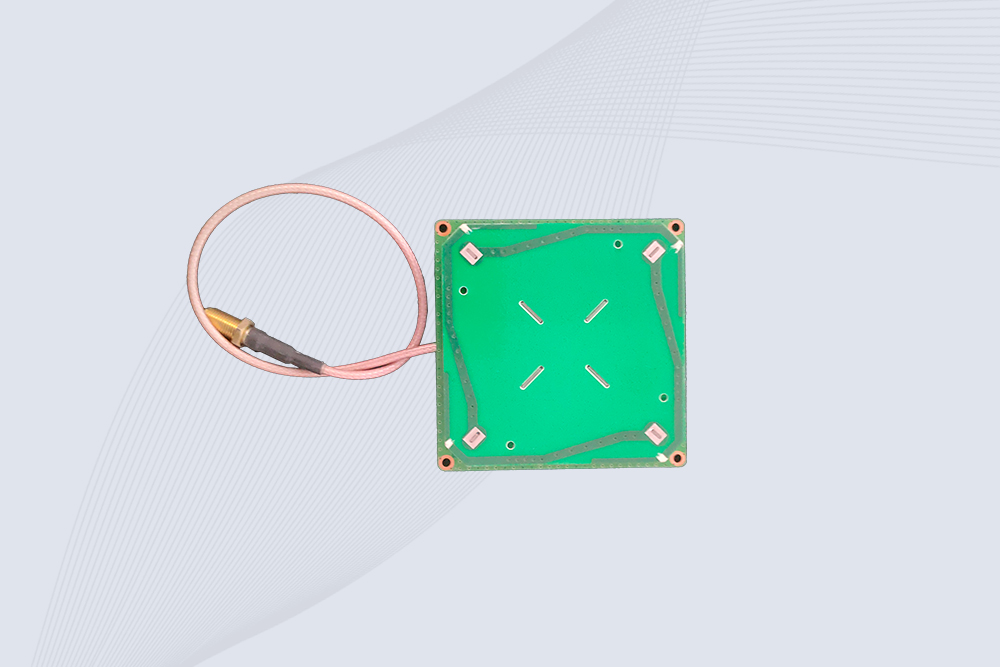
Cykeo CYKEO-B5 directional RFID antenna provides 5dBi gain with 60° narrow beamwidth for precise inventory tracking. IP65-rated, global UHF frequency support, and low VSWR.
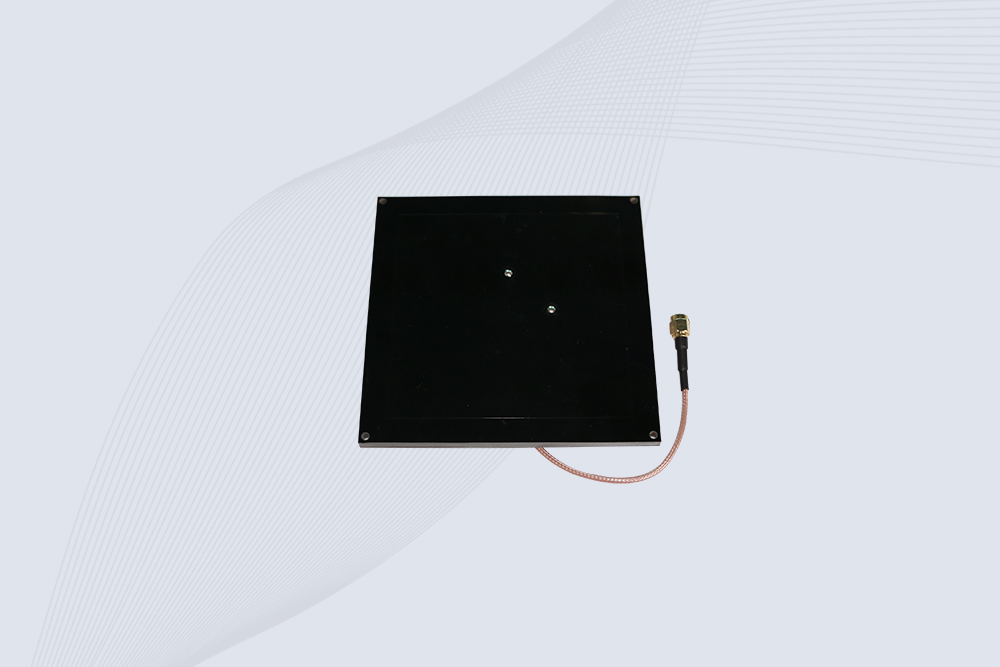
Create your own high-performance DIY RFID antenna! 5dBi gain, 840-960MHz tunable, step-by-step guides. Compatible with Arduino, Raspberry Pi, and commercial UHF readers.
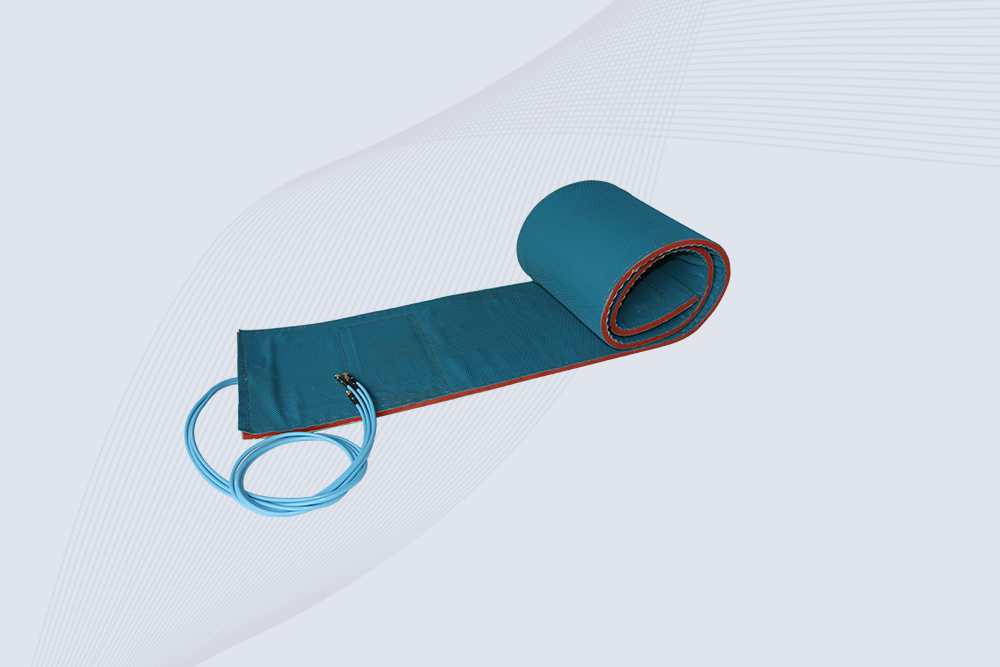
Cykeo CYKEO-A7 Flexible RFID Antenna features 840-960MHz wideband tuning, 7dBi gain, and IP68 rating for medical/retail/industrial curved surface deployments. 98% read accuracy with peel-and-stick installation.
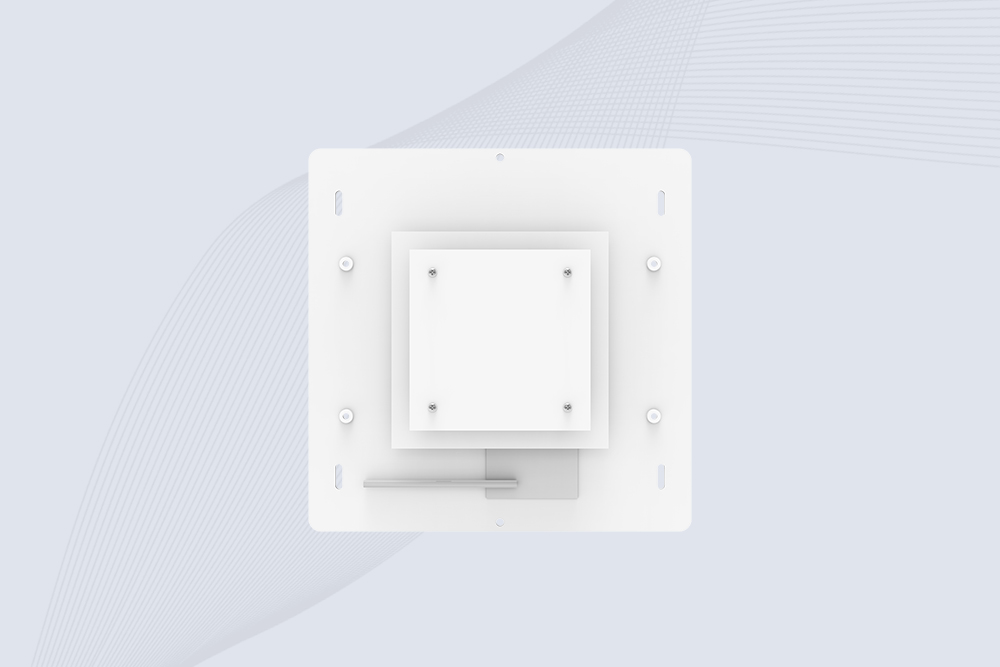
Cykeo CYKEO-B5A industrial Passive RFID Antenna delivers 5dBi gain, 70° beamwidth, and -40°C~55°C operation for warehouses/smart cabinets. Compatible with Zebra/Impinj readers.
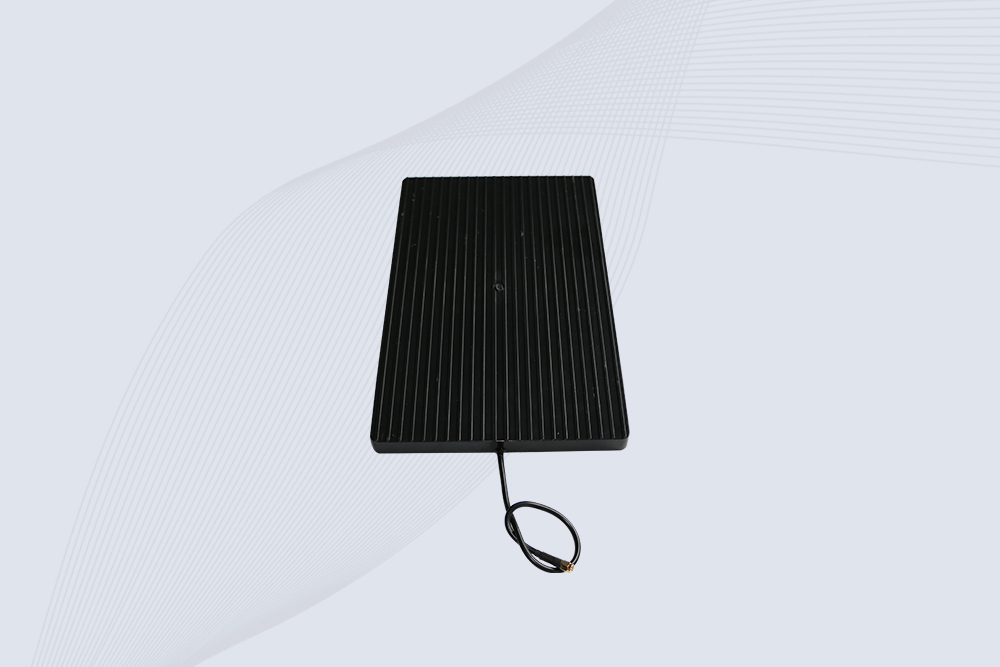
Cykeo’s CYKEO-A9B High Gain RFID Antenna delivers 15m+ read range with 9dBi amplification. Features IP54 rugged design, 840-960MHz bandwidth, and 80° beamwidth for warehouse/manufacturing RFID systems.

Cykeo’s enterprise-grade 8dbi Impinj RFID Antenna 10m+ read range with 840-960MHz tuning. Features IP65 housing, 1.4 VSWR, 35° beamwidth for retail/warehouse RFID systems.
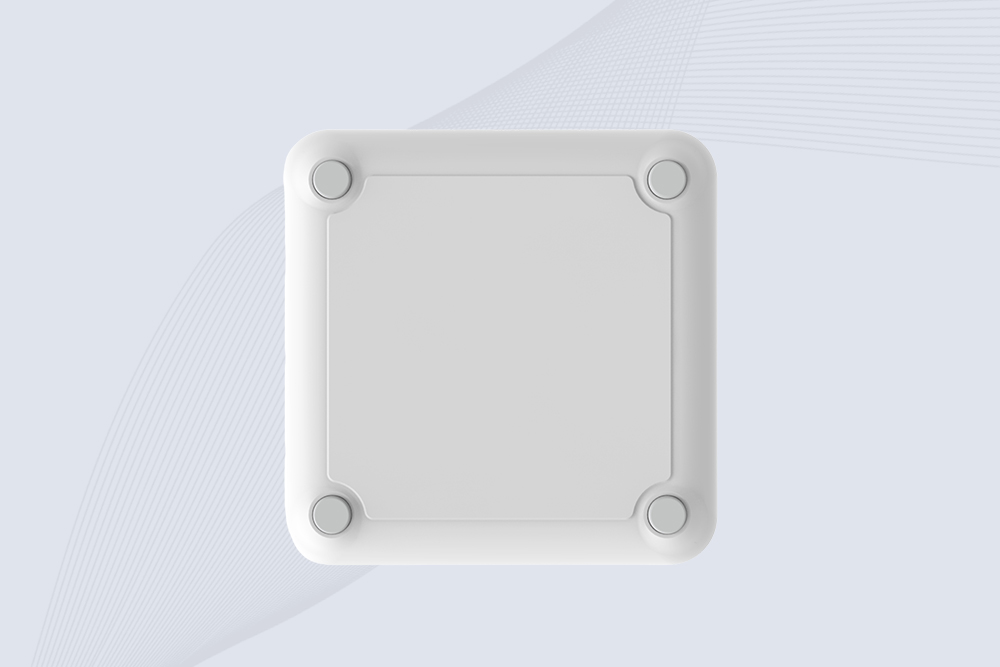
Cykeo CYKEO-A9 industrial UHF RFID antenna delivers 9dBi gain, 840-960MHz frequency range, and IP65 protection for warehouse/logistics/retail RFID systems. Features N-type connector and ≤1.3:1 VSWR.
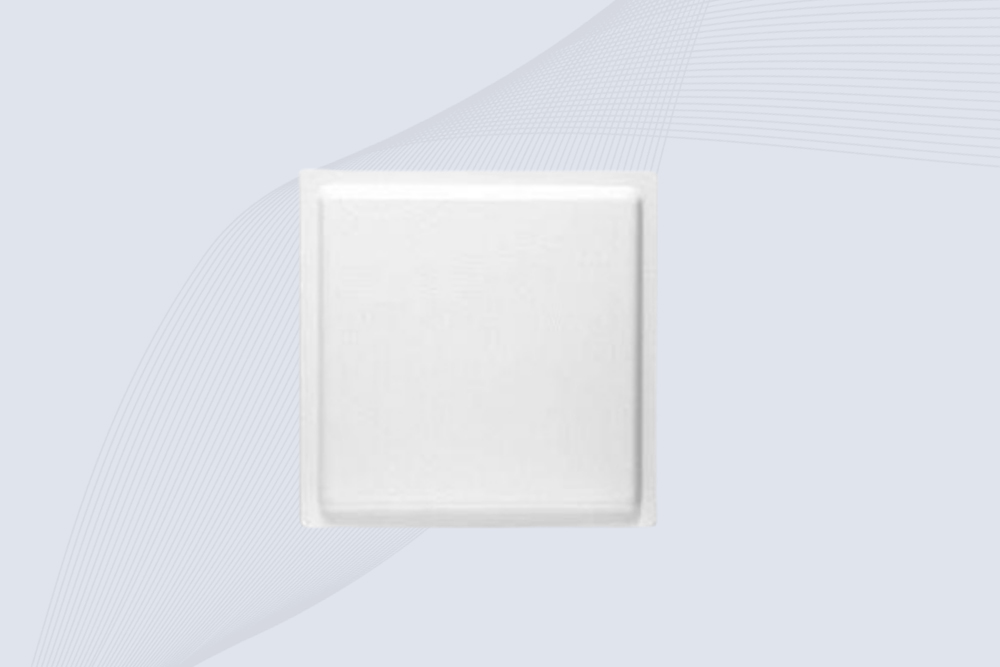
CYKEO UHF RFID Antenna built for long-distance and industrial applications. This antenna rfid uhf delivers strong gain, outdoor durability, and reliable tag performance in warehouses, yards, and vehicle ID systems.
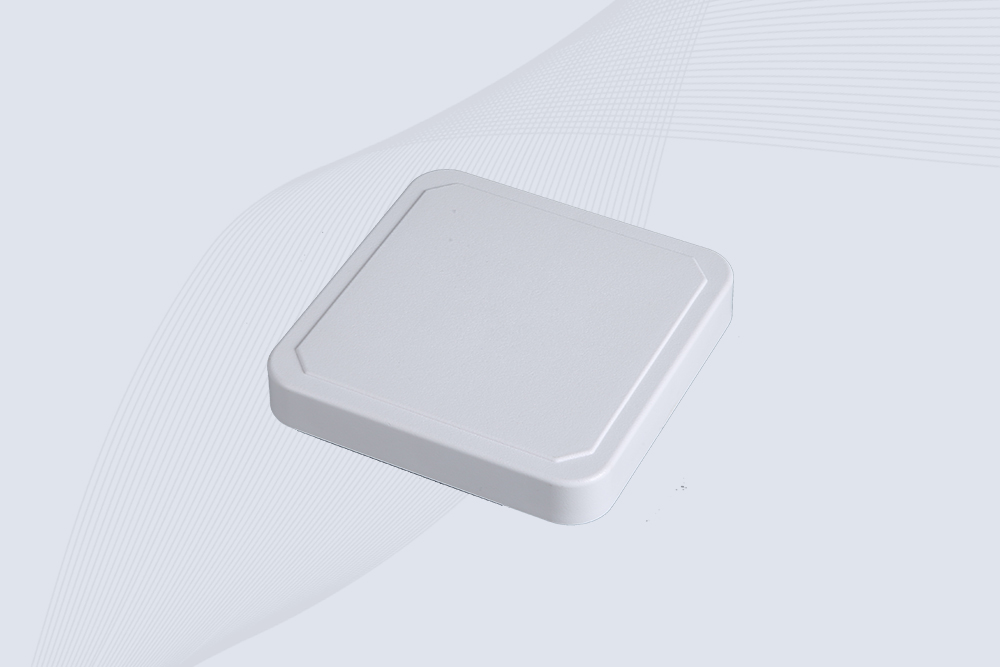
CYKEO Antenna RFID delivers reliable long-range UHF performance in warehouses, retail shelves, and cold-chain environments. This compact uhf rfid antenna provides stable reads with circular polarization and ultra-wide 840–960 MHz support, ideal for industrial tracking, smart shelves, and asset monitoring.
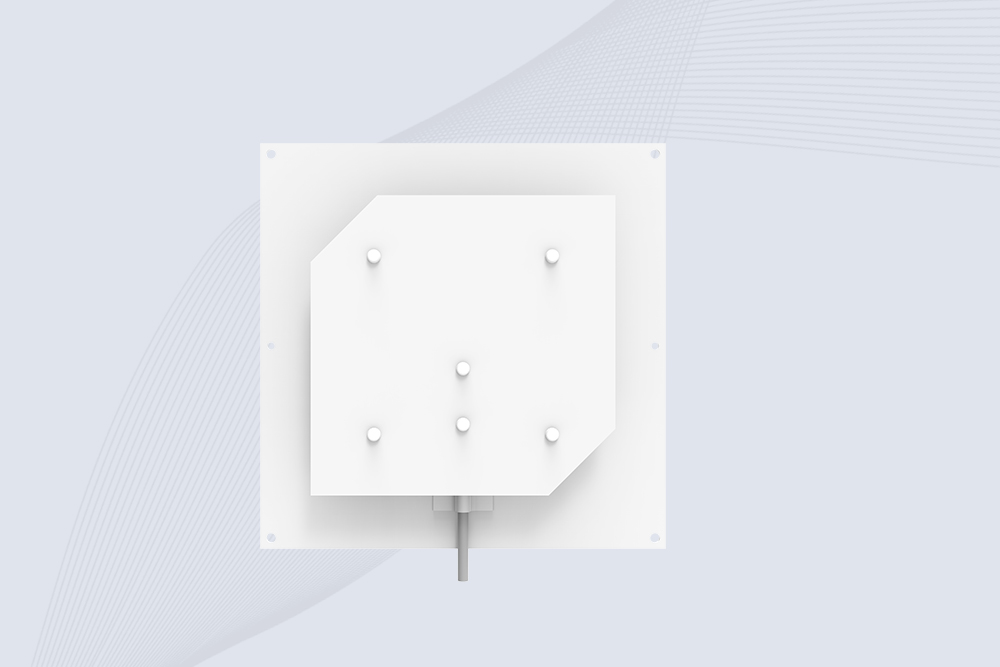
Cykeo’s CYKEO-C8 UHF RFID antennas delivers 8dBi gain, 840-960MHz full-band coverage, and IP65 ruggedness for manufacturing/warehouse RFID systems. Industrial RFID Antennas Features
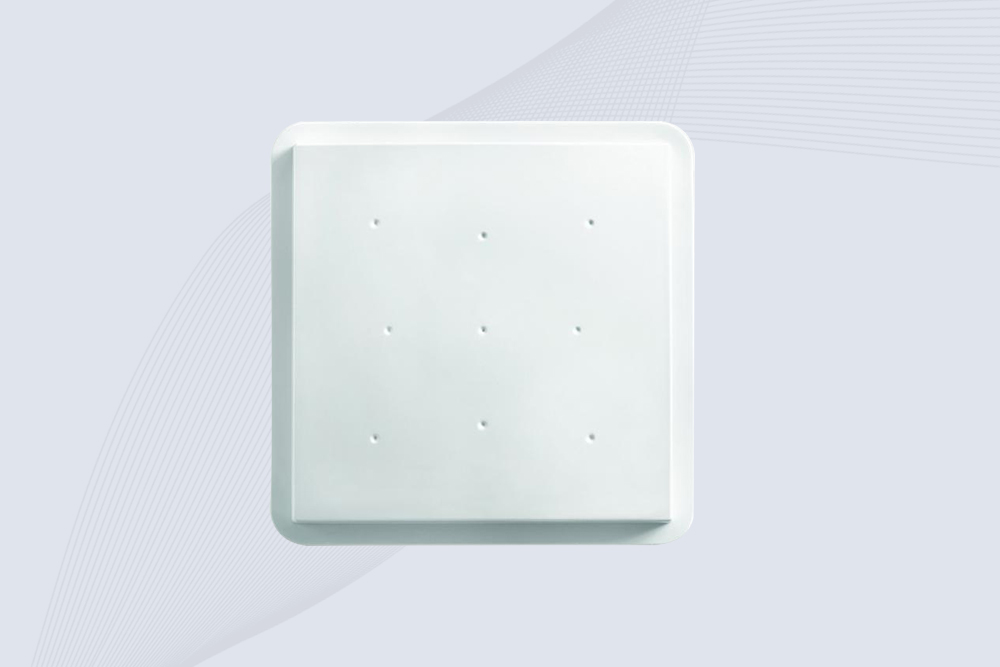
Cykeo’s 8dBi UHF RFID antenna and reader kit delivers 10m+ range, 840-960MHz broadband, and IP65 ruggedness for factories, warehouses, and logistics. ISO 18000-6C & EPC Gen2 certified.
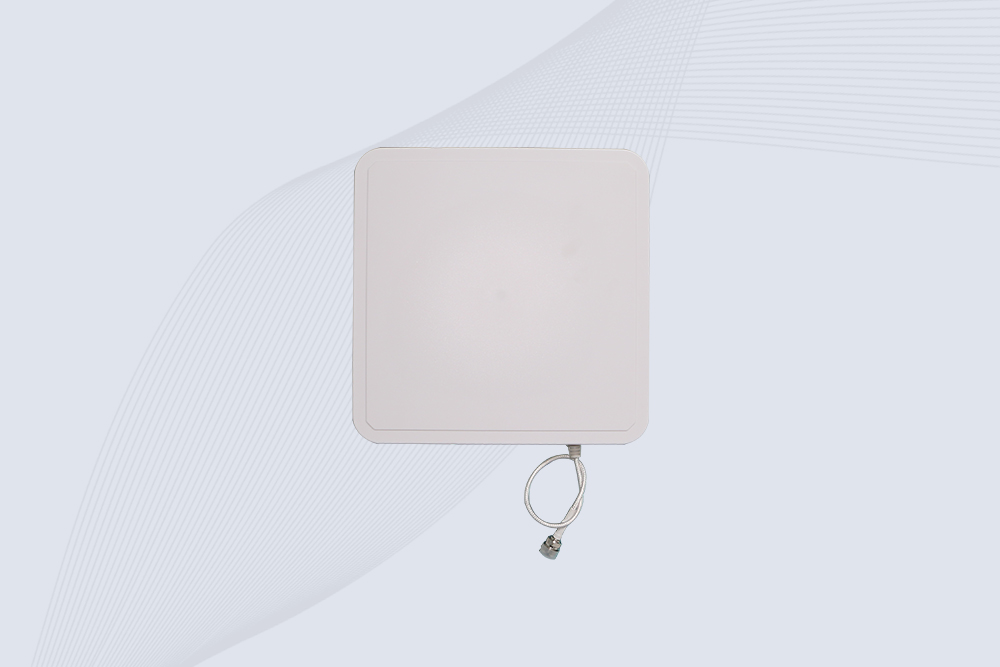
Cykeo CYKEO-A9A industrial UHF RFID reader and antenna kit delivers 10m range, 500 tags/sec, IP65 ruggedness for manufacturing/logistics. Supports EPC Gen2, ISO18000-6C.
Cykeo’s CYKEO-A12C UHF Large RFID Antenna delivers 12dBi gain, 840-960MHz global frequency, IP65 ruggedness for logistics/warehousing/automotive. 40° beamwidth ensures stable 15m+ tag reads.

CYKEO Near Field RFID Antenna provides precise 5–30 cm reading for shelves, cabinets, and workstations. This compact rfid shelf antenna delivers stable short-range performance around metal and clutter, ideal for pharmacies, libraries, and electronics sorting.
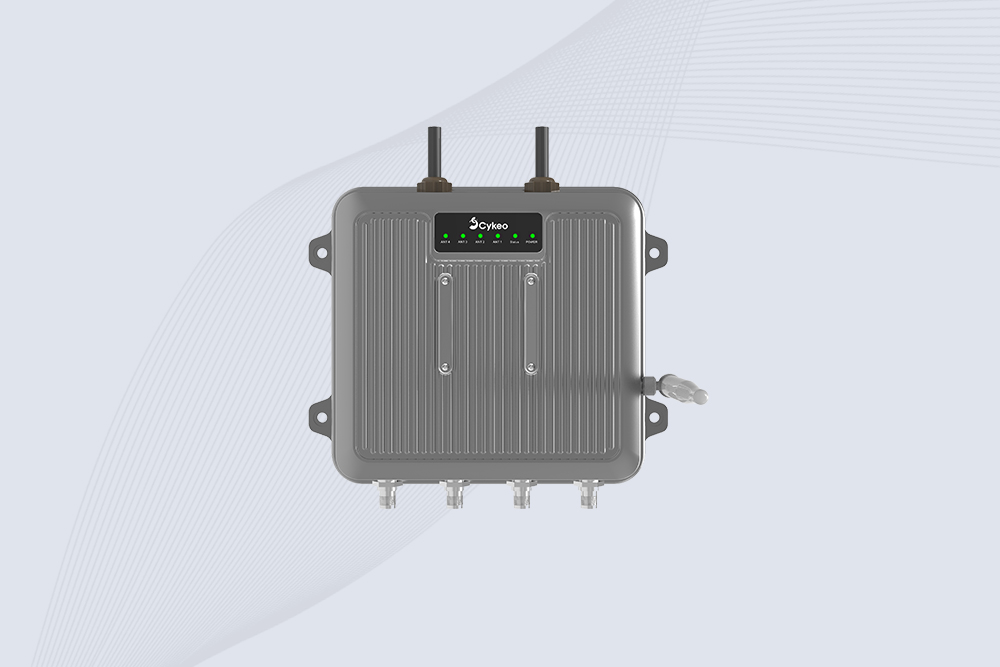
Cykeo CYKEO-C1 industrial Forklift RFID Reader features 20m read range, 600 tags/sec scanning, Impinj R2000 chipset, and IP67 rugged design. Ideal for warehouse logistics and manufacturing. Supports ISO 18000-6C/6B protocols.
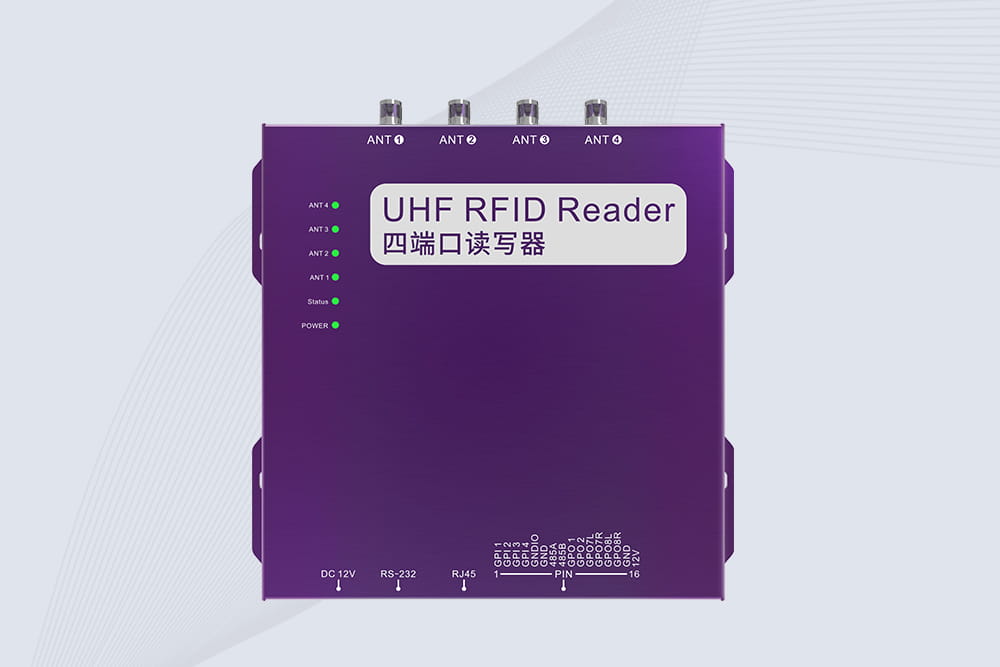
Cykeo CYKEO-R4 industrial UHF RFID Fixed Reader features 4 TNC ports, 400+ tags/sec speed, IP67 housing, and global frequency compliance for vehicle inspection, smart warehouse, and asset management systems.
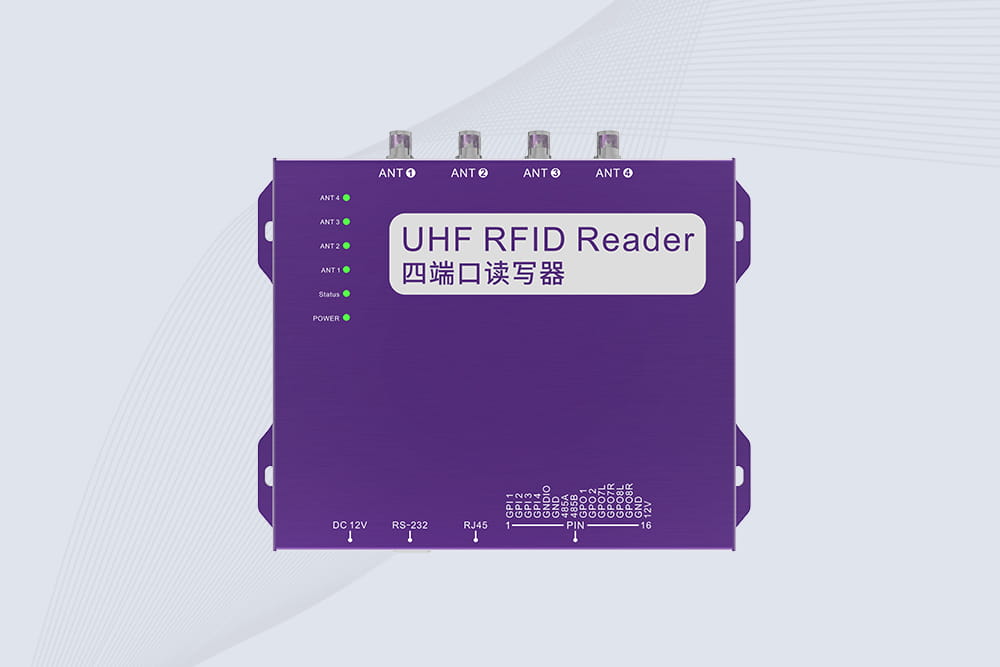
Cykeo’s CYKEO-R4L 4-port Fixed UHF RFID Reader delivers 400 tags/sec scanning, ISO 18000-6C compliance, and IP65 protection. Ideal for warehouse automation, manufacturing WIP tracking, and logistics management.
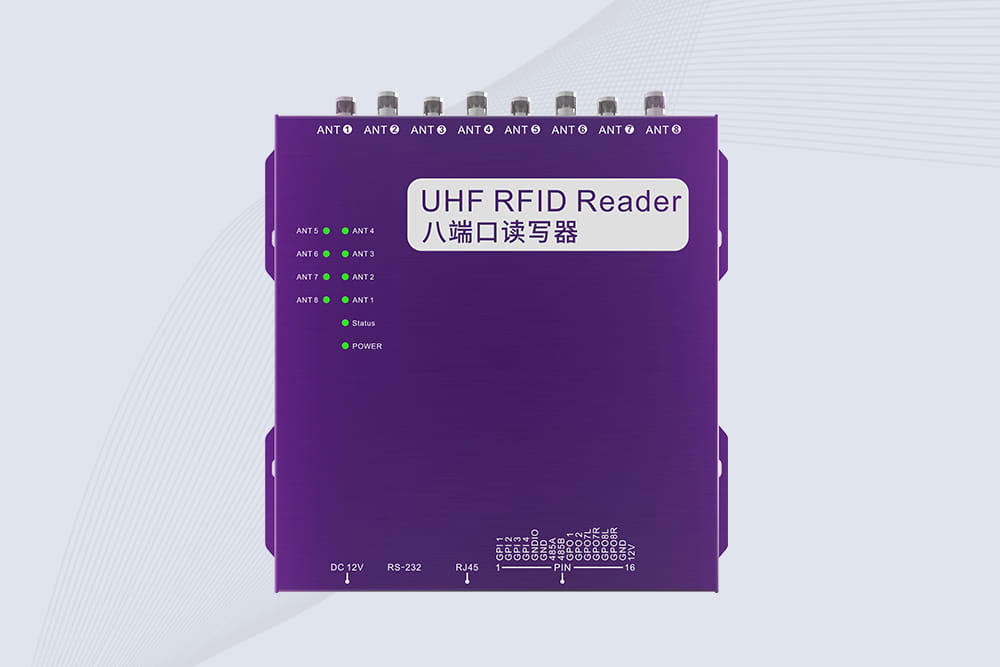
CYKEO CYKEO-R8L Fixed RFID Reader with 8-port UHF design, Impinj-based RF core and up to 20m read range. An industrial Fixed RFID Reader for vehicle inspection, warehouse portals, smart manufacturing lines and secure access checkpoints.
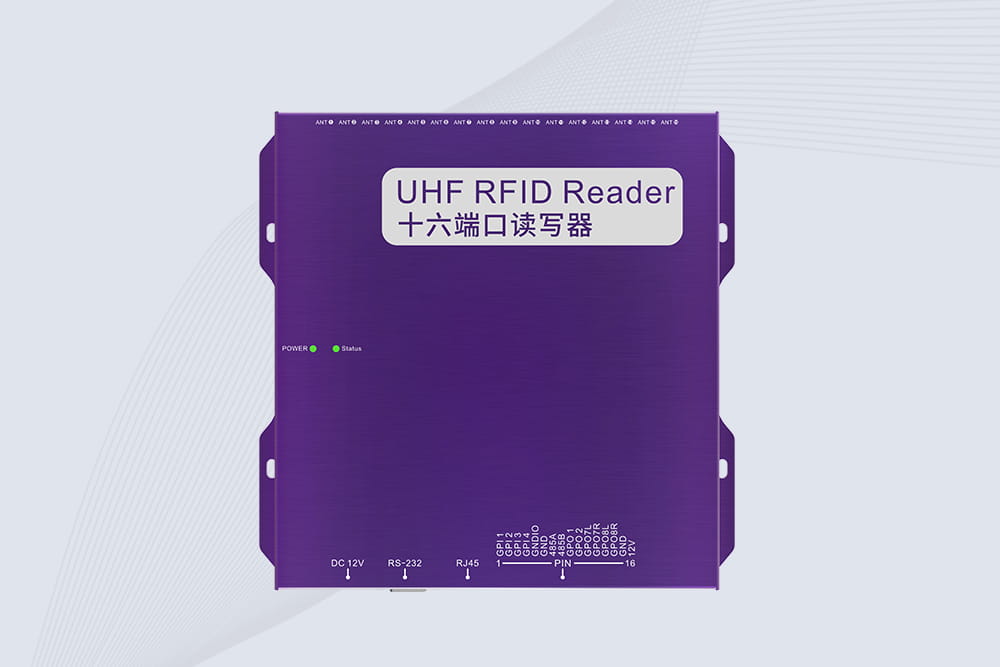
RFID Fixed Reader from CYKEO – the CYKEO-R16L 16-port UHF fixed reader for warehouses, smart cabinets, and production lines. Long-range, multi-tag reading, stable performance for 24/7 industrial use.
Learn the real difference between USB RFID readers and RFID scanners. Discover how RFID frequency, reading distance, software support, and application needs ...
More
Learn how do rfid scanners work and how Cykeo RFID technology enables accurate tracking, smart retail security, automatic identification, and loss prevention.
More
Looking for the best RFID reader for parking? Learn what to consider, from lane width and antenna type to vehicle speed and long-range UHF RFID performance.
More
Can an RFID reader read multiple tags at once? Absolutely—UHF readers handle 500–750+ tags per second. But there’s a catch. Learn about anti-collision, real-world limits, and what kills read rates.
More