 Cykeo RFID IoT Solution Products R&D Manufacturer

What Are the Top RFID Scanners with NFC Support for Mobile Payments in Retail?
1345Discover RFID scanners with NFC support for seamless mobile payments in retail. Learn how Cykeo’s solutions enhance checkout speed and customer experience.
MoreAll RFID Product
Every company has assets that seem to disappear at exactly the wrong time.
Tools go from one workshop to another.
Equipment gets moved between departments.
Reusable containers leave the warehouse and do not come back on schedule.
Laptops and other equipment are handed from one employee to another.
On paper, the asset is still there.
In reality, someone has to find it.
This is where RFID asset tracking starts to make sense.
An RFID tag can be attached to an asset, while an RFID reader identifies the tag when it enters a defined reading area. Depending on the application, the reader might be handheld, fixed to a doorway, installed near a workstation, or integrated into a larger tracking system.
It sounds straightforward.
The difficult part usually comes later.
Where should the reader be installed? What tag should be used? How far should it read? And how do you stop it from reading assets that are somewhere else?
Those questions usually determine whether an RFID asset tracking project works smoothly or becomes a constant source of false reads.
Before designing an RFID asset tracking system, it helps to understand how the reader communicates with the tag and how the antenna creates the reading area. If you are new to RFID, our guide explains how RFID reader works and how the main components fit together.
This distinction is worth making early.
RFID asset tracking does not normally mean that a passive RFID tag continuously broadcasts its exact location.
Instead, the RFID reader detects the tag when it enters its reading area.
For example:
A tool cabinet has a fixed RFID reader.
A tagged tool is placed inside.
The reader identifies the tag.
The software records that the tool is now at that location.
Later, the tool leaves the cabinet and is detected at another checkpoint.
The system can then build a movement history.
So RFID is often better understood as location-event tracking rather than continuous GPS-style positioning.
For many warehouses, factories and workshops, that is actually enough.
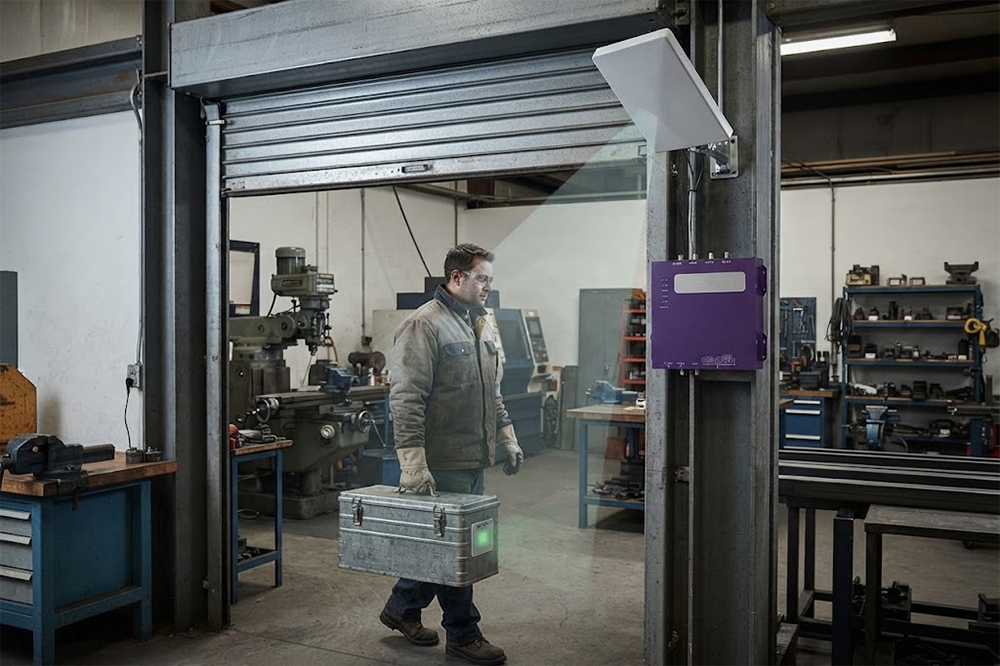
Almost anything that can carry an RFID tag can potentially be tracked.
Common examples include:
The challenge is not usually whether the object can carry a tag.
It is whether the tag can be read reliably.
A plastic container is relatively straightforward.
A large metal machine is different.
A liquid-filled container can be different again.
So asset material should be discussed before selecting the RFID reader.
Before buying an RFID reader, I would map the asset’s movement.
Take a tool as an example.
Where is it stored?
Where is it checked out?
Where is it used?
Where does it return?
Is it carried through a doorway?
Does it move through a production line?
Does someone manually place it inside a cabinet?
This tells you where the reader should go.
For some projects, one fixed reader at the exit may be enough.
For others, several checkpoints are required.
And sometimes a handheld RFID reader makes more sense because the asset can be anywhere in a large facility.
This is why RFID asset tracking is not really a “buy a reader and attach tags” project.
The physical workflow comes first.
Fixed readers are useful when assets regularly pass through known locations.
Imagine a factory tool room.
Workers take tools from the room in the morning and return them at the end of the shift.
A fixed reader can be installed around the cabinet or doorway.
When a tagged tool passes through the reading area, the system records the event.
No one has to scan a barcode.
No one needs to remember to update a spreadsheet.
The reader simply detects the tag when the conditions are right.
This kind of setup is especially interesting when the same movement happens hundreds of times per day.
Cykeo provides fixed UHF RFID readers designed for applications involving asset tracking, logistics, warehouse management and industrial automation. Cykeo RFID Reader Product Range
Not every asset follows a predictable route.
Imagine a construction equipment company.
Some tools are in the warehouse.
Others are in trucks.
Some are at customer sites.
A fixed reader cannot cover all of that.
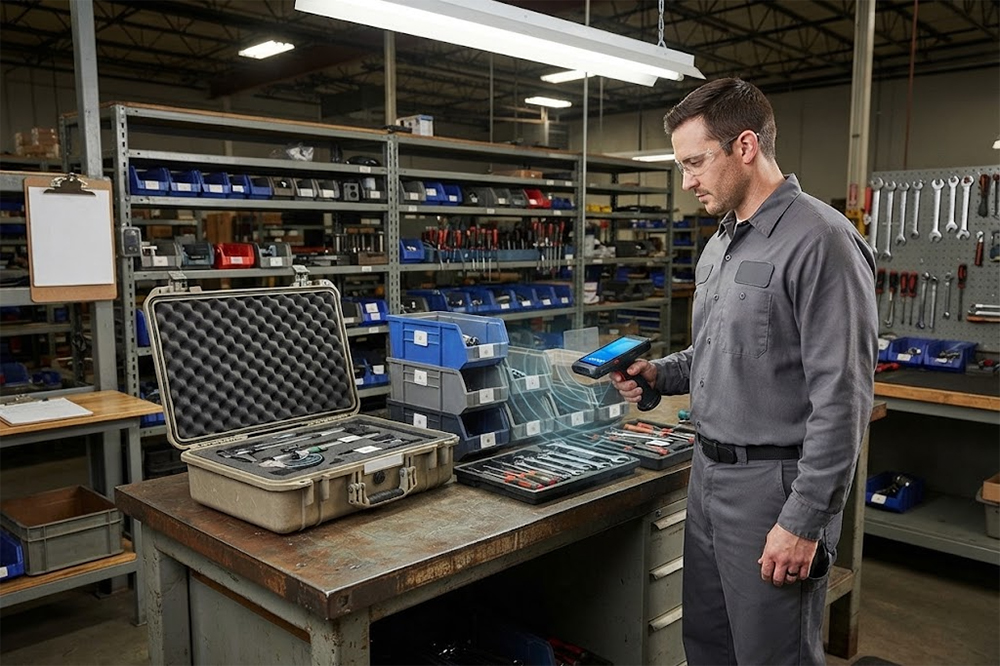
A handheld RFID reader can be much more useful.
An employee can walk through the storage area and search for tagged equipment.
The reader can detect nearby tags and help identify what is present and what is missing.
This is one reason handheld RFID readers are often used alongside fixed readers rather than instead of them.
Fixed readers handle predictable movement.
Handheld readers handle unpredictable locations.
That combination can be quite practical.
Longer range sounds attractive.
But for asset tracking, longer is not automatically better.
Suppose a company wants to track tools leaving a workshop.
The doorway is only two meters wide.
If the RFID reader detects every tagged tool within 15 meters, it may also detect tools sitting on nearby shelves.
Now the system knows that a tool was detected.
But it does not necessarily know that the tool actually passed through the door.
That is a very different problem.
For asset tracking, I would normally start by defining the required reading zone, then select the reader and antenna.
The goal is not maximum distance.
The goal is reliable detection in the correct area.
For a deeper explanation of practical RFID range, see the related guide on RFID reader reading distance.
The RFID reader and antenna work together.
An antenna mounted at the wrong angle can create gaps.
An antenna with too wide a coverage area can create unwanted reads.
A directional antenna may be useful when assets need to be detected along a specific path.
Multiple antennas may be useful for wider openings or difficult tag orientations.
For example, if tagged equipment passes through a doorway at different angles, a single antenna may not provide the same performance for every item.
The installation needs to be tested.
This is one of those areas where a simple drawing of the doorway, asset direction and antenna position can be more useful than a long email describing the project.
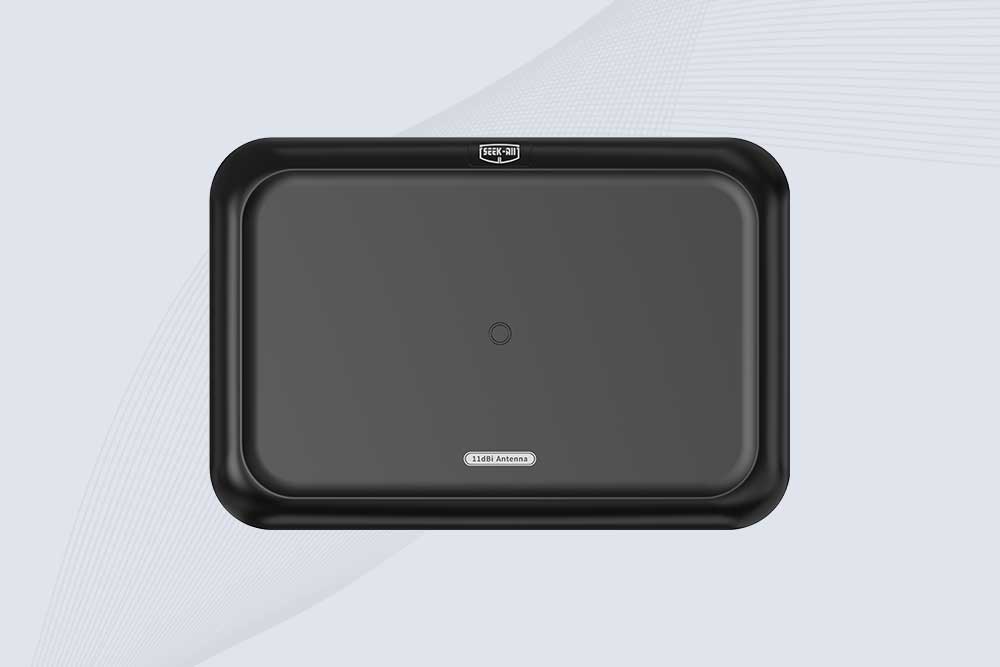
Cykeo offers UHF RFID antenna options for different coverage requirements, allowing system integrators to configure readers and antennas according to the application. Cykeo RFID Antennas
Industrial asset tracking often involves metal.
Tools.
Machines.
Equipment cases.
Steel containers.
Metal racks.
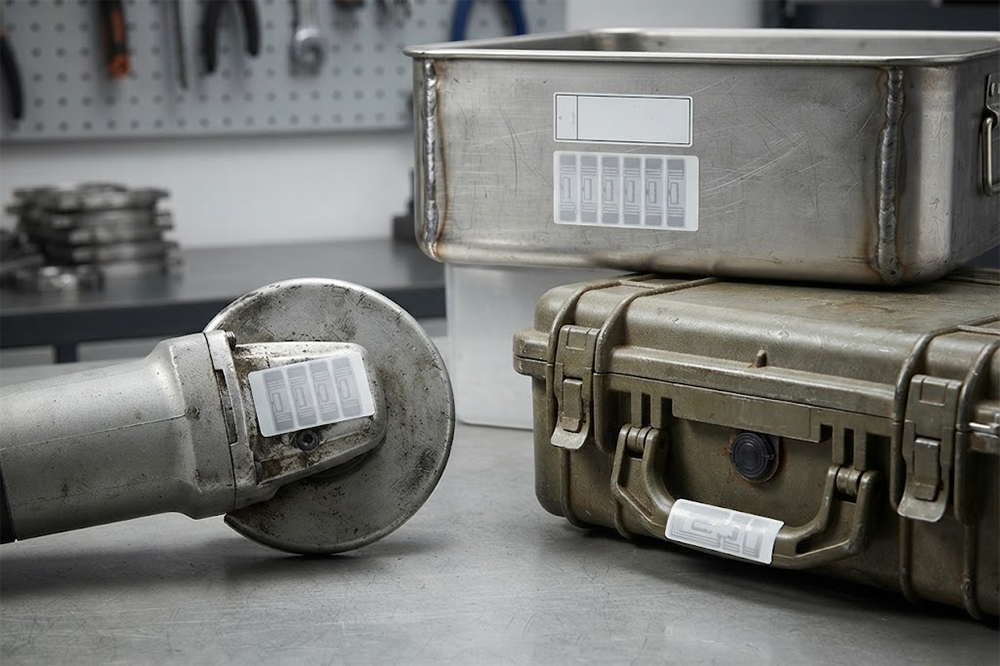
Standard RFID tags may not perform well when directly attached to metal surfaces.
In those cases, on-metal RFID tags are generally a better starting point.
But even with an on-metal tag, testing is still important.
The size and shape of the asset can change the RF behavior.
A small metal tool is not the same as a large steel cabinet.
A tag mounted flat on a metal surface may behave differently from one mounted near an edge.
If the project involves a lot of metal assets, tell the RFID supplier that at the beginning.
It can change the tag recommendation significantly.
This is another practical issue.
Imagine a warehouse shelf containing 100 tagged tools.
The reader may detect many tags at once.
That is useful if you want to perform an inventory check.
But it may not be useful if you are trying to identify exactly which tool just crossed a doorway.
The application determines whether multiple reads are useful or problematic.
For inventory:
More detected tags can be good.
For movement control:
Unwanted detected tags can be bad.
The system may need antenna positioning, reader power adjustment and software filtering to separate the two situations.
This is why asset tracking projects should define what counts as a valid event.
An RFID reader sees a tag ID.
The business sees an asset.
Those are not the same thing.
Suppose the reader detects:
E20000123456
The asset management system might know that this means:
Electric Drill — Tool Room A — Employee 102
The RFID reader itself does not necessarily know all of that.
Software connects the tag ID to the asset database.
That software might be a custom application, ERP, WMS, asset management platform or another business system.
Cykeo supports API and SDK integration for RFID readers, which can help developers connect RFID hardware to existing software systems.
For system integrators, this is worth checking before choosing hardware.
A reader that works well technically but is difficult to integrate may create more work later.
Imagine a manufacturing company with 500 production tools.
Every morning, workers collect tools from a central tool room.
At the end of the shift, tools should return.
Currently, employees record tool movement manually.
The company wants RFID.
A practical setup could look like this:
RFID tags attached to the tools.
Fixed RFID reader near the tool-room exit.
Handheld RFID reader for periodic inventory checks.
Software database connecting each tag to the tool record.
Now the system can record when a tool is detected at the exit and when it returns.
If a tool does not come back, the system can show the last recorded event.
It is not perfect real-time location.
But it may be enough to answer a question that previously required a phone call:
“Who took this tool, and when was it last detected?”
That is often where RFID starts delivering practical value.
Returnable containers are another interesting application.
Companies often spend a surprising amount of money replacing containers that were supposed to come back.
Plastic bins.
Metal cages.
Reusable pallets.
Transport boxes.
If each asset has a unique RFID tag, readers can record when the containers leave and return.
A fixed reader at the warehouse entrance can automatically capture movement events.
A handheld reader can be used for periodic inventory.
For a company managing thousands of reusable assets, even a small improvement in return rates can make the RFID investment easier to justify.
Barcode systems still have their place.
They are inexpensive.
They are familiar.
They work well when employees can easily access and scan each item.
RFID becomes more attractive when:
The decision should not be based on the idea that RFID is simply “better.”
It depends on the workflow.
For some companies, barcode remains the practical option.
For others, RFID can remove a large amount of repetitive manual work.
For an asset tracking project, send the supplier more than just the quantity.
A useful inquiry might include:
Asset type: Tools, pallets, equipment, containers, etc.
Asset material: Plastic, metal, cardboard, mixed.
Tag location: Where will the tag be attached?
Reading distance: Approximate required range.
Movement: Walking, forklift, conveyor, vehicle.
Reading area: Doorway, cabinet, warehouse, workstation.
Tag quantity: How many assets may be present together?
Reader type: Fixed, handheld, or both.
Antenna position: If already known.
Software: Existing asset management or custom system.
Quantity: Sample, pilot, or production order.
This information lets the manufacturer recommend a more realistic reader and tag combination.
RFID projects can look perfect on a quotation.
Then the customer installs the system and discovers that one type of tool reads perfectly while another type is inconsistent.
Or the doorway detects nearby assets.
Or a metal enclosure reduces the range.
These problems are not unusual.
A sample test is simply the easiest way to find them before committing to a large order.
Use the actual assets.
Use the actual tags.
Place the reader where it will really be installed.
Then repeat the real movement.
If the asset will be carried by a worker, have someone walk through.
If it will move by forklift, use a forklift.
If 30 tagged assets can appear together, test 30.
That gives the supplier and buyer something much more useful than a theoretical range number.
The right RFID reader depends on what you are trying to know.
If the question is:
“What assets are in this room?”
A handheld reader may be enough.
If the question is:
“Which assets passed through this door?”
A fixed reader and controlled antenna zone may be better.
If the question is:
“Can we automatically record assets moving along this production line?”
A fixed reader integrated into the line may be the better starting point.
There is no need to make the system more complicated than the business problem requires.
For companies sourcing RFID readers for asset management, industrial tracking, warehouse operations or OEM projects, the Cykeo RFID reader product range can be used as a starting point for comparing reader configurations and requesting samples or wholesale quotations.
SSD-A11 UHF RFID antenna features 840–960 MHz adjustable frequency, ≥10.5 dBi gain, circular polarization and 50Ω impedance for fixed RFID systems.
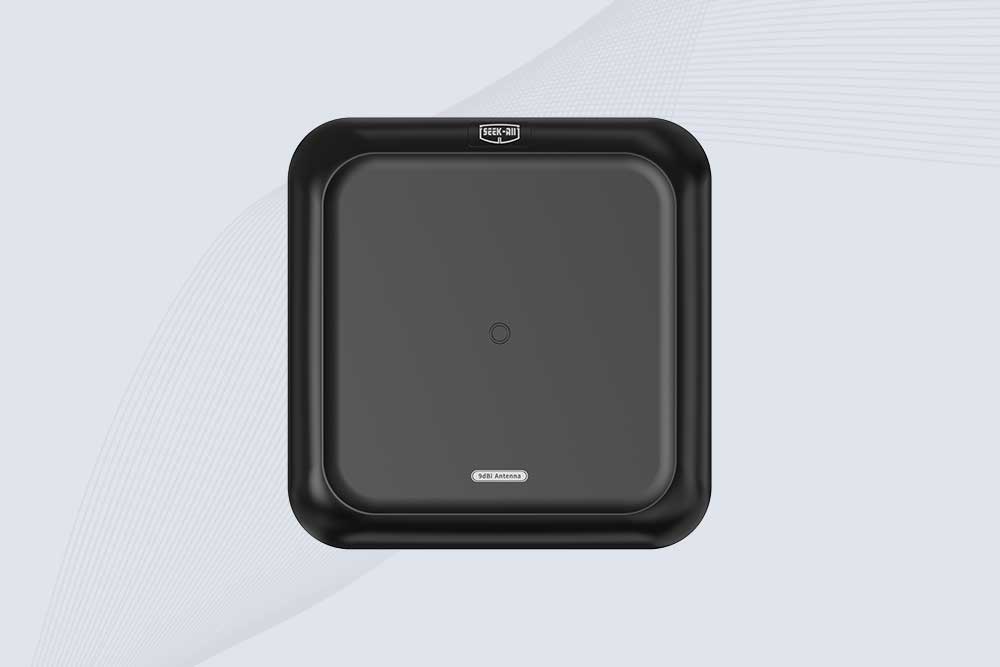
SSD-A09 is a 9 dBi UHF RFID antenna with 840–960 MHz adjustable frequency, circular polarization, 50Ω impedance and directional 60° × 60° coverage.
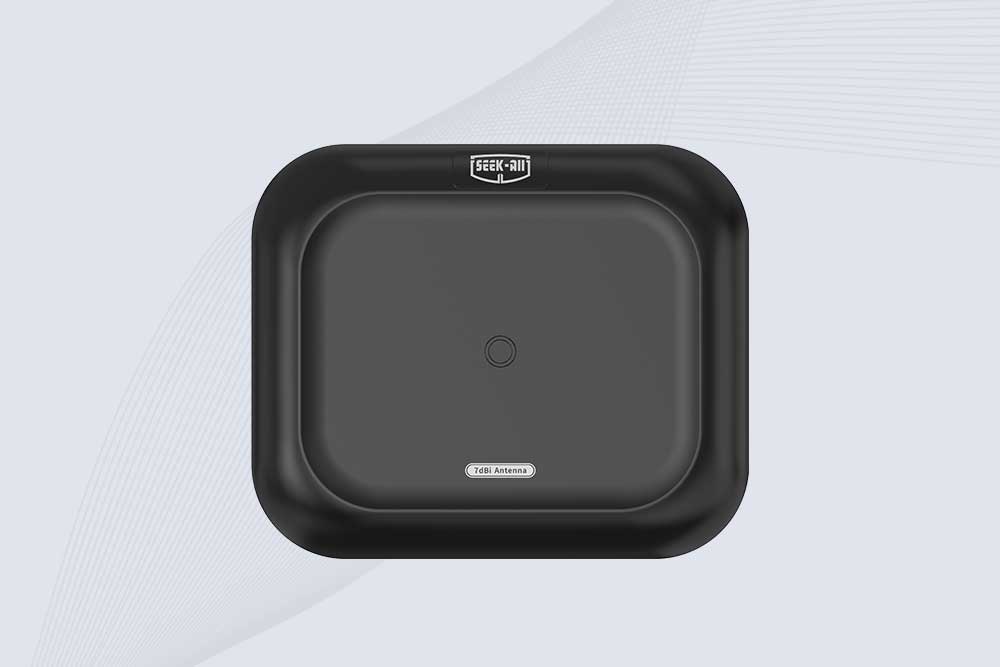
Explore the SSD-A07 UHF RFID antenna with 7 dBi gain, circular polarization, adjustable 840–960 MHz frequency, and 60°/75° beamwidth for stable RFID read/write performance.

SSD-A06 UHF RFID antenna with circular polarization, adjustable 840–960 MHz frequency, ≥4.5 dBi gain, and a compact directional design for RFID systems.
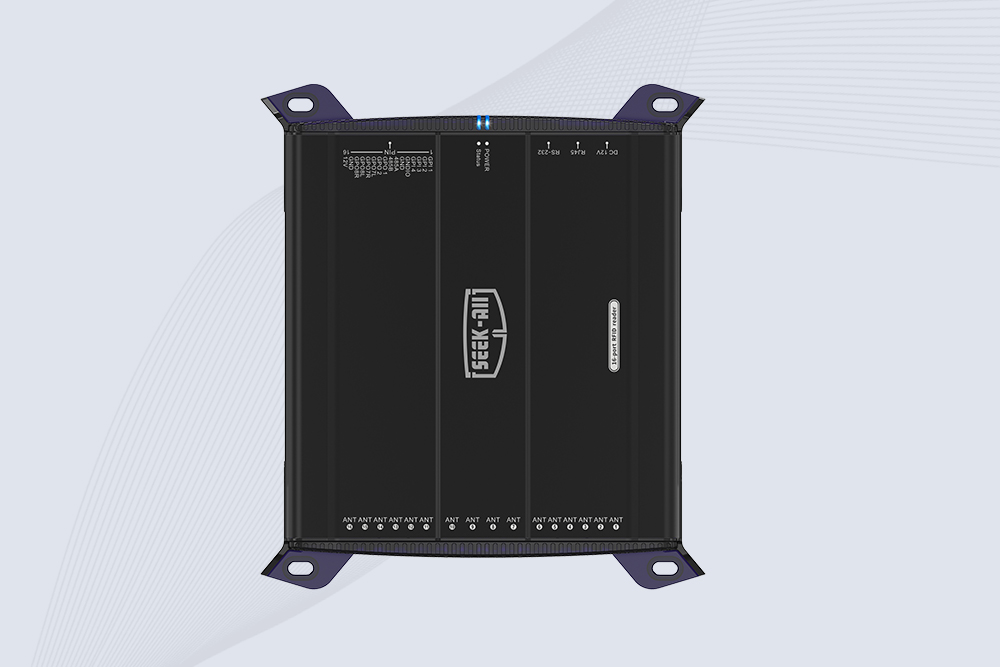
SSD-R16L Multi-Channel RFID Infrastructure for Automated Inventory Management ✔️ 16-Port High-Density RFID Reading Equipped with 16 SMA antenna ports, SSD-R16L supports multi-antenna deployment for warehouses, retail stores, logistics, production lines, and large-area RFID identification. ✔️ High-Speed & Long-Range Performance With up to 33…
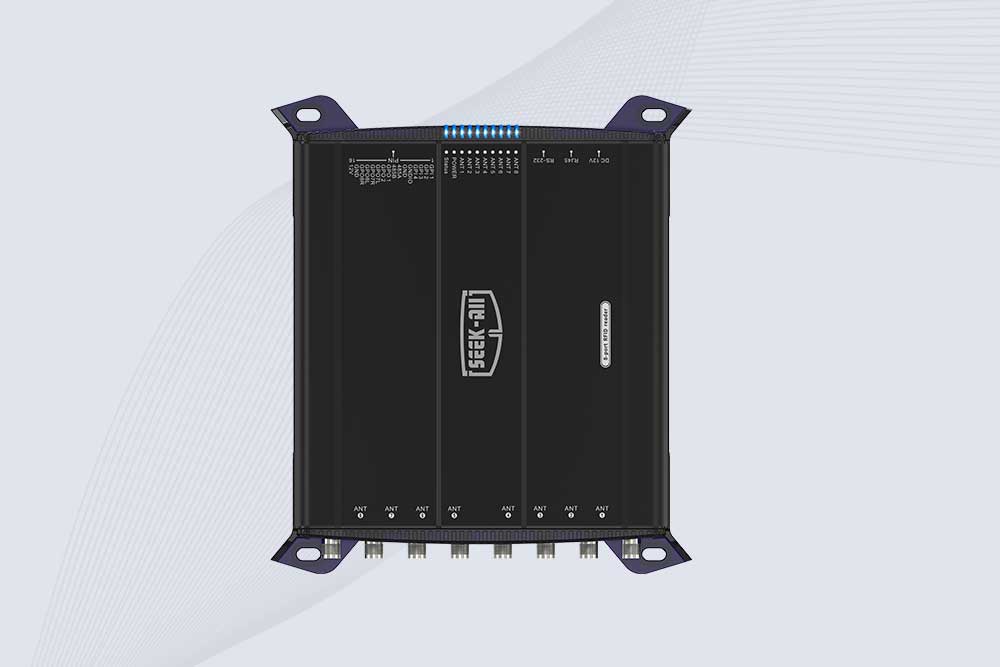
SSD-R8L 8-port UHF RFID reader with 33dBm output, up to 20m reading range and 600+ tags/s recognition. Ideal for warehouse, logistics, retail and asset tracking.
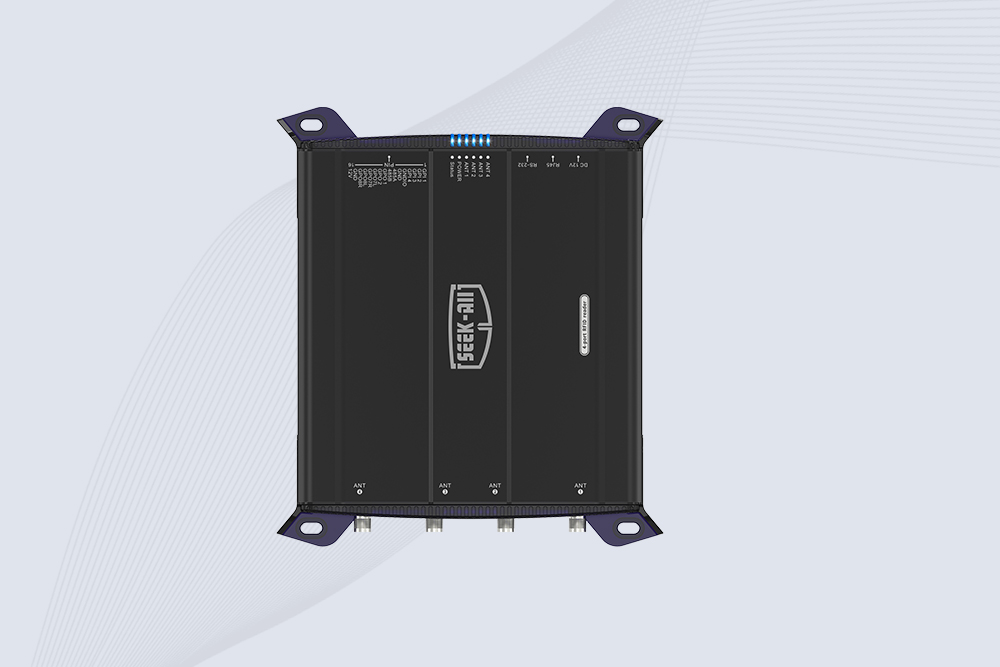
SSD-R4L is a 4-port UHF RFID fixed reader with 33dBm output power, up to 20m reading range, EPC C1G2 support and 600+ tags/s reading speed.
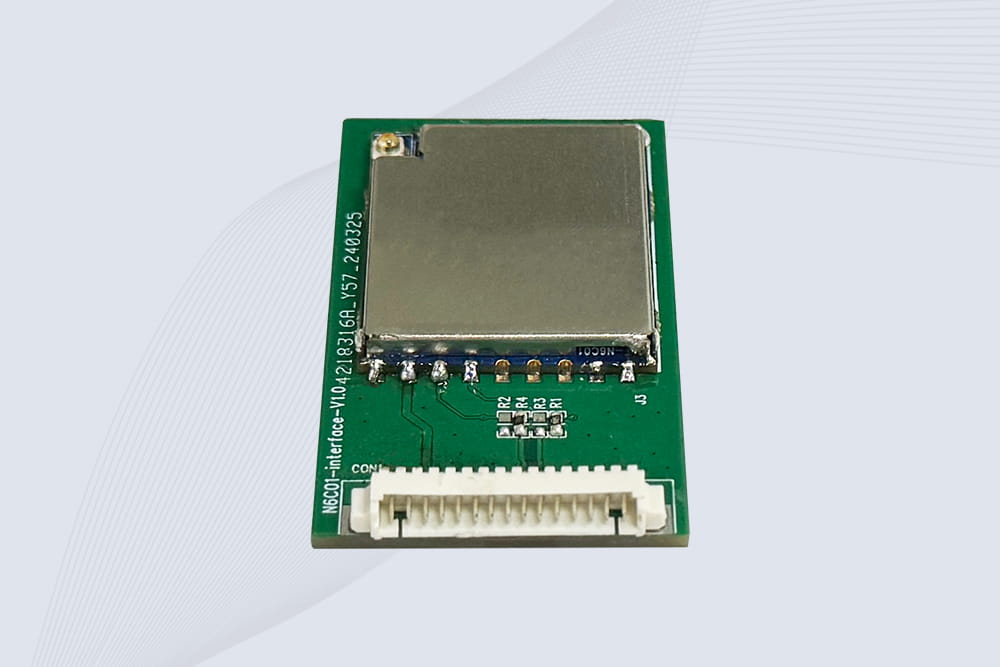
CYKEO Embedded RFID Modules are designed for compact industrial and IoT devices that require stable UHF performance. These UHF RFID Modules support global protocols, flexible power control, and reliable multi-tag reading for smart cabinets, production lines, and asset tracking systems.
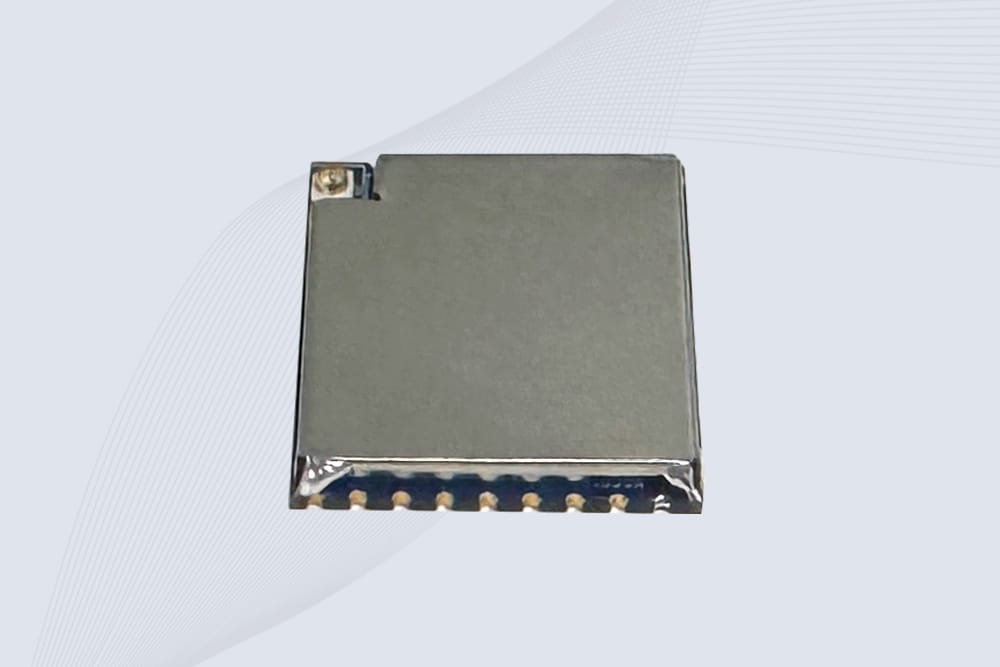
CYKEO Embedded RFID Module is built for compact IoT and industrial devices that need stable UHF performance. This UHF module supports global protocols, low power operation, and reliable multi-tag reading for smart lockers, production lines, and always-on RFID systems.
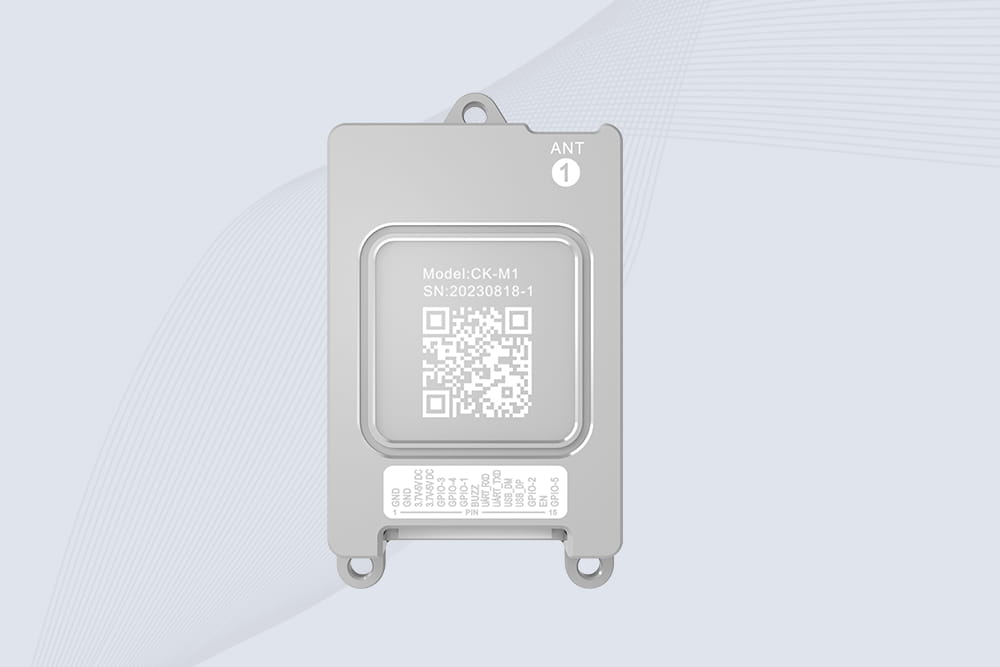
CYKEO CYKEO-M1 drone rfid module is a compact UHF RFID reader module designed for drones and UAV platforms. It supports long-range aerial scanning, fast multi-tag reading, and stable performance in wind, vibration, and outdoor environments.
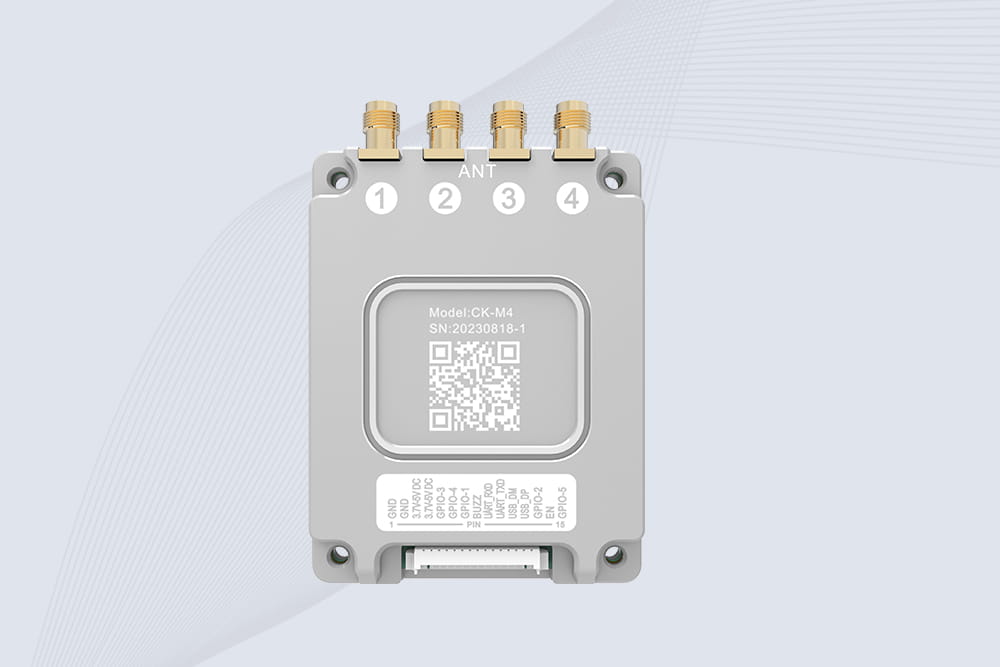
CYKEO CYKEO-M4 RC522 RFID Module is an industrial-grade UHF RFID reader with 4 ports, supporting ISO, EPC, and GB protocols. High-speed, accurate reading for IoT, automation, and warehouse applications.
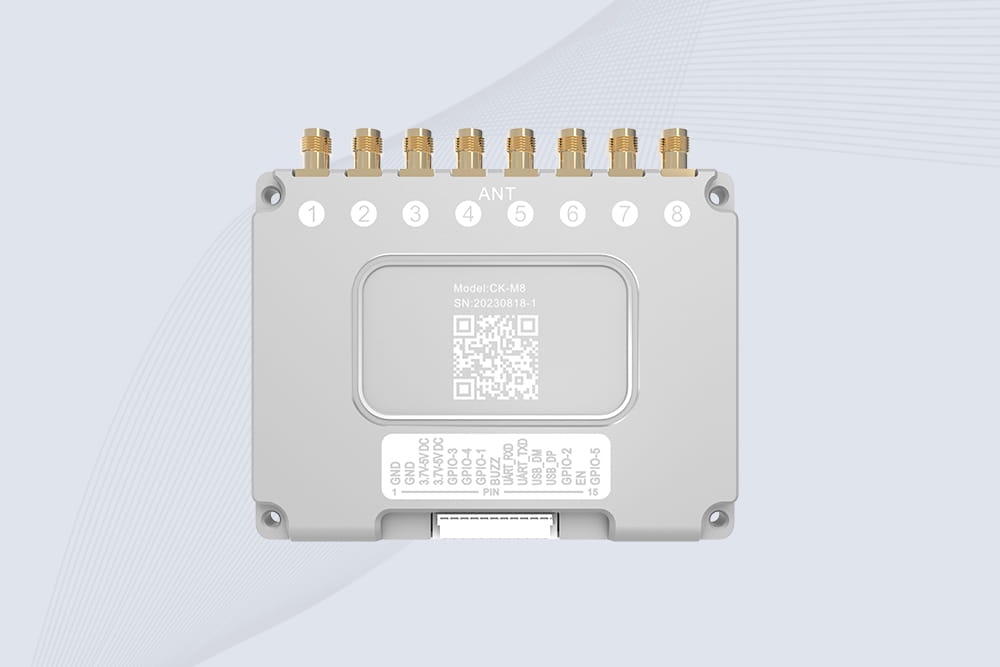
CYKEO CYKEO-M8 Module RFID is an 8-port UHF R2000 RFID Module designed for high-density, multi-tag environments. Stable 33dBm output, ISO & GB protocol support, ideal for warehouses, factories, and automated systems.
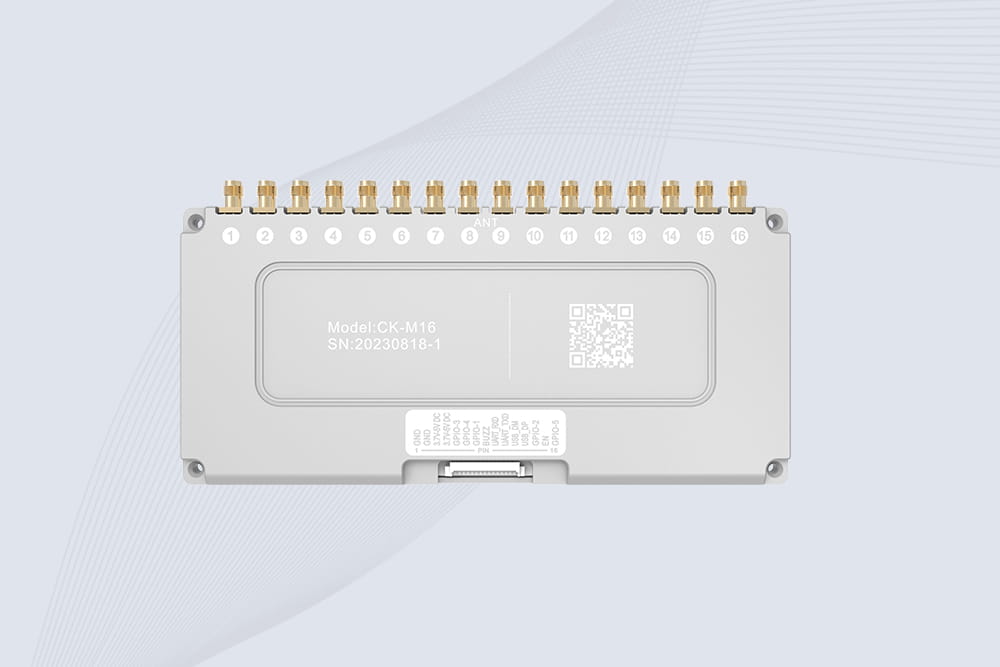
CYKEO CYKEO-M16 RFID Module is a 16-port UHF RFID reader module based on the R2000 chipset. Designed for dense tag environments, it supports ISO and GB standards and delivers stable multi-antenna control for industrial automation.
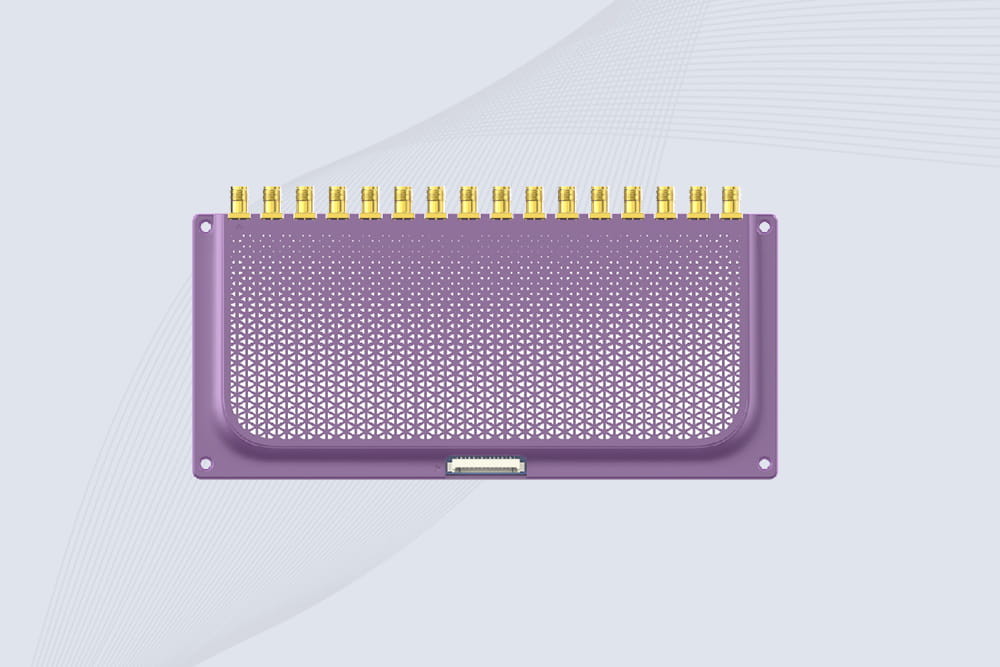
The CYKEO CYKEO-M16L RFID Reader Module is a 16-channel UHF RFID core designed for dense tag environments. With adjustable 33dBm output, multi-protocol support, and stable multi-antenna control, this RFID Tag Reader Module fits industrial automation, warehouse systems, and large-scale IoT deployments.
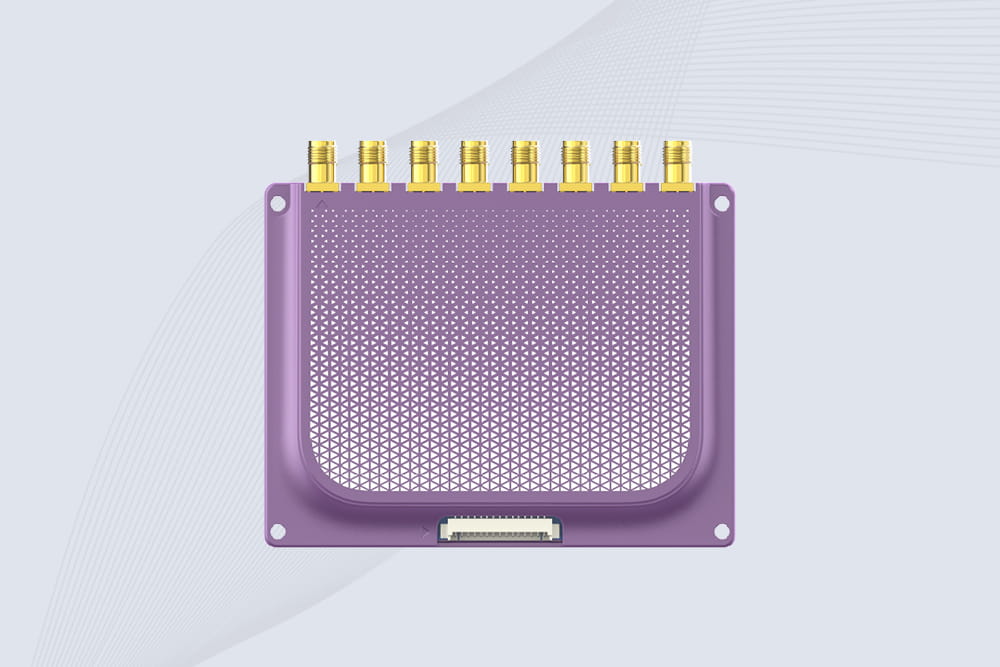
CYKEO CYKEO-M8L module RFID is a compact industrial UHF module built for dense tag and multi-antenna environments. With 8 RF ports, adjustable 33 dBm output, and ISO & GB protocol support, it is widely used in factories, warehouses, and automated tracking systems.
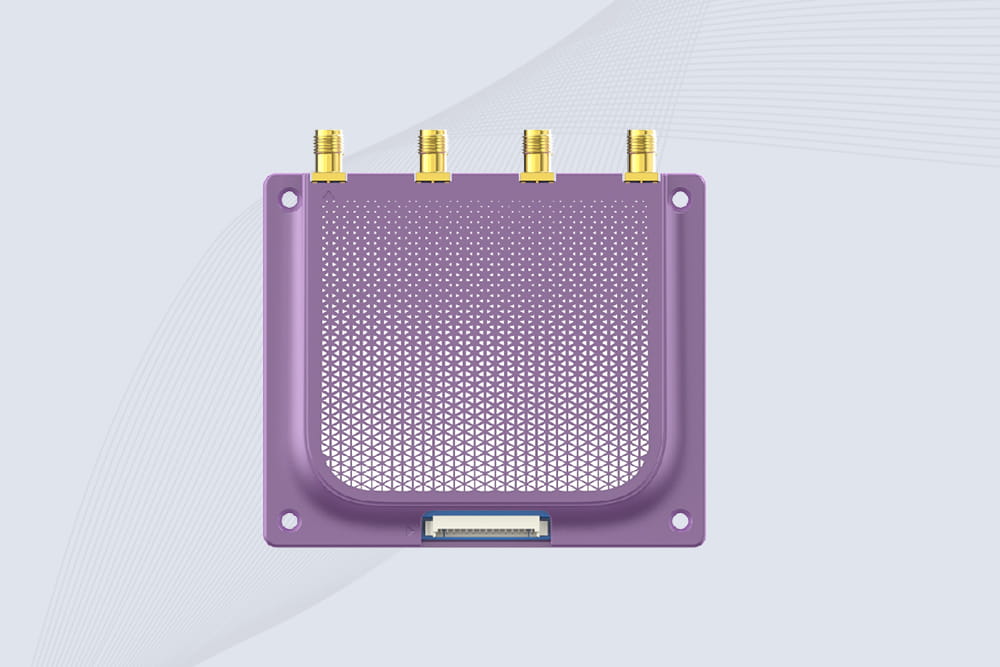
CYKEOCYKEO-M4L UHF RFID Module is a compact 4-channel RFID tag reader module designed for dense tag environments. Supporting ISO and GB protocols, it delivers stable reads up to 10 meters for industrial and IoT systems.
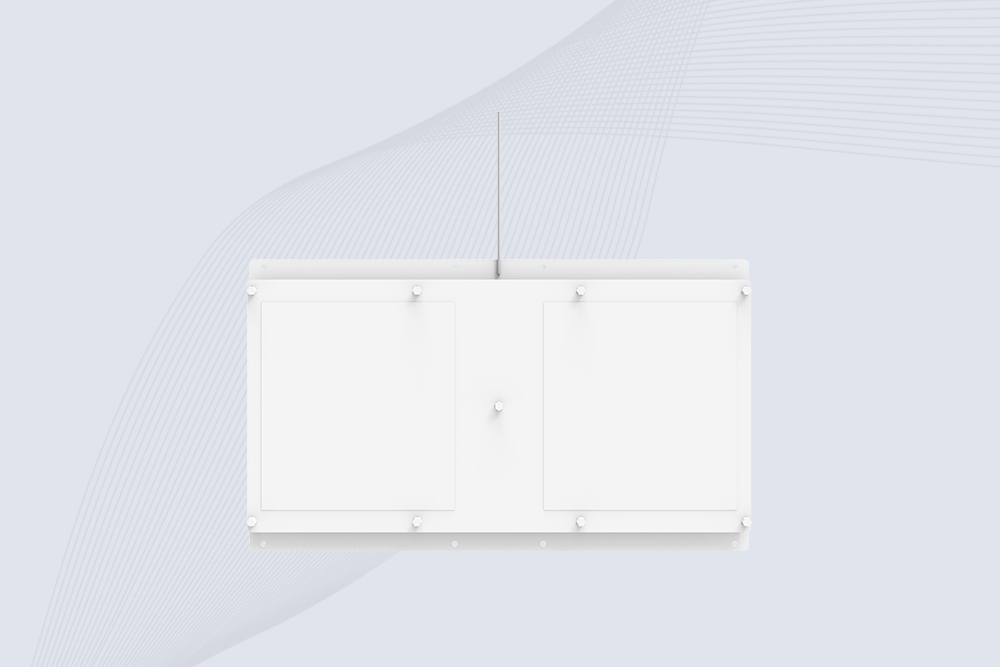
Cykeo CYKEO-A11 UHF RFID reader antenna delivers 11dBi gain, 840-960MHz frequency range, and IP65 ruggedness for retail, logistics, and industrial RFID systems. Features low VSWR and easy installation.
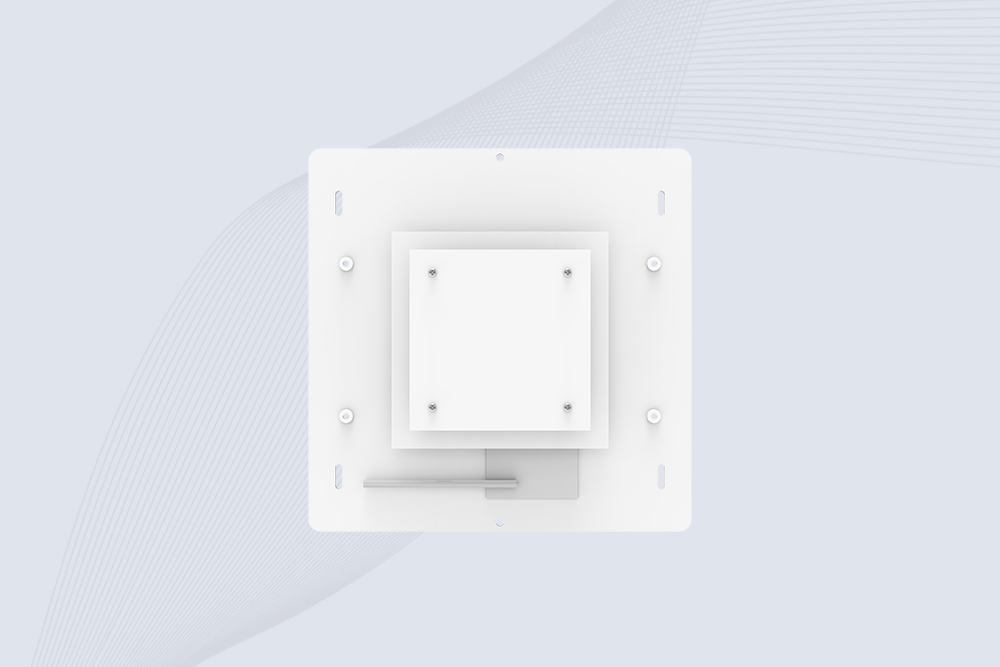
CYKEO Antenna RFID Reader delivers stable long-range UHF performance with a 10.5dBi directional design, built for warehouses, conveyor portals, and industrial RFID systems. This rfid reader antenna provides 20m+ read distance and rugged IP67 protection.

Cykeo CYKEO-PHF3 industrial HF RFID Antenna offers 24-point dynamic tracking, ISO 14443A/15693 protocols, metal-environment stability for archives/libraries/manufacturing.

Cykeo CYKEO-A5B industrial Linear RFID Antenna delivers 5dBi gain, ≤1.5:1 VSWR, and IP65 rugged design for warehouse, production line, and logistics UHF systems.

Cykeo’s CYKEO-B12 Long Range RFID Antenna delivers 15m+ read range with 12dBi gain, IP65 rugged design, and global 840-960MHz UHF support. Ideal for warehouse/logistics asset tracking.
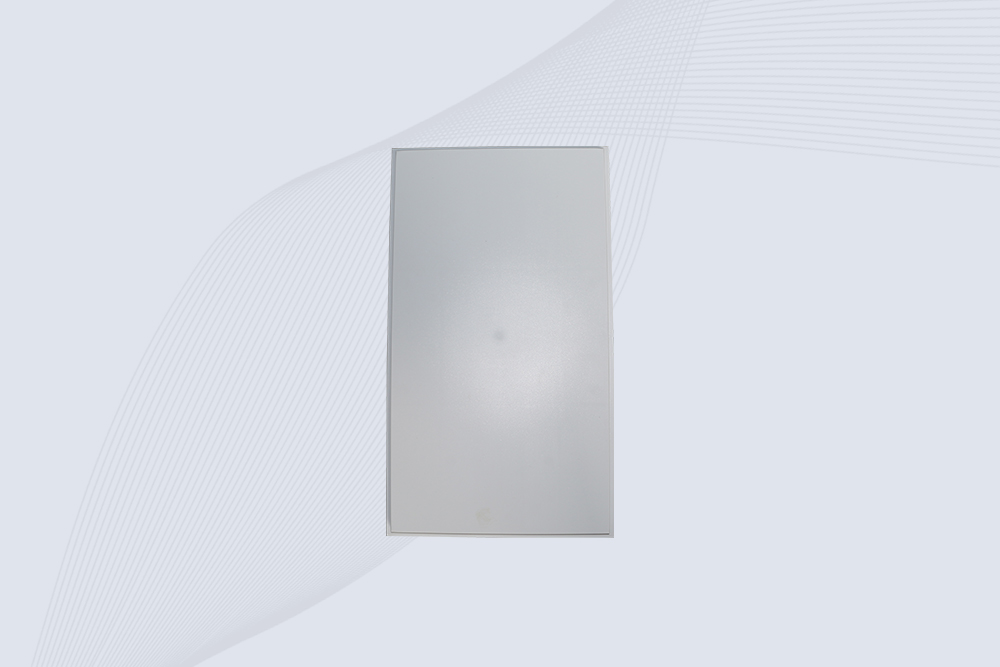
Cykeo CYKEO-B10 Long Distance RFID Antenna offers 10dBi gain, 840-960MHz frequency range, IP65 rating, and 20m+ coverage for logistics/warehousing/ETC systems. Low VSWR ensures stable signal transmission.
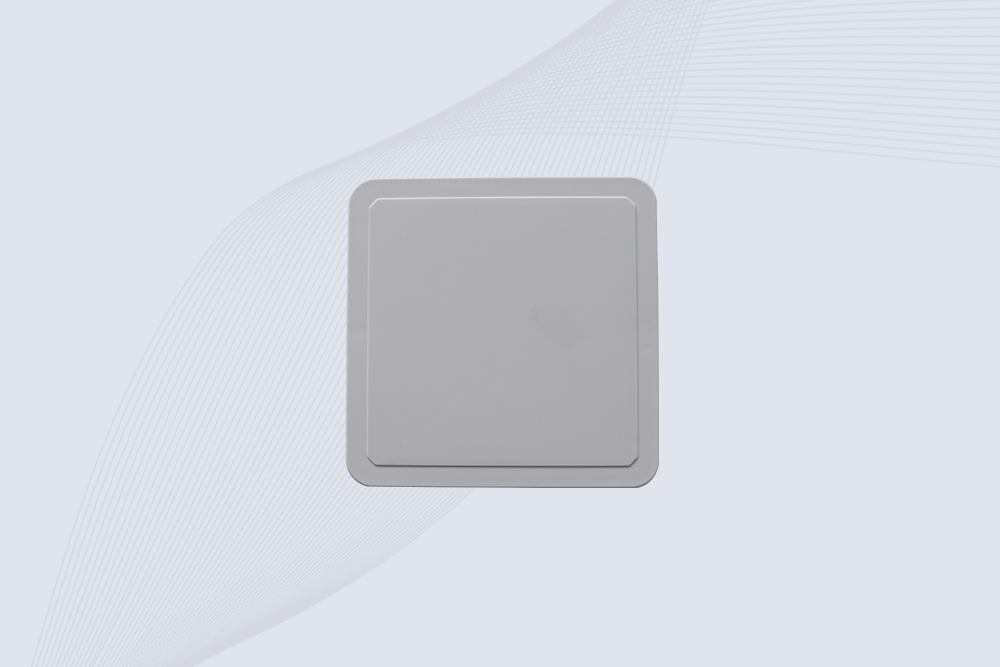
Cykeo CYKEO-A6 UHF RFID panel antenna features 6dBi gain, 840-960MHz broadband, IP65 metal-ready housing for logistics/smart retail. 18mm ultra-thin design with tool-free mounting.

Cykeo CK-A3 industrial antenna RFID UHF offers 5m+ tag detection, ≤1.3:1 VSWR, IP65 rugged design, and global UHF spectrum compatibility (840-960MHz) for warehouses, factories, and retail.
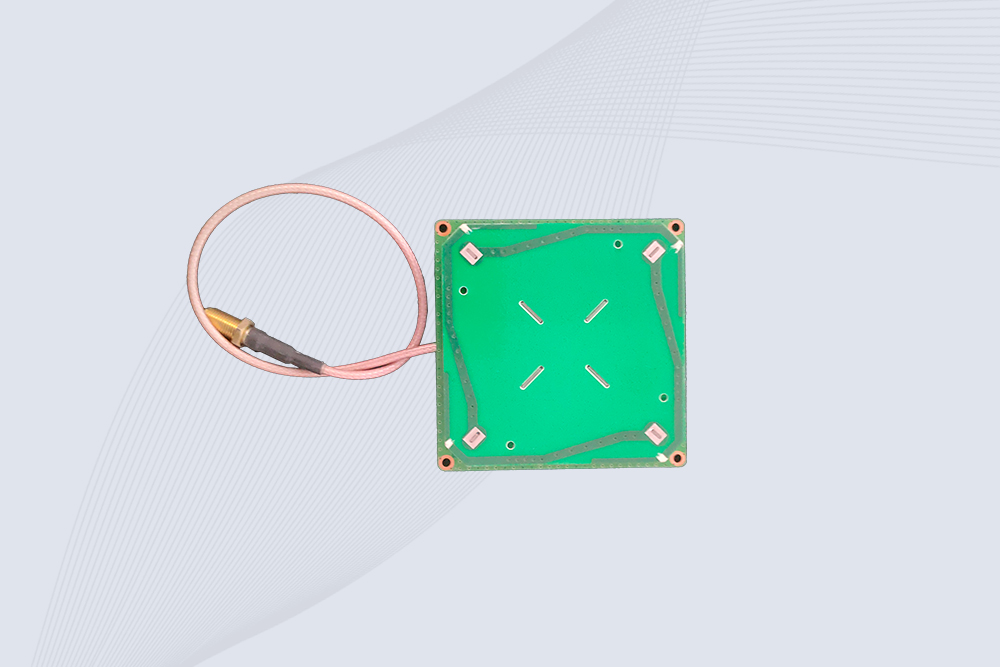
Cykeo CYKEO-B5 directional RFID antenna provides 5dBi gain with 60° narrow beamwidth for precise inventory tracking. IP65-rated, global UHF frequency support, and low VSWR.
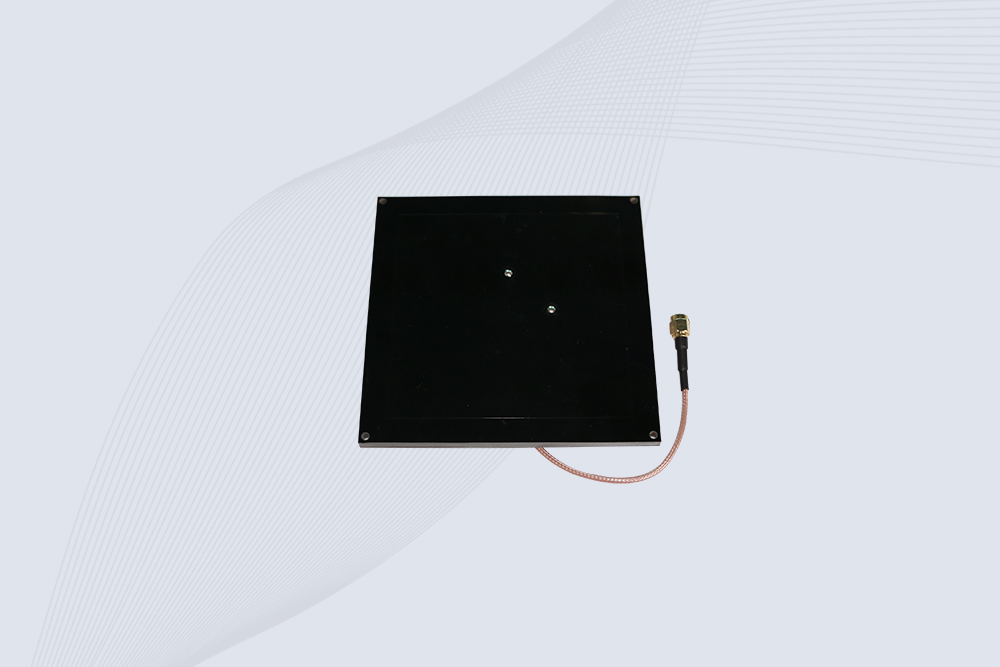
Create your own high-performance DIY RFID antenna! 5dBi gain, 840-960MHz tunable, step-by-step guides. Compatible with Arduino, Raspberry Pi, and commercial UHF readers.
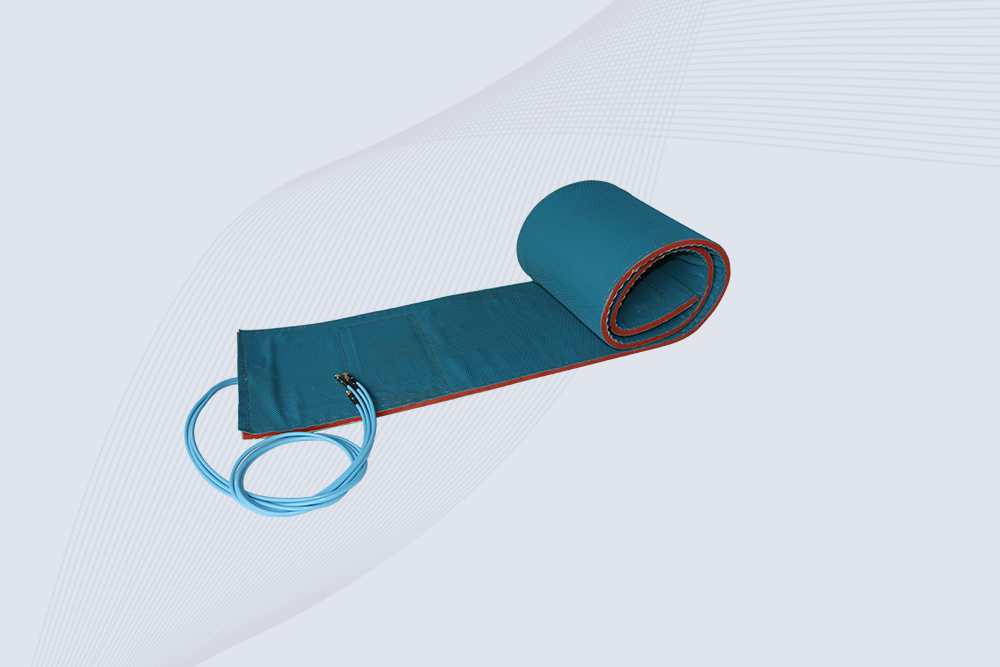
Cykeo CYKEO-A7 Flexible RFID Antenna features 840-960MHz wideband tuning, 7dBi gain, and IP68 rating for medical/retail/industrial curved surface deployments. 98% read accuracy with peel-and-stick installation.
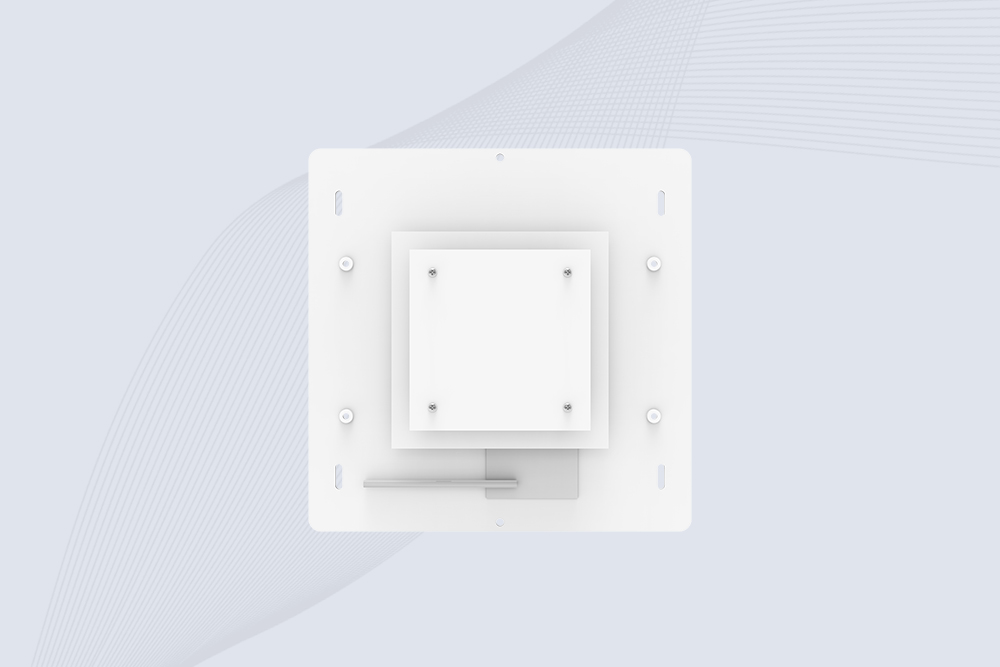
Cykeo CYKEO-B5A industrial Passive RFID Antenna delivers 5dBi gain, 70° beamwidth, and -40°C~55°C operation for warehouses/smart cabinets. Compatible with Zebra/Impinj readers.
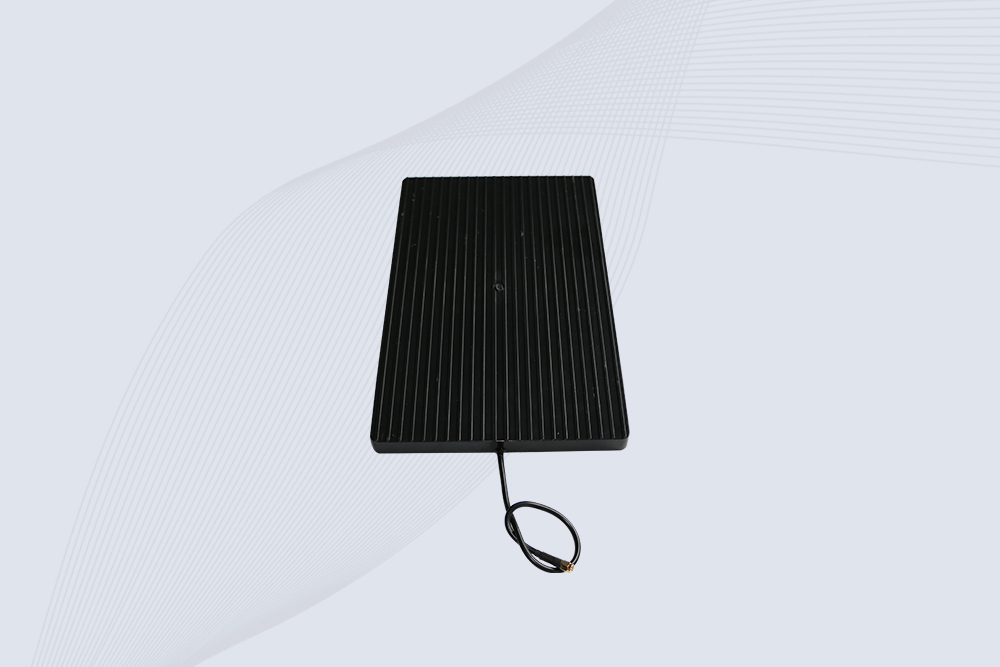
Cykeo’s CYKEO-A9B High Gain RFID Antenna delivers 15m+ read range with 9dBi amplification. Features IP54 rugged design, 840-960MHz bandwidth, and 80° beamwidth for warehouse/manufacturing RFID systems.

Cykeo’s enterprise-grade 8dbi Impinj RFID Antenna 10m+ read range with 840-960MHz tuning. Features IP65 housing, 1.4 VSWR, 35° beamwidth for retail/warehouse RFID systems.
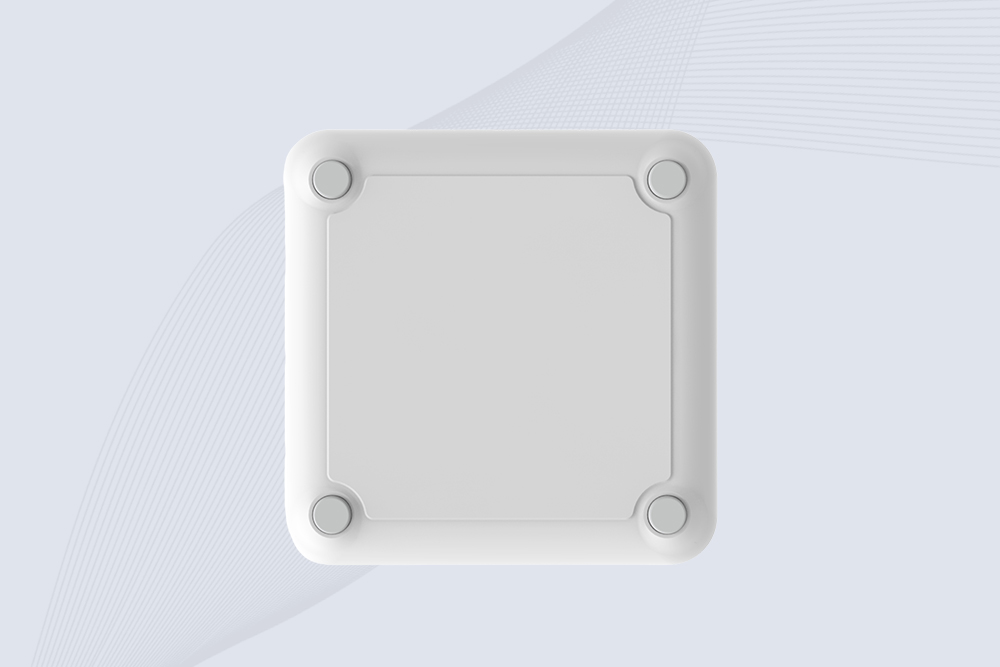
Cykeo CYKEO-A9 industrial UHF RFID antenna delivers 9dBi gain, 840-960MHz frequency range, and IP65 protection for warehouse/logistics/retail RFID systems. Features N-type connector and ≤1.3:1 VSWR.
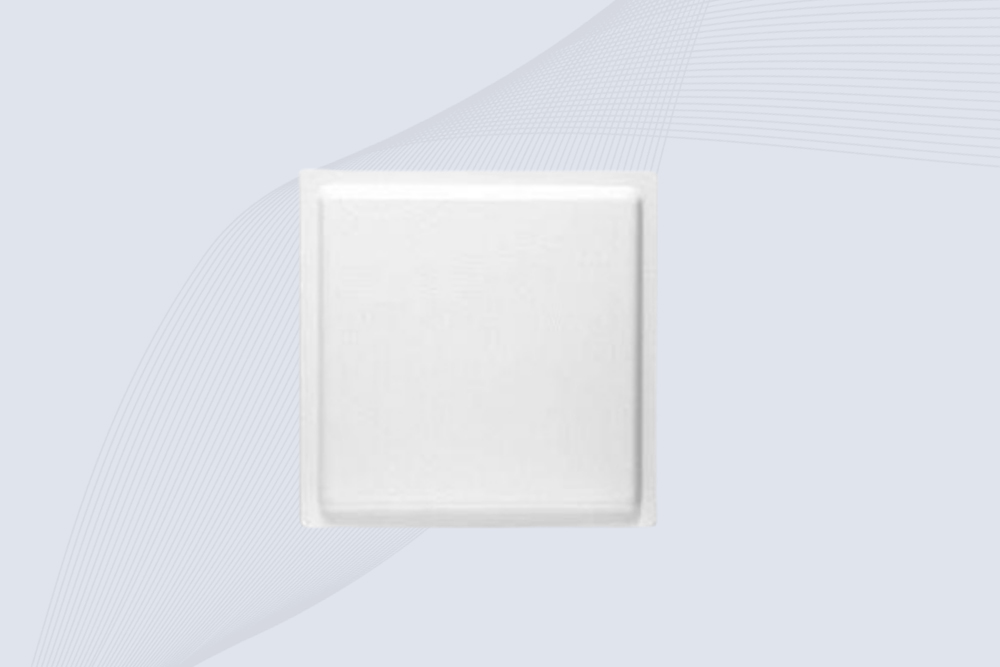
CYKEO UHF RFID Antenna built for long-distance and industrial applications. This antenna rfid uhf delivers strong gain, outdoor durability, and reliable tag performance in warehouses, yards, and vehicle ID systems.
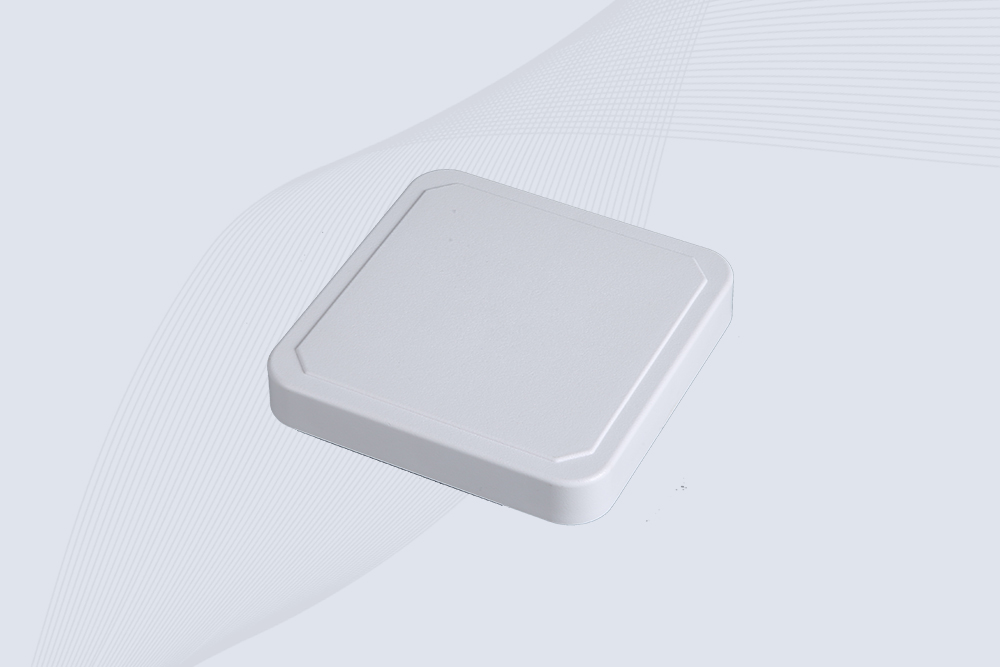
CYKEO Antenna RFID delivers reliable long-range UHF performance in warehouses, retail shelves, and cold-chain environments. This compact uhf rfid antenna provides stable reads with circular polarization and ultra-wide 840–960 MHz support, ideal for industrial tracking, smart shelves, and asset monitoring.
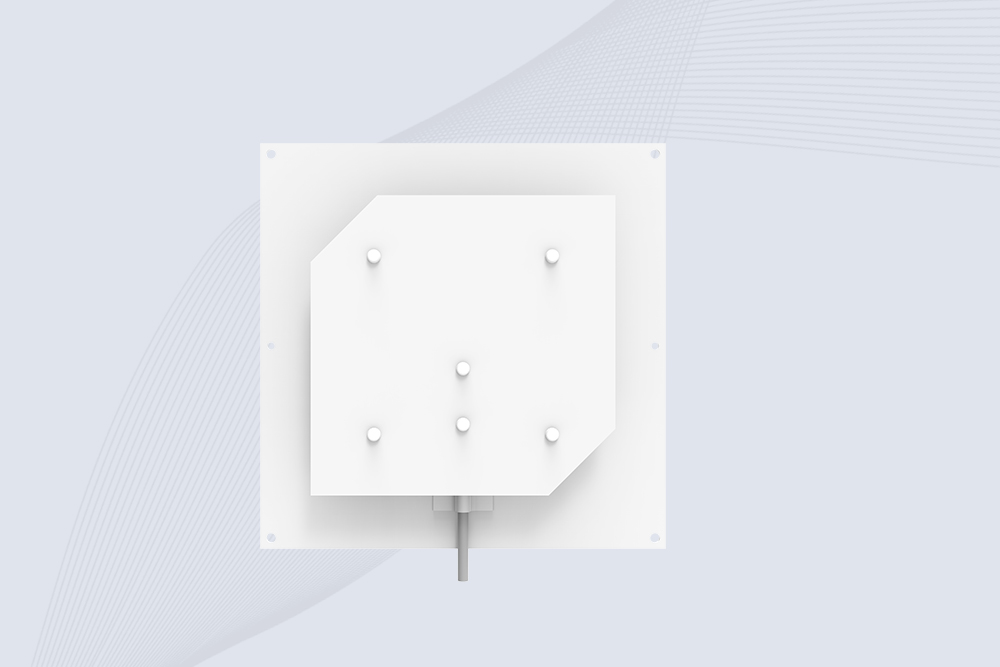
Cykeo’s CYKEO-C8 UHF RFID antennas delivers 8dBi gain, 840-960MHz full-band coverage, and IP65 ruggedness for manufacturing/warehouse RFID systems. Industrial RFID Antennas Features
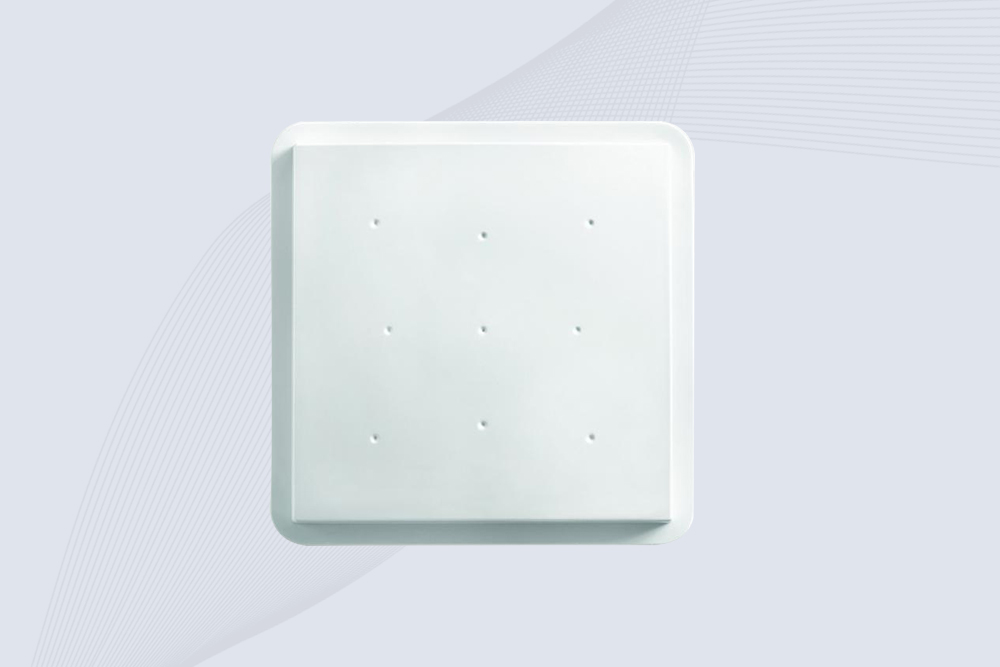
Cykeo’s 8dBi UHF RFID antenna and reader kit delivers 10m+ range, 840-960MHz broadband, and IP65 ruggedness for factories, warehouses, and logistics. ISO 18000-6C & EPC Gen2 certified.
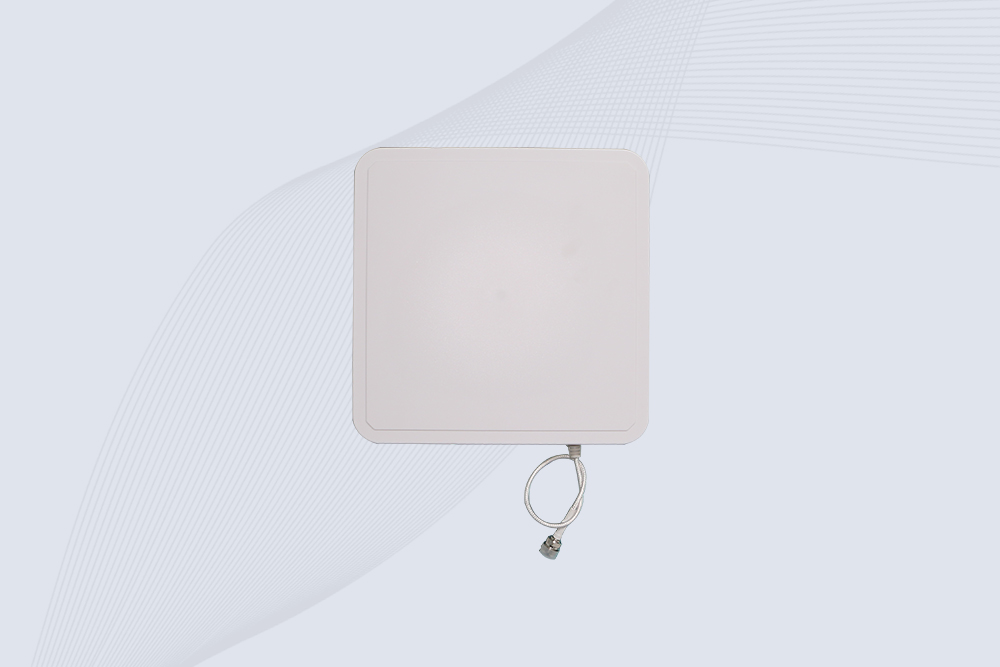
Cykeo CYKEO-A9A industrial UHF RFID reader and antenna kit delivers 10m range, 500 tags/sec, IP65 ruggedness for manufacturing/logistics. Supports EPC Gen2, ISO18000-6C.
Cykeo’s CYKEO-A12C UHF Large RFID Antenna delivers 12dBi gain, 840-960MHz global frequency, IP65 ruggedness for logistics/warehousing/automotive. 40° beamwidth ensures stable 15m+ tag reads.

CYKEO Near Field RFID Antenna provides precise 5–30 cm reading for shelves, cabinets, and workstations. This compact rfid shelf antenna delivers stable short-range performance around metal and clutter, ideal for pharmacies, libraries, and electronics sorting.
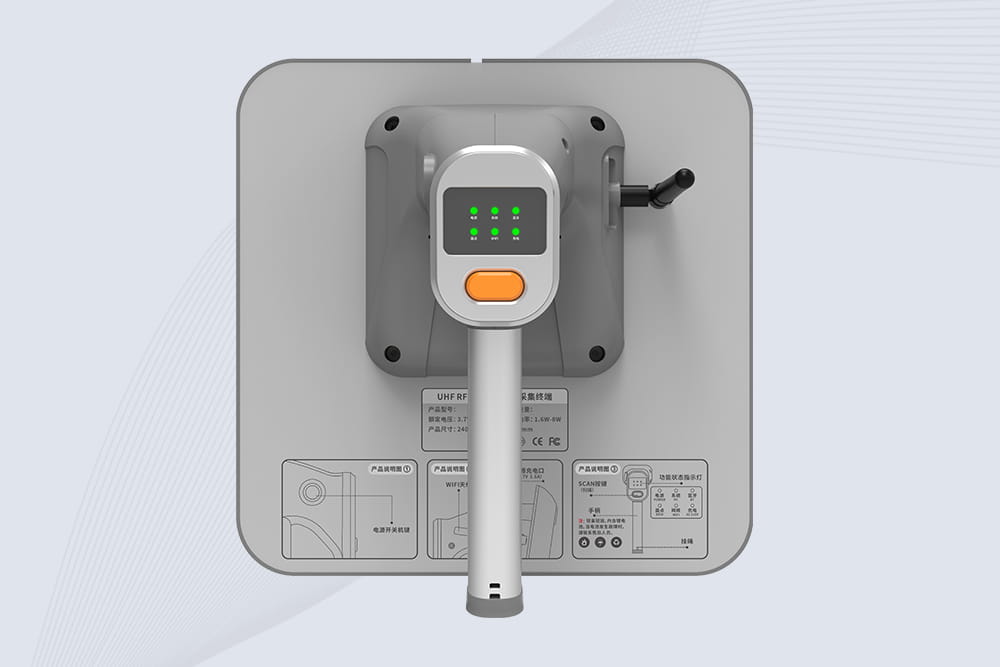
Cykeo CYKEO-B9 UHF Bluetooth handheld RFID scanner features 12m UHF range, 200+ tags/sec scanning, IP67 rugged design for retail/warehouse/pharma. Supports Android SDK & real-time Bluetooth 5.0 transmission.
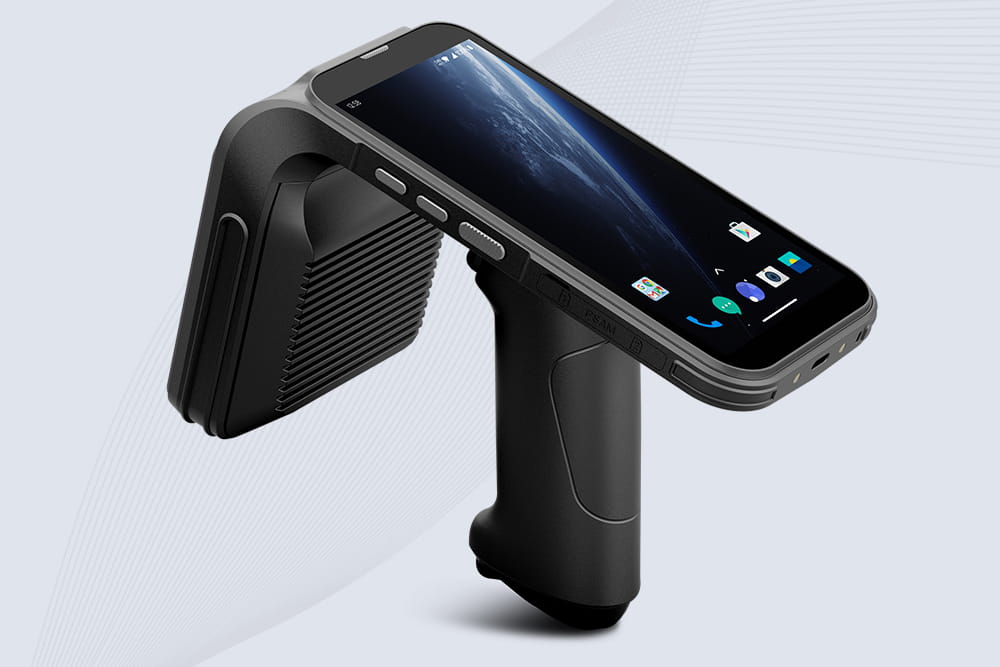
Cykeo CYKEO-B4 UHF Handheld RFID Reader scanner delivers 1300 tags/sec reading, 30m UHF range, and 12-hour battery life. IP65 rugged design with barcode/NFC/ID scanning for retail/manufacturing/logistics.
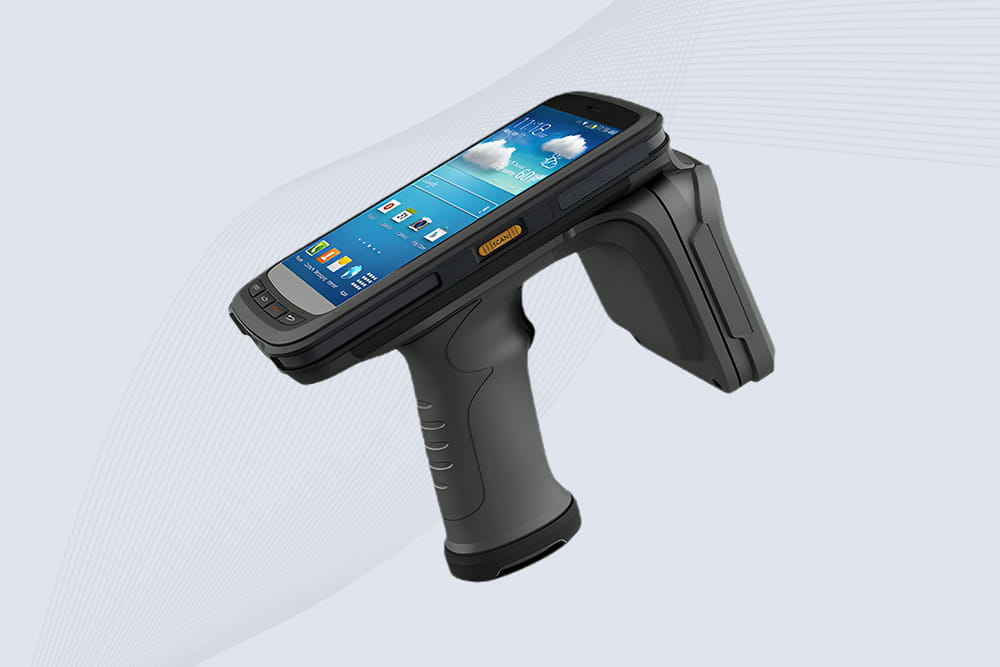
Cykeo CYKEO-B2 industrial UHF RFID handheld Scanner offers 10m range, 500 tags/sec scanning, Android 11 OS, and IP65 rugged design for retail/warehouse/manufacturing.
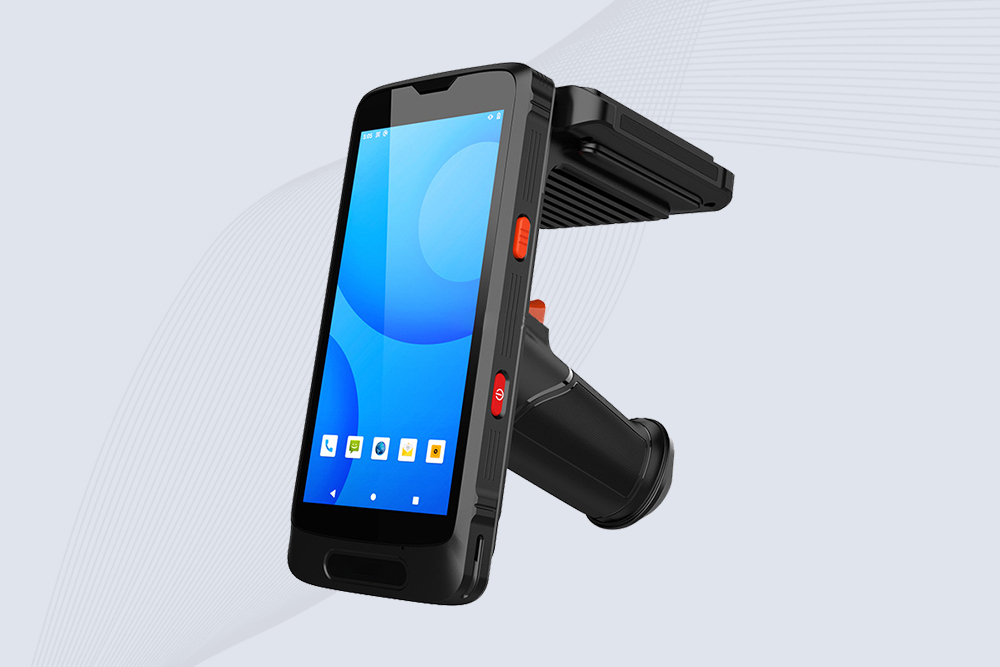
Cykeo CYKEO-B3 industrial RFID Reader Handheld, terminal offers 2m read range, multi-protocol scanning (NFC/barcode/ID), Android 10 OS, and IP65 ruggedness for logistics/retail/manufacturing.
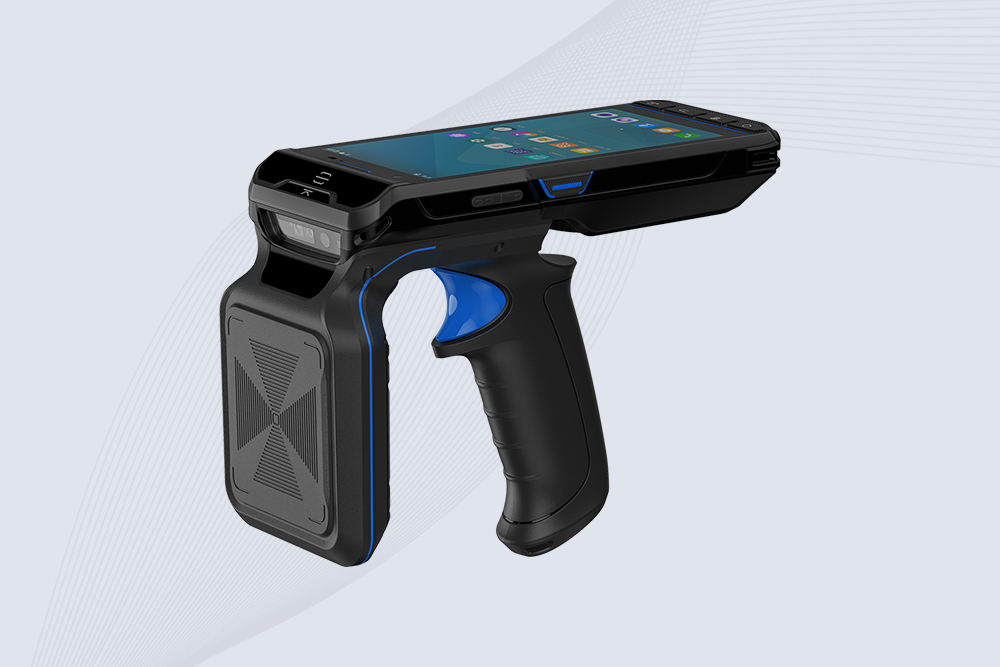
Cykeo CYKEO-B3L industrial handheld UHF RFID Reader terminal features 20m read range, 500 tags/sec scanning, Android 13 OS, 12-hour battery for logistics/retail/manufacturing. Supports barcode/NFC/ID reading.
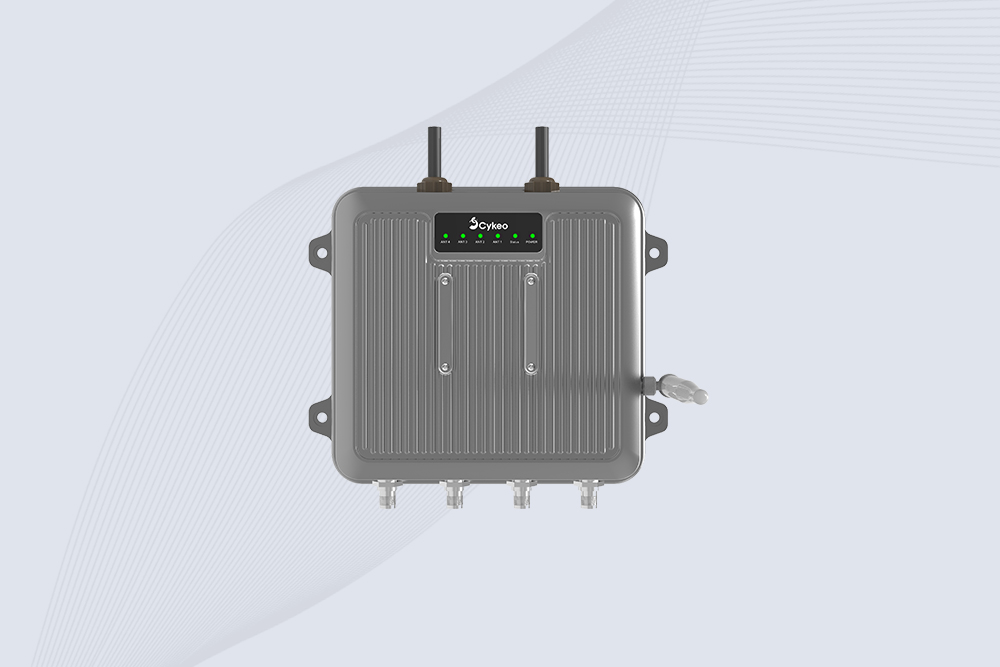
Cykeo CYKEO-C1 industrial Forklift RFID Reader features 20m read range, 600 tags/sec scanning, Impinj R2000 chipset, and IP67 rugged design. Ideal for warehouse logistics and manufacturing. Supports ISO 18000-6C/6B protocols.
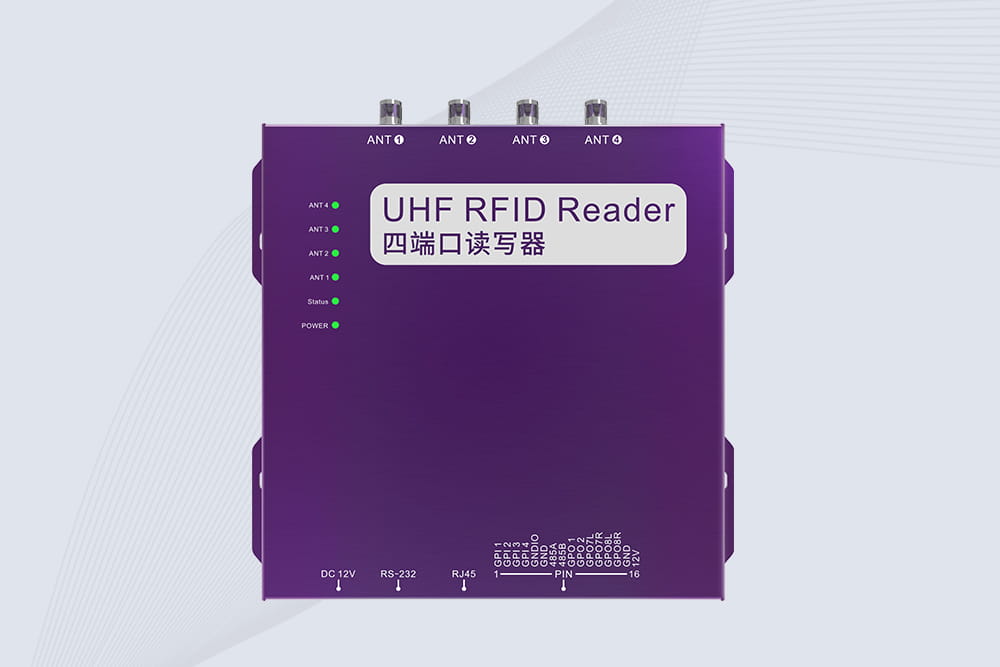
Cykeo CYKEO-R4 industrial UHF RFID Fixed Reader features 4 TNC ports, 400+ tags/sec speed, IP67 housing, and global frequency compliance for vehicle inspection, smart warehouse, and asset management systems.
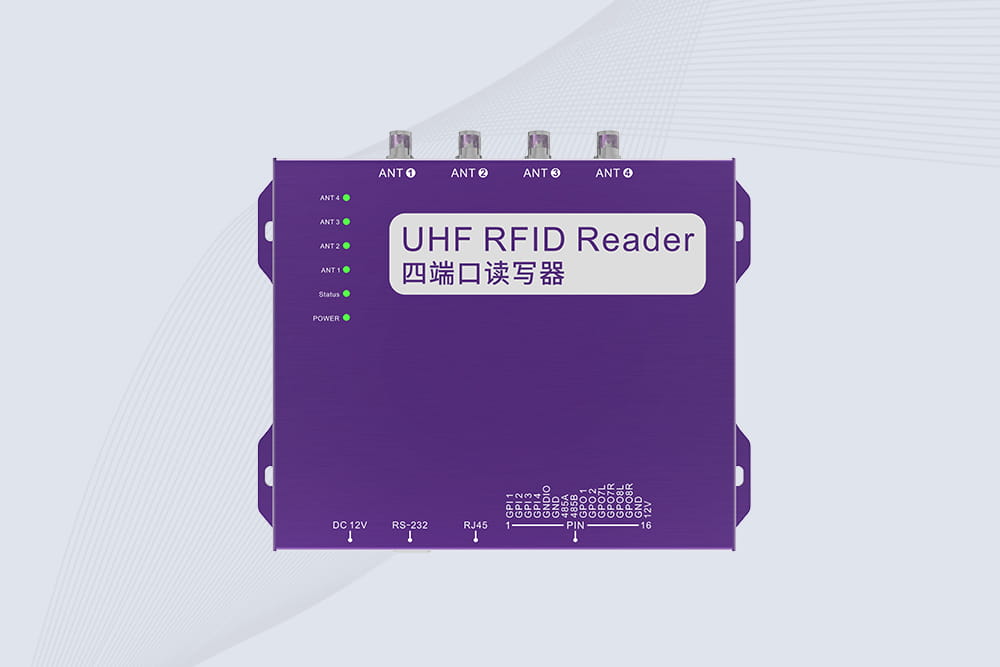
Cykeo’s CYKEO-R4L 4-port Fixed UHF RFID Reader delivers 400 tags/sec scanning, ISO 18000-6C compliance, and IP65 protection. Ideal for warehouse automation, manufacturing WIP tracking, and logistics management.
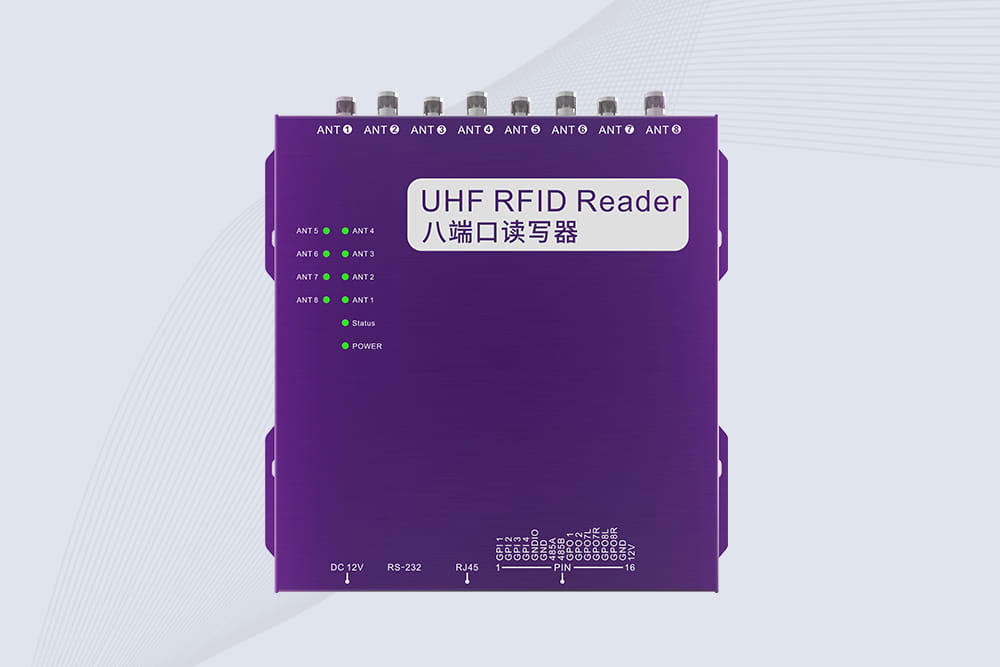
CYKEO CYKEO-R8L Fixed RFID Reader with 8-port UHF design, Impinj-based RF core and up to 20m read range. An industrial Fixed RFID Reader for vehicle inspection, warehouse portals, smart manufacturing lines and secure access checkpoints.
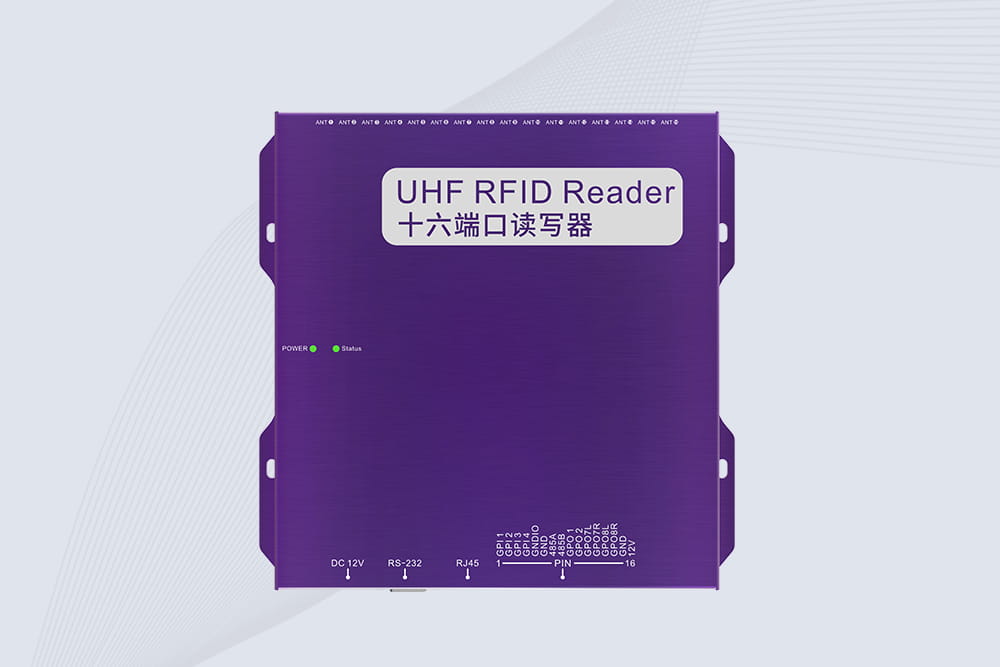
RFID Fixed Reader from CYKEO – the CYKEO-R16L 16-port UHF fixed reader for warehouses, smart cabinets, and production lines. Long-range, multi-tag reading, stable performance for 24/7 industrial use.
RFID Industry Writer | IoT & Asset Tracking Analyst
James writes about RFID technology, asset tracking, and the practical challenges of digital transformation across warehousing, retail, manufacturing, and logistics.
His work focuses on how RFID is applied in real-world operations—improving inventory visibility, automating workflows, and helping businesses manage assets with greater accuracy and efficiency.
He regularly covers topics including UHF RFID, smart cabinets, RFID portals, tool tracking, warehouse automation, and industrial IoT trends..

Discover RFID scanners with NFC support for seamless mobile payments in retail. Learn how Cykeo’s solutions enhance checkout speed and customer experience.
More
Discover which RFID tags work best with 860-960MHz UHF reader modules. Learn about tag materials, read ranges, and performance in metal/liquid environments.
More
An RFID label combines a printable label with an RFID chip and antenna to identify products, assets, and cartons wirelessly.
More
Can an RFID reader read multiple tags models? Short answer: yes, with multi-protocol or hybrid readers. Long answer: frequency, protocol, and power matter. Here's what works.
More