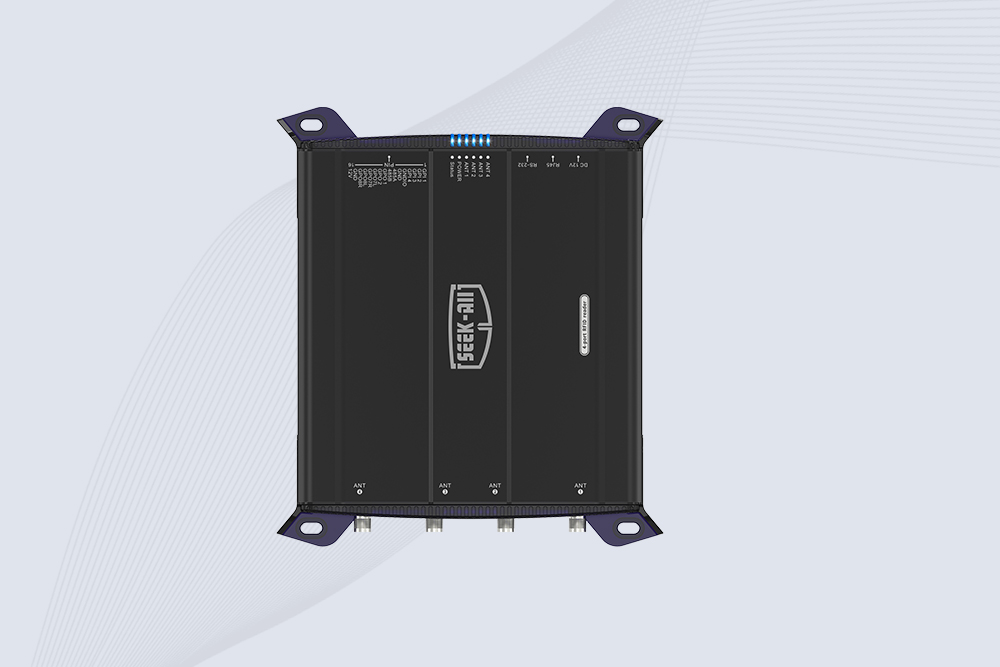
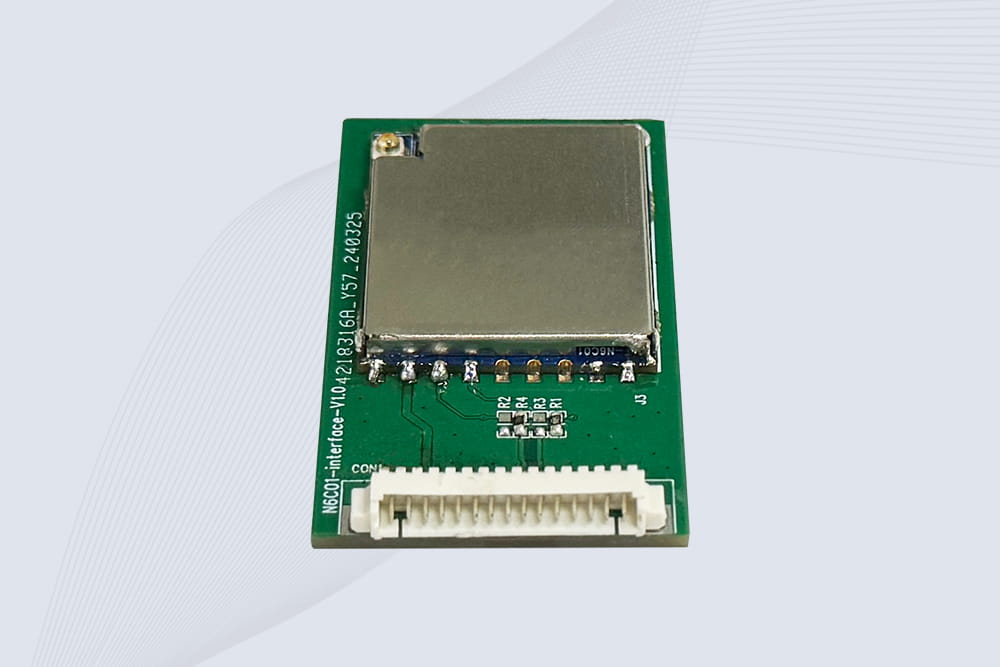
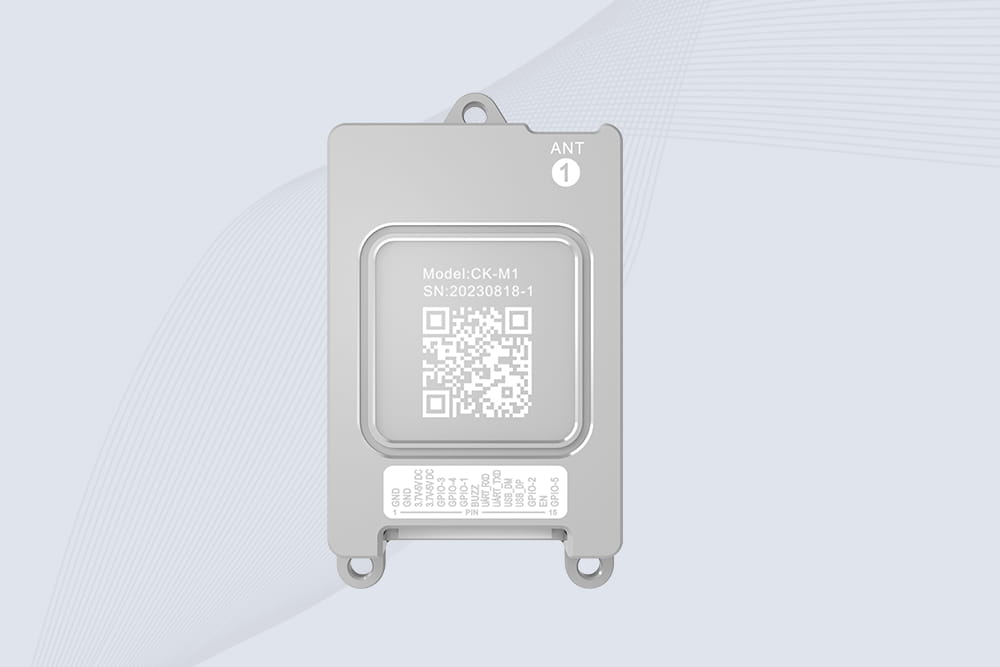
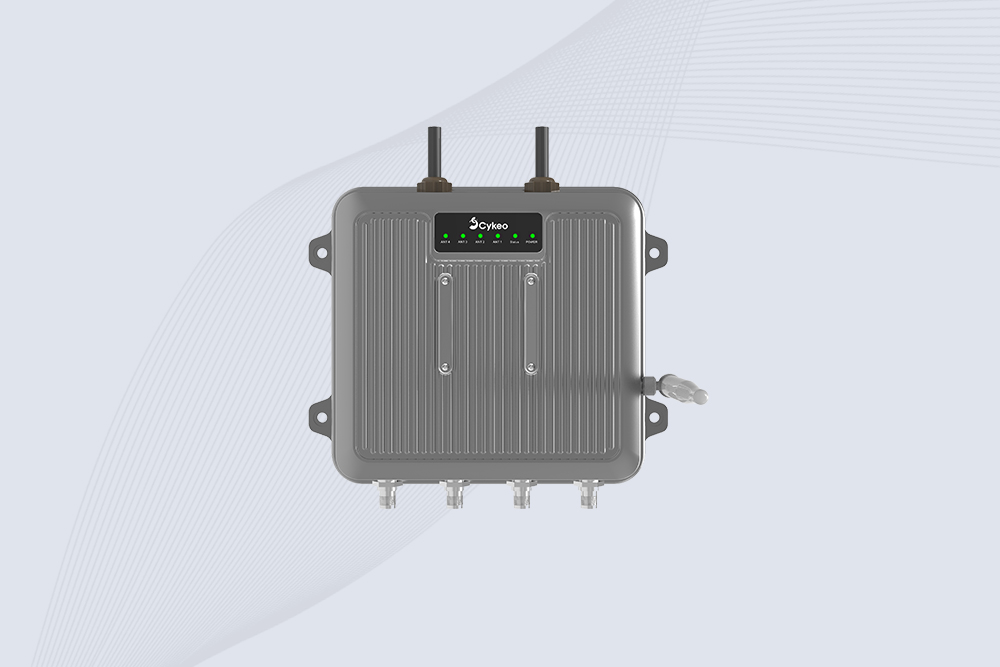
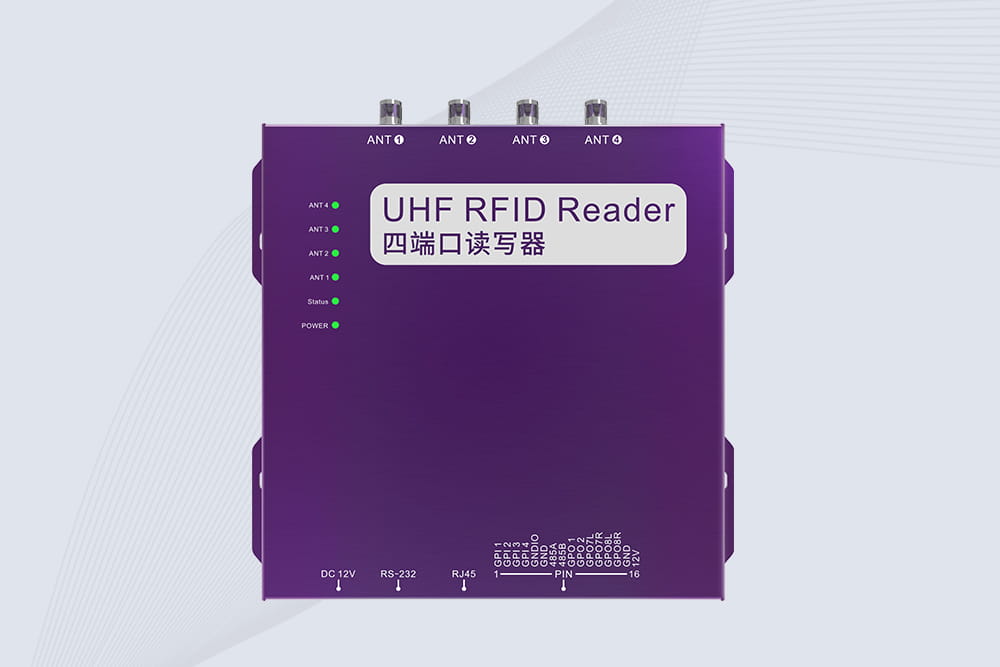
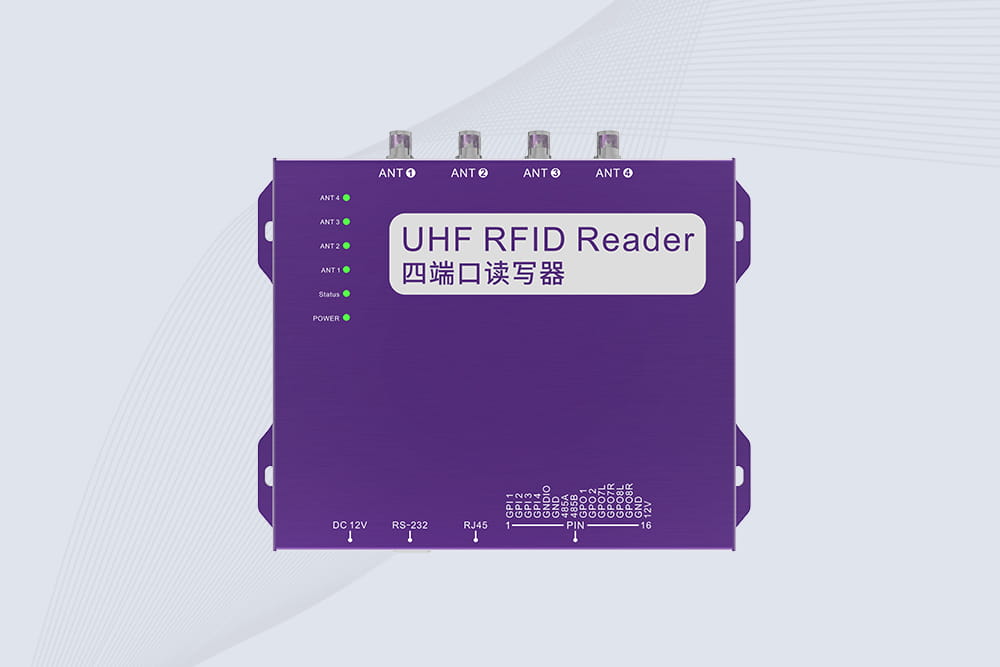
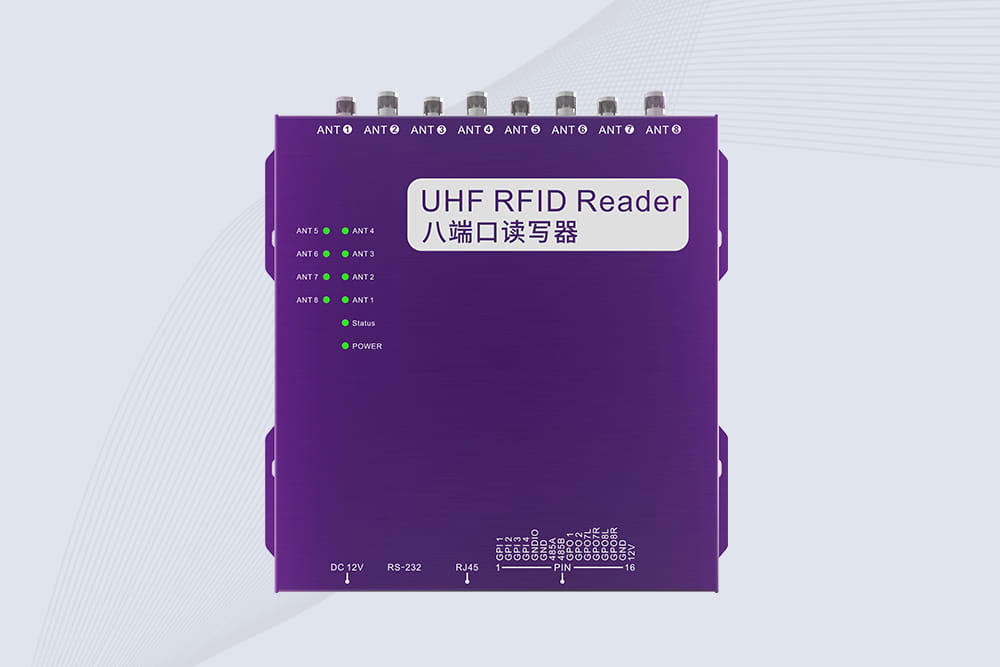
RFID reader can help warehouses identify products, pallets, containers and assets without requiring workers to scan every barcode individually. The most practical setup depends on warehouse layout, reading zones, tag type, product movement and the amount of automation required.
RFID Reader for Warehouse Management: Where It Actually Helps
A warehouse can look perfectly organized from the outside.
Rows of pallets.
Clearly marked shelves.
A barcode on almost everything.
But ask someone to find one specific box that was received three days ago, and the situation can change quickly.
Maybe the system says it is in Zone B.
Maybe it was moved to another rack.
Maybe the operator forgot to update the location.
Or perhaps the box was placed on the wrong pallet.
This is where RFID starts getting attention.
An RFID reader can identify multiple tagged items without requiring an employee to point a scanner at every individual barcode.
For warehouses handling thousands of products, that can save quite a bit of repetitive work.
Still, RFID is not a magic layer that simply gets added to a warehouse.
The reader needs to work with the tags, antennas, software and physical movement of goods.
And warehouse layout matters more than many first-time buyers expect.
What Does RFID Reader Do in a Warehouse?
The basic idea is simple.
An RFID reader sends radio signals through an antenna.
Tagged goods → Enter RFID reading zone → Reader detects tags → Software records event
That difference becomes more useful when there are many items.
Imagine receiving 300 cartons in the morning.
Manually scanning every carton is possible.
But if the cartons are already tagged and the reading setup is properly designed, RFID can collect multiple tag IDs as the shipment moves through the receiving area.
That is the attraction.
Warehouse RFID Starts With the Movement of Goods
Before choosing an RFID reader, look at where products actually move.
A typical warehouse might have:
Receiving
Inspection
Storage
Picking
Packing
Shipping
Returns
Not every location needs RFID.
For example, a handheld reader might be enough for periodic inventory checks.
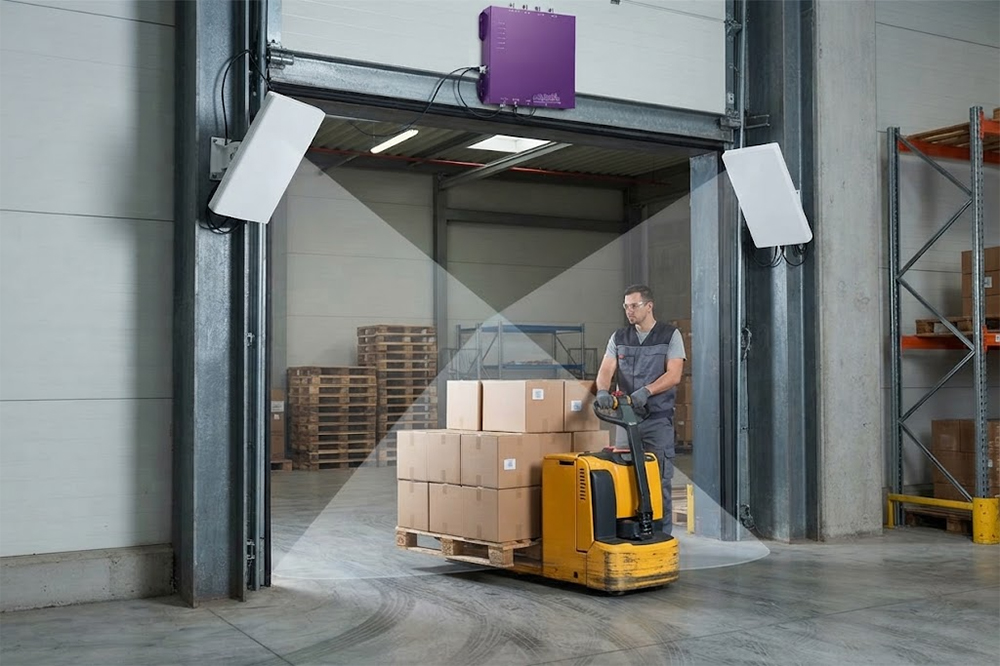
A fixed reader may be more useful at a receiving door.
Another fixed system could be installed at shipping.
Trying to install readers everywhere from day one can make a project expensive and unnecessarily complicated.
It is usually better to identify the points where accurate movement information is most valuable.
Handheld RFID Readers for Warehouse Inventory
Handheld readers are probably the easiest RFID solution for a warehouse to understand.
An employee walks through the storage area.
They point the reader toward racks or pallets.
The device identifies nearby RFID tags.
Instead of scanning products individually, the worker can collect multiple tag IDs while moving through the warehouse.
This is particularly useful for inventory counting.
Suppose a warehouse has 2,000 tagged products.
A barcode count requires employees to find and scan each item.
With UHF RFID, the employee can walk along the aisle and read tags without needing to locate every barcode visually.
Of course, the real performance depends on tag orientation, rack structure, product density and the reader configuration.
A good warehouse pilot should use the actual products rather than empty sample boxes.
Fixed RFID Readers Make More Sense at Checkpoints
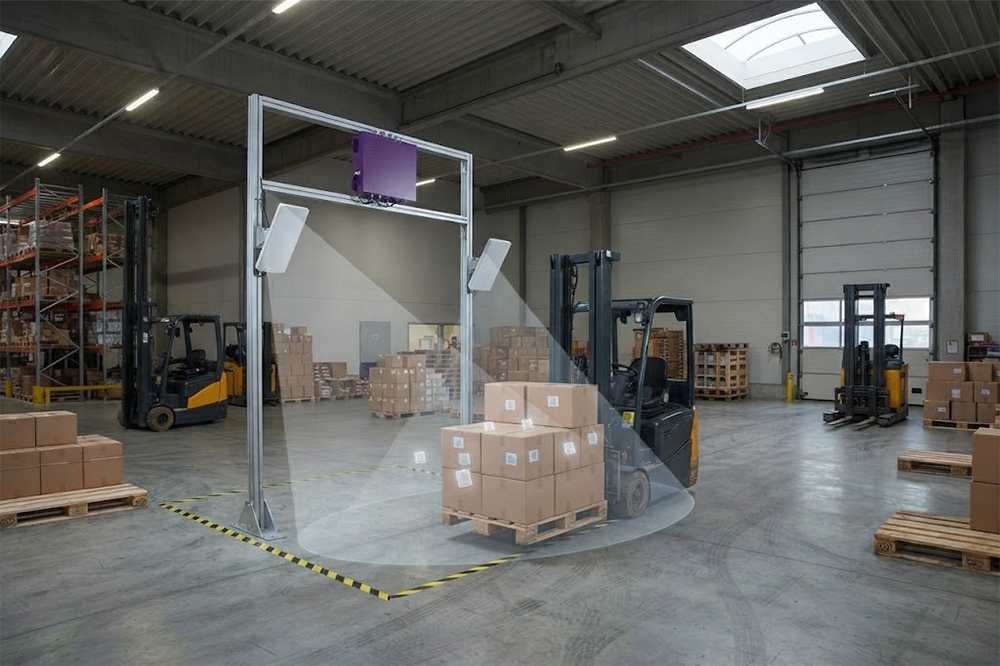
Fixed rfid readers become interesting when goods regularly pass through a known location.
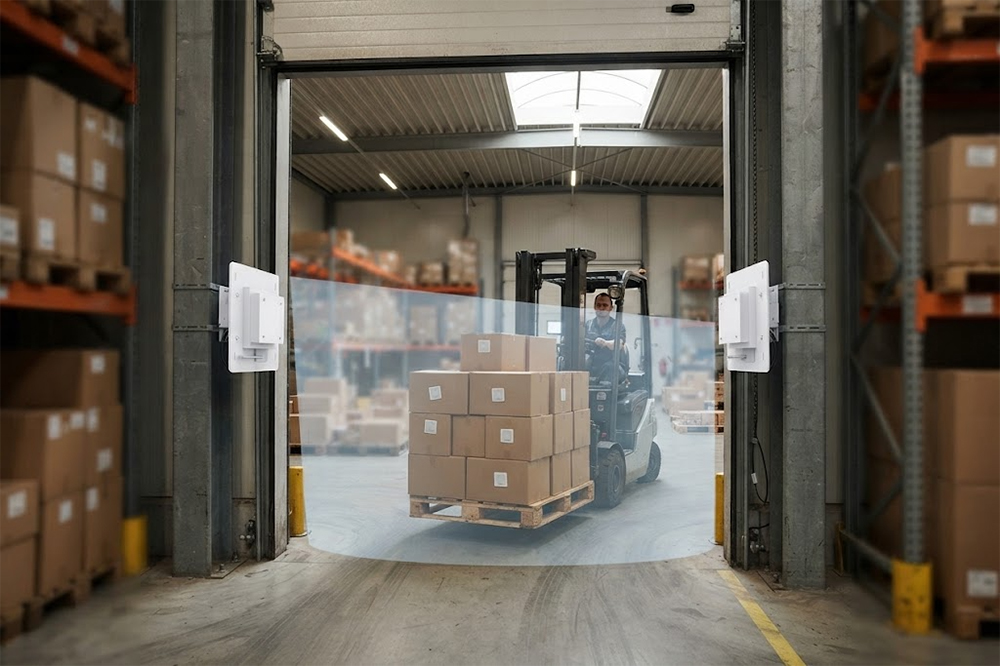
Take a receiving door.
A pallet arrives.
The pallet carries multiple RFID-tagged cartons.
As it moves through the defined reading zone, the fixed RFID reader detects the tags.
The warehouse system can then record the receiving event.
The same concept can be used at shipping.
Products leave through a specific door.
The RFID system records what passed through.
This reduces reliance on employees remembering to scan every item manually.
It does not mean fixed readers are better than handheld readers.
They solve a different problem.
Handheld = flexible inventory checking.
Fixed = automatic event detection.
Many warehouses can benefit from both.
RFID Reading Distance Is Not a Simple “More Is Better” Question
Warehouse buyers sometimes start with:
“We need a 20-meter RFID reader.”
That sounds like a clear requirement.
But it may not actually be the right one.
Imagine a warehouse shipping door next to a storage rack.
If the reader has an extremely wide reading area, it might detect tags sitting on the rack while a pallet is being shipped.
Now the system records extra tags.
The reader is technically working.
The warehouse system is technically receiving data.
But the data is not clean.
This is why the reading zone is often more important than maximum reading distance.
A good RFID system should detect the intended goods and avoid unnecessary reads outside the working area.
For more detail, see the related article about RFID reader reading distance.
Warehouse Shelves Create Their Own Problems
Metal shelving is common in warehouses.
Unfortunately, metal can also affect RFID performance.
The tag itself may be close to metal.
The reader antenna may be surrounded by metal racks.
Forklifts may move between antennas.
Large quantities of goods may block or reflect RF signals.
The result can be less predictable than a simple open-space test.
For products stored on metal shelves, the tag choice becomes important.
Some applications require on-metal RFID tags.
Others can use standard labels if the tag is sufficiently separated from the metal.
There is no universal answer.
Testing the actual shelf and product combination is much safer than selecting the tag based only on a datasheet.
Pallet Tracking Is a Natural RFID Application
Pallets are constantly moving through warehouses.
Receiving.
Storage.
Picking.
Staging.
Shipping.
Return.
If each pallet or carton has a unique RFID tag, the reader can record movement events at important points.
For example:
Receiving → Storage → Picking → Shipping
The warehouse does not necessarily need to know the pallet’s exact position every second.
It may simply need to know the last reliable checkpoint.
That information alone can be useful when someone asks:
“Where was this pallet last seen?”
This is similar to the asset tracking approach used for tools and equipment, but the scale can be much larger.
RFID Can Help With Receiving
Receiving errors are expensive because they can spread into the rest of the warehouse.
A shipment arrives.
The operator checks the paperwork.
Products are unloaded.
Items are moved into storage.
If something was missing or incorrectly received, the problem may not be noticed until much later.
RFID can help create an additional identification point.
When tagged products pass through the receiving area, the system can capture their tag IDs.
The software can compare the detected items against the expected shipment.
For large warehouses, this can reduce some of the manual verification work.
It also creates a digital event tied to the physical movement of the goods.
Picking and Packing Are Interesting Too
RFID does not have to stop at receiving.
Consider an e-commerce warehouse.
An employee picks five products for an order.
At the packing station, the system needs to confirm that the correct items are present.
A fixed RFID reader could potentially identify the tagged items at the workstation.
The software compares those tags with the order.
If the wrong product is present, the system can flag it before shipment.
The exact configuration depends on the product and packing station.
Some goods will be easier to read than others.
But this is one of the areas where RFID can move beyond simple inventory counting and become part of the warehouse workflow.
RFID Reader + Antenna: Don’t Treat Them as Separate Decisions
A reader is only part of the RF system.
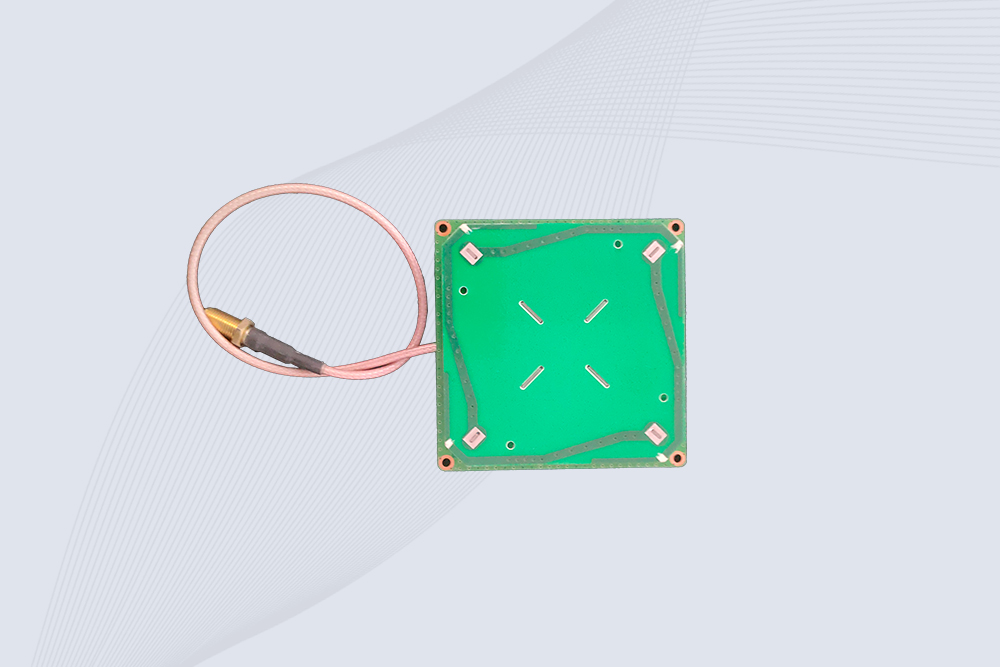
The antenna determines how the energy is transmitted and where the reading area is created.
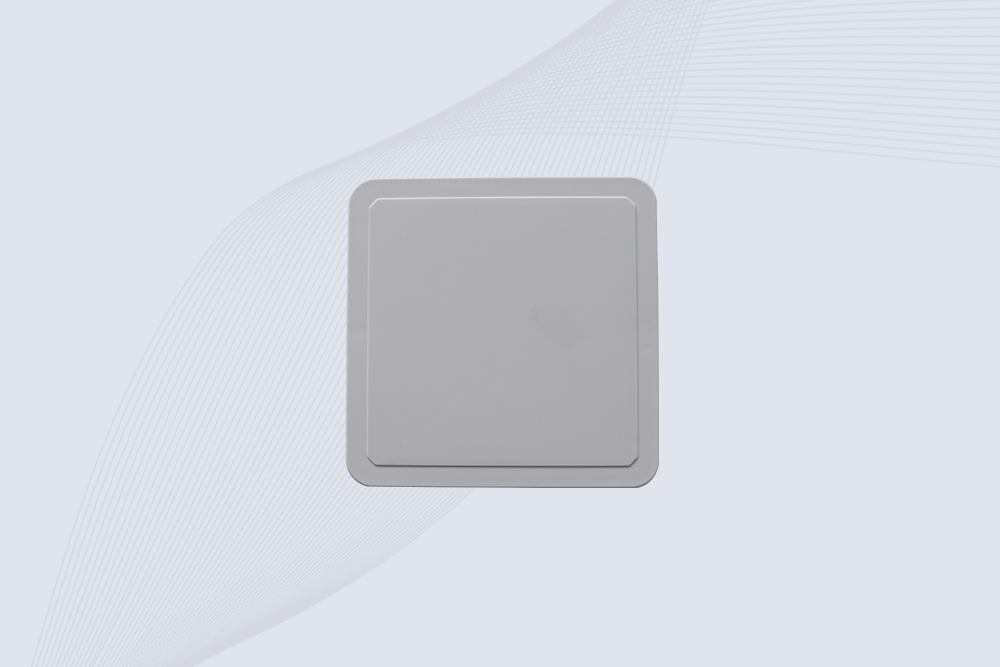
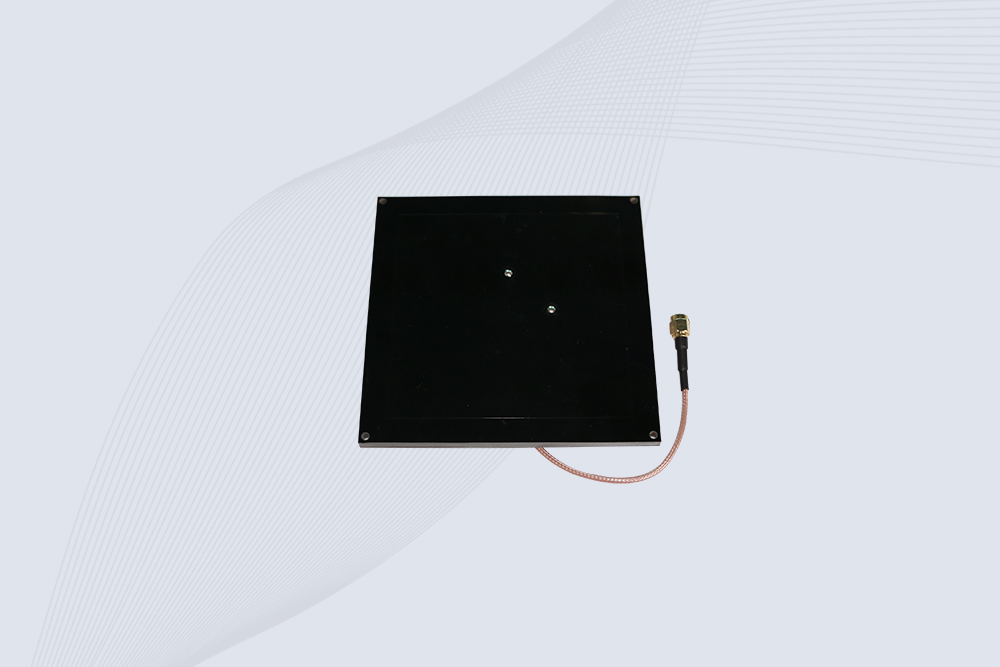
For a warehouse doorway, directional antennas may be useful.
For a wider opening, multiple antennas may be required.
For a shelf-level inventory system, the antenna position may be completely different.
The antenna should be selected based on the physical application.
This is also why two warehouses using the same RFID reader model can achieve different results.
The installation is different.
The products are different.
The environment is different.
Cykeo offers RFID readers and antennas for different application requirements, allowing system integrators to configure the hardware around the warehouse layout rather than treating every project as the same. Cykeo RFID Readers
What About Forklifts?
Forklifts create an interesting RFID opportunity.
Products can be moved quickly.
The operator may not have time to scan individual cartons.
A reader and antenna system installed on or around the forklift could potentially identify tagged goods during movement.
However, forklift RFID requires careful testing.
The antenna position changes.
Metal structures are everywhere.
The reader may need to operate reliably while the vehicle is moving.
The tags may face different directions.
This is a good example of why a warehouse RFID project should not be designed entirely from a product brochure.
The actual movement needs to be reproduced during testing.
RFID Software Is Part of the Warehouse System
A reader detects tag IDs.
It does not automatically understand warehouse business logic.
For example:
RFID Tag: E20000123456
The WMS might interpret that as:
Product: Model A
Location: Rack 08
Order: SO-1058
Status: Ready to ship
The connection between RFID hardware and warehouse software is therefore important.
Depending on the project, integration may involve:
WMS
ERP
MES
Inventory software
Custom applications
Cloud platforms
System integrators should check API and SDK availability before choosing hardware.
Cykeo RFID products support integration options for developers and system integrators, which can help connect RFID readers with existing warehouse software.
How Many Tags Can a Warehouse RFID Reader Read?
There is no single number that applies to every installation.
A reader may detect many tags in a suitable environment, but practical performance depends on:
Reader power
Antenna configuration
Tag design
Tag orientation
Product density
Reading distance
Metal
Liquid
RF interference
Reading zone design
For example, 50 cardboard cartons in an open staging area may behave very differently from 50 metal containers packed tightly together.
So when a buyer asks:
“How many tags can this RFID reader read?”
the better answer usually starts with:
“What kind of tags, what products, and at what distance?”
That information makes the specification meaningful.
A Practical Warehouse Example
Consider a distributor with a 5,000-square-meter warehouse.
They currently use barcode labels.
Inventory counting takes two employees most of a day.
After testing, they might discover that the receiving door works extremely well, while one storage area has inconsistent reads because of metal shelving.
That is useful information.
The solution is not necessarily to replace the entire system.
Maybe the tag needs changing.
Maybe the antenna needs repositioning.
Maybe reader power needs adjustment.
This is what a pilot is supposed to uncover.
What Should You Ask an RFID Reader Supplier?
If you are buying for a real warehouse project, give the supplier some practical details.
Warehouse size: Approximate area.
Product type: Cartons, pallets, tools, containers, etc.
Reading location: Receiving, storage, picking, packing or shipping.
Tag quantity: Number of tags expected in the reading zone.
Software: WMS, ERP or custom software.
Order quantity: Sample, pilot or mass production.
The more specific the information, the more useful the quotation will be.
Don’t Skip the Pilot
A warehouse is not a laboratory.
There are forklifts moving around.
Workers walking between racks.
Metal shelving.
Different cartons.
Different tag orientations.
Doors opening and closing.
Products being stacked differently every day.
A reader that works perfectly on a desk may behave differently inside a warehouse.
So test the real environment.
Use the actual cartons.
Use the actual pallets.
Use the actual racks.
Move products through the actual doorway.
If the final project will involve 100 tagged cartons, test 100.
If forklifts are involved, test with forklifts.
This sounds slower at the beginning.
It usually saves time later.
Choosing the Right RFID Reader for Warehouse Management
The right RFID reader depends on the warehouse problem.
For manual inventory checks, handheld readers are usually a practical starting point.
For receiving and shipping checkpoints, fixed readers can provide automatic identification.
For conveyors or automated material handling, fixed readers can be integrated directly into the equipment.
For large warehouses, a combination of reader types may make more sense than trying to use one device everywhere.
And for B2B buyers, the reader specification is only part of the purchasing decision.
Tag compatibility, antenna selection, software integration, installation support and sample testing can matter just as much.
If you are sourcing RFID readers for a warehouse project, distribution center or logistics application, you can review the Cykeo RFID reader product range and contact the supplier with your warehouse layout, tag type and required quantity for a project or wholesale quotation.
Warehouse RFID systems can look complicated at first because the reader, antenna, tag and software all work together. Before choosing equipment, it is useful to understand how an RFID reader works and what actually happens when a tag enters the reading area.
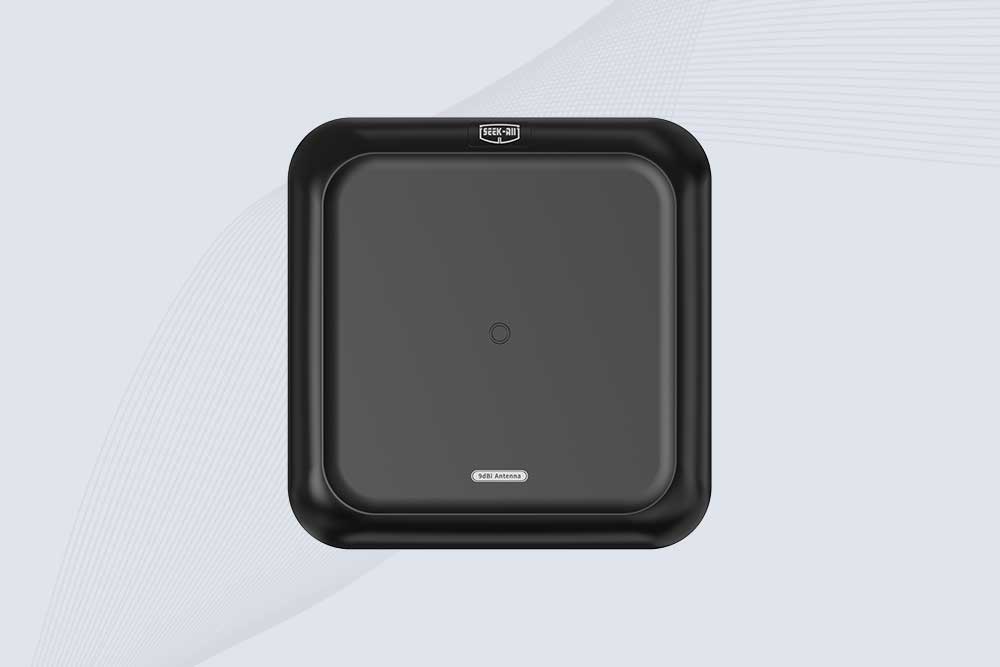
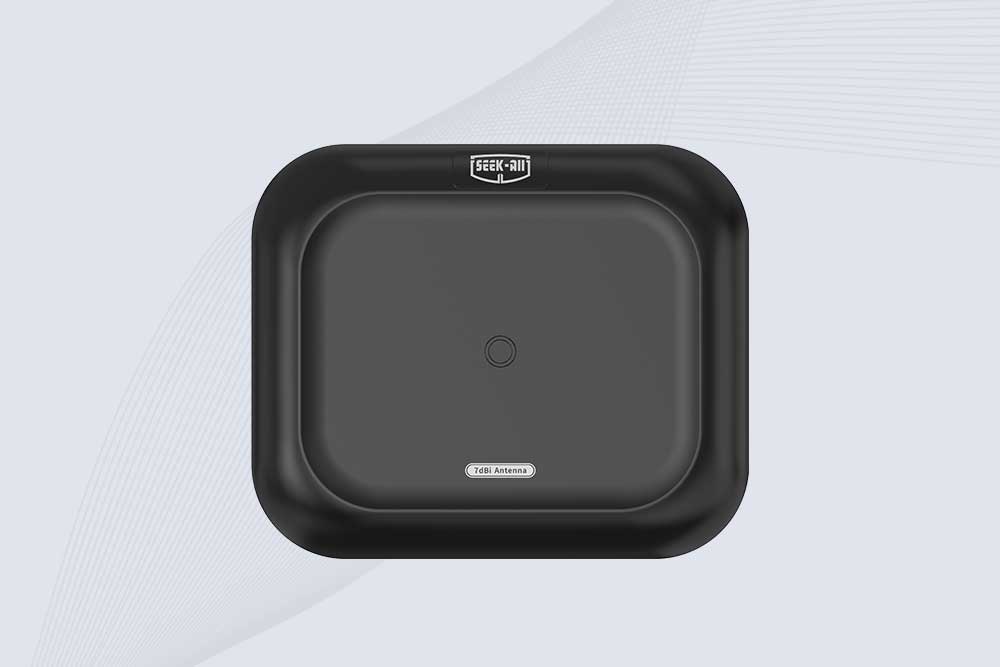
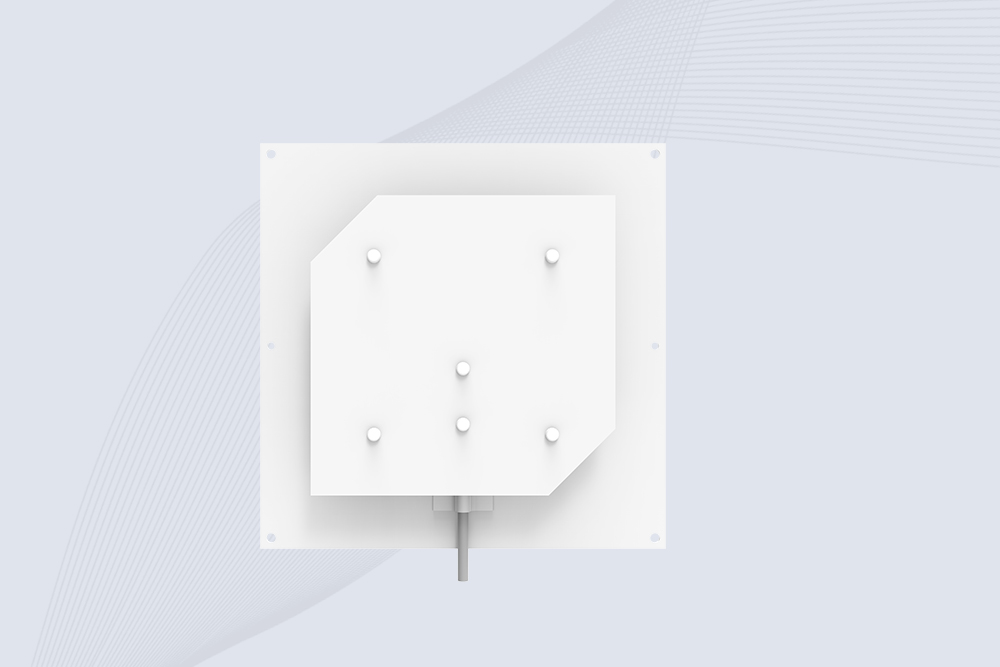
Explore the SSD-A07 UHF RFID antenna with 7 dBi gain, circular polarization, adjustable 840–960 MHz frequency, and 60°/75° beamwidth for stable RFID read/write performance.
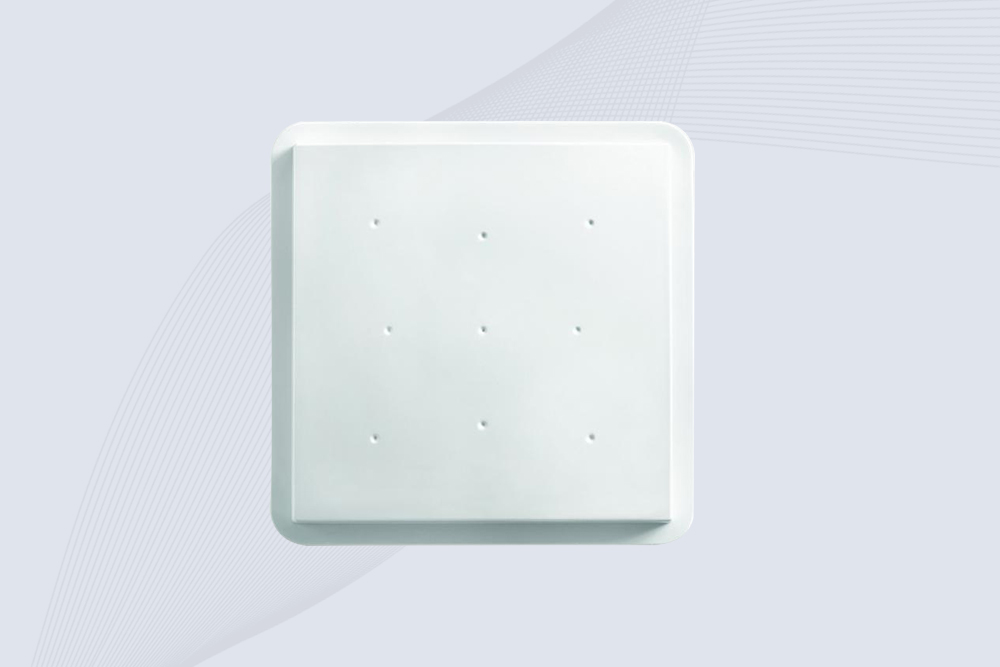
SSD-A06 UHF RFID antenna with circular polarization, adjustable 840–960 MHz frequency, ≥4.5 dBi gain, and a compact directional design for RFID systems.
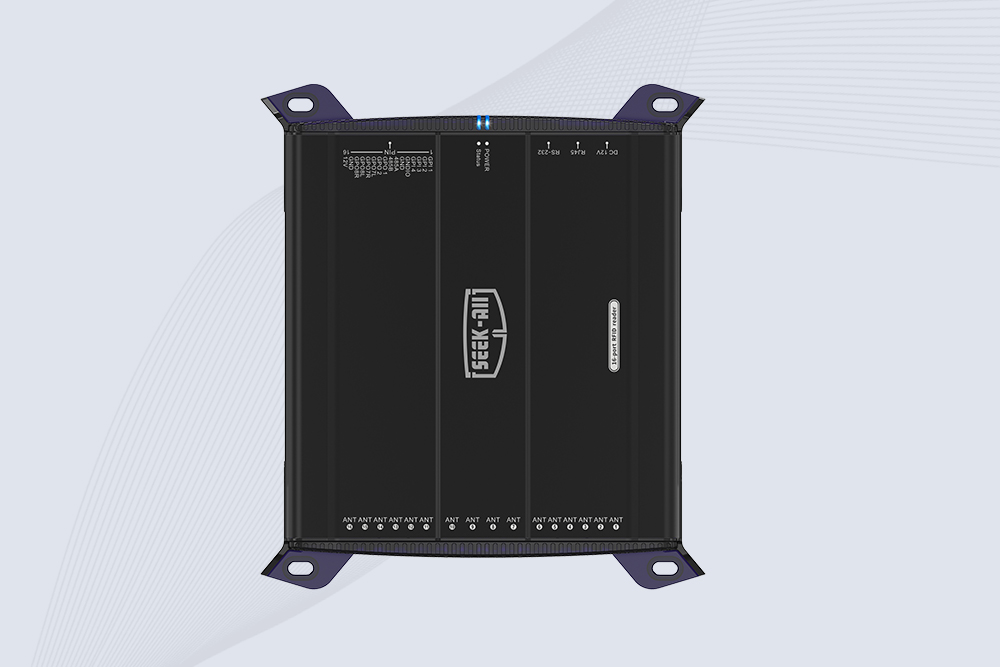
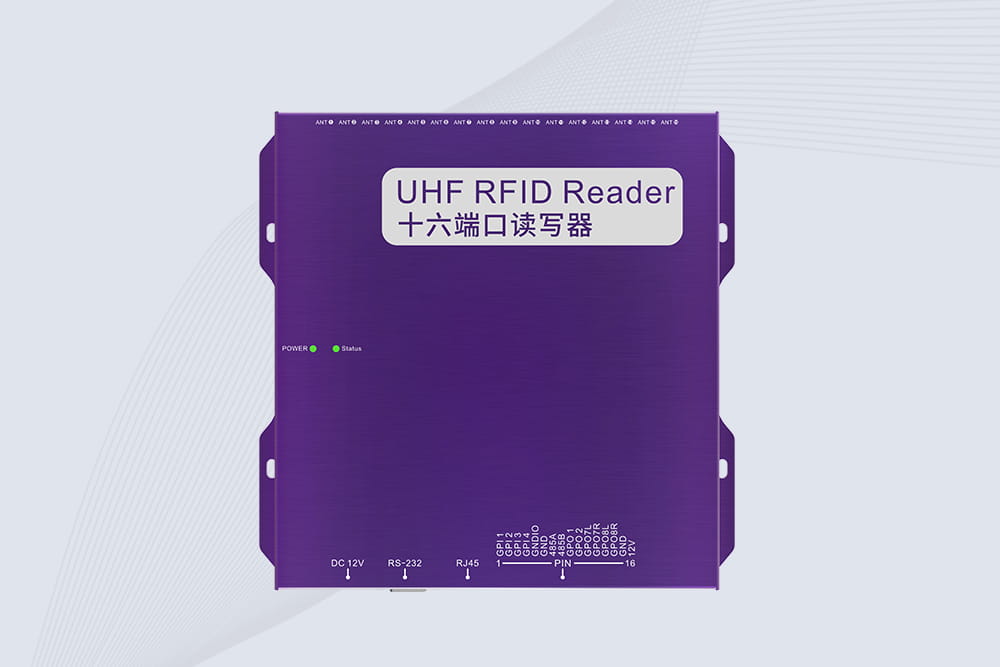
SSD-R16L Multi-Channel RFID Infrastructure for Automated Inventory Management ✔️ 16-Port High-Density RFID Reading Equipped with 16 SMA antenna ports, SSD-R16L supports multi-antenna deployment for warehouses, retail stores, logistics, production lines, and large-area RFID identification. ✔️ High-Speed & Long-Range Performance With up to 33…
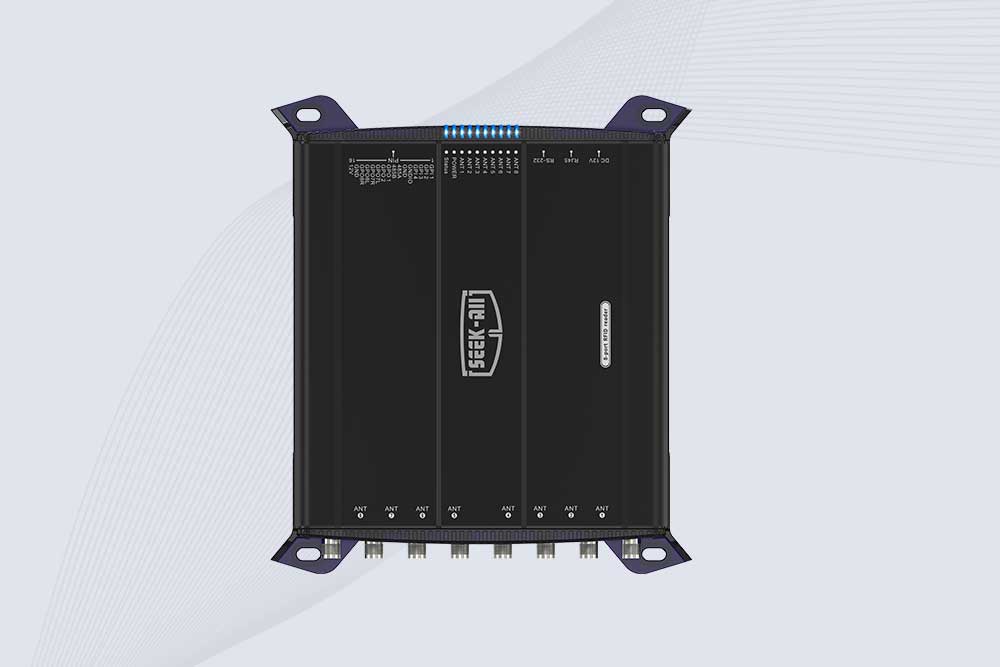
SSD-R8L 8-port UHF RFID reader with 33dBm output, up to 20m reading range and 600+ tags/s recognition. Ideal for warehouse, logistics, retail and asset tracking.
CYKEO Embedded RFID Modules are designed for compact industrial and IoT devices that require stable UHF performance. These UHF RFID Modules support global protocols, flexible power control, and reliable multi-tag reading for smart cabinets, production lines, and asset tracking systems.
CYKEO Embedded RFID Module is built for compact IoT and industrial devices that need stable UHF performance. This UHF module supports global protocols, low power operation, and reliable multi-tag reading for smart lockers, production lines, and always-on RFID systems.
CYKEO CYKEO-M1 drone rfid module is a compact UHF RFID reader module designed for drones and UAV platforms. It supports long-range aerial scanning, fast multi-tag reading, and stable performance in wind, vibration, and outdoor environments.
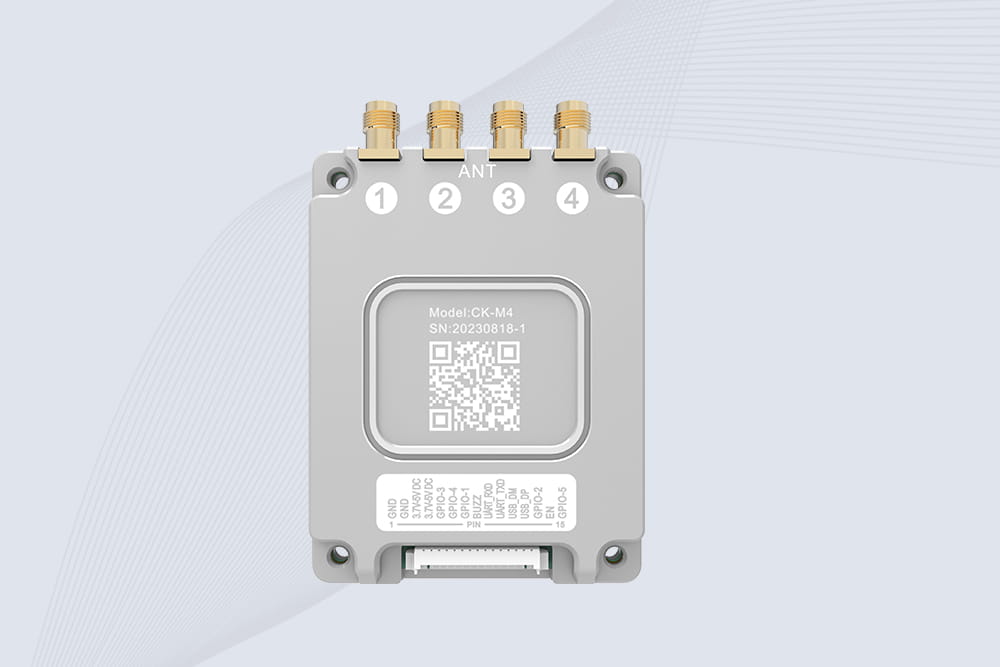
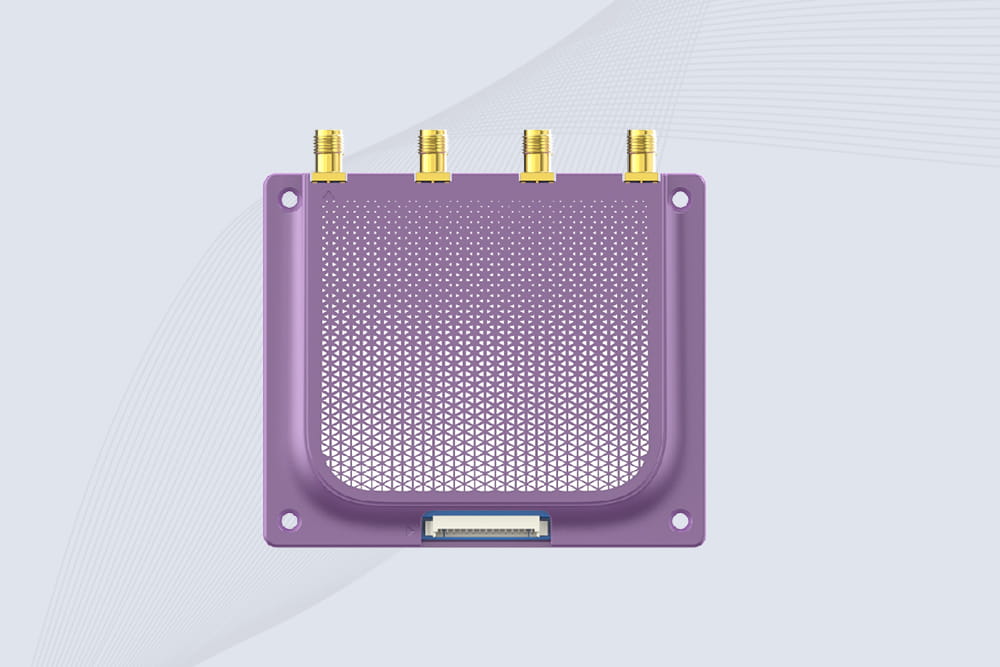
CYKEO CYKEO-M4 RC522 RFID Module is an industrial-grade UHF RFID reader with 4 ports, supporting ISO, EPC, and GB protocols. High-speed, accurate reading for IoT, automation, and warehouse applications.
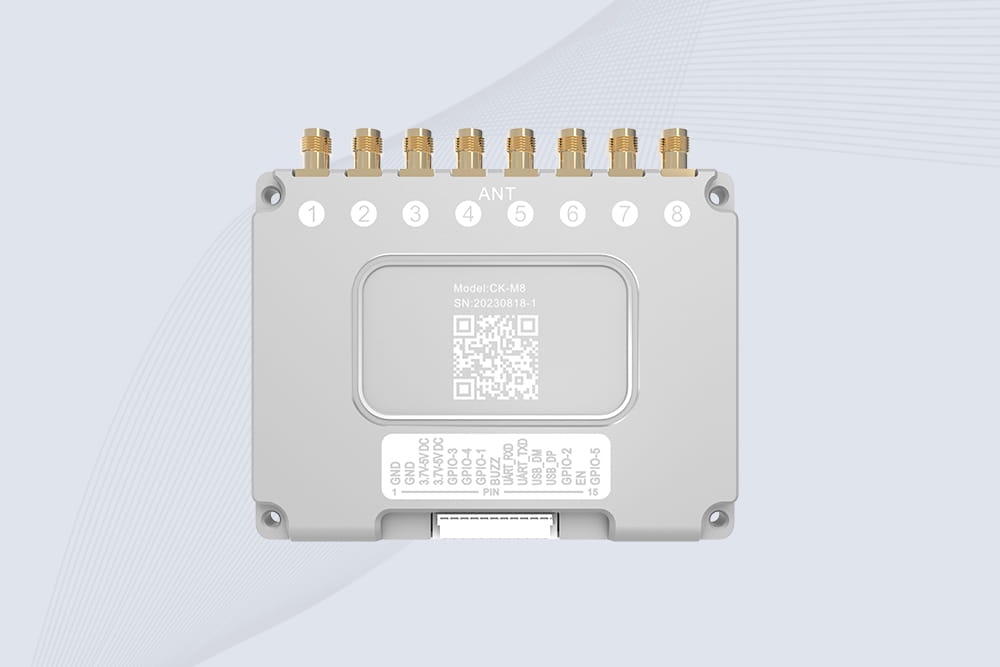
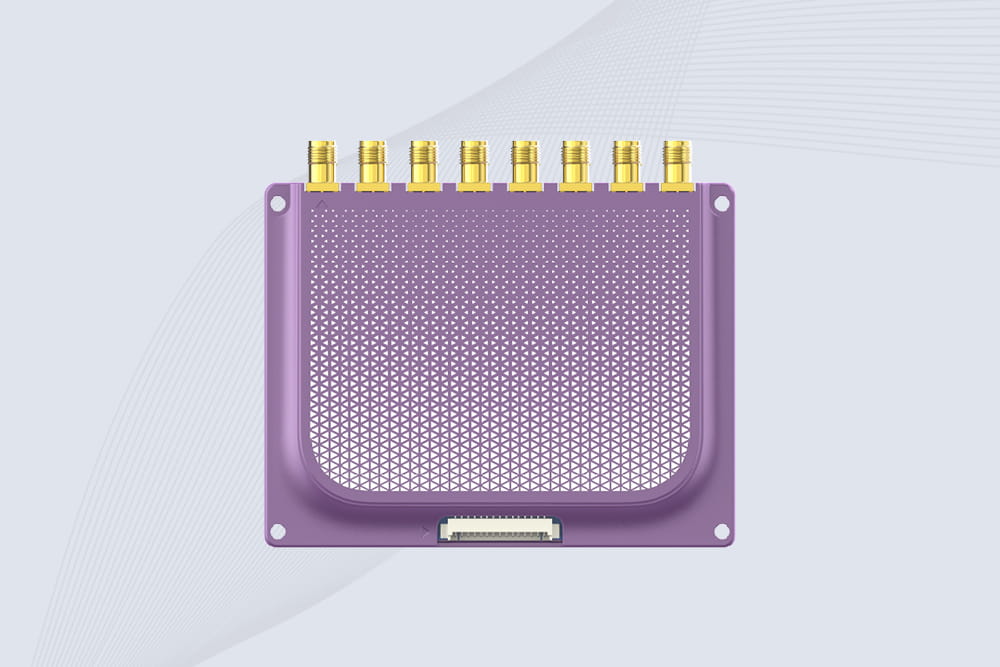
CYKEO CYKEO-M8 Module RFID is an 8-port UHF R2000 RFID Module designed for high-density, multi-tag environments. Stable 33dBm output, ISO & GB protocol support, ideal for warehouses, factories, and automated systems.
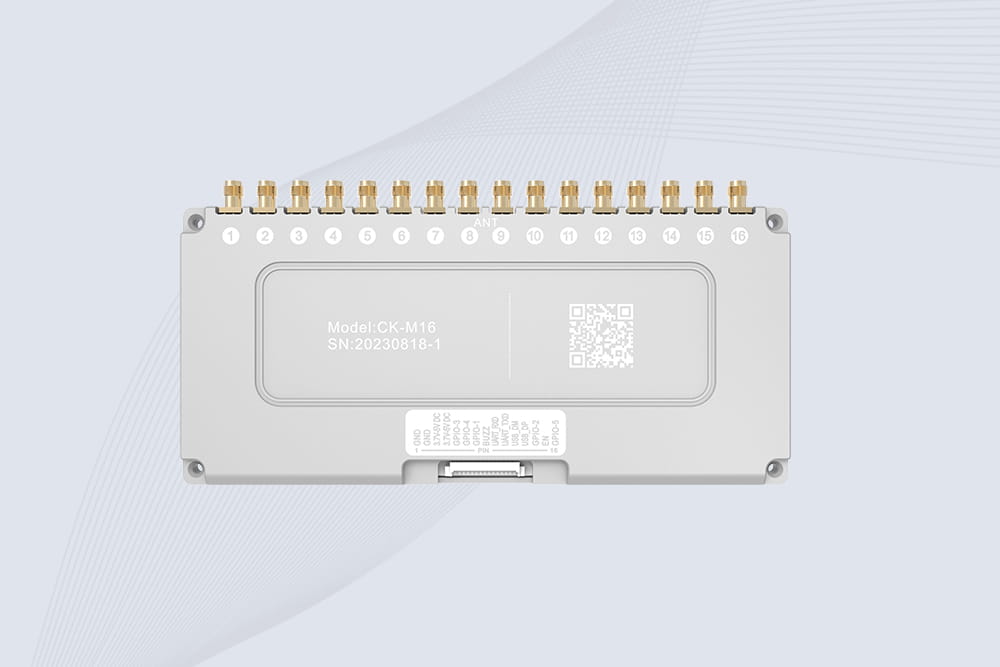
CYKEO CYKEO-M16 RFID Module is a 16-port UHF RFID reader module based on the R2000 chipset. Designed for dense tag environments, it supports ISO and GB standards and delivers stable multi-antenna control for industrial automation.
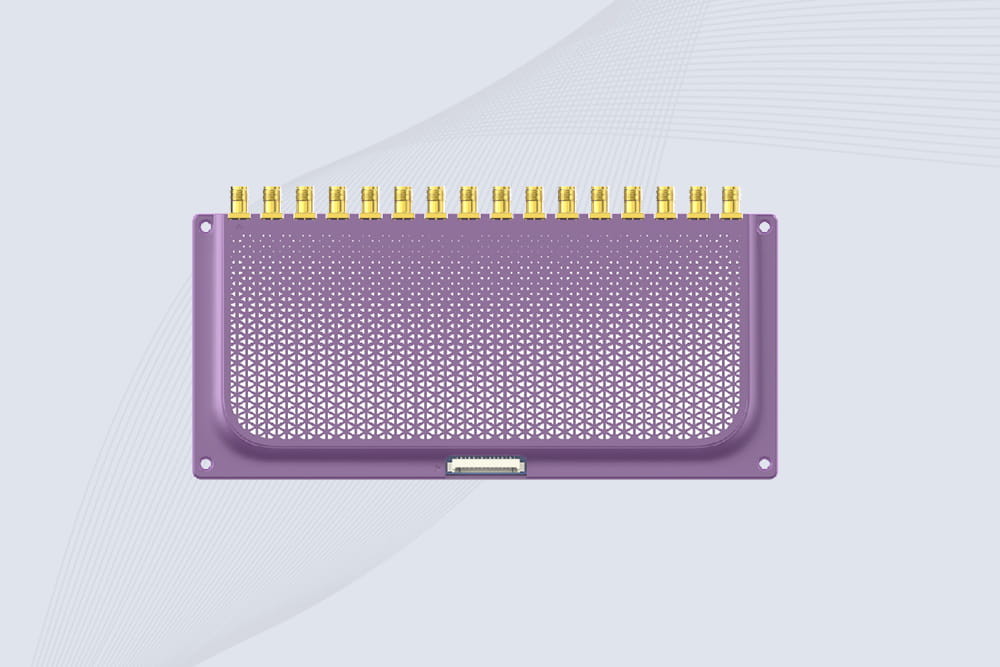
The CYKEO CYKEO-M16L RFID Reader Module is a 16-channel UHF RFID core designed for dense tag environments. With adjustable 33dBm output, multi-protocol support, and stable multi-antenna control, this RFID Tag Reader Module fits industrial automation, warehouse systems, and large-scale IoT deployments.
CYKEO CYKEO-M8L module RFID is a compact industrial UHF module built for dense tag and multi-antenna environments. With 8 RF ports, adjustable 33 dBm output, and ISO & GB protocol support, it is widely used in factories, warehouses, and automated tracking systems.
CYKEOCYKEO-M4L UHF RFID Module is a compact 4-channel RFID tag reader module designed for dense tag environments. Supporting ISO and GB protocols, it delivers stable reads up to 10 meters for industrial and IoT systems.
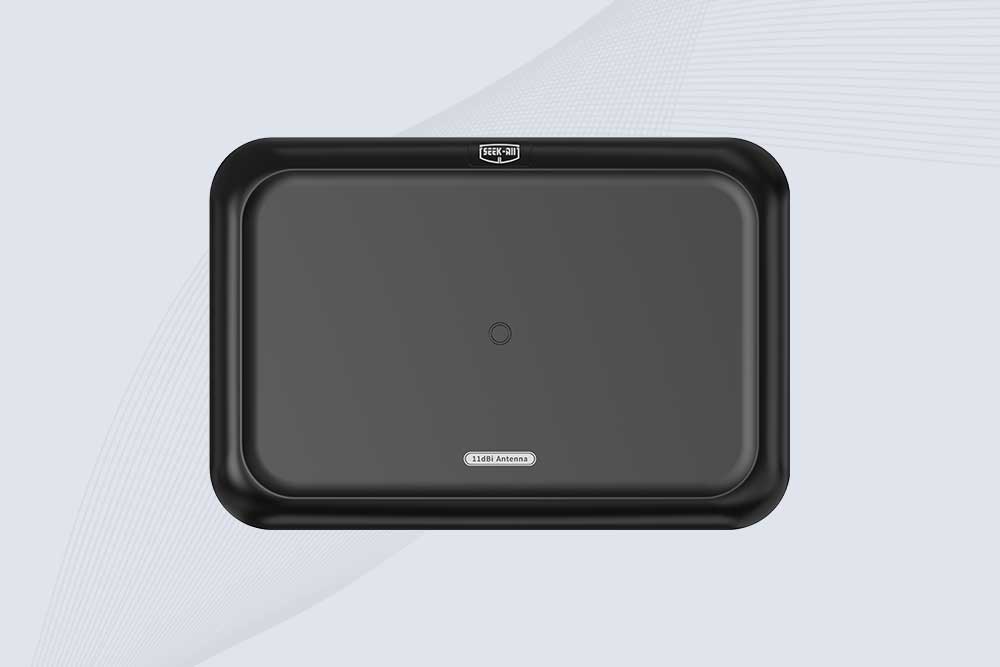
Cykeo CYKEO-A11 UHF RFID reader antenna delivers 11dBi gain, 840-960MHz frequency range, and IP65 ruggedness for retail, logistics, and industrial RFID systems. Features low VSWR and easy installation.
CYKEO Antenna RFID Reader delivers stable long-range UHF performance with a 10.5dBi directional design, built for warehouses, conveyor portals, and industrial RFID systems. This rfid reader antenna provides 20m+ read distance and rugged IP67 protection.
Cykeo CYKEO-A5B industrial Linear RFID Antenna delivers 5dBi gain, ≤1.5:1 VSWR, and IP65 rugged design for warehouse, production line, and logistics UHF systems.
Cykeo’s CYKEO-B12 Long Range RFID Antenna delivers 15m+ read range with 12dBi gain, IP65 rugged design, and global 840-960MHz UHF support. Ideal for warehouse/logistics asset tracking.
Cykeo CYKEO-B10 Long Distance RFID Antenna offers 10dBi gain, 840-960MHz frequency range, IP65 rating, and 20m+ coverage for logistics/warehousing/ETC systems. Low VSWR ensures stable signal transmission.
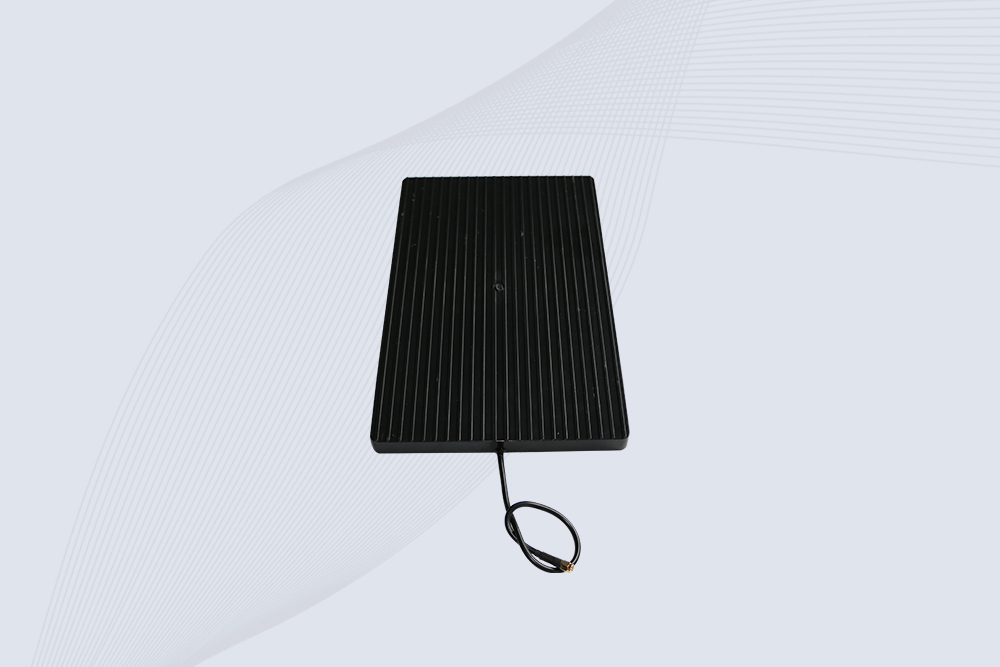
Cykeo CYKEO-A6 UHF RFID panel antenna features 6dBi gain, 840-960MHz broadband, IP65 metal-ready housing for logistics/smart retail. 18mm ultra-thin design with tool-free mounting.
Cykeo CK-A3 industrial antenna RFID UHF offers 5m+ tag detection, ≤1.3:1 VSWR, IP65 rugged design, and global UHF spectrum compatibility (840-960MHz) for warehouses, factories, and retail.
Cykeo CYKEO-B5 directional RFID antenna provides 5dBi gain with 60° narrow beamwidth for precise inventory tracking. IP65-rated, global UHF frequency support, and low VSWR.
Create your own high-performance DIY RFID antenna! 5dBi gain, 840-960MHz tunable, step-by-step guides. Compatible with Arduino, Raspberry Pi, and commercial UHF readers.
Cykeo CYKEO-A7 Flexible RFID Antenna features 840-960MHz wideband tuning, 7dBi gain, and IP68 rating for medical/retail/industrial curved surface deployments. 98% read accuracy with peel-and-stick installation.
Cykeo CYKEO-B5A industrial Passive RFID Antenna delivers 5dBi gain, 70° beamwidth, and -40°C~55°C operation for warehouses/smart cabinets. Compatible with Zebra/Impinj readers.
Cykeo’s CYKEO-A9B High Gain RFID Antenna delivers 15m+ read range with 9dBi amplification. Features IP54 rugged design, 840-960MHz bandwidth, and 80° beamwidth for warehouse/manufacturing RFID systems.
Cykeo’s enterprise-grade 8dbi Impinj RFID Antenna 10m+ read range with 840-960MHz tuning. Features IP65 housing, 1.4 VSWR, 35° beamwidth for retail/warehouse RFID systems.
Cykeo CYKEO-A9 industrial UHF RFID antenna delivers 9dBi gain, 840-960MHz frequency range, and IP65 protection for warehouse/logistics/retail RFID systems. Features N-type connector and ≤1.3:1 VSWR.
CYKEO UHF RFID Antenna built for long-distance and industrial applications. This antenna rfid uhf delivers strong gain, outdoor durability, and reliable tag performance in warehouses, yards, and vehicle ID systems.
CYKEO Antenna RFID delivers reliable long-range UHF performance in warehouses, retail shelves, and cold-chain environments. This compact uhf rfid antenna provides stable reads with circular polarization and ultra-wide 840–960 MHz support, ideal for industrial tracking, smart shelves, and asset monitoring.
Cykeo’s CYKEO-C8 UHF RFID antennas delivers 8dBi gain, 840-960MHz full-band coverage, and IP65 ruggedness for manufacturing/warehouse RFID systems. Industrial RFID Antennas Features
Cykeo’s 8dBi UHF RFID antenna and reader kit delivers 10m+ range, 840-960MHz broadband, and IP65 ruggedness for factories, warehouses, and logistics. ISO 18000-6C & EPC Gen2 certified.
Cykeo’s CYKEO-A12C UHF Large RFID Antenna delivers 12dBi gain, 840-960MHz global frequency, IP65 ruggedness for logistics/warehousing/automotive. 40° beamwidth ensures stable 15m+ tag reads.
CYKEO Near Field RFID Antenna provides precise 5–30 cm reading for shelves, cabinets, and workstations. This compact rfid shelf antenna delivers stable short-range performance around metal and clutter, ideal for pharmacies, libraries, and electronics sorting.
Cykeo CYKEO-C1 industrial Forklift RFID Reader features 20m read range, 600 tags/sec scanning, Impinj R2000 chipset, and IP67 rugged design. Ideal for warehouse logistics and manufacturing. Supports ISO 18000-6C/6B protocols.
Cykeo CYKEO-R4 industrial UHF RFID Fixed Reader features 4 TNC ports, 400+ tags/sec speed, IP67 housing, and global frequency compliance for vehicle inspection, smart warehouse, and asset management systems.
CYKEO CYKEO-R8L Fixed RFID Reader with 8-port UHF design, Impinj-based RF core and up to 20m read range. An industrial Fixed RFID Reader for vehicle inspection, warehouse portals, smart manufacturing lines and secure access checkpoints.
RFID Fixed Reader from CYKEO – the CYKEO-R16L 16-port UHF fixed reader for warehouses, smart cabinets, and production lines. Long-range, multi-tag reading, stable performance for 24/7 industrial use.
RFID Industry Writer | IoT & Asset Tracking Analyst
James writes about RFID technology, asset tracking, and the practical challenges of digital transformation across warehousing, retail, manufacturing, and logistics.
His work focuses on how RFID is applied in real-world operations—improving inventory visibility, automating workflows, and helping businesses manage assets with greater accuracy and efficiency.
He regularly covers topics including UHF RFID, smart cabinets, RFID portals, tool tracking, warehouse automation, and industrial IoT trends..
RFID (Radio Frequency Identification) readers, as a core component of RFID technology, play a crucial role in the development and management of smart cities. RFID technology enables automated identification, tracking, and management of assets thro...
Find out if your Android phone can read RFID. We explain the NFC capability, what types of tags work, and why it's not suitable for business asset tracking.
Unsure what is an RFID reader module? This guide explains its role as the core hardware that powers access control, inventory tracking, and automated identification systems.
 Cykeo RFID IoT Solution Products R&D Manufacturer