 Cykeo RFID IoT Solution Products R&D Manufacturer
What Does RFID Interface Module Model 941b0405 Do?
357Wondering what does RFID interface module model 941b0405 do? This guide explains its functions, setup, and applications for seamless asset tracking.
MoreAll RFID Product
How do rfid scanners work? RFID scanners use radio frequency signals to communicate with RFID tags, capture stored data, and identify objects automatically without direct contact. Advanced scanners such as Cykeo RFID systems combine intelligent algorithms, antenna technology, and real-time analysis to track tagged items accurately in retail, logistics, and industrial environments.
RFID scanners are electronic devices designed to detect and communicate with RFID tags through radio frequency waves.
Unlike barcode scanners, RFID scanners do not require a direct visual connection. A product does not need to be manually positioned in front of a scanner. The reader sends wireless signals, the RFID tag responds with stored information, and the system processes the data automatically.
The basic RFID scanning process contains four steps:
| Process | Function |
|---|---|
| Signal Transmission | RFID scanner emits radio frequency energy |
| Tag Activation | RFID tag receives energy and responds |
| Data Communication | Tag sends identification information back |
| System Processing | Software analyzes and records the information |
This process happens within milliseconds.
In a modern retail environment, thousands of products may contain RFID tags. The challenge is not simply reading tags. The challenge is distinguishing moving products from stationary products, identifying direction, and preventing false alarms.
That is where advanced RFID scanners become different.
During Cykeo RFID engineering projects, we found that retail stores create unique RFID challenges.
A clothing store, for example, may have:
A conventional RFID reader may detect nearby tags but cannot always determine whether a product is actually leaving the store.
This creates unnecessary alarms.
Advanced RFID scanners solve this problem through intelligent detection methods.
Cykeo’s ultra-high-frequency RFID smart access control system uses phased-array antenna technology combined with intelligent algorithms to analyze tag movement.
Instead of simply asking:
“Is an RFID tag present?”
The system evaluates:
This difference is critical for retail security applications.
Cykeo engineers focus on practical RFID deployment rather than only laboratory performance.
During real installation projects, factors such as:
can directly influence system performance.
A scanner that performs well in an open testing environment may require different antenna settings when installed inside a busy shopping mall.
For this reason, Cykeo RFID solutions integrate:
The objective is simple:
Identify the correct event.
Not every detected tag represents theft.
A customer browsing near the entrance should not trigger an alarm. A tagged product crossing a defined exit area should.
Traditional RFID antennas usually broadcast signals in a fixed pattern.
Cykeo smart RFID scanners use phased-array antenna technology to create controlled detection zones.
The system uses:
This allows the scanner to detect multiple RFID tags while analyzing their movement position.
| Technology Feature | Benefit |
|---|---|
| Phased Array Antenna | Accurate direction detection |
| Beamforming | Focused RF coverage |
| Multiple Beams | Wider scanning area |
| Dynamic Analysis | Reduced false alarms |
In retail entrances, this allows the system to recognize whether tagged products are entering or leaving.
| Feature | RFID Scanner | Barcode Scanner |
|---|---|---|
| Reading Method | Wireless RF communication | Optical scanning |
| Contact Required | No | Usually yes |
| Multiple Item Reading | Supported | Limited |
| Direction Detection | Possible with advanced systems | Difficult |
| Automation Level | High | Medium |
A barcode scanner records a transaction.
An intelligent RFID scanner understands an event.
This distinction explains why RFID is increasingly used in automated retail management, warehouse systems, and asset tracking applications.

According to GS1 RFID Technology Standards, RFID technology provides standardized identification methods that support global supply chain visibility and automated product management.
Research from AIM Global RFID Association highlights RFID adoption across industries including retail, manufacturing, healthcare, and logistics because of its ability to improve identification efficiency and operational visibility.
These industry standards demonstrate that RFID scanners are no longer limited to experimental applications. They have become important components of modern digital management systems.
In many RFID deployments, reading tags is only the first challenge.
The more difficult question is:
Can the system understand what the tag is doing?
A retail entrance may contain hundreds of RFID labels within the surrounding area. Products displayed near the door, inventory stored behind walls, and items carried by customers can all generate RF signals.
A basic RFID scanner may detect these signals.
An intelligent RFID scanner must interpret them.
Cykeo engineers developed RFID smart access solutions around this requirement. The system combines UHF RFID technology, phased-array antennas, spatial sensing, and AI-based algorithms to distinguish real movement events from background RFID activity.
This approach changes RFID from a simple identification tool into an intelligent decision system.
One of the biggest challenges in retail RFID security is determining movement direction.
A tag being detected does not always mean a product is leaving the store.
Cykeo RFID scanners analyze:
The system can simultaneously identify several RFID tags and determine whether they are:
This dynamic judgment significantly reduces false alarms caused by fixed display products.
The antenna design directly affects RFID scanning accuracy.
Cykeo smart RFID scanners integrate a professional phased-array antenna system with:
Compared with traditional fixed antennas, phased-array technology allows the reader to create more controlled detection zones.
| Antenna Technology | Detection Capability |
|---|---|
| Traditional RFID Antenna | General tag reading |
| Directional RFID Antenna | Improved area control |
| Phased Array RFID Scanner | Position analysis and movement judgment |
This is especially valuable for clothing stores, supermarkets, and retail entrances where accurate movement recognition is required.
Fashion retail is one of the most demanding environments for RFID security.
A typical clothing store may include:
Traditional electronic article surveillance systems mainly detect whether a security tag passes through a gate.
RFID smart scanners provide additional information:
This creates a more complete security workflow.
A common problem in retail RFID systems is accidental triggering caused by nearby products.
For example:
A jacket with an RFID tag hangs beside the exit.
A customer walks past it.
A simple RFID detection system may interpret this as a movement event.
Cykeo RFID scanners use dynamic judgment algorithms to focus on moving tags while automatically filtering stationary tags.
The system continuously analyzes RF behavior and learns from operational data.
Over time, detection accuracy improves through AI-based optimization.
Traditional inventory and security workflows often depend on employees manually checking products.
This creates several problems:
RFID scanners automate these processes.
A smart RFID entrance system can automatically record:
| Function | RFID Automation Result |
|---|---|
| Product Entry | Automatic identification |
| Product Exit | Real-time recording |
| Inventory Movement | Digital tracking |
| Unauthorized Removal | Immediate alarm |
This allows retail teams to focus on customer service instead of repetitive checking tasks.
Cykeo RFID smart scanners are designed for practical installation.
The system supports:
This flexibility allows deployment in:
The integrated design combines RFID reader, antenna system, and alarm module into one device, reducing installation complexity.
From an engineering perspective, combining multiple components into one RFID device creates several advantages.
A traditional RFID security solution may require:
Each connection introduces another potential failure point.
Cykeo integrated RFID scanners combine:
The result is a cleaner installation and easier maintenance.
In real retail environments, simplicity often determines whether a system operates reliably after years of use.
Retail security technology has changed from simple alarm triggering to intelligent identification.
When selecting an RFID scanner, many companies compare traditional EAS systems, standard RFID readers, and intelligent RFID tracking scanners.
The differences are not only hardware specifications. The real difference appears when the system operates in a complex environment.
| Feature | Traditional EAS System | Standard RFID Reader | Cykeo Intelligent RFID Scanner |
|---|---|---|---|
| Product Identification | Limited | Available | Precise item-level identification |
| Movement Detection | Basic alarm trigger | Tag reading only | Direction and movement analysis |
| Multiple Tag Recognition | Limited | Supported | Advanced multi-tag processing |
| Static Tag Filtering | No | Limited | AI dynamic filtering |
| Location Judgment | No | Partial | Intelligent position analysis |
| Alarm Function | External equipment required | Usually unavailable | Integrated sound and light alarm |
| Installation | Multiple devices | Reader + antenna required | Integrated compact design |
A retail environment is unpredictable.
Customers walk in groups. Products move constantly. Shelves are close to entrances.
The RFID scanner must understand the difference between normal activity and a real security event.
That is where intelligent algorithms become valuable.
Cykeo RFID engineering focuses on solving practical deployment problems rather than only improving laboratory test results.
During RFID system implementation, engineers typically encounter several challenges:
The Cykeo RFID scanner architecture addresses these challenges through hardware integration and algorithm optimization.
The system combines:
This integrated structure reduces wiring complexity and simplifies installation.
For enterprise customers, this means:
Although smart retail security is one major application, RFID scanners are also used in many enterprise environments.
Warehouses and distribution centers use RFID scanners to monitor:
Compared with manual barcode scanning, RFID enables non-contact identification and supports simultaneous reading of multiple tagged items.
According to GS1, RFID technology is widely adopted across supply chains because it improves visibility and automation capabilities. GS1 provides global standards supporting RFID-based identification systems.
Industrial companies often manage thousands of tools, devices, and components.
RFID scanners allow organizations to create digital records of:
In manufacturing environments, this reduces time spent searching for equipment and improves asset utilization.
RFID scanners can also support intelligent access scenarios:
The advantage is that the system identifies the tagged object rather than simply detecting a signal.

An RFID scanner is a device that communicates with RFID tags using radio frequency signals. It reads stored tag information and transfers identification data to software systems for tracking, management, or security applications.
Unlike barcode scanners, RFID scanners do not require direct visual contact with each item.
The reading distance depends on:
UHF RFID scanners commonly support several meters of reading distance. Cykeo long-range RFID solutions can achieve approximately 10-meter detection capability under suitable installation conditions.
Yes.
Modern UHF RFID scanners are designed for multi-tag identification.
This capability is essential in:
Instead of scanning one item at a time, RFID systems can process multiple tagged objects simultaneously.
No.
Most UHF RFID tags used in inventory and retail applications are passive tags.
They receive energy from the RFID scanner signal and return stored information through backscatter communication.
This allows tags to remain lightweight, low-cost, and maintenance-free.
Advanced RFID scanners can.
Traditional readers mainly identify whether a tag is present.
Intelligent RFID scanners combine:
to determine whether tagged products are entering or leaving a specific area.
Standard RFID readers are designed mainly for identification.
Cykeo RFID scanners are designed for operational decisions.
They combine:
This makes them suitable for environments where accuracy matters more than simple tag reading.
Understanding how do rfid scanners work requires looking beyond the reader hardware itself.
A modern RFID scanner is not only a device that reads electronic tags. It combines radio communication, antenna technology, intelligent algorithms, and software integration to create real-time visibility of physical assets.
At Cykeo, RFID engineering focuses on practical industrial applications, from smart retail protection to warehouse automation and enterprise asset tracking.
The future of RFID is not simply reading more tags.
It is understanding what those tags mean.
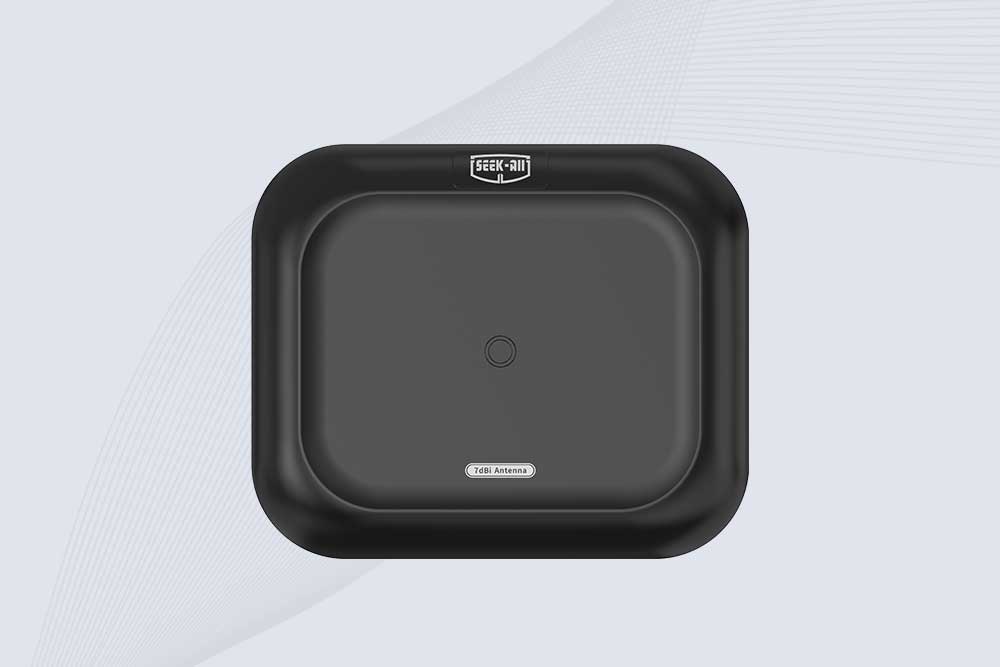
Explore the SSD-A07 UHF RFID antenna with 7 dBi gain, circular polarization, adjustable 840–960 MHz frequency, and 60°/75° beamwidth for stable RFID read/write performance.

SSD-A06 UHF RFID antenna with circular polarization, adjustable 840–960 MHz frequency, ≥4.5 dBi gain, and a compact directional design for RFID systems.
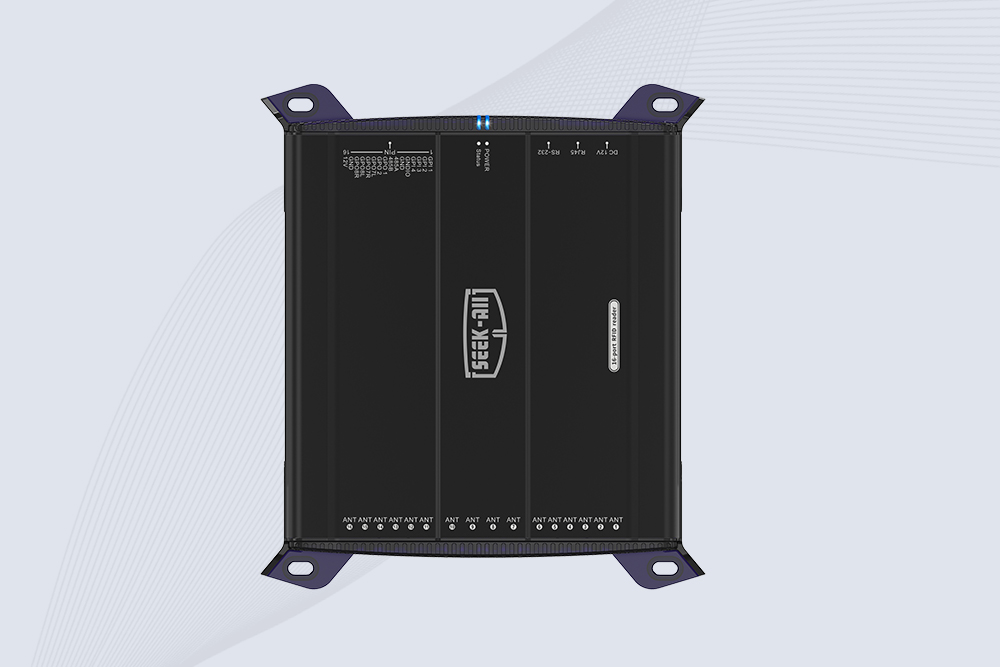
SSD-R16L Multi-Channel RFID Infrastructure for Automated Inventory Management ✔️ 16-Port High-Density RFID Reading Equipped with 16 SMA antenna ports, SSD-R16L supports multi-antenna deployment for warehouses, retail stores, logistics, production lines, and large-area RFID identification. ✔️ High-Speed & Long-Range Performance With up to 33…
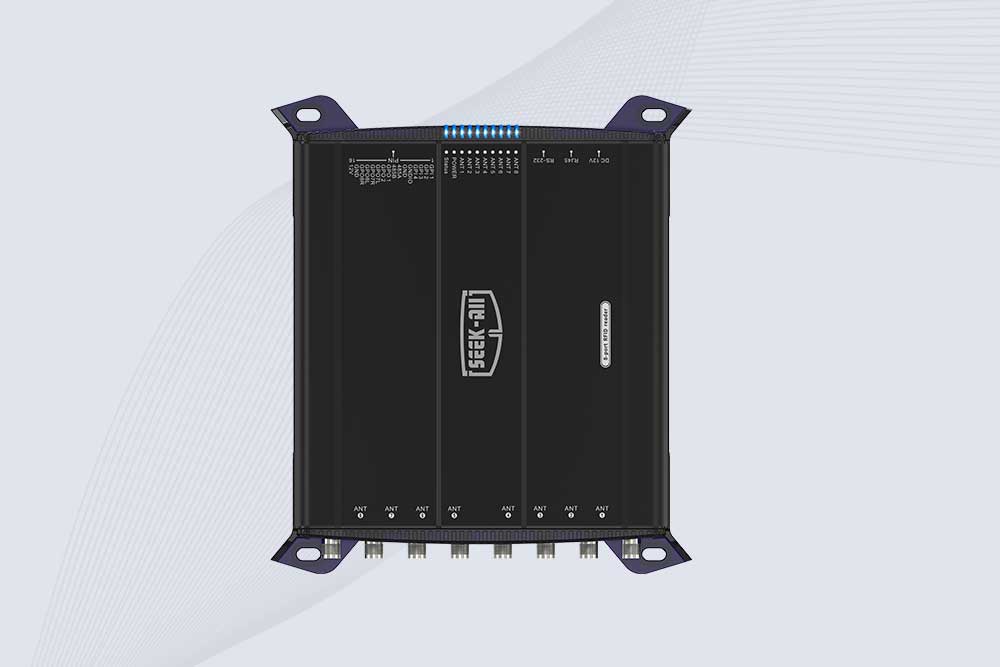
SSD-R8L 8-port UHF RFID reader with 33dBm output, up to 20m reading range and 600+ tags/s recognition. Ideal for warehouse, logistics, retail and asset tracking.
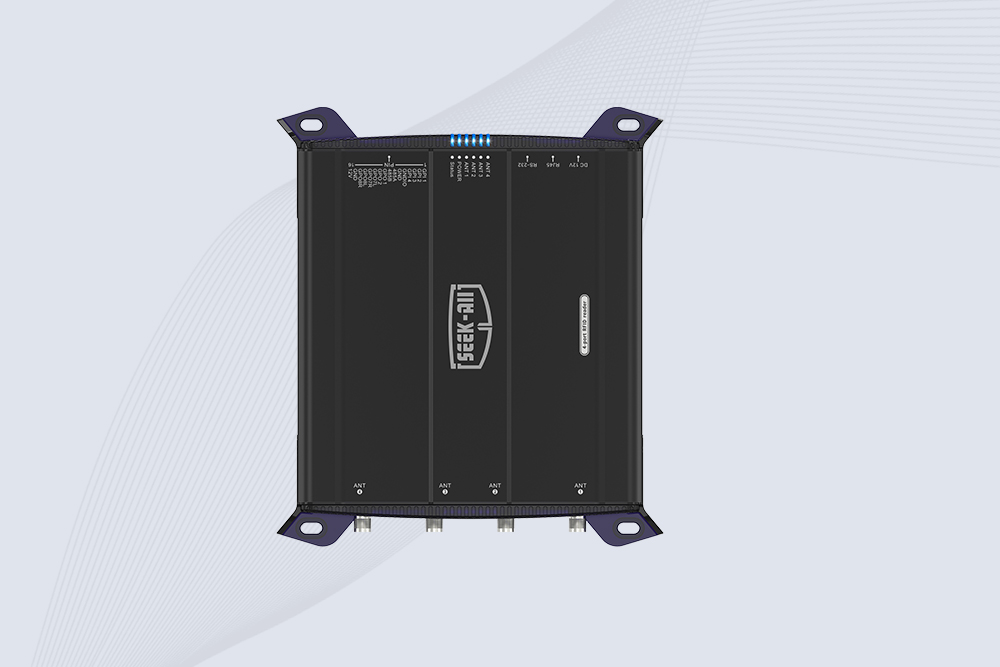
SSD-R4L is a 4-port UHF RFID fixed reader with 33dBm output power, up to 20m reading range, EPC C1G2 support and 600+ tags/s reading speed.
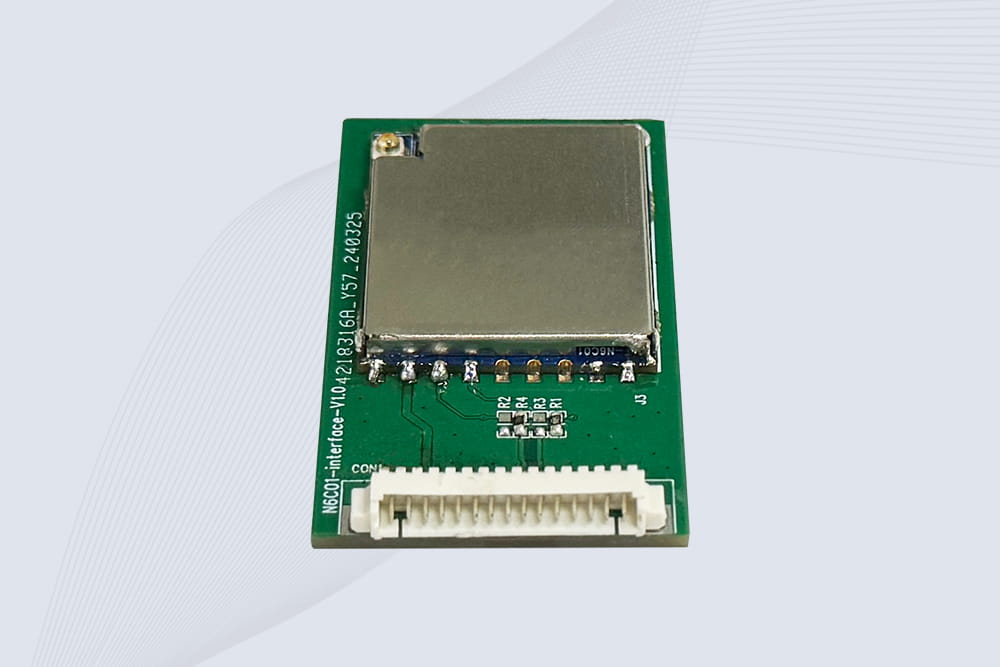
CYKEO Embedded RFID Modules are designed for compact industrial and IoT devices that require stable UHF performance. These UHF RFID Modules support global protocols, flexible power control, and reliable multi-tag reading for smart cabinets, production lines, and asset tracking systems.
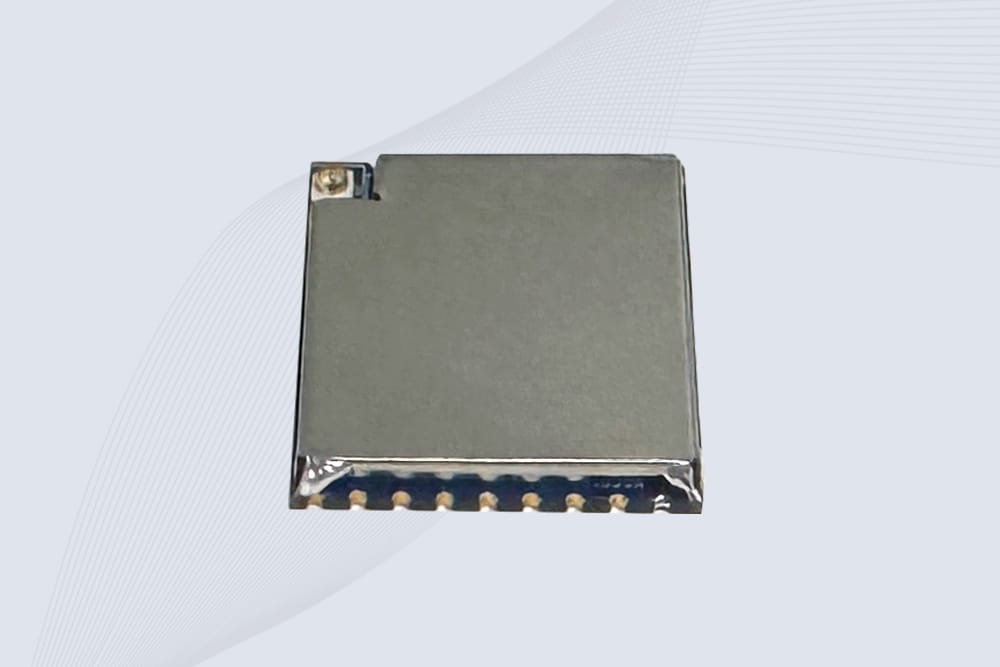
CYKEO Embedded RFID Module is built for compact IoT and industrial devices that need stable UHF performance. This UHF module supports global protocols, low power operation, and reliable multi-tag reading for smart lockers, production lines, and always-on RFID systems.
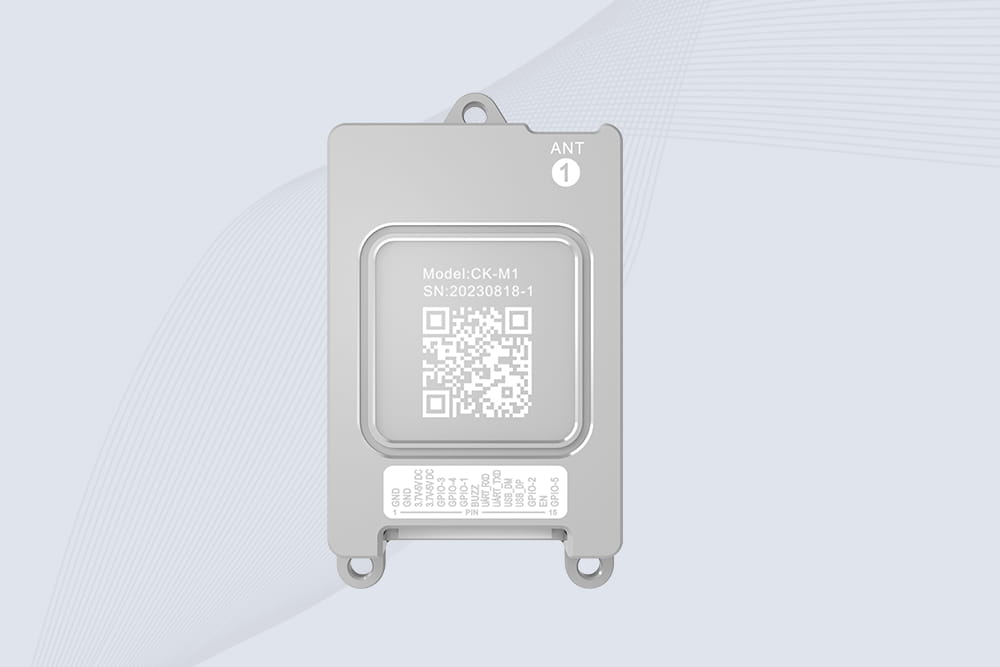
CYKEO CYKEO-M1 drone rfid module is a compact UHF RFID reader module designed for drones and UAV platforms. It supports long-range aerial scanning, fast multi-tag reading, and stable performance in wind, vibration, and outdoor environments.
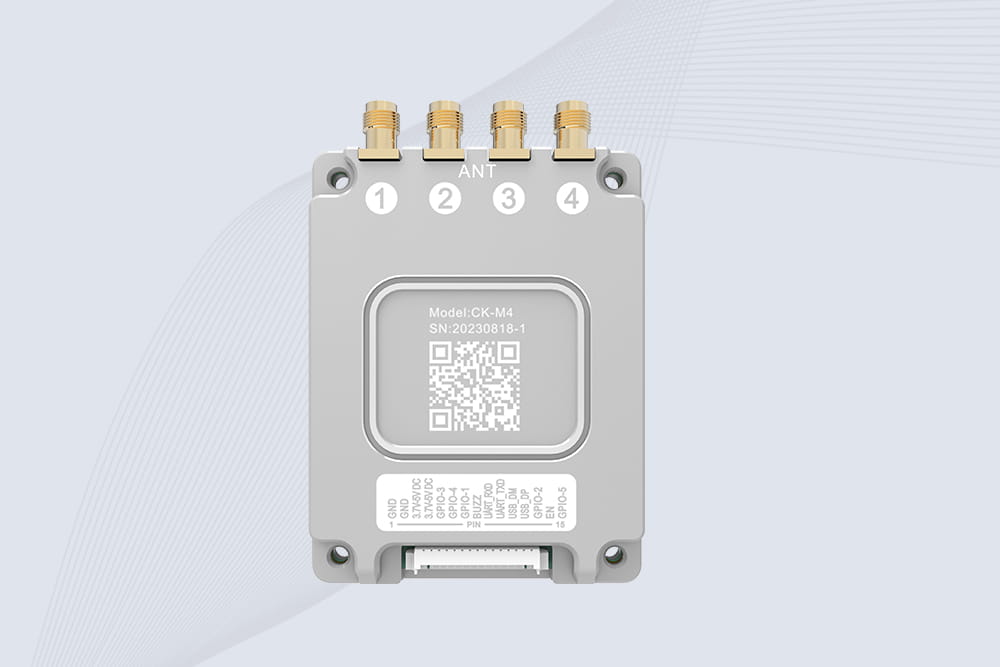
CYKEO CYKEO-M4 RC522 RFID Module is an industrial-grade UHF RFID reader with 4 ports, supporting ISO, EPC, and GB protocols. High-speed, accurate reading for IoT, automation, and warehouse applications.
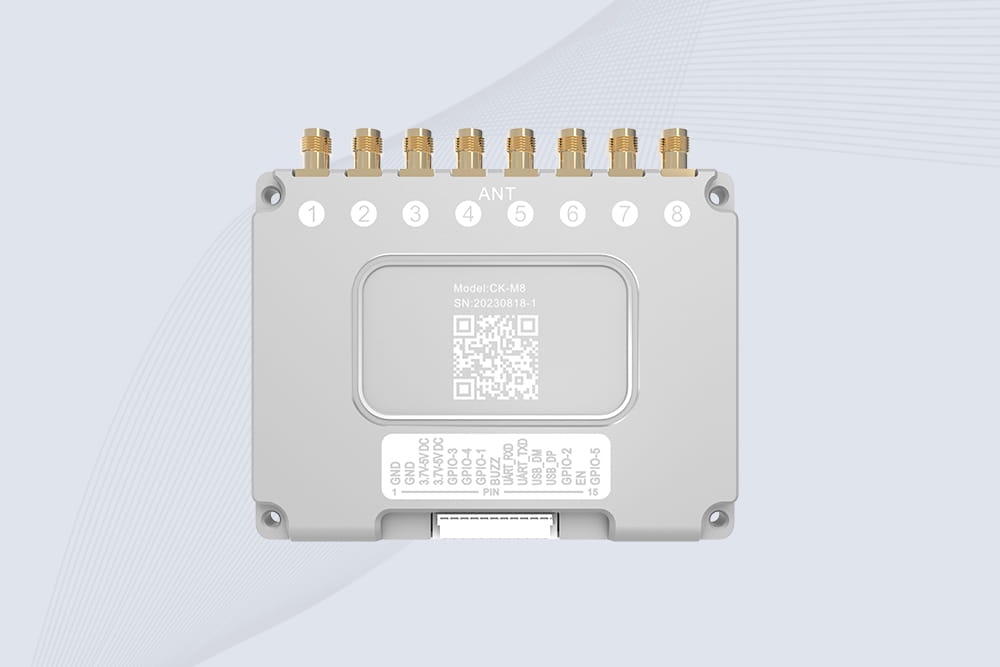
CYKEO CYKEO-M8 Module RFID is an 8-port UHF R2000 RFID Module designed for high-density, multi-tag environments. Stable 33dBm output, ISO & GB protocol support, ideal for warehouses, factories, and automated systems.
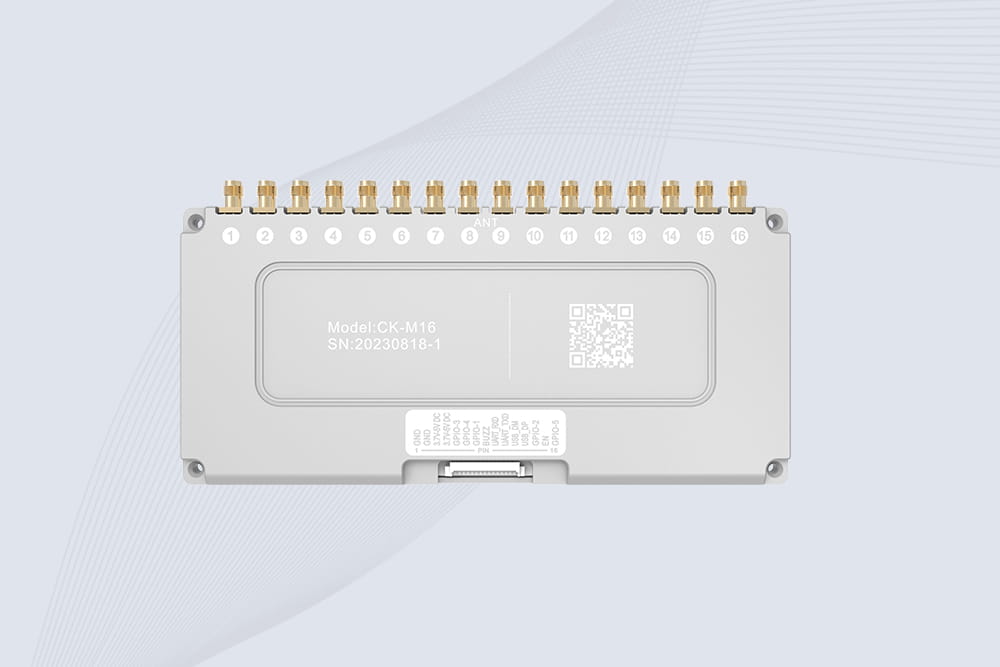
CYKEO CYKEO-M16 RFID Module is a 16-port UHF RFID reader module based on the R2000 chipset. Designed for dense tag environments, it supports ISO and GB standards and delivers stable multi-antenna control for industrial automation.
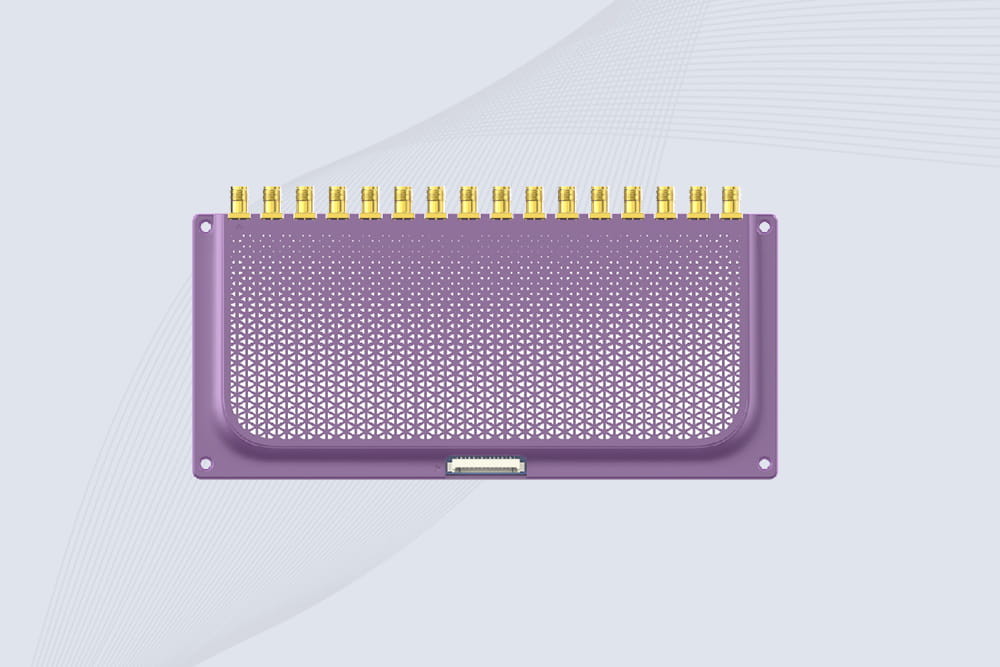
The CYKEO CYKEO-M16L RFID Reader Module is a 16-channel UHF RFID core designed for dense tag environments. With adjustable 33dBm output, multi-protocol support, and stable multi-antenna control, this RFID Tag Reader Module fits industrial automation, warehouse systems, and large-scale IoT deployments.
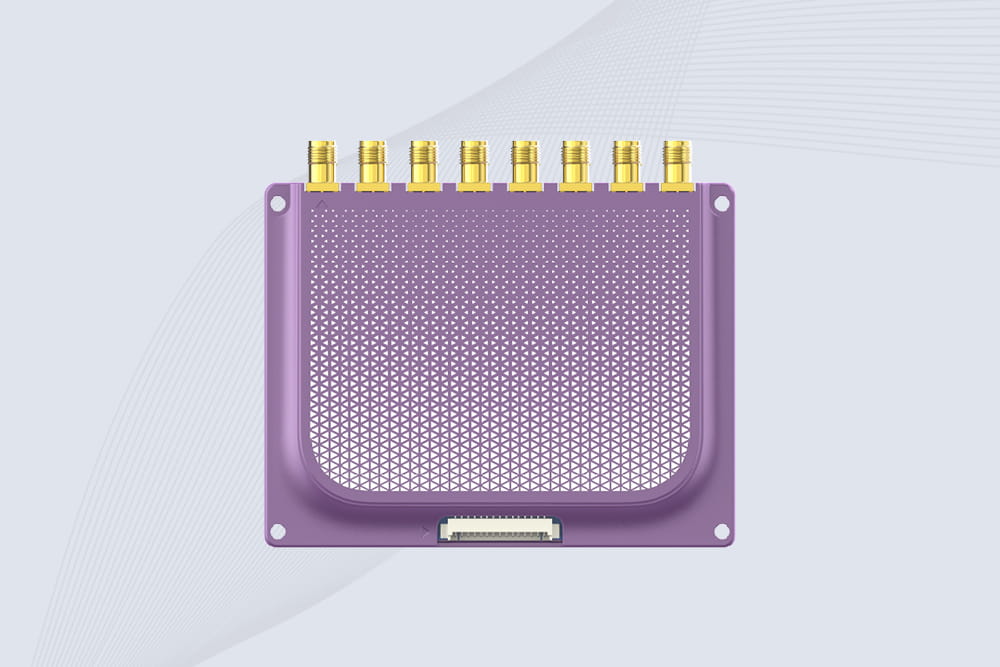
CYKEO CYKEO-M8L module RFID is a compact industrial UHF module built for dense tag and multi-antenna environments. With 8 RF ports, adjustable 33 dBm output, and ISO & GB protocol support, it is widely used in factories, warehouses, and automated tracking systems.
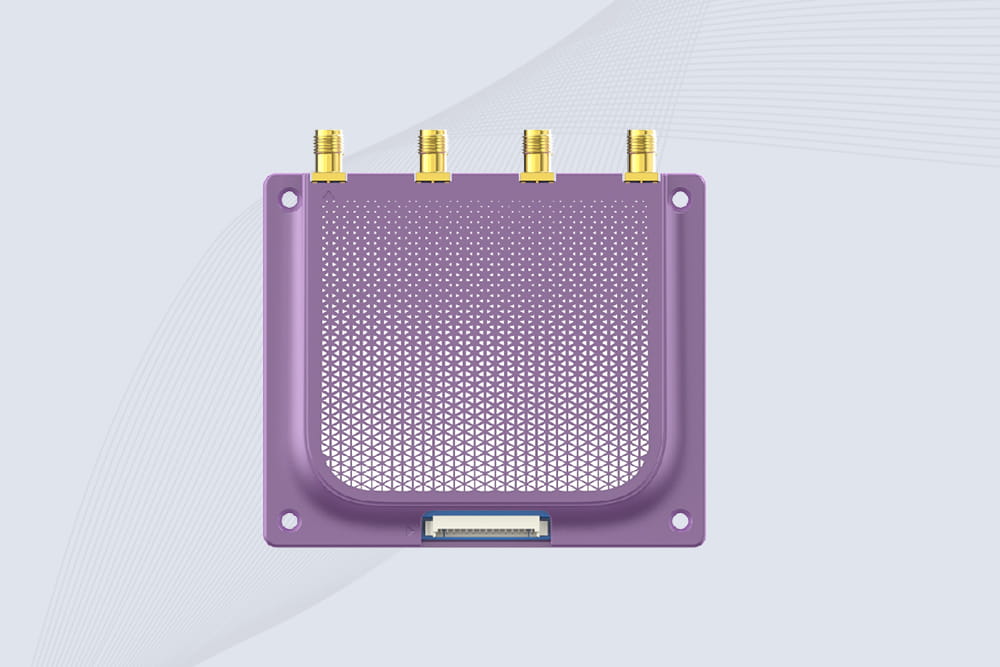
CYKEOCYKEO-M4L UHF RFID Module is a compact 4-channel RFID tag reader module designed for dense tag environments. Supporting ISO and GB protocols, it delivers stable reads up to 10 meters for industrial and IoT systems.
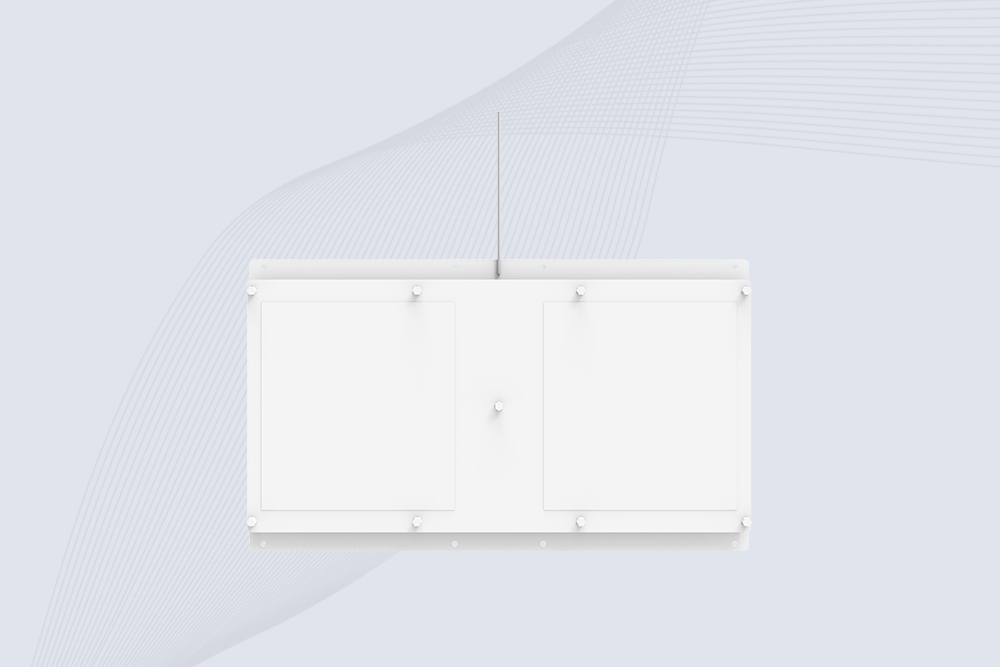
Cykeo CYKEO-A11 UHF RFID reader antenna delivers 11dBi gain, 840-960MHz frequency range, and IP65 ruggedness for retail, logistics, and industrial RFID systems. Features low VSWR and easy installation.

CYKEO Antenna RFID Reader delivers stable long-range UHF performance with a 10.5dBi directional design, built for warehouses, conveyor portals, and industrial RFID systems. This rfid reader antenna provides 20m+ read distance and rugged IP67 protection.

Cykeo CYKEO-PHF3 industrial HF RFID Antenna offers 24-point dynamic tracking, ISO 14443A/15693 protocols, metal-environment stability for archives/libraries/manufacturing.

Cykeo CYKEO-A5B industrial Linear RFID Antenna delivers 5dBi gain, ≤1.5:1 VSWR, and IP65 rugged design for warehouse, production line, and logistics UHF systems.

Cykeo’s CYKEO-B12 Long Range RFID Antenna delivers 15m+ read range with 12dBi gain, IP65 rugged design, and global 840-960MHz UHF support. Ideal for warehouse/logistics asset tracking.
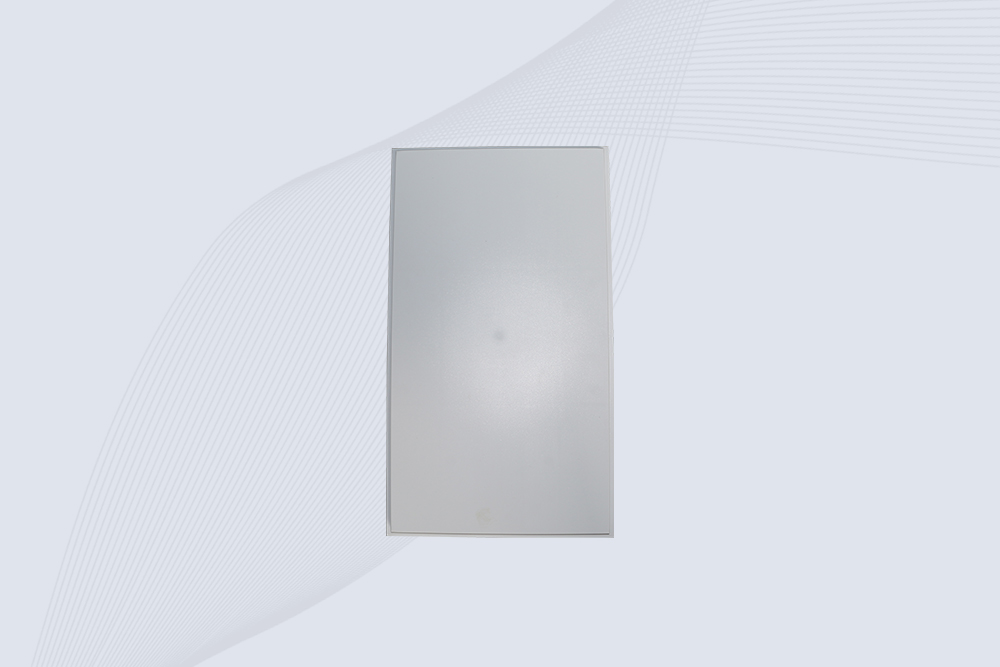
Cykeo CYKEO-B10 Long Distance RFID Antenna offers 10dBi gain, 840-960MHz frequency range, IP65 rating, and 20m+ coverage for logistics/warehousing/ETC systems. Low VSWR ensures stable signal transmission.
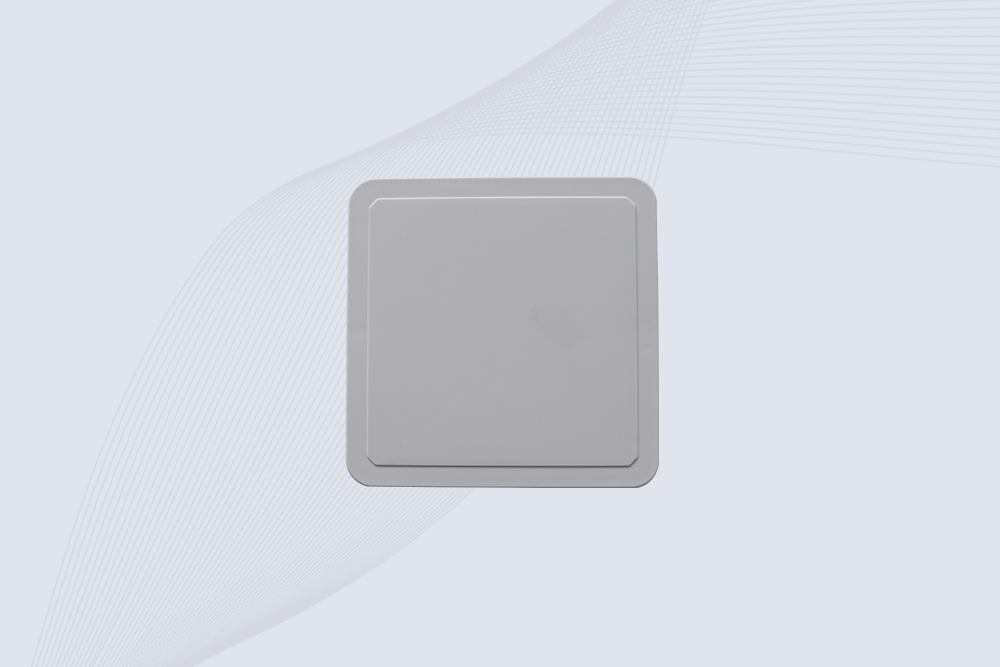
Cykeo CYKEO-A6 UHF RFID panel antenna features 6dBi gain, 840-960MHz broadband, IP65 metal-ready housing for logistics/smart retail. 18mm ultra-thin design with tool-free mounting.

Cykeo CK-A3 industrial antenna RFID UHF offers 5m+ tag detection, ≤1.3:1 VSWR, IP65 rugged design, and global UHF spectrum compatibility (840-960MHz) for warehouses, factories, and retail.
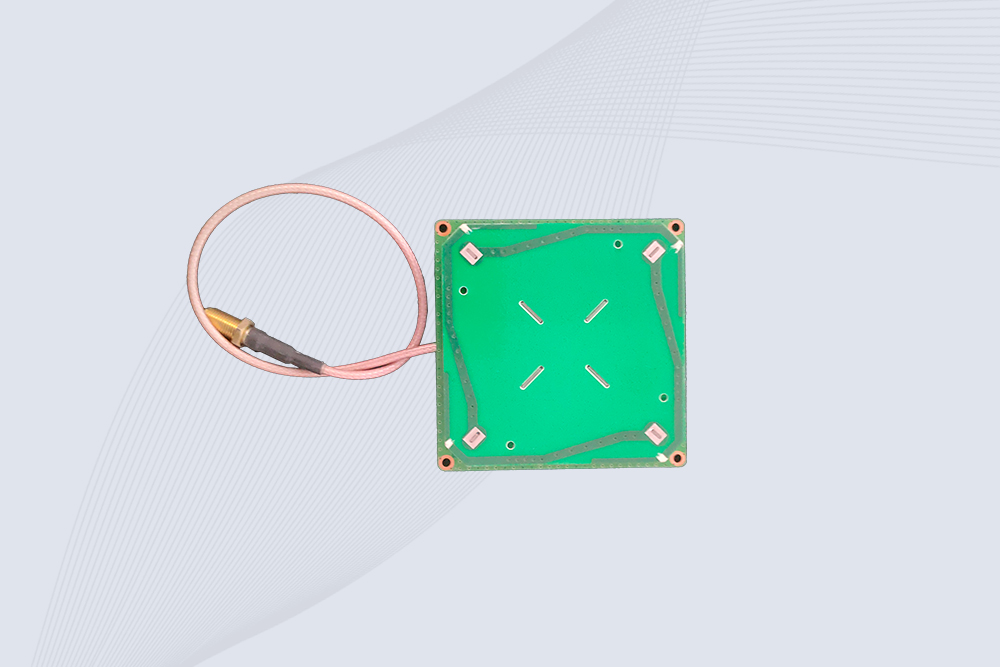
Cykeo CYKEO-B5 directional RFID antenna provides 5dBi gain with 60° narrow beamwidth for precise inventory tracking. IP65-rated, global UHF frequency support, and low VSWR.
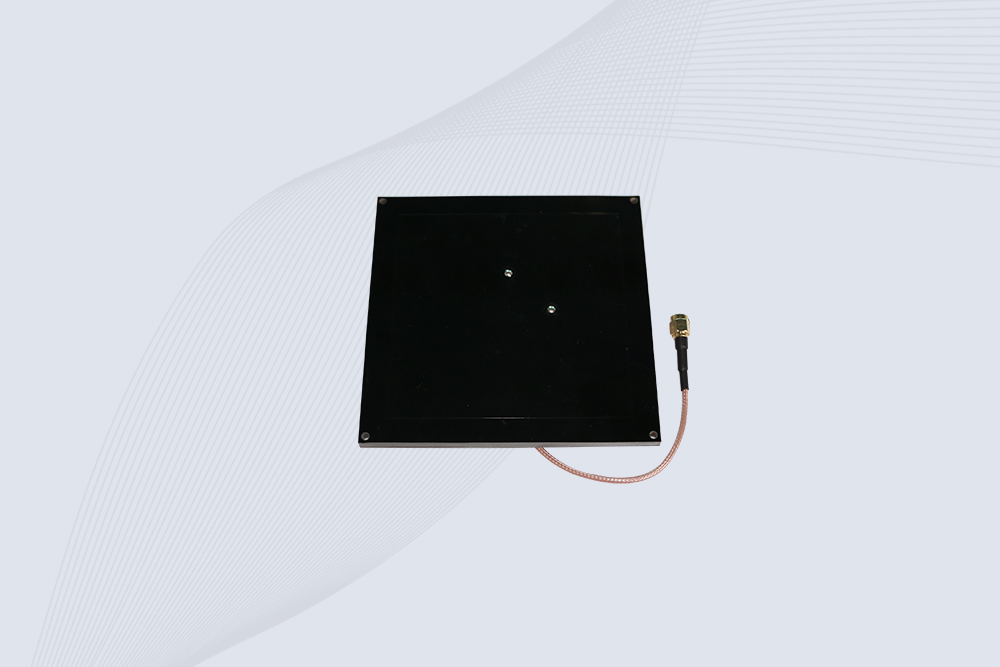
Create your own high-performance DIY RFID antenna! 5dBi gain, 840-960MHz tunable, step-by-step guides. Compatible with Arduino, Raspberry Pi, and commercial UHF readers.
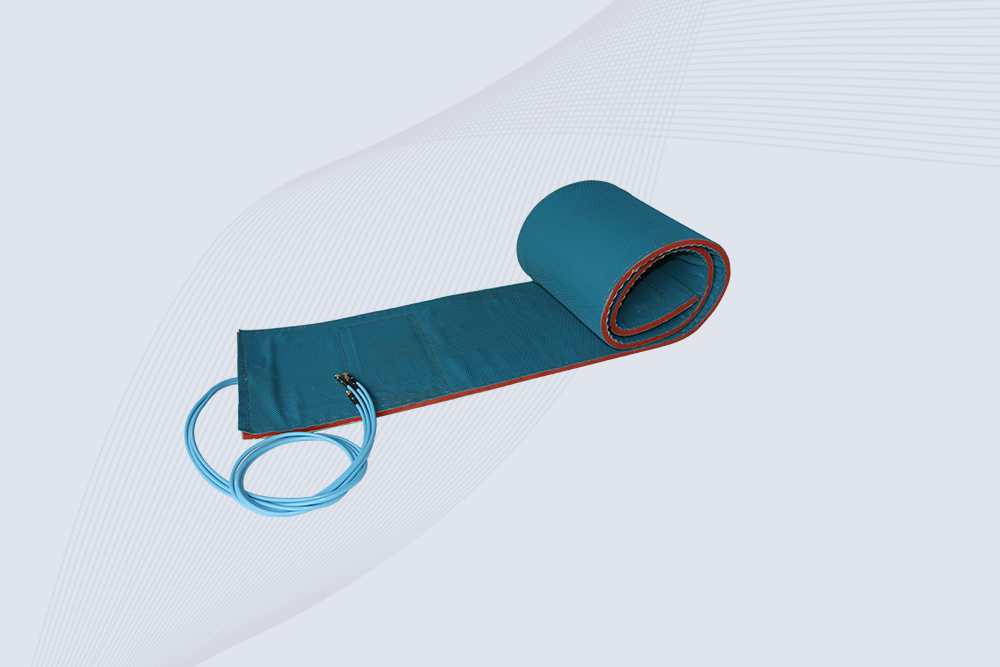
Cykeo CYKEO-A7 Flexible RFID Antenna features 840-960MHz wideband tuning, 7dBi gain, and IP68 rating for medical/retail/industrial curved surface deployments. 98% read accuracy with peel-and-stick installation.

Cykeo CYKEO-B5A industrial Passive RFID Antenna delivers 5dBi gain, 70° beamwidth, and -40°C~55°C operation for warehouses/smart cabinets. Compatible with Zebra/Impinj readers.
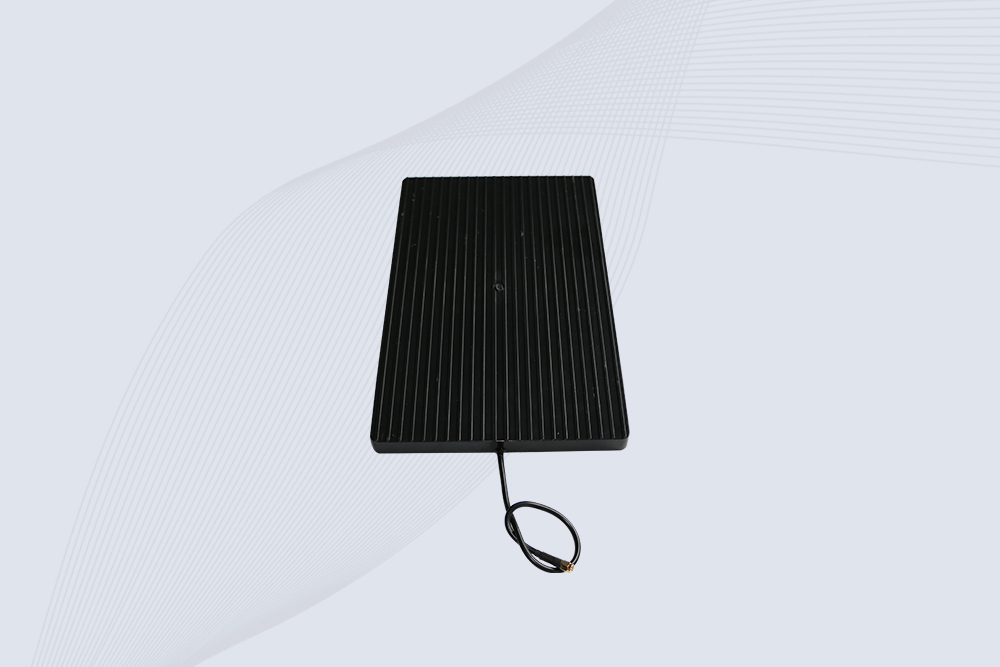
Cykeo’s CYKEO-A9B High Gain RFID Antenna delivers 15m+ read range with 9dBi amplification. Features IP54 rugged design, 840-960MHz bandwidth, and 80° beamwidth for warehouse/manufacturing RFID systems.

Cykeo’s enterprise-grade 8dbi Impinj RFID Antenna 10m+ read range with 840-960MHz tuning. Features IP65 housing, 1.4 VSWR, 35° beamwidth for retail/warehouse RFID systems.
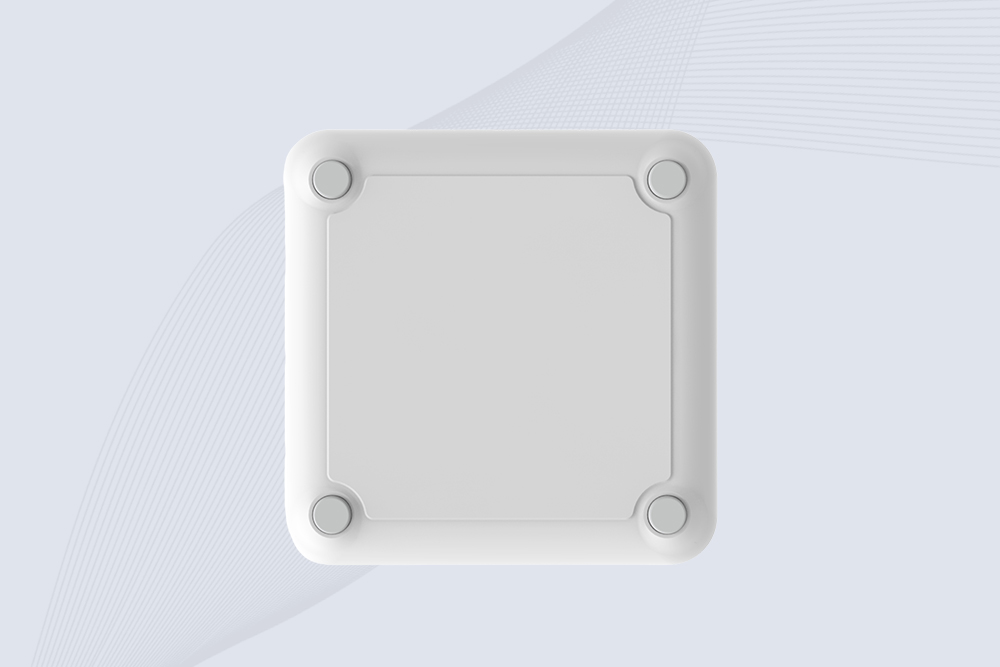
Cykeo CYKEO-A9 industrial UHF RFID antenna delivers 9dBi gain, 840-960MHz frequency range, and IP65 protection for warehouse/logistics/retail RFID systems. Features N-type connector and ≤1.3:1 VSWR.
CYKEO UHF RFID Antenna built for long-distance and industrial applications. This antenna rfid uhf delivers strong gain, outdoor durability, and reliable tag performance in warehouses, yards, and vehicle ID systems.
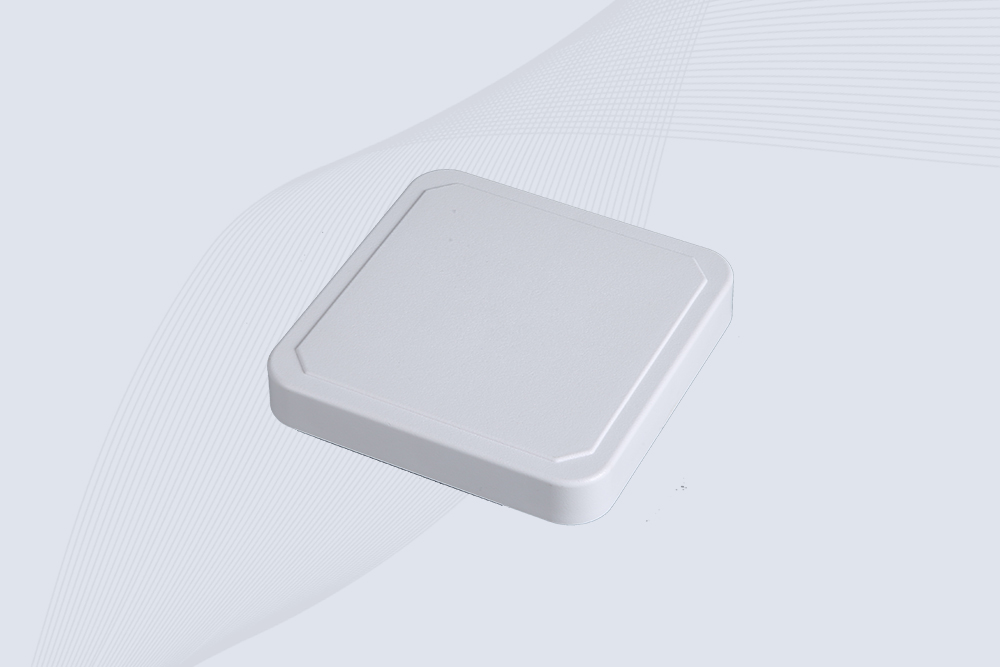
CYKEO Antenna RFID delivers reliable long-range UHF performance in warehouses, retail shelves, and cold-chain environments. This compact uhf rfid antenna provides stable reads with circular polarization and ultra-wide 840–960 MHz support, ideal for industrial tracking, smart shelves, and asset monitoring.
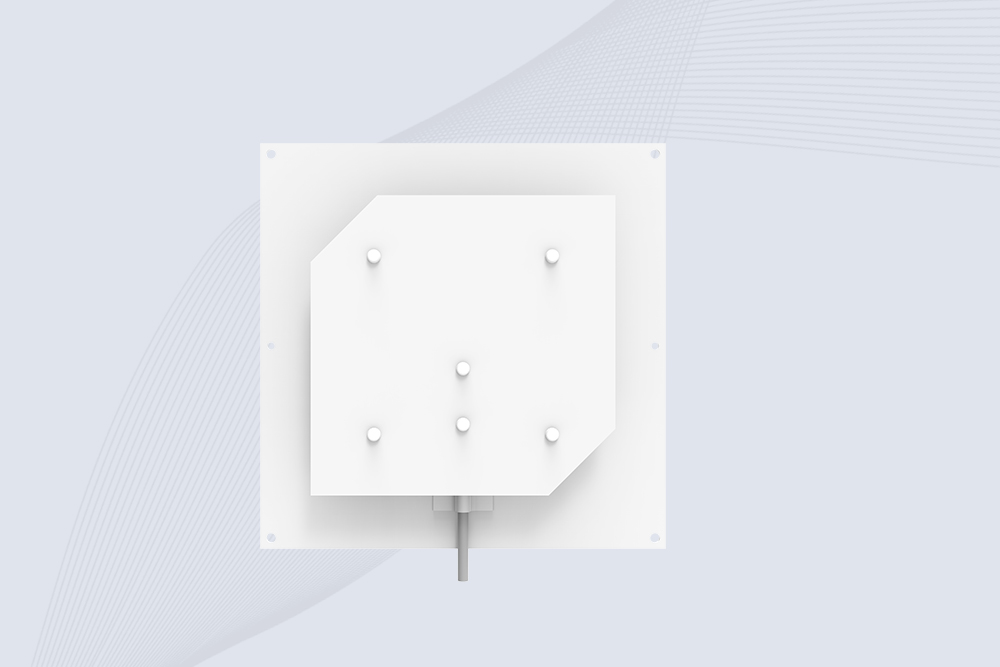
Cykeo’s CYKEO-C8 UHF RFID antennas delivers 8dBi gain, 840-960MHz full-band coverage, and IP65 ruggedness for manufacturing/warehouse RFID systems. Industrial RFID Antennas Features
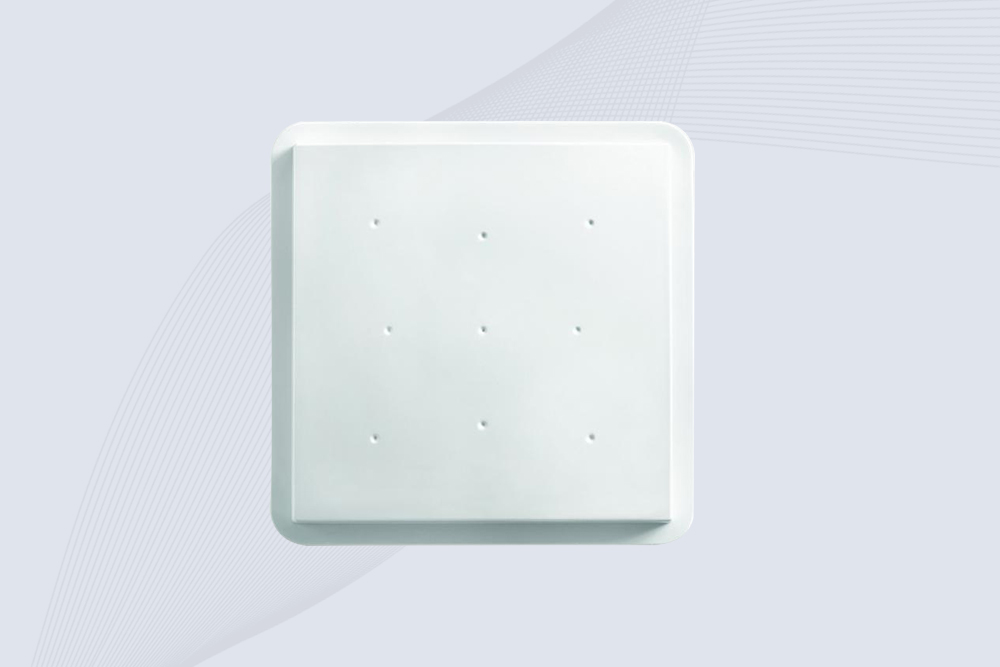
Cykeo’s 8dBi UHF RFID antenna and reader kit delivers 10m+ range, 840-960MHz broadband, and IP65 ruggedness for factories, warehouses, and logistics. ISO 18000-6C & EPC Gen2 certified.
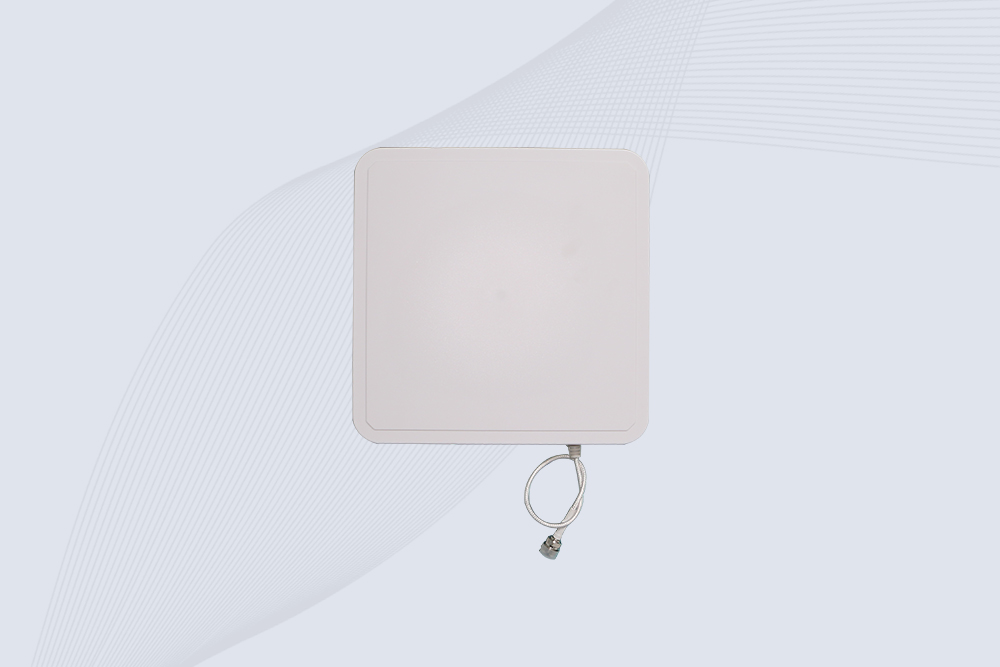
Cykeo CYKEO-A9A industrial UHF RFID reader and antenna kit delivers 10m range, 500 tags/sec, IP65 ruggedness for manufacturing/logistics. Supports EPC Gen2, ISO18000-6C.
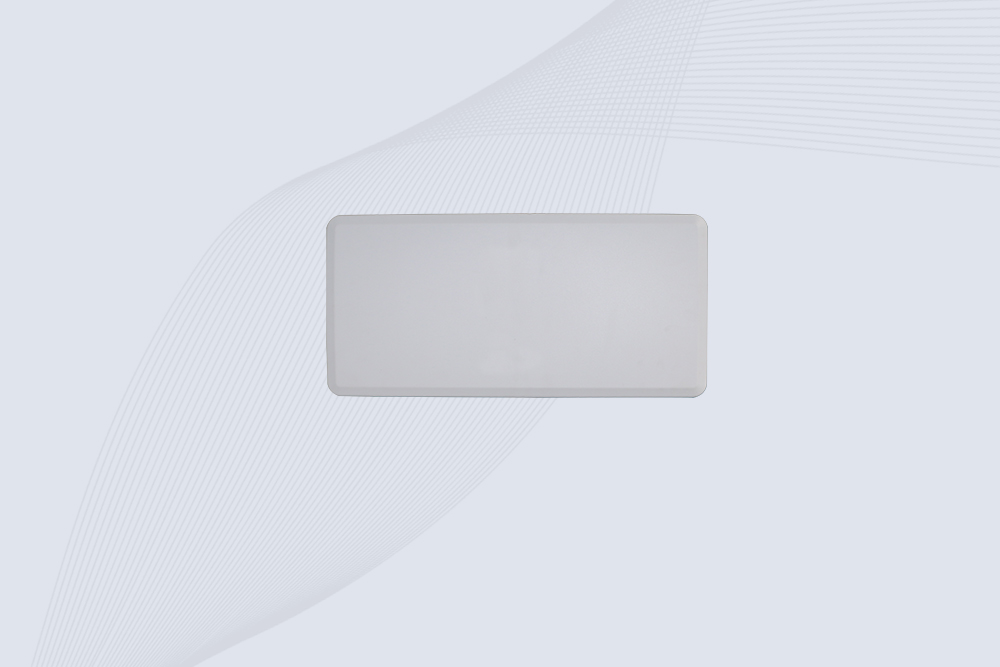
Cykeo’s CYKEO-A12C UHF Large RFID Antenna delivers 12dBi gain, 840-960MHz global frequency, IP65 ruggedness for logistics/warehousing/automotive. 40° beamwidth ensures stable 15m+ tag reads.

CYKEO Near Field RFID Antenna provides precise 5–30 cm reading for shelves, cabinets, and workstations. This compact rfid shelf antenna delivers stable short-range performance around metal and clutter, ideal for pharmacies, libraries, and electronics sorting.
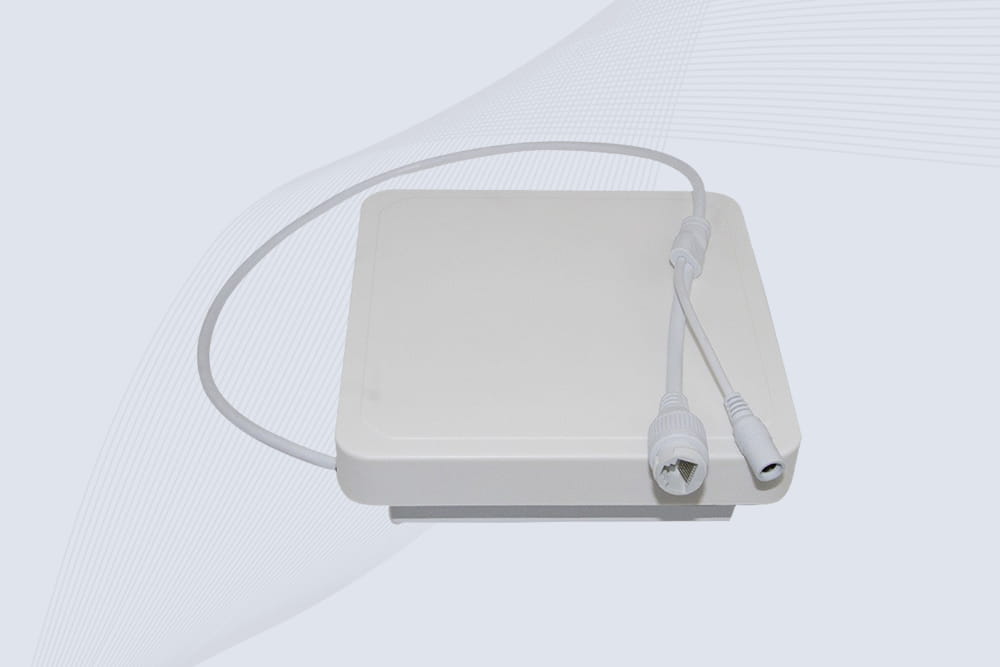
Cykeo’s industrial long range RFID reader delivers 20-meter scanning, 500+ tags/sec speed, and IP67 waterproof design for automated warehouses, logistics, and harsh environment applications.
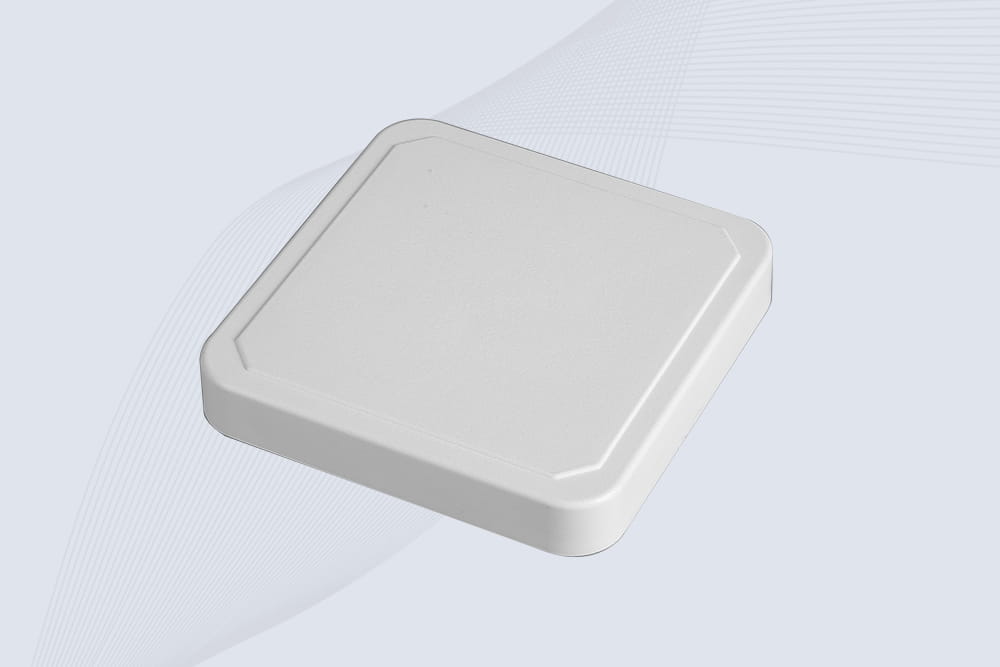
Cykeo’s CYKEO-RA6L industrial RFID long range reader features 20m read distance, 500 tags/sec speed, and IP67 protection. Ideal for warehouse automation, manufacturing WIP tracking, and smart logistics. Supports ISO 18000-6C/6B protocols.
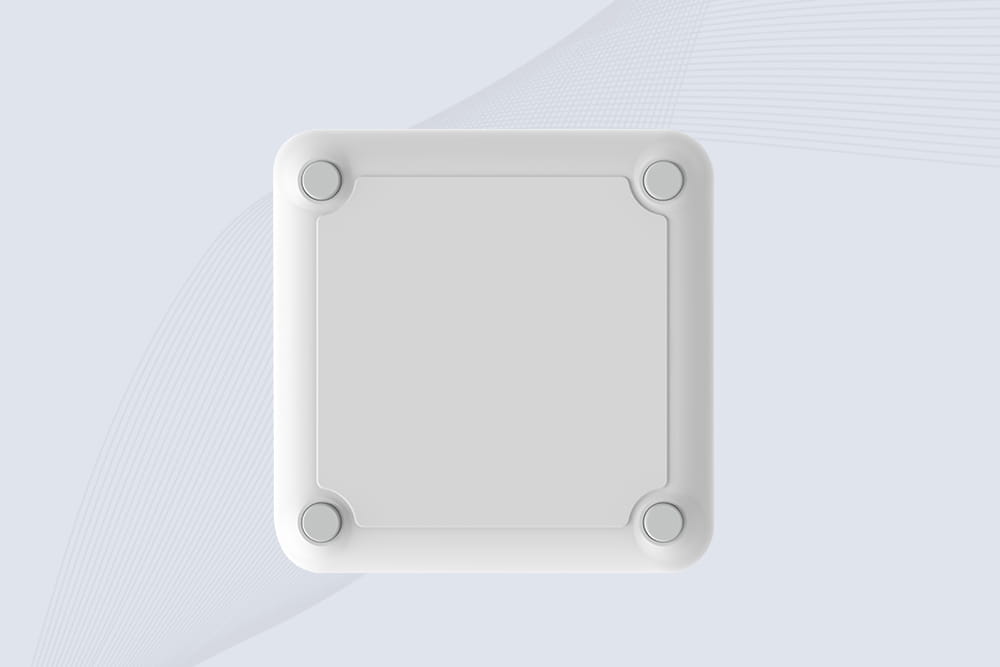
CYKEO Long Range RFID Tag Reader built for outdoor and industrial operations. This Outdoor RFID Reader delivers 20m read distance, fast tag processing, and IP67 durability for wide-area tracking.
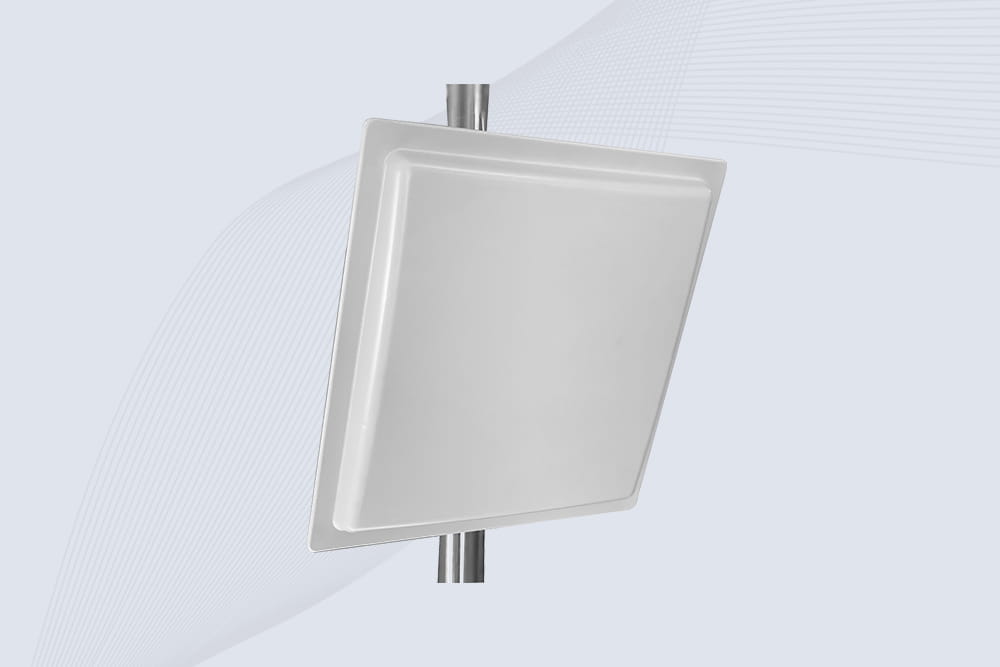
Cykeo CYKEO-RA12L industrial Long Range RFID Reader delivers 20m read range, 200+ tags/sec scanning, and IP67 protection for manufacturing/logistics applications. Supports ISO 18000-6C/GB protocols.
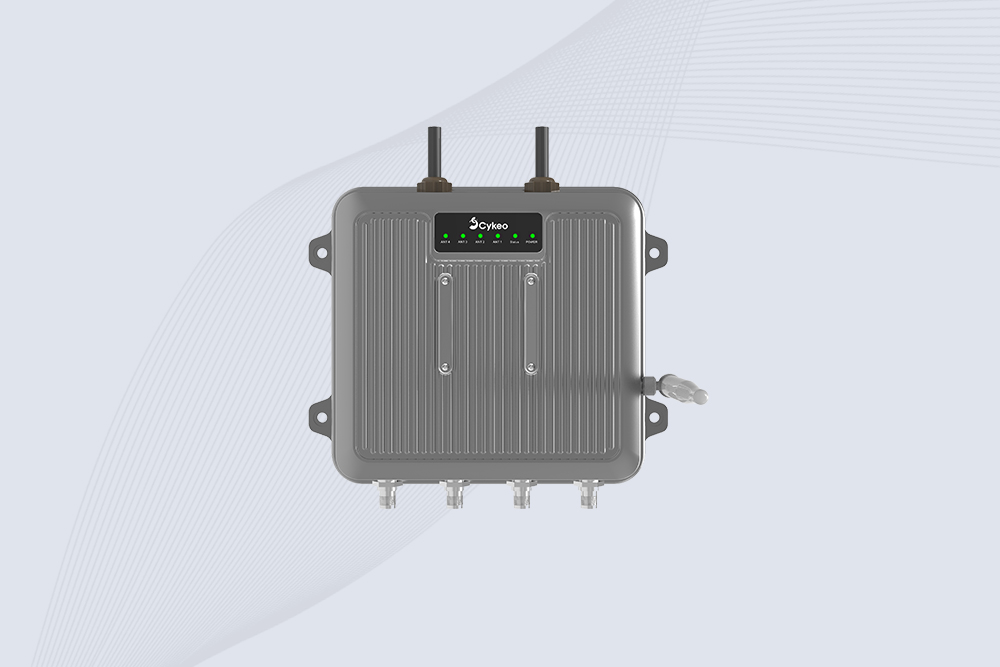
Cykeo CYKEO-C1 industrial Forklift RFID Reader features 20m read range, 600 tags/sec scanning, Impinj R2000 chipset, and IP67 rugged design. Ideal for warehouse logistics and manufacturing. Supports ISO 18000-6C/6B protocols.
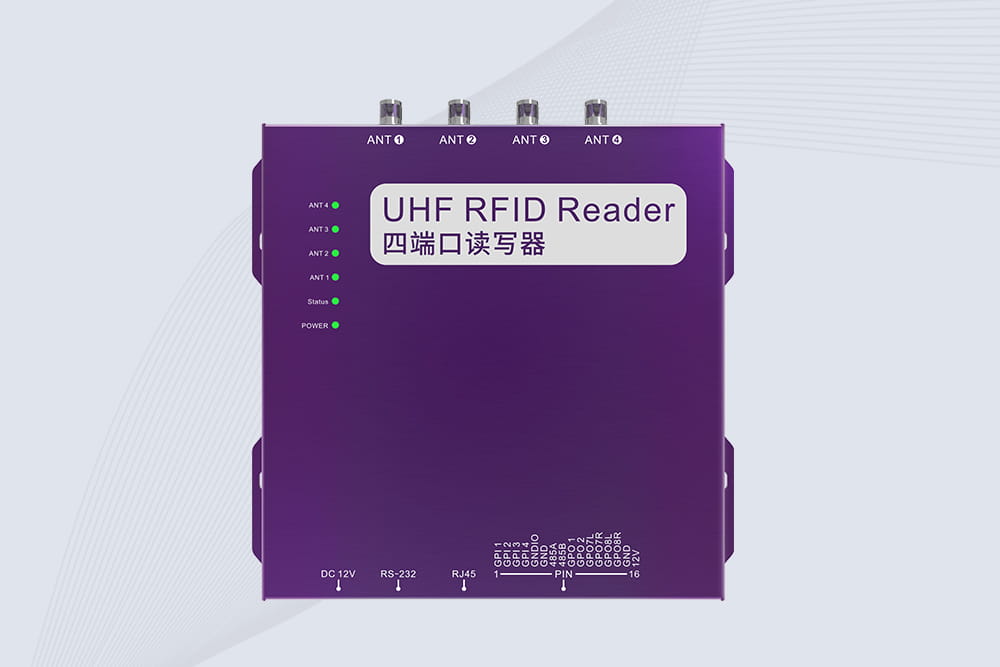
Cykeo CYKEO-R4 industrial UHF RFID Fixed Reader features 4 TNC ports, 400+ tags/sec speed, IP67 housing, and global frequency compliance for vehicle inspection, smart warehouse, and asset management systems.
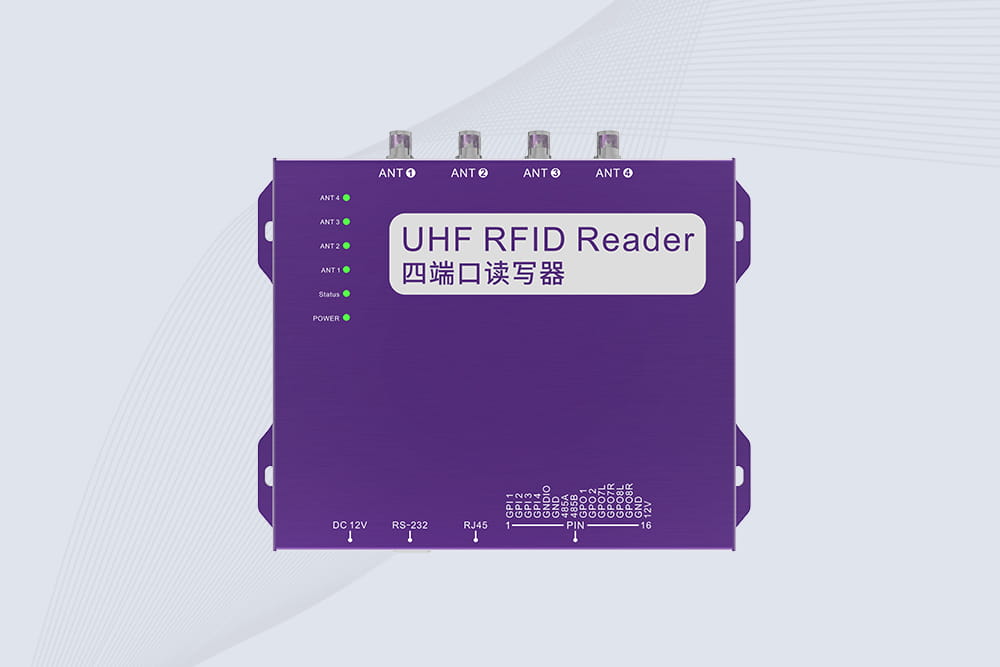
Cykeo’s CYKEO-R4L 4-port Fixed UHF RFID Reader delivers 400 tags/sec scanning, ISO 18000-6C compliance, and IP65 protection. Ideal for warehouse automation, manufacturing WIP tracking, and logistics management.
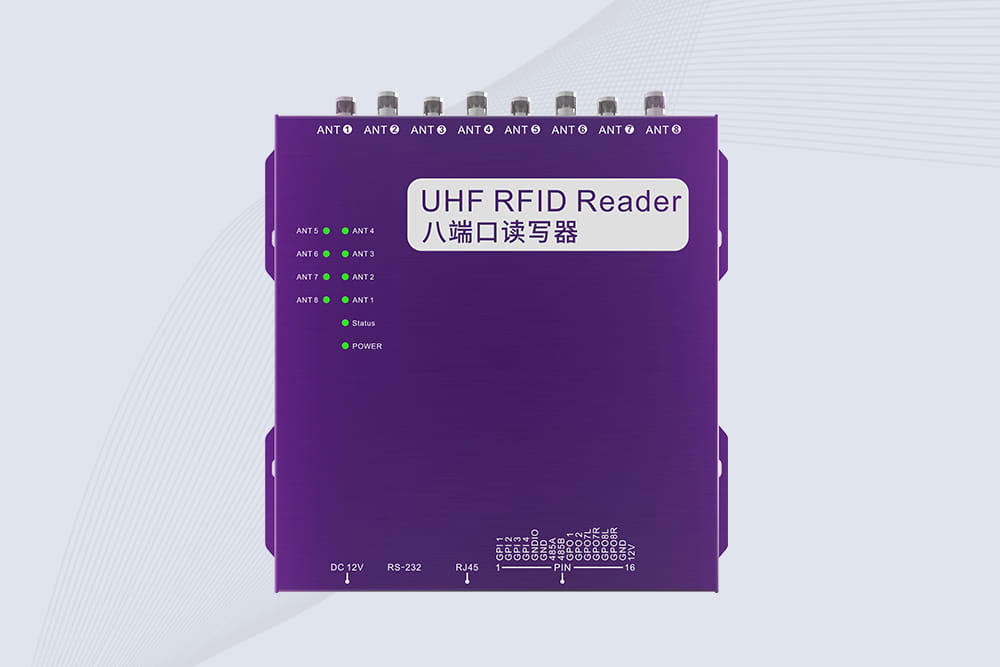
CYKEO CYKEO-R8L Fixed RFID Reader with 8-port UHF design, Impinj-based RF core and up to 20m read range. An industrial Fixed RFID Reader for vehicle inspection, warehouse portals, smart manufacturing lines and secure access checkpoints.
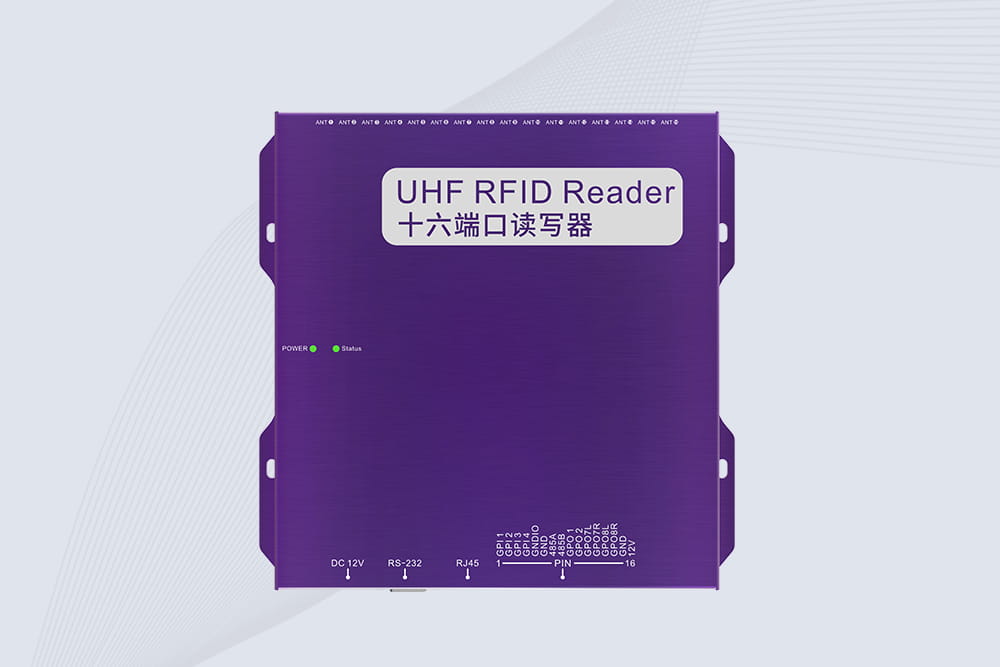
RFID Fixed Reader from CYKEO – the CYKEO-R16L 16-port UHF fixed reader for warehouses, smart cabinets, and production lines. Long-range, multi-tag reading, stable performance for 24/7 industrial use.
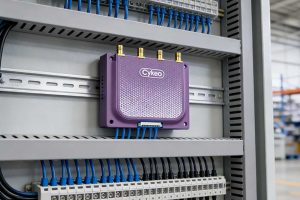
Wondering what does RFID interface module model 941b0405 do? This guide explains its functions, setup, and applications for seamless asset tracking.
More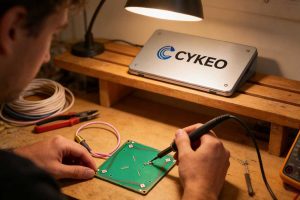
Thinking about how to build a RFID antenna? Our guide walks through the DIY process for learning, while explaining the value of commercial solutions.
More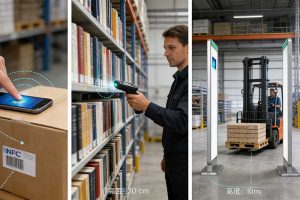
Need practical read distances? Learn how far away RFID chips can be read in LF, HF/NFC, and UHF systems, and what factors change the actual range.
More
Learn how UHF RFID sled readers work, what to look for when selecting one, and how solution providers can choose the best model for logistics, warehousing, and asset management projects. A hands-on, experience-based guide — not marketing fluff.
More