 Cykeo RFID IoT Solution Products R&D Manufacturer
How to Choose the Best Handheld RFID Reader for Warehouse Inventory Management?
1019Discover how to select the best handheld RFID reader for warehouse inventory. Compare durability, read range, software compatibility, and cost-effectiveness.
MoreAll RFID Product
What is an rfid chip used for? An RFID chip is used to store unique identification information, communicate with RFID readers, and connect physical objects with digital records. It enables EPC encoding, asset tracking, inventory management, and automated identification in hospitals, libraries, archives, banks, and industrial environments.
An RFID chip is the electronic intelligence inside an RFID tag. It stores identification data and allows an object to communicate with an RFID reader through radio frequency technology.
In simple applications, an RFID chip may only store a serial number. In professional deployments, however, the chip becomes the foundation of a complete identification system.
During RFID implementation projects, I have worked with asset tracking environments where thousands of items needed unique identities before entering operational systems. The challenge was never only “writing data into a chip”. The difficult part was ensuring that every RFID tag matched the correct physical object.
A medical device, archive file, electrical inspection tool, or library book needs a reliable digital identity:
RFID Chip EPC Code → Software Database → Physical Object
Once this relationship is established, organizations can search, manage, and monitor assets automatically.
This is why RFID chips are widely used in:
An RFID chip works together with an antenna and RFID reader.
The communication process is completed through several steps:
| Process | RFID Function |
|---|---|
| 1 | RFID reader sends radio frequency signals |
| 2 | RFID antenna receives energy from the signal |
| 3 | RFID chip activates and processes stored data |
| 4 | Chip sends identification information back |
| 5 | Software links the EPC number with an object record |
Most UHF RFID chips are passive chips, meaning they do not require an internal battery. They receive energy from the reader field and respond automatically.
For UHF RFID applications, communication commonly follows ISO/IEC 18000-63 and EPC Class 1 Gen 2 standards.
According to GS1, EPC RFID technology provides unique digital identities for physical objects and improves visibility throughout supply chains.
One of the most important uses of an RFID chip is storing an EPC (Electronic Product Code).
The EPC acts as a unique identification number for each tagged item.
Before an RFID tag enters service, many organizations need to complete a registration process:
For example:
| EPC Number | Object Information |
|---|---|
| E200341201000001 | Hospital monitoring equipment |
| E200341201000002 | Archive document box |
| E200341201000003 | Electrical maintenance tool |
When the RFID reader detects the EPC number, the software immediately retrieves the related information.
This process prevents duplicate identification and creates accurate asset records.
In real RFID projects, the registration stage determines the quality of the entire system.
I have seen organizations install RFID infrastructure successfully but later discover problems caused by incorrect tag initialization:
The RFID chip itself may be functioning perfectly, but incorrect binding creates operational problems.
A professional RFID tag binding workstation solves this issue by providing a controlled environment for:
This is especially important in industries where every item must have a traceable identity.
Cykeo UHF RFID Tag Binding Station is designed specifically for RFID tag registration and management workflows.
Instead of operating as a simple RFID reader, it combines:
The system supports ISO18000-6C (EPC C1G2) protocol and provides a stable working environment for RFID tag initialization.
The workflow is:
RFID Tag → EPC Code → Object Information → Database Record
This allows organizations to create reliable digital identities before assets enter daily operations.
In professional RFID deployments, the first step is not tracking an asset. It is creating a reliable identity for that asset.
The Cykeo UHF RFID Tag Binding Station is designed for this registration stage. It provides a controlled environment where RFID chips inside tags can be written, verified, and connected with management information.
Unlike ordinary RFID readers that focus mainly on detection, a binding workstation focuses on data accuracy before deployment.
The complete workflow includes:
This process creates a permanent digital connection between the RFID chip and the physical object.

The Cykeo binding station follows the ISO18000-6C (EPC Class 1 Gen 2) protocol, which is widely used for UHF RFID identification systems.
This compatibility allows organizations to use standard UHF RFID tags while maintaining reliable communication between:
For enterprises managing thousands of tagged objects, protocol compatibility reduces integration difficulties.
One challenge during RFID tag registration is accidental writing to nearby tags.
In a normal working environment, multiple RFID tags may exist around the operator. If the reading area is not controlled properly, incorrect EPC assignment can happen.
Cykeo RFID Tag Binding Station uses a controlled operating area with approximately 50cm reading and writing range, helping prevent unintended tag operations.
This is especially valuable in:
The operator can focus on one registration task without worrying about surrounding RFID interference.
The system supports batch RFID identification and can recognize 50+ RFID tags simultaneously under suitable conditions.
This capability improves efficiency when organizations process large quantities of tags.
Typical workflows include:
| Industry | Batch Registration Example |
|---|---|
| Library | Registering multiple RFID book tags |
| Archive | Preparing document storage labels |
| Hospital | Processing equipment identification tags |
| Power Industry | Managing inspection tools |
Instead of registering items one by one, operators can complete higher-volume RFID initialization tasks.
The integrated 21.5-inch high-definition touchscreen creates an all-in-one workstation experience.
Operators can:
In real working environments, reducing unnecessary device switching improves accuracy.
A technician registering hundreds of RFID tags during a shift does not need multiple external screens or additional terminals.
Cykeo RFID Tag Binding Station can be equipped with:
This allows simultaneous information collection.
For example, when registering an archive box, the operator can:
The adjustable camera angle supports different document and object sizes.
This combination is particularly useful for:
Hospitals operate in environments where asset availability directly affects efficiency.
RFID chips are commonly used for:
Before equipment enters the hospital management system, RFID tags require accurate registration.
The Cykeo RFID Tag Binding Station helps staff create:
Equipment Information + RFID EPC Identity + Database Record
For example:
RFID EPC:E280116060000123
Database Record:
When the equipment moves later, RFID readers can identify it automatically.
Archives often manage thousands or millions of physical documents.
Traditional management depends heavily on manual records.
RFID chips provide:
During archive RFID projects, one common problem is maintaining accurate initial registration.
A wrong EPC association at the beginning can affect years of future management.
The binding workstation provides a controlled registration process before archive materials enter storage.
Libraries are one of the earliest large-scale RFID application environments.
RFID chips enable:
According to the RFID industry organization RAIN Alliance, billions of RFID tags are deployed globally each year across industries, demonstrating the growing adoption of RFID identification technology.
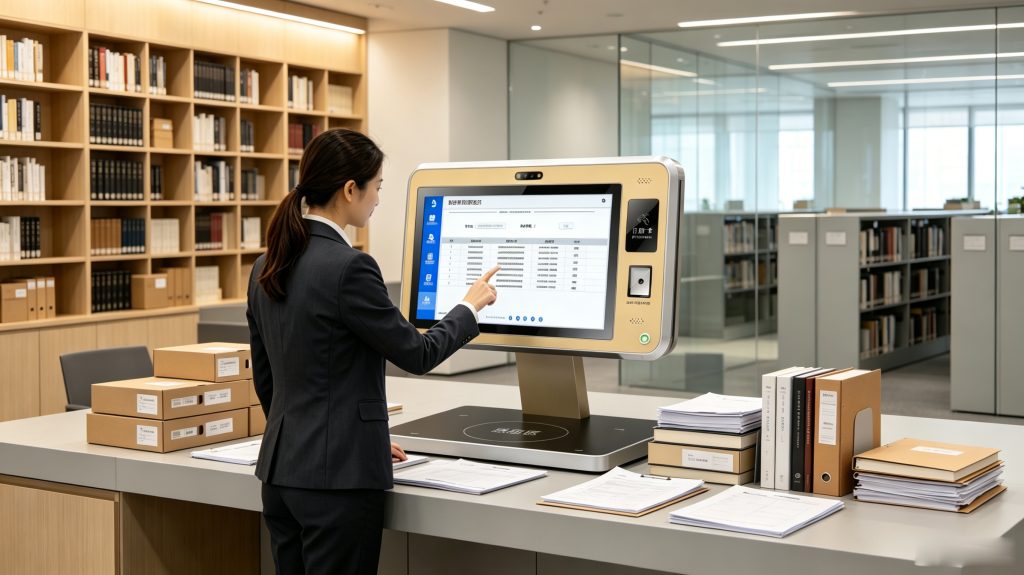
An RFID chip is used to give physical objects a unique digital identity. Businesses use RFID chips to identify, track, and manage products, equipment, documents, and assets automatically.
Typical applications include:
The RFID chip itself does not “track” an object like GPS. Instead, it stores identification information that can be read by compatible RFID readers and connected to software systems.
In most professional applications, RFID chips primarily store identification data rather than personal information.
A typical RFID chip may contain:
Sensitive information is usually stored in a secure database rather than directly inside the RFID chip.
For example, a hospital RFID tag may store an EPC identifier, while the database contains:
This structure improves security and makes large-scale asset management easier.
EPC means Electronic Product Code.
It is a unique identification number stored inside many UHF RFID chips.
The EPC creates a connection between the physical object and digital information.
The relationship is:
RFID Chip
    ↓
EPC Code
    ↓
Database Record
    ↓
Asset Information
For organizations managing thousands of items, EPC uniqueness is critical.
A duplicate EPC number can create incorrect inventory records, which is why professional RFID registration systems use controlled encoding processes before tags enter operation.
Yes, many RFID chips support rewriting depending on the chip model and memory configuration.
Common writable information includes:
However, in asset management applications, EPC codes are usually assigned carefully to maintain long-term identity consistency.
For example, when registering medical equipment or archive materials, organizations normally create a permanent relationship between:
RFID Chip EPC → Physical Asset → Database Record
A RFID tag binding station improves accuracy during the RFID registration process.
Without a controlled workstation, operators may face problems such as:
A professional RFID binding station provides:
The Cykeo UHF RFID Tag Binding Station is designed for this purpose.
It combines RFID writing, touchscreen operation, optional QR scanning, and image capture into one workstation.
In environments where every item requires traceability, initial registration quality determines future management efficiency.
A hospital may manage thousands of:
Each item requires a unique identity.
The RFID chip provides the identifier, while the management system provides operational information.
Archives often store large volumes of physical documents.
RFID chip registration allows:
The registration process performed before storage ensures every archive container has a reliable digital identity.
The value of RFID technology does not come only from the chip.
A complete RFID solution requires:
Cykeo focuses on creating practical RFID identification solutions for real working environments.
The UHF RFID Tag Binding Station demonstrates this approach by combining:
| Feature | Benefit |
|---|---|
| ISO18000-6C (EPC C1G2) support | Compatible with mainstream UHF RFID tags |
| 21.5-inch touchscreen | Simple visual operation |
| 50cm controlled reading/writing area | Reduces accidental tag operations |
| 50+ tag batch recognition | Improves registration efficiency |
| Optional camera and QR scanner | Combines multiple data collection methods |
| Ethernet communication | Supports enterprise system integration |
In real deployments, accurate registration is often the difference between an RFID system that simply works and one that delivers long-term operational value.
What is an rfid chip used for? It is used to create a unique digital identity for physical objects through RFID communication technology. By storing EPC information and connecting with software databases, RFID chips enable organizations to manage assets, documents, products, and equipment with greater accuracy.
From hospitals managing medical equipment to libraries organizing collections and enterprises tracking valuable assets, RFID chips provide the foundation for intelligent identification.
With Cykeo RFID Tag Binding Station technology, organizations can complete RFID chip registration, EPC encoding, and information association through a professional workstation designed for reliable data management.
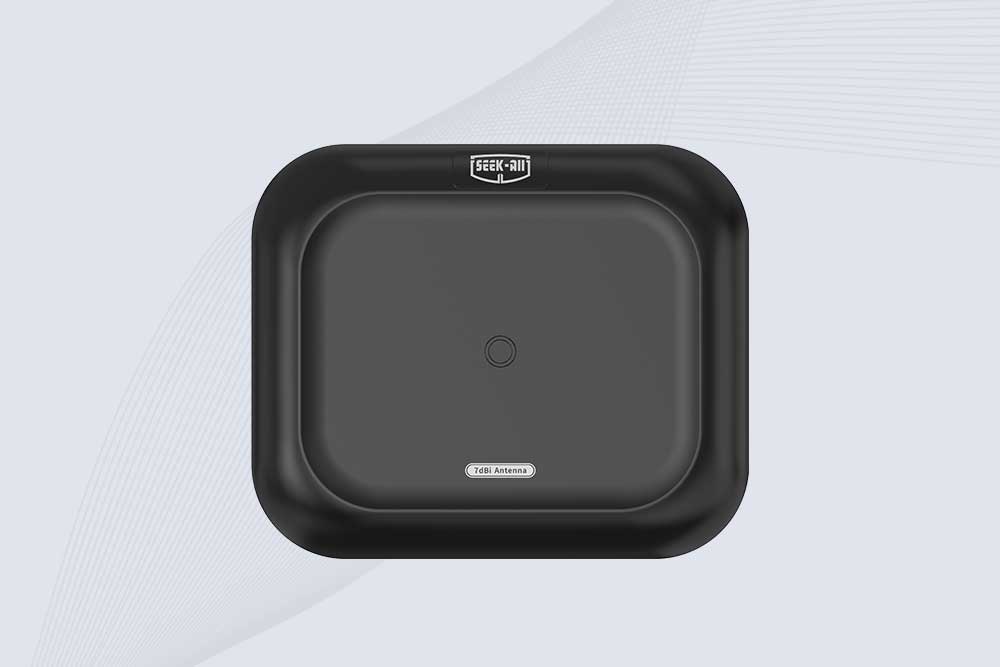
SSD-A07 Professional-Grade UHF Antenna Solution for Precision Tracking ✔️ Circular Polarization for Flexible Tag Reading SSD-A07 uses circular polarization to reduce signal loss caused by tag orientation. It helps maintain stable RFID performance when tags are placed in different directions. ✔️ 7 dBi Gain with Adjustable UHF Frequency Covering 8…

SSD-A06 UHF RFID antenna with circular polarization, adjustable 840–960 MHz frequency, ≥4.5 dBi gain, and a compact directional design for RFID systems.
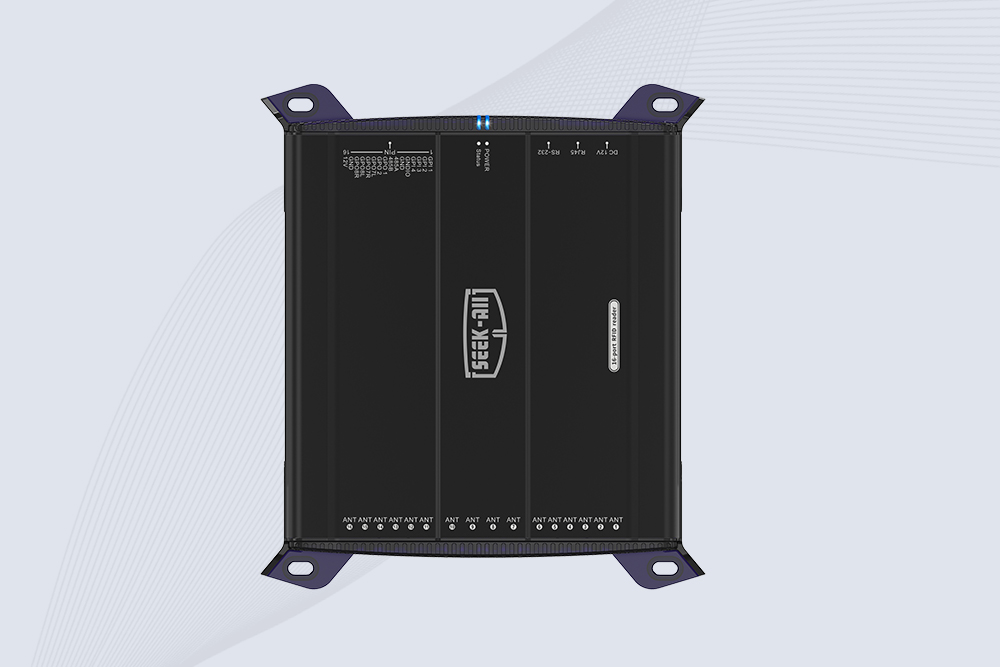
SSD-R16L Multi-Channel RFID Infrastructure for Automated Inventory Management ✔️ 16-Port High-Density RFID Reading Equipped with 16 SMA antenna ports, SSD-R16L supports multi-antenna deployment for warehouses, retail stores, logistics, production lines, and large-area RFID identification. ✔️ High-Speed & Long-Range Performance With up to 33…
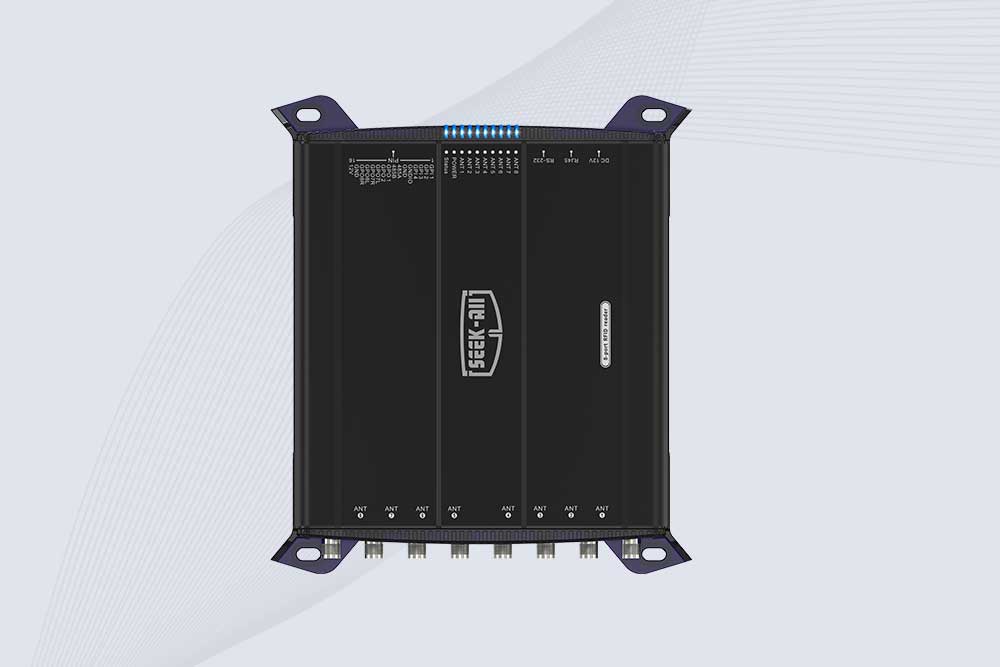
SSD-R8L 8-port UHF RFID reader with 33dBm output, up to 20m reading range and 600+ tags/s recognition. Ideal for warehouse, logistics, retail and asset tracking.
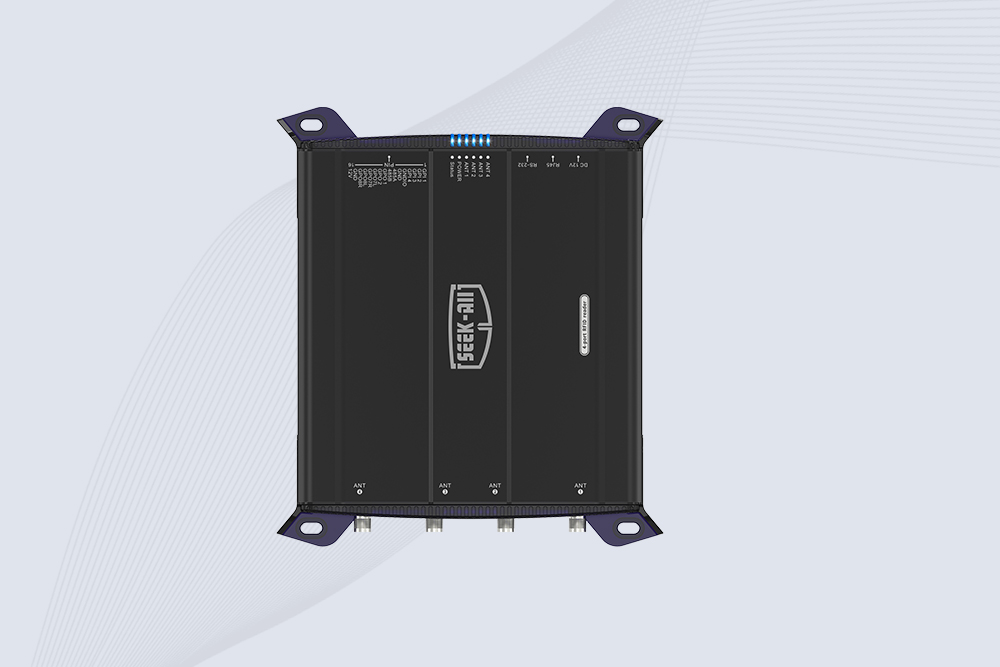
SSD-R4L is a 4-port UHF RFID fixed reader with 33dBm output power, up to 20m reading range, EPC C1G2 support and 600+ tags/s reading speed.
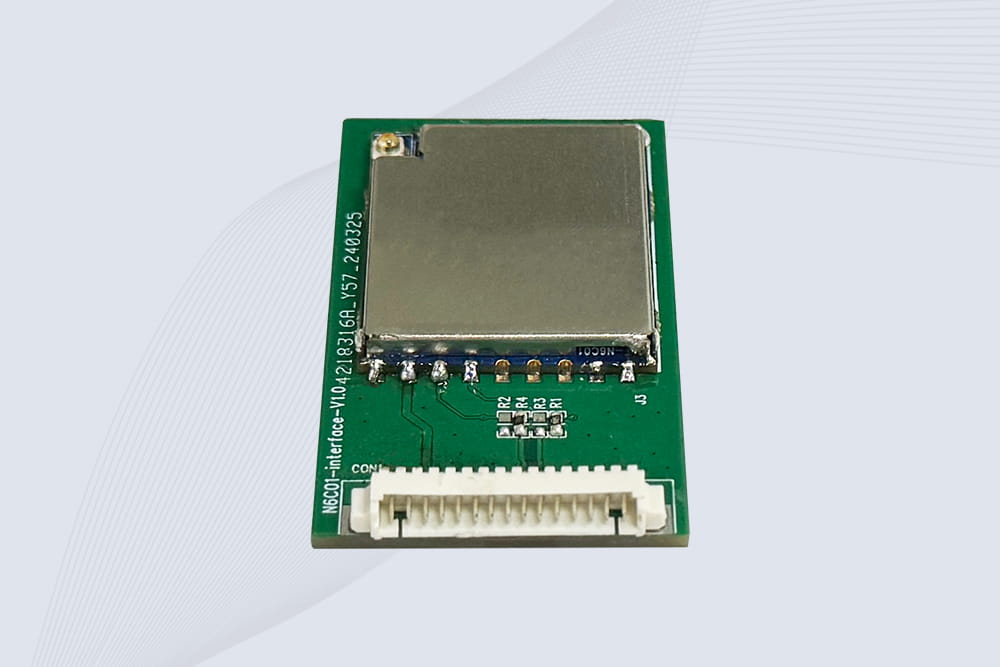
CYKEO Embedded RFID Modules are designed for compact industrial and IoT devices that require stable UHF performance. These UHF RFID Modules support global protocols, flexible power control, and reliable multi-tag reading for smart cabinets, production lines, and asset tracking systems.
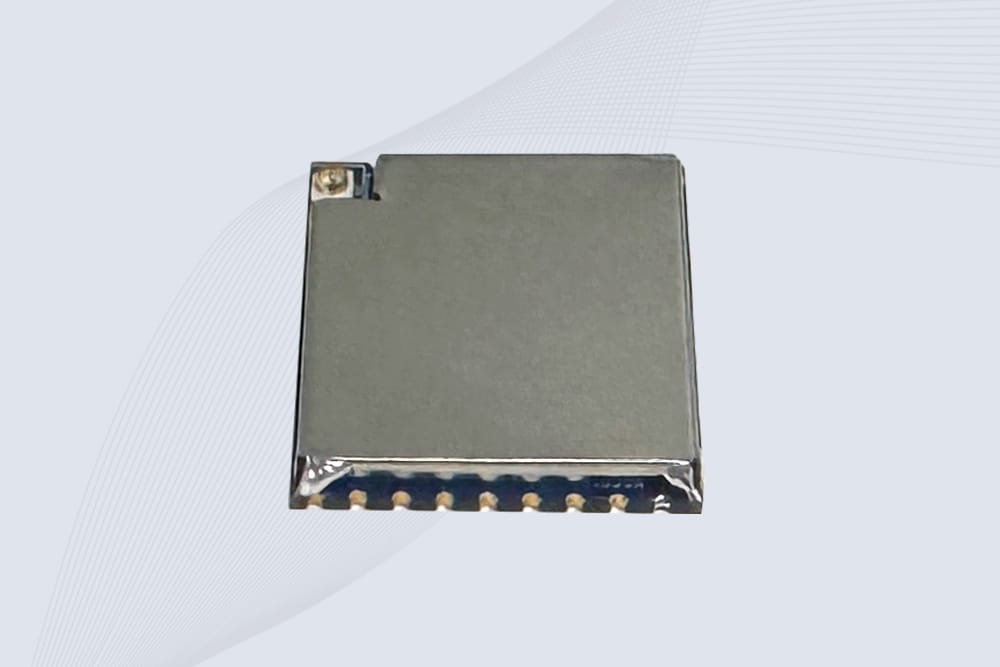
CYKEO Embedded RFID Module is built for compact IoT and industrial devices that need stable UHF performance. This UHF module supports global protocols, low power operation, and reliable multi-tag reading for smart lockers, production lines, and always-on RFID systems.
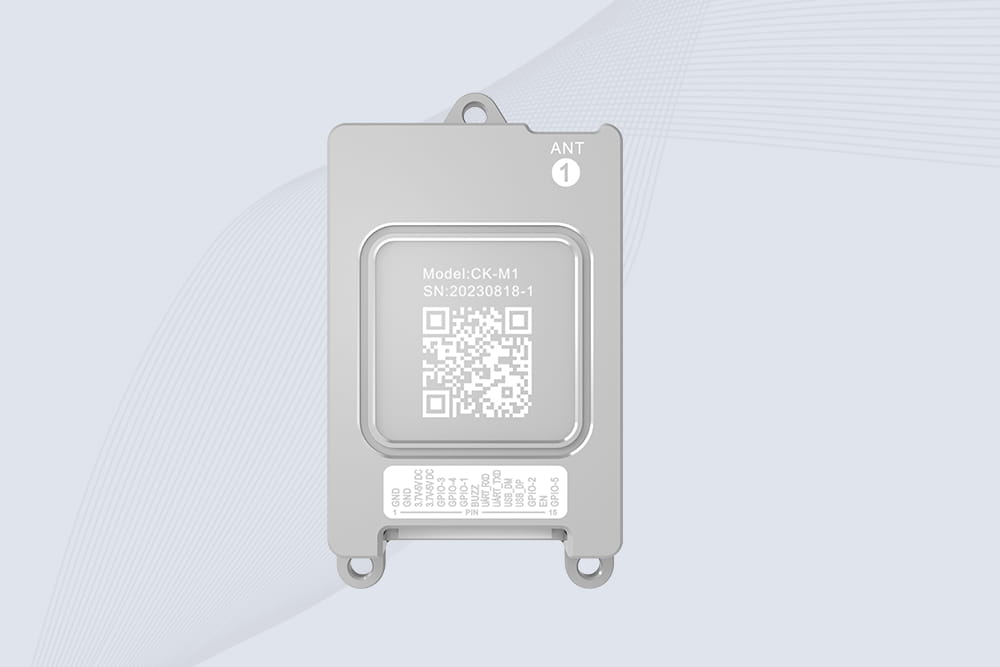
CYKEO CYKEO-M1 drone rfid module is a compact UHF RFID reader module designed for drones and UAV platforms. It supports long-range aerial scanning, fast multi-tag reading, and stable performance in wind, vibration, and outdoor environments.
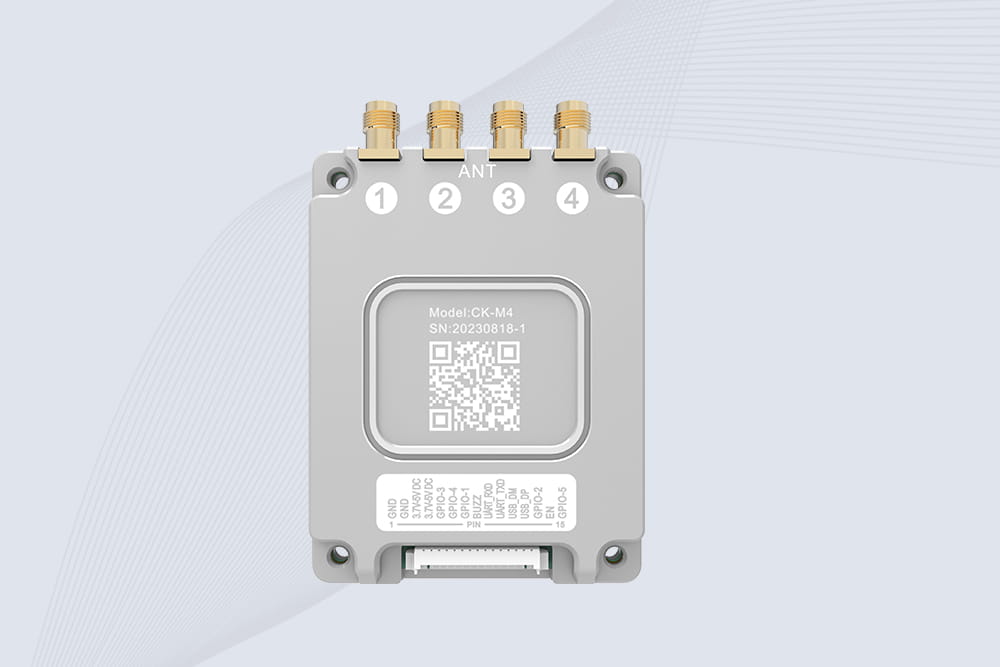
CYKEO CYKEO-M4 RC522 RFID Module is an industrial-grade UHF RFID reader with 4 ports, supporting ISO, EPC, and GB protocols. High-speed, accurate reading for IoT, automation, and warehouse applications.
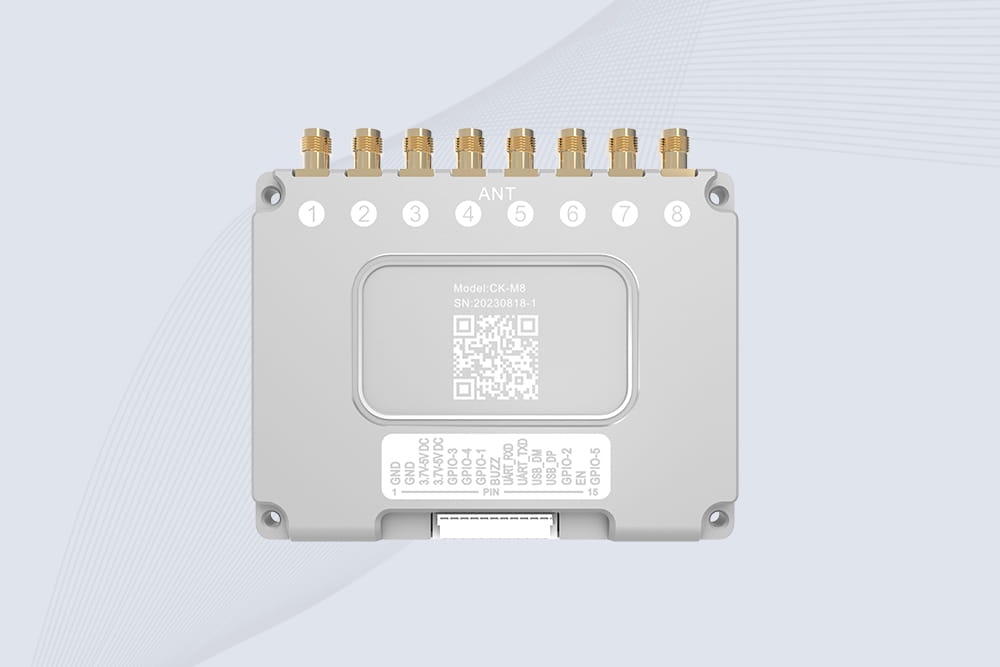
CYKEO CYKEO-M8 Module RFID is an 8-port UHF R2000 RFID Module designed for high-density, multi-tag environments. Stable 33dBm output, ISO & GB protocol support, ideal for warehouses, factories, and automated systems.
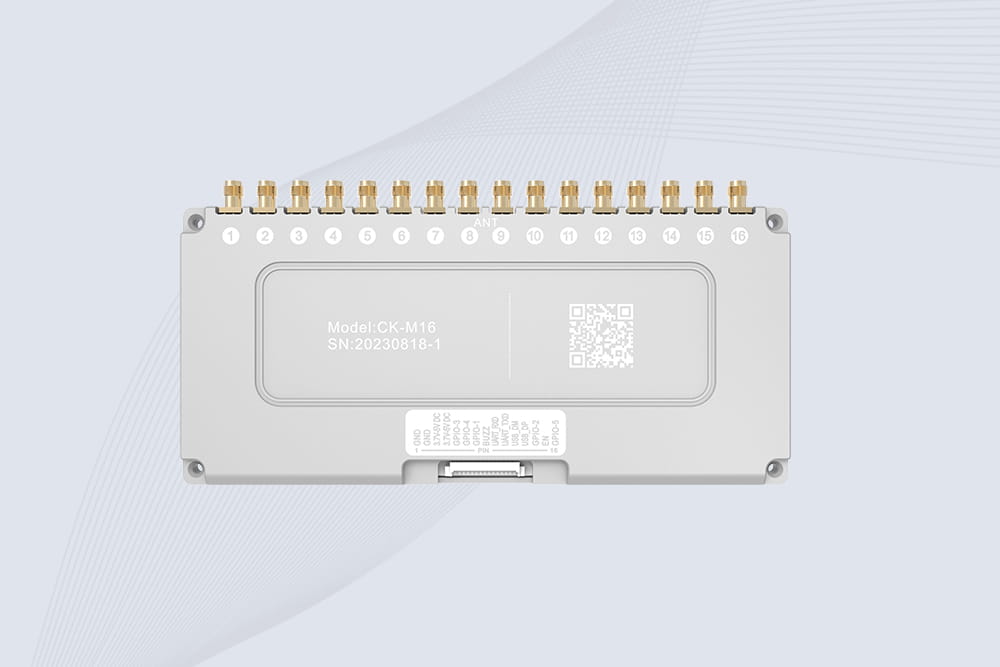
CYKEO CYKEO-M16 RFID Module is a 16-port UHF RFID reader module based on the R2000 chipset. Designed for dense tag environments, it supports ISO and GB standards and delivers stable multi-antenna control for industrial automation.
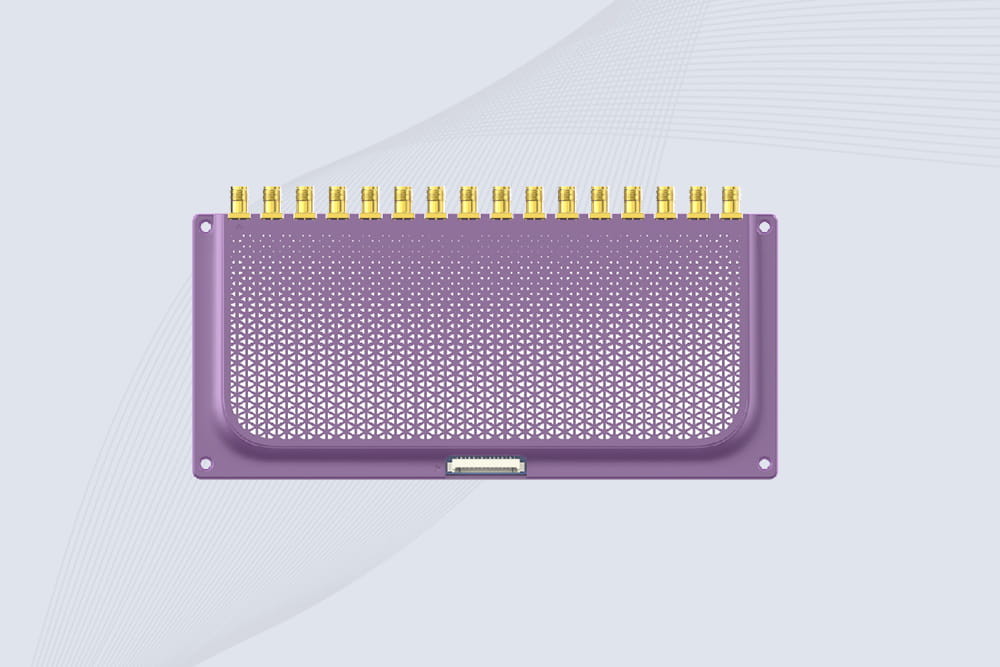
The CYKEO CYKEO-M16L RFID Reader Module is a 16-channel UHF RFID core designed for dense tag environments. With adjustable 33dBm output, multi-protocol support, and stable multi-antenna control, this RFID Tag Reader Module fits industrial automation, warehouse systems, and large-scale IoT deployments.
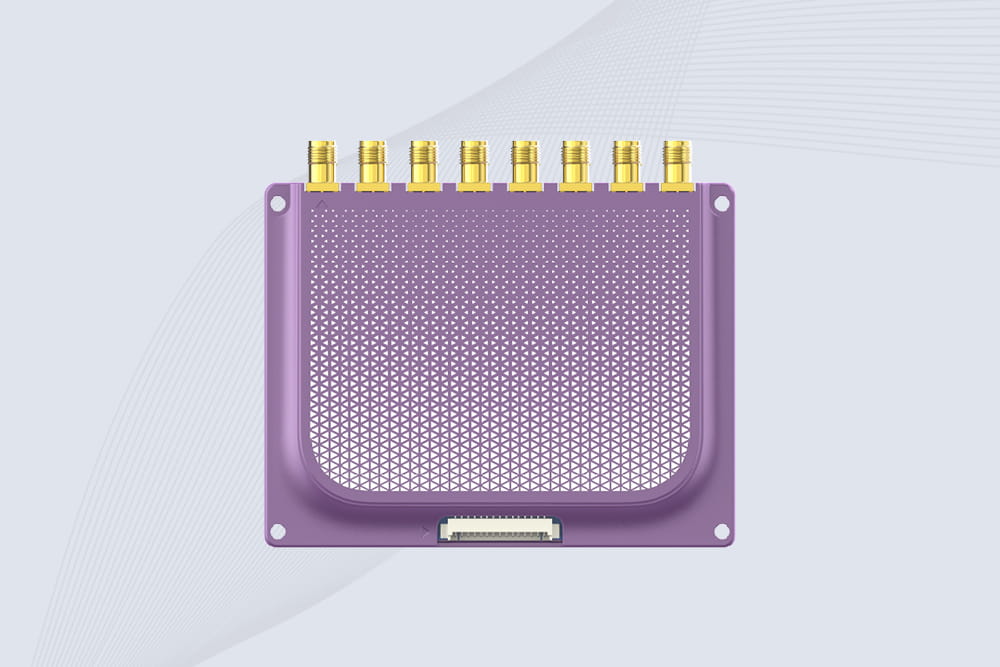
CYKEO CYKEO-M8L module RFID is a compact industrial UHF module built for dense tag and multi-antenna environments. With 8 RF ports, adjustable 33 dBm output, and ISO & GB protocol support, it is widely used in factories, warehouses, and automated tracking systems.
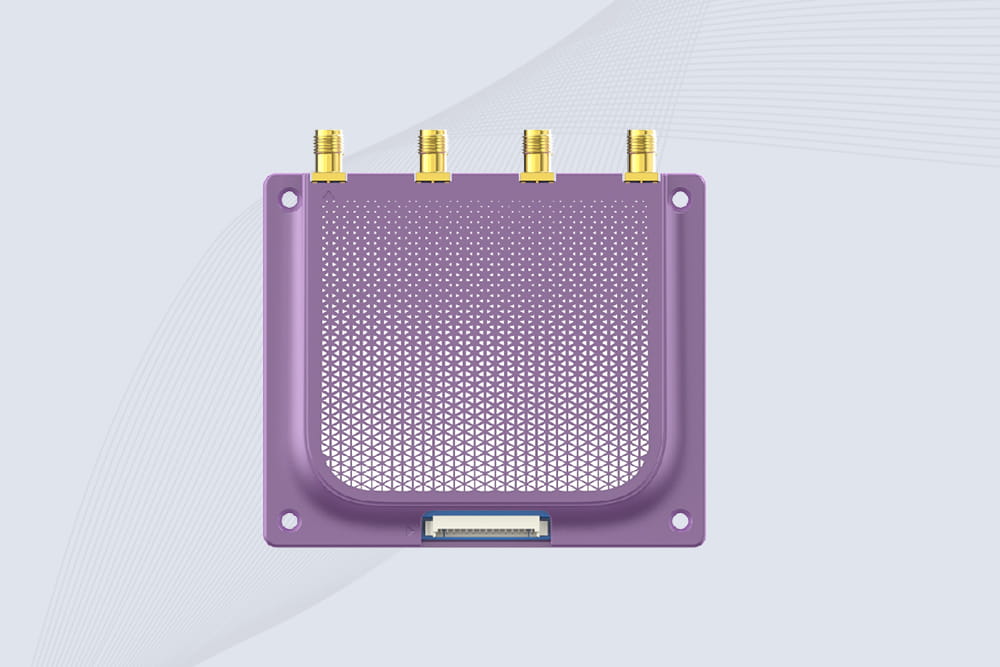
CYKEOCYKEO-M4L UHF RFID Module is a compact 4-channel RFID tag reader module designed for dense tag environments. Supporting ISO and GB protocols, it delivers stable reads up to 10 meters for industrial and IoT systems.
Cykeo CYKEO-A11 UHF RFID reader antenna delivers 11dBi gain, 840-960MHz frequency range, and IP65 ruggedness for retail, logistics, and industrial RFID systems. Features low VSWR and easy installation.

CYKEO Antenna RFID Reader delivers stable long-range UHF performance with a 10.5dBi directional design, built for warehouses, conveyor portals, and industrial RFID systems. This rfid reader antenna provides 20m+ read distance and rugged IP67 protection.

Cykeo CYKEO-PHF3 industrial HF RFID Antenna offers 24-point dynamic tracking, ISO 14443A/15693 protocols, metal-environment stability for archives/libraries/manufacturing.

Cykeo CYKEO-A5B industrial Linear RFID Antenna delivers 5dBi gain, ≤1.5:1 VSWR, and IP65 rugged design for warehouse, production line, and logistics UHF systems.

Cykeo’s CYKEO-B12 Long Range RFID Antenna delivers 15m+ read range with 12dBi gain, IP65 rugged design, and global 840-960MHz UHF support. Ideal for warehouse/logistics asset tracking.
Cykeo CYKEO-B10 Long Distance RFID Antenna offers 10dBi gain, 840-960MHz frequency range, IP65 rating, and 20m+ coverage for logistics/warehousing/ETC systems. Low VSWR ensures stable signal transmission.
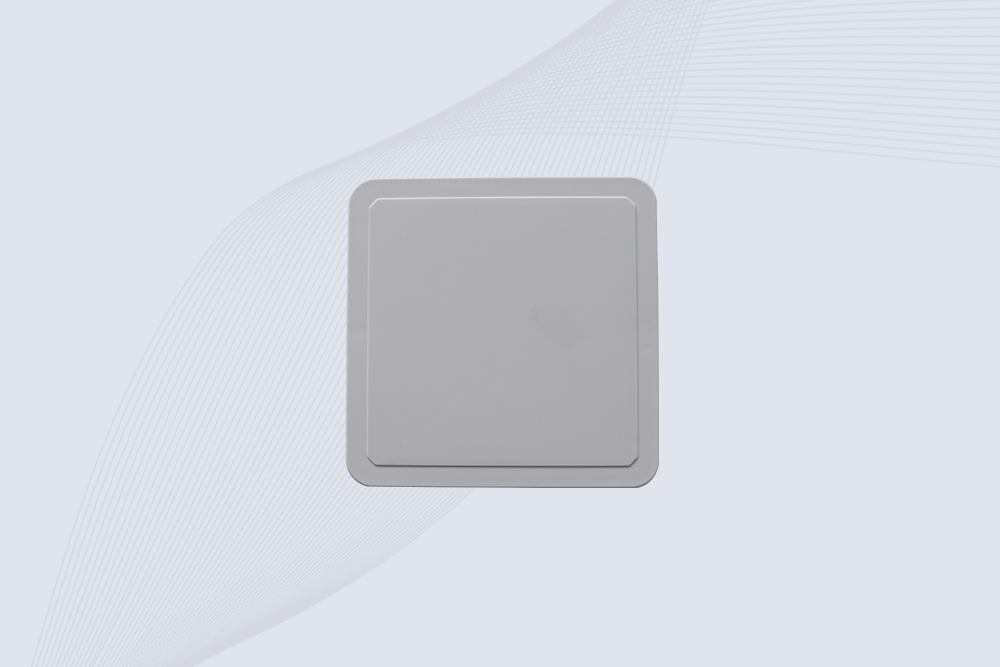
Cykeo CYKEO-A6 UHF RFID panel antenna features 6dBi gain, 840-960MHz broadband, IP65 metal-ready housing for logistics/smart retail. 18mm ultra-thin design with tool-free mounting.

Cykeo CK-A3 industrial antenna RFID UHF offers 5m+ tag detection, ≤1.3:1 VSWR, IP65 rugged design, and global UHF spectrum compatibility (840-960MHz) for warehouses, factories, and retail.
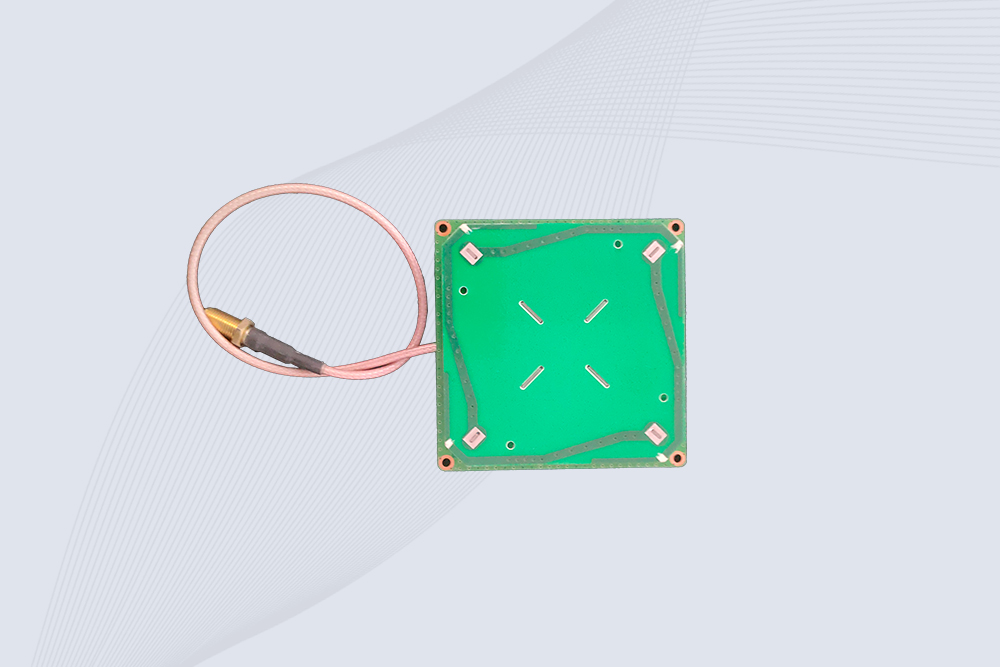
Cykeo CYKEO-B5 directional RFID antenna provides 5dBi gain with 60° narrow beamwidth for precise inventory tracking. IP65-rated, global UHF frequency support, and low VSWR.
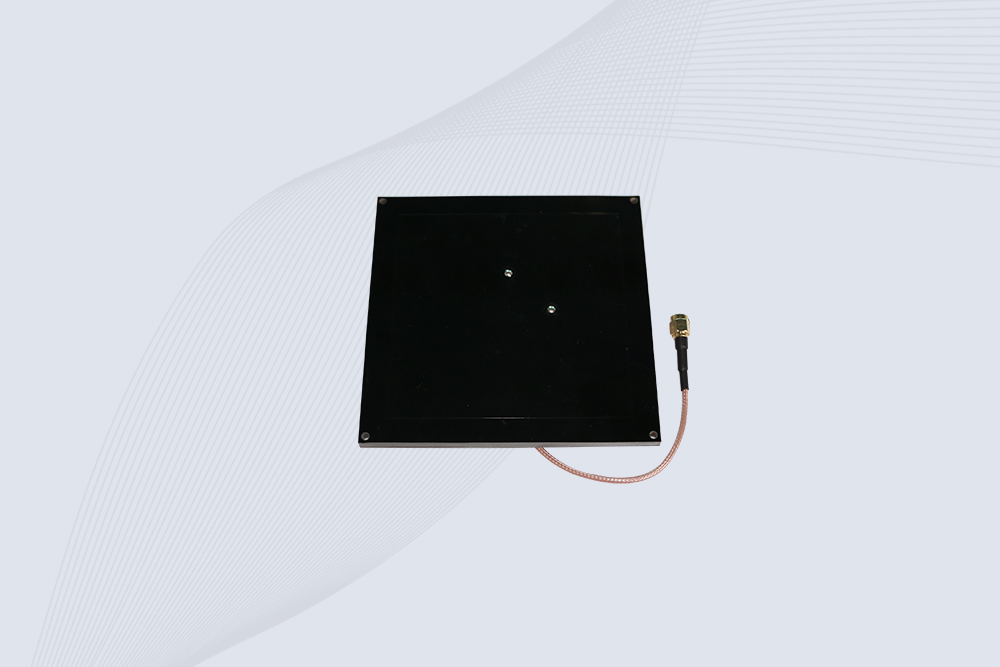
Create your own high-performance DIY RFID antenna! 5dBi gain, 840-960MHz tunable, step-by-step guides. Compatible with Arduino, Raspberry Pi, and commercial UHF readers.
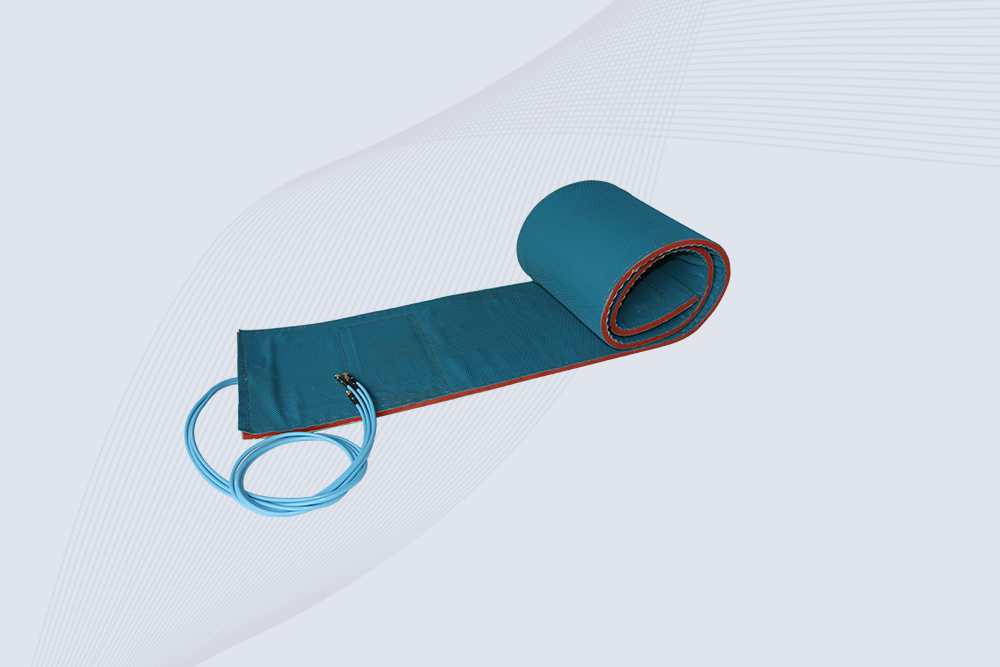
Cykeo CYKEO-A7 Flexible RFID Antenna features 840-960MHz wideband tuning, 7dBi gain, and IP68 rating for medical/retail/industrial curved surface deployments. 98% read accuracy with peel-and-stick installation.

Cykeo CYKEO-B5A industrial Passive RFID Antenna delivers 5dBi gain, 70° beamwidth, and -40°C~55°C operation for warehouses/smart cabinets. Compatible with Zebra/Impinj readers.
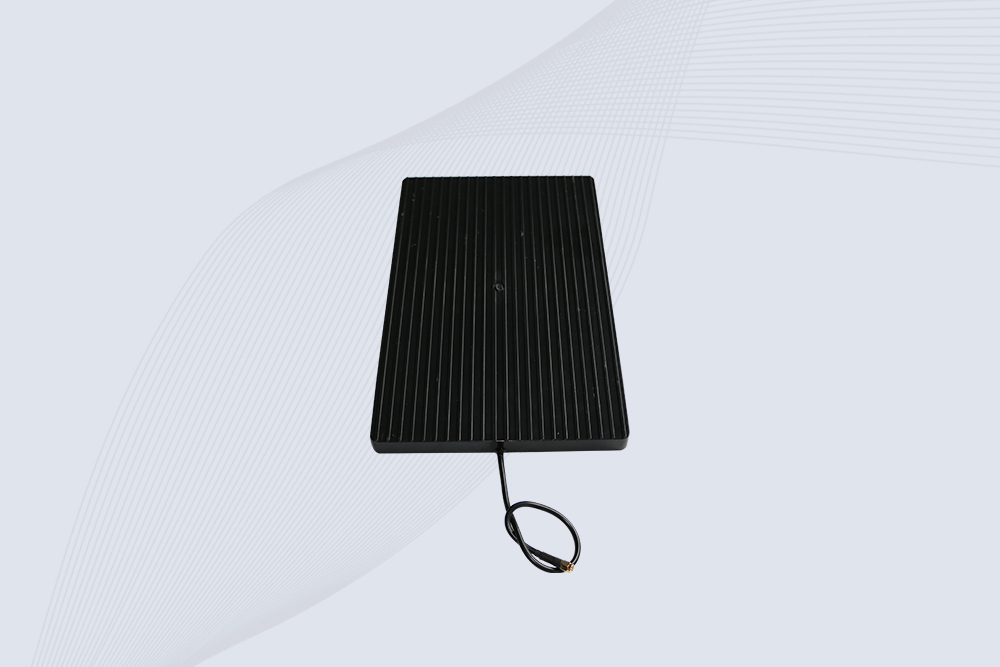
Cykeo’s CYKEO-A9B High Gain RFID Antenna delivers 15m+ read range with 9dBi amplification. Features IP54 rugged design, 840-960MHz bandwidth, and 80° beamwidth for warehouse/manufacturing RFID systems.

Cykeo’s enterprise-grade 8dbi Impinj RFID Antenna 10m+ read range with 840-960MHz tuning. Features IP65 housing, 1.4 VSWR, 35° beamwidth for retail/warehouse RFID systems.
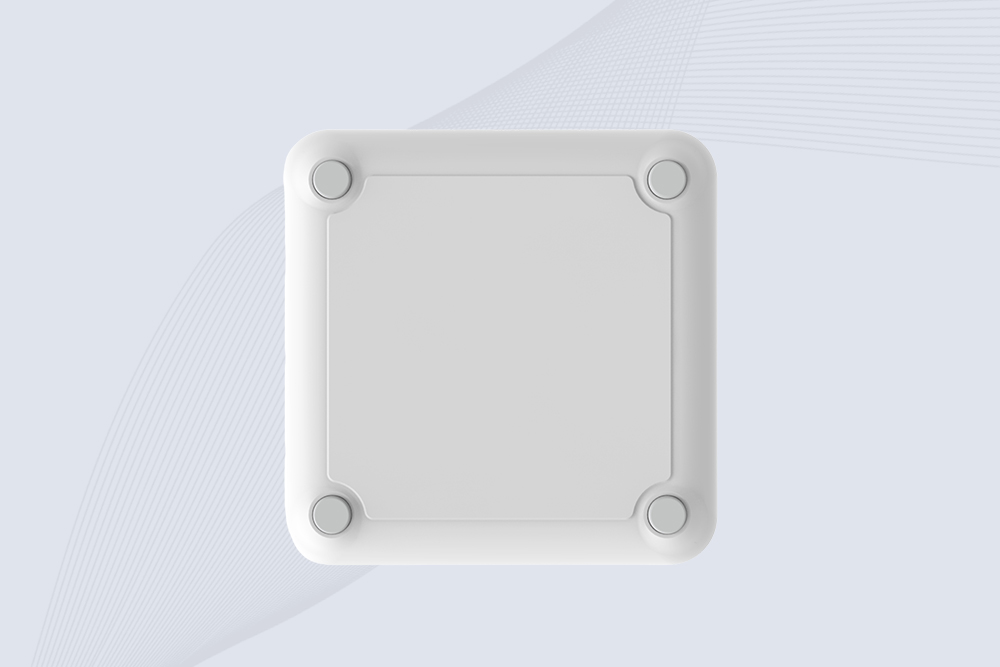
Cykeo CYKEO-A9 industrial UHF RFID antenna delivers 9dBi gain, 840-960MHz frequency range, and IP65 protection for warehouse/logistics/retail RFID systems. Features N-type connector and ≤1.3:1 VSWR.
CYKEO UHF RFID Antenna built for long-distance and industrial applications. This antenna rfid uhf delivers strong gain, outdoor durability, and reliable tag performance in warehouses, yards, and vehicle ID systems.
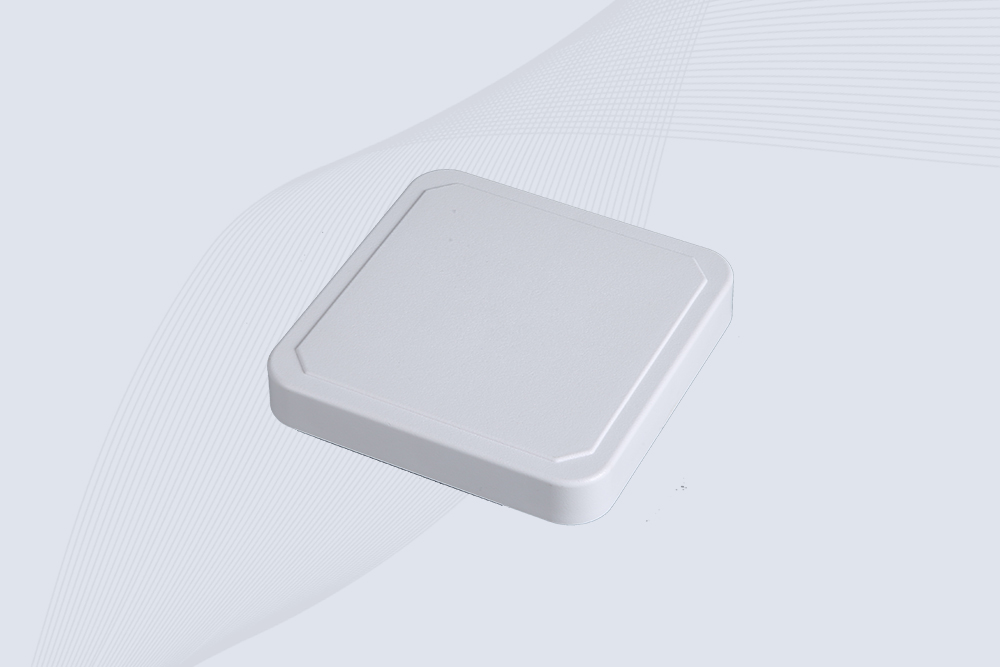
CYKEO Antenna RFID delivers reliable long-range UHF performance in warehouses, retail shelves, and cold-chain environments. This compact uhf rfid antenna provides stable reads with circular polarization and ultra-wide 840–960 MHz support, ideal for industrial tracking, smart shelves, and asset monitoring.
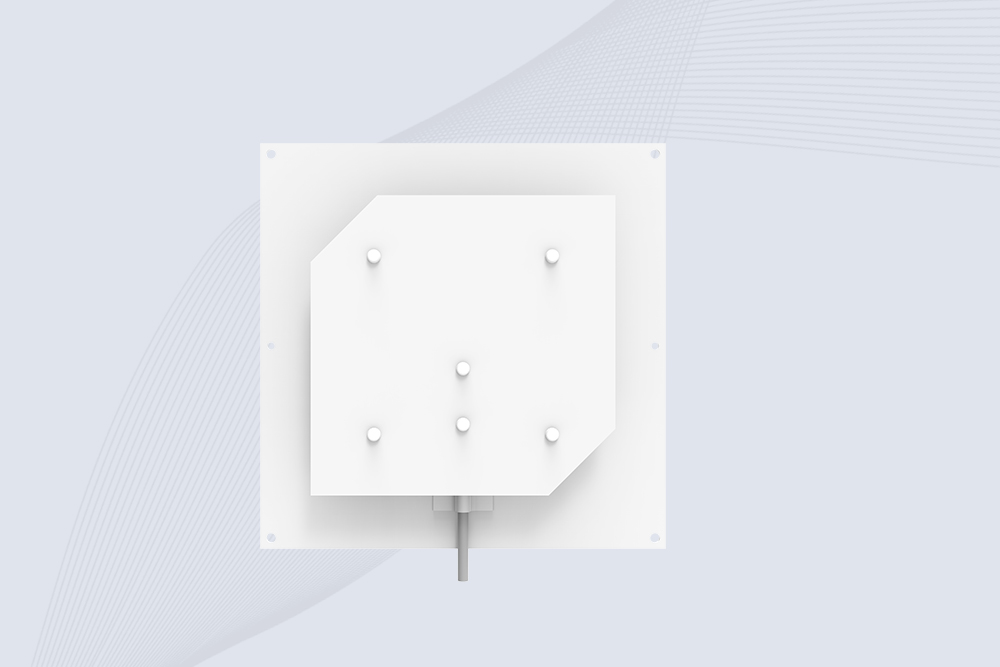
Cykeo’s CYKEO-C8 UHF RFID antennas delivers 8dBi gain, 840-960MHz full-band coverage, and IP65 ruggedness for manufacturing/warehouse RFID systems. Industrial RFID Antennas Features
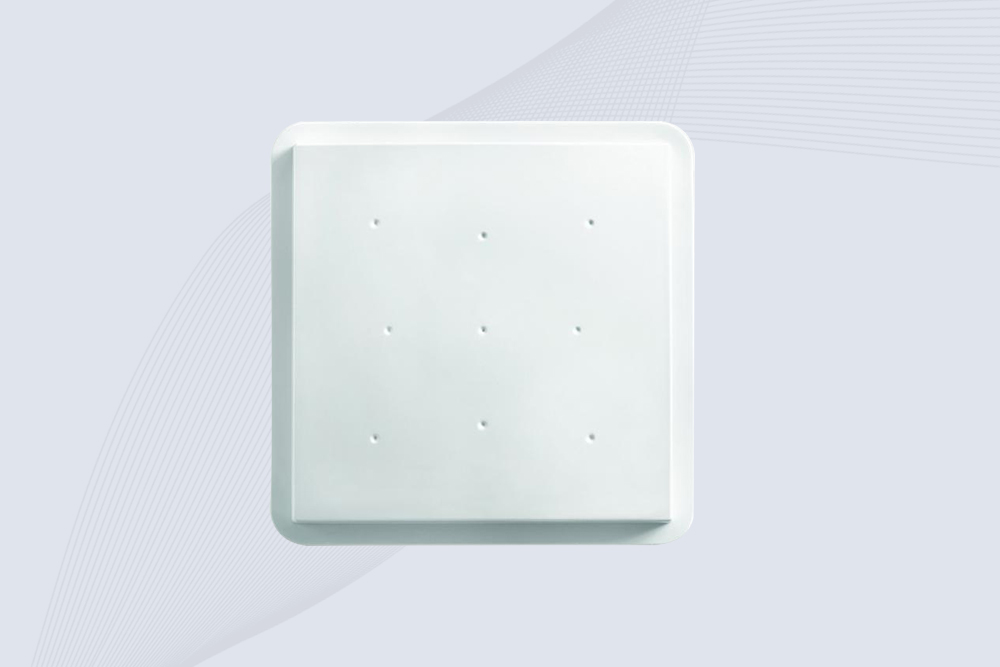
Cykeo’s 8dBi UHF RFID antenna and reader kit delivers 10m+ range, 840-960MHz broadband, and IP65 ruggedness for factories, warehouses, and logistics. ISO 18000-6C & EPC Gen2 certified.
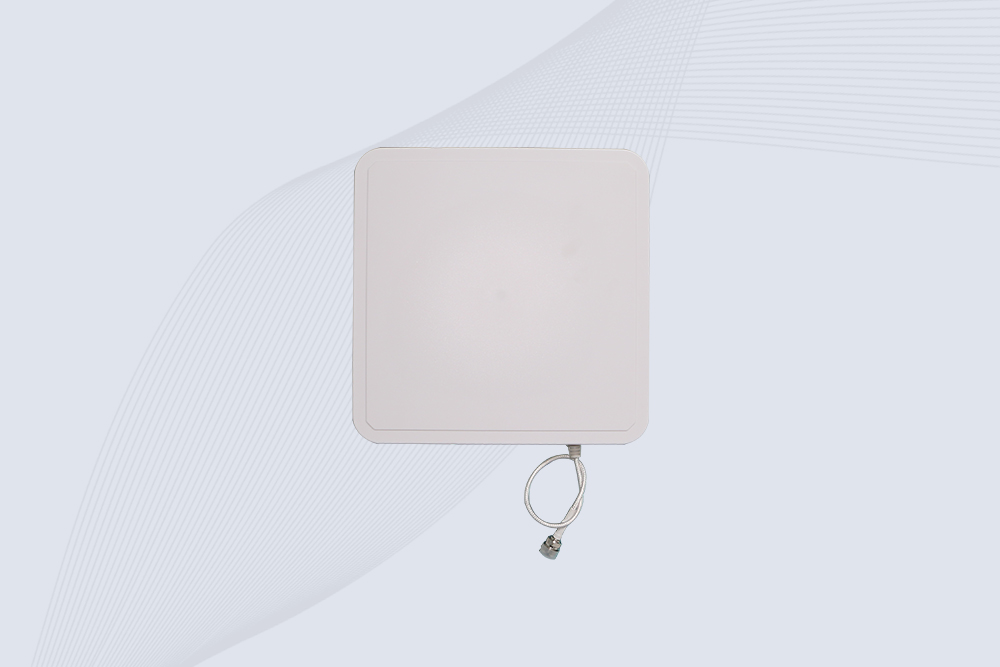
Cykeo CYKEO-A9A industrial UHF RFID reader and antenna kit delivers 10m range, 500 tags/sec, IP65 ruggedness for manufacturing/logistics. Supports EPC Gen2, ISO18000-6C.
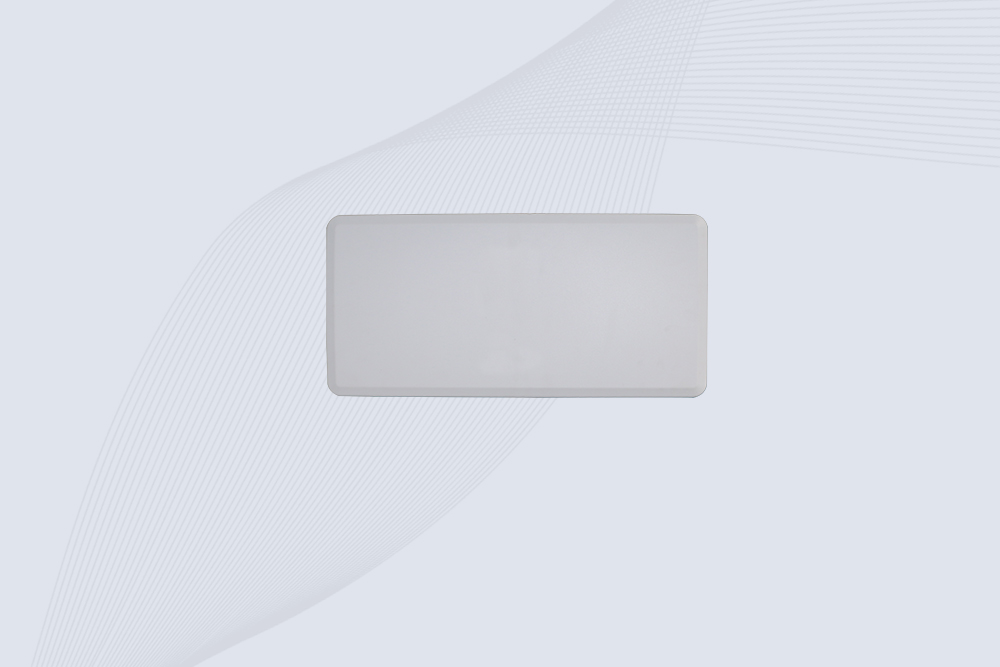
Cykeo’s CYKEO-A12C UHF Large RFID Antenna delivers 12dBi gain, 840-960MHz global frequency, IP65 ruggedness for logistics/warehousing/automotive. 40° beamwidth ensures stable 15m+ tag reads.

CYKEO Near Field RFID Antenna provides precise 5–30 cm reading for shelves, cabinets, and workstations. This compact rfid shelf antenna delivers stable short-range performance around metal and clutter, ideal for pharmacies, libraries, and electronics sorting.
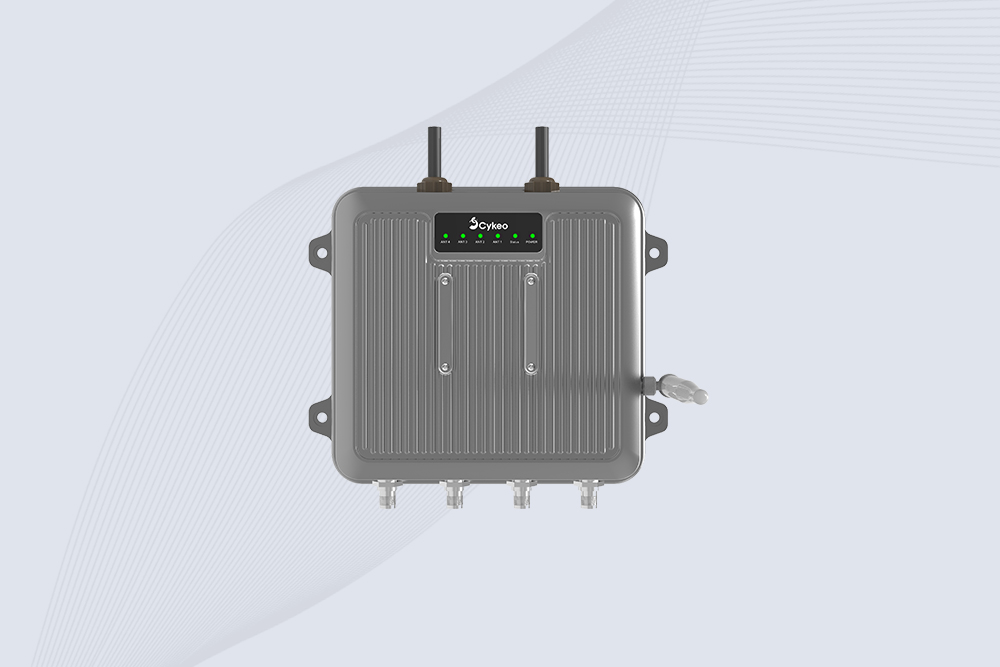
Cykeo CYKEO-C1 industrial Forklift RFID Reader features 20m read range, 600 tags/sec scanning, Impinj R2000 chipset, and IP67 rugged design. Ideal for warehouse logistics and manufacturing. Supports ISO 18000-6C/6B protocols.
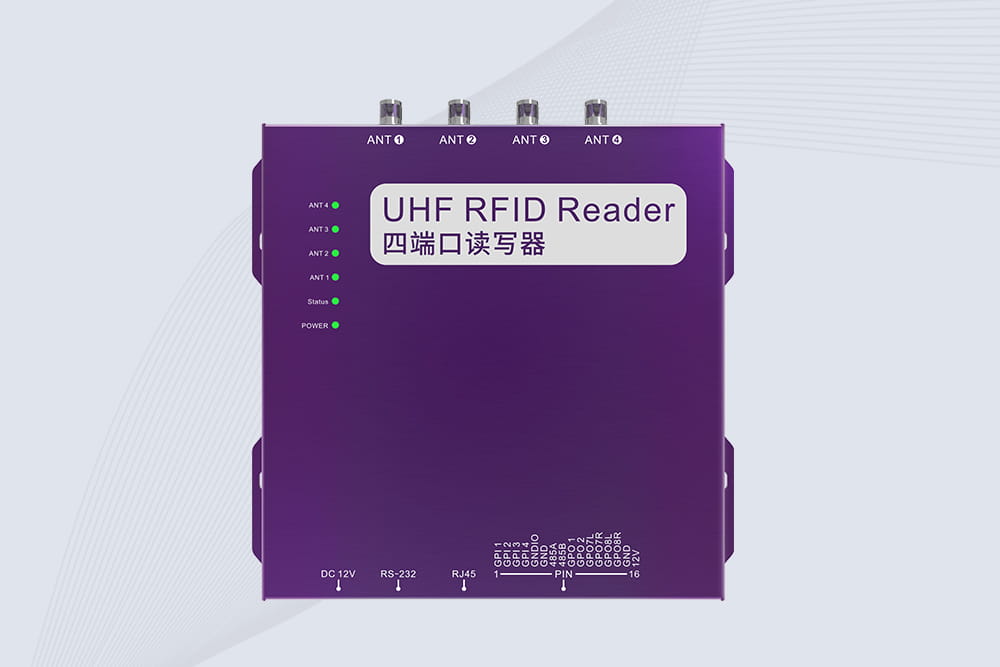
Cykeo CYKEO-R4 industrial UHF RFID Fixed Reader features 4 TNC ports, 400+ tags/sec speed, IP67 housing, and global frequency compliance for vehicle inspection, smart warehouse, and asset management systems.
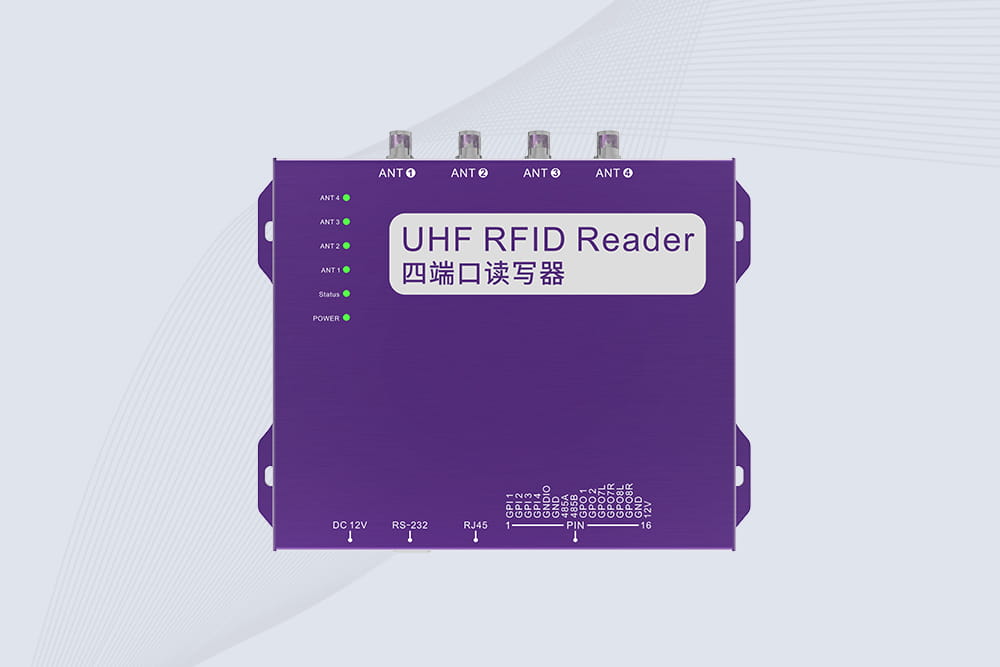
Cykeo’s CYKEO-R4L 4-port Fixed UHF RFID Reader delivers 400 tags/sec scanning, ISO 18000-6C compliance, and IP65 protection. Ideal for warehouse automation, manufacturing WIP tracking, and logistics management.
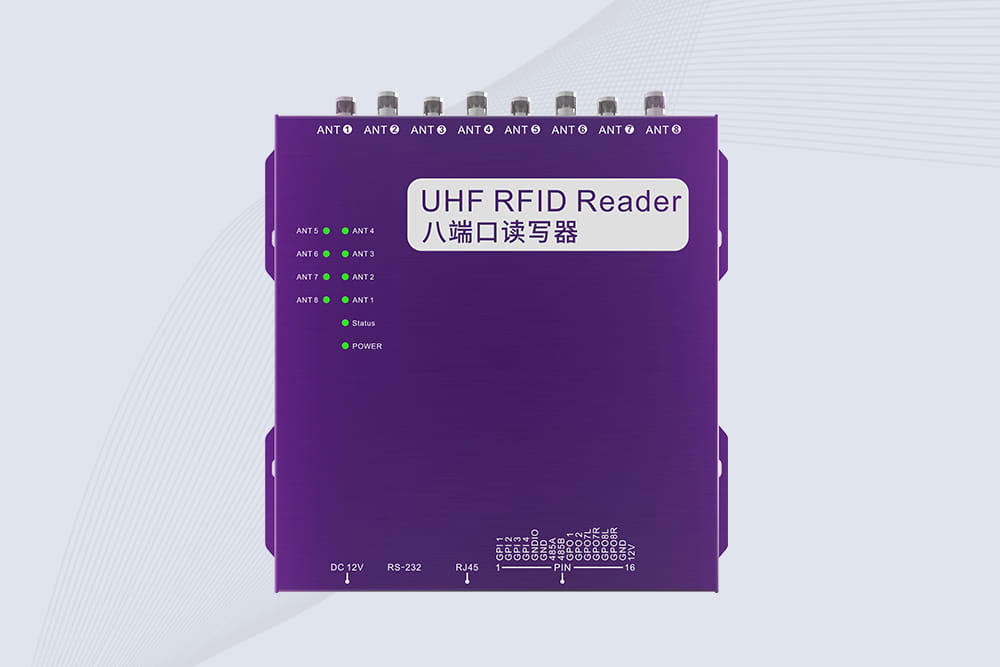
CYKEO CYKEO-R8L Fixed RFID Reader with 8-port UHF design, Impinj-based RF core and up to 20m read range. An industrial Fixed RFID Reader for vehicle inspection, warehouse portals, smart manufacturing lines and secure access checkpoints.
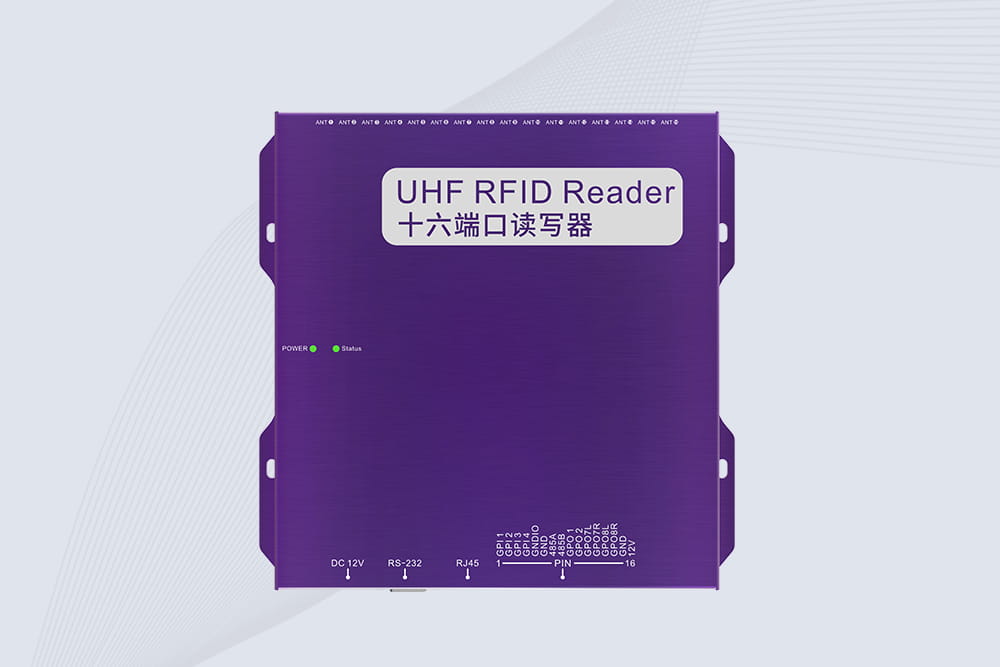
RFID Fixed Reader from CYKEO – the CYKEO-R16L 16-port UHF fixed reader for warehouses, smart cabinets, and production lines. Long-range, multi-tag reading, stable performance for 24/7 industrial use.

Discover how to select the best handheld RFID reader for warehouse inventory. Compare durability, read range, software compatibility, and cost-effectiveness.
More
Wondering "can smartphone read RFID NFC tag"? Discover which RFID frequencies phones can read, NFC vs UHF limitations, and solutions for mobile RFID reading with CYKEO.
More
Looking for a UHF RFID antenna for your project? Learn how to choose the right antenna for warehouse, logistics, and industrial applications based on range, gain, polarization, environment, and system requirements.
More
Considering an RFID solution medical? Learn how healthcare systems use RFID to track equipment, ensure compliance, and reduce operational costs.
More