 Cykeo RFID IoT Solution Products R&D Manufacturer
How Does RFID Work?
669Learn how RFID works, its key components, and real-world applications. Discover Cykeo’s RFID solutions for industries like retail, healthcare, and logistics.
MoreAll RFID Product
If you’ve ever discussed RFID with a client,
this question almost always comes up early:
“Should we use fixed readers or handheld devices?”
At first glance, it sounds like a hardware choice.
But in real projects, it’s actually a workflow decision.
And choosing the wrong one can lead to:
So instead of comparing specs,
let’s look at how each option works in real-world scenarios.
Here’s the simplest way to think about it:
That one difference affects everything.
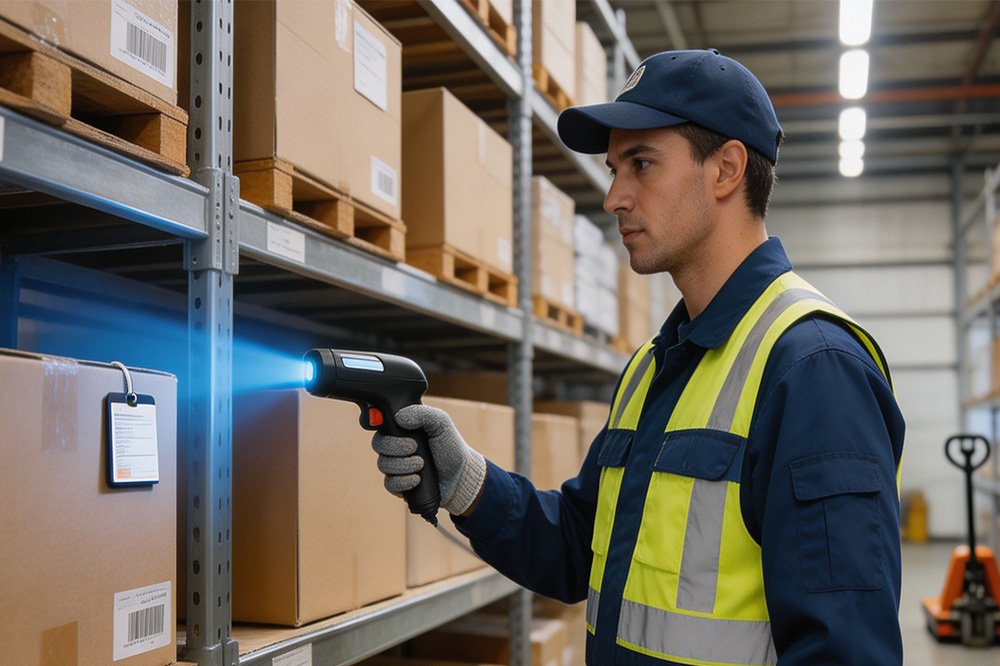
Handheld devices are flexible and easy to deploy.
They’re commonly used for:
In other words:
It improves efficiency, but doesn’t eliminate labor
If the goal is automation, fixed readers are essential.
They are typically used in:
Instead of specs, here’s how they differ in practice:
| Factor | Handheld RFID | Fixed RFID |
|---|---|---|
| Operation | Manual | Automatic |
| Speed | Medium | High |
| Labor Dependency | High | Low |
| Scalability | Limited | Strong |
| Best For | Inventory checks | Automation & tracking |
A common mistake is trying to use handheld devices for automation.
For example:
This usually leads to:
In many successful projects, the best solution isn’t one or the other.
It’s a combination
For example:
This gives you:
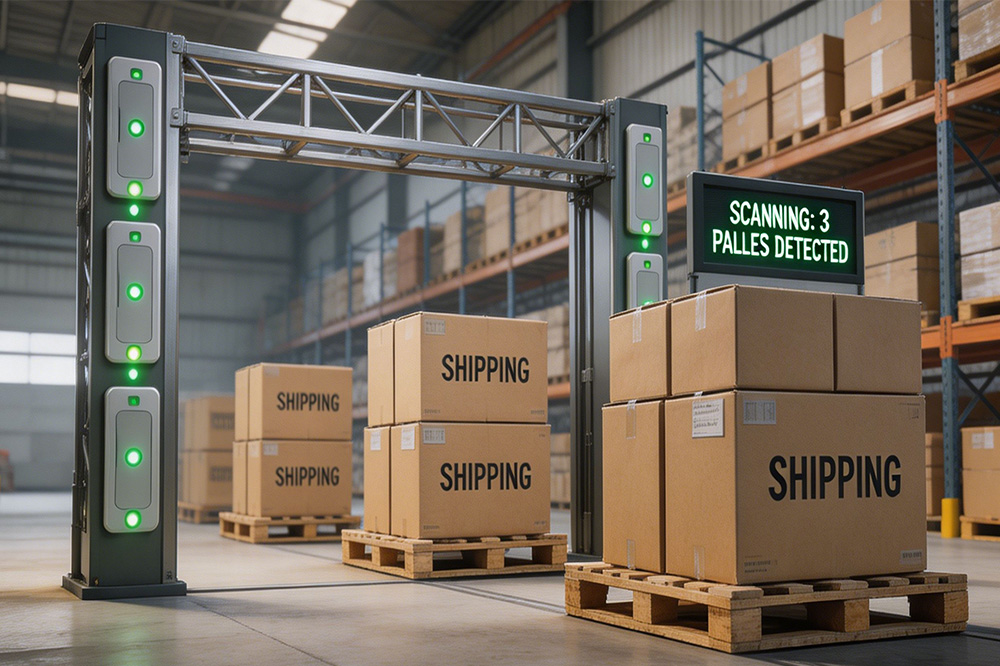
When automation is required, fixed readers become the backbone.
If you’re designing this type of system,
this category of hardware is typically used:
In real deployments, these readers are expected to:
They’re not just devices—they define how the system works.
Ask these questions before choosing:
If the client isn’t sure, don’t force a full system immediately.
Start with:
This reduces risk while proving value.
The choice between fixed and handheld RFID readers isn’t about which one is better.
It’s about:
what your workflow actually needs
Impinj RFID reader–based systems can support both approaches,
but the real success comes from how you design the solution.
For most growing operations:
And knowing when to use each
is what separates a basic deployment from a successful one.
Guide Recommendations
Fixed RFID Reader: Why It’s Becoming Must-Have
Fixed RFID Readers: What I Didn’t Expect and What I Learned
RFID Handheld Reader vs. Fixed Reader: Which Is Better for Retail?
Different Types of RFID Readers: A Simple Introduction
Best Budget USB RFID Readers Under $100 for Small Business Inventory Systems
RFID Module vs. RFID Reader: What’s the Difference?
Fixed RFID Reader Buying Guide: 5 Core Parameters You Must Know
What is an RFID Reader Used For?
How RFID Reader Works: The Simple Explanation
How to Choose the Best Long-Range RFID Reader for Warehouse Management
RFID Readers for Boom Barriers ,Where Efficiency Meets Access Control
Why Your Warehouse Needs Smarter RFID Readers in 2025
Understanding RFID Readers,Essential Devices for Efficient Tracking

Learn how RFID works, its key components, and real-world applications. Discover Cykeo’s RFID solutions for industries like retail, healthcare, and logistics.
More
Can iPhone read RFID chips? We explain which embedded chips work with iPhone NFC and which don't—plus when you need industrial RFID solutions.
More
Confused by RFID components? Learn what an RFID module is, how it powers tags and reads data, and why it's the essential building block for access control and tracking systems.
More
Why do RFID tags fail on metal? Learn how anti metal RFID tags solve interference issues and improve tracking accuracy in industrial environments.
More